Building Blocks
Subcategorias de "Building Blocks"
- Ácidos Borónicos e Derivados de Ácido Borónico(5.774 produtos)
- Building Blocks Quirais(1.237 produtos)
- Building Blocks Hidrocarbonetos(6.098 produtos)
- Building Blocks orgânicos(60.970 produtos)
Foram encontrados 205134 produtos de "Building Blocks"
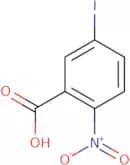
5-Iodo-2-nitrobenzoic acid
CAS:5-Iodo-2-nitrobenzoic acid is a fine chemical that is used as a building block in the synthesis of complex compounds and research chemicals. This compound has been shown to be an effective reagent for the synthesis of many different types of compounds. It can also be used as a reactant or intermediate in organic syntheses, such as those involving cross-coupling reactions. 5-Iodo-2-nitrobenzoic acid is a versatile building block that can be used in both simple and complex chemical reactions.Fórmula:C7H4INO4Pureza:Min. 95%Cor e Forma:Yellow PowderPeso molecular:293.02 g/mol2-[3-Chloro-5-(trifluoromethyl)-2-pyridinyl]-acetonitrile
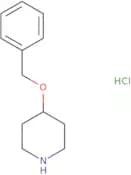
CAS:Versatile small molecule scaffoldFórmula:C8H4ClF3N2Pureza:Min. 95%Cor e Forma:PowderPeso molecular:220.58 g/mol4-(Benzyloxy)piperidine HCl
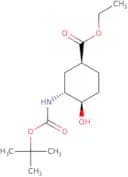
CAS:4-(Benzyloxy)piperidine HCl is a versatile building block that is used in the synthesis of complex compounds such as research chemicals, reagents and speciality chemicals. 4-(Benzyloxy)piperidine HCl is also a useful intermediate in organic synthesis and can be used as a reaction component. 4-(Benzyloxy)piperidine HCl has CAS number 81151-68-0 and is a useful scaffold for chemical syntheses.Fórmula:C12H17NOHClPureza:Min. 95%Cor e Forma:White PowderPeso molecular:227.73 g/mol(1S,3R,4R)-3-(Boc-amino)-4-hydroxy-cyclohexanecarboxylic acid ethyl ester
CAS:Versatile small molecule scaffold
Fórmula:C14H25NO5Pureza:Min. 95%Peso molecular:287.35 g/mol1-Boc-3-Oxo-1,4-diazepane
CAS:Versatile small molecule scaffoldFórmula:C10H18N2O3Pureza:Min. 95%Peso molecular:214.27 g/mol2,5-Diethoxyterephthalohydrazide
CAS:2,5-Diethoxyterephthalohydrazide is an organic compound that has been used for the synthesis of linkers with various functional groups. It is a reactive intermediate in the synthesis of amines and compounds containing amine functional groups. 2,5-Diethoxyterephthalohydrazide has been shown to be stable under environmental conditions and can be used as a linker in organic solvents such as amines, alcohols or esters. This compound has also been shown to exhibit photocatalytic activity when irradiated by UV light. Techniques such as analytical chemistry and techniques can be used to characterize this compound's reactivity and stability.
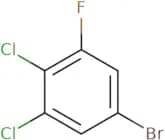
Fórmula:C12H18N4O4Pureza:Min. 95%Peso molecular:282.3 g/mol3,4-Dichloro-5-fluorobromobenzene
CAS:Versatile small molecule scaffoldFórmula:C6H2BrCl2FPureza:Min. 95%Peso molecular:243.88 g/mol2-Oxohexanoic acid
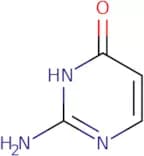
CAS:2-Oxohexanoic acid (2-OHBA) is a fatty acid that is synthesized from the amino acids lysine and methionine. It is involved in mitochondrial metabolism and has been found to be necessary for spermatozoa motility. 2-OHBA has been shown to inhibit the activity of glutamate dehydrogenase, an enzyme that catalyzes the conversion of glutamate to α-ketoglutarate, which is required for energy production. This inhibition leads to a decrease in ATP levels, which may cause a variety of symptoms, including fatigue and weight loss. Furthermore, 2-OHBA inhibits protein synthesis by blocking the incorporation of amino acids into proteins. The inhibition of this process can lead to high ammonia levels in the blood and accumulation of other nitrogenous wastes in tissues such as liver or muscle tissue. Analysis of urine samples has shown that 2-OHBA is excreted unchanged in urine.Fórmula:C6H10O3Pureza:Min. 95%Peso molecular:130.14 g/molIsocytosine
CAS:Isocytosine is a prodrug that has been synthesized with the intramolecular hydrogen on the nitrogen atoms, which makes it more chemically stable. Isocytosine is a reactive molecule, and can react with tautomers to form isocytosine derivatives. Isocytosine contains three hydrogen atoms that are transferable through reactions to other molecules. The chemical stability of isocytosine allows for its use in wastewater treatment. It also has metabolic effects, such as the inhibition of colorectal adenocarcinoma and metabolic disorders. Isocytosine can be used as a model system for studying transfer reactions and reaction mechanisms.
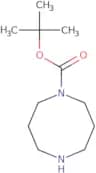
Fórmula:C4H5N3OPureza:Min. 95%Cor e Forma:PowderPeso molecular:111.1 g/moltert-Butyl 1,5-diazocane-1-carboxylate
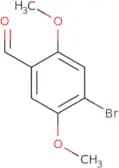
CAS:Versatile small molecule scaffoldFórmula:C11H22N2O2Pureza:Min. 95%Peso molecular:214.3 g/mol4-Bromo-2,5-dimethoxybenzaldehyde
CAS:4-Bromo-2,5-dimethoxybenzaldehyde is a nucleophilic compound that can act as an iminium. It is used in the synthesis of chalcones, which are aromatic compounds that have been found to have anticancer properties. 4-Bromo-2,5-dimethoxybenzaldehyde has two isomers: 2,4-dimethoxybenzaldehyde and 2,5-dimethoxybenzaldehyde. The separation of these compounds can be achieved using chromatography with a silica gel column. This process can be done on both the mixture of the two isomers or on one specific isomer. The synthetic pathway for this product begins with benzylpiperazine and piperazine. These two molecules react to form 3,4-dichlorobenzylpiperazine, which reacts with dimethoxybenzyl chloride to form 4-bromo-2,5-dim
Fórmula:C9H9BrO3Pureza:Min. 95%Peso molecular:245.07 g/mol1-(2,4-Difluoro-6-hydroxyphenyl)ethan-1-one
CAS:Versatile small molecule scaffold
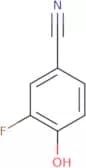
Fórmula:C8H6F2O2Pureza:Min. 95%Peso molecular:172.13 g/mol3-Fluoro-4-hydroxybenzonitrile
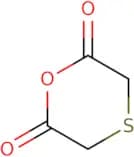
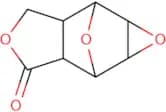
CAS:3-Fluoro-4-hydroxybenzonitrile is a compound with an acidic ph and a strain that is dispersive, desorptive, and polyacrylamide gel. It is a colorless liquid at room temperature. 3-Fluoro-4-hydroxybenzonitrile has been shown to react with dodecyl inorganic base and hydrochloric acid to produce 3-fluoroaniline. The localization of the reaction yield is on hydrotalcite activated by fluorine. This chemical has been shown to react at temperatures between 0°C and 140°C.Fórmula:C7H4FNOPureza:Min. 95%Cor e Forma:White PowderPeso molecular:137.11 g/molThiodiglycolic Anhydride
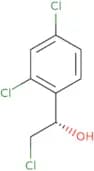
CAS:Thiodiglycolic anhydride is a synthetic reagent that is used in the synthesis of erdosteine. It also has been used in the synthesis of other products, such as magnetic particles for imaging and therapeutic uses. Thiodiglycolic anhydride can be used to synthesize erdosteine, which is a substrate for the enzyme hydroxylase and contains a hydroxy group in its structure. The hydroxyl group on erdosteine reacts with thiodiglycolic anhydride to form acrylonitrile, which then reacts with benzyl groups to form benzylthio-esters. These benzylthio-esters are then converted into acid transporters.Fórmula:C4H4O3SPureza:Min. 95%Peso molecular:132.14 g/mol(S)-2,4-Dichloro-±-(chloromethyl)benzyl Alcohol
CAS:Versatile small molecule scaffoldFórmula:C8H7Cl3OPureza:Min. 95%Peso molecular:225.49 g/mol1-(1-Benzyl-1H-pyrazol-4-yl)-ethanone
CAS:Versatile small molecule scaffoldFórmula:C12H12N2OPureza:Min. 95%Peso molecular:200.23 g/mol(6-Methoxy-pyridin-2-yl)-methanol
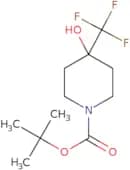
CAS:Versatile small molecule scaffoldFórmula:C7H9NO2Pureza:Min. 95%Peso molecular:139.16 g/moltert-Butyl 4-hydroxy-4-(trifluoromethyl)piperidine-1-carboxylate
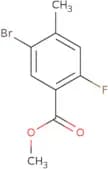
CAS:Versatile small molecule scaffoldFórmula:C11H18F3NO3Pureza:Min. 95%Peso molecular:269.26 g/molMethyl 5-bromo-2-fluoro-4-methylbenzoate
CAS:Versatile small molecule scaffoldFórmula:C9H8BrFO2Pureza:Min. 95%Peso molecular:247.06 g/mol4-Formylbenzoic acid
CAS:4-Formylbenzoic acid is an organic compound with the molecular formula CH2=C(O)CH=CHCO2H. It is a white solid that is soluble in water and has a strong, unpleasant odor. 4-Formylbenzoic acid has been shown to have affinity for binding to odorous molecules such as sulfur compounds, amines, and mercaptans. The binding of these molecules to the 4-formylbenzoic acid leads to a decrease in their odor concentration. This process can be done using electrochemical impedance spectroscopy or optical sensors. The oxidation of 4-formylbenzoic acid by trifluoroacetic acid produces 2-formylphenol and formaldehyde, which are themselves volatile compounds with an unpleasant odor. These reactions may be used as wastewater treatment methods. Langmuir adsorption isotherm may be used as an analytical method for measuring the concentration of 4-formylbenzoic acid
Fórmula:C8H6O3Pureza:Min. 98 Area-%Cor e Forma:White Yellow PowderPeso molecular:150.13 g/mol2-Furanamine hydrochloride
CAS:Please enquire for more information about 2-Furanamine hydrochloride including the price, delivery time and more detailed product information at the technical inquiry form on this page
Fórmula:C4H5NO•HClPureza:Min. 95%Cor e Forma:PowderPeso molecular:119.55 g/mol(Chloromethyl)cyclohexane
CAS:(Chloromethyl)cyclohexane is a synthase gene that is responsible for synthesizing the enzyme chloromethyl cyclohexane, which is used as a solid catalyst. The synthesis of (chloromethyl)cyclohexane from phenyl groups and liquid crystal composition has been demonstrated using expression plasmids and active oxygen. The compound inhibits inflammatory diseases by preventing the production of arachidonic acid, which is an inflammatory agent. This compound also inhibits the production of prostaglandins, which are involved in the release of histamine from mast cells. Pharmaceutical preparations that contain this compound are primarily used to treat rheumatoid arthritis and other inflammatory diseases.
Fórmula:C7H13ClPureza:Min. 95%Peso molecular:132.63 g/moltert-Butyl 6-(4,4,5,5-tetramethyl-1,3,2-dioxaborolan-2-yl)-3,4-dihydroquinoline-1(2H)-carboxylate 97
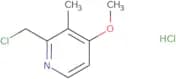
CAS:Versatile small molecule scaffoldFórmula:C20H30BNO4Pureza:Min. 95%Peso molecular:359.27 g/mol2-(Chloromethyl)-4-methoxy-3-methylpyridine hydrochloride
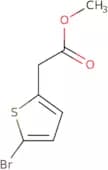
CAS:2-(Chloromethyl)-4-methoxy-3-methylpyridine hydrochloride is a lead compound that belongs to the family of pyridine derivatives. It has been shown to be a potent inhibitor of bacterial RNA synthesis, with an IC50 value of 1.2 μM for Escherichia coli and 8 μM for Bacillus subtilis. 2-(Chloromethyl)-4-methoxy-3-methylpyridine hydrochloride also inhibits the growth of Gram negative bacteria such as Pseudomonas aeruginosa and Enterobacter cloacae. The compound binds to the nucleophilic site on ribosomes, which prevents the formation of peptide bonds between amino acids in protein synthesis. This leads to cell death by inhibiting protein synthesis, leading to cell division.Fórmula:C8H11Cl2NOPureza:Min. 95%Peso molecular:208.08 g/molMethyl 2-(5-bromothiophen-2-yl)acetate
CAS:Versatile small molecule scaffold
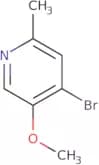
Fórmula:C7H7BrO2SPureza:Min. 95%Peso molecular:235.1 g/mol4-Bromo-5-methoxy-2-methylpyridine
CAS:Versatile small molecule scaffoldFórmula:C7H8BrNOPureza:Min. 95%Peso molecular:202.05 g/mol5-Amino-2-bromo-3-fluoropyridine
CAS:Versatile small molecule scaffold
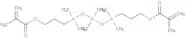
Fórmula:C5H4BrFN2Pureza:Min. 95%Peso molecular:191 g/molMethacryloxypropyl terminated polydimethylsiloxanes
CAS:MW 20,000 - 30,000
Fórmula:C20H40O6Si3Pureza:Min. 95%Peso molecular:460.8 g/mol1-(4-(4,4,5,5-Tetramethyl-1,3,2-dioxaborolan-2-yl)phenyl)cyclopropanecarbonitrile
CAS:Versatile small molecule scaffoldFórmula:C16H20BNO2Pureza:Min. 95%Peso molecular:269.15 g/mol1H-Indol-2-ylmethanol
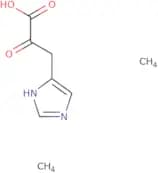
CAS:1H-Indol-2-ylmethanol is a model compound for the synthesis of bioactive molecules. It is used in biological studies as an inhibitor of chronic lymphocytic leukemia, heart disease, and inflammatory pain. The nitro group on 1H-Indol-2-ylmethanol has been shown to activate various enzymes involved in the inflammatory response. The hydroxy group on 1H-Indol-2-ylmethanol has been shown to inhibit cyclooxygenase (COX) enzymes, which are responsible for the production of prostaglandins that cause inflammation.Fórmula:C9H9NOPureza:Min. 95%Cor e Forma:PowderPeso molecular:147.17 g/molImidazolepyruvic acid hydrobromide hydrate
CAS:Please enquire for more information about Imidazolepyruvic acid hydrobromide hydrate including the price, delivery time and more detailed product information at the technical inquiry form on this pageFórmula:C6H6N2O3•(HBr)x•(H2O)xPureza:Min. 95%Cor e Forma:Powder4-Bromo-2,3-difluoropyridine
CAS:Versatile small molecule scaffold
Fórmula:C5H2BrF2NPureza:Min. 95%Peso molecular:193.98 g/molSugammadex diastereomer 1 sulfoxide
CAS:Please enquire for more information about Sugammadex diastereomer 1 sulfoxide including the price, delivery time and more detailed product information at the technical inquiry form on this pageFórmula:C72H112O49S8Pureza:90%Cor e Forma:PowderPeso molecular:2,018.16 g/mol5-bromo-3-methoxy-1h-pyrazole
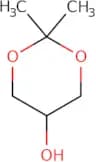
CAS:Versatile small molecule scaffoldFórmula:C4H5BrN2OPureza:Min. 95%Peso molecular:177 g/mol2,2-Dimethyl-1,3-dioxan-5-ol
CAS:2,2-Dimethyl-1,3-dioxan-5-ol is a chemical compound that has been shown to have catalytic properties. It has also been used as an additive in organic synthesis reactions to activate carboxylic acids. 2,2-Dimethyl-1,3-dioxan-5-ol is an oxygenated compound that can be synthesized by the reaction of pyridine and formaldehyde. This substance can be used in acidic conditions and must be activated by solketal or dioxane before use. The physical properties of this chemical are shown using FTIR spectroscopy on corncob samples and physicochemical parameters were determined using standard techniques.Fórmula:C6H12O3Pureza:Min. 95%Peso molecular:132.16 g/molSugammadex sulfoxide diastereomer-2
CAS:Please enquire for more information about Sugammadex sulfoxide diastereomer-2 including the price, delivery time and more detailed product information at the technical inquiry form on this pageFórmula:C72H112O49S8Pureza:85%Cor e Forma:PowderPeso molecular:2,018.12 g/mol2-(Morpholin-4-yl)acetyl chloride hydrochloride
CAS:2-(Morpholin-4-yl)acetyl chloride hydrochloride is a fine chemical that is used as a building block for the synthesis of other compounds. It can be used in research and development, or as a reagent. 2-(Morpholin-4-yl)acetyl chloride hydrochloride has high purity and is easily soluble in water. This compound can be used as an intermediate to synthesize other compounds, or it can be used as a scaffold for the formation of complex structures.Fórmula:C6H11Cl2NO2Pureza:Min. 95%Cor e Forma:PowderPeso molecular:200.06 g/molN-(4-Bromophenyl)-N-phenylacrylamide
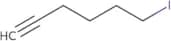
CAS:Versatile small molecule scaffoldFórmula:C15H12BrNOPureza:Min. 95%Cor e Forma:PowderPeso molecular:302.16 g/mol6-Iodo-1-hexyne
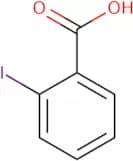
CAS:Versatile small molecule scaffoldFórmula:C6H9IPureza:Min. 95%Peso molecular:208.04 g/mol2-Iodobenzoic acid
CAS:2-Iodobenzoic acid is a synthetic compound that is used in the treatment of wastewater. It is produced by the reaction of benzoate and nitrite in the presence of sodium hydroxide. The intramolecular hydrogen atom transfer from the 2-iodobenzoic acid to benzoate is a reversible reaction. This process can be catalyzed by palladium, which has been shown to be effective in coupling 2-iodobenzoic acid with other compounds to produce cyclic peptides. The use of 2-iodobenzoic acid as a contraceptive has been investigated for its ability to inhibit acetylcholinesterase activity, which may lead to increased levels of acetylcholine and inhibition of muscle contractions.
Fórmula:C7H5IO2Pureza:Min. 98 Area-%Cor e Forma:PowderPeso molecular:248.02 g/moltert-Butyl 6-amino-3-azabicyclo[3.1.0]hexane-3-carboxylate
CAS:Please enquire for more information about tert-Butyl 6-amino-3-azabicyclo[3.1.0]hexane-3-carboxylate including the price, delivery time and more detailed product information at the technical inquiry form on this pageFórmula:C10H18N2O2Pureza:Min. 95%Peso molecular:198.26 g/mol1-Bromo-3,3-difluorocyclobutane
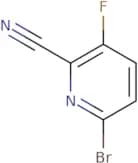
CAS:Versatile small molecule scaffoldFórmula:C4H5BrF2Pureza:Min. 95%Peso molecular:170.98 g/mol6-Bromo-3-fluoropyridine-2-carbonitrile
CAS:Versatile small molecule scaffoldFórmula:C6H2N2FBrPureza:Min. 95%Peso molecular:200.99 g/mol1-[(tert-butoxy)carbonyl]-5,5-difluoropiperidine-3-carboxylic acid
CAS:Versatile small molecule scaffold
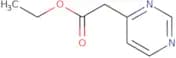
Fórmula:C11H17F2NO4Pureza:Min. 95%Peso molecular:265.3 g/molEthyl 2-(pyrimidin-4-yl)acetate
CAS:Versatile small molecule scaffoldFórmula:C8H10N2O2Pureza:Min. 95%Peso molecular:166.18 g/mol2-chloro-5-(trifluoromethyl)pyrimidin-4-amine
CAS:Versatile small molecule scaffoldFórmula:C5H3ClF3N3Pureza:Min. 95%Peso molecular:197.55 g/mol5-Bromo-2,4-dimethoxypyridine
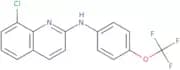
CAS:Versatile small molecule scaffoldFórmula:C7H8BrNO2Pureza:Min. 95%Peso molecular:218.05 g/molABX464
CAS:ABX464 is a monoclonal antibody that targets bacterial translocation. It has been shown to have clinical efficacy in preventing the recurrence of inflammatory bowel disease. ABX464 binds to the M2 phenotype of macrophages and blocks the binding of chemoattractant protein to its receptor, leading to decreased inflammation and less bacterial translocation. It also prevents HIV infection by blocking viral attachment to CD4 cells and inhibiting HIV-1 replication.
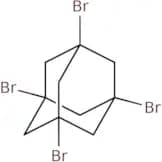
Fórmula:C16H10ClF3N2OPureza:Min. 95%Peso molecular:338.71 g/mol1,3,5,7-Tetrabromoadamantane
CAS:1,3,5,7-Tetrabromoadamantane is a molecule that has been synthesized and introduced as a mediator to introduce oxidants. The introduction of the oxidant is mediated by 1,3,5,7-tetrabromoadamantane. This molecule has been shown to be synthesized in two steps from hexamethylenetetramine (HMT) and iodomethane. The synthesis of this molecule can also be achieved by reacting synthons such as tetraphenylmethane with hydrochloric acid. 1,3,5,7-Tetrabromoadamantane is an equivalence mediator because it can mediate a redox reaction in which the oxidizing agent is reduced and the reducing agent is oxidized.Fórmula:C10H12Br4Pureza:Min. 95%Peso molecular:451.82 g/mol1-(Oxan-2-yl)-3-phenyl-5-(tetramethyl-1,3,2-dioxaborolan-2-yl)-1H-pyrazole
CAS:Versatile small molecule scaffoldFórmula:C20H27BN2O3Pureza:Min. 95%Peso molecular:354.3 g/mol

![2-[3-Chloro-5-(trifluoromethyl)-2-pyridinyl]-acetonitrile](/_next/image/?url=https%3A%2Fstatic.cymitquimica.com%2Fproducts%2F3D%2Fthumb-webp%2FHGA76410.webp&w=3840&q=75)


















![tert-Butyl 6-amino-3-azabicyclo[3.1.0]hexane-3-carboxylate](/_next/image/?url=https%3A%2Fstatic.cymitquimica.com%2Fproducts%2F3D%2Fthumb-webp%2FFM161190.webp&w=3840&q=75)

![1-[(tert-butoxy)carbonyl]-5,5-difluoropiperidine-3-carboxylic acid](/_next/image/?url=https%3A%2Fstatic.cymitquimica.com%2Fproducts%2F3D%2Fthumb-webp%2FFAC66686.webp&w=3840&q=75)