


Building Blocks
Subcategorias de "Building Blocks"
- Ácidos Borónicos e Derivados de Ácido Borónico(5.778 produtos)
- Building Blocks Quirais(1.243 produtos)
- Building Blocks Hidrocarbonetos(6.099 produtos)
- Building Blocks orgânicos(61.038 produtos)
Foram encontrados 205376 produtos de "Building Blocks"
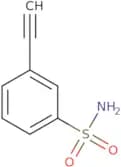
3-Ethynylbenzenesulfonamide
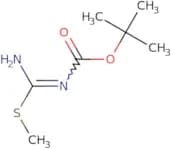
CAS:3-Ethynylbenzenesulfonamide is a synthetic, hydrophobic, antimicrobial compound that disrupts the cell membrane. It has been shown to be effective against both mammalian and microbial cells. The antimicrobial use of this compound is still under study, but it may provide an alternative to the current antibiotics. 3-Ethynylbenzenesulfonamide is amphipathic in nature and has an extremely large expansion ratio. This molecule is also hydrophobic, which may help with its ability to penetrate the cell membrane. Antimicrobial compounds are designed to inhibit or kill microorganisms such as bacteria or fungi by disrupting their cellular membranes. They work by interacting with specific targets on the surface of the target organism and producing a lethal effect on its function. 3-Ethynylbenzenesulfonamide interacts with proteins found on bacterial membranes called porins, resulting in a loss of osmotic stability and then permeability through the bilayer. This leadsFórmula:C8H7NO2SPureza:Min. 95%Peso molecular:181.21 g/mol1-N-Boc-2-Methyl-Isothiourea
CAS:Versatile small molecule scaffoldFórmula:C7H14N2O2SPureza:Min. 95%Peso molecular:190.26 g/mol1-Bromo-3,3-difluorocyclobutane
CAS:Versatile small molecule scaffoldFórmula:C4H5BrF2Pureza:Min. 95%Peso molecular:170.98 g/mol3-bromo-1-methyl-1H-pyrazole-5-carboxylic acid
CAS:Versatile small molecule scaffoldFórmula:C5H5BrN2O2Pureza:Min. 95%Peso molecular:205 g/mol3-Dimethylamino-1-pyridin-3-yl-propenone
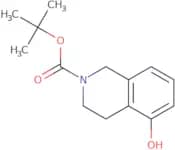
CAS:Versatile small molecule scaffoldFórmula:C10H12N2OPureza:Min. 95%Peso molecular:176.22 g/moltert-Butyl 5-hydroxy-3,4-dihydroisoquinoline-2(1H)-carboxylate
CAS:Versatile small molecule scaffoldFórmula:C14H19NO3Pureza:Min. 95%Peso molecular:249.31 g/mol5-{2-Ethoxy-5-[(4-methylpiperazin-1-yl)sulfonyl]phenyl}-1-methyl-3-(2-methylpropyl)-1H,6H,7H-pyrazolo[4,3-d]pyrimidin-7-one
CAS:Tadalafil is a synthetic drug that is used as a treatment for erectile dysfunction. It works by inhibiting the PDE5 enzyme, which is responsible for breaking down cGMP. Tadalafil has been shown to be effective in the treatment of male erectile dysfunction and pulmonary hypertension, with few side effects. This drug is taken orally, with a meal or without one, and can be administered with or without food. To improve absorption, tadalafil should be taken at least 30 minutes before sexual activity. The dosage of tadalafil ranges from 2.5 to 20 mg, and it should not exceed 40 mg per day.
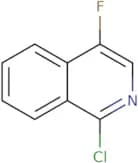
Fórmula:C23H32N6O4SPureza:Min. 95%Peso molecular:488.6 g/mol1-chloro-4-fluoroisoquinoline
CAS:1-chloro-4-fluoroisoquinoline is a chlorinating agent that has been used as a synthetic method for the synthesis of oxychloride. It is typically used in the presence of palladium catalyst, in the presence of phosphorus and under reductive conditions. The chlorination reaction is initiated by addition of hydrochloric acid or phosphorous oxychloride. The 1-hydroxyisoquinoline reacts with phosphorus to form a chloroformate, which reacts with fluorine gas to produce an intermediate chlorofluorinate. This intermediate then reacts with chlorine gas in the presence of palladium catalyst to generate the desired product, 1-chloro-4-fluoroisoquinoline.Fórmula:C9H5ClFNPureza:Min. 95%Peso molecular:181.59 g/molFG-2216
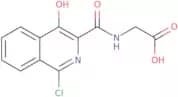
CAS:FG-2216 is a peptide that activates the G protein-coupled receptor, leading to increased intracellular calcium. FG-2216 is a potent agonist of the GPRC6A receptor and has been shown to inhibit pain perception in animal models. FG-2216 has been shown to have no effect on ion channels and does not affect cellular proliferation or migration. FG-2216 may be useful as a research tool for studying the function of the GPRC6A receptor in animal models.Fórmula:C12H9ClN2O4Pureza:Min. 95%Peso molecular:280.66 g/mol6-Bromo-2-methoxyquinoline
CAS:6-Bromo-2-methoxyquinoline is a versatile compound with various applications. It is commonly used as a disinfectant in ceramic compositions and research chemicals. Additionally, it has been found to have potential therapeutic benefits. Studies have shown that 6-Bromo-2-methoxyquinoline exhibits antioxidant properties and can inhibit the production of inflammatory mediators such as arachidonic acid and prostaglandins. Furthermore, it has been found to modulate potassium channels, which play a crucial role in cellular function. This compound also shows promise in the development of copolymers and other materials due to its unique chemical structure. With its wide range of applications, 6-Bromo-2-methoxyquinoline is an essential compound for various industries.Fórmula:C10H8BrNOPureza:Min. 95%Cor e Forma:PowderPeso molecular:238.08 g/mol2,4,6-Trichloronicotinaldehyde
CAS:Versatile small molecule scaffold
Fórmula:C6H2Cl3NOPureza:Min. 95%Peso molecular:210.45 g/mol5-(Methylamino)nicotinic acid
CAS:Versatile small molecule scaffoldFórmula:C7H8N2O2Pureza:Min. 95%Peso molecular:152.15 g/mol3-chloro-4-cyanobenzoic acid
CAS:Versatile small molecule scaffoldFórmula:C8H4ClNO2Pureza:Min. 95%Peso molecular:181.58 g/mol2-(Bromomethyl)-6-fluorobenzonitrile
CAS:Versatile small molecule scaffoldFórmula:C8H5BrFNPureza:Min. 95%Peso molecular:214.04 g/mol3-(Methoxycarbonyl)pyridine-4-carboxylic acid
CAS:Versatile small molecule scaffold
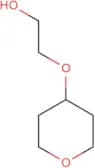
Fórmula:C8H7NO4Pureza:Min. 95%Peso molecular:181.15 g/mol2-(Oxan-4-yloxy)ethan-1-ol
CAS:Versatile small molecule scaffoldFórmula:C7H14O3Pureza:Min. 95%Peso molecular:146.18 g/mol2-(Bromomethyl)-6-nitro-benzoic acid methyl ester
CAS:Versatile small molecule scaffoldFórmula:C9H8BrNO4Pureza:Min. 95%Peso molecular:274.07 g/mol7-Chloroisoquinolin-1-ol
CAS:Versatile small molecule scaffoldFórmula:C9H6ClNOPureza:Min. 95%Peso molecular:179.6 g/mol2-chloro-5-(trifluoromethyl)pyrimidin-4-amine
CAS:Versatile small molecule scaffoldFórmula:C5H3ClF3N3Pureza:Min. 95%Peso molecular:197.55 g/mol2-Methylthiazole-4-carboxaldehyde
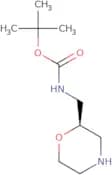
CAS:2-Methylthiazole-4-carboxaldehyde is an aldehyde that is the product of the condensation of 2,4-dibenzoylacetone and acetone in the presence of diazomethane. It has been used as a precursor to other compounds such as benzoyl chloride, glyoxal, and aldehydes. 2-Methylthiazole-4-carboxaldehyde can be synthesized using acetylation or nitration of thiols or with glyoxal or aldehyde. The reactivity of this compound is high and can be carried out in high yield.Fórmula:C5H5NOSPureza:Min. 95%Peso molecular:127.16 g/mol(R)-2-(N-Boc-aminomethyl)morpholine
CAS:Versatile small molecule scaffoldFórmula:C10H20N2O3Pureza:Min. 95%Peso molecular:216.28 g/molMethyl 2-{[(tert-butoxy)carbonyl]amino}pent-4-ynoate
CAS:Versatile small molecule scaffoldFórmula:C11H17NO4Pureza:Min. 95%Peso molecular:227.26 g/moltert-Butyl 3-(trifluoromethyl)piperazine-1-carboxylate
CAS:Versatile small molecule scaffold
Fórmula:C10H17F3N2O2Pureza:Min. 95%Peso molecular:254.25 g/molTert-Butyl 2-(Trifluoromethyl)Piperazine-1-Carboxylate
CAS:Versatile small molecule scaffoldFórmula:C10H17N2O2F3Pureza:Min. 95%Peso molecular:254.24 g/mol6-Bromo-1-methylpyridin-2(1H)-one
CAS:Versatile small molecule scaffold
Fórmula:C6H6BrNOPureza:Min. 95%Peso molecular:188.02 g/mol(2S)-3-Hydroxy-2-phenylpropanoic acid
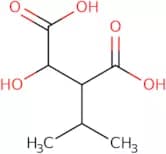
CAS:(2S)-3-Hydroxy-2-phenylpropanoic acid is an unlabelled, naturally occurring compound. It is the citric acid analog of L-phenylalanine. The structure of (2S)-3-Hydroxy-2-phenylpropanoic acid is a skeleton that consists of one hydroxyl group and one carboxylic acid group. The carboxylic acid group has a double bond in the alpha position to the carboxyl carbon, which gives this molecule an acidic character. The chloride ion is also present in this structure. This molecule can be synthesized by a kinetic reaction that involves fatty acids and brugmansia as catalysts. It can also be synthesized through a catalysed reaction using thionyl chloride as a catalyst.Fórmula:C9H10O3Pureza:Min. 95%Peso molecular:166.17 g/mol2-Hydroxy-3-(1-methylethyl)-butanedioic acid
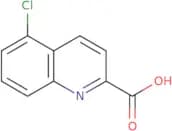
CAS:2-Hydroxy-3-(1-methylethyl)-butanedioic acid is an organic compound that is a metabolite of the amino acid methionine. It is formed by the oxidation of the methyl group on the 2 position in methionine. The protein subunits are expressed in liver cells and it has been shown to have antioxidant properties. The analytical methods used for this compound include LC-MS/MS, which separates it into its individual isomers. This method can be used to determine the purity of 2-hydroxy-3-(1-methylethyl)-butanedioic acid. The carbonyl group in this molecule makes it susceptible to steric interactions with other molecules, which may lead to it being oxidized or reduced. It has been found that 2-hydroxy-3-(1-methylethyl)-butanedioic acid shows thermophilic and enterocolitic properties.Fórmula:C7H12O5Pureza:Min. 95%Peso molecular:176.17 g/mol5-Chloroquinoline-2-carboxylic acid
CAS:Versatile small molecule scaffoldFórmula:C10H6ClNO2Pureza:Min. 95%Peso molecular:207.61 g/mol2-(2-Chloro-4-nitrophenyl)acetic acid
CAS:Versatile small molecule scaffold
Fórmula:C8H6ClNO4Pureza:Min. 95%Peso molecular:215.59 g/mol2-[(6-Chloro-3,4-dihydro-3-methyl-2,4-dioxo-1(2H)-pyrimidinyl)methyl]-benzonitrile
CAS:2-[(6-Chloro-3,4-dihydro-3-methyl-2,4-dioxo-1(2H)-pyrimidinyl)methyl]-benzonitrile is an antibacterial agent that belongs to the group of nitro compounds. It inhibits bacterial growth by blocking the synthesis of proteins and DNA. 2-[(6-Chloro-3,4-dihydro-3-methyl-2,4-dioxo-1(2H)-pyrimidinyl)methyl]-benzonitrile has been shown to be active against a wide range of bacteria including Gram positive and Gram negative organisms. This compound also exhibits metal ion chelating properties and can be used for the removal of heavy metals from water. The square planar geometry of 2-[(6-Chloro-3,4-(dihydro)-3-(methyl)-2,4-(dioxo)-1Fórmula:C13H10ClN3O2Pureza:Min. 95%Peso molecular:275.69 g/mol2,5-Diethoxyterephthalohydrazide
CAS:2,5-Diethoxyterephthalohydrazide is an organic compound that has been used for the synthesis of linkers with various functional groups. It is a reactive intermediate in the synthesis of amines and compounds containing amine functional groups. 2,5-Diethoxyterephthalohydrazide has been shown to be stable under environmental conditions and can be used as a linker in organic solvents such as amines, alcohols or esters. This compound has also been shown to exhibit photocatalytic activity when irradiated by UV light. Techniques such as analytical chemistry and techniques can be used to characterize this compound's reactivity and stability.
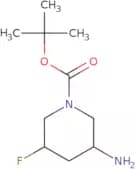
Fórmula:C12H18N4O4Pureza:Min. 95%Peso molecular:282.3 g/moltert-Butyl (3S,5S)-3-amino-5-fluoropiperidine-1-carboxylate
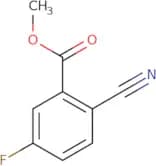
CAS:Versatile small molecule scaffoldFórmula:C10H19FN2O2Pureza:Min. 95%Peso molecular:218.27 g/molMethyl 2-cyano-5-fluorobenzoate
CAS:Versatile small molecule scaffold
Fórmula:C9H6FNO2Pureza:Min. 95%Peso molecular:179.15 g/molPotassium (cyclopropylmethyl)trifluoroborate
CAS:Versatile small molecule scaffoldFórmula:C4H7BF3KPureza:Min. 95%Peso molecular:162 g/mol6-fluoroquinoline-8-carboxylicacid
CAS:Versatile small molecule scaffold
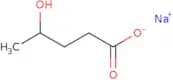
Fórmula:C10H6FNO2Pureza:Min. 95%Peso molecular:191.16 g/mol4-Hydroxyvaleric Acid Sodium Salt
CAS:Produto Controlado4-Hydroxyvaleric acid sodium salt is a hydrophilic, thermally sensitive substance that is used as an analytical reagent in toxicology. It is typically used as a screening agent for the detection of acetaldehyde and other aldehydes. 4-Hydoxyvaleric acid sodium salt reacts with acetone to form a clear solution and can be injected into a gas chromatograph using an injection method. The reaction between 4-hydroxyvaleric acid sodium salt and acetone produces an efficient method for the analysis of acetaldehyde. This chemical is often used by toxicologists and chemists to screen for the presence of acetaldehyde in blood or urine samples.Fórmula:C5H9NaO3Pureza:Min. 95%Peso molecular:140.11 g/mol4-Bromo-2-chloro-6-fluorobenzaldehyde
CAS:Versatile small molecule scaffoldFórmula:C7H3BrClFOPureza:Min. 95%Peso molecular:237.45 g/mol4,6-Dichloro-5-fluoronicotinic Acid
CAS:Versatile small molecule scaffoldFórmula:C6H2Cl2FNO2Pureza:Min. 95%Peso molecular:209.99 g/molγ-L-Glutamyl-α-naphthylamide monohydrate
CAS:Gamma-L-glutamyl-alpha-naphthylamide is an enzyme that catalyzes the conversion of L-glutamic acid to L-glutamate. It is expressed in red blood cells, human liver, and human serum. Gamma-L-glutamyl-alpha-naphthylamide has been shown to have various specificities for different tissues and isoenzymes. This enzyme also has immunoassay procedures that are used to detect it in tissues or cells. These assays use monoclonal antibodies or solubilized gamma-L-glutamyl-alpha-naphthylamide molecules as detection agents.Fórmula:C15H16N2O3•H2OPureza:Min. 95%Cor e Forma:PowderPeso molecular:290.31 g/molMethyl 2-(2-amino-5-ethyl-1,3-thiazol-4-yl)acetate
CAS:Versatile small molecule scaffoldFórmula:C8H12N2O2SPureza:Min. 95%Peso molecular:200.26 g/mol4-Bromo-2,6-dimethoxybenzaldehyde
CAS:Versatile small molecule scaffold
Fórmula:C9H9BrO3Pureza:Min. 95%Peso molecular:245.07 g/mol5-Bromo-1-methyl-1H-pyrazole-4-carboxylic acid
CAS:Versatile small molecule scaffoldFórmula:C5H5BrN2O2Pureza:Min. 95%Peso molecular:205.01 g/mol5-Oxotetrahydrofuran-2-carboxylic acid
CAS:5-Oxotetrahydrofuran-2-carboxylic acid is a solid phase extraction compound that can be used to extract and purify compounds from biological samples. It is synthesized by an asymmetric synthesis of the acetate ester of 5-hydroxytetrahydrofuran-2-carboxylic acid, which is then hydrolyzed to give the desired product. 5-Oxotetrahydrofuran-2-carboxylic acid has been used in cell culture studies as a diagnostic agent for cancer cells. The reactive nature of this molecule allows it to react with chloride ions and fatty acids, which leads to the death of cancer cells.Fórmula:C5H6O4Pureza:Min. 95%Peso molecular:130.1 g/mol6-Hydroxyquinoline-4-carboxylic acid
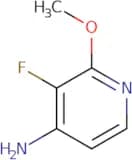
CAS:Versatile small molecule scaffoldFórmula:C10H7NO3Pureza:Min. 95%Peso molecular:189.17 g/mol3-Fluoro-2-methoxypyridin-4-amine
CAS:Versatile small molecule scaffoldFórmula:C6H7FN2OPureza:Min. 95%Peso molecular:142.13 g/moltert-butyl 2,5-diazabicyclo[4.1.0]heptane-2-carboxylate
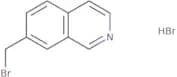
CAS:Versatile small molecule scaffoldFórmula:C10H18N2O2Pureza:Min. 95%Peso molecular:198.3 g/mol7-(Bromomethyl)isoquinoline hydrobromide
CAS:Versatile small molecule scaffoldFórmula:C10H8BrN·HBrPureza:Min. 95%Peso molecular:303 g/mol3-(p-tolyl)propiolic acid
CAS:3-(p-tolyl)propiolic acid is a functional group that is used in organic chemistry. It is an alkynoic acid with a terminal triple bond. The compound can be synthesized by the reaction of propiolic acid with an alkyne, followed by oxidation. The 3-(p-tolyl)propiolic acid can be used as a surrogate for other functional groups in organic synthesis, and it has been shown to react as an oxidant in biomolecular systems.Fórmula:C10H8O2Pureza:Min. 95%Peso molecular:160.17 g/mol2-Aminobenzo[D]thiazole-7-carbonitrile
CAS:Versatile small molecule scaffoldFórmula:C8H5N3SPureza:Min. 95%Peso molecular:175.21 g/mol3-(4-Hydroxyphenyl)hex-4-ynoic acid
CAS:Versatile small molecule scaffoldFórmula:C12H12O3Pureza:Min. 95%Peso molecular:204.22 g/mol



![5-{2-Ethoxy-5-[(4-methylpiperazin-1-yl)sulfonyl]phenyl}-1-methyl-3-(2-methylpropyl)-1H,6H,7H-pyraz…](/_next/image/?url=https%3A%2Fstatic.cymitquimica.com%2Fproducts%2F3D%2Fthumb-webp%2FRFC05395.webp&w=3840&q=75)




![Methyl 2-{[(tert-butoxy)carbonyl]amino}pent-4-ynoate](/_next/image/?url=https%3A%2Fstatic.cymitquimica.com%2Fproducts%2F3D%2Fthumb-webp%2FYGA30682.webp&w=3840&q=75)



![2-[(6-Chloro-3,4-dihydro-3-methyl-2,4-dioxo-1(2H)-pyrimidinyl)methyl]-benzonitrile](/_next/image/?url=https%3A%2Fstatic.cymitquimica.com%2Fproducts%2F3D%2Fthumb-webp%2FQJB75896.webp&w=3840&q=75)





![tert-butyl 2,5-diazabicyclo[4.1.0]heptane-2-carboxylate](/_next/image/?url=https%3A%2Fstatic.cymitquimica.com%2Fproducts%2F3D%2Fthumb-webp%2FDZB67518.webp&w=3840&q=75)

![2-Aminobenzo[D]thiazole-7-carbonitrile](/_next/image/?url=https%3A%2Fstatic.cymitquimica.com%2Fproducts%2F3D%2Fthumb-webp%2FBUB55111.webp&w=3840&q=75)
