Building Blocks
Subcategorias de "Building Blocks"
- Ácidos Borónicos e Derivados de Ácido Borónico(5.778 produtos)
- Building Blocks Quirais(1.243 produtos)
- Building Blocks Hidrocarbonetos(6.098 produtos)
- Building Blocks orgânicos(61.036 produtos)
Foram encontrados 205240 produtos de "Building Blocks"
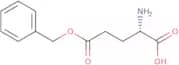
L-Glutamic acid 5-benzyl ester
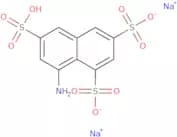
CAS:L-Glutamic acid 5-benzyl ester is an amino acid that has been synthesized to have a lysine residue. It is an ester hydrochloride and has been shown to have broad-spectrum antimicrobial properties. L-glutamic acid 5-benzyl ester's antimicrobial activity is thought to be due to its chemical structure which allows it to act as an antimicrobial peptide, binding to receptors on the surface of bacterial cells and inhibiting their growth. L-glutamic acid 5-benzyl ester also inhibits osteogenic genes in cervical cancer cells, but not in normal cells.Fórmula:C12H15NO4Pureza:Min. 95%Cor e Forma:White Off-White PowderPeso molecular:237.25 g/molDisodium 8-amino-1,3,6-naphthalenetrisulfonate
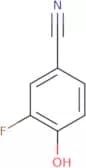
CAS:Disodium 8-amino-1,3,6-naphthalenetrisulfonate is a fluorescent sensor that can detect albumin in human serum. Disodium 8-amino-1,3,6-naphthalenetrisulfonate selectively detects the molecule albumin in blood with a sensitivity of approximately 1.5 nmol/L and a selectivity of nearly 100%. The fluorescent sensor consists of an immobilized nanometer sized molecule of 8-aminonaphthalene trisulfonic acid on hydrotalcite. The sensor has been shown to be selective for albumin and does not react with other serum proteins such as immunoglobulins or fibrinogen.Fórmula:C10H9NO9S3•Na2Pureza:Min. 98 Area-%Cor e Forma:White PowderPeso molecular:429.36 g/mol3-Fluoro-4-hydroxybenzonitrile
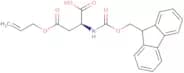
CAS:3-Fluoro-4-hydroxybenzonitrile is a compound with an acidic ph and a strain that is dispersive, desorptive, and polyacrylamide gel. It is a colorless liquid at room temperature. 3-Fluoro-4-hydroxybenzonitrile has been shown to react with dodecyl inorganic base and hydrochloric acid to produce 3-fluoroaniline. The localization of the reaction yield is on hydrotalcite activated by fluorine. This chemical has been shown to react at temperatures between 0°C and 140°C.Fórmula:C7H4FNOPureza:Min. 95%Cor e Forma:White PowderPeso molecular:137.11 g/molFmoc-L-aspartic acid beta-allyl ester
CAS:Fmoc-L-aspartic acid beta-allyl ester is a specific interaction between an amide and an enzyme target. It has been shown to have anti-inflammatory properties by inhibiting the activity of COX-2, which inhibits the production of prostaglandins. Fmoc-L-aspartic acid beta-allyl ester is a cyclic peptide with a lactam ring system that has been synthesized in a stepwise manner on a solid phase. This molecule interacts with cell line A549 and blocks the proliferation of cancer cells. Fmoc-L-aspartic acid beta-allyl ester also contains a disulfide bond that stabilizes its structure.Fórmula:C22H21NO6Pureza:Min. 95%Peso molecular:395.41 g/molFmoc-N-methylglycine
CAS:Fmoc-N-methylglycine is a modified form of the amino acid glycine, which has been modified to include a reactive group that can be used to link other molecules. This molecule has gram-negative bacterial activity and exhibits potent antibacterial activity against many gram-positive bacteria. Fmoc-N-methylglycine is also an antimicrobial peptide with binding constants in the nanomolar range. It is also an agent that binds to serotonin, which may explain its effects on mood and sleep. Fmoc-N-methylglycine can be synthesized using stepwise solid phase synthesis methods or by conjugation with other molecules.Fórmula:C18H17NO4Pureza:Min. 95%Peso molecular:311.33 g/mol4-{[(tert-butoxy)carbonyl]amino}-4-methylpentanoic acid
CAS:Versatile small molecule scaffoldFórmula:C11H21NO4Pureza:Min. 95%Peso molecular:231.3 g/mol2-Fluoro-N-methylpyridine-4-carboxamide
CAS:Versatile small molecule scaffoldFórmula:C7H7FN2OPureza:Min. 95%Peso molecular:154.14 g/mol7-Chloro-5-nitro-1H-indazole
CAS:Versatile small molecule scaffold
Fórmula:C7H4ClN3O2Pureza:Min. 95%Peso molecular:197.58 g/molDoxazosin
CAS:Doxazosin is a research chemical that has shown potential in various fields. It is a water-soluble compound that has been studied for its effects on microcystins, cytidine, and vitamins. Doxazosin has also been found to have aldehyde and particulate properties, making it a versatile compound for different applications. In the field of medicine, Doxazosin has been researched for its potential in treating certain conditions. Studies have shown that Doxazosin can interact with 1-hydroxy-2-naphthoic acid and glutamate, which are important molecules involved in various biological processes. Additionally, Doxazosin has shown promising results in inhibiting the growth of e. cloacae bacteria, making it a potential candidate for antibacterial treatments. Furthermore, Doxazosin has been studied in the field of chemistry due to its unique properties. It can undergo derivatization reactions with fatty acids and zFórmula:C23H25N5O5Pureza:Min. 95%Peso molecular:451.48 g/mol2-(4-Amino-1h-pyrazol-1-yl)ethanol
CAS:Versatile small molecule scaffold
Fórmula:C5H9N3OPureza:Min. 95%Peso molecular:127.15 g/mol2-(2-Chloro-4-nitrophenyl)acetic acid
CAS:Versatile small molecule scaffold
Fórmula:C8H6ClNO4Pureza:Min. 95%Peso molecular:215.59 g/moltert-Butyl (2S)-2-formylmorpholine-4-carboxylate
CAS:Versatile small molecule scaffoldFórmula:C10H17NO4Pureza:Min. 95%Peso molecular:215.25 g/mol3-Bromo-6,7-dihydro-4H-pyrazolo[1,5-a]pyrazine-5-carboxylic acid tert-butyl ester
CAS:Versatile small molecule scaffold
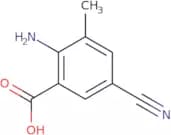
Fórmula:C11H16BrN3O2Pureza:Min. 95%Peso molecular:302.17 g/mol2-amino-5-cyano-3-methylbenzoic acid
CAS:2-Amino-5-cyano-3-methylbenzoic acid is a diester of methylamine. It is an acid ester that has been used in the synthesis of other compounds. 2-Amino-5-cyano-3-methylbenzoic acid is an intermediate in the synthesis of some pharmaceuticals, such as carbamazepine and methylphenidate. This compound has not been shown to have any biological activity.Fórmula:C9H8N2O2Pureza:Min. 95%Peso molecular:176.18 g/moltert-Butyl 4-amino-4-(aminomethyl)piperidine-1-carboxylate
CAS:Versatile small molecule scaffoldFórmula:C11H23N3O2Pureza:Min. 95%Peso molecular:229.32 g/mol2-Imidazolidone-4-carboxylic acid
CAS:2-Imidazolidone-4-carboxylic acid is a potent inhibitor of matrix metalloproteinases, which are enzymes that break down proteins in the extracellular matrix. 2-Imidazolidone-4-carboxylic acid inhibits the activity of both serine protease and matrix metalloproteinase, two enzymes involved in the inflammation process. 2-Imidazolidone-4-carboxylic acid has been shown to inhibit the transport of amino acids, leading to decreased protein synthesis and cell growth. It also inhibits cancer cells by disrupting their ability to grow new blood vessels and invade other tissues.Fórmula:C4H6N2O3Pureza:Min. 95%Peso molecular:130.1 g/mol2-Methylthiazole-4-carboxaldehyde
CAS:2-Methylthiazole-4-carboxaldehyde is an aldehyde that is the product of the condensation of 2,4-dibenzoylacetone and acetone in the presence of diazomethane. It has been used as a precursor to other compounds such as benzoyl chloride, glyoxal, and aldehydes. 2-Methylthiazole-4-carboxaldehyde can be synthesized using acetylation or nitration of thiols or with glyoxal or aldehyde. The reactivity of this compound is high and can be carried out in high yield.Fórmula:C5H5NOSPureza:Min. 95%Peso molecular:127.16 g/mol3-bromo-6,7-dihydro-5h-pyrrolo[3,4-b]pyridine hcl
CAS:Versatile small molecule scaffold
Fórmula:C7H8BrClN2Pureza:Min. 95%Peso molecular:235.51 g/mol2-[5-(4,4,5,5-Tetramethyl-1,3,2-dioxaborolan-2-yl)pyrimidin-2-yl]propan-2-ol
CAS:Versatile small molecule scaffoldFórmula:C13H21BN2O3Pureza:Min. 95%Peso molecular:264.13 g/mol5-Chloro-1H-pyrrolo[2,3-c]pyridine-3-carboxylic acid
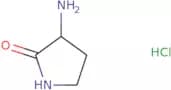
CAS:Versatile small molecule scaffoldFórmula:C8H5ClN2O2Pureza:Min. 95%Peso molecular:196.59 g/mol3-aminopyrrolidin-2-one hcl
CAS:3-Aminopyrrolidin-2-one hcl is an antibiotic that is used to treat tuberculosis. It inhibits the enzyme transacylase, which catalyses the conversion of L-lysine into L-pipecolic acid in bacteria. This antibiotic has been shown to be effective against Mycobacterium tuberculosis and Mycobacterium avium complex. 3-Aminopyrrolidin-2-one hcl has a broad spectrum of activity against gram positive and gram negative bacteria, but it is not active against acid-fast bacteria.
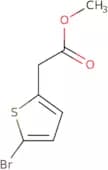
Fórmula:C4H9ClN2OPureza:Min. 95%Peso molecular:136.58 g/molMethyl 2-(5-bromothiophen-2-yl)acetate
CAS:Versatile small molecule scaffold
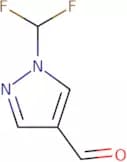
Fórmula:C7H7BrO2SPureza:Min. 95%Peso molecular:235.1 g/mol1-(Difluoromethyl)-1H-pyrazole-4-carbaldehyde
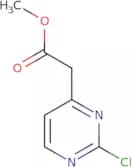
CAS:Versatile small molecule scaffoldFórmula:C5H4F2N2OPureza:Min. 95%Peso molecular:146.09 g/molMethyl 2-(2-chloropyrimidin-4-yl)acetate
CAS:Versatile small molecule scaffold
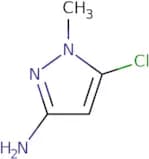
Fórmula:C7H7ClN2O2Pureza:Min. 95%Peso molecular:186.59 g/mol5-Chloro-1-methyl-1H-pyrazol-3-amine
CAS:Versatile small molecule scaffold
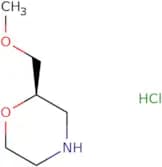
Fórmula:C4H6N3ClPureza:Min. 95%Peso molecular:131.56 g/mol(R)-2-(Methoxymethyl)-morpholine hydrochloride
CAS:Versatile small molecule scaffoldFórmula:C6H14ClNO2Pureza:Min. 95%Peso molecular:167.63 g/molMethyl amino(2-chlorophenyl)acetate hydrochloride
CAS:Versatile small molecule scaffoldFórmula:C9H11Cl2NO2Pureza:Min. 95%Peso molecular:236.1 g/mol3,3-Diethoxypropan-1-amine
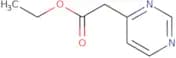
CAS:3,3-Diethoxypropan-1-amine is a synthetic drug that reversibly inhibits the growth of bacteria. It has been shown to be effective against methicillin resistant strains of Staphylococcus aureus and Clostridium perfringens, with no detectable activity against acid-fast bacteria such as Mycobacterium tuberculosis or Mycobacterium avium complex. 3,3-Diethoxypropan-1-amine is a heterobifunctional compound that binds to epidermal growth factor with high affinity. 3,3-Diethoxypropan-1-amine can also bind to collagen and liposomal formulations, which may be useful for the treatment of wounds. This drug has been shown to inhibit δ opioid receptors in mice and rats, which is thought to contribute to its analgesic effects.Fórmula:C7H17NO2Pureza:Min. 95%Peso molecular:147.22 g/molEthyl 2-(pyrimidin-4-yl)acetate
CAS:Versatile small molecule scaffoldFórmula:C8H10N2O2Pureza:Min. 95%Peso molecular:166.18 g/mol5-bromo-3-methoxy-1h-pyrazole
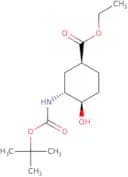
CAS:Versatile small molecule scaffoldFórmula:C4H5BrN2OPureza:Min. 95%Peso molecular:177 g/mol(1S,3R,4R)-3-(Boc-amino)-4-hydroxy-cyclohexanecarboxylic acid ethyl ester
CAS:Versatile small molecule scaffold
Fórmula:C14H25NO5Pureza:Min. 95%Peso molecular:287.35 g/molChloroiodomethane, stabilised with copper
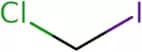
CAS:Chloroiodomethane is a chemical that is used as an intermediate in the production of other chemicals. It is a colourless liquid with a strong odour. 3-Bromopropylamine hydrobromide reacts with chloroiodomethane to form 3-bromopropyl bromide, which can be reacted with hydrogen chloride to form the corresponding acid chloride. This reaction product can then be reacted with β-amino acids to form amides or esters. The reaction mechanism of this process involves nucleophilic substitution of chloroiodomethane by the amino group of the β-amino acid to produce an intermediate α,β-unsaturated carbonyl chloride, which undergoes elimination to give the final product. Chloroiodomethane also reacts rapidly with fatty acids and hydroxyl groups in biological systems, leading to inflammatory diseases such as HIV infection.Fórmula:CH2ClIPureza:Min. 95%Cor e Forma:Colorless Clear LiquidPeso molecular:176.38 g/molR-(-)-3-Chloro-1,2-propanediol
CAS:R-(-)-3-Chloro-1,2-propanediol is a chiral epoxide that is used in the synthesis of other chemicals. It has been shown to be active against bacterial strains such as corynebacterium and coryneform bacteria. This chemical can be synthesized from hydrochloric acid and chlorinated propane with an asymmetric synthesis. The R-(-)-3-Chloro-1,2-propanediol can also be synthesized through electrochemical methods using chloride ion as the reducing agent. This compound is soluble in water and shows kinetic activity with carbon sources when used as an antibiotic.
Fórmula:C3H7ClO2Pureza:Min. 95%Cor e Forma:Colorless Clear LiquidPeso molecular:110.54 g/mol6-Chlorohexanol
CAS:6-Chlorohexanol is a fatty alcohol with a hydroxyl group. It is soluble in water and has a phase transition temperature of -114°C. 6-Chlorohexanol can be synthesized by reacting 2,6-dichlorophenol with hydrochloric acid and sodium hydroxide in the presence of azobenzene. The reaction solution is then heated to about 300°C for 3 hours. 6-Chlorohexanol is used as a model system for studying the photochemical reactions of fatty acids. Hydroxy groups are susceptible to light exposure, which leads to the formation of carbonyl compounds such as malonic acid and chloride monomers.Fórmula:C6H13ClOPureza:Min. 95%Cor e Forma:PowderPeso molecular:136.62 g/molN,N-bis(Hydroxyethyl)-2-aminoethanesulfonic acid sodium salt
CAS:N,N-bis(Hydroxyethyl)-2-aminoethanesulfonic acid sodium salt is a cross-linking agent for polymers. It has been shown to react with dimethylol propionic acid to form a hydroxyl group and a carboxylate. This reaction yields the product of bis(hydroxyethyl) aminosulfonic acid sodium salt. N,N-bis(Hydroxyethyl)-2-aminoethanesulfonic acid sodium salt can be used as a cross-linking agent in the manufacture of biodegradable polymers that are environmentally friendly and biocompatible. The viscosity of the reaction solution increases with an increase in temperature, which is due to the hydrophobic interaction between molecules.Fórmula:C6H14NO5SNaPureza:Min. 95%Cor e Forma:PowderPeso molecular:235.23 g/molethyl cyclopropaneacetate
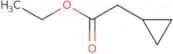
CAS:Ethyl cyclopropaneacetate is an organic compound that belongs to the class of aminophenyl ethyl esters. It has been shown to inhibit neutrophil migration and angiotensin II-induced vasoconstriction in cerebral arteries, suggesting that it may have a role in the treatment of chronic bronchitis. Ethyl cyclopropaneacetate has also been shown to have antimycotic activity against Candida albicans and Aspergillus niger, as well as cancer-fighting effects. This compound is synthesized by reacting triethyl orthoformate with adenosine under mild conditions. The reaction system is high yielding and can be used for the synthesis of other drugs.Fórmula:C7H12O2Pureza:Min. 95%Peso molecular:128.17 g/molSpiro[3.3]heptane-2,6-dicarboxylic acid, 2,6-dimethyl ester
CAS:Versatile small molecule scaffoldFórmula:C11H16O4Pureza:Min. 95%Peso molecular:212.25 g/moltert-butyl 2,5-diazabicyclo[4.1.0]heptane-2-carboxylate
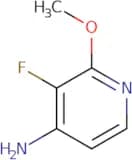
CAS:Versatile small molecule scaffoldFórmula:C10H18N2O2Pureza:Min. 95%Peso molecular:198.3 g/mol3-Fluoro-2-methoxypyridin-4-amine
CAS:Versatile small molecule scaffoldFórmula:C6H7FN2OPureza:Min. 95%Peso molecular:142.13 g/mol4-(Aminomethyl)pyridine-2-carbonitrile hydrochloride
CAS:Versatile small molecule scaffoldFórmula:C7H8ClN3Pureza:Min. 95%Peso molecular:169.61 g/molMethyl 4-(2-Bromoethyl)benzoate
CAS:Methyl 4-(2-bromoethyl)benzoate is a potent HDAC6 inhibitor. It has been shown to inhibit cancer cell growth and induce apoptosis in vitro and in vivo. Methyl 4-(2-Bromoethyl)benzoate is also an anti-cancer agent that inhibits the histone deacetylase enzyme, which then prevents the transcription of genes involved in cancer development. In addition, this agent inhibits the production of prostaglandin E2, which may contribute to its anti-cancer activity. The most common side effects are nausea and vomiting.
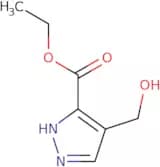
Fórmula:C10H11BrO2Pureza:Min. 95%Peso molecular:243.1 g/molEthyl 4-(hydroxymethyl)-1H-pyrazole-3-carboxylate
CAS:Versatile small molecule scaffoldFórmula:C7H10N2O3Pureza:Min. 95%Peso molecular:170.17 g/mol6-Hydroxyquinoline-4-carboxylic acid
CAS:Versatile small molecule scaffoldFórmula:C10H7NO3Pureza:Min. 95%Peso molecular:189.17 g/mol5-Oxotetrahydrofuran-2-carboxylic acid
CAS:5-Oxotetrahydrofuran-2-carboxylic acid is a solid phase extraction compound that can be used to extract and purify compounds from biological samples. It is synthesized by an asymmetric synthesis of the acetate ester of 5-hydroxytetrahydrofuran-2-carboxylic acid, which is then hydrolyzed to give the desired product. 5-Oxotetrahydrofuran-2-carboxylic acid has been used in cell culture studies as a diagnostic agent for cancer cells. The reactive nature of this molecule allows it to react with chloride ions and fatty acids, which leads to the death of cancer cells.Fórmula:C5H6O4Pureza:Min. 95%Peso molecular:130.1 g/mol(e)-(2-(1-(tert-butoxycarbonyl)piperidin-4-yl)vinyl)boronic acid pinacol ester
CAS:Versatile small molecule scaffold
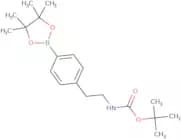
Fórmula:C18H32BNO4Pureza:Min. 95%Peso molecular:337.27 g/moltert-butyl 4-(4,4,5,5-tetramethyl-1,3,2-dioxaborolan-2-yl)phenethylcarbamate
CAS:Versatile small molecule scaffold
Fórmula:C19H30BNO4Pureza:Min. 95%Peso molecular:347.26 g/moltert-Butyl 1,8-diazaspiro[4.5]decane-1-carboxylate
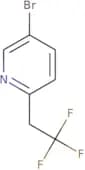
CAS:Versatile small molecule scaffoldFórmula:C13H24N2O2Pureza:Min. 95%Peso molecular:240.3 g/mol5-Bromo-2-(2,2,2-trifluoroethyl)pyridine
CAS:Versatile small molecule scaffold
Fórmula:C7H5BrF3NPureza:Min. 95%Peso molecular:240.02 g/mol4-Bromo-2,6-dimethoxybenzaldehyde
CAS:Versatile small molecule scaffold
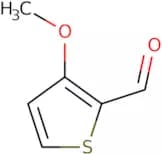
Fórmula:C9H9BrO3Pureza:Min. 95%Peso molecular:245.07 g/mol3-Methoxythiophene-2-carbaldehyde
CAS:3-Methoxythiophene-2-carbaldehyde is a ligand that has been shown to form a stable complex with potassium chloride. This compound is also reactive, and can be stabilized in the reaction vessel. In the presence of sulfate ions, 3-methoxythiophene-2-carbaldehyde will react to form a phosphotungstic acid precipitate. The dehydrated salt can be recrystallized by adding phosphotungstic acid, which stabilizes the product.
Fórmula:C6H6O2SPureza:Min. 95%Peso molecular:142.18 g/mol


![4-{[(tert-butoxy)carbonyl]amino}-4-methylpentanoic acid](/_next/image/?url=https%3A%2Fstatic.cymitquimica.com%2Fproducts%2F3D%2Fthumb-webp%2FZZB37240.webp&w=3840&q=75)



![3-Bromo-6,7-dihydro-4H-pyrazolo[1,5-a]pyrazine-5-carboxylic acid tert-butyl ester](/_next/image/?url=https%3A%2Fstatic.cymitquimica.com%2Fproducts%2F3D%2Fthumb-webp%2FWXB15425.webp&w=3840&q=75)


![3-bromo-6,7-dihydro-5h-pyrrolo[3,4-b]pyridine hcl](/_next/image/?url=https%3A%2Fstatic.cymitquimica.com%2Fproducts%2F3D%2Fthumb-webp%2FUFC11724.webp&w=3840&q=75)
![2-[5-(4,4,5,5-Tetramethyl-1,3,2-dioxaborolan-2-yl)pyrimidin-2-yl]propan-2-ol](/_next/image/?url=https%3A%2Fstatic.cymitquimica.com%2Fproducts%2F3D%2Fthumb-webp%2FUCC25587.webp&w=3840&q=75)
![5-Chloro-1H-pyrrolo[2,3-c]pyridine-3-carboxylic acid](/_next/image/?url=https%3A%2Fstatic.cymitquimica.com%2Fproducts%2F3D%2Fthumb-webp%2FSSB19336.webp&w=3840&q=75)






![Spiro[3.3]heptane-2,6-dicarboxylic acid, 2,6-dimethyl ester](/_next/image/?url=https%3A%2Fstatic.cymitquimica.com%2Fproducts%2F3D%2Fthumb-webp%2FMBA94279.webp&w=3840&q=75)
![tert-butyl 2,5-diazabicyclo[4.1.0]heptane-2-carboxylate](/_next/image/?url=https%3A%2Fstatic.cymitquimica.com%2Fproducts%2F3D%2Fthumb-webp%2FDZB67518.webp&w=3840&q=75)




![tert-Butyl 1,8-diazaspiro[4.5]decane-1-carboxylate](/_next/image/?url=https%3A%2Fstatic.cymitquimica.com%2Fproducts%2F3D%2Fthumb-webp%2FKKB27992.webp&w=3840&q=75)