Building Blocks
Subcategorias de "Building Blocks"
- Ácidos Borónicos e Derivados de Ácido Borónico(5.774 produtos)
- Building Blocks Quirais(1.237 produtos)
- Building Blocks Hidrocarbonetos(6.098 produtos)
- Building Blocks orgânicos(60.980 produtos)
Foram encontrados 205158 produtos de "Building Blocks"
2-Methyl-1-phenylbut-3-yn-2-ol
CAS:Versatile small molecule scaffold
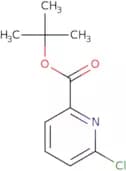
Fórmula:C11H12OPureza:Min. 95%Peso molecular:160.21 g/moltert-Butyl 6-chloropicolinate
CAS:Versatile small molecule scaffold
Fórmula:C10H12ClNO2Pureza:Min. 95%Peso molecular:213.66 g/mol(1S)-1-[3-(Benzyloxy)phenyl]ethan-1-ol
CAS:Versatile small molecule scaffold
Fórmula:C15H16O2Pureza:Min. 95%Peso molecular:228.29 g/mol3-Isopropoxy-5-(trifluoromethyl)aniline
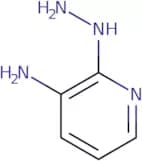
CAS:Versatile small molecule scaffoldFórmula:C10H12F3NOPureza:Min. 95%Peso molecular:219.21 g/mol2-Hydrazinylpyridin-3-amine
CAS:2-Hydrazinylpyridin-3-amine is an anticancer drug that functions as a prodrug. The hydrochloride salt of 2-hydrazinylpyridin-3-amine is formed by the reaction of the drug with hydrochloric acid. This product has been shown to have anticancer activity in vitro and in vivo and can be used for the treatment of breast cancer. It is also used for other types of cancer, such as prostate cancer or pancreatic cancer. The mechanism by which 2-hydrazinylpyridin-3-amine induces cell death is unclear, but it may involve inhibition of DNA synthesis and prevention of DNA repair.
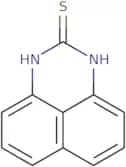
Fórmula:C5H8N4Pureza:Min. 95%Peso molecular:124.14 g/mol1H-Perimidine-2-thiol
CAS:Versatile small molecule scaffold
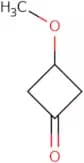
Fórmula:C11H8N2SPureza:Min. 95%Peso molecular:200.26 g/mol3-Methoxycyclobutan-1-one
CAS:3-Methoxycyclobutan-1-one (3MCO) is an electron donor and is capable of undergoing electrochemical oxidation. 3MCO has been shown to oxidize electron acceptors, such as hydrocarbons, and transfer the electrons to a second electron acceptor. The mechanism of this process is thought to be a three-electron transfer, which is also known as a "polycyclic" reaction. 3MCO has also been shown to have anti-inflammatory properties by inhibiting prostaglandin synthesis in mice with lung cancer.
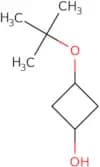
Fórmula:C5H8O2Pureza:Min. 95%Peso molecular:100.12 g/mol3-(tert-Butoxy)cyclobutan-1-ol, cis
CAS:Versatile small molecule scaffold
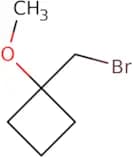
Fórmula:C8H16O2Pureza:Min. 95%Peso molecular:144.21 g/mol1-(Bromomethyl)-1-methoxycyclobutane
CAS:Versatile small molecule scaffold
Fórmula:C6H11BrOPureza:Min. 95%Peso molecular:179.05 g/molRef: 3D-FBA80071
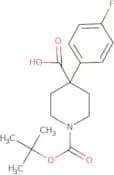
Produto descontinuadoBoc-4-(4-fluorophenyl)-piperidine-4-carboxylic acid
CAS:Please enquire for more information about Boc-4-(4-fluorophenyl)-piperidine-4-carboxylic acid including the price, delivery time and more detailed product information at the technical inquiry form on this page
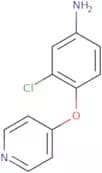
Fórmula:C17H22FNO4Pureza:Min. 95%Peso molecular:323.36 g/mol3-Chloro-4-(pyridin-4-yloxy)aniline
CAS:Versatile small molecule scaffold
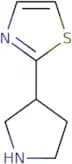
Fórmula:C11H9ClN2OPureza:Min. 95%Peso molecular:220.65 g/mol2-(Pyrrolidin-3-yl)-1,3-thiazole
CAS:Versatile small molecule scaffold
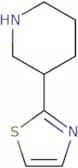
Fórmula:C7H10N2SPureza:Min. 95%Peso molecular:154.24 g/mol2-(Piperidin-3-yl)thiazole
CAS:Versatile small molecule scaffold
Fórmula:C8H12N2SPureza:Min. 95%Peso molecular:168.26 g/mol2-{[2-(Trifluoromethyl)phenyl]formamido}acetic acid
CAS:Versatile small molecule scaffold
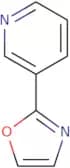
Fórmula:C10H8F3NO3Pureza:Min. 95%Peso molecular:247.17 g/mol3-(1,3-Oxazol-2-yl)pyridine
CAS:Versatile small molecule scaffold
Fórmula:C8H6N2OPureza:Min. 95%Peso molecular:146.15 g/molRef: 3D-FAA99885
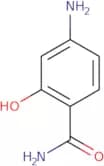
Produto descontinuado4-Amino-2-hydroxybenzamide
CAS:4-Amino-2-hydroxybenzamide is an aminoaryl amide that is produced by the thermal decomposition of 4-amino-2,6-dihydroxyphenylacetamide. It has been shown to be a potent inhibitor of the growth of bacteria and yeast, including Mycobacterium tuberculosis. The inhibitory effect was found to be due to inhibition of RNA synthesis as well as protein synthesis. This compound has also been shown to be effective against other types of microorganisms such as Pseudomonas aeruginosa and Staphylococcus aureus.
Fórmula:C7H8N2O2Pureza:Min. 95%Peso molecular:152.15 g/mol2,2-Dichloroethan-1-amine hydrochloride
CAS:Versatile small molecule scaffoldFórmula:C2H6Cl3NPureza:Min. 95%Peso molecular:150.4 g/mol3-[3-(Trifluoromethyl)phenyl]pyridine
CAS:Versatile small molecule scaffold
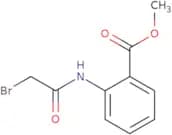
Fórmula:C12H8F3NPureza:Min. 95%Peso molecular:223.19 g/molMethyl 2-(2-bromoacetamido)benzoate
CAS:Versatile small molecule scaffold
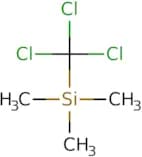
Fórmula:C10H10BrNO3Pureza:Min. 95%Peso molecular:272.09 g/molTrimethyl(trichloromethyl)silane
CAS:Trimethyl(trichloromethyl)silane is a chlorinating agent that reacts with hydrocarbons to form quinones. It is synthesized in the liquid phase and reacts with aldehydes, amines, and sodium formate to produce the trichloromethylated product. Trimethyl(trichloromethyl)silane is activated by electron deficiency and can be used to circumvent functional groups such as hydroxyl or carbonyl. This chemical also has properties that are not shared by other chlorinating agents, such as its ability to react with hydrogen fluoride without forming hydrochloric acid.
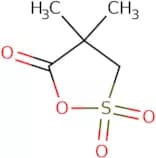
Fórmula:C4H9Cl3SiPureza:Min. 95%Peso molecular:191.55 g/mol4,4-Dimethyl-1,2λ⁶-oxathiolane-2,2,5-trione
CAS:Versatile small molecule scaffold
Fórmula:C5H8O4SPureza:Min. 95%Peso molecular:164.18 g/mol4,6-Dichloro-1H,2H,3H-pyrrolo[2,3-b]pyridine
CAS:Versatile small molecule scaffold
Fórmula:C7H6Cl2N2Pureza:Min. 95%Peso molecular:189.04 g/molPiperazine-1-sulfonamide
CAS:Piperazine-1-sulfonamide is a protein inhibitor that belongs to the group of regulatory agents. It is used to regulate the growth of various types of cells, including immune cells and smooth muscle cells. Piperazine-1-sulfonamide has been shown to inhibit chemokine receptor activity in inflammatory bowel disease, which may be due to its ability to inhibit CXCR4 and CCR5 receptors. This drug also inhibits dpp-iv, an enzyme involved in protein degradation. The pharmacokinetic properties of this agent are not well studied, but it does show toxicity studies in rats at higher doses. Piperazine-1-sulfonamide can cause congestive heart failure and liver damage at high doses, so it should not be used for prolonged periods of time.
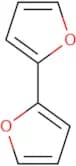
Fórmula:C4H11N3O2SPureza:Min. 95%Peso molecular:165.21 g/mol2,2'-Bifuran
CAS:2,2'-Bifuran is a synthetic compound with a carbonyl group and fluoro substituents. The carbonyl group of 2,2'-bifuran participates in reversible oxidation reactions with the cationic polymerization initiator, which leads to the formation of polymers. The presence of fluoro substituents on the bifuran ring is important for these reactions because they allow for steric interactions with neighboring groups during polymerization. This reaction is highly scalable due to the simple synthesis and inexpensive reagents needed to produce it. 2,2'-Bifuran has been used as an initiator in diagnostic tests and as a structural formula for other compounds.
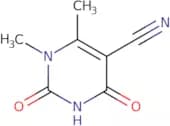
Fórmula:C8H6O2Pureza:Min. 95%Peso molecular:134.13 g/mol1,6-Dimethyl-2,4-dioxo-1,2,3,4-tetrahydropyrimidine-5-carbonitrile
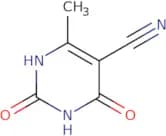
CAS:Versatile small molecule scaffoldFórmula:C7H7N3O2Pureza:Min. 95%Peso molecular:165.15 g/mol6-Methyl-5-cyanouracil
CAS:Versatile small molecule scaffold
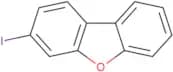
Fórmula:C6H5N3O2Pureza:Min. 95%Peso molecular:151.12 g/mol3-Iododibenzofuran
CAS:3-Iododibenzofuran is a fluorescent compound that has been used as a probe for the study of neutral endopeptidase activity. The compound is characterized by a high degree of thermal stability and an inhibitory potency at pH 7.0 that is approximately 3 orders of magnitude greater than that of the active site inhibitor, anthracene. 3-Iododibenzofuran can be synthesized using chemoenzymatic methods, with efficiencies and profiles that are similar to those obtained in the conventional method. This probe can also be used to investigate the functional role of proteins in living cells or tissues.
3-Iodobenzofuran has been shown to have pressor effects in rats and can cause tetrazole (a type of explosive) to detonate when heated, which makes it unsuitable for use in devices such as explosives or pyrotechnics.Fórmula:C12H7IOPureza:Min. 95%Peso molecular:294.09 g/molRef: 3D-FAA89629
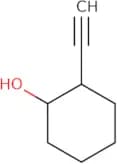
Produto descontinuado2-Ethynylcyclohexan-1-ol
CAS:2-Ethynylcyclohexan-1-ol is a cyclohexanol derivative that is synthesized by the intramolecular coupling of two phenylsulfonyl acetates. It has been shown to be an acid and base conjugate. 2-Ethynylcyclohexan-1-ol has a photophysical profile that includes fluorescence, which makes it useful for detection. This compound also yields ketones and carbocycles, making it useful in synthesis.
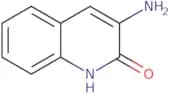
Fórmula:C8H12OPureza:Min. 95%Peso molecular:124.18 g/mol3-Aminoquinolin-2(1H)-one
CAS:3-Aminoquinolin-2(1H)-one is a synthetic compound. It has been prepared by condensation of 2-aminoacrylic acid with 1,3-diaminopropane. This reaction yields an imine that can be hydrolyzed to the corresponding amine. 3-Aminoquinolin-2(1H)-one has been used as an efficient method for the synthesis of hippuric acid and its isomers. The spectra of 3-aminoquinolin-2(1H)-one show three peaks at m/z=193, 182 and 144, which correspond to the molecular ion peak (m/z=193), the corresponding methylene peak (m/z=182) and the protonated amine peak (m/z=144). The mass spectrum shows two major peaks: one at m/z=193 and one at m/z=145. These peaks are due to fragmentation
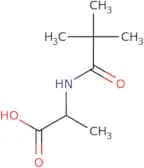
Fórmula:C9H8N2OPureza:Min. 95%Peso molecular:160.17 g/mol2-(2,2-Dimethylpropanamido)propanoic acid
CAS:Versatile small molecule scaffoldFórmula:C8H15NO3Pureza:Min. 95%Peso molecular:173.21 g/mol3-Hydroxy-2-phenylcyclopent-2-en-1-one
CAS:The herbicide 3-Hydroxy-2-phenylcyclopent-2-en-1-one is a phenoxy compound that inhibits the enzyme acetolactate synthase, which is required for the biosynthesis of branched chain amino acids. This inhibition leads to a shortage of these amino acids and growth inhibition in plants.
Fórmula:C11H10O2Pureza:Min. 95%Peso molecular:174.2 g/molRef: 3D-FAA86479
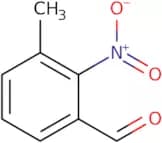
Produto descontinuado3-Methyl-2-nitrobenzaldehyde
CAS:3-Methyl-2-nitrobenzaldehyde is a compound that has been shown to undergo the shift reaction in which one atom or group of atoms is moved from one position to another. This reaction was catalyzed by carbodiimides, and the product was an n-substituted carbodiimide. 3-Methyl-2-nitrobenzaldehyde also has been shown to react with methylamine as well as amines such as aniline, cyclohexylamine, and benzylamine. The reaction products are diarylmethane derivatives with a nitrogen atom and an aryl group.
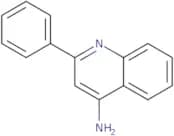
Fórmula:C8H7NO3Pureza:Min. 95%Peso molecular:165.15 g/mol2-Phenylquinolin-4-amine
CAS:2-Phenylquinolin-4-amine is a ligand that binds to the active site of the human apoE4 protein, which is involved in lipid metabolism. 2-Phenylquinolin-4-amine has been shown to be cytotoxic against cancer cell lines and potent at low concentrations. It was also shown to have potent activity in apoptosis induction and cell cycle arrest. This ligand interacts with amide groups on the surface of proteins and can form amide bonds with other molecules, including formamide and solvents. The binding constants for 2-phenylquinolin-4-amine have been measured using molecular modeling techniques and bioinformatics databases.
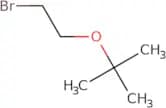
Fórmula:C15H12N2Pureza:Min. 95%Peso molecular:220.28 g/mol2-(2-Bromoethoxy)-2-methylpropane
CAS:2-(2-Bromoethoxy)-2-methylpropane is a cavity solvent that is used to extract fullerenes, metal ions, and other organic compounds from crystals. It can be used as an extractant for metal cations in the presence of water. 2-(2-Bromoethoxy)-2-methylpropane has been shown to have ion channel inhibition properties. This compound will bind to the hydrophobic cavities of ion channels, which prevents the flow of ions through the channel. This binding leads to a decrease in membrane potential and causes cells to become unstable or die. 2-(2-Bromoethoxy)-2-methylpropane crystallizes in the monoclinic crystal system with a space group P21/c. In this crystal structure, there are two molecules per unit cell with their molecular axes parallel to each other and perpendicular to the two mirror planes that intersect at 90° angles. The conformation of this molecule can
Fórmula:C6H13BrOPureza:Min. 95%Peso molecular:181.07 g/mol2-Azabicyclo[2.2.2]octane hydrochloride
CAS:Versatile small molecule scaffold
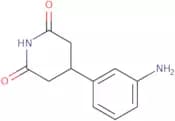
Fórmula:C7H14ClNPureza:Min. 95%Peso molecular:147.65 g/mol4-(3-Aminophenyl)piperidine-2,6-dione
CAS:Versatile small molecule scaffold
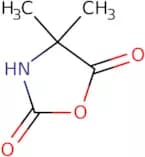
Fórmula:C11H12N2O2Pureza:Min. 95%Peso molecular:204.22 g/mol4,4-Dimethyloxazolidine-2,5-dione
CAS:Versatile small molecule scaffold
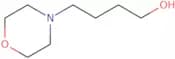
Fórmula:C5H7NO3Pureza:Min. 95%Peso molecular:129.11 g/mol4-(4-Morpholinyl)-1-butanol
CAS:Versatile small molecule scaffold
Fórmula:C8H17NO2Pureza:Min. 95%Peso molecular:159.23 g/mol2-(Tetrahydro-2-furanylmethoxy)-1-ethanol
CAS:2-(Tetrahydro-2-furanylmethoxy)-1-ethanol is a monoglyceride with a 2-hydroxy group and an ether bond. It is a glycol ether and glycol ester, which are used in the manufacture of polymers and adhesives. 2-(Tetrahydro-2-furanylmethoxy)-1-ethanol is also known to be metabolized in the human body to methyl ethyl, which has been shown to have neurotoxic effects. The substance has been shown to cause locomotor activity in mice at a dose of 100 mg/kg. It is also known to inhibit the activity of the receptor that binds acetylcholine, thereby decreasing muscle contractions. This product has been shown to cause skin cancer when applied topically in animal studies.
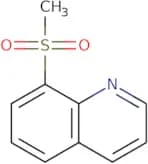
Fórmula:C7H14O3Pureza:Min. 95%Peso molecular:146.19 g/mol8-(Methylsulfonyl)quinoline
CAS:Versatile small molecule scaffold
Fórmula:C10H9NO2SPureza:Min. 95%Peso molecular:207.25 g/mol[(2-Methylprop-2-en-1-yl)oxy]benzene
CAS:[(2-Methylprop-2-en-1-yl)oxy]benzene is a diphenyl ether with the chemical formula C9H14O. This molecule has a hydroxy group, which is an inorganic acid, and a chloride group. [(2-Methylprop-2-en-1-yl)oxy]benzene is used as a polymerization initiator for plastics and resins. It also has functional groups that are involved in receptor activity and can be used to synthesize different types of organic molecules.
Fórmula:C10H12OPureza:Min. 95%Peso molecular:148.2 g/mol6-(Pyrrolidin-1-yl)hexanoic acid
CAS:Versatile small molecule scaffold
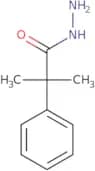
Fórmula:C10H19NO2Pureza:Min. 95%Peso molecular:185.3 g/mol2-Methyl-2-phenylpropanehydrazide
CAS:Versatile small molecule scaffold
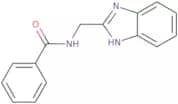
Fórmula:C10H14N2OPureza:Min. 95%Peso molecular:178.23 g/molN-(1H-1,3-Benzodiazol-2-ylmethyl)benzamide
CAS:Versatile small molecule scaffold
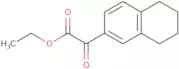
Fórmula:C15H13N3OPureza:Min. 95%Peso molecular:251.28 g/molEthyl 2-oxo-2-(5,6,7,8-tetrahydronaphthalen-2-yl)acetate
CAS:Versatile small molecule scaffold
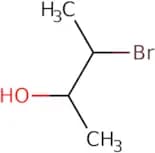
Fórmula:C14H16O3Pureza:Min. 95%Peso molecular:232.27 g/mol3-Bromobutan-2-ol
CAS:3-Bromobutan-2-ol is an alcohol that is used as a chemical intermediate in the preparation of bromohydrins, which are intermediates in the production of other organic compounds. 3-Bromobutan-2-ol can be prepared by catalytic asymmetric synthesis from 2-bromoethanol and dimethylamine. The stereoisomers of 3-bromobutan-2-ol are optically active and can be separated by column chromatography or recrystallization. The synthetic route for this compound involves esterification with formic acid followed by hydrolysis to give 3-bromobutanone, which then undergoes a dehydration reaction with boron tribromide to produce 3-bromobutan-2-ol. This product has been shown to have antifungal properties against Candida albicans, Coccidioides immitis, and Aspergillus fumigatus
Fórmula:C4H9BrOPureza:Min. 95%Peso molecular:153.02 g/molRef: 3D-FAA79880
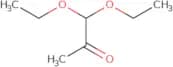
Produto descontinuado1,1-Diethoxypropan-2-one
CAS:Versatile small molecule scaffold
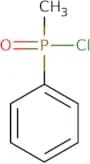
Fórmula:C7H14O3Pureza:Min. 95%Peso molecular:146.18 g/molMethyl(phenyl)phosphinoyl chloride
CAS:Methyl(phenyl)phosphinoyl chloride is a phosphorus-containing compound that is an intermediate in the synthesis of the drug phosphinothioyl chloride. Methyl(phenyl)phosphinoyl chloride is used in the treatment of hepatitis, but it also has antiviral properties. The enantiomers of methyl(phenyl)phosphinoyl chloride have different effects on viruses. The left-handed enantiomer inhibits RNA polymerase and other enzymes involved in virus replication, while the right-handed enantiomer blocks virus assembly. Magnetic resonance spectroscopy (MRS) analysis has shown that the left-handed enantiomer binds to the receptor for growth factor, which may account for its antiviral activity.
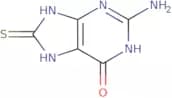
Fórmula:C7H8ClOPPureza:Min. 95%Peso molecular:174.56 g/mol2-Amino-6-hydroxy-8-mercaptopurine
CAS:2-Amino-6-hydroxy-8-mercaptopurine is an antimicrobial agent that inhibits the growth of bacteria by binding to their ribosomes. It has been shown to have a cytotoxic effect in vivo on cancer cells and intestinal parasites, as well as a protective effect against infectious diseases. 2-Amino-6-hydroxy-8-mercaptopurine has also been shown to inhibit the synthesis of proteins in vitro, which may be due to its ability to bind to the ribosomal subunit and inhibit protein synthesis. 2-Amino-6-hydroxy-8-mercaptopurine inhibits bacterial growth by binding to DNA dependent RNA polymerase, thereby preventing transcription and replication. The high frequency of human activity has been shown using a patch clamp technique on human erythrocytes. This active form is metabolized through a number of metabolic transformations, including hydrolysis by esterases or gluc
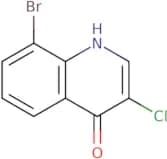
Fórmula:C5H5N5OSPureza:Min. 95%Cor e Forma:PowderPeso molecular:183.19 g/mol3-Chloro-8-bromo-4-hydroxyquinoline
CAS:Versatile small molecule scaffoldFórmula:C9H5BrClNOPureza:Min. 95%Peso molecular:258.5 g/molRef: 3D-EYB81071
Produto descontinuado


![(1S)-1-[3-(Benzyloxy)phenyl]ethan-1-ol](/_next/image/?url=https%3A%2Fstatic.cymitquimica.com%2Fproducts%2F3D%2Fthumb-webp%2FFBC59141.webp&w=3840&q=75)

![2-{[2-(Trifluoromethyl)phenyl]formamido}acetic acid](/_next/image/?url=https%3A%2Fstatic.cymitquimica.com%2Fproducts%2F3D%2Fthumb-webp%2FFAB11794.webp&w=3840&q=75)
![3-[3-(Trifluoromethyl)phenyl]pyridine](/_next/image/?url=https%3A%2Fstatic.cymitquimica.com%2Fproducts%2F3D%2Fthumb-webp%2FFAA95799.webp&w=3840&q=75)
![4,6-Dichloro-1H,2H,3H-pyrrolo[2,3-b]pyridine](/_next/image/?url=https%3A%2Fstatic.cymitquimica.com%2Fproducts%2F3D%2Fthumb-webp%2FFAA91215.webp&w=3840&q=75)


![2-Azabicyclo[2.2.2]octane hydrochloride](/_next/image/?url=https%3A%2Fstatic.cymitquimica.com%2Fproducts%2F3D%2Fthumb-webp%2FFAA84515.webp&w=3840&q=75)
![[(2-Methylprop-2-en-1-yl)oxy]benzene](/_next/image/?url=https%3A%2Fstatic.cymitquimica.com%2Fproducts%2F3D%2Fthumb-webp%2FFAA82022.webp&w=3840&q=75)