Building Blocks
Subcategorias de "Building Blocks"
- Ácidos Borónicos e Derivados de Ácido Borónico(5.774 produtos)
- Building Blocks Quirais(1.237 produtos)
- Building Blocks Hidrocarbonetos(6.098 produtos)
- Building Blocks orgânicos(60.969 produtos)
Foram encontrados 205134 produtos de "Building Blocks"
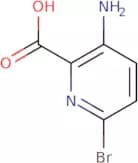
3-Amino-6-bromopicolinic acid
CAS:Versatile small molecule scaffold
Fórmula:C6H5BrN2O2Pureza:Min. 95%Peso molecular:217.02 g/mol1-[(4-Chlorophenyl)methyl]-1H-pyrazol-5-amine hydrochloride
CAS:Versatile small molecule scaffoldFórmula:C10H11Cl2N3Pureza:Min. 95%Peso molecular:244.12 g/mol3-Chloro-N-[2-(4-methyl-1,3-thiazol-5-yl)-2-oxoethyl]propanamide
CAS:Versatile small molecule scaffoldFórmula:C9H11ClN2O2SPureza:Min. 95%Peso molecular:246.71 g/molRef: 3D-CHC38015
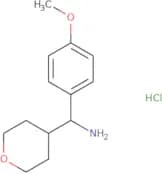
Produto descontinuado(4-Methoxyphenyl)(oxan-4-yl)methanamine hydrochloride
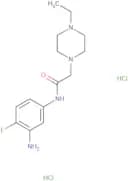
CAS:Versatile small molecule scaffoldFórmula:C13H20ClNO2Pureza:Min. 95%Peso molecular:257.75 g/molN-(3-Amino-4-fluorophenyl)-2-(4-ethylpiperazin-1-yl)acetamide dihydrochloride
CAS:Versatile small molecule scaffoldFórmula:C14H23Cl2FN4OPureza:Min. 95%Peso molecular:353.3 g/molRef: 3D-CHC37971
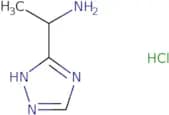
Produto descontinuado1-(1H-1,2,4-triazol-3-yl)ethan-1-amine hydrochloride
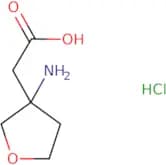
CAS:Versatile small molecule scaffoldFórmula:C4H8N4·HClPureza:Min. 95%Peso molecular:148.59 g/mol2-(3-Aminooxolan-3-yl)acetic acid hydrochloride
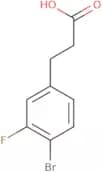
CAS:Versatile small molecule scaffoldFórmula:C6H12ClNO3Pureza:Min. 95%Peso molecular:181.62 g/mol3-(4-Bromo-3-fluorophenyl)propanoic acid
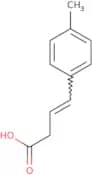
CAS:Versatile small molecule scaffoldFórmula:C9H8BrFO2Pureza:Min. 95%Peso molecular:247.06 g/mol4-(4-Methylphenyl)but-3-enoic acid
CAS:Versatile small molecule scaffold
Fórmula:C11H12O2Pureza:Min. 95%Peso molecular:176.21 g/mol5-Chloroisoindoline
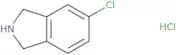
CAS:5-Chloroisoindoline is a compound that can be synthesized from amines. It is a cyclic compound with a high yield. 5-Chloroisoindoline can be used to synthesize other compounds, including pharmaceuticals and dyestuffs.
Fórmula:C8H8ClNPureza:Min. 95%Peso molecular:153.61 g/molSodium 2-fluorobenzene-1-sulfinate
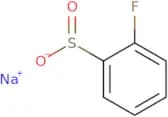
CAS:Sodium 2-fluorobenzene-1-sulfinate is an arylation agent that can be used to synthesize substituted phenols. It is a regioselective reagent, which means it only reacts at the para position of the aromatic ring. The carbonate group can be removed by treatment with tripotassium phosphate in acidic solution, yielding the corresponding n-oxide. Sodium 2-fluorobenzene-1-sulfinate can also be used for palladium-catalyzed arylating reactions. This reaction requires a stoichiometric amount of triphenylphosphine and yields excellent yields. It reacts with diphenylphosphine to form the corresponding oxide in high yield. Sodium 2-fluorobenzene-1-sulfinate is commercially available and synlett has been reported.
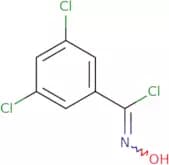
Fórmula:C6H4FNaO2SPureza:Min. 95%Peso molecular:182.15 g/mol3,5-Dichloro-N-hydroxybenzene-1-carbonimidoyl chloride
CAS:Versatile small molecule scaffold
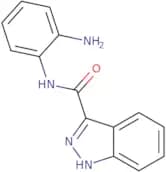
Fórmula:C7H4Cl3NOPureza:Min. 95%Peso molecular:224.5 g/molN-(2-Aminophenyl)-1H-indazole-3-carboxamide
CAS:Versatile small molecule scaffold
Fórmula:C14H12N4OPureza:Min. 95%Peso molecular:252.27 g/mol7-(Bromomethyl)pentadecane
CAS:7-(Bromomethyl)pentadecane is a molecule that has been used as an acceptor in organic photovoltaic devices. This molecule has a phenothiazine ring, which is electron deficient and low energy. 7-(Bromomethyl)pentadecane molecules are able to absorb light and convert it into electricity with high efficiency.
Fórmula:C16H33BrPureza:Min. 95%Peso molecular:305.34 g/mol2-(5-Methyl-1,3-oxazol-2-yl)aniline
CAS:Versatile small molecule scaffold
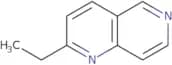
Fórmula:C10H10N2OPureza:Min. 95%Peso molecular:174.2 g/mol2-Ethyl-1,6-naphthyridine
CAS:Versatile small molecule scaffold
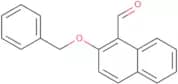
Fórmula:C10H10N2Pureza:Min. 95%Peso molecular:158.2 g/mol2-(Benzyloxy)-1-naphthaldehyde
CAS:2-(Benzyloxy)-1-naphthaldehyde is a synthetic compound that has been shown to inhibit the growth of P. aeruginosa. The synthesis of 2-(benzyloxy)-1-naphthaldehyde was achieved through the copper complex reaction with chalcone, which produced this compound in an efficient manner. In addition, 2-(benzyloxy)-1-naphthaldehyde has been shown to be a potent inhibitor of methyltransferase and dihedral molecular geometry studies. This makes it an attractive target for cancer therapy as well as Alzheimer's disease research because it inhibits the production of amyloid beta peptides, which are linked to these diseases.
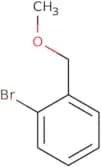
Fórmula:C18H14O2Pureza:Min. 95%Peso molecular:262.3 g/mol1-Bromo-2-(methoxymethyl)benzene
CAS:1-Bromo-2-(methoxymethyl)benzene is a boronic acid that is used in the synthesis of palladium complexes. It is synthesized by reacting 1-bromobenzene with methanol and methoxymethyl chloride. The 1-bromo-2-(methoxymethyl)benzene has been used as a ligand for palladium complexes, which are often used to catalyze organic reactions, such as the metathesis reaction. Synthetic methods have been developed to produce the compound and NMR spectra have been obtained to provide kinetic data on these reactions.
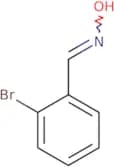
Fórmula:C8H9BrOPureza:Min. 95%Peso molecular:201.06 g/mol2-Bromobenzaldoxime
CAS:2-Bromobenzaldoxime is a biologically active molecule that has been shown to have significant physiological activities. It is an aldehyde, which is metabolized by the liver or kidneys into the corresponding alcohol, 2-bromoethanol. 2-Bromobenzaldoxime has been shown to be synthesized from diethyl ether and potassium phosphate in the presence of amino acids. The reaction proceeds with dehydration of the intermediate bromohydrin to form an aldoxime. This molecule can be used as a pharmaceutical drug for various diseases such as diabetes mellitus, hypertension, and inflammation.
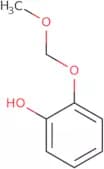
Fórmula:C7H6BrNOPureza:Min. 95%Peso molecular:200.03 g/mol2-(Methoxymethoxy)phenol
CAS:Versatile small molecule scaffold
Fórmula:C8H10O3Pureza:Min. 95%Peso molecular:154.16 g/mol1-[2-(Propan-2-yl)phenyl]ethan-1-one
CAS:1-[2-(Propan-2-yl)phenyl]ethan-1-one is a chemical compound that belongs to the group of esters. It is an emulsifier for pharmaceutical, cosmetic and food products. 1-[2-(Propan-2-yl)phenyl]ethan-1-one has been used in the production of micronized particles that are not complexed with polyvinyl acetate or other polymeric matrices. This product can be used as a reaction product in the synthesis of cyclodextrin and also as an efficient method for the production of dry powder form.
Fórmula:C11H14OPureza:Min. 95%Peso molecular:162.23 g/mol1-Benzothiophene-5-carbonitrile
CAS:1-Benzothiophene-5-carbonitrile is a heterocyclic compound that is formed by condensation of ethyl azidoacetate with indole under catalysis. It can be used in the synthesis of heterocycles. The yield of 1-benzothiophene-5-carbonitrile is about 56%.
Fórmula:C9H5NSPureza:Min. 95%Peso molecular:159.21 g/mol2-isopropyltetrahydro-4H-pyran-4-one
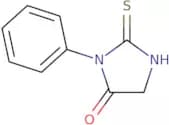
CAS:Versatile small molecule scaffoldFórmula:C8H14O2Pureza:Min. 95%Peso molecular:142.19 g/molPhenylthiohydantoin-glycine
CAS:Phenylthiohydantoin-glycine is a drug used for the treatment of muscle diseases such as myasthenia gravis, Lambert-Eaton syndrome, and post-polio syndrome. It inhibits the production of acetylcholine at neuromuscular junctions by interfering with the synthesis of proteins that are critical for signal transmission from nerve cells to muscles. Phenylthiohydantoin-glycine is a small molecule consisting of two amino acids, phenylthiohydantoin and glycine. The drug binds to lysine residues on proteins using its hydroxyl group and trifluoroacetic acid moiety. This binding prevents the formation of an active enzyme that catalyzes the conversion of choline into acetylcholine at neuromuscular junctions.
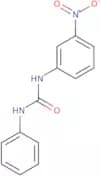
Fórmula:C9H8N2OSPureza:Min. 95%Peso molecular:192.24 g/mol3-(3-Nitrophenyl)-1-phenylurea
CAS:3-(3-Nitrophenyl)-1-phenylurea is a fluorinated compound that inhibits the growth of plants by inhibiting photosynthesis. It is used as an insecticide and fungicide. 3-(3-Nitrophenyl)-1-phenylurea also has been shown to have some antiviral properties.
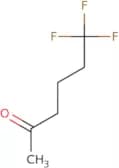
Fórmula:C13H11N3O3Pureza:Min. 95%Peso molecular:257.24 g/mol6,6,6-Trifluorohexan-2-one
CAS:Versatile small molecule scaffold
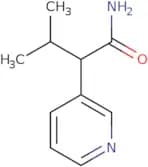
Fórmula:C6H9F3OPureza:Min. 95%Peso molecular:154.13 g/mol3-Methyl-2-(pyridin-3-yl)butanamide
CAS:Versatile small molecule scaffold
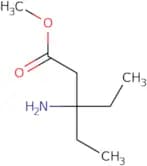
Fórmula:C10H14N2OPureza:Min. 95%Peso molecular:178.23 g/molMethyl 3-amino-3-ethylpentanoate
CAS:Versatile small molecule scaffold
Fórmula:C8H17NO2Pureza:Min. 95%Peso molecular:159.23 g/mol(2S)-2-Amino-4-(aminooxy)butanoic acid dihydrochloride
CAS:Versatile small molecule scaffold
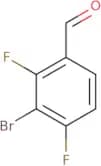
Fórmula:C4H12Cl2N2O3Pureza:Min. 95%Peso molecular:207.1 g/mol3-Bromo-2,4-difluorobenzaldehyde
CAS:Versatile small molecule scaffold
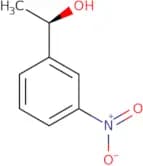
Fórmula:C7H3BrF2OPureza:Min. 95%Peso molecular:219.93 g/mol(1R)-1-(3-Nitrophenyl)ethanol
CAS:(1R)-1-(3-Nitrophenyl)ethanol is a prochiral alcohol that is generated by the oxidation of nitrobenzene. It has an optimal pH range of 5.5-7.0 and optimum catalytic activity at a ph range of 6.5-8.0. (1R)-1-(3-Nitrophenyl)ethanol can be used in the production of antibiotics such as penicillin and cephalosporin, which are derived from erythromycin. The chiral nature of this molecule allows for the synthesis of two different stereoisomers: erythromycin A and erythromycin B. This molecule also has been shown to have antifungal properties, inhibiting the growth of bacteria such as Bacillus subtilis, Staphylococcus aureus, and Escherichia coli.
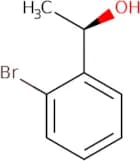
Fórmula:C8H9NO3Pureza:Min. 95%Peso molecular:167.16 g/mol(R)-(+)-2-Bromo-±-methylbenzyl alcohol
CAS:Versatile small molecule scaffold
Fórmula:C8H9BrOPureza:Min. 95%Peso molecular:201.06 g/molSCH 28080
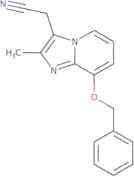
CAS:SCH 28080 is a potent inhibitor of transcriptional activator protein-1 (AP-1) and nuclear factor-κB (NF-κB). These two transcriptional regulatory proteins are activated by various stimuli, including inflammatory cytokines, such as IL-1β, TNF-α, and IL-6. Activation of these transcription factors leads to the upregulation of the genes encoding proinflammatory mediators, such as eosinophil cationic protein and interleukins. SCH 28080 has been shown to inhibit NF-κB activation in human HL60 cells, which may be due to its ability to bind to both the α subunit of NF-κB and AP-1.
Fórmula:C17H15N3OPureza:Min. 95%Peso molecular:277.33 g/mol3-Chloro-4-[(4-methoxyphenyl)sulfanyl]aniline
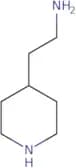
CAS:Versatile small molecule scaffoldFórmula:C13H12ClNOSPureza:Min. 95%Peso molecular:265.76 g/mol2-(Piperidin-4-yl)ethan-1-amine
CAS:2-(Piperidin-4-yl)ethan-1-amine is a nonsteroidal anti-inflammatory drug (NSAID) that inhibits the enzyme pancreatic lipase. This inhibition of lipases leads to the decrease in triglycerides and phospholipids in the blood, which prevents inflammation. 2-(Piperidin-4-yl)ethan-1-amine has been shown to have antibacterial and antifungal properties. It has been used for the treatment of infections caused by Mycobacteria sp., including Mycobacterium tuberculosis, M. avium complex, and M. kansasii. It also has been used for the treatment of orlistat induced side effects such as steatorrhea and diarrhea. The use of this drug is limited because it can cause liver toxicity or gastrointestinal ulceration at high doses.
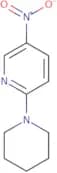
Fórmula:C7H16N2Pureza:Min. 95%Peso molecular:128.22 g/mol5-Nitro-2-(piperidine-1-yl)pyridine
CAS:5-Nitro-2-(piperidine-1-yl)pyridine is a product that is formed by the nucleophilic addition of nitric acid to 1,3-diketones. It has been used in the synthesis of phenyl and isoxazole derivatives. The reaction was rationalized using amines as nucleophiles, which attack the electrophilic carbon atom in the ketone. This product has also been shown to be an effective nucleophile for attacking other molecules, such as azides and nitrates. In the Australian outback, 5-Nitro-2-(piperidine-1-yl)pyridine can be found in soils and plants.
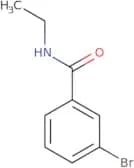
Fórmula:C10H13N3O2Pureza:Min. 95%Peso molecular:207.23 g/mol3-Bromo-N-ethylbenzamide
CAS:Versatile small molecule scaffold
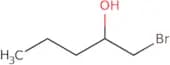
Fórmula:C9H10BrNOPureza:Min. 95%Peso molecular:228.09 g/mol1-Bromopentan-2-ol
CAS:1-Bromopentan-2-ol is an additive that is used in lubricating preparations, as well as a solvent in spectroscopy. It has been shown to have antimicrobial properties against fungi and bacteria. 1-Bromopentan-2-ol's antimicrobial effects are due to its ability to inhibit the growth of bacteria by binding to amine groups on proteins and preventing the formation of new cell walls. 1-Bromopentan-2-ol also has the ability to react with formaldehyde, generating formaldehyde gas which inhibits microbial growth.
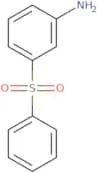
Fórmula:C5H11BrOPureza:Min. 95%Peso molecular:167.04 g/mol3-(Benzenesulfonyl)aniline
CAS:Versatile small molecule scaffold
Fórmula:C12H11NO2SPureza:Min. 95%Peso molecular:233.29 g/mol(3-Aminopropoxy)trimethylsilane
CAS:Versatile small molecule scaffold
Fórmula:C6H17NOSiPureza:Min. 95%Peso molecular:147.29 g/molethyl 3-hydroxybicyclo[3.1.0]hexane-6-carboxylate
CAS:Versatile small molecule scaffold
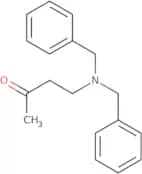
Fórmula:C9H14O3Pureza:Min. 95%Peso molecular:170.21 g/mol4-(dibenzylamino)butan-2-one
CAS:Versatile small molecule scaffold
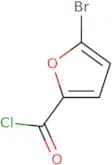
Fórmula:C18H21NOPureza:Min. 95%Peso molecular:267.37 g/mol5-Bromo-furan-2-carbonyl chloride
CAS:5-Bromo-furan-2-carbonyl chloride is a colorless liquid that is soluble in organic solvents. It has a thionyl, polymerized odor and can be used as a feedstock for the production of amines, cyclopentadienyl, and chloride. 5-Bromo-furan-2-carbonyl chloride also has radiation damage properties and can be used in radiochemical synthesis of pyrrole. This chemical has been used to produce glycosides by reacting with diluents such as methanol and ethanol.
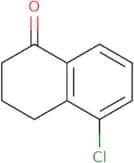
Fórmula:C5H2BrClO2Pureza:Min. 95%Peso molecular:209.42 g/mol5-Chloro-1-tetralone
CAS:5-Chloro-1-tetralone is an oxime that is used as a topical agent for the treatment of staphylococcal infections. It acts by inhibiting bacterial cell wall synthesis, preventing the formation of cross-links between the peptidoglycan chains. 5-Chloro-1-tetralone has potent antibacterial activity against many bacteria and fungi. This compound has shown to be effective against escherichia coli, pneumoniae, and imidazole derivatives. The mechanism of action is not well understood, but it may involve inhibition of protein synthesis or DNA replication by binding to enzymes involved in these processes.
Fórmula:C10H9ClOPureza:Min. 95%Peso molecular:180.63 g/mol1-azabicyclo[2.2.2]octan-4-ylmethanol
CAS:Sinensetin is an anti-inflammatory compound that belongs to the chromones class of compounds. Sinensetin has been shown to have anti-inflammatory properties at high temperatures in experimental models. The mechanism of action for sinensetin is not well understood, but it may be due to the inhibition of prostaglandin synthesis or by direct interaction with TNF-α. Sinensetin also has antioxidant and antifungal properties, which are attributed to its ability to scavenge free radicals and inhibit lipid peroxidation. Sinensetin was found in a variety of plants from China, including Acanthopanax senticosus and Eurycoma longifolia.
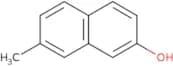
Fórmula:C8H15NOPureza:Min. 95%Peso molecular:141.21 g/mol7-Methylnaphthalen-2-ol
CAS:Versatile small molecule scaffold
Fórmula:C11H10OPureza:Min. 95%Peso molecular:158.2 g/mol2-Phenylmalondialdehyde
CAS:2-Phenylmalondialdehyde is a chemical compound that is used in the synthesis of various drugs. It is synthesized by reacting phenylacetaldehyde with hydrochloric acid, hydrogen chloride, and ferric chloride. 2-Phenylmalondialdehyde has been shown to be an effective pain model for studying the effects of proton radiation. It also has been investigated as a potential treatment for neurological diseases such as Parkinson's disease and Alzheimer's disease. This molecule reacts with dopamine to form 2-phenylethylidenehydrazine, which may have therapeutic properties for treating these diseases. The presence of two phenyl groups and a chlorine atom in the molecule allow it to bind to fatty acids, which may increase its effectiveness against neurological diseases.
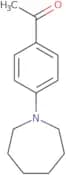
Fórmula:C9H8O2Pureza:Min. 95%Peso molecular:148.16 g/mol1-(4-Azepan-1-ylphenyl)ethanone
CAS:Versatile small molecule scaffold
Fórmula:C14H19NOPureza:Min. 95%Peso molecular:217.31 g/mol2-[4-(Morpholin-4-yl)phenyl]acetic acid
CAS:Versatile small molecule scaffold
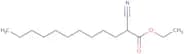
Fórmula:C12H15NO3Pureza:Min. 95%Peso molecular:221.25 g/molEthyl 2-cyanododecanoate
CAS:Versatile small molecule scaffold
Fórmula:C15H27NO2Pureza:Min. 95%Peso molecular:253.38 g/mol

![1-[(4-Chlorophenyl)methyl]-1H-pyrazol-5-amine hydrochloride](/_next/image/?url=https%3A%2Fstatic.cymitquimica.com%2Fproducts%2F3D%2Fthumb-webp%2FCSB55281.webp&w=3840&q=75)
![3-Chloro-N-[2-(4-methyl-1,3-thiazol-5-yl)-2-oxoethyl]propanamide](/_next/image/?url=https%3A%2Fstatic.cymitquimica.com%2Fproducts%2F3D%2Fthumb-webp%2FCHC38015.webp&w=3840&q=75)


![1-[2-(Propan-2-yl)phenyl]ethan-1-one](/_next/image/?url=https%3A%2Fstatic.cymitquimica.com%2Fproducts%2F3D%2Fthumb-webp%2FCAA14265.webp&w=3840&q=75)

![3-Chloro-4-[(4-methoxyphenyl)sulfanyl]aniline](/_next/image/?url=https%3A%2Fstatic.cymitquimica.com%2Fproducts%2F3D%2Fthumb-webp%2FYAA72454.webp&w=3840&q=75)
![ethyl 3-hydroxybicyclo[3.1.0]hexane-6-carboxylate](/_next/image/?url=https%3A%2Fstatic.cymitquimica.com%2Fproducts%2F3D%2Fthumb-webp%2FBBA78636.webp&w=3840&q=75)
![1-azabicyclo[2.2.2]octan-4-ylmethanol](/_next/image/?url=https%3A%2Fstatic.cymitquimica.com%2Fproducts%2F3D%2Fthumb-webp%2FBBA60858.webp&w=3840&q=75)

![2-[4-(Morpholin-4-yl)phenyl]acetic acid](/_next/image/?url=https%3A%2Fstatic.cymitquimica.com%2Fproducts%2F3D%2Fthumb-webp%2FBBA57757.webp&w=3840&q=75)