Building Blocks
Esta seção contém produtos fundamentais para a síntese de compostos orgânicos e biológicos. Building blocks são os materiais de partida essenciais usados para construir moléculas complexas através de várias reações químicas. Eles desempenham um papel crítico na descoberta de medicamentos, ciência dos materiais e pesquisa química. Na CymitQuimica, oferecemos uma ampla gama de building blocks de alta qualidade para apoiar suas pesquisas inovadoras e projetos industriais, garantindo que você tenha os componentes essenciais para uma síntese bem-sucedida.
Subcategorias de "Building Blocks"
- Ácidos Borónicos e Derivados de Ácido Borónico(5.756 produtos)
- Building Blocks Quirais(1.242 produtos)
- Building Blocks Hidrocarbonetos(6.093 produtos)
- Building Blocks orgânicos(60.529 produtos)
Foram encontrados 195536 produtos de "Building Blocks"
Ordenar por
Pureza (%)
0
100
|
0
|
50
|
90
|
95
|
100
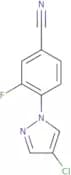
4-(4-Chloro-1H-pyrazol-1-yl)-3-fluorobenzonitrile
CAS:<p>Versatile small molecule scaffold</p>Fórmula:C10H5ClFN3Pureza:Min. 95%Peso molecular:221.62 g/mol3-[3-(Trifluoromethyl)phenyl]-1,2,4-thiadiazol-5-amine
CAS:<p>Versatile small molecule scaffold</p>Fórmula:C9H6F3N3SPureza:Min. 95%Peso molecular:245.23 g/mol2-[2-(3-Fluorophenyl)ethoxy]acetic acid
CAS:<p>Versatile small molecule scaffold</p>Fórmula:C10H11FO3Pureza:Min. 95%Peso molecular:198.19 g/mol(3-Fluoro-2,6-dimethoxyphenyl)boronic acid
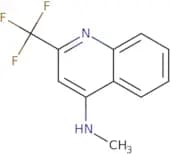
CAS:<p>Versatile small molecule scaffold</p>Fórmula:C8H10BFO4Pureza:Min. 95%Peso molecular:199.97 g/molN-Methyl-2-(trifluoromethyl)quinolin-4-amine
CAS:<p>Versatile small molecule scaffold</p>Fórmula:C11H9F3N2Pureza:Min. 95%Peso molecular:226.2 g/mol3-Benzylpiperazin-2-one
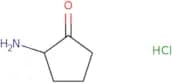
CAS:<p>Versatile small molecule scaffold</p>Fórmula:C11H14N2OPureza:Min. 95%Peso molecular:190.24 g/mol2-Aminocyclopentan-1-one hydrochloride
CAS:<p>Versatile small molecule scaffold</p>Fórmula:C5H10ClNOPureza:Min. 95%Peso molecular:135.59 g/mol3-(Hydroxymethyl)cyclobutan-1-one
CAS:<p>3-(Hydroxymethyl)cyclobutan-1-one is a synthetic piperazine derivative that has been shown to have antitumor and antimycobacterial activities. It is a selective inhibitor of the enzyme purine nucleoside phosphorylase (PNP), which catalyzes the conversion of inosine monophosphate (IMP) to xanthosine monophosphate (XMP). This inhibition results in an accumulation of IMP and deoxyinosine monophosphate (dIMP) in tumor cells. 3-(Hydroxymethyl)cyclobutan-1-one also inhibits Mycobacterium tuberculosis, but not other bacteria such as Escherichia coli or Staphylococcus aureus. The product is synthetically produced by reacting cyclobutanone with hydroxylamine.</p>Fórmula:C5H8O2Pureza:Min. 95%Peso molecular:100.12 g/mol1-Bromo-3-(2,4-difluorophenyl)propan-2-one
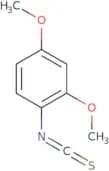
CAS:<p>Versatile small molecule scaffold</p>Fórmula:C9H7BrF2OPureza:Min. 95%Peso molecular:249.05 g/mol2,4-Dimethoxyphenyl isothiocyanate
CAS:<p>2,4-Dimethoxyphenyl isothiocyanate (DMITC) is a molecule that has been shown to have pro-apoptotic activity against human colorectal carcinoma cells. It also inhibits the growth of the colon cancer cells by inducing apoptosis. DMITC has been shown to inhibit the synthesis of DNA and RNA in a dose-dependent manner. This molecule is efficiently synthesized by reacting an imine with an isothiocyanate. DMITC has cytometric analysis for mechanistic studies and can be used as a chemotherapeutic agent for cancer treatment.</p>Fórmula:C9H9NO2SPureza:Min. 95%Peso molecular:195.24 g/mol7-Bromo-8-chloro-1,2,3,4-tetrahydroisoquinoline
CAS:<p>Versatile small molecule scaffold</p>Fórmula:C9H9BrClNPureza:Min. 95%Peso molecular:246.53 g/mol3-Bromo-4H-furo[3,2-b]pyrrole-5-carboxylic acid
CAS:<p>Versatile small molecule scaffold</p>Fórmula:C7H4BrNO3Pureza:Min. 95%Peso molecular:230.02 g/mol1-[(4-Iodophenyl)carbamoyl]cyclopropane-1-carboxylic acid
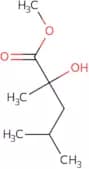
CAS:<p>Versatile small molecule scaffold</p>Fórmula:C11H10INO3Pureza:Min. 95%Peso molecular:331.11 g/molMethyl 2-hydroxy-2,4-dimethylpentanoate
CAS:<p>Versatile small molecule scaffold</p>Fórmula:C8H16O3Pureza:Min. 95%Peso molecular:160.2 g/molMethyl 2-[4-(2-aminoethyl)phenoxy]acetate hydrochloride
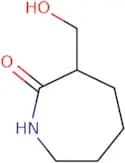
CAS:<p>Versatile small molecule scaffold</p>Fórmula:C11H16ClNO3Pureza:Min. 95%Peso molecular:245.7 g/mol3-(Hydroxymethyl)azepan-2-one
CAS:<p>3-(Hydroxymethyl)azepan-2-one is a monomer that belongs to the class of organic solvents. It is used as an additive in agrochemical formulations, where it functions as a viscosity regulator and stabilizer. 3-(Hydroxymethyl)azepan-2-one has also been shown to be a bioactive substance with antimicrobial properties, which is due to its ability to interfere with protein synthesis by inhibiting the synthesis of RNA. 3-(Hydroxymethyl)azepan-2-one has also been shown to have anti-inflammatory effects, which may be due to its ability to inhibit prostaglandin synthesis.</p>Fórmula:C7H13NO2Pureza:Min. 95%Peso molecular:143.18 g/molRef: 3D-GWC90059
Produto descontinuado2-(5-Methoxy-2-methyl-4-oxo-1,4-dihydropyridin-1-yl)acetic acid
CAS:<p>Versatile small molecule scaffold</p>Fórmula:C9H11NO4Pureza:Min. 95%Peso molecular:197.19 g/molMethyl 2-(pyrrolidin-3-yloxy)acetate hydrochloride
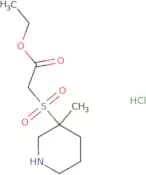
CAS:<p>Versatile small molecule scaffold</p>Fórmula:C7H14ClNO3Pureza:Min. 95%Peso molecular:195.64 g/molEthyl 2-((3-methylpiperidin-3-yl)sulfonyl)acetate hydrochloride
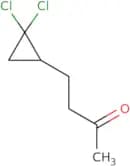
CAS:<p>Versatile small molecule scaffold</p>Fórmula:C10H20ClNO4SPureza:Min. 95%Peso molecular:285.79 g/mol4-(2,2-Dichlorocyclopropyl)butan-2-one
CAS:<p>Versatile small molecule scaffold</p>Fórmula:C7H10Cl2OPureza:Min. 95%Peso molecular:181.06 g/molN-[3-(Aminomethyl)phenyl]cyclobutanecarboxamide
CAS:<p>Versatile small molecule scaffold</p>Fórmula:C12H16N2OPureza:Min. 95%Peso molecular:204.27 g/mol2-(Thiophen-3-yl)-1H-1,3-benzodiazole-5-carbonitrile
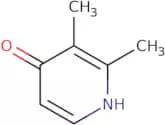
CAS:<p>Versatile small molecule scaffold</p>Fórmula:C12H7N3SPureza:Min. 95%Peso molecular:225.27 g/mol2,3-Dimethyl-1,4-dihydropyridin-4-one
CAS:<p>Versatile small molecule scaffold</p>Fórmula:C7H9NOPureza:Min. 95%Peso molecular:123.15 g/molMethyl 2-{2-[(chlorosulfonyl)methyl]phenyl}acetate
CAS:<p>Versatile small molecule scaffold</p>Fórmula:C10H11ClO4SPureza:Min. 95%Peso molecular:262.71 g/molRef: 3D-ZLC87248
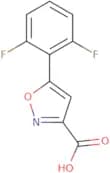
Produto descontinuado5-(2,6-Difluorophenyl)-1,2-oxazole-3-carboxylic acid
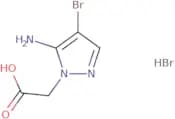
CAS:<p>Versatile small molecule scaffold</p>Fórmula:C10H5F2NO3Pureza:Min. 95%Peso molecular:225.15 g/mol2-(5-Amino-4-bromo-1H-pyrazol-1-yl)acetic acid hydrobromide
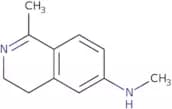
CAS:<p>Versatile small molecule scaffold</p>Fórmula:C5H7Br2N3O2Pureza:Min. 95%Peso molecular:300.94 g/molN,1-Dimethyl-3,4-dihydroisoquinolin-6-amine
CAS:<p>Versatile small molecule scaffold</p>Fórmula:C11H14N2Pureza:Min. 95%Peso molecular:174.24 g/mol7-Chloro-5-methylpyrazolo[1,5-a]pyrimidine-3-carbonitrile
CAS:<p>Versatile small molecule scaffold</p>Fórmula:C8H5ClN4Pureza:Min. 95%Peso molecular:192.6 g/mol(2E)-3-[2-(Allyloxy)phenyl]acrylic acid
CAS:<p>Versatile small molecule scaffold</p>Fórmula:C12H12O3Pureza:Min. 95%Peso molecular:204.22 g/moltert-Butyl 6-amino-5H,6H,7H,8H,9H-imidazo[1,2-a][1,4]diazepine-8-carboxylate
CAS:<p>Versatile small molecule scaffold</p>Fórmula:C12H20N4O2Pureza:Min. 95%Peso molecular:252.3 g/molRef: 3D-MRD28171
Produto descontinuado2-Ethoxyethyl 2-methylbenzene-1-sulfonate
CAS:<p>Versatile small molecule scaffold</p>Fórmula:C11H16O4SPureza:Min. 95%Peso molecular:244.3 g/mol2-[5-(Aminomethyl)oxolan-3-yl]acetamide hydrochloride
CAS:<p>Versatile small molecule scaffold</p>Fórmula:C7H15ClN2O2Pureza:Min. 95%Peso molecular:194.7 g/mol2-Oxa-spiro[3.3]heptan-6-ol
CAS:<p>Versatile small molecule scaffold</p>Fórmula:C6H10O2Pureza:Min. 95%Peso molecular:114.14 g/mol2-Bromo-3,3,3-trifluoro-1-propene
CAS:Produto Controlado<p>2-Bromo-3,3,3-trifluoro-1-propene is a chemical compound that has been synthesized in an asymmetric reaction. The reactant is bromopropane and the product is 2,2,2-trifluoropropene. The methylene group on the propene molecule is activated by the nucleophilic attack of a fluoride ion from hydrogen fluoride to form a cavity with a highly strained bond. The kinetic study of this reaction revealed that the activation energy for the reaction is 42 kJ/mol. Palladium-catalyzed coupling reactions are catalyzed by palladium and require nonpolar solvents such as toluene or dichloromethane. This type of reaction has been shown to be exothermic with an isolated yield of 1%.</p>Fórmula:C3H2BrF3Pureza:Min. 95%Cor e Forma:Colorless PowderPeso molecular:174.95 g/mol2-Cyano-5-fluorophenol
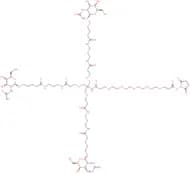
CAS:<p>2-Cyano-5-fluorophenol is an organic compound that is used as a precursor to medicines and other chemicals. It reacts with calcium hydroxide in water to form 2-cyano-5-hydroxyfluorobenzene, which can be hydrolyzed to form 2-cyano-5-chlorofluorobenzene. This compound can also react with sodium hydroxide to produce sodium cyanate, which can be hydrolyzed to form sodium chloride and hydrogen cyanide gas. The alkali metal ions are needed for this reaction, which is why the product should not be exposed to water or moisture. 2-Cyano-5-fluorophenol has been shown to have liquid crystal properties and is used in the production of certain types of polymers. 2Cyano-5Fluorophenol crystals are also used in some medicines such as acetaminophen (paracetamol).</p>Fórmula:C7H4FNOPureza:Min. 95%Peso molecular:137.11 g/molTri-b-GalNAc-PEG5-NHS ester
CAS:<p>Tri-GalNAc-NHS ester is a multivalent molecule composed of three GalNAc cluster arms. It is a protein degrader and a ligand of the asialoglycoprotein receptor (ASGPR) used for the development of targeted therapies for liver diseases. The GalNAc arms enable high-affinity binding to the ASGPR on hepatocyte surfaces. The crucial functional group, N-hydroxysuccinimide (NHS) ester, is known for its ease of conjugation with various biomolecules possessing amine (NH2) groups. This biocompatible reaction strategy allows the design and development of targeted conjugates such as drug-GalNAc conjugates, siRNA delivery vehicles, or probes for ASGPR imaging in the liver.</p>Fórmula:C79H137N11O37Pureza:Min. 95%Cor e Forma:PowderPeso molecular:1,832.99 g/molRef: 3D-FT183733
Produto descontinuado

![3-[3-(Trifluoromethyl)phenyl]-1,2,4-thiadiazol-5-amine](/_next/image/?url=https%3A%2Fstatic.cymitquimica.com%2Fproducts%2F3D%2Fthumb-webp%2FDWB97759.webp&w=3840&q=75)
![2-[2-(3-Fluorophenyl)ethoxy]acetic acid](/_next/image/?url=https%3A%2Fstatic.cymitquimica.com%2Fproducts%2F3D%2Fthumb-webp%2FDNB78695.webp&w=3840&q=75)





![3-Bromo-4H-furo[3,2-b]pyrrole-5-carboxylic acid](/_next/image/?url=https%3A%2Fstatic.cymitquimica.com%2Fproducts%2F3D%2Fthumb-webp%2FHNA09952.webp&w=3840&q=75)
![1-[(4-Iodophenyl)carbamoyl]cyclopropane-1-carboxylic acid](/_next/image/?url=https%3A%2Fstatic.cymitquimica.com%2Fproducts%2F3D%2Fthumb-webp%2FXZB90132.webp&w=3840&q=75)
![Methyl 2-[4-(2-aminoethyl)phenoxy]acetate hydrochloride](/_next/image/?url=https%3A%2Fstatic.cymitquimica.com%2Fproducts%2F3D%2Fthumb-webp%2FHFA22482.webp&w=3840&q=75)

![N-[3-(Aminomethyl)phenyl]cyclobutanecarboxamide](/_next/image/?url=https%3A%2Fstatic.cymitquimica.com%2Fproducts%2F3D%2Fthumb-webp%2FBMB24704.webp&w=3840&q=75)

![Methyl 2-{2-[(chlorosulfonyl)methyl]phenyl}acetate](/_next/image/?url=https%3A%2Fstatic.cymitquimica.com%2Fproducts%2F3D%2Fthumb-webp%2FZLC87248.webp&w=3840&q=75)
![7-Chloro-5-methylpyrazolo[1,5-a]pyrimidine-3-carbonitrile](/_next/image/?url=https%3A%2Fstatic.cymitquimica.com%2Fproducts%2F3D%2Fthumb-webp%2FNFA90434.webp&w=3840&q=75)
![(2E)-3-[2-(Allyloxy)phenyl]acrylic acid](/_next/image/?url=https%3A%2Fstatic.cymitquimica.com%2Fproducts%2F3D%2Fthumb-webp%2FPWB51701.webp&w=3840&q=75)
![tert-Butyl 6-amino-5H,6H,7H,8H,9H-imidazo[1,2-a][1,4]diazepine-8-carboxylate](/_next/image/?url=https%3A%2Fstatic.cymitquimica.com%2Fproducts%2F3D%2Fthumb-webp%2FMRD28171.webp&w=3840&q=75)

![2-[5-(Aminomethyl)oxolan-3-yl]acetamide hydrochloride](/_next/image/?url=https%3A%2Fstatic.cymitquimica.com%2Fproducts%2F3D%2Fthumb-webp%2FMRD27540.webp&w=3840&q=75)
![2-Oxa-spiro[3.3]heptan-6-ol](/_next/image/?url=https%3A%2Fstatic.cymitquimica.com%2Fproducts%2F3D%2Fthumb-webp%2FNEC38108.webp&w=3840&q=75)