Building Blocks
Esta seção contém produtos fundamentais para a síntese de compostos orgânicos e biológicos. Building blocks são os materiais de partida essenciais usados para construir moléculas complexas através de várias reações químicas. Eles desempenham um papel crítico na descoberta de medicamentos, ciência dos materiais e pesquisa química. Na CymitQuimica, oferecemos uma ampla gama de building blocks de alta qualidade para apoiar suas pesquisas inovadoras e projetos industriais, garantindo que você tenha os componentes essenciais para uma síntese bem-sucedida.
Subcategorias de "Building Blocks"
- Ácidos Borónicos e Derivados de Ácido Borónico(5.778 produtos)
- Building Blocks Quirais(1.243 produtos)
- Building Blocks Hidrocarbonetos(6.097 produtos)
- Building Blocks orgânicos(61.052 produtos)
Foram encontrados 201390 produtos de "Building Blocks"
Ordenar por
Pureza (%)
0
100
|
0
|
50
|
90
|
95
|
100
Ethyl 2-(4-hydroxyphenyl)-2-methylpropanoate
CAS:<p>Versatile small molecule scaffold</p>Fórmula:C12H16O3Pureza:Min. 95%Peso molecular:208.25 g/molMethyl 2-(aminooxy)-3-phenylpropanoate hydrochloride
CAS:Versatile small molecule scaffoldFórmula:C10H14ClNO3Pureza:Min. 95%Peso molecular:231.67 g/mol2-[(3-Methoxyphenyl)sulfanyl]benzaldehyde
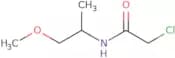
CAS:<p>Versatile small molecule scaffold</p>Fórmula:C14H12O2SPureza:Min. 95%Peso molecular:244.31 g/mol2-Chloro-N-(1-methoxypropan-2-yl)acetamide
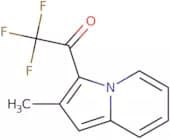
CAS:<p>Versatile small molecule scaffold</p>Fórmula:C6H12ClNO2Pureza:Min. 95%Peso molecular:165.62 g/mol2,2,2-Trifluoro-1-(2-methylindolizin-3-yl)ethan-1-one
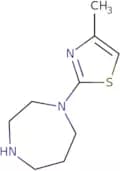
CAS:<p>Versatile small molecule scaffold</p>Fórmula:C11H8F3NOPureza:Min. 95%Peso molecular:227.18 g/mol1-(4-Methyl-1,3-thiazol-2-yl)-1,4-diazepane
CAS:<p>Versatile small molecule scaffold</p>Fórmula:C9H15N3SPureza:Min. 95%Peso molecular:197.3 g/molMethyl[2-(1-methylpiperidin-2-yl)ethyl]amine
CAS:<p>Versatile small molecule scaffold</p>Fórmula:C9H20N2Pureza:Min. 95%Peso molecular:156.27 g/mol6-Methylimidazo[2,1-b][1,3]thiazole-2-carboxylic acid
CAS:<p>Versatile small molecule scaffold</p>Fórmula:C7H6N2O2SPureza:Min. 95%Peso molecular:182.2 g/molPB-22 3-carboxyindole metabolite solution
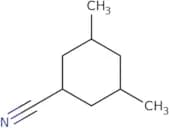
CAS:Produto Controlado<p>PB-22 is a synthetic cannabinoid, which can be classified as a CB1 receptor agonist. It is one of the many cannabinoids that have been created in an attempt to circumvent drug laws by creating compounds that are similar to those found in cannabis but have different chemical structures. PB-22 has shown to increase locomotor activity and stimulate the cb1 receptor in mice. Magnetic resonance spectroscopy (MRS) and assays were used to determine the binding affinity of PB-22 for the CB1 receptor. The MRS data showed that PB-22 bound with high affinity to the CB1 receptor and had a lower affinity for CB2 receptors. This suggests that PB-22 may be more potent than other synthetic cannabinoids, such as JWH-018 and CP 55,940, which bind better with CB2 receptors than CB1 receptors.<br>PB-22 is an analog of JWH-073 and has been shown to have a stronger effect on locomotor activity than JWH</p>Fórmula:C14H17NO2Pureza:Min. 95%Peso molecular:231.29 g/mol3,5-Dimethylcyclohexane-1-carbonitrile
CAS:<p>Versatile small molecule scaffold</p>Fórmula:C9H15NPureza:Min. 95%Peso molecular:137.22 g/molN-[2-(Propan-2-yl)phenyl]-5,6-dihydro-4H-1,3-thiazin-2-amine
CAS:<p>Versatile small molecule scaffold</p>Fórmula:C13H18N2SPureza:Min. 95%Peso molecular:234.36 g/mol3-[(4-Methoxyphenyl)sulfanyl]propanenitrile
CAS:<p>Versatile small molecule scaffold</p>Fórmula:C10H11NOSPureza:Min. 95%Peso molecular:193.27 g/molBenzyl 1-oxa-6-azaspiro[2.5]octane-6-carboxylate
CAS:<p>Versatile small molecule scaffold</p>Fórmula:C14H17NO3Pureza:Min. 95%Peso molecular:247.3 g/mol4-Methyl-2,1,3-benzoxadiazol-1-ium-1-olate
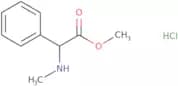
CAS:<p>Versatile small molecule scaffold</p>Fórmula:C7H6N2O2Pureza:Min. 95%Peso molecular:150.13 g/molMethyl 2-(methylamino)-2-phenylacetate hydrochloride
CAS:<p>Versatile small molecule scaffold</p>Fórmula:C10H14ClNO2Pureza:Min. 95%Peso molecular:215.67 g/mol7-Bromo-5-phenyl-2,3-dihydro-1H-1,4-benzodiazepin-2-one
CAS:Produto Controlado<p>Versatile small molecule scaffold</p>Fórmula:C15H11BrN2OPureza:Min. 95%Peso molecular:315.16 g/mol2-[Ethyl(propan-2-yl)amino]ethan-1-ol
CAS:Produto Controlado<p>Versatile small molecule scaffold</p>Fórmula:C7H17NOPureza:Min. 95%Peso molecular:131.22 g/mol1-{[(9H-Fluoren-9-ylmethoxy)carbonyl]amino}-4-phenylcyclohexane-1-carboxylic acid
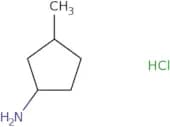
CAS:<p>Versatile small molecule scaffold</p>Fórmula:C28H27NO4Pureza:Min. 95%Peso molecular:441.5 g/mol3-Methylcyclopentan-1-amine hydrochloride
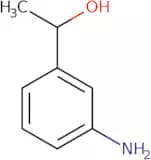
CAS:<p>Versatile small molecule scaffold</p>Fórmula:C6H14ClNPureza:Min. 95%Peso molecular:135.63 g/mol(1R)-1-(3-Aminophenyl)ethan-1-ol
CAS:<p>Versatile small molecule scaffold</p>Fórmula:C8H11NOPureza:Min. 95%Peso molecular:137.18 g/molMethyl 2-{bis[(tert-butoxy)carbonyl]amino}prop-2-enoate
CAS:<p>Versatile small molecule scaffold</p>Fórmula:C14H23NO6Pureza:Min. 95%Peso molecular:301.34 g/mol(1R,8S,9s)-Bicyclo[6.1.0]non-4-yn-9-ylmethyl succinimidyl carbonate
CAS:<p>(1R,8S,9s)-Bicyclo[6.1.0]non-4-yn-9-ylmethyl succinimidyl carbonate is a novel drug that is being researched for use as an anticancer agent. It is a nanocarrier that is able to encapsulate and deliver cancer drugs to the cells of the tumor. The cyclooctyne moiety has been shown to be an effective drug carrier for various drugs and it can be used in combination with other chemotherapeutic agents or radioisotopes. This compound has been shown to be effective against a number of cancer cell lines in vitro and in vivo, including breast, prostate, lung, colon, leukemia, and melanoma cells.</p>Fórmula:C15H17NO5Pureza:Min. 95%Cor e Forma:PowderPeso molecular:291.3 g/mol2,3-Dihydrobenzo[b][1,4]dioxin-6-amine hydrochloride
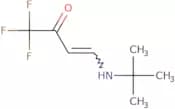
CAS:<p>Versatile small molecule scaffold</p>Fórmula:C8H10ClNO2Pureza:Min. 95%Peso molecular:187.62 g/mol4-(tert-Butylamino)-1,1,1-trifluorobut-3-en-2-one
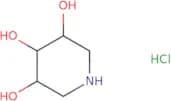
CAS:<p>Versatile small molecule scaffold</p>Fórmula:C8H12F3NOPureza:Min. 95%Peso molecular:195.18 g/molrac-(3R,4S,5S)-Piperidine-3,4,5-triol hydrochloride
CAS:<p>Versatile small molecule scaffold</p>Fórmula:C5H12ClNO3Pureza:Min. 95%Peso molecular:169.61 g/molRef: 3D-BHA59775
Produto descontinuado(7S)-5-Oxo-5H,6H,7H,8H-imidazo[1,5-c]pyrimidine-7-carboxylic acid hydrochloride
CAS:<p>Versatile small molecule scaffold</p>Fórmula:C7H8ClN3O3Pureza:Min. 95%Peso molecular:217.61 g/mol3-[(Pyrrolidin-3-yloxy)methyl]pyridine dihydrochloride
CAS:<p>Versatile small molecule scaffold</p>Fórmula:C10H16Cl2N2OPureza:Min. 95%Peso molecular:251.15 g/molRef: 3D-BFC31581
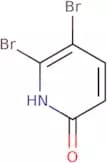
Produto descontinuado5,6-Dibromopyridin-2-ol
CAS:<p>Versatile small molecule scaffold</p>Fórmula:C5H3Br2NOPureza:Min. 95%Peso molecular:252.89 g/mol4-(Methylamino)benzene-1-sulfonamide
CAS:<p>Versatile small molecule scaffold</p>Fórmula:C7H10N2O2SPureza:Min. 95%Peso molecular:186.23 g/mol2-Acetylbenzoic acid
CAS:<p>2-Acetylbenzoic acid is a functional molecule that contains an acetyl group. It can form hydrogen bonds with other molecules and has been shown to induce apoptosis in cells. The reaction products of 2-acetylbenzoic acid are malonic acid, acetylsalicylic acid, and 2-benzoylbenzoic acid. These three compounds are made by the addition of hydrogen or hydroxide to the molecule 2-acetylbenzoic acid. The molecule has two functional groups: a carbonyl group and an acetyl group. The chemical structure of this molecule can be seen in the figure below.<br>2-Acetylbenzoic Acid</p>Fórmula:C9H8O3Pureza:Min. 95%Cor e Forma:PowderPeso molecular:164.16 g/molRef: 3D-FA05086
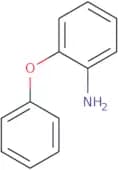
Produto descontinuado2-Phenoxyaniline
CAS:<p>2-Phenoxyaniline is a nitro compound that can be converted to the corresponding palladium complexes. It is an inhibitor of the acylation reaction, which is a type of chemical reaction in which an organic molecule reacts with an acid. The inhibition of this reaction has been shown to have an effect on heart disease, specifically by lowering cholesterol levels and reducing atherosclerosis. 2-Phenoxyaniline has also been shown to inhibit the activation energy for electron transfer reactions, making it useful as a catalyst in analytical methods. 2-Phenoxyaniline also undergoes vibrational spectroscopy when exposed to liquid chromatography and other analytical methods.</p>Fórmula:C12H11NOPureza:Min. 95%Cor e Forma:Brown PowderPeso molecular:185.22 g/mol3-(Methoxycarbonyl)pyridine-4-carboxylic acid
CAS:<p>Versatile small molecule scaffold</p>Fórmula:C8H7NO4Pureza:Min. 95%Peso molecular:181.15 g/mol3-Methylbenzo[b]thiophene-2-carboxylic acid
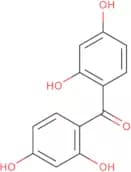
CAS:<p>3-Methylbenzo[b]thiophene-2-carboxylic acid (MBTCA) is a heterocyclic compound that is an intermediate in the synthesis of 3-methylthiophene-2-carboxylic acid, a precursor to other drugs. MBTCA is an aerobic, nonpolar compound that has shown antimicrobial activity against some bacteria and fungi. It also has been shown to have practicality as a biomolecular probe for methyl groups in organic solvents. MBTCA can be synthesized by nitration of benzene in the presence of sulfur and sulfoxides. This reaction produces nitrobenzene, which can then be oxidized by potassium permanganate or hydrogen peroxide to produce MBTCA. The most common isomer of MBTCA is 2-(3,5-dimethoxybenzylidene)tetrahydrofuran, with three methyl groups on the</p>Fórmula:C10H8O2SPureza:Min. 95%Peso molecular:192.23 g/mol2,2',4,4'-tetrahydroxybenzophenone
CAS:<p>2,2',4,4'-tetrahydroxybenzophenone is a hydroxylated benzophenone that has immunomodulatory effects. It binds to the receptor in the immune system and can cause an increase in cytokine production. 2,2',4,4'-tetrahydroxybenzophenone is cytotoxic and has significant toxicity in vitro. The molecule has been shown to disrupt mitochondrial membrane potential. This may be due to its ability to form hydrogen bonds with molecules on the mitochondrial membrane. 2,2',4,4'-tetrahydroxybenzophenone also modulates transcriptional regulation of genes involved in cell proliferation and apoptosis. The drug is detectable at low levels by mass spectrometry and is not known to have any toxicological effects.END>></p>Fórmula:C13H10O5Pureza:Min. 95%Cor e Forma:Green PowderPeso molecular:246.22 g/molRef: 3D-FT55663
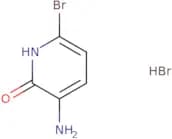
Produto descontinuado3-amino-6-bromopyridin-2-ol hydrobromide
CAS:<p>Versatile small molecule scaffold</p>Fórmula:C5H6Br2N2OPureza:Min. 95%Peso molecular:269.9 g/mol1-[3-(Dimethylamino)propyl]-1-(4-fluorophenyl)-1,3-dihydro-3-oxo-5-isobenzofurancarbonitrile
CAS:<p>Please enquire for more information about 1-[3-(Dimethylamino)propyl]-1-(4-fluorophenyl)-1,3-dihydro-3-oxo-5-isobenzofurancarbonitrile including the price, delivery time and more detailed product information at the technical inquiry form on this page</p>Fórmula:C20H19FN2O2Pureza:Min. 95%Peso molecular:338.38 g/molRef: 3D-FD184085
Produto descontinuadotert-Butyl 5-bromo-3,4-dihydro-2,7-naphthyridine-2(1H)-carboxylate
CAS:<p>Versatile small molecule scaffold</p>Fórmula:C13H17BrN2O2Pureza:Min. 95%Peso molecular:313.19 g/mol2-Bromo-3,3,3-trifluoro-1-propene
CAS:Produto Controlado<p>2-Bromo-3,3,3-trifluoro-1-propene is a chemical compound that has been synthesized in an asymmetric reaction. The reactant is bromopropane and the product is 2,2,2-trifluoropropene. The methylene group on the propene molecule is activated by the nucleophilic attack of a fluoride ion from hydrogen fluoride to form a cavity with a highly strained bond. The kinetic study of this reaction revealed that the activation energy for the reaction is 42 kJ/mol. Palladium-catalyzed coupling reactions are catalyzed by palladium and require nonpolar solvents such as toluene or dichloromethane. This type of reaction has been shown to be exothermic with an isolated yield of 1%.</p>Fórmula:C3H2BrF3Pureza:Min. 95%Cor e Forma:Colorless PowderPeso molecular:174.95 g/molH-Ser-Ala-Glu-Glu-Tyr-Glu-Tyr-Pro-Ser OH trifluoroacetate
CAS:<p>Please enquire for more information about H-Ser-Ala-Glu-Glu-Tyr-Glu-Tyr-Pro-Ser OH trifluoroacetate including the price, delivery time and more detailed product information at the technical inquiry form on this page</p>Fórmula:C47H63N9O20•(C2HF3O2)xPureza:Min. 95%Ref: 3D-FS183525
Produto descontinuadoGivinostat hydrochloride
CAS:<p>Givinostat hydrochloride is a research chemical that has shown potential in various fields. It is a molybdenum-based compound that has been studied for its effects on dopamine release and hydrogen evolution. Givinostat hydrochloride has also been investigated as an osteoclast inhibitor, which may be beneficial in the treatment of bone-related disorders such as osteoporosis. Additionally, it has shown promise as a retinoid and calpain inhibitor, suggesting its potential use in dermatological conditions and neurodegenerative diseases. The compound contains fluorine atoms, making it suitable for imaging studies using fluorine MRI techniques. Givinostat hydrochloride has been tested on MDA-MB-231 cells and has shown inhibitory effects on their growth, indicating its potential as an anticancer agent.</p>Fórmula:C24H27N3O4·HClPureza:Min. 95%Peso molecular:457.95 g/mol


![2-[(3-Methoxyphenyl)sulfanyl]benzaldehyde](/_next/image/?url=https%3A%2Fstatic.cymitquimica.com%2Fproducts%2F3D%2Fthumb-webp%2FCFA90537.webp&w=3840&q=75)
![Methyl[2-(1-methylpiperidin-2-yl)ethyl]amine](/_next/image/?url=https%3A%2Fstatic.cymitquimica.com%2Fproducts%2F3D%2Fthumb-webp%2FCFA17348.webp&w=3840&q=75)
![6-Methylimidazo[2,1-b][1,3]thiazole-2-carboxylic acid](/_next/image/?url=https%3A%2Fstatic.cymitquimica.com%2Fproducts%2F3D%2Fthumb-webp%2FCEC89693.webp&w=3840&q=75)

![N-[2-(Propan-2-yl)phenyl]-5,6-dihydro-4H-1,3-thiazin-2-amine](/_next/image/?url=https%3A%2Fstatic.cymitquimica.com%2Fproducts%2F3D%2Fthumb-webp%2FCEA38918.webp&w=3840&q=75)
![3-[(4-Methoxyphenyl)sulfanyl]propanenitrile](/_next/image/?url=https%3A%2Fstatic.cymitquimica.com%2Fproducts%2F3D%2Fthumb-webp%2FCEA23672.webp&w=3840&q=75)
![Benzyl 1-oxa-6-azaspiro[2.5]octane-6-carboxylate](/_next/image/?url=https%3A%2Fstatic.cymitquimica.com%2Fproducts%2F3D%2Fthumb-webp%2FCDA21175.webp&w=3840&q=75)


![2-[Ethyl(propan-2-yl)amino]ethan-1-ol](/_next/image/?url=https%3A%2Fstatic.cymitquimica.com%2Fproducts%2F3D%2Fthumb-webp%2FCAA89361.webp&w=3840&q=75)
![1-{[(9H-Fluoren-9-ylmethoxy)carbonyl]amino}-4-phenylcyclohexane-1-carboxylic acid](/_next/image/?url=https%3A%2Fstatic.cymitquimica.com%2Fproducts%2F3D%2Fthumb-webp%2FBJB30775.webp&w=3840&q=75)
![Methyl 2-{bis[(tert-butoxy)carbonyl]amino}prop-2-enoate](/_next/image/?url=https%3A%2Fstatic.cymitquimica.com%2Fproducts%2F3D%2Fthumb-webp%2FBIA33862.webp&w=3840&q=75)
![(1R,8S,9s)-Bicyclo[6.1.0]non-4-yn-9-ylmethyl succinimidyl carbonate](/_next/image/?url=https%3A%2Fstatic.cymitquimica.com%2Fproducts%2F3D%2Fthumb-webp%2FBHC82779.webp&w=3840&q=75)
![2,3-Dihydrobenzo[b][1,4]dioxin-6-amine hydrochloride](/_next/image/?url=https%3A%2Fstatic.cymitquimica.com%2Fproducts%2F3D%2Fthumb-webp%2FBHB31607.webp&w=3840&q=75)
![(7S)-5-Oxo-5H,6H,7H,8H-imidazo[1,5-c]pyrimidine-7-carboxylic acid hydrochloride](/_next/image/?url=https%3A%2Fstatic.cymitquimica.com%2Fproducts%2F3D%2Fthumb-webp%2FBGA11205.webp&w=3840&q=75)
![3-[(Pyrrolidin-3-yloxy)methyl]pyridine dihydrochloride](/_next/image/?url=https%3A%2Fstatic.cymitquimica.com%2Fproducts%2F3D%2Fthumb-webp%2FBFC31581.webp&w=3840&q=75)



![3-Methylbenzo[b]thiophene-2-carboxylic acid](/_next/image/?url=https%3A%2Fstatic.cymitquimica.com%2Fproducts%2F3D%2Fthumb-webp%2FDAA13378.webp&w=3840&q=75)
![1-[3-(Dimethylamino)propyl]-1-(4-fluorophenyl)-1,3-dihydro-3-oxo-5-isobenzofurancarbonitrile](/_next/image/?url=https%3A%2Fstatic.cymitquimica.com%2Fproducts%2F3D%2Fthumb-webp%2FFD184085.webp&w=3840&q=75)