Building Blocks
Subcategorias de "Building Blocks"
- Ácidos Borónicos e Derivados de Ácido Borónico(5.781 produtos)
- Building Blocks Quirais(1.242 produtos)
- Building Blocks Hidrocarbonetos(6.101 produtos)
- Building Blocks orgânicos(61.038 produtos)
Foram encontrados 205338 produtos de "Building Blocks"
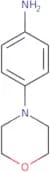
4-Morpholinoaniline
CAS:4-Morpholinoaniline is a synthetic substrate that reacts with hydrochloric acid and sodium nitrite to form the reactive intermediate 4-morpholinonitrosobenzene. The reaction mechanism is proposed to proceed through an initial electron transfer from the substrate to the nitrosobenzene intermediate, followed by protonation of the nitrosobenzene nitrogen atom. The resulting 4-nitrophenyl radical abstracts hydrogen from the substrate to give 4-hydroxyphenyl radical. This radical undergoes a nucleophilic attack on the aromatic ring of the substrate molecule, and cleavage of the disulfide bond in the aromatic ring leads to formation of a cyanohydrin product. Studies have been conducted on rat liver microsomes and hepatitis C virus (HCV) to investigate this reaction mechanism.Fórmula:C10H14N2OPureza:Min. 98.5 Area-%Cor e Forma:Red PowderPeso molecular:178.23 g/mol2-Methyl-1,2,3-propanetriol
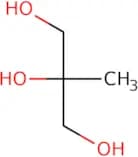
CAS:2-Methyl-1,2,3-propanetriol is a monomer that is used in the production of polymers. It has been shown to be an efficient cross-linking agent for metal surfaces and is used as a polymerization catalyst. 2-Methyl-1,2,3-propanetriol also plays a role in the synthesis of amino acids by acting as a substrate for kinesin and aliphatic hydrocarbon. It can be used as a feedstock for producing plastics with deionized water or aromatic hydrocarbons such as phenol. This chemical has been shown to be pluripotent in mammalian cells and can act as a cationic surfactant.
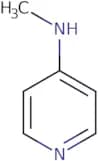
Fórmula:C4H10O3Pureza:Min. 95 Area-%Cor e Forma:Clear LiquidPeso molecular:106.12 g/mol4-(Methylamino)pyridine
CAS:4-(Methylamino)pyridine (4-MAP) is an anticancer drug that belongs to the class of aromatic heterocyclic compounds. It has been shown to have a broad spectrum of anticancer activity with no toxic effects on normal cells. 4-MAP is immobilized on the surface of nanotubes and has demonstrated a high degree of stability in acidic and alkaline solutions. 4-MAP can be used as a carrier for transfection experiments and for the immobilization of enzymes, proteins, or other biomolecules. The most significant limitation with this material is its relatively low solubility in water.Fórmula:C6H8N2Pureza:Min. 95%Cor e Forma:PowderPeso molecular:108.14 g/molL-Tryptophan
CAS:Tryptophan is a non-essential amino acid that has been shown to have an effect on mood, appetite, and sleep. L-Tryptophan is an essential amino acid. It is involved in the synthesis of serotonin and melatonin. The body breaks down tryptophan into 5-hydroxytryptophan (5HTP) and then into serotonin. Serotonin can be converted into melatonin by the pineal gland. Tryptophan levels are often low in people with depression and anxiety disorders. Tryptophan also has an effect on human gastrointestinal function, as it can stimulate gut motility and secretion of gastric acid and pepsinogen from the stomach lining. Tryptophan may also play a role in the discovery process, as it was found to increase the number of spontaneous oxidations in rat urine samples, which may be indicative of a new chemical reaction or drug discovery process.Fórmula:C11H12N2O2Pureza:Min. 98 Area-%Cor e Forma:White PowderPeso molecular:204.23 g/molMethyl 4-formylbenzoate
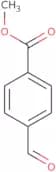
CAS:Methyl 4-formylbenzoate is a trifluoroacetic acid derivative that inhibits the conversion of androgens to estrogens. It has been shown to inhibit aromatase activity in human serum and cell culture, as well as in vitro cultured rat hepatocytes. Methyl 4-formylbenzoate also binds to copper(II) by forming a complex with copper(II) ions, which prevents the formation of an enzyme-substrate complex. The binding of methyl 4-formylbenzoate to copper(II) prevents the production of malonic acid from acetoacetate, which inhibits fatty acid synthesis. This compound also acts as an analytical reagent for the detection of acylation reactions, such as those involving benzimidazole compounds.
Fórmula:C9H8O3Pureza:Min. 95%Cor e Forma:PowderPeso molecular:164.16 g/molOrcinol monohydrate
CAS:Orcinol monohydrate is a high quality chemical that can be used as a reagent, complex compound, or useful intermediate in the synthesis of fine chemicals. It is also an important building block in the synthesis of other compounds. This product has CAS No. 6153-39-5 and is classified as a speciality chemical. It is also a versatile building block that can be used as a reaction component in organic syntheses.Fórmula:C7H10O3Peso molecular:142.16 g/molMonomethyl triazeno imidazole carboxamide
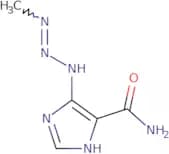
CAS:Monomethyl triazeno imidazole carboxamide (MTIC) is a drug that is used to treat cancer. It has been shown to inhibit the proliferation of tumor cells and induce apoptosis by inhibiting the expression of proteins, such as Bcl-2, which are involved in regulating mitochondrial membrane potential. MTIC has also been shown to inhibit protein synthesis and cell signaling pathways, such as the PI3K/Akt pathway. The use of MTIC for diagnosis purposes can be achieved using electrochemical impedance spectroscopy. A concentration–time curve can be obtained by incubating a biological sample with MTIC and measuring cell response using an impedance spectrophotometer. The clinical properties of MTIC include its ability to be administered orally or intravenously, have low toxicity, and inhibit the growth of tumor cells in vivo and in vitro.Fórmula:C5H8N6OPureza:(¹H-Nmr) Min. 95 Area-%Cor e Forma:White PowderPeso molecular:168.16 g/mol3-Methoxyphenylacetic acid
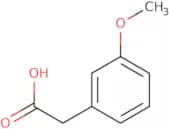
CAS:3-Methoxyphenylacetic acid is a molecule that belongs to the class of fatty acids. It can be synthesized by the Friedel-Crafts reaction between 3-methoxyphenol and acetic anhydride in an organic solvent. The molecule has been shown to inhibit the growth of k562 cells and subtilis, which are both bacteria, at low concentrations. 3-Methoxyphenylacetic acid is also used as a reagent for solid phase synthesis of organic molecules. Immobilization of this molecule is done by covalent linkage to silica gel, polystyrene, or other insoluble supports. This immobilization prevents the loss of 3-methoxyphenylacetic acid during reaction conditions such as heating, vacuum distillation, or exposure to air. 3-Methoxyphenylacetic acid has been shown to have a diameter of approximately 2 nm and hydrogen bonding capability with anhydFórmula:C9H10O3Pureza:Min. 95%Cor e Forma:PowderPeso molecular:166.17 g/mol1-(4-Methoxyphenyl)acetophenone
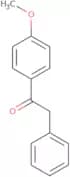
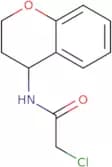
CAS:1-(4-Methoxyphenyl)acetophenone is an enantiomer of the naturally occurring compound melatonin. It has been shown to have insecticidal activities and is effective against insects at temperatures below 10°C. 1-(4-Methoxyphenyl)acetophenone undergoes a cyclodehydration reaction with loss of water and formation of a six-membered ring, which is catalysed by acid, inorganic bases, or metal salts. This reaction can be modified by substituting diacids, halides, or electrolysing agents for water. The resulting products are unsymmetrical and soluble in organic solvents.Fórmula:C15H14O2Pureza:Min. 95%Cor e Forma:PowderPeso molecular:226.27 g/mol2-Chloro-N-(3,4-dihydro-2H-1-benzopyran-4-yl)acetamide
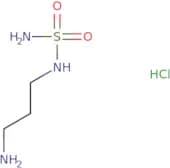
CAS:Versatile small molecule scaffoldFórmula:C11H12ClNO2Pureza:Min. 95%Cor e Forma:PowderPeso molecular:225.67 g/mol(3-Aminopropyl)(sulfamoyl)amine hydrochloride
CAS:Versatile small molecule scaffoldFórmula:C3H12ClN3O2SPureza:Min. 95%Cor e Forma:PowderPeso molecular:189.67 g/mol3-Hydroxy-3,4-dihydro-2H-1-benzopyran-4-one
CAS:Versatile small molecule scaffold
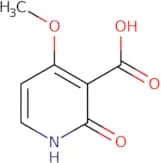
Fórmula:C9H8O3Pureza:Min. 95%Cor e Forma:PowderPeso molecular:164.16 g/mol4-Methoxy-2-oxo-1,2-dihydropyridine-3-carboxylic acid
CAS:4-Methoxy-2-oxo-1,2-dihydropyridine-3-carboxylic acid is a versatile building block and useful intermediate in organic synthesis. This compound can be used as a reagent or speciality chemical for research purposes. It has been shown to be an effective reactant in the preparation of diverse complex compounds. 4-Methoxy-2-oxo-1,2-dihydropyridine 3 carboxylic acid has also been shown to be a high quality material with applications in specialty chemicals and pharmaceuticals.Fórmula:C7H7NO4Pureza:Min. 95 Area-%Cor e Forma:PowderPeso molecular:169.14 g/molLinalool glucoside
CAS:Please enquire for more information about Linalool glucoside including the price, delivery time and more detailed product information at the technical inquiry form on this pageFórmula:C16H28O6Pureza:Min. 95%Cor e Forma:Clear LiquidPeso molecular:316.39 g/molLauroyl coenzyme A lithium
CAS:Please enquire for more information about Lauroyl coenzyme A lithium including the price, delivery time and more detailed product information at the technical inquiry form on this page
Fórmula:C33H58N7O17P3S•LixPureza:90%Cor e Forma:PowderLinoleic acid - 60%min
CAS:Linoleic acid is a polyunsaturated fatty acid that is an important component of the human diet. It has been shown to have inhibitory properties on liver cells, and may be related to body mass index. Linoleic acid is a precursor for gamma-aminobutyric acid (GABA), which functions as a neurotransmitter in the central nervous system. Linoleyl alcohol is a metabolite of linoleic acid and has been shown to inhibit the production of antimicrobial peptides, such as cathelicidin and beta-defensin. The inhibition of this peptide may be responsible for the observed reduction in inflammatory responses and infections.Fórmula:C18H32O2Pureza:Min. 95%Cor e Forma:Yellow Clear LiquidPeso molecular:280.45 g/molH-Lys(Boc)-AMC
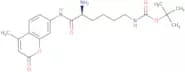
CAS:H-Lys(Boc)-AMC is a useful building block for the synthesis of peptides, nucleic acids, and other complex molecules. It is a fine chemical that can be used as a reagent or speciality chemical in research laboratories. H-Lys(Boc)-AMC is also a versatile building block that can be used to synthesize complex compounds and scaffolds. This compound has been assigned CAS number 222037-62-9.Fórmula:C21H29N3O5Pureza:Min. 95%Cor e Forma:PowderPeso molecular:403.47 g/mol2,3-Dihydro-1,4-benzodioxine-5-sulfonyl chloride
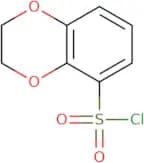
CAS:Versatile small molecule scaffold
Fórmula:C8H7ClO4SPureza:Min. 95%Cor e Forma:PowderPeso molecular:234.65 g/mol5-[(4-Chlorophenyl)sulfanyl]furan-2-carboxylic acid
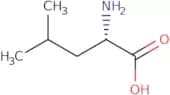
CAS:Versatile small molecule scaffoldFórmula:C11H7ClO3SPureza:Min. 95%Cor e Forma:PowderPeso molecular:254.69 g/molL-Leucine, USP
CAS:Amino acid
Fórmula:C6H13NO2Pureza:98.5 To 101.5%Cor e Forma:White PowderPeso molecular:131.17 g/mol





![5-[(4-Chlorophenyl)sulfanyl]furan-2-carboxylic acid](/_next/image/?url=https%3A%2Fstatic.cymitquimica.com%2Fproducts%2F3D%2Fthumb-webp%2FLCA94222.webp&w=3840&q=75)