Álcoois
Subcategorias de "Álcoois"
Foram encontrados 5813 produtos de "Álcoois"
7-[(Dimethylamino)methyl]-2,2,4-trimethyl-1,2-dihydroquinolin-6-ol
CAS:7-[(Dimethylamino)methyl]-2,2,4-trimethyl-1,2-dihydroquinolin-6-ol is a chemical compound that belongs to the group of fine chemicals. It is a versatile building block and useful intermediate for research chemicals. 7-[(Dimethylamino)methyl]-2,2,4-trimethyl-1,2-dihydroquinolin-6-ol is also a speciality chemical with high purity and quality. CAS No. 300690-44-2Fórmula:C15H22N2OPureza:Min. 95 Area-%Cor e Forma:PowderPeso molecular:246.35 g/mol4-Bromo-2-(trifluoromethyl)phenol
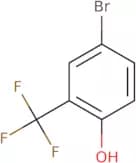
CAS:4-Bromo-2-(trifluoromethyl)phenol is a compound that belongs to the family of dialdehydes. It has been used in organic chemistry as an assembly reagent, a monomer in polymer synthesis, and as a building block for oligomers and duplexes. 4-Bromo-2-(trifluoromethyl)phenol is stable under basic conditions and can be used in the presence of chloroform. This compound functions as an intermediate for the synthesis of other functionalized molecules such as phosphine oxide, oxide, and diamines.Fórmula:C7H4BrF3OPureza:Min. 95%Cor e Forma:PowderPeso molecular:241.01 g/mol3-O-Hexadecyl-sn-glycerol
CAS:3-O-Hexadecyl-sn glycerol (3OHG) is a neutral, high molecular weight glycol ether that is used for the preparation of zirconium oxide. 3OHG has been shown to be a substrate for carbohydrate chemistry and as an inhibitor of enzymes, such as hexokinase and phosphoglycerate kinase. 3OHG has minimal toxicity when administered orally to rats and does not cause any hemolysis in human erythrocytes. This compound is also a monoclonal antibody that binds to the surface glycoprotein on the HL-60 cell line and inhibits its growth. 3OHG is not cytotoxic at concentrations up to 10 mM in cultured cells, but it can induce Ca2+ release from the cytosol in HL-60 cells with minimal toxicity. The structure of 3OHG appears closely related to benzalkonium chloride (BAC).Fórmula:C19H40O3Pureza:Min. 95%Peso molecular:316.52 g/mol2-Amino-4-cyano-phenol
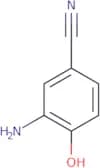
CAS:2-Amino-4-cyano-phenol is a compound that has been shown to have antitubercular activity. It modulates the activity of cromakalim, which is a drug used for the treatment of tuberculosis. 2-Amino-4-cyano-phenol is also an antibacterial agent and has been shown to activate bacterial DNA replication and protein synthesis. The mechanism of action of this compound is thought to be due in part to its ability to bind with the ribosomes on the outside surface of cells and inhibit their function. 2-Amino-4-cyano-phenol has also been shown to have structural similarities with phenylephrine, which inhibits bacterial growth by binding to DNA gyrase, thereby preventing transcription and replication.Fórmula:C7H6N2OPureza:Min. 95%Cor e Forma:PowderPeso molecular:134.14 g/mol4-Phenylazophenol
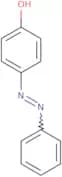
CAS:4-Phenylazophenol is an organic azobenzene that has a specific treatment for the degradation of amines and mineralization. It has been shown to reduce the levels of phenols, fatty acids, and amines in wastewater. 4-Phenylazophenol is also used as an enzyme inhibitor in reactions with hydrogen bond formation and as a receptor α ligand. The natural compounds found in 4-phenylazophenol have borohydride reduction properties.
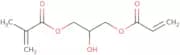
Fórmula:C12H10N2OPureza:(Uv) Min. 98%Cor e Forma:PowderPeso molecular:198.22 g/mol1-(Acryloyloxy)-3-(methacryloyloxy)-2-propanol (stabilized with MEHQ)
CAS:1-(Acryloyloxy)-3-(methacryloyloxy)-2-propanol (stabilized with MEHQ) is a polymer that is used as an antimicrobial agent. It is synthesized by the reaction of acrylates and methacrylates with a crosslinker, such as MEHQ. This polymer has shown to have strong activity against bacteria and fungi, but it does not have any effect on viruses. The compound has the ability to bind to the surface of cells and cause cell death through the disruption of protein synthesis or by causing membrane leakage. FT-IR spectroscopy has shown that this polymer contains hydroxyl groups, which may account for its antimicrobial properties. The use of multi-walled carbon nanotubes in this polymer may also be responsible for its antimicrobial properties because they are able to bind to organic compounds like chloride ions and hydrogen bonds. 1-(Acryloyloxy)-3Fórmula:C10H14O5Pureza:Min. 95%Cor e Forma:Clear LiquidPeso molecular:214.22 g/mol4-Ethylresorcinol
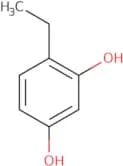
CAS:4-Ethylresorcinol is a natural compound that has been shown to be an effective inhibitor of the enzyme acetylcholinesterase. It is synthesized from resorcinol and 4-ethylphenol by a Friedel-Crafts reaction. This compound can exist in two different crystalline polymorphs: monoclinic or orthorhombic. 4-Ethylresorcinol exhibits good solubility in water, alcohols, and organic solvents. The molecular weight of this compound ranges from 310 to 340g/mol. 4-Ethylresorcinol inhibits the transcriptional activity of RNA polymerase II and III, as well as DNA polymerase, by binding to the active sites on these enzymes. It also prevents DNA replication by binding to the enzyme DNA gyrase. 4-Ethylresorcinol is most commonly used in cell culture studies where it inhibits cellular protein synthesis and decreases protein levels within cellsFórmula:C8H10O2Pureza:Min. 95%Cor e Forma:PowderPeso molecular:138.16 g/mol(R)-2-((4-Aminophenethyl)amino)-1-phenylethanol hydrochloride
CAS:Intermediate in the synthesis of mirabegronFórmula:C16H20N2O·HClPureza:Min. 95%Cor e Forma:PowderPeso molecular:292.8 g/mol3-[2-(Ethylhexyl)oxyl]-1,2-propandiol
CAS:3-[2-(Ethylhexyl)oxyl]-1,2-propandiol is an organic compound that belongs to the group of sodium salts. It is used as an antimicrobial agent and preservative in cosmetic products. 3-[2-(Ethylhexyl)oxyl]-1,2-propandiol has been shown to have a synergistic effect with benzalkonium chloride, which is another antimicrobial agent. It has also been found to be effective against skin cells that are infected with the bacteria Staphylococcus aureus. 3-[2-(Ethylhexyl)oxyl]-1,2-propandiol has been shown to have an inhibitory effect on fatty acid synthesis in skin cells and may be useful for treating acne.Fórmula:C11H24O3Pureza:Min. 95%Cor e Forma:Colorless Clear LiquidPeso molecular:204.31 g/mol2-Methyl-2-adamantanol
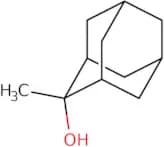
CAS:2-Methyl-2-adamantanol is a chemical compound with the molecular formula CH(CH)COOH. It is a colorless liquid that boils at 109°C and freezes at -78°C. This compound has been used as an additive to gasoline, in cosmetics, as a solvent for polymers, and as a fuel. 2-Methyl-2-adamantanol is synthesized by the reaction of 1-adamantanol with hydrogen chloride gas in the presence of dimethylformamide. The product can be purified by recrystallizing it from methanol or chloroform. The structure of this compound was determined using X-ray crystallography. 2-Methyl-2-adamantanol is an alicyclic molecule that contains two methyl groups (-CH3) on adjacent carbons (C). It also has a hydrogen bond between the two methyl groups on C1 and C2. This compound has been
Fórmula:C11H18OPureza:Min. 95%Cor e Forma:PowderPeso molecular:166.1 g/mol3-[1-(Dimethylamino)ethyl]phenol
CAS:Intermediate in the synthesis of rivastigmineFórmula:C10H15NOPureza:Min. 95%Cor e Forma:White PowderPeso molecular:165.23 g/mol4-Bromoresorcinol
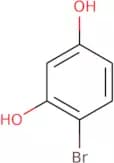
CAS:4-Bromoresorcinol is a synthetic compound that belongs to the group of sulfonamides. It is used in the production of dyes, pharmaceuticals, and agricultural chemicals. 4-Bromoresorcinol is synthesized by sulfonation with trifluoroacetic acid followed by hydrolysis with hydrochloric acid. The polymerization kinetics of this compound have been studied using azobenzene as a model substrate. The reaction products are vignafuran and an organic solvent (e.g., methanol). In addition, 4-bromoresorcinol has potent antibacterial activity against bacteria such as Staphylococcus aureus and Mycobacterium tuberculosis. This drug has minimal inhibitory concentrations (MICs) less than 0.01 ppm for most strains of bacteria tested, including those resistant to penicillin G or erythromycin. The drug also inhibits hydroxylase enzymesFórmula:C6H5BrO2Pureza:Min. 95%Cor e Forma:White PowderPeso molecular:189.01 g/mol4-Propylresorcinol
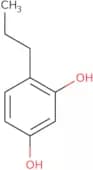
CAS:4-Propylresorcinol is a potent tyrosinase inhibitor that has been shown to inhibit the activity of this enzyme in a synergistic interaction with metal chelators. The binding of 4-propylresorcinol to the active site of the enzyme inhibits the hydroxylation of L-tyrosine, preventing melanin production. This drug also inhibits the production of melanin by other pathways, such as by modulating cellular transcription. The inhibition of tyrosinase activity by 4-propylresorcinol has been shown to be specific and reversible.Fórmula:C9H12O2Pureza:Min. 95%Cor e Forma:Off-White PowderPeso molecular:152.19 g/mol2-Fluoro-4-methoxyphenol
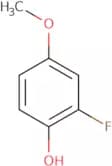
CAS:2-Fluoro-4-methoxyphenol is a white crystalline solid with a melting point of 100°C. It is soluble in water, ethanol and ether and insoluble in chloroform. The compound has been shown to be an intermediate for the synthesis of other organic compounds, such as 2-fluoro-4-(2,2,2-trifluoroethoxy)benzaldehyde, 2-fluoro-4-(3,3,3-trifluoropropoxy)benzaldehyde and 4-(2,2,2-trifluoroethoxy)-3'-nitroacetophenone. 2-Fluoro-4-methoxyphenol can also be used as a building block for speciality chemicals including research chemicals.Fórmula:C7H7FO2Pureza:Min. 95%Cor e Forma:Clear LiquidPeso molecular:142.13 g/mol2,4-Bis(dodecylthiomethyl)-6-methylphenol
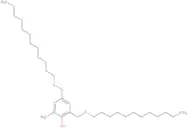
CAS:2,4-Bis(dodecylthiomethyl)-6-methylphenol is a block copolymer that contains polystyrene and polyvinyl chloride in a 1:1 ratio. It is used as an additive for polymers to improve the stability of the polymer. 2,4-Bis(dodecylthiomethyl)-6-methylphenol has been shown to be synergistic with silicone, diethylene glycol, and ethylene glycol. This additive stabilizes the polymer by preventing it from breaking down into its component parts.Fórmula:C33H60OS2Pureza:Min. 95%Cor e Forma:White Slightly Yellow PowderPeso molecular:536.96 g/mol11-Oxo etiocholanolone
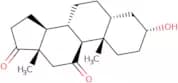
CAS:Produto Controlado11-Oxo etiocholanolone is a steroid hormone that is produced in the adrenal gland. It is a precursor of cortisol and has been shown to have an anti-inflammatory effect, which may be due to its ability to block pro-inflammatory cytokines. 11-Oxo etiocholanolone has also been shown to increase the concentration of cortisol in the blood, which can help treat stress and promote muscle growth. The measurement of 11-oxo etiocholanolone levels in urine and saliva samples may be used as an experimental infection or dietary supplement for women.
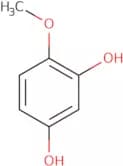
Fórmula:C19H28O3Pureza:Min. 95%Cor e Forma:PowderPeso molecular:304.42 g/mol4-Methoxyresorcinol
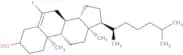
CAS:4-Methoxyresorcinol is a chemical compound that has the molecular formula CHNO. It has a hydroxyl group in the 4-position and a methyl group on the 8-position. The intramolecular hydrogen of this molecule is denatured by heating to about 220°C. This process converts it into resorcinol, which is structurally similar but has different properties. 4-Methoxyresorcinol can be used as a polymerization initiator for polycarboxylic acid or quinoline derivatives, and its analytical methods are used in determining its structure.Fórmula:C7H8O3Pureza:Min. 95%Cor e Forma:PowderPeso molecular:140.14 g/mol(17α)-6-Fluorocholest-5-en-3-ol
CAS:Produto Controlado(17alpha)-6-Fluorocholest-5-en-3-ol is a fluorinated cholesterol derivative that inhibits the cholesterol acyltransferase enzyme, which is responsible for the enzymatic esterification of cholesterol to form cholesteryl esters. This product has been shown to inhibit cellular growth and may be useful in treating bacterial infections. (17alpha)-6-Fluorocholest-5-en-3-ol has also been shown to inhibit the growth of bacteria by binding to the hmg coa reductase enzyme, which is involved in cholesterol metabolism. This product has been found to increase membrane fluidity and promote cell growth. It also prevents the formation of foam cells by inhibiting cholesterol uptake from peripheral tissues into macrophages.Fórmula:C27H45FOPureza:Min. 95%Peso molecular:404.64 g/mol2-Tributyltin-allyl-1-ol
CAS:Produto Controlado2-Tributyltin-allyl-1-ol is a research chemical that has shown potential in various areas of study. It has been found to interact with epidermal growth factor (EGF) and may have implications in the development of new therapies targeting EGF receptors. Additionally, 2-Tributyltin-allyl-1-ol has been studied for its potential interactions with drugs such as afatinib and paroxetine, indicating its possible role in drug metabolism and pharmacokinetics.
Fórmula:C15H32OSnPureza:Min. 95%Cor e Forma:Colorless Clear LiquidPeso molecular:347.12 g/mol7-Octyn-1-ol
CAS:7-Octyn-1-ol is a synthetic compound that is used for the synthesis of deuterated compounds. It has been shown to have neurotrophic effects and the ability to modulate carbon chains. In addition, 7-octyn-1-ol may be used as an intermediate in the synthesis of nicotine. 7-Octyn-1-ol is also an isomeric form of octyne, which is a natural product found in malonate and fatty acids.
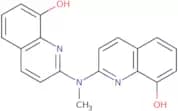
Fórmula:C8H14OPureza:Min. 95%Cor e Forma:Colorless Clear LiquidPeso molecular:126.2 g/mol2,2'-(Methylimino)diquinolin-8-ol
CAS:Please enquire for more information about 2,2'-(Methylimino)diquinolin-8-ol including the price, delivery time and more detailed product information at the technical inquiry form on this pageFórmula:C19H15N3O2Pureza:Min. 95%Peso molecular:317.34 g/molPhenol
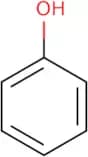
CAS:Phenol is an aromatic organic compound and belongs to the class of compounds known as phenols. Phenol consists of a benzene ring (a six-membered carbon ring with alternating single and double bonds) with a hydroxyl (-OH) group attached to one of the carbon atoms. The chemical structure can be represented as: Phenol is a white crystalline solid at room temperature and has a distinct, sweet, and medicinal odor. It was initially isolated from coal tar, but it can also be produced through various chemical processes. Phenol has numerous applications in industry. It is used in the production of plastics, resins, dyes, detergents, pharmaceuticals, and various chemical intermediates. It also has antiseptic properties and was historically used as a disinfectant and topical anesthetic. However, its use for these purposes has diminished due to its potential toxicity. It's important to note that phenol can be corrosive and toxic, and exposure should be handled with care. Various derivatives and substitutes have been developed for specific applications to mitigate some of the drawbacks associated with phenol itself.Fórmula:C6H6OPureza:Min. 98 Area-%Cor e Forma:PowderPeso molecular:94.11 g/molD-Phenylalaninol
CAS:D-Phenylalaninol is a chiral, optically active molecule. It is a salt of hydrochloride that is used as a chemical intermediate in the synthesis of other drugs. D-Phenylalaninol has been shown to inhibit mitochondrial membrane potential and decrease hydrogen bond interactions, which may be due to its ability to bind to chloride ions. In addition, this compound has been shown to inhibit pancreatic lipase activity and l-phenylalanine oxidase activity in mammalian cells.
Fórmula:C9H13NOPureza:Min. 95%Peso molecular:151.21 g/mol1-Chloro-3-[4-(2-methoxyethyl)phenoxy]-2-propanol
CAS:1-Chloro-3-[4-(2-methoxyethyl)phenoxy]-2-propanol is a potent antihypertensive agent that is synthesized by the chemoenzymatic process. It differs from other antihypertensive drugs in that it incorporates an oxirane group, which makes it more hydrophobic than other drugs. 1-Chloro-3-[4-(2-methoxyethyl)phenoxy]-2-propanol is a crystalline solid with a melting point of 128°C and a density of 1.0 g/mL. The chemical name for this drug is 4-[(1E)-1-(chloromethoxy)propyl]phenol, which has potent antihypertensive activity and high enantioselectivity.
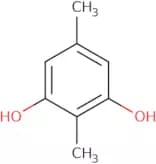
Fórmula:C12H17ClO3Pureza:Min. 95%Peso molecular:244.71 g/mol2,5-Dimethylresorcinol
CAS:2,5-Dimethylresorcinol is a natural organic compound that has been shown to have the ability to inhibit the formation of reactive oxygen species. It is used in wastewater treatment and as an antioxidant. 2,5-Dimethylresorcinol has been shown to exhibit an inhibitory effect on lipid hydroperoxides and hydroxyl group binding. This compound can also be used as a substrate or product in catalytic domains. 2,5-Dimethylresorcinol is found in the form of usnic acid and orsellinic acid. The use of this compound as a catalyst for oxidation reactions has been studied extensively. It has also been shown to be an effective inhibitor for catalytic domains with a range of different metal ions.
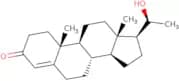
Fórmula:C8H10O2Pureza:Min. 95%Cor e Forma:PowderPeso molecular:138.16 g/mol4-Pregnen-20-alpha-ol-3-one
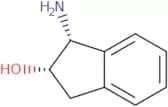
CAS:Produto ControladoProgesterone is a hormone that regulates the menstrual cycle and plays a key role in pregnancy. It is produced by the corpus luteum, the placenta, and the ovaries. Progesterone is also involved in regulating other functions such as cell growth, fat metabolism, blood clotting, and water balance. The level of progesterone in urine has been shown to be a good indicator of follicular growth during ovulation. In women with metabolic disorders or lactogenic hormone deficiencies, low levels of progesterone can lead to infertility.Fórmula:C21H32O2Pureza:Min. 95%Cor e Forma:White PowderPeso molecular:316.48 g/mol(1S,2R)-(-)-cis-1-Amino-2-indanol
CAS:Precusor for preparation of indinavir; a chiral ligand for asymmetric synthesisFórmula:C9H11NOPureza:Min. 95%Cor e Forma:White PowderPeso molecular:149.19 g/mol2-Amino-α,α-dimethylbenzyl alcohol
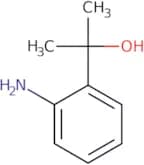
CAS:2-Amino-α,α-dimethylbenzyl alcohol is a reagent that is useful in the synthesis of complex compounds. It is also a fine chemical and can be used as an intermediate for other compounds. 2-Amino-α,α-dimethylbenzyl alcohol has been shown to be reactive and can be used as a speciality chemical. This chemical is used as a reaction component for chemical reactions, such as Heck reactions, Suzuki couplings, and Sonogashira couplings. 2-Amino-α,α-dimethylbenzyl alcohol is versatile and can be used in many different reactions due to its high quality.
Fórmula:C9H13NOPureza:Min. 95%Cor e Forma:Clear LiquidPeso molecular:151.21 g/mol1H,1H,2H,2H-Heptadecafluoro-1-decanol
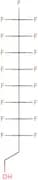
CAS:Produto ControladoHeptadecafluoro-1-decanol is a chemical substance that has been used in wastewater treatment and as an odorant. It is also found naturally in human liver, heart tissue, and adrenocortical carcinoma. Heptadecafluoro-1-decanol can be chemically synthesized by the reaction of 1H,1H,2H,2H-heptadecafluorodecane with hydrogen fluoride. This chemical substance is known for its ability to bind to fatty acids and other organic compounds on the surface of water droplets. The hydroxyl groups on this molecule are able to form hydrogen bonds with water molecules, which may lead to increased surface tension. Heptadecafluoro-1-decanol has been shown to have anti-inflammatory properties in humans.
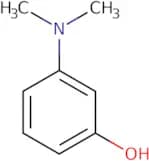
Fórmula:C10H5F17OPureza:Min. 95%Cor e Forma:White To Light (Or Pale) Yellow SolidPeso molecular:464.12 g/mol3-(Dimethylamino)phenol
CAS:3-(Dimethylamino)phenol is a chemical that is used as an additive in cosmetics. It has been shown to inhibit the production of epidermal growth factor and to have a growth-inhibiting effect on cells. 3-(Dimethylamino)phenol is found in many different types of products, including sunscreens, hair dyes, shampoos, and skin lotions. It has also been used as a preservative in food products, although it can be toxic at high doses. 3- (Dimethylamino)phenol has been shown to inhibit the production of fatty acids by inhibiting the activity of the enzyme lipoxygenase.
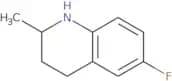
Fórmula:C8H11NOPureza:Min. 98 Area-%Cor e Forma:PowderPeso molecular:137.18 g/mol6-Fluoro-1,2,3,4-tetrahydro-2-methylquinoline
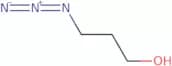
CAS:6-Fluoro-1,2,3,4-tetrahydro-2-methylquinoline is an organocatalytic fluorine compound that has been investigated as a fluoroquinolone antibiotic. It is an enantiopure compound and has been shown to be effective in the treatment of bacterial infections. 6-Fluoro-1,2,3,4-tetrahydro-2-methylquinoline inhibits bacterial growth by binding to DNA gyrase and topoisomerase IV. 6FLMQ is a chiral molecule with two possible configurations (R or S), which can be determined from x-ray crystallography. The S configuration is more potent than the R configuration. 6FLMQ also binds with chloride ions to form a cationic complex that can be used for antibacterial activity against Gram negative bacteria such as Escherichia coli and Pseudomonas aeruginosa. 6FLMQ hasFórmula:C10H12FNPureza:Min. 95%Cor e Forma:PowderPeso molecular:165.21 g/mol1-Azidopropan-3-ol
CAS:Azidopropan-3-ol is a reactive chemical that has functional groups such as hydroxyl, amino, and carboxylic acid. It can be used to synthesize polymers with azides. Azidopropan-3-ol is not toxic to cells in culture and does not affect the glycosidation process. Azidopropan-3-ol is also an excellent solvent for glycols, which are commonly used as solvents for organic synthesis. Azidopropan-3-ol can also be used as a transport agent in the lungs or kidneys because of its low viscosity and low surface tension. Azidopropan-3-ol has been shown to have anti-cancer properties by inducing apoptosis in cancer cells and inhibiting the growth of colorectal adenocarcinoma cells. This compound also has high solubility in water, which makes it suitable for use as a solvent forFórmula:C3H7N3OPureza:Min. 95%Cor e Forma:Colorless Clear LiquidPeso molecular:101.11 g/mol(1R,2S)-1-Amino-2-indanol
CAS:(1R,2S)-1-Amino-2-indanol is a potential drug candidate that can be used in asymmetric synthesis. It has been shown to inhibit the flow of hydrogen bond and to form an enantiomer. The enantiomer is more active than the racemic mixture, which may be due to the higher binding affinity for the enzyme. This compound has also been shown to inhibit herpes simplex virus and HIV in vitro with a high potency. (1R,2S)-1-Amino-2-indanol is modeled using molecular dynamics simulations and quantum mechanical calculations.Pureza:Min. 95%Cor e Forma:PowderPeso molecular:149.19 g/mol1,2-O-Dihexadecyl-sn-glycero-3-phosphoethanolamine
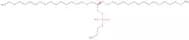
CAS:1,2-O-Dihexadecyl-sn-glycero-3-phosphoethanolamine (DHEPE) is a lipid used as a fluorescent probe for the detection of carbohydrates. It has been shown to bind to high-mannose type oligosaccharides and to be stable in complex with them. DHEPE has been shown to form complexes with cell nuclei, which may be due to hydrogen bonding interactions between the sugar and phosphate head groups on the glycerol backbone. These interactions are thought to be responsible for the selectivity of DHEPE for mannose residues in cells. DHEPE also forms complexes with x-ray diffraction data, which is indicative of intermolecular hydrogen bonding between this molecule and other hydrophobic molecules. DHEPE's reaction mechanism is not clear, but it has been proposed that it reacts with proteins by reacting with amino groups on these proteins.Fórmula:C37H78NO6PPureza:Min. 95%Cor e Forma:SolidPeso molecular:663.99 g/mol4-Bromo-2-fluorophenol
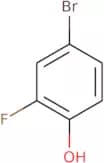
CAS:4-Bromo-2-fluorophenol is a mesomorphic substance that has a helical structure. It has been shown to have ferroelectric properties and light emission, as well as being spontaneously polar. 4-Bromo-2-fluorophenol is a dipole molecule with two hydrogen bonds on each side of the molecule. The fluorine atom in 4-bromo-2-fluorophenol interacts with chlorine atoms through an intramolecular hydrogen bond.Fórmula:C6H4BrFOPureza:Min. 95%Cor e Forma:Clear LiquidPeso molecular:191 g/moltrans-4-Aminocyclohexanol hydrochloride
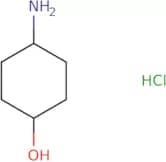
CAS:Trans-4-aminocyclohexanol hydrochloride is a monomer that has been used in the synthesis of polymers, which are used in the production of medical devices. Trans-4-aminocyclohexanol hydrochloride has shown anticancer activity and is used to inhibit the growth of murine leukemia cells. It has also shown uptake in different tissues and amination reaction with amino acids. The melting point of trans-4-aminocyclohexanol hydrochloride is 198°C, constant at 1.0, and impurities are less than 0.2%. Trans-4-aminocyclohexanol hydrochloride has been found to be a colorless solid with a molecular weight of 154.2 g/mol, an amorphous morphology, and a particle size distribution between 5 nm and 10 μm.Fórmula:C6H13NO·HClCor e Forma:White Off-White PowderPeso molecular:151.63 g/mol2-Amino-5-chlorothiophenol
CAS:2-Amino-5-chlorothiophenol is an aminothiophene derivative that has been shown to be an effective antibacterial agent. It is a substrate in the synthesis of polyesters and is used as a precursor in the synthesis of ciprofloxacin, a broad spectrum antibiotic. 2-Amino-5-chlorothiophenol has been shown to catalyze the reaction between phenyl groups and heterocycles, which is an important step in the synthesis of ciprofloxacin and fluconazole. The optimal reaction temperature for this process is between 150°C - 180°C. The irradiation time for this process varies depending on the intensity of light used, with optimal results obtained after 10 minutes at 25 kGy.Fórmula:C6H6ClNSPureza:Min. 95 Area-%Cor e Forma:PowderPeso molecular:159.64 g/mol3-(tert-Butoxy)benzyl alcohol
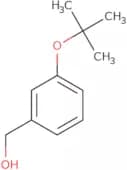
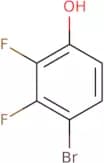
CAS:3-(tert-Butoxy)benzyl alcohol is a high quality reagent that can be used as an intermediate in the synthesis of complex compounds. It is also a useful intermediate for the production of fine chemicals, pharmaceuticals, and speciality chemicals. 3-(tert-Butoxy)benzyl alcohol is a versatile building block that can be used as a reactant in many chemical reactions. This compound has been used as a research chemical to study its properties and has potential uses as a starting point for the synthesis of other compounds.Fórmula:C11H16O2Pureza:Min. 95%Peso molecular:180.24 g/mol2,3-Difluoro-4-bromo phenol
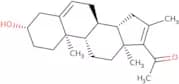
CAS:2,3-Difluoro-4-bromophenol (2,3-DFBP) is a phenolic compound that has been synthesized by a multistep process. It has been shown to have low birefringence, high optical anisotropy, and high yield of synthesis. 2,3-DFBP has also been shown to have mesomorphic properties and can be used in the development of devices such as microscopy.Fórmula:C6H3BrF2OPureza:Min. 95%Peso molecular:208.99 g/mol16-Methyl-16-dehydropregnenolone
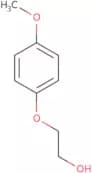
CAS:Produto Controlado16-Methyl-16-dehydropregnenolone is a steroid that is used as an intermediate in the synthesis of other steroids. It is synthesized by the oxidation of tetrahydropyran with an aldehyde, followed by the addition of chloride to give 16-methyl-16-dehydropregnenolone. The acetonedicarboxylate group of 16-methyl-16-dehydropregnenolone can be removed by treatment with tert-butyl or cyclopentanedione, which yields intermediates for elaboration into other biologically active compounds such as steroids.Fórmula:C22H32O2Pureza:Min. 95%Cor e Forma:PowderPeso molecular:328.49 g/mol2-(4-Methoxyphenoxy)ethanol
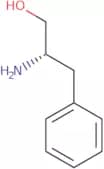
CAS:2-(4-Methoxyphenoxy)ethanol is a carboxylic acid. It has been used as a hydrogen peroxide donor in catalytic reactions, and as an ethylene glycol ether in the production of polyester resins. 2-(4-Methoxyphenoxy)ethanol has been shown to be useful in multilayer coatings with optimal reaction rates, and is a good oxidant for many organic compounds.Fórmula:C9H12O3Pureza:Min. 95%Cor e Forma:PowderPeso molecular:168.19 g/molL-Phenylalaninol
CAS:L-Phenylalaninol is a β-amino acid with the molecular formula C9H11NO2. It is an organic compound that contains both a hydroxy methyl and a fatty acid group. L-Phenylalaninol has been shown to enhance the asymmetric synthesis of cycloleucine, which is an antibiotic with anti-inflammatory properties. The reaction mechanism for this process is not yet fully understood but it is hypothesized that the nitrogen atoms in l-phenylalaninol form intramolecular hydrogen bonds with the hydroxymethyl groups on the nitro group of cycloleucine, stabilizing it and allowing for more efficient reactions.
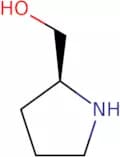
Fórmula:C9H13NOCor e Forma:White PowderPeso molecular:151.21 g/mol(S)-(+)-Prolinol
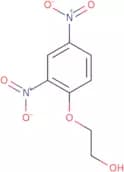
CAS:(S)-(+)-Prolinol is a chiral compound that belongs to the class of polymerase chain reaction (PCR) reagents. It is used as an antibacterial agent, which inhibits bacterial growth by interfering with DNA replication and transcription. The stereoselective nature of the compound has been shown by its differential activity against two different strains of subtilis. This molecule also interacts with diazepam and other drugs, as well as with environmental pollutants such as polychlorinated biphenyls (PCBs). The anti-inflammatory properties of this molecule may be due to its ability to inhibit prostaglandin synthesis through inhibition of cyclooxygenase or lipoxygenase enzymes.Fórmula:C5H11NOPureza:Min. 95%Cor e Forma:Clear LiquidPeso molecular:101.15 g/mol2-(2,4-Dinitrophenoxy)ethanol
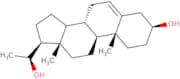
CAS:2-(2,4-Dinitrophenoxy)ethanol is a glycol ether that has been shown to be an effective nucleophile in nucleophilic substitution reactions. It is a colorless liquid with a boiling point of between 204°C and 205°C. 2-(2,4-Dinitrophenoxy)ethanol reacts with deionized water in the presence of ethylene to produce a crystalline precipitate. The product can be recrystallized from ethanol/water or purified by chromatography on silica gel. This chemical can also be used as an activated nucleophile in the synthesis of spirocyclic compounds and isomeric ketones. 2-(2,4-Dinitrophenoxy)ethanol is toxic and may cause severe skin burns if it comes into contact with unprotected skin. It is also environmentally hazardous when released into the environment because it breaks down slowly and may accumulate in soil or water systems.Fórmula:C8H8N2O6Pureza:Min. 95%Cor e Forma:PowderPeso molecular:228.16 g/mol20a-Dihydro pregnenolone
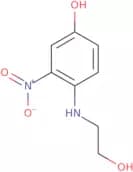
CAS:Produto ControladoPregnenolone is a steroid hormone that is synthesized in the adrenal cortex. It has been used as a diagnostic agent for detecting low levels of human chorionic gonadotropin (hCG). Pregnenolone interacts with the 3β-hydroxysteroid dehydrogenase, which is an enzyme involved in the conversion of pregnenolone to progesterone. The gene encoding this enzyme has been found to be mutated in patients with hydroxylase deficiency. Pregnenolone can also be converted into other hormones such as cortisol and androstenedione by various hydroxylases. This process may be inhibited by 20a-dihydroprogesterone, leading to increased concentrations of pregnenolone in the plasma.Fórmula:C21H34O2Pureza:Min. 95%Cor e Forma:White PowderPeso molecular:318.49 g/mol4-(2-Hydroxyethylamino)-3-nitrophenol
CAS:4-(2-Hydroxyethylamino)-3-nitrophenol is a nitrophenol that can cause toxicity in humans. It has been investigated for its potential use as a treatment for erectile dysfunction. The compound was found to have a long half-life of over 24 hours, which may be due to its slow metabolism by esterases and glucuronidases. 4-(2-Hydroxyethylamino)-3-nitrophenol has been shown to be an allergen and is toxic to the skin, lungs, and muscles. This chemical can cause cancer when it is irradiated or mixed with other chemicals such as 4-amino-2-nitrophenol (ANP).Fórmula:C8H10N2O4Pureza:Min. 95%Cor e Forma:PowderPeso molecular:198.18 g/mol(+)-Dehydrodiconiferyl alcohol
CAS:(+)-Dehydrodiconiferyl alcohol is a lignan, which is a type of phenolic compound naturally occurring in a variety of plant species, including those in the families Magnoliaceae, Lauraceae, and others. As a secondary metabolite derived from the oxidative coupling of coniferyl alcohol, it plays roles in plant defense and structural integrity.Fórmula:C20H22O6Pureza:Min. 95%Peso molecular:358.39 g/molAllylestrenol
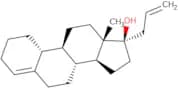
CAS:Produto ControladoAllylestrenol is a synthetic steroid hormone that is used as a contraceptive. It works by preventing ovulation and thickening the cervical mucus to prevent sperm from reaching the egg. Allylestrenol has been shown to have a statistically significant effect on infectious diseases of the ovary, such as endometritis, pelvic inflammatory disease, and salpingitis. Allylestrenol also inhibits ovarian enzyme activity, which may lead to autoimmune diseases. This drug has not been studied for its toxicity or pharmacokinetics in humans, but it has been found to be highly toxic in animals with levels of allylestrenol that are 100 times higher than those found in humans. A polymer composition was developed to control the release of allylestrenol in vivo.
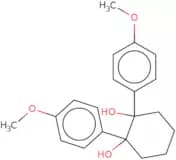
Fórmula:C21H32OPureza:Min. 95%Cor e Forma:White To Off-White SolidPeso molecular:300.48 g/mol1,2-Bis-(4-methoxyphenylcyclohexan-1,2-diol)
CAS:1,2-Bis-(4-methoxyphenylcyclohexan-1,2-diol) is a high quality reagent that is an important intermediate for the synthesis of complex compounds. It is also a useful building block in the synthesis of fine chemicals and speciality chemicals. This compound can be used as a versatile building block in the synthesis of various organic compounds. 1,2-Bis-(4-methoxyphenylcyclohexan-1,2-diol) is also a reaction component that can be used to synthesize pharmaceuticals and other research chemicals.Fórmula:C20H24O4Pureza:Min. 95%Peso molecular:328.4 g/molEstradiol 17-butyrate
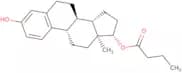
CAS:Estradiol 17-butyrate is a fine chemical that can be used as a versatile building block or in the synthesis of complex compounds. This product is a research chemical, but it can also be used as a reagent or a CAS No. 18069-79-9. It has many applications in the field of chemistry, including being useful as an intermediate in organic synthesis and as a reaction component. Estradiol 17-butyrate is also useful for use as a scaffold for the preparation of other chemicals with similar properties.
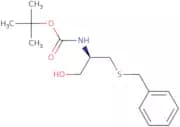
Fórmula:C22H30O3Pureza:Min. 95%Cor e Forma:PowderPeso molecular:342.47 g/molBoc-S-benzyl-L-cysteinol
CAS:Please enquire for more information about Boc-S-benzyl-L-cysteinol including the price, delivery time and more detailed product information at the technical inquiry form on this pageFórmula:C15H23NO3SPureza:Min. 95%Cor e Forma:PowderPeso molecular:297.41 g/molPhenol red
CAS:Phenol red is a pH indicator that finds broad applications from chemistry to microbiology. Colour varies from yellow at pH<6.8 (lmax 443nm) through to light red/pink at 6.8<pH<8.2 (lmax 570 nm) to vivid purple/red at pH>8.2. It is widely used in cell culture to monitor pH and for colorimetric titration. For example, phenol red can be used to quantify Br- content in sea or fresh water. It is added to VTM as pH indicator, at the concentration of 10mg/ml, maintaining a pink colour at neutral pH.
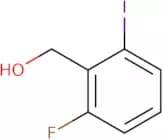
Fórmula:C19H14O5SCor e Forma:PowderPeso molecular:354.38 g/mol6-Fluoro-2-iodobenzyl alcohol
CAS:6-Fluoro-2-iodobenzyl Alcohol is a versatile building block for the synthesis of complex compounds. It is used in research and as a reagent for the synthesis of pharmaceuticals, pesticides and other organic compounds. 6-Fluoro-2-iodobenzyl alcohol has been shown to be useful in the formation of high quality and useful intermediates, reaction components, and scaffolds. The CAS number for this chemical is 911825-94-0.Fórmula:C7H6FIOPureza:Min. 95%Peso molecular:252.02 g/mol2-[[(4-Anilinophenyl)imino]methyl]-4,6-dichlorophenol
CAS:2-[[(4-Anilinophenyl)imino]methyl]-4,6-dichlorophenol is a chemical that has been used in the synthesis of pharmaceuticals and other organic compounds. It is a versatile building block for the preparation of complex compounds and fine chemicals. This product can be used as a reagent or reaction component for research purposes. It is also useful as an intermediate or building block in the synthesis of drugs and other organic compounds. CAS No. 303215-67-0Fórmula:C19H14Cl2N2OPureza:Min. 95%Cor e Forma:Red PowderPeso molecular:357.23 g/mol1-O-Tetradecyl-rac-glycerol
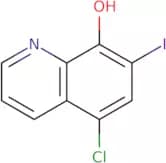
CAS:1-O-Tetradecyl-rac-glycerol is a fatty acid ester that is used as a conditioning agent and a hydroxylated alcohol. The fatty acid ester is derived from 1-O-tetradecanoyl-racemic glycerol, which is an ester of the fatty acids, oleic acid and palmitic acid. The hydroxy group on the molecule allows it to be soluble in water. It also has transport properties because it can dissolve in lipids and penetrate hair follicles. It can also act as a solid catalyst for citric acid production and malic acid production because of its hydroxyl groups.Fórmula:C17H36O3Pureza:Min. 95 Area-%Cor e Forma:PowderPeso molecular:288.47 g/mol5-Chloro-7-iodo-8-hydroxyquinoline
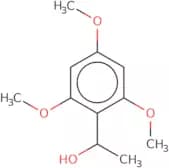
CAS:5-Chloro-7-iodo-8-hydroxyquinoline is a metal chelate that has been shown to have pharmacological effects in experimental animals. It has antioxidative properties and can protect against oxidative injury. 5-Chloro-7-iodo-8-hydroxyquinoline was found to be toxic in various animal models, including the neuronal death and mitochondrial membrane potential. This toxicity may be due to its ability to inhibit the activity of DNA polymerase and protein synthesis. The compound also showed significant cytotoxicity at low concentrations, but had no significant cytotoxicity at higher concentrations. 5-Chloro-7-iodo-8-hydroxyquinoline is similar in structure to clioquinol, which has been shown to have neurotoxic effects in humans.Fórmula:C9H5ClINOPureza:Min. 95 Area-%Cor e Forma:PowderPeso molecular:305.5 g/mol(2,4,6-Trimethoxyphenyl)methyl carbinol
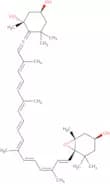
CAS:Trimethoxyphenylmethylcarbinol (TMPC) is a high quality chemical that can be used in the production of research chemicals, pharmaceuticals and other speciality chemicals. It has been shown to be an effective building block for complex compounds such as heterocycles. TMPC has also been shown to have protective effects against oxidative stress and may be useful as a reagent in chemical synthesis.Fórmula:C11H16O4Pureza:Min. 95%Cor e Forma:PowderPeso molecular:212.24 g/mol9'-cis-Neoxanthin - solution in ethanol (sold by weight of solution)
CAS:9'-cis-Neoxanthin is a carotenoid that belongs to the class of xanthophylls. It is found in high concentrations in the seeds of peas, spinach, and corn. 9'-cis-Neoxanthin has been shown to inhibit prostate cancer cells by targeting their transcriptional regulation. 9'-cis-Neoxanthin is a precursor for violaxanthin, which is a powerful antioxidant that can scavenge free radicals. This molecule also binds to DNA polymerase and inhibits its activity. The structural analysis of 9'-cis-Neoxanthin has revealed that it contains two chromophores: one with an oxygenated end (the neoxanthin side chain) and one with an unsaturated end (the other side chain).
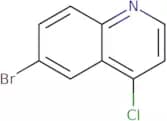
Fórmula:C40H56O4Pureza:Min. 97 Area-%Cor e Forma:Clear LiquidPeso molecular:600.87 g/mol6-Bromo-4-chloroquinoline
CAS:6-Bromo-4-chloroquinoline is a chemical compound with the molecular formula C8H6BrClN. It belongs to the class of heterocyclic compounds and has been used in the synthesis of other compounds, such as pharmaceuticals. 6-Bromo-4-chloroquinoline has been shown to be an effective anticancer drug, with measurable levels in the blood after oral administration. This drug interacts with hydrogen bonding interactions with thp-1 cells, which are erythrocytes derived from human peripheral blood lymphocytes. 6-Bromo-4-chloroquinoline also interacts with sodium sulfide, which is found in human liver and kidney cells. The pharmacokinetic properties of 6-bromo-4-chloroquine have been studied in rats and mice.
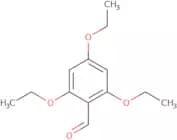
Fórmula:C9H5BrClNPureza:Min. 95%Cor e Forma:PowderPeso molecular:242.5 g/molPhloroglucinol aldehyde triethyl ether
CAS:Phloroglucinol aldehyde triethyl ether is a high quality, research chemical, speciality chemical and versatile building block. It is used in the synthesis of complex compounds that are useful as intermediates or fine chemicals. The CAS No. for this compound is 59652-88-9.Fórmula:C13H18O4Pureza:Min. 95%Peso molecular:238.28 g/mol6-[4-(1-Cyclohexyl-1H-tetrazol-5-yl)butoxy]-3,4-dihydro-2(1H)-quinolinone
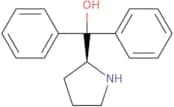
CAS:Cilostazol is a drug that binds to ATP-binding cassette (ABC) transporters, which are proteins that transport molecules across membranes. It decreases the production of cyclic nucleotides and phosphodiesterase, which are important in the regulation of blood vessel tone. Cilostazol has been shown to be effective in treating heart failure and atherosclerosis. Cilostazol also inhibits cyclase activity, an enzyme involved in the synthesis of cyclic nucleotides, which leads to vasodilation by increasing the concentration of cAMP. The drug is available in both immediate-release and controlled-release preparations. Cilostazol can have serious side effects such as congestive heart failure or stroke if it is taken with other drugs that inhibit platelet aggregation such as aspirin or warfarin.Fórmula:C20H27N5O2Pureza:Min. 95%Cor e Forma:White PowderPeso molecular:369.46 g/mol(S)-(-)-Diphenyl-2-pyrrolidinemethanol
CAS:Produto Controlado(S)-(-)-Diphenyl-2-pyrrolidinemethanol is a chiral compound that contains a chelate ring. It can be synthesized by the asymmetric synthesis of propargylamine, which is then converted to an amide chloride. The ester hydrochloride can be obtained from the esterification of propargylamine with epoxides, followed by hydrolysis. The stereoselective reaction of (S)-(-)-Diphenyl-2-pyrrolidinemethanol with primary amines at temperatures below -10°C produces secondary amines. This compound has been used in crystallography and in the reaction of β-unsaturated ketones with amines.
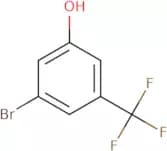
Fórmula:C17H19NOPureza:Min. 95%Cor e Forma:White To Off-White SolidPeso molecular:253.34 g/mol3-Bromo-5-(trifluoromethyl)phenol
CAS:3-Bromo-5-(trifluoromethyl)phenol is a versatile building block that is used as a scaffold for synthesis of complex compounds. It can be used as a reaction component in the synthesis of valuable chemical products, such as fine chemicals and research chemicals. 3-Bromo-5-(trifluoromethyl)phenol is also useful for the production of speciality chemicals. This chemical has been shown to have high quality and can be used as a reagent in organic synthesis.
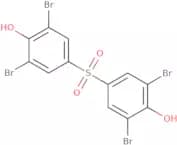
Fórmula:C7H4BrF3OPureza:Min. 95%Cor e Forma:Colorless Clear LiquidPeso molecular:241.01 g/molTetrabromobisphenol S
CAS:Tetrabromobisphenols (TBB) are skin conditioners that are used in the cosmetic industry. They are derived from fatty acids and have a structural formula of C10H8Br4. TBBs have a fluorine atom at their central position and have been shown to react with bacterial strains and produce reaction products, such as hydrogen chloride, calcium carbonate, and carbonic acid. TBBs form hydrogen bonds with the membrane system of cells and affect physiological functions. TBBs are able to penetrate the skin and enter the bloodstream, which can lead to toxic side effects in humans.Fórmula:C12H6Br4O4SPureza:Min. 95%Cor e Forma:PowderPeso molecular:565.86 g/mol10-Azido-1-decanol
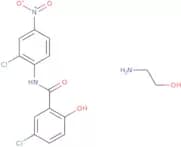
CAS:10-Azido-1-decanol is a non-polar solvent with reactive properties. It has been shown to cause cellular damage in proton and 6-chloropurine, which is a precursor for the synthesis of nucleic acids. 10-Azido-1-decanol has been used as an ultraviolet light absorber in strategies to protect tissues from ultraviolet light and it can also be used to study the effects of functional groups on optical properties. 10-Azido-1-decanol's hypochromic behavior makes it useful in bilayer studies because it can be easily distinguished from other solvents or water molecules.Fórmula:C10H21N3OPureza:Min. 95%Cor e Forma:Clear LiquidPeso molecular:199.29 g/molNiclosamide ethanolamine salt
CAS:Chemically a chlorinated salicylanilide, niclosamide is clinically used as an anthelmintic agent. The action of niclosamide has been proven to proceed by inhibiting the STAT3 signaling pathway. Recently, niclosamide, has been considered as an antiproliferative agent in cancer treatment, e.g. melanoma and colorectal cancer. In 2021, niclosamide has been tested for the treatment of COVID-19 patients.Fórmula:C15H15Cl2N3O5Cor e Forma:PowderPeso molecular:388.2 g/mol5-Methoxyresorcinol
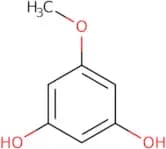
CAS:5-Methoxyresorcinol is a plant product that has been shown to inhibit protein synthesis. It was found to have a second-order rate constant of 0.079 M-1s-1 at pH 7, which is much lower than the first order rate constant for urea hydrolysis (0.71 M-1s-1). 5-Methoxyresorcinol has also been shown to demethylate methyl glycosides and synthesize cell cultures. This product inhibits the replication of herpes simplex virus by inhibiting the synthesis of viral proteins in infected cells and blocking the maturation of progeny virus particles.
Fórmula:C7H8O3Pureza:Min. 95%Cor e Forma:Slightly Yellow PowderPeso molecular:140.14 g/mol2-Nitro-4-tert-butylphenol
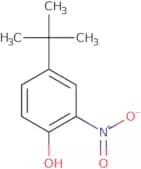
CAS:2-Nitro-4-tert-butylphenol is a phenolic antioxidant that has been used as a substitute for 2,6-di-tert-butylphenol (BHT) in cellulose triacetate. It also has been used in the production of 16-membered macrolides and macrocyclization reactions. 2NBP has been shown to be a potent inhibitor of ionophore transport across membranes, with the ability to inhibit membrane protein function and affect macrocyclization. It is also able to form mesoporous materials with diameters in the range of 10 nm to 100 nm. Nitroarenes are good candidates for molecular size control because they can be easily synthesized by addition reactions, which makes them ideal for use in organic chemistry.Fórmula:C10H13NO3Pureza:Min. 95%Cor e Forma:PowderPeso molecular:195.22 g/mol3-Nitro-4-(trifluoromethyl)phenol
CAS:3-Nitro-4-(trifluoromethyl)phenol is an amino acid that has been found in fossils of the proterozoic era. It is believed to have played a role in evolution and the onset of life because it was resistant to damage by oxygen free radicals. 3-Nitro-4-(trifluoromethyl)phenol has been shown to be damaging to mesenchymal cells, which are cells that form cartilage and bone, leading to cell death. The chemical damages mesenchymal stem cells, which can lead to diseases such as osteoarthritis or rheumatoid arthritis. Researchers believe that this chemical may have played a role in the orogeny, or mountain formation, that occurred during the late Proterozoic Era.Fórmula:C7H4F3NO3Pureza:Min. 95%Cor e Forma:PowderPeso molecular:207.11 g/molCarboxyethylsilanetriol sodium salt - 25% in water
CAS:Carboxyethylsilanetriol sodium salt - 25% in water is a reagent that is used to form complex compounds. It can be used as a reaction component or a building block to create more complex compounds, such as new medicines. Carboxyethylsilanetriol sodium salt - 25% in water has been shown to be an efficient and versatile scaffold for the production of fine chemicals and research chemicals. CAS No. 18191-40-7 is a speciality chemical that can react with other organic compounds to form new compounds for research purposes. Carboxyethylsilanetriol sodium salt - 25% in water is a useful intermediate and building block for various synthetic reactions because it can easily react with other organics to form new compounds which are useful in pharmaceuticals, agrochemicals, and other industries.
Fórmula:C3H6Na2O5SiPureza:Approximately 25%Cor e Forma:Clear LiquidPeso molecular:196.14 g/mol(R)-(+)-3,3'-Dibromo-5,5',6,6',7,7',8,8'-octahydro-1,1'-bi-2,2'-naphthalenediol
CAS:(R)-(+)-3,3'-Dibromo-5,5',6,6',7,7',8,8'-octahydro-1,1'-bi-2,2'-naphthalenediol is a synthetic compound that is used as a ligand for asymmetric catalysis. It is an optically active compound and can be used in catalytic reactions to produce compounds that are not available through other methods. (R)-(+)-3,3'-Dibromo-5,5',6,6',7,7',8,8'-octahydro-1,1'-bi-2,2'-naphthalenediol is a reactive compound and can be used as a ligand in Diels-Alder reactions. The synthesis of this product can be achieved with high yield by using the synthetic method described.Fórmula:C20H20Br2O2Pureza:Min. 98 Area-%Cor e Forma:White PowderPeso molecular:452.18 g/molGemcitabine monophosphate disodium monohydrate
CAS:Please enquire for more information about Gemcitabine monophosphate disodium monohydrate including the price, delivery time and more detailed product information at the technical inquiry form on this pageFórmula:C9H12F2N3O7P•Na2•H2OPureza:90%Min By HplcCor e Forma:PowderPeso molecular:407.16 g/mol5-Nitroisoquinoline
CAS:5-Nitroisoquinoline is a nitro compound that has been shown to be a potential biomarker for liver disease. 5-Nitroisoquinoline is synthesized from the reaction of hydroxylamine, sodium carbonate, and nitric acid. This chemical can also be found in human liver tissue. The titration calorimetry experiments performed on 5-nitroisoquinoline showed that the compound has a high heat of formation (194.1 kJ/mol) and low enthalpy of formation (-19.6 kJ/mol). Vibrational analysis revealed that there are four nitrogens in the molecule and two nitrogen atoms per molecule. X-ray crystal structures were obtained for 5-nitroisoquinoline with different solvents and hydrogen bonding was observed in all cases. Molecular modeling showed that there are five nitro groups, which would explain the name "5-nitro." The five nitrogen atoms coordinate to form a trigonal bip
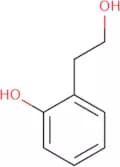
Fórmula:C9H6N2O2Pureza:Min. 95%Cor e Forma:PowderPeso molecular:174.16 g/mol2-Hydroxyphenethylalcohol
CAS:2-Hydroxyphenethylalcohol is a chemical compound with the molecular formula C8H10O2. It has a hydroxyl group on its phenyl ring and one hydroxy group on the alcohol side chain. 2-Hydroxyphenethylalcohol is used as a reaction solution for chemical ionization in mass spectrometry to identify unknown compounds by their molecular weight or other properties. The compound is also used in magnetic resonance spectroscopy as a model system to study the reactions of organic molecules with water and acids.Fórmula:C8H10O2Pureza:Min. 97 Area-%Cor e Forma:Colorless Clear LiquidPeso molecular:138.16 g/mol3-Mercapto-1-hexanol
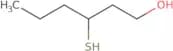
CAS:3-Mercapto-1-hexanol is a chemical compound that belongs to the group of thiols. It has been shown to have high values for in vitro assays and analytical method, as well as a matrix effect. The transcriptional regulation is interactive with other compounds and natural compounds, like isovaleric acid. 3-Mercapto-1-hexanol can be used in sample preparation, type strain, and synthetic pathway.Fórmula:C6H14OSPureza:Min. 95%Cor e Forma:Clear LiquidPeso molecular:134.24 g/mol2-(3-Hydroxyphenyl)ethyl alcohol
CAS:2-(3-Hydroxyphenyl)ethyl alcohol is a reactive compound that can form an adduct with the tyrosinase enzyme, which catalyzes the conversion of tyrosine to dopa and dopaquinone. 2-(3-Hydroxyphenyl)ethyl alcohol also has been shown to inhibit tyrosinase activity in vitro. This compound has been found in natural compounds such as catechins and flavones.Fórmula:C8H10O2Pureza:Min. 95%Cor e Forma:Clear LiquidPeso molecular:138.16 g/mol9-Fluoro-10,13,17-Trimethyl-2,3,4,5,6,7,8,11,12,14,15,16-Dodecahydro-1H-Cyclopenta[a]Phenanthrene-3,11,17-Triol
CAS:Produto Controlado9-Fluoro-10,13,17-Trimethyl-2,3,4,5,6,7,8,11,12,14,15,16-Dodecahydro-1H-Cyclopenta[a]Phenanthrene-3,11,17-Triol is a synthetic nucleic acid molecule that can be used for diagnostic purposes. It has been shown to bind to the nucleic acid of human cells. This nucleic acid binds to the antibodies in order to detect and identify different types of RNA sequences. 9F18TMTD has also been shown to target specific sites on the DNA molecule and can be used as a probe for detecting specific sequences of DNA. The synthetic process starts by reacting an aromatic compound with methanol in the presence of a base catalyst to form an intermediate product. The intermediate is then oxidized with nitric acid and hydrogen peroxide in order form the final product.Fórmula:C20H33FO3Pureza:Min. 95%Peso molecular:340.47 g/mol2,6-Dinitrobenzene-1,4-dimethanol
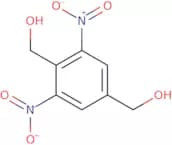
CAS:2,6-Dinitrobenzene-1,4-dimethanol is a developer that has been shown to have a sensitivity of 0.5 mg/ml and a molecular weight of 235.3 g/mol. It is also an amplified developer that has been shown to reduce the weight of polymers by up to 20%. This molecule can be used for the production of polymers with functional moieties and monomers with chemically reactive groups. 2,6-Dinitrobenzene-1,4-dimethanol is soluble in organic solvents and can be used as a monomer in polymerization reactions.
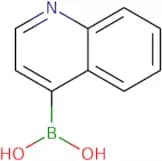
Fórmula:C8H8N2O6Pureza:Min. 95%Cor e Forma:PowderPeso molecular:228.16 g/molQuinolin-4-ylboronic acid
CAS:Quinolin-4-ylboronic acid is a heterocyclic compound with two nitrogen atoms that are attached to the ring by means of carbonyl groups. This compound is a precursor in the synthesis of the drug dorsomorphin, which is used for pain relief. It also has an important role in pharmacokinetics because it can be used as a marker for estimating blood levels of other drugs. Quinolin-4-ylboronic acid yields an active form, quinolin-4-yl boronic acid, when reacted with piperazine in basic conditions. The drug ldn-193189 is a derivative of this active form and has been evaluated as a potential drug for treating osteoporosis and cancer.
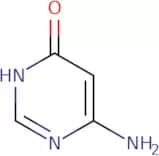
Fórmula:C9H8BNO2Pureza:Min. 95 Area-%Cor e Forma:PowderPeso molecular:172.98 g/mol6-Aminopyrimidin-4-ol
CAS:6-Aminopyrimidin-4-ol is an intermediate in the synthesis of orotic acid. It is also a precursor to 6-chloropurine, which is used in the manufacture of orotic acid and 6-aminopurine. 6-Aminopyrimidin-4-ol can be prepared by benzannulation of phosphorus oxychloride with orotic acid or by hydrolysis of 6-chloropurine with thiourea. The latter method is preferred because it results in less waste.
6-Aminopyrimidin-4-ol is labile and must be stored under an inert gas at low temperature to prevent decomposition. It undergoes inactivating reactions with strong oxidizing agents, such as chlorine dioxide, peracetic acid, hydrogen peroxide, and potassium permanganate.
It also reacts with nucleophiles such as ammonia or amines to form stable tautFórmula:C4H5N3OPureza:Min. 95%Cor e Forma:PowderPeso molecular:111.1 g/mol4-Chloro-3-nitrobenzenethiol
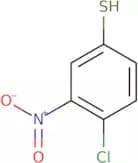
CAS:4-Chloro-3-nitrobenzenethiol (4CNBT) is a micropet that is used as a radiotracer to measure the uptake of serotonin in the brain. This compound has been shown to bind to the serotonin transporter, which is responsible for reuptake of serotonin from the synapse. The radiolabeled 4CNBT can be used for positron emission tomography (PET) scanning and postinjection autoradiography. 4CNBT has also been used as a ligand in pharmacological studies on serotonin transporters.
Fórmula:C6H4ClNO2SPureza:Min. 95%Cor e Forma:White PowderPeso molecular:189.62 g/mol16-Epiestriol
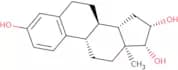
CAS:Produto Controlado16-Epiestriol is a natural estrogen that can be found in urine samples. It has been shown to bind to the glucocorticoid receptor, which plays an important role in the regulation of immune responses and metabolism. 16-Epiestriol has also been shown to have immunosuppressive activities and may be used to treat cancer. 16-Epiestriol is metabolized by esterases in the liver, which leads to the production of covalent adducts. These covalent adducts bind to proteins in human liver and other tissues, leading to potential carcinogenicity. 16-Epiestriol binds with high affinity to streptococcus faecalis, which is an opportunistic pathogen associated with urinary tract infections. The optimum pH for this drug is 8.5 and it has been shown that it does not bind well at pH levels below 7 or above 11.
Fórmula:C18H24O3Pureza:Min. 95%Cor e Forma:PowderPeso molecular:288.38 g/molIndole-3-propanol
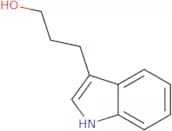
CAS:Indole-3-propanol is a reversible inhibitor of the enzyme dihydrofolate reductase that blocks the synthesis of purine nucleotides. It has been shown to have a regulatory effect on bacterial growth and may be used as an antimicrobial agent. Indole-3-propanol is an inhibitor of the enzyme dihydrofolate reductase, which catalyzes the reduction of dihydrofolic acid to tetrahydrofolic acid. This conversion is essential for DNA synthesis and repair in bacteria. Indole-3-propanol inhibits this reaction reversibly by binding to the hydroxy group in the active site of the enzyme, thereby blocking access to substrate analogues such as phosphoribosyl pyrophosphate (PRPP). The compound also inhibits human serum proteins, such as albumin, which are involved in metabolizing drugs. Molecular modeling studies suggest that indole-3-propanol binds to two lFórmula:C11H13NOPureza:Min. 95%Cor e Forma:Clear LiquidPeso molecular:175.23 g/mol1,2-Dimyristoyl-sn-glycerol
CAS:Dimyristoyl-sn-glycerol is a lipid that has a phase transition temperature of 42.6°C and melts at 44.6°C. It is found in the membrane of cells, where it interacts with other lipids to form structures that are essential for cellular function. Dimyristoyl-sn-glycerol has been shown to be an inhibitor of cycloheximide and can bind to the surface glycoprotein on the surface of some gram-negative bacteria, such as Escherichia coli. These interactions may play a role in protein synthesis and growth factor activation.Fórmula:C31H60O5Pureza:Min. 98 Area-%Cor e Forma:PowderPeso molecular:512.81 g/mol4-n-Butylresorcinol
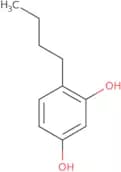
CAS:Inhibitor of tyrosinase; skin whitener
Fórmula:C10H14O2Cor e Forma:PowderPeso molecular:166.22 g/molCrotonyl alcohol
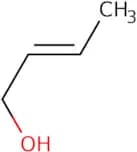
CAS:Crotonyl alcohol is an isomerizing agent that can be used in the synthesis of hydroxyapatite. It is a colorless liquid with a pungent odor. Crotonyl alcohol has been shown to react with polycarboxylic acids such as oxalic acid to produce dihydrooxalic acid, which is an intermediate in the synthesis of hydroxyapatite. The reaction mechanism of crotonyl alcohol is unknown, but it has been proposed that this reaction proceeds through a dehydrative process whereby one water molecule is eliminated to form the carboxyl group and the other water molecule reacts with the hydroxyl group to form hydrogen peroxide. The kinetic data obtained from experiments on crotonyl alcohol demonstrate that its activation energies are lower than those for other types of reactions and that its rate-determining step occurs at a lower temperature than other reactions. This suggests that crotonyl alcohol may have an unusual reaction mechanism, which could be dueFórmula:C4H8OPureza:Min. 95%Cor e Forma:Colourless To Yellow Clear LiquidPeso molecular:72.11 g/mol4-Amino-3-chlorophenol hydrochloride
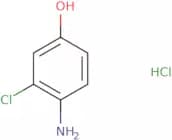
CAS:Intermediate in the synthesis of lenvatinibFórmula:C6H7Cl2NOPureza:Min. 95%Cor e Forma:PowderPeso molecular:180.03 g/molb-Cholestanol
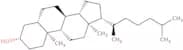
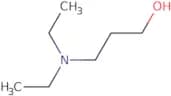
CAS:Produto Controladob-Cholestanol is a fatty acid that is used as a test compound in molecular modeling. It has been shown to be metabolized by the enzyme soybean lipoxygenase, which converts it to hydroxycholestanol. Hydroxycholestanol has been shown to have an inhibitory effect on the lipid peroxidation of hydrophobic lipids in human feces, which may be due to its ability to scavenge reactive oxygen species. b-Cholestanol has also been shown to be effective in treating cerebrotendinous xanthomatosis, a metabolic disorder characterized by high levels of cholesterol and triglycerides in the blood and tissues.Fórmula:C27H48OPureza:Min. 95%Cor e Forma:Off-White PowderPeso molecular:388.67 g/mol3-(Diethylamino)-1-propanol
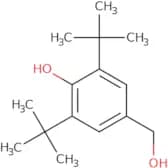
CAS:3-(Diethylamino)-1-propanol is a chemical species that has been shown to inhibit the growth of epidermal cells in a model system. 3-(Diethylamino)-1-propanol inhibits the production and release of epidermal growth factor, which is required for cell proliferation. The chemical binds to the receptor for epidermal growth factor, thereby inhibiting its activity. The low energy activation energies of this compound make it an excellent candidate for use in radiation therapy, as it can be easily activated by low levels of radiation and will not break down before reaching the target tissue. 3-(Diethylamino)-1-propanol also has inhibitory properties against other amines, such as histamine and acetylcholine.Fórmula:C7H17NOPureza:Min. 95%Cor e Forma:Clear LiquidPeso molecular:131.22 g/mol3,5-Di-tert-butyl-4-hydroxybenzyl alcohol
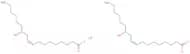
CAS:3,5-Di-tert-butyl-4-hydroxybenzyl alcohol is a fatty acid ester that is used as an analytical reagent and polymerization initiator. It produces a high yield of polymer in the presence of calcium carbonate. The polymerization reaction is initiated by the addition of 2,2'-azobis(2,4-dimethylvaleronitrile) (AADVN). The polymerization reaction has been shown to be pH dependent with a ph optimum at 8.3. 3,5-Di-tert-butyl-4-hydroxybenzyl alcohol has also been shown to have anticorrosive properties at high concentrations and inhibits coagulation factors that are involved in blood clotting.Fórmula:C15H24O2Pureza:Min. 95%Cor e Forma:PowderPeso molecular:236.35 g/molZinc ricinoleate
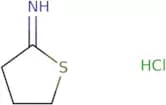
CAS:Zinc ricinoleate is a metal compound that is an absorber of hydrogen. It is primarily used as a deodorant for cosmetics and is often found in deodorant creams, powders, gels, and sticks. Zinc ricinoleate has been shown to be effective against lipases and chloride-containing compounds. The metal ion zinc in this compound reacts with the fatty acid esters in the skin and forms a protective layer that prevents the skin from becoming dry or irritated. Zinc ricinoleate also inhibits bacterial growth by preventing the synthesis of proteins needed for cell division.Fórmula:C36H66O6ZnPureza:Min. 95%Cor e Forma:PowderPeso molecular:660.29 g/mol2-Iminothiolane hydrochloride
CAS:2-Iminothiolane hydrochloride is an amine that reacts with free thiol groups in proteins. It can be used to generate models of protein structures, as well as to study the effects of disulfide bonds on protein stability and function. 2-Iminothiolane hydrochloride has been shown to inhibit HIV infection by blocking the uptake of all-trans retinoic acid into cells. This drug also has minimal toxicity and can be used for cancer therapy. The drug was shown to have minimal toxicity in vitro, but it has not yet been tested in vivo.
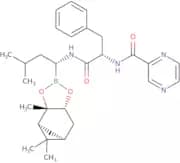
Fórmula:C4H8ClNSPureza:Min. 95%Cor e Forma:White Off-White PowderPeso molecular:137.63 g/mol(1R)-(1S,2S,3R,5S)-Pinanediol-N-(N-pyrazinylphenylalaninoyl)-1-amino-3-methyl-butane-1-boronate
CAS:(1R)-(1S,2S,3R,5S)-Pinanediol-N-(N-pyrazinylphenylalaninoyl)-1-amino-3-methyl-butane-1-boronate is a boronic acid derivative that has been shown to have an antiproliferative effect on cancer cells. It is a biodegradable, water soluble drug with a low toxicity profile. The maximum tolerated dose has been established in vivo studies and it can be used as an imaging agent for diagnosis. (1R)-(1S,2S,3R,5S)-Pinanediol-N-(N-pyrazinylphenylalaninoyl)-1-amino-3-methyl-butane-1-boronate may be used to treat cancers such as breast cancer or leukemia. This drug targets the proteasome and inhibits its activity by binding to the active site of the 20sFórmula:C29H39BN4O4Pureza:Min. 95%Cor e Forma:SolidPeso molecular:518.46 g/mol2-Ethylhexanethiol
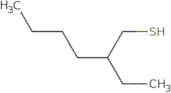
CAS:2-Ethylhexanethiol is a thiol that has been used in the manufacture of polymeric matrices. 2-Ethylhexanethiol has been shown to have potentiodynamic polarization and hydroxyl group. It is also a multivariable molecule that can form hydrogen bonding interactions with sodium carbonate. This chemical has been used in the manufacture of films, membranes, and other devices for the separation of gases or liquids. Chronic kidney disease patients were found to have decreased levels of this chemical in their blood serum. The morphology of the kidney cells was also altered by this chemical due to its effects on glomerular filtration rate.Fórmula:C8H18SPureza:Min. 96.5 Area-%Cor e Forma:Colorless Clear LiquidPeso molecular:146.29 g/mol4-[(7-Chloro-4-quinolinyl)amino]-1-pentanol
CAS:4-[(7-Chloro-4-quinolinyl)amino]-1-pentanol (QLT) is a drug that has been shown to be effective against both healthy volunteers and malaria patients. It is a prodrug that is metabolized by the liver into 7-chloroquinalone, which inhibits the growth of plasmodium falciparum. QLT has been shown to be safe and well tolerated in studies with healthy volunteers, and it does not appear to cause significant adverse effects. QLT also has an effect on T cells, which may be due to its ability to inhibit protein synthesis and cell division.Fórmula:C14H17ClN2OPureza:Min. 95%Cor e Forma:Yellow SolidPeso molecular:264.75 g/mol3,4-Dimethyl-1H-pyrazol-5-ol
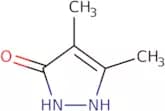
CAS:3,4-Dimethyl-1H-pyrazol-5-ol is a fine chemical that belongs to the category of research chemicals. It has many uses as a reagent and as a speciality chemical. 3,4-Dimethyl-1H-pyrazol-5-ol is also a versatile building block and can be used as an intermediate or scaffold in complex reactions. The CAS number for this compound is 4344-72-3.
Fórmula:C5H8N2OPureza:Min. 95%Cor e Forma:PowderPeso molecular:112.13 g/mol2-Boc-6-Chloro-3,4-dihydro-1H-isoquinoline-1-carboxylic acid
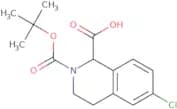
CAS:2-Boc-6-Chloro-3,4-dihydro-1H-isoquinoline-1-carboxylic acid is a useful scaffold for the production of various chemical compounds. It is a versatile building block that can be used as an intermediate in various chemical reactions or as a speciality chemical. 2-Boc-6-Chloro-3,4-dihydro-1H-isoquinoline-1 carboxylic acid has been shown to be a high quality and reliable reagent for use in research and development.Fórmula:C15H18ClNO4Pureza:Min. 95%Cor e Forma:White PowderPeso molecular:311.76 g/mol1-(4-Aminophenyl)propane-1,2,3-triol
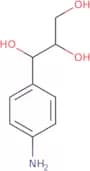
CAS:1-(4-Aminophenyl)propane-1,2,3-triol is a fine chemical that is useful for research and development of pharmaceuticals. It has the CAS number 695191-72-1. This compound has been used as a building block in the synthesis of a wide range of complex molecules. It is also used as a reagent and speciality chemical in the production of pharmaceuticals and agrochemicals. 1-(4-Aminophenyl)propane-1,2,3-triol is a versatile building block that can be used to create new compounds with different properties. It also functions as a useful intermediate or scaffold for drug discovery programs.Fórmula:C9H13NO3Pureza:Min. 95%Cor e Forma:Off-White To Brown SolidPeso molecular:183.2 g/mol2-Bromo-4-tert-octylphenol
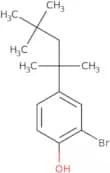
CAS:2-Bromo-4-tert-octylphenol is a high quality chemical that can be used in research. It is an organic compound that reacts as a building block to create other complex compounds. 2-Bromo-4-tert-octylphenol is also a versatile building block, useful intermediate, and useful building block for the creation of speciality chemicals. This reagent has been shown to be effective as a reaction component in the synthesis of reagents, such as with the synthesis of 1,3-bis(2,4,6-trimethylbenzoyl)benzene.Fórmula:C14H21BrOPureza:Min. 95 Area-%Cor e Forma:Clear LiquidPeso molecular:285.22 g/mol4-Benzyloxybenzyl alcohol
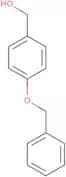
CAS:4-Benzyloxybenzyl alcohol is a potent inhibitor of CXCR4, a receptor for chemokines that is involved in the trafficking of immune cells. It binds to CXCR4 and blocks its activation by HIV-1 gp120. 4-Benzyloxybenzyl alcohol inhibits both CXCR4-dependent and -independent chemotaxis. This compound also has a hydroxy group which can be used for the synthesis of β-amino acids or p-hydroxybenzoic acid. 4-Benzyloxybenzyl alcohol also has a monoclonal antibody that recognizes it, which can be used as an immunogen to raise antibodies against this molecule. The disulfide bond in 4-Benzyloxybenzyl alcohol prevents oxidation, which makes it stable at high temperatures.Fórmula:C14H14O2Pureza:Min. 95%Cor e Forma:PowderPeso molecular:214.26 g/mol
![7-[(Dimethylamino)methyl]-2,2,4-trimethyl-1,2-dihydroquinolin-6-ol](/_next/image/?url=https%3A%2Fstatic.cymitquimica.com%2Fproducts%2F3D%2Fthumb-webp%2FFD129815.webp&w=3840&q=75)



![3-[2-(Ethylhexyl)oxyl]-1,2-propandiol](/_next/image/?url=https%3A%2Fstatic.cymitquimica.com%2Fproducts%2F3D%2Fthumb-webp%2FFE151191.webp&w=3840&q=75)
![3-[1-(Dimethylamino)ethyl]phenol](/_next/image/?url=https%3A%2Fstatic.cymitquimica.com%2Fproducts%2F3D%2Fthumb-webp%2FFD22323.webp&w=3840&q=75)



![1-Chloro-3-[4-(2-methoxyethyl)phenoxy]-2-propanol](/_next/image/?url=https%3A%2Fstatic.cymitquimica.com%2Fproducts%2F3D%2Fthumb-webp%2FFC27415.webp&w=3840&q=75)




![2-[[(4-Anilinophenyl)imino]methyl]-4,6-dichlorophenol](/_next/image/?url=https%3A%2Fstatic.cymitquimica.com%2Fproducts%2F3D%2Fthumb-webp%2FFA71703.webp&w=3840&q=75)

![6-[4-(1-Cyclohexyl-1H-tetrazol-5-yl)butoxy]-3,4-dihydro-2(1H)-quinolinone](/_next/image/?url=https%3A%2Fstatic.cymitquimica.com%2Fproducts%2F3D%2Fthumb-webp%2FFC03161.webp&w=3840&q=75)




![9-Fluoro-10,13,17-Trimethyl-2,3,4,5,6,7,8,11,12,14,15,16-Dodecahydro-1H-Cyclopenta[a]Phenanthrene-…](/_next/image/?url=https%3A%2Fstatic.cymitquimica.com%2Fproducts%2F3D%2Fthumb-webp%2FFF103008.webp&w=3840&q=75)

![4-[(7-Chloro-4-quinolinyl)amino]-1-pentanol](/_next/image/?url=https%3A%2Fstatic.cymitquimica.com%2Fproducts%2F3D%2Fthumb-webp%2FFC20107.webp&w=3840&q=75)