


Álcoois
Subcategorias de "Álcoois"
Foram encontrados 5813 produtos de "Álcoois"
4-[2-[[3-(4-Hydroxyphenyl)-1-methylpropyl]amino]ethyl]-1,2-benzenediol hydrochloride
CAS:Dobutamine is a beta-adrenergic agonist that causes the heart to contract and increase blood pressure. It is used for pharmacological treatment of congestive heart failure and ventricular arrhythmias, as well as during angiography of the coronary arteries. Dobutamine stimulates dopamine receptors in the heart, which increases the systolic pressure. Dobutamine has been shown to be effective in improving myocardial contractility, left ventricle function, and cardiac output in patients with chronic congestive heart failure. This drug also improves left ventricular regional wall motion, papillary muscle function, and mitral valve regurgitation. Dobutamine may cause side effects such as nausea, vomiting, headache, or chest pain.Fórmula:C18H24ClNO3Pureza:Min. 95%Cor e Forma:PowderPeso molecular:337.84 g/molMedioresinol
CAS:Medioresinol is a secondary metabolite found in plants belonging to the family Pinaceae. It is a fluorescent compound that can be seen with nmr spectroscopic data and has been identified as a fatty acid. Medioresinol has been studied for its effects on bacteria, fungi, and cancer cells. This compound has shown to inhibit the growth of the bladder cancer cell line 5637A and inhibit the growth of human leukemia cells by blocking protein synthesis. The mechanism of action of medioresinol is not yet well understood, but it may involve an interaction with p-hydroxybenzoic acid or secoisolariciresinol. Medioresinol is also known to have strong anti-inflammatory properties, which may be due to its ability to inhibit prostaglandin synthesis.Fórmula:C21H24O7Pureza:Min. 95%Cor e Forma:White PowderPeso molecular:388.41 g/molNiclosamide ethanolamine salt
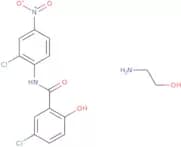
CAS:Chemically a chlorinated salicylanilide, niclosamide is clinically used as an anthelmintic agent. The action of niclosamide has been proven to proceed by inhibiting the STAT3 signaling pathway. Recently, niclosamide, has been considered as an antiproliferative agent in cancer treatment, e.g. melanoma and colorectal cancer. In 2021, niclosamide has been tested for the treatment of COVID-19 patients.Fórmula:C15H15Cl2N3O5Cor e Forma:PowderPeso molecular:388.2 g/mol10-Azido-1-decanol
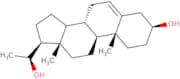
CAS:10-Azido-1-decanol is a non-polar solvent with reactive properties. It has been shown to cause cellular damage in proton and 6-chloropurine, which is a precursor for the synthesis of nucleic acids. 10-Azido-1-decanol has been used as an ultraviolet light absorber in strategies to protect tissues from ultraviolet light and it can also be used to study the effects of functional groups on optical properties. 10-Azido-1-decanol's hypochromic behavior makes it useful in bilayer studies because it can be easily distinguished from other solvents or water molecules.Fórmula:C10H21N3OPureza:Min. 95%Cor e Forma:Clear LiquidPeso molecular:199.29 g/mol4-Pregnen-20-alpha-ol-3-one
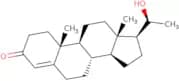
CAS:Produto ControladoProgesterone is a hormone that regulates the menstrual cycle and plays a key role in pregnancy. It is produced by the corpus luteum, the placenta, and the ovaries. Progesterone is also involved in regulating other functions such as cell growth, fat metabolism, blood clotting, and water balance. The level of progesterone in urine has been shown to be a good indicator of follicular growth during ovulation. In women with metabolic disorders or lactogenic hormone deficiencies, low levels of progesterone can lead to infertility.Fórmula:C21H32O2Pureza:Min. 95%Cor e Forma:White PowderPeso molecular:316.48 g/mol4,4'-Ethylidenebisphenol
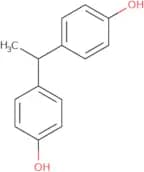
CAS:4,4'-Ethylidenebisphenol is a phenolic compound that has hydroxyl groups in its structure. It is used as a chemical intermediate in the production of resins and coatings. 4,4'-Ethylidenebisphenol is also used as an analytical reagent. It reacts with hydrogen peroxide to form a reactive radical intermediate that can be detected by electron spin resonance spectroscopy. The mechanism of this reaction involves the formation of an intermolecular hydrogen bond between the hydroxyl group on 4,4'-ethylidenebisphenol and the hydrogen peroxide molecule. The reaction solution contains 4-hydroxybenzaldehyde and 2,2-diphenyl-1-picrylhydrazyl radical as intermediates.Fórmula:C14H14O2Pureza:Min. 95%Peso molecular:214.26 g/molLABD-8(17),14-dien-13,19-diol
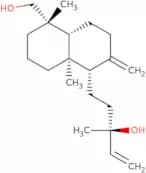
CAS:The active substances in LABD-8(17),14-dien-13,19-diol are hexane and diacetate. This product is analysed to be a decidua extract. Alcohols, coniferous extracts, oplodiol, epimanool and ozonization can also be found in this product. Structural analysis reveals that glycerides are the major component of this substance. A variety of other components were also detected in this substance such as methyl ester, aldehydes and diterpenes.Fórmula:C20H34O2Pureza:Min. 95%Peso molecular:306.48 g/molTetrabromobisphenol S
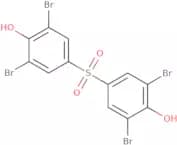
CAS:Tetrabromobisphenols (TBB) are skin conditioners that are used in the cosmetic industry. They are derived from fatty acids and have a structural formula of C10H8Br4. TBBs have a fluorine atom at their central position and have been shown to react with bacterial strains and produce reaction products, such as hydrogen chloride, calcium carbonate, and carbonic acid. TBBs form hydrogen bonds with the membrane system of cells and affect physiological functions. TBBs are able to penetrate the skin and enter the bloodstream, which can lead to toxic side effects in humans.Fórmula:C12H6Br4O4SPureza:Min. 95%Cor e Forma:PowderPeso molecular:565.86 g/mol3-Hydroxy-2,4,6-tribromobenzyl alcohol
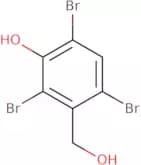
CAS:3-Hydroxy-2,4,6-tribromobenzyl alcohol is a chemoenzymatic reagent that is used in the production of phenols. It is prepared from acetone and sodium bromide and catalyzes the bromination of phenols. This product has high yield and can be used as a source for 3-hydroxy-2,4,6-tribromobenzyl alcohol. 3-Hydroxy-2,4,6-tribromobenzyl alcohol is also an important reagent in the synthesis of polymers that are used in the production of paints and coatings.
Fórmula:C7H5Br3O2Pureza:Min. 95%Cor e Forma:PowderPeso molecular:360.83 g/mol11β-Hydroxy etiocholanolone
CAS:Produto Controlado11b-Hydroxy etiocholanolone is a major metabolite of 11-ketotestosterone. It is formed from the reaction of 11-ketotestosterone with either carbon disulphide or plasma cortisol. The physiological levels of 11b-hydroxy etiocholanolone are not well known, but it has been observed that there are higher levels in women than in men. This metabolite is an active form of testosterone and can be detected in urine samples. 11b-hydroxy etiocholanolone has been shown to have a biphasic response to testosterone treatment, where it increases at low concentrations and decreases at high concentrations. This metabolite is also involved in the synthesis of estradiol through the side chain cleavage, which leads to a chromatographic peak during gas chromatography analysis.Fórmula:C19H30O3Pureza:Min. 95%Cor e Forma:White PowderPeso molecular:306.44 g/mol4-Hydroxy-5-iodo-3-methoxybenzyl alcohol
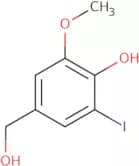
CAS:4-Hydroxy-5-iodo-3-methoxybenzyl alcohol is a polymer that has been synthesized as a model compound for lignin. It is a synthetic compound, which has not been found in nature. 4-Hydroxy-5-iodo-3-methoxybenzyl alcohol is toxic to bacteria and fungi, but not to mammalian cells. The metabolic products of this compound have not yet been identified.Fórmula:C8H9IO3Pureza:Min. 95%Cor e Forma:PowderPeso molecular:280.06 g/mol3-Amino-1-adamantanol hydrochloride
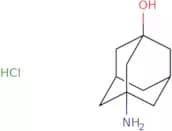
CAS:3-Amino-1-adamantanol hydrochloride (3AAAH) is a versatile building block that can be used for the synthesis of complex compounds. It has been shown to have a high quality and is useful as a reagent, research chemical, speciality chemical, or useful scaffold in organic synthesis.Fórmula:C10H17NO·HClPureza:Min. 95%Peso molecular:203.71 g/molTriamcinolone
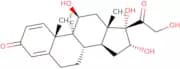
CAS:Produto ControladoTriamcinolone is a synthetic corticosteroid that reduces inflammation, suppresses the immune system, and relieves pain. It inhibits the production of cytokines and other inflammatory mediators by binding to specific receptors located in the cells of the immune system. Triamcinolone acetonide is an ester prodrug that is converted to triamcinolone in vivo. This drug has a long-term efficacy because it can be released slowly over time after intravitreal injection. The pharmacokinetic properties of triamcinolone are determined by its lipophilicity and water solubility. Triamcinolone acetonide has been shown to reduce inflammation in chronic arthritis, as well as reducing symptoms of eye disorders such as uveitis or glaucoma. This drug also prevents tumor growth by inhibiting protein synthesis and gene expression at the level of transcription, which leads to decreased cell proliferation or apoptosis.Fórmula:C21H27FO6Pureza:Min. 97 Area-%Cor e Forma:White PowderPeso molecular:394.43 g/mol(4S)-2,2-Dimethyl-1,3-dioxane-4-methanol
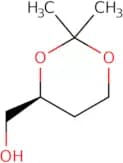
CAS:(4S)-2,2-Dimethyl-1,3-dioxane-4-methanol is a chemical with the CAS number 85287-64-5. It is used as a building block in organic synthesis. This chemical can be used in reactions to create more complex compounds. (4S)-2,2-Dimethyl-1,3-dioxane-4-methanol is also useful as a scaffold for larger molecules and as an intermediate in the production of other chemicals.Fórmula:C7H14O3Pureza:Min. 95%Cor e Forma:Colourless To Pale Yellow LiquidPeso molecular:146.18 g/molFepradinol
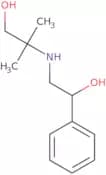
CAS:Fepradinol is a potent inhibitor of microbial infection. It is a coordination complex that inhibits the growth of bacteria, fungi, and viruses by interfering with the synthesis of proteins required for the cell-wall biosynthesis. The diameter of this particle is between 10 and 100 nanometers, with an average particle size of 20 nanometers. It has been shown to be effective against eye diseases such as choroidal neovascularization due to its anti-inflammatory activity. Fepradinol has also been shown to inhibit the production of prostaglandins in animal models, which may be responsible for its anti-inflammatory activity.Fórmula:C12H19NO2Pureza:Min. 95%Cor e Forma:PowderPeso molecular:209.28 g/mol3-Fluoro-4-methylphenol
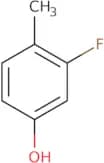
CAS:3-Fluoro-4-methylphenol is a regiospecific, nature, activating, radiopharmaceutical, which is used in the synthesis of asymmetric formylation reagents. It can be synthesized from nitrobenzene and formaldehyde in the presence of sodium hydroxide. 3-Fluoro-4-methylphenol can be converted to 3-fluoroacetophenone by hydrogenation with palladium on charcoal. This compound has an electron withdrawing group and a nucleophilic group that are activated by a dihedral angle of 30° or less. The nitro group has the ability to accept electrons from other compounds or compounds such as ammonia or amines.Fórmula:C7H7FOPureza:Min. 95%Cor e Forma:PowderPeso molecular:126.13 g/mol3-(Diethylamino)-1-propanol
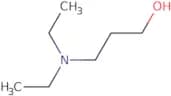
CAS:3-(Diethylamino)-1-propanol is a chemical species that has been shown to inhibit the growth of epidermal cells in a model system. 3-(Diethylamino)-1-propanol inhibits the production and release of epidermal growth factor, which is required for cell proliferation. The chemical binds to the receptor for epidermal growth factor, thereby inhibiting its activity. The low energy activation energies of this compound make it an excellent candidate for use in radiation therapy, as it can be easily activated by low levels of radiation and will not break down before reaching the target tissue. 3-(Diethylamino)-1-propanol also has inhibitory properties against other amines, such as histamine and acetylcholine.Fórmula:C7H17NOPureza:Min. 95%Cor e Forma:Clear LiquidPeso molecular:131.22 g/mol2,4-Dichloro-3-nitrophenol
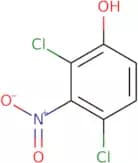
CAS:2,4-Dichloro-3-nitrophenol is a synthetic chemical that is used as an intermediate in the synthesis of chloroamines. It is a derivative of phenol and has a chlorine atom on the 2 position. The alcohol group on the 4 position and the chlorine atom on the 3 position are both substituted with chlorine atoms. 2,4-Dichloro-3-nitrophenol has been shown to be effective for the synthesis of chloroamines resistant to nitro groups. This chemical has been shown to be resistant to amines and thus can be used for immobilization purposes. Furthermore, it can be used as an intermediate for chemists who work with organic chemistry due to its ability to undergo reactions with alcohols and phenols.Fórmula:C6H3Cl2NO3Pureza:Min. 95%Cor e Forma:White Clear LiquidPeso molecular:208 g/mol2,6-Dichlorophenethyl alcohol
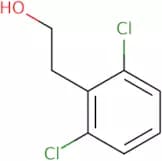
CAS:2,6-Dichlorophenethyl alcohol is a chlorinated primary alcohol. It undergoes intramolecular cyclization to form cyclohexenone. This reaction is catalyzed by the chloride ion and requires an intramolecular nucleophile such as methyl chloride or hydrochloric acid. The 2,6-dichlorophenethyl alcohol is functionalized by the addition of a chloride group to one of the hydroxyl groups. This functional group can then undergo an intramolecular cyclization with another molecule of 2,6-dichlorophenethyl alcohol in the presence of a chloride salt like silver chloride to produce cyclohexenone.Fórmula:C8H8Cl2OPureza:Min. 95%Cor e Forma:PowderPeso molecular:191.05 g/mol(S)-(+)-1-Indanol
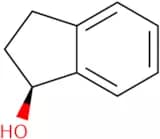
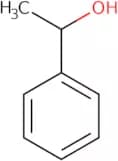
CAS:(S)-(+)-1-Indanol is a substrate for the human liver alcohol dehydrogenase and can be used to study the enzyme. The molecule has two phenyl groups that are capable of forming hydrogen bonds with other molecules. The hydrogen bond is a relatively weak, noncovalent interaction between two polar molecules. It can be formed by the donation of a lone pair of electrons from one side of an oxygen atom in one molecule to a lone pair of electrons on another oxygen atom in another molecule. This type of bond is responsible for many important biological processes, including DNA replication and protein folding. The (S)-(+)-1-Indanol can also undergo carbonyl reduction, which is the conversion of an organic compound containing a carbonyl group into a corresponding hydrocarbon derivative containing hydroxyl groups. The (S)-(+)-1-Indanol contains both hydroxyl and carbonyl functionalities that make it suitable for this process. (S)-Fórmula:C9H10OPureza:Min. 95%Cor e Forma:PowderPeso molecular:134.18 g/molalpha-Methylbenzyl alcohol
CAS:Alpha-methylbenzyl alcohol is a fatty acid that is used as a chemical intermediate in the synthesis of pharmaceutical agents. It has been shown to inhibit phosphotungstic acid (PTA) hydrolysis and surface methodology, as well as to have carcinogenic potential. Alpha-methylbenzyl alcohol has also been found to be an inhibitor of phospholipase A2, which catalyzes the hydrolysis of glycerophospholipids into free fatty acids and lysophospholipids. Alpha-methylbenzyl alcohol inhibits the reaction by binding reversibly with the hydroxyl group on enzyme active site. The kinetic mechanism studies of alpha-methylbenzyl alcohol have revealed that it is a competitive inhibitor for enzymes such as protein kinase C and leucine aminopeptidase.Fórmula:C8H10OPureza:Min. 95%Cor e Forma:Clear LiquidPeso molecular:122.16 g/mol2-Bromo-5-(trifluoromethyl)benzyl alcohol
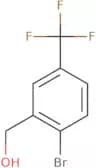
CAS:2-Bromo-5-(trifluoromethyl)benzyl alcohol is a fine chemical that is used as an intermediate in the synthesis of other chemicals. It can be used to synthesize novel organic compounds, such as pharmaceuticals and pesticides. This chemical has been shown to react with various other organic compounds, including amines, thiols, and carboxylic acids. 2-Bromo-5-(trifluoromethyl)benzyl alcohol is also known for its ability to form complexes with metals.Fórmula:C8H6BrF3OPureza:Min. 95%Peso molecular:255.03 g/mol2,6-Dimethylbenzyl alcohol
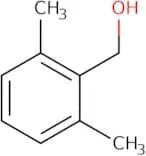
CAS:2,6-Dimethylbenzyl alcohol is a carboxylic acid that can be found in nature. It is a synthetic compound that has been shown to have stereoselective properties. The mechanism of 2,6-Dimethylbenzyl alcohol is not well known, but it has been hypothesized to react with amines and form an imine intermediate. This mechanism is supported by the presence of an alkene and primary alcohol on its structure. Some functional groups include chloride and benzoate, which are both anions. This compound has been shown to have echolocation capabilities in bats.Fórmula:C9H12OPureza:Min. 95%Cor e Forma:SolidPeso molecular:136.19 g/molN-Methyl-5-tetrazolethiol
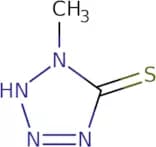
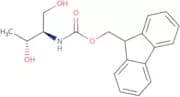
CAS:N-Methyl-5-tetrazolethiol is a vitamin B6 (pyridoxine) analog that inhibits bacterial growth by competitively inhibiting enzymes involved in the synthesis of folate. It has been shown to be toxic for animals and humans at high doses, but the toxicity of this compound has not been studied extensively. N-Methyl-5-tetrazolethiol has been shown to inhibit the activity of enzymes such as methionine synthase, cytochrome C reductase, and nitroreductase in vitro. This drug is used as a treatment for infectious diseases such as malaria and toxoplasmosis. The mechanism of action of N-methyl tetrazolethiol is not known, but it is believed to be related to its ability to inhibit enzyme activity.Fórmula:C2H4N4SPureza:Min. 95 Area-%Cor e Forma:PowderPeso molecular:116.15 g/molFmoc-L-threoninol
CAS:Fmoc-L-threoninol is a conjugate of L-threoninol with a protecting group, Fmoc. It is synthesized by the solid-phase method on an activated resin and then cleaved from the resin to give the desired product. The linker used in this synthesis is succinic acid diacetate. This compound has been shown to have anti-inflammatory effects in human serum, which may be due to its ability to inhibit prostaglandin synthesis.Fórmula:C19H21NO4Pureza:Min. 95%Cor e Forma:PowderPeso molecular:327.37 g/mol2-Fluoro-4-methoxyphenol
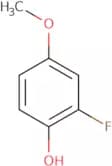
CAS:2-Fluoro-4-methoxyphenol is a white crystalline solid with a melting point of 100°C. It is soluble in water, ethanol and ether and insoluble in chloroform. The compound has been shown to be an intermediate for the synthesis of other organic compounds, such as 2-fluoro-4-(2,2,2-trifluoroethoxy)benzaldehyde, 2-fluoro-4-(3,3,3-trifluoropropoxy)benzaldehyde and 4-(2,2,2-trifluoroethoxy)-3'-nitroacetophenone. 2-Fluoro-4-methoxyphenol can also be used as a building block for speciality chemicals including research chemicals.Fórmula:C7H7FO2Pureza:Min. 95%Cor e Forma:Clear LiquidPeso molecular:142.13 g/mol4-Benzyloxy-2-chlorobenzyl alcohol
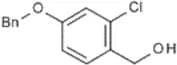
CAS:4-Benzyloxy-2-chlorobenzyl alcohol is an intermediate in the synthesis of a number of complex compounds. It has been found to be useful as a reagent and as a building block in the synthesis of fine chemicals and speciality chemicals. This chemical has also been used as a reaction component in the synthesis of versatile building blocks. CAS No. 219764-60-0, this compound is often used by researchers for its versatility and ability to act as a scaffold.
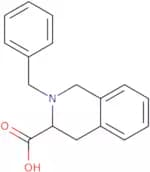
Fórmula:C14H13ClO2Pureza:Min. 95%Cor e Forma:PowderPeso molecular:248.7 g/mol2-Benzyl-1,2,3,4-tetrahydro-isoquinoline-3-carboxylic acid
CAS:2-Benzyl-1,2,3,4-tetrahydroisoquinoline-3-carboxylic acid is a versatile building block that can be used in the synthesis of fine chemicals and pharmaceuticals. It is used as a precursor to other compounds such as 2-benzylisoquinoline and 2-(2'-benzyloxy)benzoic acid. It is also used as a reagent for various research purposes.Fórmula:C17H17NO2Pureza:Min. 95%Cor e Forma:PowderPeso molecular:267.32 g/mol(R)-2-((4-Aminophenethyl)amino)-1-phenylethanol hydrochloride
CAS:Intermediate in the synthesis of mirabegronFórmula:C16H20N2O·HClPureza:Min. 95%Cor e Forma:PowderPeso molecular:292.8 g/molrac-Falcarinol
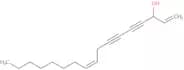
CAS:Rac-falcarinol is an organic compound that has the chemical formula CH(OH)CH(COOH)(CH). It is a colorless solid and is soluble in alcohol, acetone, and ether. Rac-falcarinol has been used as a versatile building block to make complex compounds with high purity. It has also been used as a reaction component for research chemicals. The compound can be used for making fine chemicals or speciality chemicals.
Fórmula:C17H24OPureza:Min. 94 Area-%Cor e Forma:PowderPeso molecular:244.37 g/mol2,3-Difluoro-4-(trifluoromethyl)phenol
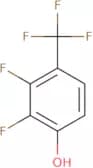
CAS:2,3-Difluoro-4-(trifluoromethyl)phenol is a useful scaffold for the synthesis of complex compounds. The compound is a useful intermediate in the synthesis of research chemicals and speciality chemicals. It is also used as a reaction component in chemical reactions to produce fine chemicals, such as pharmaceuticals.Fórmula:C7H3F5OPureza:Min. 95%Cor e Forma:PowderPeso molecular:198.09 g/mol2-tert-Butyl-6-(5-chloro-2H-benzotriazol-2-yl)-4-methylphenol
CAS:2-tert-Butyl-6-(5-chloro-2H-benzotriazol-2-yl)-4-methylphenol is the chemical compound with formula C12H7ClO3. It is a white solid that is soluble in water and ethanol, but not in ether or hexane. 2,6-Tertiarybutylphenol has been used as a cell nucleus marker to study locomotion of cells, as well as to analyze other samples including metal ions and water vapor. The method involves the use of a laser ablation technique, which can be used for complex sample analysis. The compound is structurally similar to 2,4,6-trimethylphenol, which has an OH group in place of the CH3 group on the tertiary butyl side chain. This difference makes it more reactive than 2,4,6-trimethylphenol because it has a higher concentration of hydroxyl groups.Fórmula:C17H18ClN3OPureza:Min. 98 Area-%Cor e Forma:Slightly Yellow PowderPeso molecular:315.8 g/mol4-Methoxyresorcinol
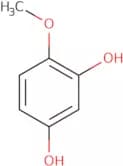
CAS:4-Methoxyresorcinol is a chemical compound that has the molecular formula CHNO. It has a hydroxyl group in the 4-position and a methyl group on the 8-position. The intramolecular hydrogen of this molecule is denatured by heating to about 220°C. This process converts it into resorcinol, which is structurally similar but has different properties. 4-Methoxyresorcinol can be used as a polymerization initiator for polycarboxylic acid or quinoline derivatives, and its analytical methods are used in determining its structure.Fórmula:C7H8O3Pureza:Min. 95%Cor e Forma:PowderPeso molecular:140.14 g/mol8-Nitroquinoline
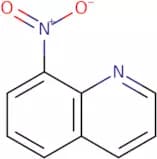
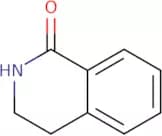
CAS:8-Nitroquinoline is a nitrogenous compound that has been used as an inhibitor of Leishmania, a parasite that causes leishmaniasis. 8-Nitroquinoline inhibits the growth of Leishmania by inhibiting the enzyme hepg2, which is involved in the synthesis of lipids and cholesterol. The inhibition of this enzyme leads to the accumulation of malonic acid, which inhibits the production of ATP. This inhibition may lead to cell death or inhibitory effects on other enzyme activities. 8-Nitroquinoline has been shown to be effective against Leishmania parasites in vivo.Fórmula:C9H6N2O2Pureza:Min. 95%Cor e Forma:PowderPeso molecular:174.16 g/mol3,4-Dihydroisoquinolin-1(2H)-one
CAS:3,4-Dihydroisoquinolin-1(2H)-one is a potent antagonist of the histamine H1 receptor and has been shown to be safe in animal studies. 3,4-Dihydroisoquinolin-1(2H)-one has also shown efficacy in treating inflammatory diseases, such as asthma and arthritis. This compound was recently tested for its potential to diagnose cancer by targeting the tumor microenvironment. The compound was found to bind to trifluoromethanesulfonic acid (TFMS) with high affinity and selectivity. TFMS is an emerging therapeutic target for cancer therapy because it is highly expressed in the tumor microenvironment and can act as a proton donor for drug delivery systems. 3,4-Dihydroisoquinolin-1(2H)-one has also been observed to have low toxicity profiles in preclinical models, but more research is needed before it can be used clinically.
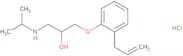
Fórmula:C9H9NOPureza:Min. 95%Cor e Forma:PowderPeso molecular:147.17 g/molAlprenolol hydrochloride
CAS:Produto ControladoAlprenolol hydrochloride is a beta-adrenergic receptor blocker that is used to treat high blood pressure, angina pectoris, and myocardial infarcts. It binds to the β1-adrenergic receptor in the myocardium and blocks the stimulation of adenylate cyclase. This prevents cAMP production, which leads to decreased calcium influx into the myocardium and an inhibition of contractility. Alprenolol hydrochloride has been shown to be effective in treating congestive heart failure (CHF). Alprenolol is metabolized by esterases in the liver and gut wall. The drug has been shown to have a low potency because it is rapidly metabolized by esterases in humans. It also has potential for drug interactions with other drugs that are metabolized by these enzymes. Alprenolol hydrochloride has structural similarity to guanine nucleotide-binding proteins, which may
Fórmula:C15H23NO2·HClPureza:Min. 98 Area-%Cor e Forma:PowderPeso molecular:285.81 g/mol(4aS,6R,8aS)-4a,5,9,10,11,12-Hexahydro-3-methoxy-11-methyl-6H-benzofuro[3a,3,2-ef][2]benzazepin-6-ol
CAS:Produto Controlado(4aS,6R,8aS)-4a,5,9,10,11,12-Hexahydro-3-methoxy-11-methyl-6H-benzofuro[3a,3,2-ef][2]benzazepin-6-ol is a natural compound that has been shown to be an effective treatment for oxidative injury. It has a cholinergic activity and is able to cross the blood brain barrier. (4aS,6R,8aS)-4a,5,9,10,11,12-Hexahydro-3-methoxy-11-methyl-6Hbenzofuro[3a. 3.2ef][2]benzazepin -6--ol was found to have protective effects in an experimental model of Alzheimer's disease where it significantly reduced neuronal death. The compound also has antiinflammatory properties which mayFórmula:C17H21NO3Pureza:Min. 95%Cor e Forma:PowderPeso molecular:287.35 g/molNonoxynol-8-carboxylic acid - Average Mn - 600
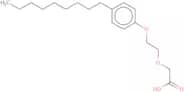
CAS:Nonoxynol-8-carboxylic acid (NONOX) is a benzyl ester of octanoic acid. It has been extensively studied in micellar environment. NONOX has been found to be an effective surfactant with good environmental compatibility and chemical stability.
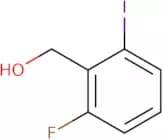
Fórmula:C17H26O3·(C2H4O)nCor e Forma:Clear Liquid6-Fluoro-2-iodobenzyl alcohol
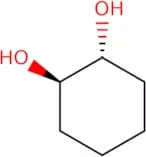
CAS:6-Fluoro-2-iodobenzyl Alcohol is a versatile building block for the synthesis of complex compounds. It is used in research and as a reagent for the synthesis of pharmaceuticals, pesticides and other organic compounds. 6-Fluoro-2-iodobenzyl alcohol has been shown to be useful in the formation of high quality and useful intermediates, reaction components, and scaffolds. The CAS number for this chemical is 911825-94-0.Fórmula:C7H6FIOPureza:Min. 95%Peso molecular:252.02 g/moltrans-1,2-Cyclohexanediol
CAS:Trans-1,2-cyclohexanediol is a chemical compound that has been shown to have infectivity in the treatment of cardiac disorders. It has also been shown to be an effective anti-inflammatory agent and may have clinical relevance in the treatment of congestive heart disease. The mechanism of action is unknown, but it may be due to its ability to inhibit the production of prostaglandin E2 and thromboxane A2 by inhibiting cyclooxygenase. Trans-1,2-cyclohexanediol has also been shown to be metabolized into glucuronide conjugates, which are excreted through the kidneys.
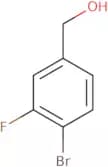
Fórmula:C6H12O2Pureza:Min. 95%Cor e Forma:PowderPeso molecular:116.16 g/mol4-Bromo-3-fluorobenzyl alcohol
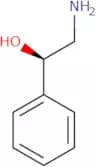
CAS:4-Bromo-3-fluorobenzyl alcohol is an analog of prenylation, a process that is essential for the synthesis of many cellular components. It inhibits farnesyltransferase, an enzyme involved in the process of prenylation. Farnesyltransferase catalyzes the conversion of the 5-carbon farnesol to the 15-carbon geranylgeraniol, which is then converted to a 20-carbon geranylgeranyl pyrophosphate. This reaction generates a molecule with two prenyl groups. The discovery of 4-bromo-3-fluorobenzyl alcohol was made possible by its potent inhibition of farnesyltransferase and it has been shown to have promising results as a potential treatment for cancer.Fórmula:C7H6BrFOPureza:Min. 95%Cor e Forma:PowderPeso molecular:205.02 g/mol(R)-2-Amino-1-phenylethanol
CAS:(R)-2-Amino-1-phenylethanol is a molecule that has antimicrobial activity. It binds to the active site of bacterial enzymes, such as those involved in the synthesis of cell walls, and inhibits the growth of bacteria through competitive inhibition. This molecule also has a dihedral angle that is similar to that of other molecules with antibacterial activity. (R)-2-Amino-1-phenylethanol is an enantiomer, which means it can be synthesized from either (S)- or (R)-1-phenylethanol. The racemic form is more active than any individual enantiomer.
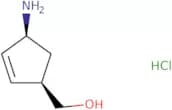
Fórmula:C8H11NOPureza:Min. 95%Cor e Forma:PowderPeso molecular:137.18 g/mol(1R,4S)-4-Amino-2-cyclopentene-1-methanol hydrochloride
CAS:(1R,4S)-4-Amino-2-cyclopentene-1-methanol hydrochloride is a chemical compound that is used as a building block in the synthesis of other compounds. It is also known to be a speciality chemical and a research chemical. (1R,4S)-4-Amino-2-cyclopentene-1-methanol hydrochloride can be used as an intermediate in the production of fine chemicals, pharmaceuticals and agrochemicals. The compound has been found to have high quality and good purity by the manufacturer.Fórmula:C6H11NO•HClPureza:Min. 95%Cor e Forma:Brown SolidPeso molecular:149.62 g/mol7-Octyn-1-ol
CAS:7-Octyn-1-ol is a synthetic compound that is used for the synthesis of deuterated compounds. It has been shown to have neurotrophic effects and the ability to modulate carbon chains. In addition, 7-octyn-1-ol may be used as an intermediate in the synthesis of nicotine. 7-Octyn-1-ol is also an isomeric form of octyne, which is a natural product found in malonate and fatty acids.
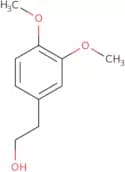
Fórmula:C8H14OPureza:Min. 95%Cor e Forma:Colorless Clear LiquidPeso molecular:126.2 g/mol3,4-Dimethoxyphenyl ethanol
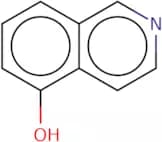
CAS:3,4-Dimethoxyphenyl ethanol is a product of the asymmetric synthesis of 3,4-dimethoxyphenylacetic acid. It has been shown to have high redox potentials and hydrochloric acid resistance. 3,4-Dimethoxyphenyl ethanol has been used in the delignification of cellulose fibers and has also been shown to have photophysical and photochemical properties. This compound binds with hydroxyl groups on proteins, which may be due to its ability to undergo acylation reactions. The binding of 3,4-dimethoxyphenyl ethanol with human liver microsomes was found to be rapid and reversible. Kinetic analysis showed that this binding can be explained by substrate binding or acylation reaction.Fórmula:C10H14O3Pureza:Min. 95%Cor e Forma:White PowderPeso molecular:182.22 g/mol5-Hydroxyisoquinoline
CAS:5-Hydroxyisoquinoline is a quinoline derivative that is synthesized from aziridine. It has been shown to be a potent insulin sensitizing agent in mice with type 2 diabetes mellitus. 5-Hydroxyisoquinoline has been shown to inhibit the activity of purified enzymes preparations and show high selectivity for chloride channels, which are responsible for the transport of chloride ions across cell membranes. This inhibition leads to an influx of protons into the cell, which may lead to a change in the redox potential and changes in the molecular structure of the molecule. The reaction mechanism involves substitution at position 5 of the isoquinoline ring by hydroxy groups (OH).Fórmula:C9H7NOPureza:Min. 95%Cor e Forma:Yellow PowderPeso molecular:145.16 g/molPhenol
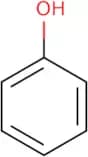
CAS:Phenol is an aromatic organic compound and belongs to the class of compounds known as phenols. Phenol consists of a benzene ring (a six-membered carbon ring with alternating single and double bonds) with a hydroxyl (-OH) group attached to one of the carbon atoms. The chemical structure can be represented as: Phenol is a white crystalline solid at room temperature and has a distinct, sweet, and medicinal odor. It was initially isolated from coal tar, but it can also be produced through various chemical processes. Phenol has numerous applications in industry. It is used in the production of plastics, resins, dyes, detergents, pharmaceuticals, and various chemical intermediates. It also has antiseptic properties and was historically used as a disinfectant and topical anesthetic. However, its use for these purposes has diminished due to its potential toxicity. It's important to note that phenol can be corrosive and toxic, and exposure should be handled with care. Various derivatives and substitutes have been developed for specific applications to mitigate some of the drawbacks associated with phenol itself.Fórmula:C6H6OPureza:Min. 98 Area-%Cor e Forma:PowderPeso molecular:94.11 g/molD-Phenylalaninol
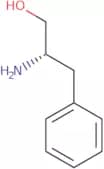
CAS:D-Phenylalaninol is a chiral, optically active molecule. It is a salt of hydrochloride that is used as a chemical intermediate in the synthesis of other drugs. D-Phenylalaninol has been shown to inhibit mitochondrial membrane potential and decrease hydrogen bond interactions, which may be due to its ability to bind to chloride ions. In addition, this compound has been shown to inhibit pancreatic lipase activity and l-phenylalanine oxidase activity in mammalian cells.
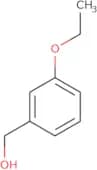
Fórmula:C9H13NOPureza:Min. 95%Peso molecular:151.21 g/mol3-Ethoxybenzyl alcohol
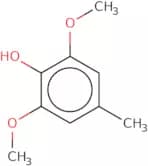
CAS:3-Ethoxybenzyl alcohol is a lead compound that has been shown to be carcinogenic in mice. It has also been shown to have strong anti-inflammatory properties, as it inhibits the production of prostaglandins. This chemical is also able to inhibit sulfation and may be used as an analyte for high-throughput analysis in order to identify novel drugs for the treatment of asthma or other inflammatory diseases. 3-Ethoxybenzyl alcohol has a number of biological effects, including inhibition of protein synthesis and cell division, which are due to its ability to bind with sulfate ions.Fórmula:C9H12O2Pureza:Min. 95%Cor e Forma:Clear LiquidPeso molecular:152.19 g/mol2,6-Dimethoxy-4-methylphenol
CAS:2,6-dimethoxy-4-methylphenol is a synthetic chemical with potential use as an insecticide. It is a cholinesterase inhibitor that inhibits the action of acetylcholinesterase, an enzyme that breaks down acetylcholine, which is a neurotransmitter important for cognitive function and muscle control. 2,6-dimethoxy-4-methylphenol has been shown to be toxic to insects in a sensitivity test and has also shown some toxicity to rats when administered orally at high doses. This chemical has been shown to inhibit the production of fatty acids in plants and can be used as a potential insecticide for human food crops.
Fórmula:C9H12O3Pureza:Min. 97.0%Cor e Forma:White Yellow PowderPeso molecular:168.19 g/molGemcitabine monophosphate disodium monohydrate
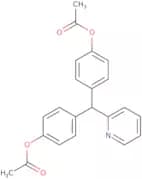
CAS:Please enquire for more information about Gemcitabine monophosphate disodium monohydrate including the price, delivery time and more detailed product information at the technical inquiry form on this pageFórmula:C9H12F2N3O7P•Na2•H2OPureza:90%Min By HplcCor e Forma:PowderPeso molecular:407.16 g/mol4,4'-(2-Pyridylmethylene)bisphenol diacetate
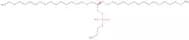
CAS:LaxativeFórmula:C22H19NO4Pureza:Min. 95%Cor e Forma:PowderPeso molecular:361.39 g/mol1,2-O-Dihexadecyl-sn-glycero-3-phosphoethanolamine
CAS:1,2-O-Dihexadecyl-sn-glycero-3-phosphoethanolamine (DHEPE) is a lipid used as a fluorescent probe for the detection of carbohydrates. It has been shown to bind to high-mannose type oligosaccharides and to be stable in complex with them. DHEPE has been shown to form complexes with cell nuclei, which may be due to hydrogen bonding interactions between the sugar and phosphate head groups on the glycerol backbone. These interactions are thought to be responsible for the selectivity of DHEPE for mannose residues in cells. DHEPE also forms complexes with x-ray diffraction data, which is indicative of intermolecular hydrogen bonding between this molecule and other hydrophobic molecules. DHEPE's reaction mechanism is not clear, but it has been proposed that it reacts with proteins by reacting with amino groups on these proteins.Fórmula:C37H78NO6PPureza:Min. 95%Cor e Forma:SolidPeso molecular:663.99 g/mol7-[(Dimethylamino)methyl]-2,2,4-trimethyl-1,2-dihydroquinolin-6-ol
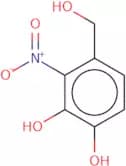
CAS:7-[(Dimethylamino)methyl]-2,2,4-trimethyl-1,2-dihydroquinolin-6-ol is a chemical compound that belongs to the group of fine chemicals. It is a versatile building block and useful intermediate for research chemicals. 7-[(Dimethylamino)methyl]-2,2,4-trimethyl-1,2-dihydroquinolin-6-ol is also a speciality chemical with high purity and quality. CAS No. 300690-44-2Fórmula:C15H22N2OPureza:Min. 95 Area-%Cor e Forma:PowderPeso molecular:246.35 g/mol3,4-Dihydroxy-2-nitrobenzyl alcohol
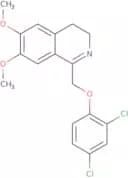
CAS:3,4-Dihydroxy-2-nitrobenzyl alcohol is a fine chemical that is useful as a scaffold and building block for organic synthesis. It is also an intermediate in the preparation of other chemicals such as reaction components. 3,4-Dihydroxy-2-nitrobenzyl alcohol has CAS No. 1017060-58-0 and belongs to the speciality chemical category. This compound can be used as a reagent or research chemical in biochemical assays and other applications. 3,4-Dihydroxy-2-nitrobenzyl alcohol is soluble in methanol, ethanol, acetone, dichloromethane, ethyl acetate, and chloroform. It is insoluble in water and ether. It is stable at pH values between 2 and 10 but decomposes when heated to 80°C or above.Fórmula:C7H7NO5Pureza:Min. 95%Peso molecular:185.13 g/mol1-((6,7-dimethoxy(3,4-dihydroisoquinolyl))methoxy)-2,4-dichlorobenzene
CAS:Please enquire for more information about 1-((6,7-dimethoxy(3,4-dihydroisoquinolyl))methoxy)-2,4-dichlorobenzene including the price, delivery time and more detailed product information at the technical inquiry form on this pagePureza:Min. 95%4-Bromo-2-fluorophenol
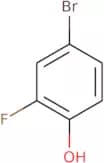
CAS:4-Bromo-2-fluorophenol is a mesomorphic substance that has a helical structure. It has been shown to have ferroelectric properties and light emission, as well as being spontaneously polar. 4-Bromo-2-fluorophenol is a dipole molecule with two hydrogen bonds on each side of the molecule. The fluorine atom in 4-bromo-2-fluorophenol interacts with chlorine atoms through an intramolecular hydrogen bond.Fórmula:C6H4BrFOPureza:Min. 95%Cor e Forma:Clear LiquidPeso molecular:191 g/mol(R)-(-)-3-Quinuclidinol
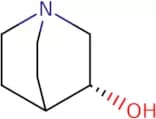
CAS:Produto ControladoSynthon for preparation of cholinergic receptor ligands; hypotensiveFórmula:C7H13NOPureza:Min. 95%Cor e Forma:White PowderPeso molecular:127.18 g/mol1-(Acryloyloxy)-3-(methacryloyloxy)-2-propanol (stabilized with MEHQ)
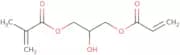
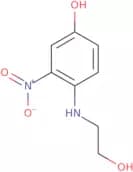
CAS:1-(Acryloyloxy)-3-(methacryloyloxy)-2-propanol (stabilized with MEHQ) is a polymer that is used as an antimicrobial agent. It is synthesized by the reaction of acrylates and methacrylates with a crosslinker, such as MEHQ. This polymer has shown to have strong activity against bacteria and fungi, but it does not have any effect on viruses. The compound has the ability to bind to the surface of cells and cause cell death through the disruption of protein synthesis or by causing membrane leakage. FT-IR spectroscopy has shown that this polymer contains hydroxyl groups, which may account for its antimicrobial properties. The use of multi-walled carbon nanotubes in this polymer may also be responsible for its antimicrobial properties because they are able to bind to organic compounds like chloride ions and hydrogen bonds. 1-(Acryloyloxy)-3Fórmula:C10H14O5Pureza:Min. 95%Cor e Forma:Clear LiquidPeso molecular:214.22 g/mol4-(2-Hydroxyethylamino)-3-nitrophenol
CAS:4-(2-Hydroxyethylamino)-3-nitrophenol is a nitrophenol that can cause toxicity in humans. It has been investigated for its potential use as a treatment for erectile dysfunction. The compound was found to have a long half-life of over 24 hours, which may be due to its slow metabolism by esterases and glucuronidases. 4-(2-Hydroxyethylamino)-3-nitrophenol has been shown to be an allergen and is toxic to the skin, lungs, and muscles. This chemical can cause cancer when it is irradiated or mixed with other chemicals such as 4-amino-2-nitrophenol (ANP).Fórmula:C8H10N2O4Pureza:Min. 95%Cor e Forma:PowderPeso molecular:198.18 g/mol16-Methyl-16-dehydropregnenolone
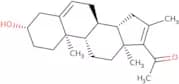
CAS:Produto Controlado16-Methyl-16-dehydropregnenolone is a steroid that is used as an intermediate in the synthesis of other steroids. It is synthesized by the oxidation of tetrahydropyran with an aldehyde, followed by the addition of chloride to give 16-methyl-16-dehydropregnenolone. The acetonedicarboxylate group of 16-methyl-16-dehydropregnenolone can be removed by treatment with tert-butyl or cyclopentanedione, which yields intermediates for elaboration into other biologically active compounds such as steroids.Fórmula:C22H32O2Pureza:Min. 95%Cor e Forma:PowderPeso molecular:328.49 g/mol2-(4-Methoxyphenoxy)ethanol
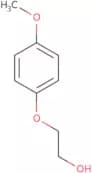
CAS:2-(4-Methoxyphenoxy)ethanol is a carboxylic acid. It has been used as a hydrogen peroxide donor in catalytic reactions, and as an ethylene glycol ether in the production of polyester resins. 2-(4-Methoxyphenoxy)ethanol has been shown to be useful in multilayer coatings with optimal reaction rates, and is a good oxidant for many organic compounds.Fórmula:C9H12O3Pureza:Min. 95%Cor e Forma:PowderPeso molecular:168.19 g/mol4-(1-Adamantyl) phenol
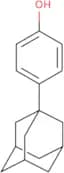
CAS:4-(1-Adamantyl) phenol is a natural compound that is found in the essential oil of nutmeg and mace. 4-(1-Adamantyl) phenol binds to the receptor for 1-adamantanol, which is a neurotransmitter in animals and humans. This binding inhibits the response pathway of this neurotransmitter, which can lead to an inhibitory effect on pain transmission. The structure of 4-(1-Adamantyl) phenol has been determined by X-ray crystallography and molecular docking analysis. It also has been shown that this compound reacts with trifluoroacetic acid under Friedel-Crafts conditions to form 3-(2'-hydroxyethyl)-4-(1'-adamantyl)-phenol. These compounds have been shown to have an inhibitory effect on animal health.Fórmula:C16H20OPureza:Min. 95%Cor e Forma:PowderPeso molecular:228.33 g/molL-Phenylalaninol
CAS:L-Phenylalaninol is a β-amino acid with the molecular formula C9H11NO2. It is an organic compound that contains both a hydroxy methyl and a fatty acid group. L-Phenylalaninol has been shown to enhance the asymmetric synthesis of cycloleucine, which is an antibiotic with anti-inflammatory properties. The reaction mechanism for this process is not yet fully understood but it is hypothesized that the nitrogen atoms in l-phenylalaninol form intramolecular hydrogen bonds with the hydroxymethyl groups on the nitro group of cycloleucine, stabilizing it and allowing for more efficient reactions.
Fórmula:C9H13NOCor e Forma:White PowderPeso molecular:151.21 g/mol(S)-(+)-Prolinol
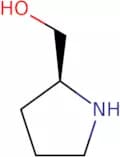
CAS:(S)-(+)-Prolinol is a chiral compound that belongs to the class of polymerase chain reaction (PCR) reagents. It is used as an antibacterial agent, which inhibits bacterial growth by interfering with DNA replication and transcription. The stereoselective nature of the compound has been shown by its differential activity against two different strains of subtilis. This molecule also interacts with diazepam and other drugs, as well as with environmental pollutants such as polychlorinated biphenyls (PCBs). The anti-inflammatory properties of this molecule may be due to its ability to inhibit prostaglandin synthesis through inhibition of cyclooxygenase or lipoxygenase enzymes.Fórmula:C5H11NOPureza:Min. 95%Cor e Forma:Clear LiquidPeso molecular:101.15 g/mol2-(2,4-Dinitrophenoxy)ethanol
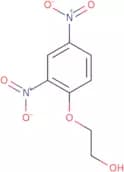
CAS:2-(2,4-Dinitrophenoxy)ethanol is a glycol ether that has been shown to be an effective nucleophile in nucleophilic substitution reactions. It is a colorless liquid with a boiling point of between 204°C and 205°C. 2-(2,4-Dinitrophenoxy)ethanol reacts with deionized water in the presence of ethylene to produce a crystalline precipitate. The product can be recrystallized from ethanol/water or purified by chromatography on silica gel. This chemical can also be used as an activated nucleophile in the synthesis of spirocyclic compounds and isomeric ketones. 2-(2,4-Dinitrophenoxy)ethanol is toxic and may cause severe skin burns if it comes into contact with unprotected skin. It is also environmentally hazardous when released into the environment because it breaks down slowly and may accumulate in soil or water systems.Fórmula:C8H8N2O6Pureza:Min. 95%Cor e Forma:PowderPeso molecular:228.16 g/mol4-(tert-Butoxy)benzyl alcohol
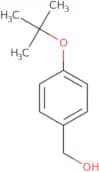
CAS:4-(tert-Butoxy)benzyl alcohol is a high quality reagent and a complex compound that can be used as an intermediate for the synthesis of other compounds. It is also a useful building block for the synthesis of speciality chemicals. This chemical has been extensively used in the synthesis of research chemicals and versatile building blocks, with applications in pharmaceuticals, agrochemicals, and materials science. 4-(tert-Butoxy)benzyl alcohol is one of the most widely used reaction components in organic synthesis due to its versatility. It has CAS number 51503-08-3.Fórmula:C11H16O2Pureza:Min. 95%Cor e Forma:Clear LiquidPeso molecular:180.24 g/mol2-Bromo-4-methoxybenzyl alcohol
CAS:2-Bromo-4-methoxybenzyl alcohol is a fine chemical that can be used as a versatile building block, intermediate, or reaction component in research. It is also a useful building block for the synthesis of complex compounds. 2-Bromo-4-methoxybenzyl alcohol has been shown to be a reagent with high quality and can be used as a speciality chemical. This compound has been shown to react with ammonia to form an amide bond, which has led to the development of several new drugs.Fórmula:C8H9BrO2Pureza:Min. 95%Cor e Forma:PowderPeso molecular:217.06 g/mol20a-Dihydro pregnenolone
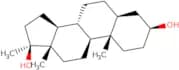
CAS:Produto ControladoPregnenolone is a steroid hormone that is synthesized in the adrenal cortex. It has been used as a diagnostic agent for detecting low levels of human chorionic gonadotropin (hCG). Pregnenolone interacts with the 3β-hydroxysteroid dehydrogenase, which is an enzyme involved in the conversion of pregnenolone to progesterone. The gene encoding this enzyme has been found to be mutated in patients with hydroxylase deficiency. Pregnenolone can also be converted into other hormones such as cortisol and androstenedione by various hydroxylases. This process may be inhibited by 20a-dihydroprogesterone, leading to increased concentrations of pregnenolone in the plasma.Fórmula:C21H34O2Pureza:Min. 95%Cor e Forma:White PowderPeso molecular:318.49 g/mol2,2,3,3-Tetrafluoro-1-propanol
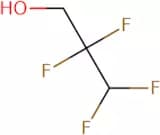
CAS:2,2,3,3-Tetrafluoro-1-propanol is a solvent that has been used in the manufacture of polymers. It can be distilled from sodium trifluoroacetate at high pressure and temperature to give a constant boiling point. 2,2,3,3-Tetrafluoro-1-propanol is transported by gas or liquid diffusion. The kinetic energy of the molecules increases with increasing temperature and pressure; however, it does not have an appreciable chemical reaction with oxygen or ozone. This chemical has been used as a photoinitiator to polymerize cationic monomers such as trifluoroacetic acid and acrylamide. 2,2,3,3-Tetrafluoro-1-propanol has also been shown to react with water vapor to form hydrogen fluoride and hydrofluoric acid.
Fórmula:C3H4F4OPureza:Min. 98 Area-%Cor e Forma:Clear LiquidPeso molecular:132.06 g/mol5-(2,2,3-Trimethyl-3-cyclopentenyl)-3-methyl-pentan-2-ol
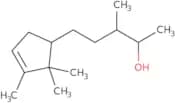
CAS:5-(2,2,3-Trimethyl-3-cyclopentenyl)-3-methyl-pentan-2-ol (5MMPP) is a natural product that has been identified as an inhibitor of human immunodeficiency virus (HIV) replication. 5MMPP inhibits the formation of farnesyl diphosphate (FPP), which is essential for the production of protein kinase C and other cellular processes. This compound also blocks the HIV co-receptor CCR5, reducing the ability of HIV to latch onto cells. 5MMPP also has shown chemotactic activity against leukemia cells and skin cells in vitro, which may be due to its ability to stimulate growth factor release.
Fórmula:C14H26OPureza:Min. 95%Cor e Forma:Colorless PowderPeso molecular:210.36 g/mol8-Methoxy-2-methylquinolin-5-amine monohydrochloride
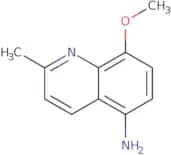
CAS:8-Methoxy-2-methylquinolin-5-amine monohydrochloride is a fine chemical that is used as a versatile building block in the synthesis of complex compounds. 8-Methoxy-2-methylquinolin-5-amine monohydrochloride is an intermediate for the production of research chemicals and pharmaceuticals. It can be used to synthesize speciality chemicals, useful scaffolds, and reagents. It also has a wide range of applications as a reaction component in synthetic organic chemistry. 8-Methoxy-2-methylquinolin-5-amine monohydrochloride has high purity and quality.Fórmula:C11H12N2O•HClPureza:Min. 95 Area-%Cor e Forma:PowderPeso molecular:224.73 g/molTriadimenol
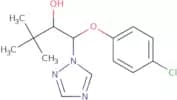
CAS:Triadimenol is a fungicide for cereals, beet and brassicas used to control a range of diseases including powdery mildew, rusts, bunts and smuts. It is a xenobiotic metabolite and an antifungal agrochemical.
Fórmula:C14H18ClN3O2Pureza:Min. 95%Cor e Forma:White PowderPeso molecular:295.76 g/mol4-Ethoxy-3-methoxybenzyl alcohol
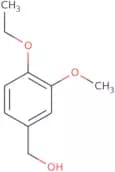
CAS:4-Ethoxy-3-methoxybenzyl alcohol is a metabolite of the drug benzocaine. It is formed by hydrolysis of the ester linkages in benzocaine and is then further metabolized to form 4-hydroxy-3-methoxybenzyl alcohol. 4-Ethoxy-3-methoxybenzyl alcohol has been shown to have antinociceptive effects in rats, which may be due to its ability to inhibit pain signals from the peripheral nerves.Fórmula:C10H14O3Pureza:Min. 95%Cor e Forma:PowderPeso molecular:182.22 g/molAndrostenediol diacetate
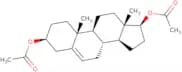
CAS:Produto ControladoAndrostenediol diacetate is a 3β-hydroxysteroid that is the product of the metabolism of androstenedione in the body. It has been observed in animal cells, human cells, and various tissues. Androstenediol diacetate is converted to testosterone by 3β-hydroxysteroid dehydrogenase, an enzyme that converts it to 5α-androstanediol. The conversion of androstenediol diacetate to testosterone may be responsible for the clinical chemistry test for testosterone levels. Testicular cells are known to produce androstenediol diacetate from cholesterol. This conversion may be related to the side-chain cleavage of cholesterol by cell enzymes.Fórmula:C23H34O4Pureza:Min. 95%Cor e Forma:White PowderPeso molecular:374.51 g/mol4-tert-Butyl-2,6-dinitrophenol
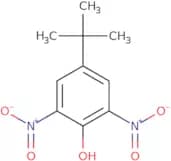
CAS:4-tert-Butyl-2,6-dinitrophenol is a yellowish solid that is soluble in organic solvents. It is used as an intermediate for the synthesis of dyes, pesticides and pharmaceuticals. 4-tert-Butyl-2,6-dinitrophenol has been shown to cause respiratory tract irritation and narcosis in animals. The toxic effects of 4-tert-Butyl-2,6-dinitrophenol are due to its high electrophilicity and nitro group (NO) which causes oxidative stress. The logistic regression analysis showed that the population growth of ciliates was negatively affected by the presence of halogens in the water.
Fórmula:C10H12N2O5Pureza:Min. 98 Area-%Cor e Forma:White PowderPeso molecular:240.21 g/molMethylandrostanediol
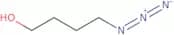
CAS:Produto ControladoMethylandrostenediol is a naturally occurring hormone that has been shown to have proteolytic, antigenic, and polymorphic properties. It is found in urine samples, and can be used as a supplement for the treatment of viruses or cancer. Methylandrostenediol also inhibits the growth of certain types of cancer cells by binding to specific receptors on their surfaces. It also binds to hydroxyl groups in proteins, which may inhibit the growth of bacteria. Methylandrostanediol has been shown to be an inhibitory compound against various types of cancer cells through various assays and sequences that have been performed on these cells.Fórmula:C20H34O2Pureza:Min. 95%Cor e Forma:White Off-White PowderPeso molecular:306.48 g/mol4-Azidobutanol
CAS:4-Azidobutanol is a nicotinic acetylcholine receptor antagonist that has been shown to inhibit tumor growth. It can be used as a cancer therapeutic and for the prevention of cancer. 4-Azidobutanol has been shown to inhibit the activity of growth factor receptors, such as insulin-like growth factor (IGF) or vascular endothelial growth factor (VEGF), which are involved in cell proliferation and angiogenesis. 4-Azidobutanol also inhibits glucose monitoring by interfering with the binding of glucose to monoclonal antibodies. The drug blocks the kinase domain of VEGFR2, thereby inhibiting the phosphorylation of VEGFR2 downstream signaling proteins that promote angiogenesis and cell migration. This can be used in treatments for leukemia cells or endothelial cells.Fórmula:C4H9N3OPureza:Min. 95%Cor e Forma:PowderPeso molecular:115.13 g/molResorcinol-o,o'-diacetic acid
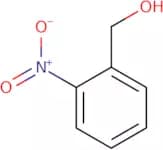
CAS:Resorcinol-o,o'-diacetic acid is a copolymer that is used in the production of polyurethane, glyceride, or heptane. It has been shown to have a brittleness of less than 1% and can be used for the production of polyester. Resorcinol-o,o'-diacetic acid is also used as an intermediate in the synthesis of terephthalic acid and chromatographic detection method. Resorcinol-o,o'-diacetic acid is hydrophilic and can be used for packaging food and packaging materials.Fórmula:C10H10O6Pureza:Min. 95%Cor e Forma:White PowderPeso molecular:226.18 g/mol2-Nitrobenzyl alcohol
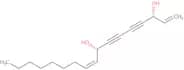
CAS:2-Nitrobenzyl alcohol is a molecule with photochemical properties. It has been used as a solid catalyst and in genotoxic studies. 2-Nitrobenzyl alcohol is also toxic to liver cells, although the mechanism behind this toxicity is not yet clear. The chemical biology of this molecule is being studied, which includes its receptor binding and interactions with human liver cells.Fórmula:C7H7NO3Pureza:Min. 97%Cor e Forma:PowderPeso molecular:153.14 g/mol(3R,8S)-Falcarindiol
CAS:(3R,8S)-Falcarindiol is a glycol ether that is found in the bark of the Dichapetalum cymosum tree. It has been shown to have potent anti-infective properties and can be used as an adjuvant treatment for infectious diseases. (3R,8S)-Falcarindiol has been shown to exhibit significant cytotoxicity against HL-60 cells and dextran sulfate, which may be due to its ability to inhibit energy metabolism by blocking enzymes such as succinic dehydrogenase. The anti-inflammatory effects of (3R,8S)-falcarindiol are due to its inhibition of prostaglandin synthesis and production of nitric oxide. This compound also inhibits apoptosis in Hl-60 cells by acting as a substrate for abcg2, one of the proteins involved in apoptosis pathways. Analysis of this compound is done using preparative high performance liquid chromatography.Fórmula:C17H24O2Pureza:Min. 98 Area-%Cor e Forma:Clear LiquidPeso molecular:260.37 g/mol2-[[(4-Anilinophenyl)imino]methyl]-4,6-dichlorophenol
CAS:2-[[(4-Anilinophenyl)imino]methyl]-4,6-dichlorophenol is a chemical that has been used in the synthesis of pharmaceuticals and other organic compounds. It is a versatile building block for the preparation of complex compounds and fine chemicals. This product can be used as a reagent or reaction component for research purposes. It is also useful as an intermediate or building block in the synthesis of drugs and other organic compounds. CAS No. 303215-67-0Fórmula:C19H14Cl2N2OPureza:Min. 95%Cor e Forma:Red PowderPeso molecular:357.23 g/molPhenol red
CAS:Phenol red is a pH indicator that finds broad applications from chemistry to microbiology. Colour varies from yellow at pH<6.8 (lmax 443nm) through to light red/pink at 6.8<pH<8.2 (lmax 570 nm) to vivid purple/red at pH>8.2. It is widely used in cell culture to monitor pH and for colorimetric titration. For example, phenol red can be used to quantify Br- content in sea or fresh water. It is added to VTM as pH indicator, at the concentration of 10mg/ml, maintaining a pink colour at neutral pH.
Fórmula:C19H14O5SCor e Forma:PowderPeso molecular:354.38 g/mol1-Butanol-d
CAS:Produto ControladoApplications Labelled form of 1-Butanol, which is used for the production of dimethylfuran for liquid fuels.
References Roman-Leshkov, Y. et al.: Nature, 447, 982 (2007);Fórmula:C4DH9OCor e Forma:NeatPeso molecular:75.131,4-Cyclohexanediol (Cis/Trans Mixture)
CAS:Produto ControladoApplications 1,4-Cyclohexanediol is used as a reagent in the development of noviomimetics as C-terminal Hsp90 inhibitors.
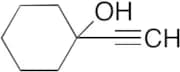
References Anyika, M., et al.: ACS Med. Chem. Lett., 7, 67 (2016)Fórmula:C6H12O2Cor e Forma:NeatPeso molecular:116.161-Ethynylcyclohexanol
CAS:Produto ControladoApplications 1-Ethynylcyclohexanol is used in the preparation of 9-methyladenines used as adenosine receptor antagonists. Also used in the cycloadition of alkynes to organic azides.
Not a dangerous good if item is equal to or less than 1g/ml and there is less than 100g/ml in the package
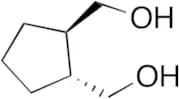
References Harada, H. et al.: J. Med. Chem. 44, 170 (2001); Zhang, L. et al.: J. Am. Chem. Soc., 127, 15998 (2005);Fórmula:C8H12OCor e Forma:NeatPeso molecular:124.18(1R,2R)-1,2-Cyclopentanedimethanol
CAS:Produto ControladoApplications (1R,2R)-1,2-Cyclopentanedimethanol is an intermediate in the synthesis of trans-1,2-Dimethylcyclopentane (D464925). trans-1,2-Dimethylcyclopentane was found in sedimentary rocks and was one of the hydrocarbons used to determine its maturation history.
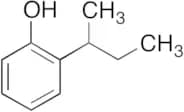
References Schaefer, R.G., Littke, R.: Org. Geochem., 13, 887 (1988)Fórmula:C7H14O2Cor e Forma:NeatPeso molecular:130.182-sec-Butylphenol
CAS:Produto ControladoApplications 2-sec-Butylphenol is a substance used in checking the effect of different enhancers on transdermal permation of insulin. It also acts as one of the substances used as models, which are helpful for aiding screening and development of androgenic compounds.
Not a dangerous good if item is equal to or less than 1g/ml and there is less than 100g/ml in the package
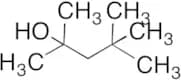
References Yerramsetty, K. M., et al.: Int. J. Pharm., 398, 83 (2010); Jia, Y., et al.: isuanji Yu Yingyong Huaxue, 24, 1469 (2007)Fórmula:C10H14OCor e Forma:NeatPeso molecular:150.222,4,4-Trimethyl-2-pentanol
CAS:Produto ControladoApplications 2,4,4-Trimethyl-2-pentanol is an intermediate formed from incubation of Sphingomonas sp. strain with xeno-estrogenic octylphenol. It was used in study comparing the relative binding affinities of low-molecular-weight proteins from humans versus male rats.
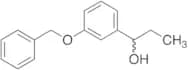
References Tanghe, Tom., et al.: Biodegradation, 11, 11 (2000); Borghoff, S., et al.: Toxicol. Appl. Pharm., 119, 228 (1993);Fórmula:C8H18OCor e Forma:NeatPeso molecular:130.23rac-1-(3-Benzyloxyphenyl)-1-propanol
CAS:Produto ControladoApplications An intermediate used in the production of various ectoparasiticides, drug metabolites and analgesic agents.
References Rastogi, S., et al.: J. Med. Chem., 16, 797 (1973), Maguire, J., et al.: Drug Metab. Disposition, 9, 393 (1981),Fórmula:C16H18O2Cor e Forma:NeatPeso molecular:242.311-Butanol (n-Butyl Alcohol)
CAS:Produto ControladoApplications 1-Butanol is a common chemical reagent used in biodiesel production. Also it has been used in the study the polarization of vapor-deposited 1-butanol films (1) as well as in the preparation of bioavailable CB1 antagonists (2) . Drinking water contaminant candidate list 3 (CCL 3) compound as per United States Environmental Protection Agency (EPA), environmental, and food contaminants.
Not a dangerous good if item is equal to or less than 1g/ml and there is less than 100g/ml in the package
References 1. Gavra, I. et al.: J. Chem. Phys. 2017 Mar 14;146(10):104701.2. Röver, S. et al.: J. Med. Chem. 2013 Dec 27;56(24):9874-96.Fórmula:C4H10OCor e Forma:ColourlessPeso molecular:74.123-[[(1,1-Dimethylethyl)diphenylsilyl]oxy]-1,2-propanediol
CAS:Produto ControladoApplications 3-[[(1,1-Dimethylethyl)diphenylsilyl]oxy]-1,2-propanediol is an intermediate in the synthesis of 1,2-Dioleoyl-rac-glycerol (D482175), which is an analog of 1,3-Dioleoylglycerol (D484210) which is used in the synthesis of amphiphilic gadolinium complexes as MRI contrast agents.
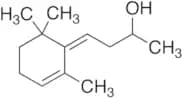
References Accardo, A., et. al.: J. Mater. Chem. B., 1, 617 (2013)Fórmula:C19H26O3SiCor e Forma:NeatPeso molecular:330.49(Z)-retro-alpha-Ionol
CAS:Produto ControladoApplications Intermediate for preparation of optically active theaspirane and β-Damascenone.
References Gertraut, S., et al.: J. Agric. Food Chem., 40, 1188 (1992), Campagnole, M., et al.: Syn. Comm., 37, 1077 (2007).Fórmula:C13H22OCor e Forma:NeatPeso molecular:194.313-Hexyn-1-ol
CAS:Produto ControladoApplications 3-Hexyn-1-ol is an unsaturated alcohol that, when subjected to stereoselective hydrogenation, produces cis-3-Hexen-1-ol (H295005), a compound that is important in the fragrance industry. 3-Hexyn-1-ol also exhibits antifungal properties against Aspergillus oryzae, a fungus that is used to produce fermented foods and beverages in Japan.
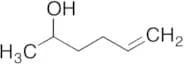
References Machida, M., et al.: Nature, 438, 1157 (2005); Sachse, A., et al.: Dalt. Trans., 42, 1378 (2013); Witte, P., et al.: Stud. Surf. Sci. Catal., 175, 135 (2010)Fórmula:C6H10OCor e Forma:NeatPeso molecular:98.14Hexen-5-ol
CAS:Produto ControladoApplications Hexen-5-ol is an intermediate in he synthesis of 5-Chloro-1-hexene which is a reagent with difluoroacetic acid that results in the formation of 5-chloro-2-hexyl-2-d trifluoro-acetate and 1,4-chlorine shift.
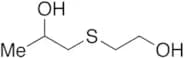
References Peterson, P. E., et al.: J. Am. Chem. Soc., 86, 4503-4 (1964)Fórmula:C7H4ClF3O2Cor e Forma:NeatPeso molecular:212.554Hydroxyethylthio Propanol
CAS:Produto ControladoApplications Hydroxyethylthio Propanol (cas# 6713-03-7) is a compound useful in organic synthesis.
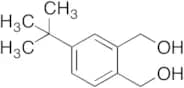
Fórmula:C5H12O2SCor e Forma:NeatPeso molecular:136.21(4-(tert-Butyl)-1,2-phenylene)dimethanol
CAS:Produto ControladoApplications (4-(tert-Butyl)-1,2-phenylene)dimethanol is an intermediate in the synthesis of 4-tert-Butyl-1,2-bis(chloromethyl)benzene (B807070). 4-tert-Butyl-1,2-bis(chloromethyl)benzene is used as a reactant in the preparation of dihydronaphthalenes/naphthalenes via cobalt-catalyzed formal [4+2] cycloaddition of α,α'-dichloro-ortho-xylenes with alkynes.
References Komeyama, K., et al.: Angew. Chem. Int. Ed., 53, 11325 (2014)Fórmula:C12H18O2Cor e Forma:NeatPeso molecular:194.271-(Benzyloxy)-3-[[bis(benzyloxy)phosphoryl]oxy]propan-2-ol
CAS:Produto ControladoApplications 1-(Benzyloxy)-3-[[bis(benzyloxy)phosphoryl]oxy]propan-2-ol is an intermediate in the synthesis of Dihydroxyacetone Phosphate Lithium Salt (D450538), which is a metabolic intermediate involved in involved in a wide variety of metabolic pathways including glycolysis and lipid biosynthesis. In plants, Dihydroxyacetone phosphate is involved with the synthesis of vitamin B6.
References Jun Ogawa et. al.: et al.: Bioscience, biotechnology, and biochemistry, 67(4), undefined (2003-6-6); John P Richard, Biochemistry, 51(13), undefined (2012-3-14);Fórmula:C24H27O6PCor e Forma:NeatPeso molecular:442.44cis-3-Dodecen-1-ol
CAS:Produto ControladoApplications cis-3-Dodecen-1-ol is an intermediate for the synthesis of Z-3-Dodecenyl E-Crotonate, which can be used to develop insecticides and sex pheromone trap against Sweetpotato weevil.
References Reddy, G. V., et al.: Environ Entomol 43, 767 (2014); McQuate, G. T.: Sci Rep 4, 4499 (2014)Fórmula:C12H24OCor e Forma:NeatPeso molecular:184.323-(3-(3-(Benzyloxy)propoxy)propoxy)propan-1-ol
Produto ControladoApplications 3-(3-(3-(Benzyloxy)propoxy)propoxy)propan-1-ol is an intermediate in the synthesis of 3,3'-[Oxybis(3,1-propanediyloxy)]bis[1-propanol] (O870290). 3,3'-[Oxybis(3,1-propanediyloxy)]bis[1-propanol] is derived from 3-(Benzyloxy)propyl 4-Toluenesulfonate (B288830), which is used as a reagent in the synthesis of Silodosin (S465000); an antidysuria drug. 3-(Benzyloxy)propyl 4-Toluenesulfonate is also used as a reagent in the preparation of aryloxyalkyl derivatives of adenine which have antiviral activity.
References Calogero, F., et al.: Eur. J. Org. Chem., 2015, 6011 (2015); Petrov, V.I., et al.: Chem. Heterocyc. Compd., 39, 1218 (2003)Fórmula:C16H26O4Cor e Forma:NeatPeso molecular:282.375
![4-[2-[[3-(4-Hydroxyphenyl)-1-methylpropyl]amino]ethyl]-1,2-benzenediol hydrochloride](/_next/image/?url=https%3A%2Fstatic.cymitquimica.com%2Fproducts%2F3D%2Fthumb-webp%2FFH27507.webp&w=3840&q=75)






![(4aS,6R,8aS)-4a,5,9,10,11,12-Hexahydro-3-methoxy-11-methyl-6H-benzofuro[3a,3,2-ef][2]benzazepin-6-…](/_next/image/?url=https%3A%2Fstatic.cymitquimica.com%2Fproducts%2F3D%2Fthumb-webp%2FFH15703.webp&w=3840&q=75)



![7-[(Dimethylamino)methyl]-2,2,4-trimethyl-1,2-dihydroquinolin-6-ol](/_next/image/?url=https%3A%2Fstatic.cymitquimica.com%2Fproducts%2F3D%2Fthumb-webp%2FFD129815.webp&w=3840&q=75)


![2-[[(4-Anilinophenyl)imino]methyl]-4,6-dichlorophenol](/_next/image/?url=https%3A%2Fstatic.cymitquimica.com%2Fproducts%2F3D%2Fthumb-webp%2FFA71703.webp&w=3840&q=75)





![3-[[(1,1-Dimethylethyl)diphenylsilyl]oxy]-1,2-propanediol](/_next/image/?url=https%3A%2Fstatic.cymitquimica.com%2Fproducts%2FTR%2Fthumb-webp%2FD182005.webp&w=3840&q=75)

![1-(Benzyloxy)-3-[[bis(benzyloxy)phosphoryl]oxy]propan-2-ol](/_next/image/?url=https%3A%2Fstatic.cymitquimica.com%2Fproducts%2FTR%2Fthumb-webp%2FB796875.webp&w=3840&q=75)

