Álcoois
Os álcoois são uma ampla gama de moléculas orgânicas derivadas de hidrocarbonetos que contêm um ou mais grupos hidroxila (grupo OH). Estes compostos são essenciais em várias reações químicas e são amplamente utilizados em laboratórios para síntese, como solventes e em química analítica. Na CymitQuimica, oferecemos álcoois de alta qualidade preparados para uso laboratorial, apoiando suas pesquisas e aplicações industriais com produtos confiáveis e eficazes. Nossa seleção garante que você tenha os álcoois adequados para suas necessidades específicas, seja para trabalhos de laboratório de rotina ou para projetos de pesquisa especializados.
Subcategorias de "Álcoois"
Foram encontrados 5814 produtos de "Álcoois"
Ordenar por
Pureza (%)
0
100
|
0
|
50
|
90
|
95
|
100
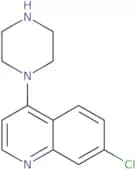
7-Chloro-4-piperazinylquinoline
CAS:<p>7-Chloro-4-piperazinylquinoline is a quinoline derivative that belongs to the group of organic solvents. It has anticancer activity and is used as a medicine. 7-Chloro-4-piperazinylquinoline is used as an intermediate in the preparation of sorafenib, which is a potent inhibitor of the protein tyrosine kinase. Sorafenib inhibits cancer cell proliferation and tumor growth by blocking the activity of tyrosine kinases, which are necessary for cellular proliferation and survival. It also inhibits phospholipase A2, which leads to cell death by apoptosis.</p>Fórmula:C13H14ClN3Pureza:Min. 95%Peso molecular:247.72 g/molLinoleic acid - powder
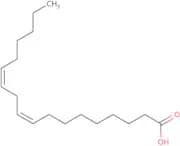
CAS:<p>Linoleic acid is a polyunsaturated fatty acid that is an important component of cell membranes. It has been shown to inhibit oxidative injury and improve mitochondrial functions. Linoleic acid also has a role in energy metabolism, as it is the precursor for biosynthesis of eicosanoids and arachidonic acid. The physiological effects of linoleic acid have been studied using a model system consisting of isolated rat adipose tissue and mitochondria. This model system has been used to investigate the inhibitory properties of linoleic acid on caproic acid-induced lipid peroxidation. Linoleic acid has also been shown to have anion radical scavenging activity when in the presence of iron. This compound can be analyzed using gas chromatography-mass spectrometry (GC-MS) based on its chemical composition, which consists mainly of linear 18-carbon chains with two double bonds at positions 9 and 12.</p>Fórmula:C18H32O2Pureza:Min. 95%Cor e Forma:PowderPeso molecular:280.45 g/molα-Zearalenol
CAS:a-Zearalenol is a steroidal compound that has been shown to be effective in the treatment of autoimmune diseases. It has been found to have a matrix effect on the transcription of genes and can be used in wastewater treatment. Further, it has been shown to inhibit the activity of complex enzymes such as lysyl oxidase and prolyl hydroxylase. The hybridoma cell line was developed for the production of monoclonal antibodies against zearalenone, and an analytical method using LC-MS/MS with fluorescence detection for a-zearalenol was also developed.Fórmula:C18H24O5Pureza:Min. 95%Peso molecular:320.38 g/molAndrostanolone acetate
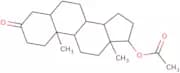
CAS:Produto Controlado<p>Androstanolone acetate is a synthetic androgen that has been shown to stimulate the production of testosterone in the testes. Androstanolone acetate has been shown to be effective in treating symptoms of male hypogonadism, as well as erectile dysfunction. The drug also has an antigenic effect, which stimulates the production of antibodies against it. Androstanolone acetate binds to cell specific antigens and stimulates cell proliferation. It has been used in cancer prevention studies, where it was found that it could suppress estrogen-induced endometrial cancer in animals. In addition, Androstanolone acetate is capable of stimulating light emission when incubated with cells and can be detected using chromatographic methods.</p>Fórmula:C21H32O3Pureza:Min. 95%Cor e Forma:PowderPeso molecular:332.48 g/mol2-Pyrimidinemethanol
CAS:2-Pyrimidinemethanol is a pyrimidine derivative that is used as a starting material for the synthesis of other compounds. 2-Pyrimidinemethanol is introduced into the body through the skin, lungs and gastrointestinal tract. It has been shown to cause sensitization in humans and rats, with photoexcitation being an important factor in its activity. 2-Pyrimidinemethanol binds to DNA and inhibits protein synthesis by inhibiting ribonucleotide reductase (RNR). The active site of this enzyme contains iron, which is why this compound may be toxic to humans.Fórmula:C5H6N2OPureza:Min. 95%Cor e Forma:Light (Or Pale) Yellow To Brown LiquidPeso molecular:110.11 g/mol(aR)-a-[[[2-(4-Aminophenyl)ethyl]amino]methyl]-benzenemethanol
CAS:Please enquire for more information about (aR)-a-[[[2-(4-Aminophenyl)ethyl]amino]methyl]-benzenemethanol including the price, delivery time and more detailed product information at the technical inquiry form on this pageFórmula:C16H20N2OPureza:Min. 95%Cor e Forma:PowderPeso molecular:256.34 g/mol2-Bromoethane-1-thiol
CAS:2-Bromoethane-1-thiol (2BET) is a hydrogen bond sensitive sensor that can be used in the detection of reactive oxygen species. 2BET has been shown to have a high sensitivity and selectivity to hydrogen peroxide, with an observed response time of less than 1 second. This sensor has been found to be useful for detecting short-term changes in hydrogen peroxide concentrations and can also detect long term changes due to its stability in the membrane. 2BET is also highly selective for hydrogen peroxide and does not react with other compounds, such as nitric oxide or sulfur dioxide. 2BET is a cavity type sensor that consists of two gold electrodes with a polyelectrolyte membrane between them. When exposed to reactive oxygen species, the polyelectrolyte membrane becomes crosslinked and this change in permeability can be detected by measuring the current across the electrodes. 2BET sensors are able to distinguish between isotopomersFórmula:C2H5BrSPureza:Min. 95%Cor e Forma:Clear LiquidPeso molecular:141.03 g/mol10H-[1,2,5,8,11,14,17,20,23,26,29,32,35]Dithiaundecaazacyclooctatriacontino[11,10-b]isoquinoline,cyclic peptide derivative
CAS:Please enquire for more information about 10H-[1,2,5,8,11,14,17,20,23,26,29,32,35]Dithiaundecaazacyclooctatriacontino[11,10-b]isoquinoline,cyclic peptide derivative including the price, delivery time and more detailed product information at the technical inquiry form on this pageFórmula:C69H116N26O15S2Pureza:Min. 95%Peso molecular:1,613.96 g/mol1-O-Hexadecyl-sn-glycerol
CAS:1-O-Hexadecyl-sn-glycerol is a glycol ether that is used as a surfactant and emulsifier in cosmetic products. It has been shown to have minimal toxicity, and to not be carcinogenic or teratogenic. 1-O-Hexadecyl-sn-glycerol has been shown to increase the stability of proteins in rat liver microsomes, and it also prevents the hydrolysis of carbohydrates. The surface glycoprotein adsorbed by 1-O-Hexadecyl-sn-glycerol may play an important role in the binding of monoclonal antibodies. This compound affects cellular calcium levels, with high concentrations resulting in increased cytosolic calcium concentrations. Zirconium oxide can replace calcium ions in 1-O-Hexadecyl-sn-glycerol for this purpose, although this substitution reduces enzyme activity.Fórmula:C19H40O3Pureza:Min. 95%Peso molecular:316.52 g/molIsoprenaline sulphate dihydrate
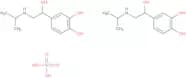
CAS:4-[1-Hydroxy-2-[(1-methylethyl)amino]ethyl]-1,2-benzenediol sulfate dihydrate (benserazide) is a cholinergic agent that has been shown to increase the release of acetylcholine by acting as an agonist at nicotinic receptors. It increases the amount of acetylcholine released in the brain and can be used for the treatment of Alzheimer's disease. Benserazide has also been shown to have a depressant effect on the respiratory system, which can be beneficial for lung diseases. This drug also has anti-inflammatory properties and can inhibit growth factor synthesis.Fórmula:C22H34N2O6·H2SO4·2H2OPureza:Min. 95%Cor e Forma:PowderPeso molecular:520.59 g/mol4-Chloro-6-methoxyquinoline
CAS:<p>4-Chloro-6-methoxyquinoline is an inhibitor of bacterial DNA gyrase. It has antibacterial activity against Gram-positive and Gram-negative bacteria, including Staphylococcus aureus, Enterococcus faecalis, and Pseudomonas aeruginosa. 4-Chloro-6-methoxyquinoline is a synthetic compound that was reinvestigated for its antibacterial activity. It has been shown to be effective in the treatment of Staphylococcal infections. The mechanism of action may involve inhibition of topoisomerase II or interference with the synthesis of DNA by binding to the enzyme bacterial DNA gyrase. Quinidine and cinchonidine are quinine derivatives that have been found to inhibit bacterial DNA gyrase. These compounds are found in the bark of Cinchona species, which includes Cinchona ledgeriana, Cinchona officinalis, and Cinchona succirub</p>Fórmula:C10H8ClNOPureza:Min. 95%Peso molecular:193.02944H-Tyr-L-1,2,3,4-tetrahydroisoquinoline-3-carboxamide·HCl
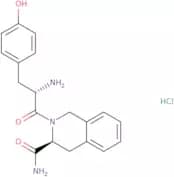
CAS:H-Tyr-L-1,2,3,4-tetrahydroisoquinoline-3-carboxamide·HCl is a monoclinic crystalline compound. It has a molecular weight of 607.14 and contains the dipeptide Tyr-Lys in its structure. H-Tyr-L-1,2,3,4-tetrahydroisoquinoline-3-carboxamide·HCl crystallizes in the P21/c space group and has an asymmetric unit cell with dimensions a=8.851 Å, b=7.965 Å and c=5.98 Å. This compound has been shown to have antibacterial properties against methicillin resistant Staphylococcus aureus (MRSA) isolates and Clostridium perfringens strains by inhibiting bacterial protein synthesis through inhibition of peptidyl transferase activity.Fórmula:C19H21N3O3·HClPureza:Min. 95%Peso molecular:375.85 g/molStigmast-7-enol
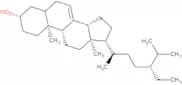
CAS:Produto ControladoStigmast-7-enol is a naturally occurring compound found in plants such as Oroxylum indicum and Carthamus tinctorius. It was first isolated from the plant Stigmasta crispa. The chemical composition of stigmast-7-enol includes a hydroxyl group, a carboxylic acid group, and an ester bond. It has been shown to have hypoglycemic effects in animal models. This compound is stable at acidic pH levels, but is unstable at physiological pH levels. Stigmast-7-enol also binds to the mitochondrial membrane potential and inhibits the synthesis of p-hydroxybenzoic acid in cells.Fórmula:C29H50OPureza:Min. 95%Peso molecular:414.71 g/mol6-Mercapto-9H-purin-2-ol
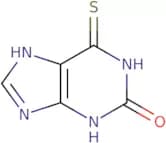
CAS:6-Mercapto-9H-purin-2-ol (6MP) is a purine nucleoside that is used as an antimicrobial agent. It inhibits the enzyme adenosine deaminase, which converts adenosine to inosine, and therefore prevents the production of purines. 6MP has been shown to be effective against inflammatory bowel disease and bowel disease in animal models. At high concentrations, it has been shown to inhibit subcutaneous tumors in mice. 6MP also inhibits the metabolism of certain drugs such as rifampicin and phenytoin, thereby increasing their plasma concentration. 6MP has been shown to be effective against resistant mutants for some bacteria such as Salmonella enterica serovar Typhimurium and Escherichia coli through inhibition of beta-lactamases. The mechanism of action for 6MP is similar to that of β-lactams antibiotics, which are inhibitors of bacterial cell wall synthesisFórmula:C5H4N4OSPureza:Min. 95%Cor e Forma:Off-White PowderPeso molecular:168.18 g/molN-Methyl-N-boc-aminopropan-3-ol
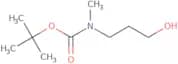
CAS:N-Methyl-N-boc-aminopropan-3-ol is a fine chemical with CAS No. 98642-44-5 that is used in the synthesis of complex compounds, as a reagent for research chemicals, and as a speciality chemical. It is also used in the synthesis of versatile building blocks, reaction components and scaffolds. N-Methyl-N-boc-aminopropan-3-ol has a high quality and can be used as a versatile intermediate or a useful scaffold.Fórmula:C9H19NO3Pureza:Min. 95%Cor e Forma:Colourless To Pale Yellow LiquidPeso molecular:189.25 g/mol(S)-(-)-3-Chloro-1-phenyl-1-propanol
CAS:<p>(S)-(-)-3-Chloro-1-phenyl-1-propanol is an efficient method for the synthesis of chiral propiophenone. It is synthesized by reacting a mixture of borane and tetrahydrofuran with (S)-(-)-3-chloro-1-phenylpropanol. This reaction produces the desired compound in good yield and high diastereoselectivity. The synthesis of this compound has been shown to be useful for the production of antidepressant drugs, such as κ-opioid receptor ligands, which are used to treat depression, anxiety, and chronic pain.</p>Fórmula:C9H11ClOPureza:Min. 95%Peso molecular:170.64 g/mol2,9-Bis(2-Phenylethyl)anthra(2,1,9-def:6,5,10-d'e'f')diisoquinoline-1,3,8,10(2H,9H)-tetrone
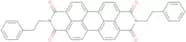
CAS:2,9-Bis(2-phenylethyl)anthraquinone (BPAQ) is a synthetic compound that is used as an fluorescent probe to study biological processes. BPAQ binds to peptides and inhibits their binding to the surface of cells. This property has been used in diagnostic tests for stenosis, infantum, and other conditions. BPAQ has also been shown to inhibit HIV-1 replication in human cells by binding to the HIV-1 envelope protein gp120 and blocking its interaction with CD4 receptors on host cells. The discovery of the antiviral activity of BPAQ was based on its ability to inhibit leishmania growth in animals.Fórmula:C40H26N2O4Pureza:Min. 95%Cor e Forma:PowderPeso molecular:598.65 g/molQuinoline-4-carboxylic acid
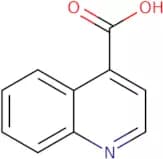
CAS:<p>Quinoline-4-carboxylic acid is a natural compound that is derived from the amino acid tryptophan. It has been shown to have antiinflammatory activity and to be an inhibitor of prostaglandin synthesis. Quinoline-4-carboxylic acid inhibits the growth of carcinoma cells in culture by inducing apoptosis, which is mediated by inhibition of protein synthesis. Quinoline-4-carboxylic acid also has pharmacokinetic properties, including a low volume of distribution, low clearance rate and high bioavailability.</p>Fórmula:C10H7NO2Pureza:Min. 97 Area-%Peso molecular:173.17 g/mol(3,5-Diiodo-Tyr1,D-Ala2,N-Me-Phe4,glycinol5)-Enkephalin acetate salt
CAS:Produto ControladoPlease enquire for more information about (3,5-Diiodo-Tyr1,D-Ala2,N-Me-Phe4,glycinol5)-Enkephalin acetate salt including the price, delivery time and more detailed product information at the technical inquiry form on this pageFórmula:C26H33I2N5O6Pureza:Min. 95%Peso molecular:765.38 g/mol3-Bromopyridin-4-ol
CAS:3-Bromopyridin-4-ol is a pyrrole that can be used as a cancer therapy. It inhibits the growth of cancer cells by binding to the mkn-45 on the surface of the cell, which prevents it from binding to other proteins and initiating cell proliferation. 3-Bromopyridin-4-ol also inhibits 2-amino-4-hydroxypyridine aminations, which are reactions that produce compounds that promote cancer. This compound class has inhibitory activity against the growth of cancer cells in vitro and in vivo. 3-Bromopyridin-4-ol is an oxindole and amide with a hydroxy group on its side chain. It can be synthesized from 3-bromo-5 hydroxypyridine by reacting it with ammonia or methylamine. The synthesis of this compound can be achieved by reacting 2 chloroacetaldehyde with nitroethane in presenceFórmula:C5H4BrNOPureza:Min. 95%Cor e Forma:PowderPeso molecular:174 g/mol



![(aR)-a-[[[2-(4-Aminophenyl)ethyl]amino]methyl]-benzenemethanol](/_next/image/?url=https%3A%2Fstatic.cymitquimica.com%2Fproducts%2F3D%2Fthumb-webp%2FFA75045.webp&w=3840&q=75)

![10H-[1,2,5,8,11,14,17,20,23,26,29,32,35]Dithiaundecaazacyclooctatriacontino[11,10-b]isoquinoline,c…](/_next/image/?url=https%3A%2Fstatic.cymitquimica.com%2Fproducts%2F3D%2Fthumb-webp%2FFA108858.webp&w=3840&q=75)