Álcoois
Subcategorias de "Álcoois"
Foram encontrados 5818 produtos de "Álcoois"
[1-(2-Chlorobenzyl)-1H-benzimidazol-2-yl]methanol
CAS:Produto ControladoPlease enquire for more information about [1-(2-Chlorobenzyl)-1H-benzimidazol-2-yl]methanol including the price, delivery time and more detailed product information at the technical inquiry form on this pageFórmula:C15H13ClN2OPureza:Min. 95%Peso molecular:272.73 g/mol4-Fluorothiophenol
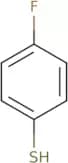
CAS:4-Fluorothiophenol is a reactive chemical that can be used as a monomer for the synthesis of polymers. It has been shown to polymerize with acrylonitrile and methacrylate in the presence of an initiator to form polyacrylonitrile and polymethacrylate, respectively. 4-Fluorothiophenol reacts with unsaturated fatty acids to form thiolates, which are useful intermediates in organic synthesis. 4-Fluorothiophenol also reacts with sulfur transfer agents such as thiourea or mercaptoethanol, leading to S-sulfides that are useful intermediates in organic synthesis. These reactions can be followed by kinetic energy spectroscopy (photoelectron) and nuclear magnetic resonance spectroscopy (NMR). 4-Fluorothiophenol has been shown to undergo intramolecular hydrogen transfer reactions with second order rate constants ranging fromFórmula:C6H5FSPureza:Min. 95%Peso molecular:128.17 g/molCyclobutanemethanol
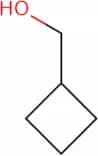
CAS:Cyclobutanemethanol is a drug used to treat inflammatory diseases. It is an uptake inhibitor that blocks the transport of uridine into cells, preventing the activation of G-protein coupled receptors and the subsequent production of inflammatory mediators. Cyclobutanemethanol has been shown to have anti-inflammatory properties by inhibiting the CB2 receptor, which is found in large quantities in inflammatory tissues. Cyclobutanemethanol also prevents dehydration and increases blood flow to inflamed areas by acting on vascular endothelial cells. It can be synthesized from two molecules of hydrochloric acid and one molecule of cyclobutane. The synthesis pathway includes removal of a hydroxy group and addition of an alkynyl group via hydrogen bonding interactions with chloride ions. Cyclobutanemethanol has been shown to inhibit influenza virus replication in vitro, but not in vivo.
Fórmula:C5H10OPureza:Min. 95%Peso molecular:86.13 g/mol3-Thiopheneethanol
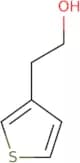
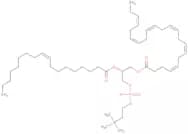
CAS:3-Thiopheneethanol is a synthetic polymer that can be used as an insoluble polymer. It has been shown to undergo chemical reactions with hydroxy groups, which form a polymer film. The untreated control group did not show any change in the film thickness, but the electrochemical methods group showed a significant increase in the film thickness. 3-Thiopheneethanol may have potential applications in medical devices and sensors. The detection time of 3-thiopheneethanol was found to be longer than that of other polymers, such as polystyrene sulfonic acid (PSSA).Fórmula:C6H8OSPureza:Min. 95%Peso molecular:128.19 g/mol1-Docosahexaenoin-2-oleoyl 3-phosphocholine
CAS:1-Docosahexaenoin-2-oleoyl 3-phosphocholine is a phospholipid compound that has shown promising potential in cancer research. This compound belongs to the steroid family and has been studied for its diagnostic capabilities in detecting breast cancer. It has also been investigated for its antiviral properties, particularly against HIV-1. Additionally, 1-Docosahexaenoin-2-oleoyl 3-phosphocholine has been researched for its use in diabetes management, with studies exploring its effects on insulin secretion and glucose metabolism. This compound has also been evaluated as a potential therapeutic agent for certain types of tumors due to its ability to inhibit tumor growth.Fórmula:C48H82NO8PPureza:Min. 95%Peso molecular:832.14 g/molKushenol R
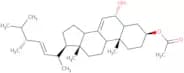
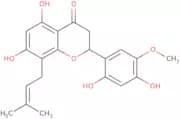
CAS:Kushenol R is a bioactive flavonoid compound, which is extracted from the roots of the plant Sophora flavescens, commonly known as the shrubby sophora. Its chemical structure contributes to its role as a compound of interest in the realm of natural product chemistry and pharmacology. As a flavonoid, Kushenol R exhibits significant antioxidant activity, attributed to its ability to scavenge free radicals and mitigate oxidative stress at the cellular level. This mechanism of action is crucial as it offers potential therapeutic effects in combating diseases associated with oxidative damage, such as cancer and inflammatory disorders.Pureza:Min. 95%3b-Acetoxyergosta-7,22-dien-5a-ol
CAS:Produto ControladoPlease enquire for more information about 3b-Acetoxyergosta-7,22-dien-5a-ol including the price, delivery time and more detailed product information at the technical inquiry form on this pageFórmula:C30H48O3Pureza:Min. 95%Peso molecular:456.7 g/mol2-Chlorothiophenol
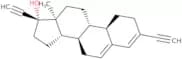
CAS:2-Chlorothiophenol is a chemical compound that belongs to the group of fatty acids. It is synthesized by reacting phosphorus pentachloride with 2-chloroethanol in the presence of magnesium salt. The corresponding molecule has a diameter of 4.8 Å and a thermal expansion coefficient of 1.5×10 K−1, which is similar to the thermal expansion coefficients of fatty acids. 2-Chlorothiophenol reacts with carbonyl groups in the presence of oxygen to form 2-chlorophenol and hydrogen chloride gas, which are products that can be detected using spectroscopic techniques such as infrared or nuclear magnetic resonance spectroscopy. The reaction mechanism for this reaction is not well understood, but it is thought that the intramolecular hydrogen acts as an electron donor to form a pi bond between carbon atoms on adjacent molecules, leading to formation of an oxygenated molecule. 2-Chlorothiophenol also has proteinFórmula:C6H5ClSPureza:Min. 95%Cor e Forma:Clear Colourless LiquidPeso molecular:144.62 g/mol(17a)-3-Ethynyl-19-norpregna-3,5-dien-20-yn-17-ol
CAS:Produto ControladoPlease enquire for more information about (17a)-3-Ethynyl-19-norpregna-3,5-dien-20-yn-17-ol including the price, delivery time and more detailed product information at the technical inquiry form on this page
Fórmula:C22H26OPureza:Min. 95%Peso molecular:306.44 g/molKushenol W
CAS:Kushenol W is a flavonoid compound, which is derived from the root of the Sophora flavescens plant. This plant, commonly known as "Kushen," is an important component in traditional Chinese medicine. The mode of action of Kushenol W involves multiple biological pathways, primarily exerting its effects through anti-inflammatory and anti-tumor activities. It interacts with various molecular targets, modulating pathways associated with oxidative stress and cell proliferation.Pureza:Min. 95%9-Chloro triamcinolone acetonide
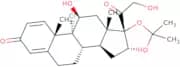
CAS:Please enquire for more information about 9-Chloro triamcinolone acetonide including the price, delivery time and more detailed product information at the technical inquiry form on this pageFórmula:C24H31ClO6Pureza:Min. 95%Peso molecular:450.95 g/mol(1,5-Dimethyl-1H-benzimidazol-2-yl)methanol
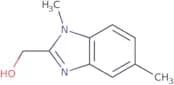
CAS:Produto ControladoPlease enquire for more information about (1,5-Dimethyl-1H-benzimidazol-2-yl)methanol including the price, delivery time and more detailed product information at the technical inquiry form on this pageFórmula:C10H12N2OPureza:Min. 95%Peso molecular:176.22 g/mol1,2,3,4-Tetrahydroquinoline-3-carboxylic acid
CAS:Tetrahydroquinoline-3-carboxylic acid is a crystalline, water-soluble compound. It is an intermediate in the synthesis of l-phenylalanine, paraformaldehyde and formaldehyde. Tetrahydroquinoline-3-carboxylic acid can be hydrolyzed to produce formic acid and hydrogen chloride. This product is also optically active and can be used as an indicator for hydroiodic acid.Fórmula:C10H11NO2Pureza:Min. 95%Peso molecular:177.2 g/mol17-Methyl-4-androstene-3a,17a-diol
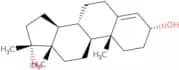
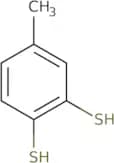
CAS:Produto ControladoPlease enquire for more information about 17-Methyl-4-androstene-3a,17a-diol including the price, delivery time and more detailed product information at the technical inquiry form on this pageFórmula:C20H32O2Pureza:Min. 95%Peso molecular:304.47 g/molToluene-3,4-dithiol
CAS:Toluene-3,4-dithiol is a reactive dithiol that has been shown to have synergistic effects with other organic compounds. It is used in the preparation of methyl ethyl and its derivatives. Toluene-3,4-dithiol has also been shown to inhibit both the activity of enzymes and the growth of bacteria. The biological properties of this compound are not well understood, but it can be used as a model system for studying disulfide bonds and their role in protein folding. Studies have shown that this compound inhibits enzymatic activity and reduces bacterial growth without affecting cell viability.
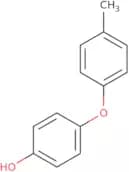
Fórmula:C7H8S2Pureza:Min. 95%Peso molecular:156.27 g/mol4-(4-Methylphenoxy)phenol
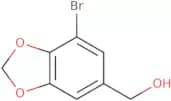
CAS:Please enquire for more information about 4-(4-Methylphenoxy)phenol including the price, delivery time and more detailed product information at the technical inquiry form on this pageFórmula:C13H12O2Pureza:Min. 95%Peso molecular:200.23 g/mol(7-bromo-2H-1,3-benzodioxol-5-yl)methanol
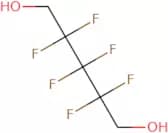
CAS:Produto ControladoPlease enquire for more information about (7-bromo-2H-1,3-benzodioxol-5-yl)methanol including the price, delivery time and more detailed product information at the technical inquiry form on this pagePureza:Min. 95%Peso molecular:231.0452,2,3,3,4,4-Hexafluoro-1,5-pentanediol
CAS:Produto Controlado2,2,3,3,4,4-Hexafluoro-1,5-pentanediol is a colorless liquid with a boiling point of 155°C. It is soluble in water and has an odor similar to that of hexane. 2,2,3,3,4,4-Hexafluoro-1,5-pentanediol is used as a chemical intermediate for the production of sodium salts and quaternary ammonium compounds. This substance can be obtained by reacting butanediol with hydrofluoric acid or trifluoromethanesulfonic acid. The most common use of 2,2,3,3,4,4-hexafluoro-1,5-pentanediol is in the synthesis of amines. It also has been used as a solvent for electroplating metals and as a high boiling point solvent in organic reactions. This compound exhibits nucleophilic properties with amines and canFórmula:C5H6F6O2Pureza:Min. 95%Peso molecular:212.09 g/mol2-Butanol
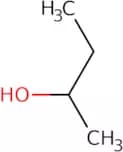
CAS:Produto Controlado2-Butanol is a colorless liquid that has inhibitory properties against the enzyme activities of hydroxylase, acetaldehyde dehydrogenase, and alpha-ketoglutarate decarboxylase. 2-Butanol is used as an active antiretroviral therapy for HIV patients. It also acts as a solid catalyst in the hydrogenation of carboxylic acids. The reactivity of 2-butanol is due to its ability to form stable complexes with enzymes by hydrogen bonding interactions. This chemical can be used in kinetic studies and analytical methods, such as gas chromatography and mass spectrometry, which are used to identify the structure of the enzyme complex and analyze the reaction mechanism.
Fórmula:C4H10OPureza:Min. 95%Cor e Forma:Clear LiquidPeso molecular:74.12 g/mol5-Hexyn-1-ol
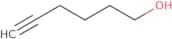
CAS:5-Hexyn-1-ol is a molecule that belongs to the group of organic compounds called fatty acids. It is a colorless liquid with an odor reminiscent of that of hexane. 5-Hexyn-1-ol has been shown to inhibit the proliferation of brain cells and tumor cells in culture. It also inhibits the growth of caco-2 cell lines, which are used as a model for human intestinal epithelial cells. The hydroxyl group in 5-hexyn-1-ol reacts with nitrogen nucleophiles such as picolinic acid and palladium chloride to form an intermediate compound, which can then be transformed into the desired product by addition of a second reactant.Fórmula:C6H10OPureza:Min. 95%Peso molecular:98.14 g/molIndole-7-methanol
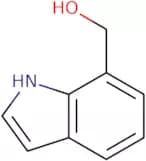
CAS:Indole-7-methanol is a flavin cofactor that catalyses the formylation of indole-7-carboxylic acid. Indole-7-methanol can be synthesized by the conversion of indole-7-carboxaldehyde with formaldehyde and ammonium acetate. The macrocyclic, isomeric, and formylated forms of indole-7-methanol have been shown to have utilisation activity in the synthesis of various compounds. These reactions are catalyzed by flavins such as FAD or FMN. Mutant, unsymmetrical derivatives of indole-7-methanol are also known to undergo these types of reactions. The most common derivative is indirubin, which has been shown to inhibit DNA polymerase III and IV in vitro.Fórmula:C9H9NOPureza:Min. 95%Peso molecular:147.17 g/molPregnantriol
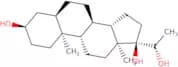
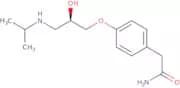
CAS:Produto ControladoPregnantriol is a naturally occurring steroid hormone that is produced in the placenta and the adrenal glands. Pregnantriol has been shown to be a potent inducer of liver cells, which may be due to its ability to bind to enzymes that are involved in lipid metabolism. This compound has also been shown to have diagnostic properties and is used as a diagnostic agent for adrenocortical carcinoma, urinary tract infections, metabolic disorders, and acid formation. Pregnantriol can be detected using fluorescence detection.Fórmula:C21H36O3Pureza:Min. 95%Cor e Forma:PowderPeso molecular:336.51 g/mol(R)-(+)-Atenolol
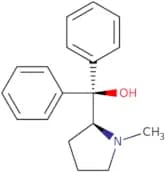
CAS:Produto ControladoBeta-1-adrenoceptor blockerFórmula:C14H22N2O3Pureza:Min. 95%Cor e Forma:White/Off-White SolidPeso molecular:266.34 g/mol(S)-a,a-Diphenylmethylprolinol
CAS:Produto Controlado(S)-a,a-Diphenylmethylprolinol is a chiral ligand that is used in asymmetric synthesis. It has been shown to react with alkylating agents to form chiral methyl esters. The reaction product can be resolved into the desired enantiomer by the use of a chiral stationary phase or an experimental method called isotopic labeling. (S)-a,a-Diphenylmethylprolinol was prepared by a preparative method involving the reaction of cyanate, aldehyde and hexane.Fórmula:C18H21NOPureza:Min. 95%Peso molecular:267.37 g/mol5-[3-(Dimethylamino)propyl]-10,11-dihydro-5H-dibenzo[a,d]cyclohepten-5-ol
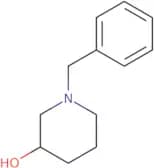
CAS:Please enquire for more information about 5-[3-(Dimethylamino)propyl]-10,11-dihydro-5H-dibenzo[a,d]cyclohepten-5-ol including the price, delivery time and more detailed product information at the technical inquiry form on this pageFórmula:C20H25NOPureza:Min. 95%Cor e Forma:Beige SolidPeso molecular:295.42 g/mol1-Benzyl-3-piperidinol
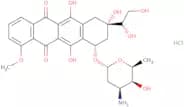
CAS:1-Benzyl-3-piperidinol is a synthetic chemical that has been used as a long-acting calcium antagonist. It is synthesized by the reaction of 1,2-dibromoethane with piperidine and benzaldehyde in the presence of an acid catalyst. The reaction yield is high, and impurities are low. This drug substance is soluble in organic solvents, such as chloroform, ethyl acetate, and ether. The synthesis process uses chiral catalysts to produce the desired enantiomeric form of the drug substance. The use of immobilized catalysts improves the conversion rate, kinetic parameters, and reaction yield of this process.Fórmula:C12H17NOPureza:Min. 95%Cor e Forma:PowderPeso molecular:191.27 g/molDoxorubicinol hydrochloride - Mixture of Diasteromers
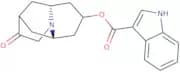
CAS:Please enquire for more information about Doxorubicinol hydrochloride - Mixture of Diasteromers including the price, delivery time and more detailed product information at the technical inquiry form on this pageFórmula:C27H32ClNO11Pureza:Min. 95%Peso molecular:582 g/molOctahydro-3-oxo-2,6-methano-2H-quinolizin-8-yl ester
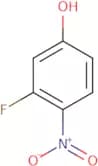
CAS:Dolasetron mesylate is a mesylate of the biologically active form of dolasetron, which is an octahydro-3-oxo-2,6-methano-2H-quinolizin-8-yl ester. Dolasetron has been shown to be effective in the treatment of nausea and vomiting caused by cytotoxic chemotherapy or radiation therapy. It has been approved for use in adults with cancer who have not responded to other treatments. Dolasetron is rapidly absorbed from the gastrointestinal tract and is then distributed throughout the body, including into the brain. The elimination half life of dolasetron mesylate is about 2 hours and it binds to plasma proteins. Dolasetron mesylate specifically binds to serotonin receptors, which are found on cells in the gut. This binding inhibits serotonin induced contraction of bowel smooth muscle cells.Fórmula:C19H20N2O3Pureza:Min. 95%Cor e Forma:White To Off-White To Grey SolidPeso molecular:324.37 g/mol3-Fluoro-4-nitrophenol
CAS:3-Fluoro-4-nitrophenol is an organic solvent that is used in the synthesis of a number of organic and inorganic compounds, including diazonium salts. 3-Fluoro-4-nitrophenol can be reacted with organometallic reagents to form tetraphenylmethane derivatives. It has been shown to have potential use as a precursor for the synthesis of a number of pharmaceuticals, such as regorafenib, which is an antiangiogenic drug. 3-Fluoro-4-nitrophenol reacts with chloride ions to form coelomic acid (3-fluoroaniline) and other organic acids. Reaction with magnesium and aluminium produces silicon nitride.Fórmula:C6H4FNO3Pureza:Min. 95%Peso molecular:157.1 g/mol4-[2-(Cyclopropylmethoxy)ethyl]phenol
CAS:4-[2-(Cyclopropylmethoxy)ethyl]phenol is a potent beta-blocker that has been used as an antiglaucoma drug. This substance has been shown to have cardiovascular effects, such as vasodilation and peripheral vasoconstriction, that are mediated by its blockade of beta-adrenergic receptors. 4-[2-(Cyclopropylmethoxy)ethyl]phenol also reduces intraocular pressure in the eye, which may be due to its inhibition of prostaglandin synthesis.
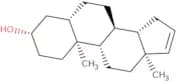
Fórmula:C12H16O2Pureza:Min. 95%Peso molecular:192.25 g/molAndrost-16-en-3-ol
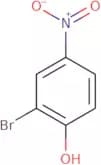
CAS:Produto ControladoAndrost-16-en-3-ol is a pheromone that is produced by male pigs and has been shown to be a potent stimulant of female pigs. It is also an anti-cancer agent that can inhibit the growth of human cancer cells in culture. Androst-16-en-3-ol has been shown to have high cytotoxicity against human testicular, prostate, breast, and colon cancer cells with IC50 values ranging from 0.1 to 2 microM. This chemical was also found to be a potent inhibitor of protein synthesis in all four cell lines tested. Androstenone can act as a chemical conjugate with sulphates or other molecules, which can be detected by gas chromatography/mass spectrometry (GC/MS) or liquid chromatography/mass spectrometry (LC/MS).Fórmula:C19H30OPureza:Min. 95%Cor e Forma:SolidPeso molecular:274.44 g/mol2-Bromo-4-nitrophenol
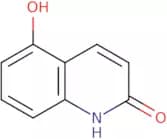
CAS:2-Bromo-4-nitrophenol is a byproduct of the reaction between hydrogen peroxide and sodium bromate. It can be detected in the presence of hydrochloric acid, which reacts with 2-bromo-4-nitrophenol to form an orange color that can be detected spectrophotometrically. 2-Bromo-4-nitrophenol has been shown to inhibit the growth of various strains of bacteria, including Escherichia coli, Bacillus subtilis, and Pseudomonas aeruginosa. This compound binds to flavin adenine dinucleotide (FAD) as well as other nucleophilic cofactors such as thioredoxin reductase. The binding affinity is increased when carbon sources are present. This property makes it a useful inhibitor for catalytic reduction reactions in biotechnology and synthetic chemistry applications.br>br> 2B4NP is a byFórmula:C6H4BrNO3Pureza:Min. 95%Cor e Forma:PowderPeso molecular:218 g/mol5-Hydroxyquinolin-2(1H)-one
CAS:5-Hydroxyquinolin-2(1H)-one is a chalcone that can be synthesized from 2,5-dihydroxybenzaldehyde and quinoline. It is a bacteriostatic agent that inhibits bacterial growth by binding to the 50S ribosomal subunit, blocking the formation of an antibiotic-substrate complex with the enzyme cell wall synthesis that is required for cell wall biosynthesis, inhibiting protein synthesis and cell division. 5-Hydroxyquinolin-2(1H)-one has shown activity against methicillin resistant Staphylococcus aureus (MRSA) and methicillin resistant Enterococcus faecium. 5-Hydroxyquinolin-2(1H)-one also represses the expression of DNA topoisomerase II genes, which may be associated with its inhibitory effects on bacterial growth.
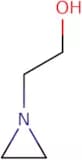
Fórmula:C9H7NO2Pureza:Min. 95%Peso molecular:161.16 g/mol1-Aziridineethanol
CAS:1-Aziridineethanol is a chemical used in research to study the effects of radiation on cells. It has been shown that the presence of 1-aziridineethanol in cells increases their sensitivity to radiation. In addition, this compound can be used as a chelate ligand for potassium ions. This product is also hydrophilic, allowing it to be dissolved in water and other polar solvents. Moreover, this chemical contains one hydroxy group and can undergo dehydration reactions with acids such as hydrochloric acid. The patterning of this product is determined by the presence of hydroxyl groups, which are reactive with hydrogen bond formation. 1-Aziridineethanol is also able to react with aromatic hydrocarbons and proteins due to its nucleophilic property. This product can undergo a number of chemical reactions, including the formation of azo bonds with azides and amines, as well as epoxidation reactions with peroxyacids such as m-Fórmula:C4H9NOPureza:Min. 95%Peso molecular:87.12 g/mol2-(2-Methyl-4-nitro-1H-imidazol-1-yl)ethanol
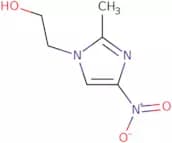
CAS:Please enquire for more information about 2-(2-Methyl-4-nitro-1H-imidazol-1-yl)ethanol including the price, delivery time and more detailed product information at the technical inquiry form on this page
Fórmula:C6H9N3O3Pureza:Min. 95%Peso molecular:171.15 g/mol2-Chloro-5-iodophenol
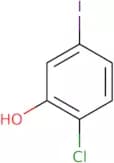
CAS:Please enquire for more information about 2-Chloro-5-iodophenol including the price, delivery time and more detailed product information at the technical inquiry form on this page
Fórmula:C6H4ClIOPureza:Min. 95%Peso molecular:254.45 g/molKushenol Q
CAS:Kushenol Q is a flavonoid compound, which is derived from the roots of Sophora flavescens, a traditional medicinal plant. This compound exhibits a multifaceted mode of action characterized by its ability to modulate various cellular pathways. Kushenol Q interacts with specific signaling proteins and enzymes, thereby influencing cell proliferation, apoptosis, and inflammatory responses. Notably, its interaction at the molecular level can result in the inhibition of cancer cell growth and the reduction of inflammation.Pureza:Min. 95%(3b,5a,17a)-19-Norpregnane-3,17-diol
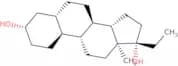
CAS:Produto ControladoPlease enquire for more information about (3b,5a,17a)-19-Norpregnane-3,17-diol including the price, delivery time and more detailed product information at the technical inquiry form on this pageFórmula:C20H34O2Pureza:Min. 95%Peso molecular:306.48 g/mol4-Aminophenyl methylcarbinol
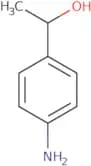
CAS:4-Aminophenyl methylcarbinol is a chemical compound that is used as an additive in the production of polyurethane. It accelerates the reaction between isocyanate and polyol, which enhances the rate of polymerization. 4-Aminophenyl methylcarbinol has been shown to increase the yield by about 30% when it was added to a reaction mixture. The activation energies for this reaction were found to be 29.6 kJ/mol for the nitro group and 29.8 kJ/mol for the carbonyl group. This chemical compound also has functional groups that are capable of forming hydrogen bonds with other molecules, which may help to bind them together during polymerization reactions.Pureza:Min. 95%2-Methyl-2-propyl-1,3-propanediol
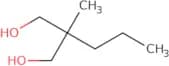
CAS:Propanediol is a chemical compound that is a diol, or a molecule containing two hydroxyl groups. The propanediol molecule contains two alcohol functional groups. It is an organic solvent with a sweet odor and a slightly viscous consistency. Propanediol can be found in cosmetics, pharmaceuticals, and food products as an inactive ingredient and solute. Propanediol has been shown to have anti-allergic properties in experimental studies. This drug also has the ability to modify the properties of other compounds that are mixed with it, such as glycol esters, which are used in pharmaceuticals and cosmetics. 2-Methyl-2-propyl-1,3-propanediol is soluble in water and readily dissolves in most organic solvents at room temperature. It has been shown to be reactive with oxalyl chloride, forming 2-(2-methylpropyl)oxirane chloride: CH3(CHOH)CH(Fórmula:C7H16O2Pureza:Min. 95%Peso molecular:132.2 g/mol(16b,17a)-Estra-1,3,5(10)-triene-3,16,17-triol
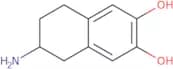
CAS:Produto Controlado(16b,17a)-Estra-1,3,5(10)-triene-3,16,17-triol is a molecule that belongs to the group of estrogens. Its structure is similar to 17β-estradiol and it has been shown to have inhibitory properties against bacterial growth. This compound has been found in human breast tissue and urine samples. 16b,17a)-Estra-1,3,5(10)-triene-3,16,17-triol has been shown to be active against colistin resistant bacteria. (16b,17a)-Estra-1,3,5(10)-triene-3,16,17-triol is also active against methicillin resistant staphylococcus aureus isolates. The optimum pH for this compound is 4.8 and it can be used for diagnostic purposes as it stains cells with a blue color in Gram's stain test.Fórmula:C18H24O3Pureza:Min. 95%Peso molecular:288.38 g/mol6-Amino-5,6,7,8-tetrahydronaphthalene-2,3-diol
CAS:Produto Controlado6-Amino-5,6,7,8-tetrahydronaphthalene-2,3-diol is a potent dopamine D2 receptor antagonist. It has been shown to inhibit the light emission of dopamine in vitro. This compound also has a high affinity for 5-HT receptors and has been shown to be a potent agonist at these sites. 6-Amino-5,6,7,8-tetrahydronaphthalene-2,3-diol has been found to induce pluripotent stem cells from human fibroblasts. These cells can differentiate into virtually any cell type in the body and may be used to study diseases such as Parkinson's disease and cancer.Fórmula:C10H13NO2Pureza:Min. 95%Peso molecular:179.22 g/mol[5-(Trifluoromethyl)-1,2-Oxazol-3-Yl]Methanol
CAS:Please enquire for more information about [5-(Trifluoromethyl)-1,2-Oxazol-3-Yl]Methanol including the price, delivery time and more detailed product information at the technical inquiry form on this pageFórmula:C5H4F3NO2Pureza:Min. 95%Peso molecular:167.09 g/molResorcinol
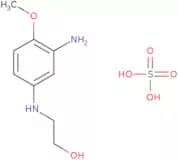
CAS:A phenolic compoundFórmula:C6H6O2Pureza:Min. 98 Area-%Cor e Forma:PowderPeso molecular:110.11 g/mol2-((3-Amino-4-methoxyphenyl)amino)ethanol sulfate
CAS:2-((3-Amino-4-methoxyphenyl)amino)ethanol sulfate is a potent antibacterial agent that inhibits the growth of bacteria by binding to the 50S ribosomal subunit. It is also used in dermatology, as an aminophenol, and as an ingredient in cosmetics. 2-((3-Amino-4-methoxyphenyl)amino)ethanol sulfate has been shown to be efficacious against bacterial infections caused by methicillin resistant Staphylococcus aureus (MRSA), Pseudomonas aeruginosa, Proteus mirabilis, and Klebsiella pneumoniae. This compound also has antihistamine properties.Fórmula:C9H16N2O6SPureza:Min. 95%Peso molecular:280.3 g/mol3,3,3-Trifluoro-1-propanol
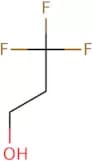
CAS:3,3,3-Trifluoro-1-propanol is a chemical that is used in pharmaceutical dosage formulations. It has a relatively low toxicity and is not readily absorbed through the skin. 3,3,3-Trifluoro-1-propanol has been shown to be an effective inhibitor of fatty acid oxidation and protein synthesis. The structure of this compound consists of three carbon atoms connected by single bonds to one hydrogen atom each and one fluorine atom. This molecule also contains a hydroxyl group at one end and two nitrogen atoms at the other end. These nitrogen atoms are stabilized by intramolecular hydrogen bonds with the hydrogen atoms on the hydroxyl group. 3,3,3-Trifluoro-1-propanol can be used as a cationic polymerization catalyst for perfluoroalkyls and aromatic hydrocarbons.
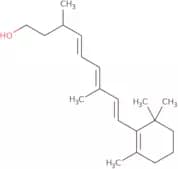
Fórmula:C3H5F3OPureza:Min. 95%Peso molecular:114.07 g/molall-trans-13,14-Dihydro retinol
CAS:Retinol is a form of vitamin A that is used for the treatment of insulin resistance. It can be synthesized by the body from all-trans-retinol, which is found in many animal and plant sources. Retinol can also be obtained from supplements, although it is poorly absorbed by the body. Retinol has been shown to improve insulin sensitivity in a cell culture model system, as well as in wild-type mice with diabetes mellitus. This drug has been shown to have strong anti-inflammatory effects and may also be useful for the treatment of hepatic steatosis. Retinol binds competitively to cellular retinoic acid receptors, leading to transcriptional activation of target genes, such as those involved in fatty acid metabolism.Fórmula:C20H32OPureza:Min. 95 Area-%Cor e Forma:Clear Viscous LiquidPeso molecular:288.47 g/mol5-Nitrosoquinolin-8-ol
CAS:5-Nitrosoquinolin-8-ol is a chemical inhibitor that can be used in the study of enzyme function. It reacts with the active site of the enzymes and prevents them from carrying out their normal functions. 5-Nitrosoquinolin-8-ol has been shown to inhibit the growth of cancer cells and to have antiinflammatory properties. 5-Nitrosoquinolin-8-ol has been shown to bind to sephadex G-100 and potassium dichromate, which are both types of ion exchangers. The redox potential for this compound is -0.84 V. This means it will not react easily with other compounds, which makes it a good candidate for use as an inhibitor in biochemical studies. The nitrogen atoms in this compound are reactive, which means they can form covalent bonds with other molecules in a reaction called nitrosation. Structural biology is a branch of science that deals with studying the three dimensional structure of biological macFórmula:C9H6N2O2Pureza:Min. 95%Cor e Forma:Yellow To Green SolidPeso molecular:174.16 g/mol3-Caffeoyl-1,5-quinolactone(3-Caffeoyl-gamma-quinide)
CAS:3-Caffeoyl-1,5-quinolactone (3-Caffeoyl-gamma-quinide) is a coffee-derived compound, identified as a phytochemical present in roasted coffee beans. It is primarily formed during the roasting process through the complex transformation of caffeoylquinic acids, which are abundant in green coffee beans. This compound is gaining attention for its notable biological properties, particularly its antioxidant and enzyme inhibitory activities.
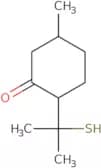
Fórmula:C16H16O8Pureza:Min. 95%Cor e Forma:PowderPeso molecular:336.29 g/molp-Mentha-8-thiol-3-one
CAS:p-Mentha-8-thiol-3-one is a stabilizer that can be used in the synthesis of agathosma and other terpenes. It is also used as a mass spectrometric standard for the identification of stereoisomers. p-Mentha-8-thiol-3-one has been shown to have antibacterial effects against gram positive bacteria, including methicillin resistant Staphylococcus aureus (MRSA). This compound can be used in vitro to study the interactions between cytochrome P450 enzymes, lipid matrix and terpene compounds. In addition, it has been shown to work as a gas sensor, where it reacts with sodium sulfide to produce hydrogen sulfide gas.
Fórmula:C10H18OSPureza:Min. 95%Cor e Forma:Clear LiquidPeso molecular:186.32 g/mol
![[1-(2-Chlorobenzyl)-1H-benzimidazol-2-yl]methanol](/_next/image/?url=https%3A%2Fstatic.cymitquimica.com%2Fproducts%2F3D%2Fthumb-webp%2FFC135810.webp&w=3840&q=75)



![5-[3-(Dimethylamino)propyl]-10,11-dihydro-5H-dibenzo[a,d]cyclohepten-5-ol](/_next/image/?url=https%3A%2Fstatic.cymitquimica.com%2Fproducts%2F3D%2Fthumb-webp%2FFD22331.webp&w=3840&q=75)
![4-[2-(Cyclopropylmethoxy)ethyl]phenol](/_next/image/?url=https%3A%2Fstatic.cymitquimica.com%2Fproducts%2F3D%2Fthumb-webp%2FFC20740.webp&w=3840&q=75)

![[5-(Trifluoromethyl)-1,2-Oxazol-3-Yl]Methanol](/_next/image/?url=https%3A%2Fstatic.cymitquimica.com%2Fproducts%2F3D%2Fthumb-webp%2FFT89239.webp&w=3840&q=75)