Álcoois
Subcategorias de "Álcoois"
Foram encontrados 5818 produtos de "Álcoois"
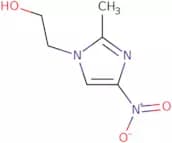
2-(2-Methyl-4-nitro-1H-imidazol-1-yl)ethanol
CAS:Please enquire for more information about 2-(2-Methyl-4-nitro-1H-imidazol-1-yl)ethanol including the price, delivery time and more detailed product information at the technical inquiry form on this page
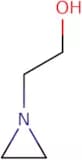
Fórmula:C6H9N3O3Pureza:Min. 95%Peso molecular:171.15 g/mol1-Aziridineethanol
CAS:1-Aziridineethanol is a chemical used in research to study the effects of radiation on cells. It has been shown that the presence of 1-aziridineethanol in cells increases their sensitivity to radiation. In addition, this compound can be used as a chelate ligand for potassium ions. This product is also hydrophilic, allowing it to be dissolved in water and other polar solvents. Moreover, this chemical contains one hydroxy group and can undergo dehydration reactions with acids such as hydrochloric acid. The patterning of this product is determined by the presence of hydroxyl groups, which are reactive with hydrogen bond formation. 1-Aziridineethanol is also able to react with aromatic hydrocarbons and proteins due to its nucleophilic property. This product can undergo a number of chemical reactions, including the formation of azo bonds with azides and amines, as well as epoxidation reactions with peroxyacids such as m-Fórmula:C4H9NOPureza:Min. 95%Peso molecular:87.12 g/mol1-Boc-4-piperidinol
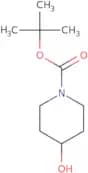
CAS:1-Boc-4-piperidinol is an inhibitor of serine proteases. It also has potent inhibitory activity against 5-HT2A receptors and inhibits the growth of cancer cells. 1-Boc-4-piperidinol is a molecule that contains a hydroxy group and a serine protease inhibitor. It reacts with hydrochloric acid to form 1-boc piperazine, which is then reacted with hydrogen chloride to form the final product. The pharmacokinetic properties of this drug are not known due to the lack of oral bioavailability in rats. However, it does show slow absorption by inhalation and subcutaneous administration, suggesting that it may be absorbed through these routes as well.Fórmula:C10H19NO3Pureza:Min. 95%Cor e Forma:Off-White PowderPeso molecular:201.26 g/mol2-[(4-Phenylpiperazin-1-yl)carbonyl]phenol
CAS:Produto ControladoPlease enquire for more information about 2-[(4-Phenylpiperazin-1-yl)carbonyl]phenol including the price, delivery time and more detailed product information at the technical inquiry form on this pageFórmula:C17H18N2O2Pureza:Min. 95%Peso molecular:282.34 g/molErgosta-5,24(28)-diene-3,7,16-triol
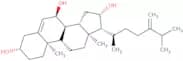
CAS:Produto ControladoPlease enquire for more information about Ergosta-5,24(28)-diene-3,7,16-triol including the price, delivery time and more detailed product information at the technical inquiry form on this pageFórmula:C28H46O3Pureza:Min. 95%Peso molecular:430.66 g/mol2-Bromo-4-nitrophenol
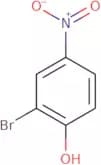
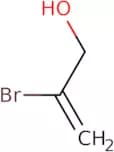
CAS:2-Bromo-4-nitrophenol is a byproduct of the reaction between hydrogen peroxide and sodium bromate. It can be detected in the presence of hydrochloric acid, which reacts with 2-bromo-4-nitrophenol to form an orange color that can be detected spectrophotometrically. 2-Bromo-4-nitrophenol has been shown to inhibit the growth of various strains of bacteria, including Escherichia coli, Bacillus subtilis, and Pseudomonas aeruginosa. This compound binds to flavin adenine dinucleotide (FAD) as well as other nucleophilic cofactors such as thioredoxin reductase. The binding affinity is increased when carbon sources are present. This property makes it a useful inhibitor for catalytic reduction reactions in biotechnology and synthetic chemistry applications.br>br> 2B4NP is a byFórmula:C6H4BrNO3Pureza:Min. 95%Cor e Forma:PowderPeso molecular:218 g/mol2-Bromoallyl alcohol
CAS:2-Bromoallyl alcohol is a halogenated aromatic hydrocarbon that is an analyte in the chemical analysis of soil. It is also used as a reagent for the debromination of 2-bromopropane and as a dehalogenating agent for the removal of bromine from organic compounds. 2-Bromoallyl alcohol can be distilled at high temperatures, but it will volatilize if heated to 80°C or higher. It has been reported that 2-bromoallyl alcohol was found to be present in all replicates analyzed. The recovery of this compound ranged from 83% to 114%. 2-Bromoallyl alcohol is used as a reagent in organic synthesis, such as in palladium catalyzed couplings with boronic acids and esters. This compound may also be used to synthesize N-(2-hydroxyethyl)hydroxylamines by reacting with sodium hydroxideFórmula:C3H5BrOPureza:Min. 95%Peso molecular:136.98 g/mol(5-Methoxy-1-methyl-1H-benzimidazol-2-yl)methanol
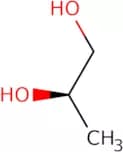
CAS:Produto ControladoPlease enquire for more information about (5-Methoxy-1-methyl-1H-benzimidazol-2-yl)methanol including the price, delivery time and more detailed product information at the technical inquiry form on this pageFórmula:C10H12N2O2Pureza:Min. 95%Peso molecular:192.21 g/molR-(-)-1,2-Propanediol
CAS:R-(-)-1,2-Propanediol is a diol that is used as an additive in pharmaceutical preparations. It has been shown to inhibit the growth of several genera of bacteria and fungi, including Actinomyces, Bacillus, Clostridium, Corynebacterium, Enterobacteriaceae (Escherichia coli), Lactobacillus, Micrococcus, Mycobacteria (M. tuberculosis), Nocardia, Pseudomonas aeruginosa. R-(-)-1,2-Propanediol also inhibits the production of carbon source from glucose by inhibiting the enzyme pyruvate dehydrogenase which catalyzes the conversion of pyruvate to acetyl coenzyme A. R-(-)-1,2-Propanediol does not show any significant effect on bacterial growth when it is used at concentrations below 100mM. It has been shown that optimal reaction with R-(-)-
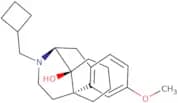
Fórmula:C3H8O2Pureza:Min. 98 Area-%Cor e Forma:Colorless Clear LiquidPeso molecular:76.09 g/mol(-)-3-Methoxy butorphanol
CAS:Produto ControladoPlease enquire for more information about (-)-3-Methoxy butorphanol including the price, delivery time and more detailed product information at the technical inquiry form on this pageFórmula:C22H31NO2Pureza:Min. 95%Peso molecular:341.49 g/molrac-3-hexadecanamido-2-methoxypropan-1-ol phosphocholine monohydrate
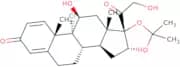
CAS:Please enquire for more information about rac-3-hexadecanamido-2-methoxypropan-1-ol phosphocholine monohydrate including the price, delivery time and more detailed product information at the technical inquiry form on this pageFórmula:C25H55N2O7PPureza:Min. 95%Peso molecular:526.69 g/mol9-Chloro triamcinolone acetonide
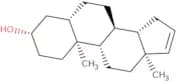
CAS:Please enquire for more information about 9-Chloro triamcinolone acetonide including the price, delivery time and more detailed product information at the technical inquiry form on this pageFórmula:C24H31ClO6Pureza:Min. 95%Peso molecular:450.95 g/molAndrost-16-en-3-ol
CAS:Produto ControladoAndrost-16-en-3-ol is a pheromone that is produced by male pigs and has been shown to be a potent stimulant of female pigs. It is also an anti-cancer agent that can inhibit the growth of human cancer cells in culture. Androst-16-en-3-ol has been shown to have high cytotoxicity against human testicular, prostate, breast, and colon cancer cells with IC50 values ranging from 0.1 to 2 microM. This chemical was also found to be a potent inhibitor of protein synthesis in all four cell lines tested. Androstenone can act as a chemical conjugate with sulphates or other molecules, which can be detected by gas chromatography/mass spectrometry (GC/MS) or liquid chromatography/mass spectrometry (LC/MS).Fórmula:C19H30OPureza:Min. 95%Cor e Forma:SolidPeso molecular:274.44 g/mol(R)-2-Methylbutanol
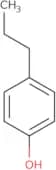
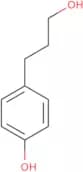
CAS:(R)-2-Methylbutanol is a volatile pheromone that is produced by both sexes of the avocado tree. It is emitted from the flowers, fruits, and leaves of the plant as well as from wounds on the bark and branches. (R)-2-Methylbutanol has also been identified in other plants such as pine trees. This compound is synthesized in organisms through a cross-coupling reaction and an acetylation reaction. The acetylation reaction involves the addition of an acetyl group to an organic molecule, which may be accomplished using a host plant or synthetic reagents. The cross-coupling reaction involves two molecules that are coupled together by a metal catalyst such as palladium or nickel. In this process, one molecule donates a pair of electrons to another molecule, which accepts them and becomes reduced. This compound has been found to be important for microhabitat selection in some insects because it plays a role in pheromFórmula:C5H12OPureza:Min. 95%Peso molecular:88.15 g/mol3-(4-Hydroxyphenyl)-1-propanol
CAS:Produces a fluorogenic signal in the presence of peroxidase
Fórmula:C9H12O2Pureza:Min. 95%Peso molecular:152.19 g/mol2-Butanol
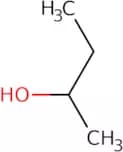
CAS:Produto Controlado2-Butanol is a colorless liquid that has inhibitory properties against the enzyme activities of hydroxylase, acetaldehyde dehydrogenase, and alpha-ketoglutarate decarboxylase. 2-Butanol is used as an active antiretroviral therapy for HIV patients. It also acts as a solid catalyst in the hydrogenation of carboxylic acids. The reactivity of 2-butanol is due to its ability to form stable complexes with enzymes by hydrogen bonding interactions. This chemical can be used in kinetic studies and analytical methods, such as gas chromatography and mass spectrometry, which are used to identify the structure of the enzyme complex and analyze the reaction mechanism.
Fórmula:C4H10OPureza:Min. 95%Cor e Forma:Clear LiquidPeso molecular:74.12 g/mol[1-(2-Chlorobenzyl)-1H-benzimidazol-2-yl]methanol
CAS:Produto ControladoPlease enquire for more information about [1-(2-Chlorobenzyl)-1H-benzimidazol-2-yl]methanol including the price, delivery time and more detailed product information at the technical inquiry form on this pageFórmula:C15H13ClN2OPureza:Min. 95%Peso molecular:272.73 g/mol5-Chloropentanol
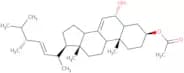
CAS:5-Chloropentanol is a reactive compound that can be used as an epidermal growth factor. It has been shown to have potentiating effects on the production of epidermal growth factor in a biological sample. 5-Chloropentanol has also been shown to increase the rate of cell proliferation, which could be due to its ability to generate reactive chloroform in cells. It is not known whether 5-Chloropentanol has any carcinogenic properties.Pureza:Min. 95%3b-Acetoxyergosta-7,22-dien-5a-ol
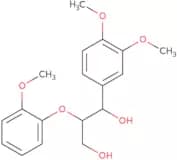
CAS:Produto ControladoPlease enquire for more information about 3b-Acetoxyergosta-7,22-dien-5a-ol including the price, delivery time and more detailed product information at the technical inquiry form on this pageFórmula:C30H48O3Pureza:Min. 95%Peso molecular:456.7 g/mol1-(3,4-Dimethoxyphenyl)-2-(2-methoxyphenoxy)propane-1,3-diol
CAS:1,3-Dimethoxy-2-(2-methoxyphenoxy)propane-1,3-diol (DMMP) is a natural product with antioxidant properties. It has been shown to be a potent inhibitor of the epidermal growth factor receptor (EGFR), and also inhibits the activity of the response elements for EGFR. DMMP is also a potent inhibitor of proliferation in human cancer cells and can inhibit the growth of tumour cells that are resistant to methotrexate. DMMP is a precursor to protocatechuic acid, which has been shown to have anti-herpes virus effects. DMMP has been shown to decrease the rate of second order reactions through its ability to react with carbonyl groups on proteins. This reaction leads to an increase in stability and decreases the rate of protein degradation by proteases. A mutant strain was found that can produce this compound without any external stimulus, making it ideal for use as an antibiotic against bacterialFórmula:C18H22O6Pureza:Min. 95 Area-%Cor e Forma:PowderPeso molecular:334.36 g/molbeta-Alaninol 2-chlorotrityl resin
Please enquire for more information about beta-Alaninol 2-chlorotrityl resin including the price, delivery time and more detailed product information at the technical inquiry form on this pagePureza:Min. 95%3-O-Acetyl 5,14-androstadiene-3b,17b-diol
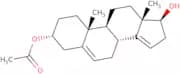
CAS:Produto ControladoPlease enquire for more information about 3-O-Acetyl 5,14-androstadiene-3b,17b-diol including the price, delivery time and more detailed product information at the technical inquiry form on this pageFórmula:C21H30O3Pureza:Min. 95%Peso molecular:330.46 g/molEstra-1,3,5(10),6-tetraene-3,17-diol
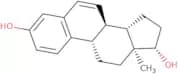
CAS:Produto ControladoEstra-1,3,5(10),6-tetraene-3,17-diol is a sulfonated derivative of estradiol. It is used as a ligand in binding assays to measure the affinity of various compounds for estrogens. Estra-1,3,5(10),6-tetraene-3,17-diol binds with high affinity to 17β-estradiol and other estrogens at the estrogen receptor. The binding of estradiol and its derivatives to the receptor leads to a conformational change that causes dissociation of heat shock proteins from the receptor. This results in an increase in transcriptional activity of the receptor and increased synthesis of mRNA.
Fórmula:C18H22O2Pureza:Min. 95%Peso molecular:270.37 g/molAzacyclonol
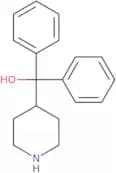
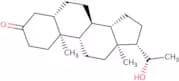
CAS:Produto ControladoAzacyclonol is a cytotoxic drug that prevents the proliferation of cancer cells, by inhibiting DNA synthesis. This drug has shown to be effective in treating bowel diseases, and is also used as a pharmacological agent for the treatment of infectious diseases. Azacyclonol has been shown to inhibit the growth of bacteria such as Mycobacterium tuberculosis, Listeria monocytogenes, and Haemophilus influenzae. It is also used to treat infections caused by HIV. The mechanism of action for azacyclonol is unknown; however, it may be due to its ability to bind with cell factor or stem cell factor.Fórmula:C18H21NOPureza:Min. 95%Peso molecular:267.37 g/mol5alpha-Pregnan-20beta-Ol-3-one
CAS:Produto ControladoPlease enquire for more information about 5alpha-Pregnan-20beta-Ol-3-one including the price, delivery time and more detailed product information at the technical inquiry form on this page
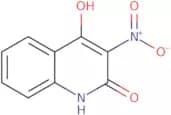
Pureza:Min. 95%4-Hydroxy-3-nitro-2(1H)-quinolinone
CAS:4-Hydroxy-3-nitro-2(1H)-quinolinone is a quinoline derivative that has been shown to have anticancer activity against cancer cells. It can be used for the treatment of various types of cancer, including lung cancer, breast cancer, and colon cancer. This drug inhibits the growth of cancer cells by blocking the cycle at the G1 phase and inducing apoptosis. It also disrupts mitochondrial membrane potential, leading to an increase in reactive oxygen species and DNA damage. 4-Hydroxy-3-nitro-2(1H)-quinolinone is an epidermal growth factor receptor (EGFR) antagonist and blocks epidermal growth factor signaling through its inhibition of EGFR tyrosine kinase activity. It also downregulates TNFα expression in tumor cells by inhibiting NFκB activation.
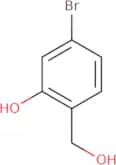
Fórmula:C9H6N2O4Pureza:Min. 95%Peso molecular:206.16 g/mol5-Bromo-2-(hydroxymethyl)phenol
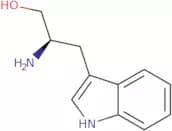
CAS:5-Bromo-2-(hydroxymethyl)phenol (5-BHP) is a synthetic small molecule that activates the death receptor CD95. It has been shown to induce tumor regression in experimental models of cancer. 5-BHP can be used as a cancer therapeutic or for the treatment of inflammatory conditions such as rheumatoid arthritis and psoriasis. 5-BHP binds to the death protein pd-l1, which initiates downstream signaling pathways that lead to activation of caspases and apoptosis. This agent also interacts with programmed death ligand 1 (PD-L1), which is expressed on activated T cells and may be involved in antitumor responses. These interactions are being investigated for their potential use in drug development, including optimization and biochemical techniques to characterize the binding affinity of 5-BHP with PD-L1.Fórmula:C7H7BrO2Pureza:Min. 95%Peso molecular:203.03 g/molD-Tryptophanol
CAS:Produto ControladoD-Tryptophanol is a synthetic, enantiopure, hydroxymethylated tryptamine. It is a maltobionic molecule and it can be prepared by the hydrolysis of L-tryptophan with sodium hydroxide in water. D-Tryptophanol can also be synthesized from 3,4-diaminopyridine in the presence of a base and catalytic amount of copper(II) chloride. The chemical stability of D-tryptophanol has been studied using HPLC methods. Molecular modeling studies have shown that the compound forms hydrogen bonds with its neighboring molecules and has a high affinity for binding to human liver cells. D-Tryptophanol has been found to inhibit cancer cell growth at nanomolar concentrations, making it an attractive candidate for chemotherapeutic drugs. Calixarenes are used as chiral synthons to produce racemic mixtures of D-tryptophanol that could be
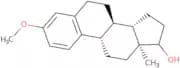
Fórmula:C11H14N2OPureza:Min. 95%Peso molecular:190.24 g/mol3-Methylether-estradiol
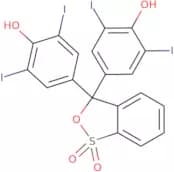
CAS:Produto Controlado3-Methylether-estradiol is a naturally occurring estrogen that is found in humans and other mammals. It binds to estrogen receptors on the plasma membrane, which stimulates cell growth, protein synthesis, and modulates the immune system. 3-Methylether-estradiol has been shown to inhibit taurocholic acid induced hypertension in rats by blocking the conversion of angiotensin I to angiotensin II. In addition, this compound has been shown to have anti-inflammatory properties and can be used as an antihypertensive agent. 3-Methylether-estradiol has also been shown to increase blood pressure in pregnant rats when given at bolus doses. This drug should not be prescribed for use during pregnancy because it can cause fetal death.Fórmula:C19H26O2Pureza:Min. 95%Peso molecular:286.41 g/molIodophenol blue
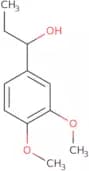
CAS:Iodophenol blue is a dye that has been used in biological research. It is used to stain DNA samples, as it binds to phosphoenolpyruvate (PEP) and sodium carbonate. Iodophenol blue can be used to differentiate tumor cells from the surrounding tissue in biopsy samples. The dye also interacts with amines, resulting in the release of bromophenols and cleavage products. Iodophenol blue can be used as a visual indicator for chemical reactions.Fórmula:C19H10I4O5SPureza:Min. 80 Area-%Cor e Forma:PowderPeso molecular:857.96 g/mol1-(3',4'-Dimethoxyphenyl)-1-propanol
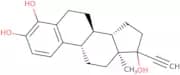
CAS:1-(3’,4’-Dimethoxyphenyl)-1-propanol is a naturally occurring chemical with the molecular formula C10H14O2. It has been found in the bark of Pinus pinaster and the rhizome of Piper auritum. This compound has been shown to have an antiinflammatory effect by inhibiting prostaglandin synthesis. It also inhibits nitrosation reactions and is being studied for its potential as a cancer chemopreventive agent. 1-(3’,4’-Dimethoxyphenyl)-1-propanol is an enantiomer of 2-(3',4'-dimethoxyphenyl)propane-1,3-diol.Fórmula:C11H16O3Pureza:Min. 95%Peso molecular:196.24 g/mol4-Hydroxy ethynyl estradiol
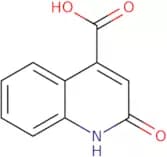
CAS:4-Hydroxy ethynyl estradiol is a synthetic estrogen that is used in the treatment of hormone-dependent cancers, such as breast cancer. It has been shown to induce cellular proliferation and promote tumor growth by binding to estrogen receptors and inhibiting the synthesis of proteins in cells. 4-Hydroxy ethynyl estradiol may be carcinogenic due to its ability to form covalent adducts with DNA, which causes mutations that may lead to cancer. The drug also damages protein targets, including enzymes responsible for regulating cell division or protecting against oxidative stress.Fórmula:C20H24O3Pureza:Min. 95%Peso molecular:312.4 g/mol2-Hydroxyquinoline-4-carboxylic acid
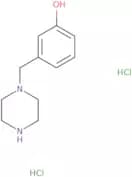
CAS:2-Hydroxyquinoline-4-carboxylic acid is a carboxylate that is structurally classified as a multidrug. It has been shown to inhibit bacterial efflux pumps and target enzymes, such as cancer cells and multidrug resistant bacteria. 2-Hydroxyquinoline-4-carboxylic acid also has potent antibacterial activity against Streptococcus faecalis, an opportunistic pathogen that causes infections in the urinary tract and on skin wounds. The fluorescence properties of this compound can be used for fluorescent labeling of biomolecules or for sensing applications.Fórmula:C10H7NO3Pureza:Min. 95%Cor e Forma:PowderPeso molecular:189.17 g/mol3-(Piperazin-1-ylmethyl)phenol dihydrochloride
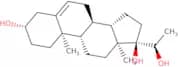
CAS:Produto ControladoPlease enquire for more information about 3-(Piperazin-1-ylmethyl)phenol dihydrochloride including the price, delivery time and more detailed product information at the technical inquiry form on this pageFórmula:C11H16N2OPureza:Min. 95%Peso molecular:192.26 g/mol(3b,20R)-Pregn-5-ene-3,17,20-triol
CAS:Produto ControladoPlease enquire for more information about (3b,20R)-Pregn-5-ene-3,17,20-triol including the price, delivery time and more detailed product information at the technical inquiry form on this page
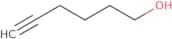
Fórmula:C21H34O3Pureza:Min. 95%Peso molecular:334.49 g/mol5-Hexyn-1-ol
CAS:5-Hexyn-1-ol is a molecule that belongs to the group of organic compounds called fatty acids. It is a colorless liquid with an odor reminiscent of that of hexane. 5-Hexyn-1-ol has been shown to inhibit the proliferation of brain cells and tumor cells in culture. It also inhibits the growth of caco-2 cell lines, which are used as a model for human intestinal epithelial cells. The hydroxyl group in 5-hexyn-1-ol reacts with nitrogen nucleophiles such as picolinic acid and palladium chloride to form an intermediate compound, which can then be transformed into the desired product by addition of a second reactant.Fórmula:C6H10OPureza:Min. 95%Peso molecular:98.14 g/molN-[1-(2,3-Dioleoyloxy)propyl]-n,n,n-trimethylammonium methyl-sulfate
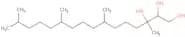
CAS:Dioleoyloxypropyl-N,N,N-trimethylammonium methylsulfate (DOTAP) is an antibacterial agent that disrupts the bacterial membrane. It has been shown to inhibit the uptake of chlamydia by inhibiting the binding of chlamydia to cells and enhancing the detection of chlamydia in cells. DOTAP also has pharmacological properties that are related to its ability to interfere with cellular membranes. DOTAP can be used as a strategy for developing antibacterial agents because it inhibits bacterial growth by disrupting their cellular membranes. This results in a decrease in phosphatidylethanolamine levels, leading to increased cell death.Fórmula:C43H83NO7SPureza:Min. 95%Peso molecular:758.19 g/mol3,7,11,15-Tetramethyl-1,2,3-hexadecane-triol
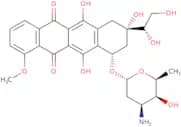
CAS:3,7,11,15-Tetramethyl-1,2,3-hexadecane-triol is a fatty alcohol that is used in detergent compositions. It has been shown to be biocompatible with human skin cells and does not show any carcinogenic potential. 3,7,11,15-Tetramethyl-1,2,3-hexadecane-triol is chemically stable and can be used for sample preparation and light exposure. The particle size of this compound is about 1 micrometer. This substance does not have any toxic effects on skin cells or other cells when it is exposed to light.Fórmula:C20H42O3Pureza:Min. 95%Peso molecular:330.55 g/molDoxorubicinol,mixture of diastereomers
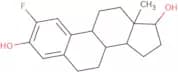
CAS:Doxorubicinol, a mixture of diastereomers, is an anthracycline antibiotic that inhibits the growth of cells by binding to DNA and preventing the production of RNA. Doxorubicinol has been shown to be effective in treating breast cancer and solid tumours, including those resistant to doxorubicin. This drug has also been shown to inhibit the production of matrix metalloproteinases that are involved in tumor invasion and metastasis. The concentration-time curve for doxorubicinol can be determined experimentally by blood sampling and measuring its metabolites. The ryanodine receptor is a calcium channel found on the surface membrane of cardiac muscle cells that regulates intracellular calcium levels. Doxorubicinol may bind to this receptor, which could account for its cardiotoxic effects.Fórmula:C27H31NO11Pureza:(%) Min. 90%Peso molecular:545.54 g/mol2-Fluoroestradiol
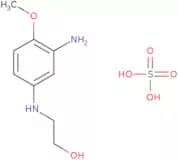
CAS:Produto Controlado2-Fluoroestradiol is a synthetic form of 17β-estradiol that has been shown to inhibit the growth of tumor cells in an experimental model. 2-Fluoroestradiol binds to the estrogen receptor and inhibits the production of proteins needed for cell division, thus causing cancer. This drug has also been shown to inhibit lipoprotein lipase activity in rat liver microsomes, which may be due to its ability to induce chemical reactions. In addition, 2-fluoroestradiol inhibits lipid synthesis in fat cells and decreases lipogenesis in granulosa cells from ovaries. The inhibition of triglyceride synthesis by 2-fluoroestradiol is probably due to its ability to inhibit enzyme induction and increase the expression of mRNA for protein synthesis.Fórmula:C18H23FO2Pureza:Min. 95%Peso molecular:290.37 g/mol2-((3-Amino-4-methoxyphenyl)amino)ethanol sulfate
CAS:2-((3-Amino-4-methoxyphenyl)amino)ethanol sulfate is a potent antibacterial agent that inhibits the growth of bacteria by binding to the 50S ribosomal subunit. It is also used in dermatology, as an aminophenol, and as an ingredient in cosmetics. 2-((3-Amino-4-methoxyphenyl)amino)ethanol sulfate has been shown to be efficacious against bacterial infections caused by methicillin resistant Staphylococcus aureus (MRSA), Pseudomonas aeruginosa, Proteus mirabilis, and Klebsiella pneumoniae. This compound also has antihistamine properties.Fórmula:C9H16N2O6SPureza:Min. 95%Peso molecular:280.3 g/molH-Leucinol-2-chlorotrityl resin
Please enquire for more information about H-Leucinol-2-chlorotrityl resin including the price, delivery time and more detailed product information at the technical inquiry form on this page
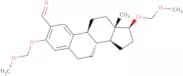
Pureza:Min. 95%Cor e Forma:Light (Or Pale) Yellow To Brown Solid2-Formyl-3,17b-O-bis(methoxymethyl)estradiol
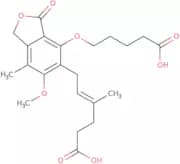
CAS:Produto ControladoPlease enquire for more information about 2-Formyl-3,17b-O-bis(methoxymethyl)estradiol including the price, delivery time and more detailed product information at the technical inquiry form on this pageFórmula:C23H32O5Pureza:Min. 95%Peso molecular:388.5 g/molMycophenolic acid carboxybutoxy ether
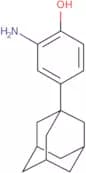
CAS:Mycophenolic acid carboxybutoxy ether is an active form of mycophenolic acid. It has been shown to activate the immune system by increasing the production of lymphokines, including interleukin-2 and gamma-interferon. Mycophenolic acid carboxybutoxy ether has been shown to be effective in vivo in models for autoimmune diseases and cancer. This compound has a high affinity for glycoside derivatives, which are important for the formation of body tissues, such as collagen and elastin. The drug binds to monoclonal antibodies that are used in diagnostic tests for cervical cancer and other cancers. Mycophenolic acid carboxybutoxy ether also binds to x-ray diffraction data, which aids in the structural analysis of glycoside derivatives. This drug can be analyzed using surface methodology.Fórmula:C22H28O8Pureza:Min. 95%Peso molecular:420.45 g/mol4-(1-Adamantyl)-2-aminophenol
CAS:Please enquire for more information about 4-(1-Adamantyl)-2-aminophenol including the price, delivery time and more detailed product information at the technical inquiry form on this pageFórmula:C16H21NOPureza:Min. 95%Peso molecular:243.34 g/mol3-Dehydro retinol
CAS:3-Dehydro retinol is a carotenoid that is found in the skin. It is derived from retinol, and has been shown to have antioxidant properties. 3-Dehydro retinol can be isolated from the fungus Monascus purpureus by chromatographic methods. The enzyme activities of 3-dehydroretinol are not well understood, but it has been hypothesized that chronic exposure to this compound may lead to an increase in cell proliferation or an increase in cell differentiation. 3-Dehydro retinol has also been shown to inhibit the oxidation of other molecules such as hydrogen chloride.
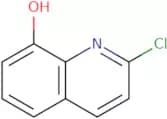
Fórmula:C20H28OPureza:90%MinPeso molecular:284.44 g/mol2-Chloroquinolin-8-ol
CAS:2-Chloroquinolin-8-ol is a chemical compound that binds to the human serum albumin and has cytotoxic effects on cancer cells. It has been shown to be an inhibitor of survivin, a protein that can promote cancer cell survival. 2-Chloroquinolin-8-ol has also been shown to inhibit the proliferation of human epidermoid carcinoma cells in vitro. This agent also inhibits the growth of Trichophyton mentagrophytes, a fungus that causes tinea versicolor, by binding to the ribosomal RNA. The binding constants for 2-chloroquinolin-8-ol were determined using atomic orbital calculations and vibrational spectroscopy. It has also been shown to bind with high affinity to hepg2 cells and cervical cancer cells.Fórmula:C9H6ClNOPureza:Min. 95%Peso molecular:179.6 g/mol4-Pregnen-17a,20b-diol-3-one
CAS:Produto Controlado4-Pregnen-17a,20b-diol-3-one is a synthetic androgen with anabolic and androgenic activity. It has been shown in animal studies to increase maximal responses of the reproductive tract to gonadotropin stimulation. 4-Pregnen-17a,20b-diol-3-one binds to the activin receptor on the cell membrane, which leads to increased expression of a gene encoding for 3β-hydroxysteroid dehydrogenase (3βHSD), an enzyme involved in testosterone synthesis. This drug also increases the sensitivity of ovarian follicles to gonadotropins and decreases basal plasma levels of LH and FSH. 4-Pregnen-17a,20b-diol-3-one has not been found to be toxicologically significant at doses up to 10 mg/kg body weight per day.
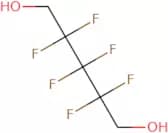
Fórmula:C21H32O3Pureza:Min. 95%Peso molecular:332.48 g/mol2,2,3,3,4,4-Hexafluoro-1,5-pentanediol
CAS:Produto Controlado2,2,3,3,4,4-Hexafluoro-1,5-pentanediol is a colorless liquid with a boiling point of 155°C. It is soluble in water and has an odor similar to that of hexane. 2,2,3,3,4,4-Hexafluoro-1,5-pentanediol is used as a chemical intermediate for the production of sodium salts and quaternary ammonium compounds. This substance can be obtained by reacting butanediol with hydrofluoric acid or trifluoromethanesulfonic acid. The most common use of 2,2,3,3,4,4-hexafluoro-1,5-pentanediol is in the synthesis of amines. It also has been used as a solvent for electroplating metals and as a high boiling point solvent in organic reactions. This compound exhibits nucleophilic properties with amines and canFórmula:C5H6F6O2Pureza:Min. 95%Peso molecular:212.09 g/mol

![2-[(4-Phenylpiperazin-1-yl)carbonyl]phenol](/_next/image/?url=https%3A%2Fstatic.cymitquimica.com%2Fproducts%2F3D%2Fthumb-webp%2FFP131062.webp&w=3840&q=75)



![[1-(2-Chlorobenzyl)-1H-benzimidazol-2-yl]methanol](/_next/image/?url=https%3A%2Fstatic.cymitquimica.com%2Fproducts%2F3D%2Fthumb-webp%2FFC135810.webp&w=3840&q=75)


![N-[1-(2,3-Dioleoyloxy)propyl]-n,n,n-trimethylammonium methyl-sulfate](/_next/image/?url=https%3A%2Fstatic.cymitquimica.com%2Fproducts%2F3D%2Fthumb-webp%2FFD157467.webp&w=3840&q=75)