Aminas
As aminas são um conjunto de moléculas que contêm um grupo funcional amino (derivado da amônia). Esta categoria inclui aminas em qualquer nível de substituição: primárias, secundárias, terciárias e sais de amônio. As aminas são fundamentais na síntese orgânica e são amplamente utilizadas em produtos farmacêuticos, agroquímicos e ciência dos materiais. Na CymitQuimica, oferecemos uma seleção abrangente de aminas para atender às suas necessidades de pesquisa e industriais. Nossa gama garante acesso a várias aminas para diversos processos químicos e pesquisas inovadoras.
Subcategorias de "Aminas"
- Nitrosaminas(2.605 produtos)
- Aminas primárias(30.947 produtos)
- Catiões Quaternários de Amónio(1.099 produtos)
- Aminas secundárias(20.886 produtos)
- Aminas terciárias(17.193 produtos)
Foram encontrados 8780 produtos de "Aminas"
Ordenar por
Pureza (%)
0
100
|
0
|
50
|
90
|
95
|
100
Benzylhydroxylamine hydrochloride
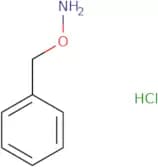
CAS:<p>Benzylhydroxylamine hydrochloride is an antimicrobial agent that has inhibitory properties against a range of microorganisms, including bacteria and fungi. Benzylhydroxylamine hydrochloride was shown to have anticancer activity in a mouse model of bowel disease. It also inhibits the production of inflammatory cytokines, such as TNF-α, IL-1β, and IL-6, from human monocytes. This agent also has been shown to be effective in animal models of autoimmune diseases such as multiple sclerosis and rheumatoid arthritis. The mechanism by which this drug exerts its effects is not well understood but may involve the inhibition of dopamine β-hydroxylase in the brain or nitrogen atoms that are important for protein synthesis. Benzylhydroxylamine hydrochloride can react with trifluoroacetic acid (TFA) to form a reactive intermediate that can covalently bind to proteins and cause toxicity.</p>Fórmula:C7H9ON·HClPureza:Min. 95%Cor e Forma:PowderPeso molecular:159.61 g/mol3-Amino-4-anisic acid
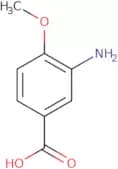
CAS:<p>3-Amino-4-anisic acid is a conjugate of an aromatic carboxylic acid and an amino group. The vapor pressure of 3-amino-4-anisic acid is higher than that of the free 3-amino-4-anisic acid. Immunocompetent cells are the most sensitive to this compound, with metastasis and tumor growth being inhibited. This compound is also used in the treatment of cancer, although it has not been proven to be effective for all cancers. Sorafenib and other compounds that have similar structures may be used as substitutes for 3-amino-4-anisic acid in some cases. There are two isomers of 3-amino-4-anisic acid: cis and trans form. The cis form has better binding properties than the trans form, which can lead to decreased efficacy when a mixture of both forms is used. Hyaluronic acid and link</p>Fórmula:C8H9NO3Pureza:Min. 95%Cor e Forma:PowderPeso molecular:167.16 g/mol5-((diphenylamino)methylene)-2,2-dimethyl-1,3-dioxane-4,6-dione
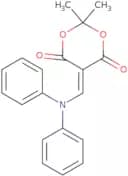
CAS:<p>Please enquire for more information about 5-((diphenylamino)methylene)-2,2-dimethyl-1,3-dioxane-4,6-dione including the price, delivery time and more detailed product information at the technical inquiry form on this page</p>Pureza:Min. 95%3,4-Dimethyl-6-D-ribitylaminobenzene
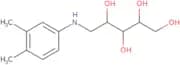
CAS:<p>3,4-Dimethyl-6-D-ribitylaminobenzene is a versatile building block that can be used as a reagent, speciality chemical, or useful scaffold in organic chemistry. 3,4-Dimethyl-6-D-ribitylaminobenzene is also known as 3,4-dimethylaniline and CAS No. 3051-94-3. It is an important intermediate in the production of polyurethanes and amines. This compound has been shown to be an effective building block for the synthesis of other compounds related to pharmaceuticals, pesticides, and agrochemicals.</p>Fórmula:C13H21NO4Pureza:Min. 95%Peso molecular:255.31 g/molTetramethylammonium acetate monohydrate
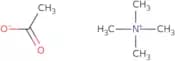
CAS:<p>Tetramethylammonium acetate monohydrate is an on-line, inorganic acid that reacts with other reagents to form hydrogen bonds. Tetramethylammonium acetate monohydrate is used as a reactive solvent for organic solutes and has been used in hydrophilic interaction chromatography to separate fatty acids and phenolic acids. This compound has been shown to be effective in the treatment of chronic bronchitis due to its ability to break down mucus.</p>Fórmula:C6H15NO2•H2OCor e Forma:White PowderPeso molecular:151.2 g/molMethylamine - 50% in water
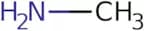
CAS:Produto Controlado<p>The molecular formula of methylamine is CH3NH2. It has an intramolecular hydrogen bond that stabilizes the molecule. Methanol is a good solvent for methylamine, and its ph optimum is 10. Methylamine reacts with hydrochloric acid to form a molecule consisting of two hydrogen atoms and one nitrogen atom (H3N-HCl). The locomotor activity of rats was reduced by methylamine after administration at doses greater than 200 mg/kg. The uptake of methylamine in human serum was increased by α-tocopherol, an antioxidant. Methylamine reacts with amines to form products with different properties, including alkanoic acid and fatty acid. Methylamine binds to the type strain receptor but not other strains or species of bacteria.</p>Fórmula:CH5NPureza:Min. 95%Peso molecular:31.06 g/mol3-Fluoro-Dopamine
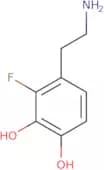
CAS:Produto Controlado<p>3-Fluoro-Dopamine is a fluorinated catecholamine that is used in research as a radioligand and in animal models. It has been shown to be an agonist of β-adrenergic receptors and to have a safety profile similar to that of dopamine. 3-Fluoro-Dopamine has been shown to increase the uptake of dopamine in rat striatal membranes, which may be due to its affinity for β-adrenergic receptors.</p>Fórmula:C8H10FNO2Pureza:Min. 95%Peso molecular:171.17 g/mol3,4-Dimethylbenzylamine hydrochloride
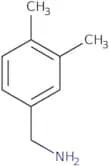
CAS:<p>3,4-Dimethylbenzylamine hydrochloride is an efficient primary alkylating agent that reacts with amines to form N,N'-bis(3,4-dimethylbenzyl)urea. This reaction can be carried out in a solvent such as ethanol or dichloromethane using one of the many amines and isocyanides listed below. This reagent is used for the synthesis of 3-aminopyridine from malononitrile and ethanol. It also has been used for the synthesis of 2-pyridinamine from 1-aminoethane and isocyanides.</p>Fórmula:C9H13N·HClPureza:Min. 95%Peso molecular:171.67 g/molMelamine polyphosphate
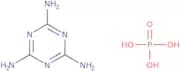
CAS:Produto Controlado<p>Melamine polyphosphate is a coordination compound that has been used as an antimicrobial agent and polymer retardant. It has been shown to have a Langmuir adsorption isotherm, which is indicative of the ability to form a monolayer on the surface of water droplets. Melamine polyphosphate also has an electrochemical impedance spectroscopy (EIS) that can be used for determining the rate constant of its reaction with water vapor. The rate constants are determined by measuring the change in impedance over time and plotting it against frequency. This analytical method is used for determining the concentration and stability of melamine polyphosphate in solution and can be applied to other similar compounds.</p>Fórmula:C3H9N6O4PPureza:Min. 95%Cor e Forma:White PowderPeso molecular:224.12 g/molD-α-Aminosuberic acid
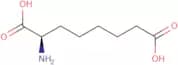
CAS:<p>D-alpha-Aminosuberic acid is a tetrapeptide with transcriptional regulatory properties. It has been shown to have minimal toxicity and lacks enzymatic inactivation, making it an attractive candidate as a drug for the treatment of cancer. D-alpha-Aminosuberic acid has been found to activate rat striatal cells in vitro and may have immunomodulatory effects that could be beneficial in infectious diseases. Clinical studies are needed before this drug can be used for these purposes.</p>Fórmula:C8H15NO4Pureza:Min. 95%Peso molecular:189.21 g/molAmmonium oxalate monohydrate
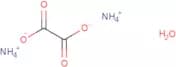
CAS:<p>Ammonium oxalate monohydrate is a white crystalline solid that has a molecular weight of 104.096 g/mol and a melting point of 129°C. Ammonium oxalate monohydrate is a salt formed by the reaction of ammonium with oxalic acid. It is used as an experimental model for wastewater treatment, where it is able to remove ammonium ions from wastewater. This material also reacts with sodium salts to form hydrogen bonding interactions, which can be measured using analytical methods such as X-ray diffraction or electrochemical impedance spectroscopy.</p>Fórmula:C2H8N2O4·H2OCor e Forma:White PowderPeso molecular:142.11 g/mol[1-(Pyrrolidin-1-ylcarbonyl)propyl]amine hydrochloride
CAS:Produto Controlado<p>Please enquire for more information about [1-(Pyrrolidin-1-ylcarbonyl)propyl]amine hydrochloride including the price, delivery time and more detailed product information at the technical inquiry form on this page</p>Fórmula:C8H16N2OPureza:Min. 95%Peso molecular:156.23 g/mol2-Nitro-p-phenylenediamine
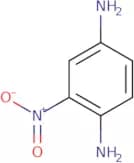
CAS:2-Nitro-p-phenylenediamine is a chemical substance that can be used as a predictive biomarker for allergic reactions. It is an amine with the chemical formula C6H5CH2N2O2. It is soluble in water, ethanol, and ether, but insoluble in acetone and diethylether. 2-Nitro-p-phenylenediamine has been shown to cause cutaneous lesions in animal studies and has been classified as a possible human carcinogen by the International Agency for Research on Cancer (IARC). This compound was not mutagenic to bacteria or yeast strains tested, but it did cause chromosome aberrations in cultured human lymphocytes. The metabolite profile of 2-nitro-p-phenylenediamine has been studied in rats treated with this compound at different doses. When administered orally to rats at a dose of 50 mg/kg body weight per day, 2 nitro p phenylenedFórmula:C6H7N3O2Pureza:Min. 95%Cor e Forma:PowderPeso molecular:153.14 g/molN,N,N',N'-Tetramethylenediamine
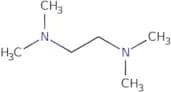
CAS:<p>Initiates acrylamide polymerization in combination with ammonium persulfate</p>Fórmula:C6H16N2Pureza:Min. 98 Area-%Cor e Forma:Colorless Slightly Yellow Clear LiquidPeso molecular:116.2 g/molN-[2-(Fmoc-amino)-ethyl]glycine tert-butylester hydrochloride
CAS:<p>Please enquire for more information about N-[2-(Fmoc-amino)-ethyl]glycine tert-butylester hydrochloride including the price, delivery time and more detailed product information at the technical inquiry form on this page</p>Fórmula:C23H28N2O4·HClPureza:Min. 95%Cor e Forma:PowderPeso molecular:432.94 g/molRhodamine B isothiocyanate, mixture of isomers
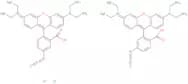
CAS:<p>Rhodamine B isothiocyanate (RBITC) is a fluorescent dye that can be synthesized by reacting 2,4-dinitrobenzene with aniline. RBITC fluoresces in the visible spectrum, but has also been shown to fluoresce in the near infrared region of the electromagnetic spectrum. The microstructural and morphological properties of RBITC have been studied using simulations methods such as molecular dynamics and Monte Carlo techniques. RBITC has a spinodal decomposition behavior when heated or cooled, which can be used to study transport pathways in solids. These pathways are motivated by connectivity and topological techniques.</p>Fórmula:C29H30N3O3SClPureza:Min. 70%Cor e Forma:Red PowderPeso molecular:536.09 g/molDL-2,3-Diaminopropionic acid monohydrochloride
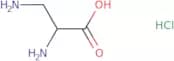
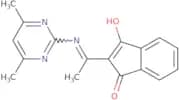
CAS:<p>DL-2,3-Diaminopropionic acid monohydrochloride is used in the preparation of drug samples for clinical chemistry analysis. This chemical has a number of uses, including as a modifier to increase the solubility and stability of drugs in solution and as a reagent to prepare analytical standards. DL-2,3-Diaminopropionic acid monohydrochloride also has been used as an inhibitor in titration methods for the determination of pH. DL-2,3-Diaminopropionic acid monohydrochloride is an inorganic chemical that can be derived from biochemical reactions by hydrolysis or derivatization. It has been shown to have selectivities for elimination reactions involving intramolecular hydrogen transfer.</p>Fórmula:C3H8N2O2•HClPureza:Min. 95%Cor e Forma:White Off-White PowderPeso molecular:140.57 g/mol2-(((4,6-dimethylpyrimidin-2-yl)amino)ethylidene)indane-1,3-dione
CAS:<p>Please enquire for more information about 2-(((4,6-dimethylpyrimidin-2-yl)amino)ethylidene)indane-1,3-dione including the price, delivery time and more detailed product information at the technical inquiry form on this page</p>Pureza:Min. 95%2-Amino-1-(1-aza-2-(4-methylthiophenyl)vinyl)ethene-1,2-dicarbonitrile
CAS:<p>Please enquire for more information about 2-Amino-1-(1-aza-2-(4-methylthiophenyl)vinyl)ethene-1,2-dicarbonitrile including the price, delivery time and more detailed product information at the technical inquiry form on this page</p>Fórmula:C12H10N4SPureza:Min. 95%Cor e Forma:PowderPeso molecular:242.3 g/mol1-((2,5-dichlorophenyl)sulfonyl)-5-methylthio-1,2,4-triazole-3-ylamine
CAS:<p>Please enquire for more information about 1-((2,5-dichlorophenyl)sulfonyl)-5-methylthio-1,2,4-triazole-3-ylamine including the price, delivery time and more detailed product information at the technical inquiry form on this page</p>Pureza:Min. 95%2,6-Pyridinediyldimethanamine
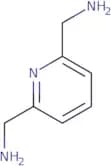
CAS:2,6-Pyridinediyldimethanamine is a reactive molecule that can be used in clinical studies. It has been shown to have an effect on mammalian cells, and it can also be used for structural studies of the molecule. This compound is mainly used as a chelate ligand in hydrogen bonding reactions. The kinetic of the reaction between 2,6-pyridinediyldimethanamine and chloride has been studied experimentally and found to follow second-order kinetics. X-ray crystal structures show that this compound forms a hydrogen bond with chloride ions.Fórmula:C7H11N3Pureza:Min. 95%Cor e Forma:Clear LiquidPeso molecular:137.18 g/mol2-Amino-4-fluorobenzoic acid
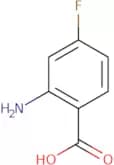
CAS:<p>2-Amino-4-fluorobenzoic acid is a nitrogenous heterocyclic compound. It is an analog of the epidermal growth factor (EGF), which can bind to the EGF receptor and stimulate cell growth and differentiation. 2-Amino-4-fluorobenzoic acid has been shown to have anticancer activity in vitro, as well as in vivo. The synthetic process for this compound involves nitrous acid, hydrochloric acid, and frequency reactions. This product is used industrially for the preparation of other compounds.</p>Fórmula:C7H6FNO2Pureza:Min. 95%Cor e Forma:PowderPeso molecular:155.13 g/mol2-Ethoxybenzylamine
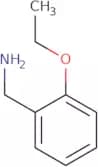
CAS:<p>2-Ethoxybenzylamine is a hydrophobic organic compound. It is an amine that is used as a reagent for the oxidation of primary, secondary, and tertiary amines to their corresponding aldehydes, ketones, and quinones. 2-Ethoxybenzylamine is used in the synthesis of glycopeptides and has been shown to be effective as a surrogate for benzylamine derivatives. This compound may also be an optimised enzyme complex with chloride ions that can activate certain oxidases.</p>Fórmula:C9H13NOPureza:Min. 95%Cor e Forma:Clear LiquidPeso molecular:151.21 g/molN-Methyltryptamine hydrochloride
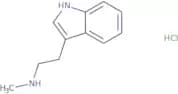
CAS:Produto ControladoN-Methyltryptamine hydrochloride is a chemical that has been shown to be an antagonist of the serotonin receptor 5-HT7 in vivo. This drug is also a potent inhibitor of acetylcholinesterase, which may be due to its ability to inhibit the methylation of serotonergic receptors. It has been shown to have clinical efficacy in treating depression, although it is not currently approved by the FDA for this use. N-Methyltryptamine hydrochloride has been shown to have an antidepressant effect in wild-type mice and in mouse models of depression. It inhibits the growth of cancer cells by inducing apoptosis and inhibiting cell proliferation.Fórmula:C11H15ClN2Pureza:Min. 95%Cor e Forma:PowderPeso molecular:210.7 g/mol2-(4-Diethylaminophenyl)ethylamine dihydrochloride
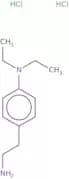
CAS:<p>2-(4-Diethylaminophenyl)ethylamine dihydrochloride is a fine chemical that belongs to the group of versatile building blocks. It is mainly used as a reagent and speciality chemical in research. 2-(4-Diethylaminophenyl)ethylamine dihydrochloride can be used as a high quality, useful intermediate or reaction component in the synthesis of complex compounds. As a scaffold, it can be used to synthesize other useful compounds.</p>Fórmula:C12H20N2·2HClPureza:Min. 95%Cor e Forma:PowderPeso molecular:265.22 g/molgamma-(Aminooxy)propyl mercaptan HCl
CAS:<p>Gamma-aminopropyl mercaptan is a versatile building block that is used in the synthesis of complex organic compounds. It can be used as a reagent for research and as a speciality chemical. Gamma-aminopropyl mercaptan has been found to be useful in the synthesis of drugs, pesticides, and other biologically active substances. The compound has also been found to have anti-inflammatory properties.</p>Fórmula:C3H10ClNOSPureza:Min. 95 Area-%Cor e Forma:PowderPeso molecular:143.64 g/mol5,7-Dihydroxytryptamine hydrobromide
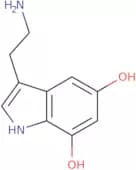
CAS:Produto Controlado<p>5,7-Dihydroxytryptamine hydrobromide (5,7-DHT) is a serotonin agonist that inhibits the reuptake of 5-hydroxytryptamine. 5,7-DHT is used to study the role of serotonin in regulating mood and behavior. It is also used as an experimental model for studying pain mechanisms and for testing potential analgesic drugs. The drug has been shown to act on the serotonergic system by increasing cholinergic activity and decreasing dopamine levels, leading to an excitatory effect. 5,7-DHT can also inhibit histamine release from mast cells. This drug also has a potent anti-inflammatory effect through its action on cytokine production. 5,7-DHT has been shown to be effective against chronic neuropathic pain in rats with experimental models of peripheral neuropathy and spinal cord injury.</p>Fórmula:C10H12N2O2•HBrPureza:(Hplc-Ms) Min. 94 Area-%Cor e Forma:PowderPeso molecular:273.13 g/mol5-(Trifluoromethyl)benzene-1,3-diamine
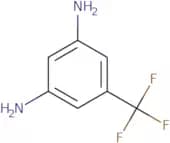
CAS:<p>5-(Trifluoromethyl)benzene-1,3-diamine is a chemical compound that is used in the synthesis of coatings and magnetic resonance imaging contrast agents. It can be used as a crosslinker for polymers, such as amides, in order to improve their hardness and strength. The synthesis of 5-(trifluoromethyl)benzene-1,3-diamine is done by reacting hydrogen chloride with magnesium oxide in an organic solvent. The product can then be reacted with other compounds to produce different products. One such compound is benzotrifluoride, which can be used to synthesize fluorinated coatings and monomers. The final product can also be reacted with sodium formate to produce a constant.</p>Fórmula:C7H7F3N2Pureza:Min. 98 Area-%Cor e Forma:PowderPeso molecular:176.14 g/molPropargylamine
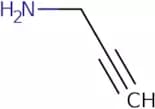
CAS:Propargylamine is an irreversible inhibitor that binds to the active site of the enzyme acetylcholinesterase (AChE) and blocks the breakdown of acetylcholine. This leads to increased levels of acetylcholine in the synaptic cleft, which enhances neurotransmission and causes increased muscle contractions. Propargylamine has been shown to be a potent chemotherapy agent against cancer cells, causing neuronal death. It also inhibits epidermal growth factor receptor (EGFR) signaling pathways, leading to decreased tumor cell proliferation. The drug may also have neurotrophic effects by stimulating nerve growth factors or preventing neuronal apoptosis.Fórmula:C3H5NPureza:Min. 95%Cor e Forma:Colorless Yellow Clear LiquidPeso molecular:55.08 g/mol2-Amino-5-nitro-2'-fluorobenzophenone
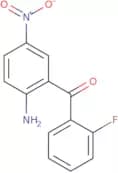
CAS:<p>2-Amino-5-nitro-2'-fluorobenzophenone is a prodrug that is activated by thiourea, a chemical agent that is used to break down the drug. It is an anti-inflammatory drug that acts as a selective COX inhibitor and has been shown to be effective in vivo against primary tumors. 2-Amino-5-nitro-2'-fluorobenzophenone has also been shown to have antiangiogenic properties and has been used to treat inflammatory diseases such as arthritis and psoriasis. This drug can be radiolabeled with carbon, fluorine, or iodine isotopes for use in positron emission tomography (PET) imaging of primary tumors. The drug binds to response elements on cells through electrostatic interactions between the molecular orbitals of the 2 amino groups and the nucleophilic centers of these molecules.</p>Fórmula:C13H9FN2O3Pureza:Min. 95%Cor e Forma:PowderPeso molecular:260.22 g/molAlkylated diphenylamines
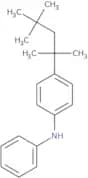
CAS:<p>Alkylated diphenylamines are reactive compounds that have been used as antioxidants in industrial processes. These antioxidants inhibit the propagation of oxidation reactions, which can lead to the degradation of polycarboxylic acids. Alkylated diphenylamines are usually synthesized from phenyl groups and fatty acid esters. They are also known as synthetic antioxidants and are used in a variety of industries, such as food production and textiles. Alkylated diphenylamines have been shown to react with metal hydroxides, such as magnesium oxide or sodium nitrate, to form reaction products that include alkanes and alkenes. The viscosity of these compounds is dependent on the length of their fatty acid chains; the longer the chain length, the lower the viscosity.</p>Pureza:Min. 95%Cor e Forma:Clear Viscous LiquidPeso molecular:281.4 g/molAcridine-3,6-diamine
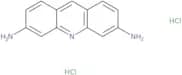
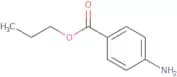
CAS:<p>Acridine-3,6-diamine is a fluorescent dye that is used in analytical chemistry to measure the concentration of DNA. The dye binds to the enzyme form of DNA and can be detected with a fluorescence microscope. Acridine-3,6-diamine is also used as a model system for studying multidrug efflux pumps found in cells, which are ATPases that pump out toxic substances from bacteria. This drug has shown antibacterial efficacy against various bacteria, including Staphylococcus aureus and Escherichia coli. The potential mechanism of action may be due to inhibition of the bacterial DNA replication processes by binding to the cell nuclei or through inhibition of energy metabolism or dinucleotide phosphate synthesis.</p>Fórmula:C13H11N3Pureza:Min. 95%Cor e Forma:PowderPeso molecular:209.25 g/molPropyl 4-aminobenzoate
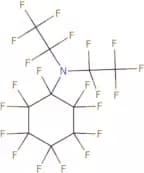
CAS:<p>Propyl 4-aminobenzoate is an anti-angiogenic agent that inhibits the production of angiogenic factors. It has been shown to be effective in vivo with a kinetic data analysis and solubility data. Propyl 4-aminobenzoate reduces the size of angiogenic tumors and prevents new tumor formation. It also suppresses tumor growth by inhibiting the production of vascular endothelial growth factor (VEGF), thereby inducing apoptotic cell death. The induction of apoptotic cell death by propyl 4-aminobenzoate may be due to its ability to bind to and activate apoptosis protein, leading to a decrease in collagen synthesis and an increase in hyaluronic acid production.</p>Fórmula:C10H13NO2Pureza:Min. 95%Cor e Forma:PowderPeso molecular:179.22 g/mol1,2,2,3,3,4,4,5,5,6,6-Undecafluoro-N,N-Bis(1,1,2,2,2-Pentafluoroethyl)Cyclohexan-1-Amine
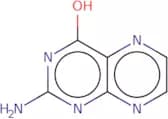
CAS:Produto Controlado<p>1,2,2,3,3,4,4,5,5,6,6-Undecafluoro-N,N-Bis(1,1,2,2,2-Pentafluoroethyl)Cyclohexan-1-Amine is an efficient mitochondrial respiratory uncoupler that has been shown to increase the rate of oxidative phosphorylation in rat liver. It is also a membrane permeable compound that can be incorporated into micelles. This drug has been shown to have suboptimal effects on morphology and mitochondrial function in mice. 1,2 2 3 3 4 4 5 5 6 6 -Undecafluoro-N N Bis (1 1 2 2 2 2 Pentafluoroethyl) Cyclohexan 1 Amine has potential applications as a therapeutic agent for patients with respiratory disorders such as cystic fibrosis or chronic obstructive pulmonary disease.</p>Fórmula:C10F21NPureza:Min. 95%Peso molecular:533.08 g/mol2-Amino-4-hydroxypteridine
CAS:<p>2-Amino-4-hydroxypteridine is a chemical compound that is used in the synthesis of other organic compounds. 2-Amino-4-hydroxypteridine binds to molybdenum and coordinates with it through hydrogen bonding, which stabilizes the molecule. The binding between 2-amino-4-hydroxypteridine and molybdenum has been shown to be essential for its antimicrobial activity. This compound inhibits bacterial growth by inhibiting the biosynthesis of monoamine neurotransmitters, such as dopamine and serotonin.<br>2-Amino-4-hydroxypteridine also inhibits enzyme activities, such as those involved in energy metabolism, as well as structural analysis of nitrogen containing molecules. <br>The reaction mechanism of 2 amino 4 hydroxypteridine is not well understood, but it has been proposed that this compound reacts with electron acceptors such as oxygen or nitric oxide to form an excited state</p>Fórmula:C6H5N5OPureza:Min. 95%Cor e Forma:PowderPeso molecular:163.14 g/mol(2-Aminophenyl)-N-((((4-methoxyphenyl)amino)thioxomethyl)amino)formamide
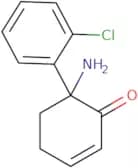
CAS:<p>Please enquire for more information about (2-Aminophenyl)-N-((((4-methoxyphenyl)amino)thioxomethyl)amino)formamide including the price, delivery time and more detailed product information at the technical inquiry form on this page</p>Fórmula:C15H16N4O2SPureza:Min. 95%Cor e Forma:PowderPeso molecular:316.38 g/molDehydro norketamine
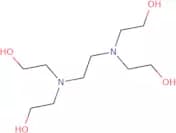
CAS:Produto Controlado<p>Dehydro norketamine is a chiral compound that is used as a sample preparation for analytical methods. It has been shown to be the major metabolite of ketamine and can be detected in human serum, urine, and sweat. Dehydro norketamine has also been found to have similar pharmacological effects as ketamine, such as analgesia and hallucinogenic properties. The detection sensitivity of dehydro norketamine is lower than that of ketamine, as it cannot be detected in human serum at concentrations less than 0.5 ng/mL. The clinical relevance of dehydro norketamine is still being studied. The following product description should not exceed 150 words: Dehydro norketamine is a chiral compound that is used as a sample preparation for analytical methods. It has been shown to be the major metabolite of ketamine and can be detected in human serum, urine, and sweat. Dehydro nork</p>Fórmula:C12H12ClNOPureza:90%MinCor e Forma:PowderPeso molecular:221.68 g/molN,N,N',N'-Tetrakis(2-hydroxyethyl)ethylenediamine
CAS:<p>N,N,N',N'-Tetrakis(2-hydroxyethyl)ethylenediamine is a compound that has been used in the past as a chelating agent for removing heavy metals and radionuclides from water. It is also used as a scavenger of hydroxyl ions, which are responsible for the degradation of proteins and other biomolecules. The receptor binding sites of basic proteins have been shown to be susceptible to N,N,N',N'-tetrakis(2-hydroxyethyl)ethylenediamine. The chemical stability of this molecule has been demonstrated by FTIR spectroscopy, kinetic studies and tryptophan fluorescence quenching in vivo. Air entrainment is an important parameter in the treatment process because it increases the surface area for gas exchange. This product may be beneficial for people with high body mass index (BMI). Amines are known to bind to N,N,N',N</p>Fórmula:C10H24N2O4Pureza:Min. 95%Cor e Forma:Colorless Clear LiquidPeso molecular:236.31 g/mol4,5-Dihydronaphtho[1,2-d][1,3]thiazol-2-amine
CAS:Please enquire for more information about 4,5-Dihydronaphtho[1,2-d][1,3]thiazol-2-amine including the price, delivery time and more detailed product information at the technical inquiry form on this pageFórmula:C11H10N2SPureza:Min. 95%Peso molecular:202.28 g/mol4-(4-(dimethylamino)phenyl)-2-methylthiosemicarbazide
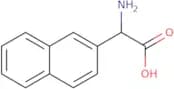
CAS:<p>Please enquire for more information about 4-(4-(dimethylamino)phenyl)-2-methylthiosemicarbazide including the price, delivery time and more detailed product information at the technical inquiry form on this page</p>Pureza:Min. 95%Amino(naphthalen-2-yl)acetic acid
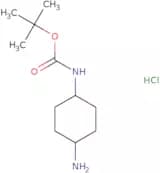
CAS:<p>Amino(naphthalen-2-yl)acetic acid is a versatile chemical building block that can be used in research, industry and as a high quality reagent. It is a useful scaffold for the synthesis of complex compounds. Amino(naphthalen-2-yl)acetic acid has been shown to be an excellent reactant for the production of fine chemicals and is high quality, with a purity of 99%. This product is also used as a speciality chemical for the production of pharmaceuticals, pesticides, and other chemical products.</p>Fórmula:C12H11NO2Pureza:Min. 95%Cor e Forma:PowderPeso molecular:201.22 g/molBoc-1,4-trans-diaminocyclohexane hydrochloride
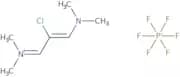
CAS:<p>Boc-1,4-trans-diaminocyclohexane hydrochloride is a versatile building block that can be used to synthesize complex compounds and research chemicals. It has been used as a reagent, specialty chemical and useful intermediate in many different reactions. Boc-1,4-trans-diaminocyclohexane hydrochloride is also a high quality building block that can be utilized to produce pharmaceuticals, agrochemicals and other speciality chemicals. This compound is also an important scaffold for the synthesis of biologically active molecules.</p>Fórmula:C11H22N2O2·HClPureza:Min. 95%Cor e Forma:PowderPeso molecular:250.77 g/mol2-Chloro-1,3-bis(dimethylamino)trimethinium hexafluorophosphate
CAS:<p>2-Chloro-1,3-bis(dimethylamino)trimethinium hexafluorophosphate is a glycogen phosphorylase inhibitor. It is a synthetic compound that belongs to the class of allylamines. The synthesis of 2-chloro-1,3-bis(dimethylamino)trimethinium hexafluorophosphate has been achieved by reacting phosphorus oxychloride with dimethylformamide and amines. This reaction leads to the formation of chlorides and heterocycles. 2-Chloro-1,3-bis(dimethylamino)trimethinium hexafluorophosphate inhibits glycogen phosphorylase by binding to the active site and blocking access to the substrate glucose. It also inhibits β-glucosidase, which prevents the hydrolysis of glucosides into glucose.</p>Fórmula:C7H14ClN2·PF6Pureza:Min. 95%Cor e Forma:White PowderPeso molecular:306.62 g/molcis-(+/-)-2-[(N-Benzyl-N-methyl)aminomethyl]-1-(3-methoxyphenyl)cyclohexanol hydrochloride
CAS:<p>cis-(+/-)-2-[(N-Benzyl-N-methyl)aminomethyl]-1-(3-methoxyphenyl)cyclohexanol hydrochloride is a versatile building block that can be used in the synthesis of complex compounds. This compound is also a useful reagent, speciality chemical, and reaction component. cis-(+/-)-2-[(N-Benzyl-N-methyl)aminomethyl]-1-(3-methoxyphenyl)cyclohexanol hydrochloride has been shown to be a valuable scaffold for research chemicals with high quality.</p>Fórmula:C22H30ClNO2Pureza:Min. 95 Area-%Cor e Forma:PowderPeso molecular:375.93 g/mol[(1,2-Dimethyl-1H-imidazol-5-yl)methyl]amine dihydrochloride
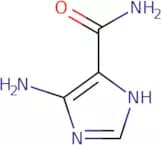
CAS:<p>[(1,2-Dimethyl-1H-imidazol-5-yl)methyl]amine dihydrochloride is a diagnostic agent that is used for the detection of cancer. It reacts with copper oxide to form a green precipitate that can be detected by dissolution in hydrochloric acid. This reaction takes place at a relatively short time and at temperatures as low as 0°C. The use of [(1,2-dimethyl-1H-imidazol-5-yl)methyl]amine dihydrochloride is limited to the diagnosis of pancreatic cancer because it has no effect on any other type of cancer cells.</p>Fórmula:C6H13Cl2N3Pureza:Min. 95%Cor e Forma:White PowderPeso molecular:198.09 g/mol5-Aminoimidazole-4-carboxamide HCl
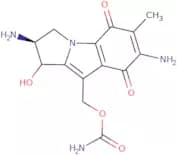
CAS:<p>5-Aminoimidazole-4-carboxamide HCl (5-AICA) is a compound that is used for the treatment of bowel disease. It inhibits the synthesis of 5'-nucleotidase and phosphoribosyl transferase, which are enzymes responsible for the conversion of nucleotide monophosphates to nucleotide diphosphates. This inhibition leads to a decrease in the amount of adenosine triphosphate (ATP) produced by cells, which may be due to its ability to inhibit ATP synthase activity. 5-AICA also has been shown to bind to DNA and inhibit transcriptional activities. The binding of 5-AICA may be due to its ability to form hydrogen bonds with guanine residues in DNA or its capability to form covalent bonds with thymidine residues in DNA. 5-AICA also has been shown to have cytotoxic effects on HL60 cells, as well as other</p>Pureza:Min. 95%Cor e Forma:PowderPeso molecular:126.12 g/mol1-Hydroxy-2,7-diamino mitosene - (mixture cis/trans)
CAS:<p>1-Hydroxy-2,7-diamino mitosene is a versatile building block that can be used in the synthesis of a wide range of complex compounds. This chemical compound is a reagent and speciality chemical that has been used in research and analysis as well as in the manufacture of other chemicals. 1-Hydroxy-2,7-diamino mitosene is a fine chemical with high quality and purity. It has been shown to be useful in the synthesis of new drugs or other chemical compounds. The use of this compound as an intermediate is also possible due to its versatility.</p>Fórmula:C14H16N4O5Pureza:Min. 95%Cor e Forma:PowderPeso molecular:320.3 g/mol2-Amino-3-methoxybenzoic acid hydrochloride
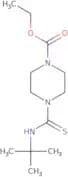
CAS:<p>2-Amino-3-methoxybenzoic acid hydrochloride is a synthetic monosubstituted hydroxy analog of the natural alkaloids, which are substituted with an amino group. It is produced by the demethylation of 2-amino-3-hydroxypyridine and reacts with caprolactam to form 2,6-dihydroxybenzaldehyde. It has been used in the synthesis of methoxyanthranilic acid, which is a synthetic analogue of anthranilic acid. Hydrochloric acid can be added to 2-amino-3-methoxybenzoic acid hydrochloride to produce 2,6-dihydroxybenzoyl chloride. This compound also undergoes condensation reactions with methoxyanthranilic acid to form 2,6-dimethoxybenzaldehyde.</p>Fórmula:C8H9NO3•HClPureza:Min. 95%Cor e Forma:PowderPeso molecular:203.62 g/molEthyl 4-(((tert-butyl)amino)thioxomethyl)piperazinecarboxylate
CAS:Please enquire for more information about Ethyl 4-(((tert-butyl)amino)thioxomethyl)piperazinecarboxylate including the price, delivery time and more detailed product information at the technical inquiry form on this pagePureza:Min. 95%[2-(2,3-Dimethylphenoxy)ethyl]amine HCl
CAS:<p>2-(2,3-Dimethylphenoxy)ethylamine is a versatile building block that can be used for the synthesis of various complex compounds. It has been used as a reagent in research and as a speciality chemical. 2-(2,3-Dimethylphenoxy)ethylamine is useful in the synthesis of pharmaceuticals, agrochemicals, and other chemicals. This product is also a high quality intermediate that can be used for the production of active pharmaceutical ingredients (APIs). 2-(2,3-Dimethylphenoxy)ethylamine can also be used to produce scaffolds for organic syntheses.</p>Fórmula:C10H15NO·HClPureza:Min. 95%Cor e Forma:PowderPeso molecular:201.69 g/mol[2-(1,3-Benzodioxol-5-yloxy)ethyl]amine hydrochloride
CAS:<p>[2-(1,3-Benzodioxol-5-yloxy)ethyl]amine hydrochloride is a versatile building block for organic synthesis. It can be used as a starting material for the synthesis of many complex compounds and research chemicals. This compound has been shown to have high quality, useful scaffolds, and is an excellent reagent in many chemical reactions.</p>Fórmula:C9H11NO3•HClPureza:Min. 95%Cor e Forma:PowderPeso molecular:217.65 g/mol2-(3,4,5-Trimethoxyphenyl)ethylamine
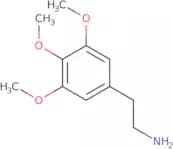
CAS:Produto Controlado<p>2-(3,4,5-Trimethoxyphenyl)ethylamine (TMPEA), also known as 3,4,5-trimethoxyamphetamine or 3,4,5-trimethoxyphenethylamine is a psychoactive agent that is structurally related to amphetamine and mescaline. It is a precursor to TMA which is an hallucinogenic drug. TMPEA has been shown to have dose-dependent effects on locomotor activity in mice and rats. In addition, it has been found to bind with high affinity to 5HT2A receptors in the rat brain. This compound can be prepared by reacting trifluoroacetic acid with 2-(3,4,5-trimethoxyphenyl)ethanamine. The sample preparation of this compound may be performed using human serum or lophophora plants.</p>Fórmula:C11H17NO3Pureza:Min. 95%Cor e Forma:PowderPeso molecular:211.26 g/mol1S,2S-(+)-Diaminocyclohexane
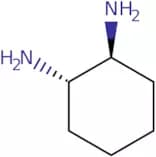
CAS:<p>1S,2S-(+)-Diaminocyclohexane is a copper complex that has been reported to have anticancer activity. It has been shown to chelate metal ions and form hydrogen bonding interactions with acidic groups on the surface of cancer cells. The solubility data for 1S,2S-(+)-Diaminocyclohexane indicates that it is not soluble in water, but soluble in methanol and ethanol. Cyclic voltammetry studies indicate that the reaction mechanism for 1S,2S-(+)-Diaminocyclohexane involves electron transfer from the cyclohexane ring to a benzimidazole derivative. Linear regression analysis of carcinoma cell lines indicates that 1S,2S-(+)-Diaminocyclohexane is selective for cancer cells over normal cells.</p>Fórmula:C6H14N2Pureza:Min. 95%Cor e Forma:PowderPeso molecular:114.19 g/mol3-Amino-4-bromophenol
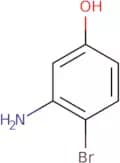
CAS:3-Amino-4-bromophenol is an industrial chemical that is used in the diazotization and reduction reactions. 3-Amino-4-bromophenol can be synthesized by reacting hydrazine with iron oxide and nitrite in a condition of acetone and sodium nitrite. The product yield for this reaction is about 90%. 3-Amino-4-bromophenol crystallizes from acetone as a white powder.Fórmula:C6H6BrNOPureza:Min. 95%Peso molecular:188.02 g/molThiamine hydrochloride
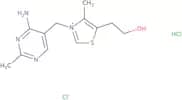
CAS:<p>Thiamine hydrochloride is a water-soluble vitamin that belongs to the group of B vitamins. It has been used as a model system for investigating the phase transition temperature of fatty acids in biological membranes. In addition, it has been shown to enhance thermal expansion and improve chronic exposure in fetal bovine brain cells. Thiamine hydrochloride has also shown insecticidal activity against various species of insects, including the tobacco budworm and the Indianmeal moth. This drug has been found to be active against phytophagous insects that cause crop damage, such as Anthranilate and Pyridoxine Hydrochloride. Thiamine hydrochloride is involved in cellular metabolism by enhancing the conversion of l-lysine into succinic acid via an intermediate product called anthranilate. It also plays an important role in pyridoxal phosphate synthesis, which is essential for protein synthesis and tissue growth.</p>Fórmula:C12H18Cl2N4OSPureza:Min. 95%Cor e Forma:White Off-White PowderPeso molecular:337.27 g/molN,N,N' -Trimethylpropan-1,3-diamine
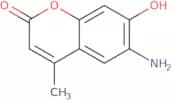
CAS:<p>Trimethylamine is a basic chemical that is the simplest primary amine. It can be prepared by reacting methylamine with trimethylchlorosilane in liquid ammonia. Trimethylamine can be used as a solvent and as a catalyst in the production of polyamide plastics. It also has an important role in the catalytic hydroamination of alkenes, which are compounds that contain at least one double-bonded carbon atom. Trimethylamine reacts with hydrogen gas to form trimethylammonium chloride and ammonia. The polarities of this compound depend on its microenvironment, for example it will be more polar in water than in methane.</p>Fórmula:C6H16N2Pureza:Min. 90 Area-%Cor e Forma:Slightly Yellow Clear LiquidPeso molecular:116.2 g/mol6-Amino-7-hydroxy-4-methylcoumarin
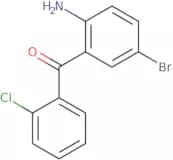
CAS:<p>6-Amino-7-hydroxy-4-methylcoumarin is an antibacterial agent that has been shown to be effective against a range of Gram-positive and Gram-negative bacteria. It is synthesized from coumarins in nature, but also can be synthesized in the laboratory. This compound has been shown to inhibit bacterial growth by forming a covalent bond with the bacterial enzyme DNA gyrase, preventing the synthesis of DNA. 6-Amino-7-hydroxy-4-methylcoumarin has also been shown to have anti cancer properties.</p>Fórmula:C10H9NO3Pureza:Min. 95%Cor e Forma:Yellow solid.Peso molecular:191.18 g/mol2-Amino-5-bromo-2'-chlorobenzophenone
CAS:<p>2-Amino-5-bromo-2'-chlorobenzophenone (2ABPC) is an aniline derivative that induces a reversible inhibition of the NMDA receptor. This agent has been shown to inhibit glutamate binding and to have a high affinity for the NMDA receptor. 2ABPC is also able to inhibit cancer growth by binding and neutralizing the receptors that allow for ligand-mediated activation of the NMDA receptor. 2ABPC has been shown to be effective in preventing dorsal root ganglia from developing into cancerous cells, which may be due to its ability to bind receptors that are involved in cell proliferation.</p>Fórmula:C13H9BrClNOPureza:Min. 95%Cor e Forma:SolidPeso molecular:310.57 g/mol(+/-)-Butoxamine
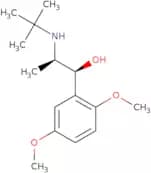
CAS:Produto Controlado<p>Butoxamine is a 5-HT1A receptor agonist that has been shown to activate cardiac 2-adrenergic receptors. It also inhibits ATP-sensitive K+ channels in the heart, thereby inhibiting cardiac excitability and promoting relaxation. Butoxamine has been shown to have anticholinergic effects on the detrusor muscle of the bladder, as well as other effects on smooth muscle. The ester hydrochloride salt of butoxamine has been used in polymerase chain reaction (PCR) studies for its ability to bind single-stranded DNA templates. The drug also inhibits bacterial translocation by blocking bacterial DNA gyrase, an enzyme that maintains the integrity of bacterial DNA. Butoxamine is also a cyclase inhibitor, which prevents the production of cAMP from ATP. This inhibition leads to reduced levels of phosphodiesterase and may have anti-inflammatory effects.</p>Fórmula:C15H25NO3Pureza:Min. 95%Peso molecular:267.36 g/mol3-Methyl-5-Isothiazolamine
CAS:<p>3-Methyl-5-isothiazolamine is a linear molecule with a molecular weight of 122.1. 3-Methyl-5-isothiazolamine has an interaction with chloride and can be used as a reagent for the identification of disulfides. Disulfide bonds are formed by the oxidation of sulfhydryl groups in proteins, which are reduced by glutathione reductase to produce sulfhydryl groups. 3-Methyl-5-isothiazolamine has been shown to react with molecular ions that are characteristic of isothiazoles and isothiazole derivatives, as well as aromatic compounds such as 4-hydroxybenzoic acid. This product also reacts with dehydrogenase enzymes, such as alcohol dehydrogenase, which produces oxidized products from carbohydrates and other organic molecules that contain hydroxyl groups.</p>Fórmula:C4H6N2SPureza:Min. 95%Cor e Forma:PowderPeso molecular:114.17 g/mol2-Amino-5-chlorothiophenol
CAS:2-Amino-5-chlorothiophenol is an aminothiophene derivative that has been shown to be an effective antibacterial agent. It is a substrate in the synthesis of polyesters and is used as a precursor in the synthesis of ciprofloxacin, a broad spectrum antibiotic. 2-Amino-5-chlorothiophenol has been shown to catalyze the reaction between phenyl groups and heterocycles, which is an important step in the synthesis of ciprofloxacin and fluconazole. The optimal reaction temperature for this process is between 150°C - 180°C. The irradiation time for this process varies depending on the intensity of light used, with optimal results obtained after 10 minutes at 25 kGy.Fórmula:C6H6ClNSPureza:Min. 95 Area-%Cor e Forma:PowderPeso molecular:159.64 g/molMesalamine impurity P
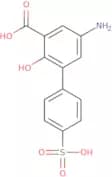
CAS:<p>Please enquire for more information about Mesalamine impurity P including the price, delivery time and more detailed product information at the technical inquiry form on this page</p>Fórmula:C13H11NO6SPureza:Min. 95%Cor e Forma:Yellow SolidPeso molecular:309.3 g/mol4-Amino-3-chloro-a-[[(1,1-dimethylethyl)amino]methyl]-5-(trifluoromethyl)benzenemethanol
CAS:Produto Controlado4-Amino-3-chloro-a-[(1,1-dimethylethyl)amino]methyl]-5-(trifluoromethyl)benzenemethanol (4ACBEM) is a fluorescent probe for the detection of intracellular Ca2+ levels. It binds to ryanodine receptors in the plasma membrane and can be used as a marker for Ca2+ mobilization in cells. 4ACBEM is used in flow cytometry and has been shown to bind to human serum albumin and other proteins with high affinity. The pharmacokinetics of 4ACBEM has been studied in rats, showing that it is eliminated by hepatic metabolism. This compound has also been shown to have no toxic effects on fetal bovine liver cells in vitro, although it does exhibit some interactions with the matrix that are dependent on the concentration of Ca2+.Fórmula:C13H18ClF3N2OPureza:Min. 95%Cor e Forma:Off-White To Yellow To Orange SolidPeso molecular:310.74 g/mol(R)-2-((4-Aminophenethyl)amino)-1-phenylethanol hydrochloride
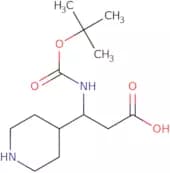
CAS:<p>Intermediate in the synthesis of mirabegron</p>Fórmula:C16H20N2O·HClPureza:Min. 95%Cor e Forma:PowderPeso molecular:292.8 g/mol3-tert-Butoxycarbonylamino-3-piperidin-4-yl-propionicacid
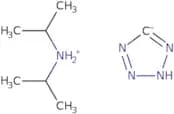
CAS:<p>3-tert-Butoxycarbonylamino-3-piperidin-4-yl-propionic acid is a fine chemical that is used as a versatile building block in many chemical syntheses. It can be used as an intermediate in the synthesis of other compounds, such as pharmaceuticals and agrochemicals. 3-tert-Butoxycarbonylamino-3-piperidin-4-yl propionic acid is also useful for research purposes, for example in the study of enzyme inhibition. This compound has been shown to be a high quality reagent with a CAS number of 372144-03-1.</p>Fórmula:C13H24N2O4Pureza:Min. 95%Cor e Forma:White/Off-White SolidPeso molecular:272.34 g/molDiisopropylammonium tetrazolide
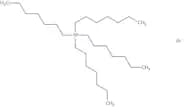
CAS:Produto Controlado<p>Diisopropylammonium tetrazolide or tetrazole diisopropylamine is used to synthesize nucleoside 3'-CE phosphoramidites, which are building blocks in the chemical synthesis of novel oligonucleotides. Tetrazole diisopropylamine catalyses the reaction of 2-cyanoethyl tetraisopropylphosphorodiamidite with a nucleophile, usually the 3’-OH of a suitably protected nucleoside. This approach has been used to efficiently make modified cytosine oligonucleotides.</p>Fórmula:C7H17N5Pureza:Min. 95%Cor e Forma:White PowderPeso molecular:171.24 g/molTetraheptylammonium bromide
CAS:<p>Tetraheptylammonium bromide is a solid catalyst that can be used for the preparation of pyrimidine compounds. Tetraheptylammonium bromide is a phase transition material with a melting point of about -60°C. It is used as an analytical reagent in the determination of metal ions by solution equilibria, and has been shown to have hemolytic activity. Tetraheptylammonium bromide has been shown to be a selective hydroxyl group-containing compound, which can be used in analytical chemistry methods such as linear calibration curves and carbon disulfide titrations.</p>Fórmula:C28H60BrNPureza:Min. 98%Cor e Forma:PowderPeso molecular:490.69 g/mol2-Amino-N-[2-(2-chlorobenzoyl)-4-nitrophenyl]acetamide
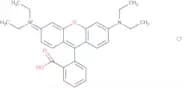
CAS:<p>2-Amino-N-[2-(2-chlorobenzoyl)-4-nitrophenyl]acetamide is a fine chemical that is used as a building block in organic synthesis. It is a versatile intermediate for the synthesis of other compounds and can be used to make a variety of useful scaffolds. 2-Amino-N-[2-(2-chlorobenzoyl)-4-nitrophenyl]acetamide has been used in research and development of pharmaceuticals, agrochemicals, herbicides, and other compounds.</p>Fórmula:C15H12ClN3O4Pureza:Min. 95%Cor e Forma:Slightly Yellow PowderPeso molecular:333.73 g/molRhodamine B
CAS:<p>Rhodamine B is a fluorescent dye that has been used as a model system to study the effects of drugs on P-glycoprotein (P-gp) function. It has been shown to inhibit P-gp function by binding to the transporter protein, which is responsible for pumping drugs and other compounds out of cells. Rhodamine B can be used as a probe for P-gp activity in cell lines, including squamous carcinoma cells, and can also be used to measure drug efflux from cells.<br>Rhodamine B was found to have an optimum concentration of 10 μM and a structural analysis showed it forms a complex with the transporter protein.</p>Fórmula:C28H31ClN2O3Pureza:Min. 95%Cor e Forma:Yellow Clear LiquidPeso molecular:479.01 g/molN-tert-Butoxycarbonyl tyramine
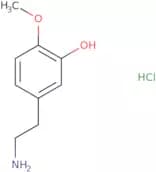
CAS:N-tert-Butoxycarbonyl tyramine is a molecule that has been shown to have anti-tuberculosis properties. It is synthesized by reacting N-Boc-tyrosine with chloroform in the presence of an acid catalyst. The reaction product is a zwitterion, which can be converted to an ionic form by treatment with mineral acids or phosphoric acid. The chloride ion is released from the molecule and reacts with phosphate ions to form hydroxyapatite, which is used as a bone substitute. This compound also has potential for use in cancer treatments due to its ability to inhibit cell proliferation and induce apoptosis in cancer cells. The uptake of this drug was studied using caco-2 cells cultured on plastic membrane inserts in contact with phosphate buffered saline (PBS). The results showed that it had a high uptake rate and concentration in these cells. This compound was also found to have an inhibitory effect on phosphataseFórmula:C13H19NO3Pureza:Min. 95%Peso molecular:237.29 g/mol3-Hydroxy-4-methoxyphenethylamine HCl
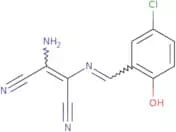
CAS:Produto Controlado<p>3-Hydroxy-4-methoxyphenethylamine HCl is an amine that is found in plants. It has been shown to be a reactive compound with a carbonyl group and an amine group. 3-Hydroxy-4-methoxyphenethylamine HCl can act as a dopamine receptor agonist, causing the release of serotonin from neurons. This chemical also has anti-inflammatory properties and may be used to treat inflammatory diseases such as asthma. 3-Hydroxy-4-methoxyphenethylamine HCl may also have blood pressure lowering effects.</p>Fórmula:C9H14ClNO2Pureza:Min. 95%Cor e Forma:White to off-white solid.Peso molecular:203.67 g/mol2-Amino-1-(1-aza-2-(5-chloro-2-hydroxyphenyl)vinyl)ethene-1,2-dicarbonitrile
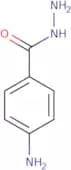
CAS:<p>Please enquire for more information about 2-Amino-1-(1-aza-2-(5-chloro-2-hydroxyphenyl)vinyl)ethene-1,2-dicarbonitrile including the price, delivery time and more detailed product information at the technical inquiry form on this page</p>Fórmula:C11H7ClN4OPureza:Min. 95%Cor e Forma:PowderPeso molecular:246.65 g/mol4-Aminobenzhydrazide
CAS:4-Aminobenzhydrazide is a reactive chemical that can be used to study the kinetics of reactions. It is used in vitro as an antimicrobial agent against human eosinophils, HL-60 cells, and K562 cells. 4-Aminobenzhydrazide has been shown to inhibit the production of eosinophil peroxidase by inhibiting mmp-9 activity. This drug also inhibits the growth of bacteria such as Staphylococcus aureus and Escherichia coli in vitro. 4-Aminobenzhydrazide is chemically stable and does not decompose at high temperatures or react with sodium ferulate (a common oxidant).Fórmula:C7H9ON3Pureza:Min. 94 Area-%Cor e Forma:PowderPeso molecular:151.17 g/mol4-(Dimethylamino)pyridine, polymer-bound
CAS:<p>4-(Dimethylamino)pyridine, polymer-bound (4DAP-P), is a chemical compound that belongs to the aminopyridine class of compounds. 4DAP-P has been shown to have antibacterial efficacy against bacteria such as Escherichia coli and Klebsiella pneumoniae in vitro assays. It also has anti-inflammatory properties and can be used for the treatment of inflammatory bowel disease. 4DAP-P is not absorbed through the skin or mucus membranes, but can be taken orally with food or liquid. The polymer-bound form of 4DAP-P has been shown to be more stable than its free form, which may make it a better choice for some applications.</p>Pureza:Min. 95%Cor e Forma:Orange PowderPeso molecular:104.152-Amino-N-[2-(5-methoxy-1H-indol-3-yl)ethyl]acetamide hydrochloride
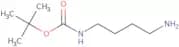
CAS:<p>2-Amino-N-[2-(5-methoxy-1H-indol-3-yl)ethyl]acetamide hydrochloride is a magnetic compound that has been shown to be an effective cancer antigen. It is a derivative of the amino acid sequence of α,β-unsaturated fatty acids and can be used as a dietary supplement. 2-Amino-N-[2-(5-methoxy-1H-indol-3-yl)ethyl]acetamide hydrochloride has been shown to bind to fatty acid receptors on the surface of antigen presenting cells (APCs). It also activates the immune system by activating APCs, which leads to the production of cytokines and chemokines. This compound has also been shown to stimulate T cells in culture, leading to activation and proliferation of tumor cells.</p>Fórmula:C13H17N3O2·HClPureza:Min. 95%Cor e Forma:PowderPeso molecular:283.75 g/molN-(tert-Butoxycarbonyl)-1,4-diaminobutane
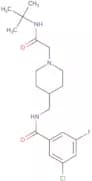
CAS:<p>N-(tert-Butoxycarbonyl)-1,4-diaminobutane is a cationic polymer that is used for transfection. It has been shown to have high efficiency in the transfection of DNA into cells and polymers that are biodegradable and can be dissolved in water. This chemical compound also has an acidic pH range, which makes it useful for the treatment of intracellular environments with a low pH. N-(tert-Butoxycarbonyl)-1,4-diaminobutane has been shown to cause cytotoxicity in cells at high concentrations, but has no effects on cells at lower concentrations. The disulfide bonds of this compound make it endosomal-lytic and nonviral.</p>Fórmula:C9H20N2O2Pureza:Min. 95%Cor e Forma:Clear LiquidPeso molecular:188.27 g/molN-((1-(2-(tert-Butylamino)-2-oxoethyl)piperidin-4-yl)methyl)-3-chloro-5-fluorobenzamide
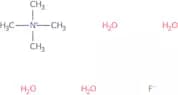
CAS:<p>N-((1-(2-(tert-Butylamino)-2-oxoethyl)piperidin-4-yl)methyl)-3-chloro-5-fluorobenzamide is a novel antiarrhythmic drug that inhibits the activation of cardiac cells. It was shown to inhibit proliferation and migration of human leukemia cells in vitro and to inhibit tumor growth in vivo. N-(1-(2-(tert-Butylamino)-2-oxoethyl)piperidin-4-yl)methyl)-3-chloro-5-fluorobenzamide has been shown to have cardioprotective effects in Sprague Dawley rats, reducing the incidence of ventricular tachycardia and fibrillation. The clinical studies conducted so far have not revealed any adverse effects on the heart or other organs.</p>Fórmula:C19H27ClFN3O2Pureza:Min. 95%Cor e Forma:White SolidPeso molecular:383.89 g/molTetramethylammonium fluoride tetrahydrate
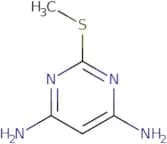
CAS:<p>Tetramethylammonium fluoride tetrahydrate (TMF) is an ionic liquid that is a reaction product of tetraethylammonium and hydrochloric acid. TMF has been shown to react reversibly with water to produce aqueous hydrogen fluoride, which can be detected at low concentrations with a variety of analytical techniques such as gas chromatography. TMF has also been shown to have selectivities for the transport of silicon and calcium carbonate ions, which are useful in electrochemical studies. The activation energies for the reaction of TMF with water were determined by electrochemical studies to be around -0.4 eV.</p>Fórmula:C4H12FN·4H2OCor e Forma:White PowderPeso molecular:165.2 g/mol2-Methylthiopyrimidine-4,6-diamine
CAS:<p>2-Methylthiopyrimidine-4,6-diamine is a potent inhibitor of the enzyme DNA polymerase. It has shown to be effective against hepg2 cells and other cancer cells. The compound binds covalently to the active site of the enzyme, where it stabilizes the transition state and deshields the electrostatic field around the nucleophilic nitrogen atom. This interaction leads to a decreased affinity for ATP, which is required for DNA synthesis. 2-Methylthiopyrimidine-4,6-diamine also has antimalarial activity and inhibits amide bond formation in hepg2 cells.</p>Fórmula:C5H8N4SPureza:Min. 95%Cor e Forma:PowderPeso molecular:156.21 g/molN-Methyl-N-[(1,3,5-trimethyl-1H-pyrazol-4-yl)methyl]amine
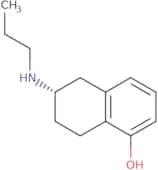
CAS:<p>Please enquire for more information about N-Methyl-N-[(1,3,5-trimethyl-1H-pyrazol-4-yl)methyl]amine including the price, delivery time and more detailed product information at the technical inquiry form on this page</p>Fórmula:C8H15N3Pureza:Min. 95%Peso molecular:153.22 g/mol(6S)-5,6,7,8-Tetrahydro-6-(propylamino)-1-naphthalenol
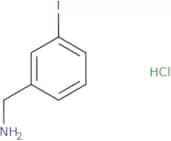
CAS:Produto Controlado<p>Rotigotine is a drug that is used to treat Parkinson's disease. It is a dopamine agonist that stimulates the release of dopamine in the brain. Rotigotine has been shown to be effective in controlling symptoms of Parkinson's disease, such as tremors and stiffness, and improving motor skills. This drug has also been shown to have a good tolerability profile, with few side effects reported. Rotigotine is rapidly absorbed from the gastrointestinal tract and metabolized by CYP2D6 into desalkyl rotigotine, which are pharmacologically inactive compounds. The mean terminal half-life for rotigotine is about 2 hours.</p>Fórmula:C13H19NOPureza:Min. 95%Peso molecular:205.3 g/mol3-Iodobenzylamine hydrochloride
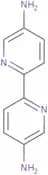
CAS:<p>3-Iodobenzylamine HCl is a weak anion that has a moderate affinity for the adenosine A3 receptor. 3-Iodobenzylamine HCl is used in the analysis of adenosine, d-xylose and other compounds. The binding of 3-iodobenzylamine to the A3 receptor causes an increase in cyclic AMP levels and an increase in intracellular Ca2+ levels, leading to cell signaling. 3-Iodobenzylamine HCl also acts as a competitive antagonist at the A3 receptor. This drug can also act as an agonist at the A3 receptor, with binding affinities for this site comparable to those of adenosine. This drug is able to inhibit cyanamide catalysis due to its ability to bind with fluorine atoms on the acceptor site of this enzyme.</p>Fórmula:C7H8IN•HClPureza:Min. 95%Cor e Forma:PowderPeso molecular:269.51 g/mol5,5'-Diamino-2,2'-bipyridine
CAS:<p>5,5'-Diamino-2,2'-bipyridine is an acidic metalloporphyrin that has been shown to react with epoxides to form nucleophilic adducts. This compound can be used as a ligand for lanthanide ions and reacts with aminopyridine to form bromoethane. 5,5'-Diamino-2,2'-bipyridine has been shown to have carcinogenic properties and may induce bromoethane mutagenicity in the liver. This compound is also mutagenic when added to propylene carbonate. 5,5'-Diamino-2,2'-bipyridine is luminescent in air or water when exposed to UV light.</p>Fórmula:C10H10N4Pureza:Min. 97 Area-%Cor e Forma:PowderPeso molecular:186.21 g/mol2-(((2-Indol-3-ylethyl)amino)ethylidene)indane-1,3-dione
CAS:<p>Please enquire for more information about 2-(((2-Indol-3-ylethyl)amino)ethylidene)indane-1,3-dione including the price, delivery time and more detailed product information at the technical inquiry form on this page</p>Fórmula:C21H18N2O2Pureza:Min. 95%Cor e Forma:PowderPeso molecular:330.38 g/mol3-Nitro-5-(trifluoromethyl)benzene-1,2-diamine
CAS:3-Nitro-5-(trifluoromethyl)benzene-1,2-diamine is a chemical compound that can be used as a reaction component or reagent in research. It is a useful scaffold and building block for complex compounds. 3-Nitro-5-(trifluoromethyl)benzene-1,2-diamine has CAS No. 2078-01-5 and is classified as a speciality chemical. This chemical is versatile because it has many uses in both organic chemistry and biology, including use as an intermediate or building block for more complex compounds.Fórmula:C7H6F3N3O2Pureza:Min. 95%Cor e Forma:PowderPeso molecular:221.14 g/mol1,4-Diamino-2,3-dihydroanthraquinone
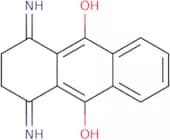
CAS:<p>1,4-Diamino-2,3-dihydroanthraquinone is an impurity found in the manufacture of the drug dermatan sulfate. It can be used as a chromatographic method for the detection of skin tumor cells. This compound has been shown to have neurodevelopmental and environmental effects. The liquid chromatography methods for this compound are based on its fluorescence properties, but it can also be detected by optical absorbance or by nmr spectroscopy. 1,4-Diamino-2,3-dihydroanthraquinone has been shown to cause cytotoxicity and morphological changes in liver cells in vitro.</p>Fórmula:C14H12N2O2Pureza:Min. 95%Cor e Forma:Green PowderPeso molecular:240.26 g/mol(2S)-N-Boc-2-amino-4-azido-butanoic acid methyl ester
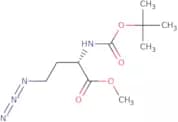
CAS:<p>(2S)-N-Boc-2-amino-4-azido-butanoic acid methyl ester is a high quality, reagent, complex compound, useful intermediate, fine chemical that is used as a building block in the synthesis of speciality chemicals.</p>Fórmula:C10H18N4O4Pureza:Min. 95%Cor e Forma:PowderPeso molecular:258.27 g/mol2-Iodobenzylamine HCl
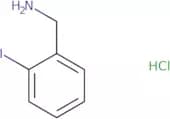
CAS:<p>2-Iodobenzylamine HCl is an imine that is used in the synthesis of carboxamides. It can be produced by carbonylation of alkylamines with formaldehyde and hydrogen peroxide. In the presence of palladium, 2-iodobenzylamine HCl undergoes deprotection to give the desired carboxamide.<br>2-Iodobenzylamine HCl has been shown to react intramolecularly with amines to produce imines, which are useful intermediates in organic synthesis.</p>Fórmula:C7H8IN·HClPureza:Min. 95%Cor e Forma:PowderPeso molecular:269.51 g/molR-(+)-Aminoglutethimide L-tartrate
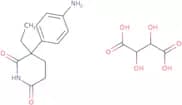
CAS:Produto Controlado<p>R-(+)-Aminoglutethimide is a potent inhibitor of mitochondrial electron transport and the cleavage enzyme 4-phenylimidazole. It inhibits mitochondrial ATP production by binding to the inner mitochondrial membrane and preventing the passage of electrons from cytochrome c oxidase to oxygen. This drug has been shown to be effective in treating corticotroph adenoma, a benign tumor of the anterior pituitary gland, which is due to excessive secretion of ACTH by the gland. R-(+)-Aminoglutethimide can also be used for treatment of Cushing's syndrome due to its ability to inhibit cortisol synthesis in the adrenal cortex. This drug has been shown to act as a potent inhibitor of progesterone synthesis in bovine and human ovaries, leading to decreased levels of pregnenolone, which is an important precursor for other steroid hormones such as testosterone or estrogens.</p>Fórmula:C17H22N2O8Pureza:Min. 95%Cor e Forma:White To Off-White SolidPeso molecular:382.37 g/mol2-[[(Heptadecafluorooctyl)Sulphonyl]Methylamino]Ethyl Methacrylate
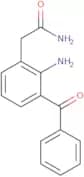
CAS:Produto Controlado<p>2-[[(Heptadecafluorooctyl)Sulphonyl]Methylamino]Ethyl Methacrylate is a substance that belongs to the group of substances. It is a chemical substance with a molecular formula of CH2=C(COOCH2CF3SO2)-N(CH3)2. 2-[[(Heptadecafluorooctyl)Sulphonyl]Methylamino]Ethyl Methacrylate is used as an additive in paints, adhesives and sealants to improve their resistance to water, oil and acid. This substance also has a sulfonate group, which makes it soluble in organic solvents.</p>Fórmula:C15H12F17NO4SPureza:Min. 95%Peso molecular:625.3 g/mol2-Amino-3-benzoylbenzeneacetamide
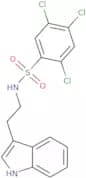
CAS:2-Amino-3-benzoylbenzeneacetamide is an ophthalmic drug that has significant cytotoxicity. It is used to treat inflammation of the retina and macula, as well as other diseases of the eye such as uveitis. 2-Amino-3-benzoylbenzeneacetamide is a nonsteroidal anti-inflammatory drug (NSAID) that inhibits prostaglandin synthesis by blocking cyclooxygenase. This agent has been shown to be effective in reducing pain and inflammation in animal models, but there are no studies on its side effects or analytical methods for detection. There are also no studies on the effectiveness of this drug for treating uveitis.Fórmula:C15H14N2O2Pureza:Min. 95%Cor e Forma:PowderPeso molecular:254.28 g/mol(2-Indol-3-ylethyl)((2,4,5-trichlorophenyl)sulfonyl)amine
CAS:Please enquire for more information about (2-Indol-3-ylethyl)((2,4,5-trichlorophenyl)sulfonyl)amine including the price, delivery time and more detailed product information at the technical inquiry form on this pageFórmula:C16H13Cl3N2O2SPureza:Min. 95%Cor e Forma:PowderPeso molecular:403.71 g/mol(1S,2R)-(-)-cis-1-Amino-2-indanol
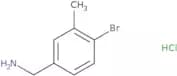
CAS:<p>Precusor for preparation of indinavir; a chiral ligand for asymmetric synthesis</p>Fórmula:C9H11NOPureza:Min. 95%Cor e Forma:White PowderPeso molecular:149.19 g/mol4-Bromo-3-methylbenzylamine hydrochloride
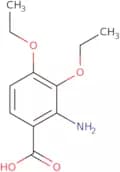
CAS:<p>4-Bromo-3-methylbenzylamine hydrochloride is a synthetic chemical that can be used in the synthesis of various products. This compound is a useful scaffold for the preparation of complex compounds, and it has been used as a reaction component in organic chemistry. It is also a versatile building block that can be used to synthesize fine chemicals with high purity. 4-Bromo-3-methylbenzylamine hydrochloride has been assigned CAS No. 1955514-32-5 by the Chemical Abstracts Service (CAS).</p>Fórmula:C8H10BrN·HClPureza:Min. 95%Peso molecular:236.54 g/mol2-Amino-3,4-diethoxybenzoic acid
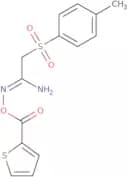
CAS:<p>2-Amino-3,4-diethoxybenzoic acid is a high quality chemical with a CAS No. 61948-72-9. It is an organic compound that belongs to the class of aromatic carboxylic acids and has a molecular weight of 174.2 g/mol. 2DHB is a useful intermediate in the synthesis of fine chemicals, research chemicals, and speciality chemicals like pharmaceuticals, pesticides, and dyes. It can also be used as a building block in the synthesis of many other compounds. The versatility of 2DHB makes it an important component in reactions involving nucleophilic substitution or addition reactions.</p>Fórmula:C11H15NO4Pureza:Min. 95%Cor e Forma:PowderPeso molecular:225.24 g/mol2-Amino-1-aza-3-((4-methylphenyl)sulfonyl)prop-1-enyl thiophene-2-carboxylate
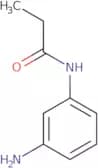
CAS:<p>Please enquire for more information about 2-Amino-1-aza-3-((4-methylphenyl)sulfonyl)prop-1-enyl thiophene-2-carboxylate including the price, delivery time and more detailed product information at the technical inquiry form on this page</p>Fórmula:C14H14N2O4S2Pureza:Min. 95%Cor e Forma:PowderPeso molecular:338.4 g/mol3'-Aminopropionanilide
CAS:<p>3'-Aminopropionanilide is a synthetic chemical that belongs to the group of aminopropionates. It has been used as a reaction component and reagent in organic synthesis. 3'-Aminopropionanilide is a versatile building block, which can be used to synthesize complex compounds with different functions. This compound is also an intermediate in the synthesis of other chemicals, such as pharmaceuticals or agrochemicals. 3'-Aminopropionanilide has a CAS number of 22987-10-6.</p>Fórmula:C9H12N2OPureza:Min. 95%Cor e Forma:PowderPeso molecular:164.2 g/mol1-(Methylbenzyl)amine sulphate
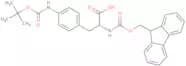
1-(Methylbenzyl)amine sulphate is a high quality chemical that is an intermediate to the production of many useful compounds. It can be used in research as a building block for new compounds, or as a versatile building block for reactions. 1-(Methylbenzyl)amine sulphate has many uses, including being a reagent for the synthesis of complex compounds with high purity and usefulness as a speciality chemical in fine chemicals and research chemicals. CAS No.: 1026-97-3Fórmula:C8H11NSO4Pureza:Min. 95%Cor e Forma:PowderPeso molecular:217.00 g/molFmoc-4-(Boc-amino)-D-phenylalanine
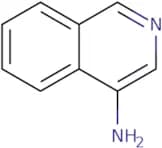
CAS:Fmoc-4-(Boc-amino)-D-phenylalanine is a versatile building block and a useful intermediate in organic synthesis. It is used as a reaction component in the synthesis of pharmaceuticals, antibiotics, herbicides, pesticides and other organic compounds. Fmoc-4-(Boc-amino)-D-phenylalanine is also used as an additive for the production of polyurethane foams. This compound has a high quality and purity level and can be used as a reagent for chemical reactions.Fórmula:C29H30N2O6Pureza:Min. 98 Area-%Cor e Forma:White Off-White PowderPeso molecular:502.56 g/mol4-Amino isoquinoline
CAS:<p>4-Amino isoquinoline is a synthetic chemical that has a pyridine ring and chlorine atom. It can be synthesized by reacting 2,4-dichlorobenzene with acetaldehyde and hydrochloric acid. 4-Amino isoquinoline binds to the receptor that it interacts with, such as the ligand, dimethyl acetylenedicarboxylate, or taraxasterol acetate. This binding process can be used for treatment purposes. The ligand is usually introduced into the body through injection or ingestion of a drug. The ligand can also be attached to an antibody in order to target specific cells. The ligand has shown efficacy in treating cancerous tumors and other diseases like Parkinson's disease and Alzheimer's disease.</p>Fórmula:C9H8N2Pureza:Min. 95%Cor e Forma:White To Brown SolidPeso molecular:144.17 g/mol

![[1-(Pyrrolidin-1-ylcarbonyl)propyl]amine hydrochloride](/_next/image/?url=https%3A%2Fstatic.cymitquimica.com%2Fproducts%2F3D%2Fthumb-webp%2FFP130638.webp&w=3840&q=75)
![N-[2-(Fmoc-amino)-ethyl]glycine tert-butylester hydrochloride](/_next/image/?url=https%3A%2Fstatic.cymitquimica.com%2Fproducts%2F3D%2Fthumb-webp%2FFF49771.webp&w=3840&q=75)




![4,5-Dihydronaphtho[1,2-d][1,3]thiazol-2-amine](/_next/image/?url=https%3A%2Fstatic.cymitquimica.com%2Fproducts%2F3D%2Fthumb-webp%2FFD127118.webp&w=3840&q=75)
![cis-(+/-)-2-[(N-Benzyl-N-methyl)aminomethyl]-1-(3-methoxyphenyl)cyclohexanol hydrochloride](/_next/image/?url=https%3A%2Fstatic.cymitquimica.com%2Fproducts%2F3D%2Fthumb-webp%2FFB18402.webp&w=3840&q=75)
![[(1,2-Dimethyl-1H-imidazol-5-yl)methyl]amine dihydrochloride](/_next/image/?url=https%3A%2Fstatic.cymitquimica.com%2Fproducts%2F3D%2Fthumb-webp%2FFD124269.webp&w=3840&q=75)

![[2-(2,3-Dimethylphenoxy)ethyl]amine HCl](/_next/image/?url=https%3A%2Fstatic.cymitquimica.com%2Fproducts%2F3D%2Fthumb-webp%2FFD133628.webp&w=3840&q=75)
![[2-(1,3-Benzodioxol-5-yloxy)ethyl]amine hydrochloride](/_next/image/?url=https%3A%2Fstatic.cymitquimica.com%2Fproducts%2F3D%2Fthumb-webp%2FFB120300.webp&w=3840&q=75)



![4-Amino-3-chloro-a-[[(1,1-dimethylethyl)amino]methyl]-5-(trifluoromethyl)benzenemethanol](/_next/image/?url=https%3A%2Fstatic.cymitquimica.com%2Fproducts%2F3D%2Fthumb-webp%2FFA24968.webp&w=3840&q=75)

![2-Amino-N-[2-(2-chlorobenzoyl)-4-nitrophenyl]acetamide](/_next/image/?url=https%3A%2Fstatic.cymitquimica.com%2Fproducts%2F3D%2Fthumb-webp%2FFA17795.webp&w=3840&q=75)

![2-Amino-N-[2-(5-methoxy-1H-indol-3-yl)ethyl]acetamide hydrochloride](/_next/image/?url=https%3A%2Fstatic.cymitquimica.com%2Fproducts%2F3D%2Fthumb-webp%2FFA116384.webp&w=3840&q=75)
![N-Methyl-N-[(1,3,5-trimethyl-1H-pyrazol-4-yl)methyl]amine](/_next/image/?url=https%3A%2Fstatic.cymitquimica.com%2Fproducts%2F3D%2Fthumb-webp%2FFM112110.webp&w=3840&q=75)

![2-[[(Heptadecafluorooctyl)Sulphonyl]Methylamino]Ethyl Methacrylate](/_next/image/?url=https%3A%2Fstatic.cymitquimica.com%2Fproducts%2F3D%2Fthumb-webp%2FFH98020.webp&w=3840&q=75)