Aminas
As aminas são um conjunto de moléculas que contêm um grupo funcional amino (derivado da amônia). Esta categoria inclui aminas em qualquer nível de substituição: primárias, secundárias, terciárias e sais de amônio. As aminas são fundamentais na síntese orgânica e são amplamente utilizadas em produtos farmacêuticos, agroquímicos e ciência dos materiais. Na CymitQuimica, oferecemos uma seleção abrangente de aminas para atender às suas necessidades de pesquisa e industriais. Nossa gama garante acesso a várias aminas para diversos processos químicos e pesquisas inovadoras.
Subcategorias de "Aminas"
- Nitrosaminas(2.605 produtos)
- Aminas primárias(30.947 produtos)
- Catiões Quaternários de Amónio(1.100 produtos)
- Aminas secundárias(20.886 produtos)
- Aminas terciárias(17.193 produtos)
Foram encontrados 8780 produtos de "Aminas"
Ordenar por
Pureza (%)
0
100
|
0
|
50
|
90
|
95
|
100
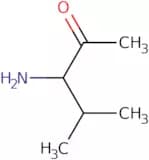
3-Amino-4-methylpentan-2-one hydrochloride
CAS:3-Amino-4-methylpentan-2-one hydrochloride is a versatile building block that is used for the synthesis of high quality research chemicals, useful scaffolds, and speciality chemicals. It is also used as a reagent in organic syntheses. This chemical has a wide range of uses and is a fine chemical that can be used as an intermediate or reaction component. 3-Amino-4-methylpentan-2-one hydrochloride can be reacted with other compounds to form complex molecules that have many different applications.Fórmula:C6H13NO•HClPureza:Min. 95%Cor e Forma:SolidPeso molecular:151.63 g/mol[3-(Methylamino)-5,6-dihydro-2H-1,4-thiazin-2-ylidene]hydroxylamine HCl
CAS:<p>3-(Methylamino)-5,6-dihydro-2H-1,4-thiazin-2-ylidene]hydroxylamine HCl is a fine chemical that can be used as a versatile building block. It has been shown to be a useful intermediate in the synthesis of various compounds and for the preparation of research chemicals. 3-(Methylamino)-5,6-dihydro-2H-1,4-thiazin-2-ylidene]hydroxylamine HCl is a complex compound and can be used as a reagent or reaction component. 3-(Methylamino)-5,6-dihydro-2H-1,4-thiazin-2-ylidene]hydroxylamine HCl is also an excellent quality chemical.</p>Fórmula:C5H9N3OS·HClPureza:Min. 95%Cor e Forma:PowderPeso molecular:195.67 g/mol2-Amino-4,8-naphthalenedisulfonic acid
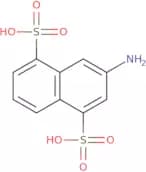
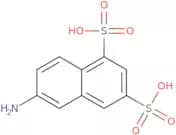
CAS:<p>2-Amino-4,8-naphthalenedisulfonic acid is a structural analog of the natural amino acid phenylalanine. It is an inhibitor of the enzyme tyrosinase, which participates in the oxidation of dopamine to DOPA and subsequent conversion to melanin. 2-Amino-4,8-naphthalenedisulfonic acid has been shown to inhibit the growth of probiotic bacteria and can be used as a food additive. The compound also inhibits the oxidation catalyst that is required for some analytical chemistry tests. 2-Amino-4,8-naphthalenedisulfonic acid has been shown to have toxicological properties in animal studies and this toxicity is exacerbated by its ability to bind with pyridine nucleotides found in cells. The toxicological effects are thought to be related to the inhibition of protein synthesis that leads to cell death.</p>Fórmula:C10H9NO6S2Pureza:Min. 95%Cor e Forma:PowderPeso molecular:303.31 g/mol(2-indol-3-ylethyl)((2-(trifluoromethyl)phenyl)sulfonyl)amine
CAS:Please enquire for more information about (2-indol-3-ylethyl)((2-(trifluoromethyl)phenyl)sulfonyl)amine including the price, delivery time and more detailed product information at the technical inquiry form on this pageFórmula:C17H15F3N2O2SPureza:Min. 95%Cor e Forma:PowderPeso molecular:368.38 g/mol3-Amino-4-methoxybenzanilide
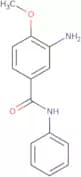
CAS:3-Amino-4-methoxybenzanilide is a white, crystalline solid that is soluble in organic solvents. It reacts with hydrochloric acid to form hydrogen chloride and 3-amino-4-methoxybenzoic acid. 3-Amino-4-methoxybenzanilide is used as an analytical reagent for determining the chloride content of various materials. The heat energy needed for the reaction to occur optimally is between 55 and 75 degrees Celsius. The optimal reaction system includes hydrochloric acid, an organic solvent, and diazonium salt activated by hydrogen chloride gas. The reaction time is 2 hours at room temperature and the analytical method used is titrimetric analysis using triticum aestivum as the particle.Fórmula:C14H14N2O2Pureza:Min. 95%Cor e Forma:PowderPeso molecular:242.27 g/mol2-Chloro-5-methylbenzylamine hydrochloride
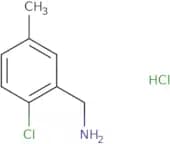
CAS:<p>2-Chloro-5-methylbenzylamine hydrochloride is a chemical that is used as a versatile building block in the synthesis of complex compounds. It has a wide range of uses, including as a research chemical, reagent, and speciality chemical. 2-Chloro-5-methylbenzylamine hydrochloride is also used as an intermediate in the synthesis of other chemicals and can be used as an organic building block, reaction component, and scaffold. This product can be used to produce high-quality products, such as pharmaceuticals and agrochemicals.</p>Fórmula:C8H10ClN•HClPureza:Min. 95%Peso molecular:192.09 g/mol(S)-2-((((9H-Fluoren-9-yl)methoxy)carbonyl)amino)-3-(1H-pyrrolo[2,3-b]pyridin-3-yl)propanoic acid
CAS:<p>Please enquire for more information about (S)-2-((((9H-Fluoren-9-yl)methoxy)carbonyl)amino)-3-(1H-pyrrolo[2,3-b]pyridin-3-yl)propanoic acid including the price, delivery time and more detailed product information at the technical inquiry form on this page</p>Fórmula:C25H21N3O4Pureza:Min. 95%Peso molecular:427.45 g/mol1,1,2,2,3,3,4,4,4a,5,5,6,6,7,7,8,8,8a-Octadecafluoronaphthalene; 1,1,2,2,3,3,3-Heptafluoropropan-1-Amine
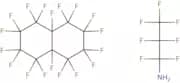
CAS:Produto Controlado1,1,2,2,3,3,4,4a,5-Octadecafluoronaphthalene is a fluorinated derivative of an organic compound that is used as an intestinal antiseptic and as a cardioplegic solution. Sodium salts of this drug are used to treat intestinal disorders such as colitis and Crohn's disease. It is also used to treat cardiac diseases such as myocardial infarction by reducing the size of the infarcted area. The drug has been shown to be effective in preventing muscle degeneration in patients with AIDS. 1,1,2,2,3,3-Heptafluoropropan-1-amine is a chemical that belongs to the group of adjuvant therapies. It is used as a pharmaceutical preparation for kinetic studies and particle characterization.Fórmula:C13H2F25NPureza:Min. 95%Peso molecular:647.12 g/mol(3-Aminomethyl)benzoic acid hydrochloride
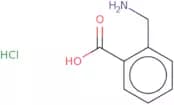
CAS:(3-Aminomethyl)benzoic acid hydrochloride is a high-quality, versatile compound that can be used as a reagent or scaffold for the synthesis of complex compounds. It is a fine chemical that can be used as an intermediate in organic chemistry and has been shown to be useful in the synthesis of speciality chemicals. The CAS number for this chemical is 876-03-9. This chemical is also a versatile building block for reactions, and has been shown to be an excellent reaction component for research purposes.Fórmula:C8H9NO2•HClPureza:Min. 95%Cor e Forma:PowderPeso molecular:187.62 g/molN-(Aminoethyl)-5-naphthylamine-1-sulfonic acid sodium
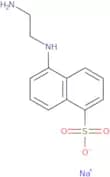
CAS:<p>N-(Aminoethyl)-5-naphthylamine-1-sulfonic acid sodium salt (NAES) is a fluorescent dye that has been used to study the structure of proteins. NAES binds to acceptor sites on the protein, which can be either amino acid side chains or other ions in solution. The fluorescence of NAES depends on the environment and the number of acceptors present. This dye has been used in assays for staphylococcus, as it is resistant to staining by Gram stain and stains brightly with fluorescence assay. NAES has also been shown to have a high kinetic rate and sensitivity, making it an effective virus assay.</p>Fórmula:C12H14N2O3S•NaPureza:Min. 95%Peso molecular:289.31 g/mol4,6-Dimethyl-N-phenylpyrimidin-2-amine
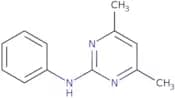
CAS:4,6-Dimethyl-N-phenylpyrimidin-2-amine is a fungicide that is effective against the production of nitrite ion in the liver. It has been shown to be a potent inhibitor of hepatic steatosis. 4,6-Dimethyl-N-phenylpyrimidin-2-amine was also shown to have an inhibitory effect on the growth of fungal strains in vitro. This compound has been demonstrated to be active against a number of plant pathogens and may be useful in postharvest applications. 4,6-Dimethyl-N-phenylpyrimidin-2-amine interacts with the hippocampus formation and may play a role in preventing neurodegenerative diseases such as Alzheimer's disease or Parkinson's disease.Fórmula:C12H13N3Pureza:Min. 95%Cor e Forma:PowderPeso molecular:199.25 g/mol4-Amino-1-Boc-piperidine
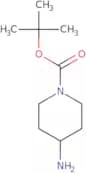
CAS:<p>4-Amino-1-Boc-piperidine is a potent inhibitor of the CCR5 receptor. It is an x-ray crystal structure with a hydroxide solution that inhibits the growth of cancer cells. The inhibitor binding site for 4-Amino-1-Boc-piperidine was determined to be the CCR5 receptor, which is located on the surface of hematopoietic cells. The compound has been shown to inhibit human T lymphocyte proliferation in vitro and inhibit HIV replication in infected patients. 4-Amino-1-Boc-piperidine is able to inhibit the growth of cancer cells by blocking the production of cytokines, such as interleukin 2, that are needed for cell division and growth.</p>Fórmula:C10H20N2O2Pureza:Min. 95%Cor e Forma:PowderPeso molecular:200.28 g/mol3-Amino-2-piperidinone
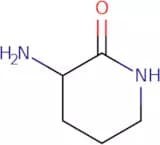
CAS:<p>3-Amino-2-piperidinone is a metabolite of ornithine, which is a nonessential amino acid. It is produced by the metabolism of arginine and lysine, both of which are essential amino acids. 3-Amino-2-piperidinone has been found in urine samples from patients with bladder cancer and hyperornithinemia. It has also been detected in saccharomyces cerevisiae strain during energy metabolism experiments. This metabolite can be identified using chromatographic techniques such as gas chromatography and mass spectrometry.<br>3-Amino-2-piperidinone can be used to identify the presence of cancer or metabolic disorders such as hyperornithinemia by measuring its concentration in urine samples or reaction solutions.</p>Fórmula:C5H10N2OPureza:Min. 95%Cor e Forma:PowderPeso molecular:114.15 g/mol5-Nitro-m-phenylenediamine
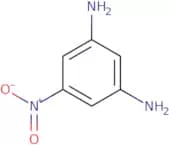
CAS:5-Nitro-m-phenylenediamine is an organic compound that has the chemical formula CHNO. It is a white crystalline solid with a melting point of 158 °C. The compound is soluble in water and other polar solvents but insoluble in nonpolar solvents such as hexane. 5-Nitro-m-phenylenediamine can be prepared by nitration of m-phenylenediamine, which produces the desired product in about 30% yield and with impurities that must be removed by fractional crystallization. The compound is used as an intermediate for making dyes and pharmaceuticals.Fórmula:C6H7N3O2Pureza:Min. 95%Cor e Forma:PowderPeso molecular:153.14 g/mol2-Aminobiphenyl
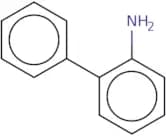
CAS:<p>2-Aminobiphenyl is a chemical compound with the molecular formula C6H5CH2NH. It has been found to be carcinogenic in animals. 2-Aminobiphenyl is metabolized by the liver and excreted in urine, and is also excreted into breast milk. 2-Aminobiphenyl binds to epidermal growth factor receptors (EGFR) and triggers the activation of cell proliferation. The tissue culture studies show that it induces tumor formation at higher doses, but not at lower doses. 2-Aminobiphenyl has been shown to bind to DNA through intramolecular hydrogen bonds and form adducts with guanine bases. This binding leads to an increase in DNA strand breaks and inhibition of DNA synthesis, which may lead to cancer or other diseases affecting cells that divide rapidly such as bladder cancer or cancer of the skin.</p>Fórmula:C12H11NPureza:Min. 95%Cor e Forma:White PowderPeso molecular:169.22 g/molp-Phenylenediamine-2,5-disulphonic acid
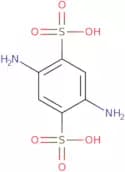
CAS:P-Phenylenediamine-2,5-disulphonic acid is a diazonium salt that is used as a chemical in the textile industry. It can be activated with chlorine and hydrolyzed to form 2,5-dichloro-p-phenylenediamine (DCPD). DCPD is a viscose activator, which increases the viscosity of the viscose solution. The activation of p-Phenylenediamine-2,5-disulphonic acid with chlorine produces cyanuric chloride as an intermediate product. Cyanuric chloride has been shown to have a yellow colour when dissolved in water.Fórmula:C6H8N2O6S2Pureza:Min. 95%Cor e Forma:PowderPeso molecular:268.27 g/molAmmonium acetate
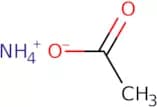
CAS:<p>Ammonium acetate is a salt that is used in the laboratory to synthesize ubiquitin ligases. It has been shown to have receptor activity and can be used to study the interaction between ammonium ions and sodium citrate. Ammonium acetate is a chemical reagent that is used to synthesize ubiquitin ligases, which are proteins that are involved in the degradation of other proteins. Ammonium acetate can also be used as an experimental model for myocardial infarct. The reaction between ammonium and water vapor yields ammonia gas, which can be analyzed with electrochemical impedance spectroscopy (EIS). A solution of ammonium acetate and palladium on zirconium oxide is suitable for coupling reactions, such as amination reactions. This compound has been used as an analytical method for the structural analysis of organic compounds.</p>Fórmula:C2H7NO2Cor e Forma:White Clear LiquidPeso molecular:77.08 g/molDodecyltrimethylammonium chloride
CAS:Dodecyltrimethylammonium chloride is a surfactant that belongs to the group of cationic surfactants. It has been shown to be effective as an adsorbent for phosphate ions in micelles. Dodecyltrimethylammonium chloride has also been shown to act as a detergent in solutions, and can be used as a cleaning agent. It is commonly used as a surfactant in various industrial processes, such as the production of glycol ethers. The chemical structure of dodecyltrimethylammonium chloride consists of dodecanol and trimethylamine (CH3(CH2)12N(CH3)(OH)3).Fórmula:C15H34NClPureza:Min. 95%Cor e Forma:PowderPeso molecular:263.89 g/mol1,3-Dipalmitoyl-glycero-2-phosphoethanolamine
CAS:<p>Please enquire for more information about 1,3-Dipalmitoyl-glycero-2-phosphoethanolamine including the price, delivery time and more detailed product information at the technical inquiry form on this page</p>Fórmula:C37H74NO8PPureza:ReportedCor e Forma:White/Off-White SolidPeso molecular:691.96 g/mol4-Aminoindole
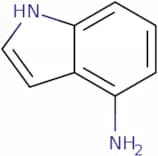
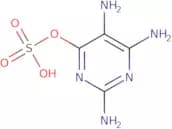
CAS:<p>4-Aminoindole is a heterocycle with a carboxy group and four nitrogen atoms. It can be synthesized by reacting hydrochloric acid with nitrobenzene. 4-Aminoindole has shown potential as a drug target, which may be due to its ability to inhibit the enzyme carboxamidase. The compound is also acidic in water, making it an ideal candidate for use as an acid catalyst. Electropolymerization of 4-aminoindole has been achieved using Pt electrodes in the presence of an acidic environment. This reaction results in the formation of functional groups on the metal surface that are not found in most other electropolymerization reactions.</p>Fórmula:C8H8N2Cor e Forma:PowderPeso molecular:132.16 g/mol2,5,6-Triaminopyrimidin-4-ol sulphate
CAS:<p>2,5,6-Triaminopyrimidin-4-ol sulphate is a fine chemical that is used as a reagent in the synthesis of other compounds. It can be used as a building block for research chemicals and speciality chemicals such as pesticides. This compound is also useful in the manufacture of pharmaceuticals and agrochemicals. 2,5,6-Triaminopyrimidin-4-ol sulphate has been shown to react with aniline derivatives to produce a variety of products including pyrrolidine and piperidine derivatives. This versatile compound can also be used as a scaffold in the synthesis of complex molecules.</p>Fórmula:C4H7N5O4SPureza:Min. 95%Cor e Forma:Yellow PowderPeso molecular:221.2 g/molDL-Aminobutyric acid
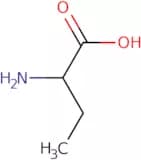
CAS:<p>DL-Aminobutyric acid is an analog of amino acids and a potent inhibitor of protease activity. It has been shown to inhibit the proteolytic activity of amyloid protein in human serum, most likely by competitive inhibition. DL-Aminobutyric acid also inhibits the enzyme activities that are responsible for the production of ammonia from amino acids. DL-Aminobutyric acid is an analyte in blood sampling and has a pH optimum of 8.0. It has been shown to have inhibitory properties on bacteria strains including Staphylococcus aureus and Streptococcus pneumoniae, but not Mycobacterium tuberculosis or Escherichia coli.</p>Fórmula:C4H9NO2Pureza:Min 97%Cor e Forma:PowderPeso molecular:103.12 g/mol(S)-2-Pyridylthio cysteamine hydrochloride
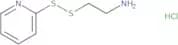
CAS:(S)-2-Pyridylthio cysteamine hydrochloride is a cell-permeant, basic, thiol-containing compound that is currently being investigated as an anticancer agent. It has been shown to inhibit the growth of tumor cells in vitro and in vivo. This drug binds to the disulfide bonds of proteins, which leads to the formation of a stable covalent bond between two protein molecules. (S)-2-Pyridylthio cysteamine hydrochloride also inhibits cell proliferation by interfering with the production of epidermal growth factor. This drug can be used for cancer treatment by binding to the mitochondria and inhibiting ATP synthesis, leading to apoptosis. The uptake of this drug is dependent on its interaction with basic proteins in the plasma membrane, which may be due to its ability to induce epidermal growth factor (EGF) production in cultured cells.Fórmula:C7H11ClN2S2Pureza:Min. 97 Area-%Cor e Forma:White PowderPeso molecular:222.76 g/molEthyl 3-((4-chlorophenyl)amino)-5-methyl-2,4-thiazolecarboxylate
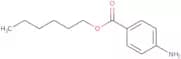
CAS:<p>Please enquire for more information about Ethyl 3-((4-chlorophenyl)amino)-5-methyl-2,4-thiazolecarboxylate including the price, delivery time and more detailed product information at the technical inquiry form on this page</p>Pureza:Min. 90%4-Aminobenzoic acid hexyl ester
CAS:4-Aminobenzoic acid hexyl ester is a cytoskeletal molecule that interacts with actin and myosin to form filaments. It has been shown to regulate transcriptional activity by reducing the level of reactive oxygen species or hydrogen peroxide, which are thought to induce cell death. 4-Aminobenzoic acid hexyl ester has also been shown to interact with imatinib, which is used in cancer treatment. This interaction may be due to the ability of 4-aminobenzoic acid hexyl ester to inhibit protein–protein interactions between proteins in the Wnt signaling pathway.Fórmula:C13H19NO2Pureza:Min. 95%Cor e Forma:PowderPeso molecular:221.3 g/molCarboxymethoxyamine hemihydrochloride
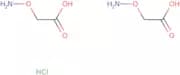
CAS:Carboxymethoxyamine hemihydrochloride (CMAH) is a gamma-aminobutyric acid analogue that has inhibitory properties. It is used in the treatment of syncytial virus infections and has been shown to reduce the severity of symptoms, as well as shorten the course of the disease. CMAH binds to the receptors in cells that are sensitive to gamma-aminobutyric acid. This binding inhibits uptake of calcium ions into cells, thereby reducing intracellular Ca2+ levels and inhibiting synaptic transmission. CMAH also has an effect on aminotransferase activity, which may be due to its ability to inhibit protein synthesis or dephosphorylate proteins.Fórmula:C2H5NO3HClCor e Forma:White PowderPeso molecular:109.3 g/mol5-Carboxy-X-rhodamine
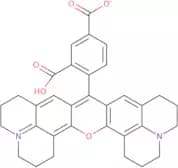
CAS:<p>Single isomer of 5(6)-ROX is a fluorescent dye used in RT-PCR methods as an internal reference to determine fluorescence variation that is not associated with the amplification process (plastic of the wells, small differences in concentration or volume, instrument measurements). It produces a constant fluorescence emission signal during the PCR process that is used to normalise the emission produced by the reporter. The fluorescence signal is compatible with that of most reporters. It is used to label the 5â end of oligonucleotides as a reporter in the presence of a quencher at the 3â end (dual labelled probe). During the amplification process, the dye is cleaved, and the fluorescence increases proportionally with the amount of the specific sequence amplified during the PCR process. The development of the fluorescence signal is therefore specifically related to the amplification of the target sequence. 6-ROX with NHS-activated carboxylic acids reacts with primary amines.</p>Fórmula:C33H30N2O5Pureza:Min. 95%Cor e Forma:PowderPeso molecular:534.6 g/molDeamino-histidine
CAS:<p>Deamino-histidine (DAH) is a diagnostic marker that can be used to measure the disease activity of inflammatory bowel disease. It is also a marker for tissue damage, as it accumulates in mammalian tissues during inflammation or necrosis. DAH is formed by the hydrolysis of histidine catalyzed by bacterial enzyme arginase, and it can be detected in blood plasma and urine samples. The concentration of DAH correlates with the degree of intestinal inflammation and has been found to be elevated in patients with Crohn's disease or ulcerative colitis.</p>Fórmula:C6H8N2O2Pureza:Min. 95%Cor e Forma:PowderPeso molecular:140.14 g/mol(2-methoxyethyl)((2-nitrophenyl)sulfonyl)amine
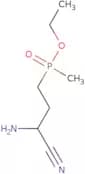
CAS:Please enquire for more information about (2-methoxyethyl)((2-nitrophenyl)sulfonyl)amine including the price, delivery time and more detailed product information at the technical inquiry form on this pagePureza:Min. 95%Ethyl (3-amino-3-cyanopropyl)methylphosphinate
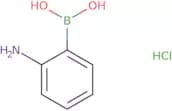
CAS:<p>Ethyl (3-amino-3-cyanopropyl)methylphosphinate is a versatile building block that can be used as a reagent, speciality chemical, or research chemical. It is useful as an intermediate for complex compounds and can be used as a reaction component in the synthesis of high quality compounds. Ethyl (3-amino-3-cyanopropyl)methylphosphinate is also a useful scaffold in organic synthesis.</p>Fórmula:C7H15N2O2PPureza:Min. 95%Cor e Forma:PowderPeso molecular:190.18 g/mol(2-Aminophenyl)boronic acid hydrochloride
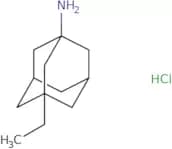
CAS:<p>(2-Aminophenyl)boronic acid hydrochloride is an analytical reagent that is used in the cross-coupling reaction between aryl bromides and organoboron compounds. It has been synthesized from 2-aminophenylboronic acid, which can be produced by the alkylation of phenol with 3-bromoquinoline. This compound has been shown to have antimalarial activity against the human malaria parasite Plasmodium falciparum in vitro. (2-Aminophenyl)boronic acid hydrochloride has also been shown to have a high intestinal absorption rate when given orally to rats. In vivo studies are needed to determine whether this chemical is safe for humans.</p>Fórmula:C6H9BClNO2Pureza:Min. 95%Cor e Forma:PowderPeso molecular:173.41 g/mol3-Ethyl 1-adamantanamine hydrochloride
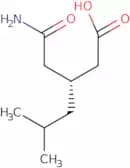
CAS:3-Ethyl 1-adamantanamine hydrochloride is a versatile building block that is used as a research chemical. It is a reagent and speciality chemical, as well as an intermediate in the production of other compounds. 3-Ethyl 1-adamantanamine hydrochloride can be used as a high quality building block for the synthesis of other compounds. It has been shown to be useful in the synthesis of complex compounds.Fórmula:C12H21N•HClPureza:Min. 95%Cor e Forma:White PowderPeso molecular:215.76 g/mol(R)-3-(2-Amino-2-oxoethyl)-5-methylhexanoic acid
CAS:<p>(R)-3-(2-Amino-2-oxoethyl)-5-methylhexanoic acid (cis) is an intermediate in the synthesis of a chiral drug. It is prepared by a ring-opening reaction with an alkyl substituent, followed by asymmetric synthesis to provide optically pure cis stereoisomers. This compound has been shown to be active as a desymmetrizer of esters and as an intermediate in the synthesis of biologically active compounds.</p>Fórmula:C9H17NO3Pureza:Min. 95%Cor e Forma:White Off-White PowderPeso molecular:187.24 g/mol2-(hydroxyimino)-1-((4-(isopropyl)phenyl)sulfonyl)eth-2-ylamine
CAS:<p>Please enquire for more information about 2-(hydroxyimino)-1-((4-(isopropyl)phenyl)sulfonyl)eth-2-ylamine including the price, delivery time and more detailed product information at the technical inquiry form on this page</p>Fórmula:C11H16N2O3SPureza:Min. 95%Cor e Forma:PowderPeso molecular:256.32 g/molDiammonium N-ethylheptadecafluoro-N-[2-(phosphonatooxy)ethyl]octanesulfonamidate
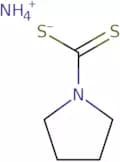
CAS:Produto ControladoDiammonium N-ethylheptadecafluoro-N-[2-(phosphonatooxy)ethyl]octanesulfonamidate is a phosphonic acid that is used in the industrial process of water treatment. It has a high efficiency and low cost, which makes it an appropriate alternative to conventional chemical treatments. Diammonium N-ethylheptadecafluoro-N-[2-(phosphonatooxy)ethyl]octanesulfonamidate has been shown to be safe for the environment and for animals. Studies on its uptake by organisms have been conducted.Fórmula:C12H9F17NO6PS•(NH4)2Pureza:Min. 95%Peso molecular:685.29 g/mol1-Pyrrolidinecarbodithioic acid,ammonium
CAS:1-Pyrrolidinecarbodithioic acid, ammonium salt is an inhibitor of the NMDA receptor. It blocks the activation of this receptor by glutamate, a neurotransmitter that plays an important role in pain transmission and memory formation. 1-Pyrrolidinecarbodithioic acid, ammonium salt has been shown to inhibit the growth of human pathogenic fungi in cell culture. The polymerase chain reaction (PCR) technique was used to detect the presence of this drug in solutions and phase microextraction was used for chromatographic analysis. The control method for these experiments was pyrrolidine dithiocarbamate, which is a structural analog of 1-pyrrolidinecarbodithioic acid, ammonium salt. Pyrrolidine dithiocarbamate inhibits NF-κB pathway and is used to treat injury. This drug also has anti-inflammatory properties due to its inhibition of nuclear factor kappa B (NF-Fórmula:C5H9NS2•NH3Pureza:Min. 95%Cor e Forma:PowderPeso molecular:164.29 g/mol4-Amino-3-fluorobenzoic acid
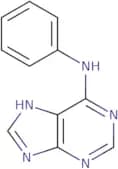
CAS:4-Amino-3-fluorobenzoic acid (4AFB) is an inhibitor of the enzyme nitric oxide synthase. It has been shown to inhibit chronic inflammation by reducing blood pressure and inhibiting the production of reactive oxygen species that can cause damage to cells in the body. 4AFB is a competitive inhibitor of nitric oxide synthase, which prevents the production of nitric oxide from L-arginine. Nitric oxide is an important signaling molecule in the nervous system, and its inhibition may lead to hyperpolarization of the membrane, which can have therapeutic benefits for certain conditions.Fórmula:C7H6FNO2Pureza:Min. 95%Cor e Forma:PowderPeso molecular:155.13 g/molPhenyl(9H-purin-6-yl)amine
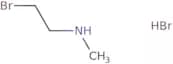
CAS:Phenyl(9H-purin-6-yl)amine is a chemical compound that belongs to the class of alkylating agents. It has optimum concentrations of 10-100 μg/mL and inhibits the growth of bacteria. Phenyl(9H-purin-6-yl)amine has been shown to inhibit nitrosation reactions in vitro by reacting with nitrite, hydroxyl groups, and amines. This chemical can also be used as a nutrient for cell cultures because it does not interfere with other nutrients and can be used at high concentrations without affecting cell growth. Phenyl(9H-purin-6-yl)amine has also been shown to inhibit dehydrogenase activity on excised tissues in vitro.Fórmula:C11H9N5Pureza:Min. 95%Peso molecular:211.22 g/mol2-Bromo-N-methyl-ethylamine hydrobromide
CAS:<p>2-Bromo-N-methyl-ethylamine hydrobromide is a versatile building block that can be used in the synthesis of many fine chemicals. It is a high quality research chemical that is used to synthesize complex compounds. 2-Bromo-N-methyl-ethylamine hydrobromide is also used as a reagent and reaction component for organic synthesis, especially for the production of pharmaceuticals and other speciality chemicals. CAS No. 40052-63-9</p>Fórmula:C3H9Br2NPureza:Min. 95%Cor e Forma:PowderPeso molecular:218.92 g/molDL-3-Aminoisobutyric acid
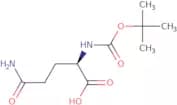
CAS:<p>DL-3-Aminoisobutyric acid (LAA) is a metabolite of the amino acid L-arginine. It is produced in the liver by the enzyme arginase and can be used to diagnose hepatic steatosis. It is also found in urine and human serum, as well as in microbial metabolism. LAA has been shown to regulate gene transcription and metabolism through its ability to inhibit the activity of gamma-aminobutyric acid (GABA), an inhibitory neurotransmitter that regulates energy metabolism and metabolic disorders. In addition, LAA has been shown to have antioxidant properties, which may be related to its role in caproic acid biosynthesis.</p>Fórmula:C4H9NO2Cor e Forma:White Off-White PowderPeso molecular:103.12 g/molBoc-D-glutamine
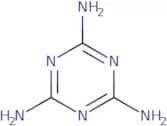
CAS:Boc-D-glutamine is a small, water-soluble amino acid that has shown anticancer efficacy in vivo. It is structurally related to the cyclic peptide, glutamic acid-α-ketoglutarate (GAK). Boc-D-glutamine specifically binds to the tumor vasculature and inhibits cancer cell growth by inhibiting the uptake of essential nutrients. This drug also inhibits tumor angiogenesis and prevents metastasis by preventing the formation of new blood vessels. Boc-D-glutamine has been shown to have a greater effect on human nasopharyngeal carcinoma cells than other types of cancer cells because it targets a specific receptor found in these cells. The anticancer activity of this drug is due to its inhibition of uptake and chloride ion transport. In addition, Boc-D-glutamine has been shown to inhibit the proliferation of human embryonic kidney cells when used at high concentrations.Fórmula:C10H18N2O5Cor e Forma:White Off-White PowderPeso molecular:246.26 g/molMelamine
CAS:<p>Melamine is a nitrogen-containing heterocyclic amine that is used as a flame retardant, plasticizer, and textile dye. The toxicity of melamine has been evaluated in animal studies, which showed that it has low acute oral toxicity but high inhalation and dermal toxicity profiles. The acute effects of melamine are due to its capacity to bind to the erythrocyte membrane and cause hemolysis. Melamine can also react with cyanuric acid to form cyanuramide, which can be detected by gas chromatography/mass spectrometry (GC/MS) analysis. The carcinogenic potential of melamine has not been determined, but there is evidence that it may be genotoxic and have the potential to induce cancer in humans.</p>Fórmula:C3H6N6Pureza:Min. 95%Cor e Forma:SolidPeso molecular:126.12 g/mol9-[[[4-[(2,5-Dioxo-1-pyrrolidinyl) oxy]-4-oxobutyl][(4-methylphenyl) sulfonyl]amino]carbonyl]-10- (3-sulfopropyl)-acridinium inner salt
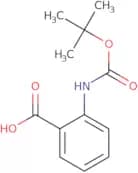
CAS:9-[(4-Methylphenyl) sulfonyl]amino]carbonyl]-10-[3-sulfopropyl)-acridinium inner salt is a synthetic antigen that is conjugated to an acridinium moiety. The 9-[[[4-[(2,5-Dioxo-1-pyrrolidinyl) oxy]-4-oxobutyl][(4-methylphenyl) sulfonyl]amino]carbonyl]-10-(3-sulfopropyl)-acridinium inner salt antigen has been shown to be effective for the detection of antibodies to the human immunodeficiency virus type 1 (HIV-1). It has a high affinity for both CD4 and CD8 T cells, which are important in the immune response to HIV infection. The 9-[(4-methylphenyl) sulfonyl]amino]carbonyl]-10-[3Fórmula:C32H31N3O10S2Pureza:Min. 95 Area-%Cor e Forma:PowderPeso molecular:681.73 g/molBoc-2-aminobenzoic acid
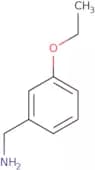
CAS:<p>Boc-2-aminobenzoic acid is a synthetic amino acid that can be used for the synthesis of recombinant proteins. It contains lysine residues, which are often used in protein engineering. This product is hydrolyzed to form a chloride gas and a hydrochloride salt by the enzyme chloridase. The hydrolysis proceeds through an amine intermediate and proceeds with a rate that is first order in chloride gas and second order in Boc-2-aminobenzoic acid. The kinetic constants for this reaction have been determined using fluorescence resonance energy transfer (FRET) spectroscopy on the solid phase.</p>Fórmula:C12H15NO4Pureza:Min. 95%Cor e Forma:PowderPeso molecular:237.25 g/mol3-Ethoxybenzylamine hydrochloride
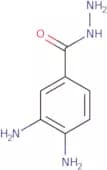
CAS:<p>3-Ethoxybenzylamine hydrochloride is a chemical compound that belongs to the group of industrial chemicals. It is used as an intermediate for the production of vanillin and as a catalyst for hydrogenation reactions. 3-Ethoxybenzylamine hydrochloride can be used in large-scale, industrial reactions. The target product is a reaction solvent that can be used in reduction reactions and aminations. The catalytic activity of 3-ethoxybenzylamine hydrochloride has been shown to increase with increasing pH, temperature, and concentration. The use of this product as a catalyst in the hydrogenation process results in high yield products with low levels of byproducts.</p>Fórmula:C9H13NO·HClPureza:Min. 95%Cor e Forma:White PowderPeso molecular:187.67 g/mol3,4-Diaminobenzhydrazide
CAS:<p>3,4-Diaminobenzhydrazide is a diaminobenzhydrazide compound that is used as an antidote for poisoning by the tick-borne pathogen Ornithodoros moubata. It has been shown to be effective against Ornithodoros infection in humans and can be administered orally or intravenously. 3,4-Diaminobenzhydrazide has a potentiometric titration profile that can be used to detect dysprosium ions in the presence of interfering ions such as chloride. The treatment of Ornithodoros infection does not appear to have any effect on hematology or kidney function.</p>Fórmula:C7H10N4OPureza:Min. 95%Cor e Forma:PowderPeso molecular:166.18 g/mol(8β)-N-[3-(Dimethylamino)propyl]-N-[(ethylamino)carbonyl] -6-(2-propen-1-yl)-ergoline-8-carboxamide
CAS:<p>Agonist of D2 dopamine receptors</p>Fórmula:C26H37N5O2Pureza:Min. 95%Cor e Forma:PowderPeso molecular:451.6 g/molAminoguanidine hemisulfate
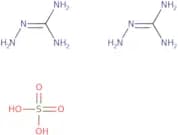
CAS:<p>Aminoguanidine is a drug that inhibits the enzyme nitric oxide synthase. It is used in the treatment of patients with chronic granulomatous disease, which is a form of leukemia. This drug also has been shown to inhibit follicular growth and nitrogen atoms, as well as to inhibit the production of protein-bound polyamines. Aminoguanidine was found to have no effect on the intracellular calcium concentration or on growth factor release by receptor cells. It has been shown that it can inhibit cyclase activity and therefore reduce proliferation of cells in experimental models. The ester hydrochloride salt of this compound is an inhibitor of guanylate cyclase, which prevents the conversion of guanosine triphosphate (GTP) into cyclic guanosine monophosphate (cGMP).</p>Fórmula:CH6N4H2SO4Pureza:Min. 95%Cor e Forma:White PowderPeso molecular:123.13 g/mol5-Amino-2-hydroxyacetophenone
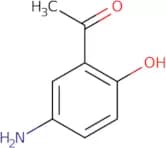
CAS:5-Amino-2-hydroxyacetophenone is a chemical compound that belongs to the class of active substances. It is an intermediate in Friedel-Crafts acylation reactions, which are used to form alkyl esters by reaction with chloroformates. In these reactions, 5-Amino-2-hydroxyacetophenone is converted into a chloroformate in the presence of an acid catalyst. The reactions proceed rapidly, with the acetone or ester as the solvent. The frequency of 5-amino-2-hydroxyacetophenone can be correlated to its deformation energy and various chemical parameters such as electron density and force constants. 5-Amino-2-hydroxyacetophenone is uniquely characterized by intramolecularly hydrogen bonding organic solvents such as acetone and nitrobenzene.Fórmula:C8H9NO2Pureza:Min. 95%Peso molecular:151.16 g/mol4-(Methylnitrosamino)-1-(3-pyridyl)-1-butanol
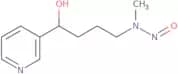
CAS:4-(Methylnitrosamino)-1-(3-pyridyl)-1-butanol (NNAL) is a metabolite of nicotine that has been shown to be carcinogenic in vivo. It binds to DNA, forming adducts with guanine, and can cause mutations and chromosomal aberrations. 4-(Methylnitrosamino)-1-(3-pyridyl)-1-butanol is excreted in urine as a glucuronide conjugate. Its potential use as a biomarker for tobacco smoking has been demonstrated by the observation of increased levels following exposure to cigarette smoke. The urinary concentration of 4-(methylnitrosamino)-1-(3-pyridyl)-1-butanol has been correlated with the risk for lung cancer in humans, and it may be useful as an analytical method for determining tobacco consumption.Fórmula:C10H15N3O2Pureza:Min. 95%Cor e Forma:PowderPeso molecular:209.25 g/mol1-Cyano-4-(dimethylamino)pyridinium tetrafluoroborate
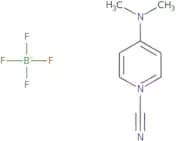
CAS:1-Cyano-4-(dimethylamino)pyridinium tetrafluoroborate (CDAP) is an organic cyanylating agent. It is reactive under acidic conditions giving CDAP an advantage over other sulfhydryl labeling agents, as it can avoid potential thiol-disulfide exchange.Fórmula:C8H10N3BF4Pureza:Min. 98 Area-%Cor e Forma:PowderPeso molecular:234.99 g/mol2’-Amino-2’-deoxy-β-D-arabinouridine
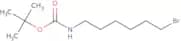
CAS:<p>2’-Amino-2’-deoxy-β-D-arabinouridine is a modified nucleoside based on uridine, in which the 2'-hydroxyl group of the sugar has been replaced with an amino group, and the sugar itself is arabinose (a stereoisomer of ribose). This compound is of possible interest in nucleic acid chemistry and antisense or RNA-interference research.</p>Fórmula:C9H13N3O5Pureza:Min. 95%Cor e Forma:solid.Peso molecular:243.22 g/molN-Boc-6-bromohexylamine
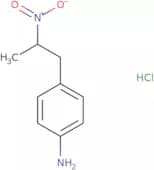
CAS:<p>N-Boc-6-bromohexylamine is a hypoglycemic agent that belongs to the group of diagnostic agents. It has been shown to have an effect on glucose regulation and was used in clinical development. N-Boc-6-bromohexylamine interacts with the catalytic subunit of protein kinase C delta (PKCδ) and inhibits its activity, which can lead to a decrease in cellular glucose uptake. This molecule has also been shown to interact with chloride channels, which are involved in the regulation of cell volume, and 2-nitroimidazole, which is a hypoxic tumor promoter. N-Boc-6-bromohexylamine is synthesized from fatty acids and amides by supramolecular chemistry.</p>Fórmula:C11H22BrNO2Pureza:Min. 95%Cor e Forma:Colourless Clear LiquidPeso molecular:280.2 g/mol1-(4-Aminophenyl)-2-nitropropane hydrochloride
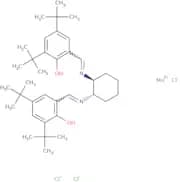
CAS:<p>1-(4-Aminophenyl)-2-nitropropane hydrochloride is a fine chemical that is used in the synthesis of various other organic compounds. It has been used as a building block for the synthesis of more complex substances, such as pharmaceuticals and pesticides. It is also used to produce research chemicals for use in experiments and teaching. 1-(4-Aminophenyl)-2-nitropropane hydrochloride is soluble in water and exhibits high quality when purified. This compound can be found under CAS No. 1332530-33-2 and is reagent grade.</p>Fórmula:C9H13ClN2O2Pureza:Min. 95%Cor e Forma:PowderPeso molecular:216.66 g/mol(S,S)-(+)-N,N'-Bis(3,5-di-tert-butylsalicylidene)-1,2-cyclohexanediaminomanganese(III) chloride
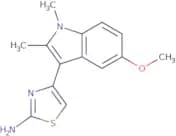
CAS:<p>The preparation of racemic N,N'-Bis(3,5-di-tert-butylsalicylidene)-1,2-cyclohexanediaminomanganese(III) chloride (S,S)-(+)-N,N'-Bis(3,5-di-tert-butylsalicylidene)-1,2-cyclohexanediaminomanganese(III) chloride is carried out by the reaction of salicyaldehyde with manganese dioxide in acetonitrile. The mixture is heated to reflux for 3 hours. The product is purified by recrystallization from hot acetonitrile and then purified again by preparative thin layer chromatography using a chiral stationary phase. The product is obtained as a white powder in an overall yield of 52%.<br>The synthesis of (R)-(-)-N-(3,5-Di-tert-butylsalicyl</p>Fórmula:C36H52ClMnN2O2Cor e Forma:PowderPeso molecular:635.2 g/mol4-(5-Methoxy-1,2-dimethyl-1H-indol-3-yl)-1,3-thiazol-2-amine
CAS:<p>Please enquire for more information about 4-(5-Methoxy-1,2-dimethyl-1H-indol-3-yl)-1,3-thiazol-2-amine including the price, delivery time and more detailed product information at the technical inquiry form on this page</p>Fórmula:C14H15N3OSPureza:Min. 95%Cor e Forma:PowderPeso molecular:273.35 g/mol(-)-Scopolamine N-butyl bromide
CAS:<p>(-)-Scopolamine N-butyl bromide is an anti-cholinergic drug that is used for the diagnosis and treatment of bowel diseases. It has been shown to be effective in two different animal models of bowel disease, one of which was induced by dextran sulfate sodium. (-)-Scopolamine N-butyl bromide has been shown to decrease motility and increase tone in the colon, as well as reduce the severity of diarrhea in animals with experimental colitis. It also has a sedative effect on the gastrointestinal tract that may be due to its ability to bind to acetylcholine receptors.</p>Fórmula:C21H30NO4BrPureza:Min. 98 Area-%Cor e Forma:White PowderPeso molecular:440.37 g/mol2,3-Diaminophenazine
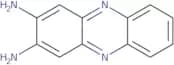
CAS:2,3-Diaminophenazine is a fluorescent probe that is used for the detection of dopamine. 2,3-Diaminophenazine has been shown to be a good indicator of the presence of organic compounds in human serum. Research has also shown that 2,3-diaminophenazine can be used as a fluorescence probe for transport properties and transfer reactions. It is soluble in water and shows no evidence of toxicity or mutagenicity. 2,3-Diaminophenazine has been shown to react with copper ions to form a copper complex. This reaction solution can catalyze the enzyme catalysis of p-nitrophenyl phosphate to produce acid p-nitrophenol (pNP). The nitrogen atoms on 2,3-diaminophenazine are responsible for its ability to bind with copper ions and act as an electron acceptor at the electrode surface.Fórmula:C12H10N4Pureza:Min 95%Peso molecular:210.23 g/mol1,4-Dioxaspiro[4.5]decan-8-ylmethanamine
CAS:1,4-Dioxaspiro[4.5]decan-8-ylmethanamine is a fine chemical that is a versatile building block and reagent. It can be used as a reaction component, useful intermediate, or useful scaffold in the synthesis of complex compounds. The CAS number for 1,4-Dioxaspiro[4.5]decan-8-ylmethanamine is 30482-25-8.Fórmula:C9H17NO2Pureza:(%) Min. 95%Cor e Forma:Brown PowderPeso molecular:171.24 g/mol(2-Imidazo[2,1-b][1,3]thiazol-6-ylethyl)amine dihydrochloride
CAS:<p>2-Imidazo[2,1-b][1,3]thiazol-6-ylethyl)amine dihydrochloride is a high quality reagent that is used as a useful intermediate in the synthesis of complex compounds with possible pharmaceutical applications. It can also be used as a useful scaffold to create new and interesting molecules of interest. This chemical has been shown to be useful in the synthesis of speciality chemicals, research chemicals, and versatile building blocks. 2-Imidazo[2,1-b][1,3]thiazol-6-ylethyl)amine dihydrochloride is a versatile building block that has been used for the synthesis of various types of reaction components.</p>Fórmula:C7H9N3S·2HClPureza:Min. 95%Cor e Forma:Brown PowderPeso molecular:240.15 g/mol2-(((2,5-dimethoxyphenyl)sulfonyl)amino)benzamide
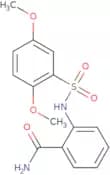
CAS:<p>Please enquire for more information about 2-(((2,5-dimethoxyphenyl)sulfonyl)amino)benzamide including the price, delivery time and more detailed product information at the technical inquiry form on this page</p>Pureza:Min. 95%3-(2-(2-(2-Aminoethoxy)ethoxy)ethoxy)propanoic acid HCI
CAS:<p>3-(2-(2-(2-Aminoethoxy)ethoxy)ethoxy)propanoic acid HCI is a PEG compound with two different functional groups (also known as heterobifunctional). Unlike homobifunctional PEG compounds (same functional group on both ends), this type of compounds are more versatile as have two different anchor points. 3-(2-(2-(2-Aminoethoxy)ethoxy)ethoxy)propanoic acid HCI is used as a linker and spacer to add a PEG moiety, via pegylation (a bioconjugation technique) to proteins, peptides, oligonucleotides, small molecules and nanoparticles.</p>Fórmula:C9H19NO5·HClCor e Forma:Slightly Yellow Yellow Clear Liquid PowderPeso molecular:257.71 g/molHistamine diphosphate
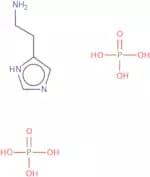
CAS:Produto Controlado<p>Endogenous ligand for histamine receptors; neurotransmitter</p>Fórmula:C5H9N3•(H3PO4)2Pureza:Min. 95%Cor e Forma:PowderPeso molecular:307.14 g/molMethyl 2-amino-7,7-dimethyl-4-(3-nitrophenyl)-5-oxo-4,6,7,8-tetrahydro2H-chromene-3-carboxylate
CAS:<p>Please enquire for more information about Methyl 2-amino-7,7-dimethyl-4-(3-nitrophenyl)-5-oxo-4,6,7,8-tetrahydro2H-chromene-3-carboxylate including the price, delivery time and more detailed product information at the technical inquiry form on this page</p>Fórmula:C19H20N2O6Pureza:Min. 95%Cor e Forma:PowderPeso molecular:372.37 g/mol3-(Aminomethyl)adamantan-1-ol HCl
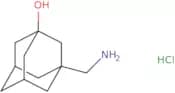
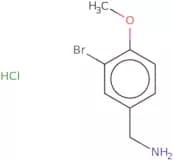
CAS:<p>3-(Aminomethyl)adamantan-1-ol HCl is a chemical substance that can be used as a reaction component, reagent, and useful scaffold in the synthesis of pharmaceuticals. It is also a speciality chemical with versatile building block and useful intermediate properties. 3-(Aminomethyl)adamantan-1-ol HCl has been shown to be an effective building block for complex compounds, such as those used in the synthesis of anti-inflammatory drugs.</p>Fórmula:C11H19NO·HClPureza:Min. 95%Cor e Forma:PowderPeso molecular:217.74 g/mol3-Bromo-4-methoxybenzylamine hydrochloride
CAS:3-Bromo-4-methoxybenzylamine hydrochloride is a high quality reagent that is used as an intermediate in the synthesis of complex compounds. It has been shown to be a useful scaffold for the synthesis of new chemical entities and a versatile building block for organic synthesis. 3-Bromo-4-methoxybenzylamine hydrochloride can be used as a reaction component in various chemical reactions, including Friedel-Crafts acylation, nitration, chlorination and bromination.Fórmula:C8H11BrClNOPureza:Min. 95%Cor e Forma:PowderPeso molecular:252.54 g/mol2-Aminonaphthalene-5,7-disulfonic acid
CAS:<p>2-Aminonaphthalene-5,7-disulfonic acid (2ANDA) is a fluorescent and colorless compound that can be used as a tracer for wastewater treatment. 2ANDA is adsorbed onto the surface of suspended solids in wastewater and binds to the hydroxide ions. This binding causes an increase in fluorescence intensity, which can be detected with synchronous fluorescence spectroscopy. 2ANDA also has the ability to form ternary complexes with chloride ions and molecular ions such as sodium hydroxide solution, making it useful for wastewater treatment because it provides information about the concentration of these ions. 2ANDA is soluble in water and may hydrolyze at high pH levels. It has been shown to have good kinetic properties for wastewater treatment by adsorption on granular activated carbon (GAC).</p>Fórmula:C10H9NO6S2Pureza:Min. 95%Cor e Forma:PowderPeso molecular:303.31 g/mol3-Aminophenylacetylene
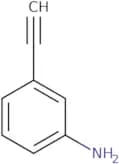
CAS:<p>3-Aminophenylacetylene is a colorless liquid that is soluble in water. It has a molecular weight of 123.14 and a chemical formula of C6H5CHNH2. The transport rate of 3-aminophenylacetylene can be determined by FT-IR spectroscopy, and the epidermal growth factor can be used for the determination of 3-aminophenylacetylene. The anhydrous sodium copper complex is formed by the reaction of 3-aminophenylacetylene with hydrochloric acid. There are two possible mechanisms for this reaction: one involves the formation of a diazonium salt, while the other involves an analytical method that uses hydrogen bond or molecular docking analysis to determine the structure of 3-aminophenylacetylene. High values are obtained when 3-aminophenylacetylene reacts with malonic acid and protein synthesis.</p>Fórmula:C8H7NPureza:Min. 97.5 Area-%Cor e Forma:Clear LiquidPeso molecular:117.15 g/mol4-Amino-3-methylbenzonitrile
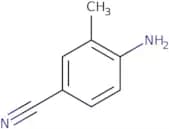
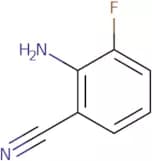
CAS:4-Amino-3-methylbenzonitrile is a proton ionophore that can be used to prevent viral replication. It is a synthetic, aminobenzonitrile derivative that binds to the viral RNA polymerase and prevents the synthesis of new virus particles. 4-Amino-3-methylbenzonitrile has been shown to inhibit the growth of some strains of coxsackievirus, although it is less effective against other strains and viruses. 4-Amino-3-methylbenzonitrile inhibits the synthesis of viral proteins by binding to the viral RNA polymerase. This prevents viral transcription and replication, which leads to cell death.Fórmula:C8H8N2Cor e Forma:PowderPeso molecular:132.16 g/mol2-Amino-3-fluorobenzonitrile
CAS:<p>A 2-aminopyridine substituent is added to the 3-position of benzonitrile to form 2-amino-3-fluorobenzonitrile. The hydrogenolysis of this compound at low temperatures yields indoles. Cyanogen bromide can be used as a catalyst for the reaction, but it must be removed before the product is purified. This reaction also produces a cyano group, which can be used in other reactions such as nitration or reduction. The glycinate molecule can also be formed by this process, and it is a neutral functional group that is capable of forming esters with carboxylic acids.</p>Fórmula:C7H5FN2Pureza:Min. 95%Peso molecular:136.13 g/molTris(dimethylamino)sulfonium difluorotrimethylsilicate
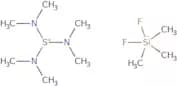
CAS:<p>Tris(dimethylamino)sulfonium difluorotrimethylsilicate is a solute that is used in synthetic chemistry. It has been shown to stimulate bone growth in vitro and to inhibit the metastasis of cancer cells in animal studies. Tris(dimethylamino)sulfonium difluorotrimethylsilicate has also been shown to be an effective treatment for bladder cancer. This compound has been shown to bind to cortistatin, an active substance that inhibits the proliferation of human bladder cancer cells. The compound binds to benzyl groups on cortistatin and prevents it from binding with its receptors on the bladder cancer cells, leading to cell death.</p>Fórmula:C6H18N3S•C3H9F2SiPureza:90%Cor e Forma:PowderPeso molecular:275.48 g/mol(E)-N-(3-Methylaminopropyl)-2-thiopheneacrylamide hydrochloride
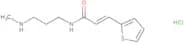
CAS:<p>(E)-N-(3-Methylaminopropyl)-2-thiopheneacrylamide hydrochloride is a high quality, reagent, complex compound, useful intermediate, fine chemical. It has CAS No. 1449108-90-0 and is used as a research chemical and building block in the synthesis of other compounds. (E)-N-(3-Methylaminopropyl)-2-thiopheneacrylamide hydrochloride can be used as a versatile building block in organic synthesis reactions and is an important reaction component for the preparation of speciality chemicals.</p>Fórmula:C11H17N2OSClPureza:Min. 95%Cor e Forma:White PowderPeso molecular:260.78 g/mol5-Amino-2-chlorobenzonitrile
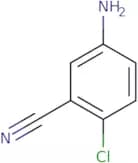
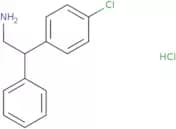
CAS:<p>5-Amino-2-chlorobenzonitrile is a functional theory that has been optimised for the synthesis of pesticides. It has been shown to have high affinity constants and to be a good potential for monitoring. 5-Amino-2-chlorobenzonitrile is synthesized in the form of monoclonal antibodies, which are then optimised using vibrational frequencies. The parameters of these molecules are optimized by comparing the calculated frequencies with those obtained from experimental data. This theory can be used to develop new pesticides that are less harmful to humans and animals, as well as being more environmentally friendly.</p>Fórmula:C7H5ClN2Pureza:Min. 95%Cor e Forma:PowderPeso molecular:152.58 g/mol2-(4-Chlorophenyl)-2-Phenylethylamine hydrochloride
CAS:<p>2-(4-Chlorophenyl)-2-Phenylethylamine hydrochloride is a fine chemical that is used as a building block in research, the synthesis of speciality chemicals, and as a reagent. Its CAS number is 21998-50-5. This compound has been shown to be an intermediate in reactions for the synthesis of complex compounds, and it can also be used as a scaffold for the preparation of other compounds.</p>Fórmula:C14H14ClN·HClPureza:Min. 95 Area-%Cor e Forma:PowderPeso molecular:268.18 g/mol2-Methyl-1H-imidazole-1-propanamine
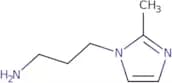
CAS:<p>2-Methyl-1H-imidazole-1-propanamine is a byproduct of the reaction that produces acrylonitrile. It is a polar compound that has been shown to be an effective viscosity modifier for various types of formulations. 2-Methyl-1H-imidazole-1-propanamine can be used as an additive in pharmaceutical formulations, such as those for thiamine pyrophosphate, and is nonpolluting. The optimum concentration for this product is between 0.5% and 1%.</p>Fórmula:C7H13N3Pureza:Min. 95 Area-%Cor e Forma:Clear LiquidPeso molecular:139.2 g/mol1-Aminoindane hydrochloride
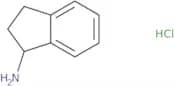
CAS:Produto Controlado1-Aminoindane HCl is an inhibitor of the enzyme aminotransferase, which is involved in the metabolism of amines. It binds to the active site of this enzyme and prevents it from catalyzing its usual reaction. 1-Aminoindane HCl has been shown to inhibit 5-hydroxytryptamine uptake and release in rat brain synaptosomes. This drug also inhibits the binding of a number of drugs (e.g., amphetamine) to their receptors on plasma membranes and blocks the binding of drugs such as pargyline and α-methylparatyrosine to their receptors on mitochondria. 1-Aminoindane HCl is also a competitive inhibitor for primary amines such as tyramine and phenylethylamine.Fórmula:C9H11N•HClPureza:Min. 95%Cor e Forma:SolidPeso molecular:169.65 g/mol2-[[(4-Acetylphenyl)amino]methylene]-5,5-dimethyl-1,3-cyclohexanedione
CAS:<p>Please enquire for more information about 2-[[(4-Acetylphenyl)amino]methylene]-5,5-dimethyl-1,3-cyclohexanedione including the price, delivery time and more detailed product information at the technical inquiry form on this page</p>Fórmula:C17H19NO3Pureza:Min. 95%Cor e Forma:PowderPeso molecular:285.34 g/molTris(3-Aminopropyl)amine
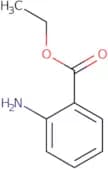
CAS:<p>Tris(3-Aminopropyl)amine is a polypeptide that binds to copper ions and forms a chelate ring. It also has binding constants with nitrogen atoms, which are important in enzyme activities, biochemical properties, and the molecule's structure. Tris(3-Aminopropyl)amine chelates copper ions and prevents them from reacting with other molecules in the environment. This compound is used as an antioxidant for proteins and other macromolecules. Tris(3-Aminopropyl)amine has been shown to be effective in inhibiting protein synthesis and preventing the growth of bacteria such as E. coli. Tris(3-Aminopropyl)amine is also used to stabilize biomacromolecules such as DNA, RNA, or proteins against chemical modification or degradation by metal ions such as copper or iron. In addition, this compound can be used for water permeability studies because it allows water molecules to penetrate its</p>Fórmula:C9H24N4Pureza:Min. 95 Area-%Cor e Forma:Clear LiquidPeso molecular:188.31 g/molEthyl 2-aminobenzoate
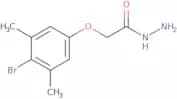
CAS:Produto Controlado<p>Ethyl 2-aminobenzoate is a chemical compound that has been used in research and as a pharmaceutical intermediate. It is also known to be an intermediate in the synthesis of other 2-aminobenzoates, such as ethyl 4-aminobenzoate and ethyl 5-aminobenzoate. The anthranilate moiety can be cleaved by hydrolysis or oxidation to produce the corresponding amino acid. This compound has been shown to have low toxicity in rats, although it may cause irritation at high concentrations.</p>Fórmula:C9H11NO2Pureza:Min. 95%Cor e Forma:Clear LiquidPeso molecular:165.19 g/molN-amino-2-(4-bromo-3,5-dimethylphenoxy)ethanamide
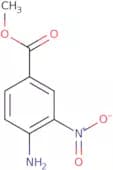
CAS:<p>Please enquire for more information about N-amino-2-(4-bromo-3,5-dimethylphenoxy)ethanamide including the price, delivery time and more detailed product information at the technical inquiry form on this page</p>Fórmula:C10H13BrN2O2Pureza:Min. 95%Cor e Forma:PowderPeso molecular:273.13 g/molMethyl 4-amino-3-nitrobenzoate
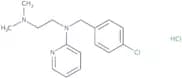
CAS:Methyl 4-amino-3-nitrobenzoate is a synthetic compound that has been found to have a variety of uses. It has been used to prepare intramolecular hydrogen bonds in anilines, and it can be used as an intermediate to synthesize amides and anilines. This molecule also forms resonance structures with the nitro group, which allows for increased stability. The proton magnetic resonance spectra of Methyl 4-amino-3-nitrobenzoate show that the molecule has a high degree of symmetry, which is due to the presence of intramolecular hydrogen bonding.Fórmula:C8H8N2O4Pureza:Min. 95%Peso molecular:196.16 g/molChloropyramine HCl
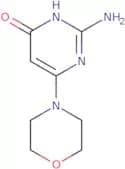
CAS:<p>Chloropyramine is a drug that has been used to treat autoimmune diseases, such as rheumatoid arthritis and systemic lupus erythematosus. It is an antihistamine drug that acts by blocking the histamine receptor. Chloropyramine has been shown to have an effect on diastolic pressure in animal models. The model system used was human serum with locomotor activity as the endpoint. The sample preparation involved calcium pantothenate, which is a precursor of coenzymes A and C. The pharmacological agent chloropyramine binds to the agonist binding site, which is located at the end of the cell membrane and regulates ion channels, including those for calcium ions. Tricyclic antidepressant drugs are known to bind to this same binding site, inhibiting the action of both histamine and chloropyramine. Histamine causes increased blood flow due to vasodilation by stimulating H1 receptors in smooth muscles cells. Histamine</p>Fórmula:C16H20ClN3·HClPureza:Min. 98 Area-%Cor e Forma:White PowderPeso molecular:326.26 g/mol2-Amino-6-morpholin-4-ylpyrimidin-4(3H)-one
CAS:<p>2-Amino-6-morpholin-4-ylpyrimidin-4(3H)-one (2AP) is a versatile building block for the synthesis of complex compounds. It is used as a reaction component in organic chemistry, as well as a reagent for the synthesis of other chemical substances. 2AP is also useful as an intermediate in the production of pharmaceuticals, agrochemicals, and other research chemicals. 2AP has been shown to be useful in the synthesis of fine chemicals, such as amorphous silicon dioxide and polystyrene sulfonic acid. This substance can be used to make a variety of products with different properties, which makes it an excellent scaffold for research purposes.<br>2AP can be found under CAS number 37409-97-5.</p>Fórmula:C8H12N4O2Pureza:Min. 95%Cor e Forma:PowderPeso molecular:196.21 g/mol5-Aminotetramethyl rhodamine
CAS:<p>5-Aminotetramethyl rhodamine is a chemical that is used as a reagent, intermediate, and building block in the synthesis of organic compounds. This compound is useful as an intermediate in the synthesis of complex compounds, such as pharmaceuticals, agrochemicals, and other fine chemicals. 5-Aminotetramethyl rhodamine can also be used as a speciality chemical or research chemical. It has been shown to be a versatile building block in the synthesis of new compounds with potential use in applications such as medicine and electronics.</p>Fórmula:C24H23N3O3Pureza:Min. 95%Cor e Forma:PowderPeso molecular:401.46 g/mol2-(3,5-Dimethyl-1H-pyrazol-1-yl)quinolin-8-amine
CAS:2-(3,5-Dimethyl-1H-pyrazol-1-yl)quinolin-8-amine is a fine chemical that belongs to the group of versatile building blocks. It can be used as a reagent or as a speciality chemical in research and development. 2-(3,5-Dimethyl-1H-pyrazol-1-yl)quinolin-8-amine is also a useful scaffold for the synthesis of complex compounds and has been shown to be an effective inhibitor of protein tyrosine kinases.Fórmula:C14H14N4Pureza:Min. 95%Cor e Forma:PowderPeso molecular:238.29 g/molPyrilamine maleate
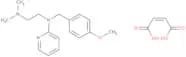
CAS:Pyrilamine maleate salt is a reagent used for optical rotation measurements. It is also known to be an antihistamine that has been shown to have mutagenic effects on Salmonella typhimurium and other bacteria. Pyrilamine maleate salt inhibits potassium ion transport across the cell membrane, which can lead to hyperpolarization of the cell membrane and inhibition of the uptake of sodium ions. This inhibition leads to an increase in intracellular sodium concentrations, which in turn leads to decreased ATP production.Fórmula:C17H23N3O•C4H4O4Pureza:Min. 95%Cor e Forma:PowderPeso molecular:401.46 g/molN,N-Dimethyldodecylamine N-oxide - 30% solution in water
CAS:N,N-Dimethyldodecylamine N-oxide, also known as lauryldimethylamine oxide (LDAO), is an amine oxide nonionic surfactant with a C12 alkyl chain used widely in cosmetics, washing, cleaning and personal care products. LDAO has antimicrobial properties and is effective against common bacteria such as S. aureus and E. coli.Fórmula:C14H31NOCor e Forma:Colorless Clear LiquidPeso molecular:229.4 g/mol5-Amino-(3,4'-bipyridin)-6(1H)-one
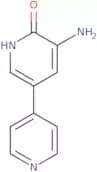
CAS:<p>Phosphodiesterase type 3 inhibitor; positive inotropic agent; vasodilatory</p>Fórmula:C10H9N3OPureza:Min. 95%Cor e Forma:PowderPeso molecular:187.2 g/molAmmonium metatungstate hydrate
CAS:<p>Ammonium metatungstate hydrate is a catalyst that is used for the efficient production of fatty acids from vegetable oils. It has been shown to be an effective catalyst in the reaction of deionized water and particle at various reaction temperatures. The cationic surfactant, optical properties, and morphology of the fatty acid are all dependent on the type of carbon source used in the reaction. Ammonium metatungstate hydrate is also used as a photocatalyst for gas sensors.</p>Fórmula:(H4N)6•H2O40W12•(H2O)xPureza:Min. 85%Cor e Forma:PowderPeso molecular:2,956.3 g/mol(R)-N-Methyl-3-(1-naphthoxy)-3-(2-thienyl)propylamine hydrochloride
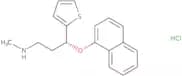
CAS:Produto Controlado(R)-N-Methyl-3-(1-naphthoxy)-3-(2-thienyl)propylamine hydrochloride is a nonsteroidal anti-inflammatory drug that has been shown to be effective for the treatment of osteoarthritis, rheumatoid arthritis, ankylosing spondylitis, and chronic low back pain. This drug can also be used for other inflammatory conditions such as psoriasis and Crohn's disease. The mechanism of action of (R)-N-Methyl-3-(1-naphthoxy)-3-(2-thienyl)propylamine hydrochloride is not fully understood. It may work by blocking the synthesis of prostaglandins in the body. This drug is metabolized in the liver to its active form, which binds to cyclooxygenase 1 and 2 enzymes to inhibit the production of prostaglandins. It also inhibits human serum x-rayFórmula:C18H19NOS•HClPureza:Min. 95%Cor e Forma:White To Off-White SolidPeso molecular:333.88 g/mol3-Hydroxy-4-methoxyphenethylamine HCl
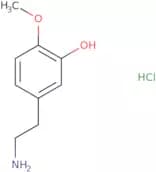
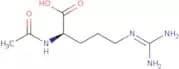
CAS:Produto Controlado<p>3-Hydroxy-4-methoxyphenethylamine HCl is an amine that is found in plants. It has been shown to be a reactive compound with a carbonyl group and an amine group. 3-Hydroxy-4-methoxyphenethylamine HCl can act as a dopamine receptor agonist, causing the release of serotonin from neurons. This chemical also has anti-inflammatory properties and may be used to treat inflammatory diseases such as asthma. 3-Hydroxy-4-methoxyphenethylamine HCl may also have blood pressure lowering effects.</p>Fórmula:C9H14ClNO2Pureza:Min. 95%Cor e Forma:White to off-white solid.Peso molecular:203.67 g/mol(2R)-2-Acetamido-5-(Diaminomethylideneazaniumyl)Pentanoate
CAS:(2R)-2-Acetamido-5-(Diaminomethylideneazaniumyl)Pentanoate is an insoluble, acylase inhibitor. It is obtained from the reaction of histidine with acetaldehyde and ammonia in refluxed ethanol. This product has two optical isomers, one being (2R)-2-acetamido-5-(diaminomethylideneazaniumyl)pentanoic acid and the other being (2S)-2-acetamido-5-(diaminomethylideneazaniumyl)pentanoic acid. The former is more active than the latter against acetylesterase. The product also inhibits lysine decarboxylase and d-alanine racemase to a lesser extent. The enzyme activity of this compound can be increased by adding l-amino acid or dl-alanine.Fórmula:C8H16N4O3Pureza:Min. 95%Cor e Forma:PowderPeso molecular:216.24 g/mol4-[(7-Chloro-4-quinolinyl)amino]-1-pentanol
CAS:4-[(7-Chloro-4-quinolinyl)amino]-1-pentanol (QLT) is a drug that has been shown to be effective against both healthy volunteers and malaria patients. It is a prodrug that is metabolized by the liver into 7-chloroquinalone, which inhibits the growth of plasmodium falciparum. QLT has been shown to be safe and well tolerated in studies with healthy volunteers, and it does not appear to cause significant adverse effects. QLT also has an effect on T cells, which may be due to its ability to inhibit protein synthesis and cell division.Fórmula:C14H17ClN2OPureza:Min. 95%Cor e Forma:Yellow SolidPeso molecular:264.75 g/mol[4-(2-Aminoethoxy)phenyl](phenyl)methanone HCl
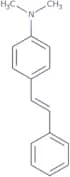
CAS:<p>[4-(2-Aminoethoxy)phenyl](phenyl)methanone HCl is a fine chemical that belongs to the group of versatile building blocks. It can be used as a reagent, speciality chemical, useful building block, high quality research chemical, or useful intermediate. The CAS registry number is 1185504-45-3.</p>Fórmula:C15H15NO2·HClPureza:Min. 95%Cor e Forma:White PowderPeso molecular:277.75 g/mol4-Dimethylaminostilbene
CAS:4-Dimethylaminostilbene is a stilbene derivative that is used in the laboratory as an inhibitor of protein synthesis. 4-Dimethylaminostilbene inhibits the activity of enzymes such as acid conjugates, which are enzymes that catalyze reactions involving the addition of an acid to a molecule. This drug has been shown to inhibit sarcoma cells and to be active against animals. 4-Dimethylaminostilbene reacts with proteins by forming adducts with amino groups on the side chains of lysine or arginine residues in proteins, thereby inhibiting their function. The reaction products are excreted from the body through urine and bile. 4-Dimethylaminostilbene can be administered orally, but it must be taken with acidic foods or drinks to prevent its destruction.Fórmula:C16H17NPureza:95%NmrPeso molecular:223.31 g/mol2-[3-[N-(4-tert-Butylbenzyl)-N-(pyridin-3-ylsulfonyl)aminomethyl]phenoxy]acetic acid
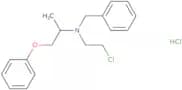
CAS:2-[3-[N-(4-tert-Butylbenzyl)-N-(pyridin-3-ylsulfonyl)aminomethyl]phenoxy]acetic acid is a synthetic chemical compound, which is derived from organic synthesis processes involving aromatic compounds. It functions primarily through the modulation of specific biochemical pathways, likely involving interactions with enzymatic or receptor targets due to its structural characteristics. This compound is particularly noteworthy for its potential applications in biomedical research, where it may serve as a lead or active molecule in the development of new pharmaceutical agents. Its unique structure, featuring both aromatic and sulfonyl groups, allows for versatile interactions with biological targets, opening possibilities for its use in therapeutic development. Further research into its exact mechanisms and potential therapeutic uses could yield significant advancements in the treatment of various ailments.Fórmula:C25H28N2O5SPureza:Min. 98 Area-%Cor e Forma:PowderPeso molecular:468.57 g/molPhenoxybenzamine hydrochloride
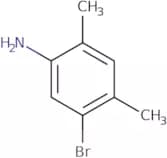
CAS:<p>Phenoxybenzamine hydrochloride is a drug with pharmacological properties, which is used in the treatment of carcinoid syndrome. It is a combination therapy group that can be used to treat patients with neurological disorders. Phenoxybenzamine inhibits the activity of the 5-HT2 receptors and has been shown to reduce neuronal death. In addition, it has been shown to increase chemiluminescence in cells infected with HIV. Phenoxybenzamine also has effects on cardiac function and can be used to treat congestive heart failure as well as high levels of natriuretic peptides in maternal blood during pregnancy. It has also been shown to be effective against infectious diseases, such as tuberculosis and malaria.</p>Fórmula:C18H23Cl2NOPureza:Min. 90 Area-%Cor e Forma:PowderPeso molecular:340.29 g/mol4-Bromo-6-amino-m-xylene
CAS:<p>4-Bromo-6-amino-m-xylene is a chemical that is used to synthesize other chemicals. It is a versatile building block and can be used as an intermediate in organic synthesis. It has been shown to react with nucleophiles, such as alcohols, amines, and thiols. 4-Bromo-6-amino-m-xylene also reacts with metal halides to form complexes. This compound has been shown to have high quality and can be used in research or as a reagent for further reactions.</p>Fórmula:C8H10BrNPureza:Min. 95%Cor e Forma:PowderPeso molecular:200.08 g/mol2-[[(Heptadecafluorooctyl)Sulphonyl]Methylamino]Ethyl Methacrylate
CAS:Produto Controlado<p>2-[[(Heptadecafluorooctyl)Sulphonyl]Methylamino]Ethyl Methacrylate is a substance that belongs to the group of substances. It is a chemical substance with a molecular formula of CH2=C(COOCH2CF3SO2)-N(CH3)2. 2-[[(Heptadecafluorooctyl)Sulphonyl]Methylamino]Ethyl Methacrylate is used as an additive in paints, adhesives and sealants to improve their resistance to water, oil and acid. This substance also has a sulfonate group, which makes it soluble in organic solvents.</p>Fórmula:C15H12F17NO4SPureza:Min. 95%Peso molecular:625.3 g/molp-Xylylenediamine
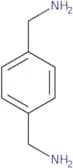
CAS:<p>p-Xylylenediamine is a chemical compound that has hydrogen bonding interactions with its environment and is a substrate for film deposition. It also has the ability to form hydrogen bonds with other molecules such as DNA duplexes and sodium salts. p-Xylylenediamine is soluble in water and can be used to coat the surface of objects, which can result in reduced transport properties. This molecule has been found to be present in urine samples and may be used as a biomarker for prostate cancer diagnosis.</p>Fórmula:C8H12N2Pureza:Min. 95%Cor e Forma:White PowderPeso molecular:136.19 g/mol

![[3-(Methylamino)-5,6-dihydro-2H-1,4-thiazin-2-ylidene]hydroxylamine HCl](/_next/image/?url=https%3A%2Fstatic.cymitquimica.com%2Fproducts%2F3D%2Fthumb-webp%2FFM164854.webp&w=3840&q=75)

![(S)-2-((((9H-Fluoren-9-yl)methoxy)carbonyl)amino)-3-(1H-pyrrolo[2,3-b]pyridin-3-yl)propanoic acid](/_next/image/?url=https%3A%2Fstatic.cymitquimica.com%2Fproducts%2F3D%2Fthumb-webp%2FFF154979.webp&w=3840&q=75)




![Diammonium N-ethylheptadecafluoro-N-[2-(phosphonatooxy)ethyl]octanesulfonamidate](/_next/image/?url=https%3A%2Fstatic.cymitquimica.com%2Fproducts%2F3D%2Fthumb-webp%2FFD100565.webp&w=3840&q=75)


![9-[[[4-[(2,5-Dioxo-1-pyrrolidinyl) oxy]-4-oxobutyl][(4-methylphenyl) sulfonyl]amino]carbonyl]-10- …](/_next/image/?url=https%3A%2Fstatic.cymitquimica.com%2Fproducts%2F3D%2Fthumb-webp%2FFD106522.webp&w=3840&q=75)
![(8β)-N-[3-(Dimethylamino)propyl]-N-[(ethylamino)carbonyl] -6-(2-propen-1-yl)-ergoline-8-carboxamide](/_next/image/?url=https%3A%2Fstatic.cymitquimica.com%2Fproducts%2F3D%2Fthumb-webp%2FFD19622.webp&w=3840&q=75)


![1,4-Dioxaspiro[4.5]decan-8-ylmethanamine](/_next/image/?url=https%3A%2Fstatic.cymitquimica.com%2Fproducts%2F3D%2Fthumb-webp%2FFD153838.webp&w=3840&q=75)
![(2-Imidazo[2,1-b][1,3]thiazol-6-ylethyl)amine dihydrochloride](/_next/image/?url=https%3A%2Fstatic.cymitquimica.com%2Fproducts%2F3D%2Fthumb-webp%2FFI126807.webp&w=3840&q=75)


![2-[[(4-Acetylphenyl)amino]methylene]-5,5-dimethyl-1,3-cyclohexanedione](/_next/image/?url=https%3A%2Fstatic.cymitquimica.com%2Fproducts%2F3D%2Fthumb-webp%2FFA169010.webp&w=3840&q=75)





![4-[(7-Chloro-4-quinolinyl)amino]-1-pentanol](/_next/image/?url=https%3A%2Fstatic.cymitquimica.com%2Fproducts%2F3D%2Fthumb-webp%2FFC20107.webp&w=3840&q=75)
methanone HCl](/_next/image/?url=https%3A%2Fstatic.cymitquimica.com%2Fproducts%2F3D%2Fthumb-webp%2FFA133569.webp&w=3840&q=75)
![2-[3-[N-(4-tert-Butylbenzyl)-N-(pyridin-3-ylsulfonyl)aminomethyl]phenoxy]acetic acid](/_next/image/?url=https%3A%2Fstatic.cymitquimica.com%2Fproducts%2F3D%2Fthumb-webp%2FFT145127.webp&w=3840&q=75)
![2-[[(Heptadecafluorooctyl)Sulphonyl]Methylamino]Ethyl Methacrylate](/_next/image/?url=https%3A%2Fstatic.cymitquimica.com%2Fproducts%2F3D%2Fthumb-webp%2FFH98020.webp&w=3840&q=75)