Aminas
As aminas são um conjunto de moléculas que contêm um grupo funcional amino (derivado da amônia). Esta categoria inclui aminas em qualquer nível de substituição: primárias, secundárias, terciárias e sais de amônio. As aminas são fundamentais na síntese orgânica e são amplamente utilizadas em produtos farmacêuticos, agroquímicos e ciência dos materiais. Na CymitQuimica, oferecemos uma seleção abrangente de aminas para atender às suas necessidades de pesquisa e industriais. Nossa gama garante acesso a várias aminas para diversos processos químicos e pesquisas inovadoras.
Subcategorias de "Aminas"
- Nitrosaminas(2.605 produtos)
- Aminas primárias(30.947 produtos)
- Catiões Quaternários de Amónio(1.100 produtos)
- Aminas secundárias(20.886 produtos)
- Aminas terciárias(17.193 produtos)
Foram encontrados 8780 produtos de "Aminas"
Ordenar por
Pureza (%)
0
100
|
0
|
50
|
90
|
95
|
100
[5-(4-Aminophenyl)-2-furyl]methanol
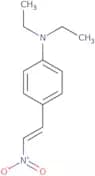
CAS:<p>Please enquire for more information about [5-(4-Aminophenyl)-2-furyl]methanol including the price, delivery time and more detailed product information at the technical inquiry form on this page</p>Fórmula:C11H11NO2Pureza:Min. 95%Cor e Forma:Brown PowderPeso molecular:189.21 g/mol(1-(4-Diethylamino)phenyl)-2-nitroethene
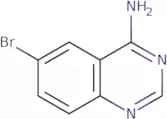
CAS:<p>(1-(4-Diethylamino)phenyl)-2-nitroethene is a fluorescent probe that can be used to measure the growth rate of microorganisms. It is also a polarizable fluorescent molecule that is sensitive to environmental effects such as pH, temperature, and light intensity. This compound has been used as a chromophore in optical devices and has been observed to have linear responses to changes in time constants. The fluorescence of (1-(4-diethylamino)phenyl)-2-nitroethene is proportional to the molecular response of the protein or nucleic acid it binds to. This compound is also an inorganic compound with dipole moments, which are properties that allow it to interact with other compounds.</p>Fórmula:C12H16N2O2Pureza:Min. 95%Peso molecular:220.27 g/mol6-Bromoquinazolin-4-amine
CAS:6-Bromoquinazolin-4-amine is an alkylamine that is used as a chemical intermediate. It reacts with formamide to produce formamidine, which is a result of the amination of formamide. 6-Bromoquinazolin-4-amine has been shown to react with aromatic amines to produce substituted quinazolines.Fórmula:C8H6BrN3Pureza:Min. 95%Cor e Forma:White PowderPeso molecular:224.06 g/molO-(N-Boc-2-aminoethyl)-O'-(N-diglycolyl-2-aminoethyl)hexaethyleneglycol
CAS:O-(N-Boc-2-aminoethyl)-O'-(N-diglycolyl-2-aminoethyl)hexaethyleneglycol is a PEG compound with two different functional groups (also known as heterobifunctional). Unlike homobifunctional PEG compounds (same functional group on both ends), this type of compounds are more versatile as have two different anchor points. O-(N-Boc-2-aminoethyl)-O'-(N-diglycolyl-2-aminoethyl)hexaethyleneglycol is used as a linker and spacer to add a PEG moiety, via pegylation (a bioconjugation technique) to proteins, peptides, oligonucleotides, small molecules and nanoparticles.Fórmula:C25H48N2O13Pureza:Min. 95%Cor e Forma:PowderPeso molecular:584.65 g/mol4-Amino-3-chloro-2,5,6-trifluoropyridine
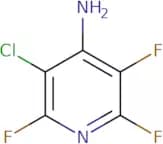
CAS:4-Amino-3-chloro-2,5,6-trifluoropyridine is a reactive and unstable chemical compound that belongs to the group of anilines. It is used in the synthesis of hypsochromic dyes. The compound has been shown to interact with other molecules, such as chemo-, supramolecular-, and synthetically-. The fluorophore has been stabilized by a supramolecular approach. Chemically induced fluorescence properties have been observed for 4-amino-3-chloro-2,5,6-trifluoropyridine.Fórmula:C5H2ClF3N2Pureza:Min. 95%Cor e Forma:SolidPeso molecular:182.53 g/mol3-Fluoro-4-(4-morpholinyl) benzenamine
CAS:<p>3-Fluoro-4-(4-morpholinyl) benzenamine is an antibiotic drug that belongs to the group of nitro compounds. It is active against bacteria and fungi, but not against viruses. It has been shown to inhibit bacterial growth by binding to the gyrase enzyme, which is essential for DNA replication. 3-Fluoro-4-(4-morpholinyl) benzenamine also inhibits protein synthesis by topoisomerase inhibition and has been shown to be effective against a wide range of bacteria including Pseudomonas aeruginosa, Escherichia coli, Enterobacter cloacae, Klebsiella pneumoniae, Proteus mirabilis, Serratia marcescens, and Staphylococcus aureus. 3-Fluoro-4-(4-morpholinyl) benzenamine has low toxicity in humans because it reacts with nitric oxide (NO), producing harmless fluoroacetate</p>Fórmula:C10H13FN2OPureza:Min. 95%Cor e Forma:PowderPeso molecular:196.22 g/molN-(Tert-butyl) hydroxylamine acetate
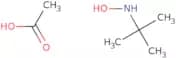
CAS:Produto ControladoN-(Tert-butyl) hydroxylamine acetate is a transport inhibitor that prevents the uptake of glutamate, an excitatory neurotransmitter. It has been shown to inhibit the replication of influenza virus in human cells by preventing the uptake of glutamate. N-(Tert-butyl) hydroxylamine acetate reacts with hydrochloric acid to form an antioxidant compound, and it has also been shown to have a protective effect against oxidative stress in yeast cells. This compound can be used as an antioxidant for biodiesel or urine samples, or as a reactant for cell lysis in microdialysis probes.Fórmula:C6H15NO3Pureza:Min. 95%Cor e Forma:White To Off-White SolidPeso molecular:149.19 g/mol4,5-Dimethyl-1,2-phenylenediamine
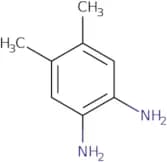
CAS:<p>4,5-Dimethyl-1,2-phenylenediamine is a fluorescent derivative of an unlabeled amine that is used in analytical chemistry. It has been shown to react with hydrogen bond donors and acceptors in aqueous solution to produce a new compound with a different fluorescence spectrum. This reaction mechanism can be used for sample preparation prior to analysis by various analytical methods. The coordination geometry of 4,5-dimethyl-1,2-phenylenediamine has been determined using x-ray crystal structures obtained from the compound in fetal bovine serum. A model system that mimics the disease activity of diabetic patients has been constructed using this compound as the analyte.</p>Fórmula:C8H12N2Pureza:Min. 95%Cor e Forma:PowderPeso molecular:136.19 g/mol(1R,2S)-2-(3,4-Difluorophenyl)cyclopropanamine hydrochloride
CAS:<p>(1R,2S)-2-(3,4-Difluorophenyl)cyclopropanamine hydrochloride is a fine chemical that has been used as a building block to make other compounds. It is also an intermediate in organic synthesis and research chemicals. (1R,2S)-2-(3,4-Difluorophenyl)cyclopropanamine hydrochloride can be used in the production of complex compounds with high quality.</p>Fórmula:C9H9F2N·HClPureza:Min. 95%Cor e Forma:White PowderPeso molecular:205.63 g/mol3-Methyl-N-methylbenzylamine
CAS:Fórmula:C9H13NPureza:>97.0%(GC)Cor e Forma:Colorless to Light yellow to Light orange clear liquidPeso molecular:135.211-Methyl-5-amino-1H-benzimidazole-2-butanoic acid ethyl ester
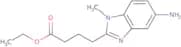
CAS:1-Methyl-5-amino-1H-benzimidazole-2-butanoic acid ethyl ester is a fine chemical that can be used to make a variety of other compounds. It is also used as a reagent in the synthesis of complex compounds, research chemicals, and speciality chemicals. The CAS number for this compound is 3543-73-5. This product has a high quality and is useful as an intermediate or reaction component in the synthesis of useful scaffolds.Fórmula:C14H19N3O2Pureza:Min. 95%Cor e Forma:Orange To Brown SolidPeso molecular:261.32 g/mol3-Aminopropyltriethoxysilane
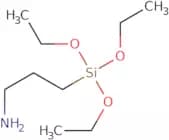
CAS:<p>3-Aminopropyltriethoxysilane is a liquid that has a phase transition temperature of -88.3°C. It is soluble in water at 1 g/L and in ethanol at 0.1 g/L. 3-Aminopropyltriethoxysilane has been shown to inhibit the production of prostaglandin E2 and leukotrienes by inhibiting cyclooxygenase activity in red blood cells, which may be due to its ability to chelate metal ions such as iron or copper. 3-Aminopropyltriethoxysilane also inhibits the production of prostaglandin E2 and leukotrienes by inhibiting cyclooxygenase activity in red blood cells, which may be due to its ability to chelate metal ions such as iron or copper. The compound also inhibits the production of prostaglandin E2 and leukotrienes by inhibiting</p>Fórmula:C9H23NO3SiPureza:Min. 97 Area-%Cor e Forma:Colorless Clear LiquidPeso molecular:221.37 g/mol(2S)-Pentan-2-amine hydrochloride
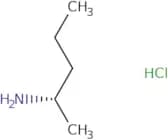
CAS:<p>(2S)-Pentan-2-amine hydrochloride is a versatile building block that can be used as a reaction component, reagent, or useful scaffold for the synthesis of complex organic compounds. It is a high quality chemical that can be used in both research and commercial applications. CAS No. 216237-52-4.</p>Fórmula:C5H14ClNPureza:Min. 95%Cor e Forma:PowderPeso molecular:123.62 g/mol4,4'-Bis(dimethylamino)benzophenone
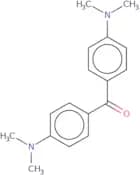
CAS:<p>4,4'-Bis(dimethylamino)benzophenone (4,4'-BDMAB) is an organic molecule that has the potential to cause genotoxic effects at high concentrations. It is a cationic polymerization initiator that has been shown to bind to DNA and inhibit hl-60 cells. 4,4'-BDMAB also reacts with phenoxy groups in nucleotide phosphate chains, forming toxic products. The mechanism of this reaction is not yet clear. Studies have shown that 4,4'-BDMAB can cause cell death by inducing apoptosis as well as necrosis. This molecule can also form ketones through reactions with carbonyl groups in cell culture.</p>Fórmula:C17H20N2OPureza:Min. 95%Peso molecular:268.35 g/molEthyl 3-aminocinnamate
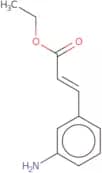
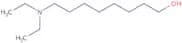
CAS:<p>Ethyl 3-aminocinnamate is a versatile building block for the synthesis of complex compounds. It is also a useful intermediate for the synthesis of reaction components, such as antihistamines and antigens. Ethyl 3-aminocinnamate can be used to synthesize speciality chemicals, such as research chemicals and reagents. This compound has high purity and is a useful scaffold for the preparation of related compounds.</p>Fórmula:C11H13NO2Pureza:Min. 95%Peso molecular:191.23 g/mol8-(N,N-Diethylamino)octan-1-ol
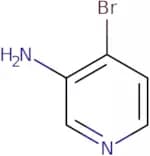
CAS:<p>Please enquire for more information about 8-(N,N-Diethylamino)octan-1-ol including the price, delivery time and more detailed product information at the technical inquiry form on this page</p>Fórmula:C12H27NOPureza:Min. 95%Peso molecular:201.35 g/mol3-Amino-4-bromopyridine
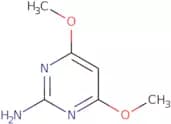
CAS:<p>3-Amino-4-bromopyridine is a receptor binding ligand that belongs to the group of synthetic, active natural products. It has been shown to stabilize nicotinic acetylcholine receptors and inhibit the release of acetylcholine. 3-Amino-4-bromopyridine has been shown to be a potent antagonist at nicotinic acetylcholine receptors and can be used in the treatment of disorders such as Parkinson's disease, Alzheimer's disease, and schizophrenia. 3-Amino-4-bromopyridine binds to pyridiniums in an inorganic acid environment and stabilizes them, which prevents their interaction with carbolines that are important for the modulation of neuronal activity.</p>Fórmula:C5H5BrN2Pureza:Min. 95%Cor e Forma:Off-White PowderPeso molecular:173.01 g/mol4,6-Dimethoxypyrimidin-2-amine
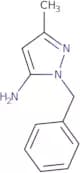
CAS:<p>4,6-Dimethoxypyrimidin-2-amine is a pyrimidine compound with the molecular formula C5H4N4O2. It can be prepared from the reaction of 2,4,6-trichloropyrimidine with formaldehyde and sodium cyanide in an organic solution. The properties of 4,6-Dimethoxypyrimidin-2-amine were studied on bacterial strain and human urine samples. This molecule is soluble in water and reacts with carboxylic acid to form a hydrogen bond. The nitrogen atoms show some reactivity towards copper chloride and hydrogen chloride.</p>Fórmula:C6H9N3O2Pureza:Min. 95%Cor e Forma:White PowderPeso molecular:155.15 g/mol1-Benzyl-3-methyl-1H-pyrazol-5-amine HCl
CAS:<p>1-Benzyl-3-methyl-1H-pyrazol-5-amine HCl is a fine chemical that can be used as a versatile building block in research or as an intermediate in the synthesis of complex compounds. It has been shown to be a useful reagent for the preparation of speciality chemicals and reaction components. 1-Benzyl-3-methyl-1H-pyrazol-5-amine HCl has been shown to be a high quality compound with CAS No. 113482–3, which is listed on the Chemical Abstracts Service registry.</p>Fórmula:C11H13N3·HClPureza:Min. 95%Cor e Forma:Off-White PowderPeso molecular:223.7 g/mol5-Amino-o-cresol
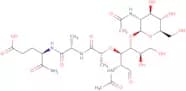
CAS:<p>5-Amino-o-cresol is a chemical compound that is used in analytical chemistry as an aminophenol. It reacts with ethylene diamine to form a red dye called 5-aminonaphthalene-2,7-disulphonic acid (5ANDS). The reaction solution can be used to identify the presence of bacterial DNA. 5-Amino-o-cresol has been shown to have genotoxic effects, which may lead to skin cancer or skin damage. This chemical also has toxicological properties and can cause skin irritation at high concentrations.</p>Fórmula:C7H9NOPureza:Min. 95%Cor e Forma:PowderPeso molecular:123.15 g/molN-Acetyl-β-D-glucosaminyl-(1→4)-N-acetylmuramoyl-L-alanyl-D-isoglutamine
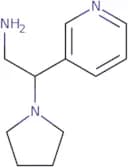
CAS:<p>Please enquire for more information about N-Acetyl-β-D-glucosaminyl-(1→4)-N-acetylmuramoyl-L-alanyl-D-isoglutamine including the price, delivery time and more detailed product information at the technical inquiry form on this page</p>Fórmula:C27H45N5O16Pureza:Min. 95%Cor e Forma:PowderPeso molecular:695.67 g/mol2-(3-Pyridyl)-2-pyrrolidinylethylamine
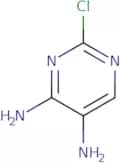
CAS:<p>2-(3-Pyridyl)-2-pyrrolidinylethylamine is a fine chemical that is used as a versatile building block in the synthesis of complex compounds. It is also used as a reagent and speciality chemical for research purposes. This compound can be used to produce useful intermediates and reaction components in organic synthesis. 2-(3-Pyridyl)-2-pyrrolidinylethylamine is also a useful scaffold for making high quality, useful compounds. CAS No. 855659-43-7</p>Fórmula:C11H17N3Pureza:Min. 95%Cor e Forma:Clear LiquidPeso molecular:191.27 g/mol2-Chloro-4,5-diaminopyrimidine
CAS:<p>2-Chloro-4,5-diaminopyrimidine is a pyrimidine compound with the molecular formula CHClN. It can be synthesized by reacting glycine and phenol with piperidine in the presence of hydrochloric acid. 2-Chloro-4,5-diaminopyrimidine has a solubility of 1.2 g/100 mL in water and reacts with quinine to form a red solution. This product also reacts with proline to produce an orange solution that fluoresces green when exposed to UV light. 2-Chloro-4,5-diaminopyrimidine has been used as an intermediate in the synthesis of other compounds such as pyridoxal phosphate and cefixime.</p>Fórmula:C4H5ClN4Pureza:Min. 95%Cor e Forma:PowderPeso molecular:144.56 g/molClavulanic acid ammonium
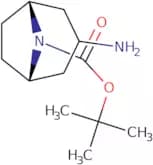
CAS:<p>Clavulanic acid is a beta-lactamase inhibitor that is used to treat infections caused by bacteria that are resistant to penicillin. It is a combination of clavulanate and ammonium. Clavulanic acid blocks the action of beta-lactamases, which are enzymes produced by bacteria that can destroy penicillin before it can act on the bacterial cell wall. Clavulanic acid has been shown to be active against penicillin-resistant strains of Staphylococcus aureus, Enterobacter cloacae, and Klebsiella pneumoniae. Clavulanic acid also inhibits the growth of Mycobacterium avium complex and Mycobacterium tuberculosis.</p>Fórmula:C8H9NO5•NH3Pureza:Min. 95%Peso molecular:216.19 g/molN-Boc-endo-3-aminotropane
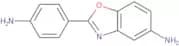
CAS:<p>N-Boc-endo-3-aminotropane is a useful building block for the synthesis of a variety of chemical compounds. It is a versatile intermediate for the synthesis of diverse chemical compounds and is also used in research as a reagent. N-Boc-endo-3-aminotropane has been shown to be highly reactive and to undergo many reactions, including nucleophilic substitution and addition reactions. The compound can be reacted with alkyl halides to form amines, or with nitroalkanes to form oximes. N-Boc-endo-3-aminotropane can also react with anhydrides or acid chlorides to form carboxylic acids, or with sulfonyl chlorides to form sulfonamides. This compound also reacts with thiols or alcohols to form thioethers and ethers respectively.</p>Fórmula:C12H22N2O2Pureza:Min. 95%Cor e Forma:White PowderPeso molecular:226.32 g/mol5-Amino-2-(4-aminophenyl)benzoxazole
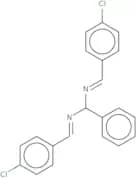
CAS:5-Amino-2-(4-aminophenyl)benzoxazole is a drug that has been shown to have anti-diabetic properties. It acts by activating the protein kinase B (PKB), which is a key regulator of insulin resistance and glucose metabolism. 5-Amino-2-(4-aminophenyl)benzoxazole also binds to heat shock proteins, which may be responsible for its effects on liver cells, and has been shown to reduce viscosity in deionized water. This drug also acts as an inhibitor of protozoan parasites such as Plasmodium falciparum and Leishmania major, through its ability to inhibit their aldehyde dehydrogenase enzyme. 5-Amino-2-(4-aminophenyl)benzoxazole has a crystalline structure similar to that of the active form of insulin.Fórmula:C13H11N3OPureza:Min. 95%Cor e Forma:White PowderPeso molecular:225.25 g/molN,N'-Bis-(4-chlorobenzylidene)-C-phenylmethanediamine
CAS:<p>N,N'-Bis-(4-chlorobenzylidene)-C-phenylmethanediamine is a fine chemical that is useful as a building block for the preparation of other compounds. It can also be used as a reaction component in research and as a reagent for synthesizing organic compounds. This compound has CAS No. 320734-42-7 and is classified as speciality chemicals.</p>Fórmula:C21H16Cl2N2Pureza:Min. 95%Peso molecular:367.27 g/mol2-Anilino-6-dibutylamino-3-methylfluoran
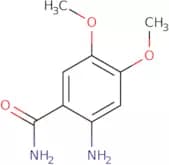
CAS:<p>2-Anilino-6-dibutylamino-3-methylfluoran is a switchable fluorescent dye that has been used to detect and measure biochemically active substances in living cells. The dye is introduced into the cell, where it binds to specific proteins or nucleic acids, causing a change in fluorescence. This change can then be detected using a microscope with an ultraviolet light source. 2-Anilino-6-dibutylamino-3-methylfluoran has also been used to detect bacteria in wastewater samples. An experiment was conducted to determine the effects of temperature on the reaction time of 2AADMF and metal ion concentration. Increasing the temperature resulted in an increase in reaction time, while increasing the concentration of metal ions had no effect on reaction time. 2AADMF also reacts differently depending on whether it is inside microcapsules or not. Microcapsules with 2AADMF reacted faster than those without it when</p>Fórmula:C35H36N2O3Pureza:Min. 95%Cor e Forma:White PowderPeso molecular:532.67 g/mol2-Amino-4,5-dimethoxybenzamide
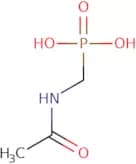
CAS:<p>2-Amino-4,5-dimethoxybenzamide is an anticancer agent that inhibits the epidermal growth factor receptor tyrosine kinase. It binds to the linker region of the epidermal growth factor receptor and prevents autophosphorylation. 2-Amino-4,5-dimethoxybenzamide has shown in vitro cytotoxic activity against testicular cancer cells and acute lymphoblastic leukemia cells. 2-Amino-4,5-dimethoxybenzamide is a synthetic compound that has been shown to have bioisosteric properties with other growth factors such as epidermal growth factor.</p>Fórmula:C9H12N2O3Pureza:Min. 95%Cor e Forma:PowderPeso molecular:196.2 g/molN-Acetylaminomethylphosphonic acid
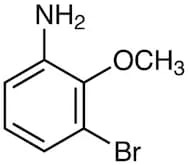
CAS:<p>N-Acetylaminomethylphosphonic acid is a benzylcompound with an amide group on the nitrogen atom. It has three resonance structures, two of which are shown below.</p>Fórmula:C3H8NO4PPureza:Min. 95%Cor e Forma:White PowderPeso molecular:153.07 g/mol3-Bromo-2-methoxyaniline
CAS:Fórmula:C7H8BrNOPureza:>98.0%(GC)(T)Cor e Forma:Light yellow to Brown clear liquidPeso molecular:202.054-Aminopyrazolo[3,4-d]pyrimidine
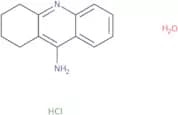
CAS:4-Aminopyrazolo[3,4-d]pyrimidine is a potent adenosine nucleotide analog that also lowers LDL cholesterol in the blood. It is used as a model system to study the uptake of nucleotides by Leishmania. 4-Aminopyrazolo[3,4-d]pyrimidine has been shown to be active against Leishmania parasites in vivo and at physiological levels. This drug has high resistance to leishmaniasis and can be used as an analog for ATP. 4-Aminopyrazolo[3,4-d]pyrimidine binds to the receptor activity on liver cells and stimulates epidermal growth factor production. It also interacts with the nucleotide levels in cells by acting as an analog for ATP.Fórmula:C5H5N5Pureza:Min. 95%Cor e Forma:Red PowderPeso molecular:135.13 g/mol9-Amino-1,2,3,4-tetrahydroacridine HCl hydrate
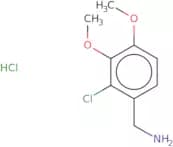
CAS:Produto Controlado9-Amino-1,2,3,4-tetrahydroacridine HCl hydrate (9AHT) is a cholinergic agent that inhibits the activity of the ns3 protease. It has been shown to inhibit tumor growth and induce apoptosis in prostate cancer cells. 9AHT also exhibits neuroprotective effects through its ability to inhibit acetylcholinesterase and reduce neuronal death. This drug has been used as a biological sample for the detection of amyloid proteins in cell culture. Acetate extract from Astragalus (a medicinal plant) was found to have an inhibitory effect on acetylcholinesterase activity. Protocatechuic acid, which is found in many plants, including grapefruit peel, has also been shown to be an inhibitor of acetylcholinesterase activity.Fórmula:C13H15ClN2·xH2OPureza:Min. 95%Cor e Forma:White PowderPeso molecular:234.72 g/mol2-Chloro-3,4-dimethoxybenzylamine HCl
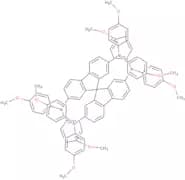
CAS:<p>2-Chloro-3,4-dimethoxybenzylamine HCl is a fine chemical that can be used as a building block to synthesize new compounds. It is also a useful intermediate in the production of pharmaceuticals and other organic chemicals. 2-Chloro-3,4-dimethoxybenzylamine HCl has been used as a reaction component for the synthesis of various complex compounds. This compound has been shown to have high purity and quality.</p>Fórmula:C9H12ClNO2·HClPureza:Min. 95%Peso molecular:238.11 g/mol2,2',7,7'-Tetrakis-(N,N-di-4-methoxyphenylamino)-9,9'-spirobifluorene - Sublimed grade
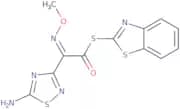
CAS:2,2',7,7'-Tetrakis-(N,N-di-4-methoxyphenylamino)-9,9'-spirobifluorene (TPB) is a model system for investigating the transport of light signal in polymers. TPB can be used as a component in solar cells to increase their efficiency and improve their resistance to heat. TPB has shown high resistance to hydrochloric acid and other aggressive chemicals. TPB has been shown to be an effective photoelectron donor with a redox potential that is close to the one of copper; this property can be used for electrochemical impedance spectroscopy.Fórmula:C81H68N4O8Pureza:Min. 95%Cor e Forma:Off-white to yellow solid.Peso molecular:1,225.43 g/molS-2-Benzothiazolyl (Z)-2-(5-amino-1,2,4-thiadiazol-3-yl)-2-methoxyiminothioacetate
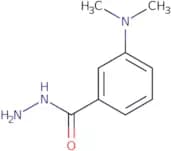
CAS:S-2-Benzothiazolyl (Z)-2-(5-amino-1,2,4-thiadiazol-3-yl)-2-methoxyiminothioacetate is an experimental drug that has been studied in research, solvents and clinical data. It has a strong ability to disrupt the physiology of cells by inhibiting reactions that require S-adenosylmethionine. The reaction time is approximately 10 seconds, and human patients have been used for clinical development and translational research. This reducer is also able to produce high yield with a synthesis time of only 1 hour.Fórmula:C12H9N5O2S3Pureza:Min. 95%Cor e Forma:White PowderPeso molecular:351.43 g/mol3-(N,N-Dimethylamino)benzhydrazide
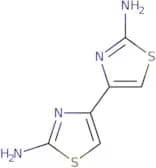
CAS:<p>3-(N,N-Dimethylamino)benzhydrazide is a versatile chemical building block that can be used to synthesize a wide range of compounds. It has been reported as an intermediate in the synthesis of a number of biologically active compounds such as 3-dimethylaminobenzhydrazide and 3-dimethylaminobenzoic acid. The compound is soluble in water and can be used in research into the synthesis of complex organic molecules.</p>Fórmula:C9H13N3OPureza:Min. 95%Peso molecular:179.22 g/mol2,2'-Diamino-4,4'-bithiazole
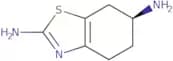
CAS:2,2'-Diamino-4,4'-bithiazole (DABT) is a ligand that forms supramolecular aggregates with a variety of metal ions. It has been shown to bind to serum albumin and form an interaction that depends on the coordination geometry of the metal ion. DABT has been shown to be a fluorescent molecule with tryptophan fluorescence. The fluorescence emission spectrum of DABT is sensitive to chloride concentrations in the environment. The chemical structure and solubility properties of DABT are similar to those of chlorides; thus, it can be used as an oxidant at low pH levels.Fórmula:C6H6N4S2Pureza:Min. 95%Cor e Forma:PowderPeso molecular:198.27 g/mol(s)-2,6-Diamino-4,5,6,7-tetrahydrobenzothiazole
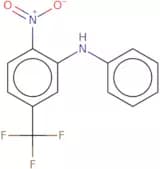
CAS:(S)-2,6-Diamino-4,5,6,7-tetrahydrobenzothiazole is an inhibitor molecule that belongs to the heterocyclic class of molecules. It is synthesized by a chemical reaction between hydrochloric acid and a molecule. The reaction product is then treated with acylation reagents to produce a heterobicyclic compound. The heterobicyclic compound binds to the surface of metal and prevents corrosion reactions from occurring. (S)-2,6-Diamino-4,5,6,7-tetrahydrobenzothiazole has been shown to inhibit leukemia cells and cancer cells in vitro through an unknown mechanism. It also binds to histone H3 proteins and has shown high cytotoxicity against various types of cancer cell lines.Fórmula:C7H11N3SPureza:Min. 95%Cor e Forma:White PowderPeso molecular:169.25 g/molN-Phenyl-2-nitro-4-trifluoromethyl-phenylamine
CAS:<p>N-Phenyl-2-nitro-4-trifluoromethylphenylamine is a versatile building block. It is a fine chemical that is used in research and as a reagent, speciality chemical, or useful scaffold for the synthesis of complex compounds. This compound has CAS No. 5108-04-3 and can be used as an intermediate in reactions. It is also useful in the synthesis of various types of building blocks. N-Phenyl-2-nitro-4-trifluoromethylphenylamine has been shown to be a high quality product that can be used in various ways.</p>Fórmula:C13H9F3N2O2Pureza:Min. 95%Peso molecular:282.22 g/molN-Methyloctylamine
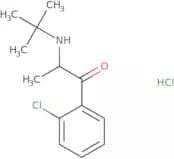
CAS:<p>N-Methyloctylamine is a low energy, organic extractant that is soluble in water and ethanol. It has been shown to be an effective agent for the extraction of adenine nucleotides from acidic aqueous solutions. The hydroxyl group on the molecule enables oxidation reactions with molecules containing aldehyde groups, such as diphenyl ethers and amines. N-Methyloctylamine has also been shown to be an effective catalyst for transfer reactions between particles, such as nanoparticles.</p>Fórmula:C9H21NPureza:Min. 95%Cor e Forma:Clear LiquidPeso molecular:143.27 g/mol2-(tert-Butylamino)-2'-chloropropiophenone hydrochloride
CAS:Produto Controlado2-(tert-Butylamino)-2'-chloropropiophenone hydrochloride (BAPCH) is a fine chemical that is used as a building block in the synthesis of other compounds. It can be used as a reagent or speciality chemical in research, and is also an intermediate for the synthesis of other chemicals. BAPCH has a CAS number of 1049718-57-1, and is a versatile building block with many reactions. BAPCH has been shown to be useful in complex syntheses that require reactive groups and scaffolds.Fórmula:C13H19Cl2NOPureza:Min. 95%Cor e Forma:White To Off-White SolidPeso molecular:276.2 g/mol[4-(Aminomethyl)cyclohexyl]methanol
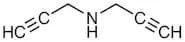
CAS:4-(Aminomethyl)cyclohexyl]methanol is a dicarboxylic acid and ester with the chemical formula CH2=C(CH3)(CO2H). It is used to synthesize polycarbonates, which are polyesters that contain carbonate groups. 4-(Aminomethyl)cyclohexyl]methanol has two carboxyl groups and one hydroxyl group that can react with trimellitic anhydride to form polycarbonates. Polycarbonate is a polymer that contains bisphenol A, which is the building block of many plastics and resins. 4-(Aminomethyl)cyclohexyl]methanol can be used as a monomer in the synthesis of polyesters and copolymers.Fórmula:C8H17NOPureza:Min. 95%Cor e Forma:Beige PowderPeso molecular:143.23 g/molDipropargylamine
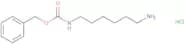
CAS:Fórmula:C6H7NPureza:>97.0%(T)Cor e Forma:Orange to Brown clear liquidPeso molecular:93.13Z-1,6-diaminohexane·HCl
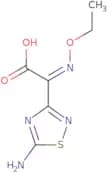
CAS:Z-1,6-Diaminohexane·HCl is a versatile building block that can be used as a reagent, speciality chemical, or useful scaffold. This compound has been shown to be a useful intermediate in the synthesis of other compounds and can also react with metal ions to generate metal complexes. Z-1,6-Diaminohexane·HCl is a high quality compound that is stable and soluble in water, making it suitable for use in reactions at room temperature.Fórmula:C14H22N2O2·HClPureza:Min. 95%Cor e Forma:White PowderPeso molecular:286.8 g/mol(Z)-2-(5-Amino-1,2,4-thiadiazol-3-yl)-2-(ethoxyimino)acetic acid
CAS:(Z)-2-(5-Amino-1,2,4-thiadiazol-3-yl)-2-(ethoxyimino)acetic acid is a synthetic compound that can be used as an antibiotic. It is synthesized from acetonitrile and phosphorus oxychloride in the presence of hydroxyl groups. This reaction yields a mixture of amides and cyanoacetamide derivatives. The amides are then converted to their respective alkyl chlorides with methyl iodide, which are then reacted with dimethyl acetylenedicarboxylate to form the desired product. The final step is to hydrolyze the ester group with hydrochloric acid to yield (Z)-2-(5-amino-1,2,4-thiadiazol-3-yl)-2-(ethoxyimino)acetic acid. This chemical has been shown to have antibacterial properties against some strains of bacteria such asFórmula:C6H8N4O3SPureza:Min. 95%Cor e Forma:PowderPeso molecular:216.22 g/mol6-(Dimethylamino)nicotinic acid
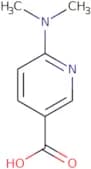
CAS:<p>6-(Dimethylamino)nicotinic acid is a fine chemical and research chemical that is useful as a building block for complex compounds. It is also used as a reagent in the synthesis of other chemicals, or as an intermediate or scaffold molecule in organic chemistry. This chemical has been shown to be useful in the synthesis of many drugs, including penicillin and erythromycin. 6-(Dimethylamino)nicotinic acid has CAS number 82846-28-4.</p>Fórmula:C8H10N2O2Pureza:Min. 95%Cor e Forma:White PowderPeso molecular:166.18 g/mol3,3'-Diaminobenzidine tetrahydrochloride
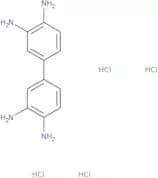
CAS:<p>3,3'-Diaminobenzidine tetrahydrochloride or DAB hydrochloride is the hydrochloride salt of biphenyl tetra-aniline. DAB hydrochloride is a water-soluble formulation of DAB and is used in immunohistochemical staining of nucleic acids and proteins. DAB hydrochloride is used in Alzheimer's disease research, Aβ protein amyloid plaques are targeted by a primary antibody, and subsequently by a secondary antibody, which is conjugated with a peroxidase enzyme. This will bind DAB as a substrate and oxidize causing a colour change. 3,3’-Diaminobenzidine tetrahydrochloride is also available as the tetrahydrochloride hydrate and as the free base.</p>Fórmula:C12H14N4•4HClPureza:Min. 95%Cor e Forma:Off-White PowderPeso molecular:360.12 g/molN,N-Bis(4-bromobenzyl)amine
CAS:Fórmula:C14H13Br2NPureza:>98.0%(GC)(T)Cor e Forma:White to Orange to Green powder to crystalPeso molecular:355.074-Methyl-3-[[4-(3-pyridinyl)-2-pyrimidinyl]amino]benzoicacid methylester
CAS:4-Methyl-3-[[4-(3-pyridinyl)-2-pyrimidinyl]amino]benzoicacid methylester is a fine chemical that is useful as a scaffold for more complex compounds and has many other uses. It is a versatile building block, useful intermediate and research chemical, reaction component, speciality chemical, and building block. This compound can be used to make high quality reagents with many applications in medicine, chemistry, and biology.Fórmula:C18H16N4O2Pureza:Min. 95%Cor e Forma:PowderPeso molecular:320.35 g/mol1-(4-Aminophenyl)-2-nitroethane
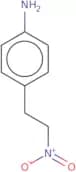
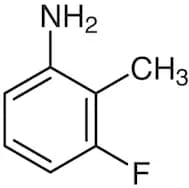
CAS:1-(4-Aminophenyl)-2-nitroethane is a high quality, reagent, complex compound that can be used as a useful intermediate in the production of fine chemicals. It is also used as a useful scaffold for the synthesis of compounds with interesting biological activities. This chemical can be used as a building block for reactions to produce versatile building blocks and reaction components for research chemicals.Fórmula:C8H10N2O2Pureza:Min. 95%Cor e Forma:PowderPeso molecular:166.18 g/mol3-Fluoro-2-methylaniline
CAS:Fórmula:C7H8FNPureza:>98.0%(GC)(T)Cor e Forma:Light yellow to Yellow to Orange clear liquidPeso molecular:125.153-Methoxy-5-(trifluoromethyl)aniline
CAS:Fórmula:C8H8F3NOPureza:>98.0%(GC)(T)Cor e Forma:Light yellow to Brown to Dark red powder to crystalPeso molecular:191.15[2-(6-Methylpyridin-2-yl)ethyl]amine
CAS:2-(6-Methylpyridin-2-yl)ethyl]amine is a reagent that is used as a building block for the synthesis of heterocycles. It is used in the preparation of various complex compounds, such as 2-(6-methylpyridin-2-yl)ethylamine hydrochloride, 2-(6-methylpyridin-2-yl)ethylamine hydrobromide, and 2-[(6-methylpyridin-2-yl)ethyl]amine hydrochloride. This chemical can be used as an intermediate in the synthesis of fine chemicals or speciality chemicals. It has CAS No. 19363-94-1 and is an important research chemical with versatile uses in organic synthesis reactions.Fórmula:C8H12N2Pureza:Min. 95%Cor e Forma:Colourless LiquidPeso molecular:136.19 g/molThiamine nitrate
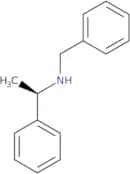
CAS:<p>Thiamine nitrate is a form of vitamin B1 that is used to treat thiamine deficiency. Thiamine nitrate is an oxidized form of thiamin, also known as vitamin B1. It can be synthesized by reacting thiamin hydrochloride with nitric acid. Thiamine nitrate has been shown to protect against neuronal death in the brain and restores cognitive function in patients with Wernicke-Korsakoff syndrome due to its ability to target enzymes involved in energy metabolism and calcium ion homeostasis. It also prevents acute alcohol intoxication and protects against neurotoxicity caused by nonsteroidal anti-inflammatory drugs.<br>Thiamine nitrate also has a fluorescence probe that can be used for detection and quantification of some proteins, such as DNA polymerase or ribonucleotide reductase, which are essential for cell growth or DNA synthesis.</p>Fórmula:C12H17N4OS·NO3Pureza:Min. 95%Cor e Forma:White Clear LiquidPeso molecular:327.36 g/mol(R)-(+)-N-Benzyl-1-phenylethylamine
CAS:<p>(R)-(+)-N-Benzyl-1-phenylethylamine is an enantiomer of phenylethylamine. It is a chiral, vinylic amine that can be used to produce catalytic asymmetric Grignard reactions. The synthesis of this compound starts with the addition of benzyl chloride to 1-phenylethylamine. This reaction produces (R)-(+)-N-benzyl-1-phenylethylamine as the major product and its corresponding bisulfate salt as the minor product. This compound has been shown to be an anti HIV drug in a number of studies, which may be due to its ability to inhibit reverse transcriptase and/or prevent viral entry into cells.</p>Fórmula:C15H17NPureza:Min. 95%Cor e Forma:Colourless To Pale Yellow LiquidPeso molecular:211.3 g/molD-2-Aminobutyric acid
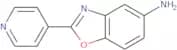
CAS:D-2-Aminobutyric acid is a chemical compound that can act as an antiplatelet agent. It is also a sodium salt that is used in kinetic and gravimetric analysis. D-2-Aminobutyric acid is metabolized by humans, with the 2-aminoisobutyric acid being the most prevalent metabolite. This chemical has been shown to be an inhibitor of matrix metalloproteinase activity and can act as an antioxidant to protect cells from radiation damage. D-2-Aminobutyric acid also inhibits protein synthesis by binding to carbonyl groups on proteins, which prevents them from being oxidized or degraded.Fórmula:C4H9NO2Pureza:Min. 95%Cor e Forma:PowderPeso molecular:103.12 g/mol2-Pyridin-4-yl-1,3-benzoxazol-5-amine
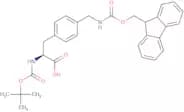
CAS:2-Pyridin-4-yl-1,3-benzoxazol-5-amine is a fine chemical that is useful as a building block in organic synthesis. It can be used in the preparation of other chemicals and pharmaceuticals. This compound is also used as a reagent in research. 2-Pyridin-4-yl-1,3-benzoxazol-5-amine has been shown to be an excellent intermediate for the synthesis of complex compounds. It can also be used as a scaffold for drug design with versatile chemical reactivity.Fórmula:C12H9N3OPureza:Min. 95%Cor e Forma:PowderPeso molecular:211.22 g/molBoc-4-(Fmoc-aminomethyl)-L-phenylalanine
CAS:Boc-4-(Fmoc-aminomethyl)-L-phenylalanine is a useful scaffold that is used as a building block in the synthesis of complex compounds. This compound is also known as Boc-L-Phe, and has CAS number 170157-61-6. It can be used as an intermediate in the synthesis of many different compounds, and can be converted to other functional groups through chemical reactions. Boc-4-(Fmoc-aminomethyl)-L-phenylalanine has a variety of uses, including being a reagent for peptide synthesis and being a reaction component in organic chemistry.Fórmula:C30H32N2O6Pureza:Min. 95%Cor e Forma:PowderPeso molecular:516.58 g/mol2-(Indenylamino)acetamide, hydrochloride salt
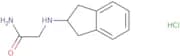
CAS:2-(Indenylamino)acetamide, hydrochloride salt is a potential drug that is an uptake inhibitor. It prevents the uptake of dopamine in the brain and has been shown to be neuroprotective in animal research. It also has potential to treat diabetic neuropathy, inflammatory diseases, and pain. The kinetic properties of this drug were studied using rat striatal cells. 2-(Indenylamino)acetamide, hydrochloride salt inhibits the transport of dopamine into these cells by blocking the movement of dopamine from outside the cell to inside the cell. This drug could potentially be used for treatment of Parkinson's disease or other conditions involving dopaminergic dysfunction.Fórmula:C11H15ClN2OPureza:Min. 95%Cor e Forma:PowderPeso molecular:226.7 g/mol4-Aminophthalimide
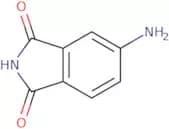
CAS:<p>4-Aminophthalimide is a protonated aminophthalic acid derivative that is used as a fluorescence probe. It has been shown to be a photophysical and photochemical reagent that can be used in the study of intermolecular hydrogen bonding interactions. The fluorescence of 4-aminophthalimide is enhanced by the presence of epidermal growth factor (EGF) and solvents such as water, alcohols, and hydrochloric acid. The fluorescence emission from this compound is dependent on its environment, which includes the presence of hydrogen bonding interactions with fatty acids.</p>Fórmula:C8H6N2O2Pureza:Min. 95%Cor e Forma:PowderPeso molecular:162.15 g/molMethyl 2-(aminomethyl)pyridine-4-carboxylate HCl
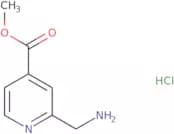
CAS:<p>Methyl 2-(aminomethyl)pyridine-4-carboxylate HCl is a fine chemical that is used as a building block, reagent, and speciality chemical. It has been shown to be an effective intermediate in the synthesis of complex compounds. Methyl 2-(aminomethyl)pyridine-4-carboxylate HCl also has a versatile scaffold for organic synthesis.</p>Fórmula:C8H11ClN2O2Pureza:Min. 95%Cor e Forma:PowderPeso molecular:202.64 g/mol3-Amino-N-(tert-butoxycarbonyl)benzylamine
CAS:Fórmula:C12H18N2O2Pureza:>98.0%(GC)(T)Cor e Forma:White to Light yellow powder to crystalPeso molecular:222.29Tri(octyl-decyl)methylammonium chloride - R=C8-C10
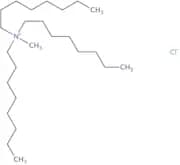
CAS:Tri(octyl-decyl)methylammonium chloride (TODMA) is a quaternary ammonium salt that has been used as a wastewater treatment agent. TODMA has shown to adsorb particles of chitosan, which are positively charged and hydrophilic. Chitosan is an acidic polymer that can be used in the development of nanoparticulate compositions for therapeutic use. TODMA has been shown to have physiological effects in the body, such as lowering blood pressure and heart rate and producing a sense of calmness. It also has been shown to affect chloride levels in the body and inhibit water vapor from leaving the lungs. This compound can be synthesized by reacting hydrogen fluoride with chloroethane. The thermodynamic data for this compound is available on line at http://www.webelements.com/trioctyldecylammoniumchloride/.Fórmula:C25H54ClNPureza:Min. 95%Cor e Forma:Colorless Clear LiquidPeso molecular:404.16 g/mol4-Diazodiphenylamine sulfate
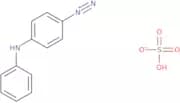
CAS:<p>4-Diazodiphenylamine sulfate is a phosphatase inhibitor that can be used to inhibit tyrosinase activity in the biochemical and enzymatic reactions. The inhibition constant for 4-diazodiphenylamine sulfate against tyrosinase activity is 1.5 μM. This inhibitor has been shown to have a low energy surface-enhanced Raman spectrum, which can be used to detect protein coatings on surfaces such as glass beads or sephadex g-100. It has also been shown to inhibit the phosphatase activity of human urine samples, which may be due to its ability to bind to the enzyme's active site and reduce substrate accessibility. 4-Diazodiphenylamine sulfate is also known for its ability to bind with DNA and form an adduct with p-nitrophenyl phosphate.</p>Fórmula:C12H9N3·H2SO4Pureza:Min. 95%Cor e Forma:PowderPeso molecular:293.3 g/mol3-Aminobenzophenone
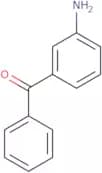
CAS:3-Aminobenzophenone is an antimicrobial agent that binds to the receptor site of bacterial cell membranes and inhibits the synthesis of fatty acids. 3-Aminobenzophenone has shown antibacterial activity against Gram-positive bacteria, such as Bacillus subtilis, Listeria monocytogenes, and Staphylococcus aureus. The mode of action is thought to be due to its ability to form hydrogen bonds with the amide group in proteins. 3-Aminobenzophenone has also been shown to be effective against Gram-negative bacteria, such as Escherichia coli and Pseudomonas aeruginosa. This compound can be synthesized by a number of methods, including a skeleton method or by using molecular modeling techniques.Fórmula:C13H11NOPureza:Min. 95%Cor e Forma:PowderPeso molecular:197.23 g/molBoc-L-norleucine dicyclohexylammonium salt
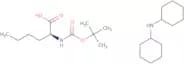
CAS:Produto ControladoBoc-L-norleucine dicyclohexylammonium salt is a cyclic peptide that has been shown to function as an anticoagulant. It is found in the sequence of protein and inhibits the coagulation process by inhibiting platelet aggregation. Boc-L-norleucine dicyclohexylammonium salt also acts as a molecular marker for c1-6 alkyl chains, which are found in viruses, and can be used to identify these molecules. This drug has antiviral activity against herpes simplex virus and inorganic acids such as hydrochloric acid.Fórmula:C11H21NO4·C12H23NPureza:Min. 95%Cor e Forma:SolidPeso molecular:412.61 g/molN-Methyl-2-(4-methoxyphenyl)ethylamine
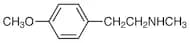
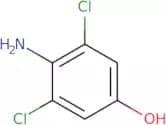
CAS:Fórmula:C10H15NOPureza:>95.0%(GC)(T)Cor e Forma:Light orange to Yellow to Green clear liquidPeso molecular:165.244-Amino-3,5-dichlorophenol
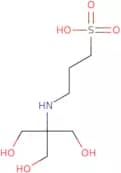
CAS:<p>4-Amino-3,5-dichlorophenol is a decoupling agent that has been shown to have acute toxicities in cultures. It is also used as a regulatory control for the analysis of hydroxyl groups and for broad-spectrum antimicrobial agents. 4-Amino-3,5-dichlorophenol reacts with hydrochloric acid to form chlorohydrin, which can be detected by an electrochemical detector. This reaction mechanism has been proposed as the basis for the use of this chemical as a decoupling agent in analytical chemistry. Its use as an antimicrobial agent is based on its ability to inhibit bacterial growth by reacting with thiol groups in enzymes or proteins and blocking their activity.</p>Fórmula:C6H5Cl2NOPureza:Min. 95%Cor e Forma:PowderPeso molecular:178.02 g/molTAPS
CAS:<p>TAPS, also known as 3-[(Tris(hydroxymethyl)methyl)amino]-1-propanesulfonic acid, is a buffering agent that can be used in capillary electrophoresis with DNA and can form metal complexes. It has an optimal pH range of 7.7-9.1 and a pKa of 8.4.</p>Fórmula:C7H17NO6SPureza:Min. 95%Cor e Forma:SolidPeso molecular:243.28 g/mol2-Amino-4,6-dibromophenol
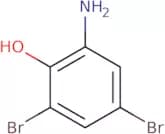
CAS:2-Amino-4,6-dibromophenol is an organic compound that is used in research for the synthesis of benzoxazoles and related compounds. It is a lactam analog that can be synthesized from commercially available starting materials. 2-Amino-4,6-dibromophenol has been shown to have pharmacological activity against tumor cells. This compound has also been used to synthesize regiospecific skeletal analogs of natural products.Fórmula:C6H5Br2NOPureza:Min. 95 Area-%Cor e Forma:Off-White PowderPeso molecular:266.92 g/mol3-Chloro-N,N-diethylpropan-1-amine
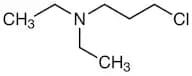
CAS:Fórmula:C7H16ClNPureza:>98.0%(GC)(T)Cor e Forma:Colorless to Almost colorless clear liquidPeso molecular:149.66Dodecylamine
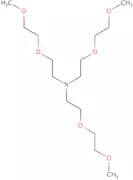
CAS:Dodecylamine is a chemical compound that belongs to the group of surfactants. It is a non-ionic, hydrophobic compound that has low toxicity and high water solubility. Dodecylamine can be used as a flotation agent in analytical chemistry. The dodecylamine-water system also shows thermodynamic data with an optimum at pH 10.5 and at 25 °C, which is the optimal temperature for flotation. This surfactant has been shown to have transport properties that are similar to ethylene diamine and particle size of about 0.1mm. Dodecylamine can also be used in the synthesis of polyurethanes by reacting with diisocyanates such as 1,6-hexamethylene diisocyanate (HDI) or 4,4'-methylene bis(phenylisocyanate) (MDI).Fórmula:C12H27NPureza:Min. 95%Cor e Forma:White Clear LiquidPeso molecular:185.35 g/molTris(dioxa-3,6-heptyl)amine
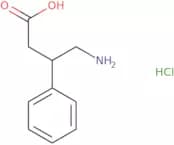
CAS:<p>Phase transfer catalyst; intermediate in telithromycin synthesis</p>Fórmula:C15H33NO6Pureza:Min. 95%Cor e Forma:Colorless Clear LiquidPeso molecular:323.43 g/mol4-Amino-3-phenylbutyric acid hydrochloride
CAS:Produto Controlado4-Amino-3-phenylbutyric acid hydrochloride (4APB) is a GABA receptor agonist that belongs to the class of pharmacological agents. It has been shown to be effective in treating pediatric patients with epilepsy, as well as in the treatment of various metabolic disorders. The drug has also been used to treat symptoms caused by benzodiazepine withdrawal. 4APB binds to the benzodiazepine binding site on GABAA receptors and enhances the inhibitory actions of GABA. This causes sedation and muscle relaxation, which can be helpful for patients who have experienced a seizure or are withdrawing from benzodiazepines. 4APB also increases locomotor activity in rats and has been shown to have no effect on cardiac function.Fórmula:C10H13NO2•HClPureza:Min. 98 Area-%Cor e Forma:PowderPeso molecular:215.68 g/mol(3-Isopropoxybenzyl)amine
CAS:<p>(3-Isopropoxybenzyl)amine is a high quality, reagent grade chemical that can be used as an intermediate for the synthesis of complex organic compounds. It is also a useful building block for the synthesis of speciality chemicals and research chemicals. This compound has a versatile building block that is used in the synthesis of new molecules. Reaction components such as (3-isopropoxybenzyl)amine are important for synthesizing more complex molecules and can be easily purified with chromatography or recrystallization.</p>Fórmula:C10H15NOPureza:Min. 95%Cor e Forma:Colorless PowderPeso molecular:165.23 g/mol[2,3'-Bipyridin]-6'-amine
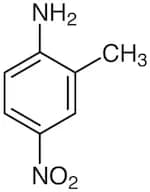
CAS:2,3'-Bipyridin-6'-amine is a chemical compound that is used as a building block for more complex molecules. It has high quality and can be used to make many different compounds. 2,3'-Bipyridin-6'-amine is versatile and can be used in the synthesis of a variety of compounds. It is also an intermediate in a number of reactions, including the formation of pyrimidine analogs. This chemical has been shown to be useful in the creation of new drugs for cancer treatment and other diseases.Fórmula:C10H9N3Pureza:Min. 95%Cor e Forma:Off-White PowderPeso molecular:171.2 g/mol2-Methyl-4-nitroaniline
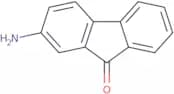
CAS:Fórmula:C7H8N2O2Pureza:>98.0%(GC)Cor e Forma:White to Yellow to Green powder to crystalPeso molecular:152.152-Amino-9-fluorenone
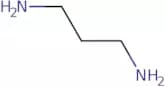
CAS:<p>2-Amino-9-fluorenone is a borohydride reduction product of 2-amino-4,5,6,7-tetrahydrobenzofuran. It is synthesized by the reaction of ethyl esters with cavity and protonation. The synthesis of 2-amino-9-fluorenone has been shown to proceed through a noncompetitive inhibition mechanism. It is used as a fluorescent probe for amines in gravimetric analysis and mass spectrometry. 2-Amino-9-fluorenone has also been used as a fluorescence probe for carbonyl groups in fluoroimetric analysis.<br>2 aminofluorene exhibits steady state fluorescence when excited at 295 nm and 365 nm.</p>Fórmula:C13H9NOPureza:Min. 95%Peso molecular:195.22 g/mol1,3-Diaminopropane
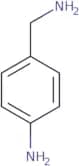
CAS:1,3-Diaminopropane is a molecule that belongs to the group of organic compounds known as diamine. It is a colorless liquid with an unpleasant odor. 1,3-Diaminopropane has inhibitory properties and can be used in the treatment of squamous cell carcinoma and galleria mellonella. The mechanism of action for this compound has been determined by x-ray crystal structures. 1,3-Diaminopropane reacts with picolinic acid (PA) to form an intramolecular hydrogen bond, which inhibits PA's ability to react with other molecules. This results in PA being unable to form reactive intermediates that normally lead to cancerous changes in cells.Fórmula:C3H10N2Pureza:Min. 95%Cor e Forma:Clear LiquidPeso molecular:74.12 g/mol4-Aminobenzylamine
CAS:<p>4-Aminobenzylamine is a triazine compound that has two nitrogen atoms, each of which carries a proton. The protonated amines are reactive and can undergo diazonium salt formation with the nitrous acid. 4-Aminobenzylamine has been shown to have biological properties, such as inhibiting protein synthesis in various cells types. It inhibits the growth of multi-walled carbon nanotubes (MWNTs) by blocking the lysine residues on the surface of these MWNTs. 4-Aminobenzylamine also binds to magnetic resonance spectroscopy (NMR) and exhibits a characteristic spectrum with an alpha peak at about -0.2 ppm, indicative of a hydrogen bond between the amine group and one of the hydrogens in water molecules.</p>Fórmula:C7H10N2Pureza:Min. 95%Cor e Forma:Clear LiquidPeso molecular:122.17 g/mol(S)-3-Amino-3-phenylpropan-1-ol
CAS:<p>The enantiopure (S)-3-Amino-3-phenylpropan-1-ol is a chiral and optically pure amino alcohol compound. It is an antibiotic that inhibits the bacterial enzyme acylase, which catalyzes the hydrolysis of ester bonds in fatty acids. This drug is also an inhibitor of drug substance, as well as an active form of dapoxetine hydrochloride. The (S)-3-Amino-3-phenylpropan-1-ol has been shown to be effective against both Gram positive and Gram negative bacteria, including methicillin resistant Staphylococcus aureus (MRSA) and Mycobacterium tuberculosis.</p>Fórmula:C9H13NOPureza:Min. 95%Cor e Forma:Off-White PowderPeso molecular:151.21 g/molBoc-(2R,3R)-3-amino-2-hydroxy-4-phenylbutyric acid
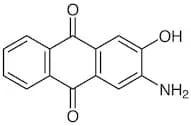
CAS:<p>Boc-(2R,3R)-3-amino-2-hydroxy-4-phenylbutyric acid is a reagent and speciality chemical that is used as a building block in organic synthesis. It is a versatile intermediate that can be used to synthesize complex compounds with high quality and purity. Boc-(2R,3R)-3-amino-2-hydroxy-4-phenylbutyric acid has been shown to be stable under acidic conditions, making it an excellent choice for use in reactions involving strong acids. This compound can also be used as a scaffold for the synthesis of peptides and proteins.</p>Fórmula:C15H21NO5Pureza:Min. 95%Cor e Forma:PowderPeso molecular:295.33 g/mol2-Amino-3-hydroxyanthraquinone
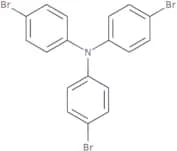
CAS:Fórmula:C14H9NO3Pureza:>98.0%(T)Cor e Forma:Orange to Amber to Dark red powder to crystalPeso molecular:239.23Tris(4-bromophenyl)amine
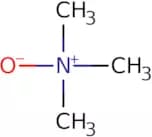
CAS:<p>Tris(4-bromophenyl)amine is a chemical compound that is used as an intermediate in the synthesis of other compounds. It has been studied for its electrochemical properties, which include its stability and ability to react with ethyl diazoacetate. The reaction mechanism of tris(4-bromophenyl)amine has been studied using electrochemical techniques, including kinetic and spectroscopic studies. Tris(4-bromophenyl)amine reacts with acid to produce nitrite ions and bromine water, which can then react with ethyl diazoacetate to produce aryl diazonium salts such as 3-nitrophenol. This process can be repeated multiple times to form aryl diazonium salts such as 6-nitrophenol or 5-nitrophenol. The electron reduction potential of tris(4-bromophenyl)amine is low enough that it can be easily oxid</p>Fórmula:C18H12Br3NPureza:Min. 95%Cor e Forma:PowderPeso molecular:482.01 g/molTrimethylamine N-oxide
CAS:<p>Trimethylamine N-oxide (TMAO) is a trimethylamine derivative that is produced by the oxidation of trimethylamine. TMAO has been shown to be released during digestion and can be detected in plasma and urine. The presence of TMAO in atherosclerotic lesions may have pathological implications, as it has been shown to inhibit the polymerase chain reaction (PCR) for DNA polymerase beta. TMAO has also been associated with bowel disease, as it has been shown to induce an immune response in patients with ulcerative colitis. Furthermore, TMAO inhibits the synthesis of proteins by blocking ribosomal RNA transcription and translation. Trimethylamine N-oxide is known to act as a signal peptide that activates primary sclerosing cholangitis in patients with biliary tract diseases such as primary sclerosing cholangitis or primary biliary cirrhosis.</p>Fórmula:C3H9NOPureza:Min. 95%Cor e Forma:PowderPeso molecular:75.11 g/mol1-Aminooctaethylene glycol
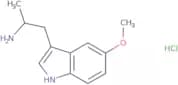
CAS:<p>1-Aminooctaethylene glycol is a PEG polymer categorised as monofunctional (OH-PEG-X). Used as a linker, 1-aminooctaethylene glycol is used to attached PEG to proteins, peptides, oligonucleotides, nanoparticles and small molecules via pegylation, a bioconjugation technique.</p>Fórmula:C16H35NO8Pureza:Min. 95%Cor e Forma:PowderPeso molecular:369.45 g/mol5-Methoxy-3(2-aminopropyl)indole hydrochloride
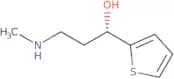
CAS:Produto Controlado5-Methoxy-3(2-aminopropyl)indole hydrochloride is a useful reagent for the synthesis of complex compounds and a versatile building block for the preparation of speciality chemicals. It is used in the production of fine chemicals, such as reagents and intermediates. This compound also has potential use as a research chemical or as a reaction component in organic syntheses.Fórmula:C12H16N2O·HClPureza:Min. 95%Peso molecular:240.73 g/mol(S)-3-Methylamino-1-(2-thienyl)-1-propanol
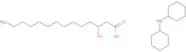
CAS:<p>(S)-3-Methylamino-1-(2-thienyl)-1-propanol is a chiral molecule with two stereogenic centers. It is synthesized by the demethylation of acetylthiophene and the crystallization of the reaction mixture. The class of compounds to which (S)-3-Methylamino-1-(2-thienyl)-1-propanol belongs includes those that have hydroxy groups or diastereomeric salts. The hydroxy group on (S)-3-Methylamino-1-(2-thienyl)-1-propanol can be removed by demethylation, which leads to a mixture of products, including hydroxy and demethylated compounds.</p>Fórmula:C8H13NOSPureza:Min. 95%Cor e Forma:White PowderPeso molecular:171.26 g/mol(R)-3-Hydroxy myristic acid dicyclohexylammonium salt
CAS:Produto Controlado<p>(R)-3-Hydroxy myristic acid dicyclohexylammonium salt is a fine chemical that is used as a versatile building block for the synthesis of complex compounds. It has been used as a reagent and speciality chemical in research and as a high-quality, useful intermediate. It can be used in the synthesis of new drugs, such as anti-inflammatory agents. (R)-3-Hydroxy myristic acid dicyclohexylammonium salt is also an interesting scaffold for the development of new drugs or drug leads against various diseases.</p>Fórmula:C26H51NO3Pureza:Min. 95%Cor e Forma:White to off-white solid.Peso molecular:425.69 g/mol2-Aminoethanethiol HCl
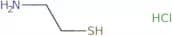
CAS:<p>2-Aminoethanethiol HCl is an organosulfur compound used in the treatment of cystinosis. Cystinosis is a rare autosomal recessive metabolic disorder that leads to the accumulation of cysteine and other amino acids in the lysosomes of cells. 2-Aminoethanethiol HCl is also used for the treatment of enteritidis, a disease caused by infection with bacteria such as Salmonella typhi, Shigella dysenteriae, or Escherichia coli. It has been shown to inhibit protein synthesis in vitro and in experimental models. The mechanism of 2-aminoethanethiol HCl's inhibition may be due to its ability to reduce mitochondrial membrane potential, thereby inhibiting ATP production and inhibiting cellular respiration.<br>2-Aminoethanethiol HCl has been found to be effective against many strains of bacteria that are resistant to standard antibiotics (e</p>Fórmula:C2H7NS·HClPureza:Min. 95%Cor e Forma:White PowderPeso molecular:113.61 g/mol[2-(3-Methyl-1,2,4-oxadiazol-5-yl)ethyl]amine hydrochloride
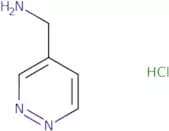
CAS:<p>2-(3-Methyl-1,2,4-oxadiazol-5-yl)ethyl]amine hydrochloride is a high quality chemical reagent that can be used as a complex intermediate in organic synthesis. It is also a useful scaffold for the synthesis of other complex compounds. 2-(3-Methyl-1,2,4-oxadiazol-5-yl)ethyl]amine hydrochloride is an excellent building block for the synthesis of various fine chemicals and research chemicals. This compound has many uses as a versatile building block in chemical reactions due to its reactivity.</p>Fórmula:C5H9N3O·HClPureza:Min. 95%Cor e Forma:White PowderPeso molecular:163.61 g/molPyridazin-4-ylmethanamine hydrochloride
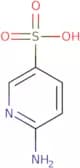
CAS:<p>Pyridazin-4-ylmethanamine hydrochloride is a fine chemical that is used as a building block for more complex molecules. It is an intermediate in the synthesis of many organic compounds and has been used as a reagent to generate new compounds. This compound can be used as a versatile building block, as it can react with other chemicals to form new compounds. Pyridazin-4-ylmethanamine hydrochloride is also an effective scaffold for generating new drugs and pharmaceuticals.</p>Fórmula:C5H8ClN3Pureza:Min. 95%Cor e Forma:Yellow PowderPeso molecular:145.59 g/mol2-Aminopyridine-5-sulfonic acid
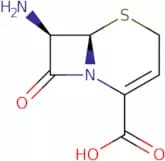
CAS:2-Aminopyridine-5-sulfonic acid is an alkaline hydrolysis product of benzene and water. It is an organic compound that is classified as a heterocyclic amine. The molecule has a pyridine ring with two nitrogen atoms in the ring. 2-Aminopyridine-5-sulfonic acid has been shown to be used as a ligand for coordination of ruthenium metal ions, which has been studied by theory and experiment. This ligand was also found to be able to coordinate halides such as chloride, bromide, or iodide ions. 2-Aminopyridine-5-sulfonic acid can exist in two different isomers: (S)-2-(benzyloxycarbonylamino)pyridine 5 sulfonic acid or (R)-2-(benzyloxycarbonylamino)pyridine 5 sulfonic acid.Fórmula:C5H6N2O3SPureza:Min. 95%Cor e Forma:SolidPeso molecular:174.18 g/mol7-Amino-3-cephem-4-carboxylic acid
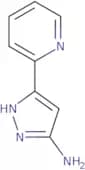
CAS:Used in synthesis of Cephalosporin antibioticsFórmula:C7H8N2O3SPureza:Min. 95%Cor e Forma:White Slightly Yellow PowderPeso molecular:200.22 g/mol5-Pyridin-2-yl-2H-pyrazol-3-ylamine
CAS:<p>5-Pyridin-2-yl-2H-pyrazol-3-ylamine is a chemical intermediate that can be used in the synthesis of many different compounds. This compound is a versatile building block that can be used to make complex substances, as well as being an excellent reagent for research purposes. It has been shown to be useful as a reactant in the preparation of high quality chemicals and speciality chemicals. 5-Pyridin-2-yl-2H-pyrazol-3-ylamine is a fine chemical with CAS No. 92352-29-9.</p>Fórmula:C8H8N4Pureza:Min. 95%Cor e Forma:Off-White Or Light Brown SolidPeso molecular:160.18 g/molPolyethylene Glycol Stearylamine (n=approx. 10)
Pureza:min. 90.0 %Cor e Forma:Orange to Brown to Dark red clear liquid2-Amino-6-methoxybenzoic acid
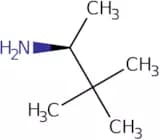
CAS:2-Amino-6-methoxybenzoic acid is a monosubstituted amide, which is synthesized by the hydrolysis of 2-amino-5-methylbenzoic acid with hydrochloric acid in the presence of diacetate. This compound is formed as part of the biosynthesis of aminophenols and heterocycles. It can be used to adsorb metal ions and organic compounds, such as chloride and butyllithium. 2-Amino-6-methoxybenzoic acid is also found in aeruginosa infections due to its ability to inhibit bacterial growth by inhibiting protein synthesis. The synthesis of this compound requires shikimate pathway enzymes.Fórmula:C8H9NO3Pureza:Min. 95%Cor e Forma:PowderPeso molecular:167.16 g/mol(S)-(+)-3,3-Dimethyl-2-butylamine
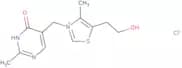
CAS:<p>Chiral bulding block used in the synthesis of allosteric modulators</p>Fórmula:C6H15NPureza:Min. 95%Cor e Forma:Colorless Clear LiquidPeso molecular:101.19 g/molOxythiamine chloride
CAS:<p>Oxythiamine chloride is a compound that binds to DNA in the nucleus of cells. It has been shown to inhibit cell growth and induce apoptosis by binding to a number of cellular molecules, including hydrogen bonding interactions with enzymes. Oxythiamine chloride also inhibits energy metabolism by inhibiting mitochondrial respiration and mitochondrial ATP production, and is toxic to cells. This drug has potent inducers, such as cell factor, which are necessary for the production of new cells. It also inhibits thiamine-dependent enzymes, such as pyruvate dehydrogenase kinase (PDK) and pyruvate dehydrogenase (PDH). The wild-type strain of Escherichia coli was used for these studies.</p>Fórmula:C12H15N3O2S·HClPureza:Min. 95%Cor e Forma:White to off-white solid.Peso molecular:301.79 g/mol
![[5-(4-Aminophenyl)-2-furyl]methanol](/_next/image/?url=https%3A%2Fstatic.cymitquimica.com%2Fproducts%2F3D%2Fthumb-webp%2FFA134137.webp&w=3840&q=75)









![4-Aminopyrazolo[3,4-d]pyrimidine](/_next/image/?url=https%3A%2Fstatic.cymitquimica.com%2Fproducts%2F3D%2Fthumb-webp%2FFA33756.webp&w=3840&q=75)

![[4-(Aminomethyl)cyclohexyl]methanol](/_next/image/?url=https%3A%2Fstatic.cymitquimica.com%2Fproducts%2F3D%2Fthumb-webp%2FFA123010.webp&w=3840&q=75)

![4-Methyl-3-[[4-(3-pyridinyl)-2-pyrimidinyl]amino]benzoicacid methylester](/_next/image/?url=https%3A%2Fstatic.cymitquimica.com%2Fproducts%2F3D%2Fthumb-webp%2FFM151656.webp&w=3840&q=75)

![[2-(6-Methylpyridin-2-yl)ethyl]amine](/_next/image/?url=https%3A%2Fstatic.cymitquimica.com%2Fproducts%2F3D%2Fthumb-webp%2FFM123522.webp&w=3840&q=75)





![[2,3'-Bipyridin]-6'-amine](/_next/image/?url=https%3A%2Fstatic.cymitquimica.com%2Fproducts%2F3D%2Fthumb-webp%2FFB141123.webp&w=3840&q=75)



![[2-(3-Methyl-1,2,4-oxadiazol-5-yl)ethyl]amine hydrochloride](/_next/image/?url=https%3A%2Fstatic.cymitquimica.com%2Fproducts%2F3D%2Fthumb-webp%2FFM120047.webp&w=3840&q=75)