Aminas
As aminas são um conjunto de moléculas que contêm um grupo funcional amino (derivado da amônia). Esta categoria inclui aminas em qualquer nível de substituição: primárias, secundárias, terciárias e sais de amônio. As aminas são fundamentais na síntese orgânica e são amplamente utilizadas em produtos farmacêuticos, agroquímicos e ciência dos materiais. Na CymitQuimica, oferecemos uma seleção abrangente de aminas para atender às suas necessidades de pesquisa e industriais. Nossa gama garante acesso a várias aminas para diversos processos químicos e pesquisas inovadoras.
Subcategorias de "Aminas"
- Nitrosaminas(2.605 produtos)
- Aminas primárias(30.947 produtos)
- Catiões Quaternários de Amónio(1.100 produtos)
- Aminas secundárias(20.886 produtos)
- Aminas terciárias(17.193 produtos)
Foram encontrados 8780 produtos de "Aminas"
Ordenar por
Pureza (%)
0
100
|
0
|
50
|
90
|
95
|
100
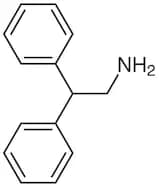
2,2-Diphenylethylamine
CAS:Fórmula:C14H15NPureza:>98.0%(GC)(T)Cor e Forma:White or Colorless to Light yellow to Light orange powder to lump to clear liquidPeso molecular:197.281,3-Diaminopropane
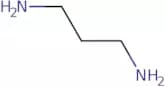
CAS:1,3-Diaminopropane is a molecule that belongs to the group of organic compounds known as diamine. It is a colorless liquid with an unpleasant odor. 1,3-Diaminopropane has inhibitory properties and can be used in the treatment of squamous cell carcinoma and galleria mellonella. The mechanism of action for this compound has been determined by x-ray crystal structures. 1,3-Diaminopropane reacts with picolinic acid (PA) to form an intramolecular hydrogen bond, which inhibits PA's ability to react with other molecules. This results in PA being unable to form reactive intermediates that normally lead to cancerous changes in cells.Fórmula:C3H10N2Pureza:Min. 95%Cor e Forma:Clear LiquidPeso molecular:74.12 g/molTAPS
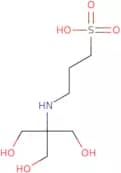
CAS:<p>TAPS, also known as 3-[(Tris(hydroxymethyl)methyl)amino]-1-propanesulfonic acid, is a buffering agent that can be used in capillary electrophoresis with DNA and can form metal complexes. It has an optimal pH range of 7.7-9.1 and a pKa of 8.4.</p>Fórmula:C7H17NO6SPureza:Min. 95%Cor e Forma:SolidPeso molecular:243.28 g/molHexaammonium molybdate
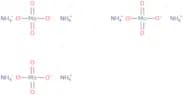
CAS:<p>Hexaammonium molybdate is a hexaammine salt of molybdenum with the chemical formula MoO(NH)6. It is a yellow crystalline solid that is insoluble in water, but soluble in organic solvents. Hexaammonium molybdate is used as an oxidizing agent for epoxidation reactions and as a catalyst for oxidation reactions of peroxides. It also has x-ray diffraction properties and can be used to identify ammonium ions in solution. Hexaammonium molybdate is also known to have nitridation and hydrogen peroxide decomposition properties.</p>Fórmula:(NH4)6•Mo7O24Pureza:Min. 95%Cor e Forma:White Clear LiquidPeso molecular:1,163.94 g/mol3-Aminobenzophenone
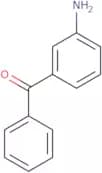
CAS:3-Aminobenzophenone is an antimicrobial agent that binds to the receptor site of bacterial cell membranes and inhibits the synthesis of fatty acids. 3-Aminobenzophenone has shown antibacterial activity against Gram-positive bacteria, such as Bacillus subtilis, Listeria monocytogenes, and Staphylococcus aureus. The mode of action is thought to be due to its ability to form hydrogen bonds with the amide group in proteins. 3-Aminobenzophenone has also been shown to be effective against Gram-negative bacteria, such as Escherichia coli and Pseudomonas aeruginosa. This compound can be synthesized by a number of methods, including a skeleton method or by using molecular modeling techniques.Fórmula:C13H11NOPureza:Min. 95%Cor e Forma:PowderPeso molecular:197.23 g/mol(S)-3-Amino-3-phenylpropan-1-ol
CAS:<p>The enantiopure (S)-3-Amino-3-phenylpropan-1-ol is a chiral and optically pure amino alcohol compound. It is an antibiotic that inhibits the bacterial enzyme acylase, which catalyzes the hydrolysis of ester bonds in fatty acids. This drug is also an inhibitor of drug substance, as well as an active form of dapoxetine hydrochloride. The (S)-3-Amino-3-phenylpropan-1-ol has been shown to be effective against both Gram positive and Gram negative bacteria, including methicillin resistant Staphylococcus aureus (MRSA) and Mycobacterium tuberculosis.</p>Fórmula:C9H13NOPureza:Min. 95%Cor e Forma:Off-White PowderPeso molecular:151.21 g/molPerindopril t-butylamine salt
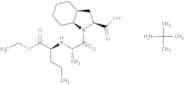
CAS:<p>Perindopril t-butylamine salt inhibits the angiotensin converting enzyme (ACE) to prevent the conversion of angiotensin I to angiotensin II. When used in drug formulations, it has been shown to decrease blood pressure in patients with congestive heart failure. Perindopril also has an effect on the renin-angiotensin system, which regulates blood pressure and fluid homeostasis by promoting vasoconstriction and increasing salt and water retention.</p>Fórmula:C23H43N3O5Pureza:Min. 95%Cor e Forma:PowderPeso molecular:441.6 g/mol2-(4-Benzylpiperidin-1-yl)ethanamine
CAS:<p>2-(4-Benzylpiperidin-1-yl)ethanamine is a fine chemical that is useful for the preparation of versatile building blocks. This compound is an intermediate in the synthesis of a variety of compounds, including research chemicals and speciality chemicals. It has been used as a reaction component in the synthesis of complex compounds with high quality. 2-(4-Benzylpiperidin-1-yl)ethanamine is also a reagent that can be used to synthesize amines and amides. CAS No. 25842-32-4</p>Fórmula:C14H22N2Pureza:Min. 95%Cor e Forma:LiquidPeso molecular:218.34 g/mol(R)-2-Amino-6-azidohexanoic acid HCl
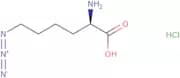
CAS:(R)-2-Amino-6-azidohexanoic acid HCl is a chemical intermediate that is used in the synthesis of a number of biologically active compounds. It is also a versatile building block for the construction of complex molecules. This chemical has been shown to be useful in the synthesis of pharmaceuticals, agrochemicals, and other fine chemicals. CAS No. 2098497-01-7Fórmula:C6H12N4O2·HClPureza:Min. 95%Cor e Forma:White PowderPeso molecular:208.65 g/mol4-Amino-3-phenylbutyric acid hydrochloride
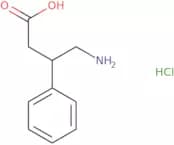
CAS:Produto Controlado4-Amino-3-phenylbutyric acid hydrochloride (4APB) is a GABA receptor agonist that belongs to the class of pharmacological agents. It has been shown to be effective in treating pediatric patients with epilepsy, as well as in the treatment of various metabolic disorders. The drug has also been used to treat symptoms caused by benzodiazepine withdrawal. 4APB binds to the benzodiazepine binding site on GABAA receptors and enhances the inhibitory actions of GABA. This causes sedation and muscle relaxation, which can be helpful for patients who have experienced a seizure or are withdrawing from benzodiazepines. 4APB also increases locomotor activity in rats and has been shown to have no effect on cardiac function.Fórmula:C10H13NO2•HClPureza:Min. 98 Area-%Cor e Forma:PowderPeso molecular:215.68 g/mol2-Methyl-4-nitroaniline
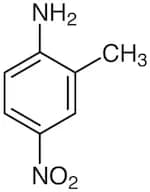
CAS:Fórmula:C7H8N2O2Pureza:>98.0%(GC)Cor e Forma:White to Yellow to Green powder to crystalPeso molecular:152.154-Nitro-4'-acetylaminodiphenyl sulfone
CAS:4-Nitro-4'-acetylaminodiphenyl sulfone is a high quality reagent that is useful for the synthesis of complex compounds. It is a useful intermediate and building block in the synthesis of fine chemicals, pharmaceuticals, and other organic compounds. 4-Nitro-4'-acetylaminodiphenyl sulfone has CAS No. 1775-37-7 and can be used as a speciality chemical in research laboratories. This compound has versatile uses in many types of reactions and can be used as a reaction component in the synthesis of many types of organic compounds.Fórmula:C14H12N2O5SPureza:Min. 95%Peso molecular:320.32 g/mol4-Diazodiphenylamine sulfate
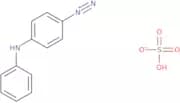
CAS:<p>4-Diazodiphenylamine sulfate is a phosphatase inhibitor that can be used to inhibit tyrosinase activity in the biochemical and enzymatic reactions. The inhibition constant for 4-diazodiphenylamine sulfate against tyrosinase activity is 1.5 μM. This inhibitor has been shown to have a low energy surface-enhanced Raman spectrum, which can be used to detect protein coatings on surfaces such as glass beads or sephadex g-100. It has also been shown to inhibit the phosphatase activity of human urine samples, which may be due to its ability to bind to the enzyme's active site and reduce substrate accessibility. 4-Diazodiphenylamine sulfate is also known for its ability to bind with DNA and form an adduct with p-nitrophenyl phosphate.</p>Fórmula:C12H9N3·H2SO4Pureza:Min. 95%Cor e Forma:PowderPeso molecular:293.3 g/mol4-Diethylaminobenzaldehyde
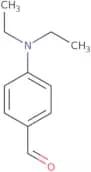
CAS:<p>4-Diethylaminobenzaldehyde is an organic compound that contains a hydroxyl group. It is a fluorescent probe and can be used to measure the transcriptional regulation of genes. This molecule has been shown to be an effective fluorescence probe for the detection of cb2 receptors in Langmuir adsorption isotherms and LC-MS/MS methods. 4-Diethylaminobenzaldehyde has also been shown to have chemopreventive properties against carcinoma cells.</p>Fórmula:C11H15NOPureza:Min. 98%Cor e Forma:PowderPeso molecular:177.24 g/molN-(Tert-butyl) hydroxylamine acetate
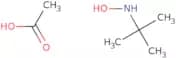
CAS:Produto ControladoN-(Tert-butyl) hydroxylamine acetate is a transport inhibitor that prevents the uptake of glutamate, an excitatory neurotransmitter. It has been shown to inhibit the replication of influenza virus in human cells by preventing the uptake of glutamate. N-(Tert-butyl) hydroxylamine acetate reacts with hydrochloric acid to form an antioxidant compound, and it has also been shown to have a protective effect against oxidative stress in yeast cells. This compound can be used as an antioxidant for biodiesel or urine samples, or as a reactant for cell lysis in microdialysis probes.Fórmula:C6H15NO3Pureza:Min. 95%Cor e Forma:White To Off-White SolidPeso molecular:149.19 g/mol2-Aminopyridine-5-sulfonic acid
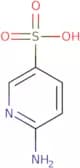
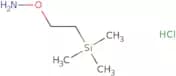
CAS:2-Aminopyridine-5-sulfonic acid is an alkaline hydrolysis product of benzene and water. It is an organic compound that is classified as a heterocyclic amine. The molecule has a pyridine ring with two nitrogen atoms in the ring. 2-Aminopyridine-5-sulfonic acid has been shown to be used as a ligand for coordination of ruthenium metal ions, which has been studied by theory and experiment. This ligand was also found to be able to coordinate halides such as chloride, bromide, or iodide ions. 2-Aminopyridine-5-sulfonic acid can exist in two different isomers: (S)-2-(benzyloxycarbonylamino)pyridine 5 sulfonic acid or (R)-2-(benzyloxycarbonylamino)pyridine 5 sulfonic acid.Fórmula:C5H6N2O3SPureza:Min. 95%Cor e Forma:SolidPeso molecular:174.18 g/molO-(2-Trimethylsilylethyl)hydroxylamine HCl
CAS:<p>O-(2-Trimethylsilylethyl)hydroxylamine HCl is a fine chemical that can be used as a versatile building block in the synthesis of complex compounds. It is also an intermediate for research chemicals, reagents, and speciality chemicals. O-(2-Trimethylsilylethyl)hydroxylamine HCl can be used as a reaction component in organic synthesis and has been shown to be useful in the synthesis of new scaffolds.</p>Fórmula:C5H15NOSi·HClPureza:Min. 95%Cor e Forma:White PowderPeso molecular:169.72 g/molBoc-(2R,3R)-3-amino-2-hydroxy-4-phenylbutyric acid
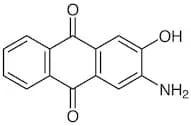
CAS:<p>Boc-(2R,3R)-3-amino-2-hydroxy-4-phenylbutyric acid is a reagent and speciality chemical that is used as a building block in organic synthesis. It is a versatile intermediate that can be used to synthesize complex compounds with high quality and purity. Boc-(2R,3R)-3-amino-2-hydroxy-4-phenylbutyric acid has been shown to be stable under acidic conditions, making it an excellent choice for use in reactions involving strong acids. This compound can also be used as a scaffold for the synthesis of peptides and proteins.</p>Fórmula:C15H21NO5Pureza:Min. 95%Cor e Forma:PowderPeso molecular:295.33 g/mol2-Amino-3-hydroxyanthraquinone
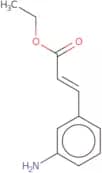
CAS:Fórmula:C14H9NO3Pureza:>98.0%(T)Cor e Forma:Orange to Amber to Dark red powder to crystalPeso molecular:239.23Ethyl 3-aminocinnamate
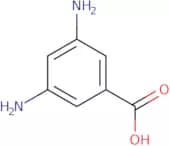
CAS:<p>Ethyl 3-aminocinnamate is a versatile building block for the synthesis of complex compounds. It is also a useful intermediate for the synthesis of reaction components, such as antihistamines and antigens. Ethyl 3-aminocinnamate can be used to synthesize speciality chemicals, such as research chemicals and reagents. This compound has high purity and is a useful scaffold for the preparation of related compounds.</p>Fórmula:C11H13NO2Pureza:Min. 95%Peso molecular:191.23 g/mol3,5-Diaminobenzoic acid
CAS:3,5-Diaminobenzoic acid is an amide compound. It can be used to remove caffeine and other organic compounds from wastewater. 3,5-Diaminobenzoic acid is a fluorescent probe that can be used in the detection of water vapor and 2,4-dichlorobenzoic acid in the atmosphere. This chemical is also capable of removing polymerase chain reactions from DNA samples. 3,5-Diaminobenzoic acid has been shown to have water permeability and a high chemical stability. It has a hydrogen bond with diphenyl ether and can undergo transfer reactions with polymaleic acid and mda-mb-231 breast cancer cells.Fórmula:C7H8N2O2Pureza:Min. 95%Cor e Forma:White PowderPeso molecular:152.15 g/mol2-Anilino-6-dibutylamino-3-methylfluoran
CAS:<p>2-Anilino-6-dibutylamino-3-methylfluoran is a switchable fluorescent dye that has been used to detect and measure biochemically active substances in living cells. The dye is introduced into the cell, where it binds to specific proteins or nucleic acids, causing a change in fluorescence. This change can then be detected using a microscope with an ultraviolet light source. 2-Anilino-6-dibutylamino-3-methylfluoran has also been used to detect bacteria in wastewater samples. An experiment was conducted to determine the effects of temperature on the reaction time of 2AADMF and metal ion concentration. Increasing the temperature resulted in an increase in reaction time, while increasing the concentration of metal ions had no effect on reaction time. 2AADMF also reacts differently depending on whether it is inside microcapsules or not. Microcapsules with 2AADMF reacted faster than those without it when</p>Fórmula:C35H36N2O3Pureza:Min. 95%Cor e Forma:White PowderPeso molecular:532.67 g/mol4-Propylbenzylamine
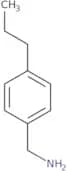
CAS:<p>4-Propylbenzylamine is a chemical compound that is an intermediate for the synthesis of other chemicals. It is a versatile building block that can be used in research to create useful scaffolds or as a reaction component to form complex compounds. 4-Propylbenzylamine has been shown to have high purity, and it is soluble in most solvents. The CAS number for this chemical is 538342-98-2.</p>Fórmula:C10H15NPureza:Min. 95%Cor e Forma:PowderPeso molecular:149.23 g/molTrimethylamine N-oxide
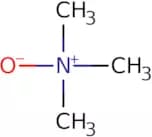
CAS:<p>Trimethylamine N-oxide (TMAO) is a trimethylamine derivative that is produced by the oxidation of trimethylamine. TMAO has been shown to be released during digestion and can be detected in plasma and urine. The presence of TMAO in atherosclerotic lesions may have pathological implications, as it has been shown to inhibit the polymerase chain reaction (PCR) for DNA polymerase beta. TMAO has also been associated with bowel disease, as it has been shown to induce an immune response in patients with ulcerative colitis. Furthermore, TMAO inhibits the synthesis of proteins by blocking ribosomal RNA transcription and translation. Trimethylamine N-oxide is known to act as a signal peptide that activates primary sclerosing cholangitis in patients with biliary tract diseases such as primary sclerosing cholangitis or primary biliary cirrhosis.</p>Fórmula:C3H9NOPureza:Min. 95%Cor e Forma:PowderPeso molecular:75.11 g/mol[2-(3-Methyl-1,2,4-oxadiazol-5-yl)ethyl]amine hydrochloride
CAS:<p>2-(3-Methyl-1,2,4-oxadiazol-5-yl)ethyl]amine hydrochloride is a high quality chemical reagent that can be used as a complex intermediate in organic synthesis. It is also a useful scaffold for the synthesis of other complex compounds. 2-(3-Methyl-1,2,4-oxadiazol-5-yl)ethyl]amine hydrochloride is an excellent building block for the synthesis of various fine chemicals and research chemicals. This compound has many uses as a versatile building block in chemical reactions due to its reactivity.</p>Fórmula:C5H9N3O·HClPureza:Min. 95%Cor e Forma:White PowderPeso molecular:163.61 g/molPolyethylene Glycol Stearylamine (n=approx. 10)
Pureza:min. 90.0 %Cor e Forma:Orange to Brown to Dark red clear liquid2-Chloro-4,5-diaminopyrimidine
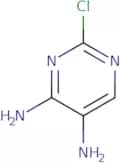
CAS:<p>2-Chloro-4,5-diaminopyrimidine is a pyrimidine compound with the molecular formula CHClN. It can be synthesized by reacting glycine and phenol with piperidine in the presence of hydrochloric acid. 2-Chloro-4,5-diaminopyrimidine has a solubility of 1.2 g/100 mL in water and reacts with quinine to form a red solution. This product also reacts with proline to produce an orange solution that fluoresces green when exposed to UV light. 2-Chloro-4,5-diaminopyrimidine has been used as an intermediate in the synthesis of other compounds such as pyridoxal phosphate and cefixime.</p>Fórmula:C4H5ClN4Pureza:Min. 95%Cor e Forma:PowderPeso molecular:144.56 g/mol7-Amino-3-cephem-4-carboxylic acid
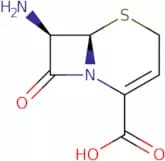
CAS:Used in synthesis of Cephalosporin antibioticsFórmula:C7H8N2O3SPureza:Min. 95%Cor e Forma:White Slightly Yellow PowderPeso molecular:200.22 g/molDaminozide
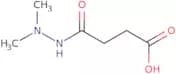
CAS:Daminozide is a plant growth regulator that belongs to the group of chemical substances called dinitrophenols. It is used in agriculture as a pre-planting seed treatment for potatoes and other vegetables to inhibit sprouting, increase yield, and reduce the incidence of disease. Daminozide has been shown to inhibit the activity of two enzymes, fatty acid desaturase (FAD) and lysine decarboxylase (LDC), in plants. The optimum concentration for daminozide is 0.1 mM, which can be achieved by adding ethylene diamine to tissue culture media at a concentration of 1 mM. Daminozide has not been shown to have any significant physiological effects in plants when applied at this concentration.Fórmula:C6H12N2O3Pureza:Min. 95%Cor e Forma:PowderPeso molecular:160.17 g/mol4,6-Dimethyl-5-nitro-m-phenylenediamine
CAS:4,6-Dimethyl-5-nitro-m-phenylenediamine is a versatile building block that can be used as a reagent or a speciality chemical. It is used in research to test the susceptibility of bacteria to antibiotics and other toxic substances. 4,6-Dimethyl-5-nitro-m-phenylenediamine has been shown to inhibit the growth of Mycobacterium tuberculosis, Mycobacterium avium complex, and some strains of Staphylococcus aureus. This product is also useful for making high quality compounds that are useful scaffolds for drug development.br> 4,6-Dimethyl-5-nitro-m-phenylenediamine is an organic compound with the chemical formula C9H8N2O3. It has two asymmetric carbon atoms and exists as two enantiomers, one of which is more reactive than the other. The (S)-enFórmula:C8H11N3O2Pureza:Min. 95%Peso molecular:181.19 g/molN,N-Diethyl-5-methyl-[1,2,4]triazolo[5,1-b]pyrimidin-7-amine
CAS:<p>N,N-Diethyl-5-methyl-[1,2,4]triazolo[5,1-b]pyrimidin-7-amine (MTX) is a drug that is used in the treatment of disease activity. It has been shown to have an effect on the production of redox potentials and energy metabolism. MTX also has an effect on cardiac muscle by inhibiting the enzyme activities associated with cardiac muscle contraction and relaxation. This drug has been shown to be effective in the treatment of bowel disease, injury, and basic protein as well as caproic acid production.</p>Fórmula:C10H15N5Pureza:Min. 95%Cor e Forma:PowderPeso molecular:205.26 g/molN-[3-(Diethylaminomethyl)-4-hydroxyphenyl]acetamide
CAS:<p>N-[3-(Diethylaminomethyl)-4-hydroxyphenyl]acetamide is a molecule that has been shown to have acetylcholine esterase (AChE) inhibitory activity. It binds to the active site of AChE, preventing it from breaking down acetylcholine, leading to the accumulation of this neurotransmitter. The inhibition of AChE by N-[3-(Diethylaminomethyl)-4-hydroxyphenyl]acetamide prevents muscle contraction and leads to paralysis and death by asphyxiation. This drug has been used in the treatment of sarin gas poisoning. The molecular structure of N-[3-(Diethylaminomethyl)-4-hydroxyphenyl]acetamide is similar to that of pyridinium chlorides, which are used for synthesizing nerve agents such as sarin and soman. This drug also has a proton</p>Fórmula:C13H20N2O2Pureza:Min. 95%Cor e Forma:PowderPeso molecular:236.31 g/mol4-Ethyl-1,3-thiazol-2-amine
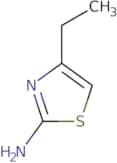
CAS:<p>4-Ethyl-1,3-thiazol-2-amine is a tertiary amine that is used as an alkylating agent. It has been shown to react with alcohols and form tertiary amines. 4-Ethyl-1,3-thiazol-2-amine can also react with carboxylic acids to form esters and with aldehydes to form acetals. This compound has been used in the synthesis of compounds such as aminothiazoles and thiazole.</p>Fórmula:C5H8N2SPureza:Min. 95%Peso molecular:128.2 g/mol[4-(Aminomethyl)cyclohexyl]methanol
CAS:4-(Aminomethyl)cyclohexyl]methanol is a dicarboxylic acid and ester with the chemical formula CH2=C(CH3)(CO2H). It is used to synthesize polycarbonates, which are polyesters that contain carbonate groups. 4-(Aminomethyl)cyclohexyl]methanol has two carboxyl groups and one hydroxyl group that can react with trimellitic anhydride to form polycarbonates. Polycarbonate is a polymer that contains bisphenol A, which is the building block of many plastics and resins. 4-(Aminomethyl)cyclohexyl]methanol can be used as a monomer in the synthesis of polyesters and copolymers.Fórmula:C8H17NOPureza:Min. 95%Cor e Forma:Beige PowderPeso molecular:143.23 g/molDipropargylamine
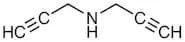
CAS:Fórmula:C6H7NPureza:>97.0%(T)Cor e Forma:Orange to Brown clear liquidPeso molecular:93.13(S,S)-(+)-N,N'-Bis(3,5-di-tert-butylsalicylidene)-1,2-cyclohexanediaminocobalt(II)
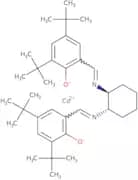
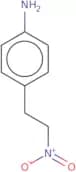
CAS:<p>The (S,S)-(+)-N,N'-Bis(3,5-di-tert-butylsalicylidene)-1,2-cyclohexanediaminocobalt(II) is an orange copolymer that is soluble in water and organic solvents. It has a molecular weight of 542.83 g/mol and a density of 1.221 g/cm3. The (S,S)-(+)-N,N'-Bis(3,5-di-tert-butylsalicylidene)-1,2-cyclohexanediaminocobalt(II) is used to catalyze the desymmetrization of epoxides and the ligand in enantioselective kinetic preparative reactions. The (S,S)-(+)-N,N'-Bis(3,5-di-tert-butylsalicyl</p>Fórmula:C36H52CoN2O2Pureza:(Icp) Min. 96%Cor e Forma:Red PowderPeso molecular:603.74 g/mol1-(4-Aminophenyl)-2-nitroethane
CAS:1-(4-Aminophenyl)-2-nitroethane is a high quality, reagent, complex compound that can be used as a useful intermediate in the production of fine chemicals. It is also used as a useful scaffold for the synthesis of compounds with interesting biological activities. This chemical can be used as a building block for reactions to produce versatile building blocks and reaction components for research chemicals.Fórmula:C8H10N2O2Pureza:Min. 95%Cor e Forma:PowderPeso molecular:166.18 g/molBES
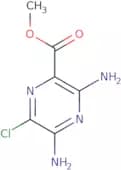
CAS:BES, also known as 2-[N,N-Bis-(2-hydroxyethyl)amino]ethanesulfonic acid, is a buffering agent that forms complexes with DNA and certain metal ions, It has an optimal pH range of 6.4-7.8 and a pKa of 7.09.Fórmula:C6H15NO5SPureza:(%) Min. 99.0%Cor e Forma:PowderPeso molecular:213.2 g/mol3,5-Diamino-6-chloropyrazine-2-carboxylic acid methyl ester
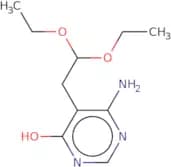
CAS:<p>3,5-Diamino-6-chloropyrazine-2-carboxylic acid methyl ester is a low binding, mitochondrial labeling agent. It is photolabile and can be used in the study of respiratory complex activity. 3,5-Diamino-6-chloropyrazine-2-carboxylic acid methyl ester has been shown to inhibit the enzyme mitochondrial complex I and II. The azido group on the molecule is homologous to a phosphate group in ATP and can be used as a substrate analogue for ATP synthase. This allows 3,5-Diamino-6-chloropyrazine-2-carboxylic acid methyl ester to be used as an experimental tool for studying ATP synthesis.</p>Fórmula:C6H7ClN4O2Pureza:Min. 95%Cor e Forma:PowderPeso molecular:202.6 g/mol6-Amino-5(2,2-diethoxyethyl)-4-hydroxy pyrimidine
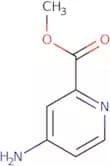
CAS:<p>6-Amino-5(2,2-diethoxyethyl)-4-hydroxy pyrimidine is a reagent that is used in the synthesis of various chemical substances. It is a versatile building block and can be used as an intermediate for the production of fine chemicals. 6-Amino-5(2,2-diethoxyethyl)-4-hydroxy pyrimidine has been shown to have high reactivity and selectivity, making it a useful scaffold for organic synthesis. This compound can be used as an intermediate for the production of complex compounds such as pharmaceuticals, agrochemicals, or perfumes. 6-Amino-5(2,2-diethoxyethyl)-4-hydroxy pyrimidine is also known to be useful in research fields such as biology and medicine.</p>Fórmula:C10H17N3O3Pureza:Min. 95%Cor e Forma:White PowderPeso molecular:227.26 g/mol4-Amino-pyridine-2-carboxylic acid methyl ester
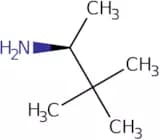
CAS:4-Amino-pyridine-2-carboxylic acid methyl ester is a compound that is used as a reactant, reagent, and building block in organic synthesis. It is also useful for the preparation of complex compounds. 4-Amino-pyridine-2-carboxylic acid methyl ester is soluble in water and has a melting point of 183°C. The CAS number for this chemical is 71469-93-7.Fórmula:C7H8N2O2Pureza:Min. 95%Cor e Forma:White PowderPeso molecular:152.15 g/mol(S)-(+)-3,3-Dimethyl-2-butylamine
CAS:<p>Chiral bulding block used in the synthesis of allosteric modulators</p>Fórmula:C6H15NPureza:Min. 95%Cor e Forma:Colorless Clear LiquidPeso molecular:101.19 g/molOxythiamine chloride
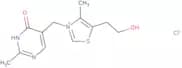
CAS:<p>Oxythiamine chloride is a compound that binds to DNA in the nucleus of cells. It has been shown to inhibit cell growth and induce apoptosis by binding to a number of cellular molecules, including hydrogen bonding interactions with enzymes. Oxythiamine chloride also inhibits energy metabolism by inhibiting mitochondrial respiration and mitochondrial ATP production, and is toxic to cells. This drug has potent inducers, such as cell factor, which are necessary for the production of new cells. It also inhibits thiamine-dependent enzymes, such as pyruvate dehydrogenase kinase (PDK) and pyruvate dehydrogenase (PDH). The wild-type strain of Escherichia coli was used for these studies.</p>Fórmula:C12H15N3O2S·HClPureza:Min. 95%Cor e Forma:White to off-white solid.Peso molecular:301.79 g/mol(S)-(-)-1-(1-Naphthyl)ethyl amine
CAS:<p>(S)-(-)-1-(1-Naphthyl)ethyl amine is a chromatographic stationary phase that is used in the separation of fatty acids. It consists of an amine group bound to a naphthalene ring, which is tethered to a long alkyl chain. The stationary phase can be immobilized on silica gel or other solid support matrixes and is useful for analyzing fatty acids. This stationary phase can also be used as a model system to study the interactions between fatty acid molecules and other compounds. The enantiomers (R)-(+)-1-(1-naphthyl)ethyl amine and (S)-(-)-1-(1-naphthyl)ethyl amine are available. Although these two compounds are homologues, they have different physical properties, such as boiling points and melting points. Using an analytical method called high performance liquid chromatography (HPLC), it is possible to separate these two enantiomer</p>Fórmula:C12H13NPureza:Min. 95%Cor e Forma:Slightly Yellow Clear LiquidPeso molecular:171.24 g/molTetradecyltrimethylammonium chloride
CAS:Tetradecyltrimethylammonium chloride (TTAC) is a hydrophobic fluorescent probe that has been used to investigate the properties of lipid bilayers and micelles. TTAC is fluorescent in aqueous solution and it can be used as a molecular-weight marker for organic solvents. The fluorescence lifetime of TTAC is dependent on the solvent conditions and the presence of counterions, while its fluorescence intensity depends on the concentration of TTAC in solution. The hydrophobic nature of TTAC causes it to be solubilized by micelles, which are spherical aggregates formed from amphiphilic molecules. This property makes TTAC ideal for studying micelles with surface properties and steady-state fluorescence.Fórmula:C17H38N·ClCor e Forma:White PowderPeso molecular:291.94 g/mol[3-(1H-Pyrazol-1-yl)benzyl]amine
CAS:3-(1H-Pyrazol-1-yl)benzyl amine is a fine chemical that is used as a versatile building block in the synthesis of many complex compounds, such as pharmaceuticals and agrochemicals. This compound can be used to produce research chemicals, reaction components, and specialty chemicals. 3-(1H-Pyrazol-1-yl)benzyl amine is also a high quality reagent for use in the manufacture of various products.Fórmula:C10H11N3Pureza:Min. 95%Cor e Forma:PowderPeso molecular:173.21 g/mol1-Isoquinolin-1-ylmethanamine dihydrochloride
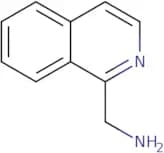
CAS:1-Isoquinolin-1-ylmethanamine dihydrochloride is a versatile building block that can be used for the synthesis of a wide variety of compounds. It is a reagent and speciality chemical, as well as an intermediate or reaction component in the production of pharmaceuticals, agrochemicals, plastics, dyes and other chemicals. 1-Isoquinolin-1-ylmethanamine dihydrochloride has been shown to have high purity and quality.Fórmula:C10H10N2·2HClPureza:Min. 95%Cor e Forma:Light Blue SolidPeso molecular:231.12 g/mol[2-(tert-Butylthio)ethyl]amine
CAS:<p>[2-(tert-Butylthio)ethyl]amine is a basic chemical compound with the molecular formula CH3CH(SH)CH2NH. This amine is used as an intermediate in the synthesis of cyclosporin, a drug that has anti-inflammatory and immunosuppressive properties. The thermodynamic stability of the neutral [2-(tert-butylthio)ethyl]amine molecule was experimentally determined by measuring its heat capacity at constant pressure and temperature. The interaction between this molecule and a virus was also characterized by force measurements using a cantilever under an optical microscope.</p>Fórmula:C6H15NSPureza:Min. 95%Cor e Forma:Yellow PowderPeso molecular:133.26 g/mol4-Aminophthalic acid dimethyl ester
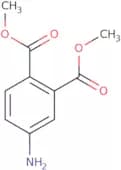
CAS:<p>4-Aminophthalic acid dimethyl ester is a product of the reaction between p-hydroxybenzoic acid and phosphorus pentachloride. It is used in analytical methods to determine the amount of 4-aminophthalic acid in an unknown sample. This product reacts with polyclonal antibodies against 4-aminophthalic acid, which are attached to a solid support, forming an antigen-antibody complex. The amount of 4-aminophthalic acid present can be determined by measuring the extent of the colour change that occurs when hydrochloric acid is added to the mixture.</p>Fórmula:C10H11NO4Pureza:Min. 95%Cor e Forma:SolidPeso molecular:209.2 g/molS-2-Benzothiazolyl (Z)-2-(5-amino-1,2,4-thiadiazol-3-yl)-2-methoxyiminothioacetate
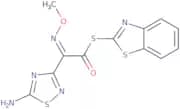
CAS:S-2-Benzothiazolyl (Z)-2-(5-amino-1,2,4-thiadiazol-3-yl)-2-methoxyiminothioacetate is an experimental drug that has been studied in research, solvents and clinical data. It has a strong ability to disrupt the physiology of cells by inhibiting reactions that require S-adenosylmethionine. The reaction time is approximately 10 seconds, and human patients have been used for clinical development and translational research. This reducer is also able to produce high yield with a synthesis time of only 1 hour.Fórmula:C12H9N5O2S3Pureza:Min. 95%Cor e Forma:White PowderPeso molecular:351.43 g/molD-2-Aminobutyric acid
CAS:D-2-Aminobutyric acid is a chemical compound that can act as an antiplatelet agent. It is also a sodium salt that is used in kinetic and gravimetric analysis. D-2-Aminobutyric acid is metabolized by humans, with the 2-aminoisobutyric acid being the most prevalent metabolite. This chemical has been shown to be an inhibitor of matrix metalloproteinase activity and can act as an antioxidant to protect cells from radiation damage. D-2-Aminobutyric acid also inhibits protein synthesis by binding to carbonyl groups on proteins, which prevents them from being oxidized or degraded.Fórmula:C4H9NO2Pureza:Min. 95%Cor e Forma:PowderPeso molecular:103.12 g/mol2-(3,5-Dichlorophenyl)ethanamine
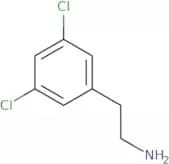
CAS:Produto Controlado2-(3,5-Dichlorophenyl)ethanamine is a versatile building block that can be used in research and development of many compounds. This compound is a fine chemical that has been used as a reagent in organic synthesis. 2-(3,5-Dichlorophenyl)ethanamine is a useful intermediate and reaction component in the synthesis of other organics. It can also be used as a scaffold to synthesize more complicated molecules.Fórmula:C8H9Cl2NPureza:Min. 95%Cor e Forma:Clear LiquidPeso molecular:190.07 g/molBoc-L-norleucine dicyclohexylammonium salt
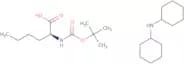
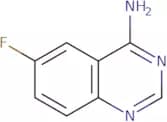
CAS:Produto ControladoBoc-L-norleucine dicyclohexylammonium salt is a cyclic peptide that has been shown to function as an anticoagulant. It is found in the sequence of protein and inhibits the coagulation process by inhibiting platelet aggregation. Boc-L-norleucine dicyclohexylammonium salt also acts as a molecular marker for c1-6 alkyl chains, which are found in viruses, and can be used to identify these molecules. This drug has antiviral activity against herpes simplex virus and inorganic acids such as hydrochloric acid.Fórmula:C11H21NO4·C12H23NPureza:Min. 95%Cor e Forma:SolidPeso molecular:412.61 g/mol4-Amino-6-fluoroquinazoline
CAS:4-Amino-6-fluoroquinazoline (4AFQ) is a protease inhibitor that has been shown to be effective in treating ulcerative colitis. It inhibits the activity of the human neutrophil elastase and cathepsin G, which are enzymes that degrade proteins and are involved in the inflammatory response. 4AFQ has also been shown to have antiatherogenic effects, inhibiting lipid uptake in macrophages and reducing fatty acid synthesis. This drug also induces apoptosis of monocytes, which reduces inflammation by decreasing cytokine production. 4AFQ is used as a probiotic agent for treatment of bacterial infections or as an additive to food products. 4AFQ can also be used as an adjuvant therapy for cancer treatments because it increases the effectiveness of chemotherapy drugs such as cisplatin and paclitaxel. This drug's water-soluble nature allows it to penetrate cell membranes more easily than other drugs with similarFórmula:C8H6FN3Pureza:Min. 95%Cor e Forma:PowderPeso molecular:163.15 g/mol2-Amino-4-(2,4-dichlorophenyl)-5-methylthiophene-3-carbonitrile
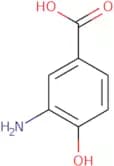
CAS:<p>The frequency range of 2-Amino-4-(2,4-dichlorophenyl)-5-methylthiophene-3-carbonitrile is between 0.1 and 1.0 GHz. The channel is between 1 and 10 MHz. The algorithm used for this frequency is the Gaussian algorithm. This frequency has been shown to have a frequency range of 0.1 to 1.0 GHz with a channel of 1 to 10 MHz and an algorithm of the Gaussian algorithm.</p>Fórmula:C12H8Cl2N2SPureza:Min. 95%Cor e Forma:Brown PowderPeso molecular:283.18 g/mol3-Amino-4-hydroxybenzoic acid hydrate
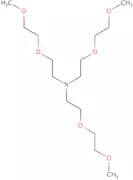
CAS:3-Amino-4-hydroxybenzoic acid hydrate is a fine chemical that is used as a versatile building block in the synthesis of pharmaceuticals, agrochemicals, and other organic chemicals. It is an intermediate for the preparation of various research chemicals. 3-Amino-4-hydroxybenzoic acid hydrate has been shown to be an effective reagent for the synthesis of certain complex compounds. It also has high quality and can be used as a reaction component in many reactions.Fórmula:C7H7NO3·H2OPureza:Min. 95%Cor e Forma:PowderPeso molecular:171.15 g/molTris(dioxa-3,6-heptyl)amine
CAS:<p>Phase transfer catalyst; intermediate in telithromycin synthesis</p>Fórmula:C15H33NO6Pureza:Min. 95%Cor e Forma:Colorless Clear LiquidPeso molecular:323.43 g/mol3-Fluoro-4-(4-morpholinyl) benzenamine
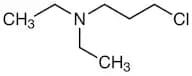
CAS:<p>3-Fluoro-4-(4-morpholinyl) benzenamine is an antibiotic drug that belongs to the group of nitro compounds. It is active against bacteria and fungi, but not against viruses. It has been shown to inhibit bacterial growth by binding to the gyrase enzyme, which is essential for DNA replication. 3-Fluoro-4-(4-morpholinyl) benzenamine also inhibits protein synthesis by topoisomerase inhibition and has been shown to be effective against a wide range of bacteria including Pseudomonas aeruginosa, Escherichia coli, Enterobacter cloacae, Klebsiella pneumoniae, Proteus mirabilis, Serratia marcescens, and Staphylococcus aureus. 3-Fluoro-4-(4-morpholinyl) benzenamine has low toxicity in humans because it reacts with nitric oxide (NO), producing harmless fluoroacetate</p>Fórmula:C10H13FN2OPureza:Min. 95%Cor e Forma:PowderPeso molecular:196.22 g/mol3-Chloro-N,N-diethylpropan-1-amine
CAS:Fórmula:C7H16ClNPureza:>98.0%(GC)(T)Cor e Forma:Colorless to Almost colorless clear liquidPeso molecular:149.661-Phenyl-3-aminopyrazol-5-one
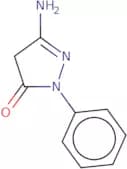
CAS:1-Phenyl-3-aminopyrazol-5-one is a solvent that can be used in elemental analysis. It has a molecular weight of 137.12 and is soluble in water, methanol, ethanol, acetone, ether, benzene and chloroform. 1-Phenyl-3-aminopyrazol-5-one has been shown to react with amines and form tautomers with different chemical properties. The spectral data for this compound are presented as the absorption spectra of substituted 1-phenyl-3-aminopyrazol-5-ones with acetyl groups at C2 and C4 (1), the nuclear magnetic resonance spectrum of 1-(dimethylamino)ethyl 3-[2-(N,N'-dimethylamino)ethyl]pyrazole (2), the NMR spectrum of 2-(dimethylamino)ethyl 3-[2-(N,N'-dimethylamino)ethyl]Fórmula:C9H9N3OPureza:Min. 95%Peso molecular:175.19 g/mol5-Methoxy-3(2-aminopropyl)indole hydrochloride
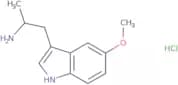
CAS:Produto Controlado5-Methoxy-3(2-aminopropyl)indole hydrochloride is a useful reagent for the synthesis of complex compounds and a versatile building block for the preparation of speciality chemicals. It is used in the production of fine chemicals, such as reagents and intermediates. This compound also has potential use as a research chemical or as a reaction component in organic syntheses.Fórmula:C12H16N2O·HClPureza:Min. 95%Peso molecular:240.73 g/molN-Nitrosodipropylamine
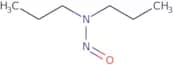
CAS:<p>N-Nitrosodipropylamine is a chemical that is used in wastewater treatment. It is found in acetate extracts of sewage sludge and has been shown to inhibit the activity of rat liver microsomes. N-Nitrosodipropylamine has been linked to cancer, and although it has not been shown to cause cancer in rats, it does have carcinogenic potential. This chemical also inhibits the activity of bacterial cytochrome P450 enzymes, which are important for regulating the synthesis of lipids, steroids, and other biologically important molecules. N-Nitrosodipropylamine has also been shown to be an anthelmintic drug, but when administered orally or intraperitoneally at high doses, it causes maternal toxicity and fetal death in pregnant rats. The use of this drug should therefore be avoided during pregnancy.</p>Fórmula:C6H14N2OPureza:Min. 95%Cor e Forma:Clear LiquidPeso molecular:130.19 g/mol2,2'-Diamino-4,4'-bithiazole
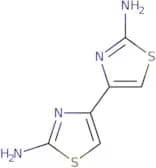
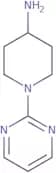
CAS:2,2'-Diamino-4,4'-bithiazole (DABT) is a ligand that forms supramolecular aggregates with a variety of metal ions. It has been shown to bind to serum albumin and form an interaction that depends on the coordination geometry of the metal ion. DABT has been shown to be a fluorescent molecule with tryptophan fluorescence. The fluorescence emission spectrum of DABT is sensitive to chloride concentrations in the environment. The chemical structure and solubility properties of DABT are similar to those of chlorides; thus, it can be used as an oxidant at low pH levels.Fórmula:C6H6N4S2Pureza:Min. 95%Cor e Forma:PowderPeso molecular:198.27 g/mol1-Pyrimidin-2-ylpiperidin-4-amine dihydrochloride
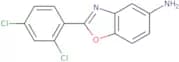
CAS:1-Pyrimidin-2-ylpiperidin-4-amine dihydrochloride is a high quality, crystalline compound with a CAS number of 1179369-48-2. It is an intermediate in the synthesis of various fine chemicals, including pharmaceuticals and pesticides. 1-Pyrimidin-2-ylpiperidin-4-amine dihydrochloride also has applications as a versatile building block for the synthesis of other compounds and is used as a reaction component in organic chemistry. This reagent can be used to synthesize many different compounds for use in research or medical purposes.Fórmula:C9H14N4·2HClPureza:Min. 95%Cor e Forma:PowderPeso molecular:251.16 g/mol2-(2,4-Dichlorophenyl)-1,3-benzoxazol-5-amine
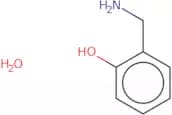
CAS:<p>2-(2,4-Dichlorophenyl)-1,3-benzoxazol-5-amine is a versatile building block that can be used in a wide range of chemical reactions. The compound is a reagent and speciality chemical with CAS No. 293737-83-4. It is an intermediate in the synthesis of pharmaceuticals and pesticides, as well as a useful scaffold for the synthesis of other compounds. 2-(2,4-Dichlorophenyl)-1,3-benzoxazol-5-amine has been shown to have high quality and can be used as a reaction component or building block in research labs.</p>Fórmula:C13H8Cl2N2OPureza:Min. 95%Cor e Forma:PowderPeso molecular:279.12 g/mol2-Hydroxybenzylamine hydrate
CAS:<p>2-Hydroxybenzylamine hydrate is a fine chemical, useful building block, research chemical, and reagent. It is soluble in water and has a neutral pH. 2-Hydroxybenzylamine hydrate is an intermediate in the synthesis of amphetamines and phenethylamines. This product is also used as a reaction component for the synthesis of polymers, pharmaceuticals, natural products, and other organic compounds. 2-Hydroxybenzylamine hydrate has a high quality level and can be used as a versatile building block in complex reactions.</p>Fórmula:C7H9NO·H2OPureza:Min. 95%Peso molecular:141.17 g/mol[(1,2-Dimethyl-1H-benzimidazol-5-yl)methyl]amine dihydrochloride
CAS:<p>[(1,2-Dimethyl-1H-benzimidazol-5-yl)methyl]amine dihydrochloride is a reagent that is used as a reaction component in the synthesis of organic and inorganic compounds. It is used as a high quality research chemical for use in the production of fine chemicals and pharmaceuticals. This compound has many uses as a versatile building block, useful intermediate, or useful building block in the synthesis of complex compounds. It can also be used to make various speciality chemicals. [(1,2-Dimethyl-1H-benzimidazol-5-yl)methyl]amine dihydrochloride is stable at room temperature and can be stored under ambient conditions indefinitely.</p>Fórmula:C10H13N3·2HClPureza:Min. 95%Cor e Forma:White PowderPeso molecular:248.15 g/mol2,5-Bis(aminomethyl)tetrahydrofuran
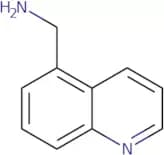
CAS:2,5-Bis(aminomethyl)tetrahydrofuran is a polymerization catalyst for polyethylene terephthalate that has been shown to be effective at low temperatures. It is not active at high temperatures and is stable in acidic and neutral media. 2,5-Bis(aminomethyl)tetrahydrofuran can be used as an electrochemical catalyst for the conversion of 5-hydroxymethylfurfural (HMF) to formic acid. This reaction has been shown to have a high turnover frequency and to be sustainable because it does not require fossil fuels or heavy metals as reactants. The parameters of this reaction are still being investigated, including the effect of oxidant on the rate of catalysis.Fórmula:C6H14N2OPureza:Min. 95%Cor e Forma:Colorless PowderPeso molecular:130.19 g/molQuinolin-5-yl-methylamine
CAS:Quinolin-5-yl-methylamine is a fine chemical that is used as a research chemical. It can be used as a reagent and as a speciality chemical. This compound has a high quality and is versatile in its use. Quinolin-5-yl-methylamine can be used in the synthesis of complex compounds, such as pharmaceuticals, agrochemicals, and polymers. It is also an intermediate that can be used to create other useful compounds, such as building blocks or scaffolds. The CAS number for this compound is 58123-57-2.Fórmula:C10H10N2Pureza:Min. 95%Cor e Forma:SolidPeso molecular:158.2 g/mol4-(N-Maleimido)benzyl-a-trimethylammonium iodide
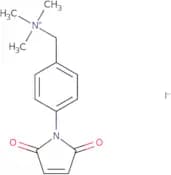
CAS:4-(N-Maleimido)benzyl-a-trimethylammonium iodide is a carotenoid that acts as an agonist binding site for the receptor molecule. It has been shown to inhibit tumor cell growth and induce apoptosis. 4-(N-Maleimido)benzyl-a-trimethylammonium iodide binds to the redox potential of iron atoms, which are important in many biochemical reactions and in maintaining iron homeostasis. The x-ray crystal structures of this compound show that it has a chemical biology model system and can be used to study the function of toll-like receptors. This drug also has an irreversible inhibition effect on cation channels, which may be due to its ability to block the opening of these channels by binding to them.Fórmula:C14H17IN2O2Pureza:Min. 95%Cor e Forma:Yellow SolidPeso molecular:372.2 g/mol2-Aminoethanethiol HCl
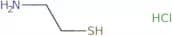
CAS:<p>2-Aminoethanethiol HCl is an organosulfur compound used in the treatment of cystinosis. Cystinosis is a rare autosomal recessive metabolic disorder that leads to the accumulation of cysteine and other amino acids in the lysosomes of cells. 2-Aminoethanethiol HCl is also used for the treatment of enteritidis, a disease caused by infection with bacteria such as Salmonella typhi, Shigella dysenteriae, or Escherichia coli. It has been shown to inhibit protein synthesis in vitro and in experimental models. The mechanism of 2-aminoethanethiol HCl's inhibition may be due to its ability to reduce mitochondrial membrane potential, thereby inhibiting ATP production and inhibiting cellular respiration.<br>2-Aminoethanethiol HCl has been found to be effective against many strains of bacteria that are resistant to standard antibiotics (e</p>Fórmula:C2H7NS·HClPureza:Min. 95%Cor e Forma:White PowderPeso molecular:113.61 g/mol2-Amino-4,5-dimethoxybenzamide
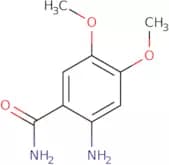
CAS:<p>2-Amino-4,5-dimethoxybenzamide is an anticancer agent that inhibits the epidermal growth factor receptor tyrosine kinase. It binds to the linker region of the epidermal growth factor receptor and prevents autophosphorylation. 2-Amino-4,5-dimethoxybenzamide has shown in vitro cytotoxic activity against testicular cancer cells and acute lymphoblastic leukemia cells. 2-Amino-4,5-dimethoxybenzamide is a synthetic compound that has been shown to have bioisosteric properties with other growth factors such as epidermal growth factor.</p>Fórmula:C9H12N2O3Pureza:Min. 95%Cor e Forma:PowderPeso molecular:196.2 g/mol2-Amino-7,8-dihydroquinazolin-5(6H)-one
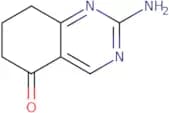
CAS:<p>2-Amino-7,8-dihydroquinazolin-5(6H)-one is a research chemical that belongs to the group of quinazolinones. It is a useful building block for the synthesis of other compounds. This compound can be reacted with various reagents to form new compounds. 2-Amino-7,8-dihydroquinazolin-5(6H)-one has been used as a starting material in the synthesis of PET imaging agents for diagnostic and therapeutic purposes. This compound is also used as a reaction component in organic chemistry research.</p>Fórmula:C8H9N3OPureza:Min. 95%Cor e Forma:Off-White PowderPeso molecular:163.18 g/mol2-Amino-6-methoxybenzoic acid
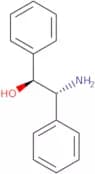
CAS:2-Amino-6-methoxybenzoic acid is a monosubstituted amide, which is synthesized by the hydrolysis of 2-amino-5-methylbenzoic acid with hydrochloric acid in the presence of diacetate. This compound is formed as part of the biosynthesis of aminophenols and heterocycles. It can be used to adsorb metal ions and organic compounds, such as chloride and butyllithium. 2-Amino-6-methoxybenzoic acid is also found in aeruginosa infections due to its ability to inhibit bacterial growth by inhibiting protein synthesis. The synthesis of this compound requires shikimate pathway enzymes.Fórmula:C8H9NO3Pureza:Min. 95%Cor e Forma:PowderPeso molecular:167.16 g/mol(1S,2R)-(+)-2-Amino-1,2-diphenylethanol
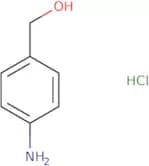
CAS:Produto Controlado(1S,2R)-(+)-2-Amino-1,2-diphenylethanol is an enantiopure amine that has been used as a ligand in supramolecular chemistry. It can be prepared by reacting 2-chloropropane with thionyl chloride and primary alcohols. The chloride group facilitates the reaction rate and can be replaced by nitro groups to immobilize the product on a solid substrate. (1S,2R)-(+)-2-Amino-1,2-diphenylethanol has optical properties that are dependent on its environment. It can be used to label cells for studies of cell differentiation or cell migration. This compound also reacts with cyclohexane rings to form cyclic products with different optical properties than those of the reactants. The reaction yield is high in this process.Fórmula:C14H15NOPureza:Min. 95%Cor e Forma:White To Beige SolidPeso molecular:213.28 g/mol4-Aminobenzyl alcohol hydrochloride
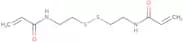
CAS:<p>4-Aminobenzyl alcohol hydrochloride is a fine chemical that is used as a building block for research chemicals, reagents, and specialty chemicals. It can be used as a versatile building block in the synthesis of many complex compounds. 4-Aminobenzyl alcohol hydrochloride is also an intermediate for the synthesis of pharmaceuticals and other useful compounds. CAS No. 170926-25-7</p>Fórmula:C7H10ClNOPureza:Min. 95%Cor e Forma:PowderPeso molecular:159.61 g/molN,N'-Bis(acryloyl)cystamine
CAS:<p>N,N'-Bis(acryloyl)cystamine is a cross-linking agent that has been shown to be effective in the prevention and treatment of cancer. It is a component of nanogels that have been shown to bind to viruses in a way that prevents them from infecting cells. N,N'-Bis(acryloyl)cystamine can also be used as an adjuvant for vaccines against infectious diseases such as malaria and HIV, by binding to antigens on these viruses so they are more easily recognized by the immune system. This drug can also be used for the treatment of inflammation due to its anti-inflammatory properties.</p>Fórmula:C10H16N2O2S2Pureza:Min. 95%Cor e Forma:White PowderPeso molecular:260.38 g/mol1-{{[5-(4-Nitrophenyl)-2-furanyl]methylene}amino}-2,4-imidazolidinedione
CAS:<p>Dantrolene is an experimental model for malignant hyperthermia, a rare genetic condition that can cause muscle rigidity and death. Dantrolene has been shown to inhibit the activity of the dinucleotide phosphate (NADH) dehydrogenase enzyme in muscle cells. In addition, it inhibits calcium release from the sarcoplasmic reticulum and activates ryanodine receptors. Dantrolene also inhibits muscle contractions and prevents neuronal death by inhibiting the release of glutamate.</p>Fórmula:C14H10N4O5Pureza:Min. 95%Cor e Forma:SolidPeso molecular:314.25 g/mol3-(2-Diisopropylaminoethyl)indole hydrochloride
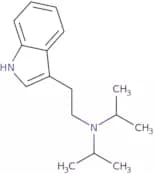
CAS:Produto Controlado<p>3-(2-Diisopropylaminoethyl)indole hydrochloride is an inhibitor of the enzyme monoamine oxidase (MAO). MAO is responsible for the degradation of monoamines such as serotonin, dopamine, and norepinephrine. 3-(2-Diisopropylaminoethyl)indole hydrochloride inhibits these enzymes in order to increase the levels of these neurotransmitters in the brain. These effects are observed with a sectional study on the host plant species. 3-(2-Diisopropylaminoethyl)indole hydrochloride has been shown to have low potency for inhibiting 5-HT1A and 5-HT2A receptors in rat studies, but it is not active against 5-HT2C receptors. This drug was used to measure urinary serotonin and dopamine levels in human urine samples.</p>Fórmula:C16H25ClN2Pureza:Min. 95%Peso molecular:280.84 g/mol2-Amino-2-cyanoacetamide
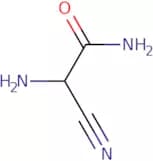
CAS:2-Amino-2-cyanoacetamide is a chemical compound that has been shown to be reactive in the human liver and animal models. It is a purine derivative with a diatomic molecule, which has been shown to inhibit cancer cells in animals. 2-Amino-2-cyanoacetamide has been shown to inhibit the replication of pestivirus, an RNA virus that causes encephalitis and other diseases in humans. The nitrogen atoms on this molecule are responsible for its transport properties, including uptake by the gut and its ability to cross the blood brain barrier. 2-Amino-2-cyanoacetamide also inhibits the activity of amide hydrolase, which is an enzyme responsible for hydrolyzing peptides into amino acids. This process leads to a decrease in protein synthesis, which can lead to cell death.Fórmula:C3H5N3OPureza:Min. 95%Cor e Forma:Beige To Tan SolidPeso molecular:99.09 g/mol2,3-Dihydro-1,4-benzodioxin-2-ylmethylamine
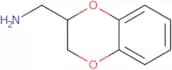
CAS:2,3-Dihydro-1,4-benzodioxin-2-ylmethylamine (DHBMA) is a pharmacophore that has been shown to be an epileptic and convulsant in epidemiological studies. This drug binds to the receptor binding site of the Na+/K+ ATPase enzyme and inhibits its binding affinity for sodium ions. DHBMA has been shown to increase blood pressure in rats when it is injected into the cerebral ventricles. DHBMA also increases the affinity for dopamine D2 receptors which are linked to Parkinson's disease. This drug is used as a linker in the synthesis of prenylated synthons, which can be used to produce drugs with high affinity values and stereoisomers.Fórmula:C9H11NO2Pureza:Min. 95%Cor e Forma:Colorless Clear LiquidPeso molecular:165.19 g/molEthyl 2-(N,N-diethylamino)benzoate
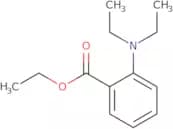
CAS:<p>Ethyl 2-(N,N-diethylamino)benzoate is a high quality chemical that can be used as a reagent in the synthesis of complex compounds. This chemical is also a useful intermediate in the manufacture of fine chemicals and pharmaceuticals. CAS No. 94023-76-4 is an important ingredient for research chemicals and speciality chemicals. It can be used as a building block or scaffold for reaction components to produce versatile products.</p>Fórmula:C13H19NO2Pureza:Min. 95%Peso molecular:221.3 g/mol6-Chloro-2-methyl-4-pyrimidinamine
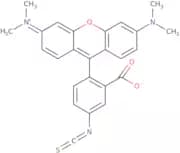
CAS:<p>6-Chloro-2-methyl-4-pyrimidinamine is a molecule that has been studied for anticancer activity. It is an urea nitrogen, which is a hydrogen bond donor. The fructus of the 6-chloro-2-methyl-4-pyrimidinamine molecule has been shown to have anticancer activity in vitro. The anticancer activities of 6-chloro-2-methyl-4-pyrimidinamine are thermodynamic and vibrational, with etridiazole as the most potent inhibitor. The diamine tetraacetic acid (DTA) protonation state of the molecule was found to be 5.6, while the chloride protonation state was 3.6. In addition, it has been shown that 6CHMPA binds to Triticum aestivum cells through ethylene diamine and atomic orbital interactions.</p>Fórmula:C5H6ClN3Pureza:Min. 95%Cor e Forma:White To Off-White SolidPeso molecular:143.57 g/molTetramethylrhodamine-5-isothiocyanate
CAS:<p>Tetramethylrhodamine-5-isothiocyanate (TRITC) is a fluorescent dye that can be used for the detection of cancer cells. This molecule interacts with mitochondrial membrane potential and superparamagnetic iron oxide nanoparticles, which are used to detect cancer cells. TRITC is linked to a carrier protein, such as wheat germ agglutinin or streptavidin, and then incubated with the target tissue. The dye is taken up by cells with high mitochondrial membrane potential, which are typically cancerous. The dye can also be detected using an analytical method called flow cytometry, which detects changes in the fluorescence intensity of the dyed cells.<br>TRITC has been shown to have anti-cancer properties in basic fibroblast growth factor-deficient mice and in human colon carcinoma cells in vitro.</p>Fórmula:C25H21N3O3SPureza:Min. 95%Cor e Forma:PowderPeso molecular:443.52 g/mol2-Aminothiazole-5-carboxylic acid
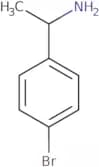
CAS:<p>2-Aminothiazole-5-carboxylic acid is a synthetic compound that is currently being investigated as a potential anticancer agent. 2-Aminothiazole-5-carboxylic acid has shown anticancer activity in clinical studies, with an increase in the number of cancer cells killed and a decrease in the number of cancer cells surviving after treatment. The mechanism of action for this drug is not well understood, but it may be due to its ability to inhibit cellular processes such as DNA synthesis and protein synthesis.<br>2-Aminothiazole-5-carboxylic acid does not show significant toxicity at therapeutic doses, although it can cause some side effects including nausea, vomiting, constipation, diarrhea, headaches, and fever.</p>Fórmula:C4H4N2O2SPureza:Min. 95%Cor e Forma:PowderPeso molecular:144.15 g/mol1-(4-Bromophenyl)ethylamine
CAS:1-(4-Bromophenyl)ethylamine is a hdac inhibitor. This drug has been shown to be an amide, which is a class of chemical compounds that are the basis of many pharmaceuticals. It has been shown to have degenerative diseases, such as Alzheimer's disease and Parkinson's disease, and may also have an effect on amines. 1-(4-Bromophenyl)ethylamine inhibits hydrogen chloride and enantiomer with inflammatory diseases. It also has antiinflammatory activity, which may be due to its ability to inhibit acid molecules and biological studies.Fórmula:C8H10BrNPureza:Min. 95%Cor e Forma:Colorless Clear LiquidPeso molecular:200.08 g/mol2,5,6-Triamino-4-hydroxypyrimidine
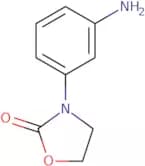
CAS:<p>2,5,6-Triamino-4-hydroxypyrimidine (THP) is a nitrogenous base that has been shown to have anticancer activity. It is an intermediate in the biosynthesis of lysine and can be found in environmental pollution. THP is formed by the reaction of hydrogen chloride with dimethylformamide, which produces hydrochloric acid as a byproduct. 2,5,6-Triamino-4-hydroxypyrimidine also reacts with glyoxal to produce a compound that can cause metabolic disorders. THP is an acidic compound that becomes neutral when dissolved in water. The molecular formula for THP is C 3 H 6 N 8 O 4 .</p>Fórmula:C4H7N5OPureza:Min. 95%Cor e Forma:PowderPeso molecular:141.13 g/mol3-(3-Aminophenyl)-1,3-oxazolidin-2-one
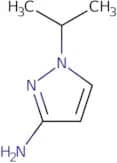
CAS:3-(3-Aminophenyl)-1,3-oxazolidin-2-one is a fine chemical that is used as a building block for more complex compounds. It has been shown to be an effective reagent for the synthesis of complex compounds and can be used as a reaction component in research. 3-(3-Aminophenyl)-1,3-oxazolidin-2-one is also useful in the production of pharmaceuticals and other specialty chemicals.Fórmula:C9H10N2O2Pureza:(¹H-Nmr) Min. 95 Area-%Cor e Forma:PowderPeso molecular:178.19 g/mol1-isopropyl-1H-pyrazol-3-amine
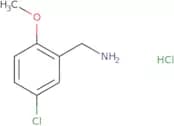
CAS:1-Isopropyl-1H-pyrazol-3-amine is a fine chemical that is used as a building block in the synthesis of other compounds. It is also used as a reagent and a speciality chemical, due to its high quality and versatility. 1-Isopropyl-1H-pyrazol-3-amine can be used as a reaction component or intermediate in the synthesis of more complex compounds, and has been shown to be useful in the development of new drugs. The CAS number for this compound is 857267-04-0.Fórmula:C6H11N3Pureza:Min. 95%Cor e Forma:Colorless PowderPeso molecular:125.17 g/mol5-Chloro-2-methoxybenzylamine hydrochloride
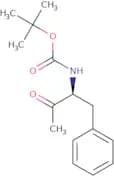
CAS:<p>5-Chloro-2-methoxybenzylamine hydrochloride is a chemical substance that is used as an intermediate in the synthesis of pharmaceuticals and other chemicals. It can be used as a building block to create complex compounds, or it can be used in reactions to produce speciality chemicals. 5-Chloro-2-methoxybenzylamine hydrochloride is a high quality reagent that can be used as a reaction component in research and development.<br>A fine chemical, 5-Chloro-2-methoxybenzylamine hydrochloride has many uses as a versatile building block for organic synthesis. It is also useful for generating research chemicals and complex compounds for use in medicines and other products.</p>Fórmula:C8H10ClNO·(HCl)Pureza:Min. 95%Cor e Forma:PowderPeso molecular:208.08 g/molBoc-(3S)-3-amino-4-phenyl-2-butanone
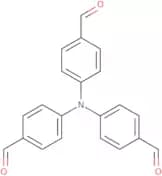
CAS:<p>Boc-(3S)-3-amino-4-phenyl-2-butanone is a chemical intermediate that is useful as a building block in organic synthesis. It has been used as a reaction component, reagent and high quality research chemical. Boc-(3S)-3-amino-4-phenyl-2-butanone is also a versatile building block and useful intermediate for the preparation of complex compounds. This chemical has shown to have speciality applications in fine chemicals such as pharmaceuticals and agrochemicals.</p>Fórmula:C15H21NO3Pureza:Min. 95%Cor e Forma:White to off-white solid.Peso molecular:263.33 g/molTris(4-formylphenyl)amine
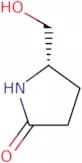
CAS:Tris(4-formylphenyl)amine is an organic molecule with a phenol and formamidine functional group. It has been shown to be effective in clinical studies when used as a chelating agent. Tris(4-formylphenyl)amine is able to bind metal ions in the presence of oxygen, which is due to its acidic nature. The molecule also has peroxidase-like activity, which can be used for the detection of plasma samples. Tris(4-formylphenyl)amine has been shown to have fluorescence properties that are dependent on pH and temperature, as well as fluorescence lifetimes. This molecule also exhibits optical properties that are dependent on the wavelength of light used for excitation.Fórmula:C21H15NO3Pureza:Min. 95%Cor e Forma:Slightly Yellow PowderPeso molecular:329.35 g/mol(S)-Pyroglutaminol
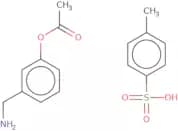
CAS:<p>(S)-Pyroglutaminol is a chiral auxiliary that can be used to synthesize enantiopure amino acid derivatives. It is used in the synthesis of various drugs, such as antivirals and antifungals. The hydroxy group on one side of the molecule reacts with the enolate of an alpha-amino acid or a beta-keto acid to form an ester. The hydroxyl group on the other side of the molecule reacts with ethylene diamine to form an amide. Pyroglutaminol has been shown to reduce carbonyl groups in organic compounds, which may be due to its ability to act as an enantioselective catalyst for asymmetric synthesis.</p>Fórmula:C5H9NO2Pureza:Min. 95%Cor e Forma:White PowderPeso molecular:115.13 g/mol3-Acetoxybenzylamine 4-toluenesulphonate
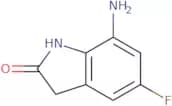
CAS:<p>3-Acetoxybenzylamine 4-toluenesulphonate is a white solid reagent that can be used as a building block for the synthesis of complex compounds. It has been shown to be useful as an intermediate and building block in the synthesis of natural products. 3-Acetoxybenzylamine 4-toluenesulphonate is a versatile compound that can be used in many different chemical reactions. It is also a speciality chemical that is available for purchase from research chemical suppliers.</p>Fórmula:C9H11NO2·C7H8O3SPureza:Min. 95%Peso molecular:337.39 g/mol7-Amino-5-fluoro-1,3-dihydroindol-2-one
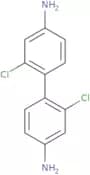
CAS:<p>7-Amino-5-fluoro-1,3-dihydroindol-2-one is a compound that can be used as a research chemical. It has been shown to react with various other compounds in the laboratory and may have potential uses as a versatile building block or useful intermediate. 7-Amino-5-fluoro-1,3-dihydroindol-2-one is also known for its high quality and speciality chemical status.</p>Fórmula:C8H7FN2OPureza:Min. 95%Cor e Forma:PowderPeso molecular:166.15 g/mol2,2'-Dichloro-1,1'-biphenyl-4,4'-diamine
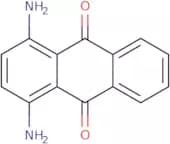
CAS:<p>2,2'-Dichloro-1,1'-biphenyl-4,4'-diamine is a chemical that belongs to the class of organic compounds known as amines. It is insoluble in water and has a molecular weight of 190.8 g/mol. 2,2'-Dichloro-1,1'-biphenyl-4,4'-diamine has been shown to be carcinogenic in animals and can cause coagulation problems in humans. The compound also shows anti-inflammatory properties by inhibiting the production of prostaglandins.</p>Fórmula:C12H10Cl2N2Pureza:Min. 95%Cor e Forma:White/Off-White SolidPeso molecular:253.13 g/mol1,4-Diaminoanthraquinone
CAS:1,4-Diaminoanthraquinone is a monomeric dye that absorbs light in the visible region of the electromagnetic spectrum. It is soluble in organic solution and has a high solubility in glycol ether. The dye can be activated by hydrogen bonding to form the corresponding anthraquinone dye. 1,4-Diaminoanthraquinone has been shown to have an absorption maximum at around 520 nm and to be soluble in organic solvents such as glycol ethers. The compound is also water-insoluble, which makes it suitable for use in microcapsules.Fórmula:C14H10N2O2Pureza:Min. 95%Cor e Forma:PowderPeso molecular:238.24 g/mol(S)-2-Azido isovaleric acid cyclohexylammonium
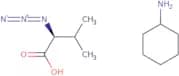
CAS:<p>Please enquire for more information about (S)-2-Azido isovaleric acid cyclohexylammonium including the price, delivery time and more detailed product information at the technical inquiry form on this page</p>Fórmula:C6H13N•C5H9N3O2Pureza:Min. 95%Cor e Forma:PowderPeso molecular:242.32 g/mol5-Pyridin-2-yl-2H-pyrazol-3-ylamine
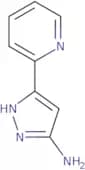
CAS:<p>5-Pyridin-2-yl-2H-pyrazol-3-ylamine is a chemical intermediate that can be used in the synthesis of many different compounds. This compound is a versatile building block that can be used to make complex substances, as well as being an excellent reagent for research purposes. It has been shown to be useful as a reactant in the preparation of high quality chemicals and speciality chemicals. 5-Pyridin-2-yl-2H-pyrazol-3-ylamine is a fine chemical with CAS No. 92352-29-9.</p>Fórmula:C8H8N4Pureza:Min. 95%Cor e Forma:Off-White Or Light Brown SolidPeso molecular:160.18 g/mol(1-Benzothien-5-ylmethyl)amine hydrochloride
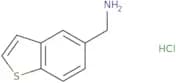
CAS:(1-Benzothien-5-ylmethyl)amine hydrochloride is a white crystalline solid that is soluble in organic solvents. It has been used as a research chemical, reagent, and speciality chemical. It is also an intermediate for the synthesis of other compounds.Fórmula:C9H9NS·HClPureza:Min. 95%Cor e Forma:SolidPeso molecular:199.7 g/mol







![[2-(3-Methyl-1,2,4-oxadiazol-5-yl)ethyl]amine hydrochloride](/_next/image/?url=https%3A%2Fstatic.cymitquimica.com%2Fproducts%2F3D%2Fthumb-webp%2FFM120047.webp&w=3840&q=75)


![N,N-Diethyl-5-methyl-[1,2,4]triazolo[5,1-b]pyrimidin-7-amine](/_next/image/?url=https%3A%2Fstatic.cymitquimica.com%2Fproducts%2F3D%2Fthumb-webp%2FFD153326.webp&w=3840&q=75)
![N-[3-(Diethylaminomethyl)-4-hydroxyphenyl]acetamide](/_next/image/?url=https%3A%2Fstatic.cymitquimica.com%2Fproducts%2F3D%2Fthumb-webp%2FFD71897.webp&w=3840&q=75)
![[4-(Aminomethyl)cyclohexyl]methanol](/_next/image/?url=https%3A%2Fstatic.cymitquimica.com%2Fproducts%2F3D%2Fthumb-webp%2FFA123010.webp&w=3840&q=75)


![[3-(1H-Pyrazol-1-yl)benzyl]amine](/_next/image/?url=https%3A%2Fstatic.cymitquimica.com%2Fproducts%2F3D%2Fthumb-webp%2FFP129771.webp&w=3840&q=75)
![[2-(tert-Butylthio)ethyl]amine](/_next/image/?url=https%3A%2Fstatic.cymitquimica.com%2Fproducts%2F3D%2Fthumb-webp%2FFB134379.webp&w=3840&q=75)



![[(1,2-Dimethyl-1H-benzimidazol-5-yl)methyl]amine dihydrochloride](/_next/image/?url=https%3A%2Fstatic.cymitquimica.com%2Fproducts%2F3D%2Fthumb-webp%2FFD135142.webp&w=3840&q=75)


![1-{{[5-(4-Nitrophenyl)-2-furanyl]methylene}amino}-2,4-imidazolidinedione](/_next/image/?url=https%3A%2Fstatic.cymitquimica.com%2Fproducts%2F3D%2Fthumb-webp%2FFN138588.webp&w=3840&q=75)