Aminas
As aminas são um conjunto de moléculas que contêm um grupo funcional amino (derivado da amônia). Esta categoria inclui aminas em qualquer nível de substituição: primárias, secundárias, terciárias e sais de amônio. As aminas são fundamentais na síntese orgânica e são amplamente utilizadas em produtos farmacêuticos, agroquímicos e ciência dos materiais. Na CymitQuimica, oferecemos uma seleção abrangente de aminas para atender às suas necessidades de pesquisa e industriais. Nossa gama garante acesso a várias aminas para diversos processos químicos e pesquisas inovadoras.
Subcategorias de "Aminas"
- Nitrosaminas(2.605 produtos)
- Aminas primárias(30.947 produtos)
- Catiões Quaternários de Amónio(1.099 produtos)
- Aminas secundárias(20.886 produtos)
- Aminas terciárias(17.193 produtos)
Foram encontrados 8780 produtos de "Aminas"
Ordenar por
Pureza (%)
0
100
|
0
|
50
|
90
|
95
|
100
m-Aminophenyl Tosylate
CAS:Produto Controlado<p>Applications m-Aminophenyl Tosylate is a reactant used in the synthesis of 2-methyl-5-(2,3,4,5,6-pentafluorophenyl)benzothiazole and 4-[(2',3',4',5',6'-pentafluoro-1,1'-biphenyl-3-yl)amino]benzonitrile.<br>References Lee, D.S., et. al.: RSC Advances, 2, 9179 (2012)<br></p>Fórmula:C13H13NO3SCor e Forma:NeatPeso molecular:263.312-(Acetylamino)-3-(phenylthio)propanoic Acid
CAS:Produto Controlado<p>Applications 2-(Acetylamino)-3-(phenylthio)propanoic acid is a useful chemical in research.<br></p>Fórmula:C11H13NO3SCor e Forma:NeatPeso molecular:239.29N-[4-[(4-Methoxyphenyl)amino]phenyl]acetamide
CAS:Produto Controlado<p>Applications N-[4-[(4-Methoxyphenyl)amino]phenyl]acetamide is used in the preparation of diphenyl amine urea derivatives having antiinflammatory, anelgesic and antipyretic action.<br>References US Patent 3660486 (May 2, 1972);<br></p>Fórmula:C15H16N2O2Cor e Forma:NeatPeso molecular:256.3DL-Fenfluramine Hydrochloride
CAS:Produto Controlado<p>Stability Hygroscopic<br>Applications N-Ethyl-α-methyl-3-(trifluoromethyl)-benzeneethanamine hydrochloride has been used in case studies for the study of impulsivity, motor skills, and anxiogenic effects in the neuroscience community.<br> Not a dangerous good if item is equal to or less than 1g/ml and there is less than 100g/ml in the package<br>References Whitney, K.N., et al.: Exp. Clin. Psychopharm., 21, 345-54 (2013); Arrant, A.E., et al.: Neuropharmacology, 65, 213-22 (2013)<br></p>Fórmula:C12H16F3N·ClHCor e Forma:WhitePeso molecular:267.724-Aminoantipyrine
CAS:<p>Applications 4-Aminoantipyrine (cas# CAS:83-07-8) is a useful research chemical.<br></p>Fórmula:C11H13N3OCor e Forma:Light Yellow To BrownPeso molecular:203.24Triethylamine Trihydrofluoride
CAS:<p>Applications Triethylamine Trihydrofluoride is used in the synthesis of modified siRNA’s in vivo used to inhibit hepatitis B replication (1). Used in RNA synthesis in the removal of t-butyldimethylsilyl protection (2). Drinking water contaminant candidate list 3 (CCL 3) compound as per United States Environmental Protection Agency (EPA). Environmental contaminants; Food contaminants.<br> Not a dangerous good if item is equal to or less than 1g/ml and there is less than 100g/ml in the package<br>References 1. Marimani M. et al.: Bioorg Med Chem. 2013 Oct 15;21(20):6145-55. 2. Westman, E. et al.: Nucleic Acids Res. 1994 Jun 25;22(12):2430-1<br></p>Fórmula:C6H18F3NCor e Forma:Colourless To BeigePeso molecular:161.21Diisopropanolamine
CAS:<p>Applications Diisopropanolamine is used as a reagent in the synthesis of pyrrolo[3,4-c]quinoline-1,3-diones as potent caspase-3 inhibitors.<br>References Kravchenko, D., et al.: Lett. Drug Des. Discov., 3, 61 (2006)<br></p>Fórmula:C6H15NO2Cor e Forma:NeatPeso molecular:133.1894-Amino-2-mercaptopyrimidine
CAS:<p>4-Amino-2-mercaptopyrimidine is a model system for coordination geometry and the hydroxyl group. It has been shown to have an x-ray crystal structure that can be used to study human serum, activated viruses, and other biological properties. 4-Amino-2-mercaptopyrimidine has been synthesized using a flow system and kinetic energy. The protonation state of 4-amino-2-mercaptopyrimidine is dependent on the pH of the solution and it can exist as two tautomers.</p>Fórmula:C4H5N3SPureza:Min. 97 Area-%Cor e Forma:White PowderPeso molecular:127.17 g/molPantethine
CAS:Pantethine is a dietary supplement, which is a derivative of pantothenic acid, sourced from vitamin B5. As a biologically active compound, it undergoes conversion to pantetheine, which then forms coenzyme A (CoA) and acyl-carrier proteins. This conversion is critical, as CoA is an essential cofactor involved in numerous biochemical reactions that are integral to fatty acid metabolism, among other processes.Fórmula:C22H42N4O8S2Pureza:Min. 95%Cor e Forma:PowderPeso molecular:554.72 g/mol7-Fluorobenzo-2-oxa-1,3-diazole-4-sulfonic acid ammonium
CAS:<p>7-Fluorobenzo-2-oxa-1,3-diazole-4-sulfonic acid ammonium is a fluorescent derivative that is used in clinical pathology to study human metabolism. The compound reacts with blood cells to form a fluorescent derivative that can be detected by use of a fluorescence detector. A sample preparation technique is required to prepare the blood samples before analysis. 7-Fluorobenzo-2-oxa-1,3-diazole-4-sulfonic acid ammonium has been shown to react with disulfide bonds and endogenous substances, such as glutathione, dopamine and serotonin. The detection sensitivity for this compound is approximately 10 pM.</p>Fórmula:C6H6FN3O4SPureza:Min. 95%Cor e Forma:White PowderPeso molecular:235.19 g/molMitotenamine
CAS:<p>Please enquire for more information about Mitotenamine including the price, delivery time and more detailed product information at the technical inquiry form on this page</p>Fórmula:C13H15BrClNSPureza:Min. 95%Peso molecular:332.69 g/molPhenoxybenzamine hydrochloride
CAS:<p>Phenoxybenzamine hydrochloride is a drug with pharmacological properties, which is used in the treatment of carcinoid syndrome. It is a combination therapy group that can be used to treat patients with neurological disorders. Phenoxybenzamine inhibits the activity of the 5-HT2 receptors and has been shown to reduce neuronal death. In addition, it has been shown to increase chemiluminescence in cells infected with HIV. Phenoxybenzamine also has effects on cardiac function and can be used to treat congestive heart failure as well as high levels of natriuretic peptides in maternal blood during pregnancy. It has also been shown to be effective against infectious diseases, such as tuberculosis and malaria.</p>Fórmula:C18H23Cl2NOPureza:Min. 90 Area-%Cor e Forma:PowderPeso molecular:340.29 g/mol4-Aminobenzaldehyde polymer
CAS:<p>4-Aminobenzaldehyde polymer is a crystalline solid that is soluble in organic solvents. It can be used as a reaction vessel for acylation reactions, such as the conversion of an acid chloride to the corresponding amide. 4-Aminobenzaldehyde polymer has been shown to react with diazonium salts to form the corresponding diazo compounds in high yields. The electron activity of the molecule was tested by measuring its oxidation potentials and reducing power. 4-Aminobenzaldehyde polymer is functionalized with both nucleophilic and electrophilic groups. This compound also has electrochemical properties, including optical properties and nmr spectra. The control experiments for this substance are sodium nitrate, which does not react with diazonium salts or react with 4-aminobenzaldehyde polymer at all.</p>Fórmula:(C7H7NO)xPureza:Min. 95%Cor e Forma:Powder3-Amino-4-carbomethoxybenzoic acid
CAS:3-Amino-4-carbomethoxybenzoic acid is a compound that has not yet been labeled with a function. It has been shown to be an intermediate in the synthesis of polymers, such as polyamides and polyesters. 3-Amino-4-carbomethoxybenzoic acid is involved in biological functions related to butyric acid, which is a metabolite of the amino acids phenylalanine and tyrosine, or from the degradation of proteins. It is also used as a precursor for amines and may be an intermediate in the synthesis of glycoconjugates. The compound was found to have anticancer properties when used in combination with other drugs, such as doxorubicin and etoposide. Furthermore, it was found to have anti-inflammatory activities by inhibiting prostaglandin synthesis.Fórmula:C9H9NO4Pureza:Min. 95%Cor e Forma:PowderPeso molecular:195.17 g/molHistamine diphosphate
CAS:Produto Controlado<p>Endogenous ligand for histamine receptors; neurotransmitter</p>Fórmula:C5H9N3•(H3PO4)2Pureza:Min. 95%Cor e Forma:PowderPeso molecular:307.14 g/molAmmonium bisulfite - 45% In water
CAS:Ammonium bisulfite is a soluble sulfite salt that is used as a reducing agent in organic chemistry. It reacts with metal hydroxides to produce sulfur and anhydrous sodium. This reaction also produces water vapor, which can be condensed and collected for use in other reactions. The reaction mechanism involves the formation of a sulfate ion when ammonium ions react with bisulfites or sulfites. Ammonium bisulfite has been shown to reduce hydrogen fluoride in aqueous solution, but not hydrofluoric acid.Fórmula:H5NO3SPureza:(Titration) 44 To 46%Cor e Forma:Colorless Clear LiquidPeso molecular:99.11 g/mol2-(2,2-dimethylpropanoyl)-3-hydroxy-3-(phenylamino)prop-2-enenitrile
CAS:<p>Please enquire for more information about 2-(2,2-dimethylpropanoyl)-3-hydroxy-3-(phenylamino)prop-2-enenitrile including the price, delivery time and more detailed product information at the technical inquiry form on this page</p>Pureza:Min. 95%Methyl 2-amino-7,7-dimethyl-4-(3-nitrophenyl)-5-oxo-4,6,7,8-tetrahydro2H-chromene-3-carboxylate
CAS:<p>Please enquire for more information about Methyl 2-amino-7,7-dimethyl-4-(3-nitrophenyl)-5-oxo-4,6,7,8-tetrahydro2H-chromene-3-carboxylate including the price, delivery time and more detailed product information at the technical inquiry form on this page</p>Fórmula:C19H20N2O6Pureza:Min. 95%Cor e Forma:PowderPeso molecular:372.37 g/mol3-(Aminomethyl)adamantan-1-ol HCl
CAS:<p>3-(Aminomethyl)adamantan-1-ol HCl is a chemical substance that can be used as a reaction component, reagent, and useful scaffold in the synthesis of pharmaceuticals. It is also a speciality chemical with versatile building block and useful intermediate properties. 3-(Aminomethyl)adamantan-1-ol HCl has been shown to be an effective building block for complex compounds, such as those used in the synthesis of anti-inflammatory drugs.</p>Fórmula:C11H19NO·HClPureza:Min. 95%Cor e Forma:PowderPeso molecular:217.74 g/molPerfluoroalkylsulfonyl quaternary ammonium iodide
CAS:Produto ControladoPerfluoroalkylsulfonyl quaternary ammonium iodide is a chemical substance that is used as an industrial treatment for wastewater, including industrial effluents, sludge, and waste water. It is liquid at room temperature. The reaction mechanism of perfluoroalkylsulfonyl quaternary ammonium iodide is nucleophilic attack on the electron-deficient carbon atom in the aromatic ring of the target molecule. This leads to formation of a covalent bond between the two molecules. The photoelectron microscopy technique has been used to study this reaction and has shown that it occurs in three phases: liquid phase, gas phase, and solid phase. Infrared spectrometry was also used to show that perfluoroalkylsulfonyl quaternary ammonium iodide reacts with chemical substances such as triphase.Fórmula:C14H16F17IN2O2SPureza:Min. 95%Cor e Forma:Slightly Yellow PowderPeso molecular:726.23 g/molTris(4-Aminophenyl)methane
CAS:Tris(4-aminophenyl)methane is a molecule that can react with nitrous acid to form an aliphatic hydrocarbon, which is a type of organic compound. It has been shown to be effective in mammalian cells and in vitro. Tris(4-aminophenyl)methane reacts with nitrous acid to form a diamine adduct, which has been shown to have a diameter of 3.2 nanometers. The expression plasmid containing the gene for the protein tyrosinase was introduced into E. coli cells using an electroporation technique and then used as a template for transcription reactions. The reaction products were identified by gas chromatography/mass spectrometry (GC/MS). Tris(4-aminophenyl)methane has been shown to bind tightly to DNA molecules in nuclear DNA and RNA molecules in ribosomes, inhibiting their synthesis through adsorption mechanisms. This leads to cell death through the inhibitionFórmula:C19H19N3Pureza:Min. 95%Cor e Forma:PowderPeso molecular:289.37 g/molN-Benzylhydroxylamine hydrochloride
CAS:N-Benzylhydroxylamine HCl is a quinolizidine alkaloid with a hydroxamic acid group. It is used in the synthesis of various organic compounds and pharmaceuticals, such as hydroxamic acids, bisected tetrahydrofurans, and β-amino acids. N-Benzylhydroxylamine HCl is also a substrate for gelatinase. The reaction yield depends on the choice of solvent; methyl alcohol yields higher yields than does ethyl alcohol. The asymmetric synthesis of this compound is stereoselective and can be achieved through different methods, including bisection or tetrahydrofuran (THF) synthesis.Fórmula:C7H9NO•HClPureza:Min. 95%Peso molecular:159.61 g/mol2,3-Diaminopropionicacid
CAS:2,3-Diaminopropionic acid is an antimicrobial peptide with significant cytotoxicity against cancer cells. This compound has two amine groups that are able to form hydrogen bonds with each other. The x-ray crystal structures of this molecule reveal that it forms a beta sheet structure and an alpha helix, which is essential for the stability of this compound. 2,3-Diaminopropionic acid has been shown to have strong antibacterial activity against Gram-positive bacteria and good activity against Gram-negative bacteria such as Escherichia coli and Salmonella enterica. This compound also inhibits the synthesis of proteins in bacterial cells by inhibiting the enzyme protein synthesis. 2,3-Diaminopropionic acid is stable under normal conditions but can be hydrolyzed in water vapor or ester hydrochloride. It reacts with nitrogen atoms on the surface of biological molecules to form amides.Fórmula:C3H8N2O2Pureza:Min. 95%Peso molecular:104.11 g/mol4-(3-Bromophenyl)-1,3-thiazol-2-amine
CAS:4-(3-Bromophenyl)-1,3-thiazol-2-amine is an inhibitor of enzymes such as cholinesterase and covalent binding. It has been shown to inhibit the activity of cholinesterase in vitro. This drug is not active against erythromycin or lincomycin. 4-(3-Bromophenyl)-1,3-thiazol-2-amine also has a phenylthiazole linkage that can be conjugated with other molecules for use as a therapeutic agent.Fórmula:C9H7BrN2SPureza:Min. 95%Cor e Forma:PowderPeso molecular:255.14 g/molTetrabutylammonium hydrogensulfate
CAS:<p>Tetrabutylammonium hydrogensulfate (TBAS) is a trifluoroacetic acid salt of tetrabutylammonium. It is soluble in water and alcohols and can be used as an acid catalyst for many organic reactions. TBAS reacts with ethylene diamine to form the sulfate ester, which undergoes nucleophilic substitution with hydrogen fluoride to produce hydrofluoric acid. The reaction mechanism of TBAS consists of two steps: the first step involves the formation of a tetrahedral intermediate between the sulfonium cation and the fluoride anion, and the second step involves the nucleophilic attack by water on this intermediate. The x-ray crystal structure of tetrabutylammonium hydrogensulfate has been determined by NMR spectroscopy. This compound is chemically stable at room temperature but decomposes at higher temperatures. The hydroxyl group in tetrabutylammonium hydrogensulfate</p>Fórmula:C16H37NO4SPureza:Min 99%Cor e Forma:White Clear LiquidPeso molecular:339.54 g/mol3-Aminopropyldiisopropylethoxysilane
CAS:<p>3-Aminopropyldiisopropylethoxysilane (APDS) is a monolayer chemical that is used to modify the surface properties of a variety of substrates. This chemical can be used for patterning, functionalization, and immobilization of biomolecules. APDS has been shown to have a protective effect on cells in culture by preventing oxidation and denaturation of proteins. APDS also has been used for detection methods such as electron microscopy and photoelectron spectroscopy.</p>Fórmula:C10H29NO2Si3Pureza:Min. 95%Cor e Forma:Clear LiquidPeso molecular:279.6 g/mol3-Bromo-4-methoxybenzylamine hydrochloride
CAS:<p>3-Bromo-4-methoxybenzylamine hydrochloride is a high quality reagent that is used as an intermediate in the synthesis of complex compounds. It has been shown to be a useful scaffold for the synthesis of new chemical entities and a versatile building block for organic synthesis. 3-Bromo-4-methoxybenzylamine hydrochloride can be used as a reaction component in various chemical reactions, including Friedel-Crafts acylation, nitration, chlorination and bromination.</p>Fórmula:C8H11BrClNOPureza:Min. 95%Cor e Forma:PowderPeso molecular:252.54 g/mol4-(N-Methylamino)benzonitrile
CAS:4-(N-Methylamino)benzonitrile is a chemical compound that has an inhibitory effect on the reaction rate of amines. It is activated in the presence of light and can be used to measure the concentration of amines in solution. The fluorescence emission spectrum of 4-(N-Methylamino)benzonitrile changes with the concentration of amines, which can be detected by a photometer. Kinetic data for this compound show that it has two reaction intermediates and shows a multiexponential decay with a hydrogen bond interaction as well as an inhibitory effect on the reaction rate. This chemical also exhibits thermally activated inhibition properties and has an activation energy constant of 0.3 kcal/mol.Fórmula:C8H8N2Pureza:Min. 95%Cor e Forma:PowderPeso molecular:132.16 g/mol6-Amino-3-methyl-4-(4-nitrophenyl)-4H-pyrano[3,2-d]pyrazole-5-carbonitrile
CAS:<p>6-amino-3-methyl-4-(4-nitrophenyl)-4H-pyrano[3,2-d]pyrazole-5-carbonitrile is a compound that has been shown to have correlations with energies and regression. It also has a linear regression, polarities, photophysical properties, and dipole. The fluorescence and excited state of this compound are singlet and hydrogen bonding interactions with solvents.</p>Fórmula:C14H11N5O3Pureza:Min. 95%Cor e Forma:PowderPeso molecular:297.27 g/mol3-Bromo-4-fluorobenzylamine hydrochloride
CAS:3-Bromo-4-fluorobenzylamine hydrochloride is a versatile building block that can be used in the preparation of complex compounds. It has been shown to be an effective reagent for research and as a speciality chemical. The compound is also useful as a reaction component or scaffold in the synthesis of high quality and useful intermediates.Fórmula:C7H8BrClFNPureza:Min. 95%Cor e Forma:White PowderPeso molecular:240.5 g/mol6-Amino-2,4-dichlorophenol
CAS:<p>6-Amino-2,4-dichlorophenol is an organic solution that has been shown to inhibit the uptake of quinoline derivatives by lung fibroblasts. It also inhibits cellular targets such as flavin, blood pressure and v79 cells. 6-Amino-2,4-dichlorophenol has potent antibacterial activity and a reactive nucleophilic group that can form covalent bonds with proteins in the cell membrane. 6-Amino-2,4-dichlorophenol is a reactive agent that binds to DNA and RNA in the bacterial cell's cytoplasmic membrane and inhibits protein synthesis.</p>Fórmula:C6H5Cl2NOPureza:Min. 95%Cor e Forma:PowderPeso molecular:178.02 g/molMethyl 2-amino-4-bromobenzoate
CAS:Methyl 2-amino-4-bromobenzoate is an amide that has a potential use as a cross-coupling agent in organic synthesis. It is labile and must be handled with care; it can also be used as an additive to polymerize natural polymers. Methyl 2-amino-4-bromobenzoate has been shown to enhance the efficiency of chemical reactions, including those between carboxylic acid and amines, and has been used in the synthesis of peptides. This chemical has functional groups that are compatible with a wide range of sequences, allowing for its use as a toolkit in synthetic chemistry. Methyl 2-amino-4-bromobenzoate is an analog of methyl 4-(aminomethyl)benzoate (MAMB).Fórmula:C8H8BrNO2Pureza:Min. 95%Cor e Forma:PowderPeso molecular:230.06 g/molFosfomycin phenylethylamine
CAS:Produto ControladoFosfomycin is a broad-spectrum antibiotic that is effective against bacteria, especially those resistant to other antibiotics. Fosfomycin acts by inhibiting the synthesis of bacterial cell wall mucopeptides. It binds to the terminal amino acid residues of the peptidoglycan polymer and prevents cross-linking, which is essential for the formation of a functional cell wall. Fosfomycin also has low toxicity in humans and can be used as an alternative treatment for pandemic Covid-19 virus. This drug can be detected at very low concentrations in plasma samples using liquid chromatography with mass spectrometry (LCMS), which makes it useful for analysis of biological fluids. Fosfomycin can be prepared by reacting sodium carbonate and calcium carbonate with fosfomycin hydrochloride in water. The reaction products are then purified by liquid chromatography, leading to high detection levels. Fosfomycin phenylethylamine is anFórmula:C8H11N·C3H7O4PPureza:Min. 95%Cor e Forma:White PowderPeso molecular:259.24 g/mol3-Amino-2-methylbenzoic acid
CAS:<p>3-Amino-2-methylbenzoic acid is an organic compound that belongs to the group of heterocyclic compounds. 3-Amino-2-methylbenzoic acid has been shown to inhibit the transport properties of nanotubes and may be used in the development of new materials for drug delivery. It also has potential as a therapeutic agent for the treatment of cancer, diabetes, and bacterial infections. This molecule is unsymmetrical with six hydrogen bonding interactions and three functional groups. The 3-amino group can form an intermolecular hydrogen bond with a proton donor and the two methyl groups can form intramolecular hydrogen bonds with each other.</p>Fórmula:C8H9NO2Pureza:Min. 95%Cor e Forma:PowderPeso molecular:151.16 g/molTris(dodecyl)amine
CAS:<p>Tris(dodecyl)amine is a high-resistance organic amine. It is used as a corrosion inhibitor in citric and sodium citrate solutions that are used for nutrient solutions. Tris(dodecyl)amine also has the ability to inhibit the growth of microorganisms and prevent the formation of clumps in the solution. This compound is resistant to nitrogen atoms, has a constant pressure at low concentrations, and has an optimum concentration of picolinic acid.</p>Fórmula:C36H75NPureza:Min. 95%Cor e Forma:PowderPeso molecular:521.99 g/mol2-Amino-4,5,6,7-tetrahydro-1-benzothiophene-3-carboxamide
CAS:<p>2-Amino-4,5,6,7-tetrahydro-1-benzothiophene-3-carboxamide is an anticancer agent that inhibits the synthesis of proteins required for cell division. It has been shown to have anticancer activity and efficacy in vitro studies against human cancer cells, such as HCT116. This compound also induces apoptosis in infected cells by binding to viral particles and inducing the release of chloride ions. 2-Amino-4,5,6,7-tetrahydro-1-benzothiophene-3-carboxamide has been found to be effective against influenza virus and particle production by inhibiting neuraminidase activity.</p>Fórmula:C9H12SN2OPureza:Min. 95%Cor e Forma:PowderPeso molecular:196.27 g/mol2-(3,4-dimethoxyphenyl)-3-((4-chlorophenyl)amino)inden-1-one
CAS:Please enquire for more information about 2-(3,4-dimethoxyphenyl)-3-((4-chlorophenyl)amino)inden-1-one including the price, delivery time and more detailed product information at the technical inquiry form on this pagePureza:Min. 95%N-Amino-2-(4-iodophenoxy)ethanamide
CAS:<p>Please enquire for more information about N-Amino-2-(4-iodophenoxy)ethanamide including the price, delivery time and more detailed product information at the technical inquiry form on this page</p>Fórmula:C8H9IN2O2Pureza:Min. 95%Cor e Forma:PowderPeso molecular:292.07 g/mol3-Amino-L-tyrosine dihydrochloride
CAS:<p>Please enquire for more information about 3-Amino-L-tyrosine dihydrochloride including the price, delivery time and more detailed product information at the technical inquiry form on this page</p>Fórmula:C9H12N2O3•(HCl)2Pureza:Min. 95%Peso molecular:269.12 g/molBromotrimethylammoniumbimane bromide
CAS:Bromotrimethylammoniumbimane bromide is a fluorescent molecule that can be used as a probe for protease activity. It is also used to study the α1 subunit of the human histone deacetylase (HDAC) complex, which plays an important role in HIV infection and autoimmune diseases. The redox potential of Bromotrimethylammoniumbimane bromide has been shown to be dependent on its basic structure, with the disulfide bond being the most reactive. This chemical has been shown to have cytosolic Ca2+-dependent effects on cell signaling pathways, including induction of apoptosis and modulation of protein phosphatases.Fórmula:C13H19Br2N3O2Pureza:Min. 95%Cor e Forma:PowderPeso molecular:409.12 g/mol2-(Dimethylamino-Fluorophosphoryl)Oxy-N,N-Dimethylethanamine
CAS:Produto Controlado<p>2-(Dimethylamino-Fluorophosphoryl)Oxy-N,N-Dimethylethanamine (DMAPED) is a histone deacetylase inhibitor that has been shown to be active against infectious diseases in women. It has been shown to reduce the expression of HDACs and increase the expression of H3 acetylation. DMAPED has also been shown to have anti-inflammatory effects on skin cells through its ability to regulate the production of growth factors, such as epidermal growth factor. This drug is an effective treatment for skin disorders caused by an overactive immune system, such as psoriasis and atopic dermatitis. DMAPED blocks transcription by inhibiting the polymerase chain reaction, which results in decreased production of inflammatory cytokines. DMAPED is also used as a model system for studying meiosis in oocytes and its physiological function during this process.</p>Fórmula:C6H16FN2O2PPureza:Min. 95%Peso molecular:198.18 g/molBenzo[d]oxazol-7-amine
CAS:<p>Benzo[d]oxazol-7-amine is a fine chemical that is used as a versatile building block in the synthesis of complex compounds. It is also used as a reagent and speciality chemical for research purposes. Benzo[d]oxazol-7-amine has been shown to be useful in the synthesis of biologically active compounds, such as sildenafil citrate, which is prescribed to treat erectile dysfunction. This compound was found to have an antihypertensive effect on rats when administered orally. The benzo[d]oxazol-7-amine scaffold can also be used to create novel anti-cancer agents with high cytotoxicity against cancer cells in culture.</p>Fórmula:C7H6N2OPureza:Min. 95%Cor e Forma:PowderPeso molecular:134.14 g/mol2-Amino-4-(trifluoromethyl)thiazole-5-carboxylic acid
CAS:Please enquire for more information about 2-Amino-4-(trifluoromethyl)thiazole-5-carboxylic acid including the price, delivery time and more detailed product information at the technical inquiry form on this pageFórmula:C5H3F3N2O2SPureza:Min. 95%Peso molecular:212.15 g/mol2-Dimethylaminobenzoic acid
CAS:<p>2-Dimethylaminobenzoic acid (2DMB) is a chemical compound that is used as an amide. It has optical properties and can be used to study the hydrogen bond. 2DMB is also used in ultrasonic imaging and can be found in hydatid cysts, procumbens, anthranilic, proton and specific antibody. 2DMB is also used as a homogeneous catalyst for the synthesis of various chemical compounds including cancer drugs.</p>Fórmula:C9H11NO2Pureza:Min. 95%Cor e Forma:PowderPeso molecular:165.19 g/mol2-Amino-5-[1-hydroxy-2-(isopropylamino)ethyl]benzonitrile
CAS:<p>2-Amino-5-[1-hydroxy-2-(isopropylamino)ethyl]benzonitrile is a hydrophilic compound that is used as a probe in enzyme activity assays. It can be used to measure the activities of many enzymes, such as those involved in protein synthesis and degradation. 2-Amino-5-[1-hydroxy-2-(isopropylamino)ethyl]benzonitrile is also an excellent substrate for the nitrite reductase enzyme, which catalyzes the reduction of nitrite to ammonia and water. This reaction occurs in two steps: first, the 2-amino group on the molecule is reduced to an amino radical; second, this amino radical reacts with another molecule of nitrite to form ammonia and water. The product of this reaction (ammonia) can be quantified by measuring absorbance at 340 nm. 2-Amino-5-[1-hydroxy--2</p>Fórmula:C12H17N3OPureza:Min. 95%Cor e Forma:White/Off-White SolidPeso molecular:219.28 g/mol(2R)-2-Aminohept-6-ynoic acid
CAS:<p>2-Aminohept-6-ynoic acid is a useful building block and can be used as a reagent in organic synthesis. It is a versatile building block, and can be used as an intermediate or scaffold in the preparation of complex compounds. CAS No. 211054-03-4</p>Fórmula:C7H11NO2Pureza:Min. 95%Cor e Forma:PowderPeso molecular:141.17 g/mol3-Methoxybenzylamine
CAS:<p>3-Methoxybenzylamine is a fatty acid amide that is synthesized from benzylamine derivatives. The compound is a viscosity enhancer and antioxidant, and has been shown to inhibit the reaction of 3-hydroxybutyric acid with hydrochloric acid. 3-Methoxybenzylamine has also been used as a dietary supplement in tissue samples to reduce the effects of oxidation on the fatty acid chains. This compound has an asymmetric synthesis, which can be achieved by reacting an amine with an acyl chain.</p>Fórmula:C8H11NOPureza:Min. 95%Cor e Forma:Clear LiquidPeso molecular:137.18 g/mol(S)-2-Amino-3-(methylamino)propanoic acid hydrochloride
CAS:<p>(S)-2-Amino-3-(methylamino)propanoic acid hydrochloride is a synthetic compound often used in scientific research. It is derived from non-proteinogenic amino acids and has important implications for the study of neurotoxicology. This compound mimics the structural properties of certain naturally occurring amino acids, which allows it to act as a significant tool for understanding biological pathways affected by neurotoxins.</p>Fórmula:C4H11ClN2O2Cor e Forma:Off-White PowderPeso molecular:154.6 g/mol1,3,5-Tris(4-aminophenyl)benzene
CAS:1,3,5-Tris(4-aminophenyl)benzene is a monomer that can be used for the synthesis of polymers. This compound has been shown to take up in primary tumors, which suggests that it may have tumor-targeting properties and be useful for the diagnosis and treatment of cancer. The uptake of 1,3,5-Tris(4-aminophenyl)benzene has been studied using magnetic resonance spectroscopy and it has been shown that its uptake is proportional to the number of functional groups present. It also exhibits optimal reaction with carbamic acid, which leads to high isolated yields. This molecule has also been shown to have transport properties in mice. Intramolecular hydrogen bonding occurs in this molecule because nitrogen atoms are available on both ends of the amine group. This allows 1,3,5-Tris(4-aminophenyl)benzene to act as a base by donating an electron pair fromFórmula:C24H21N3Pureza:Min. 95%Cor e Forma:White PowderPeso molecular:351.44 g/mol(5S)-N-(5-Amino-1-carboxypentyl) iminodiacetic acid hydrate
CAS:<p>(5S)-N-(5-Amino-1-carboxypentyl) iminodiacetic acid hydrate is a sophisticated chelating agent, designed for precise control in various biochemical applications. The reactive moieties of this compound are particularly useful in affinity chromatography and surface functionalization, making it a valuable tool in both protein purification and the development of biosensors or other biotechnological applications. Affinity chromatography: As a metal-chelator, it is particularly adept at binding divalent metal cations such as Ni²⁺, Co²⁺, and Cu²⁺, which are instrumental in stabilizing protein structures or facilitating enzyme activity. When complexed with Ni²⁺ (nickel) ions (5S)-N-(5-Amino-1-carboxypentyl) iminodiacetic acid forms a surface that can specifically capture proteins engineered with a polyhistidine tag (His-tag). Such interactions facilitate the purification and isolation of target proteins with high specificity, allowing immobilization in a controlled orientation without compromising functional integrity.Surface functionalization: The free amine group allows for conjugation via strong covalent bonds to surfaces such as glass, silica, gold (e.g., electrodes), polymers, hydrogels and magnetic beads. This creates metal-functionalized surfaces for biospecific interactions with His-tagged proteins. Examples of potential applications of this include Surface Plasmon Resonance (SPR), fluorescence microscopy and use in artificial cell systems with hydrogel-based cell-mimicking environments. Thus giving (5S)-N-(5-Amino-1-carboxypentyl) iminodiacetic acid a broad scope in its application in advanced biochemical assays and materials science.</p>Fórmula:C10H18N2O6·xH2OPureza:Min. 95 Area-%Cor e Forma:White PowderPeso molecular:262.26 g/mol2-Aminonaphthalene-5,7-disulfonic acid
CAS:<p>2-Aminonaphthalene-5,7-disulfonic acid (2ANDA) is a fluorescent and colorless compound that can be used as a tracer for wastewater treatment. 2ANDA is adsorbed onto the surface of suspended solids in wastewater and binds to the hydroxide ions. This binding causes an increase in fluorescence intensity, which can be detected with synchronous fluorescence spectroscopy. 2ANDA also has the ability to form ternary complexes with chloride ions and molecular ions such as sodium hydroxide solution, making it useful for wastewater treatment because it provides information about the concentration of these ions. 2ANDA is soluble in water and may hydrolyze at high pH levels. It has been shown to have good kinetic properties for wastewater treatment by adsorption on granular activated carbon (GAC).</p>Fórmula:C10H9NO6S2Pureza:Min. 95%Cor e Forma:PowderPeso molecular:303.31 g/molCyclohexylamine
CAS:<p>Cyclohexylamine is a basic organic compound with the molecular formula CH(NH). It can be synthesized by the reaction of anhydrous sodium with p-nitrophenyl phosphate. Cyclohexylamine has been shown to have synergistic effects when combined with metal hydroxides and metal carbonyls, which may be due to its ability to reduce their potential for oxidation. Cyclohexylamine has been used as a model compound in an electrochemical impedance spectroscopy study of the interaction between enzyme activity and metal ions. In addition, cyclohexylamine has been found to have carcinogenic properties in cell line studies.</p>Fórmula:C6H13NPureza:Min. 98%Cor e Forma:Clear LiquidPeso molecular:99.17 g/mol3-Aminophenylacetylene
CAS:<p>3-Aminophenylacetylene is a colorless liquid that is soluble in water. It has a molecular weight of 123.14 and a chemical formula of C6H5CHNH2. The transport rate of 3-aminophenylacetylene can be determined by FT-IR spectroscopy, and the epidermal growth factor can be used for the determination of 3-aminophenylacetylene. The anhydrous sodium copper complex is formed by the reaction of 3-aminophenylacetylene with hydrochloric acid. There are two possible mechanisms for this reaction: one involves the formation of a diazonium salt, while the other involves an analytical method that uses hydrogen bond or molecular docking analysis to determine the structure of 3-aminophenylacetylene. High values are obtained when 3-aminophenylacetylene reacts with malonic acid and protein synthesis.</p>Fórmula:C8H7NPureza:Min. 97.5 Area-%Cor e Forma:Clear LiquidPeso molecular:117.15 g/molN-(1R,8S,9s)-Bicyclo[6.1.0]non-4-yn-9-ylmethyloxycarbonyl-1,8-diamino-3,6-dioxaoctane
CAS:<p>N-(1R,8S,9s)-Bicyclo[6.1.0]non-4-yn-9-ylmethyloxycarbonyl-1,8-diamino-3,6-dioxaoctane is a polymerase that has been developed for use in vaccines and as an agrochemical for the control of plant diseases. This enzyme has been shown to have high activity against cancer cells, including lung cancer cells and breast cancer cells. It is also autofluorescent and can be used as a cell marker in flow cytometry experiments. N-(1R,8S,9s)-Bicyclo[6.1.0]non-4-yn-9-ylmethyloxycarbonyl-1,8-diamino-3,6-dioxaoctane also has antiinflammatory effects on macrophages by inhibiting the production of proinflammatory cytokines such as IL 12p</p>Fórmula:C17H28N2O4Pureza:Min. 95%Cor e Forma:Colorless Clear LiquidPeso molecular:324.42 g/mol(4-Aminophenyl)-N-(3-(trifluoromethyl)phenyl)formamide
CAS:<p>Please enquire for more information about (4-Aminophenyl)-N-(3-(trifluoromethyl)phenyl)formamide including the price, delivery time and more detailed product information at the technical inquiry form on this page</p>Fórmula:C14H11F3N2OPureza:Min. 95%Cor e Forma:PowderPeso molecular:280.25 g/mol2-(4-Bromophenyl)-1,3-benzoxazol-5-amine
CAS:<p>2-(4-Bromophenyl)-1,3-benzoxazol-5-amine is an organic compound with a molecular formula of C14H10BrN2O and a molecular weight of 270.44 g/mol. 2-(4-Bromophenyl)-1,3-benzoxazol-5-amine is white to off white crystalline powder that is soluble in ether and ethanol but insoluble in water. It is a versatile building block for the synthesis of other fine chemicals. This compound has been used as a research chemical and as an intermediate in the synthesis of complex compounds.</p>Fórmula:C13H9BrN2OPureza:Min. 95%Cor e Forma:PowderPeso molecular:289.13 g/mol6-Aminoindoline dihydrochloride
CAS:<p>Please enquire for more information about 6-Aminoindoline dihydrochloride including the price, delivery time and more detailed product information at the technical inquiry form on this page</p>Fórmula:C8H10N2•(HCl)2Pureza:Min. 95%Peso molecular:207.1 g/mol2,2'-Azino-bis(3-ethylbenzothiazoline-6-sulfonic acid) diammonium salt
CAS:ABTS can be used as a peroxidase substrate that gives a metastable cation when in the presence of H2O2. 2,2'-Azino-bis (3-ethylbenzothiazoline-6-sulfonic acid) or ABTS is commonly used in the enzyme-linked immunosorbent assay (ELISA). ABTS is chosen because the enzyme facilitates the reaction to give a green end-product with an absorbance maximum of 420nm and can therefore be detected with a spectrophotometer.Fórmula:C18H24N6O6S4Pureza:Min. 98.0 Area-%Cor e Forma:PowderPeso molecular:548.68 g/mol4-(Methylsulfinyl)-1-butylamine
CAS:<p>4-(Methylsulfinyl)-1-butylamine is a fine chemical that is used as a versatile building block in the synthesis of complex compounds. It is also useful as a research chemical and reagent. 4-(Methylsulfinyl)-1-butylamine has been shown to be a high quality chemical with CAS number 187587-70-8.</p>Fórmula:C5H13NOSPureza:Min. 95%Cor e Forma:Off-White SolidPeso molecular:135.23 g/mol2-Amino-3-chloro-5-(trifluoromethyl)pyridine
CAS:2-Amino-3-chloro-5-(trifluoromethyl)pyridine is a versatile building block that can be used in the synthesis of complex compounds. It is a useful intermediate for synthetic organic chemistry, and can be used as a reagent or speciality chemical. This compound has shown to have high quality and is useful as a scaffold in the synthesis of research chemicals.Fórmula:C6H4ClF3N2Pureza:Min. 95%Cor e Forma:PowderPeso molecular:196.56 g/molm-Aminophenolsulfate
CAS:m-Aminophenolsulfate is a sulfonated derivative of m-aminophenol. It has been used for wastewater treatment and as an analytical reagent for the determination of p2 group substances, such as sulfa drugs. It is also used in pharmaceutical preparations and human serum. m-Aminophenolsulfate may be activated by hydrochloric acid to form a reactive intermediate (m-aminophenoxy radical) that reacts with electron acceptors such as oxygen or nitrous oxide to generate reactive oxygen species. In this way, m-aminophenolsulfate can act as a broad-spectrum antimicrobial agent against both Gram negative and Gram positive bacteria. The mechanism of this reaction is adsorption on the bacterial cell wall, which leads to cell death through osmotic lysis or disruption of membrane integrity.Fórmula:C12H16N2O6SPureza:Min. 95%Cor e Forma:PowderPeso molecular:316.33 g/mol6-Chloro-9-[[4-(diethylamino)-1-methylbutyl]amino]-2-methoxyacridine dihydrochloride
CAS:<p>6-Chloro-9-[[4-(diethylamino)-1-methylbutyl]amino]-2-methoxyacridine dihydrochloride (CMA) is a fluorescent dye that is used in the diagnosis of platelet disorders. It binds to the beta subunit of glycoprotein IIb/IIIa receptors on platelets, which are involved in the aggregation of platelets. CMA has shown to be effective against antibiotic resistant strains and may be useful for patients with infectious diseases. This drug has been shown to have cytosolic calcium ion (Ca2+) antagonist properties and an inhibitory effect on cell nuclei, as well as biological properties similar to mepacrine and atabrine.</p>Fórmula:C23H30ClN3O•(HCl)2Pureza:Min. 98 Area-%Cor e Forma:Slightly Yellow PowderPeso molecular:472.88 g/molN-(5-Aminopentyl) methotrexate amide
CAS:<p>N-(5-Aminopentyl) methotrexate amide is a fluorescent probe that is used to study the transport of drugs across cell membranes. It binds to the plasma membrane of cells and can be visualized with a fluorescence microscope. N-(5-Aminopentyl) methotrexate amide has been shown to bind to leukemia cells in murine leukemia models. It has a high affinity for drug-resistant cells, which makes it useful for studying drug resistance mechanisms. This probe can be used at nanomolar concentrations for imaging studies, as well as for measuring the uptake of drugs into cancer cells by flow cytometry.</p>Fórmula:C25H34N10O4Pureza:Min. 95%Cor e Forma:Yellow PowderPeso molecular:538.6 g/molMethyl 2-aminothiazole-5-carboxylate
CAS:<p>Methyl 2-aminothiazole-5-carboxylate is a molecule that has been shown to have anticancer effects in vivo. It is an aromatic heterocycle with the chemical formula C6H4N2S. Methyl 2-aminothiazole-5-carboxylate has been found to inhibit the chloride channel ClC-2, which leads to decreased cell proliferation and cancer progression. This molecule also demonstrated synergistic effects when used with other anticancer therapeutics, such as chloroquinoxaline.<br>Methyl 2-aminothiazole-5-carboxylate is a synthetic compound that can be used as an anticancer drug for the treatment of cancer.</p>Fórmula:C5H6N2O2SPureza:Min. 95%Peso molecular:158.18 g/molL-Alanyl-L-glutamine
CAS:Stable substitute for glutamine in cell culture mediaFórmula:C8H15N3O4Pureza:Min. 98 Area-%Cor e Forma:White PowderPeso molecular:217.22 g/mol4-Amino-3-methylbenzonitrile
CAS:<p>4-Amino-3-methylbenzonitrile is a proton ionophore that can be used to prevent viral replication. It is a synthetic, aminobenzonitrile derivative that binds to the viral RNA polymerase and prevents the synthesis of new virus particles. 4-Amino-3-methylbenzonitrile has been shown to inhibit the growth of some strains of coxsackievirus, although it is less effective against other strains and viruses. 4-Amino-3-methylbenzonitrile inhibits the synthesis of viral proteins by binding to the viral RNA polymerase. This prevents viral transcription and replication, which leads to cell death.</p>Fórmula:C8H8N2Cor e Forma:PowderPeso molecular:132.16 g/mol2-Aminoethyl diphenylborinate
CAS:2-Aminoethyl diphenylborinate (2-APB) is a pharmacological agent that has been shown to be an effective inhibitor of growth factor-β1. This compound also has minimal toxicity, and it is a natural product. 2-APB inhibits the activity of borate channels in cell membranes and blocks intracellular calcium channels, which prevents the influx of calcium into cells. This compound has been shown to act as an inhibitor molecule by blocking the channel or 2-aminoethoxydiphenyl borate, which is an intracellular inhibitor molecule.Fórmula:C14H16BNOPureza:(%) Min. 97%Cor e Forma:PowderPeso molecular:225.09 g/molethyl 2-(4-(4-chlorophenylamino)-3,5-thiazolyl)acetate
CAS:Please enquire for more information about ethyl 2-(4-(4-chlorophenylamino)-3,5-thiazolyl)acetate including the price, delivery time and more detailed product information at the technical inquiry form on this pagePureza:Min. 95%Ammonium heptamolybdate tetrahydrate
CAS:<p>Ammonium heptamolybdate tetrahydrate (AHMT) is a lamellar crystal that has been found to have a low-energy structure. AHMT is formed by the reaction of ammonium nitrate with molybdenum trioxide, and can be prepared from a solution of ammonium sulfamate and molybdic acid. AHMT has been shown to have catalytic effect in the conversion of n-hexane to cyclohexane, as well as optical properties that are similar to those observed for other lamellar materials. AHMT has also been used clinically for the treatment of disulfides.</p>Fórmula:(NH4)6Mo7O24•(H2O)4Pureza:Min. 95%Cor e Forma:White PowderPeso molecular:1,236 g/mol[1-(Azepan-1-ylcarbonyl)propyl]amine hydrochloride
CAS:Produto ControladoPlease enquire for more information about [1-(Azepan-1-ylcarbonyl)propyl]amine hydrochloride including the price, delivery time and more detailed product information at the technical inquiry form on this pageFórmula:C10H20N2OPureza:Min. 95%Peso molecular:184.28 g/molTetramethylammonium bisulfate hydrate
CAS:Tetramethylammonium bisulfate hydrate is an inorganic acid that is used as a reagent for analytical chemistry. It can be found in urine samples and has been used to determine the concentration of metal hydroxides in these samples. Tetramethylammonium bisulfate hydrate has been shown to inhibit the growth of bacteria, including polycarboxylic acid-producing strains, at concentrations of 100 mM. This property may be due to its ability to chelate metal ions required for bacterial growth. The magnesium salt of tetramethylammonium bisulfate hydrate is also used as a pharmaceutical dosage form. A chromatographic method involving co2 flow has been developed for the analysis of tetramethylammonium bisulfate hydrate.Fórmula:C4H12N•HSO4•(H2O)xPureza:Area-% Min. 95 Area-%Cor e Forma:PowderPeso molecular:171.22 g/molHyoscyamine
CAS:<p>Hyoscyamine is a tropane alkaloid that is found in plants of the Solanaceae family, such as henbane and jimson weed. It has been used for centuries to treat gastrointestinal disorders, spastic colon, urinary incontinence, and other conditions. The drug works by inhibiting the release of acetylcholine from nerve endings at synapses in the brain and along the gastrointestinal tract. Inhibition of acetylcholine release leads to an increase in parasympathetic activity which results in decreased motility and increased secretions. Hyoscyamine inhibits epoxidase activity, which may be associated with its anti-inflammatory properties. This drug also has transcriptional regulation effects on genes related to growth, development, and reproduction; it inhibits the synthesis of proteins that regulate cell growth and division. Scopolamine is a derivative of hyoscyamine that has been used as a sedative or preoperative medication to reduce saliva production and decrease bronchial</p>Fórmula:C17H23NO3Pureza:Min. 95%Cor e Forma:PowderPeso molecular:289.37 g/mol4-[3-(Trifluoromethyl)-3H-diazirin-3-yl]benzenemethanamine hydrochloride
CAS:Please enquire for more information about 4-[3-(Trifluoromethyl)-3H-diazirin-3-yl]benzenemethanamine hydrochloride including the price, delivery time and more detailed product information at the technical inquiry form on this pageFórmula:C9H9ClF3N3Pureza:Min. 95%Cor e Forma:White PowderPeso molecular:251.64 g/molN-Ethyl-N-nitroso-1-[3-(trifluoromethyl)phenyl]-2-propanamine
CAS:Usnic acid is a dietary supplement that has been shown to have beneficial effects on the liver, including hepatoprotective and anti-inflammatory properties. Usnic acid prevents mitochondrial membrane potential from decreasing, leading to an increase in adenine nucleotide content and improved mitochondrial function. Usnic acid also reverses the inhibition of monoamine neurotransmitters caused by chemical ionization and pharmacologic agents such as acetaminophen. Usnic acid also has been shown to be effective against hepatitis A virus (HAV) infection in CD-1 mice.Fórmula:C12H15F3N2OPureza:Min. 95%Cor e Forma:Clear LiquidPeso molecular:260.26 g/mol2-Amino-6-chlorobenzonitrile
CAS:2-Amino-6-chlorobenzonitrile is an inhibitor of butyrylcholinesterase. It inhibits the enzyme by binding to the active site and preventing the hydrolysis of acetylcholine. It also inhibits other enzymes that have a similar structure, such as acetylcholinesterase and benzodiazepine receptors. 2-Amino-6-chlorobenzonitrile can be synthesized from chloride and ammonia in two steps with high enantioselectivity. The first step is the addition of benzaldehyde to 2-aminobenzoic acid with sodium hydroxide, followed by treatment with phosphoryl chloride. The second step involves treatment with potassium cyanide to form cyanohydrin, which is then treated with hydrogen chloride gas to produce 2-amino-6-chlorobenzonitrile. This compound has been shown to inhibit acetylcholinesterase and butyryFórmula:C7H5ClN2Pureza:Min. 95%Cor e Forma:PowderPeso molecular:152.58 g/mol5,6-Diamino-1,3-dimethyl uracil hydrate
CAS:5,6-Diamino-1,3-dimethyl uracil hydrate is a purine derivative that inhibits the growth of cancer cells by blocking the enzyme ribonucleotide reductase. This leads to a decrease in DNA synthesis, protein synthesis, and cell division. The anticancer activity of 5,6-Diamino-1,3-dimethyl uracil hydrate is due to its ability to inhibit the formation of ATP and the GTP cycle. It also has a potent inhibitory effect on the structural analysis of DNA and RNA. 5,6-Diamino-1,3-dimethyl uracil hydrate has been shown to produce apoptotic effects in many types of cancer cells. This drug also has specific agonist properties for G protein coupled receptors that are responsible for activating apoptosis.Fórmula:C6H10N4O2·xH2OPureza:Min. 95%Cor e Forma:PowderPeso molecular:170.17 g/mol(aza((2-fluorophenyl)amino)methylene)methane-1,1-dicarbonitrile
CAS:<p>Please enquire for more information about (aza((2-fluorophenyl)amino)methylene)methane-1,1-dicarbonitrile including the price, delivery time and more detailed product information at the technical inquiry form on this page</p>Fórmula:C9H5FN4Pureza:Min. 95%Cor e Forma:PowderPeso molecular:188.16 g/molCCT 241533
CAS:<p>CCT 241533 is a Chinese herb that has been shown to have anti-cancer properties. It has been demonstrated to inhibit the growth of HL-60 cells and induce apoptosis in these cells. CCT 241533 also inhibits the proliferation of epidermal growth factor (EGF) and induces cell death in response to radiation. This drug also binds to toll-like receptors, which are proteins on the surface of cells that detect pathogens and initiate an immune response. CCT 241533 has been shown to inhibit polymerase chain reactions by competitive inhibition or by binding to DNA, preventing transcription or replication. CCT 241533 may be useful for the treatment of infectious diseases, such as tuberculosis, because it can bind to bacterial 16S ribosomal RNA and inhibit protein synthesis, leading to cell death by inhibiting the production of proteins vital for cell division.<br>CCT 241533 has been shown in animal studies to be effective against cervical cancer due to its ability to bind</p>Fórmula:C23H27FN4O4Pureza:Min. 95%Peso molecular:442.48 g/molAncamine T
CAS:<p>Ancamine T is an amine curing agent, which is derived from synthetic chemical processes, specifically developed for use in epoxy systems. Its mode of action involves catalyzing the cross-linking reaction between epoxide groups in epoxy resins, leading to the formation of a highly cross-linked, thermoset polymer network. This curing process is essential for achieving the desired mechanical, thermal, and chemical resistance properties of the final product.</p>Pureza:Min. 95%1-(3-Fluorophenyl)propan-2-amine
CAS:Produto Controlado3-Fluorophenylpropan-2-amine (3FPPA) is a synthetic, nonselective dopamine and serotonin reuptake inhibitor. 3FPPA has been shown to inhibit the growth of cancer cells in vitro, and enhances the release of growth factors from nerve endings in rat brain slices. 3FPPA can be used as a test compound for investigating the effects of psychostimulants on neural cell division. 3FPPA binds to fatty acids and can be used as a medication to treat obesity or cancer. 3FPPA is not selective for either dopamine or serotonin, but is an analog of both amines.Fórmula:C9H12FNPureza:Min. 95%Peso molecular:153.2 g/mol4-Aminobenzoic acid N-butyl ester
CAS:4-Aminobenzoic acid N-butyl ester is a glycol ether compound that has been shown to have strong immunosuppressive and anti-inflammatory properties. It has been used in the treatment of autoimmune diseases, such as systemic lupus erythematosus and rheumatoid arthritis. 4-Aminobenzoic acid N-butyl ester also has a low potential for drug interactions with other drugs. The water solubility of this compound is high, making it suitable for use in humid environments, such as the respiratory tract. The bone cancer drug butamben was developed using 4-aminobenzoic acid N-butyl ester as a starting material. This drug also reacts with benzalkonium chloride to form stable complexes with high potency and high values.Fórmula:C11H15NO2Pureza:Min. 95 Area-%Cor e Forma:PowderPeso molecular:193.24 g/molProtamine sulfate
CAS:Protamine sulfate is a fusogenic protein that is used to maintain the pH balance in the blood. It binds to hematopoietic cells and inhibits their uptake by macrophages, which reduces the removal of immune complexes. Protamine sulfate can also inhibit erythrocyte aggregation and reduce the production of reactive oxygen species. Protamine sulfate has been shown to be effective in vitro against HIV infection and fusogenic viruses such as influenza virus and herpes simplex virus. Protamine sulfate has also been shown to be effective in vivo for the treatment of autoimmune diseases such as multiple sclerosis.Cor e Forma:White Powder2-(2-Aminoethyl)phenol
CAS:<p>2-(2-Aminoethyl)phenol is a monoamine oxidase inhibitor. It is a biogenic amine that is found in animals and plants. 2-(2-Aminoethyl)phenol has been found to have anti-inflammatory properties and can be used to treat mongolism.</p>Fórmula:C8H11NOPureza:Min. 95 Area-%Cor e Forma:PowderPeso molecular:137.18 g/mol1,2-Dipalmitoyl-sn-glycero-3-phosphoethanolamine
CAS:<p>1,2-Dipalmitoyl-sn-glycero-3-phosphoethanolamine is a phospholipid that plays an important role in many cellular processes. It is a major component of the lipid bilayer that surrounds cells and provides stability to the membrane. 1,2-Dipalmitoyl-sn-glycero-3-phosphoethanolamine can form hydrogen bonding interactions with other molecules in the cytoplasm. The redox potential of this compound is also high enough to allow it to participate in oxidation reactions. This phospholipid also has a phase transition temperature at which it changes from a liquid state to a solid state at room temperature. 1,2-Dipalmitoyl-sn-glycero-3-phosphoethanolamine can be used as a reaction mechanism for synthesizing glycosylated proteins or lipids. In vitro assays have been performed using this compound as</p>Fórmula:C37H74NO8PPeso molecular:691.96 g/mol3-Aminophthalic acid hydrochloride
CAS:<p>3-Aminophthalic acid hydrochloride is a diazonium salt that emits light when it reacts with chloride. This compound has been shown to be photophysically active in the presence of human serum, tumor tissue, and micelles. 3-Aminophthalic acid hydrochloride has also been found to be cytotoxic in a number of cancer models. It may also cause death by chemiexcitation of tissues. Furthermore, 3-aminophthalate and acetyl derivatives have shown anticancer activity.</p>Fórmula:C8H7NO4HClPureza:80%Cor e Forma:PowderPeso molecular:217.61 g/mol4-(N,N-Diethylamino)salicylaldehyde
CAS:<p>4-(N,N-Diethylamino)salicylaldehyde is a coumarin derivative that has been shown to be a fluorescent probe for proton transfer. It emits light at around 400 nm when the probe is excited by light of wavelength greater than 300 nm. The emission spectrum changes from green to red as the pH increases. 4-(N,N-Diethylamino)salicylaldehyde also exhibits fluorescence enhancement in the presence of metal ions such as Fe3+, Cu2+, or Cr3+. This compound can be used as a fluorescent probe for hydrogen bonding interactions and metal hydroxides.</p>Fórmula:C11H15NO2Pureza:Min. 95%Cor e Forma:PowderPeso molecular:193.24 g/mol3-Amino-1,2,4-triazole
CAS:<p>Inhibitor of catalase; selection marker for HIS3 systems; herbicide</p>Fórmula:C2H4N4Pureza:Min. 95%Cor e Forma:PowderPeso molecular:84.08 g/mol2-Amino-5-methylbenzonitrile
CAS:<p>2-Amino-5-methylbenzonitrile (2AMB) is a molecule that has two nitrile groups. It has been shown to be effective in the treatment of cancer cells, and it also inhibits thymidylate synthase (TS), an enzyme involved in DNA synthesis. The crystallographic structure of this compound has been determined by x-ray diffraction studies, and 2AMB was synthesized and assayed for its anticancer activity on human lung cancer cells in culture. 2AMB is an intercalator that binds to DNA by inserting itself between base pairs, which then blocks the progression of DNA synthesis during replication. This type of inhibition causes cell death because the cell cannot divide or make new proteins. Naphthalene and pyrrole are two chemicals found in 2AMB that have been shown to have antibacterial properties.</p>Fórmula:C8H8N2Pureza:Min. 95%Cor e Forma:PowderPeso molecular:132.16 g/mol3-Amino-2-hydroxy-5-methylacetophenone
CAS:<p>3-Amino-2-hydroxy-5-methylacetophenone is a reagent for organic synthesis, which is used as a building block for the preparation of various chemical compounds. 3-Amino-2-hydroxy-5-methylacetophenone has been shown to be an intermediate in the synthesis of pharmaceuticals. Due to its versatility, this compound can be used as a reaction component, and is also used as a building block in the preparation of speciality chemicals. This product has high quality, and can be used as a useful scaffold or building block in research chemicals. The CAS number for 3-amino-2 hydroxy 5 methyl acetophenone is 70977 71 8.</p>Fórmula:C9H11NO2Pureza:Min. 95%Peso molecular:165.19 g/mol2-Amino-1-(1-aza-2-(2,4-dichlorophenyl)vinyl)ethene-1,2-dicarbonitrile
CAS:<p>Please enquire for more information about 2-Amino-1-(1-aza-2-(2,4-dichlorophenyl)vinyl)ethene-1,2-dicarbonitrile including the price, delivery time and more detailed product information at the technical inquiry form on this page</p>Fórmula:C11H6Cl2N4Pureza:Min. 95%Cor e Forma:PowderPeso molecular:265.1 g/mol4-Amino-3-chlorobenzoic acid
CAS:<p>4-Amino-3-chlorobenzoic acid is a white solid with a molecular weight of 170.1 g/mol, melting point of 158.5°C and boiling point of 267°C. It has the molecular formula C6H5ClNO2 and the IUPAC name 4-(aminomethyl)-3-chlorobenzoic acid. The chemical structure of this compound is shown in Figure 1.</p>Fórmula:C7H6ClNO2Pureza:Min. 95%Cor e Forma:PowderPeso molecular:171.58 g/molAdrenochrome monoaminoguanidine mesilate
CAS:<p>Adrenochrome monoaminoguanidine mesilate is a synthetic drug that has been used in the treatment of cellulite, obesity, and chronic fatigue syndrome. It is an orally administered drug that causes the body to release adrenaline and noradrenaline. Adrenochrome monoaminoguanidine mesilate is a crystalline substance with a melting point of 130-140°C. The drug contains no additives or excipients other than gelatinization and cellulose.</p>Fórmula:C11H17N5O5SPureza:Min. 95%Cor e Forma:PowderPeso molecular:331.35 g/mol4-[[4-(4-Chlorophenyl)-2-thiazolyl]amino]phenol
CAS:4-[[4-(4-Chlorophenyl)-2-thiazolyl]amino]phenol is a chemical that has been used in analytical and in vitro methods to study the cellular physiology of cells. It was found to inhibit sphingosine kinase, which is an enzyme that is involved in the synthesis of sphingosine. The inhibition of this enzyme leads to decreased levels of sphingosine and the effect on the cell. 4-[[4-(4-Chlorophenyl)-2-thiazolyl]amino]phenol can also affect mitochondrial membrane potential and cyclase activity, which may be useful for treating hyperproliferative diseases such as breast cancer.Fórmula:C15H11ClN2OSPureza:Min. 95%Peso molecular:302.78 g/molo-Aminobenzoylglycyl-p-nitro-L-phenylalanyl-L-proline TFA salt
CAS:<p>O-Aminobenzoylglycyl-p-nitro-L-phenylalanyl-L-proline TFA salt is a synthetic, hydrophilic interaction chromatography (HIC) substrate. It has inhibitory properties and is used in biological assays to measure the activities of enzymes that catalyze the hydrolysis of the substrate. O-Aminobenzoylglycyl-p-nitro-L-phenylalanyl-L-proline TFA salt also has been shown to have bioactivities on blood pressure and cell monolayers.</p>Fórmula:C23H25N5O7•C2HF3O2Pureza:Min. 95 Area-%Cor e Forma:PowderPeso molecular:597.49 g/molN,N,N',N',N'',N''-Hexamethoxymethylmelamine
CAS:<p>Hexamethoxymethylmelamine (HMMM) is a polyvinyl-based polymer that can be synthesized by the cationic polymerization of hexamethoxymethylmelamine. HMMM has been shown to have a high water permeability, making it an excellent candidate for use in wastewater treatment. It also has biocompatible properties and can be chemically stable under harsh conditions, making it suitable for use in various applications.</p>Fórmula:C15H30N6O6Pureza:Min. 95%Cor e Forma:PowderPeso molecular:390.44 g/mol2-Amino-6-formylpteridin-4-one
CAS:<p>2-Amino-6-formylpteridin-4-one is a reactive compound that can cause oxidative injury in humans. It has been shown to cause hydrogen bond cleavage and the loss of structural integrity in human serum. 2-Amino-6-formylpteridin-4-one also induces apoptosis by inhibiting the mitochondrial membrane potential and releasing cytochrome c from the mitochondria into the cytosol. 2-Amino-6-formylpteridin-4-one is an inhibitor of binding to anion radicals, which may be beneficial for treating skin disorders such as psoriasis.</p>Fórmula:C7H5N5O2Pureza:Min. 97 Area-%Cor e Forma:PowderPeso molecular:191.15 g/mol5-Amino-3-methylisoxazole
CAS:<p>5-Amino-3-methylisoxazole is a tetronic acid that can be switched between two forms, the cis and trans form. It is a structural analogue of salicylaldehyde and has a similar functional theory. 5-Amino-3-methylisoxazole is an intermediate in the synthesis of quinoline derivatives, sulfa drugs and other chemicals. It can also be used as an antibacterial agent because it has been shown to have activity against E. coli and Staphylococcus aureus. The cis form of 5-amino-3-methylisoxazole is formed when it reacts with chloride ions or sodium salts under ultrasonication. This activated form has been shown to have antimicrobial activity against gram negative bacteria such as E. coli and Salmonella typhi, although not for gram positive bacteria such as S. aureus or Proteus vulgaris. The trans form of the molecule contains no</p>Fórmula:C4H6N2OPureza:Min. 95%Peso molecular:98.1 g/mol2-Butoxyethan-1-amine
CAS:<p>2-Butoxyethan-1-amine is a solvent that has been used in the production of polydimethylsiloxane, which is often found in silicone sealants and caulks. This chemical is volatilized, so it can be released into the atmosphere during its manufacture or use. The ethers are cross-linked with glycols to form polyether polyols that are heat treated to produce ethylene glycol. 2-Butoxyethan-1-amine is also an ingredient in water solutions of polydimethylsiloxane, which may include other substances such as salts. The permeation of this chemical through microns (µm) thick layers of silica gel was demonstrated using a template containing pores of various sizes and shapes. Fluoride ions were used to catalyze the reaction between 2-butoxyethan-1-amine and silica gel; this process was shown to increase the rate of permeation by up to 40%.</p>Fórmula:C6H15NOPureza:Min. 95%Cor e Forma:Clear LiquidPeso molecular:117.19 g/mol3-Bromobenzylamine hydrochloride
CAS:<p>3-Bromobenzylamine hydrochloride is a chemical compound that belongs to the class of alkylating agents. It is a derivative of allylamine, which is an amine and can be used in the synthesis of tripeptides. 3-Bromobenzylamine hydrochloride has been shown to be able to bind to primary amines, such as histamine, serotonin, and dopamine. It has been found to inhibit the reuptake of these neurotransmitters by blocking the transporter responsible for their uptake. This inhibition leads to increased concentrations of neurotransmitters in tissues.</p>Fórmula:C7H8BrN•HClCor e Forma:PowderPeso molecular:222.51 g/molFurfurylamine
CAS:Furfurylamine is a model system of fatty acid. It is an organic compound with the chemical formula C4H6O2, which belongs to the group of amines. Furfurylamine has been shown to have significant interactions with autoimmune diseases and infectious diseases. Furfurylamine has been shown to inhibit the production of prostaglandin E2 (PGE2) in animal models and may be effective at treating inflammatory diseases such as asthma and arthritis. Furfurylamine also displays anti-inflammatory properties that are independent of its effects on PGE2 production.Fórmula:C5H7NOPureza:Min. 99.0 Area-%Cor e Forma:Colorless Yellow Clear LiquidPeso molecular:97.12 g/molN-Hydroxy-4-aminobiphenyl
CAS:N-Hydroxy-4-aminobiphenyl is a chemical compound that is metabolized by microbial enzymes. It has been shown to be effective against typhimurium and resistant mutants such as those found in the bladder. N-Hydroxy-4-aminobiphenyl can be synthesized from 4-aminobiphenyl, which is first hydrolyzed by HCl to form hydrochloride acid, then reacted with acetic anhydride and nitrobenzene. This product can also be synthesized from 4-aminophenol and sodium acetate. The product of this reaction is N-hydroxyacetanilide, which reacts with nitric acid to form N-hydroxyaminobenzonitrile. Nitration of the aminobenzonitrile leads to formation of the desired product, N-hydroxyphenylamine.Fórmula:C12H11NOPureza:Min. 95%Cor e Forma:Yellow PowderPeso molecular:185.22 g/molethyl 4-(prop-2-enylamino)-3,5-thiazolecarboxylate
CAS:<p>Please enquire for more information about ethyl 4-(prop-2-enylamino)-3,5-thiazolecarboxylate including the price, delivery time and more detailed product information at the technical inquiry form on this page</p>Pureza:Min. 95%6-amino-3-methyl-4-(3-nitrophenyl)-4H-pyrano[3,2-d]pyrazole-5-carbonitrile
CAS:<p>Please enquire for more information about 6-amino-3-methyl-4-(3-nitrophenyl)-4H-pyrano[3,2-d]pyrazole-5-carbonitrile including the price, delivery time and more detailed product information at the technical inquiry form on this page</p>Fórmula:C14H11N5O3Pureza:Min. 95%Cor e Forma:PowderPeso molecular:297.27 g/mol(2,3,4,9-Tetrahydro-1H-carbazol-6-ylmethyl)amine
CAS:<p>2,3,4,9-Tetrahydro-1H-carbazol-6-ylmethyl)amine is a fine chemical that can be used as a scaffold for the synthesis of various other compounds. It has been shown to be a useful intermediate in the synthesis of pharmaceuticals and research chemicals. This compound can also be used as an additive for speciality chemicals. 2,3,4,9-Tetrahydro-1H-carbazol-6-ylmethyl)amine is known to have high purity and quality. The reagent is also versatile and can be used in the synthesis of many different types of compounds.</p>Fórmula:C13H16N2Pureza:Min. 95%Cor e Forma:PowderPeso molecular:200.28 g/molAcridin-9-amine hemihydrate
CAS:Acridin-9-amine hemihydrate is an organic compound that belongs to the class of acridine dyes. It has an acetylcholine receptor blocking property and is used in the treatment of dyskinesia. Acridin-9-amine hemihydrate has been shown to be effective in animal models for Alzheimer's disease. The structure of this molecule consists of a dipole, which has two tautomers, one with a hydrogen atom on nitrogen and another without it. The tautomeric form without the hydrogen atom is more stable than the other form in acidic conditions, but both forms are present in neutral or basic conditions. Acridin-9-amine hemihydrate is also an antitumour agent with activity against breast cancer cells.Fórmula:C13H10N2•(H2O)0Pureza:Min. 95%Peso molecular:203.23 g/mol7-Amino-5-chloro-2(3H)-benzoxazolone
CAS:<p>7-Amino-5-chloro-2(3H)-benzoxazolone is a high quality, versatile building block that has been used in the synthesis of many complex compounds. It has been used as an intermediate for the synthesis of reagents and fine chemicals. 7-Amino-5-chloro-2(3H)-benzoxazolone can be used as a speciality chemical and research chemical. CAS No. 889884-60-0.</p>Fórmula:C7H5ClN2O2Pureza:Min. 95%Peso molecular:184.58 g/mol5-Methoxygramine
CAS:Produto Controlado<p>5-Methoxygramine is a metabolic intermediate which is an analog of 5-hydroxytryptamine (5-HT). It has been shown to increase blood pressure and reduce the activity of the 5-HT2C receptor. This drug also has been found to inhibit the growth of some cancer cells in vitro, but it does not affect normal cells. It can be used as a tool for identifying compounds that may have similar effects. The binding affinity of 5-methoxygramine for the 5-HT2C receptor was measured by displacement experiments with 3H-spiperone. The effect of this compound on dopamine release from rat striatal slices was studied by measuring electrical activity in isolated heart preparations. The effect of this compound on leishmania infection was studied using infected mice and isolated heart preparations.</p>Fórmula:C12H16N2OPureza:Min. 95%Cor e Forma:PowderPeso molecular:204.27 g/molMagnesium 4-aminobenzoate
CAS:Magnesium 4-aminobenzoate is a chemical compound that is used as a reaction component or reagent in organic synthesis. It has a high quality and can be used for research purposes. Magnesium 4-aminobenzoate is versatile and can be used as an intermediate in the preparation of complex compounds, such as pharmaceuticals and agrochemicals.Fórmula:C14H12MgN2O4Pureza:Min. 95%Cor e Forma:PowderPeso molecular:296.56 g/mol4-Amino-2-nitrobenzoic acid
CAS:<p>4-Amino-2-nitrobenzoic acid is a chemical compound that can be found in human urine. It belongs to the group of amides and is an acidic substance. The pH optimum for 4-Amino-2-nitrobenzoic acid is between 1 and 2. This compound can be hydrolyzed by acidic conditions, forming an amide derivative. The uptake of 4-Amino-2-nitrobenzoic acid in humans and animals depends on the glomerular filtration rate, which influences how much of the compound will be excreted by the kidneys. The uptake also depends on the acetylation status of the compound, which is determined by its metabolism with phosphatase enzymes. Organic acids are also present in human urine, which may result in the formation of 4-Amino-2-nitrobenzoic acid as well as other compounds with similar structures.</p>Fórmula:C7H6N2O4Pureza:Min. 95%Cor e Forma:SolidPeso molecular:182.13 g/mol(2-(3,4-dimethoxyphenyl)ethyl)(phenylsulfonyl)amine
CAS:<p>Please enquire for more information about (2-(3,4-dimethoxyphenyl)ethyl)(phenylsulfonyl)amine including the price, delivery time and more detailed product information at the technical inquiry form on this page</p>Pureza:Min. 95%4-Amino-2-chlorophenol
CAS:4-Amino-2-chlorophenol is an aminophenol that is used in the production of acetate, which is used in the manufacture of acetic acid. It is also used as a building block for organic synthesis. 4-Amino-2-chlorophenol reacts with acetyl chloride to form chloracetyl chloride, which can then be reacted with piperonyl butoxide to form 2-(4'-aminophenyl)-4,6-dichloropyridine. This reaction is catalyzed by hydrogen chloride and hydrogen bond formation with urea nitrogen. 4-Amino-2-chlorophenol has been shown to have long-term toxicity in animal studies and may be toxic when inhaled or ingested.Fórmula:C6H6ClNOPureza:Min. 95%Cor e Forma:PowderPeso molecular:143.57 g/mol5-(((2-(3,4-dimethoxyphenyl)ethyl)amino)methylene)-2,2-dimethyl-1,3-dioxane-4,6-dione
CAS:Please enquire for more information about 5-(((2-(3,4-dimethoxyphenyl)ethyl)amino)methylene)-2,2-dimethyl-1,3-dioxane-4,6-dione including the price, delivery time and more detailed product information at the technical inquiry form on this pagePureza:Min. 95%(1R,2R)-Boc-aminocyclohexane carboxylic acid
CAS:Please enquire for more information about (1R,2R)-Boc-aminocyclohexane carboxylic acid including the price, delivery time and more detailed product information at the technical inquiry form on this pageFórmula:C12H21NO4Pureza:Min. 95%Cor e Forma:PowderPeso molecular:243.3 g/mol4-tert-Butyl-2,6-dimethylbenzylamine hydrochloride
CAS:<p>4-tert-Butyl-2,6-dimethylbenzylamine hydrochloride is a versatile building block that can be used for the synthesis of many different types of chemical compounds. It is a reagent in organic synthesis and has been used as a building block for other compounds. 4-tert-Butyl-2,6-dimethylbenzylamine hydrochloride is also useful as an intermediate or scaffold in complex syntheses. This chemical has been used in research to produce 2,4,5-trichlorotoluene and 1,2,3,5,6-pentachlorocyclohexane. CAS No. 2703627-79-4</p>Fórmula:C13H21N·HClPureza:Min. 95%Cor e Forma:PowderPeso molecular:227.77 g/molEthylenediaminetetraacetic Dianhydride
CAS:<p>Ethylenediaminetetraacetic dianhydride (EDTA) is a dianhydride that is used in wastewater treatment. It is a strong chelating agent and reacts with metal ions to form complexes, which are then removed as sludge. EDTA also has amide groups that can react with water under acidic conditions, which increases its adsorption capacity. This compound is thermally stable and has a high chemical stability in the presence of human serum and basic fibroblasts. EDTA binds to DNA by electrostatic interactions, forming hydrogen bonds between the amine group of the EDTA molecule and the phosphate groups of DNA. This prevents cross-linking of DNA chains and results in an increased rate of DNA synthesis.</p>Fórmula:C10H12N2O6Pureza:Min. 95%Cor e Forma:PowderPeso molecular:256.21 g/mol2,4,5-Trifluorophenylene-1,3-diamine
CAS:<p>2,4,5-Trifluorophenylene-1,3-diamine is an isomer of 2,4,5-trifluorophenol. It is a colorless liquid that is soluble in ether and hexafluorobenzene. This compound can be used as a heat stabilizer in polymers and has been shown to yield high yields (over 95%) when polymerized with maleic anhydride. The compound also has the ability to coordinate to oxygen atoms and assemble into larger structures such as rings or chains. 2,4,5-Trifluorophenylene-1,3-diamine reacts with amines to form hydrogen bonds and exhibits amino groups on its structure that are important for calorimetry measurements.</p>Fórmula:C6H5F3N2Pureza:90%Cor e Forma:PowderPeso molecular:162.11 g/mol2-(5-Trifluoromethyl-pyridin-2-yl)ethylamine 2HCl
CAS:<p>2-(5-Trifluoromethyl-pyridin-2-yl)ethylamine 2HCl is a fine chemical that can be used as a building block in the synthesis of other compounds. It is also a useful reagent and a speciality chemical, which means it is typically used for research purposes only. This compound has shown to have high quality and versatility, and is often used as an intermediate in the synthesis of complex compounds.</p>Fórmula:C8H9F3N2H2Cl2Pureza:Min. 95%Cor e Forma:White PowderPeso molecular:263.09 g/mol4-Amino-3-methylbenzoic acid
CAS:<p>4-Amino-3-methylbenzoic acid is a chemical compound that can be synthesized from 4-Methylbenzoic acid and sodium carbonate. It has been used in the treatment of cervical cancer and leishmania. The synthesis of this drug is an example of a chemical reaction in which a carboxylic acid is reacted with sodium carbonate to give an ester and sodium bicarbonate. This process requires the use of trifluoroacetic acid. The resulting drug also has antiviral properties, as it inhibits HIV infection by blocking reverse transcriptase activity. 4-Amino-3-methylbenzoic acid was also shown to have anti-inflammatory properties, which may be due to its ability to inhibit prostaglandin synthesis.</p>Fórmula:C8H9NO2Pureza:Min. 95%Cor e Forma:Brown PowderPeso molecular:151.16 g/molBoc-4-hydroxymethyl-L-phenylalanine dicyclohexyl ammonium salt
CAS:Produto Controlado<p>Boc-4-Hydroxymethyl-L-Phenylalanine Dicyclohexyl Ammonium Salt is a versatile building block and intermediate for the synthesis of complex compounds. It is a useful reagent for research chemicals, speciality chemicals, and fine chemicals. This compound can be used as a high quality and useful scaffold in the synthesis of various types of pharmaceuticals.</p>Fórmula:C27H44N2O5Pureza:Min. 95%Cor e Forma:PowderPeso molecular:476.65 g/mol7-Bromo-9H-fluoren-2-amine
CAS:<p>7-Bromo-9H-fluoren-2-amine is a constant analog of the naturally occurring hormone progesterone. It is used in biological studies as a fluorescence probe for the study of progesterone receptor. 7-Bromo-9H-fluoren-2-amine has been shown to have efficient absorption and emission spectra, as well as photophysical properties. This compound has been shown to enhance the fluorescence of other molecules, such as amines, which may be due to its ability to act as an energy transfer agent. This chemical has also been shown to be pharmacokinetically active and increase the fluorescence emissions from cells in culture.</p>Fórmula:C13H10BrNPureza:Min. 95%Peso molecular:260.13 g/mol(2-Amino-2-adamantyl)acetic acid
CAS:<p>2-Amino-2-adamantylacetic acid is a fine chemical that is used as a building block in the synthesis of many other compounds. It is also used as a research reagent and speciality chemical, and has been shown to be a versatile building block for complex molecules. This compound can be reacted with other chemicals to form useful intermediates that are used in the synthesis of pharmaceuticals and agrochemicals. 2-Amino-2-adamantylacetic acid is listed on the Chemical Abstracts Service (CAS) registry as 1573548-14-7.</p>Fórmula:C12H19NO2Pureza:Min. 95%Cor e Forma:White PowderPeso molecular:209.28 g/mol[3-Chloro-4-(4-isobutyrylpiperazin-1-yl)phenyl]amine
CAS:<p>3-Chloro-4-(4-isobutyrylpiperazin-1-yl)phenyl]amine is a fine chemical that can be used in the production of medicines, research chemicals, and other speciality chemicals. It has been shown to be a versatile building block with a wide range of uses. 3-Chloro-4-(4-isobutyrylpiperazin-1-yl)phenyl]amine can be used as an intermediate in organic synthesis or as a reagent to generate other chemicals. This compound is also useful as a reaction component for the production of new compounds.</p>Fórmula:C14H20ClN3OPureza:Min. 95%Cor e Forma:PowderPeso molecular:281.78 g/mol3-Hydroxy-4-methoxybenzylamine hydrochloride
CAS:3-Hydroxy-4-methoxybenzylamine hydrochloride is a vanilloid receptor 1 (VR1) antagonist. It has been shown to inhibit the growth of prostate cancer cells in cell-based assays and to have potential as a therapeutic for prostate cancer patients with high triglycerides. 3-Hydroxy-4-methoxybenzylamine hydrochloride is also an inhibitor of guanosine, which is involved in the production of energy. It has been shown to enhance the antitumor effects of cetuximab, an antibody that targets the epidermal growth factor receptor (EGFR). 3-Hydroxy-4-methoxybenzylamine hydrochloride is soluble in water and can be used as a solvent for other compounds. 3-Hydroxy-4-methoxybenzylamine hydrochloride is also known by its chemical name, N-(3,4 dimethylphenyl)-Fórmula:C8H12ClNO2Pureza:Min. 95%Cor e Forma:PowderPeso molecular:189.64 g/mol2-[(4-Isopropylphenyl)amino]nicotinic acid
CAS:2-[(4-Isopropylphenyl)amino]nicotinic acid is a fine chemical, useful building block, research chemicals, reagent, speciality chemical and a versatile building block. It is an intermediate in organic synthesis and can be used to form many types of compounds. This compound also has many applications in the field of chemistry including use as a reaction component or as a scaffold. 2-[(4-Isopropylphenyl)amino]nicotinic acid is used in the production of pharmaceuticals, pesticides and other industrial chemicals.Fórmula:C15H16N2O2Pureza:Min. 95%Cor e Forma:Yellow PowderPeso molecular:256.3 g/mol2-(Aminosulfonyl)benzoic acid
CAS:<p>2-(Aminosulfonyl)benzoic acid is a chemical compound that can be found in urine samples. It is used to detect the presence of saccharin and other artificial sweeteners, which are commonly used as substitutes for sugar. 2-(Aminosulfonyl)benzoic acid is also used to measure the presence of calcium pantothenate in food products. The chemical structure of this compound contains a hydrogen bond between the sulfur atom and the amine group. Hydrochloric acid can be used to break down 2-(Aminosulfonyl)benzoic acid into its constituent parts, which are sulfuric acid and benzoic acid. Uv absorption studies have also shown that 2-(Aminosulfonyl)benzoic acid absorbs ultraviolet light at 280 nm with an extinction coefficient of 20,000 M-1cm-1. This compound has been shown to have toxic effects on diabetic patients when taken orally in doses that</p>Fórmula:C7H7NO4SPureza:Min. 95%Cor e Forma:PowderPeso molecular:201.2 g/mol3-Chloro-N-methyl-5-(trifluoromethyl)-2-pyridinamine
CAS:<p>3-Chloro-N-methyl-5-(trifluoromethyl)-2-pyridinamine is a fine chemical that is used as a versatile building block for the synthesis of other chemical compounds. 3-Chloro-N-methyl-5-(trifluoromethyl)-2-pyridinamine is also useful as an intermediate in research and development, and can be used to produce speciality chemicals. This compound has shown to be a useful reagent and is of high quality.</p>Fórmula:C7H6ClF3N2Pureza:Min. 95%Peso molecular:210.58 g/mol6-Aminouracil
CAS:<p>6-Aminouracil is a hydroxylated form of uracil. It has inhibitory properties against protein synthesis in bacteria, acting as an inhibitor of the enzyme dihydroorotase. 6-Aminouracil has been shown to be effective against PC3 cells and has high resistance to hydrolysis by acid or alkali. The reaction mechanism for the conversion of uracil to 6-aminouracil is unclear; however, it may involve a nucleophilic attack on the hydroxyl group.</p>Fórmula:C4H5N3O2Pureza:Min. 95%Cor e Forma:PowderPeso molecular:127.1 g/molCarbonic acid ammonium zirconium salt
CAS:<p>Carbonic acid ammonium zirconium salt is a high quality, complex compound that is used as a reagent and an intermediate. It has been shown to be useful in the synthesis of fine chemicals and speciality chemicals. Carbonic acid ammonium zirconium salt can also be used as a building block for research chemicals and versatile building blocks.</p>Fórmula:CH2O3·xH3N·xZrPureza:Min. 95%Cor e Forma:Colorless Clear Liquid(4-(4-(tert-butyl)phenyl)(2,5-thiazolyl))-1-naphthylamine
CAS:<p>Please enquire for more information about (4-(4-(tert-butyl)phenyl)(2,5-thiazolyl))-1-naphthylamine including the price, delivery time and more detailed product information at the technical inquiry form on this page</p>Pureza:Min. 95%4-Acetoxy-N-isopropyl-N-methyltryptamine
CAS:Produto Controlado<p>4-Acetoxy-N-isopropyl-N-methyltryptamine (4AO-NIPMT) is a tryptamine that has been found to be a potent inhibitor of histamine release from mast cells. Its role in allergy and other conditions is not well understood. 4AO-NIPMT also inhibits the activity of the enzyme beta-glucuronidase, which is responsible for breaking down many drugs and toxins.</p>Fórmula:C16H22N2O2Pureza:Min. 95%Peso molecular:274.36 g/mol3-Amino-2-pyrazinecarboxylic acid methyl ester
CAS:<p>3-Amino-2-pyrazinecarboxylic acid methyl ester (3APCME) is a potent anti-mycobacterial agent that inhibits the growth of Mycobacterium tuberculosis by inhibiting the synthesis of amines, which are necessary for its survival. 3APCME has also been shown to have an inhibitory effect on other bacteria that require amines for their survival, such as Escherichia coli. This agent binds to the receptor and inhibits the enzyme pyrazinase in the reaction of phenoxy with dimethylformamide. The molecular modeling studies show that 3APCME is able to bind to a hydrophobic region on the enzyme's surface and form a covalent bond through nucleophilic attack. The asymmetric synthesis results in the production of one enantiomer of 3APCME and allows for greater efficacy against mycobacteria than other agents.</p>Fórmula:C6H7N3O2Pureza:Min. 95%Cor e Forma:PowderPeso molecular:153.14 g/molAminomethyl polystyrene resin
CAS:<p>Aminomethyl polystyrene resin is a reagent that can be used to measure the concentration of glycol ethers in a reaction solution. This compound is also an inhibitor of enzyme activity, and has been shown to have inhibitory properties on some biochemical reactions. The redox potentials of this compound are maintained at a high level by the addition of methyl ethyl ketone. The structural analysis of aminomethyl polystyrene resin was performed with the use of electron microscopy and atomic force microscopy. Aminomethyl polystyrene resin has been shown to be effective against carcinoma cell lines, as well as congestive heart failure (CHF) patients due to its ability to inhibit plasma mass spectrometry and electrochemical impedance spectroscopy.</p>Fórmula:(C9H11N•C8H8)xCor e Forma:PowderPeso molecular:237.34 g/molZoxazolamine
CAS:<p>Zoxazolamine is a synthetic, immunosuppressive and cytotoxic agent that inhibits the enzyme activities of cytosolic Ca2+-ATPases. It has been shown to suppress antibody response in rats. Zoxazolamine also has a number of drug interactions, including inhibition of tetracycline metabolism and induction of cytochrome P450 enzymes. The experimental model for zoxazolamine is based on the T84 cell line, which is an intestinal epithelial cell line derived from human ileum. Zoxazolamine has been shown to induce toxicity in this cell line. Zoxazolamine also causes release of bile acids from rat liver microsomes and can lead to autoimmune diseases in experimental models.</p>Fórmula:C7H5ClN2OPureza:Min. 95%Cor e Forma:PowderPeso molecular:168.58 g/mol4-Aminophthalic acid
CAS:<p>4-Aminophthalic acid is a dibutyl ester of 4-aminophenol. It is used as a substrate for the production of monoclonal antibodies (MABs) to amines or acylation reactions with fatty acids. The MABs can be used in immunoassays to measure the presence of amines and acylated fatty acids in blood samples. The reaction between 4-aminophthalic acid and p-hydroxybenzoic acid forms an ester that can be detected by magnetic resonance spectroscopy, which makes it useful for detecting p-hydroxybenzoic acid levels in urine samples.</p>Fórmula:C8H7NO4Pureza:Min. 95%Cor e Forma:Grey SolidPeso molecular:181.15 g/mol2-[[1-Methyl-2-[3-(Trifluoromethyl)Phenyl]Ethyl]Amino]Ethyl
CAS:Produto Controlado2-[[1-Methyl-2-[3-(Trifluoromethyl)Phenyl]Ethyl]Amino]Ethyl (2ME2EAE) is a natriuretic drug that is used to treat congestive heart failure. It has been shown to reduce the production of brain natriuretic peptide (BNP) by the kidneys and to increase blood flow in the lungs. 2ME2EAE has also been shown to have positive effects on blood pressure, glycerides, and fatty acid levels in animals with congestive heart failure. 2ME2EAE can be taken orally or injected into the pleural cavity. It should not be given intravenously as it may cause kidney damage.Fórmula:C19H20ClF3N2O4SPureza:Min. 95%Peso molecular:464.89 g/mol5-Amino-3-(4-methoxyphenyl)pyrazole
CAS:<p>5-Amino-3-(4-methoxyphenyl)pyrazole (5AMPAP) is an anti-cancer agent that is effective against a number of different cancers, including breast, lung, and prostate. It selectively inhibits the growth of cancer cells by targeting enzymes in the mitochondria that are required for ATP production. 5AMPAP binds to the enzyme pyruvate dehydrogenase kinase, which has been shown to be involved in regulating cell proliferation and apoptosis. In addition, it has been demonstrated that this compound has anti-inflammatory properties. The regioselectivity of 5AMPAP was determined by x-ray crystallography and was found to form a pyrazolopyrimidine ring with two nitrogens on opposite sides of the ring. This regioselectivity is necessary for its anti-cancer activity.</p>Fórmula:C10H11N3OPureza:Min. 95%Peso molecular:189.21 g/mol4-[[(2-Amino-1,2-dicyanoethenyl)imino]methyl]benzoic acid
CAS:Please enquire for more information about 4-[[(2-Amino-1,2-dicyanoethenyl)imino]methyl]benzoic acid including the price, delivery time and more detailed product information at the technical inquiry form on this pageFórmula:C12H8N4O2Pureza:Min. 95%Cor e Forma:PowderPeso molecular:240.22 g/mol7-Methylgramine
CAS:Please enquire for more information about 7-Methylgramine including the price, delivery time and more detailed product information at the technical inquiry form on this pageFórmula:C12H16N2Pureza:Min. 95%Cor e Forma:PowderPeso molecular:188.27 g/molN,N-Bis-(3-aminopropyl)-methylamine
CAS:<p>N,N-Bis-(3-aminopropyl)-methylamine is a polyamine that is used as an electrolyte, a polymer, and a probe for the determination of the molecular weight of other compounds. It is also used in the preparation of N,N'-bis(3-aminopropyl)ethylenediamine and ethylenediaminetetraacetic acid (EDTA). Methylpropylamine has been shown to be an effective polymerization agent. This compound contains two aminopropyl groups that are attached to one another through an ether linkage. The molecular weight of methylpropylamine can be determined by measuring the amount of light absorbed at 280 nm or by measuring its melting point. The crystallinity can be determined by x-ray diffraction.<br>Methylpropylamine has been shown to react with sodium cyanide to form methylpropyl cyanide and hydrogen cyanide.</p>Fórmula:C7H19N3Pureza:Min. 98%Cor e Forma:Clear LiquidPeso molecular:145.25 g/mol2-(4-Ethoxyphenylamino)-4-(3-methyl-4-fluorophenyl)thiazole
CAS:<p>Please enquire for more information about 2-(4-Ethoxyphenylamino)-4-(3-methyl-4-fluorophenyl)thiazole including the price, delivery time and more detailed product information at the technical inquiry form on this page</p>Pureza:Min. 95%4-Bromo-2-(trifluoromethyl)benzylamine hydrochloride
CAS:<p>4-Bromo-2-(trifluoromethyl)benzylamine hydrochloride is a versatile building block useful for the synthesis of complex compounds. It is also a research chemical, which is used as a reaction component and a speciality chemical. 4-Bromo-2-(trifluoromethyl)benzylamine hydrochloride has high purity and can be used as a reagent in the synthesis of new pharmaceuticals or fine chemicals.</p>Fórmula:C8H7BrF3N•HClPureza:Min. 95%Cor e Forma:PowderPeso molecular:290.51 g/molN-Propyl-4,5,6,7-tetrahydrobenzo[D]thiazol-6-amine
CAS:<p>N-Propyl-4,5,6,7-tetrahydrobenzo[D]thiazol-6-amine hydrochloride is a chemical intermediate or reagent used in the synthesis of other substances. It is a white solid that is soluble in water and has a melting point of 154°C. This chemical has been shown to be useful as a building block for the synthesis of many different substances. N-Propyl-4,5,6,7-tetrahydrobenzo[D]thiazol-6-amine hydrochloride is also an effective starting material for research chemicals with versatile applications.</p>Fórmula:C14H15N3SPureza:Min. 95%Peso molecular:257.36 g/mol3-((4-Acetylphenyl)amino)-2-phenylinden-1-one
CAS:<p>Please enquire for more information about 3-((4-Acetylphenyl)amino)-2-phenylinden-1-one including the price, delivery time and more detailed product information at the technical inquiry form on this page</p>Fórmula:C23H17NO2Pureza:Min. 95%Cor e Forma:PowderPeso molecular:339.39 g/mol4-(Acetylamino)-3-chlorobenzoic acid
CAS:<p>4-(Acetylamino)-3-chlorobenzoic acid is a fine chemical that can be used as a building block in research, as a reagent in the synthesis of complex compounds, or as an intermediate for the synthesis of versatile scaffolds. This compound has been shown to be an effective starting material for the preparation of 4-aminomethylbenzoic acid derivatives. It is soluble in water and has a melting point of 215°C.</p>Fórmula:C9H8ClNO3Pureza:Min. 95%Cor e Forma:Pale brown solid.Peso molecular:213.62 g/mol2-(((4-ethoxyphenyl)amino)methylene)indane-1,3-dione
CAS:<p>Please enquire for more information about 2-(((4-ethoxyphenyl)amino)methylene)indane-1,3-dione including the price, delivery time and more detailed product information at the technical inquiry form on this page</p>Pureza:Min. 95%[5-(4-Amino-2-bromophenyl)-2-furyl]methanol
CAS:<p>5-(4-Amino-2-bromophenyl)-2-furyl]methanol (5ABF) is a fine chemical that has been shown to be an effective building block. The compound is used as a reagent in organic synthesis and can be used as a reaction component. 5ABF is also an intermediate, which can be converted into useful building blocks. 5ABF has been shown to have versatile uses in research chemicals and speciality chemicals. This chemical's CAS number is 874592-18-4. 5ABF has a high quality and is a versatile scaffold.</p>Fórmula:C11H10BrNO2Pureza:Min. 95%Cor e Forma:Slightly Yellow PowderPeso molecular:268.11 g/mol[(N-Acryloylamino)phenyl]mercuric chloride
CAS:Produto Controlado<p>[(N-Acryloylamino)phenyl]mercuric chloride is a compound that can be used to treat bladder cancer. It is a small molecule that has been shown to inhibit the growth of bladder cancer cells in vitro, and it may have potential as a treatment for primary tumors in other tissues. The therapeutic efficacy of [(N-acryloylamino)phenyl]mercuric chloride was investigated in two multicenter phase II trials conducted by the National Cancer Institute. The results of these trials showed that it had a response rate of 30% and an overall survival rate of 59%. This drug is effective against primarily women with body mass index greater than or equal to 25 kg/m2. It binds to the receptor on the surface of cells, which inhibits proliferation and induces cell death.</p>Fórmula:C9H8ClHgNOPureza:Min. 95%Cor e Forma:White PowderPeso molecular:382.21 g/molN-(2-Amino-1,2-dinitrilovinyl)(propylamino)formamide
CAS:<p>Please enquire for more information about N-(2-Amino-1,2-dinitrilovinyl)(propylamino)formamide including the price, delivery time and more detailed product information at the technical inquiry form on this page</p>Fórmula:C8H11N5OPureza:Min. 95%Cor e Forma:PowderPeso molecular:193.21 g/mol2-Fluoro-6-hydroxybenzylamine hydrochloride
CAS:<p>2-Fluoro-6-hydroxybenzylamine hydrochloride is a chemical intermediate that can be used for the synthesis of more complex compounds. It reacts with acetic anhydride to produce 2-fluoro-6-acetoxybenzamide. It also reacts with chloroacetic acid to produce 2,6-dichloroquinoline. This compound has been shown to be useful in research and development as a versatile building block or a reagent for the synthesis of various complex compounds. CAS No. 2094868-94-5.</p>Fórmula:C7H8FNO•HClPureza:Min. 95%Cor e Forma:PowderPeso molecular:177.6 g/mol2-((3-Fluorophenyl)amino)-1,3-thiazole-4-carboxylic acid
CAS:<p>Please enquire for more information about 2-((3-Fluorophenyl)amino)-1,3-thiazole-4-carboxylic acid including the price, delivery time and more detailed product information at the technical inquiry form on this page</p>Fórmula:C10H7FN2O2SPureza:Min. 95%Cor e Forma:PowderPeso molecular:238.24 g/molN-α-Fmoc-N β-Boc-L-2,3-diaminopropionic acid
CAS:N-alpha-Fmoc-Nbeta-Boc-L-2,3-diaminopropionic acid is a supramolecular compound that has antiproliferative effects on cancer cells. It can be used to inhibit the activity of tyrosine phosphatases, which are enzymes that regulate cell proliferation and differentiation. This compound has been shown to have synergistic effects with other chemotherapeutic agents in vitro and in vivo. It has also been shown to have a high binding affinity for polyacrylamide gels and is stable under various conditions.Fórmula:C23H26N2O6Pureza:Min. 95%Cor e Forma:PowderPeso molecular:426.46 g/mol2-Chlorophenylphenyl-aminomethanesulphonic acid sodium salt
CAS:2-Chlorophenylphenyl-aminomethanesulphonic acid sodium salt is a fine chemical that is a useful building block in research and development. It can be used as a reagent, a CAS No. 132141-36-7, or as a speciality chemical. This compound has been used as an intermediate in the synthesis of complex compounds. It also acts as a versatile building block for various reactions and has been used as a scaffold for the synthesis of new compounds.Fórmula:C13H11ClNO3S·NaPureza:Min. 95%Peso molecular:319.74 g/molBenfotiamine
CAS:<p>Benfotiamine is a thiamine derivative that is structurally similar to thiamine. It has been shown to have pharmacological effects in experimental models of diabetic complications and may be a potential therapeutic agent for the treatment of these conditions. Benfotiamine binds to the response element on the nuclear DNA, which leads to an increase in calcium pantothenate, a cofactor necessary for energy metabolism in mitochondria. The enzyme activities of benfotiamine are also modulated by calcium and magnesium ions. Benfotiamine can be used as an analytical method for nonsteroidal anti-inflammatory drugs (NSAIDs) by measuring the levels of benzoquinone imines and fluoroquinolones in urine.</p>Fórmula:C19H23N4O6PSPureza:Min. 95%Cor e Forma:White PowderPeso molecular:466.45 g/mol2-(2,6-Dichlorophenyl)-1-(hydroxyimino)ethylamine
CAS:Please enquire for more information about 2-(2,6-Dichlorophenyl)-1-(hydroxyimino)ethylamine including the price, delivery time and more detailed product information at the technical inquiry form on this pagePureza:Min. 95%(3,5-dichlorophenyl)(4-(3-nitrophenyl)(2,5-thiazolyl))amine
CAS:Please enquire for more information about (3,5-dichlorophenyl)(4-(3-nitrophenyl)(2,5-thiazolyl))amine including the price, delivery time and more detailed product information at the technical inquiry form on this pagePureza:Min. 95%tert-Butyl methyl(2-(methylamino)ethyl)carbamate
CAS:<p>Tert-Butyl methyl(2-(methylamino)ethyl)carbamate (TBMMEC) is an experimental anticancer drug that has been shown to induce the regression of a variety of cancers in animal models. TBMMEC binds to the antigen Cetuximab and its conjugates, which have been found to be effective against colorectal cancer cells. TBMMEC has also been shown to inhibit the replication of human cytomegalovirus, a virus that causes cancer in humans. This drug is currently being tested for safety and efficacy in humans.</p>Fórmula:C9H20N2O2Pureza:Min. 95%Cor e Forma:Colourless To Pale Yellow LiquidPeso molecular:188.27 g/mol3-((3-Cholamidopropyl)dimethylammonium)-1-propanesulfonate
CAS:<p>Non-denaturing, zwitterionic detergent</p>Fórmula:C32H58N2O7SPureza:Min. 95%Cor e Forma:White PowderPeso molecular:614.88 g/mol1-Adamantanemethylamine hydrochloride
CAS:Rimantadine hydrochloride is a drug that belongs to the class of antiviral agents and is used for the prevention and treatment of influenza. It acts by blocking the uncoating of influenza virus, inhibiting viral RNA synthesis, and preventing virus-induced cytopathic effects in humans and animals. Rimantadine hydrochloride is an amantadine derivative that has been shown to be effective against influenza A viruses in humans. The drug also has a prophylactic efficacy against influenza B viruses. Rimantadine hydrochloride is localized in the lungs due to its intranasal application, which limits its effect on other parts of the body. It is metabolized into ammonium formate, chloride, and formamide before being excreted by the kidneys.Fórmula:C11H20ClNPureza:Min. 95%Cor e Forma:PowderPeso molecular:201.74 g/molN-(2-Chlorobenzyl)-1-phenylpropan-2-amine hydrochloride
CAS:Produto Controlado<p>N-(2-Chlorobenzyl)-1-phenylpropan-2-amine hydrochloride (CBP) is a potent stimulant drug that is used to treat chronic pain. It has been shown to be effective in the treatment of alopecia areata and inflammatory diseases, such as Crohn's disease, ulcerative colitis, and rheumatoid arthritis. CBP blocks protein synthesis by inhibiting the activity of the enzyme dinucleotide phosphate (DNP). This inhibition leads to the accumulation of adenosine monophosphate (AMP), which inhibits cyclic AMP production and protein synthesis. CBP also prevents the binding of DNP to RNA polymerase II at promoter sites, leading to a decrease in mRNA production. As a result, CBP may inhibit protein synthesis by preventing transcription or translation.</p>Fórmula:C16H18ClN•HClPureza:Min. 95%Cor e Forma:PowderPeso molecular:296.24 g/molMethyl 4-amino-5-chloro-2-methoxybenzoate
CAS:<p>Methyl 4-amino-5-chloro-2-methoxybenzoate is an organic compound with the chemical formula CH3C6H4(OCH3)2Cl. It is a useful building block, reagent, and speciality chemical. This compound can be used as a versatile building block for the synthesis of complex compounds. Methyl 4-amino-5-chloro-2-methoxybenzoate can also be used as a reaction component or a useful intermediate.</p>Fórmula:C9H10ClNO3Pureza:Min. 95%Cor e Forma:PowderPeso molecular:215.63 g/mol3-Amino-4-methylbenzoic acid
CAS:3-Amino-4-methylbenzoic acid is a chemical that is used in the synthesis of pharmaceuticals. It has been shown to have receptor binding activity and is able to inhibit aminotransferase activity. 3-Amino-4-methylbenzoic acid has been shown to be a competitive inhibitor of ptp1b, an enzyme that degrades phosphatidylinositol (3,4,5)-triphosphate. This property may be useful for treating inflammatory diseases such as Crohn's disease and rheumatoid arthritis. 3-Amino-4-methylbenzoic acid binds to the active site of ptp1b with high affinity and forms a coordination complex with two zinc ions. Monomers are also able to bind to ptp1b and inhibit its function. 3-Amino-4-methylbenzoic acid has been tested in vitro for its ability to inhibit the growthPureza:Min. 95%Cor e Forma:PowderPeso molecular:151.16 g/mol5-Chloro-3-pyridinamine
CAS:<p>5-Chloro-3-pyridinamine is a catalyst that is used in the synthesis of polymers. It can be used in ring-opening polymerization reactions and is reactive with a variety of functional groups, including aliphatic and aromatic rings. 5-Chloro-3-pyridinamine also has high activity for ring opening polymerizations, which makes it an ideal choice for the synthesis of polymers. This catalyst can be used to control the molecular weight of polymers by dilution or by altering the amount of catalyst used. 5-Chloro-3-pyridinamine has been shown to be biocompatible and biodegradable, making it a good choice for biomedical applications.</p>Fórmula:C5H5ClN2Pureza:Min. 95%Cor e Forma:PowderPeso molecular:128.56 g/mol2-Amino-5-chloro-2'-fluorobenzophenone
CAS:<p>2-Amino-5-chloro-2'-fluorobenzophenone is a phenoxazine that has been used as an analytical reagent. It is also a fluorescent compound and an anxiolytic drug. 2-Amino-5-chloro-2'-fluorobenzophenone can be found in urine samples, where it may be the result of biotransformation by bacteria in the intestine or chemical reactions with nicotine or hydrochloric acid. The molecular electrostatic potentials for 2-amino-5-chloro-2'-fluorobenzophenone are calculated from vibrational spectra and the crystal x-ray diffraction pattern of its crystals. The chromatographic conditions for 2-amino-5-chloro-2'-fluorobenzophenone are determined by clinical chemistry and biodegradability, which is assessed using nmr spectra.</p>Fórmula:C13H9ClFNOPureza:Min. 95%Cor e Forma:PowderPeso molecular:249.67 g/mol(R)-(-)-1-Aminoindane hydrochloride
CAS:Produto Controlado(R)-(-)-1-Aminoindane HCl is a fine chemical that is used as a versatile building block, useful intermediate, and reaction component. It has been shown to be an effective reagent for the synthesis of many complex compounds. (R)-(-)-1-Aminoindane HCl is available in high quality and can be used as a speciality chemical or research chemical.Fórmula:C9H11N•HClPureza:Min. 95%Cor e Forma:White/Off-White SolidPeso molecular:169.65 g/molR-(+)-Aminoglutethimide L-tartrate
CAS:Produto Controlado<p>R-(+)-Aminoglutethimide is a potent inhibitor of mitochondrial electron transport and the cleavage enzyme 4-phenylimidazole. It inhibits mitochondrial ATP production by binding to the inner mitochondrial membrane and preventing the passage of electrons from cytochrome c oxidase to oxygen. This drug has been shown to be effective in treating corticotroph adenoma, a benign tumor of the anterior pituitary gland, which is due to excessive secretion of ACTH by the gland. R-(+)-Aminoglutethimide can also be used for treatment of Cushing's syndrome due to its ability to inhibit cortisol synthesis in the adrenal cortex. This drug has been shown to act as a potent inhibitor of progesterone synthesis in bovine and human ovaries, leading to decreased levels of pregnenolone, which is an important precursor for other steroid hormones such as testosterone or estrogens.</p>Fórmula:C17H22N2O8Pureza:Min. 95%Cor e Forma:White To Off-White SolidPeso molecular:382.37 g/mol3-{[(4-Methylphenyl)sulfonyl]amino}benzoic acid
CAS:Please enquire for more information about 3-{[(4-Methylphenyl)sulfonyl]amino}benzoic acid including the price, delivery time and more detailed product information at the technical inquiry form on this pageFórmula:C14H13NO4SPureza:Min. 95%Cor e Forma:PowderPeso molecular:291.32 g/molTriammonium phosphate trihydrate
CAS:<p>Triammonium phosphate trihydrate is a white or yellowish solid that is chemically stable. It is primarily used as a molybdenum-containing coating for animal feed and in the production of hydrogen fluoride. This compound has been shown to be toxic to animals, but has low toxicity and no carcinogenicity in humans. Triammonium phosphate trihydrate has been shown to have surface properties that are conducive to the adsorption of hydroxyapatite, which may be due to its high affinity for hydrogen bonds. Triammonium phosphate trihydrate can also be used as an acid catalyst and as a precursor in the production of lithium. It can be synthesized by reacting ammonium nitrate with plasma mass spectrometry or by heating lithium chloride with ammonium nitrate. This compound is also an optical material that can be used in lithium ion batteries.</p>Fórmula:H12N3PO4•(H2O)3Pureza:Min. 95%Cor e Forma:PowderPeso molecular:203.13 g/mol1-(Hydroxyimino)-2-(2-nitrophenyl)ethylamine
CAS:<p>Please enquire for more information about 1-(Hydroxyimino)-2-(2-nitrophenyl)ethylamine including the price, delivery time and more detailed product information at the technical inquiry form on this page</p>Fórmula:C8H9N3O3Pureza:Min. 95%Cor e Forma:PowderPeso molecular:196.18 g/mol2-Amino-6-bromo-4-methoxyphenol
CAS:2-Amino-6-bromo-4-methoxyphenol (2ABMP) is a benzyl compound that can be used as a substitute for 2,4-diaminophenol. It has been shown to have estrogenic activity and may function as an estrogen receptor agonist. 2ABMP has also been shown to inhibit the growth of breast cancer cells in culture. The role of this drug in the treatment of breast cancer is not yet clear, but it may be useful in combination therapy with other drugs.Fórmula:C7H8BrNO2Pureza:Min. 95%Cor e Forma:PowderPeso molecular:218.05 g/molDidecyl dimethyl ammonium bromide
CAS:<p>Didecyl dimethyl ammonium bromide is an antimicrobial peptide that has high resistance to antibiotic-resistant strains. It is a phosphonate compound that is used in the analytical method of titration calorimetry. The didecyl dimethyl ammonium bromide molecule can be seen as having two reactive centers, one on the phosphorus atom and one on the methyl group. These reactive centers are involved in intramolecular hydrogen transfer reactions and transfer reactions with other molecules, leading to its antimicrobial activity. Didecyl dimethyl ammonium bromide can also be used as a disinfectant or as a monoethyl ether for organic synthesis.</p>Fórmula:C22H48BrNPureza:Min. 98%Cor e Forma:PowderPeso molecular:406.53 g/mol5-Acetamido-6-amino-3-methyluracil hydrate
CAS:<p>5-Acetamido-6-amino-3-methyluracil hydrate (AAU) is a drug that is used as an analytical reagent in the determination of caffeine, 5-hydroxytryptophan, and other compounds. It can be used to assess interactions between drugs and enzyme activities. AAU has been shown to be a suitable substrate for many enzymes, including alcohol dehydrogenase, acetylcholinesterase, catalase, and glucose oxidase. The sample preparation procedure is performed by dissolving the compound in water or ethanol. The sample is then filtered before it is analyzed using high performance liquid chromatography (HPLC). The chemical properties of AAU are such that it can be easily transported from one place to another without undergoing significant changes in physical properties. AAU has been shown to have no effect on biological samples when exposed to radiation.</p>Fórmula:C7H10N4O3·H2OPureza:Min. 95%Cor e Forma:Slightly Yellow PowderPeso molecular:216.2 g/mol2-[[(Heptadecafluorooctyl)sulphonyl]methylamino]ethyl acrylate
CAS:Produto Controlado<p>2-[(Heptadecafluorooctyl)sulphonylamino]ethyl acrylate is a chemical used to remove contaminants from water. It is often used in industrial wastewater treatment, as well as for municipal and domestic wastewater treatment. This chemical binds to organic compounds and removes them from the water through adsorption. 2-[(Heptadecafluorooctyl)sulphonylamino]ethyl acrylate is also used in the filtration of surface water and drinking water. The efficacy of this chemical has been tested on humans, but it was not found to be toxic.</p>Fórmula:C14H10F17NO4SPureza:Min. 95%Cor e Forma:PowderPeso molecular:611.27 g/mol4-Diethylaminobenzonitrile
CAS:<p>4-Diethylaminobenzonitrile is a molecule with the chemical formula C6H14N2. It is a colorless liquid that has an aromatic smell. It can be synthesized from acetonitrile and benzonitrile by UV irradiation. This compound has been used in cavity studies where it was found to have a large dipole moment, high exothermic reaction, and high emissions of uv radiation. The compound can also be used as an electrophotographic developer or in analytical chemistry to identify aromatic hydrocarbons. 4-Diethylaminobenzonitrile also has binding constants in hexane that are similar to benzene, which may be due to its resonance effect.</p>Fórmula:C11H14N2Pureza:Min. 95%Cor e Forma:PowderPeso molecular:174.24 g/mol5-Amino-1,3-benzoxazol-2(3H)-one hydrochloride
CAS:<p>5-Amino-1,3-benzoxazol-2(3H)-one hydrochloride is a fine chemical that belongs to the group of compounds known as benzoxazoles. Benzoxazoles are used as building blocks for the preparation of other compounds. 5-Amino-1,3-benzoxazol-2(3H)-one hydrochloride is soluble in water, and it can be used as a research chemical or intermediate in organic synthesis. This compound has a CAS number of 77408-77-6 and can be purchased at high quality.</p>Fórmula:C7H6N2O2·HClPureza:Min. 95%Cor e Forma:Off-White PowderPeso molecular:186.6 g/mol[(2,5-Dichlorophenyl)sulphonyl]phenylamine
CAS:<p>[(2,5-Dichlorophenyl)sulphonyl]phenylamine is a versatile building block with a number of potential applications. It can be used as a reagent in the synthesis of complex compounds or as an intermediate in the preparation of useful scaffolds. This compound has been studied for use in the production of research chemicals and other speciality chemicals. [(2,5-Dichlorophenyl)sulphonyl]phenylamine is also a useful building block that can be used to produce high quality fine chemicals with diverse properties.</p>Fórmula:C12H9Cl2NO2SPureza:Min. 95%Peso molecular:302.18 g/mol5-(4-((3-Chloro-4-((3-fluorobenzyl)oxy)phenyl)amino) quinazolin-6-yl)furan-2-carbaldehyde
CAS:<p>5-(4-((3-Chloro-4-((3-fluorobenzyl)oxy)phenyl)amino)quinazolin-6-yl)furan-2-carbaldehyde is a heterocyclic compound that has been used to study protein tyrosine kinase activity. This drug binds to the active site of the enzyme and inhibits its function by forming an irreversible covalent bond with the enzyme's reactive cysteine residue, which prevents the transfer of phosphate groups from ATP to the substrate (tyrosine).</p>Fórmula:C26H17ClFN3O3Pureza:Min. 95%Peso molecular:473.88 g/mol(2,4-dichlorophenyl)(3-((hydroxyimino)ethyl)-4-methyl(2,5-thiazolyl))amine
CAS:<p>Please enquire for more information about (2,4-dichlorophenyl)(3-((hydroxyimino)ethyl)-4-methyl(2,5-thiazolyl))amine including the price, delivery time and more detailed product information at the technical inquiry form on this page</p>Pureza:Min. 95%4-Aminobenzoic acid hexyl ester
CAS:4-Aminobenzoic acid hexyl ester is a cytoskeletal molecule that interacts with actin and myosin to form filaments. It has been shown to regulate transcriptional activity by reducing the level of reactive oxygen species or hydrogen peroxide, which are thought to induce cell death. 4-Aminobenzoic acid hexyl ester has also been shown to interact with imatinib, which is used in cancer treatment. This interaction may be due to the ability of 4-aminobenzoic acid hexyl ester to inhibit protein–protein interactions between proteins in the Wnt signaling pathway.Fórmula:C13H19NO2Pureza:Min. 95%Cor e Forma:PowderPeso molecular:221.3 g/mol2,6-Diaminopurine hemisulfate
CAS:<p>2,6-Diaminopurine hemisulfate salt is a fine chemical that can be used as a building block for research chemicals, reagents, and specialty chemicals. It has been shown to be useful in the synthesis of various types of complex compounds. 2,6-Diaminopurine hemisulfate salt is also versatile in the sense that it can be used as an intermediate in reactions or as a scaffold for chemical synthesis. This product has CAS number 69369-16-0.</p>Fórmula:C5H6N6•(H2O4S)0Pureza:Min. 95%Cor e Forma:PowderPeso molecular:398.36 g/moltert-Butyl ((1S,2R)-2-aminocyclopentyl)carbamate
CAS:<p>tert-Butyl ((1S,2R)-2-aminocyclopentyl)carbamate is a fine chemical with versatile uses as a building block in the synthesis of more complex compounds. It is used as an intermediate in the production of pharmaceuticals and research chemicals. This compound has a CAS number of 445479-01-6. The tert-butyl group can be removed from this molecule in order to form a variety of different building blocks. Tert-butyl ((1S,2R)-2-aminocyclopentyl)carbamate is a high quality reagent that can be used for many reactions, such as amination, amidation, and carbamoylation.</p>Fórmula:C10H20N2O2Pureza:Min. 95%Cor e Forma:PowderPeso molecular:200.28 g/molFmoc-(S)-2-(aminomethyl)-4-methylpentanoic acid
CAS:<p>Fmoc-(S)-2-(aminomethyl)-4-methylpentanoic acid is a proteinogenic amino acid that is used in the production of casein and other dairy products. It is also found in wheat, where it can be converted to the essential amino acid methionine. Fmoc-(S)-2-(aminomethyl)-4-methylpentanoic acid is classified as a high-quality protein because it contains all eight essential amino acids (EAAs). It has been shown that when dietary intakes are low, malnourished children may benefit from increased intake of this amino acid.</p>Fórmula:C22H25NO4Pureza:Area-% Min. 95 Area-%Cor e Forma:PowderPeso molecular:367.44 g/mol5-Cyclobutyl-1,2,4-oxadiazol-3-amine
CAS:<p>5-Cyclobutyl-1,2,4-oxadiazol-3-amine is a fine chemical that is a useful scaffold and versatile building block. It has been used as an intermediate in the synthesis of other compounds with potential uses in research chemicals and as a reaction component in the synthesis of complex compounds. The compound is also useful as a building block for the production of high quality reagents.</p>Fórmula:C6H9N3OPureza:Min. 95%Cor e Forma:PowderPeso molecular:139.16 g/mol[4-(2-Methyl-1,3-oxazol-5-yl)phenyl]amine
CAS:<p>4-(2-Methyl-1,3-oxazol-5-yl)phenyl]amine is a versatile building block that is widely used in the research and development of complex compounds. This compound can be used as a reagent, speciality chemical, or useful intermediate as it has high reactivity and good solubility. 4-(2-Methyl-1,3-oxazol-5-yl)phenyl]amine is also a useful scaffold for producing other compounds.</p>Fórmula:C10H10N2OPureza:Min. 95 Area-%Cor e Forma:PowderPeso molecular:174.2 g/molDeamino-histidine
CAS:<p>Deamino-histidine (DAH) is a diagnostic marker that can be used to measure the disease activity of inflammatory bowel disease. It is also a marker for tissue damage, as it accumulates in mammalian tissues during inflammation or necrosis. DAH is formed by the hydrolysis of histidine catalyzed by bacterial enzyme arginase, and it can be detected in blood plasma and urine samples. The concentration of DAH correlates with the degree of intestinal inflammation and has been found to be elevated in patients with Crohn's disease or ulcerative colitis.</p>Fórmula:C6H8N2O2Pureza:Min. 95%Cor e Forma:PowderPeso molecular:140.14 g/molButenafine
CAS:<p>Butenafine hydrochloride is a mycological agent that is used to treat tinea. It has been shown to have an antifungal activity in vitro against wild-type strains of c. glabrata. Butenafine hydrochloride inhibits the synthesis of ergosterol, which is a vital component of fungal cell membranes, by blocking the conversion of squalene to lanosterol through inhibition of 14alpha-demethylase. It also has antimicrobial properties, which may be due to its ability to inhibit bacterial growth.</p>Fórmula:C23H27NPureza:Min. 95%Peso molecular:317.47 g/mol6-Chlorogramine
CAS:6-Chlorogramine is a chemical compound with the molecular formula CHN. It is a colorless liquid that is soluble in organic solvents, such as dimethylformamide and chloroform. 6-Chlorogramine can be used as a source of dimethylamine, which is used for the production of various amines. This compound also reacts with formaldehyde to produce cyanide.Fórmula:C11H13ClN2Pureza:Min. 95%Peso molecular:208.69 g/mol4-Amino-2-chlorophenylboronic acid pinacol ester
CAS:<p>4-Amino-2-chlorophenylboronic acid pinacol ester is a versatile building block that is used in the synthesis of complex compounds. It can be used as a research chemical, reagent, or speciality chemical depending on the desired use. 4-Amino-2-chlorophenylboronic acid pinacol ester reacts with nucleophiles to form covalent bonds and is also useful as a scaffold for synthesizing other compounds. This compound has been shown to be useful in the synthesis of many different types of chemicals.</p>Fórmula:C12H17BClNO2Pureza:Min. 95%Cor e Forma:PowderPeso molecular:253.53 g/mol4-Isocyanato-N,N-dimethyl-benzenamine
CAS:4-Isocyanato-N,N-dimethyl-benzenamine is a chemical compound that is used as an intermediate for the synthesis of dyes and pigments. It is also used as a reagent in analytical methods involving fatty acids or oxysterols. 4-Isocyanato-N,N-dimethyl-benzenamine can be detected using a variety of techniques, including chromatography with on-line mass spectrometric detection and gas chromatography with electron ionization mass spectrometry. This chemical compound can be found as two stereoisomers: 4-(1'-methylpropyl)phenyl isocyanate; 4-(2'-methylpropyl)phenyl isocyanate.Fórmula:C9H10N2OPureza:Min. 95%Cor e Forma:White To Yellow SolidPeso molecular:162.19 g/molN-(Aminoethyl)-5-naphthylamine-1-sulfonic acid sodium
CAS:<p>N-(Aminoethyl)-5-naphthylamine-1-sulfonic acid sodium salt (NAES) is a fluorescent dye that has been used to study the structure of proteins. NAES binds to acceptor sites on the protein, which can be either amino acid side chains or other ions in solution. The fluorescence of NAES depends on the environment and the number of acceptors present. This dye has been used in assays for staphylococcus, as it is resistant to staining by Gram stain and stains brightly with fluorescence assay. NAES has also been shown to have a high kinetic rate and sensitivity, making it an effective virus assay.</p>Fórmula:C12H14N2O3S•NaPureza:Min. 95%Peso molecular:289.31 g/mol(4-aza-4-(3-(trifluoromethyl)phenyl)buta-1,3-dienyl)(3-(trifluoromethyl)phenyl)amine, hydrochloride
CAS:<p>Please enquire for more information about (4-aza-4-(3-(trifluoromethyl)phenyl)buta-1,3-dienyl)(3-(trifluoromethyl)phenyl)amine, hydrochloride including the price, delivery time and more detailed product information at the technical inquiry form on this page</p>Fórmula:C17H13ClF6N2Pureza:Min. 95%Cor e Forma:PowderPeso molecular:394.74 g/molFmoc-21-amino-4,7,10,13,16,19-hexaoxaheneicosanoic acid
CAS:Fmoc-21-amino-4,7,10,13,16,19-hexaoxaheneicosanoic acid is a PEG compound with two different functional groups (also known as heterobifunctional). Unlike homobifunctional PEG compounds (same functional group on both ends), this type of compounds are more versatile as have two different anchor points. Fmoc-21-amino-4,7,10,13,16,19-hexaoxaheneicosanoic acid is used as a linker and spacer to add a PEG moiety, via pegylation (a bioconjugation technique) to proteins, peptides, oligonucleotides, small molecules and nanoparticles.Fórmula:C30H41NO10Pureza:Min. 95%Cor e Forma:PowderPeso molecular:575.65 g/mol4-Amino-N-((2R,3S)-3-amino-2-hydroxy-4-phenylbutyl)-N-ispobutylbenzenesulfonamide
CAS:<p>4-Amino-N-((2R,3S)-3-amino-2-hydroxy-4-phenylbutyl)-N-isobutylbenzenesulfonamide is an amide that is used to treat HIV infections. It has been shown to have potent anti-viral activity against HIV infected cells in the laboratory and can inhibit the replication of HIV by interfering with the virus's ability to use the reverse transcriptase enzyme. 4ABAB has been shown to bind to the enzyme ribonuclease H (crth2), which is responsible for breaking down viral RNA. This binding prevents crth2 from cleaving viral RNA, thus inhibiting DNA synthesis and preventing cell death. 4ABAB also interferes with a hydrogen bond between ethyl group and the hydroxyl group on crth2, leading to a decrease in activity.</p>Fórmula:C20H29N3O3SPureza:Min. 95%Cor e Forma:White PowderPeso molecular:391.53 g/mol(2-methoxyethyl)((2-nitrophenyl)sulfonyl)amine
CAS:Please enquire for more information about (2-methoxyethyl)((2-nitrophenyl)sulfonyl)amine including the price, delivery time and more detailed product information at the technical inquiry form on this pagePureza:Min. 95%N-Fmoc-S-2-amino-heptanoic acid
CAS:N-Fmoc-S-2-amino-heptanoic acid is a metabolite of the pentose phosphate pathway that is also found in the glycolytic pathway. It is a cell activator and, as such, can be used to stimulate the production of insulin, dopamine, and other metabolic products. N-Fmoc-S-2-amino-heptanoic acid has been shown to reduce levels of glucose in rat brains with administration through the injection route. This compound has also been shown to inhibit glycolytic enzymes and increase cell toxicity.Fórmula:C22H25NO4Pureza:Min. 95%Cor e Forma:White Off-White PowderPeso molecular:367.44 g/mol3-Amino-2-chloro-6-methylphenol
CAS:<p>3-Amino-2-chloro-6-methylphenol is a chemical substance that has been shown to have potential as a therapeutic agent for treating human cancers. 3-Amino-2-chloro-6-methylphenol has been shown to express in humans and is sensitive to the human body, which may be due to its ability to react with DNA and damage it. 3-Amino-2-chloro-6-methylphenol has also been shown to have an inhibitory effect on other chemical substances that are responsible for allergic reactions. This chemical substance has not yet been validated in animal models or clinical trials.</p>Fórmula:C7H8ClNOPureza:Min. 95%Cor e Forma:PowderPeso molecular:157.6 g/mol1-Aminopyrene
CAS:<p>1-Aminopyrene is a chemical compound that has been shown to be an optical sensor for the detection of skin cancer. The compound reacts with nitrite ions in the blood, leading to a change in its optical properties. 1-Aminopyrene can be used as a tracer molecule and has been shown to be effective in tracking and imaging tumor cells in mice. This chemical is stable under most conditions and does not react with other chemicals, which makes it suitable for use in biological systems.<br>1-Aminopyrene is also able to inhibit microbial metabolism by reacting with nitrite ions, thereby inhibiting enzyme activity. It has been shown that this reaction may be due to the transfer of electrons from 1-aminopyrene to nitrite ions and the protonation of 1-aminopyrene by a hydroxyl ion.</p>Fórmula:C16H11NPureza:Min. 95%Cor e Forma:PowderPeso molecular:217.27 g/molEthyl (3-amino-3-cyanopropyl)methylphosphinate
CAS:<p>Ethyl (3-amino-3-cyanopropyl)methylphosphinate is a versatile building block that can be used as a reagent, speciality chemical, or research chemical. It is useful as an intermediate for complex compounds and can be used as a reaction component in the synthesis of high quality compounds. Ethyl (3-amino-3-cyanopropyl)methylphosphinate is also a useful scaffold in organic synthesis.</p>Fórmula:C7H15N2O2PPureza:Min. 95%Cor e Forma:PowderPeso molecular:190.18 g/molFmoc-12-amino-4,7,10-trioxadodecanoic acid
CAS:Fmoc-12-amino-4,7,10-trioxadodecanoic acid is a PEG compound with two different functional groups (also known as heterobifunctional). Unlike homobifunctional PEG compounds (same functional group on both ends), this type of compounds are more versatile as have two different anchor points. Fmoc-12-amino-4,7,10-trioxadodecanoic acid is used as a linker and spacer to add a PEG moiety, via pegylation (a bioconjugation technique) to proteins, peptides, oligonucleotides, small molecules and nanoparticles.Fórmula:C24H29NO7Pureza:Min. 97 Area-%Cor e Forma:White Off-White Solidified MassPeso molecular:443.49 g/molAmylamine
CAS:<p>Amylamine is a nitrite ion that is used in analytical chemistry to measure the concentration of nitrite ions. It is often used as a control analysis in vitro assays to compare the effects of different treatments on biological systems. Amylamine is also used to produce p-nitrophenyl phosphate, which can be detected by electrochemical impedance spectroscopy. This chemical has been shown to induce autoimmune diseases and inhibit the growth of resistant breast cancer cells.</p>Fórmula:C5H13NPureza:Min. 95%Cor e Forma:Clear LiquidPeso molecular:87.16 g/mol(3-Aminomethyl)benzoic acid hydrochloride
CAS:(3-Aminomethyl)benzoic acid hydrochloride is a high-quality, versatile compound that can be used as a reagent or scaffold for the synthesis of complex compounds. It is a fine chemical that can be used as an intermediate in organic chemistry and has been shown to be useful in the synthesis of speciality chemicals. The CAS number for this chemical is 876-03-9. This chemical is also a versatile building block for reactions, and has been shown to be an excellent reaction component for research purposes.Fórmula:C8H9NO2•HClPureza:Min. 95%Cor e Forma:PowderPeso molecular:187.62 g/mol
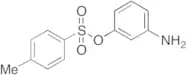

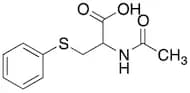
![N-[4-[(4-Methoxyphenyl)amino]phenyl]acetamide](/_next/image/?url=https%3A%2Fstatic.cymitquimica.com%2Fproducts%2FTR%2Fthumb-webp%2FM264965.webp&w=3840&q=75)
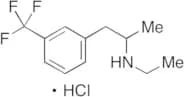

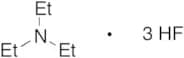
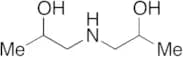
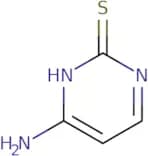


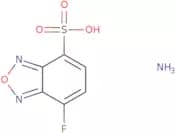
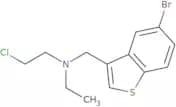
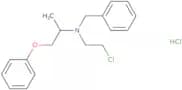
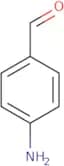
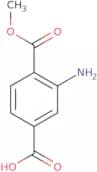
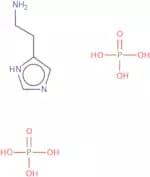

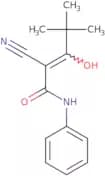

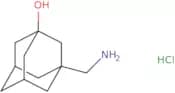
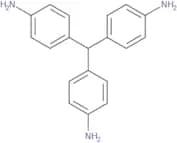


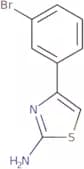
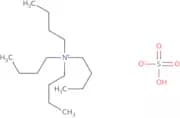
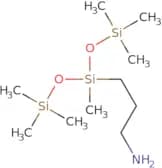
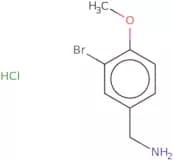
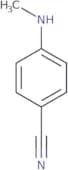
![6-Amino-3-methyl-4-(4-nitrophenyl)-4H-pyrano[3,2-d]pyrazole-5-carbonitrile](/_next/image/?url=https%3A%2Fstatic.cymitquimica.com%2Fproducts%2F3D%2Fthumb-webp%2FFA169805.webp&w=3840&q=75)
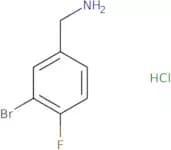
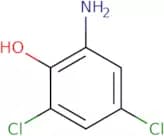
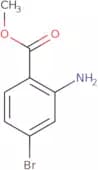
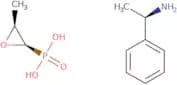
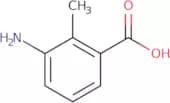

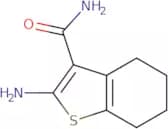
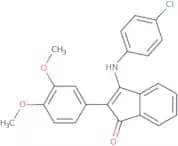
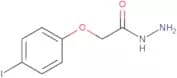
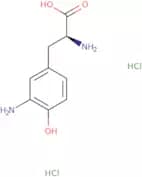
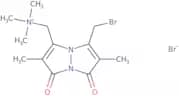
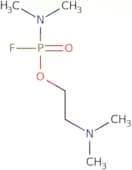
![Benzo[d]oxazol-7-amine](/_next/image/?url=https%3A%2Fstatic.cymitquimica.com%2Fproducts%2F3D%2Fthumb-webp%2FFB141114.webp&w=3840&q=75)
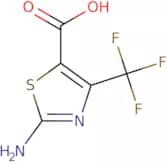
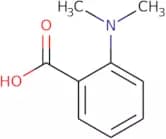
![2-Amino-5-[1-hydroxy-2-(isopropylamino)ethyl]benzonitrile](/_next/image/?url=https%3A%2Fstatic.cymitquimica.com%2Fproducts%2F3D%2Fthumb-webp%2FFC20437.webp&w=3840&q=75)
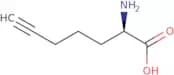
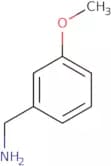
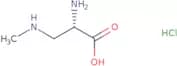
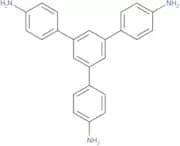

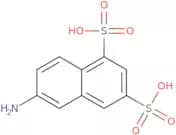
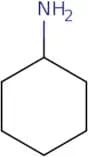
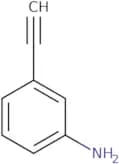
![N-(1R,8S,9s)-Bicyclo[6.1.0]non-4-yn-9-ylmethyloxycarbonyl-1,8-diamino-3,6-dioxaoctane](/_next/image/?url=https%3A%2Fstatic.cymitquimica.com%2Fproducts%2F3D%2Fthumb-webp%2FFB60339.webp&w=3840&q=75)
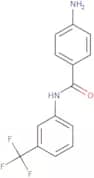
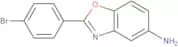
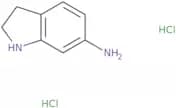

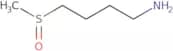
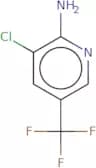
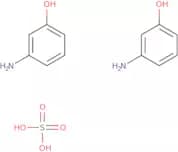
![6-Chloro-9-[[4-(diethylamino)-1-methylbutyl]amino]-2-methoxyacridine dihydrochloride](/_next/image/?url=https%3A%2Fstatic.cymitquimica.com%2Fproducts%2F3D%2Fthumb-webp%2FFC76313.webp&w=3840&q=75)
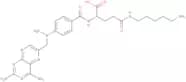
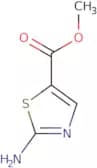
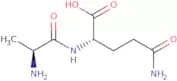
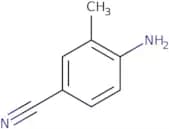
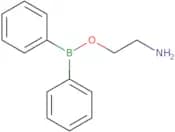
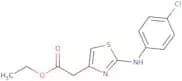

![[1-(Azepan-1-ylcarbonyl)propyl]amine hydrochloride](/_next/image/?url=https%3A%2Fstatic.cymitquimica.com%2Fproducts%2F3D%2Fthumb-webp%2FFA130671.webp&w=3840&q=75)
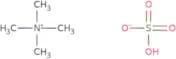
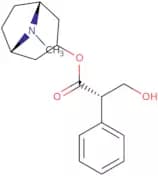
![4-[3-(Trifluoromethyl)-3H-diazirin-3-yl]benzenemethanamine hydrochloride](/_next/image/?url=https%3A%2Fstatic.cymitquimica.com%2Fproducts%2F3D%2Fthumb-webp%2FFT99415.webp&w=3840&q=75)
![N-Ethyl-N-nitroso-1-[3-(trifluoromethyl)phenyl]-2-propanamine](/_next/image/?url=https%3A%2Fstatic.cymitquimica.com%2Fproducts%2F3D%2Fthumb-webp%2FFE96581.webp&w=3840&q=75)
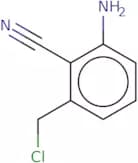

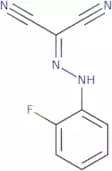

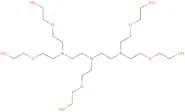
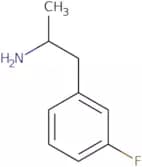

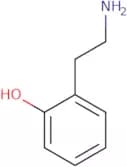

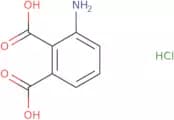
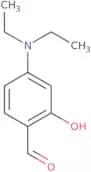
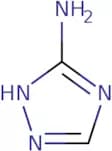
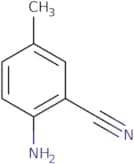
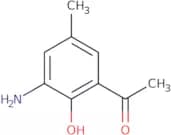
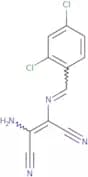
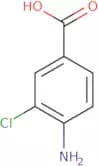
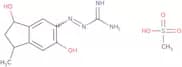
![4-[[4-(4-Chlorophenyl)-2-thiazolyl]amino]phenol](/_next/image/?url=https%3A%2Fstatic.cymitquimica.com%2Fproducts%2F3D%2Fthumb-webp%2FFC137468.webp&w=3840&q=75)
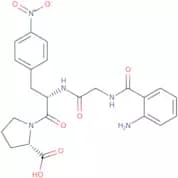
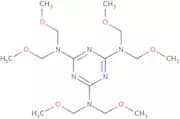
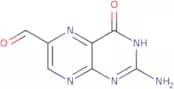
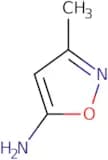

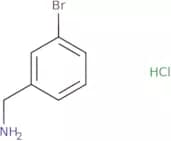

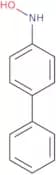
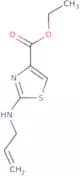
![6-amino-3-methyl-4-(3-nitrophenyl)-4H-pyrano[3,2-d]pyrazole-5-carbonitrile](/_next/image/?url=https%3A%2Fstatic.cymitquimica.com%2Fproducts%2F3D%2Fthumb-webp%2FFA169032.webp&w=3840&q=75)
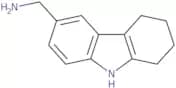
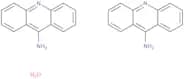
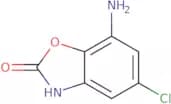
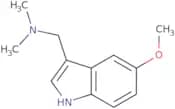
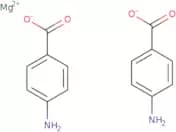
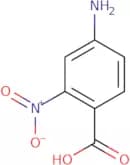
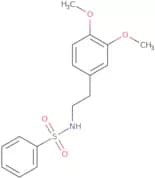

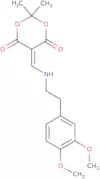
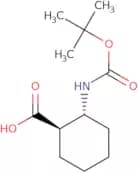
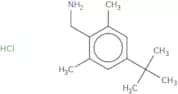
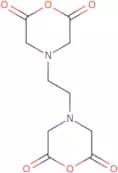
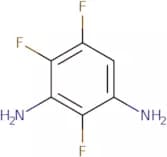
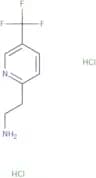
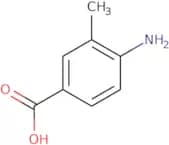

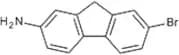
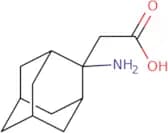
![[3-Chloro-4-(4-isobutyrylpiperazin-1-yl)phenyl]amine](/_next/image/?url=https%3A%2Fstatic.cymitquimica.com%2Fproducts%2F3D%2Fthumb-webp%2FFC134207.webp&w=3840&q=75)
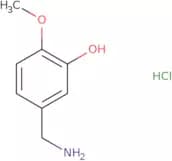
![2-[(4-Isopropylphenyl)amino]nicotinic acid](/_next/image/?url=https%3A%2Fstatic.cymitquimica.com%2Fproducts%2F3D%2Fthumb-webp%2FFI136104.webp&w=3840&q=75)
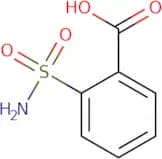
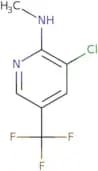

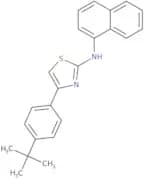
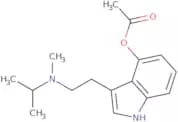

![2-[[1-Methyl-2-[3-(Trifluoromethyl)Phenyl]Ethyl]Amino]Ethyl](/_next/image/?url=https%3A%2Fstatic.cymitquimica.com%2Fproducts%2F3D%2Fthumb-webp%2FFM101485.webp&w=3840&q=75)
![4-[[(2-Amino-1,2-dicyanoethenyl)imino]methyl]benzoic acid](/_next/image/?url=https%3A%2Fstatic.cymitquimica.com%2Fproducts%2F3D%2Fthumb-webp%2FFA169005.webp&w=3840&q=75)
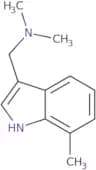
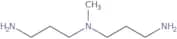
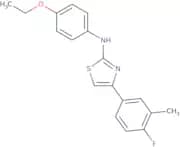

![N-Propyl-4,5,6,7-tetrahydrobenzo[D]thiazol-6-amine](/_next/image/?url=https%3A%2Fstatic.cymitquimica.com%2Fproducts%2F3D%2Fthumb-webp%2FFP65140.webp&w=3840&q=75)

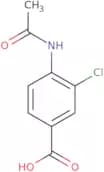
![[5-(4-Amino-2-bromophenyl)-2-furyl]methanol](/_next/image/?url=https%3A%2Fstatic.cymitquimica.com%2Fproducts%2F3D%2Fthumb-webp%2FFA134218.webp&w=3840&q=75)
![[(N-Acryloylamino)phenyl]mercuric chloride](/_next/image/?url=https%3A%2Fstatic.cymitquimica.com%2Fproducts%2F3D%2Fthumb-webp%2FFA17210.webp&w=3840&q=75)
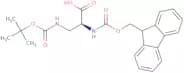

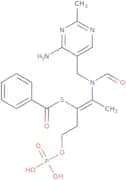
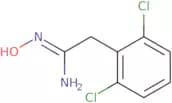
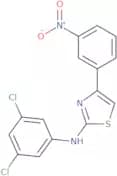
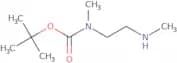

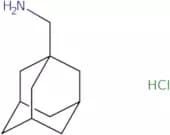
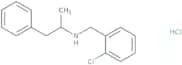
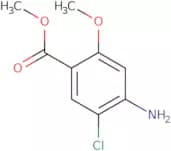
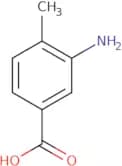
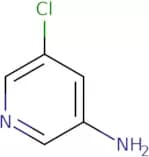
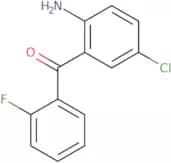
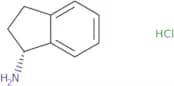
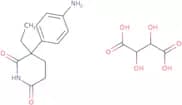
![3-{[(4-Methylphenyl)sulfonyl]amino}benzoic acid](/_next/image/?url=https%3A%2Fstatic.cymitquimica.com%2Fproducts%2F3D%2Fthumb-webp%2FFM136721.webp&w=3840&q=75)
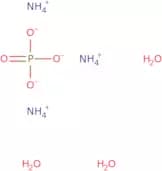
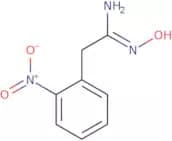
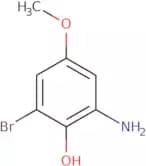


![2-[[(Heptadecafluorooctyl)sulphonyl]methylamino]ethyl acrylate](/_next/image/?url=https%3A%2Fstatic.cymitquimica.com%2Fproducts%2F3D%2Fthumb-webp%2FFH96868.webp&w=3840&q=75)
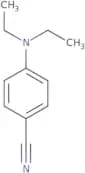
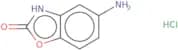
![[(2,5-Dichlorophenyl)sulphonyl]phenylamine](/_next/image/?url=https%3A%2Fstatic.cymitquimica.com%2Fproducts%2F3D%2Fthumb-webp%2FFD145674.webp&w=3840&q=75)
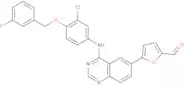
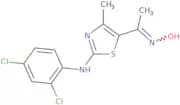
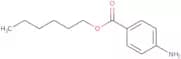
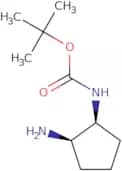
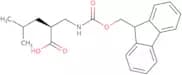
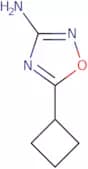
![[4-(2-Methyl-1,3-oxazol-5-yl)phenyl]amine](/_next/image/?url=https%3A%2Fstatic.cymitquimica.com%2Fproducts%2F3D%2Fthumb-webp%2FFM131648.webp&w=3840&q=75)