Aminas
As aminas são um conjunto de moléculas que contêm um grupo funcional amino (derivado da amônia). Esta categoria inclui aminas em qualquer nível de substituição: primárias, secundárias, terciárias e sais de amônio. As aminas são fundamentais na síntese orgânica e são amplamente utilizadas em produtos farmacêuticos, agroquímicos e ciência dos materiais. Na CymitQuimica, oferecemos uma seleção abrangente de aminas para atender às suas necessidades de pesquisa e industriais. Nossa gama garante acesso a várias aminas para diversos processos químicos e pesquisas inovadoras.
Subcategorias de "Aminas"
- Nitrosaminas(2.606 produtos)
- Aminas primárias(30.947 produtos)
- Catiões Quaternários de Amónio(1.099 produtos)
- Aminas secundárias(20.886 produtos)
- Aminas terciárias(17.193 produtos)
Foram encontrados 8780 produtos de "Aminas"
Ordenar por
Pureza (%)
0
100
|
0
|
50
|
90
|
95
|
100
6-Benzoylamino-9H-purine-9-acetic acid
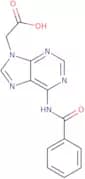
CAS:6-Benzoylamino-9H-purine-9-acetic acid (BAPAA) is a high quality reagent that is used in the synthesis of complex compounds. It is also a useful intermediate in the preparation of fine chemicals, speciality chemicals, and research chemicals. 6-Benzoylamino-9H-purine-9-acetic acid is a versatile building block for the synthesis of novel compounds with desired biological activity. This compound is an excellent reaction component because it can be used to synthesize various chemical structures.Fórmula:C14H11N5O3Pureza:Min. 95%Cor e Forma:PowderPeso molecular:297.27 g/molPiperacillin
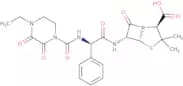
CAS:Piperacillin is a β-lactam antibiotic that inhibits the synthesis of bacterial cell walls by binding to penicillin-binding proteins. It is used for the treatment of serious infections caused by gram-negative organisms such as Aerogenes, Enterobacter, and Klebsiella. Piperacillin has a high MIC90 value against Staphylococcus and other gram-positive bacteria, but it is not active against β-lactamase producing strains of bacteria such as E. coli or Klebsiella pneumoniae. The MIC90 values are determined through an analytical method on different strains of bacteria and validated with a sample preparation before use in clinical trials.Fórmula:C23H27N5O7SPureza:Min. 95 Area-%Cor e Forma:White PowderPeso molecular:517.56 g/mol4-Aminoindole
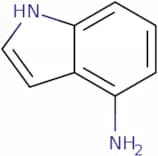
CAS:<p>4-Aminoindole is a heterocycle with a carboxy group and four nitrogen atoms. It can be synthesized by reacting hydrochloric acid with nitrobenzene. 4-Aminoindole has shown potential as a drug target, which may be due to its ability to inhibit the enzyme carboxamidase. The compound is also acidic in water, making it an ideal candidate for use as an acid catalyst. Electropolymerization of 4-aminoindole has been achieved using Pt electrodes in the presence of an acidic environment. This reaction results in the formation of functional groups on the metal surface that are not found in most other electropolymerization reactions.</p>Fórmula:C8H8N2Cor e Forma:PowderPeso molecular:132.16 g/mol5-Amino-2-bromobenzoic acid
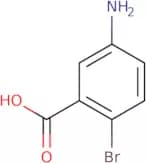
CAS:5-Amino-2-bromobenzoic acid is an organic compound that is used in the manufacture of other chemicals. It is a white crystalline solid with a melting point of 133°C, and it has a molecular weight of 222.27 g/mol. This chemical has been shown to be mutagenic, and it may also cause adverse effects on the liver, kidneys, stomach, and skin when taken orally or applied to the skin. 5-Amino-2-bromobenzoic acid is found in many products that are used for industrial purposes such as dyes, rubber chemicals, textile chemicals, pesticides, and herbicides. The chemical can be found in products that are sold in hardware stores and supermarkets.Fórmula:C7H6BrNO2Pureza:Min. 95%Cor e Forma:PowderPeso molecular:216.03 g/molPerfluorooctylsulfonylpropylaminoethyl acrylate
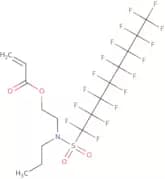
CAS:Produto Controlado<p>Perfluorooctylsulfonylpropylaminoethyl acrylate is a sulfonate, which is a chemical that can be found in mixtures. It is a chemical substance that has the ability to connect with other chemicals. This chemical has not been classified as hazardous by the National Institute for Occupational Safety and Health (NIOSH).</p>Fórmula:C16H14F17NO4SPureza:Min. 95%Peso molecular:639.33 g/mol1,3-Dipalmitoyl-glycero-2-phosphoethanolamine
CAS:<p>Please enquire for more information about 1,3-Dipalmitoyl-glycero-2-phosphoethanolamine including the price, delivery time and more detailed product information at the technical inquiry form on this page</p>Fórmula:C37H74NO8PPureza:ReportedCor e Forma:White/Off-White SolidPeso molecular:691.96 g/mola-[2-(Methylamino)ethyl]benzyl alcohol
CAS:<p>a-[2-(Methylamino)ethyl]benzyl alcohol is a zwitterion that forms an imine when reacted with piperazine. It has been shown to have antibacterial activity in subcritical water extraction and HPLC analysis. This compound also has a profile of impurities, including β-unsaturated aldehydes and pseudoephedrine.</p>Fórmula:C10H15NOPureza:Min. 95%Cor e Forma:PowderPeso molecular:165.23 g/mol2-Bromo-5-(trifluoromethyl)benzylamine hydrochloride
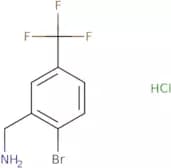
CAS:2-Bromo-5-(trifluoromethyl)benzylamine hydrochloride is a fine chemical with CAS No. 1214331-01-7 that has been used as a building block in the synthesis of various complex compounds, such as pharmaceuticals and agrochemicals. 2-Bromo-5-(trifluoromethyl)benzylamine hydrochloride is also a versatile building block for the preparation of useful intermediates and scaffolds.Fórmula:C8H7BrF3N•HClPureza:Min. 95%Peso molecular:290.51 g/molMethyl 3-chloro-2-aminobenzoate
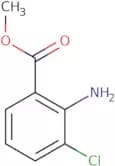
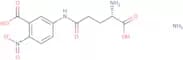
CAS:Methyl 3-chloro-2-aminobenzoate is an organic compound that is used as a pesticide. It can be synthesized by reacting phosphorus pentachloride with isopropyl chloride. The reaction occurs in the presence of a catalyst, such as sodium nitrate or citric acid, to produce methyl 3-chloro-2-aminobenzoate and 2-amino-3-chlorobenzoic acid. This organic compound has been modified by substituting silicon for hydrogen atoms and halide groups for chlorine. Methyl 3-chloro-2-aminobenzoate can be cross coupled with many other molecules to form new molecules. When it reacts with tetrahydrofuran, the residue left over from the reaction is a nature unknown substance.Fórmula:C8H8ClNO2Pureza:Min. 95%Cor e Forma:PowderPeso molecular:185.61 g/molL-Glutamic acid γ-(3-carboxy-4-nitroanilide) ammonium salt
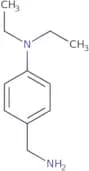
CAS:L-Glutamic acid gamma-(3-carboxy-4-nitroanilide) ammonium salt has been used as a synthetic substrate for gamma-glutamyltransferase (GGT) to determine GGT activity.Fórmula:C12H16N4O7Pureza:Min. 99 Area-%Cor e Forma:White PowderPeso molecular:328.28 g/mol4-Diethylaminobenzylamine
CAS:4-Diethylaminobenzylamine is a pharmacophore that binds to cannabinoid receptors. It has been shown to have anticancer activity in vitro and in vivo. 4-Diethylaminobenzylamine binds to the cannabinoid receptors, which are expressed in various tissues of the body, including the brain and nervous system. The affinity of this compound for these receptors has been shown by its ability to inhibit cancer cell growth in vitro and in vivo. 4-Diethylaminobenzylamine has also been shown to be a functional inhibitor of uptake of serotonin and dopamine into rat brain synaptosomes. This drug is being studied as a possible treatment for diseases such as sclerosis, because it may help regulate the production of cytokines that contribute to inflammation.Fórmula:C11H18N2Pureza:90%Cor e Forma:PowderPeso molecular:178.27 g/molDodecyltrimethylammonium chloride
CAS:Dodecyltrimethylammonium chloride is a surfactant that belongs to the group of cationic surfactants. It has been shown to be effective as an adsorbent for phosphate ions in micelles. Dodecyltrimethylammonium chloride has also been shown to act as a detergent in solutions, and can be used as a cleaning agent. It is commonly used as a surfactant in various industrial processes, such as the production of glycol ethers. The chemical structure of dodecyltrimethylammonium chloride consists of dodecanol and trimethylamine (CH3(CH2)12N(CH3)(OH)3).Fórmula:C15H34NClPureza:Min. 95%Cor e Forma:PowderPeso molecular:263.89 g/mol5-Amino-N,N'-bis(2,3-dihydroxypropyl)-2,4,6-triiodo-1,3-benzenedicarboxamide
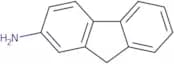
CAS:<p>5-Amino-N,N'-bis(2,3-dihydroxypropyl)-2,4,6-triiodo-1,3-benzenedicarboxamide is an experimental compound that is used in the industrial preparation of pharmaceuticals and agricultural chemicals. It has a molecular weight of 191.14 g/mol. The crystallization process involves the use of ethanol to create supersaturation and then cooling to induce crystallization. This compound can be synthesized by an iodination reaction with x-ray irradiation at low temperatures.</p>Fórmula:C14H18I3N3O6Pureza:Min. 95%Cor e Forma:White PowderPeso molecular:705.02 g/mol2-Aminofluorene
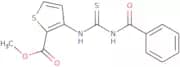
CAS:<p>2-Aminofluorene is a nucleoside phosphonate that is used in the study of DNA duplexes and as a possible anticancer drug. It has shown to be toxic to cells, such as HL-60 cells, by lysing them. This compound has also been shown to have an effect on polymerase chain reaction (PCR) by inhibiting the enzyme activity of DNA polymerase, which led to the cell lysis. 2-Aminofluorene binds to DNA at the minor groove of the double helix and prevents the formation of hydrogen bonds between complementary bases, causing steric hindrance that leads to cell death. 2-Aminofluorene shows conformational properties that are similar to acyclic nucleosides, such as cytidine and adenosine.</p>Fórmula:C13H11NCor e Forma:White PowderPeso molecular:181.23 g/molMethyl 3-(((phenylcarbonylamino)thioxomethyl)amino)thiophene-2-carboxylate
CAS:Please enquire for more information about Methyl 3-(((phenylcarbonylamino)thioxomethyl)amino)thiophene-2-carboxylate including the price, delivery time and more detailed product information at the technical inquiry form on this pageFórmula:C14H12N2O3S2Pureza:Min. 95%Cor e Forma:PowderPeso molecular:320.39 g/mol1-Aminophthalazine
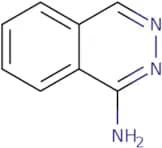
CAS:<p>1-Aminophthalazine is a drug that has been used to treat cancer and other diseases. It has the ability to react with nitrogen atoms in the body, which can cause adverse reactions such as psychosis and drug reactions. 1-Aminophthalazine also blocks tyrosine kinases, which are involved in cell growth and differentiation. 1-Aminophthalazine is a reactive compound that can form diazonium salts with an oxidizing agent such as hydrogen peroxide or peracetic acid. The diazonium salt is then able to react with DNA, and is selective for bacterial DNA when it lacks organic material for the diazonium salt to react with. This makes 1-aminophthalazine a specific treatment for bacterial infections.</p>Fórmula:C8H7N3Pureza:Min. 95%Cor e Forma:PowderPeso molecular:145.16 g/mol4-(N-Formylmethylamino)benzoic acid
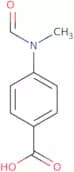
CAS:4-(N-Formylmethylamino)benzoic acid is a white crystalline solid that has been used as a reagent, complex compound, and useful intermediate. It is also an important building block for the synthesis of many other compounds. 4-(N-Formylmethylamino)benzoic acid is soluble in water, ethanol, ether, benzene, chloroform and acetone. The product can be used in the preparation of various drugs and pesticides.Fórmula:C9H9NO3Pureza:Min. 95%Cor e Forma:PowderPeso molecular:179.17 g/molCAPSO
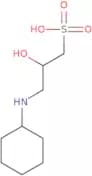
CAS:CAPSO, also known as 3-(Cyclohexylamino)-2-hydroxy-1-propanesulfonic acid, is a zwitterionic buffer chemical that has an optimal pH range of 8.9-10.3 and a pKa of 9.6. This buffering agent shows low metal ion binding and high solubility and is commonly used in protein transfer applications and during cell lysis for membrane protein extraction.Fórmula:C9H19NO4SPureza:Min. 95%Cor e Forma:White PowderPeso molecular:237.32 g/mol2-(Methylamino)ethanesulfonic acid
CAS:<p>2-(Methylamino)ethanesulfonic acid is a detergent composition that is a sodium salt of N-methyltaurine. It can be used as an ingredient in various detergent compositions to help remove grease and oil from surfaces. 2-(Methylamino)ethanesulfonic acid has been shown to have anti-inflammatory properties in primary sclerosing cholangitis, an autoimmune disease where bile ducts become inflamed and scarred. The chemical also has been shown to exhibit cationic surfactant properties, which may contribute to its ability to remove oils and dirt.</p>Fórmula:C3H9NO3SPureza:Min. 95%Cor e Forma:Clear LiquidPeso molecular:139.17 g/molPhenoprolamine hydrochloride
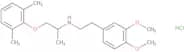
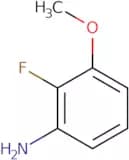
CAS:<p>Phenoprolamine hydrochloride is a synthetic polymerase chain reaction (PCR) enhancer that enhances the efficiency of DNA replication. It can be used as an alternative to dithiothreitol and is not subject to the same limitations, such as toxicity and interference with other enzymes. Phenoprolamine hydrochloride has been shown to increase cardiac contractility in rats, although it may cause a decrease in heart rate. This agent also has been shown to improve prognosis for colorectal adenocarcinoma patients, as well as inhibit the growth of several carcinoma cell lines. This drug binds to enzymes involved in the synthesis of ester linkages, which are necessary for nucleic acid synthesis.</p>Fórmula:C21H29NO3•HClPureza:Min. 95%Cor e Forma:White To Off-White SolidPeso molecular:379.92 g/mol2-Fluoro-3-methoxyaniline
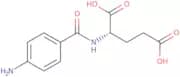
CAS:<p>2-Fluoro-3-methoxyaniline is a high quality chemical that can be used as an intermediate in the synthesis of complex compounds. It is a reagent and useful building block, with a CAS number of 801282-00-8. 2-Fluoro-3-methoxyaniline can be used to make speciality chemicals and research chemicals, as well as versatile building blocks for reactions. This compound is also a reaction component for the synthesis of other compounds.</p>Fórmula:C7H8FNOPureza:Min. 95%Cor e Forma:Clear LiquidPeso molecular:141.14 g/mol4-Aminobenzoyl-L-glutamic acid
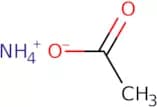
CAS:<p>4-Aminobenzoyl-L-glutamic acid (PABA) is a dinucleotide phosphate that can be found in human serum. It has been shown to have receptor activity for epithelial mesenchymal cells and is used as a model organism for folate, group p2 polymerase chain reactions (PCR). PABA is also involved in the reaction mechanism of linear calibration curves.</p>Fórmula:C12H14N2O5Pureza:Min. 95%Cor e Forma:PowderPeso molecular:266.25 g/molAmmonium acetate
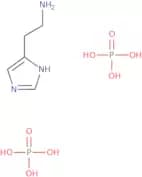
CAS:<p>Ammonium acetate is a salt that is used in the laboratory to synthesize ubiquitin ligases. It has been shown to have receptor activity and can be used to study the interaction between ammonium ions and sodium citrate. Ammonium acetate is a chemical reagent that is used to synthesize ubiquitin ligases, which are proteins that are involved in the degradation of other proteins. Ammonium acetate can also be used as an experimental model for myocardial infarct. The reaction between ammonium and water vapor yields ammonia gas, which can be analyzed with electrochemical impedance spectroscopy (EIS). A solution of ammonium acetate and palladium on zirconium oxide is suitable for coupling reactions, such as amination reactions. This compound has been used as an analytical method for the structural analysis of organic compounds.</p>Fórmula:C2H7NO2Cor e Forma:White Clear LiquidPeso molecular:77.08 g/molHistamine diphosphate monohydrate
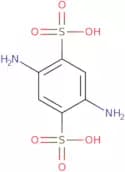
CAS:Produto ControladoEndogenous ligand for histamine receptors; neurotransmitterFórmula:C5H9N3·2H3PO4·H2OPureza:Min. 95%Cor e Forma:White/Off-White SolidPeso molecular:325.15 g/molp-Phenylenediamine-2,5-disulphonic acid
CAS:P-Phenylenediamine-2,5-disulphonic acid is a diazonium salt that is used as a chemical in the textile industry. It can be activated with chlorine and hydrolyzed to form 2,5-dichloro-p-phenylenediamine (DCPD). DCPD is a viscose activator, which increases the viscosity of the viscose solution. The activation of p-Phenylenediamine-2,5-disulphonic acid with chlorine produces cyanuric chloride as an intermediate product. Cyanuric chloride has been shown to have a yellow colour when dissolved in water.Fórmula:C6H8N2O6S2Pureza:Min. 95%Cor e Forma:PowderPeso molecular:268.27 g/mol2-Amino-4'-fluoroacetophenone hydrochloride
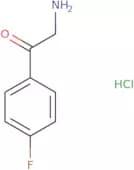
CAS:Produto Controlado2-Amino-4'-fluoroacetophenone hydrochloride is a fine chemical with a versatile building block. It is an intermediate used in research and a reaction component for the synthesis of complex compounds. 2-Amino-4'-fluoroacetophenone hydrochloride can be used as a reagent in the synthesis of pharmaceuticals or other useful chemicals. Its CAS number is 456-00-8.Fórmula:C8H9ClFNOPureza:Min. 95%Peso molecular:189.61 g/mol2-Amino-5-methylbenzamide
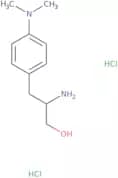
CAS:<p>2-Amino-5-methylbenzamide (2AMB) is a potent inhibitor of the enzyme dihydropyrimidine dehydrogenase and is used in cancer research for its ability to inhibit tumor cell line growth. 2AMB has been shown to inhibit the synthesis of DNA, RNA, and protein in various human cell lines. The mechanism of this inhibition is not well understood, but it may be due to its ability to inhibit the activity of synthetases involved in nucleotide biosynthesis or by inhibiting the reaction system that converts hydration into ATP.</p>Fórmula:C8H10N2OPureza:Min. 95%Cor e Forma:PowderPeso molecular:150.18 g/mol2-Amino-3-(4-dimethylaminophenyl)propanol dihydrochloride
CAS:2-Amino-3-(4-dimethylaminophenyl)propanol dihydrochloride is a perovskite with the chemical formula CHN. It is a crystalline solid that has been found in the nasal cavity of Typhlopidae and Rostral rostral, dorsum, dorsal profile advances. 2-Amino-3-(4-dimethylaminophenyl)propanol dihydrochloride has not been determined to be either an organic or inorganic compound. The nature of this material is unclear, but it has been shown to have crystallization properties.Fórmula:C11H18N2O•2HClPureza:Min. 95%Peso molecular:267.19 g/molBis-Boc-amino-oxyacetic acid
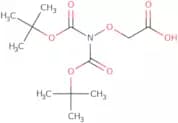
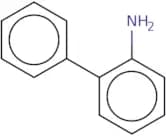
CAS:<p>Bis-Boc-amino-oxyacetic acid is an analog of goserelin acetate. It binds to the androgen receptor in prostate cancer cells, which leads to cytostatic effects. This drug has shown a low potency in human serum and does not bind to human serum proteins.<br>The uptake of Bis-Boc-amino-oxyacetic acid by prostate cancer cells was found to be significantly greater than that of goserelin acetate. The binding affinity of this drug for the androgen receptor is also lower than that of goserelin acetate, making it more selective for prostate cancer cells over other tissues.</p>Fórmula:C12H21NO7Pureza:Min. 95%Cor e Forma:White PowderPeso molecular:291.3 g/mol2-Aminobiphenyl
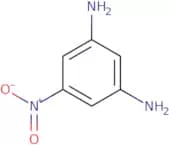
CAS:<p>2-Aminobiphenyl is a chemical compound with the molecular formula C6H5CH2NH. It has been found to be carcinogenic in animals. 2-Aminobiphenyl is metabolized by the liver and excreted in urine, and is also excreted into breast milk. 2-Aminobiphenyl binds to epidermal growth factor receptors (EGFR) and triggers the activation of cell proliferation. The tissue culture studies show that it induces tumor formation at higher doses, but not at lower doses. 2-Aminobiphenyl has been shown to bind to DNA through intramolecular hydrogen bonds and form adducts with guanine bases. This binding leads to an increase in DNA strand breaks and inhibition of DNA synthesis, which may lead to cancer or other diseases affecting cells that divide rapidly such as bladder cancer or cancer of the skin.</p>Fórmula:C12H11NPureza:Min. 95%Cor e Forma:White PowderPeso molecular:169.22 g/mol5-Nitro-m-phenylenediamine
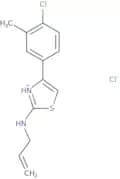
CAS:5-Nitro-m-phenylenediamine is an organic compound that has the chemical formula CHNO. It is a white crystalline solid with a melting point of 158 °C. The compound is soluble in water and other polar solvents but insoluble in nonpolar solvents such as hexane. 5-Nitro-m-phenylenediamine can be prepared by nitration of m-phenylenediamine, which produces the desired product in about 30% yield and with impurities that must be removed by fractional crystallization. The compound is used as an intermediate for making dyes and pharmaceuticals.Fórmula:C6H7N3O2Pureza:Min. 95%Cor e Forma:PowderPeso molecular:153.14 g/mol(4-(4-chloro-3-methylphenyl)(2,5-thiazolyl))prop-2-enylamine, hydrochloride
CAS:Please enquire for more information about (4-(4-chloro-3-methylphenyl)(2,5-thiazolyl))prop-2-enylamine, hydrochloride including the price, delivery time and more detailed product information at the technical inquiry form on this pagePureza:Min. 95%N-[S-(2-Pyridylthio)cysteaminyl]ethylenediamine-N,N,N',N'-tetraacetic acid, monoamide - Technical grade 90%
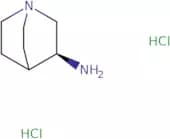
CAS:<p>Furiosus is a monomeric and homodimeric protein that belongs to the group of S-adenosylmethionine synthetases. Furiosus is an enzyme that catalyzes the formation of S-adenosylmethionine from methylamine and ATP. Furiosus interacts with polymerase, subtilis, and catalysis to form a holoenzyme complex. Furiosus has been shown to have cleavage activity against peroxide and hydrogen peroxide, which is due to its ability to generate reactive oxygen species. Furiosus has also been shown to be a molecular modeling target for the development of new antibiotics.</p>Fórmula:C17H24N4O7S2Pureza:Min. 95%Cor e Forma:Pale yellow solid.Peso molecular:460.53 g/mol(S)-(-)-3-Aminoquinuclidine 2HCl
CAS:<p>(S)-(-)-3-Aminoquinuclidine 2HCl is a cholinergic agonist that has been shown to be effective in inducing the release of acetylcholine from brain synaptosomes. This drug binds to the nicotinic acetylcholine receptor (nAChR) and inhibits the action of the enzyme acetylcholinesterase, thereby increasing the concentration of acetylcholine in the synaptic cleft. The drug is also able to cross the blood-brain barrier and bind to receptors on neurons. It has been shown that this drug can be used as an imaging agent for molecular magnetic resonance tomography (MRT), with high sensitivity and specificity.</p>Fórmula:C7H16Cl2N2Pureza:Min. 95%Cor e Forma:White PowderPeso molecular:199.12 g/mol6-amino-4-(2-methoxyphenyl)-3-methyl-4H-pyrano[3,2-d]pyrazole-5-carbonitrile
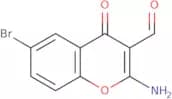
CAS:Please enquire for more information about 6-amino-4-(2-methoxyphenyl)-3-methyl-4H-pyrano[3,2-d]pyrazole-5-carbonitrile including the price, delivery time and more detailed product information at the technical inquiry form on this pageFórmula:C15H14N4O2Pureza:Min. 95%Cor e Forma:PowderPeso molecular:282.30 g/mol2-Amino-6-bromo-3-formylchromone
CAS:<p>2-Amino-6-bromo-3-formylchromone is a chemical compound with the molecular formula CHNO. It has a vibrational frequency of 1426.81 cm−1 and a potential energy of −29.35 kcal/mol. The molecule can be classified as an aromatic compound, due to the presence of one or more benzene rings in its structure, and is colored red or orange in solution. 2-Amino-6-bromo-3-formylchromone can be used to produce other compounds that have different spectral properties than it does, such as 2-(2-(2-(2-(2-(2-(benzoyloxy)ethoxy)ethoxy)ethoxy)ethoxy)ethoxy)-4'-nitroacetophenone.</p>Fórmula:C10H6BrNO3Pureza:Min. 95%Cor e Forma:PowderPeso molecular:268.06 g/mol3-Amino-2-piperidinone
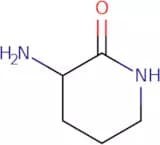
CAS:<p>3-Amino-2-piperidinone is a metabolite of ornithine, which is a nonessential amino acid. It is produced by the metabolism of arginine and lysine, both of which are essential amino acids. 3-Amino-2-piperidinone has been found in urine samples from patients with bladder cancer and hyperornithinemia. It has also been detected in saccharomyces cerevisiae strain during energy metabolism experiments. This metabolite can be identified using chromatographic techniques such as gas chromatography and mass spectrometry.<br>3-Amino-2-piperidinone can be used to identify the presence of cancer or metabolic disorders such as hyperornithinemia by measuring its concentration in urine samples or reaction solutions.</p>Fórmula:C5H10N2OPureza:Min. 95%Cor e Forma:PowderPeso molecular:114.15 g/molEthyl 3,5-diaminobenzoate
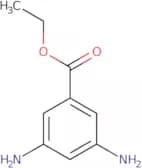
CAS:Ethyl 3,5-diaminobenzoate is a monoacid with a reactive functional group. It is soluble in organic solvents and forms stable linkages with other molecules. Ethyl 3,5-diaminobenzoate has been used as a diagnostic tool for the identification of rhesus monkeys. The residue of this compound is degradable and can be degraded by conjugates or cavitation.Fórmula:C9H12N2O2Pureza:Min. 95%Cor e Forma:PowderPeso molecular:180.2 g/mol2-Aminobenzanilide
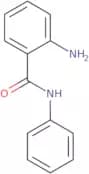
CAS:2-Aminobenzanilide is a chemical compound that has been found to have antimycobacterial activity. It is an allosteric inhibitor of the ribosome-inactivating protein (RIP) which inhibits the production of tnf-α, a proinflammatory cytokine. 2-Aminobenzanilide has also been shown to inhibit the growth of cancer cells in various in vitro assays and inhibits tumor growth in vivo. It binds to sulfonic acid groups on the surface of bacterial cell walls and alters their permeability, thus inhibiting the synthesis of proteins vital for cell division. 2-Aminobenzanilide has also been shown to react with acetylated salicylic acid ligands.Fórmula:C13H12N2OPureza:Min. 98 Area-%Cor e Forma:PowderPeso molecular:212.25 g/molBoc-1-amino-4,7,10-trioxa-13-tridecanamine
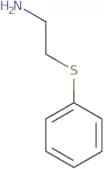
CAS:<p>Boc-1-amino-4,7,10-trioxa-13-tridecanamine (BocAT) is a triazine compound that has been used to synthesize azides as well as to inhibit the growth of cancer cells. The inhibition of tumor cells is achieved through the covalent attachment of BocAT to lysine residues on the cell surface. This process leads to cell death by preventing the synthesis of proteins necessary for cell division and metabolism. BocAT has also been shown to bind gadolinium and other metal ions with high specificity. It can be used in vivo for tumor tissue localization and imaging with magnetic resonance imaging (MRI).</p>Fórmula:C15H32N2O5Pureza:Min. 95%Cor e Forma:Yellow LiquidPeso molecular:320.43 g/mol2-(Phenylthio)ethanamine hydrochloride
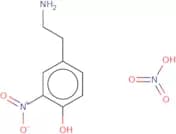
CAS:<p>2-Phenylthioethanamine hydrochloride is a synthetic, water soluble and lipophilic compound with a molecular weight of 171.2 g/mol. It is an antagonist of the -receptor and binds to the transporter protein. This drug is used for diagnostic purposes in angiography, phthalate determination, stable complexes for diagnosis and polymerase chain reaction (PCR) enzyme activities. 2-Phenylthioethanamine hydrochloride has been found to inhibit tumor growth in mice treated with radiation or chemotherapy. It has also been shown to be effective in the treatment of popliteal tumors in rats. The drug has been shown to be effective against bacteria that are resistant to antibiotics such as methicillin and amoxicillin. This drug also has effects on clinical relevance by inhibiting enzymes involved in clinical relevance such as acetylcholinesterase, phosphodiesterase and lipases.</p>Fórmula:C8H11NSPureza:Min. 95%Cor e Forma:PowderPeso molecular:153.25 g/mol4-Hydroxy-3-nitrophenylethylamine nitrate
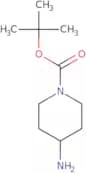
CAS:Produto Controlado4-Hydroxy-3-nitrophenylethylamine nitrate is a chemical that has been used as a reagent and reaction component. It can be used in the synthesis of complex compounds such as pharmaceuticals, agrochemicals, and high quality specialty chemicals. 4-Hydroxy-3-nitrophenylethylamine nitrate is an intermediate or building block for many organic syntheses due to its versatility. This compound has been shown to have a variety of useful applications including the production of antihistamines, anticonvulsants, antidepressants, antipsychotics, appetite suppressants, and decongestants.Fórmula:C8H10N2O3•HNO3Pureza:Min. 95%Cor e Forma:PowderPeso molecular:245.19 g/mol4-Amino-1-Boc-piperidine
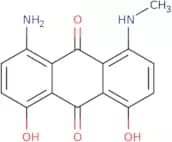
CAS:<p>4-Amino-1-Boc-piperidine is a potent inhibitor of the CCR5 receptor. It is an x-ray crystal structure with a hydroxide solution that inhibits the growth of cancer cells. The inhibitor binding site for 4-Amino-1-Boc-piperidine was determined to be the CCR5 receptor, which is located on the surface of hematopoietic cells. The compound has been shown to inhibit human T lymphocyte proliferation in vitro and inhibit HIV replication in infected patients. 4-Amino-1-Boc-piperidine is able to inhibit the growth of cancer cells by blocking the production of cytokines, such as interleukin 2, that are needed for cell division and growth.</p>Fórmula:C10H20N2O2Pureza:Min. 95%Cor e Forma:PowderPeso molecular:200.28 g/mol1-Amino-4,5-dihydroxy-8-(methylamino)anthraquinone
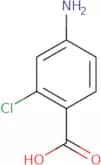
CAS:<p>Please enquire for more information about 1-Amino-4,5-dihydroxy-8-(methylamino)anthraquinone including the price, delivery time and more detailed product information at the technical inquiry form on this page</p>Fórmula:C15H12N2O4Pureza:Technical Grade ReportedPeso molecular:284.27 g/mol4-Amino-2-chlorobenzoic acid
CAS:<p>4-Amino-2-chlorobenzoic acid (4ACB) is a drug that inhibits the absorption of other drugs by binding to their active sites. It is used as an analytical reagent in chromatographic methods for determining protein concentration, and has been shown to be effective in reducing pain in animal models. 4ACB has also been shown to have ochronotic properties, which may be due to its ability to inhibit the formation of reactive oxygen species. 4ACB binds with high affinity to the plasma proteins albumin and alpha1-acid glycoprotein, with a binding constant of 10-8 M. The elimination half-life of 4ACB is approximately 27 hours, and it is excreted primarily through the kidneys.</p>Fórmula:C7H6ClNO2Pureza:Min. 95%Cor e Forma:PowderPeso molecular:171.58 g/mol5-Acetylamino-6-formylamino-3-methyluracil
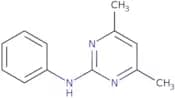
CAS:5-Acetylamino-6-formylamino-3-methyluracil is an analysis method that can be used to determine the effectiveness of certain contraceptives. This drug has shown a potential to interact with other drugs, such as caffeine and amphetamines. It is also used to measure the enzyme activities of polymorphic human erythrocytes. 5-Acetylamino-6-formylamino-3-methyluracil is used in the preparation of blood samples for DNA sequencing and polymerase chain reaction (PCR) amplification. The concentration of intracellular calcium ions in humans has been shown to increase when this drug is administered, which leads to hyperproliferative diseases like cancer or HIV infection.Fórmula:C8H10N4O4Pureza:(%) Min. 95%Cor e Forma:Slightly Yellow PowderPeso molecular:226.19 g/mol4,6-Dimethyl-N-phenylpyrimidin-2-amine
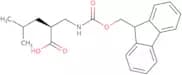
CAS:4,6-Dimethyl-N-phenylpyrimidin-2-amine is a fungicide that is effective against the production of nitrite ion in the liver. It has been shown to be a potent inhibitor of hepatic steatosis. 4,6-Dimethyl-N-phenylpyrimidin-2-amine was also shown to have an inhibitory effect on the growth of fungal strains in vitro. This compound has been demonstrated to be active against a number of plant pathogens and may be useful in postharvest applications. 4,6-Dimethyl-N-phenylpyrimidin-2-amine interacts with the hippocampus formation and may play a role in preventing neurodegenerative diseases such as Alzheimer's disease or Parkinson's disease.Fórmula:C12H13N3Pureza:Min. 95%Cor e Forma:PowderPeso molecular:199.25 g/molFmoc-(S)-2-(aminomethyl)-4-methylpentanoic acid
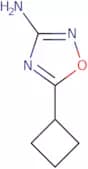
CAS:<p>Fmoc-(S)-2-(aminomethyl)-4-methylpentanoic acid is a proteinogenic amino acid that is used in the production of casein and other dairy products. It is also found in wheat, where it can be converted to the essential amino acid methionine. Fmoc-(S)-2-(aminomethyl)-4-methylpentanoic acid is classified as a high-quality protein because it contains all eight essential amino acids (EAAs). It has been shown that when dietary intakes are low, malnourished children may benefit from increased intake of this amino acid.</p>Fórmula:C22H25NO4Pureza:Area-% Min. 95 Area-%Cor e Forma:PowderPeso molecular:367.44 g/mol5-Cyclobutyl-1,2,4-oxadiazol-3-amine
CAS:<p>5-Cyclobutyl-1,2,4-oxadiazol-3-amine is a fine chemical that is a useful scaffold and versatile building block. It has been used as an intermediate in the synthesis of other compounds with potential uses in research chemicals and as a reaction component in the synthesis of complex compounds. The compound is also useful as a building block for the production of high quality reagents.</p>Fórmula:C6H9N3OPureza:Min. 95%Cor e Forma:PowderPeso molecular:139.16 g/mol6-Chlorogramine
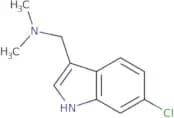
CAS:6-Chlorogramine is a chemical compound with the molecular formula CHN. It is a colorless liquid that is soluble in organic solvents, such as dimethylformamide and chloroform. 6-Chlorogramine can be used as a source of dimethylamine, which is used for the production of various amines. This compound also reacts with formaldehyde to produce cyanide.Fórmula:C11H13ClN2Pureza:Min. 95%Peso molecular:208.69 g/mol


![a-[2-(Methylamino)ethyl]benzyl alcohol](/_next/image/?url=https%3A%2Fstatic.cymitquimica.com%2Fproducts%2F3D%2Fthumb-webp%2FFM02610.webp&w=3840&q=75)




![N-[S-(2-Pyridylthio)cysteaminyl]ethylenediamine-N,N,N',N'-tetraacetic acid, monoamide - Technical …](/_next/image/?url=https%3A%2Fstatic.cymitquimica.com%2Fproducts%2F3D%2Fthumb-webp%2FFP27342.webp&w=3840&q=75)
![6-amino-4-(2-methoxyphenyl)-3-methyl-4H-pyrano[3,2-d]pyrazole-5-carbonitrile](/_next/image/?url=https%3A%2Fstatic.cymitquimica.com%2Fproducts%2F3D%2Fthumb-webp%2FFA169804.webp&w=3840&q=75)