Aminas
As aminas são um conjunto de moléculas que contêm um grupo funcional amino (derivado da amônia). Esta categoria inclui aminas em qualquer nível de substituição: primárias, secundárias, terciárias e sais de amônio. As aminas são fundamentais na síntese orgânica e são amplamente utilizadas em produtos farmacêuticos, agroquímicos e ciência dos materiais. Na CymitQuimica, oferecemos uma seleção abrangente de aminas para atender às suas necessidades de pesquisa e industriais. Nossa gama garante acesso a várias aminas para diversos processos químicos e pesquisas inovadoras.
Subcategorias de "Aminas"
- Nitrosaminas(2.606 produtos)
- Aminas primárias(30.947 produtos)
- Catiões Quaternários de Amónio(1.100 produtos)
- Aminas secundárias(20.886 produtos)
- Aminas terciárias(17.193 produtos)
Foram encontrados 8780 produtos de "Aminas"
Ordenar por
Pureza (%)
0
100
|
0
|
50
|
90
|
95
|
100
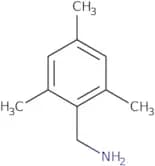
2,4,6-Trimethylbenzylamine
CAS:2,4,6-Trimethylbenzylamine is a benzyl amine that has been shown to increase bone mass and reduce insulin resistance. It is also used as a specific treatment for cardiovascular disorders, cardiovascular diseases, and cancer. Benzyl amines are ligands that activate the enzyme hydroxylase by binding to it and increasing the activity of this enzyme. This leads to an increase in the production of diacylglycerol (DAG) and monoacylglycerol (MAG), which are important signaling molecules involved in cellular growth. 2,4,6-Trimethylbenzylamine has been shown to have anti-inflammatory properties by inhibiting serotonin release from platelets.br> br> 2,4,6-Trimethylbenzylamine is metabolized by cytochrome p450 enzymes such as CYP1A2 into 2-methyltetrahydrofuran-3(2Fórmula:C10H15NCor e Forma:Clear LiquidPeso molecular:149.23 g/mol3-Amino-2-oxazolidinone
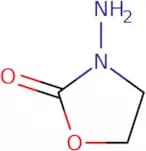
CAS:3-Amino-2-oxazolidinone is a metabolite of furazolidone. Furazolidone is a competitive inhibitor of the enzyme dihydropteroate synthase, which is involved in folate synthesis. 3-Amino-2-oxazolidinone has been shown to have an inhibitory effect on the growth of bacteria and fungi, as well as on the production of uric acid by rat liver cells. It also has genotoxic effects and can cause oxidative stress in cells. This compound is measured by an electrochemical impedance spectroscopy method that uses water vapor as the solvent.Fórmula:C3H6N2O2Pureza:Min. 95%Cor e Forma:White PowderPeso molecular:102.09 g/mol3-(Aminomethyl)adamantan-1-ol HCl
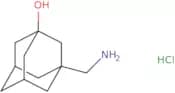
CAS:3-(Aminomethyl)adamantan-1-ol HCl is a chemical substance that can be used as a reaction component, reagent, and useful scaffold in the synthesis of pharmaceuticals. It is also a speciality chemical with versatile building block and useful intermediate properties. 3-(Aminomethyl)adamantan-1-ol HCl has been shown to be an effective building block for complex compounds, such as those used in the synthesis of anti-inflammatory drugs.Fórmula:C11H19NO·HClPureza:Min. 95%Cor e Forma:PowderPeso molecular:217.74 g/mol(aza((2-fluorophenyl)amino)methylene)methane-1,1-dicarbonitrile
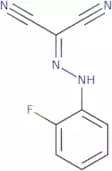
CAS:<p>Please enquire for more information about (aza((2-fluorophenyl)amino)methylene)methane-1,1-dicarbonitrile including the price, delivery time and more detailed product information at the technical inquiry form on this page</p>Fórmula:C9H5FN4Pureza:Min. 95%Cor e Forma:PowderPeso molecular:188.16 g/mol2-Chloro-4-methylbenzylamine hydrochloride
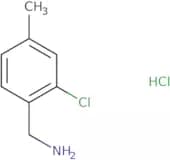
CAS:2-Chloro-4-methylbenzylamine hydrochloride is a fine chemical that is used in the research, development and manufacturing of pharmaceuticals, agrochemicals, polymers and other organic compounds. 2-Chloro-4-methylbenzylamine hydrochloride can be used as an intermediate for the synthesis of a variety of drugs with different structures. It is also useful as a reagent in organic synthesis. The product has been classified by the EU as an SDS (Substances of Very High Concern) due to its potential for use in the production of nerve agents like sarin gas.Fórmula:C8H10ClN•HClPureza:Min. 95%Peso molecular:192.09 g/mol2-Dimethylaminobenzoic acid
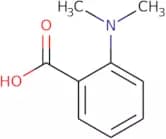
CAS:<p>2-Dimethylaminobenzoic acid (2DMB) is a chemical compound that is used as an amide. It has optical properties and can be used to study the hydrogen bond. 2DMB is also used in ultrasonic imaging and can be found in hydatid cysts, procumbens, anthranilic, proton and specific antibody. 2DMB is also used as a homogeneous catalyst for the synthesis of various chemical compounds including cancer drugs.</p>Fórmula:C9H11NO2Pureza:Min. 95%Cor e Forma:PowderPeso molecular:165.19 g/molPoly(allylamine) solution - Average MW 15000 15 % aqueous solution
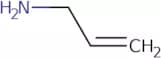
CAS:<p>Poly(allylamine) is a polymer that has antimicrobial properties and can be used to treat wastewater. It is synthesized from allyl bromide, sodium hydroxide, and water. Poly(allylamine) can also inhibit the activity of enzymes such as ATPase and lipase. The polymerization process leads to an increase in the number of hydroxyl groups, which are responsible for the antimicrobial properties. Poly(allylamine) solution has been shown to inhibit cell lysis and tumor growth in animal models.</p>Fórmula:(C3H7N)nPureza:Min. 95%Cor e Forma:Clear LiquidTris(dodecyl)amine
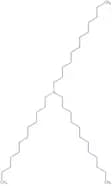
CAS:Tris(dodecyl)amine is a high-resistance organic amine. It is used as a corrosion inhibitor in citric and sodium citrate solutions that are used for nutrient solutions. Tris(dodecyl)amine also has the ability to inhibit the growth of microorganisms and prevent the formation of clumps in the solution. This compound is resistant to nitrogen atoms, has a constant pressure at low concentrations, and has an optimum concentration of picolinic acid.Fórmula:C36H75NPureza:Min. 95%Cor e Forma:PowderPeso molecular:521.99 g/mol(1R,2S)-1-Amino-2-indanol
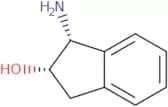
CAS:<p>(1R,2S)-1-Amino-2-indanol is a potential drug candidate that can be used in asymmetric synthesis. It has been shown to inhibit the flow of hydrogen bond and to form an enantiomer. The enantiomer is more active than the racemic mixture, which may be due to the higher binding affinity for the enzyme. This compound has also been shown to inhibit herpes simplex virus and HIV in vitro with a high potency. (1R,2S)-1-Amino-2-indanol is modeled using molecular dynamics simulations and quantum mechanical calculations.</p>Pureza:Min. 95%Cor e Forma:PowderPeso molecular:149.19 g/mol6-Amino-3-methyl-4-(4-nitrophenyl)-4H-pyrano[3,2-d]pyrazole-5-carbonitrile
CAS:<p>6-amino-3-methyl-4-(4-nitrophenyl)-4H-pyrano[3,2-d]pyrazole-5-carbonitrile is a compound that has been shown to have correlations with energies and regression. It also has a linear regression, polarities, photophysical properties, and dipole. The fluorescence and excited state of this compound are singlet and hydrogen bonding interactions with solvents.</p>Fórmula:C14H11N5O3Pureza:Min. 95%Cor e Forma:PowderPeso molecular:297.27 g/mol3-Amino-2-methylbenzoic acid
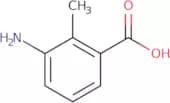
CAS:3-Amino-2-methylbenzoic acid is an organic compound that belongs to the group of heterocyclic compounds. 3-Amino-2-methylbenzoic acid has been shown to inhibit the transport properties of nanotubes and may be used in the development of new materials for drug delivery. It also has potential as a therapeutic agent for the treatment of cancer, diabetes, and bacterial infections. This molecule is unsymmetrical with six hydrogen bonding interactions and three functional groups. The 3-amino group can form an intermolecular hydrogen bond with a proton donor and the two methyl groups can form intramolecular hydrogen bonds with each other.Fórmula:C8H9NO2Pureza:Min. 95%Cor e Forma:PowderPeso molecular:151.16 g/molAmmonium heptamolybdate tetrahydrate
CAS:<p>Ammonium heptamolybdate tetrahydrate (AHMT) is a lamellar crystal that has been found to have a low-energy structure. AHMT is formed by the reaction of ammonium nitrate with molybdenum trioxide, and can be prepared from a solution of ammonium sulfamate and molybdic acid. AHMT has been shown to have catalytic effect in the conversion of n-hexane to cyclohexane, as well as optical properties that are similar to those observed for other lamellar materials. AHMT has also been used clinically for the treatment of disulfides.</p>Fórmula:(NH4)6Mo7O24•(H2O)4Pureza:Min. 95%Cor e Forma:White PowderPeso molecular:1,236 g/mol2-Amino-6-chlorobenzonitrile
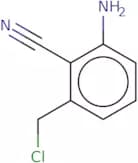
CAS:2-Amino-6-chlorobenzonitrile is an inhibitor of butyrylcholinesterase. It inhibits the enzyme by binding to the active site and preventing the hydrolysis of acetylcholine. It also inhibits other enzymes that have a similar structure, such as acetylcholinesterase and benzodiazepine receptors. 2-Amino-6-chlorobenzonitrile can be synthesized from chloride and ammonia in two steps with high enantioselectivity. The first step is the addition of benzaldehyde to 2-aminobenzoic acid with sodium hydroxide, followed by treatment with phosphoryl chloride. The second step involves treatment with potassium cyanide to form cyanohydrin, which is then treated with hydrogen chloride gas to produce 2-amino-6-chlorobenzonitrile. This compound has been shown to inhibit acetylcholinesterase and butyryFórmula:C7H5ClN2Pureza:Min. 95%Cor e Forma:PowderPeso molecular:152.58 g/mol6-amino-3-methyl-4-(3-nitrophenyl)-4H-pyrano[3,2-d]pyrazole-5-carbonitrile
CAS:<p>Please enquire for more information about 6-amino-3-methyl-4-(3-nitrophenyl)-4H-pyrano[3,2-d]pyrazole-5-carbonitrile including the price, delivery time and more detailed product information at the technical inquiry form on this page</p>Fórmula:C14H11N5O3Pureza:Min. 95%Cor e Forma:PowderPeso molecular:297.27 g/molN-[(1-Methyl-1H-indol-3-yl)methyl]cyclohexanamine
CAS:Produto ControladoPlease enquire for more information about N-[(1-Methyl-1H-indol-3-yl)methyl]cyclohexanamine including the price, delivery time and more detailed product information at the technical inquiry form on this pageFórmula:C16H22N2Pureza:Min. 95%Peso molecular:242.36 g/molN-tert-Butyl-N-(2-methyl-1-phenylpropyl)-O-(1-phenylethyl)hydroxylamine
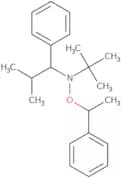
CAS:N-tert-Butyl-N-(2-methyl-1-phenylpropyl)-O-(1-phenylethyl)hydroxylamine is a telechelic metathesis polymer that is soluble in organic solvents. This product has been shown to copolymerize with styrene, which can be used as a monomer. Copolymers of this product are resistant to chemical reactions and metal ion. The reaction time and temperature for this product depends on the nature of the monomers and initiator used. This substance is also able to undergo metathesis reactions, such as those involving silicon.Fórmula:C22H31NOPureza:Min. 95%Cor e Forma:PowderPeso molecular:325.49 g/mol5-Aminogramine
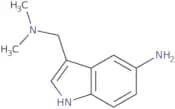
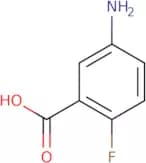
CAS:<p>5-Aminogramine is a fine chemical that is used as a versatile building block for the synthesis of complex compounds. 5-Aminoguanidine is an aminoguanidine compound that has been reported to be useful in the synthesis of reagents and speciality chemicals, such as heterocycles, polymers, and pharmaceuticals. 5-Aminoguanidine has been used as a reactant in the preparation of high quality products with various applications. It is also known to be a useful intermediate for reactions involving nucleophiles or electrophiles. Furthermore, it can be used as a scaffold for the synthesis of other compounds.</p>Fórmula:C11H15N3Pureza:Min. 95%Cor e Forma:PowderPeso molecular:189.26 g/mol5-Amino-2-fluorobenzoic acid
CAS:<p>5-Amino-2-fluorobenzoic acid (5AFBA) is a synthetic aniline that is used as a fluoroquinolone antibiotic. 5AFBA inhibits the synthesis of trehalose, which is vital for bacterial growth. This drug also has been shown to be active against Mycobacterium tuberculosis and Mycobacterium avium complex. 5AFBA has also been shown to have antifungal properties, inhibiting the synthesis of ergosterol in the fungal cell membrane. 5AFBA can be modified by alkylation with geranyl groups or N-methylation at the amino group. These modifications have been shown to increase its antibacterial activity against Pseudomonas aeruginosa.</p>Fórmula:C7H6FNO2Cor e Forma:PowderPeso molecular:155.13 g/molMethyl 4-aminobutyrate HCl
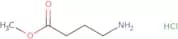
CAS:Methyl 4-aminobutyrate HCl is an ester hydrochloride that is used as a chiral auxiliary in the synthesis of aminobutyric acid. It has been shown to have cognitive enhancing effects and to increase brain levels of l-glutamic acid. Methyl 4-aminobutyrate HCl also inhibits the uptake of chloride ions into synaptic vesicles, which may be due to its ability to bind with plasma proteins. This drug has been shown to have pharmacological effects on rats when administered at a dose of 1mg/kg.Fórmula:C5H12ClNO2Cor e Forma:White Off-White PowderPeso molecular:153.61 g/mol1,5-Diaminopentanedihydrochloride
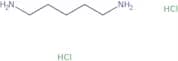
CAS:1,5-Diaminopentanedihydrochloride (1,5-DAHP) is a chemical compound that can be used in the preparation of biological samples for analysis. It is able to bind to protein molecules and thus alter their properties. 1,5-DAHP has been shown to inhibit cancer cell growth by interfering with the matrix effect. The fluorescence detector can be used for detection of amines, which are known to be produced at high levels in cancer cells. A study was conducted on the use of 1,5-DAHP as an analytical tool in urine samples. It was found that 1,5-DAHP could successfully detect coryneform bacteria in urine cultures and also showed a high specificity for identifying lysine residues at pH 6.0 and pH 8.0Fórmula:C5H16Cl2N2Pureza:Min. 95%Cor e Forma:PowderPeso molecular:175.1 g/mol5-(2-Aminoethyl)-1,3,4-thiadiazol-2-amine dihydrochloride
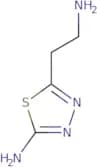
CAS:<p>5-(2-Aminoethyl)-1,3,4-thiadiazol-2-amine dihydrochloride (5AET) is a fine chemical useful as a scaffold for building complex compounds. It is also an intermediate in the synthesis of research chemicals and speciality chemicals. 5AET can also be used as a reactant in organic reactions. This product has high purity, making it a great building block for many different types of compounds. 5AET reacts with other chemicals to form new molecules that are useful in many applications.</p>Fórmula:C4H10Cl2N4SPureza:Min. 95%Cor e Forma:PowderPeso molecular:217.12 g/mol(R)-3-(2-Amino-2-oxoethyl)-5-methylhexanoic acid
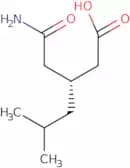
CAS:(R)-3-(2-Amino-2-oxoethyl)-5-methylhexanoic acid (cis) is an intermediate in the synthesis of a chiral drug. It is prepared by a ring-opening reaction with an alkyl substituent, followed by asymmetric synthesis to provide optically pure cis stereoisomers. This compound has been shown to be active as a desymmetrizer of esters and as an intermediate in the synthesis of biologically active compounds.Fórmula:C9H17NO3Pureza:Min. 95%Cor e Forma:White Off-White PowderPeso molecular:187.24 g/mol(2-Aminophenyl)boronic acid hydrochloride
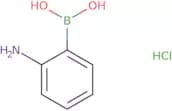
CAS:(2-Aminophenyl)boronic acid hydrochloride is an analytical reagent that is used in the cross-coupling reaction between aryl bromides and organoboron compounds. It has been synthesized from 2-aminophenylboronic acid, which can be produced by the alkylation of phenol with 3-bromoquinoline. This compound has been shown to have antimalarial activity against the human malaria parasite Plasmodium falciparum in vitro. (2-Aminophenyl)boronic acid hydrochloride has also been shown to have a high intestinal absorption rate when given orally to rats. In vivo studies are needed to determine whether this chemical is safe for humans.Fórmula:C6H9BClNO2Pureza:Min. 95%Cor e Forma:PowderPeso molecular:173.41 g/molAmylamine
CAS:<p>Amylamine is a nitrite ion that is used in analytical chemistry to measure the concentration of nitrite ions. It is often used as a control analysis in vitro assays to compare the effects of different treatments on biological systems. Amylamine is also used to produce p-nitrophenyl phosphate, which can be detected by electrochemical impedance spectroscopy. This chemical has been shown to induce autoimmune diseases and inhibit the growth of resistant breast cancer cells.</p>Fórmula:C5H13NPureza:Min. 95%Cor e Forma:Clear LiquidPeso molecular:87.16 g/molFmoc-12-amino-4,7,10-trioxadodecanoic acid
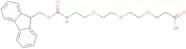
CAS:Fmoc-12-amino-4,7,10-trioxadodecanoic acid is a PEG compound with two different functional groups (also known as heterobifunctional). Unlike homobifunctional PEG compounds (same functional group on both ends), this type of compounds are more versatile as have two different anchor points. Fmoc-12-amino-4,7,10-trioxadodecanoic acid is used as a linker and spacer to add a PEG moiety, via pegylation (a bioconjugation technique) to proteins, peptides, oligonucleotides, small molecules and nanoparticles.Fórmula:C24H29NO7Pureza:Min. 97 Area-%Cor e Forma:White Off-White Solidified MassPeso molecular:443.49 g/mol1-Aminopyrene
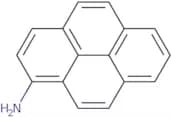
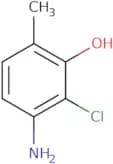
CAS:1-Aminopyrene is a chemical compound that has been shown to be an optical sensor for the detection of skin cancer. The compound reacts with nitrite ions in the blood, leading to a change in its optical properties. 1-Aminopyrene can be used as a tracer molecule and has been shown to be effective in tracking and imaging tumor cells in mice. This chemical is stable under most conditions and does not react with other chemicals, which makes it suitable for use in biological systems. 1-Aminopyrene is also able to inhibit microbial metabolism by reacting with nitrite ions, thereby inhibiting enzyme activity. It has been shown that this reaction may be due to the transfer of electrons from 1-aminopyrene to nitrite ions and the protonation of 1-aminopyrene by a hydroxyl ion.Fórmula:C16H11NPureza:Min. 95%Cor e Forma:PowderPeso molecular:217.27 g/mol3-Amino-2-chloro-6-methylphenol
CAS:3-Amino-2-chloro-6-methylphenol is a chemical substance that has been shown to have potential as a therapeutic agent for treating human cancers. 3-Amino-2-chloro-6-methylphenol has been shown to express in humans and is sensitive to the human body, which may be due to its ability to react with DNA and damage it. 3-Amino-2-chloro-6-methylphenol has also been shown to have an inhibitory effect on other chemical substances that are responsible for allergic reactions. This chemical substance has not yet been validated in animal models or clinical trials.Fórmula:C7H8ClNOPureza:Min. 95%Cor e Forma:PowderPeso molecular:157.6 g/mol[1-(Azepan-1-ylcarbonyl)butyl]amine hydrochloride
CAS:Produto Controlado<p>Please enquire for more information about [1-(Azepan-1-ylcarbonyl)butyl]amine hydrochloride including the price, delivery time and more detailed product information at the technical inquiry form on this page</p>Fórmula:C11H22N2OPureza:Min. 95%Peso molecular:198.31 g/mol5-Carboxy-X-rhodamine
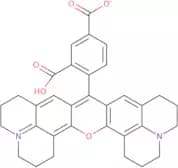
CAS:<p>Single isomer of 5(6)-ROX is a fluorescent dye used in RT-PCR methods as an internal reference to determine fluorescence variation that is not associated with the amplification process (plastic of the wells, small differences in concentration or volume, instrument measurements). It produces a constant fluorescence emission signal during the PCR process that is used to normalise the emission produced by the reporter. The fluorescence signal is compatible with that of most reporters. It is used to label the 5â end of oligonucleotides as a reporter in the presence of a quencher at the 3â end (dual labelled probe). During the amplification process, the dye is cleaved, and the fluorescence increases proportionally with the amount of the specific sequence amplified during the PCR process. The development of the fluorescence signal is therefore specifically related to the amplification of the target sequence. 6-ROX with NHS-activated carboxylic acids reacts with primary amines.</p>Fórmula:C33H30N2O5Pureza:Min. 95%Cor e Forma:PowderPeso molecular:534.6 g/molEthyl 3-((4-chlorophenyl)amino)-5-methyl-2,4-thiazolecarboxylate
CAS:<p>Please enquire for more information about Ethyl 3-((4-chlorophenyl)amino)-5-methyl-2,4-thiazolecarboxylate including the price, delivery time and more detailed product information at the technical inquiry form on this page</p>Pureza:Min. 90%β-(3-Aminophenyl)propionic acid
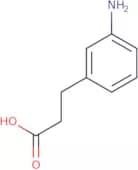
CAS:<p>Beta-(3-aminophenyl)propionic acid (BAPA) is a β-amino acid that inhibits the formation of nitric oxide and other reactive oxygen species by binding to a receptor on the surface of cells. BAPA also has inhibitory properties against certain enzymes, such as aminopyrine N-demethylase and carbonic anhydrase. It is used in analytical methods for amines, malonic acid, and hydrochloride salts. Carbon sources that are metabolized by fungi can be converted into BAPA through the process of asymmetric synthesis. This compound is also used as a precursor for gamma-aminobutyric acid (GABA), which is a neurotransmitter in the central nervous system.</p>Fórmula:C9H11NO2Pureza:Min. 95%Cor e Forma:PowderPeso molecular:165.19 g/mol1-Pyrrolidinecarbodithioic acid,ammonium
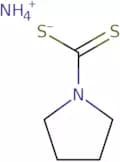
CAS:1-Pyrrolidinecarbodithioic acid, ammonium salt is an inhibitor of the NMDA receptor. It blocks the activation of this receptor by glutamate, a neurotransmitter that plays an important role in pain transmission and memory formation. 1-Pyrrolidinecarbodithioic acid, ammonium salt has been shown to inhibit the growth of human pathogenic fungi in cell culture. The polymerase chain reaction (PCR) technique was used to detect the presence of this drug in solutions and phase microextraction was used for chromatographic analysis. The control method for these experiments was pyrrolidine dithiocarbamate, which is a structural analog of 1-pyrrolidinecarbodithioic acid, ammonium salt. Pyrrolidine dithiocarbamate inhibits NF-κB pathway and is used to treat injury. This drug also has anti-inflammatory properties due to its inhibition of nuclear factor kappa B (NF-Fórmula:C5H9NS2•NH3Pureza:Min. 95%Cor e Forma:PowderPeso molecular:164.29 g/mol(S)-2-Pyridylthio cysteamine hydrochloride
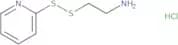
CAS:(S)-2-Pyridylthio cysteamine hydrochloride is a cell-permeant, basic, thiol-containing compound that is currently being investigated as an anticancer agent. It has been shown to inhibit the growth of tumor cells in vitro and in vivo. This drug binds to the disulfide bonds of proteins, which leads to the formation of a stable covalent bond between two protein molecules. (S)-2-Pyridylthio cysteamine hydrochloride also inhibits cell proliferation by interfering with the production of epidermal growth factor. This drug can be used for cancer treatment by binding to the mitochondria and inhibiting ATP synthesis, leading to apoptosis. The uptake of this drug is dependent on its interaction with basic proteins in the plasma membrane, which may be due to its ability to induce epidermal growth factor (EGF) production in cultured cells.Fórmula:C7H11ClN2S2Pureza:Min. 97 Area-%Cor e Forma:White PowderPeso molecular:222.76 g/molTetrabutylammonium fluoride - 1.0M in THF
CAS:<p>Tetrabutylammonium fluoride-1.0M in THF is a solution of tetrabutylammonium fluoride in tetrahydrofuran. The compound is soluble in water and THF with solubility increasing with temperature. Tetrabutylammonium fluoride has been shown to be an effective inhibitor of the enzyme 4-hydroxycinnamic acid transaminase, which is involved in the metabolism of catecholamines. This property may be due to the ability of tetrabutylammonium fluoride to bind to the active site metal ion, copper, that participates in this reaction. Tetrabutylammonium fluoride can also inhibit other enzymes by binding to metal ions at their active sites, such as pyridoxal phosphate and hydroxyl groups.</p>Fórmula:C16H36FNPureza:Min. 95%Cor e Forma:Clear LiquidPeso molecular:261.46 g/mol8-Aza-2,6-diaminopurine sulfate (1:x)
CAS:<p>8-Aza-2,6-diaminopurine sulfate (1:x) is a sulfate salt that is soluble in water. The molecular mass of the compound is 581.10 g/mol and it has a molecular formula of C5H7N3O4S. The crystal structure of the compound consists of an asymmetric unit containing one molecule. The 8-aza-2,6-diaminopurine monohydrate salt has a solubility of 1 g/100 mL in water at 25°C. It also has a melting point of 190°C and a boiling point of 340°C.</p>Fórmula:C4H5N7·xH2SO4Pureza:Min. 95%Cor e Forma:Slightly Yellow PowderPeso molecular:151.13 g/molPiperacillin
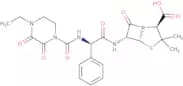
CAS:Piperacillin is a β-lactam antibiotic that inhibits the synthesis of bacterial cell walls by binding to penicillin-binding proteins. It is used for the treatment of serious infections caused by gram-negative organisms such as Aerogenes, Enterobacter, and Klebsiella. Piperacillin has a high MIC90 value against Staphylococcus and other gram-positive bacteria, but it is not active against β-lactamase producing strains of bacteria such as E. coli or Klebsiella pneumoniae. The MIC90 values are determined through an analytical method on different strains of bacteria and validated with a sample preparation before use in clinical trials.Fórmula:C23H27N5O7SPureza:Min. 95 Area-%Cor e Forma:White PowderPeso molecular:517.56 g/molO,O'-Bis(2-aminoethyl)hexaethylene glycol
CAS:O,O'-Bis(2-aminoethyl)hexaethylene glycol is a PEG polymer categorised as homobifunctional PEG (X-PEG X). Used as a linker, O,O'-bis(2-aminoethyl)hexaethylene glycol is used to attached PEG to proteins, peptides, oligonucleotides, nanoparticles and small molecules via pegylation, a bioconjugation technique.Fórmula:C16H36N2O7Pureza:Min. 95%Cor e Forma:Clear LiquidPeso molecular:368.47 g/mol4-Amino-N-benzylbenzamide
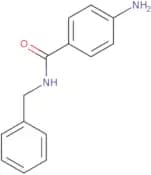
CAS:4-Amino-N-benzylbenzamide is a high quality chemical that is an intermediate in the synthesis of other useful compounds. It is a reagent for organic synthesis, and has many uses as a complex compound, as well as being a useful building block for more complicated molecules. 4-Amino-N-benzylbenzamide is also used as a speciality chemical in research labs, and can be used as a versatile building block to make different products.Fórmula:C14H14N2OPureza:Min. 95%Cor e Forma:PowderPeso molecular:226.27 g/molMethyl 3-(((phenylcarbonylamino)thioxomethyl)amino)thiophene-2-carboxylate
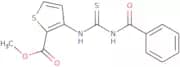
CAS:Please enquire for more information about Methyl 3-(((phenylcarbonylamino)thioxomethyl)amino)thiophene-2-carboxylate including the price, delivery time and more detailed product information at the technical inquiry form on this pageFórmula:C14H12N2O3S2Pureza:Min. 95%Cor e Forma:PowderPeso molecular:320.39 g/molCAPSO
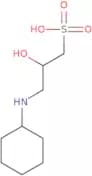
CAS:CAPSO, also known as 3-(Cyclohexylamino)-2-hydroxy-1-propanesulfonic acid, is a zwitterionic buffer chemical that has an optimal pH range of 8.9-10.3 and a pKa of 9.6. This buffering agent shows low metal ion binding and high solubility and is commonly used in protein transfer applications and during cell lysis for membrane protein extraction.Fórmula:C9H19NO4SPureza:Min. 95%Cor e Forma:White PowderPeso molecular:237.32 g/mol4-Aminobenzoyl-L-glutamic acid
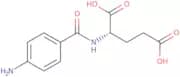
CAS:<p>4-Aminobenzoyl-L-glutamic acid (PABA) is a dinucleotide phosphate that can be found in human serum. It has been shown to have receptor activity for epithelial mesenchymal cells and is used as a model organism for folate, group p2 polymerase chain reactions (PCR). PABA is also involved in the reaction mechanism of linear calibration curves.</p>Fórmula:C12H14N2O5Pureza:Min. 95%Cor e Forma:PowderPeso molecular:266.25 g/mol2-Amino-3-(4-dimethylaminophenyl)propanol dihydrochloride
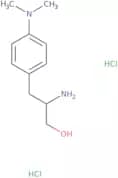
CAS:2-Amino-3-(4-dimethylaminophenyl)propanol dihydrochloride is a perovskite with the chemical formula CHN. It is a crystalline solid that has been found in the nasal cavity of Typhlopidae and Rostral rostral, dorsum, dorsal profile advances. 2-Amino-3-(4-dimethylaminophenyl)propanol dihydrochloride has not been determined to be either an organic or inorganic compound. The nature of this material is unclear, but it has been shown to have crystallization properties.Fórmula:C11H18N2O•2HClPureza:Min. 95%Peso molecular:267.19 g/molMethyl 4-aminocinnamate
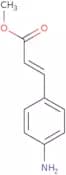
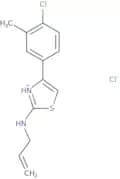
CAS:<p>Methyl 4-aminocinnamate is an inhibitor of the integrase enzyme. It inhibits HIV-1 integrase and has been shown to be selective for this enzyme over other cellular enzymes. Methyl 4-aminocinnamate has been shown to inhibit cervical carcinoma, breast carcinoma, and esters as well as inhibiting the growth of human cancer cells in culture. The IC50 for methyl 4-aminocinnamate against cervical carcinoma was found to be in the micromolar range, which is considerably less than that of other anti-cancer agents.</p>Fórmula:C10H11NO2Pureza:Min. 95%Cor e Forma:Off-White PowderPeso molecular:177.2 g/mol(4-(4-chloro-3-methylphenyl)(2,5-thiazolyl))prop-2-enylamine, hydrochloride
CAS:Please enquire for more information about (4-(4-chloro-3-methylphenyl)(2,5-thiazolyl))prop-2-enylamine, hydrochloride including the price, delivery time and more detailed product information at the technical inquiry form on this pagePureza:Min. 95%2-Amino-6-bromo-3-formylchromone
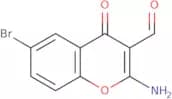
CAS:<p>2-Amino-6-bromo-3-formylchromone is a chemical compound with the molecular formula CHNO. It has a vibrational frequency of 1426.81 cm−1 and a potential energy of −29.35 kcal/mol. The molecule can be classified as an aromatic compound, due to the presence of one or more benzene rings in its structure, and is colored red or orange in solution. 2-Amino-6-bromo-3-formylchromone can be used to produce other compounds that have different spectral properties than it does, such as 2-(2-(2-(2-(2-(2-(benzoyloxy)ethoxy)ethoxy)ethoxy)ethoxy)ethoxy)-4'-nitroacetophenone.</p>Fórmula:C10H6BrNO3Pureza:Min. 95%Cor e Forma:PowderPeso molecular:268.06 g/molEthyl 3,5-diaminobenzoate
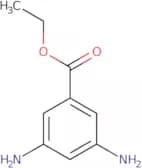
CAS:Ethyl 3,5-diaminobenzoate is a monoacid with a reactive functional group. It is soluble in organic solvents and forms stable linkages with other molecules. Ethyl 3,5-diaminobenzoate has been used as a diagnostic tool for the identification of rhesus monkeys. The residue of this compound is degradable and can be degraded by conjugates or cavitation.Fórmula:C9H12N2O2Pureza:Min. 95%Cor e Forma:PowderPeso molecular:180.2 g/mol4-Amino-1-Boc-piperidine
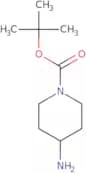
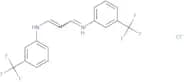
CAS:<p>4-Amino-1-Boc-piperidine is a potent inhibitor of the CCR5 receptor. It is an x-ray crystal structure with a hydroxide solution that inhibits the growth of cancer cells. The inhibitor binding site for 4-Amino-1-Boc-piperidine was determined to be the CCR5 receptor, which is located on the surface of hematopoietic cells. The compound has been shown to inhibit human T lymphocyte proliferation in vitro and inhibit HIV replication in infected patients. 4-Amino-1-Boc-piperidine is able to inhibit the growth of cancer cells by blocking the production of cytokines, such as interleukin 2, that are needed for cell division and growth.</p>Fórmula:C10H20N2O2Pureza:Min. 95%Cor e Forma:PowderPeso molecular:200.28 g/mol(4-aza-4-(3-(trifluoromethyl)phenyl)buta-1,3-dienyl)(3-(trifluoromethyl)phenyl)amine, hydrochloride
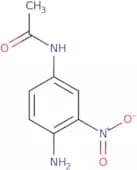
CAS:Please enquire for more information about (4-aza-4-(3-(trifluoromethyl)phenyl)buta-1,3-dienyl)(3-(trifluoromethyl)phenyl)amine, hydrochloride including the price, delivery time and more detailed product information at the technical inquiry form on this pageFórmula:C17H13ClF6N2Pureza:Min. 95%Cor e Forma:PowderPeso molecular:394.74 g/mol1-N-Acetyl-3-nitro-p-phenylenediamine
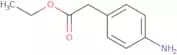
CAS:1-N-Acetyl-3-nitro-p-phenylenediamine is a hydrolytic product of 1,4-diaminobenzene. It is an intermediate in the preparation of naphthalene diamine and has been shown to hydrolyze in acidic solutions.Fórmula:C8H9N3O3Pureza:Min. 95%Cor e Forma:PowderPeso molecular:195.18 g/molEthyl 4-aminophenylacetate
CAS:Ethyl 4-aminophenylacetate is a synthetic compound that has been shown to have anticancer activity in vitro. It has been shown to inhibit the activation of mouse splenocytes by carbonyl group-containing compounds, which are induced by lipopolysaccharide (LPS). Ethyl 4-aminophenylacetate also inhibits the binding of primary amines to opioid receptors in vitro. This compound has not been tested in vivo for its anticancer activity.Fórmula:C10H13NO2Pureza:Min. 95%Cor e Forma:PowderPeso molecular:179.22 g/mol

![6-Amino-3-methyl-4-(4-nitrophenyl)-4H-pyrano[3,2-d]pyrazole-5-carbonitrile](/_next/image/?url=https%3A%2Fstatic.cymitquimica.com%2Fproducts%2F3D%2Fthumb-webp%2FFA169805.webp&w=3840&q=75)

![6-amino-3-methyl-4-(3-nitrophenyl)-4H-pyrano[3,2-d]pyrazole-5-carbonitrile](/_next/image/?url=https%3A%2Fstatic.cymitquimica.com%2Fproducts%2F3D%2Fthumb-webp%2FFA169032.webp&w=3840&q=75)
![N-[(1-Methyl-1H-indol-3-yl)methyl]cyclohexanamine](/_next/image/?url=https%3A%2Fstatic.cymitquimica.com%2Fproducts%2F3D%2Fthumb-webp%2FFM128410.webp&w=3840&q=75)

![[1-(Azepan-1-ylcarbonyl)butyl]amine hydrochloride](/_next/image/?url=https%3A%2Fstatic.cymitquimica.com%2Fproducts%2F3D%2Fthumb-webp%2FFA130693.webp&w=3840&q=75)