Aminas
Subcategorias de "Aminas"
- Nitrosaminas(2.676 produtos)
- Aminas primárias(30.948 produtos)
- Catiões Quaternários de Amónio(1.098 produtos)
- Aminas secundárias(20.886 produtos)
- Aminas terciárias(17.195 produtos)
Foram encontrados 8786 produtos de "Aminas"
[2,3'-Bipyridin]-6'-amine
CAS:2,3'-Bipyridin-6'-amine is a chemical compound that is used as a building block for more complex molecules. It has high quality and can be used to make many different compounds. 2,3'-Bipyridin-6'-amine is versatile and can be used in the synthesis of a variety of compounds. It is also an intermediate in a number of reactions, including the formation of pyrimidine analogs. This chemical has been shown to be useful in the creation of new drugs for cancer treatment and other diseases.Fórmula:C10H9N3Pureza:Min. 95%Cor e Forma:Off-White PowderPeso molecular:171.2 g/mol(R)-(+)-N-Benzyl-1-phenylethylamine
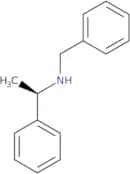
CAS:(R)-(+)-N-Benzyl-1-phenylethylamine is an enantiomer of phenylethylamine. It is a chiral, vinylic amine that can be used to produce catalytic asymmetric Grignard reactions. The synthesis of this compound starts with the addition of benzyl chloride to 1-phenylethylamine. This reaction produces (R)-(+)-N-benzyl-1-phenylethylamine as the major product and its corresponding bisulfate salt as the minor product. This compound has been shown to be an anti HIV drug in a number of studies, which may be due to its ability to inhibit reverse transcriptase and/or prevent viral entry into cells.
Fórmula:C15H17NPureza:Min. 95%Cor e Forma:Colourless To Pale Yellow LiquidPeso molecular:211.3 g/molButalamine
CAS:Butalamine is a fatty acid ester that has been shown to exhibit a range of biological properties, including anti-inflammatory, anticancer, and anthelmintic activity. It has also been shown to be effective in the treatment of infectious diseases and autoimmune diseases. Butalamine exhibits its anti-inflammatory effects by inhibiting the production of prostaglandins (PGs) and leukotrienes (LTs). This inhibition leads to reduced inflammation, which helps with symptoms associated with microbial infection. Butalamine also has anticancer activity in animal models. The drug inhibits cancer cell proliferation by blocking the synthesis of DNA and RNA in the nucleus. Butalamine is most commonly used as an analog for butyl amine, which is used as a pharmaceutical dosage form.
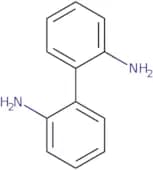
Fórmula:C18H28N4OPureza:Min. 95%Cor e Forma:Brown PowderPeso molecular:316.44 g/molBiphenyl-2,2'-diamine
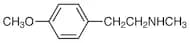
CAS:Biphenyl-2,2'-diamine is a hydrogen bond donor. It is an organic compound with a molecular formula of C6H5NH that has two amine groups. The compound is gaseous at room temperature and it has a boiling point below 400 degrees Celsius. It reacts with ethanolic solutions to form colorless crystals that are soluble in water. Biphenyl-2,2'-diamine has been shown to have antiinflammatory activity in rats. This activity may be due to biphenyl-2,2'-diamine's ability to inhibit the production of prostaglandins by inhibiting cyclooxygenase (COX).Fórmula:C12H12N2Pureza:Min. 95%Cor e Forma:Off-White Clear LiquidPeso molecular:184.24 g/molN-Methyl-2-(4-methoxyphenyl)ethylamine
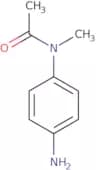
CAS:Fórmula:C10H15NOPureza:>95.0%(GC)(T)Cor e Forma:Light orange to Yellow to Green clear liquidPeso molecular:165.244'-Amino-N-methylacetanilide
CAS:4'-Amino-N-methylacetanilide is a chemical reagent that can be used as a building block for the synthesis of other chemicals. It has been shown to have a high quality and is useful in the research field. It has been used as an intermediate in the production of pharmaceuticals and pesticides, such as acetaminophen, chloramphenicol, and nitrofurantoin. 4'-Amino-N-methylacetanilide has also been used as a versatile building block for the synthesis of various complex compounds, including dyes and polymers.
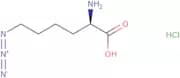
Fórmula:C9H12N2OPureza:Min. 95 Area-%Cor e Forma:PowderPeso molecular:164.2 g/mol(R)-2-Amino-6-azidohexanoic acid HCl
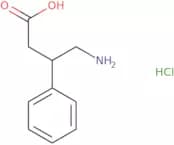
CAS:(R)-2-Amino-6-azidohexanoic acid HCl is a chemical intermediate that is used in the synthesis of a number of biologically active compounds. It is also a versatile building block for the construction of complex molecules. This chemical has been shown to be useful in the synthesis of pharmaceuticals, agrochemicals, and other fine chemicals. CAS No. 2098497-01-7Fórmula:C6H12N4O2·HClPureza:Min. 95%Cor e Forma:White PowderPeso molecular:208.65 g/mol4-Amino-3-phenylbutyric acid hydrochloride
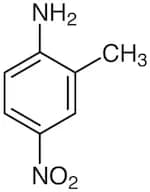
CAS:Produto Controlado4-Amino-3-phenylbutyric acid hydrochloride (4APB) is a GABA receptor agonist that belongs to the class of pharmacological agents. It has been shown to be effective in treating pediatric patients with epilepsy, as well as in the treatment of various metabolic disorders. The drug has also been used to treat symptoms caused by benzodiazepine withdrawal. 4APB binds to the benzodiazepine binding site on GABAA receptors and enhances the inhibitory actions of GABA. This causes sedation and muscle relaxation, which can be helpful for patients who have experienced a seizure or are withdrawing from benzodiazepines. 4APB also increases locomotor activity in rats and has been shown to have no effect on cardiac function.Fórmula:C10H13NO2•HClPureza:Min. 98 Area-%Cor e Forma:PowderPeso molecular:215.68 g/mol2-Methyl-4-nitroaniline
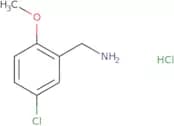
CAS:Fórmula:C7H8N2O2Pureza:>98.0%(GC)Cor e Forma:White to Yellow to Green powder to crystalPeso molecular:152.155-Chloro-2-methoxybenzylamine hydrochloride
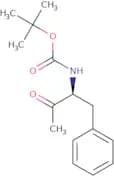
CAS:5-Chloro-2-methoxybenzylamine hydrochloride is a chemical substance that is used as an intermediate in the synthesis of pharmaceuticals and other chemicals. It can be used as a building block to create complex compounds, or it can be used in reactions to produce speciality chemicals. 5-Chloro-2-methoxybenzylamine hydrochloride is a high quality reagent that can be used as a reaction component in research and development. A fine chemical, 5-Chloro-2-methoxybenzylamine hydrochloride has many uses as a versatile building block for organic synthesis. It is also useful for generating research chemicals and complex compounds for use in medicines and other products.Fórmula:C8H10ClNO·(HCl)Pureza:Min. 95%Cor e Forma:PowderPeso molecular:208.08 g/molBoc-(3S)-3-amino-4-phenyl-2-butanone
CAS:Boc-(3S)-3-amino-4-phenyl-2-butanone is a chemical intermediate that is useful as a building block in organic synthesis. It has been used as a reaction component, reagent and high quality research chemical. Boc-(3S)-3-amino-4-phenyl-2-butanone is also a versatile building block and useful intermediate for the preparation of complex compounds. This chemical has shown to have speciality applications in fine chemicals such as pharmaceuticals and agrochemicals.
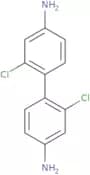
Fórmula:C15H21NO3Pureza:Min. 95%Cor e Forma:White to off-white solid.Peso molecular:263.33 g/mol2,2'-Dichloro-1,1'-biphenyl-4,4'-diamine
CAS:2,2'-Dichloro-1,1'-biphenyl-4,4'-diamine is a chemical that belongs to the class of organic compounds known as amines. It is insoluble in water and has a molecular weight of 190.8 g/mol. 2,2'-Dichloro-1,1'-biphenyl-4,4'-diamine has been shown to be carcinogenic in animals and can cause coagulation problems in humans. The compound also shows anti-inflammatory properties by inhibiting the production of prostaglandins.Fórmula:C12H10Cl2N2Pureza:Min. 95%Cor e Forma:White/Off-White SolidPeso molecular:253.13 g/molBoc-(2R,3R)-3-amino-2-hydroxy-4-phenylbutyric acid
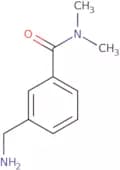
CAS:Boc-(2R,3R)-3-amino-2-hydroxy-4-phenylbutyric acid is a reagent and speciality chemical that is used as a building block in organic synthesis. It is a versatile intermediate that can be used to synthesize complex compounds with high quality and purity. Boc-(2R,3R)-3-amino-2-hydroxy-4-phenylbutyric acid has been shown to be stable under acidic conditions, making it an excellent choice for use in reactions involving strong acids. This compound can also be used as a scaffold for the synthesis of peptides and proteins.Fórmula:C15H21NO5Pureza:Min. 95%Cor e Forma:PowderPeso molecular:295.33 g/mol3-(Aminomethyl)-N,N-dimethylbenzamide
CAS:3-(Aminomethyl)-N,N-dimethylbenzamide (DMBA) is a compound that can be used as a chemical marker for the identification of bacteria. It has been tested on an automated DNA sequencer and found to be effective in identifying different strains of bacteria. DMBA is applied to plates containing bacterial colonies and then contacted with a device containing the sequence analyzer. The analyzer measures the amount of DMBA that binds to the bacterial colony and generates a profile of the colony's DNA. This information can then be used to identify the bacterial colony type.Fórmula:C10H14N2OPureza:Min. 95%Cor e Forma:Brown PowderPeso molecular:178.23 g/molN-[3-(Diethylaminomethyl)-4-hydroxyphenyl]acetamide
CAS:N-[3-(Diethylaminomethyl)-4-hydroxyphenyl]acetamide is a molecule that has been shown to have acetylcholine esterase (AChE) inhibitory activity. It binds to the active site of AChE, preventing it from breaking down acetylcholine, leading to the accumulation of this neurotransmitter. The inhibition of AChE by N-[3-(Diethylaminomethyl)-4-hydroxyphenyl]acetamide prevents muscle contraction and leads to paralysis and death by asphyxiation. This drug has been used in the treatment of sarin gas poisoning. The molecular structure of N-[3-(Diethylaminomethyl)-4-hydroxyphenyl]acetamide is similar to that of pyridinium chlorides, which are used for synthesizing nerve agents such as sarin and soman. This drug also has a protonFórmula:C13H20N2O2Pureza:Min. 95%Cor e Forma:PowderPeso molecular:236.31 g/mol1-Biotinylamino-3,6,9-trioxaundecane-11-bromide
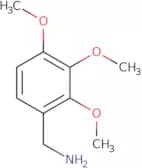
CAS:1-Biotinylamino-3,6,9-trioxaundecane-11-bromide is a high quality reagent that is used in research and development. It has a CAS number of 1041766-91-9. 1-Biotinylamino-3,6,9-trioxaundecane-11-bromide is a versatile building block that can be used as an intermediate or scaffold in chemical reactions. It is also a useful reaction component for the synthesis of fine chemicals.Fórmula:C18H32BrN3O5SPureza:Min. 95%Cor e Forma:PowderPeso molecular:482.43 g/mol2,3,4-Trimethoxybenzylamine
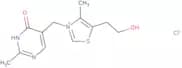
CAS:2,3,4-Trimethoxybenzylamine is a versatile chemical that can be used as a building block for complex compounds. It has been shown to react with methanol and ammonia to produce 2,3,4-trimethoxyaniline. This chemical can also be used as a reagent or speciality chemical in research and synthesis.Fórmula:C10H15NO3Pureza:Min. 95%Peso molecular:197.23 g/molOxythiamine chloride
CAS:Oxythiamine chloride is a compound that binds to DNA in the nucleus of cells. It has been shown to inhibit cell growth and induce apoptosis by binding to a number of cellular molecules, including hydrogen bonding interactions with enzymes. Oxythiamine chloride also inhibits energy metabolism by inhibiting mitochondrial respiration and mitochondrial ATP production, and is toxic to cells. This drug has potent inducers, such as cell factor, which are necessary for the production of new cells. It also inhibits thiamine-dependent enzymes, such as pyruvate dehydrogenase kinase (PDK) and pyruvate dehydrogenase (PDH). The wild-type strain of Escherichia coli was used for these studies.
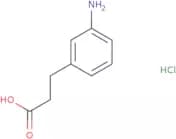
Fórmula:C12H15N3O2S·HClPureza:Min. 95%Cor e Forma:White to off-white solid.Peso molecular:301.79 g/molbeta-(3-Aminophenyl)propionic acid hydrochloride
CAS:Beta- (3-aminophenyl)propionic acid hydrochloride is a drug that belongs to the class of pharmaceuticals and is used as a gastric antacid. It has been shown to be effective in treating acute and chronic gastritis, as well as ulcers in humans. Beta-(3-aminophenyl)propionic acid hydrochloride has been shown to have strong effects on tissues, membranes, and chlorides. The drug binds to hydrogen chloride and chlorine ions in the stomach, thereby preventing the formation of hydrochloric acid (HCL). This prevents the damage caused by HCL on tissues and membranes of the stomach. Beta-(3-aminophenyl)propionic acid hydrochloride also has health effects with high concentrations, such as chloroform or chlorine gas.Fórmula:C9H12ClNO2Pureza:Min. 95%Peso molecular:201.65 g/mol(S)-(-)-1-(1-Naphthyl)ethyl amine
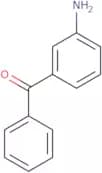
CAS:(S)-(-)-1-(1-Naphthyl)ethyl amine is a chromatographic stationary phase that is used in the separation of fatty acids. It consists of an amine group bound to a naphthalene ring, which is tethered to a long alkyl chain. The stationary phase can be immobilized on silica gel or other solid support matrixes and is useful for analyzing fatty acids. This stationary phase can also be used as a model system to study the interactions between fatty acid molecules and other compounds. The enantiomers (R)-(+)-1-(1-naphthyl)ethyl amine and (S)-(-)-1-(1-naphthyl)ethyl amine are available. Although these two compounds are homologues, they have different physical properties, such as boiling points and melting points. Using an analytical method called high performance liquid chromatography (HPLC), it is possible to separate these two enantiomerFórmula:C12H13NPureza:Min. 95%Cor e Forma:Slightly Yellow Clear LiquidPeso molecular:171.24 g/mol3-Aminobenzophenone
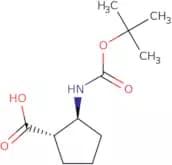
CAS:3-Aminobenzophenone is an antimicrobial agent that binds to the receptor site of bacterial cell membranes and inhibits the synthesis of fatty acids. 3-Aminobenzophenone has shown antibacterial activity against Gram-positive bacteria, such as Bacillus subtilis, Listeria monocytogenes, and Staphylococcus aureus. The mode of action is thought to be due to its ability to form hydrogen bonds with the amide group in proteins. 3-Aminobenzophenone has also been shown to be effective against Gram-negative bacteria, such as Escherichia coli and Pseudomonas aeruginosa. This compound can be synthesized by a number of methods, including a skeleton method or by using molecular modeling techniques.Fórmula:C13H11NOPureza:Min. 95%Cor e Forma:PowderPeso molecular:197.23 g/mol(1S,2S)-Boc-aminocyclopentane carboxylic acid
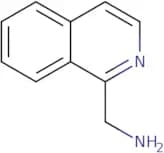
CAS:(1S,2S)-Boc-aminocyclopentane carboxylic acid is a useful scaffold for the synthesis of complex compounds and pharmaceuticals. It has been used as a building block for the synthesis of bioactive natural products and pharmaceuticals. This product is also used as an intermediate in the production of research chemicals and speciality chemicals. It can be used as a reagent in organic chemistry reactions, such as peptide coupling, esterification, oxidation, reduction, nitration, sulfonylation, and Friedel-Crafts acylation. (1S,2S)-Boc-aminocyclopentane carboxylic acid has high purity with CAS No. 143679-80-5 and is available at competitive prices.Fórmula:C11H19NO4Pureza:Min. 95%Cor e Forma:White PowderPeso molecular:229.27 g/mol1-Isoquinolin-1-ylmethanamine dihydrochloride
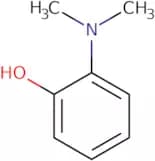
CAS:1-Isoquinolin-1-ylmethanamine dihydrochloride is a versatile building block that can be used for the synthesis of a wide variety of compounds. It is a reagent and speciality chemical, as well as an intermediate or reaction component in the production of pharmaceuticals, agrochemicals, plastics, dyes and other chemicals. 1-Isoquinolin-1-ylmethanamine dihydrochloride has been shown to have high purity and quality.Fórmula:C10H10N2·2HClPureza:Min. 95%Cor e Forma:Light Blue SolidPeso molecular:231.12 g/mol2-(Dimethylamino)phenol
CAS:2-(Dimethylamino)phenol (DMP) is a neutral organic compound that is used as an analytical reagent. It reacts with hydrochloric acid to form phenols, which are then analyzed by fluorescence probe. DMP can also be used in the synthesis of aminophenols, which are used in the manufacture of dyes, pharmaceuticals, and other chemical products. It has been shown to inhibit mitochondrial functions and fatty acid synthesis. DMP binds to receptors on the surface of cells and can block the binding of drugs that target these receptors. DMP may also act as a hydrogen bond donor or acceptor depending on its environment.
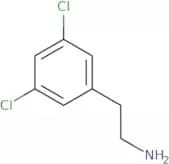
Fórmula:C8H11NOPureza:Min. 95 Area-%Cor e Forma:White PowderPeso molecular:137.18 g/mol2-(3,5-Dichlorophenyl)ethanamine
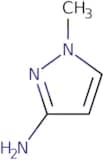
CAS:Produto Controlado2-(3,5-Dichlorophenyl)ethanamine is a versatile building block that can be used in research and development of many compounds. This compound is a fine chemical that has been used as a reagent in organic synthesis. 2-(3,5-Dichlorophenyl)ethanamine is a useful intermediate and reaction component in the synthesis of other organics. It can also be used as a scaffold to synthesize more complicated molecules.Fórmula:C8H9Cl2NPureza:Min. 95%Cor e Forma:Clear LiquidPeso molecular:190.07 g/mol3-Amino-1-methylpyrazole
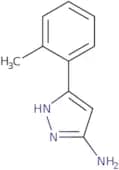
CAS:3-Amino-1-methylpyrazole is a molecule in the amide family. It is a natural product, which has been found to have signalling properties. 3-Amino-1-methylpyrazole has also been shown to inhibit telomerase activity and can be used as a potential anticancer agent in the future. This compound was designed for use in pharmaceutical research and has shown great pharmacokinetic properties that can be optimized for pharmaceutical research. 3-Amino-1-methylpyrazole is not yet approved for any therapeutic use but has shown great potential as an anticancer agent, especially when combined with other drugs or chemotherapy treatments.Fórmula:C4H7N3Pureza:Min. 95%Cor e Forma:Clear LiquidPeso molecular:97.12 g/mol3-(2-Methylphenyl)-1H-pyrazol-5-amine
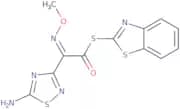
CAS:3-(2-Methylphenyl)-1H-pyrazol-5-amine is a chemical compound that can be used as a reactant, reagent, or scaffold in the synthesis of other compounds. It is a useful building block and intermediate for the synthesis of complex compounds. 3-(2-Methylphenyl)-1H-pyrazol-5-amine has been shown to have high purity and quality and is available at a reasonable price. This chemical is also versatile, as it can be used in reactions with other chemicals to form diverse products. 3-(2-Methylphenyl)-1H-pyrazol-5-amine belongs to CAS No. 57860-42-1 and is a fine chemical that can be used for research purposes only.Fórmula:C10H11N3Pureza:Min. 95%Cor e Forma:Off-White To Light Brown LiquidPeso molecular:173.21 g/molS-2-Benzothiazolyl (Z)-2-(5-amino-1,2,4-thiadiazol-3-yl)-2-methoxyiminothioacetate
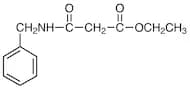
CAS:S-2-Benzothiazolyl (Z)-2-(5-amino-1,2,4-thiadiazol-3-yl)-2-methoxyiminothioacetate is an experimental drug that has been studied in research, solvents and clinical data. It has a strong ability to disrupt the physiology of cells by inhibiting reactions that require S-adenosylmethionine. The reaction time is approximately 10 seconds, and human patients have been used for clinical development and translational research. This reducer is also able to produce high yield with a synthesis time of only 1 hour.Fórmula:C12H9N5O2S3Pureza:Min. 95%Cor e Forma:White PowderPeso molecular:351.43 g/molEthyl 3-(Benzylamino)-3-oxopropionate
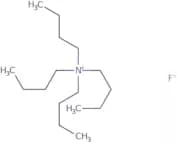
CAS:Fórmula:C12H15NO3Pureza:>98.0%(GC)Cor e Forma:White to Light yellow powder to crystalPeso molecular:221.26Tetrabutylammonium fluoride - 75 wt. % in H2O
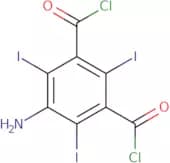
CAS:Tetrabutylammonium fluoride is a strong base which reacts with the hydroxyl group of a carboxylic acid to form a salt and hydrogen fluoride. The nucleophilic nature of tetrabutylammonium and its high polarity make it an excellent catalyst for this reaction. Tetrabutylammonium fluoride has been shown to react with sodium salts in nonpolar solvents, such as benzene or toluene, to form quinoline derivatives. It also has been used in the synthesis of x-ray crystal structures of organic molecules by reacting with carbonyl groups, such as acetaldehyde. Tetrabutylammonium fluoride can interact chemically with other compounds, such as hydrogen bond formation with amines or reactions with amides.Fórmula:C16H36FNPureza:Min. 95%Cor e Forma:Clear LiquidPeso molecular:261.46 g/mol5-Amino-2,4,6,-triiodoisophthaloyl dichloride
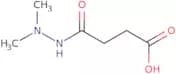
CAS:5-Amino-2,4,6,-triiodoisophthaloyl dichloride is a triiodinated compound that has been shown to bind to the receptor for asialoglycoprotein. It is used in the diagnosis of liver and kidney diseases. 5-Amino-2,4,6,-triiodoisophthaloyl dichloride is taken up by tissues and organs and causes damage to these tissues. The chloride ion binds to the molecule, making it more water soluble. The lactobionic acid residue is then cleaved off by an enzyme in the cell called beta-galactosidase. This leaves a molecule containing iodine which can be detected with a diagnostic technique such as X-ray crystallography or nuclear magnetic resonance spectroscopy.Fórmula:C8H2Cl2I3NO2Pureza:Min. 95%Cor e Forma:Slightly Yellow PowderPeso molecular:595.73 g/molDaminozide
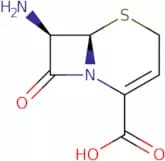
CAS:Daminozide is a plant growth regulator that belongs to the group of chemical substances called dinitrophenols. It is used in agriculture as a pre-planting seed treatment for potatoes and other vegetables to inhibit sprouting, increase yield, and reduce the incidence of disease. Daminozide has been shown to inhibit the activity of two enzymes, fatty acid desaturase (FAD) and lysine decarboxylase (LDC), in plants. The optimum concentration for daminozide is 0.1 mM, which can be achieved by adding ethylene diamine to tissue culture media at a concentration of 1 mM. Daminozide has not been shown to have any significant physiological effects in plants when applied at this concentration.Fórmula:C6H12N2O3Pureza:Min. 95%Cor e Forma:PowderPeso molecular:160.17 g/mol7-Amino-3-cephem-4-carboxylic acid
CAS:Used in synthesis of Cephalosporin antibioticsFórmula:C7H8N2O3SPureza:Min. 95%Cor e Forma:White Slightly Yellow PowderPeso molecular:200.22 g/mol4-Aminophthalimide
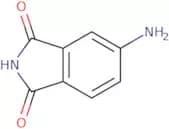
CAS:4-Aminophthalimide is a protonated aminophthalic acid derivative that is used as a fluorescence probe. It has been shown to be a photophysical and photochemical reagent that can be used in the study of intermolecular hydrogen bonding interactions. The fluorescence of 4-aminophthalimide is enhanced by the presence of epidermal growth factor (EGF) and solvents such as water, alcohols, and hydrochloric acid. The fluorescence emission from this compound is dependent on its environment, which includes the presence of hydrogen bonding interactions with fatty acids.
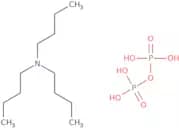
Fórmula:C8H6N2O2Pureza:Min. 95%Cor e Forma:PowderPeso molecular:162.15 g/molTributylammonium pyrophosphate
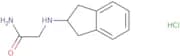
CAS:Produto ControladoTributylammonium pyrophosphate is a phosphorylating reagent used in the synthesis of phosphorylated nucleosides, particularly nucleoside triphosphates used as building blocks for the synthesis of DNA, RNA and sugar nucleotides; as well as a source of cellular energy. Nucleoside triphosphates are typically synthesised by treating free nucleosides with phosphorus oxychloride, then adding tributylammonium pyrophosphate to the reaction intermediate, where the lipophilic tributylammonium salt enhances solubility in organic solvents. Additionally, tributylammonium pyrophosphate was used in the preparation of structurally complex dinucleotide-5’-triphosphates.Fórmula:(C12H27N)2•H4O7P2Pureza:Min. 95%Cor e Forma:White PowderPeso molecular:548.68 g/mol2-(Indenylamino)acetamide, hydrochloride salt
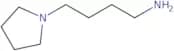
CAS:2-(Indenylamino)acetamide, hydrochloride salt is a potential drug that is an uptake inhibitor. It prevents the uptake of dopamine in the brain and has been shown to be neuroprotective in animal research. It also has potential to treat diabetic neuropathy, inflammatory diseases, and pain. The kinetic properties of this drug were studied using rat striatal cells. 2-(Indenylamino)acetamide, hydrochloride salt inhibits the transport of dopamine into these cells by blocking the movement of dopamine from outside the cell to inside the cell. This drug could potentially be used for treatment of Parkinson's disease or other conditions involving dopaminergic dysfunction.Fórmula:C11H15ClN2OPureza:Min. 95%Cor e Forma:PowderPeso molecular:226.7 g/mol1-(4-Aminobutyl)pyrrolidine
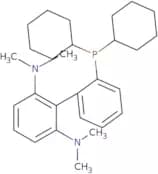
CAS:1-(4-Aminobutyl)pyrrolidine is an amine with acidic properties. It has a molecular weight of 126.1 g/mol and a melting point of -62 °C. The amine group in 1-(4-aminobutyl) pyrrolidine has the general formula NH2-R, where R can be any organic group, such as H, alkyl, or alkoxy. This functional group is reactive because it contains an electron pair that is free to participate in reactions with other molecules. 1-(4-Aminobutyl)pyrrolidine's chemical name indicates that it belongs to the class of monoamines and that it contains one amine group and one methyl substituent on the four carbon chain. The molecule also has two chiral centers at positions 1 and 2. 1-(4-Aminobutyl)pyrrolidine's molar mass is 126.1 g/mol andFórmula:C8H18N2Cor e Forma:Clear LiquidPeso molecular:142.24 g/mol2-Dicyclohexylphosphino-2',6'-bis(N,N-dimethylamino)biphenyl
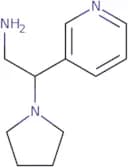
CAS:2-Dicyclohexylphosphino-2',6'-bis(N,N-dimethylamino)biphenyl (PCP-DMAP) is a phosphorus compound that is used for the synthesis of aryl chlorides. It has been validated as an effective reagent for the conversion of aryl chlorides to aryl halides. PCP-DMAP can be used in peptidomimetic synthesis and profiling. It is also useful in the synthesis of natural products where activation with N,N-dimethylchloramine (DMC) is required. PCP-DMAP can be used as an efficient alternative to other methods for activation with DMC, using less time and producing less waste. This compound has been shown to be stable against hydrolysis and oxidation in both acidic and basic media, making it a good reagent for use under these conditions. PCP-DMAP can also be used in the synthesisFórmula:C28H41N2PPureza:Min. 95%Cor e Forma:PowderPeso molecular:436.61 g/mol2-(3-Pyridyl)-2-pyrrolidinylethylamine
CAS:2-(3-Pyridyl)-2-pyrrolidinylethylamine is a fine chemical that is used as a versatile building block in the synthesis of complex compounds. It is also used as a reagent and speciality chemical for research purposes. This compound can be used to produce useful intermediates and reaction components in organic synthesis. 2-(3-Pyridyl)-2-pyrrolidinylethylamine is also a useful scaffold for making high quality, useful compounds. CAS No. 855659-43-7
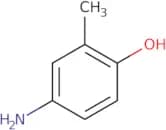
Fórmula:C11H17N3Pureza:Min. 95%Cor e Forma:Clear LiquidPeso molecular:191.27 g/mol4-Amino-2-methylphenol
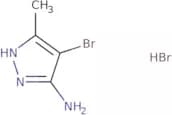
CAS:4-Amino-2-methylphenol is a chemical substance that is used in the production of dyes, cationic surfactants, and basic dyes. It can be produced through oxidation of phenol or by dehydration of aniline. 4-Amino-2-methylphenol has been shown to have potential use as a surface enhancer for Raman spectroscopy. This compound has also been used to extract amines and ethers from organic solvents.Fórmula:C7H9NOPureza:Min. 95%Cor e Forma:SolidPeso molecular:123.15 g/mol5-Amino-4-bromo-3-methylpyrazole hydrobromide
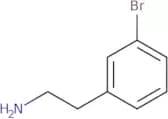
CAS:5-Amino-4-bromo-3-methylpyrazole hydrobromide is an intermediate in the synthesis of a variety of compounds. It is also a building block for the synthesis of heterocycles, such as pyrazoles, indazoles, benzoxazoles, and benzothiazoles. 5-Amino-4-bromo-3-methylpyrazole hydrobromide can be used as a reagent to synthesize pharmaceuticals and other useful compounds. 5-Amino-4-bromo-3-methylpyrazole hydrobromide is a versatile building block that can be used in the synthesis of many different types of compounds. This compound has been shown to react with various groups on organic molecules to form new chemical structures.Fórmula:C4H6BrN3•BrHPureza:Min. 95%Cor e Forma:PowderPeso molecular:256.93 g/mol2-(3-Bromophenyl)ethanamine
CAS:Produto Controlado2-(3-Bromophenyl)ethanamine is an affinity ligand for the 5-hydroxytryptamine receptor 7 (5-HT7). It has a high affinity for the 5-HT7 receptor and can also be used to study other serotonin receptors. This compound has been shown to bind to the 5-HT7 with a Kd of 0.3 nM and no significant binding at other serotonin receptors. It was found that 2-(3-bromophenyl)ethanamine does not inhibit the uptake of serotonin from synaptosomal preparations, but does inhibit the uptake of serotonin from cerebrospinal fluid. These results were confirmed in vitro using radioligand binding assays and autoradiography, demonstrating that 2-(3-bromophenyl)ethanamine binds selectively to the 5-HT7 receptor.Fórmula:C8H10BrNPureza:Min. 95%Cor e Forma:Colorless PowderPeso molecular:200.08 g/mol[2-(1-Methyl-1H-pyrazol-5-yl)ethyl]amine
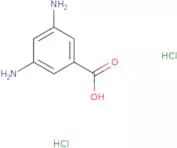
CAS:2-(1-Methyl-1H-pyrazol-5-yl)ethyl]amine is a versatile building block that can be used as a research chemical or in the synthesis of complex compounds. It has shown to be useful for the production of N-(2-(1-methyl-1H-pyrazol-5-yl)ethyl)-N'-phenylurea, which has been found to have antihydrotropic properties. CAS Number: 807315-40-8.Fórmula:C6H11N3Pureza:Min. 95%Cor e Forma:Colorless PowderPeso molecular:125.17 g/mol3,5-Diaminobenzoic acid dihydrochloride
CAS:3,5-Diaminobenzoic acid dihydrochloride (DABA) is a potent inhibitor of peroxidase and has been shown to inhibit the activity of hydrogen peroxide. It has been used in medicine as an antiseptic and disinfectant. 3,5-Diaminobenzoic acid dihydrochloride also inhibits uncatalysed and catalysed reactions. The inhibition of these reactions is due to the reaction with hydrogen peroxide, which causes the formation of potent inhibitory species that are capable of reacting with other molecules. These reactions lead to a decrease in the rate of reaction. This product also exhibits potent inhibitory activity towards peroxidase and can be used for the treatment of infections caused by bacteria, such as Mycobacterium tuberculosis or Mycobacterium avium complex.Fórmula:C7H8N2O2·2HClPeso molecular:225.07 g/mol[(5-Cyclopropyl-1,2,4-oxadiazol-3-yl)methyl]amine hydrochloride
CAS:[(5-Cyclopropyl-1,2,4-oxadiazol-3-yl)methyl]amine hydrochloride is an intermediate used in the synthesis of a variety of complex compounds. It is also a fine chemical that can be used as a reagent and building block in the manufacture of drugs. [(5-Cyclopropyl-1,2,4-oxadiazol-3-yl)methyl]amine hydrochloride has been shown to be a versatile building block for the synthesis of many types of compounds. This compound has been shown to react with various functional groups, including alcohols and amines. This reagent can also be used as a reaction component with other chemicals such as nitroalkanes or ketones to produce heterocycles or other useful compounds. ([(5-Cyclopropyl-1,2,4-oxadiazol-3-yl)methyl]amine hydrochloride)Fórmula:C6H10ClN3OPureza:Min. 95%Cor e Forma:Off-White PowderPeso molecular:175.62 g/mol2-[(4-Chlorophenyl)amino]nicotinic acid
CAS:2-[(4-Chlorophenyl)amino]nicotinic acid is a fine chemical that is useful for the production of a variety of compounds. It is also used as a research chemical and a building block in the synthesis of complex compounds. This compound has no known use as a drug, but it can be used as a reagent or intermediate in chemical reactions. The CAS number for this compound is 16344-26-6.Fórmula:C12H9ClN2O2Pureza:Min. 95%Cor e Forma:Brown PowderPeso molecular:248.66 g/mol2,5-Bis(aminomethyl)tetrahydrofuran
CAS:2,5-Bis(aminomethyl)tetrahydrofuran is a polymerization catalyst for polyethylene terephthalate that has been shown to be effective at low temperatures. It is not active at high temperatures and is stable in acidic and neutral media. 2,5-Bis(aminomethyl)tetrahydrofuran can be used as an electrochemical catalyst for the conversion of 5-hydroxymethylfurfural (HMF) to formic acid. This reaction has been shown to have a high turnover frequency and to be sustainable because it does not require fossil fuels or heavy metals as reactants. The parameters of this reaction are still being investigated, including the effect of oxidant on the rate of catalysis.Fórmula:C6H14N2OPureza:Min. 95%Cor e Forma:Colorless PowderPeso molecular:130.19 g/molN-Ethyl-3,3'-diphenyldipropylamine citrate
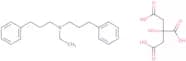
CAS:N-Ethyl-3,3'-diphenyldipropylamine citrate is a nonsteroidal anti-inflammatory drug (NSAID) that inhibits the activity of cyclooxygenase and lipoxygenase. It reduces pain, fever, and inflammation. The drug has been shown to be effective in the treatment of inflammatory bowel disease and colitis. N-Ethyl-3,3'-diphenyldipropylamine citrate is used for the relief of chronic and acute pain associated with osteoarthritis, rheumatoid arthritis, ankylosing spondylitis, or other forms of joint inflammation; as well as for temporary relief from the symptoms of minor aches or pains due to headache, toothache, muscular aches, backache, or menstrual cramps. N-Ethyl-3,3'-diphenyldipropylamine citrate also has been found to be effective in reducing symptoms associated with leukemiaFórmula:C26H35NO7Pureza:Min. 95%Cor e Forma:White Off-White PowderPeso molecular:473.56 g/molMethyl 3-aminophenylacetate hydrochloride
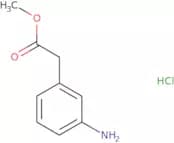
CAS:Methyl 3-aminophenylacetate hydrochloride is a versatile building block that can be used as a reagent for the synthesis of complex compounds. It has been widely used in the production of specialty chemicals, research chemicals and other building blocks. Methyl 3-aminophenylacetate hydrochloride is also an important intermediate in the production of speciality chemicals and pharmaceuticals. This chemical is a high quality chemical that can be used as a reaction component or scaffold for the synthesis of organic compounds.Fórmula:C9H12ClNO2Pureza:Min. 95%Peso molecular:201.65 g/mol3-Amino-5-nitrophenylboronic acid pinacol ester
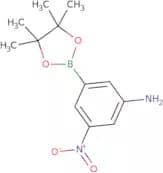
CAS:3-Amino-5-nitrophenylboronic acid pinacol ester is a versatile building block that can be used in the synthesis of complex compounds. This compound has been shown to have useful properties in research chemicals and as reagents or speciality chemicals. Useful intermediates are usually synthesized from 3-Amino-5-nitrophenylboronic acid pinacol ester, which is also a useful scaffold for the synthesis of other compounds.Fórmula:C12H17BN2O4Pureza:Min. 95%Cor e Forma:Yellow PowderPeso molecular:264.09 g/mol
![[2,3'-Bipyridin]-6'-amine](/_next/image/?url=https%3A%2Fstatic.cymitquimica.com%2Fproducts%2F3D%2Fthumb-webp%2FFB141123.webp&w=3840&q=75)




![N-[3-(Diethylaminomethyl)-4-hydroxyphenyl]acetamide](/_next/image/?url=https%3A%2Fstatic.cymitquimica.com%2Fproducts%2F3D%2Fthumb-webp%2FFD71897.webp&w=3840&q=75)


![[2-(1-Methyl-1H-pyrazol-5-yl)ethyl]amine](/_next/image/?url=https%3A%2Fstatic.cymitquimica.com%2Fproducts%2F3D%2Fthumb-webp%2FFM129769.webp&w=3840&q=75)
![[(5-Cyclopropyl-1,2,4-oxadiazol-3-yl)methyl]amine hydrochloride](/_next/image/?url=https%3A%2Fstatic.cymitquimica.com%2Fproducts%2F3D%2Fthumb-webp%2FFC121975.webp&w=3840&q=75)
![2-[(4-Chlorophenyl)amino]nicotinic acid](/_next/image/?url=https%3A%2Fstatic.cymitquimica.com%2Fproducts%2F3D%2Fthumb-webp%2FFC136121.webp&w=3840&q=75)