Éteres
Os éteres são compostos orgânicos que contêm um grupo funcional éter, caracterizado por um átomo de oxigênio ligado a dois radicais hidrocarbonetos. Esses compostos são valiosos na síntese e servem como solventes em várias reações químicas. Na CymitQuimica, oferecemos uma seleção de éteres de alta qualidade para apoiar suas aplicações de pesquisa e industriais, garantindo resultados confiáveis e eficazes. Nossa gama de éteres atende a diversos requisitos laboratoriais, desde experimentos de rotina até pesquisas avançadas.
Foram encontrados 40902 produtos de "Éteres"
Ordenar por
Pureza (%)
0
100
|
0
|
50
|
90
|
95
|
100
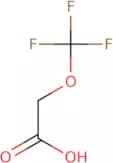
Trifluoromethoxyacetic acid
CAS:Trifluoromethoxyacetic acid is a synthetic drug that has been used to treat inflammatory bowel disease, alopecia and seborrhoea. It is also used as a pharmacological agent for the treatment of autoimmune diseases, such as sclerosis, malignant and bowel disease. Trifluoromethoxyacetic acid has anti-inflammatory properties due to its inhibition of prostaglandin synthesis. This drug has been shown to be effective in treating alopecia areata in rats with an oral dose of 0.5 mg/kg for two weeks, which is comparable to the effect observed with 1 mg/kg of minoxidil (Rogaine). Trifluoromethoxyacetic acid binds to nitrogen atoms on proteins and inhibits protein synthesis, leading to cell death by inhibiting the production of proteins vital for cell division.Fórmula:C3H3F3O3Pureza:Min. 95 Area-%Cor e Forma:Clear LiquidPeso molecular:144.05 g/mol2,5-Diphenyl-3-(4-methoxyphenyl)pyronium tetrafluoroborate
CAS:2,5-Diphenyl-3-(4-methoxyphenyl)pyronium tetrafluoroborate is a chemical compound that can be used as a reagent or building block for the synthesis of other chemical compounds. It is also useful for research and as a versatile building block in organic chemistry. 2,5-Diphenyl-3-(4-methoxyphenyl)pyronium tetrafluoroborate is classified as a speciality chemical product. This compound has CAS Number 2907-20-2 and a molecular weight of 244.12 g/mol.Fórmula:C24H19O2·BF4Pureza:90%Cor e Forma:PowderPeso molecular:426.21 g/mol3,4,5-Trimethoxybenzonitrile
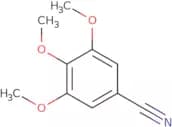
CAS:3,4,5-Trimethoxybenzonitrile is a drug that is used in the treatment of cancer. It inhibits the growth of cancer cells by binding to the benzodiazepine receptor. This drug also has anticancer activity and is used as an acidic hydrate in clinical medicine to treat cancer. 3,4,5-Trimethoxybenzonitrile has been shown to have antitumor effects in human adenocarcinoma cells by inhibiting the synthesis of DNA and RNA. It also inhibits cellular protein synthesis and induces cell death due to its ability to inhibit topoisomerase II activity.Fórmula:C10H11NO3Pureza:Min. 95%Cor e Forma:PowderPeso molecular:193.2 g/mol2-Amino-3-methoxybenzoic acid hydrochloride
CAS:<p>2-Amino-3-methoxybenzoic acid hydrochloride is a synthetic monosubstituted hydroxy analog of the natural alkaloids, which are substituted with an amino group. It is produced by the demethylation of 2-amino-3-hydroxypyridine and reacts with caprolactam to form 2,6-dihydroxybenzaldehyde. It has been used in the synthesis of methoxyanthranilic acid, which is a synthetic analogue of anthranilic acid. Hydrochloric acid can be added to 2-amino-3-methoxybenzoic acid hydrochloride to produce 2,6-dihydroxybenzoyl chloride. This compound also undergoes condensation reactions with methoxyanthranilic acid to form 2,6-dimethoxybenzaldehyde.</p>Fórmula:C8H9NO3•HClPureza:Min. 95%Cor e Forma:PowderPeso molecular:203.62 g/mol3,5-Dimethoxybenzhydrazide
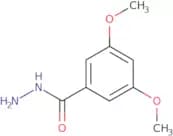
CAS:<p>3,5-Dimethoxybenzhydrazide is a combretastatin analogue that binds to tubulin to disrupt the polymerization of microtubules. It has been shown to inhibit tumor cell growth in vitro and in vivo. 3,5-Dimethoxybenzhydrazide has an IC50 of 10 nM for tubulin polymerization, which is significantly lower than colchicine (IC50 of 0.2 μM). This drug also interacts with colchicine binding sites and has a selectivity index of 1.3.</p>Fórmula:C9H12N2O3Pureza:Min. 98 Area-%Cor e Forma:PowderPeso molecular:196.2 g/mol(2,4,5-Trimethoxyphenyl)acetone
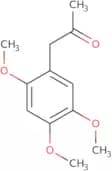
CAS:Produto Controlado<p>(2,4,5-Trimethoxyphenyl)acetone is an organic compound that inhibits the replication of RNA. It was found to inhibit the activity of beta-asarone and inhibit the conversion of asarone to o-benzoquinones in cell cultures. This agent also has genotoxic effects on human liver cells. (2,4,5-Trimethoxyphenyl)acetone binds to 5-hydroxytryptamine receptors and inhibits their activities, which can lead to a decrease in serotonin concentrations. (2,4,5-Trimethoxyphenyl)acetone is a colorless liquid at room temperature with a molecular weight of 174.24 grams/mol.</p>Fórmula:C12H16O4Pureza:Min. 95%Peso molecular:224.25 g/mol3,4-Dimethoxy-2-hydroxyacetophenone
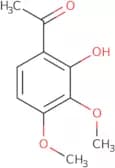
CAS:3,4-Dimethoxy-2-hydroxyacetophenone is a natural product that has been shown to have significant activity against epidermoid carcinoma. The mechanism of action of 3,4-dimethoxy-2-hydroxyacetophenone is not fully understood but it has been shown to inhibit the growth of cancer cells through an unknown mechanism. This compound can be synthesized from coumarin derivatives and its fluorescence and cellular uptake are due to its flavonoid structure. 3,4-Dimethoxy-2-hydroxyacetophenone has also been shown to increase cisplatin sensitivity in nerve cells and has been used as a fluorescent probe for microscopy and magnetic resonance imaging (MRI).Fórmula:C10H12O4Pureza:Min. 98 Area-%Cor e Forma:PowderPeso molecular:196.2 g/mol2,4-Dimethoxypyrimidine-5-boronic acid, pinacol ester
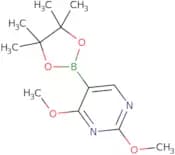
CAS:<p>2,4-Dimethoxypyrimidine-5-boronic acid is a high quality chemical that can be used as a reagent or a complex intermediate. It is an important building block for the synthesis of many compounds and has been shown to be useful in the synthesis of 2,4-dimethoxybenzaldehyde. This compound has been used in the preparation of 2,4-dimethoxypyrimidin-5(6H)-ones and as a reaction component in organic chemistry.</p>Fórmula:C12H19BN2O4Pureza:Min. 97%Peso molecular:266.1 g/mol2-Chloromethyl-3,5-dimethyl-4-methoxypyridine
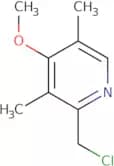
CAS:2-Chloromethyl-3,5-dimethyl-4-methoxypyridine is a drug substance that is used as a pump inhibitor. The optimal reaction conditions for the synthesis of this molecule are a Grignard reagent, chlorinating agent, and magnesium salt. Impurities may arise during the synthetic process due to chloride or inorganic acid catalyst. This drug substance is not soluble in water but can be dissolved in organic solvents such as ethers, chloroform, or benzene. It reacts with magnesium to form a chelate ring with an organic molecule.Fórmula:C9H12ClNOPureza:Min. 95%Cor e Forma:PowderPeso molecular:185.65 g/molEthoxyamine hydrochloride
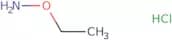
CAS:<p>Ethoxyamine hydrochloride is an organic compound that contains a hydroxyl group and a chlorine atom. It is an amine with properties of an acid. Ethoxyamine hydrochloride can be used in the treatment of metabolic disorders, such as nitro, dehydrogenase deficiency and amino acid transport disorder. The compound also has been shown to have anti-inflammatory effects, which may be due to its ability to inhibit the production of prostaglandin synthesis. This drug has been found to have no significant toxicity in humans and animals, and it has been shown to be safe for use in humans.</p>Fórmula:C2H7NO·HClPureza:Min. 95%Cor e Forma:White PowderPeso molecular:97.54 g/mol2,3-Dihydroxy-4-methoxycinnamic acid ethyl ester
<p>Please enquire for more information about 2,3-Dihydroxy-4-methoxycinnamic acid ethyl ester including the price, delivery time and more detailed product information at the technical inquiry form on this page</p>Pureza:Min. 95%5-Methoxy-DL-tryptophan
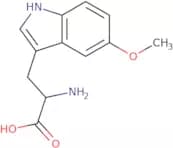
CAS:<p>5-Methoxy-DL-tryptophan is a molecule that has been shown to inhibit the formation of osteoclasts by binding to tryptophan. This molecule has also been used in magnetic resonance spectroscopy and fluorescence experiments to study the binding of 5-methoxy-DL-tryptophan with various other molecules. It is an inhibitor of tryptophan decarboxylase, an enzyme that catalyzes the conversion of tryptophan into serotonin, which can be used as a neurotransmitter. The inhibition of this enzyme leads to decreased serotonin levels and reduced production of inflammatory cytokines. This molecule has been shown to have an inhibitory effect on the enzymatic reaction between proline and oxaloacetate, leading to the production of alpha ketoglutarate. This molecule has also been shown to have a binding affinity with lung fibroblasts in vitro and inhibits their growth, suggesting that it may be useful for treating lung</p>Fórmula:C12H14N2O3Cor e Forma:White To Light (Or Pale) Beige SolidPeso molecular:234.25 g/mol4-Methoxy 17b-estradiol
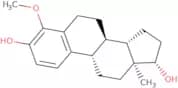
CAS:Produto Controlado<p>4-Methoxy 17β-estradiol is a synthetic estrogen that is used as a pharmaceutical drug in the treatment of menopausal symptoms and to prevent osteoporosis. It can be taken orally or administered by injection. 4-Methoxy 17β-estradiol has been found to have interactive effects with other drugs, such as fatty acids and catechol-o-methyltransferase (COMT). It also has an effect on body mass index in vivo, which can lead to cancerous cell proliferation. The matrix effect of 4-methoxy 17β-estradiol on tissues depends on the hydrogen bonds it forms with amino acids in the protein matrix. The hydrogen bonds are different for each tissue type and this may contribute to the differences in carcinogenic potential between tissues. This drug is not active against MCF-7 human breast cancer cells, but does inhibit growth of MDA MB 231 human breast cancer cells.</p>Fórmula:C19H26O3Pureza:Min. 95%Cor e Forma:PowderPeso molecular:302.41 g/mol3-Ethoxybenzamide
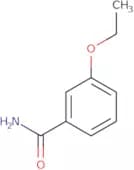
CAS:<p>3-Ethoxybenzamide is a crystalline compound that can form complexes with metal ions. It has been shown to inhibit bacterial growth by binding to the enzyme thiourea, which is essential for the biosynthesis of thiamine. 3-Ethoxybenzamide also inhibits the production of hydrogen sulfide, which is produced by bacteria and a cause of foul odors. 3-Ethoxybenzamide has been shown to have antibacterial activity against Gram-positive bacteria such as Staphylococcus aureus and Streptococcus pyogenes. 3-Ethoxybenzamide also inhibits the growth of Gram-negative bacteria such as Escherichia coli and Salmonella typhimurium. This compound has also been shown to have anti-inflammatory activities through its ability to inhibit prostaglandin synthesis in mice.</p>Fórmula:C9H11NO2Pureza:Min. 95%Cor e Forma:PowderPeso molecular:165.19 g/mol2-Fluoro-6-methoxybenzoic acid
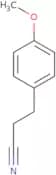
CAS:<p>2-Fluoro-6-methoxybenzoic acid is a monocarboxylic acid that is synthesized from 2,6-dichlorobenzoic acid by a mediated, synthetic sequence. This compound can be used as a substrate for kinetic analyses of the transport of carboxylic acids across cellular membranes. The uptake of 2-fluoro-6-methoxybenzoic acid is expressed in the apical surface membrane of Caco2 cells. Kinetic studies indicate that this compound reacts rapidly with butyllithium to form an enamine intermediate. The enamine intermediate then reacts with either water or methanol to produce a final product, depending on the reaction time.</p>Fórmula:C8H7FO3Pureza:Min. 95%Cor e Forma:PowderPeso molecular:170.14 g/molβ-(p-Methoxyphenyl)propionitrile
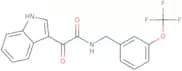
CAS:The synthesis of beta-(p-methoxyphenyl)propionitrile is a sustainable process that can be carried out in the laboratory. The reaction requires no catalysts or solvents and can be completed within an hour, with yields of up to 99%. This compound can be used as a precursor for other organic compounds, such as pharmaceuticals.Fórmula:C10H11NOPureza:Min. 95%Cor e Forma:Clear LiquidPeso molecular:161.2 g/mol2-Indol-3-yl-2-oxo-N-((3-(trifluoromethoxy)phenyl)methyl)ethanamide
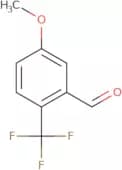
CAS:Please enquire for more information about 2-Indol-3-yl-2-oxo-N-((3-(trifluoromethoxy)phenyl)methyl)ethanamide including the price, delivery time and more detailed product information at the technical inquiry form on this pageFórmula:C18H13F3N2O3Pureza:Min. 95%Cor e Forma:PowderPeso molecular:362.3 g/mol5-Methoxy-2-(trifluoromethyl)benzaldehyde
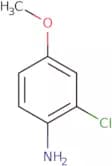
CAS:<p>5-Methoxy-2-(trifluoromethyl)benzaldehyde (5MFBA) is a potential anticancer compound that has been shown to inhibit the growth of pancreatic cancer cells. 5MFBA is formed by the reaction of methoxybenzene and trifluoromethyl bromide in the presence of copper chloride, which acts as a dehydrogenase. This compound also has prognostic and clinicopathological implications in patients with pancreatic cancer, as well as staining properties in tissues. 5MFBA modulates biological function via reactive oxygen species (ROS) production, which induces cell apoptosis. Research on this compound has been done on cancer tissues from various organs, including breast and prostate cancers.</p>Fórmula:C9H7F3O2Pureza:Min. 95%Cor e Forma:PowderPeso molecular:204.15 g/mol2-Chloro-4-methoxyaniline
CAS:<p>2-Chloro-4-methoxyaniline is a primary amine that has been used in the synthesis of polychlorinated and chlorinated amines. It is an important precursor for the manufacture of herbicides, insecticides, and pharmaceuticals. 2-Chloro-4-methoxyaniline reacts with hydrogen chloride to form chloroacetanilide, which can be hydrolysed to aniline. This reaction proceeds at room temperature and does not require catalysts. The reactivity of this compound is due to its nucleophilic substitutions in the presence of ketocarboxylic acids or vinyl ethers. 2-Chloro-4-methoxyaniline has also been used as a dehydrating reagent in organic synthesis reactions.br>br><br>2-Chloro-4-methoxyaniline is highly reactive because it contains two primary amines (NH2) that</p>Fórmula:C7H8ClNOPureza:Min. 95%Peso molecular:157.6 g/mol2,4,5-Trimethoxybenzyl alcohol
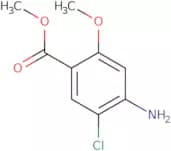
CAS:<p>2,4,5-Trimethoxybenzyl alcohol is a metabolite that is produced by the p. pastoris strain. It has been shown to be active against the enzyme glyceraldehyde-3-phosphate dehydrogenase and has been expressed heterologously in yeast. 2,4,5-Trimethoxybenzyl alcohol also has been shown to inhibit peroxidases and may have biochemical applications in pharmaceuticals as an inhibitor of lipid peroxidation.</p>Fórmula:C10H14O4Pureza:Min. 95%Cor e Forma:White PowderPeso molecular:198.22 g/molMethyl 4-amino-5-chloro-2-methoxybenzoate
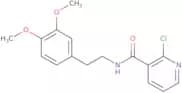
CAS:<p>Methyl 4-amino-5-chloro-2-methoxybenzoate is an organic compound with the chemical formula CH3C6H4(OCH3)2Cl. It is a useful building block, reagent, and speciality chemical. This compound can be used as a versatile building block for the synthesis of complex compounds. Methyl 4-amino-5-chloro-2-methoxybenzoate can also be used as a reaction component or a useful intermediate.</p>Fórmula:C9H10ClNO3Pureza:Min. 95%Cor e Forma:PowderPeso molecular:215.63 g/molN-(2-(3,4-dimethoxyphenyl)ethyl)(2-chloro(3-pyridyl))formamide
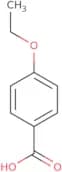
CAS:Please enquire for more information about N-(2-(3,4-dimethoxyphenyl)ethyl)(2-chloro(3-pyridyl))formamide including the price, delivery time and more detailed product information at the technical inquiry form on this pagePureza:Min. 90%4-Ethoxybenzoic acid
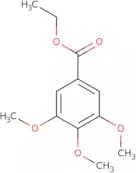
CAS:<p>4-Ethoxybenzoic acid is a phenolic compound that has shown significant cytotoxicity. This molecule has been shown to inhibit the production of tyrosinase, an enzyme that catalyzes the oxidation of tyrosine to produce melanin. 4-Ethoxybenzoic acid also inhibits detoxification enzymes such as glutathione transferases and quinone reductase, which may be responsible for its cytotoxicity. 4-Ethoxybenzoic acid is soluble in organic solvents but insoluble in water. It reacts with other compounds to form insoluble polymers. 4-Ethoxybenzoic acid can react with piperonyl butoxide or caproic acid to form p-hydroxybenzoic acid or friedel-crafts reaction products respectively.</p>Fórmula:C9H10O3Pureza:Min. 95%Cor e Forma:PowderPeso molecular:166.17 g/molEthyl 3,4,5-trimethoxybenzoate
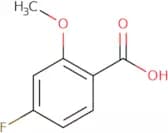
CAS:<p>Ethyl 3,4,5-trimethoxybenzoate is a synthetic chemical that is used as a precursor in the synthesis of quinoxalines. Ethyl 3,4,5-trimethoxybenzoate has been shown to have antiviral properties against human immunodeficiency virus and leishmania. It also has potent inhibitory activity against heterocyclic amines and t. rubrum.</p>Fórmula:C12H16O5Pureza:Min. 95%Cor e Forma:White To Grey SolidPeso molecular:240.25 g/mol4-Fluoro-2-methoxybenzoic acid
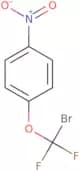
CAS:<p>4-Fluoro-2-methoxybenzoic acid is a versatile building block that is used in the synthesis of many complex compounds. It is a reagent, which means it can be used as an intermediate in the synthesis of other compounds. 4-Fluoro-2-methoxybenzoic acid is also a useful scaffold for the preparation of new chemical entities with specific pharmaceutical properties. The CAS number for this compound is 395-82-4.</p>Fórmula:C8H7FO3Pureza:Min. 95%Cor e Forma:PowderPeso molecular:170.14 g/mol4-(Bromodifluoromethoxy)nitrobenzene
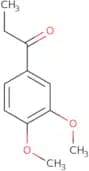
CAS:4-(Bromodifluoromethoxy)Nitrobenzene is a versatile building block that can be used to synthesize a wide variety of organic and inorganic compounds. It is a brominated derivative of nitrobenzene, which is useful for the synthesis of complex compounds and research chemicals. 4-(Bromodifluoromethoxy)Nitrobenzene is also an intermediate for the synthesis of pharmaceuticals and other valuable chemical compounds. This compound has been shown to provide high quality results in reactions with other molecules. 4-(Bromodifluoromethoxy)Nitrobenzene can be used as a scaffold for the construction of more complex molecules.Fórmula:C7H4BrF2NO3Pureza:Min. 95%Cor e Forma:LiquidPeso molecular:268.01 g/mol3,4-Dimethoxypropiophenone
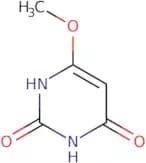
CAS:<p>3,4-Dimethoxypropiophenone is a superacidic electrophile that is oxidized to produce oxidation products. It can be used in the manufacture of dyes and pharmaceuticals. The reaction mechanism for this compound starts with an electrophilic attack by one of the two carbonyl groups on a double bond in the propiophenone molecule. This produces an enol intermediate, which undergoes stepwise oxidation to form a carbonyl group, chloride ion, and acid catalyst. The acid catalyst can be recycled to reduce production costs. 3,4-Dimethoxypropiophenone also has stereoisomers that are chemically identical but have different three-dimensional shapes.</p>Fórmula:C11H14O3Pureza:Min. 95%Cor e Forma:PowderPeso molecular:194.23 g/mol6-Methoxypyrimidine-2,4(1H,3H)-dione
CAS:Produto Controlado6-Methoxypyrimidine-2,4(1H,3H)-dione is a nucleophilic compound that is formed by the reaction of an electron with a carbon atom in an organic molecule. It is used as a reagent in organic synthesis. 6-Methoxypyrimidine-2,4(1H,3H)-dione can be synthesized from 2-amino-5-methoxybenzaldehyde and chloroacetic acid in three steps. The chloride ion reacts with the 6-methoxypyridine to form the desired product. 6-Methoxypyrimidine-2,4(1H,3H)-dione can also be used as a reagent to catalyze chemical reactions such as alkylation and allylation reactions. 6-Methoxypyrimidine-2,4(1H,3H)-dione has been shown to have barbiturate activityFórmula:C5H6N2O3Pureza:Min. 95%Peso molecular:142.11 g/mol5-Methoxy-2-[[(4-methoxy-3,5-dimethyl-2-pyridinyl)methyl]thio]-1H-benzimidazole N-oxide
CAS:<p>5-Methoxy-2-[[(4-methoxy-3,5-dimethyl-2-pyridinyl)methyl]thio]-1H-benzimidazole N-oxide is a sulfoxide that belongs to the family of medicines called proton pump inhibitors. It is a stereoselective proton pump inhibitor due to its cyclic nature and has been used as a pharmaceutical preparation for the treatment of gastroesophageal reflux disease. 5-Methoxy-2-[(4-methoxy-3,5-dimethylpyridinium) methylthio]-1H benzimidazole N oxide has been shown to be an enantiomerically pure salt form with magnesium chloride.</p>Fórmula:C17H19N3O3SPureza:Min. 95%Cor e Forma:White to off-white solid.Peso molecular:345.42 g/mol3'-Fluoro-4'-methoxyacetophenone
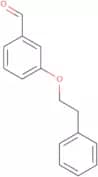
CAS:3'-Fluoro-4'-methoxyacetophenone is a chalcone that has been shown to have vibrational frequencies of 3.1, 3.2, and 3.3 cm-1. The conformation of this molecule is in the cis form with a 2,6-diisopropylphenyl group on the cyclohexane ring. This molecule has two functional groups: a hydroxyl and a methoxy group. These molecules are soluble in organic solvents such as benzene and chloroform, but not in water or ethanol due to their high polarity. The crystal structure of this molecule was determined by x-ray diffraction experiments at room temperature and found to be monoclinic with space group C2/c with lattice constants a = 5.853 Å, b = 12.638 Å, c = 6.225 Å and β = 120° ± 10° at 25 °CFórmula:C9H9FO2Pureza:Min. 95%Cor e Forma:PowderPeso molecular:168.16 g/mol3-(2-Phenylethoxy)benzaldehyde
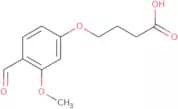
CAS:3-(2-Phenylethoxy)benzaldehyde is a benzaldehyde derivative with an ether group at the 3-position. It is used as a building block for the synthesis of organic compounds and as a reaction component in the preparation of research chemicals, speciality chemicals, and complex compounds. This compound has been shown to have high purity and to be a versatile building block for the synthesis of pharmaceuticals, agrochemicals, and other fine chemicals.Fórmula:C15H14O2Pureza:Min. 95%Cor e Forma:PowderPeso molecular:226.27 g/mol4-(4-Formyl-3-methoxyphenoxy)butanoic acid
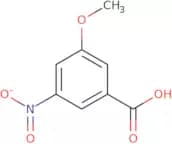
CAS:Produto Controlado<p>4-(4'-Formyl-3'-methoxyphenoxy)butanoic acid is a carboxylate that can be used as a preloaded reagent for the synthesis of peptides, proteins, and other organic molecules. 4-(4'-Formyl-3'-methoxyphenoxy)butanoic acid has been shown to be an efficient linker for solid-phase peptide synthesis. 4-(4'-Formyl-3'-methoxyphenoxy)butanoic acid is labile to hydrolysis and so should be stored in an organic solvent such as dimethylsulfoxide. The carboxylate group is readily available in the form of its sodium salt, which can be synthesized by reacting sodium acetate with formaldehyde.</p>Fórmula:C12H14O5Pureza:Min. 95%Cor e Forma:PowderPeso molecular:238.24 g/mol3-Methoxy-5-nitrobenzoic acid
CAS:<p>3-Methoxy-5-nitrobenzoic acid is an organic compound that has mesomorphic and switchable properties. It is a chalcone derivative, with homologues such as 3-hydroxybenzoic acid. It is synthesized from the reaction of nitrous acid and 3-methoxybenzoic acid. The synthesis of this compound can be achieved by two different routes: peroxide oxidation or fluorine substitution. Both routes produce the same product, but offer different advantages. The first route involves the addition of hydrogen peroxide to 3-methoxybenzoic acid, which produces a mixture of products containing 3-methoxy-5-nitrobenzoic acid. This route is advantageous in that it can be conducted at room temperature with high yields, but the disadvantage is that this method produces a mixture of products which may contain undesired byproducts. The second route involves the use of sodium hypofluorite and potassium</p>Fórmula:C8H7NO5Pureza:Min. 95%Cor e Forma:PowderPeso molecular:197.14 g/mol3-Ethoxycinnamic acid
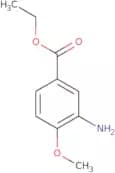
CAS:3-Ethoxycinnamic acid is a polyhydric alcohol that has been shown to inhibit the growth of various microorganisms. 3-Ethoxycinnamic acid inhibits the growth of microorganisms by binding to the alkenyl groups in the cell membrane, thereby preventing them from synthesizing their own fatty acids. The binding of 3-ethoxycinnamic acid to alkali metal ions also prevents their uptake into the cell, which leads to an accumulation of these ions outside the cell and eventually results in cell death. 3-Ethoxycinnamic acid is soluble in water and may be used as a stain or quaternary ammonium compound.Fórmula:C11H12O3Pureza:Min. 95%Cor e Forma:SolidPeso molecular:192.21 g/mol3-Amino-4-methoxybenzoic acid ethyl ester
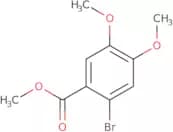
CAS:<p>3-Amino-4-methoxybenzoic acid ethyl ester is a chemical building block that can be used in the synthesis of various organic compounds. It is an important reaction component, and can also be used as a reagent or useful scaffold. 3-Amino-4-methoxybenzoic acid ethyl ester is soluble in organic solvents and has a high quality. This chemical has been shown to be useful for research purposes.</p>Fórmula:C10H13NO3Pureza:Min. 95%Cor e Forma:PowderPeso molecular:195.22 g/molMethyl 6-bromo-3,4-dimethoxybenzoate
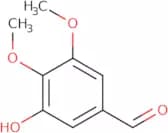
CAS:<p>Methyl 6-bromo-3,4-dimethoxybenzoate is a potent compound that inhibits topoisomerase. It is not as selective as other topoisomerase inhibitors, but it is more reactive and has been shown to be effective in the synthesis of lactones. This compound can also be used as an intermediate for the synthesis of more potent inhibitors of topoisomerase. Methyl 6-bromo-3,4-dimethoxybenzoate has been shown to react with aliphatic aldehydes and nitro compounds to form zinc powder. The reaction proceeds via a catalytic mechanism involving an initial complexation of the methyl group with the carbonyl oxygen atom followed by nucleophilic attack by zinc.</p>Fórmula:C10H11BrO4Pureza:Min. 98 Area-%Cor e Forma:PowderPeso molecular:275.1 g/mol3,4-Dimethoxy-5-hydroxybenzaldehyde
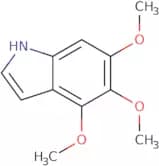
CAS:<p>3,4-Dimethoxy-5-hydroxybenzaldehyde is a phenolic compound that has been shown to be bactericidal against Listeria monocytogenes and Staphylococcus aureus. It has also been shown to have antioxidant properties in vivo. 3,4-Dimethoxy-5-hydroxybenzaldehyde may be used in the treatment of cardiovascular diseases such as atherosclerosis because it inhibits platelet aggregation and lipoprotein oxidation. The compound prevents the oxidation of prosthetic groups and the formation of adducts with DNA, which can lead to carcinogenesis. 3,4-Dimethoxy-5-hydroxybenzaldehyde is known to inhibit the growth of Pseudomonas aeruginosa, Salmonella typhimurium, Escherichia coli and Lactobacillus plantarum.</p>Fórmula:C9H10O4Pureza:Min. 95%Cor e Forma:PowderPeso molecular:182.17 g/mol4,5,6-Trimethoxyindole
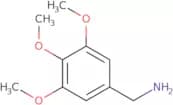
CAS:<p>4,5,6-Trimethoxyindole is a chemical compound that is found in the plant Chinensis. This compound has been shown to have potent anticancer properties and can be used as a treatment for inflammatory diseases. 4,5,6-Trimethoxyindole has been shown to modulate the activity of some bacteria and it has been hypothesized that this may be due to its interaction with formylation. The acidic nature of 4,5,6-Trimethoxyindole makes it soluble in ethanol. It can also be synthesised from butyric acid and other chemicals.</p>Fórmula:C11H13NO3Pureza:Min. 95%Cor e Forma:SolidPeso molecular:207.23 g/mol3,4,5-Trimethoxybenzylamine
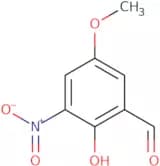
CAS:Produto Controlado<p>3,4,5-Trimethoxybenzylamine (TMB) is a coumarin derivative that inhibits tumor growth in mice. It has been shown to inhibit the proliferation of cells by binding to amines, and also to have an antiradical activity. The in vivo studies on TMB showed that it is effective against a number of tumor types, including lung cancer and melanoma. Additionally, TMB has anti-inflammatory properties.</p>Fórmula:C10H15O3NPureza:Min. 98%Cor e Forma:Colorless Slightly Yellow Clear LiquidPeso molecular:197.23 g/mol2-Hydroxy-5-methoxy-3-nitrobenzaldehyde
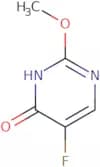
CAS:<p>2-Hydroxy-5-methoxy-3-nitrobenzaldehyde is a 6-membered aromatic compound that has been shown to have anti-cancer properties. It has been shown to inhibit the proliferation of cancer cells by inhibiting protein synthesis, as well as inducing apoptosis. This compound also inhibits the growth of colon cancer cells and cervical cancer cells in culture. 2-Hydroxy-5-methoxy-3-nitrobenzaldehyde has an inhibitory effect on the growth of cancer cells and may be used for treatment against tumors.</p>Fórmula:C8H7NO5Pureza:Min. 95%Cor e Forma:PowderPeso molecular:197.14 g/mol5-Fluoro-4-hydroxy-2-methoxypyrimidine
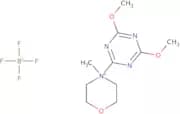
CAS:5-Fluoro-4-hydroxy-2-methoxypyrimidine (5FMMP) is a chemical intermediate that is used in the synthesis of various pharmaceuticals, including antibiotics. It can be obtained by reacting phosphorus oxychloride with activated 2-methoxybenzaldehyde. This chemical intermediate is highly reactive and has been shown to be virulent against some strains of bacteria, such as E. coli and Proteus mirabilis. 5FMMP binds to the bacterial cell wall using its primary amine group, which prevents the formation of an antibiotic-inhibitor complex with the enzyme cell wall synthesis that is required for cell wall biosynthesis, inhibiting protein synthesis and cell division. The chlorinating reaction between 5FMMP and sodium hypochlorite results in hydrochloric acid generation. This chemical intermediate can also be synthesized from recycled chemicals such as ethyl chloride or chloroform.Fórmula:C5H5FN2O2Pureza:Min. 95%Cor e Forma:PowderPeso molecular:144.1 g/mol4-(4,6-Dimethoxy-1,3,5-triazin-2-yl)-4-morpholinium tetrafluoroborate
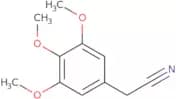
CAS:4-(4,6-Dimethoxy-1,3,5-triazin-2-yl)-4-morpholinium tetrafluoroborate is a modulating agent that is used in the treatment of infectious and metabolic disorders. The compound has been shown to increase the activity of fatty acid oxidation and decrease the production of inflammatory mediators. 4-(4,6-Dimethoxy-1,3,5-triazin-2-yl)-4-morpholinium tetrafluoroborate interacts with a variety of proteins by binding to their Nterminal domains. It can be conjugated to other molecules and then used as probes for kinetic studies or as antiinflammatory compounds.Fórmula:C10H17N4O3•BF4Pureza:Min. 97 Area-%Cor e Forma:PowderPeso molecular:328.07 g/mol3,4,5-trimethoxybenzyl cyanide
CAS:<p>3,4,5-Trimethoxybenzyl cyanide is a natural product that has been shown to inhibit the polymerase of bacterial RNA and DNA. It binds to the active site of the enzyme and prevents its function. The mechanism of 3,4,5-trimethoxybenzyl cyanide is similar to that of other inhibitors of bacterial RNA polymerase such as quinacrine and actinomycin D. This compound has also been shown to prevent fibrillation in vitro. 3,4,5-Trimethoxybenzyl cyanide has antiarrhythmic properties. It blocks the mitochondrial membrane potential by inhibiting the synthesis of ATP. This inhibition leads to an increased permeability of the mitochondrial membrane for ions such as potassium and calcium. The increased permeability leads to a decrease in cellular excitability and a decrease in cardiac arrhythmias (irregular heartbeats).</p>Fórmula:C11H13NO3Pureza:Min. 97 Area-%Cor e Forma:PowderPeso molecular:207.23 g/mol3-Methoxycarbonylphenylacetone
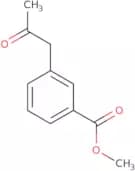
CAS:3-Methoxycarbonylphenylacetone is a high quality, reagent, complex compound. It is a useful intermediate for the production of fine chemicals and speciality chemicals. 3-Methoxycarbonylphenylacetone can be used as a useful scaffold for the synthesis of new compounds and as a reaction component for chemical reactions. This compound has been shown to react with anhydrous hydrazine in the presence of catalysts to yield 2-aminothiazole derivatives. 3-Methoxycarbonylphenylacetone has CAS number 74998-19-9 and is listed on ChemSpider, PubChem, and Chemical Abstracts Service (CAS) databases.Fórmula:C11H12O3Pureza:Min. 95%Cor e Forma:Clear LiquidPeso molecular:192.21 g/mol3-Formyl-4-methoxypyridine
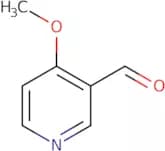
CAS:<p>3-Formyl-4-methoxypyridine is a synthetic compound that belongs to the group of pyrimidine ring compounds. It is synthesized by the reaction of triflic acid with 2,6-dichloropyridine and has been shown to have antiviral and antitumour properties. The compound has also been synthetized as a potential drug for the treatment of malaria. 3-Formyl-4-methoxypyridine is an analog of variolin, which is an alkaloid that can be found in marine organisms such as sponges and tunicates. 3-Formyl-4-methoxypyridine has been shown to inhibit protein synthesis by inhibiting the enzyme RNA polymerase II, which leads to cell death by apoptosis or necrosis.</p>Fórmula:C7H7NO2Pureza:Min. 95%Cor e Forma:PowderPeso molecular:137.14 g/mol5-Methoxyindole-2-carboxylic acid
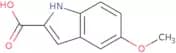
CAS:<p>5-Methoxyindole-2-carboxylic acid is a molecule that belongs to the class of diazonium salts. It is a potent inhibitor of mitochondrial membrane potential and has been shown to have anti-diabetic effects in animal models. 5-Methoxyindole-2-carboxylic acid also inhibits sperm motility, which may be due to its ability to inhibit uv absorption. This compound has been shown to be an effective agent in the treatment of brain infarctions when administered chronically orally. The mechanism of action is not known, but it may involve inhibition of potassium ion uptake or hydrogen bond formation with fatty acids.</p>Fórmula:C10H9NO3Cor e Forma:PowderPeso molecular:191.18 g/mol2-Fluoro-4-methoxyphenol
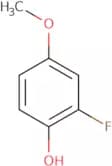
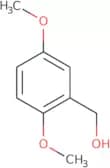
CAS:2-Fluoro-4-methoxyphenol is a white crystalline solid with a melting point of 100°C. It is soluble in water, ethanol and ether and insoluble in chloroform. The compound has been shown to be an intermediate for the synthesis of other organic compounds, such as 2-fluoro-4-(2,2,2-trifluoroethoxy)benzaldehyde, 2-fluoro-4-(3,3,3-trifluoropropoxy)benzaldehyde and 4-(2,2,2-trifluoroethoxy)-3'-nitroacetophenone. 2-Fluoro-4-methoxyphenol can also be used as a building block for speciality chemicals including research chemicals.Fórmula:C7H7FO2Pureza:Min. 95%Cor e Forma:Clear LiquidPeso molecular:142.13 g/mol2,5-Dimethoxybenzyl alcohol
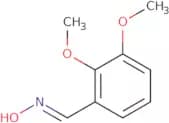
CAS:<p>2,5-Dimethoxybenzyl alcohol is a monoterpene compound that is chemically related to menthol and thymol. It has been shown to have cytotoxic effects against cancer cells in culture. The mechanism of action is not fully understood, but it has been proposed that 2,5-dimethoxybenzyl alcohol may be an allelopathic compound. This means that it inhibits the growth of plants by releasing substances into the soil that inhibit the growth of other plants nearby. 2,5-Dimethoxybenzyl alcohol has also been shown to reduce blood pressure in rats. This effect is due to its ability to inhibit angiotensin I-converting enzyme (ACE) as well as increase vasodilation through nitric oxide release. A kinetic study on human urine showed that 2,5-dimethoxybenzyl alcohol undergoes a stepwise reaction with carbinols and methoxy groups. Further research is needed to determine</p>Fórmula:C9H12O3Pureza:Min. 95%Cor e Forma:Clear LiquidPeso molecular:168.19 g/mol2,3-Dimethoxybenzaldoxime
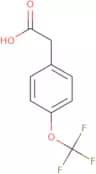
CAS:<p>2,3-Dimethoxybenzaldoxime is an oxime that can be used as a chlorinating agent in organic synthesis. It has been shown to be a good catalyst for the Suzuki coupling of chlorides and boronic acids and for the Miyaura coupling of alkenes and halides.<br>2,3-Dimethoxybenzaldoxime also reacts with alkenes to form dimers. This reaction is catalyzed by a palladium complex, which may be due to its ability to activate the alkene by oxidative addition or reductive elimination.</p>Fórmula:C9H11NO3Pureza:Min. 95%Cor e Forma:PowderPeso molecular:181.19 g/mol4-(Trifluoromethoxy)phenylacetic acid
CAS:4-(Trifluoromethoxy)phenylacetic acid is a useful scaffold, versatile building block, and useful intermediate in organic synthesis. It is a speciality chemical that is used as a reaction component in the preparation of complex compounds. 4-(Trifluoromethoxy)phenylacetic acid is also a reagent for the synthesis of high-quality pharmaceuticals, such as antibiotics and antiviral agents. This compound has CAS No. 4315-07-5 and can be found at Chemicals Online.Fórmula:C9H7F3O3Pureza:Min. 95%Cor e Forma:PowderPeso molecular:220.15 g/mol3-(tert-butyl)-4-((2-hydroxy-3-methoxyphenyl)methylene)-1-phenyl-2-pyrazolin-5-one
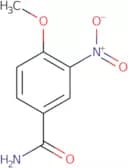
CAS:<p>Please enquire for more information about 3-(tert-butyl)-4-((2-hydroxy-3-methoxyphenyl)methylene)-1-phenyl-2-pyrazolin-5-one including the price, delivery time and more detailed product information at the technical inquiry form on this page</p>Pureza:Min. 95%3-Nitro-4-methoxybenzamide
CAS:3-Nitro-4-methoxybenzamide is a versatile building block that belongs to the group of fine chemicals. It is a reagent that is used in the synthesis of complex compounds. 3-Nitro-4-methoxybenzamide has been shown to be an effective intermediate for the synthesis of pharmaceuticals, such as antibiotics and immunosuppressants. This compound also has high quality and can be used as a scaffold for other chemical syntheses.Fórmula:C8H8N2O4Pureza:Min. 95%Cor e Forma:PowderPeso molecular:196.16 g/mol3-(3-Hydroxy-4-methoxyphenyl)propionic acid
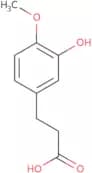
CAS:<p>3-(3-Hydroxy-4-methoxyphenyl)propionic acid is a dihydrochalcone that is found in lettuce. It can be used as an aglycone or with one or more sugar molecules to form glycosides, which are found in many plants. 3-(3-Hydroxy-4-methoxyphenyl)propionic acid has been shown to have a low bioavailability and to inhibit the activity of bile acids. 3-(3-Hydroxy-4-methoxyphenyl)propionic acid can be found in wastewater treatment systems, where it may act as an ecosystem pollutant. In addition, this compound shows antimicrobial properties and has been used for the treatment of wastewater.</p>Fórmula:C10H12O4Pureza:Min. 95%Cor e Forma:White Off-White PowderPeso molecular:196.2 g/mol4-Ethoxy-3-methoxycinnamic acid
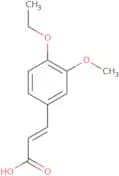
CAS:<p>4-Ethoxy-3-methoxycinnamic acid (4EMC) is a metabolite of propionic acid. It is produced by the fungus Phanerochaete chrysosporium when it is grown on lignocellulose. 4EMC can be cleaved from its ester bond with benzyl alcohol and vanillyl alcohol to produce vanillyl, benzyl, and ethanol. These products are then further metabolized to produce other compounds such as acetaldehyde, acetic acid, and butanol. 4EMC also inhibits the enzyme catalysed that converts propanol to butanol in cultures of P. chrysosporium</p>Fórmula:C12H14O4Pureza:Min. 95%Cor e Forma:PowderPeso molecular:222.24 g/mol1-Acetoxy-2-methoxybenzene
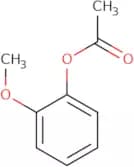
CAS:<p>1-Acetoxy-2-methoxybenzene is an organic solvent that is used in skin care products. It has a molecular weight of 88.1, a constant of 12.6, and two solubility parameters of 10.3 and 1.5, respectively. This chemical reacts with hydrogen fluoride to form 1-acetoxy-4-(hydroxymethyl)benzene and hydrogen fluoride at temperatures between 0°C and 100°C with a reaction constant of 4.0 x 10^(-2).</p>Fórmula:C9H10O3Pureza:Min. 95%Cor e Forma:Colorless Clear LiquidPeso molecular:166.17 g/molEthyl 2-hydroxy-5-methoxybenzoate
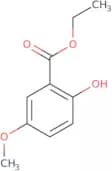
CAS:<p>Ethyl 2-hydroxy-5-methoxybenzoate (EHMB) is a phenolic compound that belongs to the group of salicylic acid. It is a natural product present in crucifers such as cabbage, broccoli, and cauliflower. EHMB has been shown to induce apoptosis in human leukemia cells through the inhibition of DNA methylation. The results showed that EHMB induces apoptosis in human leukemia cells by targeting the epigenetic regulator protein MLL1, which inhibits DNA methyltransferase 1 activity and leads to decreased levels of 5mC. EHMB also induces apoptosis in lung cancer cells by inhibiting cell proliferation and inducing cell death through the inhibition of GTPase activity, which leads to decreased levels of cyclin D1 and increased levels of p27. EHMB also regulates stem cell function by modulating gene expression; it has been shown that this compound can promote stem cell-like properties in mouse embryonic fibrobl</p>Fórmula:C10H12O4Pureza:Min. 95%Cor e Forma:Clear LiquidPeso molecular:196.2 g/mol2-Methoxy-1-naphthaldehyde
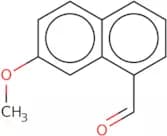
CAS:<p>2-Methoxy-1-naphthaldehyde is a potential chemical intermediate for the synthesis of a variety of biologically active compounds. It has been shown to have anti-tumor activity in solid tumours and can be used as a precursor for the production of new drugs that inhibit the growth of cancer cells. 2-Methoxy-1-naphthaldehyde is synthesized via an intramolecular hydrogen addition reaction with salicylaldehyde, which generates resonance stabilization. It also has an intermolecular hydrogen bond with naphthalene to form the dimer or trimer. The vibrational spectra and analytical methods are used to identify the functional groups present in 2-Methoxy-1-naphthaldehyde, which includes a hydrogen bond between the two methoxy groups. Computational methods can be used to predict how different molecules bind to this chemical intermediate and its role in biological activity.</p>Fórmula:C12H10O2Pureza:Min. 95%Cor e Forma:PowderPeso molecular:186.21 g/mol3,4,5-Triethoxybenzoic acid
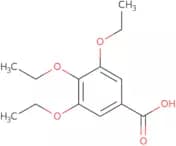
CAS:<p>3,4,5-Triethoxybenzoic acid is a synthetic compound that has been shown to have neurotoxic effects in animal studies. It has been shown to inhibit the dephosphorylation of amyloid fibrils and activation energy for polymerization. 3,4,5-Triethoxybenzoic acid also causes teratogenic effects in animals at high doses. This compound is used as a reagent for the synthesis of amyloid fibrils and has been shown to have an effect on the inhibition of phosphodiesterase activity.</p>Fórmula:C13H18O5Pureza:Min. 95%Cor e Forma:PowderPeso molecular:254.28 g/mol7-Methoxy-1H-indole
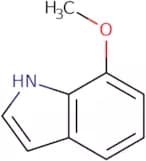
CAS:<p>7-Methoxy-1H-indole (7MI) is a synthetic compound that exhibits anti-inflammatory activity. It is an analog of the amino acid methionine found in proteins and its synthesis involves the condensation of a chlorinated alkyl acetate with an esterified hydrazide to form the corresponding amide. 7MI has been shown to inhibit both bacterial and mammalian protein synthesis, as well as to inhibit tumor cell growth. 7MI binds reversibly to the N7 atom of the adenine base in DNA, thereby inhibiting DNA replication through inhibition of DNA polymerase.</p>Fórmula:C9H9NOPureza:Min. 95%Cor e Forma:Clear LiquidPeso molecular:147.17 g/mol4,6-Dichloro-5-methoxypyrimidine
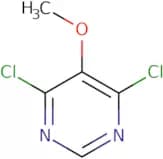
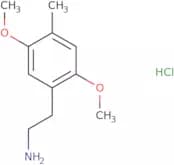
CAS:<p>4,6-Dichloro-5-methoxypyrimidine is a reactive intermediate in the synthesis of sulfadoxine. It is a chlorinating agent that reacts with alkanes and alkenes to produce halogenated products. 4,6-Dichloro-5-methoxypyrimidine can be used as a reagent to synthesize malonic acid and formamide. This compound has been used as an isotopic label for studies of the efficiency of the reaction between malonic acid and formamide. The chloride ions are used in this study to monitor the reaction rate. 4,6-Dichloro-5-methoxypyrimidine is also an intermediate in the synthesis of sulfanilamide and aminophenol.</p>Fórmula:C5H4Cl2N2OPureza:Min. 95%Cor e Forma:PowderPeso molecular:179 g/mol2,5-Dimethoxy-4-methylphenethylamine hydrochloride
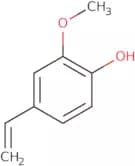
CAS:Produto ControladoPlease enquire for more information about 2,5-Dimethoxy-4-methylphenethylamine hydrochloride including the price, delivery time and more detailed product information at the technical inquiry form on this pageFórmula:C11H18ClNO2Pureza:Min. 98 Area-%Peso molecular:231.72 g/mol2-Methoxy-4-vinylphenol
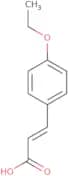
CAS:<p>2-Methoxy-4-vinylphenol is a chlorogenic acid that has been shown to inhibit the growth of Candida glabrata. It binds to ferulic acid and caffeic acids, which are natural compounds found in plants. The optimum concentration at which 2-methoxy-4-vinylphenol inhibits the growth of C. glabrata is between 0.5 and 1 mM. This compound can be readily analyzed using an analytical method with high selectivity for chlorogenic acids, such as liquid chromatography coupled with mass spectrometry (LC/MS). The binding of 2-methoxy-4-vinylphenol to ferulic acid and caffeic acid may also have implications for its use as an anti-inflammatory agent.</p>Fórmula:C9H10O2Pureza:Min. 98%Cor e Forma:Clear LiquidPeso molecular:150.17 g/mol4-Ethoxycinnamic acid
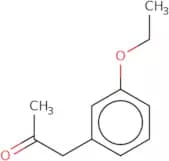
CAS:<p>4-Ethoxycinnamic acid is a phenolic compound that is found in many plants and fruits. It has been shown to have bioactivities such as anti-inflammatory, anti-allergic, and anticancer activities. 4-Ethoxycinnamic acid has been shown to inhibit tyrosinase activity by interacting with the enzyme's active site. This inhibition reduces the production of melanin, which may be due to its ability to inhibit dopamine oxidation or the conversion of dopachrome into dopaquinone. 4-Ethoxycinnamic acid also inhibits prolyl hydroxylase activity, which can lead to increased collagen synthesis and reduced inflammation.</p>Fórmula:C11H12O3Pureza:Min. 95%Cor e Forma:PowderPeso molecular:192.21 g/mol(3-Ethoxyphenyl)acetone
CAS:3-Ethoxyphenylacetone is a white crystalline solid that is soluble in cold water and insoluble in ethanol. It is a chemical reagent that can be used for research purposes such as to study the mechanism of various chemical reactions. 3-Ethoxyphenylacetone can be used as a building block in the synthesis of more complex compounds and as an intermediate in the synthesis of other chemicals. 3-Ethoxyphenylacetone can also be used as a scaffold to create novel compounds with different functional groups.Fórmula:C11H14O2Pureza:Min. 85 Area-%Cor e Forma:Clear LiquidPeso molecular:178.23 g/mol3-Ethoxymethacrolein
CAS:<p>3-Ethoxymethacrolein (3EMM) is a malondialdehyde analogue that has been shown to have fatty acid-like properties. 3EMM is a reactive molecule, which reacts with chloride to produce an electrophilic carbonyl group. This carbonyl group reacts with the amino acid lysine in proteins, producing adducts that result in cross-links and protein aggregation. 3EMM is able to react with other molecules such as metal ions, forming dimethylformamide complexes. The biological effects of 3EMM are similar to those of malondialdehyde and include inhibition of cellular respiration and lipid peroxidation. Humans have been shown to be susceptible to the toxic effects of 3EMM, including cardiotoxicity and cytotoxicity.</p>Fórmula:C6H10O2Pureza:Min. 97 Area-%Cor e Forma:PowderPeso molecular:114.14 g/molN-(2-Indol-3-ylethyl)(4-(trifluoromethoxy)phenyl)formamide
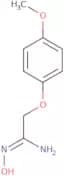
CAS:Please enquire for more information about N-(2-Indol-3-ylethyl)(4-(trifluoromethoxy)phenyl)formamide including the price, delivery time and more detailed product information at the technical inquiry form on this pageFórmula:C18H15F3N2O2Pureza:Min. 95%Cor e Forma:PowderPeso molecular:348.32 g/molN-Hydroxy-2-(4-methoxyphenoxy)ethanimidamide
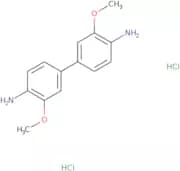
CAS:<p>Please enquire for more information about N-Hydroxy-2-(4-methoxyphenoxy)ethanimidamide including the price, delivery time and more detailed product information at the technical inquiry form on this page</p>Fórmula:C9H12N2O3Pureza:Min. 95%Cor e Forma:PowderPeso molecular:196.2 g/mol3,3'-Dimethoxybenzidine dihydrochloride
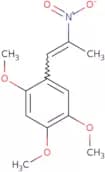
CAS:Produto Controlado<p>3,3'-Dimethoxybenzidine dihydrochloride is a fluorogenic probe that has been shown to have activity index in the range of 0.1-0.5, which makes it suitable for use as a fluorescent dye in biological samples such as human serum or cerebrospinal fluid. 3,3'-Dimethoxybenzidine dihydrochloride can be used in histological studies for the detection of cell lysis and cardiac disease activity. It has also been shown to cause liver lesions when administered orally to rats.</p>Fórmula:C14H16N2O2•(HCl)2Pureza:Min. 98 Area-%Cor e Forma:PowderPeso molecular:317.21 g/mol1-(2,4,5-Trimethoxyphenyl)-2-nitropropene
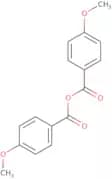
CAS:<p>1-(2,4,5-Trimethoxyphenyl)-2-nitropropene is a fine chemical that can be used as a building block in organic synthesis. It is also an intermediate or scaffold for the preparation of other compounds. 1-(2,4,5-Trimethoxyphenyl)-2-nitropropene has been used in the synthesis of many pharmaceuticals and natural products. The compound has high purity and quality.</p>Fórmula:C12H15NO5Pureza:Min. 95%Cor e Forma:PowderPeso molecular:253.25 g/mol4-Methoxybenzoic anhydride
CAS:<p>4-Methoxybenzoic anhydride is a nonsteroidal anti-inflammatory drug (NSAID) that has a hydroxy group, which makes it susceptible to nucleophilic attack. The reaction mechanism of 4-methoxybenzoic anhydride involves hydroxyl group and phosphorus pentachloride. Kinetic data for the reaction was obtained from kinetic studies. The kinetic study found that the rate of the reaction increased with increasing concentration of amines and amides in the reaction mixture. 4-Methoxybenzoic anhydride has been shown to have antiinflammatory activity in various tests on animals, including rats, guinea pigs, and rabbits. The mechanism of this activity may be due to its ability to inhibit prostaglandin synthesis by blocking cyclooxygenase enzyme activity.</p>Fórmula:C16H14O5Pureza:Min. 95%Cor e Forma:PowderPeso molecular:286.28 g/molSodium 2-(4-Methoxyphenoxy)propionate
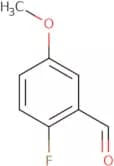
CAS:<p>Sodium 2-(4-methoxyphenoxy)propionate is a chemical compound that inhibits the activity of protein kinase A (PKA). This inhibition is due to the binding of Sodium 2-(4-methoxyphenoxy)propionate to the catalytic site of PKA, which blocks access by ATP. Sodium 2-(4-methoxyphenoxy)propionate has been shown to inhibit the production of inflammatory cytokines in vitro. It also has been shown to be a potent inducer of sweet taste receptors in vivo and in vitro. The inhibition of PKA may be useful for treating bowel diseases such as ulcerative colitis.</p>Fórmula:C10H12O4•NaPureza:Min. 95%Cor e Forma:PowderPeso molecular:219.19 g/mol2-fluoro-5-methoxybenzaldehyde
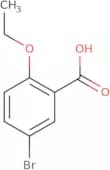
CAS:<p>2-fluoro-5-methoxybenzaldehyde is an asymmetric synthesis that has been shown to inhibit the growth of cancer cells by inhibiting a protein called MT2. 2-Fluoro-5-methoxybenzaldehyde is a nucleophilic compound and reacts with the electrophilic carbon in the enolate to form a sulfoxide, which can be hydrolyzed by acid. This reaction inhibits cancer cell growth as it prevents cellular metabolism and amino acid biosynthesis.</p>Fórmula:C8H7FO2Pureza:Min. 95%Peso molecular:154.14 g/mol5-Bromo-2-ethoxybenzoic acid
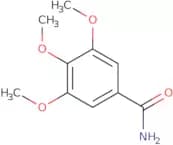
CAS:<p>5-Bromo-2-ethoxybenzoic acid is a versatile building block that can be used as a reagent, speciality chemical, or a useful scaffold. It is used in the synthesis of complex compounds that include pharmaceuticals, agrochemicals, and research chemicals. 5-Bromo-2-ethoxybenzoic acid is also a useful intermediate and reaction component in organic synthesis. This compound has high quality and is listed on the Chemical Abstract Service (CAS) registry number 60783-90-6.</p>Fórmula:C9H9BrO3Pureza:Min. 95%Cor e Forma:SolidPeso molecular:245.07 g/mol3,4,5-Trimethoxybenzamide
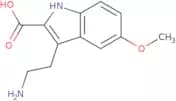
CAS:<p>3,4,5-Trimethoxybenzamide is a benzofuran that has been shown to have anti-cancer properties. It has been shown to inhibit the production of chemokines and inhibit cancer cell proliferation. 3,4,5-Trimethoxybenzamide also binds to chloride ion channels on cancer cells and blocks the influx of chloride ions into the cells. This causes an increase in intracellular pH and inhibits the formation of ATP. 3,4,5-Trimethoxybenzamide also has antiarrhythmic properties and can be used for the treatment of hypertension. It is metabolized by hydrolysis in tissues or blood pressure through piperidine formation or hydrochloric acid.</p>Fórmula:C10H13NO4Pureza:Min. 95%Cor e Forma:PowderPeso molecular:211.21 g/mol3-(2-Aminoethyl)-5-methoxy-1H-indole-2-carboxylic acid
CAS:<p>3-(2-Aminoethyl)-5-methoxy-1H-indole-2-carboxylic acid is a fine chemical that is used as a building block for research chemicals, reagents, and specialty chemicals. It has the CAS No. 52648-13-2. 3-(2-Aminoethyl)-5-methoxy-1H-indole-2-carboxylic acid is also a versatile building block for synthesis of complex compounds with high quality and is a reaction component in many reactions. This compound can serve as an intermediate or scaffold in chemical synthesis.</p>Fórmula:C12H14N2O3Pureza:Min. 95%Cor e Forma:White PowderPeso molecular:234.25 g/mol4-Amino-2-methoxypyridine
CAS:<p>4-Amino-2-methoxypyridine is an antiviral agent that inhibits the activity of the NS5B polymerase, a key enzyme in the replication of the hepatitis C virus. It is a potent inhibitor with a wide range of activity and can be used for treatment and prevention of infection. 4-Amino-2-methoxypyridine has been shown to inhibit replication of hepatitis C virus in cell culture. This compound is stable in vivo and can be administered orally, making it an attractive candidate for oral prophylaxis against hepatitis C. 4-Amino-2-methoxypyridine also exhibits good pharmacokinetic properties, including a low clearance rate and high volume of distribution, which makes it suitable for chronic administration.</p>Fórmula:C6H8N2OPureza:Min. 95%Cor e Forma:White To Light (Or Pale) Orange SolidPeso molecular:124.14 g/mol2-(2,6-Dimethoxyphenoxy)ethanol
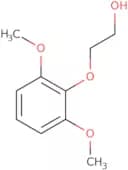
CAS:<p>2-(2,6-Dimethoxyphenoxy)ethanol is a cleavage agent that can be used for the synthesis of lignin model compounds. It is a benzylic ether that is catalyzed by laccase to produce 2,6-dimethoxybenzaldehyde. The compound can be used as a substrate for versicolor or peroxy cleavage reactions. Versicolor cleavage is performed with 1-hydroxybenzotriazole, while peroxy cleavage is performed with hydrogen peroxide. 2-(2,6-Dimethoxyphenoxy)ethanol has been shown to have radical properties and reacts with molecular oxygen and ethanone in the presence of deuterium gas to form 2,6-dimethoxyacetophenone.</p>Fórmula:C10H14O4Pureza:Min. 95%Cor e Forma:PowderPeso molecular:198.22 g/mol2,4-Dimethoxy-β-nitrostyrene
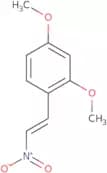
CAS:<p>2,4-Dimethoxy-beta-nitrostyrene is a high quality, versatile building block for synthesis of complex compounds. It is an intermediate for the production of pharmaceuticals and other fine chemicals. 2,4-Dimethoxy-beta-nitrostyrene is used as a reagent in organic chemistry to produce complex compounds, such as esters and amides. This chemical has also been shown to be useful in research into the synthesis of new drugs.</p>Fórmula:C10H11NO4Pureza:Min. 95%Peso molecular:209.2 g/mol2,6-Dimethoxynaphthalene
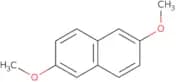
CAS:<p>2,6-Dimethoxynaphthalene is a skeleton that belongs to the naphthalene class of compounds. It is a white crystalline solid that is soluble in organic solvents. This compound has been used as an intermediate for the synthesis of dyes and pharmaceuticals, but it is most commonly used as a precursor to reactive carboxylic acid derivatives. The sulfonation of 2,6-dimethoxynaphthalene with SO3 leads to the formation of ethyl diazoacetate and subsequent acylation reactions can be used to produce esters. The reaction mechanism for these reactions involves proton transport from the sulfur atom to the oxygen atom on ethyl diazoacetate. Supramolecular chemistry studies have shown that this reaction also takes place at low temperatures without the need for an acid catalyst.</p>Fórmula:C12H12O2Pureza:Min. 98 Area-%Peso molecular:188.22 g/mol(3-Methoxyphenyl)acetonitrile
CAS:<p>3-Methoxyphenylacetonitrile (3MPAN) is a small molecule that has been shown to inhibit the activity of kinases, which are enzymes that transfer phosphate groups from ATP onto other substrates. 3MPAN has been found to be selective for the estrogen receptor alpha (ERα), with little or no effect on ERβ, and shows promise as a potential drug for hormone-dependent breast cancer. It also inhibits fatty acid synthesis and is active against some viruses. 3MPAN binds to the enzyme's ATP binding site and blocks phosphorylation by preventing access of ATP. This prevents DNA synthesis and protein synthesis, leading to cell death.</p>Fórmula:C9H9NOPureza:Min. 95%Cor e Forma:PowderPeso molecular:147.17 g/mol3-Amino-4-methoxybenzanilide
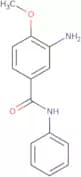
CAS:3-Amino-4-methoxybenzanilide is a white, crystalline solid that is soluble in organic solvents. It reacts with hydrochloric acid to form hydrogen chloride and 3-amino-4-methoxybenzoic acid. 3-Amino-4-methoxybenzanilide is used as an analytical reagent for determining the chloride content of various materials. The heat energy needed for the reaction to occur optimally is between 55 and 75 degrees Celsius. The optimal reaction system includes hydrochloric acid, an organic solvent, and diazonium salt activated by hydrogen chloride gas. The reaction time is 2 hours at room temperature and the analytical method used is titrimetric analysis using triticum aestivum as the particle.Fórmula:C14H14N2O2Pureza:Min. 95%Cor e Forma:PowderPeso molecular:242.27 g/mol2'-Bromo-5'-methoxyacetophenone
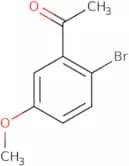
CAS:<p>2'-Bromo-5'-methoxyacetophenone is a perchloric acid catalyst that can be used in the synthesis of ketones, methyl ketones, and other organic compounds. Bromination reactions are catalyzed by hypobromous acid (HOBr), which is generated from bromine and HOCl. The reaction is typically initiated with an acid catalyst such as 2'-bromo-5'-methoxyacetophenone.</p>Fórmula:C9H9BrO2Pureza:Min. 95%Cor e Forma:Clear LiquidPeso molecular:229.07 g/molMethyl 4-ethoxybenzoate
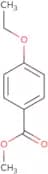
CAS:<p>Methyl 4-ethoxybenzoate is a chemical compound that is used in the production of polymers, resins, and plastics. It has been shown to be an efficient scavenger for tannins and other reactive oxygen species. Methyl 4-ethoxybenzoate has been used for the treatment of cavities by filling them with this compound and can be used as a sealant for resin composites. Methyl 4-ethoxybenzoate is not soluble in water and must be recycled. The methyl group on the benzoic acid portion of the molecule can form hydrogen bonds with carboxyl groups on polysaccharides such as cellulose or hemicellulose, resulting in interactions between these groups. These interactions are stronger than those found between carboxyl groups and phenolic compounds. This interaction has been shown to increase with increasing pH values, suggesting that it may be useful for extracting tannins from coniferous trees at low temperatures.</p>Fórmula:C10H12O3Pureza:Min. 95%Peso molecular:180.2 g/mol7-Amino-2-(4-methoxyphenyl)[1,2,4]triazolo[1,5-a]pyrimidin-5(4H)-one
CAS:7-Amino-2-(4-methoxyphenyl)[1,2,4]triazolo[1,5-a]pyrimidin-5(4H)-one is a fine chemical that belongs to the category of versatile building blocks. It can be used as a reagent for research purposes and as a speciality chemical for the production of complex compounds. This compound is also an important building block for the synthesis of compounds with high quality and useful scaffolds.Fórmula:C12H11N5O2Pureza:Min. 95%Cor e Forma:PowderPeso molecular:257.25 g/mol3-Carbethoxyquinuclidine
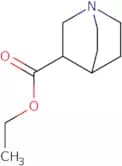
CAS:3-Carbethoxyquinuclidine is an antihistaminic drug that belongs to the class of quinuclidines. It is used in research and has been shown to have a pharmacological effect on the central nervous system, including inhibition of histamine release. 3-Carbethoxyquinuclidine has been found to be anti-inflammatory and analgesic. It also inhibits prostaglandins and other mediators of inflammation, such as leukotrienes, thromboxanes, and platelet activating factor. 3-Carbethoxyquinuclidine is hydrolyzed by acid or alkaline conditions, but can be recrystallized from boiling methanol or ethanol.Fórmula:C10H17NO2Pureza:Min. 95%Cor e Forma:PowderPeso molecular:183.25 g/mol2-Amino-N-[2-(5-methoxy-1H-indol-3-yl)ethyl]acetamide hydrochloride
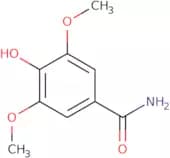
CAS:<p>2-Amino-N-[2-(5-methoxy-1H-indol-3-yl)ethyl]acetamide hydrochloride is a magnetic compound that has been shown to be an effective cancer antigen. It is a derivative of the amino acid sequence of α,β-unsaturated fatty acids and can be used as a dietary supplement. 2-Amino-N-[2-(5-methoxy-1H-indol-3-yl)ethyl]acetamide hydrochloride has been shown to bind to fatty acid receptors on the surface of antigen presenting cells (APCs). It also activates the immune system by activating APCs, which leads to the production of cytokines and chemokines. This compound has also been shown to stimulate T cells in culture, leading to activation and proliferation of tumor cells.</p>Fórmula:C13H17N3O2·HClPureza:Min. 95%Cor e Forma:PowderPeso molecular:283.75 g/mol4-Hydroxy-3,5-dimethoxybenzamide
CAS:<p>4-Hydroxy-3,5-dimethoxybenzamide is a phenolic compound that is soluble in organic solvents. It has been shown to bind to fatty acid sequences and neutral polypeptides in the presence of an acidic or basic environment. 4-Hydroxy-3,5-dimethoxybenzamide has also been shown to have catalytic activity, which may be due to its ability to form a polymeric matrix with other compounds.</p>Fórmula:C9H11NO4Pureza:Min. 95%Cor e Forma:PowderPeso molecular:197.19 g/mol2,3,4-Trimethoxybenzonitrile
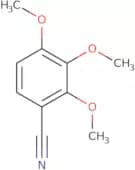
CAS:Please enquire for more information about 2,3,4-Trimethoxybenzonitrile including the price, delivery time and more detailed product information at the technical inquiry form on this pageFórmula:C10H11NO3Pureza:Min. 95%Peso molecular:193.2 g/mol2,4,5-Trimethoxybenzoic acid
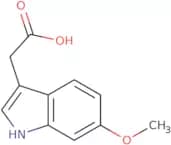
CAS:2,4,5-Trimethoxybenzoic acid is a polarizer that belongs to the group of phenols. It is used in the production of photographic film and as an intermediate in organic synthesis. The 2,4,5-trimethoxybenzoic acid has been shown to have a protective effect on Toll-like receptor 4 (TLR4) and TLR2 signaling pathways after thermal expansion. This compound may be helpful in reducing risk due to its involvement in the M2 phenotype and its lack of cytotoxic effects on macrophages. 2,4,5-Trimethoxybenzoic acid also has a hydroxyl group that can form hydrogen bonds with other compounds or water molecules. It also has fatty acids that can permeate through cell membranes and increase water permeability.Fórmula:C10H12O5Pureza:Min. 95%Cor e Forma:PowderPeso molecular:212.2 g/mol6-Methoxyindole-3-acetic acid
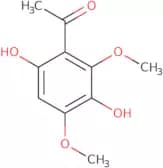
CAS:Please enquire for more information about 6-Methoxyindole-3-acetic acid including the price, delivery time and more detailed product information at the technical inquiry form on this pageFórmula:C11H11NO3Pureza:Min. 95%Cor e Forma:PowderPeso molecular:205.21 g/mol3,6-Dihydroxy-2,4-dimethoxyacetophenone
CAS:<p>3,6-Dihydroxy-2,4-dimethoxyacetophenone is an aromatic compound that has a molecular structure with hydrogen-bonded groups. It also contains both acetoxy and intramolecular substituents. 3,6-Dihydroxy-2,4-dimethoxyacetophenone is used in research as a starting material for the synthesis of other compounds. It is also used to study the dihedral angles in molecules due to the presence of two asymmetric carbon atoms.</p>Fórmula:C10H12O5Pureza:Min. 95%Cor e Forma:PowderPeso molecular:212.2 g/mol3,4-Dimethoxyphenyl ethanol
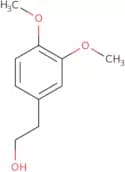
CAS:3,4-Dimethoxyphenyl ethanol is a product of the asymmetric synthesis of 3,4-dimethoxyphenylacetic acid. It has been shown to have high redox potentials and hydrochloric acid resistance. 3,4-Dimethoxyphenyl ethanol has been used in the delignification of cellulose fibers and has also been shown to have photophysical and photochemical properties. This compound binds with hydroxyl groups on proteins, which may be due to its ability to undergo acylation reactions. The binding of 3,4-dimethoxyphenyl ethanol with human liver microsomes was found to be rapid and reversible. Kinetic analysis showed that this binding can be explained by substrate binding or acylation reaction.Fórmula:C10H14O3Pureza:Min. 95%Cor e Forma:White PowderPeso molecular:182.22 g/mol4-(4-Ethoxyphenyl)-2-(1-methylindol-3-yl)-4-oxobutanoic acid
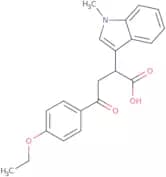
CAS:Please enquire for more information about 4-(4-Ethoxyphenyl)-2-(1-methylindol-3-yl)-4-oxobutanoic acid including the price, delivery time and more detailed product information at the technical inquiry form on this pagePureza:Min. 95%4-Hydroxy-3-(trifluoromethoxy)benzaldehyde
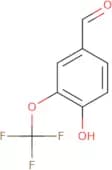
CAS:4-Hydroxy-3-(trifluoromethoxy)benzaldehyde is a chemical that modulates the toxicity of cells. It has been shown to reduce amyloid plaques in animals and humans with Alzheimer's disease, and to inhibit the formation of plaques in transgenic mice. In addition, 4-hydroxy-3-(trifluoromethoxy)benzaldehyde has been found to be a pyrimidine compound, which can be used as a potential treatment for alzheimer's disease. This substance also has an insoluble nature and is not soluble in water. Curcumin is one of the substances that may be used to dissolve this substance.Fórmula:C8H5F3O3Pureza:Min. 95%Peso molecular:206.12 g/mol4,6-Dimethoxyindole
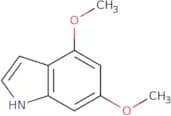
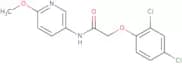
CAS:<p>4,6-Dimethoxyindole is a molecule that can be used as an amide or chloride. The molecular modeling study indicated that the 4,6-dimethoxyindole is hydrophobic and has a molecular weight of 164.4 g/mol. In the acetylation reaction, the 4,6-dimethoxyindole was synthesized with an acetyl group on one side of the molecule and an acetate group on the other side of the molecule. This molecule has shown to have anticholinesterase activity in vitro and can be used as an antibiotic. The synthesis of this molecule was confirmed by X-ray diffraction analysis, which showed that it had a crystal structure with two molecules in space group P2(1)2(1).</p>Fórmula:C10H11NO2Pureza:Min. 95%Peso molecular:177.2 g/mol2-(2,4-dichlorophenoxy)-N-(6-methoxy(3-pyridyl))ethanamide
CAS:<p>Please enquire for more information about 2-(2,4-dichlorophenoxy)-N-(6-methoxy(3-pyridyl))ethanamide including the price, delivery time and more detailed product information at the technical inquiry form on this page</p>Pureza:Min. 95%2,6-Dimethoxy-4-methylbenzyl alcohol
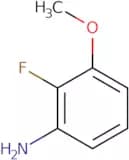
CAS:<p>2,6-Dimethoxy-4-methylbenzyl alcohol is a high quality, versatile building block that is used as a reagent. The chemical has been shown to be a useful intermediate in the production of fine chemicals and speciality chemicals. 2,6-Dimethoxy-4-methylbenzyl alcohol can be used as a reaction component in the production of research chemicals and versatile building blocks. This compound can be found on CAS registry number 875664-51-0.</p>Fórmula:C10H14O3Pureza:Min. 95%Cor e Forma:PowderPeso molecular:182.22 g/mol2-Fluoro-3-methoxyaniline
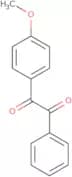
CAS:<p>2-Fluoro-3-methoxyaniline is a high quality chemical that can be used as an intermediate in the synthesis of complex compounds. It is a reagent and useful building block, with a CAS number of 801282-00-8. 2-Fluoro-3-methoxyaniline can be used to make speciality chemicals and research chemicals, as well as versatile building blocks for reactions. This compound is also a reaction component for the synthesis of other compounds.</p>Fórmula:C7H8FNOPureza:Min. 95%Cor e Forma:Clear LiquidPeso molecular:141.14 g/mol4-Methoxybenzil
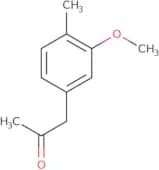
CAS:4-Methoxybenzil is an activated diketone with a processable temperature range. It is a precursor to imidazoles and can be used for the manufacture of 4-methoxybenzaldehyde by reacting with sodium carbonate, in which an aldehyde group is added. The 4-methoxybenzaldehyde can then be reacted with oxone to form 4-methoxybenzil. This compound may also be used as a stabilizer or inhibitor in polyolefin production.Fórmula:C15H12O3Pureza:Min. 95%Cor e Forma:PowderPeso molecular:240.25 g/mol3-Methoxy-4-methylphenylacetone
CAS:<p>3-Methoxy-4-methylphenylacetone is a reagent that can be used as a useful intermediate for the synthesis of complex organic compounds. It is soluble in water, but insoluble in most organic solvents. 3-Methoxy-4-methylphenylacetone is also a fine chemical with CAS No. 51814-28-9 and has been shown to be an effective building block for synthetic chemistry. It is used in the synthesis of speciality chemicals and research chemicals, such as pharmaceuticals and agrochemicals. This compound can be used as a versatile building block in many reactions and has been shown to react with epoxide, nitrile, amine, thioether, amide, alcohols, carboxylic acids or esters.</p>Fórmula:C11H14O2Pureza:Min. 95%Cor e Forma:PowderPeso molecular:178.23 g/mol





![5-Methoxy-2-[[(4-methoxy-3,5-dimethyl-2-pyridinyl)methyl]thio]-1H-benzimidazole N-oxide](/_next/image/?url=https%3A%2Fstatic.cymitquimica.com%2Fproducts%2F3D%2Fthumb-webp%2FFM63432.webp&w=3840&q=75)








![7-Amino-2-(4-methoxyphenyl)[1,2,4]triazolo[1,5-a]pyrimidin-5(4H)-one](/_next/image/?url=https%3A%2Fstatic.cymitquimica.com%2Fproducts%2F3D%2Fthumb-webp%2FFA134729.webp&w=3840&q=75)
![2-Amino-N-[2-(5-methoxy-1H-indol-3-yl)ethyl]acetamide hydrochloride](/_next/image/?url=https%3A%2Fstatic.cymitquimica.com%2Fproducts%2F3D%2Fthumb-webp%2FFA116384.webp&w=3840&q=75)