Éteres
Os éteres são compostos orgânicos que contêm um grupo funcional éter, caracterizado por um átomo de oxigênio ligado a dois radicais hidrocarbonetos. Esses compostos são valiosos na síntese e servem como solventes em várias reações químicas. Na CymitQuimica, oferecemos uma seleção de éteres de alta qualidade para apoiar suas aplicações de pesquisa e industriais, garantindo resultados confiáveis e eficazes. Nossa gama de éteres atende a diversos requisitos laboratoriais, desde experimentos de rotina até pesquisas avançadas.
Foram encontrados 40902 produtos de "Éteres"
Ordenar por
Pureza (%)
0
100
|
0
|
50
|
90
|
95
|
100
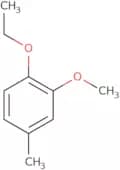
4-Ethoxy-3-methoxytoluene
CAS:<p>4-Ethoxy-3-methoxytoluene is a fine chemical that has been used as a building block in the synthesis of other chemicals. It is also used as a research chemical and a reagent. 4-Ethoxy-3-methoxytoluene can be used to form various compounds with different functional groups. It can be used as an intermediate for the synthesis of drugs or polymers, or as a reaction component in organic reactions. The CAS number for 4-Ethoxy-3-methoxytoluene is 33963-27-8.</p>Fórmula:C10H14O2Pureza:Min. 95%Cor e Forma:PowderPeso molecular:166.22 g/mol(3-Methoxyphenyl)acetonitrile
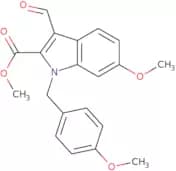
CAS:<p>3-Methoxyphenylacetonitrile (3MPAN) is a small molecule that has been shown to inhibit the activity of kinases, which are enzymes that transfer phosphate groups from ATP onto other substrates. 3MPAN has been found to be selective for the estrogen receptor alpha (ERα), with little or no effect on ERβ, and shows promise as a potential drug for hormone-dependent breast cancer. It also inhibits fatty acid synthesis and is active against some viruses. 3MPAN binds to the enzyme's ATP binding site and blocks phosphorylation by preventing access of ATP. This prevents DNA synthesis and protein synthesis, leading to cell death.</p>Fórmula:C9H9NOPureza:Min. 95%Cor e Forma:PowderPeso molecular:147.17 g/molMethyl 3-formyl-6-methoxy-1-(4-methoxybenzyl)-1H-indole-2-carboxylate
CAS:Produto Controlado<p>Please enquire for more information about Methyl 3-formyl-6-methoxy-1-(4-methoxybenzyl)-1H-indole-2-carboxylate including the price, delivery time and more detailed product information at the technical inquiry form on this page</p>Fórmula:C20H19NO5Pureza:Min. 95%Peso molecular:353.37 g/mol3-(4-ethoxyphenyl)spiro[1,3-thiazolidine-2,3'-indoline]-4,7-dione
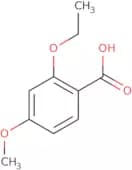
CAS:Please enquire for more information about 3-(4-ethoxyphenyl)spiro[1,3-thiazolidine-2,3'-indoline]-4,7-dione including the price, delivery time and more detailed product information at the technical inquiry form on this pagePureza:Min. 95%2-Ethoxy-4-methoxybenzoic acid
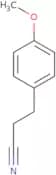
CAS:<p>2-Ethoxy-4-methoxybenzoic acid is a versatile chemical compound that can be used as a building block in the synthesis of complex compounds. It has been used as an intermediate in the production of other chemicals and has been shown to be useful as a scaffold for drug design. 2-Ethoxy-4-methoxybenzoic acid is also used in research to study bacterial resistance to antibiotics and its ability to inhibit DNA replication. CAS No. 55085-15-9</p>Fórmula:C10H12O4Pureza:Min. 95%Cor e Forma:PowderPeso molecular:196.2 g/molβ-(p-Methoxyphenyl)propionitrile
CAS:The synthesis of beta-(p-methoxyphenyl)propionitrile is a sustainable process that can be carried out in the laboratory. The reaction requires no catalysts or solvents and can be completed within an hour, with yields of up to 99%. This compound can be used as a precursor for other organic compounds, such as pharmaceuticals.Fórmula:C10H11NOPureza:Min. 95%Cor e Forma:Clear LiquidPeso molecular:161.2 g/mol1-(2-Methoxyphenyl)-2-nitroethane
CAS:1-(2-Methoxyphenyl)-2-nitroethane is a natural alkaloid that is found in the plant Piper methysticum. This compound has been shown to inhibit the transformation of nitroalkenes to nitropropene and nitrobenzene. The synthetic studies on this compound are mainly focused on its effects on other nitroalkenes. It has been shown that 1-(2-methoxyphenyl)-2-nitroethane can be used as an inhibitor of cyclization reactions, such as the synthesis of indole alkaloids, which are important in many pharmacological processes and biological systems.Fórmula:C9H9NO3Pureza:Min. 95%Cor e Forma:PowderPeso molecular:179.17 g/mol2-Cyano-N-[2-(3,4-dimethoxyphenyl)ethyl]acetamide
CAS:<p>Please enquire for more information about 2-Cyano-N-[2-(3,4-dimethoxyphenyl)ethyl]acetamide including the price, delivery time and more detailed product information at the technical inquiry form on this page</p>Fórmula:C13H16N2O3Pureza:Min. 95%Peso molecular:248.28 g/mol4-Methoxycinnamylidene acetaldehyde
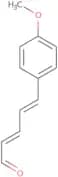
CAS:<p>4-Methoxycinnamylidene acetaldehyde is a versatile building block with a CAS number of 27394-81-6. It is used in the research and production of fine chemicals, pharmaceuticals, and high quality reagents. 4-Methoxycinnamylidene acetaldehyde can be used as a useful scaffold for the synthesis of complex compounds. This building block is also a useful intermediate in organic chemistry reactions.</p>Fórmula:C12H12O2Pureza:Min. 95%Cor e Forma:PowderPeso molecular:188.22 g/mol4-Methoxy-2-methylbenzaldehyde
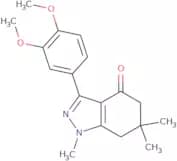
CAS:4-Methoxy-2-methylbenzaldehyde (4MMBA) is a synthetic chemical that is used as an antifungal agent. It interacts with the cellular membranes of fungi and disrupts their ability to maintain homeostasis. 4MMBA inhibits the growth of invasive aspergillosis by inhibiting protein synthesis, which leads to cell death. The mechanism of action for 4MMBA is not well understood, but it has been shown to inhibit the growth of fungi in a model system. It also inhibits the production of pyrylium, which may be responsible for its activity against fungi.Fórmula:C9H10O2Pureza:90%Peso molecular:150.17 g/mol3-(3,4-dimethoxyphenyl)-1,6,6-trimethyl-5,6,7-trihydro1H-indazol-4-one
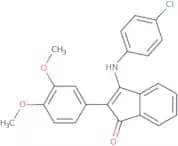
CAS:Please enquire for more information about 3-(3,4-dimethoxyphenyl)-1,6,6-trimethyl-5,6,7-trihydro1H-indazol-4-one including the price, delivery time and more detailed product information at the technical inquiry form on this pagePureza:Min. 95%2-(3,4-dimethoxyphenyl)-3-((4-chlorophenyl)amino)inden-1-one
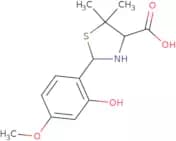
CAS:Please enquire for more information about 2-(3,4-dimethoxyphenyl)-3-((4-chlorophenyl)amino)inden-1-one including the price, delivery time and more detailed product information at the technical inquiry form on this pagePureza:Min. 95%2-(2-Hydroxy-4-methoxyphenyl)-5,5-dimethyl-4-thiazolidinecarboxylic acid
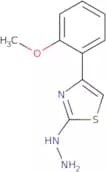
CAS:<p>Please enquire for more information about 2-(2-Hydroxy-4-methoxyphenyl)-5,5-dimethyl-4-thiazolidinecarboxylic acid including the price, delivery time and more detailed product information at the technical inquiry form on this page</p>Fórmula:C13H17NO4SPureza:Min. 95%Cor e Forma:PowderPeso molecular:283.34 g/mol4-(2-Methoxyphenyl)-2(3H)-thiazolone hydrazone
CAS:4-(2-Methoxyphenyl)-2(3H)-thiazolone hydrazone is a versatile building block for the synthesis of complex compounds. It is also a useful intermediate for the preparation of research chemicals, reagents, and speciality chemicals. 4-(2-Methoxyphenyl)-2(3H)-thiazolone hydrazone has been used in the synthesis of a number of biologically active compounds, including hydroxyarylacetamides and 2,5-dioxo-4-(2-methoxybenzoyl)thiazolidine derivatives. This compound can be used as a scaffold to produce novel compounds with biological activity.Fórmula:C10H11N3OSPureza:Min. 95%Cor e Forma:Off-White PowderPeso molecular:221.28 g/mol1,3-Diethoxybenzene
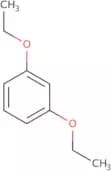
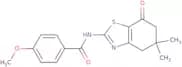
CAS:<p>1,3-Diethoxybenzene is an equimolecular alkylation product that is prepared by the reaction of chloride and diethyl ether. The analysis technique used to identify this compound is GC-MS. This product has been shown to be resistant to vinyl acetate copolymerization with styrene and nitrocellulose polymerization with cyclohexenyl methoxy.</p>Fórmula:C10H14O2Pureza:Min. 94.0 Area-%Cor e Forma:Clear LiquidPeso molecular:166.22 g/molN-(5,5-dimethyl-7-oxo(4,5,6-trihydrobenzothiazol-2-yl))(4-methoxyphenyl)formamide
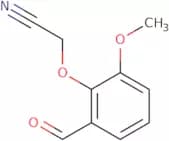
CAS:<p>Please enquire for more information about N-(5,5-dimethyl-7-oxo(4,5,6-trihydrobenzothiazol-2-yl))(4-methoxyphenyl)formamide including the price, delivery time and more detailed product information at the technical inquiry form on this page</p>Pureza:Min. 95%2-(2-formyl-6-methoxyphenoxy)acetonitrile
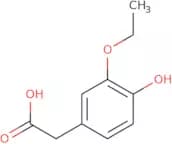
CAS:<p>Please enquire for more information about 2-(2-formyl-6-methoxyphenoxy)acetonitrile including the price, delivery time and more detailed product information at the technical inquiry form on this page</p>Fórmula:C10H9NO3Pureza:Min. 95%Cor e Forma:PowderPeso molecular:191.18 g/mol3-Ethoxy-4-hydroxyphenylacetic acid
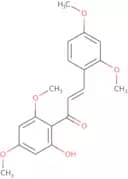
CAS:<p>3-Ethoxy-4-hydroxyphenylacetic acid is a chemical compound that functions as an anaesthetic. It has been shown to produce sedation and anesthesia in animals, but not in humans. 3-Ethoxy-4-hydroxyphenylacetic acid is also a metabolite of the drug propofol, which is used as a general anesthetic.</p>Fórmula:C10H12O4Pureza:Min. 95%Cor e Forma:PowderPeso molecular:196.2 g/mol2'-Hydroxy-2,4,4',6'-tetramethoxychalcone
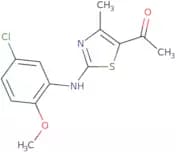
CAS:<p>2'-Hydroxy-2,4,4',6'-tetramethoxychalcone (HTMC) is a bioactive substance that has been shown to have anticancer properties. HTMC has been shown to have allopathic effects in a statistically significant manner and has been used in traditional herbal medicine for centuries. The mechanisms of action are not well understood but may be due to its ability to inhibit the activity of arjunic acid and flavonoids. HTMC is found in plants such as tropical trees and herbs from India, including Acacia catechu and Tinospora cordifolia. It also has pharmacological properties, which may be due to its derivates that are isolated from these plants. HTMC shows no adverse effects on humans when taken orally at doses up to 1 g/day for 28 days.</p>Fórmula:C19H20O6Pureza:Min. 95%Cor e Forma:PowderPeso molecular:344.36 g/mol1-(3-((5-Chloro-2-methoxyphenyl)amino)-5-methyl-2,4-thiazolyl)ethan-1-one
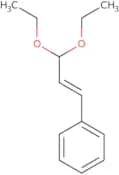
CAS:Please enquire for more information about 1-(3-((5-Chloro-2-methoxyphenyl)amino)-5-methyl-2,4-thiazolyl)ethan-1-one including the price, delivery time and more detailed product information at the technical inquiry form on this pageFórmula:C13H13ClN2O2SPureza:Min. 95%Peso molecular:296.77 g/mol(3,3-Diethoxyprop-1-en-1-yl)benzene
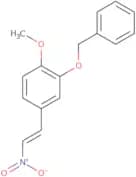
CAS:(3,3-Diethoxyprop-1-en-1-yl)benzene is a compound that has been synthesized in the laboratory. It is a cinnamic acid derivative with a benzene ring. (3,3-Diethoxyprop-1-en-1-yl)benzene has shown to be an inhibitor of serotonin reuptake and damaging to mammalian cells. It also inhibits the synthesis of serotonin by blocking the binding site for serotonin on the cell membrane. The compound may have potential as a treatment for depression and anxiety disorders due to its effects on serotonin levels and its ability to inhibit monoamine oxidase B.Fórmula:C13H18O2Pureza:Min. 95%Peso molecular:206.28 g/mol1-(3-Benzyloxy-4-methoxyphenyl)-2-nitroethene
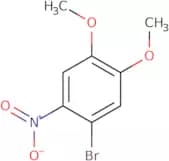
CAS:<p>1-(3-Benzyloxy-4-methoxyphenyl)-2-nitroethene (1BMN) is an ethanamine that has a skeleton of five benzene and one methoxybenzene rings. It is an analogue of lamellarin, which has been shown to have efficient synthetic and biological properties. 1BMN is biologically active as a lamellarin analog and may be useful for the treatment of diseases such as cancer, malaria, hypertension, hyperglycemia, hypercholesterolemia, and ulcerative colitis. 1BMN is synthesized from 2-nitroethanol by reacting with 3-bromobenzaldehyde in the presence of sodium hydroxide. This reaction results in the formation of 1BMN in high yield with few side reactions.</p>Fórmula:C16H15NO4Pureza:Min. 95%Cor e Forma:PowderPeso molecular:285.29 g/mol1-Bromo-3,4-dimethoxy-6-nitrobenzene
CAS:<p>1-Bromo-3,4-dimethoxy-6-nitrobenzene is a pharmacological agent that has been used as a catalyst and cleavable complex. It can be used to synthesize melamine, anilines and other moieties. The 1,2,3-triazole ring of the molecule is modified by substitution with nitroarenes or nitrobenzene to form a protoberberine alkaloid. This chemical compound has been shown to be a competitive inhibitor of topoisomerase I with an IC50 value of 0.2μM in calf thymus DNA gyrase assays. It also has thermal stability up to 90°C for at least 24 hours when treated with phenol and chloroform for purification purposes.</p>Fórmula:C8H8BrNO4Pureza:Min. 95%Cor e Forma:PowderPeso molecular:262.06 g/molN-Ethylheptadecafluoro-N-[3-(Trimethoxysilyl)Propyl]Octanesulphonamide
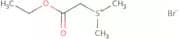
CAS:Produto Controlado<p>N-Ethylheptadecafluoro-N-[3-(Trimethoxysilyl)Propyl]Octanesulphonamide is a membrane filtration technology that is used to remove all organic and inorganic pollutants from water. It is effective for the removal of oils, pesticides, herbicides, detergents, antibiotics, and heavy metals. N-Ethylheptadecafluoro-N-[3-(Trimethoxysilyl)Propyl]Octanesulphonamide is also used to treat wastewater and surface water. This process can be used on large quantities of water with high efficiency. The use of this process can be beneficial for the health of humans, animals, and the environment.</p>Fórmula:C16H20F17NO5SSiPureza:Min. 95%Peso molecular:689.46 g/mol(Ethoxycarbonylmethyl)dimethylsulfonium bromide
CAS:(Ethoxycarbonylmethyl)dimethylsulfonium bromide is an isoxazoline. It is used in the synthesis of oxime derivatives, which are bioactive molecules that have a wide range of applications in the field of medicine, including as intermediates for anti-inflammatory, anti-viral and antibacterial drugs. This compound has shown to be active against methicillin resistant Staphylococcus aureus (MRSA). The mechanism by which this molecule inhibits MRSA involves its nitro group and the release of nitric oxide.Fórmula:C6H13BrO2SPureza:Min. 97.5 Area-%Cor e Forma:PowderPeso molecular:229.14 g/mol6,6'-Dihydroxy-5,5'-dimethoxy- [1,1'-biphenyl]-3,3'-dicarboxaldehyde
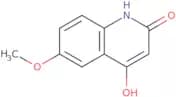
CAS:6,6'-Dihydroxy-5,5'-dimethoxy-[1,1'-biphenyl]-3,3'-dicarboxaldehyde (DDM) is a molecule that belongs to the class of organic compounds known as phenols. DDM has been shown to be an inhibitor of the enzyme activity of lysine residues and protocatechuic acid production. DDM also inhibits 5-carboxyvanillic acid production by competitively binding to the enzyme's active site. DDM has been shown to have antibacterial activity against wild-type strains of Staphylococcus aureus and Escherichia coli.Fórmula:C16H14O6Pureza:Min. 95 Area-%Cor e Forma:Yellow PowderPeso molecular:302.28 g/mol2,4-Dihydroxy-6-methoxyquinoline
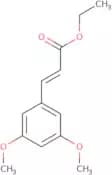
CAS:<p>2,4-Dihydroxy-6-methoxyquinoline is a compound that exhibits antifungal properties. It has been shown to have activity against Aspergillus flavus, Aspergillus fumigatus, Candida albicans and other fungi. 2,4-Dihydroxy-6-methoxyquinoline also inhibits the growth of E. coli and A. aureus in vitro. Elemental analysis showed that this compound possesses antibacterial properties and can inhibit the growth of Staphylococcus aureus.</p>Fórmula:C10H9NO3Pureza:Min. 95%Cor e Forma:PowderPeso molecular:191.18 g/mol3,5-Dimethoxycinnamic acid methyl ester
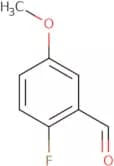
CAS:<p>Please enquire for more information about 3,5-Dimethoxycinnamic acid methyl ester including the price, delivery time and more detailed product information at the technical inquiry form on this page</p>Fórmula:C12H14O4Pureza:Min. 95%Peso molecular:222.24 g/mol2-fluoro-5-methoxybenzaldehyde
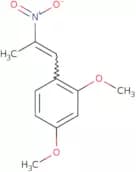
CAS:<p>2-fluoro-5-methoxybenzaldehyde is an asymmetric synthesis that has been shown to inhibit the growth of cancer cells by inhibiting a protein called MT2. 2-Fluoro-5-methoxybenzaldehyde is a nucleophilic compound and reacts with the electrophilic carbon in the enolate to form a sulfoxide, which can be hydrolyzed by acid. This reaction inhibits cancer cell growth as it prevents cellular metabolism and amino acid biosynthesis.</p>Fórmula:C8H7FO2Pureza:Min. 95%Peso molecular:154.14 g/mol1-(2,4-Dimethoxyphenyl)-2-nitropropene
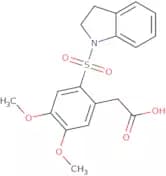
CAS:<p>1-(2,4-Dimethoxyphenyl)-2-nitropropene is a versatile building block that can be used in the synthesis of a wide range of compounds. It is a high quality chemical with a CAS number of 15804-78-1. This compound has been used as an intermediate to synthesize other compounds such as 2-amino-3,5,6-trimethylbenzaldehyde and 1-(2,4-dimethoxyphenyl)-2-(pyrrolidin-1-yl)propene. The compound is also useful as a reagent for reaction components in organic chemistry and biochemistry.</p>Fórmula:C11H13NO4Pureza:Min. 95%Cor e Forma:PowderPeso molecular:223.23 g/mol2-(4,5-Dimethoxy-2-(indolin-1-ylsulfonyl)phenyl)acetic acid
CAS:Please enquire for more information about 2-(4,5-Dimethoxy-2-(indolin-1-ylsulfonyl)phenyl)acetic acid including the price, delivery time and more detailed product information at the technical inquiry form on this pagePureza:Min. 95%5-Methoxyuracil
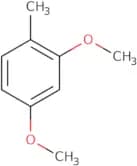
CAS:5-Methoxyuracil is a labile, colorless and crystalline compound that occurs spontaneously in the presence of oxygen. It has a chemical structure similar to thiourea, with one methyl group substituted for the amino group on the heterocycle. 5-Methoxyuracil is used as a precursor for synthesis of thymine and uracil. It also acts as an antioxidant, preventing reactive oxygen species from causing cellular damage. 5-Methoxyuracil can be used in regenerative medicine to increase the production of messenger RNA (mRNA) and ribosomal RNA (rRNA). This drug is used as a prebiotic agent and can be synthetically produced by dimethylation of uridine followed by ethyl formate oxidation.Fórmula:C5H6N2O3Pureza:Min. 95%Cor e Forma:PowderPeso molecular:142.11 g/mol2,4-Dimethoxytoluene
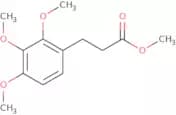
CAS:<p>2,4-Dimethoxytoluene is a natural compound found in the leaves of the arecaceae plant. It is structurally similar to β-caryophyllene and has been shown to have insecticidal activity. The leaf structure of this plant can be analyzed using chromatographic methods, and its fatty acid content can be determined by a reaction mechanism. This compound also has ether linkages and hydroxyl groups that can be analyzed through structural analysis. 2,4-Dimethoxytoluene is extracted from the leaf of this plant using a supercritical fluid extraction method. This extraction process yields a higher concentration than an extraction process with water or ethanol as the solvent. 2,4-Dimethoxytoluene is composed of two methoxy groups that are responsible for its insecticidal activities against mosquitoes.</p>Fórmula:C9H12O2Pureza:Min. 95%Cor e Forma:Clear LiquidPeso molecular:152.19 g/molMethyl 3-(2,3,4-trimethoxyphenyl)propanoate
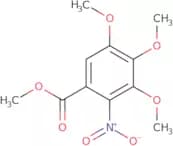
CAS:<p>Methyl 3-(2,3,4-trimethoxyphenyl)propanoate is a reagent that is used as an intermediate in chemical synthesis. It has been shown to be useful as a scaffold for complex compounds and as a building block in the preparation of speciality chemicals. Methyl 3-(2,3,4-trimethoxyphenyl)propanoate is also a versatile building block that can be used in reactions with other molecules. It is an important intermediate in organic synthesis and can be used to prepare research chemicals such as methyl 2-((2,6-dimethoxyphenyl)amino)-5-nitropentanoate.</p>Fórmula:C13H18O5Pureza:Min. 95%Peso molecular:254.28 g/mol2-Nitro-3,4,5-trimethoxybenzoic acid methyl ester
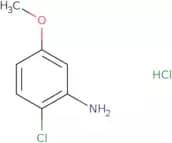
CAS:<p>2-Nitro-3,4,5-trimethoxybenzoic acid methyl ester is a potential anticancer agent. It has been shown to inhibit the growth of cancer cells in vitro and demonstrates anticancer activity against human tumor xenografts in mice. This compound binds to the epidermal growth factor receptor (EGFR) and inhibits its activity. This binding causes downstream signalling pathways to be suppressed, which ultimately prevents tumor cells from proliferating. 2-Nitro-3,4,5-trimethoxybenzoic acid methyl ester also has directional properties that may allow for selective targeting of cancerous cells.<br>2-Nitro-3,4,5-trimethoxybenzoic acid methyl ester is a white crystalline powder with an orthorhombic crystal system and an amine group on each end of the molecule.</p>Fórmula:C11H13NO7Pureza:Min. 95%Cor e Forma:PowderPeso molecular:271.22 g/mol2-Chloro-5-methoxyaniline hydrochloride
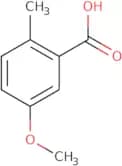
CAS:2-Chloro-5-methoxyaniline hydrochloride is an intercalating agent that is used in the treatment of cancer. It binds to DNA and causes a breakage of the hydrogen bonds between the two strands, which leads to cell death. The 2-Chloro-5-methoxyaniline hydrochloride molecule has affinity for lactams, which are sugar molecules found in cell walls of bacteria, fungi, and plants. This compound can be metabolized by lactamase enzymes that are found in cancer cells and other cells. The metabolized products are fluorescent, which allows them to be detected by fluorescence microscopy. 2-Chloro-5-methoxyaniline hydrochloride has been shown to inhibit the growth of lung cancer cells and leukemia cells by interfering with their ability to synthesize DNA and RNA.Fórmula:C7H8ClNO•HClPureza:Min. 95%Cor e Forma:PowderPeso molecular:194.06 g/mol5-Methoxy-2-methylbenzoic acid
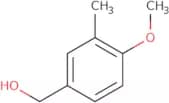
CAS:<p>5-Methoxy-2-methylbenzoic acid is an intermediate in the synthesis of vitamin D3. It can also be used to synthesize calciferol, a configurationally stable form of vitamin D3 that has been shown to be optically active. Lactonic forms are composed of a 5-methoxy group and a 2-methylbenzoic acid moiety. Enantiomers are compounds with the same chemical formula but different arrangements of their atoms in space and each enantiomer is capable of rotating plane polarized light in opposite directions.</p>Fórmula:C9H10O3Pureza:Min. 95%Cor e Forma:PowderPeso molecular:166.17 g/mol4-Methoxy-3-methylbenzyl alcohol
CAS:4-Methoxy-3-methylbenzyl alcohol is a high quality and versatile chemical reagent. It is a complex compound with the CAS number 114787-91-6. 4-Methoxy-3-methylbenzyl alcohol is useful as an intermediate in the synthesis of other fine chemicals, such as pesticides, dyes, and pharmaceuticals. It is also used as a speciality chemical for research purposes or as a building block for more complicated compounds. This compound can be used in reactions to produce new products, such as reaction components that are versatile building blocks.Fórmula:C9H12O2Pureza:Min. 95%Cor e Forma:Clear LiquidPeso molecular:152.19 g/mol3-(tert-butyl)-4-((2-hydroxy-3-methoxyphenyl)methylene)-1-phenyl-2-pyrazolin-5-one
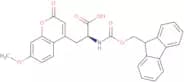
CAS:<p>Please enquire for more information about 3-(tert-butyl)-4-((2-hydroxy-3-methoxyphenyl)methylene)-1-phenyl-2-pyrazolin-5-one including the price, delivery time and more detailed product information at the technical inquiry form on this page</p>Pureza:Min. 95%Fmoc-β-(7-methoxy-coumarin-4-yl)-Ala-OH
CAS:Fmoc-b-(7-methoxy-coumarin-4-yl)-Ala-OH is a reagent with the CAS No. 524698-40-6, which is used in organic synthesis. It is a versatile building block and useful intermediate that can be used to synthesize other organic compounds. Fmoc-b-(7-methoxy-coumarin-4-yl)-Ala-OH is also used as a reaction component in the synthesis of peptides and proteins, as well as in the preparation of polymers. It has been shown to be an effective building block for complex compounds.Fórmula:C28H23NO7Pureza:Min. 95%Cor e Forma:PowderPeso molecular:485.48 g/mol2-(2,5-dimethoxyphenyl)acetic acid
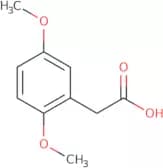
CAS:2-(2,5-dimethoxyphenyl)acetic acid (DMPA) is a potent inhibitor of epidermal growth. It blocks the production of epidermal growth factor, which is a bioactive molecule that is involved in the biosynthesis of epidermal cells. DMPA also inhibits the formation of new blood vessels, which may be due to its ability to bind to silicon and alcaptonuria. DMPA has been shown to have an effect on platelet-derived growth factor and solid-phase synthesis. This drug also binds to factor receptor tyrosine kinase and has been shown to inhibit the growth of certain tumor cells.Fórmula:C10H12O4Pureza:Min. 95%Cor e Forma:White PowderPeso molecular:196.2 g/mol2-Ethoxybenzonitrile
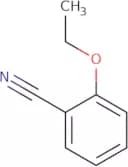
CAS:<p>2-Ethoxybenzonitrile is a non-natural molecule that is synthesized from the reaction of aniline and ethyl bromide. The reactants are heated together in the presence of an acid catalyst to form 2-ethoxybenzonitrile. 2-Ethoxybenzonitrile has been used as a research chemical in pharmaceutical research because it can be substituted for other molecules, such as benzene or nitro compounds, with similar physical properties. This synthetic compound has been shown to have a constant boiling point and melting point, which is desirable for use in molecular modeling studies. The molecule also has two isosteres that can be used in its place: dimethoxybenzene and diphenyl ether. 2-Ethoxybenzonitrile has been shown to react with purines by forming a C(2)-N bond. These reactions are catalyzed by nitro compounds, which act as electron donors. The mechanism of these reactions is</p>Fórmula:C9H9NOPureza:Min. 95%Cor e Forma:Clear LiquidPeso molecular:147.17 g/mol3,4,5-Trimethoxyaniline
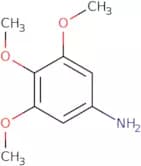
CAS:<p>3,4,5-Trimethoxyaniline is a synthetic compound that is an intermediate in the synthesis of phenylacetic acid. It is a nonclassical nitrogen heterocycle with two amine groups and three oxygen atoms. 3,4,5-Trimethoxyaniline has been shown to have potent cytotoxic activity against human liver cancer cells (bel-7402) and human liver cells (human liver). Further studies into the mechanism of action revealed that 3,4,5-trimethoxyaniline inhibited nitrite ion reduction by tetronic acid and increased redox potentials. Computational molecular modeling also suggested that the nitrogen atoms in this molecule are involved in hydrogen bonding.</p>Fórmula:C9H13NO3Pureza:Min. 95%Cor e Forma:PowderPeso molecular:183.2 g/molMethoxytributyltin
CAS:Produto Controlado<p>Methoxytributyltin is a metathesis reagent that is used in organic synthesis. Methoxytributyltin reacts with carbon disulphide to form a hydroxyl group, which can then be used to create a variety of compounds. The reaction mechanism of methoxytributyltin is similar to the palladium-catalyzed coupling reaction. Methoxytributyltin has been shown to act as an adrenergic receptor agonist and has been shown to have inflammatory properties in vitro. Methoxytributyltin may also be able to cross-link proteins, leading to apoptosis.</p>Fórmula:C13H30OSnPureza:Min. 95%Cor e Forma:Clear LiquidPeso molecular:321.09 g/mol2,6-Dimethoxynaphthalene
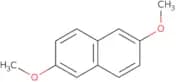
CAS:<p>2,6-Dimethoxynaphthalene is a skeleton that belongs to the naphthalene class of compounds. It is a white crystalline solid that is soluble in organic solvents. This compound has been used as an intermediate for the synthesis of dyes and pharmaceuticals, but it is most commonly used as a precursor to reactive carboxylic acid derivatives. The sulfonation of 2,6-dimethoxynaphthalene with SO3 leads to the formation of ethyl diazoacetate and subsequent acylation reactions can be used to produce esters. The reaction mechanism for these reactions involves proton transport from the sulfur atom to the oxygen atom on ethyl diazoacetate. Supramolecular chemistry studies have shown that this reaction also takes place at low temperatures without the need for an acid catalyst.</p>Fórmula:C12H12O2Pureza:Min. 98 Area-%Peso molecular:188.22 g/molDL-4-Hydroxy-3-methoxymandelic acid
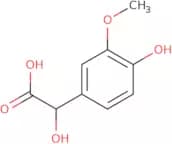
CAS:<p>DL-4-Hydroxy-3-methoxymandelic acid is a metabolite of the catecholamines, norepinephrine and epinephrine. It is found in the blood, urine and cerebrospinal fluid of humans. DL-4-Hydroxy-3-methoxymandelic acid is derived from the amino acid tyrosine. When the body's production of catecholamines exceeds its ability to break them down, these molecules accumulate and are excreted in urine as DL-4-hydroxy-3-methoxymandelic acid or as other metabolites. The concentration of DL-4-hydroxy 3 methoxymandelic acid in urine may be used to diagnose pheochromocytoma or neuroblastoma.</p>Fórmula:C9H10O5Pureza:Min. 95%Cor e Forma:White PowderPeso molecular:198.17 g/mol4-Amino-2-methoxypyridine
CAS:<p>4-Amino-2-methoxypyridine is an antiviral agent that inhibits the activity of the NS5B polymerase, a key enzyme in the replication of the hepatitis C virus. It is a potent inhibitor with a wide range of activity and can be used for treatment and prevention of infection. 4-Amino-2-methoxypyridine has been shown to inhibit replication of hepatitis C virus in cell culture. This compound is stable in vivo and can be administered orally, making it an attractive candidate for oral prophylaxis against hepatitis C. 4-Amino-2-methoxypyridine also exhibits good pharmacokinetic properties, including a low clearance rate and high volume of distribution, which makes it suitable for chronic administration.</p>Fórmula:C6H8N2OPureza:Min. 95%Cor e Forma:White To Light (Or Pale) Orange SolidPeso molecular:124.14 g/molEthyl 2-hydroxy-5-methoxybenzoate
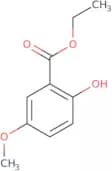
CAS:<p>Ethyl 2-hydroxy-5-methoxybenzoate (EHMB) is a phenolic compound that belongs to the group of salicylic acid. It is a natural product present in crucifers such as cabbage, broccoli, and cauliflower. EHMB has been shown to induce apoptosis in human leukemia cells through the inhibition of DNA methylation. The results showed that EHMB induces apoptosis in human leukemia cells by targeting the epigenetic regulator protein MLL1, which inhibits DNA methyltransferase 1 activity and leads to decreased levels of 5mC. EHMB also induces apoptosis in lung cancer cells by inhibiting cell proliferation and inducing cell death through the inhibition of GTPase activity, which leads to decreased levels of cyclin D1 and increased levels of p27. EHMB also regulates stem cell function by modulating gene expression; it has been shown that this compound can promote stem cell-like properties in mouse embryonic fibrobl</p>Fórmula:C10H12O4Pureza:Min. 95%Cor e Forma:Clear LiquidPeso molecular:196.2 g/mol2-Bromo-4,5-dimethoxyphenylacetic acid
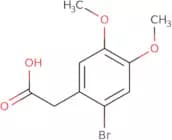
CAS:2-Bromo-4,5-dimethoxyphenylacetic acid is a synthetic compound that has been shown to be effective in the treatment of cancer. It acts by inhibiting the growth and proliferation of cancer cells. 2-Bromo-4,5-dimethoxyphenylacetic acid inhibits cancer cell division by amide formation with DNA, leading to DNA strand breakage. This drug also prevents the growth and proliferation of cancer cells by preventing their division. 2-Bromo-4,5-dimethoxyphenylacetic acid is used as a precursor for other anti-cancer agents that are synthesized from it and have increased potency.Fórmula:C10H11BrO4Pureza:Min. 95%Cor e Forma:PowderPeso molecular:275.1 g/mol6-Methoxy-2-naphthoic acid
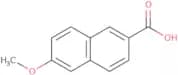
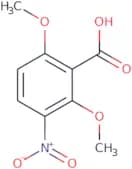
CAS:6-Methoxy-2-naphthoic acid (MN) is a cavity amide that has been shown to have an inhibitory effect on the growth of cancer cells. MN has been found to be more effective in inhibiting β-amyrin than caffeine, which may be due to its increased lipophilicity. It also has a higher affinity for adriamycin and enhances its anticancer effects. MN has been shown to be beneficial in treating diabetic patients, as it can reduce blood glucose levels by stimulating insulin release. The pharmacokinetic properties of MN are similar to those of other cavity amides, with rapid absorption and distribution throughout the body. This compound is metabolized in the liver by CYP2C8, CYP2C9, CYP3A4 and CYP3A5 enzymes. Molecular docking analysis of MN with β-amyrin showed that there was a strong interaction between them due to their complementary shapes and charge distributionsFórmula:C12H10O3Pureza:Min. 98 Area-%Cor e Forma:PowderPeso molecular:202.21 g/mol2,6-Dimethoxy-3-nitrobenzoic acid
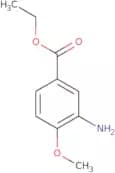
CAS:<p>2,6-Dimethoxy-3-nitrobenzoic acid is an aromatic compound that has been shown to have a molecular weight of 136.2 g/mol. It is extracted from the leaves of "Nepeta cataria" and can be found in many other plants as well. This compound has been shown to inhibit bacterial growth in vitro by inhibiting protein synthesis. The mode of action for this compound is not yet known, but it may be due to its ability to form hydrogen bonds with the ribosomes and inhibit nucleotide binding sites on the ribosome surface.</p>Fórmula:C9H9NO6Pureza:Min. 98 Area-%Cor e Forma:PowderPeso molecular:227.17 g/mol3-Amino-4-methoxybenzoic acid ethyl ester
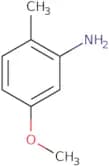
CAS:<p>3-Amino-4-methoxybenzoic acid ethyl ester is a chemical building block that can be used in the synthesis of various organic compounds. It is an important reaction component, and can also be used as a reagent or useful scaffold. 3-Amino-4-methoxybenzoic acid ethyl ester is soluble in organic solvents and has a high quality. This chemical has been shown to be useful for research purposes.</p>Fórmula:C10H13NO3Pureza:Min. 95%Cor e Forma:PowderPeso molecular:195.22 g/mol5-Methoxy-2-methylaniline
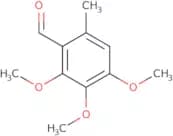
CAS:<p>5-Methoxy-2-methylaniline is a synthetic compound that has been shown to have neurotoxic effects in rats. The neurotoxicity of this substance has been shown to be related to its ability to inhibit monoamine oxidase A (MAO-A). This inhibition leads to an accumulation of the neurotransmitter dopamine, which in turn leads to an increase in the production of free radicals and lipid peroxidation. 5-Methoxy-2-methylaniline also shows neuroprotective properties, which may be due to its ability to inhibit deoxypeganine and hydrochloric acid, two mediators involved in the generation of reactive oxygen species.</p>Fórmula:C8H11NOPureza:Min. 95 Area-%Cor e Forma:PowderPeso molecular:137.18 g/mol2,3,4-Trimethoxy-6-methylbenzaldehyde
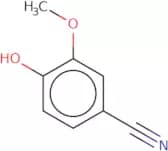
CAS:2,3,4-Trimethoxy-6-methylbenzaldehyde is a synthetic coumarin with antibacterial activity. It is synthesized by the condensation of 3-hydroxyacetophenone and benzaldehyde. 2,3,4-Trimethoxy-6-methylbenzaldehyde has been shown to have antibacterial activity against both Gram-positive and Gram-negative bacteria. This molecule has also been shown to inhibit the growth of Gram negative bacteria in the presence of hydrogen peroxide. The crystal structure of this molecule was determined by XRD analysis and shows that it contains a dihedral angle of about 155°.Fórmula:C11H14O4Pureza:Min. 95%Peso molecular:210.23 g/mol4-Hydroxy-3-methoxybenzonitrile
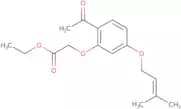
CAS:<p>4-Hydroxy-3-methoxybenzonitrile is a synthetic compound that is used in the synthesis of a variety of other organic compounds. The hydroxyl group on the 3-position of this molecule reacts with nitrogen nucleophiles, such as tetrazole, to form amides. 4-Hydroxy-3-methoxybenzonitrile also has the ability to act as a substrate for tyrosinase and demethylate. This property makes it useful in the synthesis of linear dNMPs and oligodeoxynucleotides.</p>Fórmula:C8H7NO2Pureza:Min. 98%Cor e Forma:PowderPeso molecular:149.15 g/mol2'-Ethoxycarbonylmethoxy-4'-(3-methyl-2-butenyloxy)acetophenone
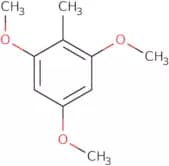
CAS:2'-Ethoxycarbonylmethoxy-4'-(3-methyl-2-butenyloxy)acetophenone is a centrosymmetric molecule with a crystal structure. It has been shown to form dimers in the solid state.Fórmula:C17H22O5Pureza:Min. 95%Cor e Forma:PowderPeso molecular:306.35 g/mol(2,4,6-Trimethoxy)toluene
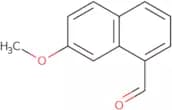
CAS:<p>2,4,6-Trimethoxy)toluene is a volatile aromatic compound that is used in the synthesis of other organic compounds. It is found in some essential oils and has shown to have protonation properties. 2,4,6-Trimethoxy)toluene can be obtained by hydrolysis of its methyl ester or by demethylation of toluene. The carbocationic nature of this compound has been confirmed through crystallography studies on the p-coumaric acid derivative. This study also revealed that 2,4,6-trimethoxy)toluene reacts with acetonitrile to form an anion which may be identified as a fluorinated aromatic cation.<br>2,4,6-Trimethoxy)toluene can react with hydrogen chloride gas (HCl) to form the corresponding chloride ion (Cl). The formation of this ion can be followed by observing the</p>Fórmula:C10H14O3Pureza:Min. 98 Area-%Cor e Forma:PowderPeso molecular:182.22 g/mol7-Methoxy-1-naphthaldehyde
CAS:7-Methoxy-1-naphthaldehyde is an aldehyde that is synthesized from acetaldehyde and 7-methoxy-1-naphthol. It has been shown to inhibit the cytosolic aldehyde dehydrogenase, which converts acetaldehyde to acetate. This reaction is one of the major routes for the metabolism of alcohol in humans. 7-Methoxy-1-naphthaldehyde can be used as a substrate in immunochemical assays, and its synthetic scheme has been published. 7MNA was also found to have cytotoxic effects on human liver cells in vitro.Fórmula:C12H10O2Pureza:Min. 95%Peso molecular:186.21 g/mol4-Methoxy-2-(trifluoromethyl)aniline
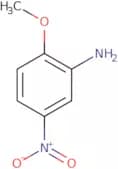
CAS:4-Methoxy-2-(trifluoromethyl)aniline is a chemical compound that is used as a research chemical, reagent, and speciality chemical. It is a versatile building block that can be used in reactions to produce complex compounds. 4-Methoxy-2-(trifluoromethyl)aniline has been identified by the Chemical Abstracts Service (CAS) as having high quality and is useful for preparing fine chemicals. This substance also has uses in the field of medicinal chemistry and can be used as a scaffold for pharmaceutical products.Fórmula:C8H8F3NOPureza:Min. 95%Cor e Forma:Clear LiquidPeso molecular:191.15 g/mol2-Methoxy-5-nitroaniline
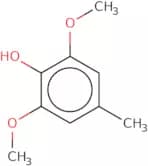
CAS:2-Methoxy-5-nitroaniline is a nitro compound that is cytotoxic at high doses. It is a diazonium salt that can be synthesised from hydrochloric acid and nitrous acid. The toxicity of 2-methoxy-5-nitroaniline has been tested in rats and found to have significant cytotoxicity at doses of 5000 mg/kg, with a LD50 of 2700 mg/kg. The chemical structure of 2-methoxy-5-nitroaniline consists of an amine group, two nitro groups, and two methyl groups. This compound can be synthesized by reacting ammonia with formaldehyde in the presence of nitric acid. 2-Methoxy-5-nitroaniline has shown to inhibit transcription polymerase chain reactions (PCR) in mouse erythrocytes at concentrations as low as 0.1 mM. DietaryFórmula:C7H8N2O3Pureza:95%NmrCor e Forma:PowderPeso molecular:168.15 g/mol2,6-Dimethoxy-4-methylphenol
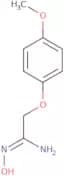
CAS:<p>2,6-dimethoxy-4-methylphenol is a synthetic chemical with potential use as an insecticide. It is a cholinesterase inhibitor that inhibits the action of acetylcholinesterase, an enzyme that breaks down acetylcholine, which is a neurotransmitter important for cognitive function and muscle control. 2,6-dimethoxy-4-methylphenol has been shown to be toxic to insects in a sensitivity test and has also shown some toxicity to rats when administered orally at high doses. This chemical has been shown to inhibit the production of fatty acids in plants and can be used as a potential insecticide for human food crops.</p>Fórmula:C9H12O3Pureza:Min. 97.0%Cor e Forma:White Yellow PowderPeso molecular:168.19 g/molN-Hydroxy-2-(4-methoxyphenoxy)ethanimidamide
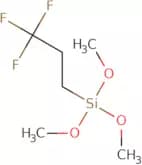
CAS:Please enquire for more information about N-Hydroxy-2-(4-methoxyphenoxy)ethanimidamide including the price, delivery time and more detailed product information at the technical inquiry form on this pageFórmula:C9H12N2O3Pureza:Min. 95%Cor e Forma:PowderPeso molecular:196.2 g/molTrimethoxy(3,3,3-trifluoropropyl)silane
CAS:Trimethoxy(3,3,3-trifluoropropyl)silane is a chemical that is used as a coating for metals and plastics. It has been shown to be an excellent lubricant and can be used as a fuel additive. Trimethoxy(3,3,3-trifluoropropyl)silane is also used in analytical chemistry for gravimetric analysis. This chemical can undergo reactions with other compounds such as hydrogen gas to form trimethoxysilane (SiH), which can be detected by FT-IR spectroscopy. Trimethoxy(3,3,3-trifluoropropyl)silane also reacts with metal ions in the presence of light to form metal complexes that have potential applications in photovoltaic devices and electrochemical studies. !--END--> !--END-->Fórmula:C6H13F3O3SiPureza:Min. 95%Cor e Forma:Clear LiquidPeso molecular:218.25 g/molN-(2-Indol-3-ylethyl)(4-(trifluoromethoxy)phenyl)formamide
CAS:Please enquire for more information about N-(2-Indol-3-ylethyl)(4-(trifluoromethoxy)phenyl)formamide including the price, delivery time and more detailed product information at the technical inquiry form on this pageFórmula:C18H15F3N2O2Pureza:Min. 95%Cor e Forma:PowderPeso molecular:348.32 g/mol3-Ethoxy-4-hydroxyphenylacetonitrile
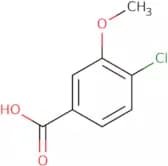
CAS:<p>3-Ethoxy-4-hydroxyphenylacetonitrile is a versatile building block and reagent that is used in the manufacturing of pharmaceuticals, agricultural chemicals, and other chemical products. It has been shown to be an excellent starting material for the synthesis of complex compounds. 3-Ethoxy-4-hydroxyphenylacetonitrile can be used as a high quality research chemical or useful scaffold for organic synthesis. CAS No. 205748-01-2</p>Fórmula:C10H11NO2Pureza:Min. 95%Cor e Forma:PowderPeso molecular:177.2 g/mol4-Chloro-3-methoxybenzoic acid
CAS:4-Chloro-3-methoxybenzoic acid (4CMB) is a putative cancer drug that belongs to the group of imidazole derivatives. 4CMB has been shown to inhibit the growth of human breast and colon cancer cells in culture by altering the metabolism of 3-hydroxyanthranilic acid, which is an acceptor for aromatic amino acid hydroxylase. The effect of 4CMB on this enzyme leads to a decrease in the production of kynurenine, which is a molecule involved in the production of melanin. This reduced amount of kynurenine results in a loss of pigment and decreases the ability of melanocytes to produce pigments such as melanin. This may help explain how 4CMB works against malignant cells and cancer.Fórmula:C8H7ClO3Pureza:Min. 95%Cor e Forma:PowderPeso molecular:186.59 g/molDihydro-5-methoxy-2,4(1H,3H)-pyrimidinedione
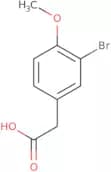
CAS:Dihydro-5-methoxy-2,4(1H,3H)-pyrimidinedione is a high quality chemical and useful building block. It is a fine chemical and research chemicals as well as a versatile building block that can be used in synthesis of various compounds. Dihydro-5-methoxy-2,4(1H,3H)-pyrimidinedione has been shown to have activity against methicillin resistant Staphylococcus aureus (MRSA) and Clostridium perfringens.Fórmula:C5H8N2O3Pureza:Min. 95%Cor e Forma:PowderPeso molecular:144.13 g/mol3-Bromo-4-methoxyphenylacetic acid
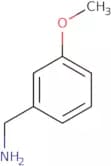
CAS:<p>3-Bromo-4-methoxyphenylacetic acid is a benzyl ester of hydroxybenzoic acid. It is used as a synthetic precursor for the synthesis of curare and related compounds. 3-Bromo-4-methoxyphenylacetic acid was first synthesized in 1869 by German chemist Wilhelm Koenigs and has been widely used as a synthetic intermediate in organic chemistry. This compound can be prepared from bromobenzene, methoxybenzene, and acetic acid in the presence of dimethyl ether or nitrite. 3-Bromo-4-methoxyphenylacetic acid is also used to produce nitromethane, an alkylating agent that reacts with amines, alcohols, thiols, and sulfides to form N-substituted nitro compounds.</p>Fórmula:C9H9BrO3Pureza:Min. 95%Cor e Forma:PowderPeso molecular:245.07 g/mol3-Methoxybenzylamine
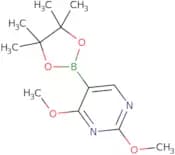
CAS:<p>3-Methoxybenzylamine is a fatty acid amide that is synthesized from benzylamine derivatives. The compound is a viscosity enhancer and antioxidant, and has been shown to inhibit the reaction of 3-hydroxybutyric acid with hydrochloric acid. 3-Methoxybenzylamine has also been used as a dietary supplement in tissue samples to reduce the effects of oxidation on the fatty acid chains. This compound has an asymmetric synthesis, which can be achieved by reacting an amine with an acyl chain.</p>Fórmula:C8H11NOPureza:Min. 95%Cor e Forma:Clear LiquidPeso molecular:137.18 g/mol2,4-Dimethoxypyrimidine-5-boronic acid, pinacol ester
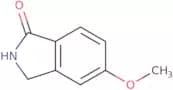
CAS:<p>2,4-Dimethoxypyrimidine-5-boronic acid is a high quality chemical that can be used as a reagent or a complex intermediate. It is an important building block for the synthesis of many compounds and has been shown to be useful in the synthesis of 2,4-dimethoxybenzaldehyde. This compound has been used in the preparation of 2,4-dimethoxypyrimidin-5(6H)-ones and as a reaction component in organic chemistry.</p>Fórmula:C12H19BN2O4Pureza:Min. 97%Peso molecular:266.1 g/mol5-Methoxy-2,3-Dihydro-Isoindol-1-One
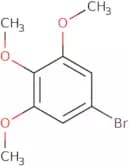
CAS:<p>5-Methoxy-2,3-Dihydro-Isoindol-1-One is a chemical compound that can be used as a building block in organic synthesis. It is an intermediate in the synthesis of various pharmaceuticals and other organic compounds. 5-Methoxy-2,3-Dihydro-Isoindol-1-One is soluble in ethanol, methanol, diethyl ether, chloroform, and benzene. This chemical has been classified as being safe for human use by the FDA.</p>Fórmula:C9H9NO2Pureza:Min. 95%Cor e Forma:PowderPeso molecular:163.17 g/mol1-Bromo-3,4,5-trimethoxybenzene
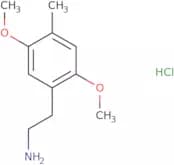
CAS:1-Bromo-3,4,5-trimethoxybenzene is a brominated molecule that is used in the synthesis of other organic compounds. It inhibits protein synthesis by inhibiting the production of ribosomes and is toxic to cancer cells. It has been shown to have inhibitory properties against the growth of k562 cells, which are leukemia cells. The mechanism by which 1-bromo-3,4,5-trimethoxybenzene inhibits protein synthesis is not fully understood. However, it has been found that this compound inhibits DNA polymerase activity and prevents RNA polymerase from transcribing genetic information from DNA to mRNA. This may be due to its ability to act as a diazonium salt or an n-dimethyl formamide substrate. In addition, 1-bromo-3,4,5-trimethoxybenzene can be hydrolyzed into trimethoxybenzene and bFórmula:C9H11BrO3Pureza:Min. 98 Area-%Cor e Forma:PowderPeso molecular:247.09 g/mol2,5-Dimethoxy-4-methylphenethylamine hydrochloride
CAS:Produto ControladoPlease enquire for more information about 2,5-Dimethoxy-4-methylphenethylamine hydrochloride including the price, delivery time and more detailed product information at the technical inquiry form on this pageFórmula:C11H18ClNO2Pureza:Min. 98 Area-%Peso molecular:231.72 g/mol1-(1-(3-Methoxyphenyl)cyclohexyl)piperidine
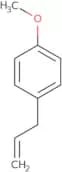
CAS:Produto Controlado<p>1-(1-(3-Methoxyphenyl)cyclohexyl)piperidine is an analog of fentanyl that has been shown to be a potent analgesic. It binds to the μ-opioid receptor in the central nervous system and inhibits the reuptake of neurotransmitters, such as serotonin, norepinephrine, and dopamine. This drug has also been found to cause hypotension by inhibiting noradrenaline release from sympathetic nerve terminals. 1-(1-(3-Methoxyphenyl)cyclohexyl)piperidine may also have clinical relevance for treating drug addiction because it has a high affinity for binding ligands that are involved in this process. The sample preparation for 1-(1-(3-Methoxyphenyl)cyclohexyl)piperidine is not required because it can be measured directly in the urine.</p>Fórmula:C18H27NOPureza:Min. 95%Cor e Forma:White To Off-White SolidPeso molecular:273.41 g/mol1-Methoxy-4-(2-propenyl)benzene
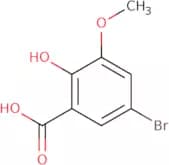
CAS:1-Methoxy-4-(2-propenyl)benzene is a natural compound that has been found to have insecticidal properties. It is used in the synthesis of eugenol and estragole, which are important components in the flavor industry. The optimum concentration of 1-methoxy-4-(2-propenyl)benzene for killing insects is around 0.1%. In toxicity studies, it has been shown to be carcinogenic in rats and mice. However, this chemical's effect on humans is not well understood at this time.Fórmula:C10H12OPureza:Min. 95%Cor e Forma:Clear LiquidPeso molecular:148.2 g/mol5-Bromo-2-hydroxy-3-methoxybenzoic acid
CAS:<p>5-Bromo-2-hydroxy-3-methoxybenzoic acid (5BHB) is a phenolic compound that has been shown to have fungicidal properties. The uptake of 5BHB in the brain was studied using positron emission tomography and computerized tomography scans in monkeys. The affinity of 5BHB for the dopamine D2 receptor, and its ability to inhibit methylation reactions, were also investigated. The results show that 5BHB is able to cross the blood-brain barrier and bind with high affinity to the dopamine D2 receptor. These findings suggest that 5BHB may be used as a therapeutic agent for Parkinson's disease.</p>Fórmula:C8H7BrO4Pureza:Min. 95%Cor e Forma:PowderPeso molecular:247.04 g/molEthyl 2-(4-((5-chloro-2-methoxyphenyl)amino)-3,5-thiazolyl)acetate
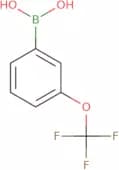
CAS:<p>Please enquire for more information about Ethyl 2-(4-((5-chloro-2-methoxyphenyl)amino)-3,5-thiazolyl)acetate including the price, delivery time and more detailed product information at the technical inquiry form on this page</p>Pureza:Min. 95%3-Trifluoromethoxyphenylboronic acid
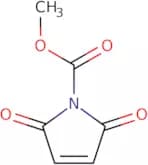
CAS:<p>3-Trifluoromethoxyphenylboronic acid is a lead compound that has the potential to be an efficient and water-soluble inhibitor of protein kinases. It has been shown to have a significant inhibitory effect on vismodegib transport. This compound may also have anticancer properties. 3-Trifluoromethoxyphenylboronic acid binds to the active site of protein kinases, blocking their catalytic activity and inhibiting cell proliferation by interfering with the signaling pathway that regulates cancer cells.</p>Fórmula:C7H6BF3O3Pureza:Min. 90%Cor e Forma:PowderPeso molecular:205.93 g/molN-(Methoxycarbonyl) maleimide
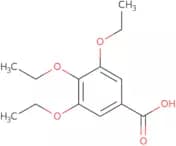
CAS:<p>N-(Methoxycarbonyl) maleimide is a synthetic compound that has been shown to inhibit prostate cancer cells. It interacts with the functional group of the proteins, where it forms a cavity by linking two molecules together. This cavity is then filled with a chemical reagent to give an N-substituted maleimide, which can be used for conjugation reactions. The linker can be modified to contain functional groups such as thiols and amines, which are useful for attaching biomolecules such as monoclonal antibodies.</p>Fórmula:C6H5NO4Pureza:90%Cor e Forma:PowderPeso molecular:155.11 g/mol3,4,5-Triethoxybenzoic acid
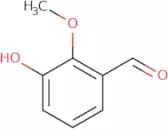
CAS:<p>3,4,5-Triethoxybenzoic acid is a synthetic compound that has been shown to have neurotoxic effects in animal studies. It has been shown to inhibit the dephosphorylation of amyloid fibrils and activation energy for polymerization. 3,4,5-Triethoxybenzoic acid also causes teratogenic effects in animals at high doses. This compound is used as a reagent for the synthesis of amyloid fibrils and has been shown to have an effect on the inhibition of phosphodiesterase activity.</p>Fórmula:C13H18O5Pureza:Min. 95%Cor e Forma:PowderPeso molecular:254.28 g/mol3-Hydroxy-2-methoxybenzaldehyde
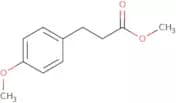
CAS:<p>3-Hydroxy-2-methoxybenzaldehyde is a synthetic compound that is used as an antiviral agent. It has been shown to inhibit the replication of Coxsackievirus A9 (CV-A9). In addition, 3-Hydroxy-2-methoxybenzaldehyde reacts with isoeugenol and isonicotinic acid under acidic conditions to form 4-allyl-2-methoxyphenol, which has antiviral activity against CV-A9. This reaction requires a catalyst, such as zinc chloride or nickel sulfate. The rate of this reaction can be increased by increasing the reaction time. 3-Hydroxy-2-methoxybenzaldehyde also inhibits the virus's ability to bind to cells and enter them, reducing its infectivity.</p>Fórmula:C8H8O3Cor e Forma:PowderPeso molecular:152.15 g/molMethyl 4-methoxyphenylpropionate
CAS:<p>Methyl 4-methoxyphenylpropionate is a pyridine derivative that is used as a solvent, reagent, and intermediate in organic synthesis. It has been shown to be a marker for aerosols in the environment and has been detected in the atmosphere of Beijing, China. The methyl ester can also be used to synthesize dienones and benzyl mesylates.</p>Fórmula:C11H14O3Pureza:Min. 95%Cor e Forma:PowderPeso molecular:194.23 g/mol5-Chloro-2-methoxyacetophenone
CAS:<p>5-Chloro-2-methoxyacetophenone is a byproduct of the synthesis of 2-hydroxybenzofuran. It is also used in the synthesis of tetracyclic benzopyrans, which are known to be potent analgesics and have been found to have anti-inflammatory properties. 5-Chloro-2-methoxyacetophenone can be obtained by decarbonylation (loss of carbon) or elimination reactions.</p>Fórmula:C9H9ClO2Pureza:Min. 95%Cor e Forma:Clear LiquidPeso molecular:184.62 g/mol[3-(2-Methoxyethoxy)benzyl]amine
CAS:<p>[3-(2-Methoxyethoxy)benzyl]amine is a high-quality chemical that can be used as an intermediate in the synthesis of complex compounds. It is also a useful scaffold for the synthesis of other chemicals, such as pharmaceuticals and pesticides. This compound also has many uses in research, such as being a versatile building block and reaction component.</p>Fórmula:C10H15NO2Pureza:Min. 95%Cor e Forma:PowderPeso molecular:181.23 g/mol(3-(2,6-dichlorophenyl)-5-methylisoxazol-4-yl)-N-(2,5-dimethoxyphenyl)formamide
CAS:<p>Please enquire for more information about (3-(2,6-dichlorophenyl)-5-methylisoxazol-4-yl)-N-(2,5-dimethoxyphenyl)formamide including the price, delivery time and more detailed product information at the technical inquiry form on this page</p>Pureza:Min. 95%N-(2-(3,4-dimethoxyphenyl)ethyl)(2-(4-chlorophenoxy)(3-pyridyl))formamide
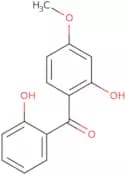
CAS:<p>Please enquire for more information about N-(2-(3,4-dimethoxyphenyl)ethyl)(2-(4-chlorophenoxy)(3-pyridyl))formamide including the price, delivery time and more detailed product information at the technical inquiry form on this page</p>Pureza:Min. 95%2,2'-Dihydroxy-4-methoxybenzophenone
CAS:<p>2,2'-Dihydroxy-4-methoxybenzophenone (DHMB) is a chemical compound used in the manufacturing of sunscreens. It is also used as an antioxidant and antiinflammatory agent in topical preparations. The genotoxic effects of DHMB are well documented, but it is unclear whether these effects are due to UV radiation or other mechanisms. DHMB has been shown to be toxic to cells in vivo and in vitro. There have been reports of skin cancer developing on the ears of rats following chronic exposure to this chemical. DHMB binds to the estrogen receptor, which may be responsible for its genotoxic activity. This chemical has also been shown to inhibit the growth of bacteria such as Pseudomonas aeruginosa and Escherichia coli by binding with fatty acids on the cell membrane surface. DHMB is used for wastewater treatment because it can bind with heavy metals and remove them from water sources.</p>Fórmula:C14H12O4Pureza:Min. 95%Cor e Forma:Yellow To Dark Yellow SolidPeso molecular:244.24 g/mol4-Methoxybenzoic acid
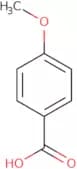
CAS:<p>4-Methoxybenzoic acid is a phenolic compound, which is used in the production of bisphenol A. It can also be found as an intermediate in the synthesis of other compounds, such as protocatechuic acid and pachymic acid. 4-Methoxybenzoic acid can be found naturally in a variety of plants, including cranberries. This compound has been shown to inhibit the growth of bacteria by disrupting their cell walls and inhibiting protein synthesis. 4-Methoxybenzoic acid has also been shown to have anti-inflammatory properties, which may be due to its ability to inhibit prostaglandin synthesis.</p>Fórmula:C8H8O3Pureza:Min. 95%Cor e Forma:White PowderPeso molecular:152.15 g/mol2-Methoxypropyl acetate
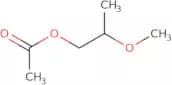
CAS:<p>2-Methoxypropyl acetate is a cross-linking agent that is used in water treatment. It is used as an additive to deionized water and can be found in high concentrations in wastewater. 2-Methoxypropyl acetate reacts with xylene to produce light emission, which makes it suitable for use as a chemical marker. The optimum dose of 2-methoxypropyl acetate ranges from 0.025% to 0.2%. 2-Methoxypropyl acetate has been shown to be toxic when injected into rats at doses of 100 mg/kg body weight, but not at doses of 25 mg/kg body weight or less. This compound was also shown to cause protrusion and necrosis of the nasal septum in rats after administration at doses of 500 mg/kg body weight.</p>Fórmula:C6H12O3Pureza:Min. 95%Cor e Forma:Colourless LiquidPeso molecular:132.16 g/mol3-Ethoxybenzoyl chloride
CAS:<p>3-Ethoxybenzoyl chloride is a versatile building block that can be used to synthesize complex compounds. It has been shown as a useful intermediate in research and development, as well as being a reagent for the synthesis of other chemicals. 3-Ethoxybenzoyl chloride is also a high quality chemical with a variety of uses, including as an intermediate in organic reactions and as a scaffold for the preparation of other chemical compounds.</p>Fórmula:C9H9ClO2Pureza:Min. 80%Cor e Forma:PowderPeso molecular:184.62 g/mol2,5-Dimethoxy-1,4-benzoquinone
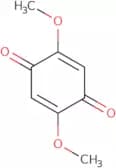
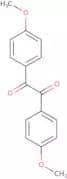
CAS:<p>2,5-Dimethoxy-1,4-benzoquinone is an oxidizing agent that can be used to treat infections caused by bacteria. 2,5-Dimethoxy-1,4-benzoquinone has been shown to have antibacterial activity against a number of bacteria in the extracellular environment. It is also capable of inhibiting bacterial growth by inducing oxidative stress and generating reactive oxygen species. The mechanism of action is thought to involve oxidation reactions with the bacterial cell membrane and DNA. 2,5-Dimethoxy-1,4-benzoquinone is a rechargeable agent that can be regenerated from its reduced form back to its oxidized form through enzymatic or chemical reduction. This compound has been shown to react reversibly with magnesium ions in the presence of water. The crystal structure of 2,5-dimethoxy-1,4-benzoquinone has been determined using x ray diffraction techniques. The magnetic resonance</p>Fórmula:C8H8O4Pureza:Min. 95%Cor e Forma:PowderPeso molecular:168.15 g/mol4,4'-Dimethoxydibenzoyl
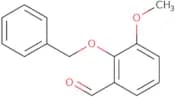
CAS:<p>4,4'-Dimethoxydibenzoyl (DMDB) is a polymerized polycarboxylic acid that has been shown to have antibacterial activity. DMDB inhibits bacterial growth by catalytic reduction of the sulfhydryl group on cysteine residues in cytochrome c oxidase and other enzymes. DMDB also absorbs UV light, which may be related to its inhibition activity. DMDB is a molecule with two methoxy groups on each benzene ring, forming monomers linked by imidazole derivatives. These monomers can be polymerized into polymers or oligomers with the help of a Grignard reagent.</p>Fórmula:C16H14O4Pureza:Min. 95%Cor e Forma:Yellow PowderPeso molecular:270.28 g/mol2-Benzyloxy-3-methoxybenzaldehyde
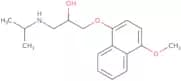
CAS:<p>2-Benzyloxy-3-methoxybenzaldehyde is an enantiopure compound that has been shown to have antiproliferative effects on cancer cells. It was also found to have a strong binding affinity for DNA and protein. The antiproliferative effects of 2-Benzyloxy-3-methoxybenzaldehyde were found to be due to its ability to bind to dna and inhibit the enzyme activity of pyrazine-2-carboxylic acid, leading to a decrease in the production of proteins vital for cell division. 2-Benzyloxy-3-methoxybenzaldehyde has been shown to have anticancer activity against colorectal cancer cells and may serve as a lead compound for future drug development.</p>Fórmula:C15H14O3Pureza:Min. 95%Peso molecular:242.27 g/mol4-Methoxy propranolol
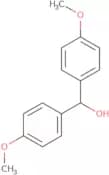
CAS:<p>4-Methoxy propranolol is an intermediate in the synthesis of propranolol, a beta blocker.</p>Fórmula:C17H23NO3Pureza:Min. 95%Peso molecular:289.37 g/mol4,4'-Dimethoxybenzhydrol
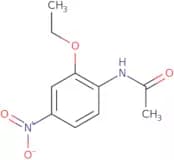
CAS:<p>4,4'-Dimethoxybenzhydrol is a reaction system that has been used to control experiments in which the nucleophile is an iron catalyst. The reaction system was also used to determine the reactivity of various functional groups. The linear plot of the rate of reaction versus concentration of cyclopentenes, hydroxyl group, and dehydrated functionalities indicated that these factors had little effect on the rate of reaction. However, it was found that lactams and trifluorides were able to increase the rate of reaction. Anilines were also found to be effective as they reacted with hydrogen peroxide to form phenoxides.</p>Fórmula:C15H16O3Pureza:Min. 95%Cor e Forma:White PowderPeso molecular:244.29 g/mol2'-Ethoxy-4'-nitroacetanilide
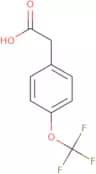
CAS:2'-Ethoxy-4'-nitroacetanilide is a chemical compound that is used as a building block in the synthesis of other chemicals. It is a versatile building block and can be used to synthesize many different types of compounds, including drugs, pesticides, and dyes. 2'-Ethoxy-4'-nitroacetanilide has been classified as a speciality chemical and is not for human consumption.Fórmula:C10H12N2O4Pureza:Min. 95%Cor e Forma:PowderPeso molecular:224.21 g/mol4-(Trifluoromethoxy)phenylacetic acid
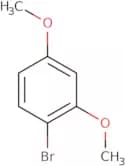
CAS:4-(Trifluoromethoxy)phenylacetic acid is a useful scaffold, versatile building block, and useful intermediate in organic synthesis. It is a speciality chemical that is used as a reaction component in the preparation of complex compounds. 4-(Trifluoromethoxy)phenylacetic acid is also a reagent for the synthesis of high-quality pharmaceuticals, such as antibiotics and antiviral agents. This compound has CAS No. 4315-07-5 and can be found at Chemicals Online.Fórmula:C9H7F3O3Pureza:Min. 95%Cor e Forma:PowderPeso molecular:220.15 g/mol1-Bromo-2,4-dimethoxybenzene
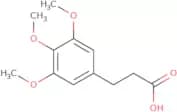
CAS:<p>1-Bromo-2,4-dimethoxybenzene is a functional group that can be found in nanotubes. It is synthesized by the debromination of 2,4-dibromobenzene with n-dimethylformamide and sodium bicarbonate. The reaction mechanism involves nucleophilic attack by the hydroxide ion on the bromine atom of the 1-bromo-2,4-dimethoxybenzene to form a tetrahedral intermediate followed by an elimination reaction. This process leads to the formation of carbon nanotubes.<br>1-Bromo-2,4-dimethoxybenzene has been shown to have anticancer activity in vitro and in vivo against breast cancer cells.</p>Fórmula:C8H9BrO2Pureza:Min. 95%Cor e Forma:Clear LiquidPeso molecular:217.06 g/mol3-(3,4,5-Trimethoxyphenyl)propionic acid
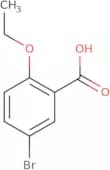
CAS:<p>3-(3,4,5-Trimethoxyphenyl)propionic acid (TMPPA) is a monocarboxylic acid that is structurally related to the amino acid lysine. It has been shown to have antinociceptive effects in animals and humans. TMPPA inhibits the production of prostaglandins and nitric oxide, which are inflammatory mediators that induce pain. TMPPA also has nociceptive properties in rats when given intraperitoneally or intrathecally, showing a reduction in locomotor activity. This compound also inhibits protein synthesis by binding to the ribosomal protein S6 kinase-1 (RSK-1), which is the target of many antibiotics used for cancer treatment. TMPPA binds to human serum albumin with high affinity and specificity, suggesting it may be useful as an agent for targeting human blood cells or as an antiobesity drug.</p>Fórmula:C12H16O5Pureza:Min. 95%Cor e Forma:Clear LiquidPeso molecular:240.25 g/mol5-Bromo-2-ethoxybenzoic acid
CAS:<p>5-Bromo-2-ethoxybenzoic acid is a versatile building block that can be used as a reagent, speciality chemical, or a useful scaffold. It is used in the synthesis of complex compounds that include pharmaceuticals, agrochemicals, and research chemicals. 5-Bromo-2-ethoxybenzoic acid is also a useful intermediate and reaction component in organic synthesis. This compound has high quality and is listed on the Chemical Abstract Service (CAS) registry number 60783-90-6.</p>Fórmula:C9H9BrO3Pureza:Min. 95%Cor e Forma:SolidPeso molecular:245.07 g/mol


![3-(4-ethoxyphenyl)spiro[1,3-thiazolidine-2,3'-indoline]-4,7-dione](/_next/image/?url=https%3A%2Fstatic.cymitquimica.com%2Fproducts%2F3D%2Fthumb-webp%2FFE169782.webp&w=3840&q=75)

![2-Cyano-N-[2-(3,4-dimethoxyphenyl)ethyl]acetamide](/_next/image/?url=https%3A%2Fstatic.cymitquimica.com%2Fproducts%2F3D%2Fthumb-webp%2FFC131318.webp&w=3840&q=75)

![N-Ethylheptadecafluoro-N-[3-(Trimethoxysilyl)Propyl]Octanesulphonamide](/_next/image/?url=https%3A%2Fstatic.cymitquimica.com%2Fproducts%2F3D%2Fthumb-webp%2FFE98932.webp&w=3840&q=75)
![6,6'-Dihydroxy-5,5'-dimethoxy- [1,1'-biphenyl]-3,3'-dicarboxaldehyde](/_next/image/?url=https%3A%2Fstatic.cymitquimica.com%2Fproducts%2F3D%2Fthumb-webp%2FFD71561.webp&w=3840&q=75)









![[3-(2-Methoxyethoxy)benzyl]amine](/_next/image/?url=https%3A%2Fstatic.cymitquimica.com%2Fproducts%2F3D%2Fthumb-webp%2FFM134467.webp&w=3840&q=75)