Éteres
Os éteres são compostos orgânicos que contêm um grupo funcional éter, caracterizado por um átomo de oxigênio ligado a dois radicais hidrocarbonetos. Esses compostos são valiosos na síntese e servem como solventes em várias reações químicas. Na CymitQuimica, oferecemos uma seleção de éteres de alta qualidade para apoiar suas aplicações de pesquisa e industriais, garantindo resultados confiáveis e eficazes. Nossa gama de éteres atende a diversos requisitos laboratoriais, desde experimentos de rotina até pesquisas avançadas.
Foram encontrados 40729 produtos de "Éteres"
Ordenar por
Pureza (%)
0
100
|
0
|
50
|
90
|
95
|
100
7-[(4-methoxyphenyl)methyl]-5-methyl-1H,4H,5H,6H,7H-pyrazolo[3,4-d]pyrimidine-4,6-dione
CAS:Pureza:97%Peso molecular:286.2909851074219Ref: 10-F538308
1gA consultar2gA consultar5gA consultar100mgA consultar250mgA consultar500mgA consultar2-(2H-1,3-benzodioxol-5-yl)imidazo[1,2-a]pyridin-3-amine
CAS:Pureza:95.0%Peso molecular:253.261001586914068-ethyl-4-(thiophene-2-carbonyl)-1-oxa-4,8-diazaspiro[4.5]decane-3-carboxylic acid
CAS:Pureza:95.0%Peso molecular:324.39999389648442-Chloro-1-[4-(2,3-dihydro-1,4-benzodioxine-2-carbonyl)piperazin-1-yl]ethan-1-one
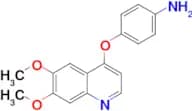
CAS:Pureza:97%Peso molecular:324.7600097656254-(6,7-DIMETHOXY-QUINOLIN-4-YLOXY)-PHENYLAMINE
CAS:Pureza:95.0%Cor e Forma:Liquid, No data available.Peso molecular:296.325988769531254-(3-phenylpropanoyl)-1-oxa-4-azaspiro[4.5]decane-3-carboxylic acid
CAS:Pureza:95.0%Peso molecular:317.3850097656258-benzyl-4-(2-ethylbutanoyl)-1-oxa-4,8-diazaspiro[4.5]decane-3-carboxylic acid
CAS:Pureza:95.0%Peso molecular:374.48098754882814-((1,3-Dioxo-1,3-dihydroisobenzofuran-5-yl)oxy)isobenzofuran-1,3-dione
CAS:Pureza:95.0%Cor e Forma:Liquid, No data available.Peso molecular:310.21701049804694-(3,4-dimethylphenyl)-6-(3,4,5-trimethoxyphenyl)pyrimidin-2-amine
CAS:Pureza:95.0%Peso molecular:365.43301391601564-Chloro-7-(4-methoxy-phenyl)-thieno[3,2-d]-pyrimidine
CAS:Cor e Forma:SolidPeso molecular:276.739990234375Ref: 10-F811897
1gA consultar1mgA consultar5mgA consultar10mgA consultar50mgA consultar100mgA consultar250mgA consultarN-(3-(1H-imidazol-1-yl)propyl)-4-ethoxybenzo[d]thiazol-2-amine
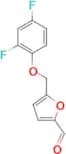
CAS:Pureza:95.0%Peso molecular:302.39999389648445-(2,4-Difluoro-phenoxymethyl)-furan-2-carbaldehyde
CAS:Fórmula:C12H8F2O3Cor e Forma:SolidPeso molecular:238.19(3aS,4S,6R,6aR)-6-(6-Amino-2-chloro-9H-purin-9-yl)-2,2-dimethyltetrahydrofuro[3,4-d][1,3]dioxole-4-carboxylic acid
CAS:Pureza:97.0%Peso molecular:355.739990234375(2,3-Dihydrobenzo[b][1,4]dioxin-6-yl)(piperidin-1-yl)methanone
CAS:Pureza:95.0%Peso molecular:247.294006347656252-[(oxiran-2-yl)methyl]-1,2,3,4-tetrahydroisoquinoline
CAS:Pureza:95.0%Cor e Forma:Liquid, OilPeso molecular:189.25799560546875Ref: 10-F800085
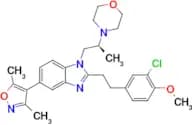
1mgA consultar2mgA consultar5mgA consultar25mgA consultar50mgA consultar100mgA consultar1,3,3-Trimethyl-6'-(piperidin-1-yl)spiro[indoline-2,3'-naphtho[2,1-b][1,4]oxazine]
CAS:Pureza:97%Peso molecular:411.54901123046875Ref: 10-F690555
1gA consultar5gA consultar10gA consultar25gA consultar100gA consultar100mgA consultar250mgA consultar1-BOC-5-(BENZYLOXY)-3-METHYL-1H-PYRAZOLO[3,4-C]PYRIDINE
CAS:Pureza:97.0%Peso molecular:339.3949890136719TERT-BUTYL 6-AMINO-5-METHOXY-2-OXOSPIRO[INDOLINE-3,3'-PYRROLIDINE]-1'-CARBOXYLATE
Pureza:95.0%Peso molecular:333.388000488281253,6-Dibromo-9-[4-(2-ethylhexyloxy)phenyl]-9H-carbazole
CAS:Pureza:98%Peso molecular:529.31597900390623-Benzyl-7-(phenylsulfonyl)-9-oxa-3,7-diazabicyclo[3.3.1]nonane
CAS:Pureza:95%Peso molecular:358.4599914550781(Benzo[3,4-d]1,3-dioxolan-5-ylmethylene)methane-1,1-dicarbonitrile
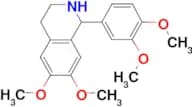
CAS:Pureza:95.0%Cor e Forma:SolidPeso molecular:198.180999755859381-(3,4-dimethoxyphenyl)-6,7-dimethoxy-1,2,3,4-tetrahydroisoquinoline
CAS:Pureza:95.0%Peso molecular:329.395996093753-((3-(N-Cyclopropylsulfamoyl)-7-(2,4-dimethoxypyrimidin-5-yl)quinolin-4-yl)amino)-5-(3,5-difluorophenoxy)benzoic acid
CAS:Pureza:98%Peso molecular:649.630004882813Ref: 10-F867169
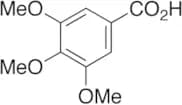
5mgA consultar10mgA consultar25mgA consultar50mgA consultar100mgA consultar250mgA consultar3,4,5-Trimethoxybenzoic Acid
CAS:<p>Applications A metabolite of Trimebutine (T795605(P)), which is an opioid receptor agonist and an antispasmodic.<br>References Dieks, H., et al.: J. Labelled Comp. Radiopharm., 28, 1093 (1990), Delvaux, M., et al.: J. Int. Med. Res., 25, 225 (1997), Lavit, M., et al.: Arzneim.-Forsch., 50, 640 (2000),<br></p>Fórmula:C10H12O5Cor e Forma:White To BeigePeso molecular:212.20Tert-butyl8-amino-2-oxa-5-azaspiro[3.5]nonane-5-carboxylate
CAS:Pureza:98%Peso molecular:242.319000244140624-(4-ETHYNYLPHENYL)MORPHOLINE
CAS:Pureza:95.0%Cor e Forma:Liquid, No data available.Peso molecular:187.242004394531254-[2-(4-chlorophenyl)acetyl]-8-propyl-1-oxa-4,8-diazaspiro[4.5]decane-3-carboxylic acid
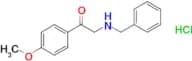
CAS:Pureza:95.0%Peso molecular:380.86999511718752-(Benzylamino)-1-(4-methoxyphenyl)ethanone hydrochloride
CAS:Pureza:97.0%Peso molecular:291.77999877929691-(4-(BENZYLOXY)CYCLOHEXYL)-2-(5H-IMIDAZO[5,1-A]ISOINDOL-5-YL)ETHANOL
Pureza:90.0%Peso molecular:388.5109863281256,7-Dimethoxy-2-(p-tolyl)-4H-benzo[d][1,3]oxazin-4-one
CAS:Pureza:95.0%Peso molecular:297.309997558593758-ethyl-4-[2-(4-methoxyphenyl)acetyl]-1-oxa-4,8-diazaspiro[4.5]decane-3-carboxylic acid
CAS:Pureza:95.0%Peso molecular:362.4259948730469(2E)-3-[4-(benzyloxy)phenyl]-1-(2-methylphenyl)prop-2-en-1-one
CAS:Pureza:95.0%Peso molecular:328.4110107421875Ref: 10-F506064
1gA consultar2gA consultar5gA consultar100mgA consultar250mgA consultar500mgA consultar1-[4-(morpholine-4-sulfonyl)-2-nitrophenyl]pyrrolidine-2-carboxylic acid
CAS:Pureza:98%Peso molecular:385.39001464843758-methyl-4-(3-phenylpropanoyl)-1-oxa-4,8-diazaspiro[4.5]decane-3-carboxylic acid
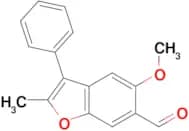
CAS:Pureza:95.0%Peso molecular:332.39999389648445-methoxy-2-methyl-3-phenyl-1-benzofuran-6-carbaldehyde
CAS:Pureza:95.0%Cor e Forma:Solid, Yellow powderPeso molecular:266.29598999023446-CHLORO-9-[3-(2-CHLOROETHYLAMINO)PROPYLAMINO]-2-METHOXYACRIDINE DIHYDROCHLORIDE
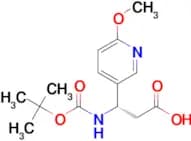
CAS:Pureza:95%Peso molecular:451.209991455078(S)-3-((tert-Butoxycarbonyl)amino)-3-(6-methoxypyridin-3-yl)propanoic acid
CAS:Pureza:95.0%Peso molecular:296.3229980468753-(3-methoxyphenyl)-3H-[1,2,3]triazolo[4,5-d]pyrimidine-7-thiol
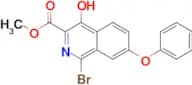
CAS:Pureza:95.0%Peso molecular:259.052780908METHYL 1-BROMO-4-HYDROXY-7-PHENOXYISOQUINOLINE-3-CARBOXYLATE
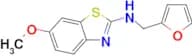
CAS:Pureza:90.0%Peso molecular:374.19000244140625N-(2-furylmethyl)-6-methoxy-1,3-benzothiazol-2-amine
CAS:Pureza:95.0%Peso molecular:260.309997558593757-(TERT-BUTYL)-6-((1-ETHYL-1H-1,2,4-TRIAZOL-5-YL)METHOXY)-3-(2-FLUOROPHENYL)-[1,2,4]TRIAZOLO[4,3-B]PYRIDAZINE
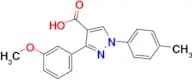
CAS:Pureza:95.0%Peso molecular:395.44198608398443-(3-Methoxyphenyl)-1-(p-tolyl)-1H-pyrazole-4-carboxylic acid
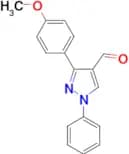
CAS:Pureza:98%Peso molecular:308.33700561523443-(4-Methoxy-phenyl)-1-phenyl-1 H -pyrazole-4-carbaldehyde
CAS:Pureza:95.0%Peso molecular:278.31100463867193-(7-Hydroxy-2,3-dihydrobenzo[b][1,4]dioxin-6-yl)indolin-2-one
CAS:Pureza:95%Peso molecular:283.28298950195314-(2H-1,3-benzodioxol-5-yl)-6-(furan-2-yl)pyrimidin-2-amine
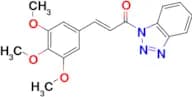
CAS:Pureza:95.0%Peso molecular:281.27099609375(2E)-1-(1H-1,2,3-Benzotriazol-1-yl)-3-(3,4,5-trimethoxyphenyl)prop-2-en-1-one
CAS:Peso molecular:339.35101318359375(2E)-3-(2H-1,3-benzodioxol-5-yl)-1-(2-methoxyphenyl)prop-2-en-1-one
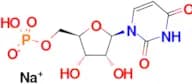
CAS:Pureza:95.0%Peso molecular:282.2950134277344Sodium ((2R,3S,4R,5R)-5-(2,4-dioxo-3,4-dihydropyrimidin-1(2H)-yl)-3,4-dihydroxytetrahydrofuran-2-yl)methyl hydrogenphosphate
CAS:Pureza:98.0%Peso molecular:346.164001464843754-(3,5-dichlorobenzoyl)-8-methyl-1-oxa-4-azaspiro[4.5]decane-3-carboxylic acid
CAS:Pureza:95.0%Peso molecular:372.239990234375Hexahydro-2,6-epoxyoxireno[2,3-f]isobenzofuran-3(1aH)-one
CAS:Pureza:98%Peso molecular:168.14799499511726,7-DIHYDRO-5H-[1,3]DIOXO[4,5-F]ISOINDOLE HYDROCHLORIDE
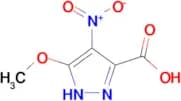
CAS:Pureza:95.0%Cor e Forma:SolidPeso molecular:199.63000488281253-Methoxy-4-nitro-1H-pyrazole-5-carboxylic acid
CAS:Fórmula:C5H5N3O5Pureza:95.0%Cor e Forma:SolidPeso molecular:187.1118-tert-butyl-4-(pyridine-4-carbonyl)-1-oxa-4-azaspiro[4.5]decane-3-carboxylic acid
CAS:Pureza:95.0%Peso molecular:346.4270019531254-(3-chlorobenzoyl)-8-propyl-1-oxa-4,8-diazaspiro[4.5]decane-3-carboxylic acid
CAS:Pureza:95.0%Peso molecular:366.83999633789062-Ethoxy-5-(4-fluorobenzoylamino)benzenesulfonyl chloride
CAS:Fórmula:C15H13ClFNO4SCor e Forma:SolidPeso molecular:357.78Ref: 10-F327312
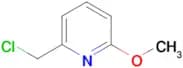
1gA consultar2gA consultar5gA consultar100mgA consultar250mgA consultar500mgA consultar2-(Chloromethyl)-6-methoxypyridine
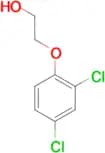
CAS:Fórmula:C7H8ClNOPureza:95.0%Cor e Forma:LiquidPeso molecular:157.62-(2,4-Dichlorophenoxy)ethanol
CAS:Fórmula:C8H8Cl2O2Pureza:95.0%Cor e Forma:LiquidPeso molecular:207.05Bis((2,3-dihydrobenzo[b][1,4]dioxin-6-yl)methyl)amine
CAS:Pureza:95.0%Cor e Forma:Liquid, No data available.Peso molecular:313.35299682617198-benzyl-4-(pyridine-4-carbonyl)-1-oxa-4,8-diazaspiro[4.5]decane-3-carboxylic acid
CAS:Pureza:95.0%Peso molecular:381.432006835937510-Methoxy-5H-dibenz[b,f]azepine
CAS:Pureza:95.0%Cor e Forma:Liquid, No data available.Peso molecular:223.27499389648438({3-[2-(acetylamino)ethyl]-1H-indol-5-yl}oxy)acetic acid
CAS:Fórmula:C14H16N2O4Cor e Forma:Cream powderPeso molecular:276.292Ref: 10-F530628
1gA consultar2gA consultar5gA consultar100mgA consultar250mgA consultar500mgA consultar1-BOC-2'-TERT-BUTYL-7'-OXO-6',7'-DIHYDRO-1H,2'H-SPIRO[PIPERIDINE-4,5'-PYRANO[3,2-C]PYRAZOLE]
CAS:Pureza:97.0%Peso molecular:363.45800781258-tert-butyl-4-(2-methoxybenzoyl)-1-oxa-4-azaspiro[4.5]decane-3-carboxylic acid
CAS:Pureza:95.0%Peso molecular:375.46499633789062',3',5',6'-Tetrahydrospiro[indoline-3,4'-pyran]-5-carboxylic acid
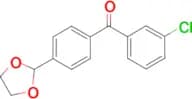
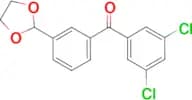
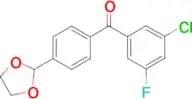
CAS:Pureza:95%Peso molecular:233.266998291015623-chloro-4'-(1,3-dioxolan-2-yl)-5-fluorobenzophenone
CAS:Pureza:97.0%Peso molecular:306.72000122070314-(2-ethoxybenzoyl)-8-methyl-1-oxa-4,8-diazaspiro[4.5]decane-3-carboxylic acid
CAS:Pureza:95.0%Peso molecular:348.398986816406254-(2H-1,3-benzodioxol-5-yl)-3H,4H,5H,6H,7H-imidazo[4,5-c]pyridine-6-carboxylic acid
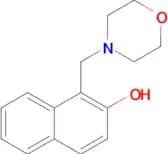
CAS:Pureza:95.0%Peso molecular:287.27499389648443-((Benzyloxy)methyl)-6-chloro-4-methoxy-1H-pyrazolo[3,4-d]pyrimidine
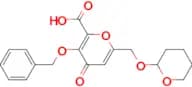
CAS:Pureza:95%Peso molecular:304.73001098632813-(BENZYLOXY)-4-OXO-6-(((TETRAHYDRO-2H-PYRAN-2-YL)OXY)METHYL)-4H-PYRAN-2-CARBOXYLIC ACID
CAS:Pureza:92.0%Peso molecular:360.36199951171875Ref: 10-F530827
1gA consultar2gA consultar5gA consultar100mgA consultar250mgA consultar500mgA consultar2-Amino-4-(3-(benzyloxy)phenyl)-1H-pyrrole-3-carbonitrile
CAS:Pureza:95.0%Peso molecular:289.33801269531253-(4-METHOXYBENZYL)-1,3,7-TRIAZASPIRO[4.4]NONANE-2,4-DIONE HCL
Pureza:95.0%Peso molecular:311.7699890136719Ref: 10-F723957
1gA consultar2gA consultar5gA consultar10gA consultar100mgA consultar250mgA consultar500mgA consultar4-{2,2-Bis[(4-formylphenoxy)methyl]-3-(4-formylphenoxy)propoxy}benzaldehyde
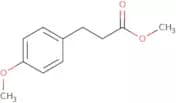
CAS:Pureza:97%Peso molecular:552.5789794921875Methyl 4-methoxyphenylpropionate
CAS:<p>Methyl 4-methoxyphenylpropionate is a pyridine derivative that is used as a solvent, reagent, and intermediate in organic synthesis. It has been shown to be a marker for aerosols in the environment and has been detected in the atmosphere of Beijing, China. The methyl ester can also be used to synthesize dienones and benzyl mesylates.</p>Fórmula:C11H14O3Pureza:Min. 95%Cor e Forma:PowderPeso molecular:194.23 g/mol3-Amino-4-methoxybenzoic acid ethyl ester
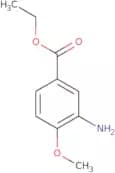
CAS:<p>3-Amino-4-methoxybenzoic acid ethyl ester is a chemical building block that can be used in the synthesis of various organic compounds. It is an important reaction component, and can also be used as a reagent or useful scaffold. 3-Amino-4-methoxybenzoic acid ethyl ester is soluble in organic solvents and has a high quality. This chemical has been shown to be useful for research purposes.</p>Fórmula:C10H13NO3Pureza:Min. 95%Cor e Forma:PowderPeso molecular:195.22 g/moltrans-3,4,5,4'-Tetramethoxystilbene
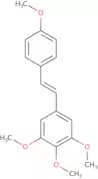
CAS:<p>Trans-3,4,5,4'-tetramethoxystilbene is a potential anti-cancer drug that inhibits the growth of prostate cancer cells. It has been shown to inhibit the activity of cytochrome P450 enzymes and induce apoptosis in prostate cancer cells. Trans-3,4,5,4'-tetramethoxystilbene also has an inhibitory effect on angiogenesis and induces apoptosis in breast cancer cells. This compound is not readily absorbed from the gastrointestinal tract and has low bioavailability due to its chemical properties. Trans-3,4,5,4'-tetramethoxystilbene binds to DNA and inhibits transcription by competitive inhibition of RNA polymerase II and III.</p>Fórmula:C18H20O4Pureza:Min. 95%Cor e Forma:PowderPeso molecular:300.35 g/molPoly[2-methoxy-5-(2-ethylhexyloxy)-1,4-phenylenevinylene - M.W. average 40,000-70,000
CAS:<p>Poly[2-methoxy-5-(2-ethylhexyloxy)-1,4-phenylenevinylene] is a polymeric material that is soluble in various organic solvents. It has a high refractive index and can be used as an optical filter or polarizer. Poly[2-methoxy-5-(2-ethylhexyloxy)-1,4-phenylenevinylene] particles are monodisperse with an average size of 40,000 to 70,000 daltons. This material has been shown to have excellent light absorption properties and can be made into nanoparticles for use in biomedical applications.</p>Fórmula:(C18H28O2)nPureza:Min. 95%Cor e Forma:Powder2-Methoxycinnamic acid
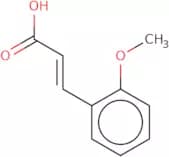
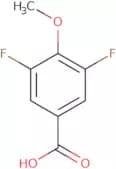
CAS:<p>2-Methoxycinnamic acid is a fine chemical that is used as a building block for research chemicals, pharmaceuticals, and other products. It is a versatile building block that can be used in the synthesis of complex compounds with diverse structures. 2-Methoxycinnamic acid is also an intermediate for the production of cinnamates, which are useful in the production of synthetic dyes.</p>Fórmula:C10H10O3Pureza:Min. 95%Cor e Forma:White PowderPeso molecular:178.18 g/mol3,5-Difluoro-4-methoxybenzoic acid
CAS:<p>3,5-Difluoro-4-methoxybenzoic acid is a chemical compound that is used as both a starting material and an intermediate in organic synthesis. It can be obtained from the reaction of 2,4-difluoro-3-methoxybenzoyl chloride with 3,5-dimethoxyaniline. 3,5-Difluoro-4-methoxybenzoic acid has been shown to be useful as a building block in the synthesis of other compounds with potent antibiotic activity such as fluoroquinolones. This compound is also used to synthesize aminomethylcyclohexane and methylaminomethylcyclohexane, which are useful in the manufacture of pesticides.</p>Fórmula:C8H6F2O3Pureza:Min. 95%Cor e Forma:PowderPeso molecular:188.13 g/mol5-Methoxytryptamine hydrochloride
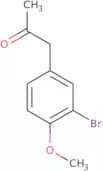
CAS:Produto Controlado<p>Non-selective serotonin receptor agonist that lacks affinity for the 5-HT3 receptor.</p>Fórmula:C11H15ClN2OPeso molecular:226.71 g/mol(5-Bromo-4-methoxyphenyl)acetone
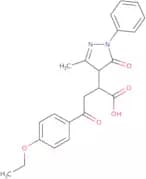
CAS:<p>5-Bromo-4-methoxyphenyl)acetone (BMA) is a versatile building block that is used in the production of fine chemicals, research chemicals, and reagents. It has been shown to be a useful scaffold for the synthesis of complex compounds. BMA is also an intermediate for the production of other chemicals. This chemical has been shown to have high quality with a wide range of uses as a reaction component or useful scaffold.</p>Fórmula:C10H11BrO2Pureza:Min. 95%Peso molecular:243.1 g/mol4-(4-Ethoxyphenyl)-2-(3-methyl-5-oxo-1-phenyl(2-pyrazolin-4-yl))-4-oxobutanoic acid
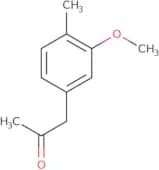
CAS:<p>Please enquire for more information about 4-(4-Ethoxyphenyl)-2-(3-methyl-5-oxo-1-phenyl(2-pyrazolin-4-yl))-4-oxobutanoic acid including the price, delivery time and more detailed product information at the technical inquiry form on this page</p>Pureza:Min. 95%3-Methoxy-4-methylphenylacetone
CAS:<p>3-Methoxy-4-methylphenylacetone is a reagent that can be used as a useful intermediate for the synthesis of complex organic compounds. It is soluble in water, but insoluble in most organic solvents. 3-Methoxy-4-methylphenylacetone is also a fine chemical with CAS No. 51814-28-9 and has been shown to be an effective building block for synthetic chemistry. It is used in the synthesis of speciality chemicals and research chemicals, such as pharmaceuticals and agrochemicals. This compound can be used as a versatile building block in many reactions and has been shown to react with epoxide, nitrile, amine, thioether, amide, alcohols, carboxylic acids or esters.</p>Fórmula:C11H14O2Pureza:Min. 95%Cor e Forma:PowderPeso molecular:178.23 g/molMethyl 3-(2,3,4-trimethoxyphenyl)propanoate
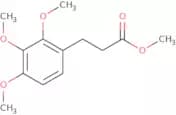
CAS:<p>Methyl 3-(2,3,4-trimethoxyphenyl)propanoate is a reagent that is used as an intermediate in chemical synthesis. It has been shown to be useful as a scaffold for complex compounds and as a building block in the preparation of speciality chemicals. Methyl 3-(2,3,4-trimethoxyphenyl)propanoate is also a versatile building block that can be used in reactions with other molecules. It is an important intermediate in organic synthesis and can be used to prepare research chemicals such as methyl 2-((2,6-dimethoxyphenyl)amino)-5-nitropentanoate.</p>Fórmula:C13H18O5Pureza:Min. 95%Peso molecular:254.28 g/moldiethyl 2-(((2,5-dimethoxyphenyl)amino)methylene)propane-1,3-dioate
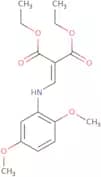
CAS:<p>Please enquire for more information about diethyl 2-(((2,5-dimethoxyphenyl)amino)methylene)propane-1,3-dioate including the price, delivery time and more detailed product information at the technical inquiry form on this page</p>Pureza:Min. 95%2,5-Dimethoxy-4-methylbenzaldehyde
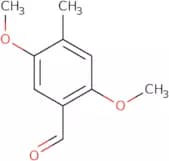
CAS:<p>2,5-Dimethoxy-4-methylbenzaldehyde is a bioactive chemical that has been shown to have anticancer activity. It has been shown to be an effective inhibitor of cancer cell growth in vitro and in vivo. 2,5-Dimethoxy-4-methylbenzaldehyde has also been shown to inhibit the formation of fatty acids and improve the uptake of glucose by cancer cells. This compound is a metabolite of the amino acid methionine and is used as a marker for mesenchymal cells. The structure of 2,5-dimethoxy-4-methylbenzaldehyde consists of two methoxy groups connected with an aliphatic chain consisting of one or more carbon atoms. This functional group may provide the anticancer activity through radical scavenging activities.</p>Fórmula:C10H12O3Pureza:Min. 95%Cor e Forma:Off-White PowderPeso molecular:180.2 g/mol2-(2,6-Dimethoxyphenoxy)ethanol
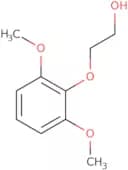
CAS:<p>2-(2,6-Dimethoxyphenoxy)ethanol is a cleavage agent that can be used for the synthesis of lignin model compounds. It is a benzylic ether that is catalyzed by laccase to produce 2,6-dimethoxybenzaldehyde. The compound can be used as a substrate for versicolor or peroxy cleavage reactions. Versicolor cleavage is performed with 1-hydroxybenzotriazole, while peroxy cleavage is performed with hydrogen peroxide. 2-(2,6-Dimethoxyphenoxy)ethanol has been shown to have radical properties and reacts with molecular oxygen and ethanone in the presence of deuterium gas to form 2,6-dimethoxyacetophenone.</p>Fórmula:C10H14O4Pureza:Min. 95%Cor e Forma:PowderPeso molecular:198.22 g/mol1-Bromo-3,4-dihydroxy-5-methoxybenzene monohydrate
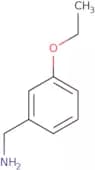
CAS:<p>1-Bromo-3,4-dihydroxy-5-methoxybenzene monohydrate is a versatile building block for the creation of complex compounds. It is a useful intermediate and can be used as a reagent in organic synthesis. This chemical is also used as an additive in plastics and rubber production. 1-Bromo-3,4-dihydroxy-5-methoxybenzene monohydrate is synthesized from 3,4,5-trimethoxyphenol and bromine. It has been assigned the CAS number 205748-04-5.</p>Fórmula:C7H7BrO3·H2OPureza:Min. 95%Cor e Forma:PowderPeso molecular:237.05 g/mol3-Ethoxybenzylamine hydrochloride
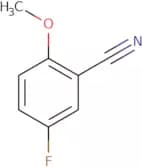
CAS:<p>3-Ethoxybenzylamine hydrochloride is a chemical compound that belongs to the group of industrial chemicals. It is used as an intermediate for the production of vanillin and as a catalyst for hydrogenation reactions. 3-Ethoxybenzylamine hydrochloride can be used in large-scale, industrial reactions. The target product is a reaction solvent that can be used in reduction reactions and aminations. The catalytic activity of 3-ethoxybenzylamine hydrochloride has been shown to increase with increasing pH, temperature, and concentration. The use of this product as a catalyst in the hydrogenation process results in high yield products with low levels of byproducts.</p>Fórmula:C9H13NO·HClPureza:Min. 95%Cor e Forma:White PowderPeso molecular:187.67 g/mol5-Fluoro-2-methoxybenzonitrile
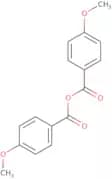
CAS:<p>5-Fluoro-2-methoxybenzonitrile is a fine chemical that has a versatile building block and is used as a reaction component in the synthesis of complex compounds. It is also used as a reagent and research chemical. The compound can be useful for the preparation of high quality pharmaceuticals, pesticides, materials science, and other industries.</p>Fórmula:C8H6FNOPureza:Min. 95%Peso molecular:151.14 g/mol4-Methoxybenzoic anhydride
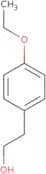
CAS:<p>4-Methoxybenzoic anhydride is a nonsteroidal anti-inflammatory drug (NSAID) that has a hydroxy group, which makes it susceptible to nucleophilic attack. The reaction mechanism of 4-methoxybenzoic anhydride involves hydroxyl group and phosphorus pentachloride. Kinetic data for the reaction was obtained from kinetic studies. The kinetic study found that the rate of the reaction increased with increasing concentration of amines and amides in the reaction mixture. 4-Methoxybenzoic anhydride has been shown to have antiinflammatory activity in various tests on animals, including rats, guinea pigs, and rabbits. The mechanism of this activity may be due to its ability to inhibit prostaglandin synthesis by blocking cyclooxygenase enzyme activity.</p>Fórmula:C16H14O5Pureza:Min. 95%Cor e Forma:PowderPeso molecular:286.28 g/mol4-Ethoxyphenylethyl alcohol
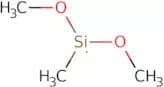
CAS:<p>4-Ethoxyphenylethyl alcohol (4EPEA) is a non-invasive fluorescent probe that has been used in the study of nucleic acids. It is a small molecule that can be used to identify DNA and RNA sequences. 4EPEA terminates at a specific site on the DNA or RNA, where it forms a cavity with its hydroxyl group pointing outward. The cavity is then filled by the next base in the sequence, which reverses the orientation of 4EPEA and causes it to fluoresce. This process can be repeated to map the entire length of an RNA molecule or DNA strand. When 4EPEA is mixed with acetonitrile (ACN), it undergoes a transition from an amorphous state to a more crystalline state, which allows for better separation of 4EPEA from other compounds in ACN. The use of β-cyclodextrin as an additive further improves this separation as well as increasing the stability of</p>Fórmula:C10H14O2Pureza:Min. 95%Cor e Forma:PowderPeso molecular:166.22 g/molDimethoxy(methyl)silane - 90%
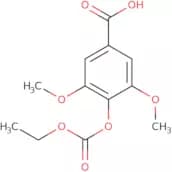
CAS:<p>Dimethoxy(methyl)silane is a fluorescing hydrocarbon that is used as a sealant. It has been shown to react with calcium carbonate and chloride, forming stable complexes. Dimethoxy(methyl)silane reacts with hydrogen chloride to form a divalent hydrocarbon and can be used to produce polymer films.</p>Fórmula:C3H10O2SiPureza:Min. 95%Cor e Forma:Clear LiquidPeso molecular:106.2 g/molCarbethoxysyringic acid
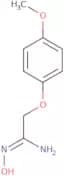
CAS:<p>Carbethoxysyringic acid is a reagent, complex compound, useful intermediate and fine chemical. It is also a useful scaffold for the synthesis of other organic compounds. Carbethoxysyringic acid is used in the production of speciality chemicals, research chemicals and versatile building blocks. Carbethoxysyringic acid has been shown to be an excellent reaction component in many reactions such as hydrogenation, nitro reduction, oxidation and hydrolysis.</p>Fórmula:C12H14O7Pureza:Min. 95%Cor e Forma:PowderPeso molecular:270.24 g/molN-Hydroxy-2-(4-methoxyphenoxy)ethanimidamide
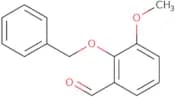
CAS:<p>Please enquire for more information about N-Hydroxy-2-(4-methoxyphenoxy)ethanimidamide including the price, delivery time and more detailed product information at the technical inquiry form on this page</p>Fórmula:C9H12N2O3Pureza:Min. 95%Cor e Forma:PowderPeso molecular:196.2 g/mol2-Benzyloxy-3-methoxybenzaldehyde
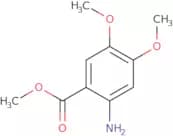
CAS:<p>2-Benzyloxy-3-methoxybenzaldehyde is an enantiopure compound that has been shown to have antiproliferative effects on cancer cells. It was also found to have a strong binding affinity for DNA and protein. The antiproliferative effects of 2-Benzyloxy-3-methoxybenzaldehyde were found to be due to its ability to bind to dna and inhibit the enzyme activity of pyrazine-2-carboxylic acid, leading to a decrease in the production of proteins vital for cell division. 2-Benzyloxy-3-methoxybenzaldehyde has been shown to have anticancer activity against colorectal cancer cells and may serve as a lead compound for future drug development.</p>Fórmula:C15H14O3Pureza:Min. 95%Peso molecular:242.27 g/molMethyl 2-amino-4,5-dimethoxybenzoate
CAS:<p>Methyl 2-amino-4,5-dimethoxybenzoate is a synthetic molecule that interacts with the human serum and alters the frequency shift of its photophysical properties. The skeleton of this molecule is hydrophobic, which leads to membrane potential changes in mitochondria. The transients of this molecule are encapsulated by a membrane and it has shown to have an effect on mitochondrial membrane potential. Methyl 2-amino-4,5-dimethoxybenzoate also shows fluorescence lifetime effects and can be used as a probe for measuring mitochondrial membrane potential.</p>Fórmula:C10H13NO4Pureza:Min. 95%Cor e Forma:PowderPeso molecular:211.21 g/mol3-Ethoxy-4-hydroxyphenylacetonitrile
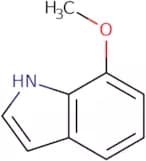
CAS:<p>3-Ethoxy-4-hydroxyphenylacetonitrile is a versatile building block and reagent that is used in the manufacturing of pharmaceuticals, agricultural chemicals, and other chemical products. It has been shown to be an excellent starting material for the synthesis of complex compounds. 3-Ethoxy-4-hydroxyphenylacetonitrile can be used as a high quality research chemical or useful scaffold for organic synthesis. CAS No. 205748-01-2</p>Fórmula:C10H11NO2Pureza:Min. 95%Cor e Forma:PowderPeso molecular:177.2 g/mol7-Methoxy-1H-indole
CAS:<p>7-Methoxy-1H-indole (7MI) is a synthetic compound that exhibits anti-inflammatory activity. It is an analog of the amino acid methionine found in proteins and its synthesis involves the condensation of a chlorinated alkyl acetate with an esterified hydrazide to form the corresponding amide. 7MI has been shown to inhibit both bacterial and mammalian protein synthesis, as well as to inhibit tumor cell growth. 7MI binds reversibly to the N7 atom of the adenine base in DNA, thereby inhibiting DNA replication through inhibition of DNA polymerase.</p>Fórmula:C9H9NOPureza:Min. 95%Cor e Forma:Clear LiquidPeso molecular:147.17 g/mol4-Ethoxysalicylic acid
CAS:<p>4-Ethoxysalicylic acid is a phosphorus oxychloride derivative that is used as an intermediate in the production of xanthones. Xanthones are used in the manufacture of dyes, pharmaceuticals, and fragrances. This compound also reacts with zinc chloride to give 4-ethoxysalicylate, which is an oxidizing agent. 4-Ethoxysalicylic acid has low toxicity and can be filtered from a reaction mixture by filtration or recrystallization. It can act as a monoamine oxidase inhibitor, which may contribute to its antidepressant properties. A hydrophobic molecule, 4-ethoxysalicylic acid will not dissolve in water but can be dissolved in organic solvents such as alcohols or ethers. It also has a high affinity for blood proteins and will bind to them readily. This property makes it useful as an anti-coagulant drug for treating depression and other mental illness.</p>Fórmula:C9H10O4Pureza:Min. 95%Cor e Forma:PowderPeso molecular:182.17 g/mol2-Amino-N-[2-(5-methoxy-1H-indol-3-yl)ethyl]acetamide hydrochloride
CAS:<p>2-Amino-N-[2-(5-methoxy-1H-indol-3-yl)ethyl]acetamide hydrochloride is a magnetic compound that has been shown to be an effective cancer antigen. It is a derivative of the amino acid sequence of α,β-unsaturated fatty acids and can be used as a dietary supplement. 2-Amino-N-[2-(5-methoxy-1H-indol-3-yl)ethyl]acetamide hydrochloride has been shown to bind to fatty acid receptors on the surface of antigen presenting cells (APCs). It also activates the immune system by activating APCs, which leads to the production of cytokines and chemokines. This compound has also been shown to stimulate T cells in culture, leading to activation and proliferation of tumor cells.</p>Fórmula:C13H17N3O2·HClPureza:Min. 95%Cor e Forma:PowderPeso molecular:283.75 g/mol1-(2-Methoxyphenyl)-2-nitroethane
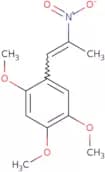
CAS:<p>1-(2-Methoxyphenyl)-2-nitroethane is a natural alkaloid that is found in the plant Piper methysticum. This compound has been shown to inhibit the transformation of nitroalkenes to nitropropene and nitrobenzene. The synthetic studies on this compound are mainly focused on its effects on other nitroalkenes. It has been shown that 1-(2-methoxyphenyl)-2-nitroethane can be used as an inhibitor of cyclization reactions, such as the synthesis of indole alkaloids, which are important in many pharmacological processes and biological systems.</p>Fórmula:C9H9NO3Pureza:Min. 95%Cor e Forma:PowderPeso molecular:179.17 g/mol1-(2,4,5-Trimethoxyphenyl)-2-nitropropene
CAS:<p>1-(2,4,5-Trimethoxyphenyl)-2-nitropropene is a fine chemical that can be used as a building block in organic synthesis. It is also an intermediate or scaffold for the preparation of other compounds. 1-(2,4,5-Trimethoxyphenyl)-2-nitropropene has been used in the synthesis of many pharmaceuticals and natural products. The compound has high purity and quality.</p>Fórmula:C12H15NO5Pureza:Min. 95%Cor e Forma:PowderPeso molecular:253.25 g/mol3-Ethoxybenzoyl chloride
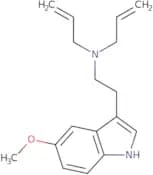
CAS:<p>3-Ethoxybenzoyl chloride is a versatile building block that can be used to synthesize complex compounds. It has been shown as a useful intermediate in research and development, as well as being a reagent for the synthesis of other chemicals. 3-Ethoxybenzoyl chloride is also a high quality chemical with a variety of uses, including as an intermediate in organic reactions and as a scaffold for the preparation of other chemical compounds.</p>Fórmula:C9H9ClO2Pureza:Min. 80%Cor e Forma:PowderPeso molecular:184.62 g/molN,N-Diallyl-5-methoxytryptamine
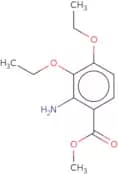
CAS:Produto Controlado<p>N,N-Diallyl-5-methoxytryptamine (DMAT) is a synthetic cannabinoid that has been shown to produce effects similar to those of tetrahydrocannabinol. It has been used in clinical studies to study the effects of cannabinoids on the central nervous system. DMAT binds with high affinity to 5-HT2A receptors and low affinity to histamine H1 receptors. DMAT also binds moderately with 5-HT1A receptors, which are serotonin receptors found in the cerebral cortex and hippocampus regions of the brain. DMAT is a potent monoamine neurotransmitter reuptake inhibitor, which means it prevents the reuptake of monoamines such as dopamine, norepinephrine, and serotonin by blocking their transporters. This results in an increase in extracellular concentrations of these monoamines. DMAT is structurally similar to other drugs that have been shown to cause seizures, such as meprobamate, benzodiazepines,</p>Fórmula:C17H22N2OPureza:Min. 95%Peso molecular:270.37 g/molMethyl 2-amino-3,4-diethoxybenzoate
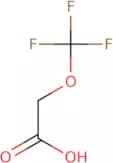
CAS:<p>Methyl 2-amino-3,4-diethoxybenzoate is a chemical compound that is used as a reagent for the preparation of other complex compounds. Methyl 2-amino-3,4-diethoxybenzoate has a CAS number of 1017083-69-0 and can be found in fine chemicals, research chemicals, and speciality chemicals. This chemical is also an intermediate for the synthesis of other compounds and has been shown to have many uses as a building block for more complex compounds. As a versatile building block, methyl 2-amino-3,4-diethoxybenzoate has been used in organic synthesis reactions to produce new compounds with unique properties.</p>Fórmula:C12H17NO4Pureza:Min. 95%Cor e Forma:PowderPeso molecular:239.27 g/molTrifluoromethoxyacetic acid
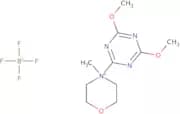
CAS:<p>Trifluoromethoxyacetic acid is a synthetic drug that has been used to treat inflammatory bowel disease, alopecia and seborrhoea. It is also used as a pharmacological agent for the treatment of autoimmune diseases, such as sclerosis, malignant and bowel disease. Trifluoromethoxyacetic acid has anti-inflammatory properties due to its inhibition of prostaglandin synthesis. This drug has been shown to be effective in treating alopecia areata in rats with an oral dose of 0.5 mg/kg for two weeks, which is comparable to the effect observed with 1 mg/kg of minoxidil (Rogaine). Trifluoromethoxyacetic acid binds to nitrogen atoms on proteins and inhibits protein synthesis, leading to cell death by inhibiting the production of proteins vital for cell division.</p>Fórmula:C3H3F3O3Pureza:Min. 95 Area-%Cor e Forma:Clear LiquidPeso molecular:144.05 g/mol4-(4,6-Dimethoxy-1,3,5-triazin-2-yl)-4-morpholinium tetrafluoroborate
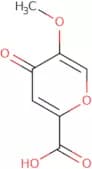
CAS:<p>4-(4,6-Dimethoxy-1,3,5-triazin-2-yl)-4-morpholinium tetrafluoroborate is a modulating agent that is used in the treatment of infectious and metabolic disorders. The compound has been shown to increase the activity of fatty acid oxidation and decrease the production of inflammatory mediators. 4-(4,6-Dimethoxy-1,3,5-triazin-2-yl)-4-morpholinium tetrafluoroborate interacts with a variety of proteins by binding to their Nterminal domains. It can be conjugated to other molecules and then used as probes for kinetic studies or as antiinflammatory compounds.</p>Fórmula:C10H17N4O3•BF4Pureza:Min. 97 Area-%Cor e Forma:PowderPeso molecular:328.07 g/mol5-Methoxy-4-oxo-4H-pyran-2-carboxylic acid
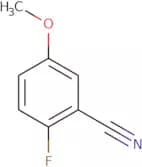
CAS:<p>5-Methoxy-4-oxo-4H-pyran-2-carboxylic acid is a building block for organic synthesis. It is a versatile building block that can be used to synthesize complex compounds. 5-Methoxy-4-oxo-4H-pyran-2-carboxylic acid has been shown to be useful as a reagent in organic synthesis and as a reaction component. It is also used in pharmaceutical research and development. CAS No.: 1199-60-6</p>Fórmula:C7H6O5Pureza:Min. 95%Cor e Forma:PowderPeso molecular:170.12 g/mol2-Fluoro-5-methoxybenzonitrile
CAS:<p>2-Fluoro-5-methoxybenzonitrile is a metal catalyst that has been shown to be effective in the synthesis of various organic compounds. The use of ultrasound can increase the yields of reactions involving 2-fluoro-5-methoxybenzonitrile. 2-Fluoro-5-methoxybenzonitrile has also been demonstrated as a pharmacological agent with a number of potential applications. It inhibits the activity of phosphodiesterase 4, which may lead to an improved therapeutic profile for conditions such as asthma and erectile dysfunction. 2-Fluoro-5-methoxybenzonitrile is also used in photochemical reactions, where it acts as an inhibitor to prevent the formation of undesired products.</p>Fórmula:C8H6FNOPureza:Min. 95%Cor e Forma:PowderPeso molecular:151.14 g/mol2-Hydroxy-4-methoxyacetophenone
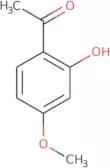
CAS:<p>2-Hydroxy-4-methoxyacetophenone is a compound that has been shown to have a minimal toxicity profile and a wide range of pharmacological activities. It inhibits the activity of NF-κB, which is an inflammatory signaling protein, and also has antioxidant properties. 2-Hydroxy-4-methoxyacetophenone has been shown to reduce the severity of cardiovascular disease by inhibiting oxidative injury in the mitochondria and reducing oxidative stress. This drug also reduces atherosclerotic lesions and prevents hypoglycemia by increasing glucose uptake in tissues. Moreover, it can be used to treat leukemia inhibitory factor in patients with chronic myeloid leukemia (CML).</p>Fórmula:C9H10O3Pureza:Min. 95%Cor e Forma:PowderPeso molecular:166.17 g/mol6-Methoxy-1-tetralone
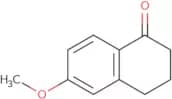
CAS:<p>6-Methoxy-1-tetralone (6MTO) is a quinoline derivative that has been shown to have potent inhibitory activity against human liver cancer. It is related to the compound 1,4-dimethylquinoline, which has been shown to possess anticancer properties in vitro. 6MTO inhibits the growth of carcinoma cell lines by inducing apoptosis and arresting cell cycle at G2/M phase. 6MTO also inhibits isovaleric acid production in thp-1 cells and the proliferation of hepatoma cells, leading to a decrease in the viability of these cells.</p>Fórmula:C11H12O2Pureza:Min. 95%Cor e Forma:PowderPeso molecular:176.21 g/mol8-Hydroxy-7-methoxy-2-oxo-2H-1-benzopyran-3-carboxylic acid
<p>8-Hydroxy-7-methoxy-2-oxo-2H-1-benzopyran-3-carboxylic acid is a versatile building block with a broad range of applications. It has been used in the synthesis of many complex compounds and research chemicals, including CAS No. 1207819-96-6. This chemical can be used as a reagent to produce important biological molecules such as antibiotics, antivirals, and antihypertensives.</p>Fórmula:C11H7NO8Pureza:Min. 95%Cor e Forma:Green SolidPeso molecular:281.18 g/mol5-(3-Methoxyphenyl)-4-phenyl-4H-1,2,4-triazole-3-thiol
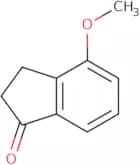
CAS:<p>Please enquire for more information about 5-(3-Methoxyphenyl)-4-phenyl-4H-1,2,4-triazole-3-thiol including the price, delivery time and more detailed product information at the technical inquiry form on this page</p>Fórmula:C15H13N3OSPureza:Min. 95%Cor e Forma:PowderPeso molecular:283.35 g/mol4-Methoxy-1-indanone
CAS:<p>4-Methoxy-1-indanone is a quinoline derivative that is used as an intermediate for the synthesis of a number of bioactive molecules, such as gephyrotoxin (a potent neurotoxin) and oxime derivatives. 4-Methoxy-1-indanone has been shown to be activated by metal ions and oximes to form iminium cations. These cations are then converted into chloride or carbonic anions by dehydrogenase enzymes, which are important in the metabolism of carbohydrates in living organisms.</p>Fórmula:C10H10O2Pureza:Min. 95%Cor e Forma:PowderPeso molecular:162.19 g/mol5-Iodo-2-methoxybenzonitrile
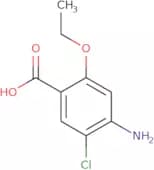
CAS:<p>5-Iodo-2-methoxybenzonitrile is a fine chemical that is used as a building block in the synthesis of other chemicals or pharmaceuticals. The compound reacts with strong bases to produce an aryl amine and iodoethane, and can be used to make derivatives as well. 5-Iodo-2-methoxybenzonitrile has a number of uses, including as a research chemical, reagent, specialty chemical, and intermediate. It is also useful in the synthesis of other complex compounds. 5-Iodo-2-methoxybenzonitrile belongs to the group of organoiodine compounds that are classified as speciality chemicals. This compound has CAS number 933672-32-3.</p>Fórmula:C8H6INOCor e Forma:PowderPeso molecular:259.04 g/mol4-Amino-5-chloro-2-ethoxybenzoic acid
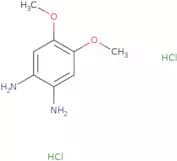
CAS:<p>4-Amino-5-chloro-2-ethoxybenzoic acid is a phenoxy compound that is synthesized in the laboratory. The chemical structure of this compound has been studied using high performance liquid chromatography and it was found to have pharmacokinetic properties that are consistent with those of other drugs in its class. This drug is being developed as an anti-depressant, targeting the 5HT4 receptor. The bioactive metabolite of 4-amino-5-chloro-2-ethoxybenzoic acid is 4-(4′ hydroxybutyl)phenol, which has been shown to be a potent inhibitor of phosphodiesterase activity.</p>Fórmula:C9H10ClNO3Pureza:Min. 95%Cor e Forma:White Off-White PowderPeso molecular:215.63 g/mol4,5-Dimethoxy-1,2-phenylenediamine hydrochloride
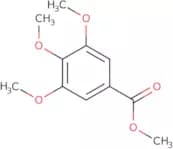
CAS:<p>Produces fluorescent benzimidazole derivatives; detects aromatic aldehydes</p>Fórmula:C8H14N2O2•xHClPureza:Min. 98%Cor e Forma:Purple PowderPeso molecular:241.11 g/molMethyl 3,4,5-trimethoxybenzoate
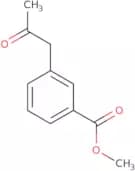
CAS:<p>Methyl 3,4,5-trimethoxybenzoate is a fatty acid that belongs to the group of p2. It is used as an animal health product and as a component of pharmaceutical preparations. Methyl 3,4,5-trimethoxybenzoate has been shown to be a useful model system for studying hydrogen bonding in organic chemistry. When heated with sodium carbonate and chloride in water, the methyl 3,4,5-trimethoxybenzoate reacts with n-dimethyl formamide to produce reaction products. This reaction can be accelerated by adding triticum aestivum and sodium hydroxide solution.</p>Fórmula:C11H14O5Pureza:Min. 95%Cor e Forma:PowderPeso molecular:226.23 g/mol3-Methoxycarbonylphenylacetone
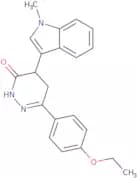
CAS:<p>3-Methoxycarbonylphenylacetone is a high quality, reagent, complex compound. It is a useful intermediate for the production of fine chemicals and speciality chemicals. 3-Methoxycarbonylphenylacetone can be used as a useful scaffold for the synthesis of new compounds and as a reaction component for chemical reactions. This compound has been shown to react with anhydrous hydrazine in the presence of catalysts to yield 2-aminothiazole derivatives. 3-Methoxycarbonylphenylacetone has CAS number 74998-19-9 and is listed on ChemSpider, PubChem, and Chemical Abstracts Service (CAS) databases.</p>Fórmula:C11H12O3Pureza:Min. 95%Cor e Forma:Clear LiquidPeso molecular:192.21 g/mol3-(4-ethoxyphenyl)-5-(1-methylindol-3-yl)-1H,4H,5H-1,2-diazin-6-one
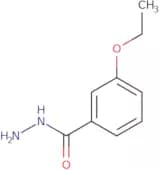
CAS:<p>Please enquire for more information about 3-(4-ethoxyphenyl)-5-(1-methylindol-3-yl)-1H,4H,5H-1,2-diazin-6-one including the price, delivery time and more detailed product information at the technical inquiry form on this page</p>Pureza:Min. 80%3-Ethoxybenzhydrazide
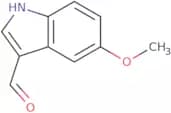
CAS:<p>3-Ethoxybenzhydrazide is a class of catalyzed, efficient, and carboxylic acid chlorides. The methodology for this class of compounds has been optimized to produce 3-ethoxybenzhydrazides with high yields. This class of compounds has been shown to be efficient in the synthesis of a number of carboxylic acids. This method can be automated and is an advance in the field of chemistry.</p>Fórmula:C9H12N2O2Pureza:Min. 95%Cor e Forma:PowderPeso molecular:180.2 g/mol5-Methoxyindole-3-carboxaldehyde
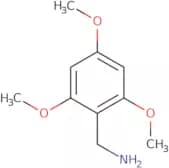
CAS:<p>5-Methoxyindole-3-carboxaldehyde is a molecule that belongs to the genus of indolequinones. It has been shown to have potent inhibitory activity against prostate cancer cells, and also has anti-cancer properties. 5-Methoxyindole-3-carboxaldehyde inhibits the proliferation of cancer cells by inducing apoptosis in prostate cancer cells. 5-Methoxyindole-3-carboxaldehyde also suppresses the growth of cervical cancer cells and breast cancer cells. This molecule binds to the hydrogen bond sites on DNA, which may be one reason for its anti-cancer properties. The molecule is fluorescent and can be used as a marker for detecting cancers or other diseases in living tissue.</p>Fórmula:C10H9NO2Pureza:Min. 95%Cor e Forma:PowderPeso molecular:175.18 g/mol2,4,6-Trimethoxybenzylamine
CAS:<p>A new efficient method for the synthesis of 2,4,6-trimethoxybenzylamine (TMB) has been developed. This reaction is catalyzed by a novel metal-free reagent, which is a mixture of 1,3-dibromo-1,1-dichloroethene and 2-chloropropane. In vitro assays were carried out to confirm the cytotoxicity of TMB on mcf-7 cells. The results showed that TMB induces apoptosis in these cells and inhibits the activity of transporters responsible for nutrient uptake. This compound also showed anticancer activity against cancer cell lines in vitro and in vivo studies.</p>Fórmula:C10H15NO3Pureza:Min. 95 Area-%Cor e Forma:PowderPeso molecular:197.23 g/mol(2R,3S,4S,5S)-5-Hydroxy-2,3,4-tris(phenylmethoxy)-5-[(phenylmethoxy)methyl]-cyclohexanone
CAS:<p>(2R,3S,4S,5S)-5-Hydroxy-2,3,4-tris(phenylmethoxy)-5-[(phenylmethoxy)methyl]-cyclohexanone is a fine chemical that is used as a versatile building block in the synthesis of complex compounds. It has been shown to be an intermediate in the synthesis of some useful chemicals and it is one of the most commonly used reagents for organic chemistry reactions. The compound has a CAS number of 115250-38-9 and is soluble in various organic solvents such as dichloromethane or chloroform.</p>Fórmula:C35H36O6Pureza:Min. 95%Cor e Forma:PowderPeso molecular:552.66 g/mol2,2,3,3-Tetrafluoro-3-(trifluoromethoxy)propanoic acid
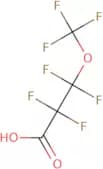
CAS:<p>2,2,3,3-Tetrafluoro-3-(trifluoromethoxy)propanoic acid (TFMP) is a fluorine-containing monomer that can be synthesized in an efficient method. TFMP is a resistant strain and has been shown to react with amines, carbonyls, and carboxylic groups. It can be copolymerized with other monomers to form polymeric materials. TFMP is a fluoride monomer that exhibits properties similar to perfluoroalkyl methacrylate monomers.</p>Fórmula:C4HF7O3Pureza:Min. 95%Cor e Forma:Clear LiquidPeso molecular:230.04 g/mol2-Chloromethyl-3,5-dimethyl-4-methoxypyridine
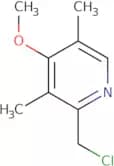
CAS:<p>2-Chloromethyl-3,5-dimethyl-4-methoxypyridine is a drug substance that is used as a pump inhibitor. The optimal reaction conditions for the synthesis of this molecule are a Grignard reagent, chlorinating agent, and magnesium salt. Impurities may arise during the synthetic process due to chloride or inorganic acid catalyst. This drug substance is not soluble in water but can be dissolved in organic solvents such as ethers, chloroform, or benzene. It reacts with magnesium to form a chelate ring with an organic molecule.</p>Fórmula:C9H12ClNOPureza:Min. 95%Cor e Forma:PowderPeso molecular:185.65 g/mol1-(2,5-Dimethoxyphenyl)-2-nitroethanol
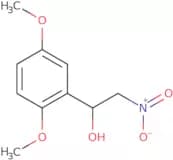
CAS:<p>1-(2,5-Dimethoxyphenyl)-2-nitroethanol is a chiral, asymmetric catalyst that has been shown to be effective in the enantioselective reduction of ketones. This process is important because it allows for the synthesis of chiral amino alcohols, which are then used in a variety of chemical reactions. The reaction can also be carried out with methyl amine as an amine source. 1-(2,5-Dimethoxyphenyl)-2-nitroethanol is an example of a catalyst that participates in catalysis through the lone pair on oxygen and nitrogen atoms.</p>Fórmula:C10H13NO5Pureza:Min. 95%Cor e Forma:White PowderPeso molecular:227.21 g/molN-Carbethoxy-4-nortropinone
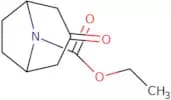
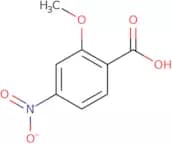
CAS:<p>N-Carbethoxy-4-nortropinone is a high quality, reagent grade chemical that is often used as a complexing agent. It has been shown to be an excellent building block for the synthesis of other compounds and has been used in the production of speciality chemicals. N-Carbethoxy-4-nortropinone is also a versatile building block that can be used in many different types of reactions, making it an excellent reaction component. This compound is available for purchase at Sigma Aldrich with CAS number 32499-64-2.</p>Fórmula:C10H15NO3Pureza:Min. 95%Peso molecular:197.23 g/mol2-Methoxy-4-nitrobenzoic acid
CAS:<p>Please enquire for more information about 2-Methoxy-4-nitrobenzoic acid including the price, delivery time and more detailed product information at the technical inquiry form on this page</p>Fórmula:C8H7NO5Pureza:Min. 95%Peso molecular:197.14 g/mol
![7-[(4-methoxyphenyl)methyl]-5-methyl-1H,4H,5H,6H,7H-pyrazolo[3,4-d]pyrimidine-4,6-dione](/_next/image/?url=https%3A%2Fstatic.cymitquimica.com%2Fproducts%2F10%2Fthumb-webp%2FF790473.webp&w=3840&q=75)

![2-(2H-1,3-benzodioxol-5-yl)imidazo[1,2-a]pyridin-3-amine](/_next/image/?url=https%3A%2Fstatic.cymitquimica.com%2Fproducts%2F10%2Fthumb-webp%2FF526332.webp&w=3840&q=75)
![8-ethyl-4-(thiophene-2-carbonyl)-1-oxa-4,8-diazaspiro[4.5]decane-3-carboxylic acid](/_next/image/?url=https%3A%2Fstatic.cymitquimica.com%2Fproducts%2F10%2Fthumb-webp%2FF525675.webp&w=3840&q=75)
![2-Chloro-1-[4-(2,3-dihydro-1,4-benzodioxine-2-carbonyl)piperazin-1-yl]ethan-1-one](/_next/image/?url=https%3A%2Fstatic.cymitquimica.com%2Fproducts%2F10%2Fthumb-webp%2FF650079.webp&w=3840&q=75)
![4-(3-phenylpropanoyl)-1-oxa-4-azaspiro[4.5]decane-3-carboxylic acid](/_next/image/?url=https%3A%2Fstatic.cymitquimica.com%2Fproducts%2F10%2Fthumb-webp%2FF525527.webp&w=3840&q=75)
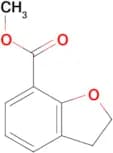
![8-benzyl-4-(2-ethylbutanoyl)-1-oxa-4,8-diazaspiro[4.5]decane-3-carboxylic acid](/_next/image/?url=https%3A%2Fstatic.cymitquimica.com%2Fproducts%2F10%2Fthumb-webp%2FF525814.webp&w=3840&q=75)
![2-Benzo[1,3]dioxol-5-yl-4,5-dimethyl-thiazole](/_next/image/?url=https%3A%2Fstatic.cymitquimica.com%2Fproducts%2F10%2Fthumb-webp%2FF521609.webp&w=3840&q=75)
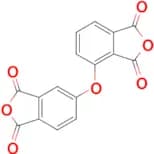
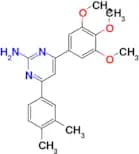
![4-Chloro-7-(4-methoxy-phenyl)-thieno[3,2-d]-pyrimidine](/_next/image/?url=https%3A%2Fstatic.cymitquimica.com%2Fproducts%2F10%2Fthumb-webp%2FF021437.webp&w=3840&q=75)
![Dibutyl[(oxiran-2-yl)methyl]amine](/_next/image/?url=https%3A%2Fstatic.cymitquimica.com%2Fproducts%2F10%2Fthumb-webp%2FF522616.webp&w=3840&q=75)
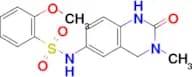
![N-(3-(1H-imidazol-1-yl)propyl)-4-ethoxybenzo[d]thiazol-2-amine](/_next/image/?url=https%3A%2Fstatic.cymitquimica.com%2Fproducts%2F10%2Fthumb-webp%2FF495857.webp&w=3840&q=75)
![(3aS,4S,6R,6aR)-6-(6-Amino-2-chloro-9H-purin-9-yl)-2,2-dimethyltetrahydrofuro[3,4-d][1,3]dioxole-4…](/_next/image/?url=https%3A%2Fstatic.cymitquimica.com%2Fproducts%2F10%2Fthumb-webp%2FF053671.webp&w=3840&q=75)
![(2,3-Dihydrobenzo[b][1,4]dioxin-6-yl)(piperidin-1-yl)methanone](/_next/image/?url=https%3A%2Fstatic.cymitquimica.com%2Fproducts%2F10%2Fthumb-webp%2FF433006.webp&w=3840&q=75)
![1A,10B-DIHYDRO-6H-DIBENZO[B,F]OXIRENO[D]AZEPINE-6-CARBOXAMIDE](/_next/image/?url=https%3A%2Fstatic.cymitquimica.com%2Fproducts%2F10%2Fthumb-webp%2FF386771.webp&w=3840&q=75)
![2-[(oxiran-2-yl)methyl]-1,2,3,4-tetrahydroisoquinoline](/_next/image/?url=https%3A%2Fstatic.cymitquimica.com%2Fproducts%2F10%2Fthumb-webp%2FF522622.webp&w=3840&q=75)
![1,3,3-Trimethyl-6'-(piperidin-1-yl)spiro[indoline-2,3'-naphtho[2,1-b][1,4]oxazine]](/_next/image/?url=https%3A%2Fstatic.cymitquimica.com%2Fproducts%2F10%2Fthumb-webp%2FF690555.webp&w=3840&q=75)

![1-BOC-5-(BENZYLOXY)-3-METHYL-1H-PYRAZOLO[3,4-C]PYRIDINE](/_next/image/?url=https%3A%2Fstatic.cymitquimica.com%2Fproducts%2F10%2Fthumb-webp%2FF301821.webp&w=3840&q=75)
![TERT-BUTYL 6-AMINO-5-METHOXY-2-OXOSPIRO[INDOLINE-3,3'-PYRROLIDINE]-1'-CARBOXYLATE](/_next/image/?url=https%3A%2Fstatic.cymitquimica.com%2Fproducts%2F10%2Fthumb-webp%2FF531147.webp&w=3840&q=75)
![3,6-Dibromo-9-[4-(2-ethylhexyloxy)phenyl]-9H-carbazole](/_next/image/?url=https%3A%2Fstatic.cymitquimica.com%2Fproducts%2F10%2Fthumb-webp%2FF693143.webp&w=3840&q=75)
![3-Benzyl-7-(phenylsulfonyl)-9-oxa-3,7-diazabicyclo[3.3.1]nonane](/_next/image/?url=https%3A%2Fstatic.cymitquimica.com%2Fproducts%2F10%2Fthumb-webp%2FF609136.webp&w=3840&q=75)
![(Benzo[3,4-d]1,3-dioxolan-5-ylmethylene)methane-1,1-dicarbonitrile](/_next/image/?url=https%3A%2Fstatic.cymitquimica.com%2Fproducts%2F10%2Fthumb-webp%2FF068951.webp&w=3840&q=75)



![4-[3-(1,3-oxazol-5-yl)phenyl]morpholine](/_next/image/?url=https%3A%2Fstatic.cymitquimica.com%2Fproducts%2F10%2Fthumb-webp%2FF518077.webp&w=3840&q=75)
![Tert-butyl8-amino-2-oxa-5-azaspiro[3.5]nonane-5-carboxylate](/_next/image/?url=https%3A%2Fstatic.cymitquimica.com%2Fproducts%2F10%2Fthumb-webp%2FF719180.webp&w=3840&q=75)
![4-[2-(4-chlorophenyl)acetyl]-8-propyl-1-oxa-4,8-diazaspiro[4.5]decane-3-carboxylic acid](/_next/image/?url=https%3A%2Fstatic.cymitquimica.com%2Fproducts%2F10%2Fthumb-webp%2FF525746.webp&w=3840&q=75)
![1-(4-(BENZYLOXY)CYCLOHEXYL)-2-(5H-IMIDAZO[5,1-A]ISOINDOL-5-YL)ETHANOL](/_next/image/?url=https%3A%2Fstatic.cymitquimica.com%2Fproducts%2F10%2Fthumb-webp%2FF531088.webp&w=3840&q=75)
![6,7-Dimethoxy-2-(p-tolyl)-4H-benzo[d][1,3]oxazin-4-one](/_next/image/?url=https%3A%2Fstatic.cymitquimica.com%2Fproducts%2F10%2Fthumb-webp%2FF341672.webp&w=3840&q=75)
![8-ethyl-4-[2-(4-methoxyphenyl)acetyl]-1-oxa-4,8-diazaspiro[4.5]decane-3-carboxylic acid](/_next/image/?url=https%3A%2Fstatic.cymitquimica.com%2Fproducts%2F10%2Fthumb-webp%2FF525679.webp&w=3840&q=75)
![(2E)-3-[4-(benzyloxy)phenyl]-1-(2-methylphenyl)prop-2-en-1-one](/_next/image/?url=https%3A%2Fstatic.cymitquimica.com%2Fproducts%2F10%2Fthumb-webp%2FF524159.webp&w=3840&q=75)
![1-[4-(morpholine-4-sulfonyl)-2-nitrophenyl]pyrrolidine-2-carboxylic acid](/_next/image/?url=https%3A%2Fstatic.cymitquimica.com%2Fproducts%2F10%2Fthumb-webp%2FF642631.webp&w=3840&q=75)
![8-methyl-4-(3-phenylpropanoyl)-1-oxa-4,8-diazaspiro[4.5]decane-3-carboxylic acid](/_next/image/?url=https%3A%2Fstatic.cymitquimica.com%2Fproducts%2F10%2Fthumb-webp%2FF525629.webp&w=3840&q=75)
![6-CHLORO-9-[3-(2-CHLOROETHYLAMINO)PROPYLAMINO]-2-METHOXYACRIDINE DIHYDROCHLORIDE](/_next/image/?url=https%3A%2Fstatic.cymitquimica.com%2Fproducts%2F10%2Fthumb-webp%2FF863350.webp&w=3840&q=75)
![3-(3-methoxyphenyl)-3H-[1,2,3]triazolo[4,5-d]pyrimidine-7-thiol](/_next/image/?url=https%3A%2Fstatic.cymitquimica.com%2Fproducts%2F10%2Fthumb-webp%2FF521048.webp&w=3840&q=75)
![Tert-butyl 3-[(2,2-dimethoxyethyl)amino]propanoate](/_next/image/?url=https%3A%2Fstatic.cymitquimica.com%2Fproducts%2F10%2Fthumb-webp%2FF522711.webp&w=3840&q=75)
![7-(TERT-BUTYL)-6-((1-ETHYL-1H-1,2,4-TRIAZOL-5-YL)METHOXY)-3-(2-FLUOROPHENYL)-[1,2,4]TRIAZOLO[4,3-B…](/_next/image/?url=https%3A%2Fstatic.cymitquimica.com%2Fproducts%2F10%2Fthumb-webp%2FF529134.webp&w=3840&q=75)

![3-(7-Hydroxy-2,3-dihydrobenzo[b][1,4]dioxin-6-yl)indolin-2-one](/_next/image/?url=https%3A%2Fstatic.cymitquimica.com%2Fproducts%2F10%2Fthumb-webp%2FF791864.webp&w=3840&q=75)



![4-(imidazo[1,2-a]pyridin-7-yloxy)-2-methylaniline](/_next/image/?url=https%3A%2Fstatic.cymitquimica.com%2Fproducts%2F10%2Fthumb-webp%2FF601969.webp&w=3840&q=75)

![4-(3,5-dichlorobenzoyl)-8-methyl-1-oxa-4-azaspiro[4.5]decane-3-carboxylic acid](/_next/image/?url=https%3A%2Fstatic.cymitquimica.com%2Fproducts%2F10%2Fthumb-webp%2FF525601.webp&w=3840&q=75)
![2-[(2-methylphenoxy)methyl]-1H-benzimidazole](/_next/image/?url=https%3A%2Fstatic.cymitquimica.com%2Fproducts%2F10%2Fthumb-webp%2FF351540.webp&w=3840&q=75)
![Hexahydro-2,6-epoxyoxireno[2,3-f]isobenzofuran-3(1aH)-one](/_next/image/?url=https%3A%2Fstatic.cymitquimica.com%2Fproducts%2F10%2Fthumb-webp%2FF775100.webp&w=3840&q=75)
![6,7-DIHYDRO-5H-[1,3]DIOXO[4,5-F]ISOINDOLE HYDROCHLORIDE](/_next/image/?url=https%3A%2Fstatic.cymitquimica.com%2Fproducts%2F10%2Fthumb-webp%2FF301205.webp&w=3840&q=75)
![8-tert-butyl-4-(pyridine-4-carbonyl)-1-oxa-4-azaspiro[4.5]decane-3-carboxylic acid](/_next/image/?url=https%3A%2Fstatic.cymitquimica.com%2Fproducts%2F10%2Fthumb-webp%2FF525774.webp&w=3840&q=75)
![4-(3-chlorobenzoyl)-8-propyl-1-oxa-4,8-diazaspiro[4.5]decane-3-carboxylic acid](/_next/image/?url=https%3A%2Fstatic.cymitquimica.com%2Fproducts%2F10%2Fthumb-webp%2FF525738.webp&w=3840&q=75)

![8-(Benzyloxy)-1,4-dioxaspiro[4.5]decane](/_next/image/?url=https%3A%2Fstatic.cymitquimica.com%2Fproducts%2F10%2Fthumb-webp%2FF327312.webp&w=3840&q=75)

![Bis((2,3-dihydrobenzo[b][1,4]dioxin-6-yl)methyl)amine](/_next/image/?url=https%3A%2Fstatic.cymitquimica.com%2Fproducts%2F10%2Fthumb-webp%2FF464973.webp&w=3840&q=75)
![8-benzyl-4-(pyridine-4-carbonyl)-1-oxa-4,8-diazaspiro[4.5]decane-3-carboxylic acid](/_next/image/?url=https%3A%2Fstatic.cymitquimica.com%2Fproducts%2F10%2Fthumb-webp%2FF525808.webp&w=3840&q=75)
![10-Methoxy-5H-dibenz[b,f]azepine](/_next/image/?url=https%3A%2Fstatic.cymitquimica.com%2Fproducts%2F10%2Fthumb-webp%2FF211169.webp&w=3840&q=75)
![({3-[2-(acetylamino)ethyl]-1H-indol-5-yl}oxy)acetic acid](/_next/image/?url=https%3A%2Fstatic.cymitquimica.com%2Fproducts%2F10%2Fthumb-webp%2FF369813.webp&w=3840&q=75)
![6-Bromo-3-(tetrahydro-2H-pyran-4-yl)pyrazolo[1,5-a]pyrimidine](/_next/image/?url=https%3A%2Fstatic.cymitquimica.com%2Fproducts%2F10%2Fthumb-webp%2FF096454.webp&w=3840&q=75)
![2-[6-(benzyloxy)-1h-indol-3-yl]acetic acid](/_next/image/?url=https%3A%2Fstatic.cymitquimica.com%2Fproducts%2F10%2Fthumb-webp%2FF671263.webp&w=3840&q=75)

![1-BOC-2'-TERT-BUTYL-7'-OXO-6',7'-DIHYDRO-1H,2'H-SPIRO[PIPERIDINE-4,5'-PYRANO[3,2-C]PYRAZOLE]](/_next/image/?url=https%3A%2Fstatic.cymitquimica.com%2Fproducts%2F10%2Fthumb-webp%2FF301257.webp&w=3840&q=75)
![1-[3-(Diethoxymethyl)oxolan-2-yl]-1H-1,2,3-benzotriazole](/_next/image/?url=https%3A%2Fstatic.cymitquimica.com%2Fproducts%2F10%2Fthumb-webp%2FF182350.webp&w=3840&q=75)
![8-tert-butyl-4-(2-methoxybenzoyl)-1-oxa-4-azaspiro[4.5]decane-3-carboxylic acid](/_next/image/?url=https%3A%2Fstatic.cymitquimica.com%2Fproducts%2F10%2Fthumb-webp%2FF525772.webp&w=3840&q=75)
![2',3',5',6'-Tetrahydrospiro[indoline-3,4'-pyran]-5-carboxylic acid](/_next/image/?url=https%3A%2Fstatic.cymitquimica.com%2Fproducts%2F10%2Fthumb-webp%2FF609567.webp&w=3840&q=75)
![4-(2-ethoxybenzoyl)-8-methyl-1-oxa-4,8-diazaspiro[4.5]decane-3-carboxylic acid](/_next/image/?url=https%3A%2Fstatic.cymitquimica.com%2Fproducts%2F10%2Fthumb-webp%2FF525663.webp&w=3840&q=75)
![1-[(oxan-4-yl)methyl]-1H-indole-2-carboxylic acid](/_next/image/?url=https%3A%2Fstatic.cymitquimica.com%2Fproducts%2F10%2Fthumb-webp%2FF550385.webp&w=3840&q=75)
![4-(2H-1,3-benzodioxol-5-yl)-3H,4H,5H,6H,7H-imidazo[4,5-c]pyridine-6-carboxylic acid](/_next/image/?url=https%3A%2Fstatic.cymitquimica.com%2Fproducts%2F10%2Fthumb-webp%2FF522503.webp&w=3840&q=75)
![3-((Benzyloxy)methyl)-6-chloro-4-methoxy-1H-pyrazolo[3,4-d]pyrimidine](/_next/image/?url=https%3A%2Fstatic.cymitquimica.com%2Fproducts%2F10%2Fthumb-webp%2FF791929.webp&w=3840&q=75)
![6-Iodobenzo[d][1,3]dioxol-5-amine](/_next/image/?url=https%3A%2Fstatic.cymitquimica.com%2Fproducts%2F10%2Fthumb-webp%2FF322627.webp&w=3840&q=75)

![3-(4-METHOXYBENZYL)-1,3,7-TRIAZASPIRO[4.4]NONANE-2,4-DIONE HCL](/_next/image/?url=https%3A%2Fstatic.cymitquimica.com%2Fproducts%2F10%2Fthumb-webp%2FF505848.webp&w=3840&q=75)

![N-methyl-N-[(oxiran-2-yl)methyl]cyclohexanamine](/_next/image/?url=https%3A%2Fstatic.cymitquimica.com%2Fproducts%2F10%2Fthumb-webp%2FF522624.webp&w=3840&q=75)
![4-{2,2-Bis[(4-formylphenoxy)methyl]-3-(4-formylphenoxy)propoxy}benzaldehyde](/_next/image/?url=https%3A%2Fstatic.cymitquimica.com%2Fproducts%2F10%2Fthumb-webp%2FF617532.webp&w=3840&q=75)





![2-Amino-N-[2-(5-methoxy-1H-indol-3-yl)ethyl]acetamide hydrochloride](/_next/image/?url=https%3A%2Fstatic.cymitquimica.com%2Fproducts%2F3D%2Fthumb-webp%2FFA116384.webp&w=3840&q=75)




![(2R,3S,4S,5S)-5-Hydroxy-2,3,4-tris(phenylmethoxy)-5-[(phenylmethoxy)methyl]-cyclohexanone](/_next/image/?url=https%3A%2Fstatic.cymitquimica.com%2Fproducts%2F3D%2Fthumb-webp%2FFH148464.webp&w=3840&q=75)