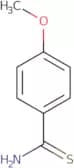
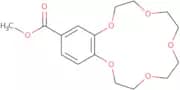
Éteres
Os éteres são compostos orgânicos que contêm um grupo funcional éter, caracterizado por um átomo de oxigênio ligado a dois radicais hidrocarbonetos. Esses compostos são valiosos na síntese e servem como solventes em várias reações químicas. Na CymitQuimica, oferecemos uma seleção de éteres de alta qualidade para apoiar suas aplicações de pesquisa e industriais, garantindo resultados confiáveis e eficazes. Nossa gama de éteres atende a diversos requisitos laboratoriais, desde experimentos de rotina até pesquisas avançadas.
Foram encontrados 40729 produtos de "Éteres"
Ordenar por
Pureza (%)
0
100
|
0
|
50
|
90
|
95
|
100
N-(5,5-dimethyl-7-oxo(4,5,6-trihydrobenzothiazol-2-yl))(4-methoxyphenyl)formamide
CAS:<p>Please enquire for more information about N-(5,5-dimethyl-7-oxo(4,5,6-trihydrobenzothiazol-2-yl))(4-methoxyphenyl)formamide including the price, delivery time and more detailed product information at the technical inquiry form on this page</p>Pureza:Min. 95%1-Bromo-3,4,5-trimethoxybenzene
CAS:<p>1-Bromo-3,4,5-trimethoxybenzene is a brominated molecule that is used in the synthesis of other organic compounds. It inhibits protein synthesis by inhibiting the production of ribosomes and is toxic to cancer cells. It has been shown to have inhibitory properties against the growth of k562 cells, which are leukemia cells. The mechanism by which 1-bromo-3,4,5-trimethoxybenzene inhibits protein synthesis is not fully understood. However, it has been found that this compound inhibits DNA polymerase activity and prevents RNA polymerase from transcribing genetic information from DNA to mRNA. This may be due to its ability to act as a diazonium salt or an n-dimethyl formamide substrate. In addition, 1-bromo-3,4,5-trimethoxybenzene can be hydrolyzed into trimethoxybenzene and b</p>Fórmula:C9H11BrO3Pureza:Min. 98 Area-%Cor e Forma:PowderPeso molecular:247.09 g/mol2-(3,4-Dimethoxyphenyl)acetaldehyde
CAS:<p>2-(3,4-Dimethoxyphenyl)acetaldehyde is a bioactive molecule that has shown anti-cancer properties in vitro and in vivo. It inhibits the activity of aldehyde dehydrogenase, an enzyme responsible for the oxidation of alcohols to aldehydes. This inhibition leads to accumulation of acetaldehyde in cells and induces apoptosis or cell death by caspase-independent mechanisms. 2-(3,4-Dimethoxyphenyl)acetaldehyde also has been shown to induce acidolysis reactions in the presence of acid. This reaction mechanism may be due to protonation of the phenolic hydroxyl group. The resulting 3,4-dimethoxyphenylacetic acid analog can inhibit cells' proliferation and induce apoptosis by blocking protein synthesis and cell division.</p>Fórmula:C10H12O3Pureza:Min. 95%Cor e Forma:Clear LiquidPeso molecular:180.2 g/mol1-Acetoxy-2-methoxybenzene
CAS:<p>1-Acetoxy-2-methoxybenzene is an organic solvent that is used in skin care products. It has a molecular weight of 88.1, a constant of 12.6, and two solubility parameters of 10.3 and 1.5, respectively. This chemical reacts with hydrogen fluoride to form 1-acetoxy-4-(hydroxymethyl)benzene and hydrogen fluoride at temperatures between 0°C and 100°C with a reaction constant of 4.0 x 10^(-2).</p>Fórmula:C9H10O3Pureza:Min. 95%Cor e Forma:Colorless Clear LiquidPeso molecular:166.17 g/mol3,5-Dimethoxybenzonitrile
CAS:<p>3,5-Dimethoxybenzonitrile is a chemical that has been shown to inhibit the growth of cancer cells in vitro and in vivo. It is also an effective anticancer drug that has been evaluated clinically. The mechanism by which 3,5-dimethoxybenzonitrile inhibits cancer cell growth is not yet known. This chemical binds to the CB2 receptor, which is located on tumor cells and other tissues. It may also inhibit the release of chloride ions from the cell membrane, leading to decreased levels of cyclic AMP. This chemical can be synthesized using a Grignard reagent and reacting it with an ethyl chloride molecule. The synthesis requires two steps: (1) addition of magnesium metal to an ethyl bromide solution; followed by (2) reaction of the magnesium with methyl iodide or methyl sulfate in a solution containing ether and alcohols.</p>Fórmula:C9H9NO2Pureza:Min. 95%Cor e Forma:PowderPeso molecular:163.17 g/mol(S)-2-((((9H-Fluoren-9-yl)methoxy)carbonyl)amino)-3-(1H-pyrrolo[2,3-b]pyridin-3-yl)propanoic acid
CAS:<p>Please enquire for more information about (S)-2-((((9H-Fluoren-9-yl)methoxy)carbonyl)amino)-3-(1H-pyrrolo[2,3-b]pyridin-3-yl)propanoic acid including the price, delivery time and more detailed product information at the technical inquiry form on this page</p>Fórmula:C25H21N3O4Pureza:Min. 95%Peso molecular:427.45 g/mol3,5-Dichloro-2,6-dimethoxybenzoic acid
CAS:<p>3,5-Dichloro-2,6-dimethoxybenzoic acid (3,5-DCMB) is a drug that binds to the dopamine transporter. It is used as a radioligand in studies of the pharmacological and biochemical properties of the dopamine transporter. 3,5-DCMB has also been shown to bind to plasma proteins and membranes with an affinity that depends on its physicochemical properties. The drug has been used clinically in the treatment of Parkinson's disease, but it is not active against other diseases such as depression or schizophrenia. 3,5-DCMB is one of two enantiomers of dichloroethylbenzoic acid; it is an ethylene transport inhibitor and can be converted into ethylene oxide via reduction by alcohol dehydrogenase.</p>Fórmula:C9H8Cl2O4Pureza:Min. 95%Cor e Forma:PowderPeso molecular:251.06 g/mol3-(Difluoromethoxy)-2,4,5-trifluorobenzoic acid
CAS:<p>3-(Difluoromethoxy)-2,4,5-trifluorobenzoic acid is an antibacterial drug that belongs to the class of fluoroquinolones. It inhibits bacterial growth by binding to DNA gyrase and topoisomerase IV enzymes in bacteria. 3-(Difluoromethoxy)-2,4,5-trifluorobenzoic acid has been shown to be active against a wide variety of bacteria and is used as a treatment for urinary tract infections and skin infections. 3-(Difluoromethoxy)-2,4,5-trifluorobenzoic acid can also be used in combination with other antibiotics such as tetrabutyl ammonium chloride to enhance their effects.</p>Fórmula:C8H3F5O3Pureza:Min. 95%Cor e Forma:SolidPeso molecular:242.1 g/mol2-Methoxy-5-(trifluoromethoxy)benzaldehyde
CAS:<p>2-Methoxy-5-(trifluoromethoxy)benzaldehyde is a tachykinin antagonist that inhibits the binding of neurokinin to its receptor with high affinity. This compound has shown potential as a drug for the treatment of pain and other conditions such as asthma, allergies, and depression. The efficacy of 2-methoxy-5-(trifluoromethoxy)benzaldehyde has been demonstrated in high-throughput screening for the detection of nk1 receptor antagonists. Further studies have shown that modification of this molecule may increase its potency and reduce side effects.</p>Fórmula:C9H7F3O3Pureza:Min. 95%Cor e Forma:Clear LiquidPeso molecular:220.15 g/mol4-(2-Methoxyphenyl)-2(3H)-thiazolone hydrazone
CAS:<p>4-(2-Methoxyphenyl)-2(3H)-thiazolone hydrazone is a versatile building block for the synthesis of complex compounds. It is also a useful intermediate for the preparation of research chemicals, reagents, and speciality chemicals. 4-(2-Methoxyphenyl)-2(3H)-thiazolone hydrazone has been used in the synthesis of a number of biologically active compounds, including hydroxyarylacetamides and 2,5-dioxo-4-(2-methoxybenzoyl)thiazolidine derivatives. This compound can be used as a scaffold to produce novel compounds with biological activity.</p>Fórmula:C10H11N3OSPureza:Min. 95%Cor e Forma:Off-White PowderPeso molecular:221.28 g/mol4,6-Dihydroxy-5-methoxypyrimidine
CAS:<p>4,6-Dihydroxy-5-methoxypyrimidine is a white crystalline solid. It is soluble in alkali, acid ethyl, and alcohol. This compound can be used as a solvent for organic substances and has been shown to methylate phosphorus oxychloride. 4,6-Dihydroxy-5-methoxypyrimidine is also used in the synthesis of nucleosides.</p>Fórmula:C5H6N2O3Pureza:Min. 95%Peso molecular:142.11 g/mol4-Hydroxy-3-(trifluoromethoxy)benzaldehyde
CAS:<p>4-Hydroxy-3-(trifluoromethoxy)benzaldehyde is a chemical that modulates the toxicity of cells. It has been shown to reduce amyloid plaques in animals and humans with Alzheimer's disease, and to inhibit the formation of plaques in transgenic mice. In addition, 4-hydroxy-3-(trifluoromethoxy)benzaldehyde has been found to be a pyrimidine compound, which can be used as a potential treatment for alzheimer's disease. This substance also has an insoluble nature and is not soluble in water. Curcumin is one of the substances that may be used to dissolve this substance.</p>Fórmula:C8H5F3O3Pureza:Min. 95%Peso molecular:206.12 g/mol3-Chloro-4-methoxybenzoic acid methyl ester
CAS:<p>3-Chloro-4-methoxybenzoic acid methyl ester is a potent antiproliferative agent that inhibits the growth of cancer cells and bacteria. It is an amide, which has been synthesized by equilibration between two equivalents of 3-chlorobenzoic acid and methylamine. The copulatory proton profile for this compound has been determined using liquid chromatography with mass spectrometry detection (LCMS). This compound is also a weak inhibitor of tyrosine kinases, but is more potent as an inhibitor of protein kinase C. Sorafenib and dasatinib are examples of compounds that have been shown to be linked to this drug. 3-Chloro-4-methoxybenzoic acid methyl ester can induce the production of TNF-α in thp-1 cells at micromolar concentrations.</p>Fórmula:C9H9ClO3Pureza:Min. 95%Cor e Forma:PowderPeso molecular:200.62 g/mol3-Methoxy-4-nitroacetophenone
CAS:<p>3-Methoxy-4-nitroacetophenone is an enamine that can be used in the synthesis of a variety of organic compounds. It is a good reducing agent and can be used to synthesize nitrophenols and nitrosamines. Catalytic hydrogenation, transfer hydrogenation, and reductive condensation reactions all use 3-methoxy-4-nitroacetophenone as a starting material. It has been shown to react with a range of alcohols to form acetals, which are stable compounds with a protective group on the alcohol. Cyclization reactions using 3-methoxy-4-nitroacetophenone have also been reported. This compound has been crystallized in pure form.</p>Fórmula:C9H9NO4Pureza:Min. 95%Cor e Forma:PowderPeso molecular:195.17 g/mol5-Fluoro-2-methoxyphenol
CAS:<p>5-Fluoro-2-methoxyphenol is a heterodimeric natural product that consists of anisoles and acetanilides. It has been shown to induce liver microsomes in rats, as well as hypervalent organometallic complexes with methoxy groups. 5-Fluoro-2-methoxyphenol also exhibits vinylic shift and product synthesis abilities. This compound is useful for the synthesis of acetanilides and other compounds with a methoxy group. Reagents such as phenyllithium, butyllithium, and lithium diisopropylamide are used in this synthesis.</p>Fórmula:C7H7FO2Pureza:Min. 95%Cor e Forma:Clear LiquidPeso molecular:142.13 g/molCarboxymethoxyamine hemihydrochloride
CAS:<p>Carboxymethoxyamine hemihydrochloride (CMAH) is a gamma-aminobutyric acid analogue that has inhibitory properties. It is used in the treatment of syncytial virus infections and has been shown to reduce the severity of symptoms, as well as shorten the course of the disease. CMAH binds to the receptors in cells that are sensitive to gamma-aminobutyric acid. This binding inhibits uptake of calcium ions into cells, thereby reducing intracellular Ca2+ levels and inhibiting synaptic transmission. CMAH also has an effect on aminotransferase activity, which may be due to its ability to inhibit protein synthesis or dephosphorylate proteins.</p>Fórmula:C2H5NO3HClCor e Forma:White PowderPeso molecular:109.3 g/mol4-Methoxycinnamylidene acetaldehyde
CAS:<p>4-Methoxycinnamylidene acetaldehyde is a versatile building block with a CAS number of 27394-81-6. It is used in the research and production of fine chemicals, pharmaceuticals, and high quality reagents. 4-Methoxycinnamylidene acetaldehyde can be used as a useful scaffold for the synthesis of complex compounds. This building block is also a useful intermediate in organic chemistry reactions.</p>Fórmula:C12H12O2Pureza:Min. 95%Cor e Forma:PowderPeso molecular:188.22 g/mol4-Methoxy-2-methylbenzaldehyde
CAS:<p>4-Methoxy-2-methylbenzaldehyde (4MMBA) is a synthetic chemical that is used as an antifungal agent. It interacts with the cellular membranes of fungi and disrupts their ability to maintain homeostasis. 4MMBA inhibits the growth of invasive aspergillosis by inhibiting protein synthesis, which leads to cell death. The mechanism of action for 4MMBA is not well understood, but it has been shown to inhibit the growth of fungi in a model system. It also inhibits the production of pyrylium, which may be responsible for its activity against fungi.</p>Fórmula:C9H10O2Pureza:90%Peso molecular:150.17 g/mol3-(3,4-dimethoxyphenyl)-1,6,6-trimethyl-5,6,7-trihydro1H-indazol-4-one
CAS:<p>Please enquire for more information about 3-(3,4-dimethoxyphenyl)-1,6,6-trimethyl-5,6,7-trihydro1H-indazol-4-one including the price, delivery time and more detailed product information at the technical inquiry form on this page</p>Pureza:Min. 95%Methyl 3,4,5-trimethoxybenzoate
CAS:<p>Methyl 3,4,5-trimethoxybenzoate is a fatty acid that belongs to the group of p2. It is used as an animal health product and as a component of pharmaceutical preparations. Methyl 3,4,5-trimethoxybenzoate has been shown to be a useful model system for studying hydrogen bonding in organic chemistry. When heated with sodium carbonate and chloride in water, the methyl 3,4,5-trimethoxybenzoate reacts with n-dimethyl formamide to produce reaction products. This reaction can be accelerated by adding triticum aestivum and sodium hydroxide solution.</p>Fórmula:C11H14O5Pureza:Min. 95%Cor e Forma:PowderPeso molecular:226.23 g/mol2-[(2-Ethoxy phenoxy)methyl]morpholine HCl
CAS:<p>2-[(2-Ethoxy phenoxy)methyl]morpholine HCl is a sophisticated chemical compound utilized extensively in scientific research. As a synthetic organic compound, it is derived through a meticulous process involving the reaction of morpholine with ethoxy phenoxy derivatives, followed by hydrochloride salt formation. This synthesis ensures high purity and accurate functionality, making it suitable for precise laboratory studies.</p>Fórmula:C13H20ClNO3Pureza:Min. 95%Cor e Forma:PowderPeso molecular:273.76 g/molN-Ethylheptadecafluoro-N-[3-(Trimethoxysilyl)Propyl]Octanesulphonamide
CAS:Produto Controlado<p>N-Ethylheptadecafluoro-N-[3-(Trimethoxysilyl)Propyl]Octanesulphonamide is a membrane filtration technology that is used to remove all organic and inorganic pollutants from water. It is effective for the removal of oils, pesticides, herbicides, detergents, antibiotics, and heavy metals. N-Ethylheptadecafluoro-N-[3-(Trimethoxysilyl)Propyl]Octanesulphonamide is also used to treat wastewater and surface water. This process can be used on large quantities of water with high efficiency. The use of this process can be beneficial for the health of humans, animals, and the environment.</p>Fórmula:C16H20F17NO5SSiPureza:Min. 95%Peso molecular:689.46 g/mol3-(3,4-dimethoxyphenyl)indeno[2,3-d]pyrazol-4-one
CAS:<p>Please enquire for more information about 3-(3,4-dimethoxyphenyl)indeno[2,3-d]pyrazol-4-one including the price, delivery time and more detailed product information at the technical inquiry form on this page</p>Pureza:Min. 95%2,3-Dimethoxy-1,4-benzoquinone
CAS:<p>2,3-Dimethoxy-1,4-benzoquinone is a chemical compound that belongs to the class of quinones. It is one of the most potent inhibitors of bacterial growth and has been shown to be effective against Gram-positive bacteria such as Staphylococcus aureus and Mycobacterium tuberculosis. 2,3-Dimethoxy-1,4-benzoquinone inhibits bacterial growth by interfering with fatty acid synthesis. This inhibition is due to its ability to react with methoxy groups on membrane lipids and nucleophilic attack on the carbon atom in the fatty acid chain. The binding constants for this interaction are relatively weak, which may explain why 2,3-dimethoxy-1,4-benzoquinone does not inhibit other types of cells like eukaryotic cells.</p>Fórmula:C8H8O4Pureza:Min. 95%Cor e Forma:Red PowderPeso molecular:168.15 g/mol4-Bromo-3,5-dimethoxybenzoic acid methyl ester
CAS:<p>4-Bromo-3,5-dimethoxybenzoic acid methyl ester is a crystalline solid that can be obtained from the reaction of 4-bromo-3,5-dimethoxybenzoic acid and methyl iodide. It has been shown to undergo an intramolecular cyclization when irradiated with ultraviolet light. This transformation is characterized by an increase in the length of the C=C bond and the appearance of a new C=O bond. The skeleton of 4-bromo-3,5-dimethoxybenzoic acid methyl ester consists of four five membered rings and two six membered rings. The molecule interacts with ligands such as styrene, mesitylene, vinylated benzyl halides, or halides.</p>Fórmula:C10H11BrO4Pureza:Min. 95%Cor e Forma:PowderPeso molecular:275.1 g/mol4-Iodo-2-methoxybenzoic acid
CAS:<p>4-Iodo-2-methoxybenzoic acid is an organic compound that contains a carbonyl group and a copper chelate. It has been shown to be stable in the presence of mercapto, chloroform, and palladium. The chemical structures of 4-iodo-2-methoxybenzoic acid are different from those of other compounds because it contains a chelate ring. Experiments have shown that extracts containing 4-iodo-2-methoxybenzoic acid are more extractable than those without it. This is due to the chelate ring which can act as an ion exchange group, allowing for the extraction of charged ions from the solution.</p>Fórmula:C8H7IO3Pureza:Min. 95%Cor e Forma:PowderPeso molecular:278.04 g/mol2-Chloromethyl-3-methyl-4-(2,2,2-trifluoroethoxy)pyridine, hydrochloride
CAS:<p>Please enquire for more information about 2-Chloromethyl-3-methyl-4-(2,2,2-trifluoroethoxy)pyridine, hydrochloride including the price, delivery time and more detailed product information at the technical inquiry form on this page</p>Fórmula:C9H10Cl2F3NOPureza:Min. 95%Peso molecular:276.08 g/molN-(2-(3,4-dimethoxyphenyl)ethyl)(4-nitrophenyl)formamide
CAS:Produto Controlado<p>Please enquire for more information about N-(2-(3,4-dimethoxyphenyl)ethyl)(4-nitrophenyl)formamide including the price, delivery time and more detailed product information at the technical inquiry form on this page</p>Pureza:Min. 95%5-Fluoro-2-methoxybenzonitrile
CAS:<p>5-Fluoro-2-methoxybenzonitrile is a fine chemical that has a versatile building block and is used as a reaction component in the synthesis of complex compounds. It is also used as a reagent and research chemical. The compound can be useful for the preparation of high quality pharmaceuticals, pesticides, materials science, and other industries.</p>Fórmula:C8H6FNOPureza:Min. 95%Peso molecular:151.14 g/mol4-Methoxy-1-indanone
CAS:<p>4-Methoxy-1-indanone is a quinoline derivative that is used as an intermediate for the synthesis of a number of bioactive molecules, such as gephyrotoxin (a potent neurotoxin) and oxime derivatives. 4-Methoxy-1-indanone has been shown to be activated by metal ions and oximes to form iminium cations. These cations are then converted into chloride or carbonic anions by dehydrogenase enzymes, which are important in the metabolism of carbohydrates in living organisms.</p>Fórmula:C10H10O2Pureza:Min. 95%Cor e Forma:PowderPeso molecular:162.19 g/mol3-Acetoxy-2,4-dimethoxyacetophenone
CAS:<p>3-Acetoxy-2,4-dimethoxyacetophenone is a chemical building block that has been shown to be useful in the synthesis of complex compounds. This compound can be used as a reaction component and reagent in organic synthesis. 3-Acetoxy-2,4-dimethoxyacetophenone can be used as a versatile building block for the synthesis of high quality research chemicals and speciality chemicals. It is also a useful intermediate for the preparation of fine chemicals such as pharmaceuticals, agrochemicals, and dyestuffs. 3-Acetoxy-2,4-dimethoxyacetophenone has CAS number 63604-86-4.</p>Fórmula:C12H14O5Pureza:Min. 95%Peso molecular:238.24 g/mol2-(((2,5-dimethoxyphenyl)sulfonyl)amino)benzamide
CAS:<p>Please enquire for more information about 2-(((2,5-dimethoxyphenyl)sulfonyl)amino)benzamide including the price, delivery time and more detailed product information at the technical inquiry form on this page</p>Pureza:Min. 95%3-(4-Ethoxybenzoyl)acrylic acid
CAS:<p>3-(4-Ethoxybenzoyl)acrylic acid is a chemical that belongs to the group of reagents. It can be used in research involving organic synthesis as a building block and as an intermediate. 3-(4-Ethoxybenzoyl)acrylic acid can also be used to synthesize complex compounds or fine chemicals. The product is high quality, easy to use, and has many uses. This compound is a versatile building block that can be used to make many different compounds.</p>Fórmula:C12H12O4Pureza:Min. 95%Cor e Forma:PowderPeso molecular:220.22 g/molN,N-Diallyl-5-methoxytryptamine
CAS:Produto Controlado<p>N,N-Diallyl-5-methoxytryptamine (DMAT) is a synthetic cannabinoid that has been shown to produce effects similar to those of tetrahydrocannabinol. It has been used in clinical studies to study the effects of cannabinoids on the central nervous system. DMAT binds with high affinity to 5-HT2A receptors and low affinity to histamine H1 receptors. DMAT also binds moderately with 5-HT1A receptors, which are serotonin receptors found in the cerebral cortex and hippocampus regions of the brain. DMAT is a potent monoamine neurotransmitter reuptake inhibitor, which means it prevents the reuptake of monoamines such as dopamine, norepinephrine, and serotonin by blocking their transporters. This results in an increase in extracellular concentrations of these monoamines. DMAT is structurally similar to other drugs that have been shown to cause seizures, such as meprobamate, benzodiazepines,</p>Fórmula:C17H22N2OPureza:Min. 95%Peso molecular:270.37 g/molTetrafluoro-2-(tetrafluoro-2-iodoethoxy)ethanesulfonyl fluoride
CAS:<p>Tetrafluoro-2-(tetrafluoro-2-iodoethoxy)ethanesulfonyl fluoride (TFEI) is a fluorinated solvent that has been used in the manufacture of organic thin films. TFEI is a colorless liquid with a strong, unpleasant odor. It is soluble in water and has a boiling point of about 140°C. TFEI possesses good thermal stability and can be used as an etchant for silicon or glass surfaces. TFEI is also capable of dissolving polymers such as polyimide, polyamide, polyethylene terephthalate, and polystyrene.<br>TFEI has been shown to be highly toxic to bacteria and fungi and can be used as an antimicrobial agent in household cleaners, paints, adhesives, varnishes, plastics, textiles, and other industrial products.</p>Fórmula:C4F9IO3SPureza:Min. 95%Cor e Forma:Clear LiquidPeso molecular:426 g/mol2-Fluoro-5-methoxybenzonitrile
CAS:<p>2-Fluoro-5-methoxybenzonitrile is a metal catalyst that has been shown to be effective in the synthesis of various organic compounds. The use of ultrasound can increase the yields of reactions involving 2-fluoro-5-methoxybenzonitrile. 2-Fluoro-5-methoxybenzonitrile has also been demonstrated as a pharmacological agent with a number of potential applications. It inhibits the activity of phosphodiesterase 4, which may lead to an improved therapeutic profile for conditions such as asthma and erectile dysfunction. 2-Fluoro-5-methoxybenzonitrile is also used in photochemical reactions, where it acts as an inhibitor to prevent the formation of undesired products.</p>Fórmula:C8H6FNOPureza:Min. 95%Cor e Forma:PowderPeso molecular:151.14 g/mol4-Methoxy-tetrahydro-2h-pyran-4-carboxylic acid
CAS:<p>4-Methoxy-tetrahydro-2h-pyran-4-carboxylic acid is a fine chemical that belongs to the group of research chemicals. It is a versatile building block and useful intermediate in organic synthesis. 4-Methoxy-tetrahydro-2h-pyran-4-carboxylic acid has been used as a reagent for the preparation of the compound 5,5'-dithiobis(4,4'-dimethylvaleronitrile) (CAS No. 1010836-49). This compound has been shown to be an effective antiviral agent against HIV.</p>Fórmula:C7H12O4Pureza:Min. 95 Area-%Cor e Forma:PowderPeso molecular:160.17 g/mol2,5-Dimethoxy-3-nitrobenzoic acid
CAS:<p>2,5-Dimethoxy-3-nitrobenzoic acid is a versatile building block that can be used to synthesize many different compounds. It is often used in the synthesis of complex organic molecules and can be used as a reagent or intermediate. The CAS number for this compound is 17894-26-7.</p>Fórmula:C9H9NO6Pureza:Min. 95%Cor e Forma:PowderPeso molecular:227.17 g/mol2,6-Dimethoxy-3-nitrobenzoic acid
CAS:<p>2,6-Dimethoxy-3-nitrobenzoic acid is an aromatic compound that has been shown to have a molecular weight of 136.2 g/mol. It is extracted from the leaves of "Nepeta cataria" and can be found in many other plants as well. This compound has been shown to inhibit bacterial growth in vitro by inhibiting protein synthesis. The mode of action for this compound is not yet known, but it may be due to its ability to form hydrogen bonds with the ribosomes and inhibit nucleotide binding sites on the ribosome surface.</p>Fórmula:C9H9NO6Pureza:Min. 98 Area-%Cor e Forma:PowderPeso molecular:227.17 g/mol2-(3,4,5-Trimethoxyphenyl)ethylamine
CAS:Produto Controlado<p>2-(3,4,5-Trimethoxyphenyl)ethylamine (TMPEA), also known as 3,4,5-trimethoxyamphetamine or 3,4,5-trimethoxyphenethylamine is a psychoactive agent that is structurally related to amphetamine and mescaline. It is a precursor to TMA which is an hallucinogenic drug. TMPEA has been shown to have dose-dependent effects on locomotor activity in mice and rats. In addition, it has been found to bind with high affinity to 5HT2A receptors in the rat brain. This compound can be prepared by reacting trifluoroacetic acid with 2-(3,4,5-trimethoxyphenyl)ethanamine. The sample preparation of this compound may be performed using human serum or lophophora plants.</p>Fórmula:C11H17NO3Pureza:Min. 95%Cor e Forma:PowderPeso molecular:211.26 g/mol3'-Fluoro-4'-methoxy-β-methyl-β-nitrostyrene
CAS:<p>3'-Fluoro-4'-methoxy-beta-methyl-beta-nitrostyrene is a reactive building block that can be used in the synthesis of many different compounds. It is a fine chemical and a reagent which is useful in organic chemistry. 3'-Fluoro-4'-methoxy-beta-methyl-beta-nitrostyrene is used as a reaction component for the synthesis of many different compounds, including pharmaceuticals, agrochemicals, and other specialty chemicals. It has CAS number 1023717-11-4 and can be used as an intermediate compound or building block for the production of complex compounds.</p>Fórmula:C10H10FNO3Pureza:Min. 95%Cor e Forma:PowderPeso molecular:211.19 g/mol3-Fluoro-4-methoxycinnamic acid
CAS:<p>3-Fluoro-4-methoxycinnamic acid is a template for the synthesis of azido compounds. Azide is a versatile functional group that can be used in many chemical reactions. 3-Fluoro-4-methoxycinnamic acid can be used to synthesize various azido products by reacting with hydrogen gas and an appropriate nucleophile, such as acrylic acid or ammonia. This reaction is called the "hydrogenating" reaction because it involves the addition of hydrogen. The target product can be synthesized by adding an appropriate electrophile, such as sodium azide, to the starting material in a solvent such as methylene chloride.</p>Fórmula:C10H9FO3Pureza:Min. 95%Cor e Forma:PowderPeso molecular:196.18 g/mol4-Ethoxyphenylacetic acid
CAS:<p>4-Ethoxyphenylacetic acid is an organic compound that belongs to the class of cannabinoids. It is a metabolite of tetrahydrocannabinol (THC) and can be used as a precursor to other cannabinoids, such as cannabidiol. This substance also has been shown to have canalization effects on plant physiology and root formation. 4-Ethoxyphenylacetic acid is synthesized in a solid-phase synthesis and purified by hydrogen chloride gas. The synthesis is efficient and can be done in gram quantities. Structural studies have shown that this molecule binds to cannabinoid receptors CB1 and CB2, which are found throughout the body, including the brain. 4-Ethoxyphenylacetic acid may act as a regulator for these receptors, with its effects depending on concentration.</p>Fórmula:C10H12O3Pureza:Min. 95%Cor e Forma:PowderPeso molecular:180.2 g/mol9-[2-(Diethylphosphonomethoxy)ethyl]adenine
CAS:<p>9-[2-(Diethylphosphonomethoxy)ethyl]adenine is a synthetic analog of adenine that is used as a pharmaceutical agent. It is an antiviral drug that prevents the synthesis of DNA and RNA in viruses, including papillomavirus, paramyxovirus, and filtration. 9-[2-(Diethylphosphonomethoxy)ethyl]adenine is also used to treat bromic conjugates and modifications. The chemical formula for this compound is C14H14N4O2P.</p>Fórmula:C12H20N5O4PPureza:Min. 95%Cor e Forma:White PowderPeso molecular:329.29 g/mol4-Amino-2-methoxypyridine
CAS:<p>4-Amino-2-methoxypyridine is an antiviral agent that inhibits the activity of the NS5B polymerase, a key enzyme in the replication of the hepatitis C virus. It is a potent inhibitor with a wide range of activity and can be used for treatment and prevention of infection. 4-Amino-2-methoxypyridine has been shown to inhibit replication of hepatitis C virus in cell culture. This compound is stable in vivo and can be administered orally, making it an attractive candidate for oral prophylaxis against hepatitis C. 4-Amino-2-methoxypyridine also exhibits good pharmacokinetic properties, including a low clearance rate and high volume of distribution, which makes it suitable for chronic administration.</p>Fórmula:C6H8N2OPureza:Min. 95%Cor e Forma:White To Light (Or Pale) Orange SolidPeso molecular:124.14 g/molEupatilin
CAS:<p>Eupatilin is a flavonoid compound, which is derived from the Artemisia species. This plant-based source has been traditionally used in various medicinal applications across different cultures. Eupatilin’s mode of action involves inhibition of pro-inflammatory cytokines and modulation of signaling pathways associated with inflammation, such as the NF-kB pathway. Additionally, it has been found to possess antioxidant activities, which further contributes to its therapeutic potential.</p>Fórmula:C18H16O7Pureza:Min. 95%Cor e Forma:PowderPeso molecular:344.32 g/mol1-(2,4-Dimethoxyphenyl)-2-nitropropene
CAS:<p>1-(2,4-Dimethoxyphenyl)-2-nitropropene is a versatile building block that can be used in the synthesis of a wide range of compounds. It is a high quality chemical with a CAS number of 15804-78-1. This compound has been used as an intermediate to synthesize other compounds such as 2-amino-3,5,6-trimethylbenzaldehyde and 1-(2,4-dimethoxyphenyl)-2-(pyrrolidin-1-yl)propene. The compound is also useful as a reagent for reaction components in organic chemistry and biochemistry.</p>Fórmula:C11H13NO4Pureza:Min. 95%Cor e Forma:PowderPeso molecular:223.23 g/mol1,3-Dimethoxy-2-methylimidazoliumbis(trifluoromethylsulfonyl)imide
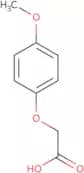
CAS:<p>Please enquire for more information about 1,3-Dimethoxy-2-methylimidazoliumbis(trifluoromethylsulfonyl)imide including the price, delivery time and more detailed product information at the technical inquiry form on this page</p>Fórmula:C8H11F6N3O6S2Pureza:Min. 95%Cor e Forma:PowderPeso molecular:423.31 g/mol2-(4-Methoxyphenoxy)-2-methylpropanoic acid
CAS:<p>2-(4-Methoxyphenoxy)-2-methylpropanoic acid (methoxymethyl) is a versatile building block with a variety of applications in synthesis. It is used as an intermediate in the preparation of pharmaceuticals, agrochemicals, and dyes. Methoxymethyl has been shown to be useful as a reagent for research and as a speciality chemical. This compound can also serve as a reaction component or scaffold in the synthesis of more complex compounds.</p>Fórmula:C11H14O4Pureza:Min. 95%Cor e Forma:PowderPeso molecular:210.23 g/mol5-Methoxyuracil
CAS:<p>5-Methoxyuracil is a labile, colorless and crystalline compound that occurs spontaneously in the presence of oxygen. It has a chemical structure similar to thiourea, with one methyl group substituted for the amino group on the heterocycle. 5-Methoxyuracil is used as a precursor for synthesis of thymine and uracil. It also acts as an antioxidant, preventing reactive oxygen species from causing cellular damage. 5-Methoxyuracil can be used in regenerative medicine to increase the production of messenger RNA (mRNA) and ribosomal RNA (rRNA). This drug is used as a prebiotic agent and can be synthetically produced by dimethylation of uridine followed by ethyl formate oxidation.</p>Fórmula:C5H6N2O3Pureza:Min. 95%Cor e Forma:PowderPeso molecular:142.11 g/mol3,4,5-Trimethoxybenzamide
CAS:<p>3,4,5-Trimethoxybenzamide is a benzofuran that has been shown to have anti-cancer properties. It has been shown to inhibit the production of chemokines and inhibit cancer cell proliferation. 3,4,5-Trimethoxybenzamide also binds to chloride ion channels on cancer cells and blocks the influx of chloride ions into the cells. This causes an increase in intracellular pH and inhibits the formation of ATP. 3,4,5-Trimethoxybenzamide also has antiarrhythmic properties and can be used for the treatment of hypertension. It is metabolized by hydrolysis in tissues or blood pressure through piperidine formation or hydrochloric acid.</p>Fórmula:C10H13NO4Pureza:Min. 95%Cor e Forma:PowderPeso molecular:211.21 g/mol2-Methoxybenzonitrile
CAS:<p>2-Methoxybenzonitrile is a reactive molecule that can undergo a variety of reactions. In simulations, 2-methoxybenzonitrile reacts with carbon tetrachloride to form chlorobenzene and hydrochloric acid. The reaction mechanism involves the metal surface, which is believed to act as a catalyst and transfer the molecule to the receptor binding site on the substrate molecule. 2-Methoxybenzonitrile has been shown to react with various functional groups on a substrate molecule, including ester, amide, nitrile, sulfide, sulfone, and phosphate groups. This reaction system also produces different reaction products depending on the type of functional group.</p>Fórmula:C8H7NOPureza:Min. 95%Cor e Forma:Clear LiquidPeso molecular:133.15 g/mol7-Methoxycoumarin-4-acetic acid N-succinimidyl ester
CAS:<p>7-Methoxycoumarin-4-acetic acid N-succinimidyl ester is a fluorescent probe for the detection of metalloproteinases. It has been used in assays to measure matrix metalloproteinase activity and to study the kinetics of these enzymes. This compound can be used as a fluorescence focus for the study of extracellular matrix regulation. 7-Methoxycoumarin-4-acetic acid N-succinimidyl ester inhibits matrix metalloproteinases by binding to their active site and blocking access to substrates, preventing the breakdown of extracellular matrix proteins.</p>Fórmula:C16H13NO7Pureza:Min. 97 Area-%Cor e Forma:Off-White PowderPeso molecular:331.28 g/molDimethoxy(methyl)silane - 90%
CAS:<p>Dimethoxy(methyl)silane is a fluorescing hydrocarbon that is used as a sealant. It has been shown to react with calcium carbonate and chloride, forming stable complexes. Dimethoxy(methyl)silane reacts with hydrogen chloride to form a divalent hydrocarbon and can be used to produce polymer films.</p>Fórmula:C3H10O2SiPureza:Min. 95%Cor e Forma:Clear LiquidPeso molecular:106.2 g/mol(2,3,4-Trimethoxyphenyl)acetic acid
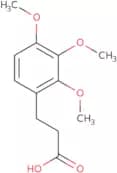
CAS:<p>(2,3,4-Trimethoxyphenyl)acetic acid is a potent compound that binds to the 5-ht7 receptor. It has been shown to inhibit the binding of 5-HT to the 5-HT1A and 5-HT7 receptors. This drug has also been shown to have affinity for the receptor and may be used in the treatment of depression, anxiety, and other mood disorders.</p>Fórmula:C11H14O5Pureza:Min. 95%Cor e Forma:White Off-White PowderPeso molecular:226.23 g/mol2-(4-Methoxyphenoxy)acetohydrazide
CAS:<p>2-(4-Methoxyphenoxy)acetohydrazide is a coumarin derivative that has been synthesized for use in the detection of salicylaldehyde in air. The emissions are detected by means of luminescence and fluorescence spectroscopy, with the emission intensity measured by a dihedral angle detector. The compound also produces europium ions, which can be used to detect and quantify it. The elemental analysis gives the yields as 0.25 grams per mole, while the spectral data show 2-(4-methoxyphenoxy)acetohydrazide to have a fluorescence maximum at 489 nm and an excitation maximum at 320 nm.<br>2-(4-Methoxyphenoxy)acetohydrazide is fluorescent and luminescent, with a wavelength maximum of 489 nm and an excitation maximum of 320 nm. It reacts with benzene to produce nitro compounds, which can be detected using an electron spin resonance</p>Fórmula:C9H12N2O3Pureza:Min. 95%Peso molecular:196.2 g/mol3-Fluoro-5-methoxybenzonitrile
CAS:<p>3-Fluoro-5-methoxybenzonitrile is a useful chemical intermediate that can be used in organic synthesis. It is a versatile building block with a high quality and it is easy to use in the synthesis of complex compounds. 3-Fluoro-5-methoxybenzonitrile has been shown to react as a nucleophile, and it has been used as a reagent for the production of other compounds. This compound also has potential applications in research, such as being an intermediate for the production of pharmaceuticals and agrochemicals. 3-Fluoro-5-methoxybenzonitrile is not classified as hazardous and does not pose any significant risk to human health or the environment.</p>Fórmula:C8H6FNOPureza:Min. 95%Cor e Forma:PowderPeso molecular:151.14 g/molEthoxysanguinarine
CAS:<p>Ethoxysanguinarine is a copper complex that has been shown to be an autophagy inducer. It has been shown to activate the surface methodology and increase autophagy, which is a process that eliminates intracellular pathogens in cells. Ethoxysanguinarine also has clinical relevance, as it can be used as a prognosis marker for infectious diseases. The ability of ethoxysanguinarine to bind to DNA polymerase and inhibit its activity may be responsible for its antiviral properties. Ethoxysanguinarine binds to the phosphatase enzyme, which is important for cell signaling pathways and protein synthesis. This binding prevents phosphatases from dephosphorylating membrane-bound receptors that initiate the inflammatory response, leading to suppression of inflammation.</p>Fórmula:C22H19NO5Pureza:Min. 98 Area-%Cor e Forma:White Off-White PowderPeso molecular:377.39 g/mol2,2'-Dihydroxy-4',6'-dimethoxychalcone
CAS:<p>2,2'-Dihydroxy-4',6'-dimethoxychalcone (DDMC) is a naturally occurring chalcone with antitumor activity. DDMC inhibits the expression of NF-κB and suppresses tumor growth in animal models. In vitro studies have shown that DDMC inhibited the proliferation of human glioma cells without affecting normal brain cells. It has also been shown to inhibit the proliferation of malignant human glioblastoma cells in a dose-dependent manner, while only minimally affecting normal human astrocytes. DDMC has been found to be non-toxic and safe for use in humans and other mammals. The following are some descriptions for products: 6-Fluoro-3-indoxyl-beta-D-galactopyranoside Rifapentine is an anti-tuberculosis drug that belongs to the class of rifamycins. It is the</p>Fórmula:C17H16O5Pureza:Min. 95%Cor e Forma:PowderPeso molecular:300.31 g/mol3,4-Dimethoxy-2-methylcinnamic acid
CAS:<p>3,4-Dimethoxy-2-methylcinnamic acid is a fine chemical that can be used as a building block to produce complex compounds. It is also an intermediate in the synthesis of chemicals such as cinnamyl alcohol, cinnamaldehyde, and 2-methyl-3-(4'-methoxyphenyl)propanoic acid. This compound is useful for research purposes as it has been shown to be an effective reaction component in organic reactions. 3,4-Dimethoxy-2-methylcinnamic acid is a high quality reagent with CAS No. 868562-26-9.</p>Fórmula:C12H14O4Pureza:Min. 95%Cor e Forma:PowderPeso molecular:222.24 g/mol1-Iodo-2-methoxybenzene
CAS:<p>1-Iodo-2-methoxybenzene is a compound that has shown to have anti-cancer properties. It is an effective inhibitor of protein tyrosine kinases, which are involved in the activation of inflammatory diseases and cancer. The hydroxyl group on the benzenoid ring activates the molecule by hydrogen bonding with the protein target, thereby inhibiting its activity. 1-Iodo-2-methoxybenzene may also be used as a contrast agent for magnetic resonance imaging (MRI) due to its light emission properties.</p>Fórmula:C7H7IOPureza:Min. 95%Cor e Forma:Clear LiquidPeso molecular:234.03 g/mol1,2-Bis(1,1,2,2-tetrafluoroethoxy)ethane
CAS:<p>1,2-Bis(1,1,2,2-tetrafluoroethoxy)ethane is an electrolyte with a balanced composition of sulfur and fluorine. It is also a symmetric compound that can shuttle lithium ions between the two halves of the molecule. This process can be repeated many times without significant degradation. 1,2-Bis(1,1,2,2-tetrafluoroethoxy)ethane has been used as a negative electrode material in lithium ion batteries because it has high capacity and good cycling properties.</p>Fórmula:C6H6F8O2Pureza:Min. 99 Area-%Peso molecular:262.10 g/mol(S)-2-Methoxy-2-(1-naphthyl)propanoic acid
CAS:<p>(S)-2-Methoxy-2-(1-naphthyl)propanoic acid is a chiral molecule that can exist in two different forms, each of which has the same physical and chemical properties. The two enantiomers are not optically active, meaning they have the same degree of rotation when passed through a polarizing filter. It is an organic compound that is used as a flavoring agent in food chemistry and as a bioactive compound. (S)-2-Methoxy-2-(1-naphthyl)propanoic acid also has been shown to function as an attractant for hemipteran insects such as mosquitoes, although it is not clear if this property is due to its aromatic or enantiomeric structure.</p>Fórmula:C14H14O3Pureza:Min. 95%Cor e Forma:PowderPeso molecular:230.26 g/mol2-Ethoxy-4-methoxybenzaldehyde
CAS:<p>2-Ethoxy-4-methoxybenzaldehyde is a volatile compound that has been shown to have medicinal properties. It is used to analyze the presence of alcohols and aldehydes in various products. The sensitivity of this compound was optimized by using an analytical method that involved solid phase microextraction (SPME) followed by gas chromatography (GC). The carcinogenicity of this compound was determined by exposing it to rats in a 2 year study, which showed no evidence of carcinogenicity. This compound can also be used as a phenolic or microextraction reagent for the headspace analysis of volatile compounds.</p>Fórmula:C10H12O3Pureza:Min. 95%Cor e Forma:PowderPeso molecular:180.2 g/mol3-Hydroxy-2,4-dimethoxyacetophenone
CAS:<p>3-Hydroxy-2,4-dimethoxyacetophenone is an alkoxide that reacts with a variety of substances. It has been used to synthesize polymers, and has been detected in the gas phase by electron spin resonance spectroscopy. 3-Hydroxy-2,4-dimethoxyacetophenone is also a microbial metabolite that can be quantified by coulometric analysis. It has been found in microorganisms such as Escherichia coli and Pseudomonas aeruginosa, which suggests it may have anti-microbial activity.</p>Fórmula:C10H12O4Pureza:Min. 95%Cor e Forma:PowderPeso molecular:196.2 g/mol3-Benzyloxy-4-methoxybenzoic acid
CAS:3-Benzyloxy-4-methoxybenzoic acid is a natural product that was isolated as a yellow crystalline powder from the needles of the tree Kirkia. It can be used as a radical and has been shown to have frameworks with galanthamine. 3-Benzyloxy-4-methoxybenzoic acid has been shown to be an inhibitor of protein synthesis in cells, which may be due to its ability to inhibit the activity of ribosomes and protein synthesis.Fórmula:C15H14O4Pureza:Min. 95%Peso molecular:258.27 g/mol[1-(Methoxymethyl)cyclopropyl]amine hydrochloride
CAS:<p>1-(Methoxymethyl)cyclopropyl]amine hydrochloride is a versatile building block that can be used in the synthesis of complex compounds. It has been shown to be useful as a reagent, speciality chemical, and research chemical. This compound is also a useful intermediate in the synthesis of other compounds and as a reaction component for several chemical reactions. 1-(Methoxymethyl)cyclopropyl]amine hydrochloride is high-quality and has CAS No. 1029716-05-9.</p>Fórmula:C5H11NO•HClPureza:Min. 95%Cor e Forma:PowderPeso molecular:137.61 g/molMethyl 3-methoxybenzoate
CAS:<p>Methyl 3-methoxybenzoate is a synthetic chemical that is used as an intermediate in the production of polyvinyl chloride. It can be produced by reacting 3-hydroxybenzoic acid with benzyl chloride. This chemical has been shown to have insecticidal activity against some pest insects. Methyl 3-methoxybenzoate is also used as a solvent for analytical methods such as gas chromatography and mass spectrometry. The synthesis of methyl 3-methoxybenzoate proceeds through a series of steps, including deionized water, chloride, acetonitrile, and invicta.</p>Fórmula:C9H10O3Pureza:Min. 95%Cor e Forma:Colorless Clear LiquidPeso molecular:166.17 g/mol2,2'-Dimethoxybiphenyl
CAS:<p>2,2'-Dimethoxybiphenyl is a thermoplastic that is exothermic, making it useful in the production of polyketones. It can be used as a linker to form covalent bonds with monomers and polymers. 2,2'-Dimethoxybiphenyl has been used as a monomer to produce polyethers and polyesters. This compound has many chemical stability properties, which makes it suitable for use in polymer synthesis. It also can react with nucleophiles such as amines to form ether linkages. 2,2'-Dimethoxybiphenyl has kinetic properties that are faster than those of other ketones but slower than those of other ether-linked compounds. The activation energy for its reaction is low, making it an effective monomer for polymerization reactions.</p>Fórmula:C14H14O2Pureza:Min. 95%Cor e Forma:PowderPeso molecular:214.26 g/molCCT 241533
CAS:<p>CCT 241533 is a Chinese herb that has been shown to have anti-cancer properties. It has been demonstrated to inhibit the growth of HL-60 cells and induce apoptosis in these cells. CCT 241533 also inhibits the proliferation of epidermal growth factor (EGF) and induces cell death in response to radiation. This drug also binds to toll-like receptors, which are proteins on the surface of cells that detect pathogens and initiate an immune response. CCT 241533 has been shown to inhibit polymerase chain reactions by competitive inhibition or by binding to DNA, preventing transcription or replication. CCT 241533 may be useful for the treatment of infectious diseases, such as tuberculosis, because it can bind to bacterial 16S ribosomal RNA and inhibit protein synthesis, leading to cell death by inhibiting the production of proteins vital for cell division.<br>CCT 241533 has been shown in animal studies to be effective against cervical cancer due to its ability to bind</p>Fórmula:C23H27FN4O4Pureza:Min. 95%Peso molecular:442.48 g/mol6-Methoxy-1-indanone
CAS:<p>6-Methoxy-1-indanone is a chemical compound that can be found in the form of two structural isomers. They both have the same pharmacokinetic properties and are potent inhibitors of 5-HT1A receptors. 6-Methoxy-1-indanone also has potent inhibitory activity on the MT2 receptors, which are present in the central nervous system. This compound has been shown to be an active methylene group with neurodegenerative disease and has carbonyl groups.</p>Fórmula:C10H10O2Pureza:Min. 98 Area-%Cor e Forma:PowderPeso molecular:162.19 g/molMethyl 3-(3-hydroxy-4-methoxyphenyl)acrylate
CAS:<p>Methyl 3-(3-hydroxy-4-methoxyphenyl)acrylate is a compound that has been shown to be active against viruses. It is a derivative of salvianolic acid, which has been found to have anti-inflammatory and antiviral properties. Salvianolic acid and its derivatives are produced by the plant Salvia miltiorrhiza Bunge, and are known for their use in traditional Chinese medicine. The mechanism of action of methyl 3-(3-hydroxy-4-methoxyphenyl)acrylate is not yet fully understood, but it may inhibit the replication of influenza virus by binding to the RNA polymerase in the virus. This drug also has a hydrogen bond with cinnamic acid derivatives, which can inhibit HIV replication.</p>Fórmula:C11H12O4Pureza:Min. 95%Peso molecular:208.21 g/mol3,5-Dimethoxybenzhydrazide
CAS:<p>3,5-Dimethoxybenzhydrazide is a combretastatin analogue that binds to tubulin to disrupt the polymerization of microtubules. It has been shown to inhibit tumor cell growth in vitro and in vivo. 3,5-Dimethoxybenzhydrazide has an IC50 of 10 nM for tubulin polymerization, which is significantly lower than colchicine (IC50 of 0.2 μM). This drug also interacts with colchicine binding sites and has a selectivity index of 1.3.</p>Fórmula:C9H12N2O3Pureza:Min. 98 Area-%Cor e Forma:PowderPeso molecular:196.2 g/molDes(methoxycarbonyl) febantel
CAS:<p>Please enquire for more information about Des(methoxycarbonyl) febantel including the price, delivery time and more detailed product information at the technical inquiry form on this page</p>Fórmula:C18H20N4O4SPureza:Min. 95%Peso molecular:388.44 g/mol2-(4-Ethoxyphenylamino)-4-(3-methyl-4-fluorophenyl)thiazole
CAS:<p>Please enquire for more information about 2-(4-Ethoxyphenylamino)-4-(3-methyl-4-fluorophenyl)thiazole including the price, delivery time and more detailed product information at the technical inquiry form on this page</p>Pureza:Min. 95%Methyl 4-benzyloxy-3-methoxybenzoate
CAS:<p>Please enquire for more information about Methyl 4-benzyloxy-3-methoxybenzoate including the price, delivery time and more detailed product information at the technical inquiry form on this page</p>Fórmula:C16H16O4Pureza:Min. 95%Peso molecular:272.3 g/mol3-(4-Ethoxyphenyl)propionic acid
CAS:<p>3-(4-Ethoxyphenyl)propionic acid is a speciality chemical that is used in the production of other complex chemicals. It has been shown to be a useful intermediate in the production of pharmaceuticals, fine chemicals, and agrochemicals. 3-(4-Ethoxyphenyl)propionic acid is also a versatile building block for use in organic synthesis. It has been shown to be a useful building block for the synthesis of natural products, such as antibiotics and natural products with antiviral properties. This compound can also be used as an effective reagent for research purposes. 3-(4-Ethoxyphenyl)propionic acid is a high quality chemical with CAS number 4919-34-0.</p>Fórmula:C11H14O3Pureza:Min. 95%Cor e Forma:PowderPeso molecular:194.23 g/mol3,5-Diiodo-4(4'-methoxyphenoxy)benzoic acid
CAS:<p>3,5-Diiodo-4-(4'-methoxyphenoxy)benzoic acid is a chemical intermediate that has been used in the synthesis of pharmaceuticals and agricultural chemicals. It is a versatile building block that can be used to produce pharmaceuticals, such as diazepam and bromazepam, and other useful compounds. 3,5-Diiodo-4-(4'-methoxyphenoxy)benzoic acid is a fine chemical with high quality and speciality chemical. It has been extensively researched for its usefulness as a reagent for organic synthesis reactions.</p>Fórmula:C14H10I2O4Pureza:Min. 95%Cor e Forma:PowderPeso molecular:496.04 g/mol4-(Trifluoromethoxy)phenylacetic acid
CAS:<p>4-(Trifluoromethoxy)phenylacetic acid is a useful scaffold, versatile building block, and useful intermediate in organic synthesis. It is a speciality chemical that is used as a reaction component in the preparation of complex compounds. 4-(Trifluoromethoxy)phenylacetic acid is also a reagent for the synthesis of high-quality pharmaceuticals, such as antibiotics and antiviral agents. This compound has CAS No. 4315-07-5 and can be found at Chemicals Online.</p>Fórmula:C9H7F3O3Pureza:Min. 95%Cor e Forma:PowderPeso molecular:220.15 g/mol5-Methoxytryptamine hydrochloride
CAS:Produto Controlado<p>Non-selective serotonin receptor agonist that lacks affinity for the 5-HT3 receptor.</p>Fórmula:C11H15ClN2OPeso molecular:226.71 g/mol1-(2,4,5-Trimethoxyphenyl)-2-nitropropene
CAS:<p>1-(2,4,5-Trimethoxyphenyl)-2-nitropropene is a fine chemical that can be used as a building block in organic synthesis. It is also an intermediate or scaffold for the preparation of other compounds. 1-(2,4,5-Trimethoxyphenyl)-2-nitropropene has been used in the synthesis of many pharmaceuticals and natural products. The compound has high purity and quality.</p>Fórmula:C12H15NO5Pureza:Min. 95%Cor e Forma:PowderPeso molecular:253.25 g/mol5-Chloro-2-methoxyacetophenone
CAS:<p>5-Chloro-2-methoxyacetophenone is a byproduct of the synthesis of 2-hydroxybenzofuran. It is also used in the synthesis of tetracyclic benzopyrans, which are known to be potent analgesics and have been found to have anti-inflammatory properties. 5-Chloro-2-methoxyacetophenone can be obtained by decarbonylation (loss of carbon) or elimination reactions.</p>Fórmula:C9H9ClO2Pureza:Min. 95%Cor e Forma:Clear LiquidPeso molecular:184.62 g/mol2,5-Dimethoxy-N-[(2-methoxyphenyl)methyl]-4-(trifluoromethyl)benzeneethanamine
CAS:Produto Controlado2,5-Dimethoxy-N-[(2-methoxyphenyl)methyl]-4-(trifluoromethyl)benzeneethanamine is a synthetic drug that belongs to the group of psychotropic drugs. It has been shown to cause death in rats, which is likely due to its ability to inhibit serotonin uptake by neurons. 2,5-Dimethoxy-N-[(2-methoxyphenyl)methyl]-4-(trifluoromethyl)benzeneethanamine also inhibits the enzyme monoamine oxidase and prevents the breakdown of monoamines such as serotonin. This drug has been shown to have both stimulant and depressant properties. 2,5-Dimethoxy-N-[(2-methoxyphenyl)methyl]-4-(trifluoromethyl)benzeneethanamine can be quantified in human blood samples using liquid chromatography with aFórmula:C19H22F3NO3Pureza:Min. 95%Peso molecular:369.38 g/mol2-Methoxy-5-nitroaniline
CAS:<p>2-Methoxy-5-nitroaniline is a nitro compound that is cytotoxic at high doses. It is a diazonium salt that can be synthesised from hydrochloric acid and nitrous acid. The toxicity of 2-methoxy-5-nitroaniline has been tested in rats and found to have significant cytotoxicity at doses of 5000 mg/kg, with a LD50 of 2700 mg/kg. The chemical structure of 2-methoxy-5-nitroaniline consists of an amine group, two nitro groups, and two methyl groups. This compound can be synthesized by reacting ammonia with formaldehyde in the presence of nitric acid. 2-Methoxy-5-nitroaniline has shown to inhibit transcription polymerase chain reactions (PCR) in mouse erythrocytes at concentrations as low as 0.1 mM. Dietary</p>Fórmula:C7H8N2O3Pureza:95%NmrCor e Forma:PowderPeso molecular:168.15 g/molMethyl 4-((aminocarbamoyl)methoxy)benzoate
CAS:<p>Please enquire for more information about Methyl 4-((aminocarbamoyl)methoxy)benzoate including the price, delivery time and more detailed product information at the technical inquiry form on this page</p>Fórmula:C10H12N2O4Pureza:Min. 95%Cor e Forma:PowderPeso molecular:224.21 g/molMethyl 2-amino-3,4-diethoxybenzoate
CAS:<p>Methyl 2-amino-3,4-diethoxybenzoate is a chemical compound that is used as a reagent for the preparation of other complex compounds. Methyl 2-amino-3,4-diethoxybenzoate has a CAS number of 1017083-69-0 and can be found in fine chemicals, research chemicals, and speciality chemicals. This chemical is also an intermediate for the synthesis of other compounds and has been shown to have many uses as a building block for more complex compounds. As a versatile building block, methyl 2-amino-3,4-diethoxybenzoate has been used in organic synthesis reactions to produce new compounds with unique properties.</p>Fórmula:C12H17NO4Pureza:Min. 95%Cor e Forma:PowderPeso molecular:239.27 g/mol2-(2,4-dichlorophenoxy)-N-(2-(3,4-dimethoxyphenyl)ethyl)ethanamide
CAS:Please enquire for more information about 2-(2,4-dichlorophenoxy)-N-(2-(3,4-dimethoxyphenyl)ethyl)ethanamide including the price, delivery time and more detailed product information at the technical inquiry form on this pagePureza:Min. 95%Methyl 5-allyl-2-hydroxy-3-methoxybenzoate
CAS:<p>Methyl 5-allyl-2-hydroxy-3-methoxybenzoate is a chemical compound that belongs to the class of organic compounds known as esters. It is a colorless crystalline solid, which has been found to be useful in the synthesis of other chemical compounds. Methyl 5-allyl-2-hydroxy-3-methoxybenzoate is stable at high temperatures and it was found to be catalytic in reactions involving carbonates. The crystal structure of methyl 5-allyl-2-hydroxy-3-methoxybenzoate has been analyzed using XRD and FTIR spectroscopy. The product yields have been determined by GC analysis and IR spectroscopy.</p>Fórmula:C12H14O4Pureza:Min. 95%Cor e Forma:PowderPeso molecular:222.24 g/mol1-Chloro-3,5-dimethoxybenzene
CAS:<p>1-Chloro-3,5-dimethoxybenzene is an organic chemical compound that is used for the synthesis of other chemicals. It is a cross-coupling agent and a ligand in coordination chemistry. 1-Chloro-3,5-dimethoxybenzene has been shown to be unreactive in reactions with thionyl chloride or sulfuric acid. The chloro group on the benzoic acid derivative can be replaced by bromine or iodine to give 1,4-dibromobenzene and 3,5-diiodobenzene respectively. 1-Chloro-3,5-dimethoxybenzene can also be used as an analogously reactive but less toxic replacement for 1,2,4,5,-tetrachlorobenzene. This chemical has been isolated in yields of up to 97% when reacted with boronic acids or sulfinyle compounds.</p>Fórmula:C8H9ClO2Pureza:Min. 95%Cor e Forma:PowderPeso molecular:172.61 g/mol2-Fluoro-4-methoxyphenylacetone
CAS:<p>2-Fluoro-4-methoxyphenylacetone is a high quality chemical that can be used as a reagent, complex compound, and useful intermediate. It is also a fine chemical and speciality chemical with CAS No. 16817-46-2. This product can be used as a reaction component for diverse synthetic reactions in research and development of various types of pharmaceuticals and fine chemicals. It is also versatile building block for the synthesis of valuable products.</p>Fórmula:C10H11FO2Pureza:Min. 95%Peso molecular:182.19 g/mol3-(3-Ethoxyphenyl)propionic acid
CAS:<p>3-(3-Ethoxyphenyl)propionic acid is a useful building block in organic chemistry. It is used as a reagent in the synthesis of various pharmaceuticals, pesticides, and other chemicals. 3-(3-Ethoxyphenyl)propionic acid is also an intermediate in the production of 3-ethoxybenzoic acid and its derivatives.</p>Fórmula:C11H14O3Pureza:Min. 95%Cor e Forma:PowderPeso molecular:194.23 g/mol3-(1,1,2,2-Tetrafluoroethoxy)aniline
CAS:<p>3-(1,1,2,2-Tetrafluoroethoxy)aniline is a reagent that belongs to the group of complex compounds. It has CAS No. 831-75-4 and is used as an intermediate in the synthesis of fine chemicals, useful scaffolds and building blocks. This versatile chemical can be used as a reaction component for the production of speciality chemicals and research chemicals. 3-(1,1,2,2-Tetrafluoroethoxy)aniline can be used as a starting material for the production of other reagents such as fluoroalkylating agents and fluorinating agents.</p>Fórmula:C8H7F4NOPureza:Min. 95%Cor e Forma:Colorless Clear LiquidPeso molecular:209.14 g/mol4-(Trifluoromethoxy)phenol
CAS:<p>4-(Trifluoromethoxy)phenol is an anti-tuberculosis drug. It is a diode that has been shown to have pharmacokinetic properties in rats and mice. 4-(Trifluoromethoxy)phenol has been shown to act as a prodrug, which is activated by conversion to the active form. This active form inhibits the growth of Mycobacterium tuberculosis by binding to the 50S ribosomal subunit and preventing bacterial transcription and replication. The molecular structure of 4-(trifluoromethoxy)phenol is similar to phenoxypropanoid compounds, such as biphenyl, which may be responsible for its anti-tuberculosis effects. 4-(Trifluoromethoxy)phenol also binds DNA at specific sites with high affinity and specificity, inhibiting gene expression and RNA synthesis.</p>Fórmula:C7H5F3O2Pureza:Min. 95%Cor e Forma:Clear LiquidPeso molecular:178.11 g/mol3-Bromo-4-methoxycinnamic acid
CAS:<p>3-Bromo-4-methoxycinnamic acid is an organic compound that is used as a reagent, a useful scaffold, and a useful intermediate. It has been shown to be an excellent building block for the synthesis of complex compounds. 3-Bromo-4-methoxycinnamic acid can be used in the production of fine chemicals.</p>Fórmula:C10H9BrO3Pureza:Min. 95%Cor e Forma:PowderPeso molecular:257.08 g/mol6-Methoxygramine
CAS:Produto Controlado<p>6-Methoxygramine is a mitochondrial oxidase inhibitor, which is used in animal models of Parkinson's disease. It has been shown to be selective for the mitochondria and not to penetrate the blood-brain barrier. 6-Methoxygramine binds to an active site that is specific for oxidases, such as monoamine oxidase (MAO). This binding prevents the oxidation of dopamine, leading to its accumulation in the brain. 6-Methoxygramine also has been shown to inhibit MAO type A in rat brains.</p>Fórmula:C12H16N2OPureza:Min. 95%Cor e Forma:PowderPeso molecular:204.27 g/mol3-Methoxyanthranilic acid hydrochloride
CAS:<p>3-Methoxyanthranilic acid hydrochloride is a synthetic, monosubstituted, hydrochloric acid salt of 3-methoxyanthranilic acid and the hydrochloride. It is a colorless crystalline solid that melts at 166 degrees Celsius. 3-Methoxyanthranilic acid hydrochloride is used as an intermediate in the synthesis of caprolactam, which is then used to produce polyamide fibers. The melting point of 3-Methoxyanthranilic acid hydrochloride can be used to identify other compounds with similar structures. This compound has been shown to have antihistamine effects and may be useful for treating allergies or asthma.</p>Fórmula:C8H9NO3•HClPureza:Min. 95%Cor e Forma:PowderPeso molecular:203.62 g/mol2-Hydroxy-5-iodo-3-methoxybenzaldehyde
CAS:<p>Please enquire for more information about 2-Hydroxy-5-iodo-3-methoxybenzaldehyde including the price, delivery time and more detailed product information at the technical inquiry form on this page</p>Fórmula:C8H7IO3Pureza:Min. 98%Cor e Forma:PowderPeso molecular:278.04 g/mol(3,3-Diethoxyprop-1-en-1-yl)benzene
CAS:<p>(3,3-Diethoxyprop-1-en-1-yl)benzene is a compound that has been synthesized in the laboratory. It is a cinnamic acid derivative with a benzene ring. (3,3-Diethoxyprop-1-en-1-yl)benzene has shown to be an inhibitor of serotonin reuptake and damaging to mammalian cells. It also inhibits the synthesis of serotonin by blocking the binding site for serotonin on the cell membrane. The compound may have potential as a treatment for depression and anxiety disorders due to its effects on serotonin levels and its ability to inhibit monoamine oxidase B.</p>Fórmula:C13H18O2Pureza:Min. 95%Peso molecular:206.28 g/mol3-Hydroxy-4-methoxybenzoic acid
CAS:<p>3-Hydroxy-4-methoxybenzoic acid is a phenolic acid with antiinflammatory activity. It can be found in the leaves of the plant "Anacardium occidentale" or as an intermediate in the synthesis of protocatechuic acid, which is formed by oxidation of 3-hydroxycinnamic acid. 3-Hydroxy-4-methoxybenzoic acid has been shown to inhibit bacterial growth and fungal infection in vitro. The compound also inhibits proinflammatory cytokine production by human monocytes and macrophages, which may be due to its hydroxyl group that can form hydrogen bonds with nucleophilic centers on proteins.<br>3-Hydroxy-4-methoxybenzoic acid can be prepared through extraction from acetate (1g) containing pyridine (2mL) and acetone (2mL). The extract is incubated at 50°C for 20 minutes before being cooled. The</p>Fórmula:C8H8O4Pureza:Min. 95%Cor e Forma:PowderPeso molecular:168.15 g/mol1,2-Dihydroxy-3-methoxybenzene
CAS:<p>1,2-Dihydroxy-3-methoxybenzene is a catechol that is used as a sample preparation agent in the analysis of genotoxic activity. It is also used to evaluate the viral life cycle and for studies on the regiospecificity of hydroxylation reactions. 1,2-Dihydroxy-3-methoxybenzene has been shown to inhibit the activity of polymerase chain reaction (PCR) by interfering with hydrogen bonding interactions. This may be due to its ability to act as an inhibitor of DNA polymerase. The carcinogenic potential of 1,2-dihydroxy-3-methoxybenzene has not been determined.</p>Fórmula:C7H8O3Pureza:Min. 95%Cor e Forma:PowderPeso molecular:140.14 g/mol3-Fluoro-4-methoxybenzonitrile
CAS:<p>3-Fluoro-4-methoxybenzonitrile is a ferroelectric liquid crystal chiral molecule. It can be synthesized industrially by the reaction of 3-fluoro-4-methoxybenzoyl chloride with sodium methoxide. The synthesis is scalable and leads to high yields. 3-Fluoro-4-methoxybenzonitrile has been used in the synthesis of other ferroelectric liquid crystals, such as 4-(3′,5′-diiodophenyl)pentaerythritol triacrylate and 3,5′-(1H,1′H) -dibenzothiophene. This compound also displays nematic phase behavior at room temperature when in contact with a nematic director. Polarization data for this substance are available from experiments on thin films.</p>Fórmula:C8H6FNOPureza:Min. 95%Cor e Forma:PowderPeso molecular:151.14 g/mol2-(2,4-dichlorophenoxy)-N-(6-methoxy(3-pyridyl))ethanamide
CAS:<p>Please enquire for more information about 2-(2,4-dichlorophenoxy)-N-(6-methoxy(3-pyridyl))ethanamide including the price, delivery time and more detailed product information at the technical inquiry form on this page</p>Pureza:Min. 95%4'-Methoxyacetophenone
CAS:<p>4'-Methoxyacetophenone is a compound that belongs to the group of detergent compositions. It has a phase transition temperature of about 75°C and meets the requirements for use in laundry detergents. 4'-Methoxyacetophenone is an antimicrobial agent that can be used in personal care products, such as soaps and lotions. It has been shown to be effective against bacteria, such as Staphylococcus aureus, Pseudomonas aeruginosa, and Escherichia coli. The antibacterial activity of 4'-methoxyacetophenone may be due to its hydroxyl group and phosphotungstic acid moiety. This compound also reacts with thione compounds and carbonyl groups to form acylation reactions.</p>Fórmula:C9H10O2Pureza:Min. 95%Cor e Forma:White Or Clear Colourless Solid Or Liquid (May Vary)Peso molecular:150.17 g/mol4-Hydroxy-3-methoxystilbene
CAS:<p>4-Hydroxy-3-methoxystilbene is a natural phenolic compound found in plants. It is an olefinic peroxide that is unreactive and pressurized under normal conditions. It has been isolated from the leaves of the plant, Stilbocarpa erythrophylla, which grows in the tropical forests of Malaysia. The structure of 4-hydroxy-3-methoxystilbene was determined by chromatographic analysis and hydrogen peroxide plates. Phase chromatography was used to separate 4-hydroxy-3-methoxystilbene from other compounds with similar structures, such as acetylated flavonoids or hydroxylated flavonoids. The melting point of 4-hydroxy-3-methoxystilbene was determined by temperature measurements, and its ultraviolet spectrophotometry was used to detect the presence of a hydroxyl group in its chemical structure.</p>Fórmula:C15H14O2Pureza:Min. 95%Cor e Forma:PowderPeso molecular:226.27 g/mol5-Iodo-2-methoxybenzonitrile
CAS:<p>5-Iodo-2-methoxybenzonitrile is a fine chemical that is used as a building block in the synthesis of other chemicals or pharmaceuticals. The compound reacts with strong bases to produce an aryl amine and iodoethane, and can be used to make derivatives as well. 5-Iodo-2-methoxybenzonitrile has a number of uses, including as a research chemical, reagent, specialty chemical, and intermediate. It is also useful in the synthesis of other complex compounds. 5-Iodo-2-methoxybenzonitrile belongs to the group of organoiodine compounds that are classified as speciality chemicals. This compound has CAS number 933672-32-3.</p>Fórmula:C8H6INOCor e Forma:PowderPeso molecular:259.04 g/mol3,5-Dimethoxy-4-hydroxycinnamic acid ethyl ester
CAS:<p>3,5-Dimethoxy-4-hydroxycinnamic acid ethyl ester is a redox potential with an acidic character. It can be synthesized from p-hydroxybenzoic acid and acetate extract of the plant Carthamus tinctorius. The synthesis starts with an asymmetric synthesis of protocatechuic acid and its derivatives. This compound is also found in the surface methodology of fatty acids and radiation that has been studied by nmr spectroscopic data. 3,5-Dimethoxy-4-hydroxycinnamic acid ethyl ester has bioactive phenolic properties and can be used for the treatment of various diseases such as cancer or diabetes.</p>Fórmula:C13H16O5Pureza:Min. 95%Cor e Forma:PowderPeso molecular:252.26 g/mol3,4,5-Trimethoxybenzoic acid
CAS:<p>3,4,5-Trimethoxybenzoic acid is an experimental drug that has been shown to have significant cytotoxicity in a chronic oral model. It inhibits the activity of a number of enzymes including esterases, lipases, and proteases. This compound also showed significant cytotoxicity when tested in the water vapor chronic inhalation model. 3,4,5-Trimethoxybenzoic acid may be toxic to humans because it binds to calcium channels and inhibits the release of ryanodine from its storage sites on the sarcoplasmic reticulum. This inhibition may lead to muscle cramps and tetany as well as cardiac arrhythmias. The toxicity of 3,4,5-trimethoxybenzoic acid has been studied in rats using a number of methods including titration calorimetry and chlorogenic acids extraction from rat liver.</p>Fórmula:C10H12O5Pureza:Min. 95%Cor e Forma:PowderPeso molecular:212.2 g/mol2-[2-[2-(2-Hydroxyethoxy)ethoxy]ethoxy]-1-(p-toluenesulfonyl)-ethanol
CAS:<p>2-[2-[2-(2-Hydroxyethoxy)ethoxy]ethoxy]-1-(p-toluenesulfonyl)-ethanol is a PEG polymer categorised as monofunctional (OH-PEG-X). Used as a linker, 2-[2-[2-(2-hydroxyethoxy)ethoxy]ethoxy]-1-(p-toluenesulfonyl)-ethanol is used to attached PEG to proteins, peptides, oligonucleotides, nanoparticles and small molecules via pegylation, a bioconjugation technique.</p>Fórmula:C13H20O6SPureza:Min. 95%Cor e Forma:PowderPeso molecular:304.36 g/molNelotanserin
CAS:<p>1-[3-(4-Bromo-1-methyl-1H-pyrazol-5-yl)-4-methoxyphenyl]-3-(2,4-difluorophenyl)urea is the active ingredient in a drug that is used to treat chronic schizophrenia. It has been shown to have both antipsychotic and antidepressant properties. The drug works by blocking the 5HT2A receptor, which inhibits the effects of serotonin on heterocyclic amines at the postsynaptic membrane. This causes hyperpolarization of the membrane, which blocks neurotransmitter release and prevents further transmission of signals. It also blocks the H1 receptor, which decreases histamine release and reduces inflammation in the brain.</p>Fórmula:C18H15BrF2N4O2Pureza:Min. 95%Cor e Forma:PowderPeso molecular:437.24 g/mol3-Bromo-4-methoxybenzylamine hydrochloride
CAS:<p>3-Bromo-4-methoxybenzylamine hydrochloride is a high quality reagent that is used as an intermediate in the synthesis of complex compounds. It has been shown to be a useful scaffold for the synthesis of new chemical entities and a versatile building block for organic synthesis. 3-Bromo-4-methoxybenzylamine hydrochloride can be used as a reaction component in various chemical reactions, including Friedel-Crafts acylation, nitration, chlorination and bromination.</p>Fórmula:C8H11BrClNOPureza:Min. 95%Cor e Forma:PowderPeso molecular:252.54 g/mol1-Benzoyloxy-2-methoxybenzene
CAS:<p>1-Benzoyloxy-2-methoxybenzene is a diphenyl ether that has been shown to have analgesic, anti-inflammatory and antipyretic properties. It inhibits the secretion of pancreatic enzymes, which may be due to its interaction with the hydroxyl group on the cavity of the enzyme. 1-Benzoyloxy-2-methoxybenzene also inhibits intestinal fluid production in rats with ulcerative colitis, which may be due to its ability to inhibit bond cleavage in lysosomes by interacting with the hydroxy group on the cavity of lysosomal enzymes. When applied topically, 1-Benzoyloxy-2-methoxybenzene has been shown to be effective in alleviating pain from abrasions or other wounds in rats and humans. This drug also has a stereoselective effect on benzoate, inhibiting its action at high concentrations.</p>Fórmula:C14H12O3Pureza:Min. 95%Cor e Forma:PowderPeso molecular:228.24 g/mol2-(4-hydroxy-3-methoxyphenyl)-1,3-thiazolidine-4-carboxylic acid
CAS:<p>Please enquire for more information about 2-(4-hydroxy-3-methoxyphenyl)-1,3-thiazolidine-4-carboxylic acid including the price, delivery time and more detailed product information at the technical inquiry form on this page</p>Fórmula:C11H13NO4SPureza:Min. 95%Cor e Forma:PowderPeso molecular:255.29 g/mol(2-Aminophenyl)-N-((3,4-dimethoxyphenyl)methyl)formamide
CAS:<p>Please enquire for more information about (2-Aminophenyl)-N-((3,4-dimethoxyphenyl)methyl)formamide including the price, delivery time and more detailed product information at the technical inquiry form on this page</p>Fórmula:C16H18N2O3Pureza:Min. 95%Cor e Forma:PowderPeso molecular:286.33 g/mol(3-(2,6-dichlorophenyl)-5-methylisoxazol-4-yl)-N-(2,5-dimethoxyphenyl)formamide
CAS:<p>Please enquire for more information about (3-(2,6-dichlorophenyl)-5-methylisoxazol-4-yl)-N-(2,5-dimethoxyphenyl)formamide including the price, delivery time and more detailed product information at the technical inquiry form on this page</p>Pureza:Min. 95%4-Chloro-3',4'-dimethoxychalcone
CAS:<p>Please enquire for more information about 4-Chloro-3',4'-dimethoxychalcone including the price, delivery time and more detailed product information at the technical inquiry form on this page</p>Pureza:Min. 95%1-Ethoxy-2-methoxybenzene
CAS:<p>1-Ethoxy-2-methoxybenzene is an organic compound that belongs to the class of phenols. It has been used as a solvent for pharmaceutical formulations, as an extractant for human serum, and as a demethylating agent in analytical chemistry. 1-Ethoxy-2-methoxybenzene is used in the presence of hydrochloric acid and morpholine to produce dibutyl ether from diethyl ether. This reaction is catalyzed by chloride ions, which are present at high concentrations in the solution. The linear response of this analytical method can be attributed to its acidic properties. The use of microwaves during this reaction allows for increased chemical yields and decreased time needed for the reaction to occur.</p>Fórmula:C9H12O2Pureza:Min. 95%Cor e Forma:Clear LiquidPeso molecular:152.19 g/mol2,4,5-Trimethoxyacetophenone
CAS:<p>2,4,5-Trimethoxyacetophenone (2,4,5-TMA) is a phenolic compound that exists as a colorless liquid. It has been shown to interact with the carboxyl group of the amino acid lysine in proteins and sterically hinder the formation of peptide bonds. 2,4,5-TMA also inhibits the production of leukocytes and causes leukemia cells to undergo apoptosis. The molecular weight of 2,4,5-TMA is 236.2 g/mol and it has a melting point of 45°C. The chemical structure is C9H10O3 and its homologues are 2-hydroxyacetophenone and 3-hydroxyacetophenone. Isolated yield was found to be 83%. The nmr spectra for 2,4,5-TMA are: δ=7.31 ppm (1H), δ=6.87 ppm (1</p>Fórmula:C11H14O4Pureza:Min. 95%Cor e Forma:White PowderPeso molecular:210.23 g/molCarbethoxysyringic acid
CAS:<p>Carbethoxysyringic acid is a reagent, complex compound, useful intermediate and fine chemical. It is also a useful scaffold for the synthesis of other organic compounds. Carbethoxysyringic acid is used in the production of speciality chemicals, research chemicals and versatile building blocks. Carbethoxysyringic acid has been shown to be an excellent reaction component in many reactions such as hydrogenation, nitro reduction, oxidation and hydrolysis.</p>Fórmula:C12H14O7Pureza:Min. 95%Cor e Forma:PowderPeso molecular:270.24 g/mol2,3,4-Trimethoxybenzonitrile
CAS:<p>Please enquire for more information about 2,3,4-Trimethoxybenzonitrile including the price, delivery time and more detailed product information at the technical inquiry form on this page</p>Fórmula:C10H11NO3Pureza:Min. 95%Peso molecular:193.2 g/molMethyl 2-amino-4,5-dimethoxybenzoate
CAS:<p>Methyl 2-amino-4,5-dimethoxybenzoate is a synthetic molecule that interacts with the human serum and alters the frequency shift of its photophysical properties. The skeleton of this molecule is hydrophobic, which leads to membrane potential changes in mitochondria. The transients of this molecule are encapsulated by a membrane and it has shown to have an effect on mitochondrial membrane potential. Methyl 2-amino-4,5-dimethoxybenzoate also shows fluorescence lifetime effects and can be used as a probe for measuring mitochondrial membrane potential.</p>Fórmula:C10H13NO4Pureza:Min. 95%Cor e Forma:PowderPeso molecular:211.21 g/mol2,5-Dichloro-4-ethoxybenzenesulfonyl chloride
CAS:<p>2,5-Dichloro-4-ethoxybenzenesulfonyl chloride is a chlorosulfonyl reagent that is used in the synthesis of organic compounds. It can be used as a building block, a research chemical, or an intermediate compound. This material has been shown to be useful in the synthesis of many different types of compounds and it provides a versatile scaffold for chemical reactions. The reaction component has shown high quality and was obtained from a reliable source.</p>Fórmula:C8H7Cl3O3SPureza:Min. 95 Area-%Cor e Forma:PowderPeso molecular:289.56 g/mol5-Methoxygramine
CAS:Produto Controlado<p>5-Methoxygramine is a metabolic intermediate which is an analog of 5-hydroxytryptamine (5-HT). It has been shown to increase blood pressure and reduce the activity of the 5-HT2C receptor. This drug also has been found to inhibit the growth of some cancer cells in vitro, but it does not affect normal cells. It can be used as a tool for identifying compounds that may have similar effects. The binding affinity of 5-methoxygramine for the 5-HT2C receptor was measured by displacement experiments with 3H-spiperone. The effect of this compound on dopamine release from rat striatal slices was studied by measuring electrical activity in isolated heart preparations. The effect of this compound on leishmania infection was studied using infected mice and isolated heart preparations.</p>Fórmula:C12H16N2OPureza:Min. 95%Cor e Forma:PowderPeso molecular:204.27 g/mol2,4,6-Trimethoxybenzamide
CAS:<p>2,4,6-Trimethoxybenzamide is a triggered compound that reacts with lithium to form an efficient regiospecific lithium 2,4,6-trimethoxybenzamide complex. This reaction occurs at low temperatures and has been shown to be more efficient than other methods for the synthesis of acridones. The reaction has not been shown to be reversible and requires the use of a strong base such as lithium.</p>Fórmula:C10H13NO4Pureza:Min. 95%Cor e Forma:PowderPeso molecular:211.21 g/mol[(8S,9R,10S,11S,13S,14S,16S,17R)-9-Fluoro-11-Hydroxy-17-(2-Methoxyacetyl)-10,13,16-Trimethyl-3-Oxo-6,7,8,11,12,14,15,16-Octahydrocyc lopenta[a]Phenanthren-17-Yl] Propanoate
CAS:Produto Controlado<p>Betamethasone is a corticosteroid that is used to treat inflammation, ankylosing spondylitis, and rheumatoid arthritis. It has been shown to have efficacy in the treatment of pediatric patients with asthma, as well as animal models of cardiac arrest and stroke. Betamethasone has also been shown to be effective in the treatment of potassium ion-associated death due to cardiac arrhythmia or repolarization abnormalities. This drug can be administered orally or topically; it binds to the glucocorticoid receptor on cells and modulates gene transcription. The primary mechanism of action for betamethasone is not fully understood but may involve inhibition of protein synthesis and suppression of inflammatory cells.</p>Fórmula:C26H35FO6Pureza:Min. 95%Peso molecular:462.55 g/mol4-Ethoxybenzoic acid
CAS:<p>4-Ethoxybenzoic acid is a phenolic compound that has shown significant cytotoxicity. This molecule has been shown to inhibit the production of tyrosinase, an enzyme that catalyzes the oxidation of tyrosine to produce melanin. 4-Ethoxybenzoic acid also inhibits detoxification enzymes such as glutathione transferases and quinone reductase, which may be responsible for its cytotoxicity. 4-Ethoxybenzoic acid is soluble in organic solvents but insoluble in water. It reacts with other compounds to form insoluble polymers. 4-Ethoxybenzoic acid can react with piperonyl butoxide or caproic acid to form p-hydroxybenzoic acid or friedel-crafts reaction products respectively.</p>Fórmula:C9H10O3Pureza:Min. 95%Cor e Forma:PowderPeso molecular:166.17 g/mol3-Ethoxybenzylamine hydrochloride
CAS:<p>3-Ethoxybenzylamine hydrochloride is a chemical compound that belongs to the group of industrial chemicals. It is used as an intermediate for the production of vanillin and as a catalyst for hydrogenation reactions. 3-Ethoxybenzylamine hydrochloride can be used in large-scale, industrial reactions. The target product is a reaction solvent that can be used in reduction reactions and aminations. The catalytic activity of 3-ethoxybenzylamine hydrochloride has been shown to increase with increasing pH, temperature, and concentration. The use of this product as a catalyst in the hydrogenation process results in high yield products with low levels of byproducts.</p>Fórmula:C9H13NO·HClPureza:Min. 95%Cor e Forma:White PowderPeso molecular:187.67 g/mol2-amino-4-(3,4-dimethoxyphenyl)-5-oxo-4,6,7,8-tetrahydro2H-chromene-3-carbonitrile
CAS:<p>Please enquire for more information about 2-amino-4-(3,4-dimethoxyphenyl)-5-oxo-4,6,7,8-tetrahydro2H-chromene-3-carbonitrile including the price, delivery time and more detailed product information at the technical inquiry form on this page</p>Fórmula:C18H18N2O4Pureza:Min. 95%Cor e Forma:PowderPeso molecular:326.35 g/mol(4-Formyl-2-methoxyphenoxy)acetic acid
CAS:<p>Phenoxyacetic acid is a phenoxy compound that exhibits antibacterial and anthelmintic activity. It has been shown to be highly active against helminthes, such as tapeworms and roundworms. Phenoxyacetic acid interacts with the helminth's cell membrane, which causes the release of cytochrome c from mitochondria and inhibits mitochondrial function. This leads to cell death by inhibiting protein synthesis and DNA replication. The hydrophobic nature of phenoxyacetic acid allows it to penetrate the anthelmint's cuticle and enter the worm's body cavity where it inhibits mitochondrial function. Phenoxyacetic acid has also been shown to inhibit tuberculosis in mice in vivo, but not in vitro. In addition, phenoxyacetic acid binds to nuclei of cancer cells and prevents the production of RNA and protein synthesis. This results in cell death by apoptosis or necrosis.</p>Fórmula:C10H10O5Pureza:Min. 95%Cor e Forma:PowderPeso molecular:210.18 g/mol2-Chloro-5-methoxybenzonitrile
CAS:<p>2-Chloro-5-methoxybenzonitrile is an organic compound that has a chlorinated methoxy group and a cyano group. It is synthesized by the reaction of 2-chloro-5-hydroxybenzonitrile with sulfuryl chloride in the presence of potassium carbonate. The yield of this reaction can be increased by adding a chlorinated solvent such as dichloromethane or chloroform. 2-Chloro-5-methoxybenzonitrile is used in the synthesis of various drugs and other organic compounds, such as amides and benzene ring compounds.</p>Fórmula:C8H6ClNOCor e Forma:PowderPeso molecular:167.59 g/mol4-Methoxy-2,3,6-trimethylbenzaldehyde
CAS:4-Methoxy-2,3,6-trimethylbenzaldehyde (MTMB) is a chemical intermediate that can be used as a building block for the synthesis of complex compounds. It has a high quality and is a versatile building block. MTMB is also known to react with other chemical compounds to form an aromatic ring. This compound is used in research and development as well as in fine chemical production.Fórmula:C11H14O2Pureza:Min. 95%Cor e Forma:PowderPeso molecular:178.23 g/mol2-Bromo-4,5-dimethoxycinnamic acid
CAS:<p>2-Bromo-4,5-dimethoxycinnamic acid is a dicarboxylic acid that belongs to the group of polysaccharides. It is a furan derivative with two methoxy groups on the cinnamic acid moiety. This compound can be found in plants and animals as well as in pyrolysis products from wood and other natural materials. 2-Bromo-4,5-dimethoxycinnamic acid has been analyzed by spectroscopy and pyrolysis to determine its chemical composition. The chemical composition was determined to contain caffeine and amines, as well as esters of fatty acids and alcohols.</p>Fórmula:C11H11BrO4Pureza:Min. 95%Cor e Forma:PowderPeso molecular:287.11 g/mol1-(4-Methoxyphenyl)piperazine hydrochloride
CAS:Produto Controlado<p>1-(4-Methoxyphenyl)piperazine hydrochloride is a high-potency inhibitor of the K+ channels. It has been shown to inhibit the activity of these channels in lead compound screening and optimization. The modification of potassium channels by 1-(4-Methoxyphenyl)piperazine hydrochloride has been evaluated using a patch clamp technique on rat erythrocytes. This inhibitory activity was found to be concentration dependent and voltage sensitive. 1-(4-Methoxyphenyl)piperazine hydrochloride was also shown to have pharmacological effects, such as analgesia, sedation and muscle relaxation.</p>Fórmula:C11H16N2O•HClPureza:Min. 95%Peso molecular:228.72 g/mol4-Hydroxy-5-iodo-3-methoxybenzyl alcohol
CAS:<p>4-Hydroxy-5-iodo-3-methoxybenzyl alcohol is a polymer that has been synthesized as a model compound for lignin. It is a synthetic compound, which has not been found in nature. 4-Hydroxy-5-iodo-3-methoxybenzyl alcohol is toxic to bacteria and fungi, but not to mammalian cells. The metabolic products of this compound have not yet been identified.</p>Fórmula:C8H9IO3Pureza:Min. 95%Cor e Forma:PowderPeso molecular:280.06 g/mol2-(2,5-dimethoxyphenyl)acetic acid
CAS:<p>2-(2,5-dimethoxyphenyl)acetic acid (DMPA) is a potent inhibitor of epidermal growth. It blocks the production of epidermal growth factor, which is a bioactive molecule that is involved in the biosynthesis of epidermal cells. DMPA also inhibits the formation of new blood vessels, which may be due to its ability to bind to silicon and alcaptonuria. DMPA has been shown to have an effect on platelet-derived growth factor and solid-phase synthesis. This drug also binds to factor receptor tyrosine kinase and has been shown to inhibit the growth of certain tumor cells.</p>Fórmula:C10H12O4Pureza:Min. 95%Cor e Forma:White PowderPeso molecular:196.2 g/mol4-Bromo-3,5-dimethoxybenzyl alcohol
CAS:<p>4-Bromo-3,5-dimethoxybenzyl alcohol is a bromoarene that can be used as a ligand in coupling reactions. It has been shown to be an efficient coupling partner for the synthesis of triphylla, featuring a skeleton of chelating 4-bromo-3,5-dimethoxybenzyl alcohol.</p>Fórmula:C9H11BrO3Pureza:Min. 95%Cor e Forma:PowderPeso molecular:247.09 g/mol2-Carbomethoxybenzaldehyde
CAS:<p>2-Carbomethoxybenzaldehyde (2CMB) is a synthetic chemical compound that has been used as an efficient method for the synthesis of amines. The carbonyl group in 2CMB reacts with nucleophiles, such as amines, to form a tetrahydroisoquinoline derivative. This nucleophilic attack leads to the formation of an unstable intermediate that can be isolated and purified by trifluoroacetic acid (TFA). 2CMB is also used in the synthesis of quinoline derivatives and naphthalene derivatives. The acidic properties of 2CMB allow it to react with carboxylic acids, leading to the formation of esters.</p>Fórmula:C9H8O3Pureza:Min. 95%Cor e Forma:Colorless PowderPeso molecular:164.16 g/mol4-Chloro-3-methoxybenzoic acid
CAS:<p>4-Chloro-3-methoxybenzoic acid (4CMB) is a putative cancer drug that belongs to the group of imidazole derivatives. 4CMB has been shown to inhibit the growth of human breast and colon cancer cells in culture by altering the metabolism of 3-hydroxyanthranilic acid, which is an acceptor for aromatic amino acid hydroxylase. The effect of 4CMB on this enzyme leads to a decrease in the production of kynurenine, which is a molecule involved in the production of melanin. This reduced amount of kynurenine results in a loss of pigment and decreases the ability of melanocytes to produce pigments such as melanin. This may help explain how 4CMB works against malignant cells and cancer.</p>Fórmula:C8H7ClO3Pureza:Min. 95%Cor e Forma:PowderPeso molecular:186.59 g/mol2,4-Dimethoxypyrimidine-5-boronic acid, pinacol ester
CAS:<p>2,4-Dimethoxypyrimidine-5-boronic acid is a high quality chemical that can be used as a reagent or a complex intermediate. It is an important building block for the synthesis of many compounds and has been shown to be useful in the synthesis of 2,4-dimethoxybenzaldehyde. This compound has been used in the preparation of 2,4-dimethoxypyrimidin-5(6H)-ones and as a reaction component in organic chemistry.</p>Fórmula:C12H19BN2O4Pureza:Min. 97%Peso molecular:266.1 g/molBis[3-(triethoxysilyl)propyl]tetrasulfide
CAS:<p>Bis[3-(triethoxysilyl)propyl]tetrasulfide is a cross-linking agent that can be used to create polymer films. It has been shown to form hydrated films in deionized water, which have been studied with atomic force microscopy. Kinetic data for the polymerization of bis[3-(triethoxysilyl)propyl]tetrasulfide has also been obtained by following the increase in viscosity of a solution containing a small amount of bis[3-(triethoxysilyl)propyl]tetrasulfide and an organic modifier. Bis[3-(triethoxysilyl)propyl]tetrasulfide is typically synthesized using solid-phase synthesis on carbon nanotubes or particles.</p>Fórmula:C18H42Si2S4O6Pureza:Min. 80%Cor e Forma:Yellow Clear LiquidPeso molecular:538.96 g/mol2-Hydroxy-5-methoxy-3-nitrobenzaldehyde
CAS:<p>2-Hydroxy-5-methoxy-3-nitrobenzaldehyde is a 6-membered aromatic compound that has been shown to have anti-cancer properties. It has been shown to inhibit the proliferation of cancer cells by inhibiting protein synthesis, as well as inducing apoptosis. This compound also inhibits the growth of colon cancer cells and cervical cancer cells in culture. 2-Hydroxy-5-methoxy-3-nitrobenzaldehyde has an inhibitory effect on the growth of cancer cells and may be used for treatment against tumors.</p>Fórmula:C8H7NO5Pureza:Min. 95%Cor e Forma:PowderPeso molecular:197.14 g/mol2-Methoxybenzamide
CAS:<p>2-Methoxybenzamide is an amide with a p-hydroxybenzoic acid moiety. It has been shown to be an effective inhibitor of the enzyme histone deacetylase, which is involved in the regulation of gene expression. 2-Methoxybenzamide also has antiinflammatory activity and has minimal toxicity. This drug is used as a research tool for studying the immune system and its effects on hyperproliferative diseases such as cancer and autoimmune diseases. 2-Methoxybenzamide can also be used to treat metabolic disorders and physiological effects. The drug binds to intracellular targets through intermolecular hydrogen bonds that are mainly found in protein structures, including cytochrome P450s, protein kinases, DNA polymerases, transcription factors, and proteases.</p>Fórmula:C8H9NO2Pureza:Min. 95%Cor e Forma:PowderPeso molecular:151.16 g/mol4'-Chloro-4-methoxychalcone
CAS:<p>4'-Chloro-4-methoxychalcone is a dihedral molecule that has been studied by laser spectroscopy. The wavelength and efficiency of the laser have been shown to be dependent on the chalcone's dipole moment. Chalcones are also used in the synthesis of other compounds, such as benzene, which is an aromatic hydrocarbon. Chalcones are used as optical brighteners in detergents and soaps and can also be used to induce evaporation of organic solvents. 4'-Chloro-4-methoxychalcone is used as an intermediate in crystal x-ray diffraction studies.</p>Fórmula:C16H13ClO2Pureza:Min. 95%Cor e Forma:PowderPeso molecular:272.73 g/molEthyl 2,6-dimethoxybenzoate
CAS:<p>Ethyl 2,6-dimethoxybenzoate is a ferroelectric material. It is a colorless crystalline solid that can be obtained by the reaction of ethyl acetoacetate with benzoic acid. This compound has been used as a stabilizer for polyvinyl chloride and polyethylene terephthalate plastics. It has also been shown to have antihypertensive effects in rats. The hydroxymethyl group on the ethyl 2,6-dimethoxybenzoate molecule enables it to react with anions such as chloride ions, which in turn stabilize the crystal structure and increase the melting point. Ethyl 2,6-dimethoxybenzoate is also a congener of papaverine, which is used as a vasodilator and antiarrhythmic drug.</p>Fórmula:C11H14O4Pureza:Min. 95%Cor e Forma:PowderPeso molecular:210.23 g/mol4-Desmethoxy-4-chloro omeprazole sulfide
CAS:<p>4-Desmethoxy-4-chloro omeprazole sulfide is a versatile building block in the synthesis of new chemical compounds. The compound can be used as a reagent, speciality chemical, or reaction component and is suitable for use in research or as a building block. 4-Desmethoxy-4-chloro omeprazole sulfide is a valuable intermediate that can be used in the synthesis of many useful scaffolds. CAS No. 220757-74-4</p>Fórmula:C16H16ClN3OSPureza:Min. 95%Cor e Forma:Off-white to light pink to pink solid.Peso molecular:333.84 g/mol(2R,3S,4S,5S)-5-Hydroxy-2,3,4-tris(phenylmethoxy)-5-[(phenylmethoxy)methyl]-cyclohexanone
CAS:<p>(2R,3S,4S,5S)-5-Hydroxy-2,3,4-tris(phenylmethoxy)-5-[(phenylmethoxy)methyl]-cyclohexanone is a fine chemical that is used as a versatile building block in the synthesis of complex compounds. It has been shown to be an intermediate in the synthesis of some useful chemicals and it is one of the most commonly used reagents for organic chemistry reactions. The compound has a CAS number of 115250-38-9 and is soluble in various organic solvents such as dichloromethane or chloroform.</p>Fórmula:C35H36O6Pureza:Min. 95%Cor e Forma:PowderPeso molecular:552.66 g/mol5-(2-Bromoethoxy)-2,3-dihydro-1,4-benzodioxine
CAS:<p>5-(2-Bromoethoxy)-2,3-dihydro-1,4-benzodioxine is a drug that belongs to the group of local anesthetics. It blocks nerve conduction by inhibiting voltage-gated sodium channels and is used for the treatment of pain. 5-(2-Bromoethoxy)-2,3-dihydro-1,4-benzodioxine has been shown to have two dimensional energies that are greater than those of other drugs in this category. The interactions between molecules are isomorphous and there are strong hydrogen bonds. 5-(2-Bromoethoxy)-2,3-dihydro-1,4-benzodioxine also interacts with the interatomic distance between hydrogens and bromines on adjacent molecules.</p>Fórmula:C10H11BrO3Pureza:Min. 95%Peso molecular:259.1 g/mol3-Chloro-4-(trifluoromethoxy)aniline
CAS:<p>Please enquire for more information about 3-Chloro-4-(trifluoromethoxy)aniline including the price, delivery time and more detailed product information at the technical inquiry form on this page</p>Fórmula:C7H5ClF3NOPureza:Min. 95%Cor e Forma:PowderPeso molecular:211.57 g/mol2,2-Difluoro-2-[1,1,2,2-tetrafluoro-2-(trifluoromethoxy)ethoxy]acetic acid
CAS:<p>2,2-Difluoro-2-[1,1,2,2-tetrafluoro-2-(trifluoromethoxy)ethoxy]-acetic acid is a fluorinated compound that can be used as an adsorbent for organic compounds. It is a highly selective material and has high adsorption capacity. The adsorption equilibrium data for 2,2-difluoro-2-[1,1,2,2-tetrafluoro-2-(trifluoromethoxy)ethoxy]-acetic acid are given in the table below. Table: Adsorption Equilibrium Data Temperature (°C) Pressure (kPa) Vapor Pressure (Pa) Equilibrium Vapor Pressure (Pa) Adsorption Capacity (%) 0 0.001 0.0008 0.0012 100</p>Fórmula:C5HF9O4Pureza:Min. 95%Cor e Forma:Clear LiquidPeso molecular:296.04 g/molAvanafil
CAS:<p>Avanafil is a drug that can be used as a treatment for male erectile dysfunction. It works by inhibiting the production of PDE5, which is an enzyme that regulates the levels of cGMP in the penis. Avanafil has been shown to be effective when taken at a dose of 100 mg; this is because it takes about 30 minutes for avanafil to reach its peak level. Avanafil has a chemical stability that is greater than 12 hours, with an average lifespan of 24 hours. The drug also has no major drug interactions and does not inhibit any other drugs from working.</p>Fórmula:C23H26ClN7O3Pureza:Min. 98 Area-%Cor e Forma:White PowderPeso molecular:483.95 g/mol3-Hydroxy-4-methoxyphenethylamine HCl
CAS:Produto Controlado<p>3-Hydroxy-4-methoxyphenethylamine HCl is an amine that is found in plants. It has been shown to be a reactive compound with a carbonyl group and an amine group. 3-Hydroxy-4-methoxyphenethylamine HCl can act as a dopamine receptor agonist, causing the release of serotonin from neurons. This chemical also has anti-inflammatory properties and may be used to treat inflammatory diseases such as asthma. 3-Hydroxy-4-methoxyphenethylamine HCl may also have blood pressure lowering effects.</p>Fórmula:C9H14ClNO2Pureza:Min. 95%Cor e Forma:White to off-white solid.Peso molecular:203.67 g/mol2-Methoxy-4-nitrobenzoic acid
CAS:<p>Please enquire for more information about 2-Methoxy-4-nitrobenzoic acid including the price, delivery time and more detailed product information at the technical inquiry form on this page</p>Fórmula:C8H7NO5Pureza:Min. 95%Peso molecular:197.14 g/mol(2-Aminophenyl)-N-((((4-methoxyphenyl)amino)thioxomethyl)amino)formamide
CAS:<p>Please enquire for more information about (2-Aminophenyl)-N-((((4-methoxyphenyl)amino)thioxomethyl)amino)formamide including the price, delivery time and more detailed product information at the technical inquiry form on this page</p>Fórmula:C15H16N4O2SPureza:Min. 95%Cor e Forma:PowderPeso molecular:316.38 g/mol7,8-Dimethoxy-1,3-dihydro-2H-3-benzazepin-2-one
CAS:<p>The compound 7,8-dimethoxy-1,3-dihydro-2H-3-benzazepin-2-one is an amide with a pH of 3. It has a molecular weight of 191.31 and a melting point of 79.7 degrees Celsius. The compound is used in the industrial preparation of pharmaceuticals and can be reacted with trifluoroacetic acid to form 3,4-dimethoxyphenylacetic acid.</p>Fórmula:C12H13O3NPureza:Min. 95%Cor e Forma:White PowderPeso molecular:219.24 g/mol5-Chloro-2-methoxy-4-methylnitrobenzene
CAS:<p>5-Chloro-2-methoxy-4-methylnitrobenzene is a high quality chemical that can be used as a research chemical, reagent, or a useful scaffold. It is also an intermediate in the synthesis of organic compounds. 5-Chloro-2-methoxy-4-methylnitrobenzene is a versatile building block for the synthesis of other chemicals and has many uses in the pharmaceutical industry. The CAS number for this chemical is 101080-03-9.</p>Fórmula:C8H8ClNO3Pureza:Min. 95%Cor e Forma:PowderPeso molecular:201.61 g/mol2-Bromo-3'-methoxyacetophenone
CAS:<p>2-Bromo-3'-methoxyacetophenone is a reactive compound that has been used as an antiplatelet drug. It is a prodrug of vicagrel, which inhibits the platelet aggregation by blocking the conversion of ADP to ATP. It also has been shown to inhibit the growth of cryptococcus neoformans. This compound binds to matrix proteins and disrupts their structure, leading to a decrease in platelet adhesion. 2-Bromo-3'-methoxyacetophenone has been shown to be metabolized through a number of metabolic transformations, including hydrolysis by esterases or glucuronidases, oxidation by cytochrome P450 enzymes, reduction by glutathione reductase, or conjugation with glucuronic acid. The biological properties of this drug are complex and depend on its concentration and duration of exposure. Its effect on platelet aggregation is due to its ability to inhibit the activity of protein kin</p>Fórmula:C9H9BrO2Pureza:Min. 95%Peso molecular:229.07 g/mol7-(Cyanomethoxy)indole
CAS:<p>7-(Cyanomethoxy)indole is a versatile building block that can be used as a scaffold for the synthesis of complex molecules. It has been used as an intermediate in organic synthesis and as a reaction component for the preparation of useful compounds. 7-(Cyanomethoxy)indole is also known to have high quality and is widely used in research laboratories.</p>Fórmula:C10H8N2OPureza:Min. 95%Peso molecular:172.18 g/mol5-Bromo-2,4-dimethoxy-β-methylnitrostyrene
CAS:<p>5-Bromo-2,4-dimethoxy-beta-methylnitrostyrene is a fine chemical that is an important reagent and building block. It can be used as a reaction component or intermediate for the synthesis of more complex compounds. 5-Bromo-2,4-dimethoxy-beta-methylnitrostyrene can also be used as a versatile building block to produce high quality complex compounds. The compound has been shown to have a high level of purity and is suitable for use in research or speciality chemicals.</p>Fórmula:C11H12BrNO4Pureza:Min. 95%Cor e Forma:PowderPeso molecular:302.12 g/mol(3,4,5-Trimethoxyphenyl)boronic acid
CAS:<p>(3,4,5-Trimethoxyphenyl)boronic acid is an active analogue of 3,4,5-trimethoxybenzoic acid. It has potent anti-inflammatory properties and inhibits cancer cell proliferation. (3,4,5-Trimethoxyphenyl)boronic acid has been shown to inhibit the growth of cancer cells in vitro by binding to the gyrase enzyme. This drug also has biological properties that may be useful for treating human liver diseases such as hepatic steatosis or nonalcoholic fatty liver disease (NAFLD).</p>Fórmula:C9H13BO5Pureza:Min. 95 Area-%Cor e Forma:PowderPeso molecular:212.01 g/mol3-Ethoxybenzyl alcohol
CAS:<p>3-Ethoxybenzyl alcohol is a lead compound that has been shown to be carcinogenic in mice. It has also been shown to have strong anti-inflammatory properties, as it inhibits the production of prostaglandins. This chemical is also able to inhibit sulfation and may be used as an analyte for high-throughput analysis in order to identify novel drugs for the treatment of asthma or other inflammatory diseases. 3-Ethoxybenzyl alcohol has a number of biological effects, including inhibition of protein synthesis and cell division, which are due to its ability to bind with sulfate ions.</p>Fórmula:C9H12O2Pureza:Min. 95%Cor e Forma:Clear LiquidPeso molecular:152.19 g/mol3-Methoxy-5-nitrobenzoic acid
CAS:<p>3-Methoxy-5-nitrobenzoic acid is an organic compound that has mesomorphic and switchable properties. It is a chalcone derivative, with homologues such as 3-hydroxybenzoic acid. It is synthesized from the reaction of nitrous acid and 3-methoxybenzoic acid. The synthesis of this compound can be achieved by two different routes: peroxide oxidation or fluorine substitution. Both routes produce the same product, but offer different advantages. The first route involves the addition of hydrogen peroxide to 3-methoxybenzoic acid, which produces a mixture of products containing 3-methoxy-5-nitrobenzoic acid. This route is advantageous in that it can be conducted at room temperature with high yields, but the disadvantage is that this method produces a mixture of products which may contain undesired byproducts. The second route involves the use of sodium hypofluorite and potassium</p>Fórmula:C8H7NO5Pureza:Min. 95%Cor e Forma:PowderPeso molecular:197.14 g/mol2,5-Dimethoxy-4-methylphenethylamine hydrochloride
CAS:Produto Controlado<p>Please enquire for more information about 2,5-Dimethoxy-4-methylphenethylamine hydrochloride including the price, delivery time and more detailed product information at the technical inquiry form on this page</p>Fórmula:C11H18ClNO2Pureza:Min. 98 Area-%Peso molecular:231.72 g/molN-((3,4-dimethoxyphenyl)methyl)(3-(2-chlorophenyl)-5-methylisoxazol-4-yl)formamide
CAS:<p>Please enquire for more information about N-((3,4-dimethoxyphenyl)methyl)(3-(2-chlorophenyl)-5-methylisoxazol-4-yl)formamide including the price, delivery time and more detailed product information at the technical inquiry form on this page</p>Pureza:Min. 95%3,4,5-trimethoxybenzyl cyanide
CAS:<p>3,4,5-Trimethoxybenzyl cyanide is a natural product that has been shown to inhibit the polymerase of bacterial RNA and DNA. It binds to the active site of the enzyme and prevents its function. The mechanism of 3,4,5-trimethoxybenzyl cyanide is similar to that of other inhibitors of bacterial RNA polymerase such as quinacrine and actinomycin D. This compound has also been shown to prevent fibrillation in vitro. 3,4,5-Trimethoxybenzyl cyanide has antiarrhythmic properties. It blocks the mitochondrial membrane potential by inhibiting the synthesis of ATP. This inhibition leads to an increased permeability of the mitochondrial membrane for ions such as potassium and calcium. The increased permeability leads to a decrease in cellular excitability and a decrease in cardiac arrhythmias (irregular heartbeats).</p>Fórmula:C11H13NO3Pureza:Min. 97 Area-%Cor e Forma:PowderPeso molecular:207.23 g/mol4-Methoxyphenoxyacetic acid
CAS:<p>4-Methoxyphenoxyacetic acid is a chemical compound with molecular formula C10H12O4. It is an alpha-hydroxy acid and is also known as 4-methoxybenzoic acid. 4-Methoxyphenoxyacetic acid has been shown to have reactive properties and can be used as a reagent in organic synthesis. A molecular modeling study of 4-methoxyphenoxyacetic acid has revealed that it could form hydrogen bonding interactions with the hydroxyl group of coumarin derivatives, which may lead to irreversible oxidation reactions. The human serum contains high affinity binding sites for this chemical compound, which is detected by the mefexamide test.</p>Fórmula:C9H10O4Pureza:Min. 95%Cor e Forma:PowderPeso molecular:182.17 g/mol3,4-Dimethoxy-6-nitrobenzaldehyde
CAS:<p>3,4-Dimethoxy-6-nitrobenzaldehyde is a chemical compound that has been synthesized by the reaction of 3,4-dimethoxybenzaldehyde and nitric acid. The asymmetric synthesis of 3,4-Dimethoxy-6-nitrobenzaldehyde starts with the preparation of the corresponding ester, which is then reacted with nitric acid to produce the desired product. The chemical structure of 3,4-Dimethoxy-6-nitrobenzaldehyde consists of three aromatic rings: a benzene ring fused to a phenyl ring and a pyridine ring. This chemical can be used as an intermediate in the synthesis of epidermal growth factor (EGF). It also has been shown to bind to toll like receptor 4 (TLR4), which activates NFκB signaling pathway and induces apoptosis in monocytes.</p>Fórmula:C9H9NO5Pureza:Min. 95 Area-%Cor e Forma:White Yellow PowderPeso molecular:211.17 g/mol4-Methoxy-2,3,5-trifluorobenzoic acid
CAS:<p>4-Methoxy-2,3,5-trifluorobenzoic acid is a versatile building block that can be used in the synthesis of complex compounds. It is a high quality chemical that can be used as a reagent or speciality chemical in research. This compound has been shown to have many uses including as an intermediate for the synthesis of other chemicals and as a reaction component. 4-Methoxy-2,3,5-trifluorobenzoic acid can also be used as an important scaffold in the design of new drugs.</p>Fórmula:C8H5F3O3Pureza:Min. 95%Cor e Forma:White PowderPeso molecular:206.12 g/mol3-(2,3,4-trimethoxyphenyl)propanoic acid
CAS:<p>3-(2,3,4-Trimethoxyphenyl)propanoic acid is a high quality chemical that is used as a reagent and as a useful intermediate in the production of fine chemicals. CAS No. 33130-04-0 is a versatile building block with many applications in the research and development of compounds for use as pharmaceuticals, agrochemicals, or other chemicals. 3-(2,3,4-Trimethoxyphenyl)propanoic acid can be used to synthesize new chemical substances with different properties than those of the starting material. This compound has been shown to have many uses in organic synthesis due to its versatility and reactivity.</p>Fórmula:C12H16O5Pureza:Min. 98 Area-%Cor e Forma:PowderPeso molecular:240.25 g/mol8-Hydroxy-7-methoxy-2-oxo-2H-1-benzopyran-3-carboxylic acid
<p>8-Hydroxy-7-methoxy-2-oxo-2H-1-benzopyran-3-carboxylic acid is a versatile building block with a broad range of applications. It has been used in the synthesis of many complex compounds and research chemicals, including CAS No. 1207819-96-6. This chemical can be used as a reagent to produce important biological molecules such as antibiotics, antivirals, and antihypertensives.</p>Fórmula:C11H7NO8Pureza:Min. 95%Cor e Forma:Green SolidPeso molecular:281.18 g/molN-Carbethoxy-4-nortropinone
CAS:<p>N-Carbethoxy-4-nortropinone is a high quality, reagent grade chemical that is often used as a complexing agent. It has been shown to be an excellent building block for the synthesis of other compounds and has been used in the production of speciality chemicals. N-Carbethoxy-4-nortropinone is also a versatile building block that can be used in many different types of reactions, making it an excellent reaction component. This compound is available for purchase at Sigma Aldrich with CAS number 32499-64-2.</p>Fórmula:C10H15NO3Pureza:Min. 95%Peso molecular:197.23 g/mol2-(2,3-dimethylphenoxy)-N-(4-(trifluoromethoxy)phenyl)ethanamide
CAS:<p>Please enquire for more information about 2-(2,3-dimethylphenoxy)-N-(4-(trifluoromethoxy)phenyl)ethanamide including the price, delivery time and more detailed product information at the technical inquiry form on this page</p>Pureza:Min. 95%3-Methoxybenzamidine hydrochloride
CAS:<p>3-Methoxybenzamidine hydrochloride is a chemical that belongs to the group of acid chlorides. It is used in organic synthesis as an intermediate for the production of triazines, which are used as herbicides and insecticides. 3-Methoxybenzamidine hydrochloride is usually prepared by reacting methylamine with nitrous acid. The use of 3-methoxybenzamidine hydrochloride in organic synthesis has been shown to be highly efficient, with yields up to 95%. This chemical also exhibits fluorescence at low temperatures.</p>Fórmula:C8H10N2O·HClPureza:Min. 95%Cor e Forma:PowderPeso molecular:186.64 g/mol2-(Di-tert-butylphosphino)-2',4',6'- triisopropyl-3,6-dimethoxy-1,1'-biphenyl
CAS:<p>2-(Di-tert-butylphosphino)-2',4',6'-triisopropyl-3,6-dimethoxy-1,1'-biphenyl is a nucleophilic compound that can be used in amination reactions. It has been used to synthesize fluorinated compounds by reacting with various halides under palladium catalysis. This reaction is an efficient method for the synthesis of 5-membered heteroaryl compounds and pyrazole rings. 2-(Di-tert-butylphosphino)-2',4',6'-triisopropyl-3,6-dimethoxy-1,1'-biphenyl has also been shown to inhibit the growth of carcinoma cell lines and profiles in aminoimidazoles.</p>Fórmula:C31H49O2PPureza:Min. 97 Area-%Cor e Forma:White Off-White PowderPeso molecular:484.69 g/mol3,5-Diethoxyacetophenone
CAS:<p>3,5-Diethoxyacetophenone is a high quality chemical that can be used as a reagent or a useful intermediate. It is also a fine chemical that can be used to produce speciality chemicals with various properties, such as research chemicals and versatile building blocks. 3,5-Diethoxyacetophenone has the CAS number 103604-53-1 and can react with other chemicals to form reaction components.</p>Fórmula:C12H16O3Pureza:Min. 95%Cor e Forma:PowderPeso molecular:208.25 g/mol3,4-Dimethoxybenzonitrile
CAS:<p>3,4-Dimethoxybenzonitrile is a chemical compound with the formula CH(OCOCH)CO. It is a white solid that can be synthesized by reacting aniline and nitroethane in the presence of hydrochloric acid. 3,4-Dimethoxybenzonitrile has been shown to have neuroprotective properties and can be used to treat strokes and other neurological disorders. 3,4-Dimethoxybenzonitrile has also been shown to inhibit cell growth in culture at concentrations as low as 0.1 mM, which may be due to its ability to bind DNA via electron donation from the methoxy group.</p>Fórmula:C9H9NO2Pureza:Min. 95%Cor e Forma:PowderPeso molecular:163.17 g/molSodium 2-(4-Methoxyphenoxy)propionate
CAS:<p>Sodium 2-(4-methoxyphenoxy)propionate is a chemical compound that inhibits the activity of protein kinase A (PKA). This inhibition is due to the binding of Sodium 2-(4-methoxyphenoxy)propionate to the catalytic site of PKA, which blocks access by ATP. Sodium 2-(4-methoxyphenoxy)propionate has been shown to inhibit the production of inflammatory cytokines in vitro. It also has been shown to be a potent inducer of sweet taste receptors in vivo and in vitro. The inhibition of PKA may be useful for treating bowel diseases such as ulcerative colitis.</p>Fórmula:C10H12O4•NaPureza:Min. 95%Cor e Forma:PowderPeso molecular:219.19 g/mol5-Bromo-2-ethoxybenzoic acid
CAS:<p>5-Bromo-2-ethoxybenzoic acid is a versatile building block that can be used as a reagent, speciality chemical, or a useful scaffold. It is used in the synthesis of complex compounds that include pharmaceuticals, agrochemicals, and research chemicals. 5-Bromo-2-ethoxybenzoic acid is also a useful intermediate and reaction component in organic synthesis. This compound has high quality and is listed on the Chemical Abstract Service (CAS) registry number 60783-90-6.</p>Fórmula:C9H9BrO3Pureza:Min. 95%Cor e Forma:SolidPeso molecular:245.07 g/mol2-fluoro-5-methoxybenzaldehyde
CAS:<p>2-fluoro-5-methoxybenzaldehyde is an asymmetric synthesis that has been shown to inhibit the growth of cancer cells by inhibiting a protein called MT2. 2-Fluoro-5-methoxybenzaldehyde is a nucleophilic compound and reacts with the electrophilic carbon in the enolate to form a sulfoxide, which can be hydrolyzed by acid. This reaction inhibits cancer cell growth as it prevents cellular metabolism and amino acid biosynthesis.</p>Fórmula:C8H7FO2Pureza:Min. 95%Peso molecular:154.14 g/mol7-Methoxy-1-naphthaldehyde
CAS:<p>7-Methoxy-1-naphthaldehyde is an aldehyde that is synthesized from acetaldehyde and 7-methoxy-1-naphthol. It has been shown to inhibit the cytosolic aldehyde dehydrogenase, which converts acetaldehyde to acetate. This reaction is one of the major routes for the metabolism of alcohol in humans. 7-Methoxy-1-naphthaldehyde can be used as a substrate in immunochemical assays, and its synthetic scheme has been published. 7MNA was also found to have cytotoxic effects on human liver cells in vitro.</p>Fórmula:C12H10O2Pureza:Min. 95%Peso molecular:186.21 g/mol4-Methoxy-3-nitrobenzoic acid
CAS:<p>4-Methoxy-3-nitrobenzoic acid is a hydroxybenzoic acid, and belongs to the group of heterocyclic compounds. It is a preactivated hydroxybenzoate that can be used in the synthesis of griseoluteic acid with chloride as an electron donor. Griseoluteic acid has inhibitory activities on isolated yield. This compound also has potent antitumor activity, which may be due to its ability to inhibit DNA synthesis and protein synthesis by binding to DNA polymerase and ribosomes respectively. Preparative high performance liquid chromatography (HPLC) using this compound is possible with marine microorganisms as the stationary phase. The x-ray absorption spectrum shows that 4-methoxy-3-nitrobenzoic acid has potential for use as a contrast agent for x-rays in imaging tissues.</p>Fórmula:C8H7NO5Pureza:Min. 98 Area-%Cor e Forma:PowderPeso molecular:197.14 g/mol2-Methoxypropyl acetate
CAS:<p>2-Methoxypropyl acetate is a cross-linking agent that is used in water treatment. It is used as an additive to deionized water and can be found in high concentrations in wastewater. 2-Methoxypropyl acetate reacts with xylene to produce light emission, which makes it suitable for use as a chemical marker. The optimum dose of 2-methoxypropyl acetate ranges from 0.025% to 0.2%. 2-Methoxypropyl acetate has been shown to be toxic when injected into rats at doses of 100 mg/kg body weight, but not at doses of 25 mg/kg body weight or less. This compound was also shown to cause protrusion and necrosis of the nasal septum in rats after administration at doses of 500 mg/kg body weight.</p>Fórmula:C6H12O3Pureza:Min. 95%Cor e Forma:Colourless LiquidPeso molecular:132.16 g/mol3-Ethoxymethacrolein
CAS:<p>3-Ethoxymethacrolein (3EMM) is a malondialdehyde analogue that has been shown to have fatty acid-like properties. 3EMM is a reactive molecule, which reacts with chloride to produce an electrophilic carbonyl group. This carbonyl group reacts with the amino acid lysine in proteins, producing adducts that result in cross-links and protein aggregation. 3EMM is able to react with other molecules such as metal ions, forming dimethylformamide complexes. The biological effects of 3EMM are similar to those of malondialdehyde and include inhibition of cellular respiration and lipid peroxidation. Humans have been shown to be susceptible to the toxic effects of 3EMM, including cardiotoxicity and cytotoxicity.</p>Fórmula:C6H10O2Pureza:Min. 97 Area-%Cor e Forma:PowderPeso molecular:114.14 g/mol4-Amino-5-chloro-2-ethoxybenzoic acid
CAS:<p>4-Amino-5-chloro-2-ethoxybenzoic acid is a phenoxy compound that is synthesized in the laboratory. The chemical structure of this compound has been studied using high performance liquid chromatography and it was found to have pharmacokinetic properties that are consistent with those of other drugs in its class. This drug is being developed as an anti-depressant, targeting the 5HT4 receptor. The bioactive metabolite of 4-amino-5-chloro-2-ethoxybenzoic acid is 4-(4′ hydroxybutyl)phenol, which has been shown to be a potent inhibitor of phosphodiesterase activity.</p>Fórmula:C9H10ClNO3Pureza:Min. 95%Cor e Forma:White Off-White PowderPeso molecular:215.63 g/mol3-ethyl-5-((2-hydroxy-3-methoxyphenyl)methylene)-2-thioxo-1,3-thiazolidin-4-one
CAS:<p>Please enquire for more information about 3-ethyl-5-((2-hydroxy-3-methoxyphenyl)methylene)-2-thioxo-1,3-thiazolidin-4-one including the price, delivery time and more detailed product information at the technical inquiry form on this page</p>Pureza:Min. 95%2-(3-Methoxyphenoxy)-2-methylpropanoic acid
CAS:<p>2-(3-Methoxyphenoxy)-2-methylpropanoic acid is a reagent, useful intermediate and speciality chemical. It is a versatile building block for the synthesis of complex compounds. This product has CAS No. 140239-94-7, which is a fine chemical with high quality. It is an essential reaction component for the preparation of many other valuable chemicals in the laboratory.</p>Fórmula:C11H14O4Pureza:Min. 95%Cor e Forma:PowderPeso molecular:210.23 g/mol1-(2,5-Dimethoxyphenyl)-2-nitroethanol
CAS:<p>1-(2,5-Dimethoxyphenyl)-2-nitroethanol is a chiral, asymmetric catalyst that has been shown to be effective in the enantioselective reduction of ketones. This process is important because it allows for the synthesis of chiral amino alcohols, which are then used in a variety of chemical reactions. The reaction can also be carried out with methyl amine as an amine source. 1-(2,5-Dimethoxyphenyl)-2-nitroethanol is an example of a catalyst that participates in catalysis through the lone pair on oxygen and nitrogen atoms.</p>Fórmula:C10H13NO5Pureza:Min. 95%Cor e Forma:White PowderPeso molecular:227.21 g/mol3,5-Dimethoxy-4-methylbenzoic acid
CAS:<p>3,5-Dimethoxy-4-methylbenzoic acid is an organic compound that has a carboxylate group and a long chain. It is synthesized from 3,5-dimethoxybenzoic acid through the borohydride reduction of the primary alcohols to produce a mixture of 2,3,4-trimethoxybenzoic acid and 3,5-dimethoxybenzoic acid. The nitro group on the phenolic ring can be reduced to the corresponding amine with sodium borohydride. 3,5-Dimethoxy-4-methylbenzoic acid has been found in natural products such as Cephalotaxus fortunei and Acacia confusa.</p>Fórmula:C10H12O4Pureza:Min. 95%Cor e Forma:PowderPeso molecular:196.2 g/mol3,4-Dimethoxybenzaldehyde
CAS:<p>3,4-Dimethoxybenzaldehyde is a crystalline cellulose that has been shown to have anthelmintic properties. 3,4-Dimethoxybenzaldehyde reduces the redox potential of the parasite and inhibits the oxidative metabolism of p-hydroxybenzoic acid (pHBA). It also inhibits the biosynthesis of dihydroconiferyl alcohol and usnic acid, which are building blocks for bacterial cell walls. The reaction mechanism is thought to be due to a hydrogen atom transfer from 3,4-dimethoxybenzaldehyde to the p-hydroxybenzoic acid molecule. The product of this reaction is an aromatic ring with a hydroxyl group on carbon 2 and an ether oxygens on carbons 3 and 4. This aromatic ring will then react with another molecule of 3,4-dimethoxybenzaldehyde to produce a new molecule with two hydroxyl groups on carbons 2 and 5. This will</p>Fórmula:C9H10O3Pureza:Min. 95%Cor e Forma:PowderPeso molecular:166.17 g/mol6-Methoxy-2-naphthaleneacetic acid
CAS:<p>6-Methoxy-2-naphthaleneacetic acid (6-MNA) is a nonsteroidal anti-inflammatory drug that is used to treat patients with chronic pain. 6-MNA has been shown to be an effective treatment for osteoarthritis, rheumatoid arthritis and other inflammatory conditions. It inhibits the production of prostaglandins and leukotrienes by inhibiting the enzyme cyclooxygenase, which is responsible for the conversion of arachidonic acid to these mediators. 6-MNA can also inhibit the activity of α1-acid glycoprotein and increase the activity of human serum albumin, which may contribute to its antiinflammatory effect. 6-MNA has several side effects including nausea, vomiting, diarrhea and abdominal pain. These adverse reactions are caused by inhibition of protein synthesis in the stomach lining, which leads to decreased production of mucus and bicarbonate ions.</p>Fórmula:C13H12O3Pureza:Min. 95%Cor e Forma:PowderPeso molecular:216.23 g/mol2'-Ethoxyacetophenone
CAS:<p>2'-Ethoxyacetophenone is a Friedel-Crafts acylation agent. It reacts with nucleophilic groups, such as alcohols and amines, to form an acylated product. 2'-Ethoxyacetophenone has been shown to be a useful tool for the synthesis of chiral compounds with high yields and good enantiomeric excesses. This compound can also be used as a precursor in the synthesis of polyaromatic molecules containing a chiral center. The reaction requires low substrate concentrations and short reaction times, making it advantageous for some reactions that are sensitive to these parameters.</p>Fórmula:C10H12O2Pureza:Min. 95%Cor e Forma:PowderPeso molecular:164.2 g/mol2,4,5-Trimethoxycinnamic acid
CAS:<p>2,4,5-Trimethoxycinnamic acid is a phenolic acid that is found in plants. It is a precursor to many other compounds that are biologically active, such as the caffeic acids and their derivatives. 2,4,5-Trimethoxycinnamic acid has been shown to have anti-cancer effects on cervical cancer cells. It also exhibits biological properties and has been used as an ingredient in traditional Chinese medicine.</p>Fórmula:C12H14O5Pureza:Min. 95%Cor e Forma:PowderPeso molecular:238.24 g/mol4-Hydroxy-3-methoxypropiophenone
CAS:<p>4-Hydroxy-3-methoxypropiophenone is a contaminating compound that has been found in water vapor and may be generated by the thermal degradation of fatty acids. This chemical is also present in wood and lignin. The ether linkages in this chemical make it resistant to hydrolysis, making it difficult to remove from water or other substances. 4-Hydroxy-3-methoxypropiophenone is produced by the chronic bronchitis and filamentous fungus, but carbon sources are required for its production. It can be used as a starting material for the synthesis of other organic compounds with hydroxyl groups, such as phenols and coumarins.</p>Fórmula:C10H12O3Pureza:Min. 95%Cor e Forma:PowderPeso molecular:180.2 g/mol3,5-Dimethoxybenzoic acid
CAS:<p>3,5-Dimethoxybenzoic acid is a chemical compound that belongs to the class of organic compounds known as phenols. This compound is used in the synthesis of 2,4-dichlorobenzoic acid from 2,4-dichloroaniline and sodium hydroxide solution. 3,5-Dimethoxybenzoic acid can also be used to synthesize 2,5-dimethoxybenzoic acid by reacting with sodium hydroxide solution. In addition to its use in organic synthesis, 3,5-dimethoxybenzoic acid has been shown to inhibit ventricular myocytes in a dose dependent manner. It is also used as a model system for studying phase equilibrium.</p>Fórmula:C9H10O4Pureza:Min. 95%Cor e Forma:White PowderPeso molecular:182.17 g/mol4-Methoxybenzaldehyde
CAS:<p>4-Methoxybenzaldehyde is a surfactant with a Langmuir adsorption isotherm. It can be used in analytical methods for the determination of sodium carbonate at concentrations of 1 mg/mL and higher. The redox potentials of 4-methoxybenzaldehyde are +0.37 and -0.35 volts, which corresponds to group P2. The reaction mechanism for 4-methoxybenzaldehyde is the oxidation of the compound by potassium permanganate (KMnO4) in aqueous solution to form 4-hydroxybenzoic acid (4HB). The fluorescent derivative of 4-methoxybenzaldehyde is magnesium salt, which has been shown to react with ryanodine receptors in skeletal muscle cells, leading to a decrease in calcium release from the sarcoplasmic reticulum. Process optimization may be necessary for this product due to its limited applications in analytical chemistry.</p>Fórmula:C8H8O2Pureza:Min. 95%Cor e Forma:Colorless Clear LiquidPeso molecular:136.15 g/mol(3-Methoxyphenyl)acetonitrile
CAS:<p>3-Methoxyphenylacetonitrile (3MPAN) is a small molecule that has been shown to inhibit the activity of kinases, which are enzymes that transfer phosphate groups from ATP onto other substrates. 3MPAN has been found to be selective for the estrogen receptor alpha (ERα), with little or no effect on ERβ, and shows promise as a potential drug for hormone-dependent breast cancer. It also inhibits fatty acid synthesis and is active against some viruses. 3MPAN binds to the enzyme's ATP binding site and blocks phosphorylation by preventing access of ATP. This prevents DNA synthesis and protein synthesis, leading to cell death.</p>Fórmula:C9H9NOPureza:Min. 95%Cor e Forma:PowderPeso molecular:147.17 g/mol4-Hydroxy-3-methoxybenzonitrile
CAS:<p>4-Hydroxy-3-methoxybenzonitrile is a synthetic compound that is used in the synthesis of a variety of other organic compounds. The hydroxyl group on the 3-position of this molecule reacts with nitrogen nucleophiles, such as tetrazole, to form amides. 4-Hydroxy-3-methoxybenzonitrile also has the ability to act as a substrate for tyrosinase and demethylate. This property makes it useful in the synthesis of linear dNMPs and oligodeoxynucleotides.</p>Fórmula:C8H7NO2Pureza:Min. 98%Cor e Forma:PowderPeso molecular:149.15 g/mol4-Methoxy estrone
CAS:Produto Controlado<p>4-Methoxy estrone is a metabolite of estradiol that has been shown to induce cellular transformation in vitro and tumorigenesis in vivo. It can be found in the urine of women with breast cancer and is also produced during pregnancy. 4-Methoxy estrone has been shown to have a high affinity for catechol-O-methyltransferase (COMT) enzyme, which may contribute to its carcinogenic effects. Studies have also shown that 4-methoxy estrone can be metabolized by hydroxylation at the 4 position to form catechol estrogen metabolites, which are associated with preeclampsia. This compound has been identified as an endocrine disruptor that alters metabolic profiles when administered to animals.</p>Fórmula:C19H24O3Pureza:Min. 95%Cor e Forma:PowderPeso molecular:300.39 g/mol4,5-Dimethoxyindole
CAS:<p>4,5-Dimethoxyindole is a chemical compound that has been shown to exhibit radical scavenging activity. It is an inhibitor of integrase, which are enzymes involved in the integration of viral DNA into host cell chromosomes. This compound has been synthesized and its optical properties have been studied. The synthesis of 4,5-dimethoxyindole derivatives has also been investigated using molecular modeling. Schrodinger software was used to predict the geometry of these synthesized derivatives. These studies suggest that 4,5-dimethoxyindole may be a potential anti-cancer agent due to its ability to inhibit cancer cell growth and induce apoptosis.</p>Fórmula:C10H11NO2Pureza:Min. 95%Cor e Forma:SolidPeso molecular:177.2 g/mol6,7-Dimethoxycarbostyril
CAS:<p>6,7-Dimethoxycarbostyril is a small molecule that has been shown to induce cell death in cancer cells by inhibiting the chaperone function of heat shock protein 90 (HSP90). HSP90 is a multifunctional molecular chaperone that affects many cellular processes including cell growth, apoptosis and tumorigenesis. 6,7-Dimethoxycarbostyril binds to the ATP binding site of HSP90, preventing it from performing its chaperone role. This leads to inhibition of cell growth and induction of apoptosis. 6,7-Dimethoxycarbostyril has also been shown to inhibit tumor growth in vivo in mouse models and has successfully completed phase I clinical trials at doses up to 2000 mg/day.</p>Fórmula:C11H11NO3Pureza:Min. 95%Cor e Forma:PowderPeso molecular:205.21 g/mol4-Methoxybenzenecarbothioamide
CAS:<p>4-Methoxybenzenecarbothioamide is a urea nitrogen analogue that inhibits the synthesis of urea and other nitrogenous compounds. It is an inhibitor of the enzyme pyruvic transaminase, which converts pyruvate to alanine. The drug is also an inhibitor of the enzyme lactam synthetase, which catalyzes the formation of lactams from amino acids. This activity results in decreased production of cancer cells and renal toxicity. 4-Methoxybenzenecarbothioamide has been shown to have anticancer activity in vitro against a number of human cancer cell lines, including A549 lung carcinoma cells and MCF-7 breast cancer cells.</p>Fórmula:C8H9NOSPureza:Min. 98 Area-%Cor e Forma:Off-White Yellow PowderPeso molecular:167.23 g/mol4'-Methoxycarbonylbenzo-15-crown 5-ether
CAS:<p>4'-Methoxycarbonylbenzo-15-crown 5-ether (4MBC) is a gestational, microstructural, extracellular and thermodynamic teratogen that has been shown to have a high level of resistance to hyaluronidase. 4MBC binds to hyaluronic acid, which is a component of the synovial fluid in the joints. The binding of 4MBC to hyaluronic acid results in inhibition of cartilage growth, which leads to joint degradation. This drug also has been shown to cause fetal bovine serum proteins to precipitate. 4MBC is associated with an increased risk for body mass index (BMI) greater than 30 kg/m2 and an increased risk of radiofrequency ablation (RFA) for benign uterine masses.</p>Fórmula:C16H22O7Pureza:Min. 95%Cor e Forma:White PowderPeso molecular:326.34 g/mol
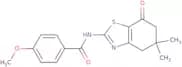

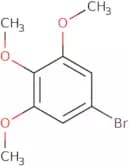
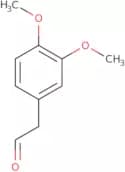
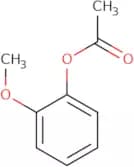
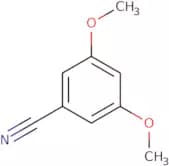
![(S)-2-((((9H-Fluoren-9-yl)methoxy)carbonyl)amino)-3-(1H-pyrrolo[2,3-b]pyridin-3-yl)propanoic acid](/_next/image/?url=https%3A%2Fstatic.cymitquimica.com%2Fproducts%2F3D%2Fthumb-webp%2FFF154979.webp&w=3840&q=75)
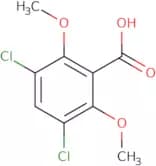
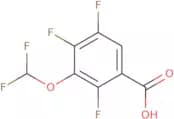
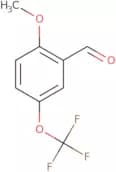
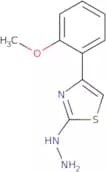
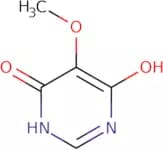
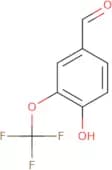
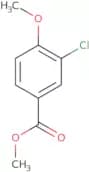
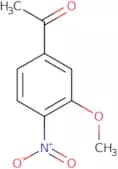
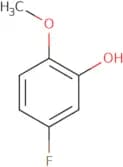
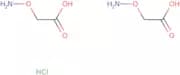
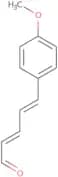

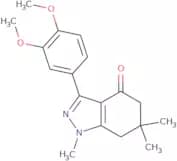
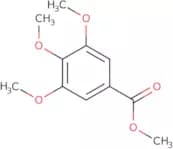
![2-[(2-Ethoxy phenoxy)methyl]morpholine HCl](/_next/image/?url=https%3A%2Fstatic.cymitquimica.com%2Fproducts%2F3D%2Fthumb-webp%2FFE152271.webp&w=3840&q=75)
![N-Ethylheptadecafluoro-N-[3-(Trimethoxysilyl)Propyl]Octanesulphonamide](/_next/image/?url=https%3A%2Fstatic.cymitquimica.com%2Fproducts%2F3D%2Fthumb-webp%2FFE98932.webp&w=3840&q=75)
![3-(3,4-dimethoxyphenyl)indeno[2,3-d]pyrazol-4-one](/_next/image/?url=https%3A%2Fstatic.cymitquimica.com%2Fproducts%2F3D%2Fthumb-webp%2FFD169741.webp&w=3840&q=75)
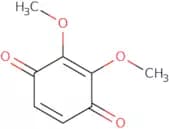
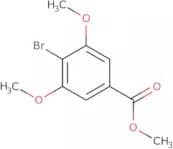
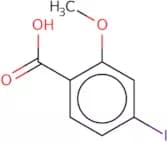
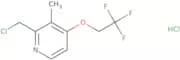
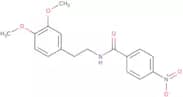
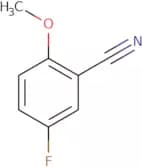
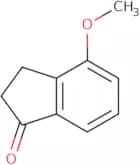
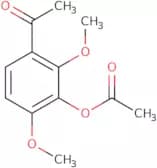
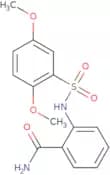
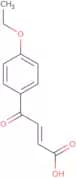
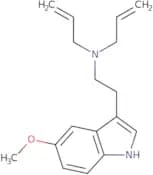
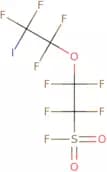
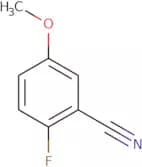
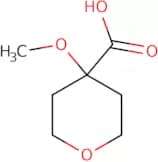

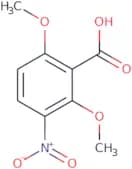
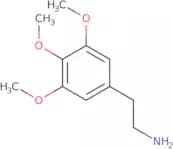
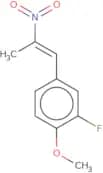
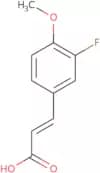
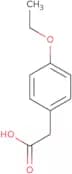
![9-[2-(Diethylphosphonomethoxy)ethyl]adenine](/_next/image/?url=https%3A%2Fstatic.cymitquimica.com%2Fproducts%2F3D%2Fthumb-webp%2FFD10109.webp&w=3840&q=75)

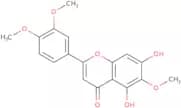
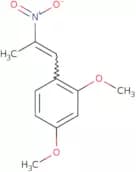
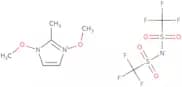
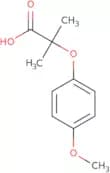

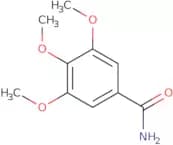
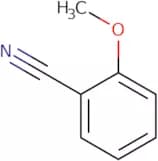
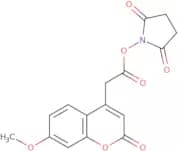
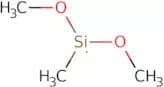
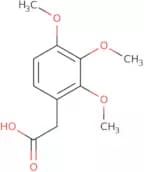
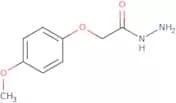
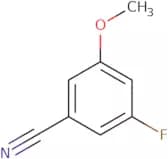
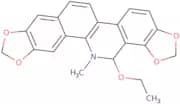
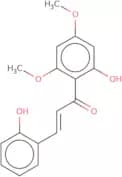

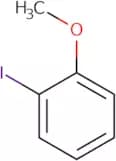
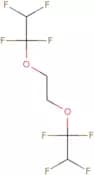
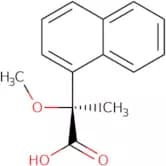
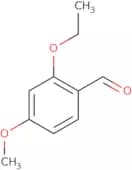
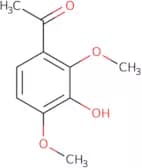
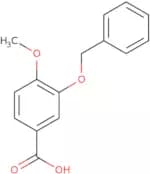
![[1-(Methoxymethyl)cyclopropyl]amine hydrochloride](/_next/image/?url=https%3A%2Fstatic.cymitquimica.com%2Fproducts%2F3D%2Fthumb-webp%2FFM129588.webp&w=3840&q=75)
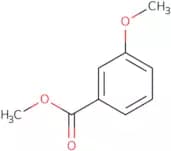
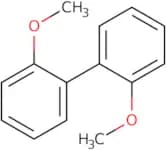

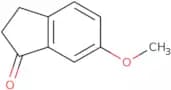
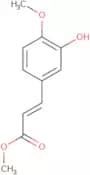
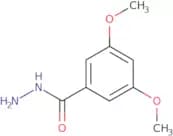
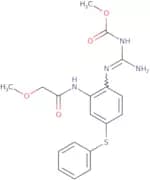
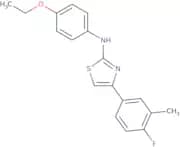
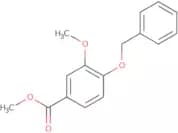
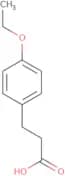

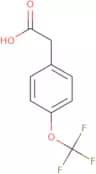

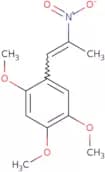

![2,5-Dimethoxy-N-[(2-methoxyphenyl)methyl]-4-(trifluoromethyl)benzeneethanamine](/_next/image/?url=https%3A%2Fstatic.cymitquimica.com%2Fproducts%2F3D%2Fthumb-webp%2FFD100429.webp&w=3840&q=75)
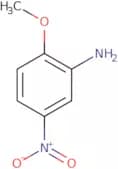
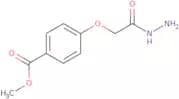
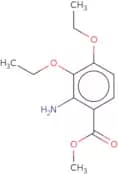
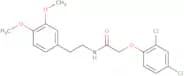
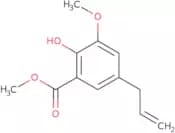
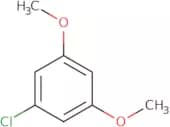
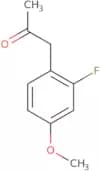
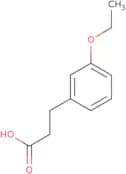
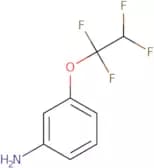
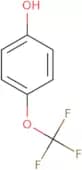
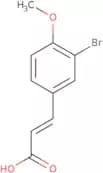
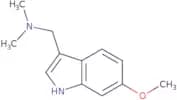
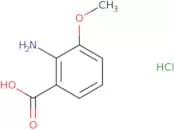
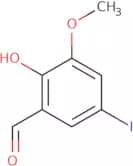
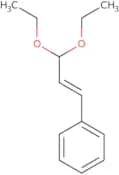
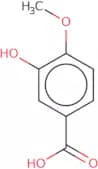
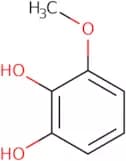
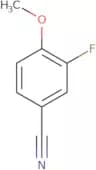
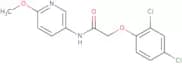
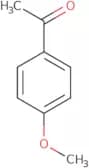
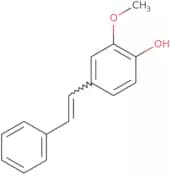

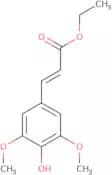
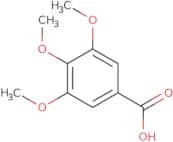
![2-[2-[2-(2-Hydroxyethoxy)ethoxy]ethoxy]-1-(p-toluenesulfonyl)-ethanol](/_next/image/?url=https%3A%2Fstatic.cymitquimica.com%2Fproducts%2F3D%2Fthumb-webp%2FFH07578.webp&w=3840&q=75)
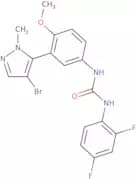
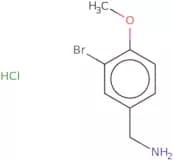
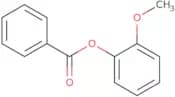
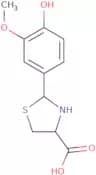


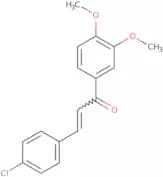
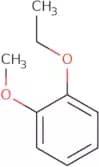
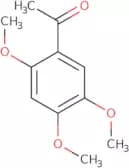
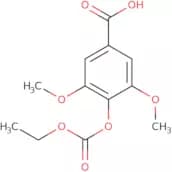
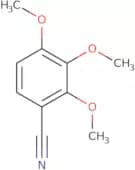
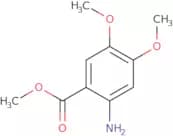
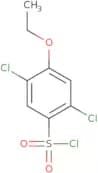
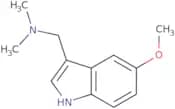

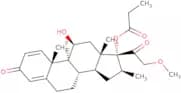
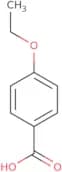
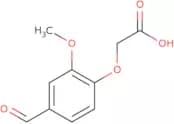
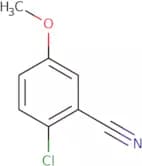
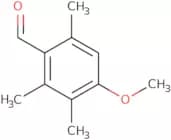
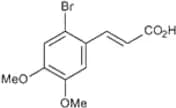
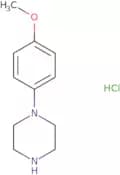
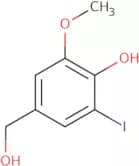
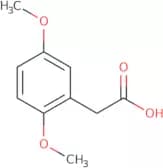
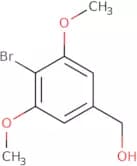
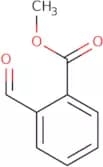
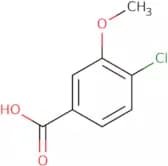
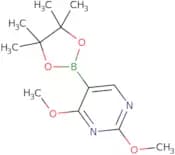
![Bis[3-(triethoxysilyl)propyl]tetrasulfide](/_next/image/?url=https%3A%2Fstatic.cymitquimica.com%2Fproducts%2F3D%2Fthumb-webp%2FFB33713.webp&w=3840&q=75)
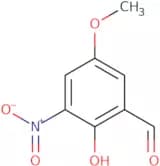
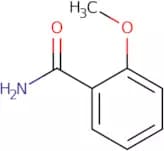
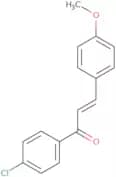
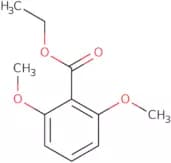
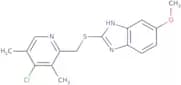
![(2R,3S,4S,5S)-5-Hydroxy-2,3,4-tris(phenylmethoxy)-5-[(phenylmethoxy)methyl]-cyclohexanone](/_next/image/?url=https%3A%2Fstatic.cymitquimica.com%2Fproducts%2F3D%2Fthumb-webp%2FFH148464.webp&w=3840&q=75)
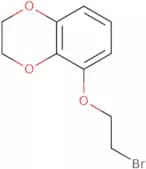
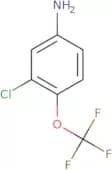
![2,2-Difluoro-2-[1,1,2,2-tetrafluoro-2-(trifluoromethoxy)ethoxy]acetic acid](/_next/image/?url=https%3A%2Fstatic.cymitquimica.com%2Fproducts%2F3D%2Fthumb-webp%2FFD99821.webp&w=3840&q=75)