Éteres
Foram encontrados 40904 produtos de "Éteres"
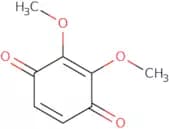
2,3-Dimethoxy-1,4-benzoquinone
CAS:2,3-Dimethoxy-1,4-benzoquinone is a chemical compound that belongs to the class of quinones. It is one of the most potent inhibitors of bacterial growth and has been shown to be effective against Gram-positive bacteria such as Staphylococcus aureus and Mycobacterium tuberculosis. 2,3-Dimethoxy-1,4-benzoquinone inhibits bacterial growth by interfering with fatty acid synthesis. This inhibition is due to its ability to react with methoxy groups on membrane lipids and nucleophilic attack on the carbon atom in the fatty acid chain. The binding constants for this interaction are relatively weak, which may explain why 2,3-dimethoxy-1,4-benzoquinone does not inhibit other types of cells like eukaryotic cells.Fórmula:C8H8O4Pureza:Min. 95%Cor e Forma:Red PowderPeso molecular:168.15 g/mol2-Difluoromethoxyphenylboronic acid pinacol ester
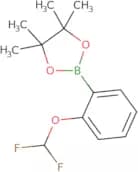
CAS:2-Difluoromethoxyphenylboronic acid pinacol ester is a high quality reagent that can be used as a useful intermediate, fine chemical, or speciality chemical in reactions. This compound is an important building block for synthesizing other chemicals and can also be used to make novel compounds with pharmaceutical properties. 2-Difluoromethoxyphenylboronic acid pinacol ester is versatile and can be used in many different reactions. It has been reported to react with various other molecules to form new scaffolds and building blocks for use in organic synthesis.
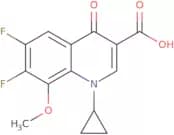
Fórmula:C13H17BF2O3Pureza:Min. 95%Cor e Forma:PowderPeso molecular:270.08 g/mol1-Cyclopropyl-6,7-difluoro-1,4-dihydro-8-methoxy-4-oxo-3-quinolinecarboxylic acid
CAS:Moxifloxacin is an analog of the antibiotic quinolone. It is a prodrug that is hydrolyzed in vivo to its active form, moxifloxacin. Moxifloxacin has been shown to be effective against a variety of bacteria, including methicillin-resistant Staphylococcus aureus (MRSA), Mycobacterium tuberculosis and Mycobacterium avium complex. The reaction yield for the synthesis of moxifloxacin is very high, with an industrial production capacity in excess of 500 tons per year. Impurities are not usually found in the final product due to the use of methyl alcohol as a solvent during the reaction process. The drug has discoloring properties and deuterium atoms are often substituted for hydrogen atoms on the molecule to make it more stable. Deuterium atoms can be easily identified by mass spectrometry analysis. MoxifloxacFórmula:C14H11F2NO4Pureza:Min. 95%Cor e Forma:PowderPeso molecular:295.24 g/mol2-Amino-4,5-dimethoxybenzamide
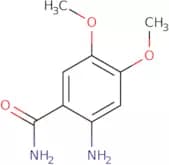
CAS:2-Amino-4,5-dimethoxybenzamide is an anticancer agent that inhibits the epidermal growth factor receptor tyrosine kinase. It binds to the linker region of the epidermal growth factor receptor and prevents autophosphorylation. 2-Amino-4,5-dimethoxybenzamide has shown in vitro cytotoxic activity against testicular cancer cells and acute lymphoblastic leukemia cells. 2-Amino-4,5-dimethoxybenzamide is a synthetic compound that has been shown to have bioisosteric properties with other growth factors such as epidermal growth factor.
Fórmula:C9H12N2O3Pureza:Min. 95%Cor e Forma:PowderPeso molecular:196.2 g/mol2,5-Dimethoxyterephthalaldehyde
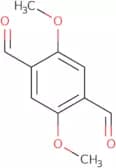
CAS:2,5-Dimethoxyterephthalaldehyde (2,5DMP) is a protonated molecule that can be used in sample preparation for analytical methods. 2,5DMP has been used as a dispersive solid-phase extraction solvent and an adsorbent material. This compound has been shown to exhibit strong hydrophobic interactions with the carbonyl group of aromatic compounds and to have a high chemical stability. 2,5DMP also has an electrochemical impedance spectroscopy (EIS) property that can be used for monitoring the electrochemical behaviour of molecules and magnetic particles in the solution. The EIS property has been enhanced by hydrogen bonding between the protonated molecules and metal ions in the solution.Fórmula:C10H10O4Pureza:Min. 95%Cor e Forma:PowderPeso molecular:194.18 g/molHexadecyltrimethoxysilane
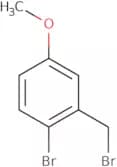
CAS:Hexadecyltrimethoxysilane is a volatile organic compound that has high values in the water vapor range. It is soluble in water and organic solvents, and can be used as a surface treatment agent for hydrophobic surfaces. Hexadecyltrimethoxysilane has been shown to have antimicrobial effects against bacteria such as Staphylococcus aureus and Escherichia coli by disrupting the cell membrane. Hexadecyltrimethoxysilane also inhibits the growth of microorganisms by preventing the synthesis of proteins essential for cellular processes. The transport rate of hexadecyltrimethoxysilane is relatively slow, with an optimum concentration of about 1%. This compound does not react with sodium citrate and has chemical stability.Fórmula:C19H42O3SiPureza:Min. 95%Cor e Forma:Clear LiquidPeso molecular:346.62 g/mol2-Bromo-5-methoxybenzyl bromide
CAS:2-Bromo-5-methoxybenzyl bromide is a ligand in organic chemistry. It is used as a reaction partner for the synthesis of heterocycles, such as 2-pyridone, which are biologically relevant. This ligand can be prepared by refluxing anhydrous potassium carbonate with chloroform and phenol. Macrocyclic compounds can be synthesized from this product through the Witting reaction. The efficiency of this method makes it suitable for use in biological studies.
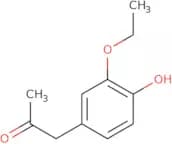
Fórmula:C8H8Br2OPureza:Min. 95%Cor e Forma:White PowderPeso molecular:279.96 g/mol3-Ethoxy-4-hydroxyphenylacetone
CAS:3-Ethoxy-4-hydroxyphenylacetone is a fine chemical that can be used as a versatile building block and useful intermediate. It has a CAS number of 88659-82-9. 3-Ethoxy-4-hydroxyphenylacetone is a complex compound with many uses, such as research chemicals, reaction component, or speciality chemical. It is water soluble and has been shown to be non toxic. The purity of the product is high quality.
Fórmula:C11H14O3Pureza:Min. 95%Peso molecular:194.23 g/molBis(2-bromoethyl) Ether
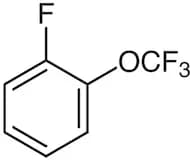
CAS:Fórmula:C4H8Br2OPureza:>98.0%(GC)Cor e Forma:Colorless to Yellow clear liquidPeso molecular:231.921-Fluoro-2-(trifluoromethoxy)benzene
CAS:Fórmula:C7H4F4OPureza:>98.0%(GC)Cor e Forma:Colorless to Almost colorless clear liquidPeso molecular:180.102-(Trifluoromethoxy)phenylboronic acid
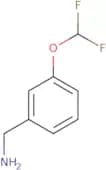
CAS:2-(Trifluoromethoxy)phenylboronic acid (2-TFB) is a boronic acid that is used in cross-coupling reactions. It has been shown to be an effective inhibitor of the Vismodegib pathway, which may offer therapeutic benefits for cancer patients. 2-TFB has also been shown to inhibit the activity of other pathways involved in cancer development, such as the benzamide and suzuki pathways. 2-TFB is metabolized through filtration, which can lead to significant pharmacokinetic properties. This compound can be recycled and reused in cross-coupling reactions, which reduces waste production and costs.Fórmula:C7H6BF3O3Pureza:Min. 95%Cor e Forma:PowderPeso molecular:205.93 g/mol3-(Difluoromethoxy)benzyl amine
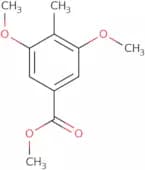
CAS:3-(Difluoromethoxy)benzyl amine is a high-quality reagent that is used as an intermediate in the synthesis of complex compounds. 3-(Difluoromethoxy)benzyl amine is also a useful building block for the synthesis of speciality chemicals and research chemicals. This compound can be used as a versatile building block, which can be used to synthesize different functional groups. 3-(Difluoromethoxy)benzyl amine is soluble in many organic solvents and has a boiling point of 193 °C.Fórmula:C8H9F2NOPureza:Min. 95%Peso molecular:173.16 g/mol3,5-Dimethoxy-4-methylbenzoic acid methyl ester
CAS:3,5-Dimethoxy-4-methylbenzoic acid methyl ester (DMMBME) is a synthetic compound that is used as an immunogen to generate antibodies against fungal proteins. DMMBME is specifically used to identify the presence of bryoria and australian fungi in plants. The chemical structure of DMMBME can be oxidized by depsidones, which leads to the production of reactive oxygen species that are believed to be responsible for the oxidative coupling of target proteins. This reaction can be catalyzed by a number of enzymes such as nidulin, which is found in plant roots.
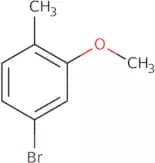
Fórmula:C11H14O4Pureza:Min. 95%Cor e Forma:PowderPeso molecular:210.23 g/mol4-Bromo-2-methoxytoluene
CAS:4-Bromo-2-methoxytoluene is a lactone compound that has been shown to have bioactivities. It is also known as methoxy, an aromatic organic compound with one methyl substituent and two hydroxyl substituents on a benzene ring. 4-Bromo-2-methoxytoluene is found in the natural products cephalotaxaceae and cephalotaxus. This compound can be synthesized by reacting diisopropylamine with formylation of bromobenzene in the presence of acetic acid followed by treatment with sodium acetate. The chemical structure forms a skeleton containing four carbon atoms and six hydrogen atoms, which are arranged in three rings (a cyclic system). This compound exists as two isomers, namely cis and trans.Fórmula:C8H9BrOPureza:Min. 95%Cor e Forma:PowderPeso molecular:201.06 g/mol3,3-Diethoxypropionitrile
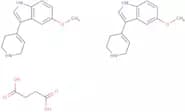
CAS:3,3-Diethoxypropionitrile (3,3-DEP) is a synthetic compound that has been shown to have high specificity for terminal alkynes. It is activated by hydrochloric acid and reacts with terminal alkynes in a reaction mechanism that starts with the formation of an acetaldehyde intermediate. The reaction system is catalyzed by an acidic catalyst, such as HCl or HBr. 3,3-DEP can be used in the synthesis of a number of pharmaceuticals, including bosutinib. This drug inhibits the growth of cells that are resistant to other treatments, such as c1-c3.Fórmula:C7H13NO2Pureza:Min. 97%Cor e Forma:Clear LiquidPeso molecular:143.18 g/mol5-Methoxy-3-(1,2,5,6-tetrahydro-4-pyridinyl)-1H-indole hemisuccinate
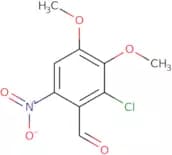
CAS:5-Methoxy-3-(1,2,5,6-tetrahydro-4-pyridinyl)-1H-indole hemisuccinate is a serotonin receptor agonist that has been shown to stimulate the 5HT1A receptor. It stimulates insulin secretion and glucose uptake in rats and inhibits feeding behavior in mice. It has also been shown to have antihypertensive effects on rats by blocking the 5HT2 receptors. In addition, it stimulates regeneration of injured nerve cells. This drug has potential uses as a treatment for neurological diseases such as Parkinson's disease and depression.Fórmula:C14H16N2O•(C4H6O4)0Pureza:Min. 95%Cor e Forma:Yellow solid.Peso molecular:287.33 g/mol2-Chloro-3,4-dimethoxy-6-nitrobenzaldehyde
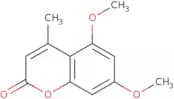
CAS:2-Chloro-3,4-dimethoxy-6-nitrobenzaldehyde is a fine chemical with a CAS number of 82330-54-9. It is a versatile building block that can be used as a reagent or intermediate for the production of other chemicals. This product has been shown to have many different reactions. It is useful in the synthesis of complex compounds and offers high quality and purity.Fórmula:C9H8ClNO5Pureza:Min. 95%Cor e Forma:PowderPeso molecular:245.62 g/mol4-Methyl-5,7-dimethoxycoumarin
CAS:4-Methyl-5,7-dimethoxycoumarin is a coumarin derivative that has been synthesized from acetonitrile and aluminium. It is used as an antiplatelet drug in the treatment of cardiovascular diseases such as unstable angina, myocardial infarction, and transient ischemic attack. 4-Methyl-5,7-dimethoxycoumarin reversibly inhibits platelet aggregation by blocking the platelet receptor P2Y12 on the surface of platelets. This drug also has antioxidant effects and can be used to identify markers associated with cardiovascular disease.
Fórmula:C12H12O4Pureza:Min. 95%Peso molecular:220.22 g/mol2-[(4-Chlorophenyl)-2-pyridinylmethoxy]-N,N-dimethylethanamine maleate salt
CAS:Produto Controlado2-[(4-Chlorophenyl)-2-pyridinylmethoxy]-N,N-dimethylethanamine maleate salt (DCLM) is a controlled-release preparation of an antihistamine that is used for the relief of allergic symptoms. It is a prodrug that is hydrolyzed to 2-[(4-chlorophenyl)-2-pyridinylmethoxy]ethanol (DCPEM) in vivo. DCLM has been shown to be effective against viruses and has been found to have receptor activity in human serum. The drug can be administered either orally or by injection. DCLM has also been shown to suppress allergic symptoms in vitro with LC-MS/MS analysis.
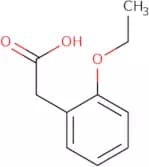
Fórmula:C20H23ClN2O5Pureza:Min. 95%Cor e Forma:White To Off-White SolidPeso molecular:406.86 g/mol2-Ethoxyphenylacetic acid
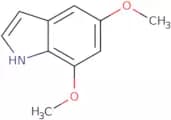
CAS:2-Ethoxyphenylacetic acid (2EPA) is a drug that has been used in the treatment of cancer. It is a hydrophobic molecule that can inhibit the activity of various enzymes, such as sildenafil and triazolone. 2EPA has shown to be an antagonist at the active site of quinazolinone, which is a molecule involved in erectile dysfunction. The physicochemical properties of 2EPA have been studied using molecular dynamics simulations and quantum mechanical computations. This drug is able to form hydrophobic interactions with the active site of quinazolinone, which may account for its antagonistic activity.Fórmula:C10H12O3Pureza:90%Cor e Forma:PowderPeso molecular:180.2 g/mol5,7-Dimethoxyindole
CAS:5,7-Dimethoxyindole is a potent inhibitor of the enzyme oxidase. 5,7-Dimethoxyindole has been shown to inhibit the growth of a number of fungi, including Phytophthora infestans and Cryptococcus neoformans. The molecular modeling studies have shown that this molecule can form an H-bond with the acceptor in the active site of the enzyme and prevent access by substrate. This inhibition has been shown to be competitive with respect to ferrous ions and noncompetitive with respect to other cofactors. 5,7-Dimethoxyindole also inhibits integrase enzymes, which are involved in DNA integration during viral replication. 5,7-Dimethoxyindole was found to bind to a pharmacophore model for integrase inhibitors and formylation reactions. This compound is also magnetic due to its high electron density at the methoxy group.
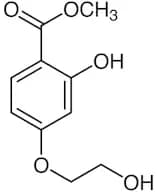
Fórmula:C10H11NO2Pureza:Min. 95%Cor e Forma:PowderPeso molecular:177.2 g/molMethyl 4-(2-Hydroxyethoxy)salicylate
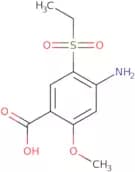
Fórmula:C10H12O5Pureza:>98.0%(GC)Cor e Forma:White to Light yellow to Light orange powder to crystalPeso molecular:212.202-Methoxy-4-amino-5-ethylsulfonyl benzoic acid
CAS:2-Methoxy-4-amino-5-ethylsulfonyl benzoic acid is a synthetic chemical that is used in wastewater treatment. It is also used as a precursor for the production of other chemicals, such as thiocyanates, peroxides, and bromoethanes. 2-Methoxy-4-amino-5-ethylsulfonyl benzoic acid can be produced by the reaction of hydrochloric acid with thionyl chloride. It reacts with aluminium to produce an acylation reaction that produces 2,2'-dithiodiethanol (DTE). The DTE can be reacted with an organic compound to produce a variety of products, including salicylic acid or bromoethanes.Fórmula:C10H13NO5SPureza:Min. 95%Cor e Forma:PowderPeso molecular:259.28 g/mol3'-(Trimethoxyphenyl)acetone
3'-(Trimethoxyphenyl)acetone is a reagent and useful scaffold for the synthesis of complex compounds. It is also used as a reaction component in the preparation of valuable research chemicals, specialty chemicals, and fine chemicals. 3'-(Trimethoxyphenyl)acetone has been shown to be an effective building block for synthesizing complex compounds, such as heterocycles. This chemical has a CAS number of 689-52-3.
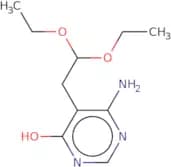
Pureza:Min. 95%6-Amino-5(2,2-diethoxyethyl)-4-hydroxy pyrimidine
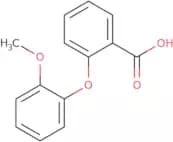
CAS:6-Amino-5(2,2-diethoxyethyl)-4-hydroxy pyrimidine is a reagent that is used in the synthesis of various chemical substances. It is a versatile building block and can be used as an intermediate for the production of fine chemicals. 6-Amino-5(2,2-diethoxyethyl)-4-hydroxy pyrimidine has been shown to have high reactivity and selectivity, making it a useful scaffold for organic synthesis. This compound can be used as an intermediate for the production of complex compounds such as pharmaceuticals, agrochemicals, or perfumes. 6-Amino-5(2,2-diethoxyethyl)-4-hydroxy pyrimidine is also known to be useful in research fields such as biology and medicine.Fórmula:C10H17N3O3Pureza:Min. 95%Cor e Forma:White PowderPeso molecular:227.26 g/mol2-(2-Methoxyphenoxy)Benzoic Acid
CAS:2-(2-Methoxyphenoxy)benzoic acid is an organic compound that can be synthesized in the laboratory. It has been shown to dimerize spontaneously in aqueous solutions with the release of hydrogen peroxide and oxygen. The mechanism is thought to involve oxidative dimerization, which may lead to carboxylate bond cleavage, intramolecular radical formation, or mechanistically radical attack. This process also results in the formation of a 2-methoxyphenoxy radical.
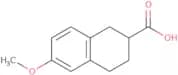
Fórmula:C14H12O4Pureza:Min. 95%Cor e Forma:PowderPeso molecular:244.24 g/mol6-Methoxy-1,2,3,4-tetrahydronaphthalene-2-carboxylic acid
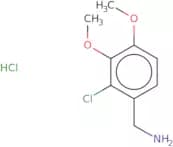
CAS:6-Methoxy-1,2,3,4-tetrahydronaphthalene-2-carboxylic acid (MTN) is a polyphenol that has been shown to be effective against Alzheimer's disease in vitro and in vivo. MTN is able to bind to the polymerase chain reaction (PCR) product of APP and inhibit it from binding to heme oxygenase. MTN also prevents the accumulation of amyloid plaques by inhibiting the formation of beta-amyloid protein. MTN binds to thioflavin T and can be used as a fluorescent probe for immunofluorescence staining. MTN also inhibits the expression levels of APP and PS1 proteins in APP/PS1 transgenic mice by modulating the activity of transcriptional factors such as CREB.Fórmula:C12H14O3Pureza:Min. 95%Cor e Forma:PowderPeso molecular:206.24 g/mol2-Chloro-3,4-dimethoxybenzylamine HCl
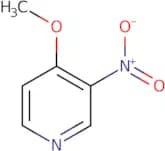
CAS:2-Chloro-3,4-dimethoxybenzylamine HCl is a fine chemical that can be used as a building block to synthesize new compounds. It is also a useful intermediate in the production of pharmaceuticals and other organic chemicals. 2-Chloro-3,4-dimethoxybenzylamine HCl has been used as a reaction component for the synthesis of various complex compounds. This compound has been shown to have high purity and quality.Fórmula:C9H12ClNO2·HClPureza:Min. 95%Peso molecular:238.11 g/mol4-Methoxy-3-nitropyridine
CAS:4-Methoxy-3-nitropyridine (4MNOP) is an organic compound that is a white solid at room temperature. 4MNOP has been shown to interact with alkali metals and can be used in the preparation of emulsifying agents. It also has been found to have pharmacokinetic properties, including a low molecular weight, good solubility in water, and a high degree of absorption. The imidazopyridine ring system is susceptible to reductive amination reactions, which may lead to the formation of amine or surfactant residues.Fórmula:C6H6N2O3Pureza:Min. 95%Cor e Forma:PowderPeso molecular:154.13 g/mol6-Methoxy-1-methyl-1H-indole-3-carbaldehyde
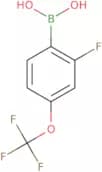
CAS:6-Methoxy-1-methyl-1H-indole-3-carbaldehyde is a high quality chemical that is used as a reagent, complex compound, useful intermediate, and speciality chemical. It is a fine chemical that has been shown to be useful as a building block in the synthesis of many other compounds. 6-Methoxy-1-methyl-1H-indole-3-carbaldehyde is also versatile and can be used in reactions involving nucleophilic substitution, reductive amination, and oxidative coupling.Fórmula:C11H11NO2Pureza:Min. 95%Cor e Forma:White PowderPeso molecular:189.21 g/mol2-Fluoro-4-trifluoromethoxyphenyl boronic acid
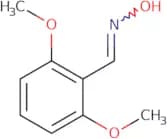
CAS:2-Fluoro-4-trifluoromethoxyphenyl boronic acid is a fine chemical that has been used as a building block in organic synthesis. It is also a versatile intermediate, which can be used for the preparation of complex compounds. The compound is soluble in methanol, ethanol, and THF. It has a CAS number of 503309-10-2 and was first synthesized in 1960.Fórmula:C7H5BF4O3Pureza:Min. 95%Cor e Forma:White PowderPeso molecular:223.92 g/mol2,6-Dimethoxybenzaldoxime
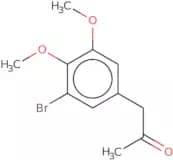
CAS:2,6-Dimethoxybenzaldoxime is a phenylhydrazone that can be used in the catalytic system for oxidation of carbonyl compounds. The reaction proceeds through the periodate-mediated oxidation of the hydrazone to form the corresponding hydroxamic acid. This compound has been shown to be efficient and selective for the oxidation of a wide range of carbonyl compounds, including porphyrins. 2,6-Dimethoxybenzaldoxime is also used as a precursor for other syntheses, such as tetraphenylporphyrin.Fórmula:C9H11NO3Pureza:Min. 95%Peso molecular:181.19 g/mol(3-Bromo-4,5-dimethoxyphenyl)acetone
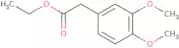
CAS:(3-Bromo-4,5-dimethoxyphenyl)acetone is a reagent that is used as an intermediate in the synthesis of a variety of compounds. It also has potential use as a building block for the synthesis of a wide range of complex compounds. (3-Bromo-4,5-dimethoxyphenyl)acetone can be used as a building block for chemical reactions and research chemicals. This compound has been shown to have versatile applications and is useful in the synthesis of fine chemicals, speciality chemicals, and research chemicals.Fórmula:C11H13BrO3Pureza:Min. 95%Peso molecular:273.12 g/molEthyl 2-(3,4-dimethoxyphenyl)acetate - 90%
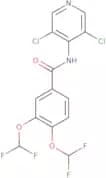
CAS:Ethyl 2-(3,4-dimethoxyphenyl)acetate is a synthetic molecule that has been observed in the gas phase. It has been shown to have antibacterial activity and significant antifungal activity. Ethyl 2-(3,4-dimethoxyphenyl)acetate was also found to be resistant to amines, which are organic compounds that can be found in many types of bacteria. The antibacterial properties of ethyl 2-(3,4-dimethoxyphenyl)acetate may be due to its ability to cleave bonds with chloride ions and its conformational studies.Fórmula:C12H16O4Pureza:Min. 95%Cor e Forma:PowderPeso molecular:224.25 g/mol3,4-Bis(difluoromethoxy) Roflumilast
CAS:3,4-Bis(difluoromethoxy) roflumilast is a reagent that is used to synthesize fine chemicals. It is an intermediate for the synthesis of 3,4-bis(difluoromethoxy) roflumilast-1-carboxylic acid and can also be used as a building block for other research chemicals. 3,4-Bis(difluoromethoxy) roflumilast has been shown to be useful in reactions that require versatile building blocks.Fórmula:C14H8Cl2F4N2O3Pureza:Min. 95%Cor e Forma:PowderPeso molecular:399.12 g/mol4-[2-(3,4-Dimethoxyphenyl)-1,2-dibromoethyl]-1,2-dimethoxybenzene
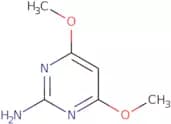
CAS:4-[2-(3,4-Dimethoxyphenyl)-1,2-dibromoethyl]-1,2-dimethoxybenzene is a high quality chemical that is an intermediate for the synthesis of other compounds. It has been used as a reagent in the synthesis of complex compounds and has been shown to be useful for the production of fine chemicals. This compound can also be used as a scaffold or building block in organic chemistry. The versatility of 4-[2-(3,4-Dimethoxyphenyl)-1,2-dibromoethyl]-1,2-dimethoxybenzene makes it an important reaction component in organic chemistry and research chemicals.Fórmula:C18H20Br2O4Pureza:Min. 95%Peso molecular:460.16 g/mol4,6-Dimethoxypyrimidin-2-amine
CAS:4,6-Dimethoxypyrimidin-2-amine is a pyrimidine compound with the molecular formula C5H4N4O2. It can be prepared from the reaction of 2,4,6-trichloropyrimidine with formaldehyde and sodium cyanide in an organic solution. The properties of 4,6-Dimethoxypyrimidin-2-amine were studied on bacterial strain and human urine samples. This molecule is soluble in water and reacts with carboxylic acid to form a hydrogen bond. The nitrogen atoms show some reactivity towards copper chloride and hydrogen chloride.Fórmula:C6H9N3O2Pureza:Min. 95%Cor e Forma:White PowderPeso molecular:155.15 g/molMethyl 3,5-dibromo-2-methoxybenzoate
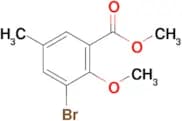
CAS:Methyl 3,5-dibromo-2-methoxybenzoate is a fine chemical that is useful as a scaffold for the preparation of a variety of compounds. It is also used as an intermediate in the synthesis of pharmaceuticals and research chemicals. Methyl 3,5-dibromo-2-methoxybenzoate can be used as a reaction component to generate complex compounds with high purity and quality. This compound has been classified as a speciality chemical and may be reclassified due to its usefulness in research.
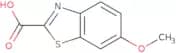
Fórmula:C9H8Br2O3Pureza:Min. 95%Peso molecular:323.97 g/mol6-Methoxybenzothiazole-2-carboxylic acid
CAS:6-Methoxybenzothiazole-2-carboxylic acid is a synthetic sulfur compound that is used in the synthesis of benzothiazines. It is also an intermediate in the biosynthesis of thiocyanate, a natural product that has been shown to have anti-inflammatory properties. 6-Methoxybenzothiazole-2-carboxylic acid has been shown to be highly efficient as a luciferin, and can be used in the production of bioluminescence. 6-Methoxybenzothiazole-2-carboxylic acid belongs to the family of benzothiazines, which are benzoquinones with two fused rings. Benzothiazines are found in marine natural products such as luciferins and some other nature products.Fórmula:C9H7NO3SPureza:Min. 95%Cor e Forma:PowderPeso molecular:209.22 g/mol2',4-Dihydroxy-3-methoxychalcone
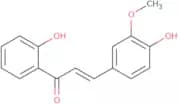
CAS:2',4-Dihydroxy-3-methoxychalcone is a chalcone that has been shown to have reactive properties. The compound was found to be cytotoxic to cancer cells in the presence of neutrophils, and it has been shown to inhibit the growth of t47d cells in culture. There is also evidence that 2',4-Dihydroxy-3-methoxychalcone may help regulate the microflora in the gut, which may help prevent obesity and diabetes. In epidemiological studies, 2',4-Dihydroxy-3-methoxychalcone was found to be protective against cancer, but more research is required.
Fórmula:C16H14O4Pureza:Min. 95%Cor e Forma:PowderPeso molecular:270.28 g/mol2'-Hydroxy-5'-methoxyacetophenone
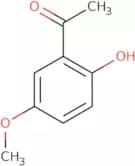
CAS:2'-Hydroxy-5'-methoxyacetophenone is a molecule that has been shown to have anticancer activity. It inhibits the production of molecules in cancer cells, such as carbonic anhydrase and nitric oxide synthase. This molecule also binds to DNA and prevents the transcription of genes involved in cell proliferation, including NF-κB DNA. 2'-Hydroxy-5'-methoxyacetophenone also has inhibitory properties on the growth of cancer cells, including MCF-7 cells.
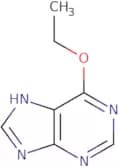
Fórmula:C9H10O3Pureza:Min. 95%Cor e Forma:Off-White PowderPeso molecular:166.17 g/mol6-Ethoxypurine
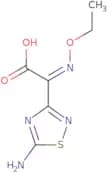
CAS:6-Ethoxypurine is a nucleoside analog that inhibits the enzyme ribonucleotide reductase, which converts ribonucleotides to deoxyribonucleotides. It is used in cell culture to measure the effects of radiation and hydrochloric acid on the production of ATP. 6-Ethoxypurine has been shown to inhibit influenza virus replication with an IC50 of 10 μM. This compound has reactive hydroxyl groups that allow it to participate in hydrogen bonding, which can be beneficial for interactions with other molecules. 6-Ethoxypurine also exhibits nucleophilic properties, which allows it to react with other chemical species and can be useful for generating new chemical compounds.Fórmula:C7H8N4OPureza:Min. 95%Cor e Forma:PowderPeso molecular:164.16 g/mol(Z)-2-(5-Amino-1,2,4-thiadiazol-3-yl)-2-(ethoxyimino)acetic acid
CAS:(Z)-2-(5-Amino-1,2,4-thiadiazol-3-yl)-2-(ethoxyimino)acetic acid is a synthetic compound that can be used as an antibiotic. It is synthesized from acetonitrile and phosphorus oxychloride in the presence of hydroxyl groups. This reaction yields a mixture of amides and cyanoacetamide derivatives. The amides are then converted to their respective alkyl chlorides with methyl iodide, which are then reacted with dimethyl acetylenedicarboxylate to form the desired product. The final step is to hydrolyze the ester group with hydrochloric acid to yield (Z)-2-(5-amino-1,2,4-thiadiazol-3-yl)-2-(ethoxyimino)acetic acid. This chemical has been shown to have antibacterial properties against some strains of bacteria such asFórmula:C6H8N4O3SPureza:Min. 95%Cor e Forma:PowderPeso molecular:216.22 g/mol3-Methoxybenzenamine
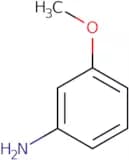
CAS:3-Methoxybenzenamine is a molecule that can be synthesized by an asymmetric reaction. It has carcinogenic potential and is classified as a chemical substance. 3-Methoxybenzenamine reacts with hydrochloric acid to form hydrogen chloride gas and methoxybenzene. The hydroxyl group on the molecule reacts with l-tartaric acid to form an ester, which then undergoes hydrolysis to produce 3-hydroxybutanoic acid. This reaction also produces water, which may result in a decrease of the concentration of the reactants. 3-Methoxybenzenamine can also react with amines to form quaternary ammonium salts, which are highly soluble in water and have a high detection sensitivity.
Fórmula:C7H9NOPureza:Min. 95%Cor e Forma:Clear LiquidPeso molecular:123.15 g/mol4'-Trifluoromethoxy-β-methyl-β-nitrostyrene
CAS:4'-Trifluoromethoxy-beta-methyl-beta-nitrostyrene is a fine chemical that is a useful building block in organic synthesis. It can be used as a reagent, specialty chemical, or intermediate for the preparation of more complex compounds. This compound has been shown to be useful in the synthesis of natural products and pharmaceuticals.Fórmula:C10H8F3NO3Pureza:Min. 95%Peso molecular:247.17 g/molHoechst 33342
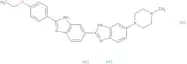
CAS:2'-(4-Ethoxyphenyl)-5-(4-methyl-1-piperazinyl)-2,5'-bi-1H-benzimidazole trihydrochloride (EPMB) is a DNA binding agent that is used in tumor detection and research into apoptosis. It has been shown to inhibit the activity of p-glycoprotein, which is an efflux pump protein, and Bcl-2 protein. EPMB has also been shown to cause apoptosis in human squamous cell carcinoma cells in a concentration dependent manner. This compound has shown potential as a treatment for cancer because it inhibits the ability of cancer cells to proliferate by binding to the NMDA receptor.
Fórmula:C27H28N6O·3HCl·xH2OPureza:Min. 95%Cor e Forma:Yellow PowderPeso molecular:561.93 g/molPoly[2-methoxy-5-(2-ethylhexyloxy)-1,4-phenylenevinylene] - M.W. average 10,000-100,000
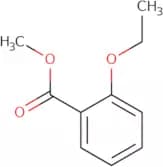
CAS:Poly[2-methoxy-5-(2-ethylhexyloxy)-1,4-phenylenevinylene] (MEH-PPV) is a polymer that has been extensively studied in the past. It has an average molecular weight of 10,000 to 100,000 and exhibits semiconducting properties. MEH-PPV can be synthesized by chemical sulfonation of MEH-PPV with sulfuric acid followed by addition of potassium hydroxide. This process yields a polymer that is soluble in organic solvents. The degree of sulfonation can be controlled by adjusting the ratio of sulfuric acid to MEH-PPV. MEH-PPV can also be synthesized from vinyl alcohol and vinylene monomers by free radical polymerization or copolymerization reactions. In this process, vinyl alcohol and vinylene are copolymerized to form polymers with alternating ethylene glycol and phenylethynyl moieties.Fórmula:(C17H24O2)nPureza:Min. 95%Cor e Forma:Red PowderMethyl 2-ethoxybenzoate
CAS:Methyl 2-ethoxybenzoate is a zwitterion that can be used as a chromatographic technique for the separation of mixtures. It has been shown to have an important role in signal pathways and mass spectrometric techniques. Methyl 2-ethoxybenzoate also has the ability to form imines, which are compounds formed from the reaction between a primary amine and an aldehyde or ketone. These compounds are found in plants, such as cryptochlorogenic acid and phenetole, which are known to have anti-inflammatory properties. The isomeric forms of methyl 2-ethoxybenzoate include aziridine and biphenyl, which have been shown to have anti-inflammatory activities.Fórmula:C10H12O3Pureza:Min. 95%Cor e Forma:Clear LiquidPeso molecular:180.2 g/mol2-[(Acetyloxy)methoxy]ethyl acetate
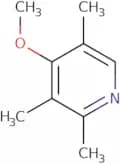
CAS:2-[(Acetyloxy)methoxy]ethyl acetate is a drug that inhibits the enzyme orotidine 5′-monophosphate decarboxylase, which is responsible for the conversion of uridine to orotic acid. This inhibition prevents the synthesis of RNA and DNA and leads to cell death by inhibiting protein synthesis. 2-[(Acetyloxy)methoxy]ethyl acetate has shown tuberculostatic activity in leukemic mice, with an inhibition constant of 3.2 × 10 M. The compound also inhibits diphenolase activity, which is important in the production of uridine phosphorylase, an enzyme that produces uridine from orotic acid. 2-[(Acetyloxy)methoxy]ethyl acetate has been tested for its ability to inhibit herpes simplex virus (HSV) in vitro and in vivo and has been shown to be effective against HSV type 1 and HSVFórmula:C7H12O5Pureza:Min. 95%Cor e Forma:Colorless Clear LiquidPeso molecular:176.17 g/mol4-Methoxy-2,3,5-trimethylpyridine
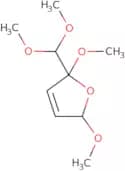
CAS:4-Methoxy-2,3,5-trimethylpyridine is an efficient hydrogenolysis catalyst that can be used for the synthesis of ethers from alcohols. It is a member of the methoxides family and can be produced by condensation of chloroform with acetaldehyde and formaldehyde. 4-Methoxy-2,3,5-trimethylpyridine inhibits palladium chloride from catalyzing hydrogenation reactions. The compound also has an inhibiting activity against acidic amines and n-Oxides. Its high yield makes it useful in organic synthesis as a precursor to diethyl malonate.Fórmula:C9H13NOPureza:Min. 95%Cor e Forma:Colourless To Yellow LiquidPeso molecular:151.21 g/mol2,5-Dihydro-2,5-dimethoxy-2-dimethoxymethylfuran
CAS:2,5-Dihydro-2,5-dimethoxy-2-dimethoxymethylfuran is a chemical compound that belongs to the group of reagents. It is used as a reaction component in organic synthesis and has been shown to be a useful scaffold for the development of new compounds. 2,5-Dihydro-2,5-dimethoxy-2-dimethoxymethylfuran is also a versatile building block for complex compounds and fine chemicals.Fórmula:C9H16O5Pureza:Min. 95%Peso molecular:204.22 g/mol3,4-Difluoro-2-methoxybenzonitrile
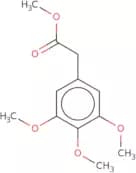
CAS:3,4-Difluoro-2-methoxybenzonitrile is an organic chemical compound that is a useful scaffold for the synthesis of complex compounds. It reacts with nucleophiles such as Grignard reagents to form a wide range of products. 3,4-Difluoro-2-methoxybenzonitrile has been shown to be a versatile building block for the synthesis of high quality and speciality chemicals, including pharmaceuticals and agrochemicals. This chemical is also used as a research chemical, which can be used in drug discovery and development. The CAS number for this chemical is 886496-72-6.Fórmula:C8H5F2NOPureza:Min. 95%Cor e Forma:Clear LiquidPeso molecular:169.13 g/molMethyl 3,4,5-trimethoxyphenyl acetate
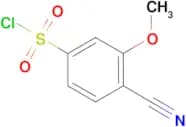
CAS:Methyl 3,4,5-trimethoxyphenyl acetate is an ester that is used as a building block and intermediate in the synthesis of pharmaceuticals. It can also be used as an intermediate in research and as a reagent for chemical analysis. Methyl 3,4,5-trimethoxyphenyl acetate has high purity and is available at competitive prices.Fórmula:C12H16O5Pureza:Min. 95%Peso molecular:240.25 g/mol4-Cyano-3-methoxy-benzenesulfonyl chloride
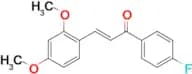
CAS:Fórmula:C8H6ClNO3SPureza:95.0%Cor e Forma:SolidPeso molecular:231.65(2E)-3-(2,4-dimethoxyphenyl)-1-(4-fluorophenyl)prop-2-en-1-one
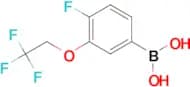
CAS:Fórmula:C17H15FO3Pureza:95.0%Peso molecular:286.302(4-Fluoro-3-(2,2,2-trifluoroethoxy)phenyl)boronic acid
CAS:Fórmula:C8H7BF4O3Pureza:95.0%Peso molecular:237.94tert-Butyl 4-(methyl(oxetan-3-yl)amino)piperidine-1-carboxylate
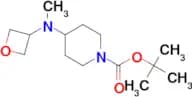
CAS:Fórmula:C14H26N2O3Pureza:95.0%Peso molecular:270.3734-(Trifluoromethoxy)benzyl alcohol
CAS:Fórmula:C8H7F3O2Pureza:97.0%Cor e Forma:Liquid, ClearPeso molecular:192.1376-Chloro-2,2-difluoro-benzo[1,3]dioxol-5-ylamine
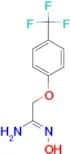
CAS:Fórmula:C7H4ClF2NO2Pureza:97%Cor e Forma:LiquidPeso molecular:207.56N-Hydroxy-2-(4-trifluoromethyl-phenoxy)-acetamidine
CAS:Fórmula:C9H9F3N2O2Pureza:95.0%Peso molecular:234.178Ref: 10-F047935
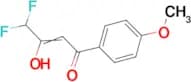
1g197,00€3g369,00€5g596,00€10g1.095,00€25g2.557,00€2.5g325,00€100mg45,00€250mg83,00€500mg119,00€4,4-Difluoro-1-(4-methoxyphenyl)butane-1,3-dione
CAS:Fórmula:C11H10F2O3Pureza:95%Cor e Forma:SolidPeso molecular:228.195Ref: 10-F026120
1g91,00€5g245,00€10g396,00€25g741,00€100g1.809,00€2.5g148,00€100mg29,00€250mg38,00€500mg69,00€8-Methoxy-4,5-dihydro-1H-benzo[d]azepin-2(3H)-one
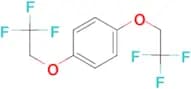
CAS:Fórmula:C11H13NO2Pureza:95.0%Peso molecular:191.231,4-Bis(2,2,2-trifluoroethoxy)benzene
CAS:Fórmula:C10H8F6O2Pureza:96%Cor e Forma:Liquid, No data available.Peso molecular:274.162(4aR,7aS)-Hexahydro-2H-[1,4]dioxino[2,3-c]pyrrole hydrochloride
CAS:Fórmula:C6H12ClNO2Pureza:97%Peso molecular:165.62(4-Isopropoxy-2-(trifluoromethyl)phenyl)boronic acid
CAS:Fórmula:C10H12BF3O3Pureza:≥95%Cor e Forma:SolidPeso molecular:248.013-Fluoro-4-isopropoxyphenylboronic acid
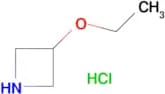
CAS:Fórmula:C9H12BFO3Pureza:98%Cor e Forma:SolidPeso molecular:1983-Ethoxyazetidine hydrochloride
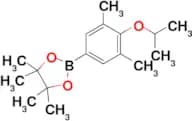
CAS:Fórmula:C5H12ClNOPureza:97%Cor e Forma:LiquidPeso molecular:137.614,4,5,5-Tetramethyl-2-(3,5-dimethyl-4-propan-2-yloxy-phenyl)-1,3,2-dioxaborolane
CAS:Pureza:≥95%Peso molecular:290.2099915H-Hyp(tBu)-OH
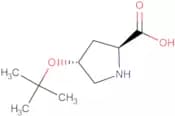
CAS:M06124 - H-Hyp(tBu)-OH
Fórmula:C9H17NO3Pureza:97%Cor e Forma:SolidPeso molecular:187.239(S)-2-((tert-butoxycarbonyl)amino)-3-(2′,6′-dimethoxy-[1,1′-biphenyl]-4-yl)propanoic acid
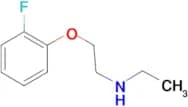
CAS:Pureza:97%Peso molecular:401.45901491-[2-(2-fluorophenoxy)ethyl]-1H-indole-3-carbaldehyde
CAS:Fórmula:C17H14FNO2Pureza:95.0%Cor e Forma:SolidPeso molecular:283.3025-[(4-fluorophenoxy)methyl]-4-methyl-4H-1,2,4-triazole-3-thiol
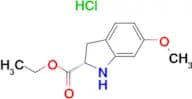
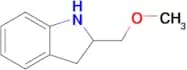
CAS:Fórmula:C10H10FN3OSPureza:95.0%Peso molecular:239.27(S)-6-Methoxy-indoline-2-carboxylic acid ethylester hydrochloride
CAS:Fórmula:C12H16ClNO3Pureza:97.0%Peso molecular:257.71tert-Butyl (3R,5S)-3-hydroxy-1-oxa-7-azaspiro[4.5]decane-7-carboxylate
CAS:Pureza:98%Peso molecular:257.32998664-(4-CHLOROPHENOXY)PIPERIDINE HCL
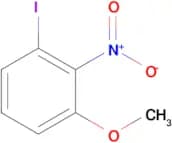
CAS:Fórmula:C11H15Cl2NOPureza:97%Cor e Forma:LiquidPeso molecular:248.151-IODO-3-METHOXY-2-NITROBENZENE,3-IODO-2-NITROPHENYL METHYL ETHER
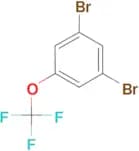
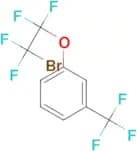
CAS:Fórmula:C7H6INO3Pureza:97.0%Peso molecular:279.0331,3-Dibromo-5-(trifluoromethoxy)benzene
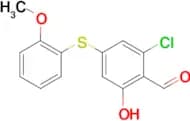
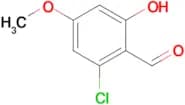
CAS:Fórmula:C7H3Br2F3OPureza:96%Cor e Forma:SolidPeso molecular:319.9032-CHLORO-6-HYDROXY-4-(2-METHOXYPHENYLTHIO)BENZALDEHYDE
CAS:Fórmula:C14H11ClO3SPureza:95.0%Peso molecular:294.75(2S,3R,5S)-5-(4-Amino-5-iodo-7H-pyrrolo[2,3-d]pyrimidin-7-yl)-2-(hydroxymethyl)tetrahydrofuran-3-ol
CAS:Fórmula:C11H13IN4O3Pureza:98%Peso molecular:376.1543-[(4-methoxyphenyl)sulfonyl]azetidine hydrochloride
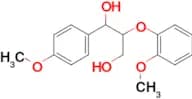
CAS:Fórmula:C10H14ClNO3SPureza:95.0%Peso molecular:263.742-(2-METHOXYPHENOXY)-1-(4-METHOXYPHENYL)PROPANE-1,3-DIOL
CAS:Fórmula:C17H20O5Pureza:98%Peso molecular:304.3423-(4-FLUOROPHENOXY)PROPAN-1-OL
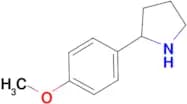
CAS:Fórmula:C9H11FO2Pureza:95.0%Cor e Forma:LiquidPeso molecular:170.1832-(4-Methoxy-phenyl)-pyrrolidine
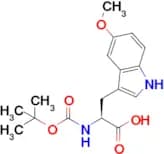
CAS:Fórmula:C11H15NOPureza:98%Cor e Forma:LiquidPeso molecular:177.247(S)-2-((tert-butoxycarbonyl)amino)-3-(5-methoxy-1H-indol-3-yl)propanoic acid
CAS:Pureza:97%Peso molecular:334.37200934-(3,5-dimethylphenyl)tetrahydro-2H-pyran-4-carboxylic acid
CAS:Fórmula:C14H18O3Pureza:97%Peso molecular:234.2955-[3,4-(Methylenedioxy)phenyl]-5-oxovaleric acid
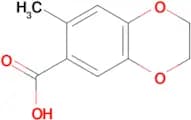
CAS:Fórmula:C12H12O5Pureza:95.0%Peso molecular:236.2237-methyl-2,3-dihydro-1,4-benzodioxine-6-carboxylic acid
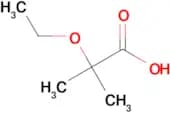
CAS:Fórmula:C10H10O4Pureza:95.0%Cor e Forma:SolidPeso molecular:194.1862-Ethoxy-2-methylpropanoic acid
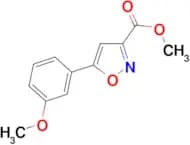
CAS:Fórmula:C6H12O3Pureza:>97%Cor e Forma:LiquidPeso molecular:132.159methyl 5-(3-methoxyphenyl)isoxazole-3-carboxylate
CAS:Fórmula:C12H11NO4Pureza:96%Peso molecular:233.223Ref: 10-F495235
1g83,00€5g223,00€10g342,00€25g659,00€100g1.613,00€2.5g171,00€250g3.228,00€100mg28,00€250mg36,00€500mg69,00€3-Amino-5-fluoro-6-methoxypyridine
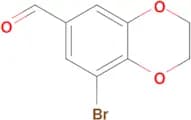
CAS:Fórmula:C6H7FN2OPureza:98%Cor e Forma:SolidPeso molecular:142.1338-Bromo-2,3-dihydro-1,4-benzodioxine-6-carbaldehyde
CAS:Pureza:97%Cor e Forma:SolidPeso molecular:243.0559998Ref: 10-F662597
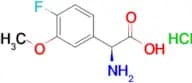
1g475,00€5g1.759,00€10g3.517,00€2.5g1.090,00€50mg128,00€100mg184,00€250mg262,00€500mg383,00€(2S)-2-AMINO-2-(4-FLUORO-3-METHOXYPHENYL)ACETIC ACID-HCL
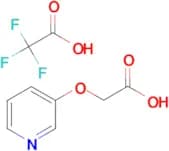
CAS:Fórmula:C9H11ClFNO3Pureza:95%Peso molecular:235.64(Pyridin-3-yloxy)-acetic acid trifluoroacetic acid salt
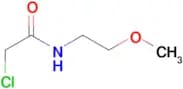
Fórmula:C9H8F3NO5Pureza:95.0%Peso molecular:267.162-Chloro-N-(2-methoxy-ethyl)-acetamide
CAS:Fórmula:C5H10ClNO2Pureza:95.0%Cor e Forma:LiquidPeso molecular:151.59(3-((4-Methoxybenzyl)oxy)-5-(trifluoromethyl)phenyl)boronic acid
CAS:Fórmula:C15H14BF3O4Pureza:≥95%Peso molecular:326.08[1-(Tetrahydro-2H-pyran-4-yl)piperidin-4-yl]methanamine dihydrochloride
CAS:Fórmula:C11H24Cl2N2OPureza:95.0%Peso molecular:271.232-Morpholino-6-(4,4,5,5-tetramethyl-1,3,2-dioxaborolan-2-yl)benzaldehyde
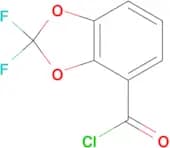
CAS:Pureza:≥95%Peso molecular:317.19000242,2-Difluoro-1,3-benzodioxole-4-carbonyl chloride
CAS:Fórmula:C8H3ClF2O3Cor e Forma:LiquidPeso molecular:220.56Ref: 10-F714620
1g259,00€2g465,00€5g723,00€10g1.193,00€25g2.376,00€50g4.270,00€100mg87,00€250mg147,00€500mg195,00€






![2-[(4-Chlorophenyl)-2-pyridinylmethoxy]-N,N-dimethylethanamine maleate salt](/_next/image/?url=https%3A%2Fstatic.cymitquimica.com%2Fproducts%2F3D%2Fthumb-webp%2FFC19699.webp&w=3840&q=75)

![4-[2-(3,4-Dimethoxyphenyl)-1,2-dibromoethyl]-1,2-dimethoxybenzene](/_next/image/?url=https%3A%2Fstatic.cymitquimica.com%2Fproducts%2F3D%2Fthumb-webp%2FFD66282.webp&w=3840&q=75)


![Poly[2-methoxy-5-(2-ethylhexyloxy)-1,4-phenylenevinylene] - M.W. average 10,000-100,000](/_next/image/?url=https%3A%2Fstatic.cymitquimica.com%2Fproducts%2F3D%2Fthumb-webp%2FFP165854.webp&w=3840&q=75)
![2-[(Acetyloxy)methoxy]ethyl acetate](/_next/image/?url=https%3A%2Fstatic.cymitquimica.com%2Fproducts%2F3D%2Fthumb-webp%2FFA64791.webp&w=3840&q=75)



![6-Chloro-2,2-difluoro-benzo[1,3]dioxol-5-ylamine](/_next/image/?url=https%3A%2Fstatic.cymitquimica.com%2Fproducts%2F10%2Fthumb-webp%2FF033005.webp&w=3840&q=75)
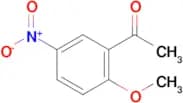
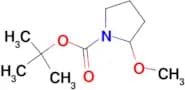
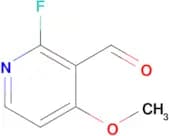
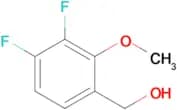
![8-Methoxy-4,5-dihydro-1H-benzo[d]azepin-2(3H)-one](/_next/image/?url=https%3A%2Fstatic.cymitquimica.com%2Fproducts%2F10%2Fthumb-webp%2FF323037.webp&w=3840&q=75)
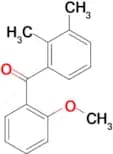
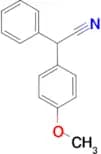
![(4aR,7aS)-Hexahydro-2H-[1,4]dioxino[2,3-c]pyrrole hydrochloride](/_next/image/?url=https%3A%2Fstatic.cymitquimica.com%2Fproducts%2F10%2Fthumb-webp%2FF465560.webp&w=3840&q=75)
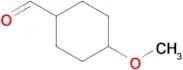
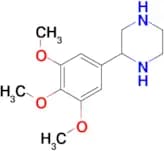




![(S)-2-((tert-butoxycarbonyl)amino)-3-(2′,6′-dimethoxy-[1,1′-biphenyl]-4-yl)propanoic acid](/_next/image/?url=https%3A%2Fstatic.cymitquimica.com%2Fproducts%2F10%2Fthumb-webp%2FF777346.webp&w=3840&q=75)
![[4-(propan-2-yloxy)phenyl]thiourea](/_next/image/?url=https%3A%2Fstatic.cymitquimica.com%2Fproducts%2F10%2Fthumb-webp%2FF669361.webp&w=3840&q=75)
![1-[2-(2-fluorophenoxy)ethyl]-1H-indole-3-carbaldehyde](/_next/image/?url=https%3A%2Fstatic.cymitquimica.com%2Fproducts%2F10%2Fthumb-webp%2FF314769.webp&w=3840&q=75)
![5-[(4-fluorophenoxy)methyl]-4-methyl-4H-1,2,4-triazole-3-thiol](/_next/image/?url=https%3A%2Fstatic.cymitquimica.com%2Fproducts%2F10%2Fthumb-webp%2FF307778.webp&w=3840&q=75)

![tert-Butyl (3R,5S)-3-hydroxy-1-oxa-7-azaspiro[4.5]decane-7-carboxylate](/_next/image/?url=https%3A%2Fstatic.cymitquimica.com%2Fproducts%2F10%2Fthumb-webp%2FF601846.webp&w=3840&q=75)


![(2S,3R,5S)-5-(4-Amino-5-iodo-7H-pyrrolo[2,3-d]pyrimidin-7-yl)-2-(hydroxymethyl)tetrahydrofuran-3-ol](/_next/image/?url=https%3A%2Fstatic.cymitquimica.com%2Fproducts%2F10%2Fthumb-webp%2FF463325.webp&w=3840&q=75)

![3-[(4-methoxyphenyl)sulfonyl]azetidine hydrochloride](/_next/image/?url=https%3A%2Fstatic.cymitquimica.com%2Fproducts%2F10%2Fthumb-webp%2FF512039.webp&w=3840&q=75)


![5-OXASPIRO[3.5]NONAN-8-ONE](/_next/image/?url=https%3A%2Fstatic.cymitquimica.com%2Fproducts%2F10%2Fthumb-webp%2FF539260.webp&w=3840&q=75)
![3-Methoxymethyl-5-methyl-[1,2,4]oxadiazole](/_next/image/?url=https%3A%2Fstatic.cymitquimica.com%2Fproducts%2F10%2Fthumb-webp%2FF545456.webp&w=3840&q=75)
![3-Amino-3-benzo[1,3]dioxol-5-yl-propionic acid](/_next/image/?url=https%3A%2Fstatic.cymitquimica.com%2Fproducts%2F10%2Fthumb-webp%2FF047767.webp&w=3840&q=75)





![5-[3,4-(Methylenedioxy)phenyl]-5-oxovaleric acid](/_next/image/?url=https%3A%2Fstatic.cymitquimica.com%2Fproducts%2F10%2Fthumb-webp%2FF022954.webp&w=3840&q=75)



![(4′-Methoxy-[1,1′-biphenyl]-2-yl)methanamine](/_next/image/?url=https%3A%2Fstatic.cymitquimica.com%2Fproducts%2F10%2Fthumb-webp%2FF733551.webp&w=3840&q=75)

![n-[(4-cyanophenyl)methyl]morpholine-4-carboxamide](/_next/image/?url=https%3A%2Fstatic.cymitquimica.com%2Fproducts%2F10%2Fthumb-webp%2FF669631.webp&w=3840&q=75)
![[1-(Tetrahydro-2H-pyran-4-yl)piperidin-4-yl]methanamine dihydrochloride](/_next/image/?url=https%3A%2Fstatic.cymitquimica.com%2Fproducts%2F10%2Fthumb-webp%2FF064328.webp&w=3840&q=75)