Éteres
Foram encontrados 40904 produtos de "Éteres"
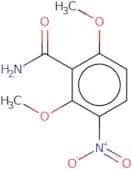
2,6-Dimethoxy-3-nitrobenzamide
CAS:2,6-Dimethoxy-3-nitrobenzamide is a fine chemical that is used as an intermediate in the synthesis of other compounds. This material can be used to make pharmaceuticals and research chemicals, such as antibiotics and pesticides. 2,6-Dimethoxy-3-nitrobenzamide is a versatile building block that can be used for the production of many different compounds. It has a CAS number of 55776-15-3 and has been assigned the Chemical Abstracts Service (CAS) registry number of 71887-92-8.
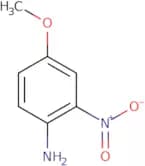
Fórmula:C9H10N2O5Pureza:Min. 90%Cor e Forma:PowderPeso molecular:226.19 g/mol4-Methoxy-2-nitroaniline
CAS:4-Methoxy-2-nitroaniline is a molecule that has been shown to be able to form an intramolecular hydrogen bond with the 5' carbon of the sugar ring. This reaction leads to the formation of an alkoxy radical, which reacts with chloride ions in acidic conditions. The formation of this intermediate product is reversible, and can be used for analysis of hydrochloric acid. 4-Methoxy-2-nitroaniline has also been shown to react with diazonium salt in the presence of acid, forming a molecule that contains two amines. This reaction can be reversed by adding hydrogen chloride to the solution and analyzing the solution's acidity.Fórmula:C7H8N2O3Pureza:Min. 98 Area-%Cor e Forma:PowderPeso molecular:168.15 g/mol3,4-Dimethoxybenzanilide
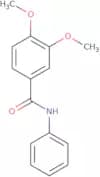
CAS:3,4-Dimethoxybenzanilide is a synthetic compound that can be synthesized from dimethyl ether and carboxylic acid. It is an amide of 3,4-dimethoxybenzoic acid and can be hydrogenolysed to yield the corresponding carboxylic acid. The lithiated derivative of 3,4-dimethoxybenzanilide has been used in the synthesis of a number of compounds including amides, lithiated derivatives, and dithiocarbamates. This chemical has also been used in the synthesis of a number of advances such as new carboxylic acids and aldehydes.
Fórmula:C15H15NO3Pureza:Min. 95%Peso molecular:257.28 g/molN-Acetyl-5-carboxymethoxy tryptamine
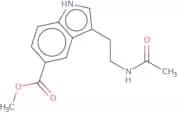
CAS:N-Acetyl-5-carboxymethoxy tryptamine is a versatile building block that is used as a reagent and in the synthesis of complex compounds. It can also be used as an intermediate or a reaction component in the synthesis of other compounds. This compound has been shown to have high quality and, when used as an intermediate, can serve as a useful scaffold for the synthesis of new molecules. N-Acetyl-5-carboxymethoxy tryptamine belongs to CAS No. 1397243-36-5, which is a speciality chemical that is not regulated by law.
Fórmula:C14H16N2O3Pureza:Min. 95%Peso molecular:260.29 g/mol2-Hydroxy-4'-(2-hydroxyethoxy) -2-methylpropiophenone
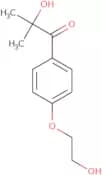
CAS:2-Hydroxy-4'-(2-hydroxyethoxy)-2-methylpropiophenone is a reactive chemical substance that has been shown to have significant cytotoxicity and biological properties. It is used in the treatment of cervical cancer and has been shown to inhibit the growth of cancer cells. This compound is found in a number of commercial products, including sunscreens and hair dyes, but its use may be limited due to its photochemical reactivity. The structure of 2HEPP was determined using nuclear magnetic resonance (NMR) spectroscopy and mass spectrometry. The chemical formula for 2HEPP is C10H14O3. It has a molecular weight of 192.22 g/mol and an empirical formula of C10H14O3. 2HEPP is soluble in methanol, acetone, ether, chloroform, benzene, ethanol, ethyl acetate, diethyl ether, and acetonFórmula:C12H16O4Pureza:Min. 95%Cor e Forma:White PowderPeso molecular:224.25 g/mol3,5-Dimethoxybenzhydrazide
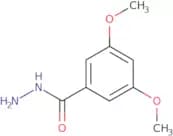
CAS:3,5-Dimethoxybenzhydrazide is a combretastatin analogue that binds to tubulin to disrupt the polymerization of microtubules. It has been shown to inhibit tumor cell growth in vitro and in vivo. 3,5-Dimethoxybenzhydrazide has an IC50 of 10 nM for tubulin polymerization, which is significantly lower than colchicine (IC50 of 0.2 μM). This drug also interacts with colchicine binding sites and has a selectivity index of 1.3.
Fórmula:C9H12N2O3Pureza:Min. 98 Area-%Cor e Forma:PowderPeso molecular:196.2 g/mol6,9-Dichloro-2-methoxyacridine
CAS:6,9-Dichloro-2-methoxyacridine (DCA) is a fluorescent probe that can be used to measure the cytosolic Ca2+ concentration in mammalian cells. DCA binds to chloride ions and emits a fluorescence signal proportional to the cytosolic Ca2+ concentration. The binding constants for DCA and chloride are low, which makes this probe an ideal candidate for measuring cytosolic Ca2+. DCA has been shown to inhibit cancer cell growth by decreasing mitochondrial membrane potential. This effect may be caused by the inhibition of mitochondrial ATP production or the disruption of ion transport across the mitochondrial membrane.Fórmula:C14H9Cl2NOPureza:Min. 95%Cor e Forma:Slightly Yellow PowderPeso molecular:278.13 g/molDL-4-Hydroxy-3-methoxymandelic acid
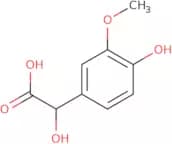
CAS:DL-4-Hydroxy-3-methoxymandelic acid is a metabolite of the catecholamines, norepinephrine and epinephrine. It is found in the blood, urine and cerebrospinal fluid of humans. DL-4-Hydroxy-3-methoxymandelic acid is derived from the amino acid tyrosine. When the body's production of catecholamines exceeds its ability to break them down, these molecules accumulate and are excreted in urine as DL-4-hydroxy-3-methoxymandelic acid or as other metabolites. The concentration of DL-4-hydroxy 3 methoxymandelic acid in urine may be used to diagnose pheochromocytoma or neuroblastoma.
Fórmula:C9H10O5Pureza:Min. 95%Cor e Forma:White PowderPeso molecular:198.17 g/mol1,2,3,5-Tetramethoxybenzene
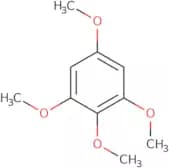
CAS:Produto Controlado1,2,3,5-Tetramethoxybenzene is a tannin that belongs to the class of arenes. It can be synthesized by Friedel-Crafts acylation of benzene with an acyl chloride in the presence of aluminum chloride. This reaction produces 1,2,3,5-tetramethoxybenzene and triketone as byproducts. The synthetic pathway for this compound is based on techniques such as irradiation and thermally induced rearrangement. The oxidized form has a redox potential of -0.6 V vs NHE (normal hydrogen electrode). Methoxy groups on the aromatic ring increase the electron affinity and lower the redox potential.Fórmula:C10H14O4Pureza:Min. 95%Cor e Forma:White PowderPeso molecular:198.22 g/mol(3,5-Dimethoxyphenyl)acetonitrile
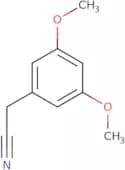
CAS:3,5-Dimethoxyphenylacetonitrile is a synthetic compound that has been shown to be an inhibitor of the demethylation reaction. It is postulated to have anticancer activity and inhibits the biosynthesis of octaketides in vitro. This compound has also been shown to have antibacterial activity and is structurally related to cannabinoids. The mechanism by which 3,5-dimethoxyphenylacetonitrile inhibits cancer cells is not known. However, it may be due to its ability to bind cannabinoid receptors.
Fórmula:C10H11NO2Pureza:Min. 95%Cor e Forma:PowderPeso molecular:177.2 g/mol(+)-N-[1-(S)-Ethoxycarbonxyl-3-phenylpropyl]-L-alanine
CAS:(+)-N-[1-(S)-Ethoxycarbonxyl-3-phenylpropyl]-L-alanine is an impurity of enalaprilat, which is a pharmaceutical drug used in the treatment of hypertension. Enalaprilat is manufactured by reacting 1-(S)-ethoxycarbonxyl-3-phenylpropane with L-alanine and triphosgene. This impurity has been shown to be a potent inhibitor of the enzyme angiotensin converting enzyme (ACE) and may cause adverse effects such as hypotension, cough, and dizziness. The chemical structure of (+)-N-[1-(S)-Ethoxycarbonxyl-3-phenylpropyl]-L-alanine consists of an aliphatic hydrocarbon chain with a maleate group at one end and a benzyl group at the other end. It also contains two amines, one on each side of the molecule.Fórmula:C15H21NO4Pureza:Min. 95%Cor e Forma:PowderPeso molecular:279.33 g/mol(R)-(+)-2-Methoxypropionic acid
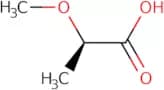
CAS:(R)-(+)-2-Methoxypropionic acid is a derivatization agent that is used to label branched-chain amino acids. It has been shown to react with l-rhamnose, which is found in glycoproteins and polysaccharides.
Fórmula:C4H8O3Pureza:Min. 95%Cor e Forma:Clear Colourless To Pale Yellow LiquidPeso molecular:104.1 g/mol2,5-Dimethoxybenzamide
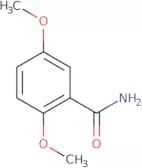
CAS:2,5-Dimethoxybenzamide is a potent inhibitor of the enzyme DECATENASE. This enzyme plays an important role in the biosynthesis of the aromatic amino acids phenylalanine and tyrosine. 2,5-Dimethoxybenzamide has been shown to have anticancer activity in vitro and in vivo. Remoxipride is a synthetic drug that competitively inhibits the action of benzodiazepines on GABA receptors by binding to them with high affinity. It was developed as an antipsychotic agent but was never marketed for this indication due to its adverse effects on motor coordination. Remoxipride has also been shown to have estrogenic activity, which may be due to its ability to bind with high affinity and inhibit the enzyme aromatase, which converts testosterone into estradiol.
Fórmula:C9H11NO3Pureza:Min. 95%Cor e Forma:PowderPeso molecular:181.19 g/molp-(Trifluoromethoxy)benzonitrile
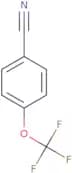
CAS:p-(Trifluoromethoxy)benzonitrile is an organic compound that reacts with electron-rich molecules to form a covalent bond. It has been shown to be reactive in abiotic conditions and can be used as a probe for electron transfer reactions. p-Trifluoromethoxybenzonitrile undergoes a reaction mechanism in which the carbonyl group first reacts with an electron donor, such as acetonitrile, to form an unstable intermediate. This intermediate then reacts with a second electron-rich molecule to form the product. p-Trifluoromethoxybenzonitrile also has been shown to react efficiently with benzonitrile and produce the desired product in one step.
Fórmula:C8H4F3NOPureza:Min. 95%Cor e Forma:Clear LiquidPeso molecular:187.12 g/mol5-(Trifluoromethoxy)salicylaldehyde
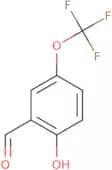
CAS:5-(Trifluoromethoxy)salicylaldehyde is a ligand that binds to the active site of the enzyme catalysis, thereby inhibiting its activity. It has been shown to be effective in colon cancer and other cancers due to its ability to inhibit protein synthesis. 5-(Trifluoromethoxy)salicylaldehyde also inhibits the production of prostaglandins, which may prevent inflammation. The compound is also used in supramolecular chemistry and biological studies as a tool for studying protein-ligand interactions. 5-(Trifluoromethoxy)salicylaldehyde has been shown to have dose-dependent effects on cell proliferation and protein synthesis.Fórmula:C8H5F3O3Pureza:Min. 95%Cor e Forma:PowderPeso molecular:206.12 g/molN-[4-(2-Hydrazino-2-oxoethoxy)phenyl]acetamide
CAS:N-[4-(2-Hydrazino-2-oxoethoxy)phenyl]acetamide is a phenolic compound that has been shown to have an antimicrobial effect. It has been shown to have antitubercular activity against Mycobacterium tuberculosis and the ability to inhibit the growth of cancer cells in vitro. N-[4-(2-Hydrazino-2-oxoethoxy)phenyl]acetamide is also known as monastrol. The pharmacophore of this drug is based on the structure of paracetamol, which is a member of the class of drugs known as analgesics, antipyretics, and antiinflammatory agents. Paracetamol has been used for decades in humans and animals for relief from pain, fever, and inflammation. N-[4-(2-Hydrazino-2-oxoethoxy)phenyl]acetamide may be useful for treating diseases such as cancer or tuberculosis due to its anticFórmula:C10H13N3O3Pureza:Min. 95%Cor e Forma:PowderPeso molecular:223.23 g/mol1-(3,4,5-Trimethoxyphenyl)-2-nitropropene
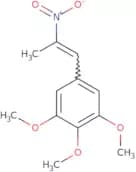
CAS:1-(3,4,5-Trimethoxyphenyl)-2-nitropropene is a high quality chemical that is a reagent and useful intermediate. It has been shown to be a useful scaffold for the synthesis of various compounds and as a building block for the synthesis of speciality chemicals. This compound can be used in research and as a versatile building block in organic chemistry.
Fórmula:C12H15NO5Pureza:Min. 97 Area-%Cor e Forma:PowderPeso molecular:253.25 g/mol1-(2-Methoxyphenyl)-2-nitroethane
CAS:1-(2-Methoxyphenyl)-2-nitroethane is a natural alkaloid that is found in the plant Piper methysticum. This compound has been shown to inhibit the transformation of nitroalkenes to nitropropene and nitrobenzene. The synthetic studies on this compound are mainly focused on its effects on other nitroalkenes. It has been shown that 1-(2-methoxyphenyl)-2-nitroethane can be used as an inhibitor of cyclization reactions, such as the synthesis of indole alkaloids, which are important in many pharmacological processes and biological systems.Fórmula:C9H9NO3Pureza:Min. 95%Cor e Forma:PowderPeso molecular:179.17 g/mol3-Chloro-4-methoxybenzoic acid methyl ester
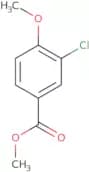
CAS:3-Chloro-4-methoxybenzoic acid methyl ester is a potent antiproliferative agent that inhibits the growth of cancer cells and bacteria. It is an amide, which has been synthesized by equilibration between two equivalents of 3-chlorobenzoic acid and methylamine. The copulatory proton profile for this compound has been determined using liquid chromatography with mass spectrometry detection (LCMS). This compound is also a weak inhibitor of tyrosine kinases, but is more potent as an inhibitor of protein kinase C. Sorafenib and dasatinib are examples of compounds that have been shown to be linked to this drug. 3-Chloro-4-methoxybenzoic acid methyl ester can induce the production of TNF-α in thp-1 cells at micromolar concentrations.Fórmula:C9H9ClO3Pureza:Min. 95%Cor e Forma:PowderPeso molecular:200.62 g/mol3,5-Dimethoxybenzoic acid
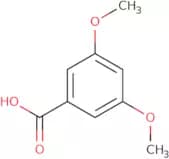
CAS:3,5-Dimethoxybenzoic acid is a chemical compound that belongs to the class of organic compounds known as phenols. This compound is used in the synthesis of 2,4-dichlorobenzoic acid from 2,4-dichloroaniline and sodium hydroxide solution. 3,5-Dimethoxybenzoic acid can also be used to synthesize 2,5-dimethoxybenzoic acid by reacting with sodium hydroxide solution. In addition to its use in organic synthesis, 3,5-dimethoxybenzoic acid has been shown to inhibit ventricular myocytes in a dose dependent manner. It is also used as a model system for studying phase equilibrium.Fórmula:C9H10O4Pureza:Min. 95%Cor e Forma:White PowderPeso molecular:182.17 g/mol2'-Methoxypropiophenone
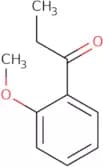
CAS:2'-Methoxypropiophenone is a carbonyl compound that is used as a starting material in the synthesis of other compounds. It can be synthesized by reacting sodium hydroxide with diazirinyl chloride, which reacts with benzyl alcohol to produce the desired product. This chemical has been shown to bind to the DNA of bacteria and show antibacterial activity. 2'-Methoxypropiophenone has also been used to label acetophenone and other carbonyl-containing molecules for their identification.
Fórmula:C10H12O2Pureza:Min. 95%Cor e Forma:Clear LiquidPeso molecular:164.2 g/mol3-[4-(trifluoromethoxy)phenyl]propanoicacid
CAS:3-[4-(trifluoromethoxy)phenyl]propanoic acid (TFPA) is a versatile building block that can be used as a reagent and research chemical. TFPA has the potential to be used as a useful intermediate in the synthesis of complex compounds and useful scaffolds. It also has been shown to have high quality, which makes it an excellent choice for use in reactions. This compound is also useful for creating speciality chemicals.Fórmula:C10H9F3O3Cor e Forma:PowderPeso molecular:234.17 g/mol1-(3-Benzyloxy-4-methoxyphenyl)-2-nitroethene
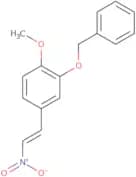
CAS:1-(3-Benzyloxy-4-methoxyphenyl)-2-nitroethene (1BMN) is an ethanamine that has a skeleton of five benzene and one methoxybenzene rings. It is an analogue of lamellarin, which has been shown to have efficient synthetic and biological properties. 1BMN is biologically active as a lamellarin analog and may be useful for the treatment of diseases such as cancer, malaria, hypertension, hyperglycemia, hypercholesterolemia, and ulcerative colitis. 1BMN is synthesized from 2-nitroethanol by reacting with 3-bromobenzaldehyde in the presence of sodium hydroxide. This reaction results in the formation of 1BMN in high yield with few side reactions.
Fórmula:C16H15NO4Pureza:Min. 95%Cor e Forma:PowderPeso molecular:285.29 g/molEthyl 2-(4-((5-chloro-2-methoxyphenyl)amino)-3,5-thiazolyl)acetate
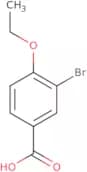
CAS:Please enquire for more information about Ethyl 2-(4-((5-chloro-2-methoxyphenyl)amino)-3,5-thiazolyl)acetate including the price, delivery time and more detailed product information at the technical inquiry form on this pagePureza:Min. 95%3-Bromo-4-ethoxybenzoic acid
CAS:3-Bromo-4-ethoxybenzoic acid is an organic compound that has been shown to have biological activity against pathogens. 3-Bromo-4-ethoxybenzoic acid inhibits the growth of bacteria by binding to the enzyme chloride channel and regulating its function. It also has a regulatory effect on chloride channels and can be used as a catalyst for many reactions in organic synthesis.Fórmula:C9H9BrO3Pureza:Min. 95%Peso molecular:245.07 g/mol7-Methoxy-1-tetralone
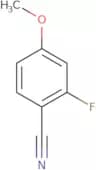
CAS:7-Methoxy-1-tetralone is a synthetic compound that inhibits the activity of hepg2 cells. It has been shown to induce apoptosis in these cells and inhibit tumor growth in vivo. This substance is a fatty acid derivative that can be synthesized by Friedel-Crafts acylation of 7-methoxycoumarin with oleic acid. 7-Methoxy-1 tetralone has been shown to have antitumor effects in vitro, as well as in vivo animal studies. The inhibition of hepg2 cells may be due to damage to the cell membrane, which leads to the release of lysosomal enzymes and cell death.Fórmula:C11H12O2Pureza:Min. 95%Cor e Forma:PowderPeso molecular:176.21 g/mol2-Fluoro-4-methoxybenzonitrile
CAS:2-Fluoro-4-methoxybenzonitrile is a tetracyclic molecule with two electron deficient rings. It has intramolecular coupling, yielding four stereoisomers that show different biological activities. 2-Fluoro-4-methoxybenzonitrile is an electron deficient compound that can be synthesized by reacting dioxane with amines. It also reacts with alcohols to form ethers. This heteroaromatic compound has electron withdrawing groups that make it less stable than other heteroaromatic compounds and more reactive. 2-Fluoro-4-methoxybenzonitrile can be used in the Buchwald reaction to produce aryl chlorides from alkyl halides and aryl bromides.
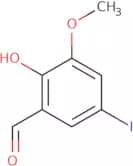
Pureza:Min. 95%2-Hydroxy-5-iodo-3-methoxybenzaldehyde
CAS:Please enquire for more information about 2-Hydroxy-5-iodo-3-methoxybenzaldehyde including the price, delivery time and more detailed product information at the technical inquiry form on this pageFórmula:C8H7IO3Pureza:Min. 98%Cor e Forma:PowderPeso molecular:278.04 g/mol2,3,4-Trimethoxy-6-methylphenol
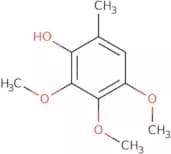
CAS:2,3,4-Trimethoxy-6-methylphenol is a prenylated phenol with an acidic character. It is synthesised from 5-nitrovanillin and methoxyphenol in dioxane by reaction with hydrogen peroxide and hydrochloric acid. This acid catalyst initiates the reactions that produce 2,3,4-trimethoxy-6-methylphenol. The reaction time is 10 hours at pH 3 to 4. 2,3,4-Trimethoxy-6-methylphenol has been used for the synthesis of phosphotungstate, which is used as a reagent in analytical chemistry for the determination of metal ions. 2,3,4-Trimethoxy-6 methylphenol also provides a route to manufacture peracid and peroxide, which are oxidants with antimicrobial properties.Fórmula:C10H14O4Pureza:Min. 95%Cor e Forma:PowderPeso molecular:198.22 g/mol2-(4-Methoxyphenoxy)ethanol
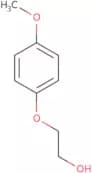
CAS:2-(4-Methoxyphenoxy)ethanol is a carboxylic acid. It has been used as a hydrogen peroxide donor in catalytic reactions, and as an ethylene glycol ether in the production of polyester resins. 2-(4-Methoxyphenoxy)ethanol has been shown to be useful in multilayer coatings with optimal reaction rates, and is a good oxidant for many organic compounds.Fórmula:C9H12O3Pureza:Min. 95%Cor e Forma:PowderPeso molecular:168.19 g/mol3-(4-Fluorobenzoyl)-6-Methoxy-2-Methyl-1H-Indole-1-Acetic Acid
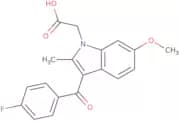
CAS:Produto Controlado3-(4-Fluorobenzoyl)-6-Methoxy-2-Methyl-1H-Indole-1-Acetic Acid is a prodrug that is metabolized to 6-fluoro-3,4 dioxo tamoxifen in the liver. It has been shown to have anticholinergic, cytosolic calcium and c1-4 alkyl properties. 3-(4-Fluorobenzoyl)-6-Methoxy-2-Methylindole Acetic Acid also has a basic group, cyclopentane ring, and pyridine ring.Fórmula:C19H16FNO4Pureza:Min. 95%Peso molecular:341.33 g/mol(2-Aminophenyl)-N-((3,4-dimethoxyphenyl)methyl)formamide
CAS:Please enquire for more information about (2-Aminophenyl)-N-((3,4-dimethoxyphenyl)methyl)formamide including the price, delivery time and more detailed product information at the technical inquiry form on this pageFórmula:C16H18N2O3Pureza:Min. 95%Cor e Forma:PowderPeso molecular:286.33 g/mol2-Methoxy-5-nitroaniline
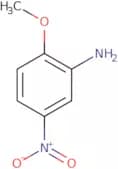
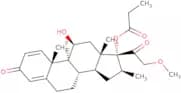
CAS:2-Methoxy-5-nitroaniline is a nitro compound that is cytotoxic at high doses. It is a diazonium salt that can be synthesised from hydrochloric acid and nitrous acid. The toxicity of 2-methoxy-5-nitroaniline has been tested in rats and found to have significant cytotoxicity at doses of 5000 mg/kg, with a LD50 of 2700 mg/kg. The chemical structure of 2-methoxy-5-nitroaniline consists of an amine group, two nitro groups, and two methyl groups. This compound can be synthesized by reacting ammonia with formaldehyde in the presence of nitric acid. 2-Methoxy-5-nitroaniline has shown to inhibit transcription polymerase chain reactions (PCR) in mouse erythrocytes at concentrations as low as 0.1 mM. DietaryFórmula:C7H8N2O3Pureza:95%NmrCor e Forma:PowderPeso molecular:168.15 g/mol[(8S,9R,10S,11S,13S,14S,16S,17R)-9-Fluoro-11-Hydroxy-17-(2-Methoxyacetyl)-10,13,16-Trimethyl-3-Oxo-6,7,8,11,12,14,15,16-Octahydrocyc lopenta[a]Phenanthren-17-Yl] Propanoate
CAS:Produto ControladoBetamethasone is a corticosteroid that is used to treat inflammation, ankylosing spondylitis, and rheumatoid arthritis. It has been shown to have efficacy in the treatment of pediatric patients with asthma, as well as animal models of cardiac arrest and stroke. Betamethasone has also been shown to be effective in the treatment of potassium ion-associated death due to cardiac arrhythmia or repolarization abnormalities. This drug can be administered orally or topically; it binds to the glucocorticoid receptor on cells and modulates gene transcription. The primary mechanism of action for betamethasone is not fully understood but may involve inhibition of protein synthesis and suppression of inflammatory cells.Fórmula:C26H35FO6Pureza:Min. 95%Peso molecular:462.55 g/mol7,8-Dimethoxy-9-oxo-9H-indeno[1,2-B]pyrazine-2,3-dicarbonitrile
CAS:7,8-Dimethoxy-9-oxo-9H-indeno[1,2-B]pyrazine-2,3-dicarbonitrile is a fine chemical that is useful for research and as a building block in the synthesis of more complex compounds. It can be used in the synthesis of a range of pharmaceuticals and other chemicals. 7,8-Dimethoxy-9-oxo-9H-indeno[1,2-B]pyrazine is also an excellent reagent for the preparation of other compounds. This compound has been shown to bind to DNA and RNA and its reaction with nucleophiles produces a variety of products.
Fórmula:C15H8N4O3Pureza:Min. 95%Cor e Forma:Yellow To Red SolidPeso molecular:292.25 g/mol2-Hydroxy-5-methoxybenzyl alcohol
CAS:2-Hydroxy-5-methoxybenzyl alcohol (2HMB) is a methide that is used as an inductor in the synthesis of Taxol. 2HMB has been shown to induce apoptosis in MCF-7 cells and to promote the hydration of oxacycles. It can also be used in cancer research as a kinetic probe for the hydration of oxacycles. 2HMB activates MCF-7 cells and induces apoptosis, which may be due to its nucleophilic properties.Fórmula:C8H10O3Pureza:Min. 95%Peso molecular:154.16 g/mol(4-Methoxyphenyl)-(2,4,5-trimethoxybenzylidene)-amine
CAS:4-Methoxyphenyl-(2,4,5-trimethoxybenzylidene)-amine is a chemical compound that is used as a research chemical and a building block for the synthesis of other chemicals. It has been shown to be useful as an intermediate in the synthesis of complex compounds. The product is typically used as a reaction component in organic chemistry. It can also be used as a reagent or as an additive to other chemicals. 4-Methoxyphenyl-(2,4,5-trimethoxybenzylidene)-amine is high quality and has many uses in research and industry.Fórmula:C16H16BrNO3Pureza:Min. 95%Peso molecular:350.21 g/mol5-Methoxy-3-methylbenzonitrile
CAS:5-Methoxy-3-methylbenzonitrile is a versatile chemical with a wide range of applications in pharmaceuticals, agrochemicals, and other industries. It is used as a reaction component in the synthesis of drugs such as indomethacin and methotrexate. It is also useful for the production of high-quality research chemicals. 5-Methoxy-3-methylbenzonitrile has been shown to be an efficient building block for the synthesis of complex compounds with diverse structures.
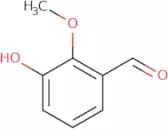
Fórmula:C9H9NOPureza:Min. 95%Cor e Forma:PowderPeso molecular:147.17 g/mol3-Hydroxy-2-methoxybenzaldehyde
CAS:3-Hydroxy-2-methoxybenzaldehyde is a synthetic compound that is used as an antiviral agent. It has been shown to inhibit the replication of Coxsackievirus A9 (CV-A9). In addition, 3-Hydroxy-2-methoxybenzaldehyde reacts with isoeugenol and isonicotinic acid under acidic conditions to form 4-allyl-2-methoxyphenol, which has antiviral activity against CV-A9. This reaction requires a catalyst, such as zinc chloride or nickel sulfate. The rate of this reaction can be increased by increasing the reaction time. 3-Hydroxy-2-methoxybenzaldehyde also inhibits the virus's ability to bind to cells and enter them, reducing its infectivity.
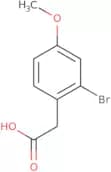
Fórmula:C8H8O3Cor e Forma:PowderPeso molecular:152.15 g/mol2-(2-Bromo-4-methoxyphenyl)acetic acid
CAS:2-(2-Bromo-4-methoxyphenyl)acetic acid is a versatile building block that is used as a research chemical, reaction component, and reagent. It is also used as a speciality chemical and complex compound. This compound has the CAS number 66916-99-2.Fórmula:C9H9BrO3Cor e Forma:SolidPeso molecular:245.07 g/mol5-Bromo-2,3-dimethoxybenzoic acid
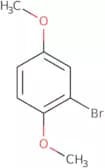
CAS:2,3-Dimethoxybenzoic acid is a metabolite of 2,3-dimethoxybenzaldehyde, which is produced by the condensation of acetaldehyde and benzoic acid. It has been used as an intermediate in organic synthesis. The enzyme dopamine D3 receptor ligand binding assays have been used to study the ability of 5-bromo-2,3-dimethoxybenzoic acid to inhibit dopamine uptake in rat striatal membranes. The compound has also been shown to be a specific ligand for the dopamine D3 receptor and bind with a high affinity.Fórmula:C9H9BrO4Pureza:Min. 95%Cor e Forma:PowderPeso molecular:261.07 g/mol1-Bromo-2,5-dimethoxybenzene
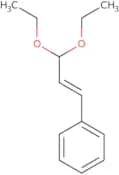
CAS:1,2-Bromo-2,5-dimethoxybenzene is a methylating agent that can be used in Friedel-Crafts acylation reactions. It reacts with hydrochloric acid to yield 1,2-dibromoethane and hydrogen peroxide. The product of the reaction is a mixture of chloride and alkylation products. Bromine is released as a byproduct in this reaction. This agent has been shown to be useful in the synthesis of compounds containing C=N bonds such as dienolates and amides.Fórmula:C8H9BrO2Pureza:Min. 95%Peso molecular:217.06 g/mol(3,3-Diethoxyprop-1-en-1-yl)benzene
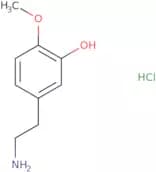
CAS:(3,3-Diethoxyprop-1-en-1-yl)benzene is a compound that has been synthesized in the laboratory. It is a cinnamic acid derivative with a benzene ring. (3,3-Diethoxyprop-1-en-1-yl)benzene has shown to be an inhibitor of serotonin reuptake and damaging to mammalian cells. It also inhibits the synthesis of serotonin by blocking the binding site for serotonin on the cell membrane. The compound may have potential as a treatment for depression and anxiety disorders due to its effects on serotonin levels and its ability to inhibit monoamine oxidase B.Fórmula:C13H18O2Pureza:Min. 95%Peso molecular:206.28 g/mol3-Hydroxy-4-methoxyphenethylamine HCl
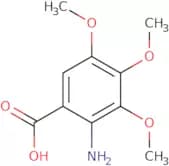
CAS:Produto Controlado3-Hydroxy-4-methoxyphenethylamine HCl is an amine that is found in plants. It has been shown to be a reactive compound with a carbonyl group and an amine group. 3-Hydroxy-4-methoxyphenethylamine HCl can act as a dopamine receptor agonist, causing the release of serotonin from neurons. This chemical also has anti-inflammatory properties and may be used to treat inflammatory diseases such as asthma. 3-Hydroxy-4-methoxyphenethylamine HCl may also have blood pressure lowering effects.Fórmula:C9H14ClNO2Pureza:Min. 95%Cor e Forma:White to off-white solid.Peso molecular:203.67 g/mol2-Amino-3,4,5-trimethoxybenzoic acid
CAS:2-Amino-3,4,5-trimethoxybenzoic acid (2AMTB) is a potential anticancer agent that inhibits the growth of cancer cells by interfering with the epidermal growth factor receptor. It also blocks the binding of this receptor to its ligands, preventing the activation of downstream signaling pathways. 2AMTB has been shown to inhibit epidermal growth factor (EGF)-induced proliferation in vitro and in vivo. 2AMTB has also been shown to inhibit the production of reactive oxygen species and DNA damage caused by amines such as quinazolone, which are commonly found in chemotherapy drugs. These properties make it a potential anticancer drug candidate for use with other chemotherapeutic agents such as epirubicin.
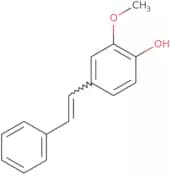
Fórmula:C10H13NO5Pureza:Min. 95%Cor e Forma:PowderPeso molecular:227.21 g/mol4-Hydroxy-3-methoxystilbene
CAS:4-Hydroxy-3-methoxystilbene is a natural phenolic compound found in plants. It is an olefinic peroxide that is unreactive and pressurized under normal conditions. It has been isolated from the leaves of the plant, Stilbocarpa erythrophylla, which grows in the tropical forests of Malaysia. The structure of 4-hydroxy-3-methoxystilbene was determined by chromatographic analysis and hydrogen peroxide plates. Phase chromatography was used to separate 4-hydroxy-3-methoxystilbene from other compounds with similar structures, such as acetylated flavonoids or hydroxylated flavonoids. The melting point of 4-hydroxy-3-methoxystilbene was determined by temperature measurements, and its ultraviolet spectrophotometry was used to detect the presence of a hydroxyl group in its chemical structure.
Fórmula:C15H14O2Pureza:Min. 95%Cor e Forma:PowderPeso molecular:226.27 g/mol2'-Hydroxy-2,4,4'-trimethoxychalcone
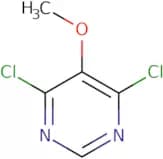
CAS:2'-Hydroxy-2,4,4'-trimethoxychalcone is a fine chemical that is used as a building block in research and development of pharmaceuticals. It is an intermediate for the production of drugs such as antibiotics, antiviral agents, and antifungals. 2'-Hydroxy-2,4,4'-trimethoxychalcone has also been shown to be useful for the synthesis of complex compounds with versatile applications.Fórmula:C18H18O5Pureza:Min. 95%Cor e Forma:PowderPeso molecular:314.33 g/mol4,6-Dichloro-5-methoxypyrimidine
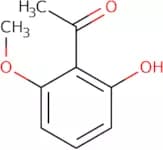
CAS:4,6-Dichloro-5-methoxypyrimidine is a reactive intermediate in the synthesis of sulfadoxine. It is a chlorinating agent that reacts with alkanes and alkenes to produce halogenated products. 4,6-Dichloro-5-methoxypyrimidine can be used as a reagent to synthesize malonic acid and formamide. This compound has been used as an isotopic label for studies of the efficiency of the reaction between malonic acid and formamide. The chloride ions are used in this study to monitor the reaction rate. 4,6-Dichloro-5-methoxypyrimidine is also an intermediate in the synthesis of sulfanilamide and aminophenol.Fórmula:C5H4Cl2N2OPureza:Min. 95%Cor e Forma:PowderPeso molecular:179 g/mol2-Hydroxy-6-methoxyacetophenone
CAS:2-Hydroxy-6-methoxyacetophenone is a chalcone that belongs to the group of flavonoids. It has been shown to have anticancer properties, inhibiting the growth of colorectal carcinoma cells in a dose-dependent manner. The mechanism of action for 2-hydroxy-6-methoxyacetophenone is not fully understood, but it may be due to its ability to inhibit the enzyme demethylase and induce apoptosis. This compound also has been shown to inhibit the growth of Escherichia coli and Salmonella typhimurium when used at high concentrations. 2-Hydroxy-6-methoxyacetophenone can be synthesized by reacting ethyl acetoacetate with two equivalents of methylamine in the presence of a base such as sodium methoxide or potassium hydroxide.
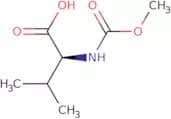
2-Hydroxy-6-methoxyacetophenone has also been shown to inhibitFórmula:C9H10O3Pureza:Min. 95%Cor e Forma:PowderPeso molecular:166.17 g/mol(S)-2-((Methoxycarbonyl)amino)-3-methylbutanoic acid
CAS:(S)-2-((Methoxycarbonyl)amino)-3-methylbutanoic acid is a synthetic molecule that has been studied for its antiviral activity against hepatitis C virus. The compound was found to inhibit the replication of the virus, with an IC50 of 0.5 mM in cell culture studies. It also inhibited the replicon and reaction yield of the virus in vitro. (S)-2-((Methoxycarbonyl)amino)-3-methylbutanoic acid is effective against genotype 1 and 2, but not against genotype 3. It is active against a broad range of HCV isolates, including those resistant to other drugs such as ribavirin or telaprevir. The drug has been shown to be well tolerated in animals and humans. END>
Fórmula:C7H13NO4Pureza:Min. 95%Cor e Forma:White PowderPeso molecular:175.18 g/mol


![(+)-N-[1-(S)-Ethoxycarbonxyl-3-phenylpropyl]-L-alanine](/_next/image/?url=https%3A%2Fstatic.cymitquimica.com%2Fproducts%2F3D%2Fthumb-webp%2FFE22880.webp&w=3840&q=75)
![N-[4-(2-Hydrazino-2-oxoethoxy)phenyl]acetamide](/_next/image/?url=https%3A%2Fstatic.cymitquimica.com%2Fproducts%2F3D%2Fthumb-webp%2FFH131261.webp&w=3840&q=75)

![3-[4-(trifluoromethoxy)phenyl]propanoicacid](/_next/image/?url=https%3A%2Fstatic.cymitquimica.com%2Fproducts%2F3D%2Fthumb-webp%2FFT154405.webp&w=3840&q=75)


![7,8-Dimethoxy-9-oxo-9H-indeno[1,2-B]pyrazine-2,3-dicarbonitrile](/_next/image/?url=https%3A%2Fstatic.cymitquimica.com%2Fproducts%2F3D%2Fthumb-webp%2FFD64927.webp&w=3840&q=75)