Éteres
Foram encontrados 40902 produtos de "Éteres"
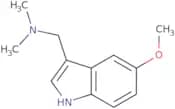
5-Methoxygramine
CAS:Produto Controlado5-Methoxygramine is a metabolic intermediate which is an analog of 5-hydroxytryptamine (5-HT). It has been shown to increase blood pressure and reduce the activity of the 5-HT2C receptor. This drug also has been found to inhibit the growth of some cancer cells in vitro, but it does not affect normal cells. It can be used as a tool for identifying compounds that may have similar effects. The binding affinity of 5-methoxygramine for the 5-HT2C receptor was measured by displacement experiments with 3H-spiperone. The effect of this compound on dopamine release from rat striatal slices was studied by measuring electrical activity in isolated heart preparations. The effect of this compound on leishmania infection was studied using infected mice and isolated heart preparations.
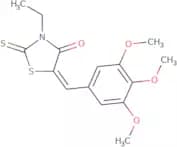
Fórmula:C12H16N2OPureza:Min. 95%Cor e Forma:PowderPeso molecular:204.27 g/mol3-ethyl-2-thioxo-5-((3,4,5-trimethoxyphenyl)methylene)-1,3-thiazolidin-4-one
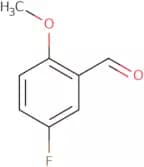
CAS:Please enquire for more information about 3-ethyl-2-thioxo-5-((3,4,5-trimethoxyphenyl)methylene)-1,3-thiazolidin-4-one including the price, delivery time and more detailed product information at the technical inquiry form on this pagePureza:Min. 95%5-Fluoro-2-methoxybenzaldehyde
CAS:5-Fluoro-2-methoxybenzaldehyde is an inhibitor that blocks the enzyme acetylcholinesterase. It has been shown to be useful in the synthesis of a variety of drugs, including anticancer agents and antibiotics. 5-Fluoro-2-methoxybenzaldehyde is used in the industrial production of acetonitrile and can also be found in small quantities as a natural component of many fruits and vegetables. It is also used as a precursor for other chemicals, such as pharmaceuticals and pesticides. The compound is generally synthesized by condensation reactions involving benzaldehyde, acetamide, and formaldehyde. This chemical has been studied in medicinal chemistry because it can inhibit bacterial growth by binding to DNA gyrase.Fórmula:C8H7FO2Pureza:Min. 95%Cor e Forma:White PowderPeso molecular:154.14 g/mol(2-methoxyethyl)((2-nitrophenyl)sulfonyl)amine
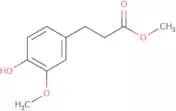
CAS:Please enquire for more information about (2-methoxyethyl)((2-nitrophenyl)sulfonyl)amine including the price, delivery time and more detailed product information at the technical inquiry form on this pagePureza:Min. 95%β-(4-Hydroxy-3-methoxyphenyl)propionic acid methyl ester
CAS:β-(4-Hydroxy-3-methoxyphenyl)propionic acid methyl ester is a fine chemical used as a building block in the synthesis of pharmaceuticals, agrochemicals, and other chemicals. It is also used as a reagent for the detection of alkaloids and for the preparation of valuable speciality chemicals. β-(4-Hydroxy-3-methoxyphenyl)propionic acid methyl ester is an intermediate in organic reactions or can be used to synthesize complex compounds such as antibiotics. It is also an important scaffold that can be modified to produce new drugs with different properties.Fórmula:C11H14O4Pureza:Min. 95%Cor e Forma:Clear LiquidPeso molecular:210.23 g/mol6,9-Dichloro-2-methoxyacridine
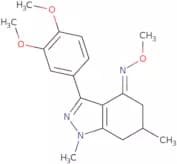
CAS:6,9-Dichloro-2-methoxyacridine (DCA) is a fluorescent probe that can be used to measure the cytosolic Ca2+ concentration in mammalian cells. DCA binds to chloride ions and emits a fluorescence signal proportional to the cytosolic Ca2+ concentration. The binding constants for DCA and chloride are low, which makes this probe an ideal candidate for measuring cytosolic Ca2+. DCA has been shown to inhibit cancer cell growth by decreasing mitochondrial membrane potential. This effect may be caused by the inhibition of mitochondrial ATP production or the disruption of ion transport across the mitochondrial membrane.Fórmula:C14H9Cl2NOPureza:Min. 95%Cor e Forma:Slightly Yellow PowderPeso molecular:278.13 g/mol3-(3,4-dimethoxyphenyl)-1,6-dimethyl-(5,6,7-trihydro1H-indazol)-4-O-methyloxime
CAS:Please enquire for more information about 3-(3,4-dimethoxyphenyl)-1,6-dimethyl-(5,6,7-trihydro1H-indazol)-4-O-methyloxime including the price, delivery time and more detailed product information at the technical inquiry form on this page
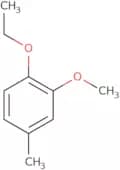
Pureza:Min. 95%4-Ethoxy-3-methoxytoluene
CAS:4-Ethoxy-3-methoxytoluene is a fine chemical that has been used as a building block in the synthesis of other chemicals. It is also used as a research chemical and a reagent. 4-Ethoxy-3-methoxytoluene can be used to form various compounds with different functional groups. It can be used as an intermediate for the synthesis of drugs or polymers, or as a reaction component in organic reactions. The CAS number for 4-Ethoxy-3-methoxytoluene is 33963-27-8.
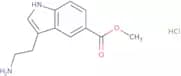
Fórmula:C10H14O2Pureza:Min. 95%Cor e Forma:PowderPeso molecular:166.22 g/mol5-Carbomethoxytryptamine hydrochloride
CAS:5-Carbomethoxytryptamine hydrochloride is a chemical building block that can be used as a reaction component for organic synthesis. It is a versatile intermediate and can be used in the production of fine chemicals, such as pharmaceuticals, dyestuffs, and pesticides. 5-Carbomethoxytryptamine hydrochloride is also an important reagent in both organic synthesis and analytical chemistry. The compound belongs to the group of indole alkaloids, which are found in plants of the Apocynaceae family. CAS No.: 74884-81-4.Fórmula:C12H14N2O2·HClPureza:Min. 95%Cor e Forma:PowderPeso molecular:254.71 g/mol5-Iodo-2-methoxybenzonitrile
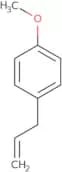
CAS:5-Iodo-2-methoxybenzonitrile is a fine chemical that is used as a building block in the synthesis of other chemicals or pharmaceuticals. The compound reacts with strong bases to produce an aryl amine and iodoethane, and can be used to make derivatives as well. 5-Iodo-2-methoxybenzonitrile has a number of uses, including as a research chemical, reagent, specialty chemical, and intermediate. It is also useful in the synthesis of other complex compounds. 5-Iodo-2-methoxybenzonitrile belongs to the group of organoiodine compounds that are classified as speciality chemicals. This compound has CAS number 933672-32-3.Fórmula:C8H6INOCor e Forma:PowderPeso molecular:259.04 g/mol1-Methoxy-4-(2-propenyl)benzene
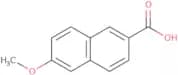
CAS:1-Methoxy-4-(2-propenyl)benzene is a natural compound that has been found to have insecticidal properties. It is used in the synthesis of eugenol and estragole, which are important components in the flavor industry. The optimum concentration of 1-methoxy-4-(2-propenyl)benzene for killing insects is around 0.1%. In toxicity studies, it has been shown to be carcinogenic in rats and mice. However, this chemical's effect on humans is not well understood at this time.Fórmula:C10H12OPureza:Min. 95%Cor e Forma:Clear LiquidPeso molecular:148.2 g/mol6-Methoxy-2-naphthoic acid
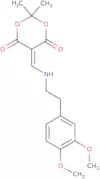
CAS:6-Methoxy-2-naphthoic acid (MN) is a cavity amide that has been shown to have an inhibitory effect on the growth of cancer cells. MN has been found to be more effective in inhibiting β-amyrin than caffeine, which may be due to its increased lipophilicity. It also has a higher affinity for adriamycin and enhances its anticancer effects. MN has been shown to be beneficial in treating diabetic patients, as it can reduce blood glucose levels by stimulating insulin release. The pharmacokinetic properties of MN are similar to those of other cavity amides, with rapid absorption and distribution throughout the body. This compound is metabolized in the liver by CYP2C8, CYP2C9, CYP3A4 and CYP3A5 enzymes. Molecular docking analysis of MN with β-amyrin showed that there was a strong interaction between them due to their complementary shapes and charge distributionsFórmula:C12H10O3Pureza:Min. 98 Area-%Cor e Forma:PowderPeso molecular:202.21 g/mol5-(((2-(3,4-dimethoxyphenyl)ethyl)amino)methylene)-2,2-dimethyl-1,3-dioxane-4,6-dione
CAS:Please enquire for more information about 5-(((2-(3,4-dimethoxyphenyl)ethyl)amino)methylene)-2,2-dimethyl-1,3-dioxane-4,6-dione including the price, delivery time and more detailed product information at the technical inquiry form on this pagePureza:Min. 95%7,8-Dimethoxy-9-oxo-9H-indeno[1,2-B]pyrazine-2,3-dicarbonitrile
CAS:7,8-Dimethoxy-9-oxo-9H-indeno[1,2-B]pyrazine-2,3-dicarbonitrile is a fine chemical that is useful for research and as a building block in the synthesis of more complex compounds. It can be used in the synthesis of a range of pharmaceuticals and other chemicals. 7,8-Dimethoxy-9-oxo-9H-indeno[1,2-B]pyrazine is also an excellent reagent for the preparation of other compounds. This compound has been shown to bind to DNA and RNA and its reaction with nucleophiles produces a variety of products.
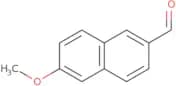
Fórmula:C15H8N4O3Pureza:Min. 95%Cor e Forma:Yellow To Red SolidPeso molecular:292.25 g/mol6-Methoxy-2-naphthaldehyde
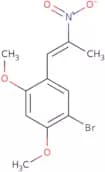
CAS:6-Methoxy-2-naphthaldehyde is a nonsteroidal antiinflammatory drug that belongs to the class of naphthalenes. It inhibits the formation of inflammatory prostaglandins, which are mediators of pain and inflammation. 6-Methoxy-2-naphthaldehyde has been shown to have cytotoxic effects on cancer cells and in vitro studies have shown that it can induce cell lysis. It has also been shown to be a potent fluorescence probe for use in biological applications. This compound binds to human serum proteins by hydrogen bonding interactions, which may affect its pharmacokinetic properties. In addition, this compound has been shown to inhibit the activity of detoxification enzymes such as CYP 2C9 and 2D6 at high concentrations, which may lead to unwanted side effects such as nausea or vomiting. The molecular docking analysis of 6-Methoxy-2-naphthaldehyde with the active site of human liver alcohol dehydrogenFórmula:C12H10O2Pureza:Min. 98 Area-%Cor e Forma:PowderPeso molecular:186.21 g/mol5-Bromo-2,4-dimethoxy-β-methylnitrostyrene
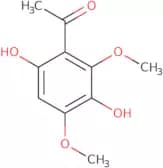
CAS:5-Bromo-2,4-dimethoxy-beta-methylnitrostyrene is a fine chemical that is an important reagent and building block. It can be used as a reaction component or intermediate for the synthesis of more complex compounds. 5-Bromo-2,4-dimethoxy-beta-methylnitrostyrene can also be used as a versatile building block to produce high quality complex compounds. The compound has been shown to have a high level of purity and is suitable for use in research or speciality chemicals.Fórmula:C11H12BrNO4Pureza:Min. 95%Cor e Forma:PowderPeso molecular:302.12 g/mol3,6-Dihydroxy-2,4-dimethoxyacetophenone
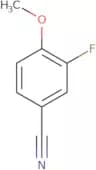
CAS:3,6-Dihydroxy-2,4-dimethoxyacetophenone is an aromatic compound that has a molecular structure with hydrogen-bonded groups. It also contains both acetoxy and intramolecular substituents. 3,6-Dihydroxy-2,4-dimethoxyacetophenone is used in research as a starting material for the synthesis of other compounds. It is also used to study the dihedral angles in molecules due to the presence of two asymmetric carbon atoms.Fórmula:C10H12O5Pureza:Min. 95%Cor e Forma:PowderPeso molecular:212.2 g/mol3-Fluoro-4-methoxybenzonitrile
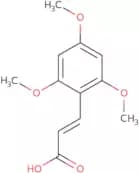
CAS:3-Fluoro-4-methoxybenzonitrile is a ferroelectric liquid crystal chiral molecule. It can be synthesized industrially by the reaction of 3-fluoro-4-methoxybenzoyl chloride with sodium methoxide. The synthesis is scalable and leads to high yields. 3-Fluoro-4-methoxybenzonitrile has been used in the synthesis of other ferroelectric liquid crystals, such as 4-(3′,5′-diiodophenyl)pentaerythritol triacrylate and 3,5′-(1H,1′H) -dibenzothiophene. This compound also displays nematic phase behavior at room temperature when in contact with a nematic director. Polarization data for this substance are available from experiments on thin films.Fórmula:C8H6FNOPureza:Min. 95%Cor e Forma:PowderPeso molecular:151.14 g/mol2,4,6-Trimethoxycinnamic acid
CAS:2,4,6-Trimethoxycinnamic acid is a cinnamoyl compound that can be isolated from the seeds of Garcinia gummi-guta. This compound has been synthesised and optimised for use as an antioxidant in food and cosmetic products. 2,4,6-Trimethoxycinnamic acid has a high product yield under isothermal conditions using β-cyclodextrin as a solvent. It also shows good stability in the presence of light. 2,4,6-Trimethoxycinnamic acid has been shown to be efficient in preventing oxidation reactions by acting as a scavenger of singlet oxygen and peroxyl radicals. The analytical data obtained from this study suggests that 2,4,6-Trimethoxycinnamic acid will not produce any moieties or photostability problems when used in these applications.Fórmula:C12H14O5Pureza:Min. 95%Cor e Forma:PowderPeso molecular:238.24 g/mol3-Carbethoxy-2-piperidone
CAS:3-Carbethoxy-2-piperidone is a cycloaddition product of formaldehyde and an amine. This reaction proceeds through the formation of a dicarbonyl intermediate, which then reacts with chloride to form the final product. The absorption maximum of 3-carboxy-2-piperidone is at 270 nm, and its structure can be determined by using infrared spectroscopy. 3-Carbethoxy-2-piperidone has a dipole moment of 1.3 D and is electron deficient due to the absence of a hydrogen atom on the nitrogen atom. It also has an amido group (C=O) that is bonded to the carbonyl group (C=O).
3-Carbethoxy-2-piperidone is not soluble in water, but it does dissolve in polar organic solvents such as acetone or dimethylformamide (DMF). The chemical reactionsFórmula:C8H13NO3Cor e Forma:White PowderPeso molecular:171.19 g/mol2-Methoxy-1-[(4-methylphenyl)sulphinyl]benzene
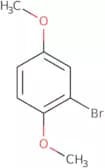
CAS:2-Methoxy-1-[(4-methylphenyl)sulphinyl]benzene is a reagent and useful intermediate that is used in the synthesis of complex compounds. This chemical has been shown to be a useful scaffold for the synthesis of natural products. It can also be used as a building block in the synthesis of speciality chemicals and research chemicals, as well as versatile building blocks in reactions.Fórmula:C14H14O2SPureza:Min. 95%Peso molecular:246.33 g/mol1-Bromo-2,5-dimethoxybenzene
CAS:1,2-Bromo-2,5-dimethoxybenzene is a methylating agent that can be used in Friedel-Crafts acylation reactions. It reacts with hydrochloric acid to yield 1,2-dibromoethane and hydrogen peroxide. The product of the reaction is a mixture of chloride and alkylation products. Bromine is released as a byproduct in this reaction. This agent has been shown to be useful in the synthesis of compounds containing C=N bonds such as dienolates and amides.Fórmula:C8H9BrO2Pureza:Min. 95%Peso molecular:217.06 g/mol2-Cyano-N-[2-(3,4-dimethoxyphenyl)ethyl]acetamide
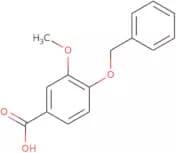
CAS:Please enquire for more information about 2-Cyano-N-[2-(3,4-dimethoxyphenyl)ethyl]acetamide including the price, delivery time and more detailed product information at the technical inquiry form on this pageFórmula:C13H16N2O3Pureza:Min. 95%Peso molecular:248.28 g/mol4-Benzyloxy-3-methoxybenzoic acid
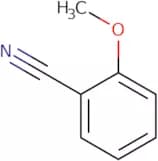
CAS:4-Benzyloxy-3-methoxybenzoic acid is an isomeric compound that is decarboxylated to 4-hydroxy-3-methoxybenzoic acid. It has been shown to inhibit tumor growth and induce apoptosis in HCT116 human lung cancer cells. The mechanism of action may be due to the inhibition of amine synthesis by vanillyl alcohol and oxygenated metabolites.Fórmula:C15H14O4Pureza:Min. 90%Peso molecular:258.27 g/mol2-Methoxybenzonitrile
CAS:2-Methoxybenzonitrile is a reactive molecule that can undergo a variety of reactions. In simulations, 2-methoxybenzonitrile reacts with carbon tetrachloride to form chlorobenzene and hydrochloric acid. The reaction mechanism involves the metal surface, which is believed to act as a catalyst and transfer the molecule to the receptor binding site on the substrate molecule. 2-Methoxybenzonitrile has been shown to react with various functional groups on a substrate molecule, including ester, amide, nitrile, sulfide, sulfone, and phosphate groups. This reaction system also produces different reaction products depending on the type of functional group.
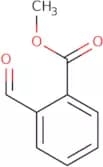
Fórmula:C8H7NOPureza:Min. 95%Cor e Forma:Clear LiquidPeso molecular:133.15 g/mol2-Carbomethoxybenzaldehyde
CAS:2-Carbomethoxybenzaldehyde (2CMB) is a synthetic chemical compound that has been used as an efficient method for the synthesis of amines. The carbonyl group in 2CMB reacts with nucleophiles, such as amines, to form a tetrahydroisoquinoline derivative. This nucleophilic attack leads to the formation of an unstable intermediate that can be isolated and purified by trifluoroacetic acid (TFA). 2CMB is also used in the synthesis of quinoline derivatives and naphthalene derivatives. The acidic properties of 2CMB allow it to react with carboxylic acids, leading to the formation of esters.
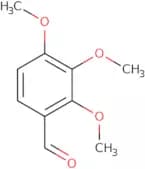
Fórmula:C9H8O3Pureza:Min. 95%Cor e Forma:Colorless PowderPeso molecular:164.16 g/mol2,3,4-Trimethoxybenzaldehyde
CAS:2,3,4-Trimethoxybenzaldehyde is a hydroxylated aromatic compound that is used as a dietary supplement. It is found in the natural form of zirconium oxide and has been shown to have cancer-fighting properties. It has also been shown to be able to inhibit the growth of liver cancer cells in vitro and in vivo models. The mechanism of 2,3,4-trimethoxybenzaldehyde's ability to inhibit cancer growth is not fully understood but it may be due to its ability to react with reactive oxygen species and its ability to bind with methoxy groups and benzyl groups.
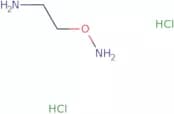
Fórmula:C10H12O4Pureza:Min. 95%Cor e Forma:PowderPeso molecular:196.2 g/mol2-Aminoethoxyamine dihydrochloride
CAS:2-Aminoethoxyamine dihydrochloride is a cardiotonic, which is a chemical agent that acts on the heart to increase contractility. It has been shown to be more efficient and less toxic than other cardiotonics. 2-Aminoethoxyamine dihydrochloride has been found to act as an epoxidizing agent and can be used in the synthesis of istaroxime, an inhibitor of cholesterol biosynthesis.2-Aminoethoxyamine dihydrochloride also reacts with dehydroepiandrosterone to form 2-aminoethoxyamidine hydrochloride.Fórmula:C2H10Cl2N2OPureza:Min. 95%Cor e Forma:PowderPeso molecular:149.02 g/mol1-Chloro-2-(2-methoxyethoxy)ethane
CAS:Please enquire for more information about 1-Chloro-2-(2-methoxyethoxy)ethane including the price, delivery time and more detailed product information at the technical inquiry form on this page
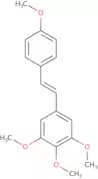
Fórmula:C5H11ClO2Pureza:Min. 95%Cor e Forma:Clear Colourless LiquidPeso molecular:138.59 g/moltrans-3,4,5,4'-Tetramethoxystilbene
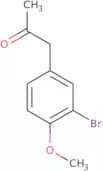
CAS:Trans-3,4,5,4'-tetramethoxystilbene is a potential anti-cancer drug that inhibits the growth of prostate cancer cells. It has been shown to inhibit the activity of cytochrome P450 enzymes and induce apoptosis in prostate cancer cells. Trans-3,4,5,4'-tetramethoxystilbene also has an inhibitory effect on angiogenesis and induces apoptosis in breast cancer cells. This compound is not readily absorbed from the gastrointestinal tract and has low bioavailability due to its chemical properties. Trans-3,4,5,4'-tetramethoxystilbene binds to DNA and inhibits transcription by competitive inhibition of RNA polymerase II and III.Fórmula:C18H20O4Pureza:Min. 95%Cor e Forma:PowderPeso molecular:300.35 g/mol(5-Bromo-4-methoxyphenyl)acetone
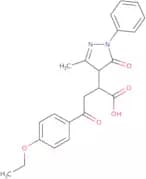
CAS:5-Bromo-4-methoxyphenyl)acetone (BMA) is a versatile building block that is used in the production of fine chemicals, research chemicals, and reagents. It has been shown to be a useful scaffold for the synthesis of complex compounds. BMA is also an intermediate for the production of other chemicals. This chemical has been shown to have high quality with a wide range of uses as a reaction component or useful scaffold.Fórmula:C10H11BrO2Pureza:Min. 95%Peso molecular:243.1 g/mol4-(4-Ethoxyphenyl)-2-(3-methyl-5-oxo-1-phenyl(2-pyrazolin-4-yl))-4-oxobutanoic acid
CAS:Please enquire for more information about 4-(4-Ethoxyphenyl)-2-(3-methyl-5-oxo-1-phenyl(2-pyrazolin-4-yl))-4-oxobutanoic acid including the price, delivery time and more detailed product information at the technical inquiry form on this page
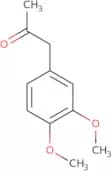
Pureza:Min. 95%(3,4-Dimethoxyphenyl)acetone
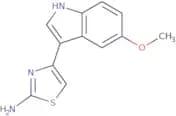
CAS:(3,4-Dimethoxyphenyl)acetone is a compound that has been used in the synthesis of chiral drugs. It is a reactive carbonyl group with an alcohol group and a methyl ethyl acylation reaction. The biological properties of this compound are not known, but it can be used in the synthesis of amines. This chemical can also be found in urine samples and is commonly used as a testicular marker.Fórmula:C11H14O3Pureza:Min. 97 Area-%Cor e Forma:Clear LiquidPeso molecular:194.23 g/mol4-(5-Methoxy-1H-indol-3-yl)-1,3-thiazol-2-amine
CAS:4-(5-Methoxy-1H-indol-3-yl)-1,3-thiazol-2-amine is a useful scaffold that can be used in the synthesis of drugs and other chemical compounds. 4-(5-Methoxy-1H-indol-3-yl)-1,3-thiazol-2-amine is a fine chemical with CAS no. 3624611454. It has been shown to react as a useful intermediate for the preparation of complex compounds. This compound has also been used in research as a reagent and reaction component.Fórmula:C12H11N3OSPureza:Min. 95%Cor e Forma:PowderPeso molecular:245.3 g/mol9-[2-(Diethylphosphonomethoxy)ethyl]adenine
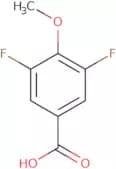
CAS:9-[2-(Diethylphosphonomethoxy)ethyl]adenine is a synthetic analog of adenine that is used as a pharmaceutical agent. It is an antiviral drug that prevents the synthesis of DNA and RNA in viruses, including papillomavirus, paramyxovirus, and filtration. 9-[2-(Diethylphosphonomethoxy)ethyl]adenine is also used to treat bromic conjugates and modifications. The chemical formula for this compound is C14H14N4O2P.Fórmula:C12H20N5O4PPureza:Min. 95%Cor e Forma:White PowderPeso molecular:329.29 g/mol3,5-Difluoro-4-methoxybenzoic acid
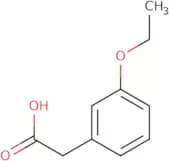
CAS:3,5-Difluoro-4-methoxybenzoic acid is a chemical compound that is used as both a starting material and an intermediate in organic synthesis. It can be obtained from the reaction of 2,4-difluoro-3-methoxybenzoyl chloride with 3,5-dimethoxyaniline. 3,5-Difluoro-4-methoxybenzoic acid has been shown to be useful as a building block in the synthesis of other compounds with potent antibiotic activity such as fluoroquinolones. This compound is also used to synthesize aminomethylcyclohexane and methylaminomethylcyclohexane, which are useful in the manufacture of pesticides.Fórmula:C8H6F2O3Pureza:Min. 95%Cor e Forma:PowderPeso molecular:188.13 g/mol(3-Ethoxyphenyl)acetic acid
CAS:3-Ethoxyphenylacetic acid is a reagent and building block that can be used in the synthesis of pharmaceuticals and agrochemicals. This compound is also a versatile building block that can be used to synthesize a variety of other compounds, including amino acids, peptides, and drugs. 3-Ethoxyphenylacetic acid is soluble in water, alcohols, ethers, acetone, chloroform, benzene, and carbon tetrachloride. It has an mp at 115°C. The CAS number for this compound is 72775-83-8.Fórmula:C10H12O3Pureza:Min. 95%Cor e Forma:PowderPeso molecular:180.2 g/mol3-Hydroxy-7,2',4',5'-tetramethoxychalcone
3-Hydroxy-7,2',4',5'-tetramethoxychalcone is a versatile building block that can be used as a reagent or in the synthesis of fine chemicals. It is an intermediate or reaction component that has been found to be useful in the synthesis of complex compounds. This compound is also of high quality and can be used as a scaffold in the synthesis of new molecules. 3-Hydroxy-7,2',4',5'-tetramethoxychalcone is a speciality chemical, with CAS No. 55006-57-3 and molecular weight of 245.
Pureza:Min. 95%3,4-Dimethoxyaniline
CAS:3,4-Dimethoxyaniline is a reactive compound that is used as an inhibitor in chemical reactions to prevent unwanted side-reactions. 3,4-Dimethoxyaniline inhibits the enzyme diazonium salt from binding to biological receptors by reacting with it and converting it into a harmless product. 3,4-Dimethoxyaniline has been shown to inhibit epidermal growth factor (EGF) receptor binding in rat liver microsomes. This inhibition can be reversed by adding redox potential. The presence of malonic acid in the reaction solution increases the production of 3,4-dimethoxyaniline. It also has been shown that this compound enhances congestive heart failure and has properties similar to those of malonic acid.
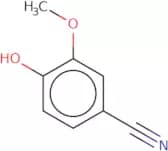
Fórmula:C8H11NO2Pureza:Min. 95%Cor e Forma:PowderPeso molecular:153.18 g/mol4-Hydroxy-3-methoxybenzonitrile
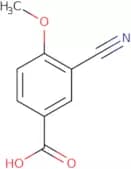
CAS:4-Hydroxy-3-methoxybenzonitrile is a synthetic compound that is used in the synthesis of a variety of other organic compounds. The hydroxyl group on the 3-position of this molecule reacts with nitrogen nucleophiles, such as tetrazole, to form amides. 4-Hydroxy-3-methoxybenzonitrile also has the ability to act as a substrate for tyrosinase and demethylate. This property makes it useful in the synthesis of linear dNMPs and oligodeoxynucleotides.Fórmula:C8H7NO2Pureza:Min. 98%Cor e Forma:PowderPeso molecular:149.15 g/mol3-Cyano-4-methoxybenzoic acid
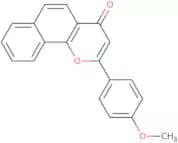
CAS:3-Cyano-4-methoxybenzoic acid is a white crystalline solid that is soluble in water. This compound is a useful intermediate for the synthesis of other organic compounds, as well as a useful scaffold for the synthesis of complex compounds. 3-Cyano-4-methoxybenzoic acid also has potential use as a research chemical, and can be used as an effective building block for the preparation of fine chemicals. 3-Cyano-4-methoxybenzoic acid may be used to produce speciality chemicals such as pharmaceuticals, dyes, pesticides, and perfumes. It can also be used to synthesize compounds with diverse functionalities.Fórmula:C9H7NO3Pureza:Min. 95%Cor e Forma:SolidPeso molecular:177.16 g/mol4'-Methoxy-α-naphthoflavone
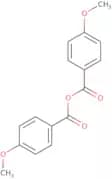
CAS:4'-Methoxy-alpha-naphthoflavone is a flavonoid that has been shown to have inhibitory effects on the metabolism of 3-methylcholanthrene and other xenobiotics. The compound inhibits the oxidation of these compounds by both the cytochrome P450 and NADPH-dependent oxidases. 4'-Methoxy-alpha-naphthoflavone also inhibits the activation of these compounds by hepatic tissues, as well as the metabolism of phenobarbital by rat liver microsomes. The compound may be metabolized in vivo to 4'-hydroxy-alpha-naphthoflavone, which is more potent than 4'-methoxy-alpha-naphthoflavone.Fórmula:C20H14O3Pureza:Min. 95%Peso molecular:302.32 g/mol4-Methoxybenzoic anhydride
CAS:4-Methoxybenzoic anhydride is a nonsteroidal anti-inflammatory drug (NSAID) that has a hydroxy group, which makes it susceptible to nucleophilic attack. The reaction mechanism of 4-methoxybenzoic anhydride involves hydroxyl group and phosphorus pentachloride. Kinetic data for the reaction was obtained from kinetic studies. The kinetic study found that the rate of the reaction increased with increasing concentration of amines and amides in the reaction mixture. 4-Methoxybenzoic anhydride has been shown to have antiinflammatory activity in various tests on animals, including rats, guinea pigs, and rabbits. The mechanism of this activity may be due to its ability to inhibit prostaglandin synthesis by blocking cyclooxygenase enzyme activity.
Fórmula:C16H14O5Pureza:Min. 95%Cor e Forma:PowderPeso molecular:286.28 g/mol3,4-Dimethoxybenzonitrile
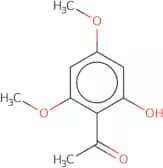
CAS:3,4-Dimethoxybenzonitrile is a chemical compound with the formula CH(OCOCH)CO. It is a white solid that can be synthesized by reacting aniline and nitroethane in the presence of hydrochloric acid. 3,4-Dimethoxybenzonitrile has been shown to have neuroprotective properties and can be used to treat strokes and other neurological disorders. 3,4-Dimethoxybenzonitrile has also been shown to inhibit cell growth in culture at concentrations as low as 0.1 mM, which may be due to its ability to bind DNA via electron donation from the methoxy group.Fórmula:C9H9NO2Pureza:Min. 95%Cor e Forma:PowderPeso molecular:163.17 g/mol2-Hydroxy-4,6-dimethoxyacetophenone
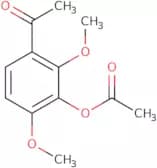
CAS:2-Hydroxy-4,6-dimethoxyacetophenone is a natural compound that has been shown to have significant cytotoxicity in vitro against human colon cancer cells. This compound may be used as an alternative treatment for bowel disease and other conditions by blocking the apoptosis pathway. 2-Hydroxy-4,6-dimethoxyacetophenone binds to DNA, preventing DNA from polymerizing into chromatin and halting the cell cycle. It also inhibits the production of xanthoxylin, which is involved in the formation of cell nuclei. The mechanism of action for this drug is similar to that of chemical pesticides and radiation treatment.Fórmula:C10H12O4Pureza:Min. 95%Cor e Forma:PowderPeso molecular:196.2 g/mol3-Acetoxy-2,4-dimethoxyacetophenone
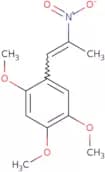
CAS:3-Acetoxy-2,4-dimethoxyacetophenone is a chemical building block that has been shown to be useful in the synthesis of complex compounds. This compound can be used as a reaction component and reagent in organic synthesis. 3-Acetoxy-2,4-dimethoxyacetophenone can be used as a versatile building block for the synthesis of high quality research chemicals and speciality chemicals. It is also a useful intermediate for the preparation of fine chemicals such as pharmaceuticals, agrochemicals, and dyestuffs. 3-Acetoxy-2,4-dimethoxyacetophenone has CAS number 63604-86-4.Fórmula:C12H14O5Pureza:Min. 95%Peso molecular:238.24 g/mol1-(2,4,5-Trimethoxyphenyl)-2-nitropropene
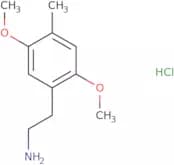
CAS:1-(2,4,5-Trimethoxyphenyl)-2-nitropropene is a fine chemical that can be used as a building block in organic synthesis. It is also an intermediate or scaffold for the preparation of other compounds. 1-(2,4,5-Trimethoxyphenyl)-2-nitropropene has been used in the synthesis of many pharmaceuticals and natural products. The compound has high purity and quality.Fórmula:C12H15NO5Pureza:Min. 95%Cor e Forma:PowderPeso molecular:253.25 g/mol2,5-Dimethoxy-4-methylphenethylamine hydrochloride
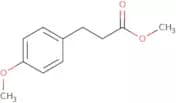
CAS:Produto ControladoPlease enquire for more information about 2,5-Dimethoxy-4-methylphenethylamine hydrochloride including the price, delivery time and more detailed product information at the technical inquiry form on this pageFórmula:C11H18ClNO2Pureza:Min. 98 Area-%Peso molecular:231.72 g/molMethyl 4-methoxyphenylpropionate
CAS:Methyl 4-methoxyphenylpropionate is a pyridine derivative that is used as a solvent, reagent, and intermediate in organic synthesis. It has been shown to be a marker for aerosols in the environment and has been detected in the atmosphere of Beijing, China. The methyl ester can also be used to synthesize dienones and benzyl mesylates.
Fórmula:C11H14O3Pureza:Min. 95%Cor e Forma:PowderPeso molecular:194.23 g/mol3-Ethoxybenzoyl chloride
CAS:3-Ethoxybenzoyl chloride is a versatile building block that can be used to synthesize complex compounds. It has been shown as a useful intermediate in research and development, as well as being a reagent for the synthesis of other chemicals. 3-Ethoxybenzoyl chloride is also a high quality chemical with a variety of uses, including as an intermediate in organic reactions and as a scaffold for the preparation of other chemical compounds.Fórmula:C9H9ClO2Pureza:Min. 80%Cor e Forma:PowderPeso molecular:184.62 g/mol



![7,8-Dimethoxy-9-oxo-9H-indeno[1,2-B]pyrazine-2,3-dicarbonitrile](/_next/image/?url=https%3A%2Fstatic.cymitquimica.com%2Fproducts%2F3D%2Fthumb-webp%2FFD64927.webp&w=3840&q=75)

![2-Methoxy-1-[(4-methylphenyl)sulphinyl]benzene](/_next/image/?url=https%3A%2Fstatic.cymitquimica.com%2Fproducts%2F3D%2Fthumb-webp%2FFM66194.webp&w=3840&q=75)
![2-Cyano-N-[2-(3,4-dimethoxyphenyl)ethyl]acetamide](/_next/image/?url=https%3A%2Fstatic.cymitquimica.com%2Fproducts%2F3D%2Fthumb-webp%2FFC131318.webp&w=3840&q=75)

![9-[2-(Diethylphosphonomethoxy)ethyl]adenine](/_next/image/?url=https%3A%2Fstatic.cymitquimica.com%2Fproducts%2F3D%2Fthumb-webp%2FFD10109.webp&w=3840&q=75)