Éteres
Foram encontrados 40902 produtos de "Éteres"
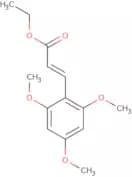
Ethyl 2,4,6-trimethoxycinnamate
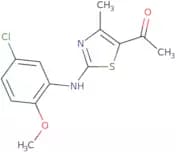
CAS:Ethyl 2,4,6-trimethoxycinnamate is a fine chemical that is a useful scaffold for the synthesis of other compounds. It is used as a versatile building block in the synthesis of research chemicals and as an intermediate in the production of speciality chemicals. This compound has been shown to be highly reactive. Ethyl 2,4,6-trimethoxycinnamate can be used as an effective reagent or reaction component in organic chemistry.Fórmula:C14H18O5Pureza:90%Cor e Forma:PowderPeso molecular:266.29 g/mol1-(3-((5-Chloro-2-methoxyphenyl)amino)-5-methyl-2,4-thiazolyl)ethan-1-one
CAS:Please enquire for more information about 1-(3-((5-Chloro-2-methoxyphenyl)amino)-5-methyl-2,4-thiazolyl)ethan-1-one including the price, delivery time and more detailed product information at the technical inquiry form on this pageFórmula:C13H13ClN2O2SPureza:Min. 95%Peso molecular:296.77 g/mol(3,4,5-Trimethoxyphenyl)methyl carbinol
CAS:(3,4,5-Trimethoxyphenyl)methyl carbinol is a neuroprotective compound that belongs to the class of benzyl alcohols. It has been shown to have neuroprotective effects against daldinia-induced oxidative stress and biotoxicity. This compound has high electron transfer rates and can be used as an electron donor in enzymatic reactions. (3,4,5-Trimethoxyphenyl)methyl carbinol exhibits a high reactivity with alcohols and can be used in the synthesis of other compounds by transferring its alcohol group onto other molecules. The addition of deuterium atoms to this molecule has been shown to increase its reactivity with oxidants.
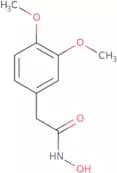
Fórmula:C11H16O4Pureza:Min. 95%Cor e Forma:LiquidPeso molecular:212.24 g/mol2-(3,4-Dimethoxyphenyl)-N-hydroxyacetamide
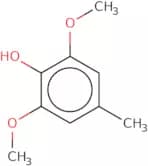
CAS:2-(3,4-Dimethoxyphenyl)-N-hydroxyacetamide is a versatile building block that can be used in the production of a wide range of research chemicals. It is also useful as a reagent or speciality chemical for the preparation of pharmaceuticals, agrochemicals and other industrial chemicals. 2-(3,4-Dimethoxyphenyl)-N-hydroxyacetamide is an intermediate that can be used to synthesize complex compounds such as benzodiazepines. This compound has been shown to have high quality and can be used as a reaction component in organic synthesis. 2-(3,4-Dimethoxyphenyl)-N-hydroxyacetamide has CAS number 33793-80-5 and its molecular weight is 237.27 g/mol.Fórmula:C10H13NO4Pureza:Min. 95%Cor e Forma:PowderPeso molecular:211.21 g/mol2,6-Dimethoxy-4-methylphenol
CAS:2,6-dimethoxy-4-methylphenol is a synthetic chemical with potential use as an insecticide. It is a cholinesterase inhibitor that inhibits the action of acetylcholinesterase, an enzyme that breaks down acetylcholine, which is a neurotransmitter important for cognitive function and muscle control. 2,6-dimethoxy-4-methylphenol has been shown to be toxic to insects in a sensitivity test and has also shown some toxicity to rats when administered orally at high doses. This chemical has been shown to inhibit the production of fatty acids in plants and can be used as a potential insecticide for human food crops.
Fórmula:C9H12O3Pureza:Min. 97.0%Cor e Forma:White Yellow PowderPeso molecular:168.19 g/mol3-Ethoxymethacrolein
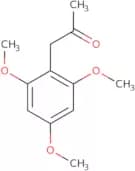
CAS:3-Ethoxymethacrolein (3EMM) is a malondialdehyde analogue that has been shown to have fatty acid-like properties. 3EMM is a reactive molecule, which reacts with chloride to produce an electrophilic carbonyl group. This carbonyl group reacts with the amino acid lysine in proteins, producing adducts that result in cross-links and protein aggregation. 3EMM is able to react with other molecules such as metal ions, forming dimethylformamide complexes. The biological effects of 3EMM are similar to those of malondialdehyde and include inhibition of cellular respiration and lipid peroxidation. Humans have been shown to be susceptible to the toxic effects of 3EMM, including cardiotoxicity and cytotoxicity.Fórmula:C6H10O2Pureza:Min. 97 Area-%Cor e Forma:PowderPeso molecular:114.14 g/mol(2,4,6-Trimethoxyphenyl)acetone
CAS:(2,4,6-Trimethoxyphenyl)acetone is a chemical compound that has been detected in human breath. It is a metabolite of tetracycline and chloramphenicol. It is also seen in the urine of patients receiving these antibiotics. The drug can be detected in the blood or urine of individuals who have not taken any antibiotic drugs. (2,4,6-Trimethoxyphenyl)acetone has been used as an indicator for antibiotic use by researchers. This chemical compound may have low toxicity and is only found at low levels in humans.
Fórmula:C12H16O4Pureza:Min. 95%Cor e Forma:PowderPeso molecular:224.25 g/mol(2-Aminophenyl)-N-((3,4-dimethoxyphenyl)methyl)formamide
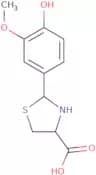
CAS:Please enquire for more information about (2-Aminophenyl)-N-((3,4-dimethoxyphenyl)methyl)formamide including the price, delivery time and more detailed product information at the technical inquiry form on this pageFórmula:C16H18N2O3Pureza:Min. 95%Cor e Forma:PowderPeso molecular:286.33 g/mol2-(4-hydroxy-3-methoxyphenyl)-1,3-thiazolidine-4-carboxylic acid
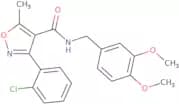
CAS:Please enquire for more information about 2-(4-hydroxy-3-methoxyphenyl)-1,3-thiazolidine-4-carboxylic acid including the price, delivery time and more detailed product information at the technical inquiry form on this pageFórmula:C11H13NO4SPureza:Min. 95%Cor e Forma:PowderPeso molecular:255.29 g/molN-((3,4-dimethoxyphenyl)methyl)(3-(2-chlorophenyl)-5-methylisoxazol-4-yl)formamide
CAS:Please enquire for more information about N-((3,4-dimethoxyphenyl)methyl)(3-(2-chlorophenyl)-5-methylisoxazol-4-yl)formamide including the price, delivery time and more detailed product information at the technical inquiry form on this pagePureza:Min. 95%3-(2-(2-(2-Aminoethoxy)ethoxy)ethoxy)propanoic acid HCI
CAS:3-(2-(2-(2-Aminoethoxy)ethoxy)ethoxy)propanoic acid HCI is a PEG compound with two different functional groups (also known as heterobifunctional). Unlike homobifunctional PEG compounds (same functional group on both ends), this type of compounds are more versatile as have two different anchor points. 3-(2-(2-(2-Aminoethoxy)ethoxy)ethoxy)propanoic acid HCI is used as a linker and spacer to add a PEG moiety, via pegylation (a bioconjugation technique) to proteins, peptides, oligonucleotides, small molecules and nanoparticles.
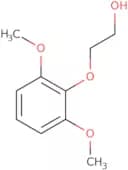
Fórmula:C9H19NO5·HClCor e Forma:Slightly Yellow Yellow Clear Liquid PowderPeso molecular:257.71 g/mol2-(2,6-Dimethoxyphenoxy)ethanol
CAS:2-(2,6-Dimethoxyphenoxy)ethanol is a cleavage agent that can be used for the synthesis of lignin model compounds. It is a benzylic ether that is catalyzed by laccase to produce 2,6-dimethoxybenzaldehyde. The compound can be used as a substrate for versicolor or peroxy cleavage reactions. Versicolor cleavage is performed with 1-hydroxybenzotriazole, while peroxy cleavage is performed with hydrogen peroxide. 2-(2,6-Dimethoxyphenoxy)ethanol has been shown to have radical properties and reacts with molecular oxygen and ethanone in the presence of deuterium gas to form 2,6-dimethoxyacetophenone.Fórmula:C10H14O4Pureza:Min. 95%Cor e Forma:PowderPeso molecular:198.22 g/mol5-Methoxysalicylic acid sodium
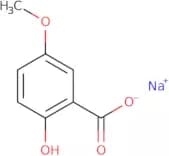
CAS:5-Methoxysalicylic acid sodium (MSAS) is a drug that is used to treat intestinal ulcers. It is also used to reduce the viscosity of blood and as an adjuvant in the treatment of rheumatoid arthritis. The bioavailability of MSAS is increased when it is administered with cefmetazole, which enhances the absorption of this drug in the small intestine. MSAS has a hypoglycemic effect and can be used to treat high blood sugar levels. This drug binds to muscle cells and prevents their contraction, which can lead to relief from muscle pain or spasms. MSAS may also have a pharmacological effect on ligation, which occurs when tissue is cut off from its blood supply.
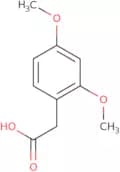
Fórmula:C8H7O4·NaPureza:Min. 95%Cor e Forma:PowderPeso molecular:190.13 g/mol2,4-Dimethoxyphenyl acetic acid
CAS:2,4-Dimethoxyphenyl acetic acid is a synthetic compound that has been used as a pharmacological agent in the treatment of high blood pressure. It is also used as a reaction intermediate and can be obtained by the condensation of 2-hydroxybenzaldehyde with acetyl chloride. The kinetic data for this compound has been determined using deuterium isotope labeling and ion-pairing. The synthesis of 2,4-dimethoxyphenyl acetic acid involves the conversion of malonic acid to methylmalonate with ethyl bromoacetate and hydrobromic acid. This compound is chiral and optically active, giving it an R or S configuration. The reaction rate for 2,4-dimethoxyphenyl acetic acid has been found to be faster when in contact with phosphite ions than without.
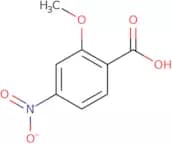
Fórmula:C10H12O4Pureza:Min. 95%Cor e Forma:Off-White PowderPeso molecular:196.2 g/mol2-Methoxy-4-nitrobenzoic acid
CAS:Please enquire for more information about 2-Methoxy-4-nitrobenzoic acid including the price, delivery time and more detailed product information at the technical inquiry form on this page
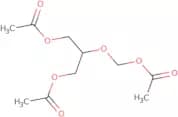
Fórmula:C8H7NO5Pureza:Min. 95%Peso molecular:197.14 g/mol1,3-Diacetoxy-2-(acetoxymethoxy)propane
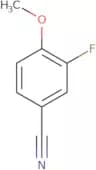
CAS:1,3-Diacetoxy-2-(acetoxymethoxy)propane is a guanine derivative that has been used in the synthesis of ganciclovir. It is prepared by condensation of acetone and acetic anhydride followed by filtration to yield a clear, colorless liquid. 1,3-Diacetoxy-2-(acetoxymethoxy)propane can be used as an intermediate in the preparation of other compounds. It was found that this compound contains a residue of p-toluenesulfonic acid. The catalyst for crystallization is decolorized activated carbon. The product obtained after recrystallization is white crystals with a melting point of 147 °C.Fórmula:C10H16O7Pureza:Min. 95%Cor e Forma:Yellow Clear LiquidPeso molecular:248.23 g/mol3-Fluoro-4-methoxybenzonitrile
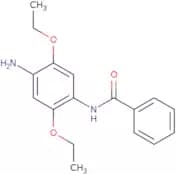
CAS:3-Fluoro-4-methoxybenzonitrile is a ferroelectric liquid crystal chiral molecule. It can be synthesized industrially by the reaction of 3-fluoro-4-methoxybenzoyl chloride with sodium methoxide. The synthesis is scalable and leads to high yields. 3-Fluoro-4-methoxybenzonitrile has been used in the synthesis of other ferroelectric liquid crystals, such as 4-(3′,5′-diiodophenyl)pentaerythritol triacrylate and 3,5′-(1H,1′H) -dibenzothiophene. This compound also displays nematic phase behavior at room temperature when in contact with a nematic director. Polarization data for this substance are available from experiments on thin films.Fórmula:C8H6FNOPureza:Min. 95%Cor e Forma:PowderPeso molecular:151.14 g/molN-(4-Amino-2,5-diethoxyphenyl)-benzamide
CAS:4-Amino-2,5-diethoxyphenyl)benzamide is a small molecule that inhibits the enzyme activity of polymerase chain reaction (PCR), DNA topoisomerase I, and DNA gyrase. It has been shown to inhibit the growth of human leukemia cells in culture. 4-Amino-2,5-diethoxyphenyl)benzamide also inhibits rat liver microsomes and can be used for the treatment of neurodegenerative diseases.
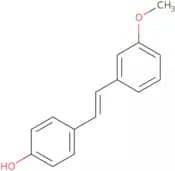
Fórmula:C17H20N2O3Pureza:Min. 95%Cor e Forma:PowderPeso molecular:300.35 g/mol4-Hydroxy-3'-methoxystilbene
CAS:4-Hydroxy-3'-methoxystilbene is a chemical that is used as a reaction component or reagent in the synthesis of other compounds. It can be used as a building block for the synthesis of complex molecules and fine chemicals. 4-Hydroxy-3'-methoxystilbene is an intermediate for the production of high quality research chemicals. It has been reported to be useful in the synthesis of pharmaceuticals, agrochemicals, and pesticides.Fórmula:C15H14O2Pureza:Min. 95%Cor e Forma:White PowderPeso molecular:226.27 g/mol1-(1-(3-Methoxyphenyl)cyclohexyl)piperidine
CAS:Produto Controlado1-(1-(3-Methoxyphenyl)cyclohexyl)piperidine is an analog of fentanyl that has been shown to be a potent analgesic. It binds to the μ-opioid receptor in the central nervous system and inhibits the reuptake of neurotransmitters, such as serotonin, norepinephrine, and dopamine. This drug has also been found to cause hypotension by inhibiting noradrenaline release from sympathetic nerve terminals. 1-(1-(3-Methoxyphenyl)cyclohexyl)piperidine may also have clinical relevance for treating drug addiction because it has a high affinity for binding ligands that are involved in this process. The sample preparation for 1-(1-(3-Methoxyphenyl)cyclohexyl)piperidine is not required because it can be measured directly in the urine.
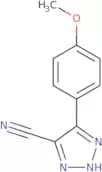
Fórmula:C18H27NOPureza:Min. 95%Cor e Forma:White To Off-White SolidPeso molecular:273.41 g/mol5-(4-methoxyphenyl)-2H-1,2,3-triazole-4-carbonitrile
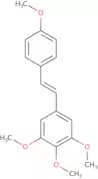
CAS:Please enquire for more information about 5-(4-methoxyphenyl)-2H-1,2,3-triazole-4-carbonitrile including the price, delivery time and more detailed product information at the technical inquiry form on this pagePureza:Min. 95%trans-3,4,5,4'-Tetramethoxystilbene
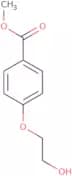
CAS:Trans-3,4,5,4'-tetramethoxystilbene is a potential anti-cancer drug that inhibits the growth of prostate cancer cells. It has been shown to inhibit the activity of cytochrome P450 enzymes and induce apoptosis in prostate cancer cells. Trans-3,4,5,4'-tetramethoxystilbene also has an inhibitory effect on angiogenesis and induces apoptosis in breast cancer cells. This compound is not readily absorbed from the gastrointestinal tract and has low bioavailability due to its chemical properties. Trans-3,4,5,4'-tetramethoxystilbene binds to DNA and inhibits transcription by competitive inhibition of RNA polymerase II and III.Fórmula:C18H20O4Pureza:Min. 95%Cor e Forma:PowderPeso molecular:300.35 g/molMethyl 4(2-hydroxyethoxy)benzoate
CAS:Methyl 4-(2-hydroxyethoxy)benzoate is an experimental monomer that can be used in the synthesis of polymers. It is a compound that has a spacer group on the 2 position of the benzene ring. It can be used to determine the molecular weight of polymers by comparing their average molecular weight with the theoretical molecular weight. The systematic name for methyl 4-(2-hydroxyethoxy)benzoate is methyl 4-[(2-hydroxyethoxy)methyl]benzoate. The chemical formula for this molecule is C 10 H 16 O 3 and its average molecular weight is 178. The theory behind this molecule is that it will have more than one polymer chain, which makes it polymeric.
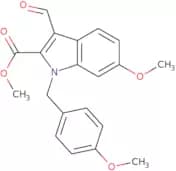
Fórmula:C10H12O4Pureza:Min. 95%Peso molecular:196.2 g/molMethyl 3-formyl-6-methoxy-1-(4-methoxybenzyl)-1H-indole-2-carboxylate
CAS:Produto ControladoPlease enquire for more information about Methyl 3-formyl-6-methoxy-1-(4-methoxybenzyl)-1H-indole-2-carboxylate including the price, delivery time and more detailed product information at the technical inquiry form on this page
Fórmula:C20H19NO5Pureza:Min. 95%Peso molecular:353.37 g/mol(2,4-Dimethoxyphenyl)acetone
CAS:2,4-dimethoxyphenylacetone is a high quality chemical intermediate that is used as a reagent in the synthesis of complex compounds. It is also useful in the synthesis of fine chemicals and speciality chemicals. This compound has been shown to be an excellent scaffold for the construction of other molecules and has been used as a building block in reactions with other functional groups. 2,4-dimethoxyphenylacetone can be used as a versatile building block with many different functional groups and has been shown to be reactive with nucleophiles such as amines, alcohols, and thiols.
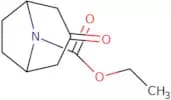
Fórmula:C11H14O3Pureza:Min. 95%Cor e Forma:PowderPeso molecular:194.23 g/molN-Carbethoxy-4-nortropinone
CAS:N-Carbethoxy-4-nortropinone is a high quality, reagent grade chemical that is often used as a complexing agent. It has been shown to be an excellent building block for the synthesis of other compounds and has been used in the production of speciality chemicals. N-Carbethoxy-4-nortropinone is also a versatile building block that can be used in many different types of reactions, making it an excellent reaction component. This compound is available for purchase at Sigma Aldrich with CAS number 32499-64-2.
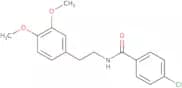
Fórmula:C10H15NO3Pureza:Min. 95%Peso molecular:197.23 g/molN-(2-(3,4-dimethoxyphenyl)ethyl)(4-chlorophenyl)formamide
CAS:Produto ControladoPlease enquire for more information about N-(2-(3,4-dimethoxyphenyl)ethyl)(4-chlorophenyl)formamide including the price, delivery time and more detailed product information at the technical inquiry form on this page
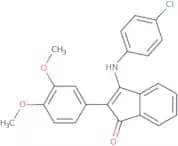
Pureza:Min. 95%2-(3,4-dimethoxyphenyl)-3-((4-chlorophenyl)amino)inden-1-one
CAS:Please enquire for more information about 2-(3,4-dimethoxyphenyl)-3-((4-chlorophenyl)amino)inden-1-one including the price, delivery time and more detailed product information at the technical inquiry form on this pagePureza:Min. 95%4-Amino-2-methoxypyridine
CAS:4-Amino-2-methoxypyridine is an antiviral agent that inhibits the activity of the NS5B polymerase, a key enzyme in the replication of the hepatitis C virus. It is a potent inhibitor with a wide range of activity and can be used for treatment and prevention of infection. 4-Amino-2-methoxypyridine has been shown to inhibit replication of hepatitis C virus in cell culture. This compound is stable in vivo and can be administered orally, making it an attractive candidate for oral prophylaxis against hepatitis C. 4-Amino-2-methoxypyridine also exhibits good pharmacokinetic properties, including a low clearance rate and high volume of distribution, which makes it suitable for chronic administration.
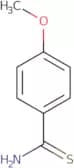
Fórmula:C6H8N2OPureza:Min. 95%Cor e Forma:White To Light (Or Pale) Orange SolidPeso molecular:124.14 g/mol4-Methoxybenzenecarbothioamide
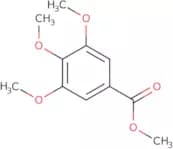
CAS:4-Methoxybenzenecarbothioamide is a urea nitrogen analogue that inhibits the synthesis of urea and other nitrogenous compounds. It is an inhibitor of the enzyme pyruvic transaminase, which converts pyruvate to alanine. The drug is also an inhibitor of the enzyme lactam synthetase, which catalyzes the formation of lactams from amino acids. This activity results in decreased production of cancer cells and renal toxicity. 4-Methoxybenzenecarbothioamide has been shown to have anticancer activity in vitro against a number of human cancer cell lines, including A549 lung carcinoma cells and MCF-7 breast cancer cells.Fórmula:C8H9NOSPureza:Min. 98 Area-%Cor e Forma:Off-White Yellow PowderPeso molecular:167.23 g/molMethyl 3,4,5-trimethoxybenzoate
CAS:Methyl 3,4,5-trimethoxybenzoate is a fatty acid that belongs to the group of p2. It is used as an animal health product and as a component of pharmaceutical preparations. Methyl 3,4,5-trimethoxybenzoate has been shown to be a useful model system for studying hydrogen bonding in organic chemistry. When heated with sodium carbonate and chloride in water, the methyl 3,4,5-trimethoxybenzoate reacts with n-dimethyl formamide to produce reaction products. This reaction can be accelerated by adding triticum aestivum and sodium hydroxide solution.
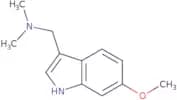
Fórmula:C11H14O5Pureza:Min. 95%Cor e Forma:PowderPeso molecular:226.23 g/mol6-Methoxygramine
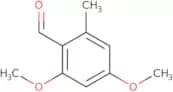
CAS:Produto Controlado6-Methoxygramine is a mitochondrial oxidase inhibitor, which is used in animal models of Parkinson's disease. It has been shown to be selective for the mitochondria and not to penetrate the blood-brain barrier. 6-Methoxygramine binds to an active site that is specific for oxidases, such as monoamine oxidase (MAO). This binding prevents the oxidation of dopamine, leading to its accumulation in the brain. 6-Methoxygramine also has been shown to inhibit MAO type A in rat brains.Fórmula:C12H16N2OPureza:Min. 95%Cor e Forma:PowderPeso molecular:204.27 g/mol2,4-Dimethoxy-6-methylbenzaldehyde
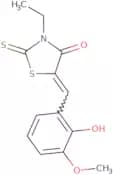
CAS:2,4-Dimethoxy-6-methylbenzaldehyde is a biomolecular that belongs to the class of depsidones. It is a tetracyclic compound that has been isolated from the fungus Antrodia camphorata and the lichen Xanthoria polycarpa. 2,4-Dimethoxy-6-methylbenzaldehyde has been shown to inhibit the growth of fungi by preventing oxidative phosphorylation in mitochondria. This compound also shows regioselectivity for phenanthrenes, which are aromatic hydrocarbons with two benzene rings and one or more methyl groups on each ring. The synthesis of 2,4-dimethoxy-6-methylbenzaldehyde is achieved through a Witting reaction between olefinic compounds and diethyl malonate in the presence of base. 2,4-Dimethoxy-6-methylbenzaldehyde can also be synthesized by oxidizing dibFórmula:C10H12O3Pureza:Min. 95%Cor e Forma:PowderPeso molecular:180.2 g/mol3-ethyl-5-((2-hydroxy-3-methoxyphenyl)methylene)-2-thioxo-1,3-thiazolidin-4-one
CAS:Please enquire for more information about 3-ethyl-5-((2-hydroxy-3-methoxyphenyl)methylene)-2-thioxo-1,3-thiazolidin-4-one including the price, delivery time and more detailed product information at the technical inquiry form on this pagePureza:Min. 95%4,6-Dichloro-5-methoxypyrimidine
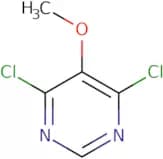
CAS:4,6-Dichloro-5-methoxypyrimidine is a reactive intermediate in the synthesis of sulfadoxine. It is a chlorinating agent that reacts with alkanes and alkenes to produce halogenated products. 4,6-Dichloro-5-methoxypyrimidine can be used as a reagent to synthesize malonic acid and formamide. This compound has been used as an isotopic label for studies of the efficiency of the reaction between malonic acid and formamide. The chloride ions are used in this study to monitor the reaction rate. 4,6-Dichloro-5-methoxypyrimidine is also an intermediate in the synthesis of sulfanilamide and aminophenol.Fórmula:C5H4Cl2N2OPureza:Min. 95%Cor e Forma:PowderPeso molecular:179 g/mol9,10-Dihydro-5-methoxy-9-oxo-4-acridinecarboxylic acid
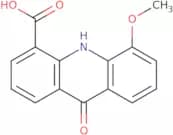
CAS:Please enquire for more information about 9,10-Dihydro-5-methoxy-9-oxo-4-acridinecarboxylic acid including the price, delivery time and more detailed product information at the technical inquiry form on this page
Fórmula:C15H11NO4Pureza:Min. 95%Cor e Forma:PowderPeso molecular:269.25 g/mol2-Ethoxybenzhydrazide
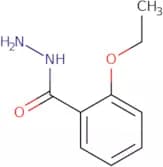
CAS:2-Ethoxybenzhydrazide is a monomer that can be used to prepare heterodimers. 2-Ethoxybenzhydrazide is irradiated with ultraviolet light or electron beam and the resulting photoinduced or thermal reaction yields a monomeric or dimeric hydrazone. The heterodimer can then be prepared by reacting the monomers in chloroform. Various techniques can be used to study the interactions of these molecules, including ultrasonic techniques, which are often used to study hydrazides and benzene derivatives. This drug has a number of uses as an intermediate in the synthesis of diimidazole and diimide, which are agents that inhibit fungal growth. It also has been used in the synthesis of some hydrazines and naphthalenes.
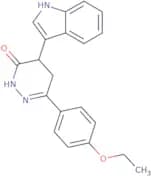
Fórmula:C9H12N2O2Pureza:Min. 95%Cor e Forma:PowderPeso molecular:180.2 g/mol3-(4-ethoxyphenyl)-5-indol-3-yl-1H,4H,5H-1,2-diazin-6-one
CAS:Please enquire for more information about 3-(4-ethoxyphenyl)-5-indol-3-yl-1H,4H,5H-1,2-diazin-6-one including the price, delivery time and more detailed product information at the technical inquiry form on this page
Pureza:Min. 95%5-Chloro-2-methoxybenzoic acid
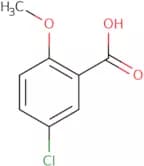
CAS:5-Chloro-2-methoxybenzoic acid is an industrial chemical that is used in the production of pharmaceuticals, plastics, and dyes. It also has hypoglycemic activity and can be used to treat type 2 diabetes. The molecular modeling study of this compound showed that it binds to the chloride ion by forming a hydrogen bond between the oxygen atom of the carboxylic acid group and the nitrogen atom of the chloride ion. This interaction leads to a lower pH value in the environment where 5-chloro-2-methoxybenzoic acid is present. This change in pH may affect other molecules such as glucose, which could lead to a decrease in blood sugar levels. Researchers have found that 5-chloro-2-methoxybenzoic acid has cancer cell growth inhibiting properties and can be used as a potential drug for colorectal adenocarcinoma treatment.Fórmula:C8H7ClO3Pureza:Min. 95%Peso molecular:186.59 g/mol6-Methoxy-1-tetralone
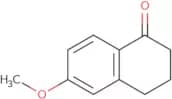
CAS:6-Methoxy-1-tetralone (6MTO) is a quinoline derivative that has been shown to have potent inhibitory activity against human liver cancer. It is related to the compound 1,4-dimethylquinoline, which has been shown to possess anticancer properties in vitro. 6MTO inhibits the growth of carcinoma cell lines by inducing apoptosis and arresting cell cycle at G2/M phase. 6MTO also inhibits isovaleric acid production in thp-1 cells and the proliferation of hepatoma cells, leading to a decrease in the viability of these cells.Fórmula:C11H12O2Pureza:Min. 95%Cor e Forma:PowderPeso molecular:176.21 g/mol3,5-Dimethoxybenzhydrazide
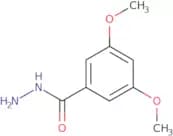
CAS:3,5-Dimethoxybenzhydrazide is a combretastatin analogue that binds to tubulin to disrupt the polymerization of microtubules. It has been shown to inhibit tumor cell growth in vitro and in vivo. 3,5-Dimethoxybenzhydrazide has an IC50 of 10 nM for tubulin polymerization, which is significantly lower than colchicine (IC50 of 0.2 μM). This drug also interacts with colchicine binding sites and has a selectivity index of 1.3.
Fórmula:C9H12N2O3Pureza:Min. 98 Area-%Cor e Forma:PowderPeso molecular:196.2 g/molMethoxytributyltin
CAS:Produto ControladoMethoxytributyltin is a metathesis reagent that is used in organic synthesis. Methoxytributyltin reacts with carbon disulphide to form a hydroxyl group, which can then be used to create a variety of compounds. The reaction mechanism of methoxytributyltin is similar to the palladium-catalyzed coupling reaction. Methoxytributyltin has been shown to act as an adrenergic receptor agonist and has been shown to have inflammatory properties in vitro. Methoxytributyltin may also be able to cross-link proteins, leading to apoptosis.
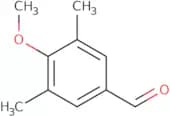
Fórmula:C13H30OSnPureza:Min. 95%Cor e Forma:Clear LiquidPeso molecular:321.09 g/mol3,5-Dimethyl-4-methoxybenzaldehyde
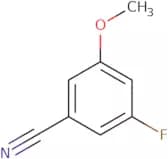
CAS:3,5-Dimethyl-4-methoxybenzaldehyde is a high quality, versatile chemical that can be used as an intermediate to synthesize other fine chemicals. The compound can be reacted with various reagents to produce complex compounds. 3,5-Dimethyl-4-methoxybenzaldehyde can also be used as a building block to synthesize other useful compounds. This chemical has been shown to be a useful scaffold for the production of new compounds and has been used as a reaction component in research and development.Fórmula:C10H12O2Pureza:Min. 95%Cor e Forma:PowderPeso molecular:164.2 g/mol3-Fluoro-5-methoxybenzonitrile
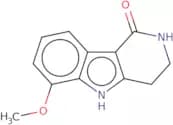
CAS:3-Fluoro-5-methoxybenzonitrile is a useful chemical intermediate that can be used in organic synthesis. It is a versatile building block with a high quality and it is easy to use in the synthesis of complex compounds. 3-Fluoro-5-methoxybenzonitrile has been shown to react as a nucleophile, and it has been used as a reagent for the production of other compounds. This compound also has potential applications in research, such as being an intermediate for the production of pharmaceuticals and agrochemicals. 3-Fluoro-5-methoxybenzonitrile is not classified as hazardous and does not pose any significant risk to human health or the environment.Fórmula:C8H6FNOPureza:Min. 95%Cor e Forma:PowderPeso molecular:151.14 g/mol1-Keto-6-methoxy-1,2,3,4-tetrahydro-β-carboline
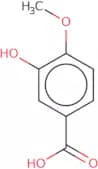
CAS:1-Keto-6-methoxy-1,2,3,4-tetrahydro-beta-carboline is a versatile building block that can be used in the synthesis of various compounds. It is an intermediate that can be used to synthesize other compounds such as 1-methylpiperazine and 1-(2,4-dichlorophenyl)piperazine. It has been shown to have high quality and is useful as a reagent for the synthesis of many different compounds. 1-Keto-6-methoxy-1,2,3,4-tetrahydro-beta carboline is also a useful scaffold for research chemicals and speciality chemicals. CAS No: 128487–09–2Fórmula:C12H12N2O2Pureza:Min. 95%Peso molecular:216.24 g/mol3-Hydroxy-4-methoxybenzoic acid
CAS:3-Hydroxy-4-methoxybenzoic acid is a phenolic acid with antiinflammatory activity. It can be found in the leaves of the plant "Anacardium occidentale" or as an intermediate in the synthesis of protocatechuic acid, which is formed by oxidation of 3-hydroxycinnamic acid. 3-Hydroxy-4-methoxybenzoic acid has been shown to inhibit bacterial growth and fungal infection in vitro. The compound also inhibits proinflammatory cytokine production by human monocytes and macrophages, which may be due to its hydroxyl group that can form hydrogen bonds with nucleophilic centers on proteins. 3-Hydroxy-4-methoxybenzoic acid can be prepared through extraction from acetate (1g) containing pyridine (2mL) and acetone (2mL). The extract is incubated at 50°C for 20 minutes before being cooled. TheFórmula:C8H8O4Pureza:Min. 95%Cor e Forma:PowderPeso molecular:168.15 g/molCarboxymethoxyamine hemihydrochloride
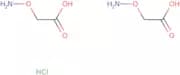
CAS:Carboxymethoxyamine hemihydrochloride (CMAH) is a gamma-aminobutyric acid analogue that has inhibitory properties. It is used in the treatment of syncytial virus infections and has been shown to reduce the severity of symptoms, as well as shorten the course of the disease. CMAH binds to the receptors in cells that are sensitive to gamma-aminobutyric acid. This binding inhibits uptake of calcium ions into cells, thereby reducing intracellular Ca2+ levels and inhibiting synaptic transmission. CMAH also has an effect on aminotransferase activity, which may be due to its ability to inhibit protein synthesis or dephosphorylate proteins.Fórmula:C2H5NO3HClCor e Forma:White PowderPeso molecular:109.3 g/mol4-[(2,3,4Trimethoxyphenyl)methyl]piperazine-1-carbaldehyde
CAS:Please enquire for more information about 4-[(2,3,4Trimethoxyphenyl)methyl]piperazine-1-carbaldehyde including the price, delivery time and more detailed product information at the technical inquiry form on this page
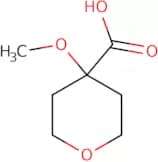
Fórmula:C15H22N2O4Pureza:Min. 95%Cor e Forma:PowderPeso molecular:294.35 g/mol4-Methoxy-tetrahydro-2h-pyran-4-carboxylic acid
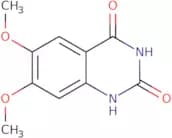
CAS:4-Methoxy-tetrahydro-2h-pyran-4-carboxylic acid is a fine chemical that belongs to the group of research chemicals. It is a versatile building block and useful intermediate in organic synthesis. 4-Methoxy-tetrahydro-2h-pyran-4-carboxylic acid has been used as a reagent for the preparation of the compound 5,5'-dithiobis(4,4'-dimethylvaleronitrile) (CAS No. 1010836-49). This compound has been shown to be an effective antiviral agent against HIV.Fórmula:C7H12O4Pureza:Min. 95 Area-%Cor e Forma:PowderPeso molecular:160.17 g/mol6,7-Dimethoxyquinazoline-2,4-dione
CAS:6,7-Dimethoxyquinazoline-2,4-dione is a chemical compound that can be synthesized by reacting amide and formaldehyde. It has been investigated as an efficient method for the synthesis of amides. 6,7-Dimethoxyquinazoline-2,4-dione is also a potential antibacterial agent which may prevent bacterial growth by inhibiting choline uptake or by binding to ribosomes and blocking protein synthesis. The reaction mechanism of this compound is not well understood, but it may involve hydrolysis of cyanate to produce hydrogen cyanide (HCN), which then reacts with the amide to form the quinazoline ring.Fórmula:C10H10N2O4Pureza:Min. 95%Cor e Forma:PowderPeso molecular:222.2 g/mol









![4-[(2,3,4Trimethoxyphenyl)methyl]piperazine-1-carbaldehyde](/_next/image/?url=https%3A%2Fstatic.cymitquimica.com%2Fproducts%2F3D%2Fthumb-webp%2FFT46258.webp&w=3840&q=75)