Éteres
Os éteres são compostos orgânicos que contêm um grupo funcional éter, caracterizado por um átomo de oxigênio ligado a dois radicais hidrocarbonetos. Esses compostos são valiosos na síntese e servem como solventes em várias reações químicas. Na CymitQuimica, oferecemos uma seleção de éteres de alta qualidade para apoiar suas aplicações de pesquisa e industriais, garantindo resultados confiáveis e eficazes. Nossa gama de éteres atende a diversos requisitos laboratoriais, desde experimentos de rotina até pesquisas avançadas.
Foram encontrados 40902 produtos de "Éteres"
Ordenar por
Pureza (%)
0
100
|
0
|
50
|
90
|
95
|
100
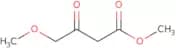
Methyl 4-methoxyacetoacetate
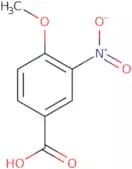
CAS:<p>Methyl 4-methoxyacetoacetate is a synthetic chemical compound that can be used in the synthesis of other substances. It has been shown to react with diacetates and produce hydroxy compounds during the reaction system. The reaction rate is dependent on the temperature and concentration of the reactants, as well as the presence of a catalyst such as hydrochloric acid. Methyl 4-methoxyacetoacetate has also been shown to form crystals when heated at constant temperature, which have been analyzed by X-ray diffraction. These crystals are composed of 2 molecules of methyl 4-methoxyacetoacetate that are held together through hydrogen bonding.</p>Fórmula:C6H10O4Pureza:Min. 95%Cor e Forma:Colorless Clear LiquidPeso molecular:146.14 g/mol4-Methoxy-3-nitrobenzoic acid
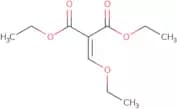
CAS:<p>4-Methoxy-3-nitrobenzoic acid is a hydroxybenzoic acid, and belongs to the group of heterocyclic compounds. It is a preactivated hydroxybenzoate that can be used in the synthesis of griseoluteic acid with chloride as an electron donor. Griseoluteic acid has inhibitory activities on isolated yield. This compound also has potent antitumor activity, which may be due to its ability to inhibit DNA synthesis and protein synthesis by binding to DNA polymerase and ribosomes respectively. Preparative high performance liquid chromatography (HPLC) using this compound is possible with marine microorganisms as the stationary phase. The x-ray absorption spectrum shows that 4-methoxy-3-nitrobenzoic acid has potential for use as a contrast agent for x-rays in imaging tissues.</p>Fórmula:C8H7NO5Pureza:Min. 98 Area-%Cor e Forma:PowderPeso molecular:197.14 g/molDiethyl ethoxymethylidenemalonate
CAS:<p>Diethyl ethoxymethylidenemalonate is a matrix effect reagent used in analytical chemistry. It is often used as a substrate for the cycloaddition process, which produces malondialdehyde and hydrochloric acid. The UV-absorption of the malondialdehyde can be measured to determine the concentration of the sample. Diethyl ethoxymethylidenemalonate is also used as a dna template in binding constants, where it binds with amines to form complexes that are then analyzed by light emission. It has been shown to have an inhibitory effect on gyrase and trifluoroacetic acid, both enzymes involved in DNA replication.</p>Fórmula:C10H16O5Pureza:Min. 95%Cor e Forma:Colorless Clear LiquidPeso molecular:216.23 g/mol4-Iodo-2-methoxybenzoic acid
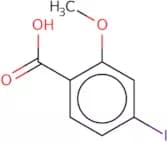
CAS:<p>4-Iodo-2-methoxybenzoic acid is an organic compound that contains a carbonyl group and a copper chelate. It has been shown to be stable in the presence of mercapto, chloroform, and palladium. The chemical structures of 4-iodo-2-methoxybenzoic acid are different from those of other compounds because it contains a chelate ring. Experiments have shown that extracts containing 4-iodo-2-methoxybenzoic acid are more extractable than those without it. This is due to the chelate ring which can act as an ion exchange group, allowing for the extraction of charged ions from the solution.</p>Fórmula:C8H7IO3Pureza:Min. 95%Cor e Forma:PowderPeso molecular:278.04 g/mol2,3-Dimethoxybenzonitrile
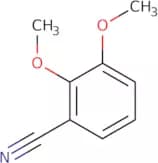
CAS:2,3-Dimethoxybenzonitrile is a useful building block for the synthesis of complex compounds. It is used in the manufacture of pharmaceuticals and agrochemicals. 2,3-Dimethoxybenzonitrile can be used as a reactant or intermediate in organic synthesis. It is also known to have antioxidant properties.Fórmula:C9H9NO2Pureza:Min. 95%Peso molecular:163.17 g/mol3-Methoxy-4-nitroacetophenone
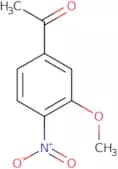
CAS:3-Methoxy-4-nitroacetophenone is an enamine that can be used in the synthesis of a variety of organic compounds. It is a good reducing agent and can be used to synthesize nitrophenols and nitrosamines. Catalytic hydrogenation, transfer hydrogenation, and reductive condensation reactions all use 3-methoxy-4-nitroacetophenone as a starting material. It has been shown to react with a range of alcohols to form acetals, which are stable compounds with a protective group on the alcohol. Cyclization reactions using 3-methoxy-4-nitroacetophenone have also been reported. This compound has been crystallized in pure form.Fórmula:C9H9NO4Pureza:Min. 95%Cor e Forma:PowderPeso molecular:195.17 g/mol2,4-Dimethoxy-5-methylbenzoic acid
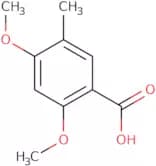
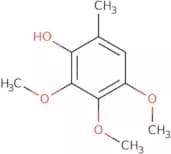
CAS:<p>2,4-Dimethoxy-5-methylbenzoic acid is a compound that belongs to the class of useful building blocks. It has a high quality and can be used as a reagent, complex compound, and useful intermediate in the synthesis of fine chemicals. 2,4-Dimethoxy-5-methylbenzoic acid is also a versatile building block that can be used for the production of speciality chemicals such as research chemicals.</p>Fórmula:C10H12O4Pureza:Min. 95%Peso molecular:196.2 g/mol2,3,4-Trimethoxy-6-methylphenol
CAS:2,3,4-Trimethoxy-6-methylphenol is a prenylated phenol with an acidic character. It is synthesised from 5-nitrovanillin and methoxyphenol in dioxane by reaction with hydrogen peroxide and hydrochloric acid. This acid catalyst initiates the reactions that produce 2,3,4-trimethoxy-6-methylphenol. The reaction time is 10 hours at pH 3 to 4. 2,3,4-Trimethoxy-6-methylphenol has been used for the synthesis of phosphotungstate, which is used as a reagent in analytical chemistry for the determination of metal ions. 2,3,4-Trimethoxy-6 methylphenol also provides a route to manufacture peracid and peroxide, which are oxidants with antimicrobial properties.Fórmula:C10H14O4Pureza:Min. 95%Cor e Forma:PowderPeso molecular:198.22 g/mol(2-methoxyethyl)((2-nitrophenyl)sulfonyl)amine
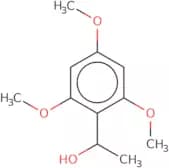
CAS:Please enquire for more information about (2-methoxyethyl)((2-nitrophenyl)sulfonyl)amine including the price, delivery time and more detailed product information at the technical inquiry form on this pagePureza:Min. 95%(2,4,6-Trimethoxyphenyl)methyl carbinol
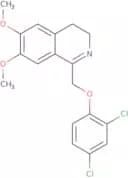
CAS:Trimethoxyphenylmethylcarbinol (TMPC) is a high quality chemical that can be used in the production of research chemicals, pharmaceuticals and other speciality chemicals. It has been shown to be an effective building block for complex compounds such as heterocycles. TMPC has also been shown to have protective effects against oxidative stress and may be useful as a reagent in chemical synthesis.Fórmula:C11H16O4Pureza:Min. 95%Cor e Forma:PowderPeso molecular:212.24 g/mol1-((6,7-dimethoxy(3,4-dihydroisoquinolyl))methoxy)-2,4-dichlorobenzene
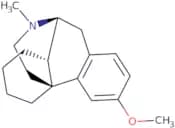
CAS:Please enquire for more information about 1-((6,7-dimethoxy(3,4-dihydroisoquinolyl))methoxy)-2,4-dichlorobenzene including the price, delivery time and more detailed product information at the technical inquiry form on this pagePureza:Min. 95%Dextromethorphan
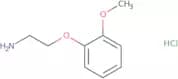
CAS:Produto Controlado<p>9-alpha,-14-alpha-3-Methoxy-17-methylmorphinan (914) is a drug that is used in the treatment of bowel disease. It has been shown to inhibit the activity of enzymes such as polymerase chain, which is responsible for DNA replication and repair. 914 also inhibits dextromethorphan, an opioid that is used in cough suppressant medications. The effects of 914 on dextromethorphan are seen in human subjects who have been given the drug intravenously or orally. 914 binds to receptors that are found on cells in the brain and spinal cord, which explains its analgesic properties. This drug can be dangerous when taken with nonsteroidal anti-inflammatory drugs because it can cause kidney damage or failure.</p>Fórmula:C18H25NOPureza:Min. 95%Cor e Forma:PowderPeso molecular:271.4 g/mol2-(2-Methoxyphenoxy)ethylamine hydrochloride
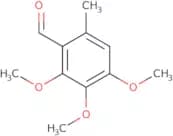
CAS:<p>2-(2-Methoxyphenoxy)ethylamine hydrochloride is a fine chemical with the CAS No. of 64464-07-9. It is a versatile building block that can be used as an intermediate for research chemicals, reaction components and specialty chemicals. This compound has been shown to work as a reagent in high quality synthesis.</p>Fórmula:C9H14ClNO2Pureza:Min. 95%Cor e Forma:PowderPeso molecular:203.67 g/mol2,3,4-Trimethoxy-6-methylbenzaldehyde
CAS:2,3,4-Trimethoxy-6-methylbenzaldehyde is a synthetic coumarin with antibacterial activity. It is synthesized by the condensation of 3-hydroxyacetophenone and benzaldehyde. 2,3,4-Trimethoxy-6-methylbenzaldehyde has been shown to have antibacterial activity against both Gram-positive and Gram-negative bacteria. This molecule has also been shown to inhibit the growth of Gram negative bacteria in the presence of hydrogen peroxide. The crystal structure of this molecule was determined by XRD analysis and shows that it contains a dihedral angle of about 155°.Fórmula:C11H14O4Pureza:Min. 95%Peso molecular:210.23 g/mol2,5-Dimethoxy-N-[(2-methoxyphenyl)methyl]-4-(trifluoromethyl)benzeneethanamine
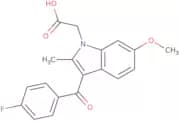
CAS:Produto Controlado2,5-Dimethoxy-N-[(2-methoxyphenyl)methyl]-4-(trifluoromethyl)benzeneethanamine is a synthetic drug that belongs to the group of psychotropic drugs. It has been shown to cause death in rats, which is likely due to its ability to inhibit serotonin uptake by neurons. 2,5-Dimethoxy-N-[(2-methoxyphenyl)methyl]-4-(trifluoromethyl)benzeneethanamine also inhibits the enzyme monoamine oxidase and prevents the breakdown of monoamines such as serotonin. This drug has been shown to have both stimulant and depressant properties. 2,5-Dimethoxy-N-[(2-methoxyphenyl)methyl]-4-(trifluoromethyl)benzeneethanamine can be quantified in human blood samples using liquid chromatography with aFórmula:C19H22F3NO3Pureza:Min. 95%Peso molecular:369.38 g/mol3-(4-Fluorobenzoyl)-6-Methoxy-2-Methyl-1H-Indole-1-Acetic Acid
CAS:Produto Controlado3-(4-Fluorobenzoyl)-6-Methoxy-2-Methyl-1H-Indole-1-Acetic Acid is a prodrug that is metabolized to 6-fluoro-3,4 dioxo tamoxifen in the liver. It has been shown to have anticholinergic, cytosolic calcium and c1-4 alkyl properties. 3-(4-Fluorobenzoyl)-6-Methoxy-2-Methylindole Acetic Acid also has a basic group, cyclopentane ring, and pyridine ring.Fórmula:C19H16FNO4Pureza:Min. 95%Peso molecular:341.33 g/molcis-3,4-Dihydroxy-2,5-dimethoxytetrahydrofuran
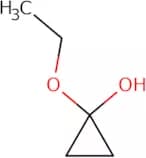
CAS:<p>cis-3,4-Dihydroxy-2,5-dimethoxytetrahydrofuran is a tetrahydrofuran derivative that has been shown to have neuroprotective effects. It has been shown to inhibit the formation of crosslinks in rat spinal cord neurons and to inhibit the release of reactive oxygen species (ROS) and nitric oxide (NO), which are known to be neurotoxic. In addition, cis-3,4-dihydroxy-2,5-dimethoxytetrahydrofuran has antibacterial activity against Staphylococcus aureus and Dasycarpus sp. This compound is also a precursor for limonoids and glyceraldehyde.</p>Fórmula:C6H12O5Pureza:Min. 95%Cor e Forma:PowderPeso molecular:164.16 g/mol1-Ethoxycyclopropanol
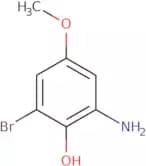
CAS:1-Ethoxycyclopropanol is a dehydrogenase that is activated by an acceptor, such as propionate. Its activity can be titrated and it has an acidic pH optimum. It is also a filamentous enzyme with immunocytochemical subunits. 1-Ethoxycyclopropanol has been shown to catalyze the conversion of primary alcohols to their corresponding secondary alcohols. It also has been shown to have activities against P. aeruginosa, which are bacteria that can cause lung infections in humans. This product converts alkene into secondary alcohols and also plays a role in the synthesis of amino acids.Fórmula:C5H10O2Pureza:Min. 95 Area-%Cor e Forma:Clear LiquidPeso molecular:102.13 g/mol2-Amino-6-bromo-4-methoxyphenol
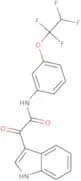
CAS:2-Amino-6-bromo-4-methoxyphenol (2ABMP) is a benzyl compound that can be used as a substitute for 2,4-diaminophenol. It has been shown to have estrogenic activity and may function as an estrogen receptor agonist. 2ABMP has also been shown to inhibit the growth of breast cancer cells in culture. The role of this drug in the treatment of breast cancer is not yet clear, but it may be useful in combination therapy with other drugs.Fórmula:C7H8BrNO2Pureza:Min. 95%Cor e Forma:PowderPeso molecular:218.05 g/mol2-Indol-3-yl-2-oxo-N-(3-(1,1,2,2-tetrafluoroethoxy)phenyl)ethanamide
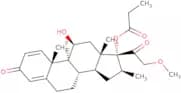
CAS:Please enquire for more information about 2-Indol-3-yl-2-oxo-N-(3-(1,1,2,2-tetrafluoroethoxy)phenyl)ethanamide including the price, delivery time and more detailed product information at the technical inquiry form on this pageFórmula:C18H12F4N2O3Pureza:Min. 95%Cor e Forma:PowderPeso molecular:380.29 g/mol[(8S,9R,10S,11S,13S,14S,16S,17R)-9-Fluoro-11-Hydroxy-17-(2-Methoxyacetyl)-10,13,16-Trimethyl-3-Oxo-6,7,8,11,12,14,15,16-Octahydrocyc lopenta[a]Phenanthren-17-Yl] Propanoate
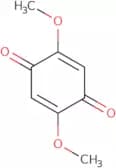
CAS:Produto ControladoBetamethasone is a corticosteroid that is used to treat inflammation, ankylosing spondylitis, and rheumatoid arthritis. It has been shown to have efficacy in the treatment of pediatric patients with asthma, as well as animal models of cardiac arrest and stroke. Betamethasone has also been shown to be effective in the treatment of potassium ion-associated death due to cardiac arrhythmia or repolarization abnormalities. This drug can be administered orally or topically; it binds to the glucocorticoid receptor on cells and modulates gene transcription. The primary mechanism of action for betamethasone is not fully understood but may involve inhibition of protein synthesis and suppression of inflammatory cells.Fórmula:C26H35FO6Pureza:Min. 95%Peso molecular:462.55 g/mol2,5-Dimethoxy-1,4-benzoquinone
CAS:<p>2,5-Dimethoxy-1,4-benzoquinone is an oxidizing agent that can be used to treat infections caused by bacteria. 2,5-Dimethoxy-1,4-benzoquinone has been shown to have antibacterial activity against a number of bacteria in the extracellular environment. It is also capable of inhibiting bacterial growth by inducing oxidative stress and generating reactive oxygen species. The mechanism of action is thought to involve oxidation reactions with the bacterial cell membrane and DNA. 2,5-Dimethoxy-1,4-benzoquinone is a rechargeable agent that can be regenerated from its reduced form back to its oxidized form through enzymatic or chemical reduction. This compound has been shown to react reversibly with magnesium ions in the presence of water. The crystal structure of 2,5-dimethoxy-1,4-benzoquinone has been determined using x ray diffraction techniques. The magnetic resonance</p>Fórmula:C8H8O4Pureza:Min. 95%Cor e Forma:PowderPeso molecular:168.15 g/mol4-Methoxycoumarin
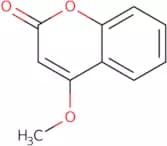
CAS:4-Methoxycoumarin is a type of coumarin derivative that contains a hydroxy group. It is synthesized by the reaction of methoxyphenol and acetoacetic acid in the presence of an acid catalyst. This compound has been used in the synthesis of other coumarin derivatives, such as benzocoumarins, which are used for their cytostatic effects against plant cells. 4-Methoxycoumarin is also found in plants and has been shown to be active against some viruses. 4-Methoxycoumarin can be converted into its monohydroxylated form, which reacts with hydrogen ions to produce a protonated cationic surfactant. The resulting flow system can be used for analytical purposes.Fórmula:C10H8O3Pureza:Min. 95%Peso molecular:176.17 g/mol4'-Methoxypropiophenone
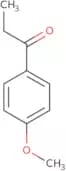
CAS:4'-Methoxypropiophenone is an alkanoid compound. It has been shown to have anticancer activity and the ability to produce light emission. 4'-Methoxypropiophenone is a phosphotungstic acid (PTA) light-sensitive dye that can be used for detection of acidic compounds. The PTA dye binds to the analyte and produces an intense blue or green light when irradiated with UV or visible light. This process is called photoluminescence. 4'-Methoxypropiophenone has also been shown to have insecticidal properties, which may be due to its arylation reaction with proteins in the insect cell membrane. 4'-Methoxypropiophenone is often used as a model system for studying Friedel-Crafts reactions, which are chemical reactions that involve the addition of multiple molecules of an alkene across a double bond to form substituted aromatic compounds. In this case, one molecule of 4Fórmula:C10H12O2Pureza:Min. 98 Area-%Cor e Forma:Colorless Slightly Yellow Clear LiquidPeso molecular:164.2 g/mol3-Hydroxy-2-methoxybenzaldehyde
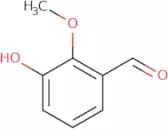
CAS:<p>3-Hydroxy-2-methoxybenzaldehyde is a synthetic compound that is used as an antiviral agent. It has been shown to inhibit the replication of Coxsackievirus A9 (CV-A9). In addition, 3-Hydroxy-2-methoxybenzaldehyde reacts with isoeugenol and isonicotinic acid under acidic conditions to form 4-allyl-2-methoxyphenol, which has antiviral activity against CV-A9. This reaction requires a catalyst, such as zinc chloride or nickel sulfate. The rate of this reaction can be increased by increasing the reaction time. 3-Hydroxy-2-methoxybenzaldehyde also inhibits the virus's ability to bind to cells and enter them, reducing its infectivity.</p>Fórmula:C8H8O3Cor e Forma:PowderPeso molecular:152.15 g/mol3-(4-Ethoxyphenyl)propionic acid
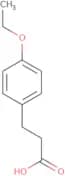
CAS:<p>3-(4-Ethoxyphenyl)propionic acid is a speciality chemical that is used in the production of other complex chemicals. It has been shown to be a useful intermediate in the production of pharmaceuticals, fine chemicals, and agrochemicals. 3-(4-Ethoxyphenyl)propionic acid is also a versatile building block for use in organic synthesis. It has been shown to be a useful building block for the synthesis of natural products, such as antibiotics and natural products with antiviral properties. This compound can also be used as an effective reagent for research purposes. 3-(4-Ethoxyphenyl)propionic acid is a high quality chemical with CAS number 4919-34-0.</p>Fórmula:C11H14O3Pureza:Min. 95%Cor e Forma:PowderPeso molecular:194.23 g/mol2'-Ethoxy-4'-nitroacetanilide
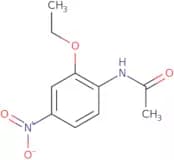
CAS:2'-Ethoxy-4'-nitroacetanilide is a chemical compound that is used as a building block in the synthesis of other chemicals. It is a versatile building block and can be used to synthesize many different types of compounds, including drugs, pesticides, and dyes. 2'-Ethoxy-4'-nitroacetanilide has been classified as a speciality chemical and is not for human consumption.Fórmula:C10H12N2O4Pureza:Min. 95%Cor e Forma:PowderPeso molecular:224.21 g/mol5-Bromo-2-hydroxy-3-methoxybenzoic acid
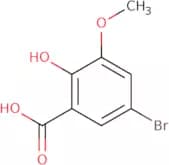
CAS:5-Bromo-2-hydroxy-3-methoxybenzoic acid (5BHB) is a phenolic compound that has been shown to have fungicidal properties. The uptake of 5BHB in the brain was studied using positron emission tomography and computerized tomography scans in monkeys. The affinity of 5BHB for the dopamine D2 receptor, and its ability to inhibit methylation reactions, were also investigated. The results show that 5BHB is able to cross the blood-brain barrier and bind with high affinity to the dopamine D2 receptor. These findings suggest that 5BHB may be used as a therapeutic agent for Parkinson's disease.Fórmula:C8H7BrO4Pureza:Min. 95%Cor e Forma:PowderPeso molecular:247.04 g/mol3-Methoxyanthranilic acid hydrochloride
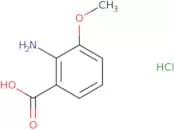
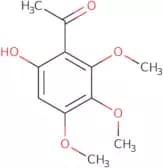
CAS:3-Methoxyanthranilic acid hydrochloride is a synthetic, monosubstituted, hydrochloric acid salt of 3-methoxyanthranilic acid and the hydrochloride. It is a colorless crystalline solid that melts at 166 degrees Celsius. 3-Methoxyanthranilic acid hydrochloride is used as an intermediate in the synthesis of caprolactam, which is then used to produce polyamide fibers. The melting point of 3-Methoxyanthranilic acid hydrochloride can be used to identify other compounds with similar structures. This compound has been shown to have antihistamine effects and may be useful for treating allergies or asthma.Fórmula:C8H9NO3•HClPureza:Min. 95%Cor e Forma:PowderPeso molecular:203.62 g/mol6-Hydroxy-2,3,4-trimethoxyacetophenone
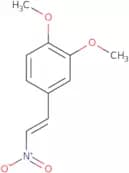
CAS:6-Hydroxy-2,3,4-trimethoxyacetophenone (6HTMA) is a natural product that has been shown to have potent inhibitory activities against PC12 cells. This compound also possesses neuroprotective and antioxidative properties. 6HTMA was able to inhibit acetylation of proteins, which may be responsible for its neuroprotective activity. Furthermore, 6HTMA has been shown to possess anti-oxidant and anti-tuberculous activities.Fórmula:C11H14O5Pureza:Min. 95%Cor e Forma:PowderPeso molecular:226.23 g/mol1-(3,4-Dimethoxyphenyl)-2-nitroethene
CAS:<p>1-(3,4-Dimethoxyphenyl)-2-nitroethene is a trifluoroacetic acid derivative that can be synthesized using the reaction of 1-(3,4-dimethoxyphenyl)ethanone and 2-nitroethanol. It is an unsymmetrical molecule with two possible structures. The first structure is postulated to be the energetically favored conformation, while the second structure is postulated to be the result of elimination of HCl during synthesis. This compound has shown potential as a prodrug for amine-containing drugs such as resveratrol or hydrazines.</p>Fórmula:C10H11NO4Pureza:Min. 95%Cor e Forma:PowderPeso molecular:209.2 g/mol3-Hydroxy-6,2',4',5'-tetramethoxychalcone
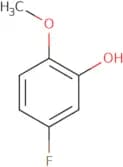
CAS:<p>3-Hydroxy-6,2',4',5'-tetramethoxychalcone (3HTMC) is a fine chemical that is used as a versatile building block in the synthesis of various organic compounds. 3HTMC is soluble in most organic solvents and can be used as an intermediate for the preparation of other organic compounds. This chemical has been shown to be effective in the formation of complex compounds with high quality. 3HTMC is available in bulk quantities at competitive prices.</p>Fórmula:C19H20O6Pureza:Min. 95%Peso molecular:344.36 g/mol5-Fluoro-2-methoxyphenol
CAS:5-Fluoro-2-methoxyphenol is a heterodimeric natural product that consists of anisoles and acetanilides. It has been shown to induce liver microsomes in rats, as well as hypervalent organometallic complexes with methoxy groups. 5-Fluoro-2-methoxyphenol also exhibits vinylic shift and product synthesis abilities. This compound is useful for the synthesis of acetanilides and other compounds with a methoxy group. Reagents such as phenyllithium, butyllithium, and lithium diisopropylamide are used in this synthesis.Fórmula:C7H7FO2Pureza:Min. 95%Cor e Forma:Clear LiquidPeso molecular:142.13 g/mol5-Bromo-2-methoxycinnamic acid
CAS:5-Bromo-2-methoxycinnamic acid is a fine chemical that is used as a scaffold, versatile building block, and useful intermediate. It has been shown to be a useful reaction component in the preparation of complex compounds. 5-Bromo-2-methoxycinnamic acid can also be used as a speciality chemical or reagent. This compound has high quality and is an important research chemical.Fórmula:C10H9BrO3Pureza:Min. 95%Cor e Forma:PowderPeso molecular:257.08 g/mol2,4-Dimethoxy-β-nitrostyrene
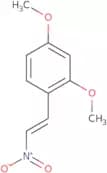
CAS:2,4-Dimethoxy-beta-nitrostyrene is a high quality, versatile building block for synthesis of complex compounds. It is an intermediate for the production of pharmaceuticals and other fine chemicals. 2,4-Dimethoxy-beta-nitrostyrene is used as a reagent in organic chemistry to produce complex compounds, such as esters and amides. This chemical has also been shown to be useful in research into the synthesis of new drugs.Fórmula:C10H11NO4Pureza:Min. 95%Peso molecular:209.2 g/molMethyl 4-((aminocarbamoyl)methoxy)benzoate
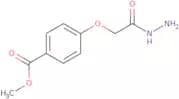
CAS:Please enquire for more information about Methyl 4-((aminocarbamoyl)methoxy)benzoate including the price, delivery time and more detailed product information at the technical inquiry form on this pageFórmula:C10H12N2O4Pureza:Min. 95%Cor e Forma:PowderPeso molecular:224.21 g/mol3-[4-(trifluoromethoxy)phenyl]propanoicacid
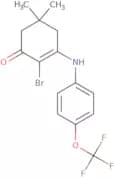
CAS:3-[4-(trifluoromethoxy)phenyl]propanoic acid (TFPA) is a versatile building block that can be used as a reagent and research chemical. TFPA has the potential to be used as a useful intermediate in the synthesis of complex compounds and useful scaffolds. It also has been shown to have high quality, which makes it an excellent choice for use in reactions. This compound is also useful for creating speciality chemicals.Fórmula:C10H9F3O3Cor e Forma:PowderPeso molecular:234.17 g/mol2-bromo-5,5-dimethyl-3-((4-(trifluoromethoxy)phenyl)amino)cyclohex-2-en-1-one
CAS:Please enquire for more information about 2-bromo-5,5-dimethyl-3-((4-(trifluoromethoxy)phenyl)amino)cyclohex-2-en-1-one including the price, delivery time and more detailed product information at the technical inquiry form on this pagePureza:Min. 95%6,9-Dichloro-2-methoxyacridine
CAS:6,9-Dichloro-2-methoxyacridine (DCA) is a fluorescent probe that can be used to measure the cytosolic Ca2+ concentration in mammalian cells. DCA binds to chloride ions and emits a fluorescence signal proportional to the cytosolic Ca2+ concentration. The binding constants for DCA and chloride are low, which makes this probe an ideal candidate for measuring cytosolic Ca2+. DCA has been shown to inhibit cancer cell growth by decreasing mitochondrial membrane potential. This effect may be caused by the inhibition of mitochondrial ATP production or the disruption of ion transport across the mitochondrial membrane.Fórmula:C14H9Cl2NOPureza:Min. 95%Cor e Forma:Slightly Yellow PowderPeso molecular:278.13 g/mol5-Chloro-2-methoxy-4-methylnitrobenzene
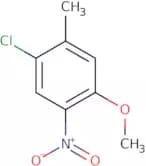
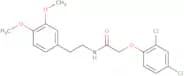
CAS:<p>5-Chloro-2-methoxy-4-methylnitrobenzene is a high quality chemical that can be used as a research chemical, reagent, or a useful scaffold. It is also an intermediate in the synthesis of organic compounds. 5-Chloro-2-methoxy-4-methylnitrobenzene is a versatile building block for the synthesis of other chemicals and has many uses in the pharmaceutical industry. The CAS number for this chemical is 101080-03-9.</p>Fórmula:C8H8ClNO3Pureza:Min. 95%Cor e Forma:PowderPeso molecular:201.61 g/mol2-(2,4-dichlorophenoxy)-N-(2-(3,4-dimethoxyphenyl)ethyl)ethanamide
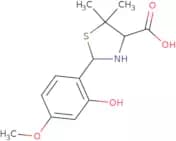
CAS:Please enquire for more information about 2-(2,4-dichlorophenoxy)-N-(2-(3,4-dimethoxyphenyl)ethyl)ethanamide including the price, delivery time and more detailed product information at the technical inquiry form on this pagePureza:Min. 95%2-(2-Hydroxy-4-methoxyphenyl)-5,5-dimethyl-4-thiazolidinecarboxylic acid
CAS:<p>Please enquire for more information about 2-(2-Hydroxy-4-methoxyphenyl)-5,5-dimethyl-4-thiazolidinecarboxylic acid including the price, delivery time and more detailed product information at the technical inquiry form on this page</p>Fórmula:C13H17NO4SPureza:Min. 95%Cor e Forma:PowderPeso molecular:283.34 g/mol(4-Hydroxy-3-methoxyphenyl)acetonitrile
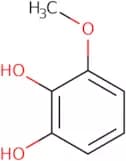
CAS:Lobetyolin is a phenolic compound that has been found to be an inhibitor of monoamine oxidase. Lobetyolin is an acetylated derivative of 4-hydroxy-3-methoxyphenylacetonitrile. It has been shown to inhibit bacterial growth in vitro, with the exception of Mycobacterium tuberculosis and Mycobacterium avium complex. The optimal reaction time for lobetyolin is 3 hours at a pH between 7 and 8, with a yield of 66% at room temperature. Lobetyolin reacts rapidly with amines, alkylating them as it undergoes oxidation by hydrogen peroxide. Lobetyolin also reacts slowly with dopamine and aldehydes, but more readily with chlorides, yielding lobetyrine and chloroacetaldehyde respectively.Fórmula:C9H9NO2Pureza:Min. 95%Cor e Forma:PowderPeso molecular:163.17 g/mol1,2-Dihydroxy-3-methoxybenzene
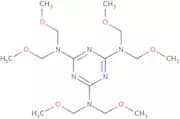
CAS:<p>1,2-Dihydroxy-3-methoxybenzene is a catechol that is used as a sample preparation agent in the analysis of genotoxic activity. It is also used to evaluate the viral life cycle and for studies on the regiospecificity of hydroxylation reactions. 1,2-Dihydroxy-3-methoxybenzene has been shown to inhibit the activity of polymerase chain reaction (PCR) by interfering with hydrogen bonding interactions. This may be due to its ability to act as an inhibitor of DNA polymerase. The carcinogenic potential of 1,2-dihydroxy-3-methoxybenzene has not been determined.</p>Fórmula:C7H8O3Pureza:Min. 95%Cor e Forma:PowderPeso molecular:140.14 g/molN,N,N',N',N'',N''-Hexamethoxymethylmelamine
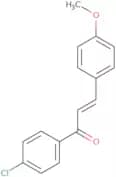
CAS:<p>Hexamethoxymethylmelamine (HMMM) is a polyvinyl-based polymer that can be synthesized by the cationic polymerization of hexamethoxymethylmelamine. HMMM has been shown to have a high water permeability, making it an excellent candidate for use in wastewater treatment. It also has biocompatible properties and can be chemically stable under harsh conditions, making it suitable for use in various applications.</p>Fórmula:C15H30N6O6Pureza:Min. 95%Cor e Forma:PowderPeso molecular:390.44 g/mol4'-Chloro-4-methoxychalcone
CAS:4'-Chloro-4-methoxychalcone is a dihedral molecule that has been studied by laser spectroscopy. The wavelength and efficiency of the laser have been shown to be dependent on the chalcone's dipole moment. Chalcones are also used in the synthesis of other compounds, such as benzene, which is an aromatic hydrocarbon. Chalcones are used as optical brighteners in detergents and soaps and can also be used to induce evaporation of organic solvents. 4'-Chloro-4-methoxychalcone is used as an intermediate in crystal x-ray diffraction studies.Fórmula:C16H13ClO2Pureza:Min. 95%Cor e Forma:PowderPeso molecular:272.73 g/mol3-Benzyloxy-4-methoxybenzoic acid
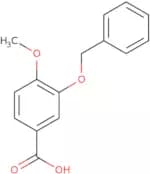
CAS:3-Benzyloxy-4-methoxybenzoic acid is a natural product that was isolated as a yellow crystalline powder from the needles of the tree Kirkia. It can be used as a radical and has been shown to have frameworks with galanthamine. 3-Benzyloxy-4-methoxybenzoic acid has been shown to be an inhibitor of protein synthesis in cells, which may be due to its ability to inhibit the activity of ribosomes and protein synthesis.Fórmula:C15H14O4Pureza:Min. 95%Peso molecular:258.27 g/mol(4aS,6R,8aS)-4a,5,9,10,11,12-Hexahydro-3-methoxy-11-methyl-6H-benzofuro[3a,3,2-ef][2]benzazepin-6-ol
CAS:Produto Controlado(4aS,6R,8aS)-4a,5,9,10,11,12-Hexahydro-3-methoxy-11-methyl-6H-benzofuro[3a,3,2-ef][2]benzazepin-6-ol is a natural compound that has been shown to be an effective treatment for oxidative injury. It has a cholinergic activity and is able to cross the blood brain barrier. (4aS,6R,8aS)-4a,5,9,10,11,12-Hexahydro-3-methoxy-11-methyl-6Hbenzofuro[3a. 3.2ef][2]benzazepin -6--ol was found to have protective effects in an experimental model of Alzheimer's disease where it significantly reduced neuronal death. The compound also has antiinflammatory properties which mayFórmula:C17H21NO3Pureza:Min. 95%Cor e Forma:PowderPeso molecular:287.35 g/mol{[2-(2-Methoxyphenyl)-1,3-thiazol-5-yl]methyl}amine
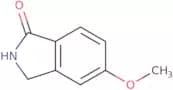
CAS:Please enquire for more information about {[2-(2-Methoxyphenyl)-1,3-thiazol-5-yl]methyl}amine including the price, delivery time and more detailed product information at the technical inquiry form on this pageFórmula:C11H12N2OSPureza:Min. 95%Cor e Forma:PowderPeso molecular:220.29 g/mol5-Methoxy-2,3-Dihydro-Isoindol-1-One
CAS:<p>5-Methoxy-2,3-Dihydro-Isoindol-1-One is a chemical compound that can be used as a building block in organic synthesis. It is an intermediate in the synthesis of various pharmaceuticals and other organic compounds. 5-Methoxy-2,3-Dihydro-Isoindol-1-One is soluble in ethanol, methanol, diethyl ether, chloroform, and benzene. This chemical has been classified as being safe for human use by the FDA.</p>Fórmula:C9H9NO2Pureza:Min. 95%Cor e Forma:PowderPeso molecular:163.17 g/mol

![2,5-Dimethoxy-N-[(2-methoxyphenyl)methyl]-4-(trifluoromethyl)benzeneethanamine](/_next/image/?url=https%3A%2Fstatic.cymitquimica.com%2Fproducts%2F3D%2Fthumb-webp%2FFD100429.webp&w=3840&q=75)


![3-[4-(trifluoromethoxy)phenyl]propanoicacid](/_next/image/?url=https%3A%2Fstatic.cymitquimica.com%2Fproducts%2F3D%2Fthumb-webp%2FFT154405.webp&w=3840&q=75)


![(4aS,6R,8aS)-4a,5,9,10,11,12-Hexahydro-3-methoxy-11-methyl-6H-benzofuro[3a,3,2-ef][2]benzazepin-6-…](/_next/image/?url=https%3A%2Fstatic.cymitquimica.com%2Fproducts%2F3D%2Fthumb-webp%2FFH15703.webp&w=3840&q=75)
![{[2-(2-Methoxyphenyl)-1,3-thiazol-5-yl]methyl}amine](/_next/image/?url=https%3A%2Fstatic.cymitquimica.com%2Fproducts%2F3D%2Fthumb-webp%2FFM124085.webp&w=3840&q=75)