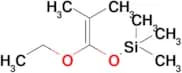
Éteres
Os éteres são compostos orgânicos que contêm um grupo funcional éter, caracterizado por um átomo de oxigênio ligado a dois radicais hidrocarbonetos. Esses compostos são valiosos na síntese e servem como solventes em várias reações químicas. Na CymitQuimica, oferecemos uma seleção de éteres de alta qualidade para apoiar suas aplicações de pesquisa e industriais, garantindo resultados confiáveis e eficazes. Nossa gama de éteres atende a diversos requisitos laboratoriais, desde experimentos de rotina até pesquisas avançadas.
Foram encontrados 40902 produtos de "Éteres"
Ordenar por
Pureza (%)
0
100
|
0
|
50
|
90
|
95
|
100
2,4,6-Trimethoxybenzamide
CAS:<p>2,4,6-Trimethoxybenzamide is a triggered compound that reacts with lithium to form an efficient regiospecific lithium 2,4,6-trimethoxybenzamide complex. This reaction occurs at low temperatures and has been shown to be more efficient than other methods for the synthesis of acridones. The reaction has not been shown to be reversible and requires the use of a strong base such as lithium.</p>Fórmula:C10H13NO4Pureza:Min. 95%Cor e Forma:PowderPeso molecular:211.21 g/molDimethoxy(methyl)silane - 90%
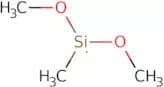
CAS:<p>Dimethoxy(methyl)silane is a fluorescing hydrocarbon that is used as a sealant. It has been shown to react with calcium carbonate and chloride, forming stable complexes. Dimethoxy(methyl)silane reacts with hydrogen chloride to form a divalent hydrocarbon and can be used to produce polymer films.</p>Fórmula:C3H10O2SiPureza:Min. 95%Cor e Forma:Clear LiquidPeso molecular:106.2 g/mol2-Methoxy-3-nitropyridine
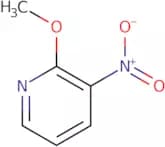
CAS:<p>2-Methoxy-3-nitropyridine is a chemical compound with the molecular formula CHNO. It is classified as an amine and has a molecular weight of 140.24 g/mol. 2-Methoxy-3-nitropyridine is a colorless liquid that can be used to make other compounds, such as nitroarenes, boronic acids, and dyes. The molecule consists of a central carbon atom with four nitrogen atoms at the corners of a tetrahedron. The electron configuration for this molecule is 1s22s22p4. This means that the outer shell electrons are in orbitals with principal quantum numbers s=1 and p=2. These orbitals are located near the middle of the molecule rather than on the periphery as in ethane (CH3CH2). This orientation provides more space for other atoms to attach to the central carbon atom, which increases its affinity for nucleophilic attack. 2-M</p>Fórmula:C6H6N2O3Pureza:Min. 95%Cor e Forma:PowderPeso molecular:154.12 g/mol3-ethyl-2-thioxo-5-((3,4,5-trimethoxyphenyl)methylene)-1,3-thiazolidin-4-one
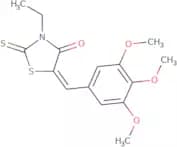
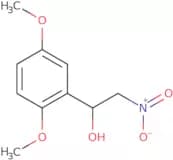
CAS:Please enquire for more information about 3-ethyl-2-thioxo-5-((3,4,5-trimethoxyphenyl)methylene)-1,3-thiazolidin-4-one including the price, delivery time and more detailed product information at the technical inquiry form on this pagePureza:Min. 95%1-(2,5-Dimethoxyphenyl)-2-nitroethanol
CAS:1-(2,5-Dimethoxyphenyl)-2-nitroethanol is a chiral, asymmetric catalyst that has been shown to be effective in the enantioselective reduction of ketones. This process is important because it allows for the synthesis of chiral amino alcohols, which are then used in a variety of chemical reactions. The reaction can also be carried out with methyl amine as an amine source. 1-(2,5-Dimethoxyphenyl)-2-nitroethanol is an example of a catalyst that participates in catalysis through the lone pair on oxygen and nitrogen atoms.Fórmula:C10H13NO5Pureza:Min. 95%Cor e Forma:White PowderPeso molecular:227.21 g/mol(5-Bromo-2-methoxyphenyl)acetonitrile
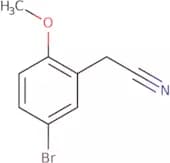
CAS:<p>5-Bromo-2-methoxyphenyl)acetonitrile is a chemical building block that can be used in the synthesis of complex compounds. It is a versatile intermediate that can be used as a reagent in organic reactions. This compound has been shown to be useful as a reaction component and is a high quality product. 5-Bromo-2-methoxyphenyl)acetonitrile has CAS number 7062-40-0 and is listed on the Chemical Abstracts Service (CAS).</p>Fórmula:C9H8BrNOPureza:Min. 95%Peso molecular:226.07 g/mol2-(Di-tert-butylphosphino)-2',4',6'- triisopropyl-3,6-dimethoxy-1,1'-biphenyl
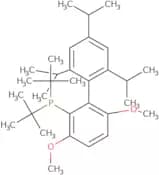
CAS:2-(Di-tert-butylphosphino)-2',4',6'-triisopropyl-3,6-dimethoxy-1,1'-biphenyl is a nucleophilic compound that can be used in amination reactions. It has been used to synthesize fluorinated compounds by reacting with various halides under palladium catalysis. This reaction is an efficient method for the synthesis of 5-membered heteroaryl compounds and pyrazole rings. 2-(Di-tert-butylphosphino)-2',4',6'-triisopropyl-3,6-dimethoxy-1,1'-biphenyl has also been shown to inhibit the growth of carcinoma cell lines and profiles in aminoimidazoles.Fórmula:C31H49O2PPureza:Min. 97 Area-%Cor e Forma:White Off-White PowderPeso molecular:484.69 g/mol2',6'-Dimethoxy-β-methyl-β-nitrostyrene
CAS:2',6'-Dimethoxy-beta-methyl-beta-nitrostyrene is a chemical building block that is useful for the synthesis of complex organic molecules. It is an intermediate in the manufacture of pharmaceuticals, pesticides and dyes. 2',6'-Dimethoxy-beta-methyl-beta-nitrostyrene is an important component in the production of research chemicals and speciality chemicals. The compound has been assigned CAS number 78904-44-6.Fórmula:C11H13NO4Pureza:Min. 95%Peso molecular:223.23 g/mol3-(Trifluoromethoxy)hydrocinnamic acid
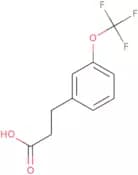
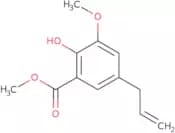
CAS:<p>3-(Trifluoromethoxy)hydrocinnamic acid is a useful building block that is used in the synthesis of many organic compounds. It has been used as a reagent and as a speciality chemical, and is also a versatile building block for the synthesis of complex compounds. 3-(Trifluoromethoxy)hydrocinnamic acid can be synthesized from cinnamic acid, which is available commercially and can be obtained by reacting benzaldehyde with nitric acid. 3-(Trifluoromethoxy)hydrocinnamic acid has CAS No. 168833-77-0 and can be found under the name 2,4-dichloro-3-(trifluoromethoxy)benzene.</p>Fórmula:C10H9F3O3Pureza:Min. 98 Area-%Cor e Forma:Clear LiquidPeso molecular:234.17 g/molMethyl 5-allyl-2-hydroxy-3-methoxybenzoate
CAS:Methyl 5-allyl-2-hydroxy-3-methoxybenzoate is a chemical compound that belongs to the class of organic compounds known as esters. It is a colorless crystalline solid, which has been found to be useful in the synthesis of other chemical compounds. Methyl 5-allyl-2-hydroxy-3-methoxybenzoate is stable at high temperatures and it was found to be catalytic in reactions involving carbonates. The crystal structure of methyl 5-allyl-2-hydroxy-3-methoxybenzoate has been analyzed using XRD and FTIR spectroscopy. The product yields have been determined by GC analysis and IR spectroscopy.Fórmula:C12H14O4Pureza:Min. 95%Cor e Forma:PowderPeso molecular:222.24 g/mol3-Methoxybenzamidine hydrochloride
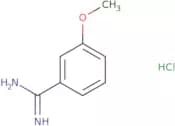
CAS:3-Methoxybenzamidine hydrochloride is a chemical that belongs to the group of acid chlorides. It is used in organic synthesis as an intermediate for the production of triazines, which are used as herbicides and insecticides. 3-Methoxybenzamidine hydrochloride is usually prepared by reacting methylamine with nitrous acid. The use of 3-methoxybenzamidine hydrochloride in organic synthesis has been shown to be highly efficient, with yields up to 95%. This chemical also exhibits fluorescence at low temperatures.Fórmula:C8H10N2O·HClPureza:Min. 95%Cor e Forma:PowderPeso molecular:186.64 g/mol1-Chloro-3-[4-(2-methoxyethyl)phenoxy]-2-propanol
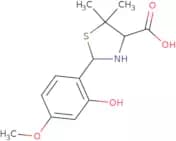
CAS:<p>1-Chloro-3-[4-(2-methoxyethyl)phenoxy]-2-propanol is a potent antihypertensive agent that is synthesized by the chemoenzymatic process. It differs from other antihypertensive drugs in that it incorporates an oxirane group, which makes it more hydrophobic than other drugs. 1-Chloro-3-[4-(2-methoxyethyl)phenoxy]-2-propanol is a crystalline solid with a melting point of 128°C and a density of 1.0 g/mL. The chemical name for this drug is 4-[(1E)-1-(chloromethoxy)propyl]phenol, which has potent antihypertensive activity and high enantioselectivity.</p>Fórmula:C12H17ClO3Pureza:Min. 95%Peso molecular:244.71 g/mol2-(2-Hydroxy-4-methoxyphenyl)-5,5-dimethyl-4-thiazolidinecarboxylic acid
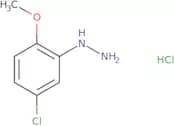
CAS:<p>Please enquire for more information about 2-(2-Hydroxy-4-methoxyphenyl)-5,5-dimethyl-4-thiazolidinecarboxylic acid including the price, delivery time and more detailed product information at the technical inquiry form on this page</p>Fórmula:C13H17NO4SPureza:Min. 95%Cor e Forma:PowderPeso molecular:283.34 g/mol5-Chloro-2-methoxyphenylhydrazine hydrochloride
CAS:5-Chloro-2-methoxyphenylhydrazine hydrochloride is a reagent, complex compound with CAS No. 5446-16-2. It is useful as an intermediate in the manufacture of a variety of fine chemicals and research chemicals. This compound can be used as a versatile building block in the synthesis of new chemical compounds and is also a reaction component.Fórmula:C7H9ClN2O·ClHPureza:Min. 95%Cor e Forma:PowderPeso molecular:209.07 g/mol2-Benzyloxy-6-methoxyacetophenone
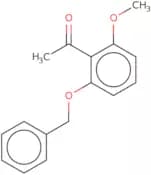
CAS:<p>2-Benzyloxy-6-methoxyacetophenone is a high quality and versatile chemical that can be used as a reagent or building block in organic synthesis. It is an important intermediate in the synthesis of fine chemicals, pharmaceuticals, and other complex compounds. 2-Benzyloxy-6-methoxyacetophenone has been shown to be useful as a scaffold for the synthesis of novel complex molecules, such as speciality chemicals. The compound also has potential applications in research and development of new drugs.</p>Fórmula:C16H16O3Pureza:Min. 95%Cor e Forma:PowderPeso molecular:256.3 g/mol6,7-Dimethoxycarbostyril
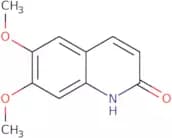
CAS:<p>6,7-Dimethoxycarbostyril is a small molecule that has been shown to induce cell death in cancer cells by inhibiting the chaperone function of heat shock protein 90 (HSP90). HSP90 is a multifunctional molecular chaperone that affects many cellular processes including cell growth, apoptosis and tumorigenesis. 6,7-Dimethoxycarbostyril binds to the ATP binding site of HSP90, preventing it from performing its chaperone role. This leads to inhibition of cell growth and induction of apoptosis. 6,7-Dimethoxycarbostyril has also been shown to inhibit tumor growth in vivo in mouse models and has successfully completed phase I clinical trials at doses up to 2000 mg/day.</p>Fórmula:C11H11NO3Pureza:Min. 95%Cor e Forma:PowderPeso molecular:205.21 g/mol3-Amino-4-carbomethoxybenzoic acid
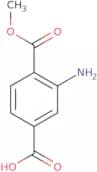
CAS:3-Amino-4-carbomethoxybenzoic acid is a compound that has not yet been labeled with a function. It has been shown to be an intermediate in the synthesis of polymers, such as polyamides and polyesters. 3-Amino-4-carbomethoxybenzoic acid is involved in biological functions related to butyric acid, which is a metabolite of the amino acids phenylalanine and tyrosine, or from the degradation of proteins. It is also used as a precursor for amines and may be an intermediate in the synthesis of glycoconjugates. The compound was found to have anticancer properties when used in combination with other drugs, such as doxorubicin and etoposide. Furthermore, it was found to have anti-inflammatory activities by inhibiting prostaglandin synthesis.Fórmula:C9H9NO4Pureza:Min. 95%Cor e Forma:PowderPeso molecular:195.17 g/mol3,5-Dimethoxycinnamic acid
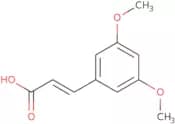
CAS:3,5-Dimethoxycinnamic acid is a compound that belongs to the class of cinnamic acid derivatives. It is a synthetic substance obtained by demethylation of 3,5-dimethoxybenzoic acid. This substance has been shown to have an antifungal activity in vitro against filamentous fungi and many other microorganisms. The antimicrobial effect can be explained by the presence of functional groups such as hydroxyl and methoxyl on the aromatic ring. Hydroxide solution can be used as an analytical reagent for determining the formation rate of this compound.Fórmula:C11H12O4Pureza:Min. 95%Cor e Forma:PowderPeso molecular:208.21 g/mol(2-methoxyethyl)((2-nitrophenyl)sulfonyl)amine
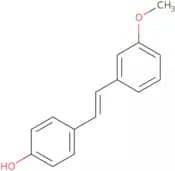
CAS:Please enquire for more information about (2-methoxyethyl)((2-nitrophenyl)sulfonyl)amine including the price, delivery time and more detailed product information at the technical inquiry form on this pagePureza:Min. 95%4-Hydroxy-3'-methoxystilbene
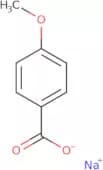
CAS:<p>4-Hydroxy-3'-methoxystilbene is a chemical that is used as a reaction component or reagent in the synthesis of other compounds. It can be used as a building block for the synthesis of complex molecules and fine chemicals. 4-Hydroxy-3'-methoxystilbene is an intermediate for the production of high quality research chemicals. It has been reported to be useful in the synthesis of pharmaceuticals, agrochemicals, and pesticides.</p>Fórmula:C15H14O2Pureza:Min. 95%Cor e Forma:White PowderPeso molecular:226.27 g/mol4-Methoxybenzoic acid sodium
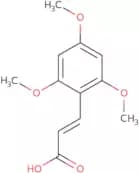
CAS:4-Methoxybenzoic acid sodium is an amide that has been used as a preservative and antimicrobial agent in food products. It is also a second-order rate constant with a Ca2+ concentration of 0.1 mM for staphylococcus. The fatty acids of 4-methoxybenzoic acid sodium are hydrophobic and inhibit the growth of microorganisms by disrupting the cell membrane, which leads to leakage of cellular content. This compound also inhibits the activity of fatty acyl coenzyme A reductase and has been shown to have a microbicidal effect on gram-positive bacteria, such as Staphylococcus aureus. 4-Methoxybenzoic acid sodium has also been shown to be effective against Candida albicans, Streptococcus pyogenes, and Bacillus subtilis when combined with an antimicrobial peptide or cationic surfactant.Fórmula:C8H7NaO3Pureza:Min. 98 Area-%Cor e Forma:PowderPeso molecular:174.13 g/mol2,4,6-Trimethoxycinnamic acid
CAS:2,4,6-Trimethoxycinnamic acid is a cinnamoyl compound that can be isolated from the seeds of Garcinia gummi-guta. This compound has been synthesised and optimised for use as an antioxidant in food and cosmetic products. 2,4,6-Trimethoxycinnamic acid has a high product yield under isothermal conditions using β-cyclodextrin as a solvent. It also shows good stability in the presence of light. 2,4,6-Trimethoxycinnamic acid has been shown to be efficient in preventing oxidation reactions by acting as a scavenger of singlet oxygen and peroxyl radicals. The analytical data obtained from this study suggests that 2,4,6-Trimethoxycinnamic acid will not produce any moieties or photostability problems when used in these applications.Fórmula:C12H14O5Pureza:Min. 95%Cor e Forma:PowderPeso molecular:238.24 g/mol3-Methoxyanthranilic acid hydrochloride
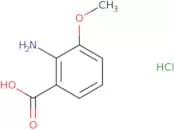
CAS:3-Methoxyanthranilic acid hydrochloride is a synthetic, monosubstituted, hydrochloric acid salt of 3-methoxyanthranilic acid and the hydrochloride. It is a colorless crystalline solid that melts at 166 degrees Celsius. 3-Methoxyanthranilic acid hydrochloride is used as an intermediate in the synthesis of caprolactam, which is then used to produce polyamide fibers. The melting point of 3-Methoxyanthranilic acid hydrochloride can be used to identify other compounds with similar structures. This compound has been shown to have antihistamine effects and may be useful for treating allergies or asthma.Fórmula:C8H9NO3•HClPureza:Min. 95%Cor e Forma:PowderPeso molecular:203.62 g/mol5-Methoxy-2-methylindole
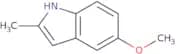
CAS:5-Methoxy-2-methylindole is an organic solvent that has been shown to have a wide range of bioactive properties. It is used in the production of acetylcholine, which is an important neurotransmitter. 5-Methoxy-2-methylindole also reacts with chloride ions, which may be an important factor when considering the life cycles and bioactive substances of this molecule. The reaction yield depends on the pH of the solution. 5-Methoxy-2-methylindole can undergo chlorination reactions to form polychlorinated derivatives, which are used as petrochemicals. This molecule also has retinoid properties and can act as a proton donor or acceptor depending on whether it is protonated or deprotonated.Fórmula:C10H11NOCor e Forma:PowderPeso molecular:161.2 g/mol3,6-Dihydroxy-2,4-dimethoxyacetophenone
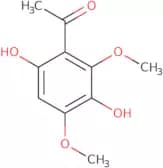
CAS:<p>3,6-Dihydroxy-2,4-dimethoxyacetophenone is an aromatic compound that has a molecular structure with hydrogen-bonded groups. It also contains both acetoxy and intramolecular substituents. 3,6-Dihydroxy-2,4-dimethoxyacetophenone is used in research as a starting material for the synthesis of other compounds. It is also used to study the dihedral angles in molecules due to the presence of two asymmetric carbon atoms.</p>Fórmula:C10H12O5Pureza:Min. 95%Cor e Forma:PowderPeso molecular:212.2 g/mol3-Hydroxy-2,4-dimethoxyacetophenone
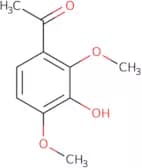
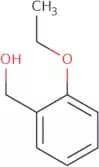
CAS:3-Hydroxy-2,4-dimethoxyacetophenone is an alkoxide that reacts with a variety of substances. It has been used to synthesize polymers, and has been detected in the gas phase by electron spin resonance spectroscopy. 3-Hydroxy-2,4-dimethoxyacetophenone is also a microbial metabolite that can be quantified by coulometric analysis. It has been found in microorganisms such as Escherichia coli and Pseudomonas aeruginosa, which suggests it may have anti-microbial activity.Fórmula:C10H12O4Pureza:Min. 95%Cor e Forma:PowderPeso molecular:196.2 g/mol2-Ethoxybenzyl alcohol
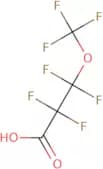
CAS:<p>2-Ethoxybenzyl alcohol is a chemical that belongs to the group of ethyl esters. It is an ether that has been shown to have normalizing activities on frequencies in the range of 2.2-2.4 ppm. The stereochemical configuration at C1 and the carbonyl group are essential for these activities, which are due to the ability of this molecule to act as a hydrogen bond acceptor. 2-Ethoxybenzyl alcohol is commonly found as an impurity in other ethers, such as diethyl ether, and can be used as a marker for their presence in a sample by gas chromatography with chemical ionization detection (GC/CI). 2-Ethoxybenzyl alcohol can also be metabolized by sulfation or biotransformations into methoxy or acetate derivatives. This compound has been shown to be carcinogenic when administered orally to rats.</p>Fórmula:C9H12O2Pureza:Min. 95%Cor e Forma:Clear LiquidPeso molecular:152.19 g/mol2,2,3,3-Tetrafluoro-3-(trifluoromethoxy)propanoic acid
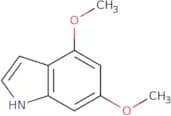
CAS:<p>2,2,3,3-Tetrafluoro-3-(trifluoromethoxy)propanoic acid (TFMP) is a fluorine-containing monomer that can be synthesized in an efficient method. TFMP is a resistant strain and has been shown to react with amines, carbonyls, and carboxylic groups. It can be copolymerized with other monomers to form polymeric materials. TFMP is a fluoride monomer that exhibits properties similar to perfluoroalkyl methacrylate monomers.</p>Fórmula:C4HF7O3Pureza:Min. 95%Cor e Forma:Clear LiquidPeso molecular:230.04 g/mol4,6-Dimethoxyindole
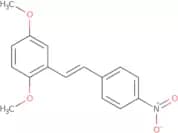
CAS:<p>4,6-Dimethoxyindole is a molecule that can be used as an amide or chloride. The molecular modeling study indicated that the 4,6-dimethoxyindole is hydrophobic and has a molecular weight of 164.4 g/mol. In the acetylation reaction, the 4,6-dimethoxyindole was synthesized with an acetyl group on one side of the molecule and an acetate group on the other side of the molecule. This molecule has shown to have anticholinesterase activity in vitro and can be used as an antibiotic. The synthesis of this molecule was confirmed by X-ray diffraction analysis, which showed that it had a crystal structure with two molecules in space group P2(1)2(1).</p>Fórmula:C10H11NO2Pureza:Min. 95%Peso molecular:177.2 g/moltrans-2,5-Dimethoxy-4'-nitrostilbene
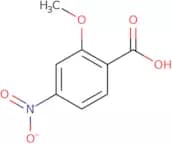
CAS:<p>Trans-2,5-dimethoxy-4'-nitrostilbene is a molecule that belongs to the class of polycyclic aromatic compounds. It is used as a versatile building block in organic synthesis, and is also an intermediate for the production of other compounds. Trans-2,5-dimethoxy-4'-nitrostilbene has been shown to be effective in the preparation of various pharmaceuticals such as diazepam and chloramphenicol. It is also used in research chemicals and speciality chemicals. The structure of trans-2,5-dimethoxy-4'-nitrostilbene can be described as a bicyclic compound with two phenyl rings joined by an oxygen bridge. Trans-2,5-dimethoxy-4'-nitrostilbene has CAS No. 552938 4 and molecular weight of 268.81 g/mol.</p>Fórmula:C16H15NO4Pureza:Min. 95%Cor e Forma:PowderPeso molecular:285.29 g/mol2-Methoxy-4-nitrobenzoic acid
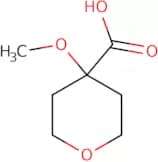
CAS:<p>Please enquire for more information about 2-Methoxy-4-nitrobenzoic acid including the price, delivery time and more detailed product information at the technical inquiry form on this page</p>Fórmula:C8H7NO5Pureza:Min. 95%Peso molecular:197.14 g/mol4-Methoxy-tetrahydro-2h-pyran-4-carboxylic acid
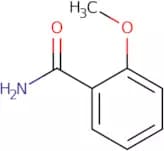
CAS:4-Methoxy-tetrahydro-2h-pyran-4-carboxylic acid is a fine chemical that belongs to the group of research chemicals. It is a versatile building block and useful intermediate in organic synthesis. 4-Methoxy-tetrahydro-2h-pyran-4-carboxylic acid has been used as a reagent for the preparation of the compound 5,5'-dithiobis(4,4'-dimethylvaleronitrile) (CAS No. 1010836-49). This compound has been shown to be an effective antiviral agent against HIV.Fórmula:C7H12O4Pureza:Min. 95 Area-%Cor e Forma:PowderPeso molecular:160.17 g/mol2-Methoxybenzamide
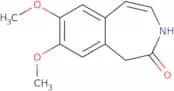
CAS:<p>2-Methoxybenzamide is an amide with a p-hydroxybenzoic acid moiety. It has been shown to be an effective inhibitor of the enzyme histone deacetylase, which is involved in the regulation of gene expression. 2-Methoxybenzamide also has antiinflammatory activity and has minimal toxicity. This drug is used as a research tool for studying the immune system and its effects on hyperproliferative diseases such as cancer and autoimmune diseases. 2-Methoxybenzamide can also be used to treat metabolic disorders and physiological effects. The drug binds to intracellular targets through intermolecular hydrogen bonds that are mainly found in protein structures, including cytochrome P450s, protein kinases, DNA polymerases, transcription factors, and proteases.</p>Fórmula:C8H9NO2Pureza:Min. 95%Cor e Forma:PowderPeso molecular:151.16 g/mol7,8-Dimethoxy-1,3-dihydro-2H-3-benzazepin-2-one
CAS:<p>The compound 7,8-dimethoxy-1,3-dihydro-2H-3-benzazepin-2-one is an amide with a pH of 3. It has a molecular weight of 191.31 and a melting point of 79.7 degrees Celsius. The compound is used in the industrial preparation of pharmaceuticals and can be reacted with trifluoroacetic acid to form 3,4-dimethoxyphenylacetic acid.</p>Fórmula:C12H13O3NPureza:Min. 95%Cor e Forma:White PowderPeso molecular:219.24 g/mol3,4-Dimethoxybenzonitrile
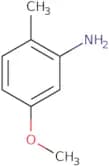
CAS:3,4-Dimethoxybenzonitrile is a chemical compound with the formula CH(OCOCH)CO. It is a white solid that can be synthesized by reacting aniline and nitroethane in the presence of hydrochloric acid. 3,4-Dimethoxybenzonitrile has been shown to have neuroprotective properties and can be used to treat strokes and other neurological disorders. 3,4-Dimethoxybenzonitrile has also been shown to inhibit cell growth in culture at concentrations as low as 0.1 mM, which may be due to its ability to bind DNA via electron donation from the methoxy group.Fórmula:C9H9NO2Pureza:Min. 95%Cor e Forma:PowderPeso molecular:163.17 g/mol5-Methoxy-2-methylaniline
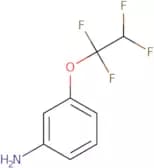
CAS:5-Methoxy-2-methylaniline is a synthetic compound that has been shown to have neurotoxic effects in rats. The neurotoxicity of this substance has been shown to be related to its ability to inhibit monoamine oxidase A (MAO-A). This inhibition leads to an accumulation of the neurotransmitter dopamine, which in turn leads to an increase in the production of free radicals and lipid peroxidation. 5-Methoxy-2-methylaniline also shows neuroprotective properties, which may be due to its ability to inhibit deoxypeganine and hydrochloric acid, two mediators involved in the generation of reactive oxygen species.Fórmula:C8H11NOPureza:Min. 95 Area-%Cor e Forma:PowderPeso molecular:137.18 g/mol3-(1,1,2,2-Tetrafluoroethoxy)aniline
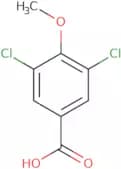
CAS:3-(1,1,2,2-Tetrafluoroethoxy)aniline is a reagent that belongs to the group of complex compounds. It has CAS No. 831-75-4 and is used as an intermediate in the synthesis of fine chemicals, useful scaffolds and building blocks. This versatile chemical can be used as a reaction component for the production of speciality chemicals and research chemicals. 3-(1,1,2,2-Tetrafluoroethoxy)aniline can be used as a starting material for the production of other reagents such as fluoroalkylating agents and fluorinating agents.Fórmula:C8H7F4NOPureza:Min. 95%Cor e Forma:Colorless Clear LiquidPeso molecular:209.14 g/mol3,5-Dichloro-4-methoxybenzoic acid
CAS:3,5-Dichloro-4-methoxybenzoic acid is a metabolite of 2,4-dichlorobenzoic acid and hydroxybenzoic acid that has been shown to have pharmacokinetic properties similar to those of the parent compounds. 3,5-Dichloro-4-methoxybenzoic acid has been shown to inhibit cell growth in vitro by methylating DNA and interacting with amines and growth regulators. This compound may be used for treatment of cancer cells that are resistant to chemotherapy.Fórmula:C8H6Cl2O3Pureza:Min. 95%Cor e Forma:PowderPeso molecular:221.04 g/molBis[3-(triethoxysilyl)propyl]-disulfide
CAS:Bis[3-(triethoxysilyl)propyl]-disulfide is a polymer that has been shown to inhibit tumor growth in vivo and in vitro. It also inhibits the synthesis of fatty acids. Bis[3-(triethoxysilyl)propyl]-disulfide is synthesized by reacting triethoxysilane with sulfur dioxide, followed by hydrolysis of the resultant bis(hydroxysilyl)sulfide with water. The polymer is then purified by precipitation from an alcohol solution, followed by drying to form a powder. Bis[3-(triethoxysilyl)propyl]-disulfide has a viscosity of about 1 cP at room temperature and can be used as a polymer matrix for drug delivery.Fórmula:C18H42O6S2Si2Pureza:Min. 85.0 Area-%Cor e Forma:Clear LiquidPeso molecular:474.83 g/mol6-amino-4-(2-methoxyphenyl)-3-methyl-4H-pyrano[3,2-d]pyrazole-5-carbonitrile
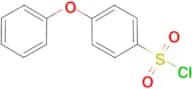
CAS:Please enquire for more information about 6-amino-4-(2-methoxyphenyl)-3-methyl-4H-pyrano[3,2-d]pyrazole-5-carbonitrile including the price, delivery time and more detailed product information at the technical inquiry form on this pageFórmula:C15H14N4O2Pureza:Min. 95%Cor e Forma:PowderPeso molecular:282.30 g/mol4-Phenoxybenzenesulfonyl chloride
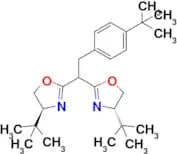
CAS:Fórmula:C12H9ClO3SPureza:97%Cor e Forma:SolidPeso molecular:268.71(4S,4’S)-2,2′-(2-(4-(tert-Butyl)phenyl)ethane-1,1-diyl)bis(4-(tert-butyl)-4,5-dihydrooxazole)
CAS:Pureza:97%Peso molecular:412.6180115D-Tyrosine, N-[(9H-fluoren-9-ylmethoxy)carbonyl]-O-(phenylmethyl)-
CAS:Pureza:98%Peso molecular:493.5589905



![1-Chloro-3-[4-(2-methoxyethyl)phenoxy]-2-propanol](/_next/image/?url=https%3A%2Fstatic.cymitquimica.com%2Fproducts%2F3D%2Fthumb-webp%2FFC27415.webp&w=3840&q=75)

![Bis[3-(triethoxysilyl)propyl]-disulfide](/_next/image/?url=https%3A%2Fstatic.cymitquimica.com%2Fproducts%2F3D%2Fthumb-webp%2FFB40976.webp&w=3840&q=75)
![6-amino-4-(2-methoxyphenyl)-3-methyl-4H-pyrano[3,2-d]pyrazole-5-carbonitrile](/_next/image/?url=https%3A%2Fstatic.cymitquimica.com%2Fproducts%2F3D%2Fthumb-webp%2FFA169804.webp&w=3840&q=75)



![D-Tyrosine, N-[(9H-fluoren-9-ylmethoxy)carbonyl]-O-(phenylmethyl)-](/_next/image/?url=https%3A%2Fstatic.cymitquimica.com%2Fproducts%2F10%2Fthumb-webp%2FF861806.webp&w=3840&q=75)