Nitro
Os compostos nitro são moléculas orgânicas que contêm um ou mais grupos nitro (NO2). Estes compostos são amplamente utilizados na síntese de explosivos, produtos farmacêuticos e corantes. Na CymitQuimica, oferecemos uma ampla gama de compostos nitro de alta qualidade para apoiar suas aplicações de pesquisa e industriais, garantindo resultados seguros e eficazes. Nossa seleção inclui uma variedade de compostos nitro adequados para diferentes sínteses químicas e aplicações.
Foram encontrados 2516 produtos de "Nitro"
Ordenar por
Pureza (%)
0
100
|
0
|
50
|
90
|
95
|
100
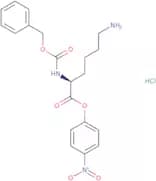
N-α-Z-L-lysine 4-nitrophenyl ester hydrochloride
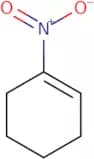
CAS:<p>N-alpha-Z-L-lysine 4-nitrophenyl ester hydrochloride is a protease that belongs to the family of serine proteases. It is produced by the biotechnological process of enzymatic extraction from the natural polysaccharide carrageenan. This product has been used in the production of high yield and purified enzymes for industrial applications. The enzyme has been shown to have cysteine and hydrolytic activity, as well as being able to break peptidic bonds in peptides. N-alpha-Z-L-lysine 4-nitrophenyl ester hydrochloride also has a high specificity for proteolytic cleavage of proteins at their carboxy terminal end.</p>Fórmula:C20H23N3O6•HClPureza:Min. 95%Peso molecular:437.87 g/mol1-Nitro-Cyclohexene
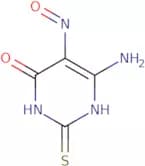
CAS:<p>1-Nitro-cyclohexene is an aromatic compound that reacts with nitric oxide to form a nitroso. 1-Nitro-cyclohexene has been shown to be a reactive intermediate in the Covid-19 pandemic, catalyzing the formation of covidimycin from dimethoxymethylpenicillin. 1-Nitro-cyclohexene also has been found to react with hydrogen peroxide and flavin mononucleotide to form hydroxyl radicals, which are highly reactive chemical species capable of damaging DNA and other cellular components. The toxicity of 1-nitrocyclohexene is related to its ability to form nitrosamines and nitrophenols, which are both carcinogenic. 1-Nitro-cyclohexene can also react with protonated amines or amides to form imines or imides, which are chemically stable species that can persist in the environment.</p>Fórmula:C6H9NO2Pureza:Min. 95%Peso molecular:127.14 g/mol6-Amino-5-nitroso-2-thiouracil
CAS:<p>6-Amino-5-nitroso-2-thiouracil is a water molecule that has been synthesized and characterized by the kinetic method. It has an intense absorption line at 514 nm and can be used as a marker for technetium. 6-Amino-5-nitroso-2-thiouracil is also a ligand, which is a chemical that binds to metal ions in order to form coordination complexes. 6-Amino-5-nitroso-2-thiouracil is formed by the reaction of chloramine with ammonia, as well as other reactions involving chlorine atoms. 6Amino - 5 nitroso - 2 thiouracil can be used as a chelate ring, which is a type of ligand that contains both nitrogen and sulfur atoms. Bleomycin, a five membered ring molecule, reacts with 6 amino - 5 nitroso - 2 thiouracil to</p>Fórmula:C4H4N4O2SPureza:Min. 95%Peso molecular:172.17 g/mol3-Chloro-4-nitropyridine 1-oxide
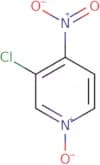
CAS:<p>3-Chloro-4-nitropyridine 1-oxide is the condensation product of 2-chloro-3-nitropyridine and nitric acid. 3-Chloro-4-nitropyridine 1-oxide has an isomeric nature and can be purified by recrystallization from water. The compound has a molecular weight of 286.1 g/mol and a monoclinic crystal structure. It has two n-oxides, which are isomers of each other, with nmr spectra that differ by the shift in the chemical shifts of the protons on the aromatic ring. 3-Chloro-4-nitropyridine 1-oxide condenses with lanthanides to form lanthanide complexes, such as Eu(III)(3,5'-ClO 4 ) 2 . This compound is also used in the synthesis of phenoxathiine derivatives that have antihypertensive activity.</p>Fórmula:C5H3ClN2O3Pureza:Min. 95%Peso molecular:174.54 g/mol4-(Benzyloxy)-5-methoxy-2-nitrobenzaldehyde
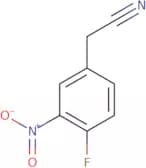
CAS:<p>4-(Benzyloxy)-5-methoxy-2-nitrobenzaldehyde (BOMBA) is an amide with affinity for microtubules. It has been shown to interact with the microtubule lattice and inhibit the polymerization of tubulin. This leads to a decrease in cell viability and cytotoxicity, as well as a decrease in tumor size. In vivo studies have demonstrated that BOMBA inhibits tumor growth by inducing thrombosis and coagulation, which results in reduced blood flow to the tumor. The mechanism of action of BOMBA is thought to be due to its ability to form sulfamates, which are known for their anti-coagulant activity.</p>Fórmula:C15H13NO5Pureza:Min. 95%Peso molecular:287.27 g/mol(4-Fluoro-3-Nitrophenyl)Acetonitrile
CAS:<p>4-Fluoro-3-nitrophenylacetonitrile is a monomer that can be synthesised from the reaction of carbamic acid and diphenyl ether. It is chiral, stereoselective and nucleophilic. 4-Fluoro-3-nitrophenylacetonitrile can also be synthesised by reacting fluoroacetamide with sodium cyanide in water, forming the corresponding amide, which reacts with acetonitrile to form the nitro compound. The anti-cancer properties of 4-fluoro-3 nitrophenylacetonitrile have been studied in vitro and in vivo. This substance has been shown to inhibit growth of cancer cells and induce apoptosis. In addition, this substance has been used as a synthetic strategy for dihydroisoquinolines, which are important for their anti-cancer properties.</p>Fórmula:C8H5FN2O2Pureza:Min. 95%Peso molecular:180.14 g/molN-Nitroso guvacoline
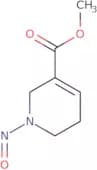
CAS:<p>N-Nitroso guvacoline is a nitrosated guvacoline analog that is used to induce cancer in animals and as an experimental tool for studying the role of acetylcholine in lung cancer. N-Nitroso guvacoline has been shown to inhibit the growth of bacteria such as typhimurium and nadph-cytochrome p450 in the presence of fatty acids, suggesting that it may be genotoxic. The carcinogenic effects of N-nitrosoguvacolin were studied using Sprague-Dawley rats exposed to this agent by inhalation. The rats were found to have increased levels of urinary nitrite and nitrate, which are products from the metabolism of N-nitrosoguvacolin.</p>Fórmula:C7H10N2O3Pureza:Min. 95%Peso molecular:170.17 g/molN,N-Dimethyl-2-nitroaniline
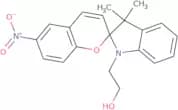
CAS:<p>N,N-Dimethyl-2-nitroaniline is a colorless liquid with a characteristic odor. It has a boiling point of 170 degrees Celsius and a melting point of -10 degrees Celsius. The molecule is composed of two nitro groups and one methyl group, which are in an ionic bond. N,N-Dimethyl-2-nitroaniline can be found in solvents such as hexane or benzene and has an intramolecular hydrogen bonding frequency of 3.4 GHz. This compound is soluble in water and ethanol, but insoluble in ether.</p>Fórmula:C8H10N2O2Pureza:Min. 95%Peso molecular:166.18 g/mol1-(2-Hydroxyethyl)-3,3-dimethylindolino-6'-nitrobenzopyrylospiran
CAS:<p>Please enquire for more information about 1-(2-Hydroxyethyl)-3,3-dimethylindolino-6'-nitrobenzopyrylospiran including the price, delivery time and more detailed product information at the technical inquiry form on this page</p>Pureza:Min. 95%2,6-Dibromo-3-nitropyridine
CAS:2,6-Dibromo-3-nitropyridine is a chemical compound that has been shown to inhibit serine protease activity. The compound was shown to be an inhibitor of the enzyme trypsin, and showed some activity against a number of other proteases. 2,6-Dibromo-3-nitropyridine has also been shown to inhibit nucleophilic alkylation of DNA bases by 2,6-dichloroquinoxaline. 2,6-Dibromo-3-nitropyridine is a targeted inhibitor that binds to the active site of the enzyme and prevents the formation of an enzyme-substrate complex. This inhibition leads to a decrease in the production of proteins essential for cell division.Fórmula:C5H2Br2N2O2Pureza:Min. 95%Peso molecular:281.89 g/mol6-Hydroxy-5-nitronicotinic acid
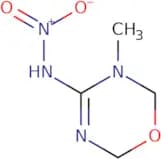
CAS:<p>Please enquire for more information about 6-Hydroxy-5-nitronicotinic acid including the price, delivery time and more detailed product information at the technical inquiry form on this page</p>Fórmula:C6H4N2O5Pureza:Min. 95%Peso molecular:184.11 g/mol3-Methyl-4-nitroimino-tetrahydro-1,3,5-oxadiazine
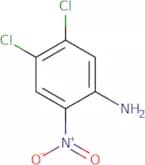
CAS:<p>3-Methyl-4-nitroiminoperhydro-1,3,5-oxadiazine is a synthetic chemical compound that can be used as a pressurizing agent. It is an acidic compound and has high yield. 3-Methyl-4-nitroiminoperhydro-1,3,5-oxadiazine is also used to produce formic acid and can be found in the environment as a pollutant. This chemical may be harmful to insects. 3-Methyl-4-nitroiminoperhydro-1,3,5-oxadiazine has been used in scientific research to synthesize paraformaldehyde and recycled materials from formaldehyde. This chemical is also often used as a diluent or reagent in laboratory experiments.</p>Fórmula:C4H8N4O3Pureza:Min. 95%Peso molecular:160.13 g/mol4,5-Dichloro-2-nitroaniline
CAS:<p>4,5-Dichloro-2-nitroaniline is a chemical compound that has been shown to be an uncoupler of oxidative phosphorylation in ciliates. It is experimentally shown that the reaction yield for 4,5-Dichloro-2-nitroaniline is much higher than that of the corresponding methylbenzene. The two isomers are not detected in the gaseous phase, but only as products of thermal decomposition at high temperatures. Linear regression analysis and predictive models were used to evaluate the transfer and population growth rates at different temperatures. Narcosis was observed in rats exposed to 4,5-Dichloro-2-nitroaniline at concentrations greater than 0.1 ppm (0.1 mg/L).</p>Fórmula:C6H4Cl2N2O2Pureza:Min. 95%Peso molecular:207.01 g/mol2,4-Difluoro-5-nitrobenzonitrile
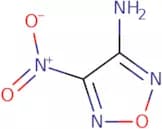
CAS:<p>2,4-Difluoro-5-nitrobenzonitrile is a chemical that has been found to have affinity for the central nervous system. It inhibits the reuptake of monoamines such as dopamine and serotonin. This chemical has been shown to be endogenously produced in humans and animals. 2,4-Difluoro-5-nitrobenzonitrile also inhibits the uptake of amines by blocking the activity of their respective transporters. The compound is an isomeric mixture of two possible structures, which differ in their position on the benzene ring. The first form is characterized by a low affinity for neurotransmitter receptors and therefore has low inhibitory properties on monoamine uptake. The second form has greater affinity for neurotransmitter receptors and therefore has greater inhibitory properties on monoamine uptake, although at higher concentrations it may lead to adverse effects on muscle tissue.</p>Fórmula:C7H2F2N2O2Pureza:Min. 95%Cor e Forma:PowderPeso molecular:184.1 g/mol4-Nitro-1,2,5-oxadiazol-3-amine
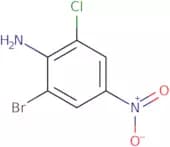
CAS:Produto Controlado<p>4-Nitro-1,2,5-oxadiazol-3-amine is a molecule that has been shown to be an inhibitor of the epidermal growth factor receptor (EGFR). The optimal reaction conditions for this molecule were determined by crystallography. These results were confirmed by prognosis assays and the determination of tautomers. This molecule may be used in diagnosis and as a potential treatment for cancer. 4-Nitro-1,2,5-oxadiazol-3-amine binds to the EGFR at a site different from that of erlotinib, an inhibitor currently used in the clinic. This binding leads to inhibition of protein synthesis and cell division by preventing the activation of downstream signal transduction pathways. The molecule also inhibits tumor cell proliferation and induces apoptosis by preventing the production of nitric oxide (NO) and reactive oxygen species (ROS).</p>Fórmula:C2H2N4O3Pureza:Min. 95%Peso molecular:130.06 g/mol2-Chloro-4-nitro-6-bromoaniline
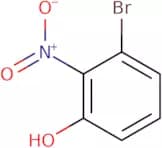
CAS:2-Chloro-4-nitro-6-bromoaniline is a dispersive, linear range, ammonolysis and chloride free oxidant for wastewater treatment. This compound is effective at removing organic pollutants from wastewater and has been shown to be both environmentally safe and cost effective. 2-Chloro-4-nitro-6-bromoaniline is also used as a polymerization initiator in the production of polyester resins. It can be manufactured by recycling anilines by reacting them with bromine in the presence of an acid catalyst. 2CNBBA is used as a hydrogen bond acceptor in microextraction of chlorinated compounds from water samples.Fórmula:C6H4BrClN2O2Pureza:Min. 95%Peso molecular:251.46 g/mol3-Bromo-2-nitrophenol
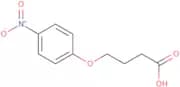
CAS:<p>3-Bromo-2-nitrophenol (3-BNP) is a brominating agent that can be used in the synthesis of a variety of compounds. It is prepared by the refluxing of 3-bromo-2-nitrobenzene with lithium chloride, followed by treatment with trifluoromethanesulfonic anhydride to yield 3-bromo-2-(trifluoromethyl)phenoxyacetic acid. The product can also be obtained from 2,4,6-trinitrophenol and NBS. 3-BNP has shown chemoselectivity for chlorides relative to iodides or fluorides. The yields are higher when it is used in coupling reactions and permutations with lithium or magnesium.</p>Fórmula:C6H4BrNO3Pureza:Min. 95%Peso molecular:218 g/mol4-(4-Nitrophenoxy)butanoic acid
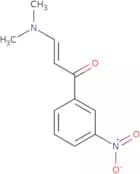
CAS:Produto Controlado<p>Please enquire for more information about 4-(4-Nitrophenoxy)butanoic acid including the price, delivery time and more detailed product information at the technical inquiry form on this page</p>Fórmula:C10H11NO5Pureza:Min. 95%Peso molecular:225.2 g/mol(2E)-3-(Dimethylamino)-1-(3-nitrophenyl)prop-2-en-1-one
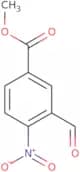
CAS:<p>Please enquire for more information about (2E)-3-(Dimethylamino)-1-(3-nitrophenyl)prop-2-en-1-one including the price, delivery time and more detailed product information at the technical inquiry form on this page</p>Fórmula:C11H12N2O3Pureza:Min. 95%Peso molecular:220.22 g/molMethyl3-formyl-4-nitrobenzoate
CAS:<p>Methyl3-formyl-4-nitrobenzoate is a polycyclic, boronic ester ligand that can be used in organic synthesis. It has a monocyclic alkenyl group with substitutable hydrogens and a haloalkyl substituent. The heterocycle is an aryloxy substituted with an alkynyl group. This reagent has been patented by the University of California.</p>Fórmula:C9H7NO5Pureza:Min. 95%Peso molecular:209.16 g/mol1-[(4-Nitrophenyl)methyl]-1H-1,2,4-triazole
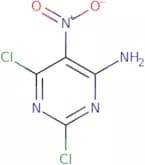
CAS:1-[(4-Nitrophenyl)methyl]-1H-1,2,4-triazole (NPT) is a drug that is used to treat migraine. It is an effective and fast acting drug that has been shown to be more efficient than other triptans. NPT inhibits the uptake of serotonin by binding to its receptors in the brain and causing vasoconstriction. The compound has been found to be safe for use in humans. However, it may cause impurities such as genotoxic nitro groups which are harmful to cells if present at high concentrations. There are various techniques that can be used to measure the kinetics of NPT and determine whether it has been hydrogenated during synthesis or not. These include calibration curves, HPLC, and GC methods.Fórmula:C9H8N4O2Pureza:Min. 95%Peso molecular:204.19 g/mol2,6-Dichloro-5-nitropyrimidin-4-amine
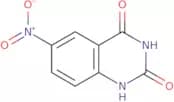
CAS:<p>2,6-Dichloro-5-nitropyrimidin-4-amine is a chlorinating agent that reacts with aliphatic and aromatic amines to form substituted pyrimidines. The substitution pattern of the product depends on the regioselectivity of the reaction. 2,6-Dichloro-5-nitropyrimidin-4-amine is one of the few chlorinating agents that react with propylamine. Substitution at position 2 of the purine ring has been found to be more selective than substitution at position 6. The 2,6-dichloropyrimidine can also be used as a nitro group source in chemical synthesis or as an intermediate in production of other compounds.</p>Fórmula:C4H2Cl2N4O2Pureza:Min. 95%Cor e Forma:SolidPeso molecular:208.99 g/mol6-Nitro-1H-quinazoline-2,4-dione
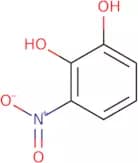
CAS:6-Nitro-1H-quinazoline-2,4-dione (6NQD) is a carbonyl compound and an intermolecular hydrogen bond donor. It is synthesized by nitration of 1H-quinazoline-2,4-dione with nitric acid. This product has been studied by x-ray diffraction and spectroscopy techniques. 6NQD has been found to have yields of 48% in the synthesis reaction and the average yield is 61%. The x-ray analysis technique was used to characterize the molecular structure of this product. 6NQD has shown to be centrosymmetric and exhibits intermolecular hydrogen bonding.Fórmula:C8H5N3O4Pureza:Min. 95%Cor e Forma:PowderPeso molecular:207.14 g/mol3-Nitro-benzene-1,2-diol
CAS:<p>3-Nitro-benzene-1,2-diol is an inhibitor of catechol-o-methyltransferase (COMT), which catalyzes the transfer of a methyl group from S-adenosyl methionine to dopamine. This results in the formation of 3-O-(methylamino) catechol. COMT inhibitors are used as pharmaceutical preparations for the treatment of Parkinson's disease and other diseases involving dopamine. 3-Nitro-benzene-1,2-diol has been shown to inhibit COMT and prevent the breakdown of dopamine in the brain, which may be beneficial for treating Parkinson's disease and other nervous system diseases.</p>Fórmula:C6H5NO4Pureza:Min. 95%Peso molecular:155.11 g/mol1,8-Dinitropyrene
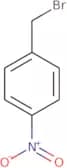
CAS:<p>1,8-Dinitropyrene is a genotoxic and mutagenic potential agent. It has been shown to induce nitric oxide synthase activity in rat liver microsomes, which may be due to its ability to activate the redox potential of the cells. 1,8-Dinitropyrene also induces enzyme activities such as p450 and nitroreductase in rat liver microsomes. This chemical has an analytical detection limit of 0.05 ppm and can be used as a marker for environmental exposure. 1,8-Dinitropyrene is genotoxic and carcinogenic in rats but not mice. It has been shown to induce mutations at the thymidine position of calf-thymus DNA and is potent inducer of genetic mutation in vitro.</p>Fórmula:C16H8N2O4Pureza:Min. 95%Cor e Forma:PowderPeso molecular:292.25 g/mol4-Nitrobenzyl bromide
CAS:<p>4-Nitrobenzyl bromide is a reactive compound that reacts with the hydroxyl group of phenols to form 4-nitrophenols. It has been shown to react with congestive heart failure (CHF) patients' sera and bind to receptors on the surface of red blood cells, thereby inhibiting their ability to carry oxygen. The reaction mechanism for this process is unclear, but it is thought that it may involve a nucleophilic attack on the double bond in the phenol by a hydroxyl radical. This chemical can also be used as an analytical method for determining organic acids in natural compounds. Monoclonal antibodies are used for this purpose because they are specific for certain organic acids and thus will only react with them.</p>Fórmula:C7H6BrNO2Pureza:Min. 95%Cor e Forma:PowderPeso molecular:216.03 g/mol3-Nitro-4-chloro-benzotrifluoride
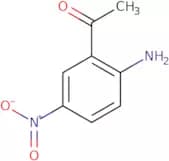
CAS:<p>3-Nitro-4-chloro-benzotrifluoride is a nucleophilic reagent that reacts with aryl chlorides, such as phenoxazine and chloride, to give the corresponding nitro compounds. The reaction yield is dependent on the solvent, with higher yields obtained in n-dimethyl formamide than in dichloromethane. 3-Nitro-4-chloro-benzotrifluoride has been investigated for its potential use in cancer therapy. It inhibits the proliferation of a number of cancer cells, including resistant mutants. The deuterium isotope effect has also been used to determine the mechanism of action of 3-nitro-4-chloro benzo trifluoride.</p>Fórmula:C7H3ClF3NO2Pureza:Min. 98.0%Cor e Forma:Clear LiquidPeso molecular:225.55 g/mol1-(2-Amino-5-nitrophenyl)ethanone
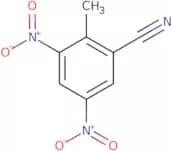
CAS:Please enquire for more information about 1-(2-Amino-5-nitrophenyl)ethanone including the price, delivery time and more detailed product information at the technical inquiry form on this pageFórmula:C8H8N2O3Pureza:Min. 95%Peso molecular:180.16 g/mol2-Methyl-3,5-dinitrobenzonitrile
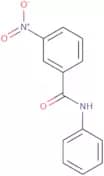
CAS:<p>2-Methyl-3,5-dinitrobenzonitrile is a nitro compound that is used as a coccidiostat in the poultry industry. It inhibits the development of coccidiosis in chickens by preventing the growth of protozoa. 2-Methyl-3,5-dinitrobenzonitrile binds to DNA and RNA and prevents protein synthesis, thereby inhibiting cell division and causing death. This drug has been shown to be an analog of benzene, hexane, and pyridine. The structural analysis of this molecule reveals that it contains two nitro groups attached to a benzene ring. One nitro group is located on each methyl group. The hydrogen atoms are replaced by fluorine atoms with one hydrogen atom being replaced by chloride atom. The other nitro group is located on the 3rd carbon on the right side of the benzene ring. This molecule also contains three chlorine atoms which are attached to two adjacent carbons</p>Fórmula:C8H5N3O4Pureza:Min. 95%Peso molecular:207.14 g/mol3-Nitrobenzanilide
CAS:<p>3-Nitrobenzanilide is an intermediate in the synthesis of a number of pharmaceuticals and pesticides. It is used as an activated reagent to introduce the benzoyl group by reaction with dimethylformamide. 3-Nitrobenzanilide can be prepared from phenylacetonitrile, benzoyl chloride, and ammonia or from nitrobenzene and sodium cyanide. The nature of the nitro group on the benzene ring determines whether the product is a diazo compound or a carbonyl compound. 3-Nitrobenzanilide has been shown to have plant disease control properties via its ability to inhibit plant enzymes such as acetylcholine esterase.</p>Fórmula:C13H10N2O3Pureza:Min. 95%Peso molecular:242.23 g/mol4-Nitro-4'-aminodiphenyl sulfone
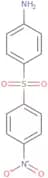
CAS:<p>4-Nitro-4'-aminodiphenyl sulfone is a surfactant that is used in a variety of industries, including wastewater treatment and the manufacture of plastics. It has been shown to inhibit the synthesis of fatty acids and other molecules in cells. 4-Nitro-4'-aminodiphenyl sulfone also inhibits the synthesis of regulatory pathways involved in antimicrobial resistance in bacteria such as chlorobium and solanum tuberosum. The inhibition of fatty acid biosynthesis by 4-nitro-4'-aminodiphenyl sulfone may be due to its ability to bind to catalytic sites on enzymes responsible for this process. This binding prevents them from functioning properly, resulting in an accumulation of fatty acid precursors.</p>Fórmula:C12H10N2O4SPureza:Min. 95%Peso molecular:278.28 g/mol(R,S)-N-Nitroso anatabine
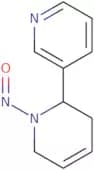
CAS:<p>(R,S)-N-Nitroso anatabine is a nitrosamine that is used as an analytical standard for the determination of the covalent binding of carcinogens to DNA. It can be synthesized by reacting (R,S)-N-nitrosodimethylamine with nitric acid in the presence of aluminum chloride. The structure and purity of this compound were confirmed by LC-MS/MS. The compound was found to be carcinogenic when administered to female mice, but not male mice. The carcinogenicity was attributed to the formation of DNA adducts in tissues and the induction of chromosomal aberrations.</p>Fórmula:C10H11N3OPureza:Min. 95%Cor e Forma:Clear LiquidPeso molecular:189.21 g/mol2-Amino-4-chloro-3-nitropyridine
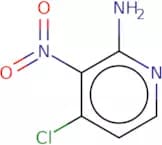
CAS:<p>2-Amino-4-chloro-3-nitropyridine is a potent inhibitory molecule that inhibits the activity of the enzyme acetylcholinesterase. It has been used in the treatment of chronic pain, and has been shown to be effective for inhibiting malonate esters and amino acid esters. This drug is an ethyl ester that can be synthesized from chlorobenzene and malonic acid by chlorinating it with chlorine gas. 2-Amino-4-chloro-3-nitropyridine has also been shown to have a high affinity for malonic acid diethyl esters.</p>Fórmula:C5H4ClN3O2Pureza:Min. 98 Area-%Cor e Forma:PowderPeso molecular:173.56 g/mol1-(4-Nitro-3-piperidin-1-ylphenyl)piperazine
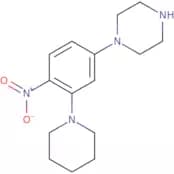
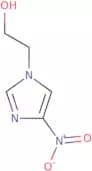
CAS:1-(4-Nitro-3-piperidin-1-ylphenyl)piperazine is a synthetic molecule that is used as a polymerization initiator. It can be used to prepare polymers with functional groups that contain nitro and piperidine groups. 1-(4-Nitro-3-piperidin-1-ylphenyl)piperazine reacts with monomers such as thiourea, which are then polymerized by the addition of other reagents such as solvents or catalysts. The most common use of 1-(4-Nitro-3-piperidin-1-ylphenyl)piperazine is in the synthesis of nalidixic acid, an antibiotic drug that inhibits bacterial growth by preventing DNA replication. This compound has been shown to be nonhazardous to humans and animals in bioassays, although it may cause toxic effects on the skin, eyes, and respiratory system when exposedFórmula:C15H22N4O2Pureza:Min. 95%Peso molecular:290.36 g/mol4-Nitro-1H-imidazole-1-ethanol
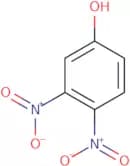
CAS:<p>Please enquire for more information about 4-Nitro-1H-imidazole-1-ethanol including the price, delivery time and more detailed product information at the technical inquiry form on this page</p>Fórmula:C5H7N3O3Pureza:Min. 95%Cor e Forma:Beige PowderPeso molecular:157.13 g/mol3,4-Dinitrophenol
CAS:Produto Controlado<p>3,4-Dinitrophenol is a yellow solid that is chemically synthesized from 2,4-dinitrobenzene and morpholine. 3,4-Dinitrophenol is a high energy compound with an activation energy of about 28 kcal/mol. The endpoints for the reaction are oligosaccharides and the acceptor is an ionisation mass. This molecule has a pyrazole ring and can be classified as belonging to group P2 on the periodic table of elements. 3,4-Dinitrophenol has been found to have biological functions in organic solvents such as acetone or benzene.</p>Fórmula:C6H4N2O5Pureza:Min. 95%Cor e Forma:PowderPeso molecular:184.11 g/molDiethyl[2-(4-nitrophenoxy)ethyl]amine
CAS:Produto Controlado<p>Please enquire for more information about Diethyl[2-(4-nitrophenoxy)ethyl]amine including the price, delivery time and more detailed product information at the technical inquiry form on this page</p>Fórmula:C12H18N2O3Pureza:Min. 95%Peso molecular:238.28 g/molN-Nitroso-N-methyl-4-aminobutyric acid methyl ester
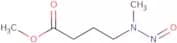
CAS:<p>Please enquire for more information about N-Nitroso-N-methyl-4-aminobutyric acid methyl ester including the price, delivery time and more detailed product information at the technical inquiry form on this page</p>Fórmula:C6H12N2O3Pureza:Min. 95%Peso molecular:160.17 g/mol3-Chloro-7-nitro-1H-indole
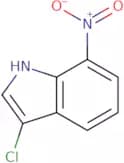
CAS:3-Chloro-7-nitro-1H-indole is a chemical compound that has been shown to have antitumor activity in clinical trials. It is catalysed by the addition of chloride ions to the nitro group, yielding an aminocarbonyl intermediate. This intermediate reacts with hydrogen chloride to form a chlorinating agent that can react with DNA and protein bases. The chlorinating agent has been shown to be efficient in screening for anticancer drugs. 3-Chloro-7-nitro-1H-indole is currently being tested for efficacy against colon carcinoma cells and human colon carcinoma xenografts.Fórmula:C8H5ClN2O2Pureza:Min. 95%Peso molecular:196.59 g/mol2-Bromo-4-nitrophenol
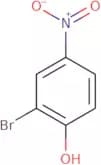
CAS:2-Bromo-4-nitrophenol is a byproduct of the reaction between hydrogen peroxide and sodium bromate. It can be detected in the presence of hydrochloric acid, which reacts with 2-bromo-4-nitrophenol to form an orange color that can be detected spectrophotometrically. 2-Bromo-4-nitrophenol has been shown to inhibit the growth of various strains of bacteria, including Escherichia coli, Bacillus subtilis, and Pseudomonas aeruginosa. This compound binds to flavin adenine dinucleotide (FAD) as well as other nucleophilic cofactors such as thioredoxin reductase. The binding affinity is increased when carbon sources are present. This property makes it a useful inhibitor for catalytic reduction reactions in biotechnology and synthetic chemistry applications.br>br> 2B4NP is a byFórmula:C6H4BrNO3Pureza:Min. 95%Cor e Forma:PowderPeso molecular:218 g/mol(R,S)-N-Nitroso anabasine
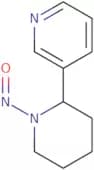
CAS:(R,S)-N-Nitroso anabasine is a nitrosamine that has been shown to be a potent carcinogen in laboratory animals. It is found in tobacco smoke and cigarette tar. The production of this chemical is related to the activity of cytochrome P450 (CYP) enzymes, which are involved in the metabolism of aromatic hydrocarbons. The carcinogenicity of (R,S)-N-nitroso anabasine has been demonstrated by its ability to induce cancer in laboratory animals when administered at high doses. This chemical has also been shown to have mutagenic effects on bacteria exposed to it. The mechanism for this effect is not known but may involve inhibition of DNA synthesis or oxidation of DNA bases. Toxicity studies have indicated that (R,S)-N-nitroso anabasine is toxic when administered orally or intravenously to rats and mice.Fórmula:C10H13N3OPureza:Min. 95%Cor e Forma:Clear LiquidPeso molecular:191.23 g/mol4-Nitro lenalidomide
CAS:<p>4-Nitro lenalidomide is an organic compound that is a derivative of the drug lenalidomide. It is synthesized by reacting 2-nitrobenzaldehyde with amines, yielding 4-nitro-N-(2-chloroethyl)-N-(2,3-dihydroxypropyl)benzamide or 4-nitrolenalidomide. This reaction occurs in tetrahydrofuran (THF) as a solvent and in the presence of sodium borohydride (NaBH4). The four nitro groups are used to control the enantiomeric purity of the product. The chemical formula for 4-nitro lenalidomide is C12H14ClNO2.</p>Fórmula:C13H11N3O5Pureza:Min. 95%Peso molecular:289.24 g/mol4-Nitrobenzoyl chloride
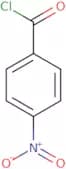
CAS:4-Nitrobenzoyl chloride is an amide that has been shown to have a number of pharmacokinetic properties. It binds to the gamma-aminobutyric acid (GABA) receptor, and has been shown to be a potent inhibitor of GABA transaminase in vitro. The structure of 4-Nitrobenzoyl chloride has been determined by FT-IR spectroscopy. The kinetic data for this compound showed that it is a substrate for diazonium salt and chloride reactions. 4-Nitrobenzoyl chloride is also found in wastewater and can cause cutaneous lesions in rats with high doses. This amine reacts with nitrous acid to form nitro compounds, which are known to be carcinogenic.Fórmula:C7H4ClNO3Pureza:Min. 95%Cor e Forma:Slightly Yellow PowderPeso molecular:185.56 g/mol5-Fluoro-2-nitroaniline
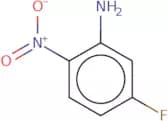
CAS:<p>5-Fluoro-2-nitroaniline is a sulfonated compound that acts as a growth factor. It has been shown to be effective in the treatment of cancer, especially in the epidermal growth factor receptor (EGFR) signaling pathway. 5-Fluoro-2-nitroaniline has also been shown to have antithrombotic properties and may be beneficial for cardiovascular diseases. This compound is an inhibitor of the human serum albumin binding site on EGFR and inhibits the activation of EGFR by its ligand, epidermal growth factor. The sulfonation reaction increases the polarity of the molecule, which has been attributed to increased activity against cancer cells.</p>Fórmula:C6H5FN2O2Pureza:Min. 95%Cor e Forma:PowderPeso molecular:156.11 g/mol2,5-Dimethoxy-4-nitroaniline
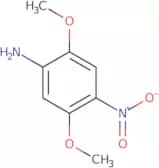
CAS:Produto Controlado<p>Please enquire for more information about 2,5-Dimethoxy-4-nitroaniline including the price, delivery time and more detailed product information at the technical inquiry form on this page</p>Fórmula:C8H10N2O4Pureza:Min. 95%Peso molecular:198.18 g/mol4-Chloro-2-nitroaniline
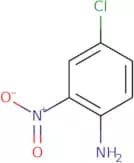
CAS:<p>4-Chloro-2-nitroaniline (4CNA) is a chemical that is used for wastewater treatment. 4CNA reacts with phosphorus pentachloride or phosphorus pentoxide to form phosphoric acid, which can be used as a pH buffer in water treatment applications. It is also used as an antidepressant treatment in pharmaceutical dosage and has been shown to have signal properties. 4CNA is also used in the production of monoclonal antibodies, n-dimethyl formamide and intracranial haemorrhage treatments. It can be produced by reacting hydrochloric acid with membrane systems at low energy.</p>Fórmula:C6H5ClN2O2Pureza:Min. 95%Peso molecular:172.57 g/mol1-(2-Nitrophenyl)-1,2-ethanediol
CAS:1-(2-Nitrophenyl)-1,2-ethanediol is a chemical that has been shown to inhibit the glutamate-induced increase in cytosolic Ca2+ concentration. It also prevents the loss of membrane integrity and protects against cell death by inhibiting apoptosis. 1-(2-Nitrophenyl)-1,2-ethanediol also inhibits amp-activated protein kinase activity and increases ATP production. These effects may be due to its ability to reduce intracellular Ca2+ levels and prevent Ca2+ overload in mitochondria. 1-(2-Nitrophenyl)-1,2-ethanediol has been shown to have a protective effect on isolated heart cells and ventricular myocytes from hypoxia/reoxygenation injury and is an effective model system for investigating biochemical properties of glutamate excitotoxicity.Fórmula:C8H9NO4Pureza:Min. 95%Cor e Forma:PowderPeso molecular:183.16 g/mol5-Nitropyridin-3-ol
CAS:Please enquire for more information about 5-Nitropyridin-3-ol including the price, delivery time and more detailed product information at the technical inquiry form on this pageFórmula:C5H4N2O3Pureza:Min. 95%Peso molecular:140.1 g/mol4-(Methylnitrosoamino)-1-(3-pyridinyl)-1-butanone
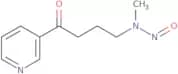
CAS:<p>4-(Methylnitrosoamino)-1-(3-pyridinyl)-1-butanone (NNK) is a carcinogenic chemical that has been identified in tobacco smoke. It induces squamous cell carcinomas in the respiratory tract of rodents and induces lung cancer in the offspring of pregnant rats exposed to NNK. This compound binds to double-stranded DNA, with high affinity for the minor groove, and inhibits DNA synthesis by binding to enzymes such as polymerase chain. In addition, it has been shown to cause transformation of epithelial cells into mesenchymal cells in vitro. 4-(Methylnitrosoamino)-1-(3-pyridinyl)-1-butanone binds to α7 nicotinic acetylcholine receptors and increases the response element activity.</p>Fórmula:C10H13N3O2Pureza:Min. 95%Cor e Forma:PowderPeso molecular:207.23 g/mol4-Chloronitrobenzene
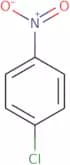
CAS:<p>4-Chloronitrobenzene is a type strain of the bacterium Nitrosomonas europaea. It has been shown to be toxic to cells in both aerobic and anaerobic culture. 4-Chloronitrobenzene inhibits the activity of hydrogenase enzymes, which are required for the reduction of molecular oxygen to water. The toxicity of 4-chloronitrobenzene is due to its ability to inhibit enzyme activity, leading to cell death. This bacterium also has the ability to use chlorinated hydrocarbons as a carbon source and cause chlorination of other biological molecules. In addition, it can reduce metal hydroxides and form metal complexes with palladium and platinum metals. 4-Chloronitrobenzene is found in soil samples that have high concentrations of chloride ions or neutral pH values. Its phase equilibrium diagram shows that this compound exists mainly in liquid form when it is at low temperature, but becomes more</p>Fórmula:C6H4ClNO2Pureza:Min. 95%Cor e Forma:SolidPeso molecular:157.55 g/mol






![1-[(4-Nitrophenyl)methyl]-1H-1,2,4-triazole](/_next/image/?url=https%3A%2Fstatic.cymitquimica.com%2Fproducts%2F3D%2Fthumb-webp%2FFN149526.webp&w=3840&q=75)


![Diethyl[2-(4-nitrophenoxy)ethyl]amine](/_next/image/?url=https%3A%2Fstatic.cymitquimica.com%2Fproducts%2F3D%2Fthumb-webp%2FFD21808.webp&w=3840&q=75)