Nitro
Os compostos nitro são moléculas orgânicas que contêm um ou mais grupos nitro (NO2). Estes compostos são amplamente utilizados na síntese de explosivos, produtos farmacêuticos e corantes. Na CymitQuimica, oferecemos uma ampla gama de compostos nitro de alta qualidade para apoiar suas aplicações de pesquisa e industriais, garantindo resultados seguros e eficazes. Nossa seleção inclui uma variedade de compostos nitro adequados para diferentes sínteses químicas e aplicações.
Foram encontrados 2516 produtos de "Nitro"
Ordenar por
Pureza (%)
0
100
|
0
|
50
|
90
|
95
|
100
4-Fluoro-2-methoxy-5-nitroaniline
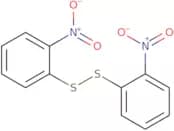
CAS:<p>Intermediate in the synthesis of osimertinib (AZD9291)</p>Fórmula:C7H7FN2O3Pureza:Min. 95%Peso molecular:186.14 g/molBis(2-nitrophenyl) disulfide
CAS:<p>Bis(2-nitrophenyl) disulfide is an organic solvent that has a wide range of potential uses. It is a useful reagent for the synthesis of amines, solutes, and other compounds in organic chemistry. Bis(2-nitrophenyl) disulfide can be used to form stable bonds between two different organic molecules by reacting with an electron-rich molecule such as amine or alkyne. This reaction forms a covalent bond between two molecules through the formation of a new bond between the sulfur atom and the carbon of one molecule and an electron-deficient molecule such as nitro or acetonitrile. Bis(2-nitrophenyl) disulfide reacts with chloride ions to form bis(chlorosulfonyl)disulfide, which can be used to synthesize chloroalkanes and fluorinated alkenes. Disulfides are also useful in metathesis reactions, which are reactions that involve the</p>Fórmula:C12H8N2O4S2Pureza:Min. 95%Peso molecular:308.34 g/mol5-Nitro-2-aminophenol
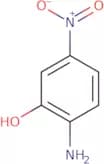
CAS:<p>5-Nitro-2-aminophenol is an aminophenol that has been shown to be a carcinogen in animal studies. It can cause allergic reactions and has been shown to have oxidative DNA damage, which can lead to cancer. 5-Nitro-2-aminophenol is used as a chemical intermediate in the preparation of other chemicals and pharmaceuticals. This chemical has been studied extensively for its analytical properties and is used as a reagent in chromatography. The coordination geometry of 5-nitro-2-aminophenol is octahedral, with nitro groups occupying one axial site each. The toxicity of this compound in animals has been studied extensively, including carcinogenic potential and mutagenicity studies, and it has been shown to inhibit the growth of cultured cells at high concentrations.</p>Fórmula:C6H6N2O3Pureza:Min. 95%Peso molecular:154.12 g/mol2-Bromo-4-nitroaniline
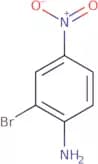
CAS:<p>2-Bromo-4-nitroaniline is a chemical compound that belongs to the group of amines. It has been shown to inhibit the activity of insulin and epidermal growth factor (EGF) receptors. This inhibition leads to decreased insulin sensitivity and reduced EGF receptor activation, respectively. 2-Bromo-4-nitroaniline has also been shown to have growth factor activity in a mouse model for wound healing, which may be due to its ability to inhibit the tyrosine kinase domain of epidermal growth factor. The irreversible inhibition of this enzyme by 2-bromo-4-nitroaniline prevents downstream signaling pathways that regulate cell proliferation and differentiation.</p>Fórmula:C6H5BrN2O2Pureza:Min. 95%Cor e Forma:PowderPeso molecular:217.02 g/mol2,5-Dinitrofluorene
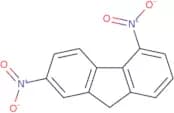
CAS:<p>2,5-Dinitrofluorene is a carcinogenic compound that has been shown to cause cancer in laboratory animals. It can be found in high concentrations in tissues of rats and other animals. 2,5-Dinitrofluorene is metabolized by nitroreductase to the amide form. This compound has been shown to cause cancer in rats and mice when administered intramammary or topically. The tumorigenicity of 2,5-dinitrofluorene is significant at high doses, but it does not show significant effects at low doses. This agent also causes tumours on the skin of mice when applied topically.<br>2,5-Dinitrofluorene is an environmental pollutant that may be found in air emissions from coal burning power plants and vehicle exhausts, as well as in the soil near these facilities.</p>Fórmula:C13H8N2O4Pureza:Min. 95%Cor e Forma:PowderPeso molecular:256.21 g/mol(2-{Ethyl-[4-(4-nitro-phenylazo)-phenyl]-amino}-ethoxy)-acetic acid-4-nitro-phenyl ester
CAS:<p>Please enquire for more information about (2-{Ethyl-[4-(4-nitro-phenylazo)-phenyl]-amino}-ethoxy)-acetic acid-4-nitro-phenyl ester including the price, delivery time and more detailed product information at the technical inquiry form on this page</p>Fórmula:C24H23N5O7Pureza:Min. 95%Peso molecular:493.47 g/mol4-Bromo-2-nitro-1H-imidazole
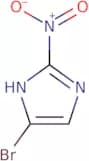
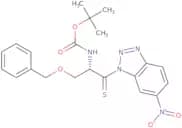
CAS:<p>4-Bromo-2-nitro-1H-imidazole (4BNI) is a synthetic drug that is used in the treatment of cancer. 4BNI inhibits the synthesis of DNA, which leads to cell death by preventing the production of proteins vital for cell division. When 4BNI is taken up by cells it becomes activated and binds to DNA, inhibiting the synthesis of RNA and protein. This process eventually leads to apoptosis (cell death). 4BNI has been shown to be effective against tumors in mice, but has not yet been tested on humans. The uptake of 4BNI in tumor tissue can be visualized using hypoxia imaging techniques such as positron emission tomography or magnetic resonance imaging.</p>Fórmula:C3H2BrN3O2Pureza:Min. 95%Cor e Forma:PowderPeso molecular:191.97 g/molBoc-Thionoser(Bzl)-1-(6-nitro)benzotriazolide
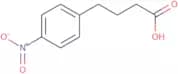
CAS:<p>Please enquire for more information about Boc-Thionoser(Bzl)-1-(6-nitro)benzotriazolide including the price, delivery time and more detailed product information at the technical inquiry form on this page</p>Fórmula:C21H23N5O5SPureza:Min. 95%Peso molecular:457.5 g/mol4-Nitro benzenebutanoic acid
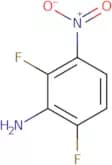
CAS:<p>4-Nitro benzenebutanoic acid is a synthetic molecule that has not been extensively studied in biological systems. It is a calcium-binding molecule and may be used to study the mechanisms of calcium binding. 4-Nitrobenzenebutanoic acid has also shown some bifunctional activity and is used as a substrate in pharmacokinetic studies. The synthesis of this compound can be achieved by reacting azobenzene with butyric acid in the presence of an amine and inulin. This reaction produces nitrobenzenebutanoic acid, which undergoes hydrolysis to yield 4-nitrobenzenebutanoic acid.</p>Fórmula:C10H11NO4Pureza:Min. 95%Peso molecular:209.2 g/mol2,6-difluoro-3-nitroaniline
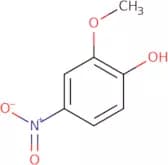
CAS:<p>Please enquire for more information about 2,6-difluoro-3-nitroaniline including the price, delivery time and more detailed product information at the technical inquiry form on this page</p>Fórmula:C6H4F2N2O2Pureza:Min. 95%Cor e Forma:PowderPeso molecular:174.11 g/mol4-Nitroguaiacol
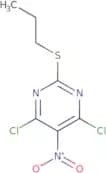
CAS:4-Nitroguaiacol is a nitro compound that has been shown to inhibit the growth of bacteria by reacting with fatty acids. The mechanism of this reaction is not well understood, but it may be due to the formation of an intermediate nitrite reductase that reduces nitrite to nitric oxide. 4-Nitroguaiacol has been shown to have antioxidative properties and can reduce hydrochloric acid in vitro. This compound also has been used as a clinical study for the treatment of bacterial infections.Fórmula:C7H7NO4Pureza:Min. 95%Cor e Forma:PowderPeso molecular:169.13 g/mol4,6-Dichloro-5-nitro-2-propylthiopyrimidine
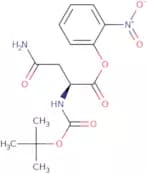
CAS:<p>Intermediate in the synthesis of ticagrelor</p>Fórmula:C7H7Cl2N3O2SPureza:Min. 95%Peso molecular:268.12 g/molBoc-Asn-o-nitrophenyl ester
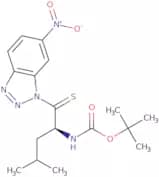
CAS:<p>Please enquire for more information about Boc-Asn-o-nitrophenyl ester including the price, delivery time and more detailed product information at the technical inquiry form on this page</p>Fórmula:C15H19N3O7Pureza:Min. 95%Peso molecular:353.33 g/molBoc-Thionoleu-1-(6-nitro)benzotriazolide
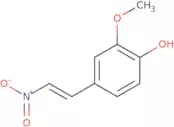
CAS:<p>Please enquire for more information about Boc-Thionoleu-1-(6-nitro)benzotriazolide including the price, delivery time and more detailed product information at the technical inquiry form on this page</p>Fórmula:C17H23N5O4SPureza:Min. 95%Peso molecular:393.46 g/mol1-(4-Hydroxy-3-methoxyphenyl)-2-nitroethene
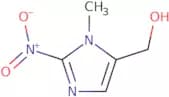
CAS:<p>1-(4-Hydroxy-3-methoxyphenyl)-2-nitroethene is an experimental molecule that was not previously known to exist. The intramolecular reaction of 1,4-dihydroxynitrobenzene and glyoxylic acid yields the product. It is a phenolic compound with biological activity, which has been shown to inhibit glycosidases and alkaloids.</p>Fórmula:C9H9NO4Pureza:Min. 95%Cor e Forma:SolidPeso molecular:195.17 g/mol(3-Methyl-2-nitro-3H-imidazol-4-yl)methanol
CAS:<p>3-Methyl-2-nitro-3H-imidazol-4-yl)methanol is a fluorescent probe that can be used to detect hypoxic tumor cells. It has been shown to selectively react with the methylethyl group in Trichomonas vaginalis. 3-Methyl-2-nitro-3H-imidazol-4-yl)methanol is bioreductive and can be activated by nitro groups in proteins, which are found in the active site of enzymes such as bacterial dna gyrase. This probe has been shown to bind to the sn38 position of bacterial DNA, but not mammalian DNA.</p>Fórmula:C5H7N3O3Pureza:Min. 95%Peso molecular:157.13 g/molMethyl-4-nitrobenzenesulfonate
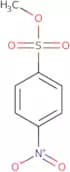
CAS:<p>Methyl-4-nitrobenzenesulfonate is a chemical reagent that is used in the preparation of samples for structural analysis. It can be used to determine the structure of amines, glycol ethers, and polyethers by means of kinetic data. Methyl-4-nitrobenzenesulfonate has been used to analyze human serum and wastewater treatment samples. This chemical reagent is also used as a fluorescent derivative in analytical chemistry due to its high detection sensitivity.</p>Fórmula:C7H7NO5SPureza:Min. 95%Cor e Forma:PowderPeso molecular:217.2 g/mol3-Bromo-2-methyl-5-nitropyridine
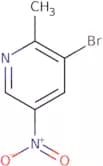
CAS:<p>Please enquire for more information about 3-Bromo-2-methyl-5-nitropyridine including the price, delivery time and more detailed product information at the technical inquiry form on this page</p>Fórmula:C6H5BrN2O2Pureza:Min. 95%Peso molecular:217.02 g/mol1-(Dibromomethyl)-4-nitrobenzene
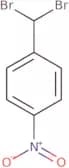
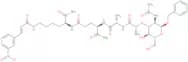
CAS:<p>1-(Dibromomethyl)-4-nitrobenzene is a chemical substance that belongs to the group of industrial chemicals. It has been classified as toxic and hazardous for human health, with an expansion potential. This substance is used in the production of a number of insecticides and other chemical control agents. The toxic effects of 1-(dibromomethyl)-4-nitrobenzene are related to its alkaline properties and include irritation of the eyes, skin, and respiratory tract; central nervous system depression; liver damage; kidney damage; and gastrointestinal disturbances. Inhalation may result in pulmonary edema or death due to oxygen deprivation. This chemical is also known to cause cancer in animals.</p>Fórmula:C7H5Br2NO2Pureza:Min. 95%Peso molecular:294.93 g/molAc-alpha-benzyl-muramyl-Ala-D-Glu(Lys(trans-(3-nitrocinnamoyl))-NH2)-NH2
CAS:<p>Please enquire for more information about Ac-alpha-benzyl-muramyl-Ala-D-Glu(Lys(trans-(3-nitrocinnamoyl))-NH2)-NH2 including the price, delivery time and more detailed product information at the technical inquiry form on this page</p>Fórmula:C41H56N8O14Pureza:Min. 95%Peso molecular:884.93 g/mol2-Butyl-5-nitrobenzofuran
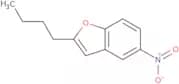
CAS:<p>2-Butyl-5-nitrobenzofuran (2B5NBF) is a drug that belongs to the class of salicylaldehydes. It is an acylation product of 2-butanol and 5-nitrobenzofuran that has the potential for use as a pharmaceutical agent. The reaction yield for this compound is high and can be increased by using hydrochloric acid as the acid catalyst. When 2B5NBF is reacted with chloride, it produces an active substance with a structural formula of C14H11NO3Cl. This substance has been shown to have arrhythmic properties in atrial tissue in rats.</p>Fórmula:C12H13NO3Pureza:Min. 95%Peso molecular:219.24 g/molN'-Nitrosopentyl-(3-picolyl)amine
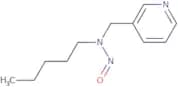
CAS:<p>N'-Nitrosopentyl-(3-picolyl)amine is a research chemical that can be used as a reaction component, reagent, or intermediate. It is a high quality and versatile building block for the synthesis of complex compounds. N'-Nitrosopentyl-(3-picolyl)amine has been shown to be useful as an intermediate in the synthesis of drugs such as pentoxifylline and lodoxamide, which are used to treat respiratory diseases. This chemical is also used to synthesize other compounds that have speciality applications such as pharmaceuticals and rubber additives.</p>Fórmula:C11H17N3OPureza:Min. 95%Cor e Forma:Off-White To Yellow LiquidPeso molecular:207.27 g/mol3-Fluoro-4-nitrobenzoic acid
CAS:<p>3-Fluoro-4-nitrobenzoic acid is an organic solvent that is used as a reagent in the synthesis of peptidomimetics. 3-Fluoro-4-nitrobenzoic acid has been shown to be a nucleophilic addition agent, which can react with serine proteases in the presence of benzamidine. This reaction results in the formation of an amide bond between the amino group and carboxylic acid moiety of the serine protease, thereby inhibiting its activity. 3-Fluoro-4-nitrobenzoic acid is also used as a synthetic intermediate for peptides and other organic compounds.</p>Fórmula:C7H4FNO4Pureza:Min. 95%Cor e Forma:PowderPeso molecular:185.11 g/mol5-Bromo-2-nitropyridine
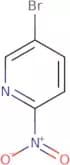
CAS:<p>5-Bromo-2-nitropyridine is a hydrogen bond donor. It is an organic molecule with the chemical formula C5H5BrN3. The compound has been used in the synthesis of other molecules, such as nicotinic acetylcholine and mitochondrial membrane potential inhibitors. 5-Bromo-2-nitropyridine is also a good candidate for cancer treatment due to its ability to inhibit cell cycle progression at G2/M phase. 5-Bromo-2-nitropyridine can be synthesized by reacting 2,4,6-trinitrobenzenesulfonic acid with bromine and potassium carbonate in a reaction vessel at 200 °C for about 30 minutes.</p>Fórmula:C5H3BrN2O2Cor e Forma:PowderPeso molecular:202.99 g/mol(S)-(+)-Glycidyl-4-nitrobenzoate
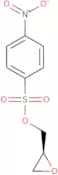
CAS:<p>Glycidyl-4-nitrobenzoate (GLYNB) is an opioid receptor ligand, which binds to the κ opioid receptor. It has been used in biological testing and has been shown to have affinity for the κ opioid receptor. GLYNB may be a useful tool for investigating the molecular diversity of this receptor and its function in both normal and pathological conditions.</p>Fórmula:C9H9NO6SPureza:Min. 95%Peso molecular:259.24 g/molH-Phe-Gly-His-p-nitro-Phe-Phe-Ala-Phe-OMe
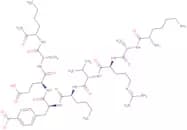
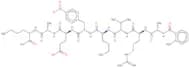
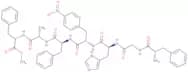
CAS:<p>H-Phe-Gly-His-p-nitro-Phe-Phe-Ala-Phe-OMe is a protonated amino acid. It has been shown to have a high affinity for the histidine subsite of human thrombin. This compound has been found to have a kinetic rate of hydrolysis that is competitive with that of aspartic acid, but slower than that of valine. H-Phe-Gly-His-p-nitro-Phe--Phe--Ala--Phe--OMe also functions as an anticoagulant and inhibits clotting by inhibiting the conversion of fibrinogen to fibrin.</p>Fórmula:C48H54N10O10Pureza:Min. 95%Peso molecular:931 g/molAbz-Ala-Phe-Ala-Phe-Asp-Val-Phe-3-nitro-Tyr-Asp-OH trifluoroacetate salt
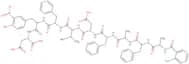
CAS:<p>Please enquire for more information about Abz-Ala-Phe-Ala-Phe-Asp-Val-Phe-3-nitro-Tyr-Asp-OH trifluoroacetate salt including the price, delivery time and more detailed product information at the technical inquiry form on this page</p>Fórmula:C62H71N11O18Pureza:Min. 95%Peso molecular:1,258.29 g/mol4-Chloro-2-nitrobenzaldehyde
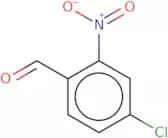
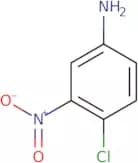
CAS:<p>4-Chloro-2-nitrobenzaldehyde is a reactive intermediate that has been used to investigate the reaction mechanism of protonation. It is an n-oxide and has been shown to react with calcium carbonate under acidic conditions, forming a stable product. 4-Chloro-2-nitrobenzaldehyde has also been used in the synthesis of amides and nitro compounds. This compound possesses two functional groups, which are a nitro group and a chloro group on the aromatic ring.</p>Fórmula:C7H4ClNO3Pureza:Min. 95%Cor e Forma:PowderPeso molecular:185.56 g/mol4-Chloro-3-nitroaniline
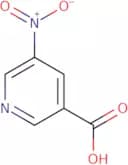
CAS:<p>4-Chloro-3-nitroaniline is an antibacterial agent that inhibits bacterial growth by binding to the enzyme topoisomerase II, which is essential for DNA replication. It has been shown to have a statistically significant inhibitory effect on the growth of Staphylococcus aureus. 4-Chloro-3-nitroaniline may also disrupt hemosiderosis and reduce iron levels in plasma samples from patients with hemosiderosis. The biological effects of this drug are not well understood.</p>Fórmula:C6H5ClN2O2Pureza:Min. 95%Cor e Forma:PowderPeso molecular:172.57 g/mol5-Nitro nicotinic acid
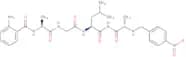
CAS:<p>5-Nitro nicotinic acid is a drug that has been synthesized in the laboratory. It is a white crystalline solid with a molecular weight of 201.18, and it has the chemical formula of C6H5NO2. 5-Nitro nicotinic acid is an antitubercular drug that inhibits Mycobacterium tuberculosis and Mycobacterium avium complex without inhibiting other human cells. It also inhibits the growth of bacteria that are resistant to aminoglycosides (e.g., Pbtz169). This drug binds to the enzyme NADH dehydrogenase, which leads to inhibition of bacterial respiration and ATP synthesis. 5-Nitro nicotinic acid also has antimycobacterial activity against mycobacteria by forming nitric oxide radicals (NO) through hydrogen peroxide oxidation, which react with cellular components such as DNA and proteins.</p>Fórmula:C6H4N2O4Pureza:Min. 95%Peso molecular:168.11 g/molAbz-Ala-Gly-Leu-Ala-p-nitrobenzylamide
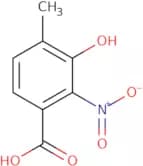
CAS:<p>Benzamidine is a benzamidase inhibitor that competitively binds to bacterial enzymes such as metalloendopeptidases and matrix metalloproteinases. It inhibits the degradation of collagen, resulting in a higher concentration of soluble extract. This drug also has an effect on spermatozoa, which may be due to its ability to inhibit bacterial enzymes that are involved with uptake and preload. Benzamidine has been shown to have a pH optimum of 8-9 and is most active at this pH range.</p>Fórmula:C28H37N7O7Pureza:Min. 95%Peso molecular:583.64 g/mol3-Hydroxy-4-methyl-2-nitro-benzoic acid
CAS:3-Hydroxy-4-methyl-2-nitrobenzoic acid is an analog of the natural substrate for the enzyme nitroreductase. It can be used in oxidative coupling reactions to generate a covalently bonded product, which is immobilized on sepharose. 3-Hydroxy-4-methyl-2-nitrobenzoic acid has a high affinity for nucleic acids and can be used in biospecific assays. The chromophore of 3-hydroxy-4-methyl-2-nitrobenzoic acid is easily oxidized, leading to its use in nitroreduction reactions in which a nitro group is reduced to an amino group.Pureza:Min. 95%2-Hydroxy-5-nitro-3-(trifluoromethyl)pyridine
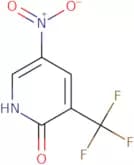
CAS:Please enquire for more information about 2-Hydroxy-5-nitro-3-(trifluoromethyl)pyridine including the price, delivery time and more detailed product information at the technical inquiry form on this pageFórmula:C6H3F3N2O3Pureza:Min. 99.00 Area-%Peso molecular:208.09 g/mol3-Fluoro-2-nitrobenzaldehyde
CAS:<p>3-Fluoro-2-nitrobenzaldehyde is a pyridine derivative that has been used in the synthesis of a number of important heterocyclic compounds. This compound can be prepared by reacting 3,4-dichloroaniline with nitrous acid and then hydrolyzing the resulting 3-chloroquinoline with hydrochloric acid. The reaction yields anilines and quinolines in regiospecifically, as well as formylation, cyclisation, and condensation products. It is also capable of aromatisation reactions with benzene to produce benzofuran derivatives.</p>Fórmula:C7H4FNO3Pureza:Min. 95%Cor e Forma:Yellow PowderPeso molecular:169.11 g/molAbz-Ser-Pro-3-nitro-Tyr-OH
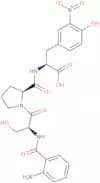
CAS:<p>Abz-Ser-Pro-3-nitro-Tyr-OH is a chromophobe peptide that is expressed in renal cell carcinomas. It is a potent inhibitor of all three major classes of proteases: serine, cysteine and aspartyl proteases. Abz-Ser-Pro-3-nitro-Tyr-OH inhibits the activity of peptidases, which are enzymes involved in protein degradation and turnover. Abz has been shown to inhibit the activity of intrarenal proteolytic enzymes, including endopeptidase, metallopeptidase and aminopeptidase activities. Abz also has been shown to inhibit the expression of markers on the surface of kidney cells and to reduce renal cell proliferation.</p>Fórmula:C24H27N5O9Pureza:Min. 95%Peso molecular:529.5 g/mol4-Nitrophenyl Salicylate
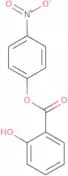
CAS:<p>4-Nitrophenyl salicylate is an organic compound that is a derivative of phenol. This colourless solid has been shown to be a good catalyst for amine oxidation reactions. It also stabilizes organic compounds and prevents their oxidation by oxygen and other reactive species, such as free radicals, peroxides, and heavy metals. 4-Nitrophenyl salicylate reacts with amines to produce alicyclic nitrosoamines, which are more stable than the parent amine. The reaction mechanism of 4-nitrophenyl salicylate is not yet fully understood; however, it may involve nucleophilic attack on the aromatic ring followed by resonance stabilization of the resulting product.</p>Pureza:Min. 95%Cor e Forma:PowderPeso molecular:259.21 g/molL-threo-(+)-2-Amino-1-(4-nitrophenyl)-1,3-propanediol
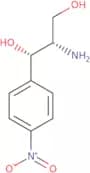
CAS:L-threo-(+)-2-amino-1-(4-nitrophenyl)-1,3-propanediol is a functional group that is composed of a fatty acid and an amino acid. It has been shown to inhibit the growth of corynebacterium glutamicum bacteria by hydrolyzing their cell wall. This compound also inhibits the activity of bacterial enzymes that are involved in the synthesis of proteins. This functional group may be useful for the treatment of chronic lymphocytic leukemia and HIV infection.Fórmula:C9H12N2O4Pureza:Min. 95%Cor e Forma:PowderPeso molecular:212.2 g/mol5'-Chloro-2'-hydroxy-3'-nitro-[1,1'-biphenyl]-3-carboxylic acid
CAS:<p>Please enquire for more information about 5'-Chloro-2'-hydroxy-3'-nitro-[1,1'-biphenyl]-3-carboxylic acid including the price, delivery time and more detailed product information at the technical inquiry form on this page</p>Fórmula:C13H8ClNO5Pureza:Min. 95%Peso molecular:293.66 g/mol5-Fluoro-2-nitroanisole
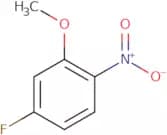
CAS:<p>5-Fluoro-2-nitroanisole is an aminophenol that has potent inhibitory activity against lung cancer cells. This agent inhibits the growth of cancer cells by methylating the epidermal growth factor receptor (EGFR) and preventing its activation. 5-Fluoro-2-nitroanisole also inhibits the production of epidermal growth factor, which is a potent mitogen for skin cells. In vitro cytotoxic activity was observed when this compound was combined with heat or ultraviolet light.</p>Fórmula:C7H6FNO3Pureza:Min. 95%Cor e Forma:Light (Or Pale) Yellow To Tan To Grey SolidPeso molecular:171.13 g/mol5-Chloro-2-nitrodiphenylamine
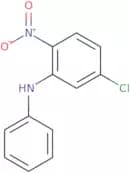
CAS:<p>5-Chloro-2-nitrodiphenylamine is a synthetic dyestuff that belongs to the class of acridones. It can be used as an anti-epileptic drug, although it has not been approved for this use in any country. 5-Chloro-2-nitrodiphenylamine is manufactured by reacting a 6-carboxylic acid with an organic solvent and ammonolysis. This chemical is also known as 6'-chloroacridone and is used in the production of dyes and pigments. The manufacturing process produces impurities such as chloride, which must be removed by evaporation. Nitro groups are introduced during the manufacturing process to improve the dye's stability and color fastness under light exposure.</p>Fórmula:C12H9ClN2O2Pureza:Min. 95%Cor e Forma:Orange To Red SolidPeso molecular:248.66 g/molHIV Protease Substrate VII
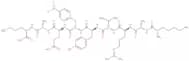
CAS:<p>Please enquire for more information about HIV Protease Substrate VII including the price, delivery time and more detailed product information at the technical inquiry form on this page</p>Fórmula:C52H81N15O14Pureza:Min. 95%Peso molecular:1,140.29 g/molEpsilon-Maleimidocaproic acid-(2-nitro-4-sulfo)-phenyl ester·sodium salt
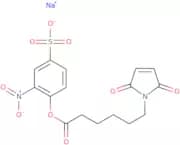
CAS:<p>Epsilon-Maleimidocaproic acid-(2-nitro-4-sulfo)-phenyl ester·sodium salt (EMAP) is a crosslinker that belongs to the group of heterobifunctional reagents. It has been used to conjugate monoclonal antibodies with other molecules, such as toxins. EMAP is activated by the dianion generated by protonation of the nitro groups on the phenyl ring and reacts with free amines or thiols in proteins. EMAP can be used for labeling immunotoxins for diagnostic use, maximizing detection sensitivity, and crosslinking DNA molecules for use in molecular cloning experiments.</p>Fórmula:C16H15N2NaO9SPureza:Min. 95%Peso molecular:434.35 g/molHIV Protease Substrate IV
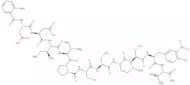
CAS:<p>Please enquire for more information about HIV Protease Substrate IV including the price, delivery time and more detailed product information at the technical inquiry form on this page</p>Fórmula:C49H83N15O13Pureza:Min. 95%Peso molecular:1,090.28 g/molAbz-Asp-Asp-Ile-Val-Pro-Cys-Ser-Met-Ser-3-nitro-Tyr-Thr-NH2
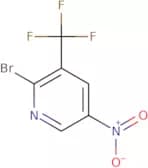
CAS:<p>Please enquire for more information about Abz-Asp-Asp-Ile-Val-Pro-Cys-Ser-Met-Ser-3-nitro-Tyr-Thr-NH2 including the price, delivery time and more detailed product information at the technical inquiry form on this page</p>Fórmula:C58H84N14O22S2Pureza:Min. 95%Peso molecular:1,393.5 g/mol2-Bromo-5-nitro-3-(trifluoromethyl)pyridine
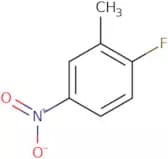
CAS:<p>2-Bromo-5-nitro-3-(trifluoromethyl)pyridine is a white crystalline compound that is soluble in water. It has high melting point and is stable at high temperatures. This chemical has been recycled from terephthalic acid by the cyanation reaction with sodium nitrite, followed by hydrogenation of 2-bromo-5-nitro-3-(trifluoromethyl)pyridine to 5,6-dichloro-2,4,6-(1H,3H)-triazine. The target product of this recycling process is terephthalic acid. 2-Bromo-5-nitro-3-(trifluoromethyl)pyridine can be used as a catalyst for the preparation of drugs for urogenital use.</p>Pureza:Min. 95%4-Fluoro-3-methylnitrobenzene
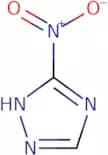
CAS:<p>4-Fluoro-3-methylnitrobenzene is a carbazole that is used as a pesticide. It has been shown to be effective against typhimurium and other bacteria. The mechanism of action of this compound may involve nitrenium ion formation, which is an intermediate in the reaction of ammonium nitrate with calcium carbonate. 4-Fluoro-3-methylnitrobenzene has two isomers: 4-fluoro-3-methylnitrobenzoic acid and 4-fluoronitrobenzoic acid, but only the former reacts with ammonium nitrate. The reaction time for this compound to form carcinogenic nitrosamines can vary from about one day to several months. Chemical shift data for this compound reveal its radical mechanism, which explains its low efficiency. This compound also has optical properties that can cause fluorescence or phosphorescence when exposed to ultraviolet light or laser beams, respectively.</p>Fórmula:C7H6FNO2Pureza:Min. 95%Peso molecular:155.13 g/mol3-Nitro-1,2,4-triazole
CAS:<p>3-Nitro-1,2,4-triazole is a heterocyclic compound that can be used in organic synthesis. It has been shown to react with nucleophiles such as thiols and amines. The reaction products are covalent adducts, which are low detection and can be used for the chemical analysis of nucleophiles. 3-Nitro-1,2,4-triazole is also known to form a coordination complex with palladium (II) chloride and zinc chloride in the presence of a base. This coordination complex has been shown to inhibit the growth of v79 cells in vitro. 3-Nitro-1,2,4-triazole has also been shown to have antiangiogenic properties and inhibit tumor growth in animal models.</p>Fórmula:C2H2N4O2Pureza:Min. 95%Cor e Forma:PowderPeso molecular:114.06 g/mol(1-Nitroethyl)benzene
CAS:(1-Nitroethyl)benzene is a chloride that belongs to the family of muscarinic receptor antagonists. Its amide form is used in medicine as an antiviral agent, and it has been shown to be effective against HIV. (1-Nitroethyl)benzene also binds to the adenosine A3 receptor, which inhibits autoimmune diseases by preventing the proliferation of lymphocytes. The nitro group on this molecule can undergo a number of chemical reactions, including addition with alkylsulfonyl chloride or nitration with nitric acid.Fórmula:C8H9NO2Pureza:Min. 95%Cor e Forma:PowderPeso molecular:151.16 g/molAnthranilyl-HIV Protease Substrate V trifluoroacetate salt
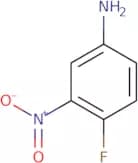
CAS:<p>Please enquire for more information about Anthranilyl-HIV Protease Substrate V trifluoroacetate salt including the price, delivery time and more detailed product information at the technical inquiry form on this page</p>Fórmula:C50H76N14O13Pureza:Min. 95%Peso molecular:1,081.23 g/mol4-Fluoro-3-nitroaniline
CAS:<p>4-Fluoro-3-nitroaniline is a chemical that can be used for industrial preparation. It is an efficient method for the production of 4-fluoroaniline, which is used in the manufacture of dyes and pharmaceuticals. The chemical ionization technique has been shown to be a good way to determine the presence of 4-fluoro-3 nitroaniline in animals. It has also been found to be active against infections caused by bacteria such as Salmonella enterica, Escherichia coli, and Klebsiella pneumoniae. This chemical may have adverse effects on testicular function and hematocrit levels in animals.</p>Fórmula:C6H5FN2O2Pureza:Min. 95%Peso molecular:156.11 g/mol


![(2-{Ethyl-[4-(4-nitro-phenylazo)-phenyl]-amino}-ethoxy)-acetic acid-4-nitro-phenyl ester](/_next/image/?url=https%3A%2Fstatic.cymitquimica.com%2Fproducts%2F3D%2Fthumb-webp%2FFE111186.webp&w=3840&q=75)


![5'-Chloro-2'-hydroxy-3'-nitro-[1,1'-biphenyl]-3-carboxylic acid](/_next/image/?url=https%3A%2Fstatic.cymitquimica.com%2Fproducts%2F3D%2Fthumb-webp%2FFC159731.webp&w=3840&q=75)