Amidas
As amidas são uma ampla gama de compostos químicos que contêm pelo menos um anel heterocíclico, que possui átomos de pelo menos dois elementos diferentes na estrutura do anel, e pelo menos um grupo amida (-CONH2). Esses compostos são cruciais na síntese de produtos farmacêuticos, polímeros e agroquímicos. As amidas exibem propriedades e reatividade únicas, tornando-as intermediários valiosos na síntese orgânica. Na CymitQuimica, oferecemos uma seleção abrangente de amidas de alta qualidade para apoiar suas necessidades de pesquisa e industriais.
Foram encontrados 16485 produtos de "Amidas"
Ordenar por
Pureza (%)
0
100
|
0
|
50
|
90
|
95
|
100
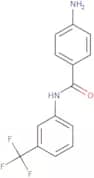
(4-Aminophenyl)-N-(3-(trifluoromethyl)phenyl)formamide
CAS:<p>Please enquire for more information about (4-Aminophenyl)-N-(3-(trifluoromethyl)phenyl)formamide including the price, delivery time and more detailed product information at the technical inquiry form on this page</p>Fórmula:C14H11F3N2OPureza:Min. 95%Cor e Forma:PowderPeso molecular:280.25 g/molN-Allyl-N-ethylheptadecafluorooctanesulphonamide
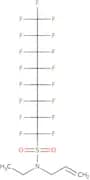
CAS:Produto Controlado<p>N-Allyl-N-Ethylheptadecafluorooctanesulphonamide is a chemical substance that belongs to the group of sulfonates. It is an oily liquid with a boiling point of about 160°C, and is soluble in water. N-Allyl-N-Ethylheptadecafluorooctanesulphonamide has been used as a component of mixtures, such as cleaning agents and cosmetics. The chemical properties of this substance are not well studied due to its limited use.</p>Fórmula:C13H10F17NO2SPureza:Min. 95%Peso molecular:567.26 g/molN-(5-Aminopentyl) methotrexate amide
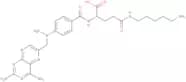
CAS:<p>N-(5-Aminopentyl) methotrexate amide is a fluorescent probe that is used to study the transport of drugs across cell membranes. It binds to the plasma membrane of cells and can be visualized with a fluorescence microscope. N-(5-Aminopentyl) methotrexate amide has been shown to bind to leukemia cells in murine leukemia models. It has a high affinity for drug-resistant cells, which makes it useful for studying drug resistance mechanisms. This probe can be used at nanomolar concentrations for imaging studies, as well as for measuring the uptake of drugs into cancer cells by flow cytometry.</p>Fórmula:C25H34N10O4Pureza:Min. 95%Cor e Forma:Yellow PowderPeso molecular:538.6 g/mol(3-(2,6-dichlorophenyl)-5-methylisoxazol-4-yl)-N-(4-(2-pyridylthio)phenyl)formamide
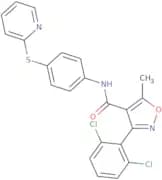
CAS:Please enquire for more information about (3-(2,6-dichlorophenyl)-5-methylisoxazol-4-yl)-N-(4-(2-pyridylthio)phenyl)formamide including the price, delivery time and more detailed product information at the technical inquiry form on this pagePureza:Min. 95%N-[2-(1,3-Dimethylbutyl)phenyl]-5-fluoro-1,3-dimethyl-1H-pyrazole-4-carboxamide
CAS:Produto Controlado<p>N-[2-(1,3-Dimethylbutyl)phenyl]-5-fluoro-1,3-dimethyl-1H-pyrazole-4-carboxamide is an herbicide that belongs to the group of fatty acid amides. It is a selective postemergence herbicide that inhibits the germination and growth of plants by inhibiting the synthesis of fatty acids. Unlike other chemical pesticides, it has no effect on animals or humans and it is not toxic to plants. The selectivity of N-[2-(1,3-Dimethylbutyl)phenyl]-5-fluoro-1,3-dimethyl-1H-pyrazole-4-carboxamide makes it a good candidate for use in combination preparations with other chemicals.</p>Pureza:Min. 95%Disopyramid
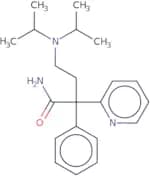
CAS:Produto Controlado<p>a-[2-(Diisopropylamino)ethyl]-a-phenyl-2-pyridineacetamide is a hydrogen bond donor. It has been shown to have cytotoxicity in vitro, with parameters that can be used for accurate prediction of descriptors. These descriptors are informative and insightful, which can be used for regression analyses and linear regression methods. The pharmacokinetic properties of a-[2-(Diisopropylamino)ethyl]-a-phenyl-2-pyridineacetamide have been studied in humans and have shown linearity between dose and plasma concentration.</p>Fórmula:C21H29N3OCor e Forma:White PowderPeso molecular:339.47 g/mol2,2,2-Trifluoro-n-phenylacetamide
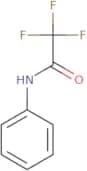
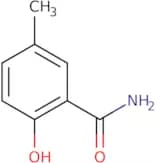
CAS:<p>2,2,2-Trifluoro-n-phenylacetamide is a functionalized trifluoroacetic acid. It is inactive and can be used for diagnostic purposes. 2,2,2-Trifluoro-n-phenylacetamide reacts with amines to form the corresponding deuterium isotope labeled amine. The heterocyclic amines that are formed react with diazonium salt to produce an enolate anion that reacts with chloride to form the corresponding carboxylic acid derivative. The proton of the carboxylic acid leaves as a protonated ammonium ion, which is stable in alkaline solutions. Amides have a negative charge on the nitrogen atom due to its electron withdrawing properties.</p>Fórmula:C8H6F3NOPureza:Min. 95%Cor e Forma:PowderPeso molecular:189.13 g/mol2-Hydroxy-5-methylbenzamide
CAS:Labetalol is a β-blocker that is used to treat high blood pressure. Labetalol hydrochloride, the active form of labetalol, is a white, crystalline compound with a melting point of 200 °C. It is soluble in water and has an acidic pH of 2. Labetalol hydrochloride is synthesized by reacting methylbenzene with labetalol, which forms intermediates such as methyl 4-hydroxylbenzoate and methyl 3-hydroxylbenzoate in the process. The intermediates are then recrystallized to form the final product. Labetalol hydrochloride undergoes thermal analysis using thermogravimetry, calorimetry, and residue analysis to determine its purity. This product also undergoes carbonaceous and oxidative analysis by GC-MS for quality control purposes.Fórmula:C8H9NO2Pureza:Min. 95%Cor e Forma:PowderPeso molecular:151.16 g/mol3-Iodobenzamide
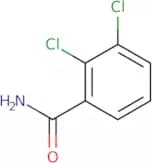
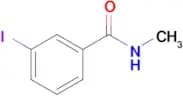
CAS:<p>3-Iodobenzamide is a metalloporphyrin that is used as a research tool. It has been shown to inhibit the tyrosine kinase activity of the BCR-ABL protein and to induce apoptosis in chronic myeloid leukemia cells. 3-Iodobenzamide binds to the dopamine D2 receptor, which leads to inhibition of adenylate cyclase and decreased levels of cAMP. The binding affinity of 3-iodobenzamide for dopamine receptors and its ability to inhibit cAMP production make it an ideal candidate for use in studies on striatal membrane preparations and homogenates.</p>Fórmula:C7H6INOPureza:Min. 95%Cor e Forma:PowderPeso molecular:247.03 g/mol2,3-Dichlorobenzamide
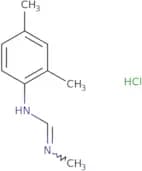
CAS:<p>2,3-Dichlorobenzamide is a herbicide with a stable structure. It has been shown to be effective against the weed species Agropyron repens and other grasses that grow in wetland conditions. 2,3-Dichlorobenzamide inhibits the growth of these plants by causing chlorosis, which is characterized by yellowing of leaves. 2,3-Dichlorobenzamide is toxic to aquatic organisms and can cause pollution in water systems. The molecular electrostatic potential of 2,3-Dichlorobenzamide has been studied using computer models and the parameters have been used to predict its toxicity to various tissues such as nerves or liver cells.</p>Fórmula:C7H5Cl2NOPureza:Min. 95%Cor e Forma:PowderPeso molecular:190.03 g/molN'-(2,4-Dimethylphenyl)-N-methylformamide hydrochloride
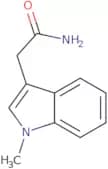
CAS:Bifenthrin is a broad-spectrum, synthetic pyrethroid insecticide that has been used to control pests in the agricultural and residential sectors. It is applied as a spray or dust on plants and animals. Bifenthrin is highly toxic to mammals, with an oral LD50 of less than 10 milligrams per kilogram of body weight in rats and mice. The acute toxicity can be attributed to its ability to inhibit protein synthesis by binding to the cholinesterases, which are found in high concentrations in mammalian tissues.Fórmula:C10H14N2·HClPureza:Min. 95%Cor e Forma:PowderPeso molecular:198.69 g/mol1-Methylindole-3-acetamide
CAS:Produto Controlado<p>Please enquire for more information about 1-Methylindole-3-acetamide including the price, delivery time and more detailed product information at the technical inquiry form on this page</p>Fórmula:C11H12N2OPureza:Min. 95%Cor e Forma:PowderPeso molecular:188.23 g/molAvenanthramide C
CAS:<p>Avenanthramide C is a potent polyphenolic compound that is isolated from the bark of the plant, Avena sativa. It has been shown to be an effective chemotherapeutic treatment for breast cancer and leukemia cells in vitro. Avenanthramide C has a hydroxyl group at its 6th carbon position and is a member of the class of compounds called avenanthramides. The biological properties of this compound have been examined using skin cells and it has been shown to exhibit significant activity against DNA polymerase, DNA binding activity, and enzyme activities. This compound also exhibits chemoattractant protein-like activity, which may be due to its ability to bind with high affinity to specific receptors on leukocytes.</p>Fórmula:C16H13NO6Pureza:Min. 95%Cor e Forma:PowderPeso molecular:315.28 g/mol2-Iodoacetamide
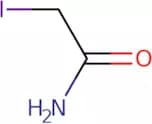
CAS:<p>2-Iodoacetamide is a synthetic retinoid that binds to the DNA of cells, altering transcription. It also has been found to be effective in treating bowel disease and has been shown to have dna binding activity. The compound was synthesized by attaching iodine molecules to acetamide. 2-Iodoacetamide targets the protein thiols on the surface of cells, which are responsible for oxidation and damage due to reactive oxygen species (ROS). This compound is metabolized by alcohol dehydrogenase and can be used as a biological sample or natural compound.</p>Fórmula:C2H4INOPureza:Min. 95%Cor e Forma:SolidPeso molecular:184.96 g/mol2-Methylbenzamide
CAS:2-Methylbenzamide is an amide with a carbonyl group and an intramolecular hydrogen. It has been shown to have synergic effects when combined with piperonyl butoxide in the treatment of autoimmune diseases. This synergistic effect is due to the inhibition of inflammatory mediator release, which can be achieved by blocking the enzyme cyclooxygenase-2. 2-Methylbenzamide has also been shown to inhibit deuterium isotope effect in cd-1 mice, which could make it beneficial for patients who are unable to tolerate other drugs.Fórmula:C8H9NOPureza:Min. 95%Cor e Forma:White PowderPeso molecular:135.16 g/molN-(2-(3,4-dimethoxyphenyl)ethyl)(4-(tert-butyl)phenyl)formamide
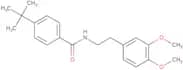
CAS:Produto Controlado<p>Please enquire for more information about N-(2-(3,4-dimethoxyphenyl)ethyl)(4-(tert-butyl)phenyl)formamide including the price, delivery time and more detailed product information at the technical inquiry form on this page</p>Pureza:Min. 95%N,N'-Dimethyl benzamide
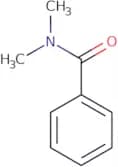
CAS:<p>N,N'-Dimethyl benzamide (DMAB) is an aryl halide that reacts with hydrogen to form the corresponding carbonyl group. The reaction solution of DMAB and hydrogen gas produces a chemical structure that resembles a hydrogen bond. DMAB has been shown to have anti-inflammatory effects in animals with inflammatory diseases. It has also been studied for its ability to inhibit the formation of amyloid plaque, which is associated with Alzheimer's disease. In addition, DMAB has been shown to have therapeutic effects against boron nitride and amides.<br>The crystal structure of DMAB can be found in both crystalline polymorphs: monoclinic and triclinic. The triclinic form is stable at room temperature and pressure, while the monoclinic form is only stable at higher temperatures. The monoclinic form is more soluble than the triclinic form, as it contains fewer hydrogen bonds between</p>Fórmula:C9H11NOPureza:Min. 95%Cor e Forma:White PowderPeso molecular:149.19 g/molTenofovir alafenamide fumarate
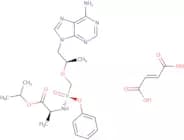
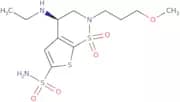
CAS:Tenofovir alafenamide fumarate is a prodrug of tenofovir, an active antiretroviral agent. Tenofovir binds to the viral polymerase and blocks the synthesis of viral DNA. Tenofovir alafenamide fumarate is a prodrug that undergoes hydrolysis to form tenofovir. It has been shown to inhibit growth factor-β1, which may reduce the risk of opportunistic infections in people with HIV or AIDS. Tenofovir alafenamide fumarate has also been shown to be effective as an antiviral prophylaxis when used in combination with other drugs for active antiretroviral therapy.Fórmula:C21H29N6O5P•C4H4O4Pureza:Min. 95%Cor e Forma:PowderPeso molecular:592.54 g/molBrinzolamide
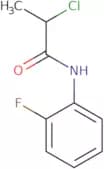
CAS:<p>Inhibitor of carbonic anhydrase</p>Fórmula:C12H21N3O5S3Pureza:Min. 98 Area-%Cor e Forma:PowderPeso molecular:383.51 g/mol2-Chloro-N-(2-fluorophenyl)propanamide
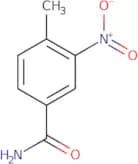
CAS:Please enquire for more information about 2-Chloro-N-(2-fluorophenyl)propanamide including the price, delivery time and more detailed product information at the technical inquiry form on this pageFórmula:C9H9ClFNOPureza:Min. 95%Peso molecular:201.63 g/mol4-Methyl-3-nitrobenzamide
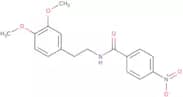
CAS:<p>4-Methyl-3-nitrobenzamide is a nitrile that can be synthesized by the reaction of potassium hydroxide and 3-nitrobenzamide. It has been shown to react with dichloroethane to form 4-methyl-3-nitrobenzoic acid. The optimum temperature for this reaction is 120°C, which leads to a high yield of 4-methyl-3-nitrobenzamide. This product is also available in an isotopic form at high purity.</p>Fórmula:C8H8N2O3Pureza:Min. 95%Cor e Forma:PowderPeso molecular:180.16 g/molN-(2-(3,4-dimethoxyphenyl)ethyl)(4-nitrophenyl)formamide
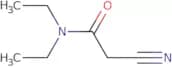
CAS:Produto ControladoPlease enquire for more information about N-(2-(3,4-dimethoxyphenyl)ethyl)(4-nitrophenyl)formamide including the price, delivery time and more detailed product information at the technical inquiry form on this pagePureza:Min. 95%N,N-Diethylcyanoacetamide
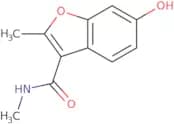
CAS:N,N-Diethylcyanoacetamide is an organic compound that is used in the industrial production of polyurethane. It reacts with a nucleophile to form a new carbon-nitrogen bond. The reaction can be monitored in real time, and it has high specificity for the desired product. N,N-Diethylcyanoacetamide reacts with piperidine to produce a mixture of isomers in which the methyl group is attached to either the nitrogen or the oxygen atom. This mixture can be separated by crystallization, and it generates a pure product that can be used as a monocarboxylic acid.Fórmula:C7H12N2OPureza:Min. 95%Cor e Forma:Clear LiquidPeso molecular:140.18 g/mol6-Hydroxy-N,2-dimethylbenzofuran-3-carboxamide
CAS:6-Hydroxy-N,2-dimethylbenzofuran-3-carboxamide is a fine chemical which is used as a building block in the synthesis of complex compounds. It can be used as a reactant in various reactions, such as Friedel-Crafts reactions and cycloadditions. This compound has been shown to be a useful intermediate for the synthesis of various heterocyclic compounds and scaffolds for drug development. 6-Hydroxy-N,2-dimethylbenzofuran-3-carboxamide has CAS number 638217-08-0 and is readily available in high quality.Fórmula:C11H11NO3Pureza:Min. 95%Cor e Forma:PowderPeso molecular:205.21 g/mol(2R)-1-(Phenylmethyl)-N-[3-(spiro[isobenzofuran-1(3H),4'-piperidin]-1-yl)propyl-2-pyrrolidinecarboxamide HCl
CAS:<p>(2R)-1-(Phenylmethyl)-N-[3-(spiro[isobenzofuran-1(3H),4'-piperidin]-1-yl)propyl-2-pyrrolidinecarboxamide HCl is an endogenous opioid that has been shown to have antidepressant-like effects. It can bind to γ-aminobutyric acid (GABA) receptors, catecholamine receptors, and nociceptin receptors. This drug also has anti-cancer properties and may be used for the treatment of autoimmune diseases. The interaction of this drug with other drugs is not well understood, but it has been shown to modulate the effects of opioids and increase the aversive nature of some substances.</p>Fórmula:C27H35N3O2Pureza:Min. 95%Cor e Forma:PowderPeso molecular:433.59 g/molCyanamide
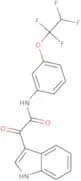
CAS:Produto Controlado<p>Cyanamide is a nitrogen-containing organic compound that is used as a plant nutrient. It has been shown to increase the activity of enzymes in methyl ethyl x-ray crystal structures and locomotor activity in mice. Cyanamide is also used as an herbicide and chemical pesticide, with calcium as its main target. The cyanamide molecule binds to the calcium ion and undergoes a reaction mechanism that results in the release of ammonia gas, which is toxic to plants. In addition, cyanamide can cause kidney damage in humans due to its ability to inhibit protein synthesis.</p>Fórmula:CH2N2Pureza:Min. 95%Cor e Forma:White PowderPeso molecular:42.02 g/mol2-Indol-3-yl-2-oxo-N-(3-(1,1,2,2-tetrafluoroethoxy)phenyl)ethanamide
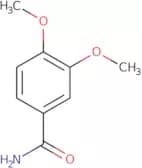
CAS:Please enquire for more information about 2-Indol-3-yl-2-oxo-N-(3-(1,1,2,2-tetrafluoroethoxy)phenyl)ethanamide including the price, delivery time and more detailed product information at the technical inquiry form on this pageFórmula:C18H12F4N2O3Pureza:Min. 95%Cor e Forma:PowderPeso molecular:380.29 g/molVeratramide
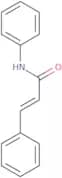
CAS:<p>Veratramide is a levorotatory, vanillic acid that has been synthesized by hydrolysis of esomeprazole. It is an ester of vanillic acid and hydrochloric acid. The cis-isomer is the more active form. Veratramide has been shown to be a prodrug for cisplatin, which is used in the treatment of cancer. Veratramide can also be metabolized to acetyl derivatives or flavonoids such as vitexin and metformin hydrochloride, which have anti-diabetic effects. Veratramide also binds to chloride ion channels, hypervalent ions (e.g., AlCl3), and quaternary ammonium salts (e.g., tetraethylammonium chloride).</p>Fórmula:C9H11NO3Pureza:Min. 95%Cor e Forma:PowderPeso molecular:181.19 g/molN,3-Diphenylacrylamide
CAS:N,3-Diphenylacrylamide is an amide that has been shown to exhibit carcinoid syndrome in humans. It also inhibits the growth of some human pathogens, including viruses and bacteria, as well as some fungi. The compound is metabolized by a number of enzymes and can be found circulating in the blood. Magnetic resonance spectroscopy has been used to study the structure of this molecule, which is composed of a carbonyl group and hydrogen bond. The effective dose for N,3-Diphenylacrylamide is not known.Fórmula:C15H13NOPureza:Min. 95%Cor e Forma:PowderPeso molecular:223.27 g/molN-(4-(tert-Butyl)phenyl)-3-(4-chlorophenyl)prop-2-enamide
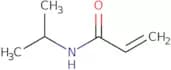
Please enquire for more information about N-(4-(tert-Butyl)phenyl)-3-(4-chlorophenyl)prop-2-enamide including the price, delivery time and more detailed product information at the technical inquiry form on this pagePureza:Min. 95%Cor e Forma:PowderN-Isopropylacrylamide
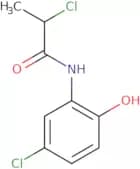
CAS:<p>N-Isopropylacrylamide is a biocompatible polymer that is used in the preparation of polymers. It is a solid phase microextraction material that is used in sample preparation and purification. N-Isopropylacrylamide has a phase transition temperature of -5°C and can be polymerized to form a polymer. This polymerization process can be done with or without catalysts, which are required for the formation of many other types of polymers. N-Isopropylacrylamide has been shown to have good affinity for human serum and wastewater treatment effluent samples, as well as for chitosan polymer surfaces. The kinetic data show that this polymer possesses high capacity for trifluoroacetic acid (TFA) reactivity, which makes it suitable for use in reaction solutions.</p>Fórmula:C6H11NOPureza:Min. 98.5 Area-%Cor e Forma:White PowderPeso molecular:113.16 g/molN-(5-Chloro-2-hydroxyphenyl)-2-chloropropanamide
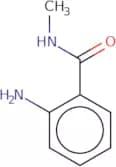
CAS:Please enquire for more information about N-(5-Chloro-2-hydroxyphenyl)-2-chloropropanamide including the price, delivery time and more detailed product information at the technical inquiry form on this pagePureza:Min. 95%2-Amino-N-methylbenzamide
CAS:<p>2-Amino-N-methylbenzamide is a benzodiazepine receptor antagonist that has been shown to inhibit the proliferation of cancer cells in vitro. 2-Amino-N-methylbenzamide binds to the benzodiazepine receptor, which is found in cell nuclei and is involved in controlling the process of cell division. Benzodiazepines are a class of drugs that work by increasing the activity of GABA, which reduces neuronal excitability. 2-Amino-N-methylbenzamide prevents this activity by binding to the benzodiazepine receptor, preventing GABA from binding to its receptors and thereby inhibiting neuronal excitability. This drug has also been shown to inhibit cancer growth through an anthranilic acid derivative, methyl anthranilate. Methyl anthranilate inhibits DNA synthesis and induces apoptosis in cancer cells, leading to cell death.</p>Fórmula:C8H10N2OPureza:Min. 95%Cor e Forma:PowderPeso molecular:150.18 g/mol2-(Methylthio)acetamide
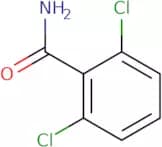
CAS:<p>Methylthioacetic acid is a weak organic acid that is used as an ophthalmic drug. When methylthioacetic acid is activated, intramolecular hydrogen bonds form between the methylthiosulfonate ion and the nitrate ion. This process requires spin resonance to take place, which can be explained by the functional theory of kinetics. The reaction of methylthioacetic acid with nitrate ions to form methylthiosulfonate ions has been shown to be rapid and reversible in both dry weight and wet weight experiments. The alkylation of methylthioacetic acid with ethyl bromoacetate has been shown to produce thermochemically stable imine and phosphate ions.</p>Fórmula:C3H7NOSPureza:Min. 95%Cor e Forma:PowderPeso molecular:105.16 g/mol2,6-Dichlorobenzamide
CAS:2,6-Dichlorobenzamide is a chemical compound that belongs to the group of organochlorine compounds. It is soluble in water and has been shown to be an effective treatment for metal contamination in groundwater. 2,6-Dichlorobenzamide reacts with metal ions at the surface of cells by forming an insoluble metal chloride complex that accumulates inside the cell and leads to cell death. 2,6-Dichlorobenzamide has been shown to be toxic to bacteria, particularly gram-positive bacteria such as Staphylococcus aureus and Bacillus subtilis. This compound also binds to bacterial membrane lipids with high affinity constants. This activity may be due to its ability to form lipid hydroperoxides and free radicals.Fórmula:C7H5Cl2NOPureza:Min. 95%Cor e Forma:PowderPeso molecular:190.03 g/molNilutamide
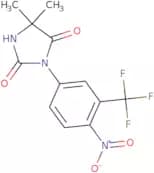
CAS:<p>Nonsteroidal androgen receptor antagonist</p>Fórmula:C12H10F3N3O4Pureza:Min. 95%Cor e Forma:PowderPeso molecular:317.22 g/molSulfacetamide sodium monohydate
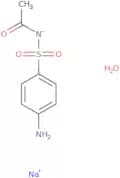
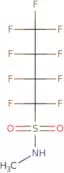
CAS:<p>Sulfacetamide sodium monohydrate is a sulfa drug that is used in the treatment of infections caused by bacteria that are sensitive to sulfonamides. It is also used to reduce the symptoms of rosacea, a skin condition. Sulfacetamide sodium monohydrate inhibits microbial growth by disrupting microbial fatty acid synthesis and inhibiting bacterial growth through various mechanisms including hydrolysis by hydrochloric acid, metabolic disorders, or changes in water permeability. It has been shown to be an effective treatment for congestive heart failure due to its ability to increase the thickness of the glomerular basement membrane and inhibit erythrocyte adhesion. This drug is also useful as a topical agent for treating mild cases of radiation dermatitis and has high values as an anhydrous sodium sulfate substitute for wastewater treatment.</p>Fórmula:C8H10N2O3S•H2O•NaPureza:Min. 95%Peso molecular:255.25 g/molN-(Methyl)nonafluorobutanesulfonamide
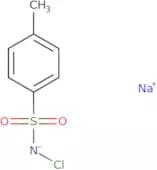
CAS:Nonafluorobutanesulfonamide (NFBS) is a volatile organic solvent that is used in the manufacture of coatings and other organic chemicals. It has been shown to have a high vapor pressure, which makes it useful for drying solvents. NFBS is also used as an intermediate in the production of fluorinated acrylates and methacrylates. NFBS reacts with styrene monomers to form ionic forms, and can be converted to its neutral form by reaction with acrylonitrile or acrylates. Nonafluorobutanesulfonamide has been shown to cause liver cancer in rats, but this effect has not been observed in humans.Fórmula:C5H4F9NO2SPureza:Min. 95%Cor e Forma:PowderPeso molecular:313.14 g/molN-Chloro-4-toluenesulfonamide sodium
CAS:N-Chloro-4-toluenesulfonamide sodium (NCTS) is a disinfectant that is used to treat wastewater and as a preservative for water. It has been shown to be effective against bacteria, fungi, and viruses. NCTS is an antimicrobial agent that reacts with the matrix in which it is applied to form chloramines-T (NHClO). The chloramines-T inhibits the activity of enzymes such as those involved in DNA synthesis and protein synthesis. This reaction also generates an electric current due to the redox potentials of the reactants. The presence of aziridines in NCTS leads to crosslinking between proteins, which enhances its effectiveness as a disinfectant. NCTS has been shown to have no adverse effects on human erythrocytes or DNA when used at concentrations up to 100 µg/mL.Fórmula:C7H8ClNO2S•NaPureza:Min. 95%Cor e Forma:PowderPeso molecular:228.65 g/mol2-Chloro-N-(2-nitrophenyl)acetamide
CAS:2-Chloro-N-(2-nitrophenyl)acetamide is an antimicrobial agent that is a ligand for thionyl chloride. It has efficient methods of production and can be used as a bioactive molecule in the synthesis of aminosulfonyl chlorides, amide chlorides, or transfer chlorides. This compound reacts with gram-negative bacteria by hydrolyzing chloride ions to produce nitrosyl chloride and releasing hydrogen gas. The reaction time and functional groups are determined by the parameters chosen for the reaction. 2-Chloro-N-(2-nitrophenyl)acetamide has luminescence properties that can be exploited to detect the presence of chloride ions at low concentrations.Fórmula:C8H7ClN2O3Pureza:Min. 95%Peso molecular:214.61 g/molC2 dihydroceramide
CAS:C2 dihydroceramide is a lipid that belongs to the group of sphingolipids and is involved in neuronal death. It is a precursor for ceramide, which can also induce apoptosis. C2 dihydroceramide has been shown to inhibit axonal growth by interfering with the polymerase chain reaction, as well as inducing autophagy through toll-like receptor 4 signaling. This lipid has also been shown to inhibit intracellular Ca2+ levels, mitochondrial functions, and bowel disease. C2 dihydroceramide was identified in HL-60 cells and may be used as an analytical method for detecting other sphingolipids.Fórmula:C20H41NO3Pureza:Min. 95%Cor e Forma:White PowderPeso molecular:343.54 g/molN-(4-(4-bromophenyl)-2,5-thiazolyl)hexanamide
CAS:Please enquire for more information about N-(4-(4-bromophenyl)-2,5-thiazolyl)hexanamide including the price, delivery time and more detailed product information at the technical inquiry form on this pagePureza:Min. 95%C4-Ceramide
CAS:<p>Modulator of CFTR channel in cystic fibrosis models</p>Fórmula:C22H43NO3Pureza:Min. 95%Cor e Forma:PowderPeso molecular:369.58 g/molN-[4-(2-Hydrazino-2-oxoethoxy)phenyl]acetamide
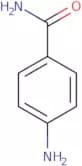
CAS:<p>N-[4-(2-Hydrazino-2-oxoethoxy)phenyl]acetamide is a phenolic compound that has been shown to have an antimicrobial effect. It has been shown to have antitubercular activity against Mycobacterium tuberculosis and the ability to inhibit the growth of cancer cells in vitro. N-[4-(2-Hydrazino-2-oxoethoxy)phenyl]acetamide is also known as monastrol. The pharmacophore of this drug is based on the structure of paracetamol, which is a member of the class of drugs known as analgesics, antipyretics, and antiinflammatory agents. Paracetamol has been used for decades in humans and animals for relief from pain, fever, and inflammation. N-[4-(2-Hydrazino-2-oxoethoxy)phenyl]acetamide may be useful for treating diseases such as cancer or tuberculosis due to its antic</p>Fórmula:C10H13N3O3Pureza:Min. 95%Cor e Forma:PowderPeso molecular:223.23 g/mol4-Aminobenzamide
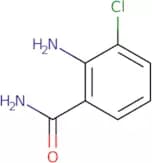
CAS:4-Aminobenzamide is a compound that is used as an anti-tuberculosis drug. It inhibits the activity of aminotransferase, which is an enzyme responsible for converting amino acids into other compounds. 4-Aminobenzamide has been shown to have antimicrobial properties against bacteria, fungi and protozoa. It also has a protective effect on human liver cells, but can cause damage to rat liver cells in vitro. 4-Aminobenzamide also shows some activity against microbial metabolism and can be hydrolyzed by hydrochloric acid to form phenylacetic acid and ammonia. This compound has been shown to inhibit the nervous system disease progression of Huntington's disease in mice.Pureza:Min. 95%Cor e Forma:PowderPeso molecular:136.15 g/mol2-Amino-3-chlorobenzamide
CAS:<p>This compound is a benzamide derivative that is oxidized by nature. It has been shown to undergo ring-opening in the presence of reducing agents, such as sodium borohydride, and yields 2-amino-4-chlorobenzaldehyde. This reaction system uses an efficient catalyst such as manganese dioxide to help speed up the rate of this reaction. The product of this reaction is then converted into a variety of isatins depending on the conditions used.</p>Fórmula:C7H7ClN2OPureza:Min. 95%Cor e Forma:Off-White PowderPeso molecular:170.6 g/molIndole-3-acetamide
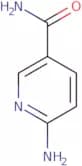
CAS:<p>Indole-3-acetamide is an organic compound that is a component of the natural amino acid tryptophan. Indole-3-acetamide has been shown to be a potential anti-cancer drug. It inhibits prostate cancer cells and wild-type strains by inhibiting fatty acid synthase, which is an enzyme that catalyzes the synthesis of fatty acids. Indole-3-acetamide is also able to increase the production of monoclonal antibodies in mice with antigenic stimulation.</p>Fórmula:C10H10N2OPureza:Min. 98 Area-%Cor e Forma:PowderPeso molecular:174.2 g/mol6-Aminonicotinamide
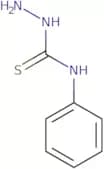
CAS:6-Aminonicotinamide is an experimental drug that has shown promising results in animal studies. This compound may be useful for the treatment of cancer, due to its ability to inhibit reactive oxygen species and maintain mitochondrial membrane potential. 6-Aminonicotinamide also has a protective effect against radiation-induced cell damage, as it prevents oxidative injury to DNA and protein. In addition, 6-aminonicotinamide can stimulate the proliferation of pluripotent cells, which are cells that have the ability to differentiate into any type of cell in the body. Finally, this compound was shown to have antitumor effects by inhibiting squamous carcinoma tumor growth in experimental models.Fórmula:C6H7N3OPureza:Min. 95%Cor e Forma:PowderPeso molecular:137.14 g/molN-Phenylhydrazinecarbothioamide
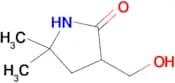
CAS:<p>N-Phenylhydrazinecarbothioamide is a chemical compound that is used in wastewater treatment. It is an organic molecule that is composed of hydrophobic and hydrophilic parts. The hydrophobic part, which contains the phenyl group, binds to the hydrophobic region of the cell membrane and causes the cell to lyse. The hydrophilic part has an affinity for water and can be used as an electrode material in electrochemical impedance spectroscopy. N-Phenylhydrazinecarbothioamide also has been shown to have antibacterial properties against human pathogens, including Mycobacterium tuberculosis, Clostridium perfringens, and Escherichia coli O157:H7. The compound has been shown to inhibit cervical cancer cells by inhibiting protein synthesis through inhibition of ribosomal activity and fragmentation assay analysis showed that N-phenylhydrazinecarbothioamide binds to copper ions at a coordination geometry of</p>Fórmula:C7H9N3SPureza:Min. 95%Cor e Forma:SolidPeso molecular:167.23 g/mol4-(Hydroxymethyl)-1-methylpyrrolidin-2-one
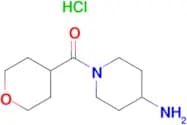
CAS:Fórmula:C6H11NO2Pureza:95%Cor e Forma:LiquidPeso molecular:129.159(4-Aminopiperidin-1-yl)(tetrahydro-2H-pyran-4-yl)methanone hydrochloride
CAS:Fórmula:C11H21ClN2O2Pureza:98%Peso molecular:248.75N-(5-Amino-2-methylphenyl)acetamide
CAS:Fórmula:C9H12N2OPureza:98%Cor e Forma:SolidPeso molecular:164.2087-Fluoro-2H-benzo[b][1,4]oxazin-3(4H)-one
CAS:Fórmula:C8H6FNO2Pureza:98%Cor e Forma:SolidPeso molecular:167.139N-(Chloroacetyl)morpholine
CAS:Fórmula:C6H10ClNO2Pureza:97%Cor e Forma:Solid, Low Melting SolidPeso molecular:163.6tert-Butyl 1-bromo-2-oxo-6,9,12-trioxa-3-azapentadecan-15-oate
CAS:Pureza:97%Peso molecular:398.29400632-CYANO-N-[4-(TRIFLUOROMETHYL)PHENYL]ACETAMIDE
CAS:Fórmula:C10H7F3N2OPureza:98%Peso molecular:228.1744-(aminocarbonyl)benzenesulfonyl chloride
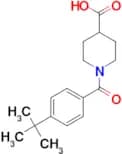
CAS:Fórmula:C7H6ClNO3SPureza:97%Cor e Forma:Solid, Light beige powderPeso molecular:219.641-(4-tert-butylbenzoyl)piperidine-4-carboxylic acid
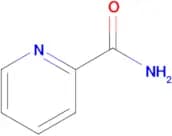
CAS:Fórmula:C17H23NO3Pureza:95%Peso molecular:289.375Picolinamide
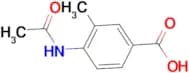
CAS:Fórmula:C6H6N2OPureza:97%Cor e Forma:White to almost white powderPeso molecular:122.1274-(acetylamino)-3-methylbenzoic acid
CAS:Fórmula:C10H11NO3Pureza:97%Cor e Forma:Solid, White powderPeso molecular:193.2022-Acetamido-4-fluorobenzoic acid
CAS:Fórmula:C9H8FNO3Pureza:98%Cor e Forma:SolidPeso molecular:197.1651-(3-Chlorophenyl)piperazin-2-one hydrochloride
CAS:Fórmula:C10H12Cl2N2OPureza:95%Cor e Forma:SolidPeso molecular:247.12L-Lysine, N2-[(9H-fluoren-9-ylmethoxy)carbonyl]-N6-(1-oxohexadecyl)-
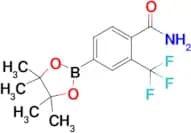
CAS:Pureza:97%Peso molecular:606.84802254-(4,4,5,5-Tetramethyl-1,3,2-dioxaborolan-2-yl)-2-(trifluoromethyl)benzamide
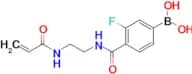
CAS:Pureza:98%Peso molecular:315.1000061(4-((2-Acrylamidoethyl)carbamoyl)-3-fluorophenyl)boronic acid
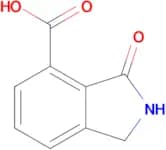
CAS:Fórmula:C12H14BFN2O4Pureza:95%Peso molecular:280.063-Oxoisoindoline-4-carboxylic acid
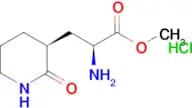
CAS:Fórmula:C9H7NO3Pureza:96%Cor e Forma:Liquid, No data available.Peso molecular:177.159Methyl (S)-2-amino-3-((S)-2-oxopiperidin-3-yl)propanoate hydrochloride
CAS:Pureza:97%Peso molecular:236.6999969N-{1-[7-(but-2-yn-1-yl)-3-methyl-1-[(4-methylquinazolin-2-yl)methyl]-2,6-dioxo-2,3,6,7-tetrahydro-1H-purin-8-yl]piperidin-3-yl}formamide
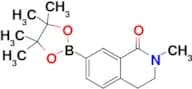
CAS:Pureza:98%Peso molecular:500.56298832-Methyl-7-(4,4,5,5-tetramethyl-1,3,2-dioxaborolan-2-yl)-3,4-dihydroisoquinolin-1(2H)-one
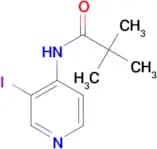
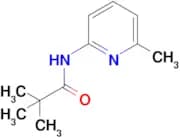
CAS:Pureza:96%Peso molecular:287.1700134N-(3-iodopyridin-4-yl)-2,2-dimethylpropanamide
CAS:Fórmula:C10H13IN2OPureza:98%Peso molecular:304.1315-AMINO-1-PHENYL-1H-PYRAZOLE-4-CARBOXAMIDE
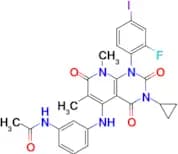
CAS:Fórmula:C10H10N4OPureza:95%Cor e Forma:SolidPeso molecular:202.217N-(3-(3-cyclopropyl-1-(2-fluoro-4-iodophenyl)-6,8-dimethyl-2,4,7-trioxo-1,2,3,4,7,8-hexahydropyrido[2,3-d]pyrimidin-5-ylamino)phenyl)acetamide
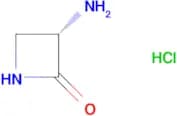
CAS:Pureza:95%Peso molecular:615.4039917(S)-3-Aminoazetidin-2-one hydrochloride
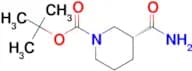
CAS:Fórmula:C3H7ClN2OPureza:97%Cor e Forma:SolidPeso molecular:122.55(R)-tert-Butyl 3-carbamoylpiperidine-1-carboxylate
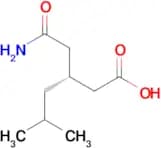
CAS:Fórmula:C11H20N2O3Pureza:97%Peso molecular:228.292R-(-)-3-(Carbamoylmethyl)-5-methylhexanoic acid
CAS:Fórmula:C9H17NO3Pureza:95%Cor e Forma:SolidPeso molecular:187.239N-(5-METHYL-2-OXO-2,3-DIHYDROPYRIMIDIN-4-YL)BENZAMIDE
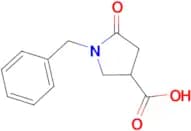
CAS:Fórmula:C12H11N3O2Pureza:98%Cor e Forma:Liquid, No data available.Peso molecular:229.2391-Benzyl-5-oxo-pyrrolidine-3-carboxylic acid
CAS:Fórmula:C12H13NO3Pureza:98%Cor e Forma:SolidPeso molecular:219.24trimethyl (S)-5-((3-phenoxybenzyl)(1,2,3,4-tetrahydronaphthalen-1-yl)carbamoyl)benzene-1,2,4-tricarboxylate
CAS:Pureza:96%Peso molecular:607.65899664-Oxo-4,5,6,7-tetrahydropyrazolo[1,5-a]pyrazine-2-carboxylic acid
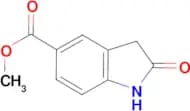
CAS:Fórmula:C7H7N3O3Pureza:98%Cor e Forma:No data available.Peso molecular:181.151Methyl 2-Oxoindoline-5-carboxylate
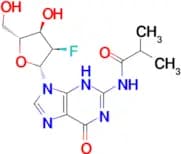
CAS:Fórmula:C10H9NO3Pureza:97%Cor e Forma:SolidPeso molecular:191.186N2-ISOBUTYRYL-2′-FLUORO-2′-DEOXYGUANOSINE
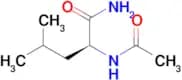
CAS:Fórmula:C14H18FN5O5Pureza:98%Cor e Forma:SolidPeso molecular:355.326AC-LEU-NH2
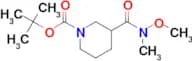
CAS:Fórmula:C8H16N2O2Pureza:95+%Cor e Forma:Liquid, No data available.Peso molecular:172.228tert-Butyl 3-(methoxy(methyl)carbamoyl)piperidine-1-carboxylate
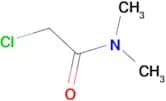
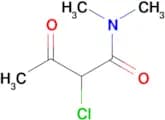
CAS:Fórmula:C13H24N2O4Pureza:97%Cor e Forma:SolidPeso molecular:272.3452-chloro-N,N-dimethyl-3-oxobutanamide
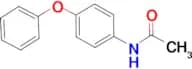
CAS:Fórmula:C6H10ClNO2Pureza:97%Cor e Forma:LiquidPeso molecular:163.6N-(4-Phenoxy-phenyl)-acetamide
CAS:Fórmula:C14H13NO2Pureza:98%Cor e Forma:SolidPeso molecular:227.263tert-Butyl 2-oxo-4-oxa-1,9-diazaspiro[5.5]undecane-9-carboxylate
CAS:Fórmula:C13H22N2O4Pureza:98%Peso molecular:270.329N-(3-Acetyl-4-hydroxyphenyl)acetamide
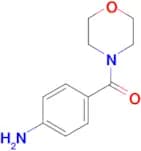
CAS:Fórmula:C10H11NO3Pureza:98%Cor e Forma:Solid, Slightly pale yellow - Pale yellow green powderPeso molecular:193.202(4-Aminophenyl)morpholin-4-yl-methanone
CAS:Fórmula:C11H14N2O2Pureza:98%Cor e Forma:SolidPeso molecular:206.2455-((3aS,4S,6aR)-2-Oxohexahydro-1H-thieno[3,4-d]imidazol-4-yl)-N-(6-(3-(pyridin-2-yldisulfanyl)propanamido)hexyl)pentanamide
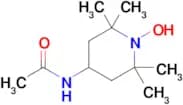
CAS:Pureza:98%Peso molecular:539.77001954-Acetamido-2,2,6,6-tetramethylpiperidine 1-oxyl
CAS:Fórmula:C11H21N2O2Pureza:95.0%Cor e Forma:SolidPeso molecular:213.166-AMINO-8-FLUORO-3,4-DIHYDROQUINOLIN-2(1H)-ONE
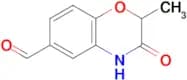
CAS:Fórmula:C9H9FN2OPureza:97%Cor e Forma:SolidPeso molecular:180.1822-Methyl-3-oxo-3,4-dihydro-2h-1,4-benzoxazine-6-carbaldehyde
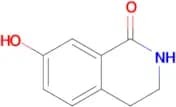
CAS:Pureza:98%Peso molecular:191.18600467-Hydroxy-3,4-dihydro-2H-isoquinolin-1-one
CAS:Fórmula:C9H9NO2Pureza:98%Cor e Forma:SolidPeso molecular:163.176(S)-2-((tert-Butoxycarbonyl)amino)-6-(2,2,2-trifluoroacetamido)hexanoic acid
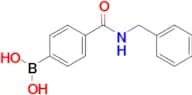
CAS:Fórmula:C13H21F3N2O5Pureza:95%Cor e Forma:SolidPeso molecular:342.315(4-(Benzylcarbamoyl)phenyl)boronic acid
CAS:Fórmula:C14H14BNO3Pureza:98%Cor e Forma:SolidPeso molecular:255.08N-[2-Methyl-3-(4,4,5,5-tetramethyl[1,3,2]dioxaborolan-2-yl)phenyl]-4-(tert-butyl)benzamide
CAS:Pureza:95%Peso molecular:393.32998662-Amino-N-(2-(dimethylamino)ethyl)-N-ethylacetamide dihydrochloride
CAS:Pureza:95%Peso molecular:246.1799927tert-Butyl (1-bromo-2-oxo-6,9,12-trioxa-3-azatetradecan-14-yl)carbamate
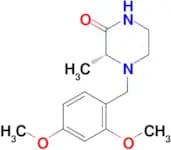
CAS:Pureza:98%Peso molecular:413.3089905(R)-4-(2,4-Dimethoxybenzyl)-3-methylpiperazin-2-one
CAS:Fórmula:C14H20N2O3Pureza:98%Cor e Forma:SolidPeso molecular:264.325N-(2-(cyclohex-1-en-1-yl)ethyl)-2-(4-methoxyphenyl)acetamide
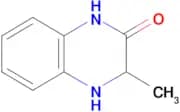
CAS:Pureza:97%Peso molecular:273.37600713-Methyl-3,4-dihydroquinoxalin-2(1H)-one
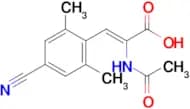
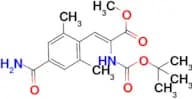
CAS:Fórmula:C9H10N2OPureza:98%Cor e Forma:SolidPeso molecular:162.192(Z)-methyl 2-((tert-butoxycarbonyl)amino)-3-(4-carbamoyl-2,6-dimethylphenyl)acrylate
CAS:Pureza:97%Peso molecular:348.3989868Methyl 6-oxopiperidine-2-carboxylate
CAS:Fórmula:C7H11NO3Pureza:97%Cor e Forma:SolidPeso molecular:157.1693-[2-[2-[[3-(2,5-DIHYDRO-2,5-DIOXO-1H-PYRROL-1-YL)-1-OXOPROPYL]AMINO]ETHOXY]ETHOXY]PROPANOIC ACID
CAS:Pureza:97%Peso molecular:328.32101442-Chloro-6,7-dihydro-5H-pyrrolo[3,4-b]pyridin-5-one
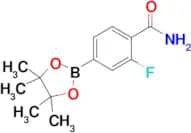
CAS:Fórmula:C7H5ClN2OPureza:97%Cor e Forma:SolidPeso molecular:168.582-Fluoro-4-(4,4,5,5-tetramethyl-1,3,2-dioxaborolan-2-yl)benzamide
CAS:Pureza:98%Peso molecular:265.0899963Ref: 10-F467867
1g189,00€5g618,00€10g955,00€25g2.229,00€2.5g434,00€100mg56,00€250mg80,00€500mg139,00€8-Methoxy-4,5-dihydro-1H-benzo[b]azepin-2(3H)-one
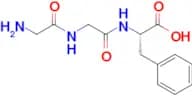
CAS:Pureza:98%Cor e Forma:SolidPeso molecular:191.2299957(S)-2-(2-(2-Aminoacetamido)acetamido)-3-phenylpropanoic acid
CAS:Fórmula:C13H17N3O4Pureza:95%Cor e Forma:SolidPeso molecular:279.296

![N-[2-(1,3-Dimethylbutyl)phenyl]-5-fluoro-1,3-dimethyl-1H-pyrazole-4-carboxamide](/_next/image/?url=https%3A%2Fstatic.cymitquimica.com%2Fproducts%2F3D%2Fthumb-webp%2FFD156991.webp&w=3840&q=75)



![(2R)-1-(Phenylmethyl)-N-[3-(spiro[isobenzofuran-1(3H),4'-piperidin]-1-yl)propyl-2-pyrrolidinecarbo…](/_next/image/?url=https%3A%2Fstatic.cymitquimica.com%2Fproducts%2F3D%2Fthumb-webp%2FFP73252.webp&w=3840&q=75)






![N-[4-(2-Hydrazino-2-oxoethoxy)phenyl]acetamide](/_next/image/?url=https%3A%2Fstatic.cymitquimica.com%2Fproducts%2F3D%2Fthumb-webp%2FFH131261.webp&w=3840&q=75)



![5-AZASPIRO[2.4]HEPTAN-4-ONE](/_next/image/?url=https%3A%2Fstatic.cymitquimica.com%2Fproducts%2F10%2Fthumb-webp%2FF467039.webp&w=3840&q=75)




![7-Fluoro-2H-benzo[b][1,4]oxazin-3(4H)-one](/_next/image/?url=https%3A%2Fstatic.cymitquimica.com%2Fproducts%2F10%2Fthumb-webp%2FF093624.webp&w=3840&q=75)
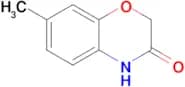
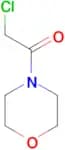
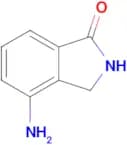


![2-CYANO-N-[4-(TRIFLUOROMETHYL)PHENYL]ACETAMIDE](/_next/image/?url=https%3A%2Fstatic.cymitquimica.com%2Fproducts%2F10%2Fthumb-webp%2FF468715.webp&w=3840&q=75)



![2-bromo-N-[3-(trifluoromethyl)phenyl]acetamide](/_next/image/?url=https%3A%2Fstatic.cymitquimica.com%2Fproducts%2F10%2Fthumb-webp%2FF368197.webp&w=3840&q=75)



![L-Lysine, N2-[(9H-fluoren-9-ylmethoxy)carbonyl]-N6-(1-oxohexadecyl)-](/_next/image/?url=https%3A%2Fstatic.cymitquimica.com%2Fproducts%2F10%2Fthumb-webp%2FF862166.webp&w=3840&q=75)

![N-{1-[7-(but-2-yn-1-yl)-3-methyl-1-[(4-methylquinazolin-2-yl)methyl]-2,6-dioxo-2,3,6,7-tetrahydro-…](/_next/image/?url=https%3A%2Fstatic.cymitquimica.com%2Fproducts%2F10%2Fthumb-webp%2FF864192.webp&w=3840&q=75)
![N-Methylpyrazolo[1,5-a]pyridine-2-carboxamide](/_next/image/?url=https%3A%2Fstatic.cymitquimica.com%2Fproducts%2F10%2Fthumb-webp%2FF791528.webp&w=3840&q=75)



![7-Bromo-2,3-dihydro-4H-benzo[e][1,3]thiazin-4-one 1,1-dioxide](/_next/image/?url=https%3A%2Fstatic.cymitquimica.com%2Fproducts%2F10%2Fthumb-webp%2FF981821.webp&w=3840&q=75)



![4-Oxo-4,5,6,7-tetrahydropyrazolo[1,5-a]pyrazine-2-carboxylic acid](/_next/image/?url=https%3A%2Fstatic.cymitquimica.com%2Fproducts%2F10%2Fthumb-webp%2FF458041.webp&w=3840&q=75)


![tert-Butyl 2-oxo-4-oxa-1,9-diazaspiro[5.5]undecane-9-carboxylate](/_next/image/?url=https%3A%2Fstatic.cymitquimica.com%2Fproducts%2F10%2Fthumb-webp%2FF498117.webp&w=3840&q=75)

![4-Chloro-2,3-dihydro-1H-pyrrolo[3,4-c]pyridin-1-one](/_next/image/?url=https%3A%2Fstatic.cymitquimica.com%2Fproducts%2F10%2Fthumb-webp%2FF633973.webp&w=3840&q=75)
![5-((3aS,4S,6aR)-2-Oxohexahydro-1H-thieno[3,4-d]imidazol-4-yl)-N-(6-(3-(pyridin-2-yldisulfanyl)prop…](/_next/image/?url=https%3A%2Fstatic.cymitquimica.com%2Fproducts%2F10%2Fthumb-webp%2FF867242.webp&w=3840&q=75)


![N-[2-Methyl-3-(4,4,5,5-tetramethyl[1,3,2]dioxaborolan-2-yl)phenyl]-4-(tert-butyl)benzamide](/_next/image/?url=https%3A%2Fstatic.cymitquimica.com%2Fproducts%2F10%2Fthumb-webp%2FF787669.webp&w=3840&q=75)




![3-[2-[2-[[3-(2,5-DIHYDRO-2,5-DIOXO-1H-PYRROL-1-YL)-1-OXOPROPYL]AMINO]ETHOXY]ETHOXY]PROPANOIC ACID](/_next/image/?url=https%3A%2Fstatic.cymitquimica.com%2Fproducts%2F10%2Fthumb-webp%2FF824470.webp&w=3840&q=75)

![2-Chloro-6,7-dihydro-5H-pyrrolo[3,4-b]pyridin-5-one](/_next/image/?url=https%3A%2Fstatic.cymitquimica.com%2Fproducts%2F10%2Fthumb-webp%2FF333093.webp&w=3840&q=75)



![9-BOC-4-OXO-3,9-DIAZA-BICYCLO[4.2.1]NONANE](/_next/image/?url=https%3A%2Fstatic.cymitquimica.com%2Fproducts%2F10%2Fthumb-webp%2FF467867.webp&w=3840&q=75)
![8-Methoxy-4,5-dihydro-1H-benzo[b]azepin-2(3H)-one](/_next/image/?url=https%3A%2Fstatic.cymitquimica.com%2Fproducts%2F10%2Fthumb-webp%2FF600230.webp&w=3840&q=75)