Amidas
Foram encontrados 16483 produtos de "Amidas"
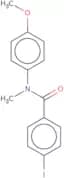
4-Iodo-N-(4-methoxyphenyl)-N-methylbenzamide
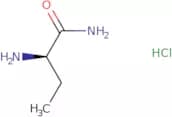
CAS:4-Iodo-N-(4-methoxyphenyl)-N-methylbenzamide is a useful scaffold that can be used in the synthesis of complex compounds. It is also a versatile building block and has been found to be useful as an intermediate and building block. 4-Iodo-N-(4-methoxyphenyl)-N-methylbenzamide is a fine chemical with CAS No. 320734-40-5. This reagent is high quality, research chemicals, and can be used in the synthesis of speciality chemicals.Fórmula:C15H14INO2Pureza:Min. 95%Peso molecular:367.18 g/mol(R)-2-Aminobutanamide hydrochloride
CAS:(R)-2-Aminobutanamide hydrochloride is a compound that contains chloride gas. This compound is an alkylating agent, which means it can form new carbon-nitrogen bonds by adding to the electrophilic center of a molecule. This process is used industrially to produce butyronitrile, which is a precursor for nylon and other plastics. The introduction of (R)-2-aminobutanamide hydrochloride into industrial processes has decreased the use of l-tartaric acid, diluent, and hydrogen chloride. The impurities in this compound are typically quantified using gas chromatography with flame ionization detection.
(R)-2-Aminobutanamide hydrochloride is an acidic compound that dissociates in water to release hydrogen chloride. It has two chiral forms:
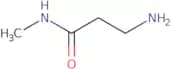
The enantiomers have different chemical properties due to their different configurations around the central carbon atom. In the case of (Fórmula:C4H10N2O·HClPureza:Min. 95%Cor e Forma:White PowderPeso molecular:138.6 g/molN1-Methyl-beta-alaninamide
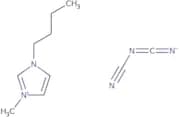
CAS:N1-Methyl-beta-alaninamide (NMA) is an organic compound that is used as a reagent, useful scaffold, or high quality research chemical. NMA belongs to the group of compounds called amino acid amides. It can be used as a building block for complex compounds and fine chemicals. The CAS number for this product is 4874-18-4.Fórmula:C4H10N2OPureza:Min. 95%Cor e Forma:Orange PowderPeso molecular:102.14 g/mol1-Butyl-3-methylimidazolium dicyanamide
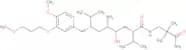
CAS:1-Butyl-3-methylimidazolium dicyanamide is an ionic liquid that is a colorless, volatile liquid. It is a hydrophobic compound that has been shown to have a high thermal expansion coefficient and a low viscosity. This compound has been shown to form stable complexes with many metals and nonmetals, such as lithium, sodium, silver, copper, gold, palladium, nickel, cobalt and zinc. 1-Butyl-3-methylimidazolium dicyanamide has been used for solvent extraction of metals and as an electrolyte in electrochemical studies. The solubility of this compound in water has been found to be dependent on the concentration of the hydrogen bond acceptor sites on the surface of the solute molecule.Fórmula:C10H15N5Pureza:Min. 95%Cor e Forma:Red Clear LiquidPeso molecular:205.26 g/mol5-Amino-N-(3-amino-2,2-dimethyl-3-oxopropyl)-4-hydroxy-2-isopropyl-7-[4-methoxy-3-(3-methoxypropoxy)benzyl]-8-methylnonanamide fumar ate
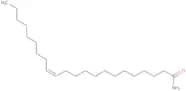
CAS:5-Amino-N-(3-amino-2,2-dimethyl-3-oxopropyl)-4-hydroxy-2-isopropyl-7-[4-methoxy-3-(3-methoxypropoxy)benzyl]-8-methylnonanamide fumar ate is a drug that inhibits the activity of angiotensin II, which is a hormone produced by the body. It is used as monotherapy for treatment of hypertension. 5AMINO has been shown to be effective in lowering blood pressure when administered alone and has been shown to be well tolerated. For this drug, the most frequently reported adverse reactions are nausea and dizziness. This drug should not be taken with other antihypertensive drugs or nonsteroidal antiinflammatory drugs such as ibuprofen (Motrin®). In addition, patients with diabetes should monitor their blood sugar levels carefully while taking this medication.Fórmula:C30H53N3O6Pureza:Min. 95%Cor e Forma:PowderPeso molecular:551.76 g/molErucamide
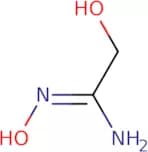
CAS:Erucamide is a fatty acid amide that is a natural compound and part of the biochemical composition of microbial organisms. Erucamide has been shown to have antimicrobial activity against Gram-positive bacteria but not against Gram-negative bacteria. The mechanism by which erucamide kills bacteria is unknown, but it may be due to its hemolytic activity or its ability to inhibit protein synthesis. Erucamide is resistant to hydrolysis by trifluoroacetic acid and glycol ester, which makes it difficult for microbes to metabolize it.Fórmula:C22H43NOPureza:Min. 95%Cor e Forma:PowderPeso molecular:337.58 g/mol(1E)-N',2-Dihydroxyethanimidamide
CAS:(1E)-N',2-Dihydroxyethanimidamide (DHEEA) is a versatile building block in organic synthesis. It is an important intermediate in the synthesis of various drugs, such as metoprolol, amlodipine, and clomiphene. DHEEA is also used as a reagent in organic chemistry for the preparation of other compounds and as a research chemical. The compound has CAS No. 73728-45-7 and can be purchased from chemical suppliers or synthesized by reacting formaldehyde with ethanolamine.Fórmula:C2H6N2O2Pureza:Min. 95%Cor e Forma:White/Off-White SolidPeso molecular:90.08 g/molN-Methyl-N-(1-naphthyl)-2-iodobenzamide
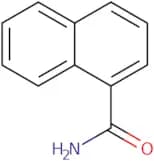
CAS:N-Methyl-N-(1-naphthyl)-2-iodobenzamide is a chemical building block that is used in the synthesis of new compounds. It reacts with other chemicals to form new compounds, and can be used as a reaction component or reagent. N-Methyl-N-(1-naphthyl)-2-iodobenzamide has been shown to have high quality and is useful as a research chemical. This compound can be used as a versatile building block in the synthesis of complex compounds and fine chemicals.Fórmula:C18H14INOPureza:Min. 95%Peso molecular:387.21 g/molalpha-Naphthamide
CAS:Alpha-naphthamide is a high-resistance antimicrobial agent that belongs to the group of benzalkonium chloride. It is used in disinfectant products and has been shown to be effective against invertebrates such as mosquitoes and leeches. Alpha-naphthamide binds to the dinucleotide phosphate and inhibits enzyme activities by acting as an alkylsulfonyl and cytosolic Ca2+ inhibitor, leading to cell death. Alpha-naphthamide has also been shown to inhibit multidrug efflux pump activity in bacterial cells, which may be due to its structural similarity with c1-c6.Fórmula:C11H9NOPureza:Min. 95%Cor e Forma:SolidPeso molecular:171.2 g/mol1-Methyl-N-(9-methyl-9-azabicyclo[3.3.1]non-3-yl)-indazole-3-carboxamide
CAS:Produto Controlado1-Methyl-N-(9-methyl-9-azabicyclo[3.3.1]non-3-yl)-indazole-3-carboxamide is a chemical inhibitor of the 5HT2 receptor, which is responsible for regulating nausea and vomiting. It has been shown to have antiemetic properties, and can be used in chemotherapy to control nausea and vomiting. The 5HT2 receptor is coupled to Gs proteins and inhibits adenylyl cyclase activity, while 1MMAI binds to the 5HT2A receptor and blocks serotonin from binding. This prevents serotonin from activating Gq protein receptors, which are involved in the generation of intracellular calcium concentrations that lead to neurotransmitter release. 1MMAI also inhibits the activation of phospholipase C by serotonin, resulting in decreased levels of diacylglycerol (DAG) and inositol triphosphate (IP3). These changes inhibit plateFórmula:C18H24N4OPureza:Min. 95%Cor e Forma:White Off-White PowderPeso molecular:312.41 g/molN-[(4-Methylphenyl)sulfonyl]acetamide
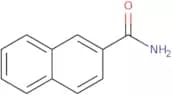
CAS:Fórmula:C9H11NO3SPureza:>98.0%(T)(HPLC)Cor e Forma:White to Almost white powder to crystalPeso molecular:213.25beta-Naphthamide
CAS:Beta-naphthamide is an inhibitor binding to the dinucleotide phosphate (DNP) in bacterial cells. This binding prevents the enzyme from carrying out its normal function, which is the production of ATP, and it also inhibits various other enzymes. Beta-naphthamide inhibits the growth of Gram-positive bacteria by inhibiting their cell wall assembly and also has a bactericidal effect on Gram-negative bacteria. Beta-naphthamide has been shown to be active against multidrug efflux pump proteins that are present in Gram-negative bacteria, such as Escherichia coli. DNP is a receptor for dopamine and beta-naphthamide inhibits dopamine receptors in mammalian cells, which may lead to Parkinson's disease. Beta-naphthamide has been shown to inhibit the polymerase chain reaction (PCR) mechanism by binding to DNA polymerase. Beta-naphthamide binds to receptors on trigeminal nerve endings, which leads to paralysis ofFórmula:C11H9NOPureza:Min. 95%Peso molecular:171.2 g/mol4-Chloro-3-pyridinesulfonamide
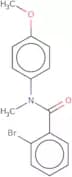
CAS:4-Chloro-3-pyridinesulfonamide is an antibacterial sulfonamide that inhibits the enzyme carbonic anhydrase. It has been shown to inhibit the growth of cancer cells in vitro and in vivo. The anticancer effect may be due to its ability to block the growth of cancer cells by interfering with DNA synthesis and inducing apoptosis, which causes cell death. 4-Chloro-3-pyridinesulfonamide also inhibits tuberculosis and tuberculostatic activity may be due to its inhibition of mycobacterium tuberculosis ribosomes. 4-Chloro-3-pyridinesulfonamide binds to the active site of bacterial anhydrase as well as human carbonic anhydrase II, blocking the conversion of CO2 into bicarbonate ions, which leads to a decrease in pH. This drug also binds to DNA and RNA, inhibiting DNA synthesis and RNA synthesis respectively, leading to cellFórmula:C5H5ClN2O2SPureza:Min. 95%Cor e Forma:SolidPeso molecular:192.62 g/mol2-Bromo-N-(4-methoxyphenyl)-N-methylbenzamide
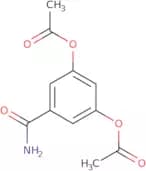
CAS:2-Bromo-N-(4-methoxyphenyl)-N-methylbenzamide is a fine chemical that is used in the synthesis of other chemicals. It is also a reagent and a speciality chemical, which can be used as a reaction component or as an intermediate in the synthesis of other compounds. 2-Bromo-N-(4-methoxyphenyl)-N-methylbenzamide can be used to make a wide variety of compounds, including polymers and pharmaceuticals. This compound has been shown to be useful for the synthesis of polycarbonates, polyurethanes, polyesters, polyamides, and polystyrenes.Fórmula:C15H14BrNO2Pureza:Min. 95%Peso molecular:320.18 g/mol3,5-Diacetoxybenzamide
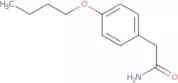
CAS:3,5-Diacetoxybenzamide technical is a solvent that can be used in organic synthesis. It is soluble in hydrochloric acid and has a boiling point of 210 degrees Celsius. 3,5-Diacetoxybenzamide technical is soluble in water and has an LD50 (lethal dose) of over 5 g/kg when administered orally to pigs. 3,5-Diacetoxybenzamide technical is also used as a reagent for the preparation of peracetates and esters of aromatic ketones. This product can be used as a reaction medium for lipase or porcine pancreatic lipase. It is also used in the manufacture of pharmaceuticals, fragrances, dyes, herbicides and pesticides.Fórmula:C11H11NO5Pureza:Min. 95%Cor e Forma:PowderPeso molecular:237.21 g/mol(4-Butoxyphenyl)acetamide
CAS:4-Butoxyphenyl)acetamide is a synthetically produced chemoattractant that is used in vitro to study the migration of cells. It is soluble in non-polar solvents and can be expressed from many organisms, including bacteria and plants. 4-Butoxyphenyl)acetamide has been shown to induce cell movement by binding to the G protein coupled receptor that stimulates the release of calcium ions from intracellular stores. This molecule also has photophysical properties, which have been studied in rat liver microsomes and hydrochloric acid, hydroxamic acids, and spermatozoa. 4-Butoxyphenyl)acetamide can be absorbed from the intestine into plasma, where it binds to odorant receptors on sensory neurons in the nose. These receptors are also found in plant physiology, where they are responsible for detecting chemicals that attract pollinators such as bees or insects.Fórmula:C12H17NO2Pureza:Min. 90 Area-%Cor e Forma:PowderPeso molecular:207.27 g/molN,N-Dicyclohexyl-2-benzothiazolsulfene amide
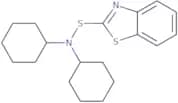
CAS:2-Benzothiazolylsulfenamide is a heterocyclic amine that is used as a chemical intermediate. It reacts with hydrochloric acid to produce the corresponding dicyclohexyl amide, which then reacts with ammonia in the presence of an organic base to produce N,N-dicyclohexyl-2-benzothiazolsulfene amide. This reaction mechanism can be summarized as follows:Fórmula:C19H26N2S2Pureza:Min. 95%Cor e Forma:PowderPeso molecular:346.56 g/mol2'-Hydroxy-5'-nitrohexadecanamide sodium
CAS:2'-Hydroxy-5'-nitrohexadecanamide sodium is a reagent that can be used for a variety of laboratory reactions. It is a versatile building block, useful intermediate, and useful building block for complex compounds. This compound has also been shown to be useful in the synthesis of pharmaceuticals and other fine chemicals.Fórmula:C22H36N2O4NaPureza:Min. 95%Peso molecular:415.52 g/mol4-(tert-Butyl)benzenesulfonamide
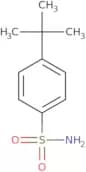
CAS:4-(tert-Butyl)benzenesulfonamide is a pyrimidine derivative that has an affinity for metal ions and can be used as a catalyst. It is insoluble in water but soluble in acetonitrile and other organic solvents. This compound is a strong oxidant when it reacts with ethylene, styrene, or propyl gallate. 4-(tert-Butyl)benzenesulfonamide has been shown to be highly reactive with the oxygen in air, leading to the formation of 4-dimethylaminobenzoic acid, formyl group, and phosphorus oxychloride.Fórmula:C10H15NO2SPureza:Min. 95%Cor e Forma:PowderPeso molecular:213.3 g/mol2-Amino-2-cyanoacetamide
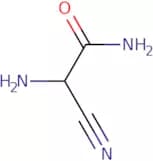
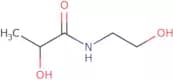
CAS:2-Amino-2-cyanoacetamide is a chemical compound that has been shown to be reactive in the human liver and animal models. It is a purine derivative with a diatomic molecule, which has been shown to inhibit cancer cells in animals. 2-Amino-2-cyanoacetamide has been shown to inhibit the replication of pestivirus, an RNA virus that causes encephalitis and other diseases in humans. The nitrogen atoms on this molecule are responsible for its transport properties, including uptake by the gut and its ability to cross the blood brain barrier. 2-Amino-2-cyanoacetamide also inhibits the activity of amide hydrolase, which is an enzyme responsible for hydrolyzing peptides into amino acids. This process leads to a decrease in protein synthesis, which can lead to cell death.Fórmula:C3H5N3OPureza:Min. 95%Cor e Forma:Beige To Tan SolidPeso molecular:99.09 g/mol2-Hydroxy-N-(2-hydroxyethyl)propanamide
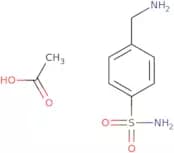
CAS:2-Hydroxy-N-(2-hydroxyethyl)propanamide is a cationic surfactant that has been shown to inhibit the activity of tyrosinase and tnf-α. 2-Hydroxy-N-(2-hydroxyethyl)propanamide is used as a skin conditioning agent in cosmetic formulations and also has antimicrobial properties. It has been shown to be effective against a range of microorganisms, including gram positive bacteria, gram negative bacteria, yeast, and fungi. 2-Hydoxy-N-(2-hydroxyethyl)propanamide does not damage the skin but may cause dryness if it is left on for an extended period of time. It is also an antioxidant compound with a phase transition temperature of -19 degrees Celsius.Fórmula:C5H11NO3Pureza:Min. 95%Cor e Forma:Colorless Clear LiquidPeso molecular:133.15 g/mol4-(Aminomethyl)benzenesulfonamide acetate
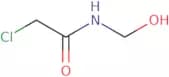
CAS:Produto Controlado4-(Aminomethyl)benzenesulfonamide acetate is a biocompatible polymer that is used in the treatment of infectious diseases. It has antibacterial efficacy against a range of microorganisms, including methicillin-resistant Staphylococcus aureus and Pseudomonas aeruginosa. This polymer binds to sulfadiazine and antimicrobial peptides, which then act as antimicrobial agents. 4-(Aminomethyl)benzenesulfonamide acetate also exhibits good chemical stability in vivo and has been shown to inhibit the growth of skin cells.Fórmula:C9H14N2O4SPureza:Min. 95%Cor e Forma:PowderPeso molecular:246.28 g/mol2-Chloro-N-(hydroxymethyl)acetamide
CAS:2-Chloro-N-(hydroxymethyl)acetamide (2CHAA) is an inhibitor that has been shown to be effective against a number of infectious diseases. 2CHAA inhibits the growth of bacteria by inhibiting the synthesis of proteins from RNA. This drug is also active against viruses, including herpes simplex virus and human immunodeficiency virus type 1, as well as fungi, such as Aspergillus niger. 2CHAA has no genotoxic effects in humans, but it does have carcinogenic potential and can cause allergic reactions. It also reacts with strong acids to form toxic compounds.
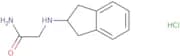
Fórmula:C3H6ClNO2Pureza:Min. 95%Cor e Forma:White PowderPeso molecular:123.54 g/mol2-(Indenylamino)acetamide, hydrochloride salt
CAS:2-(Indenylamino)acetamide, hydrochloride salt is a potential drug that is an uptake inhibitor. It prevents the uptake of dopamine in the brain and has been shown to be neuroprotective in animal research. It also has potential to treat diabetic neuropathy, inflammatory diseases, and pain. The kinetic properties of this drug were studied using rat striatal cells. 2-(Indenylamino)acetamide, hydrochloride salt inhibits the transport of dopamine into these cells by blocking the movement of dopamine from outside the cell to inside the cell. This drug could potentially be used for treatment of Parkinson's disease or other conditions involving dopaminergic dysfunction.Fórmula:C11H15ClN2OPureza:Min. 95%Cor e Forma:PowderPeso molecular:226.7 g/molBoc-L-leucine N,O-dimethylhydroxamide
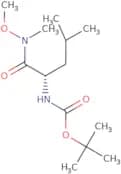
CAS:Boc-L-leucine N,O-dimethylhydroxamide is a chemical compound with CAS number 87694-50-6. It is a white crystalline solid and has a molecular weight of 144.17 g. This product is soluble in water and ethanol, but insoluble in ether. Boc-L-leucine N,O-dimethylhydroxamide can be used as a reaction component or reagent for organic synthesis, including research chemicals and speciality chemicals. It can also be used as an intermediate for the production of complex compounds and fine chemicals.Fórmula:C13H26N2O4Pureza:Min. 95%Cor e Forma:White Clear LiquidPeso molecular:274.36 g/mol3,5-Dimethoxycinnamide
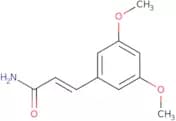
CAS:3,5-Dimethoxycinnamide is a compound that has been shown to inhibit the C1-4 alkoxy and C1-4 alkyl esterase activity of the enzyme secretase. This enzyme is involved in the production of amyloid beta peptides and is thought to be an important contributor to Alzheimer's Disease. 3,5-Dimethoxycinnamide also inhibits the aspartyl protease activity of aspartyl proteases, which are enzymes that may play a role in Alzheimer's disease. 3,5-Dimethoxycinnamide binds to the hydrophobic region of these enzymes and prevents them from binding to their substrates. The affinity of this compound for these enzymes precludes its ability to bind with other proteins in the brain, thereby reducing its potential toxicity. 3,5-Dimethoxycinnamide can be labeled with halogeno groups or other chemical moieties for profiling purposes.Fórmula:C11H13NO3Pureza:Min. 95%Peso molecular:207.23 g/molN-(5-Aminopentyl)-2-nitrobenzenesulfonamide Hydrochloride
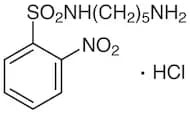
CAS:Fórmula:C11H17N3O4S·HClPureza:>98.0%(T)Cor e Forma:Light orange to Yellow to Green powder to crystalPeso molecular:323.79N-(4-Cyano-2-chlorophenyl)acetamide
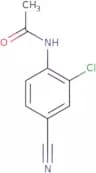
CAS:N-(4-Cyano-2-chlorophenyl)acetamide is a versatile building block that is used in the synthesis of complex compounds. N-(4-Cyano-2-chlorophenyl)acetamide has been shown to be a useful intermediate in the synthesis of important compounds such as 4-aminoantipyrine, 4,5-dichloroanthranilic acid and 2,6-dichloropurine. This chemical has also been found to be an effective reagent for the preparation of other chemicals.Fórmula:C9H7ClN2OPureza:Min. 95%Peso molecular:194.62 g/molSulfamide
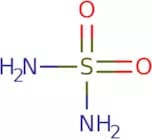
CAS:Sulfamide is a pharmacological agent that inhibits the growth of bacteria. Sulfamide has been shown to be reactive with hydrogen fluoride, which may result in the formation of sulfamoyl chloride. This reactive form of sulfamide may react with other compounds and cause unwanted side-effects.
Sulfamides are used for the treatment of infectious diseases such as pneumonia and urinary tract infections, as well as for the treatment of other conditions like congestive heart failure and rheumatoid arthritis. They work by inhibiting enzymes necessary for bacterial growth, including target enzymes such as dihydropteroate synthase, which is involved in folate synthesis. Sulfamides also have inhibitory properties on human osteosarcoma cell proliferation.Fórmula:H4N2O2SPureza:Min. 99%Cor e Forma:White PowderPeso molecular:96.11 g/mol2-Iodo-N-methyl-N-p-tolylbenzamide
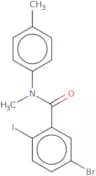
CAS:2-Iodo-N-methyl-N-p-tolylbenzamide is a fine chemical that has the CAS No. 1387529-49-8 and is a versatile building block with a wide range of applications, including research chemicals, reaction components and speciality chemicals. 2-Iodo-N-methyl-N-p-tolylbenzamide is soluble in organic solvents such as ethers, chloroform and benzene, while insoluble in water. It has been shown to be a useful intermediate for the synthesis of complex compounds and can be used as a reagent to prepare other compounds. 2Iodo-Nmethyl--Np--tolylbenzamide has been shown to have high quality and is an excellent building block for synthesizing pharmaceuticals.
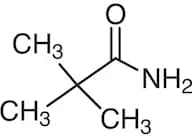
Fórmula:C15H13BrINOPureza:Min. 95%Peso molecular:430.08 g/molPivalamide
CAS:Fórmula:C5H11NOPureza:>98.0%(GC)(N)Cor e Forma:White to Almost white powder to crystalPeso molecular:101.15N-(4-Butylphenyl)acetamide
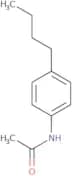
CAS:N-(4-Butylphenyl)acetamide is a reactant that can be used in the production of other chemicals. It is an intermediate for the synthesis of a wide range of organic compounds, which makes it a useful building block. N-(4-Butylphenyl)acetamide has been shown to have antihistamine and anti-inflammatory properties. It is also known as acetanilide or 4-butylaniline. This chemical has CAS number 3663-20-5 and a molecular weight of 150.06 g/mol.Fórmula:C12H17NOPureza:Min. 95%Cor e Forma:White/Off-White SolidPeso molecular:191.27 g/molN-Methyl-N-(1-naphthyl)-1-chlorobenzamide
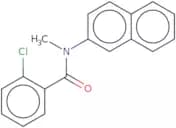
CAS:N-Methyl-N-(1-naphthyl)-1-chlorobenzamide is a versatile and useful chemical that can be used in the preparation of many different compounds. It is a reaction component and reagent, as well as a useful scaffold for the synthesis of many different compounds. It has high quality and is used in research chemicals. N-Methyl-N-(1-naphthyl)-1-chlorobenzamide has CAS No. 74881-60-0 and is a speciality chemical. It can also be used as a versatile building block or intermediates for the synthesis of more complex compounds.Fórmula:C18H14ClNOPureza:Min. 95%Peso molecular:295.76 g/mol4-Trifluoromethylbenzene-1-carbothioamide
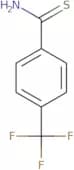
CAS:4-Trifluoromethylbenzene-1-carbothioamide (4FBA) is a non-toxic, organosulfur compound that is found in the fructus of Aurantii or Garcinia mangostana. 4FBA inhibits oxidant enzymes by reacting with their sulfhydryl groups and, as a result, prevents oxidation of other molecules. It has been shown to have antioxidant properties and inhibitory activity against two important enzymes that are involved in the progression of oxidative stress and inflammation. 4FBA has also been shown to be an effective inhibitor of chloride channels which may provide therapeutic potential for diseases such as sclerosis.Fórmula:C8H6F3NSPureza:Min. 95%Cor e Forma:PowderPeso molecular:205.2 g/molN-alpha-[2,4-Dinitro-5-fluorophenyl]-D-alanine amide
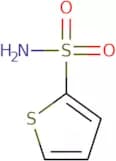
CAS:N-alpha-[2,4-Dinitro-5-fluorophenyl]-D-alanine amide is a potential drug for the treatment of cancer. It has been shown to be effective in inhibiting the proliferation of human prostate carcinoma cells in culture. This compound is a potential anticancer drug that binds to DNA and inhibits topoisomerase II, which is an enzyme involved in DNA replication. The mechanism of action of this drug was studied using methods such as optimization, isomers, plates, trifluoroacetic acid, tautomers, amino acid analysis and nanomolar concentrations. N-alpha-[2,4-Dinitro-5-fluorophenyl]-D-alanine amide has also been shown to inhibit cyanobacteria growth.Fórmula:C9H9N4O5FPureza:Min. 95%Cor e Forma:Light (Or Pale) Yellow To Yellow SolidPeso molecular:272.0557Thiophene-2-sulfonamide
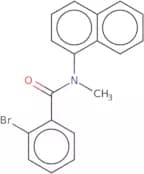
CAS:Thiophene-2-sulfonamide is a fungal biomass inhibitor that binds to specific receptors in the human liver, which decreases the production of hemolytic substances. Thiophene-2-sulfonamide has been shown to have a reversible effect on the metabolism of peptide hormones and metabolic disorders in vivo. The drug also has diagnostic properties and can be used to measure receptor binding activity. Thiophene-2-sulfonamide is an intermediate in the synthesis of diagnostic agents such as 3-(4'-aminophenyl)thiophene-2,5-diol (APTD).Fórmula:C4H5NO2S2Pureza:Min. 95%Cor e Forma:PowderPeso molecular:163.22 g/molN-Methyl-N-(1-naphthyl)-2-bromobenzamide
CAS:N-Methyl-N-(1-naphthyl)-2-bromobenzamide is a high quality reagent that is used as a complex compound. It has CAS No. 74881-58-6 and it can be used as a useful intermediate, fine chemical or speciality chemical. N-Methyl-N-(1-naphthyl)-2-bromobenzamide is also a versatile building block that is used in reactions to synthesize other compounds.Fórmula:C18H14BrNOPureza:Min. 95%Peso molecular:340.21 g/molBeta-Casomorphin (1-4) amide (bovine) acetate salt
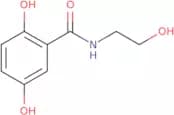
CAS:Beta-casomorphin (1-4) amide (bovine) acetate salt is a peptide hormone. It is an opioid and has been shown to bind to the kappa-opioid and δ receptors. Beta-casomorphin (1-4) amide (bovine) acetate salt has also been shown to have biological properties. Beta-casomorphin (1-4) amide (bovine) acetate salt is structurally similar to morphiceptin and analogs of this drug have been synthesized that are more potent than beta-casomorphin (1-4) amide (bovine) acetate salt. These analogs have not yet been tested in vitro or in vivo, but it is believed that they will be more potent than beta-casomorphin (1-4) amide (bovine) acetate salt because of their structural similarity.Fórmula:C28H35N5O5Pureza:Min. 95%Cor e Forma:White PowderPeso molecular:521.61 g/mol2,5-Dihydroxy-N-(2-hydroxyethyl)benzamide
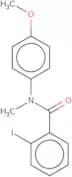
CAS:Sodium citrate is a specific antibody that is used in the treatment of inflammatory bowel disease, such as Crohn's disease. It may be effective in the prevention and treatment of infectious diseases, such as HIV and hepatitis C. Sodium citrate has been shown to be an analog of sodium bicarbonate, which can be used for the prevention and treatment of acid complex diseases. The drug also has anti-inflammatory properties, which can help with symptoms associated with bowel disease or other inflammatory conditions. It is available for intravenous injection as a sterile solution containing benzalkonium chloride and water for injection.Fórmula:C9H11NO4Pureza:Min. 95%Cor e Forma:PowderPeso molecular:197.19 g/mol2-Iodo-N-(4-methoxyphenyl)-N-methylbenzamide
CAS:2-Iodo-N-(4-methoxyphenyl)-N-methylbenzamide is a versatile building block that can be used in research and as a reagent. It is a high quality chemical and useful as a building block or intermediate for the synthesis of more complex compounds. This chemical is also a useful scaffold for the synthesis of more complex molecules.Fórmula:C15H14INO2Pureza:Min. 95%Peso molecular:367.18 g/molL-Isoleucine amide hydrochloride
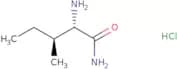
CAS:L-Isoleucine amide hydrochloride is a high quality reagent that is useful as an intermediate, fine chemical or speciality chemical. It can be used to synthesize compounds with a wide range of properties and uses. L-Isoleucine amide hydrochloride can be used in research for the development of new drugs or other chemicals. The versatility of this reagent makes it a useful building block for reactions involving amino acids, peptides, nucleosides, and carbohydrates.Fórmula:C6H14N2O·HClPureza:Min. 95%Cor e Forma:White PowderPeso molecular:166.65 g/mol2-Chloro-N,N'-di-p-tolylbenzamide
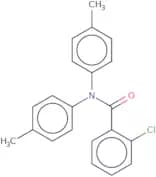
CAS:2-Chloro-N,N'-di-p-tolylbenzamide is a fine chemical that is used in the synthesis of complex compounds. It has a wide range of applications, including research chemicals and reagents. This compound is also a useful building block for the preparation of high quality pharmaceuticals and speciality chemicals. 2-Chloro-N,N'-di-p-tolylbenzamide may be used as a reaction component or scaffold in organic synthesis.Fórmula:C21H18ClNOPureza:Min. 95%Peso molecular:335.83 g/mol2-Amino-4,5-dimethoxybenzamide
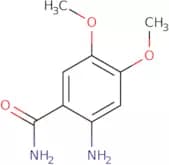
CAS:2-Amino-4,5-dimethoxybenzamide is an anticancer agent that inhibits the epidermal growth factor receptor tyrosine kinase. It binds to the linker region of the epidermal growth factor receptor and prevents autophosphorylation. 2-Amino-4,5-dimethoxybenzamide has shown in vitro cytotoxic activity against testicular cancer cells and acute lymphoblastic leukemia cells. 2-Amino-4,5-dimethoxybenzamide is a synthetic compound that has been shown to have bioisosteric properties with other growth factors such as epidermal growth factor.
Fórmula:C9H12N2O3Pureza:Min. 95%Cor e Forma:PowderPeso molecular:196.2 g/molN-Ethyl-o-crotonotoluidide
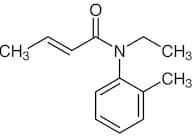
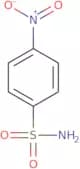
CAS:Fórmula:C13H17NOPureza:>95.0%(GC)Cor e Forma:Colorless to Light yellow to Light orange clear liquidPeso molecular:203.294-Nitrobenzenesulfonamide
CAS:4-Nitrobenzenesulfonamide is an organic compound that consists of a nitro group, a sulfonamide group, and an amine. It is the active analog of 4-dimethylaminobenzoic acid, which is used as an inhibitor of histamine release in the treatment of allergic reactions. The molecule has been shown to bind to copper ions and triflic acid and has been used as a catalyst for aziridination.
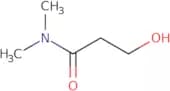
Fórmula:C6H6N2O4SPureza:Min. 96 Area-%Cor e Forma:White PowderPeso molecular:202.19 g/mol3-Hydroxy-N,N-dimethylpropanamide
CAS:3-Hydroxy-N,N-dimethylpropanamide is a versatile chemical compound. The compound has been used as an intermediate in research and industrial processes, including the synthesis of various pharmaceuticals. 3-Hydroxy-N,N-dimethylpropanamide is also a reagent and building block for many other compounds. It has been shown to have high quality properties that make it useful for research purposes.
Fórmula:C5H11NO2Pureza:Min. 95%Cor e Forma:PowderPeso molecular:117.15 g/mol2-Cyano-N,N-diethylacetamide
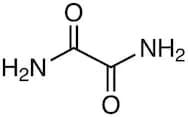
CAS:Fórmula:C7H12N2OPureza:>98.0%(GC)Cor e Forma:Colorless to Light yellow clear liquidPeso molecular:140.19Oxamide
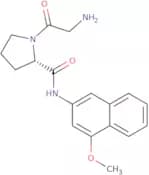
CAS:Fórmula:C2H4N2O2Pureza:>98.0%(N)Cor e Forma:White to Almost white powder to crystalPeso molecular:88.07Gly-pro-4-methoxy-beta-naphthylamide
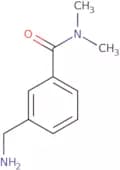
CAS:Gly-pro-4-methoxy-beta-naphthylamide is a synthetic substrate that is used to measure the activity of human plasma phosphatases. Gly-pro-4-methoxy-beta-naphthylamide is synthesized in an organic solvent and then reacted with diazonium salt to form a glycosylated aminophosphonic acid. The product is purified by chromatography and identified by mass spectrometry. Gly-pro-4-methoxy beta naphthylamide has been shown to inhibit the growth of cancer cells in vitro, as well as having antiinflammatory properties. This drug also has been shown to be effective in treating patients with severe hyperbilirubinemia who are undergoing hematopoietic stem cell transplantation.Fórmula:C18H21N3O3Pureza:Min. 95%Peso molecular:327.38 g/mol3-(Aminomethyl)-N,N-dimethylbenzamide
CAS:3-(Aminomethyl)-N,N-dimethylbenzamide (DMBA) is a compound that can be used as a chemical marker for the identification of bacteria. It has been tested on an automated DNA sequencer and found to be effective in identifying different strains of bacteria. DMBA is applied to plates containing bacterial colonies and then contacted with a device containing the sequence analyzer. The analyzer measures the amount of DMBA that binds to the bacterial colony and generates a profile of the colony's DNA. This information can then be used to identify the bacterial colony type.Fórmula:C10H14N2OPureza:Min. 95%Cor e Forma:Brown PowderPeso molecular:178.23 g/mol


![1-Methyl-N-(9-methyl-9-azabicyclo[3.3.1]non-3-yl)-indazole-3-carboxamide](/_next/image/?url=https%3A%2Fstatic.cymitquimica.com%2Fproducts%2F3D%2Fthumb-webp%2FFM137557.webp&w=3840&q=75)
![N-[(4-Methylphenyl)sulfonyl]acetamide](/_next/image/?url=https%3A%2Fstatic.cymitquimica.com%2Fproducts%2F3B%2Fthumb-webp%2FM3123.webp&w=3840&q=75)



![N-alpha-[2,4-Dinitro-5-fluorophenyl]-D-alanine amide](/_next/image/?url=https%3A%2Fstatic.cymitquimica.com%2Fproducts%2F3D%2Fthumb-webp%2FFD48427.webp&w=3840&q=75)