Amidas
As amidas são uma ampla gama de compostos químicos que contêm pelo menos um anel heterocíclico, que possui átomos de pelo menos dois elementos diferentes na estrutura do anel, e pelo menos um grupo amida (-CONH2). Esses compostos são cruciais na síntese de produtos farmacêuticos, polímeros e agroquímicos. As amidas exibem propriedades e reatividade únicas, tornando-as intermediários valiosos na síntese orgânica. Na CymitQuimica, oferecemos uma seleção abrangente de amidas de alta qualidade para apoiar suas necessidades de pesquisa e industriais.
Foram encontrados 16485 produtos de "Amidas"
Ordenar por
Pureza (%)
0
100
|
0
|
50
|
90
|
95
|
100
C2 dihydroceramide
CAS:C2 dihydroceramide is a lipid that belongs to the group of sphingolipids and is involved in neuronal death. It is a precursor for ceramide, which can also induce apoptosis. C2 dihydroceramide has been shown to inhibit axonal growth by interfering with the polymerase chain reaction, as well as inducing autophagy through toll-like receptor 4 signaling. This lipid has also been shown to inhibit intracellular Ca2+ levels, mitochondrial functions, and bowel disease. C2 dihydroceramide was identified in HL-60 cells and may be used as an analytical method for detecting other sphingolipids.Fórmula:C20H41NO3Pureza:Min. 95%Cor e Forma:White PowderPeso molecular:343.54 g/molLacosamide
CAS:Produto Controlado<p>Lacosamide is a drug that is used for the treatment of epilepsy. It has been shown to inhibit neuronal death in vitro and in animal models, and has been extensively studied for its potential benefits in the treatment of bowel disease. The mechanism of action for lacosamide involves inhibition of the transport of neurotransmitters from the synaptic cleft by binding to the neuronal sodium channels and increasing their recovery rate. Lacosamide has also been found to affect energy metabolism by inhibiting the activity of mitochondrial enzymes such as matrix effect and complex I/III.</p>Fórmula:C13H18N2O3Pureza:Min. 98 Area-%Cor e Forma:PowderPeso molecular:250.29 g/mol4-Methyl-N-[3-(Trifluoromethyl)Phenyl]Benzenesulfonamide
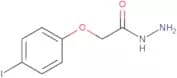
CAS:Please enquire for more information about 4-Methyl-N-[3-(Trifluoromethyl)Phenyl]Benzenesulfonamide including the price, delivery time and more detailed product information at the technical inquiry form on this pageFórmula:C14H12F3NO2SPureza:Min. 95%Peso molecular:315.31 g/molN-Amino-2-(4-iodophenoxy)ethanamide
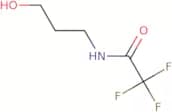
CAS:<p>Please enquire for more information about N-Amino-2-(4-iodophenoxy)ethanamide including the price, delivery time and more detailed product information at the technical inquiry form on this page</p>Fórmula:C8H9IN2O2Pureza:Min. 95%Cor e Forma:PowderPeso molecular:292.07 g/molN-(3-Hydroxypropyl)trifluoroacetamide
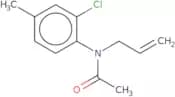
CAS:<p>N-(3-Hydroxypropyl)trifluoroacetamide is an alkaline hydrolysis product of 3-hydroxypropyl trifluoroacetate. It is a primary amino compound that can be used as an intermediate in the production of vinyl ethers and acetals. This chemical is used for the synthesis of vinyl acetals, which are important intermediates in the manufacturing of polymers.</p>Fórmula:C5H8F3NO2Pureza:90%Cor e Forma:PowderPeso molecular:171.12 g/molN-Allyl-n-(4-cyano-2-chlorophenyl)acetamide
CAS:<p>N-Allyl-N-(4-cyano-2-chlorophenyl)acetamide is a high quality reagent that has been used as an intermediate in the synthesis of fine chemicals, useful scaffolds and building blocks. It is also a versatile building block that can be used to synthesize high quality compounds with a wide range of functionalities. N-Allyl-N-(4-cyano-2-chlorophenyl)acetamide is a speciality chemical that can be used for research purposes. This compound has been shown to produce reactions with other compounds, such as nitrobenzene, to generate useful products.</p>Fórmula:C12H11ClN2OPureza:Min. 95%Peso molecular:234.68 g/molMetoclopramide hydrochloride hydrate
CAS:<p>Dopamine (D2) receptor antagonist; 5-HT4 serotonin receptor agonist</p>Fórmula:C14H22ClN3O2·HCl·H2OCor e Forma:White Off-White PowderPeso molecular:354.27 g/mol2-indol-3-yl-2-oxo-N-(4-(trifluoromethoxy)phenyl)ethanamide
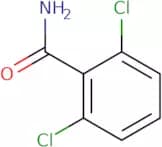
CAS:Please enquire for more information about 2-indol-3-yl-2-oxo-N-(4-(trifluoromethoxy)phenyl)ethanamide including the price, delivery time and more detailed product information at the technical inquiry form on this pageFórmula:C17H11F3N2O3Pureza:Min. 95%Cor e Forma:PowderPeso molecular:348.28 g/mol2,6-Dichlorobenzamide
CAS:2,6-Dichlorobenzamide is a chemical compound that belongs to the group of organochlorine compounds. It is soluble in water and has been shown to be an effective treatment for metal contamination in groundwater. 2,6-Dichlorobenzamide reacts with metal ions at the surface of cells by forming an insoluble metal chloride complex that accumulates inside the cell and leads to cell death. 2,6-Dichlorobenzamide has been shown to be toxic to bacteria, particularly gram-positive bacteria such as Staphylococcus aureus and Bacillus subtilis. This compound also binds to bacterial membrane lipids with high affinity constants. This activity may be due to its ability to form lipid hydroperoxides and free radicals.Fórmula:C7H5Cl2NOPureza:Min. 95%Cor e Forma:PowderPeso molecular:190.03 g/mol2-Hydroxy-N,N,N-trimethylethanaminium salt with 1,1,1-trifluoro-N-[(trifluoromethyl)sulfonyl]methanesulfonamide
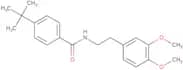
CAS:<p>2-Hydroxy-N,N,N-trimethylethanaminium salt with 1,1,1-trifluoro-N-[(trifluoromethyl)sulfonyl]methanesulfonamide is a hydroxyl group containing ionic liquid that has been used as an extractant. It is activated by a proton to form an oxyanion, which can be protonated again by the extractant to regenerate the ionic liquid. The thermodynamic properties of this ionic liquid are dependent on the concentration of solute and solvent. This ionic solute has been shown to inhibit bacterial growth and is toxic for animals.</p>Fórmula:C5H14NO•C2F6NO4S2Pureza:Min. 95%Cor e Forma:White PowderPeso molecular:384.32 g/molN-(2-(3,4-dimethoxyphenyl)ethyl)(4-(tert-butyl)phenyl)formamide
CAS:Produto Controlado<p>Please enquire for more information about N-(2-(3,4-dimethoxyphenyl)ethyl)(4-(tert-butyl)phenyl)formamide including the price, delivery time and more detailed product information at the technical inquiry form on this page</p>Pureza:Min. 95%Quinfamide
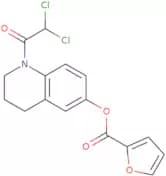
CAS:Quinfamide is a polyunsaturated compound that contains a cevimeline hydrochloride molecule. It is used to treat bowel disease, usually in combination with other drugs. Quinfamide has been shown to have specific treatment effects on the symptoms of inflammatory bowel disease (IBD) when given at doses of 400-800 mg per day for up to 12 weeks. This drug can also be used as an analog for 5-membered heteroaryl compounds, such as benzalkonium chloride, which are also used to treat bowel disease. Quinfamide has been shown to have anti-inflammatory properties and may work by inhibiting fatty acid synthesis or by reducing the number of neutrophils in the gut.Fórmula:C16H13Cl2NO4Pureza:Min. 95%Cor e Forma:White PowderPeso molecular:354.18 g/molHydroxy flutamide
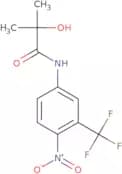
CAS:<p>Hydroxyflutamide is an anti-androgen drug that belongs to the group of nonsteroidal anti-androgens. It has been shown to bind to the androgen receptor with high affinity and inhibit the growth of cancer cells in vitro. Hydroxyflutamide also has a strong antitumor response in vivo, which is due to its ability to inhibit cellular proliferation by binding to DNA polymerase during replication. The drug may also have some activity as an antineoplastic agent because it inhibits the growth of prostate cancer cells. However, hydroxyflutamide has never been tested on humans or animals, so its effects are unknown.</p>Fórmula:C11H11F3N2O4Pureza:Min. 98 Area-%Cor e Forma:Yellow PowderPeso molecular:292.21 g/molPigment Orange 36
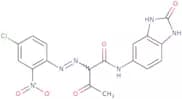
CAS:Pigment Orange 36 is an organic pigment with a light-emitting property. It is soluble in organic solvents, such as benzene and chloroform, but insoluble in water. Pigment Orange 36 has a polycyclic aromatic hydrocarbon structure with ester linkages between the aliphatic hydrocarbon and aromatic hydrocarbon moieties. The molecule consists of two sections: one section is soluble in organic solvents and the other section is soluble in water. The particle size of Pigment Orange 36 ranges from 0.1 to 1 micron in diameter, and it emits light when excited by UV radiation or visible light.Fórmula:C17H13ClN6O5Pureza:Min. 95%Peso molecular:416.8 g/molDiclofenac amide
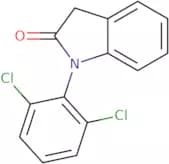
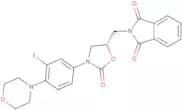
CAS:<p>COX inhibitor; non-steroidal anti-inflammatory drug</p>Fórmula:C14H9Cl2NOPureza:Min. 95%Cor e Forma:Yellow PowderPeso molecular:278.13 g/molDeacetamide linezolid phthalimide
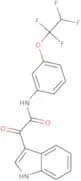
CAS:<p>Deacetamide linezolid phthalimide is a chemical compound that is used as an intermediate in the synthesis of a variety of pharmaceuticals. It has been shown to be useful for the production of a number of compounds, including antibiotics, anti-inflammatory agents, and anticancer drugs. The substance has been shown to be effective in the treatment of bacterial infections and was first discovered in research chemicals. This compound also has a high quality and is used as a reagent for chemical reactions.</p>Fórmula:C22H20FN3O5Pureza:Min. 95%Cor e Forma:Slightly Yellow PowderPeso molecular:425.41 g/mol2-Indol-3-yl-2-oxo-N-(3-(1,1,2,2-tetrafluoroethoxy)phenyl)ethanamide
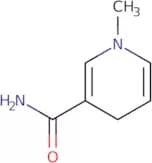
CAS:Please enquire for more information about 2-Indol-3-yl-2-oxo-N-(3-(1,1,2,2-tetrafluoroethoxy)phenyl)ethanamide including the price, delivery time and more detailed product information at the technical inquiry form on this pageFórmula:C18H12F4N2O3Pureza:Min. 95%Cor e Forma:PowderPeso molecular:380.29 g/mol1-Methyl-1,4-dihydronicotinamide
CAS:1-Methyl-1,4-dihydronicotinamide (1MDNA) is a flavine adenine dinucleotide analog that has been shown to be a potent inhibitor of the enzyme catalase. 1MDNA binds to the active site of the enzyme and prevents hydrogen peroxide from being converted into water and oxygen. This inhibition slows down or stops the reaction, which leads to reduced production of reactive oxygen species. 1MDNA inhibits other enzymes in a similar manner, including transferases and kinases. The kinetic properties of 1MDNA have been studied by performing kinetic studies on model systems at different temperatures. X-ray crystal structures have also been obtained for 1MDNA bound to catalase and ferredoxin.Fórmula:C7H10N2OPureza:Min. 95%Cor e Forma:PowderPeso molecular:138.17 g/molDorzolamide hydrochloride
CAS:Carbonic anhydrase inhibitor; anti-glaucoma agentFórmula:C10H16N2O4S3•HClPureza:Min. 95%Cor e Forma:PowderPeso molecular:360.9 g/mol2-[Ethyl-[2-(3-hydroxy-2,6-dimethyl-anilino)-2-oxo-ethyl]amino]-N-(3-hydroxy-2,6-dimethyl-phenyl)acetamide
CAS:<p>2-[Ethyl-[2-(3-hydroxy-2,6-dimethyl-anilino)-2-oxo-ethyl]amino]-N-(3-hydroxy-2,6-dimethylphenyl)acetamide is a reaction component that is used in the synthesis of complex compounds. It is a versatile building block and useful intermediate for the synthesis of fine chemicals. This chemical has been shown to be an effective reagent for the preparation of high quality research chemicals. CAS No. 2200280-96-0</p>Fórmula:C22H29N3O4Pureza:Min. 95%Cor e Forma:White to off-white solid.Peso molecular:399.48 g/molL-Alaninamide
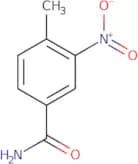
CAS:<p>L-Alaninamide is a protonated amino acid that reacts with the bacterial cell membrane and causes it to rupture. L-Alaninamide is synthesized by hydrolysis of the ester bond between butyric acid and serine protease in the presence of immobilized d-alanine. The reaction is carried out at a pH of 5.5, and the release of pressor is observed. This reaction takes place in an aqueous solution containing fatty acids as solvents. The type strain of this amino acid is E. coli.</p>Fórmula:C3H8N2OPureza:Min. 95%Cor e Forma:PowderPeso molecular:88.11 g/mol4-Methyl-3-nitrobenzamide
CAS:<p>4-Methyl-3-nitrobenzamide is a nitrile that can be synthesized by the reaction of potassium hydroxide and 3-nitrobenzamide. It has been shown to react with dichloroethane to form 4-methyl-3-nitrobenzoic acid. The optimum temperature for this reaction is 120°C, which leads to a high yield of 4-methyl-3-nitrobenzamide. This product is also available in an isotopic form at high purity.</p>Fórmula:C8H8N2O3Pureza:Min. 95%Cor e Forma:PowderPeso molecular:180.16 g/mol4-Sulfonamidephenylhydrazine hydrochloride
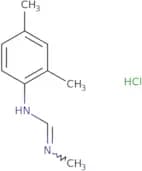
CAS:4-Sulfonamidephenylhydrazine HCl is a sulfonamide that inhibits the enzyme Cox-2, which is involved in inflammation. It also has anti-inflammatory activity and has been shown to inhibit the growth of fungi. 4-Sulfonamidephenylhydrazine HCl is an antifungal agent used for the treatment of dermatophytic infections such as tinea pedis and tinea cruris. The chemical structure of 4-Sulfonamidephenylhydrazine HCl consists of a methyl sulfone group linked with a pyrazole ring and a hydrazine hydrate group. The carbonic acid moiety in this compound stabilizes the pyrazole ring by forming hydrogen bonds with the nitrogen atom and oxygen atom on either side of it. This allows for the formation of two resonance structures to be maintained, which make it more stable than other similar compounds without this moiety.Fórmula:C6H9N3O2S•(HCl)xPureza:Min. 95%Cor e Forma:PowderPeso molecular:223.68 g/molN'-(2,4-Dimethylphenyl)-N-methylformamide hydrochloride
CAS:Bifenthrin is a broad-spectrum, synthetic pyrethroid insecticide that has been used to control pests in the agricultural and residential sectors. It is applied as a spray or dust on plants and animals. Bifenthrin is highly toxic to mammals, with an oral LD50 of less than 10 milligrams per kilogram of body weight in rats and mice. The acute toxicity can be attributed to its ability to inhibit protein synthesis by binding to the cholinesterases, which are found in high concentrations in mammalian tissues.Fórmula:C10H14N2·HClPureza:Min. 95%Cor e Forma:PowderPeso molecular:198.69 g/molN-[1-[2-(4-Ethyl-5-Oxotetrazol-1-Yl)Ethyl]-4-Phenylpiperidin-4-Yl]-N-(2-Fluorophenyl)Propanamide
CAS:Produto Controlado<p>N-[1-[2-(4-Ethyl-5-Oxotetrazol-1-Yl)Ethyl]-4-Phenylpiperidin-4-Yl]-N-(2-Fluorophenyl)Propanamide is a drug that is used clinically for the treatment of depression. It is an analog of amitriptyline, an antidepressant and a tricyclic compound. N-[1-[2-(4-Ethyl-5-Oxotetrazol-1-Yl)Ethyl]-4-Phenylpiperidin-4-Yl]-N-(2-Fluorophenyl)Propanamide has been shown to increase the concentration of plasma drug levels by increasing transporter gene expression in muscle tissue. This drug also has clinical pharmacology and thermal expansion properties.</p>Fórmula:C25H31FN6O2Pureza:Min. 95%Peso molecular:466.55 g/molN-(4-(tert-Butyl)phenyl)-3-(4-chlorophenyl)prop-2-enamide
Please enquire for more information about N-(4-(tert-Butyl)phenyl)-3-(4-chlorophenyl)prop-2-enamide including the price, delivery time and more detailed product information at the technical inquiry form on this pagePureza:Min. 95%Cor e Forma:PowderDiethanololeamide
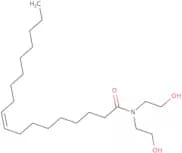
CAS:<p>Emulgator; stabilizing surfactant used in cosmetics, pharmaceuticals, textiles</p>Fórmula:C22H43NO3Cor e Forma:Yellow PowderPeso molecular:369.58 g/mol3-Cyanobenzamide
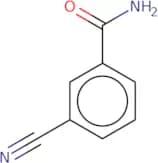
CAS:3-Cyanobenzamide is an organic compound with the formula CHC(N)NH. It is a white crystalline solid that can be obtained by reacting benzamide with cyanoacetylene. There are three possible isomers of 3-cyanobenzamide: 3-cyano-1-(substituted phenyl)benzamide, 3-cyano-2-(substituted phenyl)benzamide, and 3-cyano-3-(substituted phenyl)benzamide. The optimal reaction conditions for the synthesis of 3-cyanobenzamide are in the presence of hydrogen bonding, such as n-hexane, amide, and phase equilibrium. Studies have determined that 3-cyanobenzamide has the potential to cause cancer or liver toxicity in humans. In addition, this chemical has been shown to be an effective inhibitor of alpha glucosidase enzymes in vitro and in vivo.Fórmula:C8H6N2OPureza:Min. 90%Peso molecular:146.15 g/mol2-(2,3-dimethylphenoxy)-N-(4-(trifluoromethoxy)phenyl)ethanamide
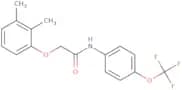
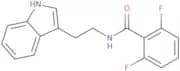
CAS:<p>Please enquire for more information about 2-(2,3-dimethylphenoxy)-N-(4-(trifluoromethoxy)phenyl)ethanamide including the price, delivery time and more detailed product information at the technical inquiry form on this page</p>Pureza:Min. 95%(2,6-difluorophenyl)-N-(2-indol-3-ylethyl)formamide
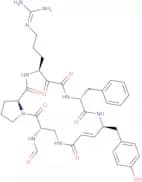
CAS:Please enquire for more information about (2,6-difluorophenyl)-N-(2-indol-3-ylethyl)formamide including the price, delivery time and more detailed product information at the technical inquiry form on this pagePureza:Min. 95%Cyclotheonamide A
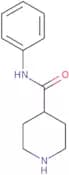
CAS:Cyclotheonamide A is a cyclopeptide, which is a type of secondary metabolite composed of non-standard amino acids arranged in a cyclic structure. It is naturally sourced from marine sponges, particularly Theonella sp., which are known for their rich and diverse repertoire of bioactive compounds. Cyclotheonamide A functions through the inhibition of serine proteases, a class of enzymes that play a significant role in numerous biological processes, including digestion, immune response, and blood coagulation.Fórmula:C36H45N9O8Pureza:Min. 95%Peso molecular:731.8 g/molN-Phenylpiperidine-4-carboxamide
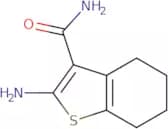
CAS:<p>N-Phenylpiperidine-4-carboxamide is a drug that inhibits the production of thromboxane A2 and other substances that promote clotting. It is used to treat patients with high blood pressure, as well as for the prevention of strokes and heart attacks. N-Phenylpiperidine-4-carboxamide is an analog of biphenyl and has been shown to have antiplatelet activity in humans. This drug also inhibits soluble guanylate cyclase, which prevents platelets from sticking together and forming clots. N-Phenylpiperidine-4-carboxamide is rapidly metabolized by esterases in the human body and excreted primarily in urine. The pharmacokinetic properties of this drug are not well understood but it can be synthesized using a number of different methods involving amide bonds.</p>Fórmula:C12H16N2OPureza:Min. 95%Cor e Forma:White PowderPeso molecular:204.27 g/mol2-Amino-4,5,6,7-tetrahydro-1-benzothiophene-3-carboxamide
CAS:<p>2-Amino-4,5,6,7-tetrahydro-1-benzothiophene-3-carboxamide is an anticancer agent that inhibits the synthesis of proteins required for cell division. It has been shown to have anticancer activity and efficacy in vitro studies against human cancer cells, such as HCT116. This compound also induces apoptosis in infected cells by binding to viral particles and inducing the release of chloride ions. 2-Amino-4,5,6,7-tetrahydro-1-benzothiophene-3-carboxamide has been found to be effective against influenza virus and particle production by inhibiting neuraminidase activity.</p>Fórmula:C9H12SN2OPureza:Min. 95%Cor e Forma:PowderPeso molecular:196.27 g/molAvanafil
CAS:<p>Avanafil is a drug that can be used as a treatment for male erectile dysfunction. It works by inhibiting the production of PDE5, which is an enzyme that regulates the levels of cGMP in the penis. Avanafil has been shown to be effective when taken at a dose of 100 mg; this is because it takes about 30 minutes for avanafil to reach its peak level. Avanafil has a chemical stability that is greater than 12 hours, with an average lifespan of 24 hours. The drug also has no major drug interactions and does not inhibit any other drugs from working.</p>Fórmula:C23H26ClN7O3Pureza:Min. 98 Area-%Cor e Forma:White PowderPeso molecular:483.95 g/molProthionamide
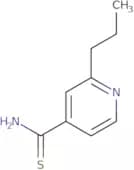
CAS:<p>Prothionamide is a drug that belongs to the group of drugs called sulfonamides. It is used to treat bowel disease by inhibiting the growth of bacteria and fungi. Prothionamide inhibits bacterial growth by binding to bacterial DNA and preventing it from synthesizing new proteins. This drug also has a matrix effect, which means that it binds to the inside of the bacterial cell wall and prevents the production of new cells, leading to cell death. Prothionamide has been shown to be effective against tuberculosis in mice, although there are few data on its use in humans. The most common side effects associated with prothionamide are nausea and vomiting.</p>Fórmula:C9H12N2SPureza:Min. 99 Area-%Cor e Forma:Yellow PowderPeso molecular:180.27 g/mol2,4,6-Trimethoxybenzamide
CAS:<p>2,4,6-Trimethoxybenzamide is a triggered compound that reacts with lithium to form an efficient regiospecific lithium 2,4,6-trimethoxybenzamide complex. This reaction occurs at low temperatures and has been shown to be more efficient than other methods for the synthesis of acridones. The reaction has not been shown to be reversible and requires the use of a strong base such as lithium.</p>Fórmula:C10H13NO4Pureza:Min. 95%Cor e Forma:PowderPeso molecular:211.21 g/molMorpholine-4-carboxamide
CAS:<p>Morpholine-4-carboxamide is a polymerase chain inhibitor that inhibits the activity of DNA polymerases. It binds to the DNA template strand and prevents the enzyme from adding nucleotides to the primer strand, thereby inhibiting DNA synthesis. Morpholine-4-carboxamide has shown efficacy in treating hyperproliferative diseases such as cancer cells and psoriasis. This drug has been shown to inhibit caspase activation and histone protein acetylation, which may be related to its anti-cancer properties. Morpholine-4-carboxamide also binds to cannabinoid receptor 2 (CB2) and may have therapeutic effects on inflammatory diseases such as psoriasis and arthritis.</p>Fórmula:C5H10N2O2Pureza:Min. 95%Peso molecular:130.15 g/mol4-Bromobenzamide
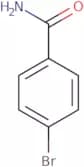
CAS:<p>4-Bromobenzamide is an amide with a hydrogen bond that inhibits the activity of proteases. It has been shown to inhibit the activity of cathepsin C and chymotrypsin in vitro, as well as the proteolytic activity of elastase. 4-Bromobenzamide also has a covalent inhibition effect on protein synthesis. This inhibitor is capable of reducing the levels of glutathione reductase, cytochrome P450, and mycobacterium in cell culture. In addition, 4-bromobenzamide has been shown to have acute toxicities in mice and rats when administered at high doses. However, it does not show any toxic effects on healthy mice or rats when administered at low doses.</p>Fórmula:C7H6BrNOPureza:Min. 95%Cor e Forma:PowderPeso molecular:200.03 g/molN-amino-2-(4-bromo-3,5-dimethylphenoxy)ethanamide
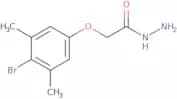
CAS:<p>Please enquire for more information about N-amino-2-(4-bromo-3,5-dimethylphenoxy)ethanamide including the price, delivery time and more detailed product information at the technical inquiry form on this page</p>Fórmula:C10H13BrN2O2Pureza:Min. 95%Cor e Forma:PowderPeso molecular:273.13 g/mol2-[(2,6-Dichlorophenyl)amino]-N,N-dimethylbenzeneacetamide
CAS:<p>2-[(2,6-Dichlorophenyl)amino]-N,N-dimethylbenzeneacetamide is a reagent, complex compound and useful intermediate with a CAS number of 21789-06-0. It is a fine chemical that can be used as a building block in the synthesis of other compounds. It has been shown to be useful in the production of speciality chemicals and research chemicals. The versatility of this compound makes it an excellent scaffold for the synthesis of other compounds. This product is not intended for human or animal use.</p>Fórmula:C16H16Cl2N2OPureza:Min. 95%Cor e Forma:PowderPeso molecular:323.22 g/mol(2E)-N,N-Dimethyl-3-phenylprop-2-enamide
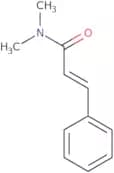
CAS:<p>2,2-diphenyl-N,N-dimethylpropeneamide (DPPA) is a disulfide compound that has photolytic, thermolytic and modelling properties. DPPA can be used to produce alkylcobalt complexes with various substituents at the α position of the phenyl ring. The lactam structure of DPPA has been shown to undergo thermolysis at temperatures of 250°C in a vacuum. Cinnamic acids have been shown to form lactams with DPPA as well as cinnamic acid derivatives. Molecular modelling studies have been conducted on 2,2-diphenyl-N,N-dimethylpropeneamide and its molecular interactions with styrene and amido groups.</p>Fórmula:C11H13NOPureza:Min. 95%Cor e Forma:PowderPeso molecular:175.23 g/molN-(5-Aminopentyl) methotrexate amide
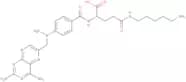
CAS:<p>N-(5-Aminopentyl) methotrexate amide is a fluorescent probe that is used to study the transport of drugs across cell membranes. It binds to the plasma membrane of cells and can be visualized with a fluorescence microscope. N-(5-Aminopentyl) methotrexate amide has been shown to bind to leukemia cells in murine leukemia models. It has a high affinity for drug-resistant cells, which makes it useful for studying drug resistance mechanisms. This probe can be used at nanomolar concentrations for imaging studies, as well as for measuring the uptake of drugs into cancer cells by flow cytometry.</p>Fórmula:C25H34N10O4Pureza:Min. 95%Cor e Forma:Yellow PowderPeso molecular:538.6 g/molRink amide-AM Resin
CAS:<p>Rink amide-AM resin is a cation exchange resin that is used in peptide synthesis. It has an optimal pH range of 8-9. Rink amide-AM resin can be activated with trifluoroacetic acid or piperidine and washed with a mixture of water and methanol to remove the salt byproduct. The resin can then be used for peptide synthesis, which is typically done by adding the desired amino acids in sequence to the resin. The synthesis is stopped when the linear peptide reaches a desired length, typically 12-15 amino acids long. The linear peptides are then cleaved from the resin using trifluoroacetic acid or piperidine, depending on which activation reagent was used during synthesis. After cleavage, the linear peptides are precipitated from solution using ethanol or acetone and collected by filtration.</p>Cor e Forma:Off-White PowderC26-Ceramide
CAS:Marker for Farber disease diagnosisFórmula:C44H87NO3Pureza:Min. 95%Cor e Forma:White PowderPeso molecular:678.17 g/molN-(4-Acetylphenyl)-2-chloropropanamide
CAS:<p>Please enquire for more information about N-(4-Acetylphenyl)-2-chloropropanamide including the price, delivery time and more detailed product information at the technical inquiry form on this page</p>Fórmula:C11H12ClNO2Pureza:Min. 95%Peso molecular:225.67 g/mol4-Aminobenzamide
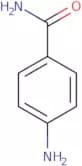
CAS:4-Aminobenzamide is a compound that is used as an anti-tuberculosis drug. It inhibits the activity of aminotransferase, which is an enzyme responsible for converting amino acids into other compounds. 4-Aminobenzamide has been shown to have antimicrobial properties against bacteria, fungi and protozoa. It also has a protective effect on human liver cells, but can cause damage to rat liver cells in vitro. 4-Aminobenzamide also shows some activity against microbial metabolism and can be hydrolyzed by hydrochloric acid to form phenylacetic acid and ammonia. This compound has been shown to inhibit the nervous system disease progression of Huntington's disease in mice.Pureza:Min. 95%Cor e Forma:PowderPeso molecular:136.15 g/molN-(2-(3,4-dimethoxyphenyl)ethyl)-2-chloropropanamide
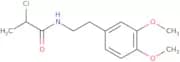
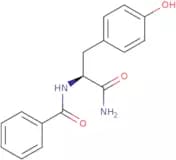
CAS:Please enquire for more information about N-(2-(3,4-dimethoxyphenyl)ethyl)-2-chloropropanamide including the price, delivery time and more detailed product information at the technical inquiry form on this pagePureza:Min. 95%Benzoyl-L-tyrosine amide
CAS:Benzoyl-L-tyrosine amide is a reaction intermediate that is a competitive inhibitor of serine proteases. It binds to the active site of the enzyme and inhibits the breakdown of proteins by blocking the access of other reactants. Benzoyl-L-tyrosine amide has been shown to inhibit proteolytic activity in subtilis, an enzyme isolated from Bacillus licheniformis. The amino acid composition and binding properties are similar to those found in natural substrates. Benzoyl-L-tyrosine amide has been synthesized and its binding affinity towards histidine residues has been determined by titration calorimetry and fluorophosphate assay.Fórmula:C16H16N2O3Pureza:Min. 95%Cor e Forma:PowderPeso molecular:284.31 g/molThioacetamide
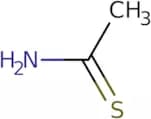
CAS:Produto Controlado<p>Thioacetamide is a chemical compound that has been used as a model system to study apoptosis. It is also known to cause injury and biochemical changes in cells. Thioacetamide is metabolized by cytochrome P450 enzymes and conjugated with glucuronic acid, which prevents it from binding to DNA or protein. The oxidation of thioacetamide by cytochrome P450 enzymes leads to the formation of reactive oxygen species that may cause DNA damage. Apoptosis induced by thioacetamide has been shown to be mediated through the mitochondrial pathway, which involves the release of cytochrome C, activation of caspase-9, and cleavage of poly (ADP-ribose) polymerase (PARP). Thioacetamide also inhibits sorbitol dehydrogenase activity, which leads to an accumulation of sorbitol in cells. This accumulation can activate transcriptional factors such as nuclear factor kappa B (NF-κB), leading to</p>Fórmula:C2H5NSPureza:Min. 98 Area-%Cor e Forma:PowderPeso molecular:75.13 g/mol2-Nitrilo-3-(2-thienyl)prop-2-enamide
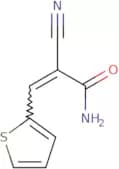
CAS:<p>This compound is a recyclable, multicomponent, element analysis, element, diversity and catalyzed reaction that yields high purity products with high yields. The catalyst is reusable and the NMR data are reproducible.</p>Fórmula:C8H6N2OSPureza:Min. 95%Cor e Forma:PowderPeso molecular:178.21 g/mol


![4-Methyl-N-[3-(Trifluoromethyl)Phenyl]Benzenesulfonamide](/_next/image/?url=https%3A%2Fstatic.cymitquimica.com%2Fproducts%2F3D%2Fthumb-webp%2FFM94658.webp&w=3840&q=75)


![2-Hydroxy-N,N,N-trimethylethanaminium salt with 1,1,1-trifluoro-N-[(trifluoromethyl)sulfonyl]metha…](/_next/image/?url=https%3A%2Fstatic.cymitquimica.com%2Fproducts%2F3D%2Fthumb-webp%2FFH103048.webp&w=3840&q=75)

![2-[Ethyl-[2-(3-hydroxy-2,6-dimethyl-anilino)-2-oxo-ethyl]amino]-N-(3-hydroxy-2,6-dimethyl-phenyl)a…](/_next/image/?url=https%3A%2Fstatic.cymitquimica.com%2Fproducts%2F3D%2Fthumb-webp%2FFE145458.webp&w=3840&q=75)


![N-[1-[2-(4-Ethyl-5-Oxotetrazol-1-Yl)Ethyl]-4-Phenylpiperidin-4-Yl]-N-(2-Fluorophenyl)Propanamide](/_next/image/?url=https%3A%2Fstatic.cymitquimica.com%2Fproducts%2F3D%2Fthumb-webp%2FFE102162.webp&w=3840&q=75)



![2-[(2,6-Dichlorophenyl)amino]-N,N-dimethylbenzeneacetamide](/_next/image/?url=https%3A%2Fstatic.cymitquimica.com%2Fproducts%2F3D%2Fthumb-webp%2FFD21691.webp&w=3840&q=75)