Aldeídos
Os aldeídos são compostos orgânicos que contêm um grupo carbonila (C=O) ligado a pelo menos um átomo de hidrogênio. Esses compostos versáteis são fundamentais em várias reações químicas, incluindo oxidação, redução e adição nucleofílica. Os aldeídos são building blocks essenciais na síntese de produtos farmacêuticos, fragrâncias e polímeros. Na CymitQuimica, oferecemos uma ampla seleção de aldeídos de alta qualidade para apoiar suas aplicações de pesquisa e industriais.
Foram encontrados 8573 produtos de "Aldeídos"
Ordenar por
Pureza (%)
0
100
|
0
|
50
|
90
|
95
|
100
2-Methoxybenzaldehyde oxime
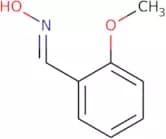
CAS:<p>2-Methoxybenzaldehyde oxime is a synthetic amine that is used in the synthesis of peroxides. The reaction rate and nature depend on the type of peroxide being synthesized, but typically, it is used with acetonitrile as a solvent and an acid catalyst. 2-Methoxybenzaldehyde oxime reacts with peracid to create an aldoxime and nitrite. This product can also be made by reacting benzaldehyde with nitrous acid, which will produce dioxane as an intermediate. The reaction time for this process takes about four hours at room temperature.</p>Fórmula:C8H9NO2Pureza:Min. 95%Cor e Forma:PowderPeso molecular:151.16 g/mol7-Hydroxy-4-methyl-2-oxo-2H-chromene-8-carbaldehyde
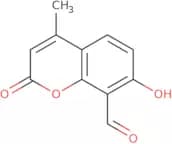
CAS:<p>7-Hydroxy-4-methyl-2-oxo-2H-chromene-8-carbaldehyde is an activated molecule that exhibits significant cytotoxicity to human liver cancer cells. It inhibits the mitochondrial membrane potential, leading to the release of cytochrome c and apoptosis induction. 7HMOCA has been shown to be a reactive molecule with benzimidazole derivative properties. This compound depletes cellular glutathione levels and increases intracellular reactive oxygen species (ROS) levels, which leads to DNA fragmentation, cell cycle arrest, and ultimately apoptosis induction when combined with other agents. The fluorescence properties of this molecule have enabled its detection in living cells without the need for additional reagents or labeling.</p>Fórmula:C11H8O4Pureza:Min. 95 Area-%Cor e Forma:White PowderPeso molecular:204.18 g/mol3-Hydroxy-4-iodobenzaldehyde
CAS:<p>3-Hydroxy-4-iodobenzaldehyde is a fluorophore that is used in the synthesis of amide compounds, as well as in the production of other synthetic molecules. 3-Hydroxy-4-iodobenzaldehyde has been shown to have pharmacokinetic properties that are similar to those of fluorescein, and can be used to study the distribution and metabolism of this compound. This compound also has an oxidation potential that is higher than that of fluorescein, which makes it more useful for studying drug metabolism. The labile nature of 3-hydroxy-4-iodobenzaldehyde means it will not remain intact for long periods of time.</p>Fórmula:C7H5IO2Pureza:Min. 95%Cor e Forma:PowderPeso molecular:248.02 g/mol2-Hydroxy-4-[3-(trifluoromethyl)-3H-diazirin-3-yl]benzaldehyde
CAS:<p>2-Hydroxy-4-[3-(trifluoromethyl)-3H-diazirin-3-yl]benzaldehyde is a reaction component that is used in the synthesis of organic compounds. It has been shown to be an effective reagent and can be used in the synthesis of high quality compounds. CAS No. 308085-25-8, it is a research chemical that can be used as a useful scaffold or building block for other compounds. 2-Hydroxy-4-[3-(trifluoromethyl)-3H-diazirin-3-yl]benzaldehyde may also be useful as an intermediate or building block in complex synthesis reactions.</p>Fórmula:C9H5F3N2O2Pureza:Min. 95%Cor e Forma:PowderPeso molecular:230.14 g/mol4-Methoxy-2-(trifluoromethyl)benzaldehyde
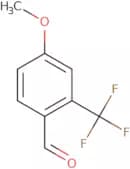
CAS:4-Methoxy-2-(trifluoromethyl)benzaldehyde is a chemical that has been used in the synthesis of a variety of compounds. It is an important intermediate for the production of pharmaceuticals, agrochemicals, and fine chemicals. This compound can be used as a building block to produce other organic compounds with high quality. 4-Methoxy-2-(trifluoromethyl)benzaldehyde can also be used as a reagent in organic chemistry reactions, such as the synthesis of indoles. The CAS number for this compound is 106312-36-1.Fórmula:C9H7F3O2Pureza:Min. 95%Cor e Forma:PowderPeso molecular:204.15 g/mol4-Fluoro-3-nitrobenzaldehyde
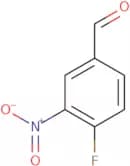
CAS:<p>4-Fluoro-3-nitrobenzaldehyde is a diphenyl ether that has been used as a starting material for the synthesis of dihydroisoquinolines and related compounds. The compound also inhibits IL-10 production in an experiment with human cells, which might be due to its ability to act as a pro-inflammatory cytokine. 4-Fluoro-3-nitrobenzaldehyde can be used as a control experiment for 4-fluoroaniline, which was found to inhibit IL-10 production in an experiment with human cells.<br>4-Fluoro-3-nitrobenzaldehyde is not active against P. aeruginosa, but does have antinociceptive effects and can be considered to have nucleophilic properties.</p>Fórmula:C7H4FNO3Pureza:Min. 95%Cor e Forma:PowderPeso molecular:169.11 g/mol4-Acetamidobenzaldehyde
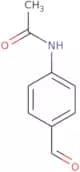
CAS:<p>4-Acetamidobenzaldehyde is an organic compound that has been shown to exhibit inhibitory effects on influenza virus replication in cell culture. 4-Acetamidobenzaldehyde is a dihedral molecule with a p2 group and can be synthesized from benzaldehyde and acetamide. It has also been shown to have potential use in the treatment of tuberculosis. The biological properties of 4-acetamidobenzaldehyde are not well understood, but it is thought that uptake may occur through the imine nitrogen. This molecule has been detected in tissue samples such as lung, liver, and kidney.</p>Fórmula:C9H9NO2Pureza:Min. 95%Cor e Forma:PowderPeso molecular:163.17 g/mol3-Hydroxy-4-methylbenzaldehyde
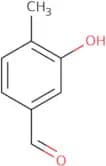
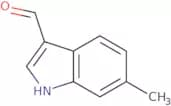
CAS:<p>3-Hydroxy-4-methylbenzaldehyde is a chemical that is synthesized from 3-hydroxy-4-methylphenol and dimethylformamide. It has been shown to interact with aluminium, which may be due to its ability to form a 1:1 complex with the metal. 3-Hydroxy-4-methylbenzaldehyde also exhibits electrochemical methods and isomers with other aldehydes. This chemical can be used in gas chromatography/mass spectrometry (GCMS) as an internal standard for fatty acid analysis.</p>Fórmula:C8H8O2Pureza:Min. 95%Cor e Forma:White PowderPeso molecular:136.15 g/mol6-Methyl-1H-indole-3-carbaldehyde
CAS:<p>6-Methyl-1H-indole-3-carbaldehyde is a synthetic chemical that has been used as a reagent in the form of its sodium salt. It is an acetylating agent and can be used for formylation reactions. 6-Methyl-1H-indole-3-carbaldehyde has shown strong antifungal activity against phytopathogenic fungi such as Fusarium, Rhizoctonia, and Phytophthora. This chemical also has a triazine group, which can be used to enhance the herbicidal properties of certain compounds.</p>Fórmula:C10H9NOPureza:Min. 95%Cor e Forma:PowderPeso molecular:159.18 g/mol3-Hydroxy-5-nitrobenzaldehyde
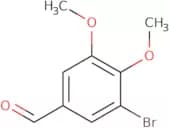
CAS:<p>3-Hydroxy-5-nitrobenzaldehyde is a solvent that has been used as a probe to measure chloride concentration in multimedia. It can be used as a sensor and an algorithm to detect the colorimetric change of 3-hydroxy-5-nitrobenzaldehyde in the presence of chloride ions. This probe is also used in colorimetric tests for linker, nonpolar, and surfactant compounds. The 3-hydroxy-5-nitrobenzaldehyde oxime can be cleaved by UV light to produce an unstable nitronium ion that reacts with metal ions such as copper(II) or silver(I) to form an insoluble precipitate.</p>Fórmula:C7H5NO4Pureza:Min. 95%Cor e Forma:PowderPeso molecular:167.12 g/mol3-Bromo-4,5-dimethoxybenzaldehyde
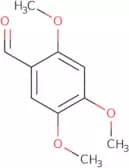
CAS:<p>3-Bromo-4,5-dimethoxybenzaldehyde is a molecule that is acidic in nature. It inhibits phosphatases and has shown cytotoxic activity against cancer cells in vitro. This compound also has antibacterial properties and can be used to treat bacterial infections. 3-Bromo-4,5-dimethoxybenzaldehyde is also a synthetic compound that can be found in the bisbenzylisoquinoline alkaloids family. It has been shown to have anti-tumor activity as well as an interaction with aldehydes and chalcones, which may lead to anti-inflammatory effects.</p>Fórmula:C9H9BrO3Pureza:Min. 95%Cor e Forma:PowderPeso molecular:245.07 g/mol2,4,5-Trimethoxybenzaldehyde
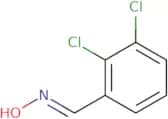
CAS:<p>2,4,5-Trimethoxybenzaldehyde is a natural compound that belongs to the group of sephadex g-100. It is used as an absorbent and has been shown to react with human immunoglobulin in the presence of tiglic acid. The reaction mechanism for this chemical is not well understood but it is believed that intermolecular hydrogen bonding may be occurring. 2,4,5-Trimethoxybenzaldehyde has been shown to have anti-inflammatory effects when tested on rats in a laboratory setting. This chemical has also been used as an analytical reagent for biological samples and biological studies as well as a preparative hplc column. Optical sensors have also been used to detect this chemical in various types of optical sensing experiments. X-ray crystal structures have also been obtained for this compound using synchrotron radiation.</p>Fórmula:C10H12O4Pureza:Min. 98 Area-%Cor e Forma:PowderPeso molecular:196.2 g/mol2,3-Dichlorobenzaldehyde oxime
CAS:<p>2,3-Dichlorobenzaldehyde oxime is a versatile building block and reagent in the synthesis of complex compounds. It is mainly used as a research chemical and speciality chemical. 2,3-Dichlorobenzaldehyde oxime has been widely used for the preparation of fine chemicals, pharmaceuticals, agrochemicals, and other organic compounds. This compound can be reacted with various reagents to produce useful scaffolds or reaction components.</p>Fórmula:C7H5Cl2NOPureza:Min. 95%Cor e Forma:PowderPeso molecular:190.03 g/mol(E)-2-Octenal
CAS:<p>(E)-2-Octenal is a reactive compound that is produced by the degradation of unsaturated fatty acids. It has been shown to have antioxidant properties, which may be due to its ability to inhibit the activity of lipoxygenase and cyclooxygenase enzymes. (E)-2-Octenal also inhibits bacterial growth through genotoxic effects, such as DNA damage and mutations. The chemical ionization mass spectrometry method has been used for identification and quantification of (E)-2-octenal in a variety of natural products, including ethyl decanoate, caproic acid, and galacturonic acid.</p>Fórmula:C8H14OPureza:Min. 95 Area-%Cor e Forma:Clear LiquidPeso molecular:126.2 g/mol3-Ethoxysalicylaldehyde
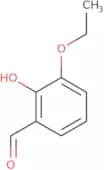
CAS:3-Ethoxysalicylaldehyde (3ESA) is a colorless liquid that has been shown to be soluble in methanol. 3ESA has a molecular weight of 172.2 and an experimental solubility data of 1.01 g/mL at 25 °C. The compound has a coordination geometry of tetrahedral with one metal ion and three oxygen atoms. The compound also contains one hydroxyl group and two hydrogen bonds, which are intramolecular hydrogen bonds. 3ESA has shown high resistance to human serum, suggesting that it is stable in the presence of human proteins, and is able to bind copper ions to form copper complexes.Fórmula:C9H10O3Pureza:Min. 95%Cor e Forma:PowderPeso molecular:166.17 g/mol2,4-Dichloro-5-fluorobenzaldehyde
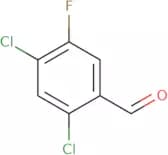
CAS:<p>2,4-Dichloro-5-fluorobenzaldehyde (2,4-DFCA) is a functional group that can be found in inorganic, fatty acids, and fatty acid. 2,4-DFCA has been shown to increase insulin-like growth factor I (IGF-I) levels in vitro and in vivo. 2,4-DFCA also increases the expression of IGF-I gene polymorphisms. This compound is used to induce insulin resistance by increasing serum level of IGF-I. 2,4-DFCA also inhibits the activity of a protein called impeller that is required for cardiac contractility. This compound can be found on the surface of untreated control cells.</p>Fórmula:C7H3Cl2FOPureza:Min. 95%Cor e Forma:PowderPeso molecular:193 g/molHexoprenaline sulphate
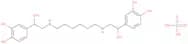
CAS:<p>β-adrenoreceptor agonist; betamimetic agent</p>Fórmula:C22H34N2O10SPureza:Min. 95%Cor e Forma:White PowderPeso molecular:518.58 g/mol3-Carboxybenzaldehyde
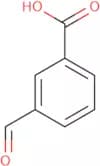
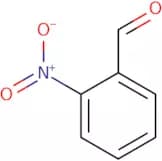
CAS:3-Carboxybenzaldehyde is a hydroxy aromatic compound with a molecular formula of C8H6O2. It is a synthetic chemical that can be used as an intermediate in the synthesis of other compounds, such as polycarboxylic acids. 3-Carboxybenzaldehyde has been shown to be an effective substrate for binding to polycarboxylic acid enzymes and activating them. This reaction generates the corresponding carboxylate product and releases CO2. 3-Carboxybenzaldehyde has also been used as a reactant in asymmetric synthesis reactions and shown to have some structural similarities with benzene ring structures.Fórmula:C8H6O3Pureza:Min. 95%Cor e Forma:PowderPeso molecular:150.13 g/mol2-Nitrobenzaldehyde
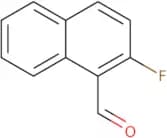
CAS:2-Nitrobenzaldehyde is a nitro compound that reacts with the intramolecular hydrogen of an alkene to form a nitroalkane. It is used as an antimicrobial agent, in which it inhibits the growth of bacteria by reacting with the intermolecular hydrogen bonding in the bacterial cell membrane. In addition, 2-Nitrobenzaldehyde has been shown to inhibit fatty acid synthesis and transfer reactions. The optimum concentration for this chemical is 0.01% to 0.1%. This chemical is soluble in both water and organic solvents, such as methanol and ethanol.Fórmula:C7H5NO3Pureza:Min. 98 Area-%Cor e Forma:PowderPeso molecular:151.12 g/mol2-Fluoro-1-naphthalenecarboxaldehyde
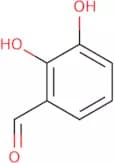
CAS:<p>2-Fluoro-1-naphthalenecarboxaldehyde is a high quality, complex compound that can be used as a versatile building block in the synthesis of many different compounds. As a reagent, it is used for the conversion of alcohols to ketones, esters to acid chlorides and amides to nitriles. It is also an intermediate in the synthesis of other chemicals such as 2-fluoronaphthalene, 2-(2-fluoroethyl)naphthalene, 1H-indole-2-carboxylic acid, and 3-(2-fluoropropyl)benzothiazole.</p>Fórmula:C11H7FOPureza:Min. 95%Cor e Forma:PowderPeso molecular:174.17 g/mol2,3-Dihydroxybenzaldehyde
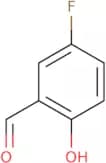
CAS:<p>2,3-Dihydroxybenzaldehyde is a chemical compound that has been shown to have antimicrobial properties. It inhibits bacterial growth by binding to the ribosome and preventing mRNA synthesis. 2,3-Dihydroxybenzaldehyde binds to the 50S ribosomal subunit and prevents protein synthesis by inhibiting the transfer mechanism of tRNA from the A site to the P site on the ribosome. The drug also inhibits mitochondrial superoxide production in V79 cells and human serum.<br>2,3-Dihydroxybenzaldehyde has been shown to be effective against methicillin resistant S. aureus (MRSA) strains but not against Group P2 Staphylococcus aureus (GPA). It is also active against Gram-positive bacteria such as Bacillus subtilis but not against Gram-negative bacteria like Escherichia coli or Pseudomonas aeruginosa.</p>Fórmula:C7H6O3Pureza:Min. 96 Area-%Cor e Forma:Slightly Yellow PowderPeso molecular:138.12 g/mol5-Fluoro-2-hydroxybenzaldehyde
CAS:<p>5-Fluoro-2-hydroxy benzaldehyde is a hydrogen bonding compound that has been shown to be an acid complex. It reacts with copper to form a copper complex that can be detected by x-ray diffraction data. 5-Fluoro-2-hydroxybenzaldehyde also has the ability to react with hydroxyl groups, which allow for its use as a fluorescence probe. The presence of this compound in urine has been used to detect kidney disease and urinary tract infections. 5-Fluoro-2-hydroxybenzaldehyde is also thought to have antiinflammatory properties because it can inhibit kinase activity and may inhibit the production of inflammatory cytokines such as IL1β, IL6, and TNFα.</p>Fórmula:C7H5FO2Pureza:Min. 95%Cor e Forma:PowderPeso molecular:140.11 g/mol(3E)-4-(1,3-Benzodioxol-4-yl)-3-butenoic acid
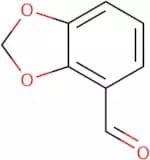
CAS:2,3-Methylenedioxybenzaldehyde is an organic compound that has been used as a chemical ionization reagent in the development of chemosensors. The formyl group in this molecule reacts with chloride to produce the corresponding formate salt, which can be detected by gas chromatography. This compound has also been shown to inhibit bacterial growth in vitro and may have potential applications as a drug substance. 2,3-Methylenedioxybenzaldehyde is an isomer of 2,4-methylenedioxybenzaldehyde, which has been shown to inhibit bacterial growth via hydrogen bonding with amines and electron deficient molecules such as chlorides. 2,3-Methylenedioxybenzaldehyde can be used for chromatographic science and the detection of drugs in urine samples.Fórmula:C11H10O4Pureza:Min. 95%Cor e Forma:PowderPeso molecular:206.19 g/mol4-(1H-Imidazol-1-yl)benzaldehyde
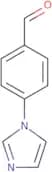
CAS:<p>4-(1H-Imidazol-1-yl)benzaldehyde is a chalcone derivative. It has been shown to inhibit cancer cells by inhibiting the mitochondrial membrane potential and enhancing the expression of histone deacetylase 1. 4-(1H-Imidazol-1-yl)benzaldehyde has also been shown to have anticancer activity in vivo, with an IC50 of 18 µM. This compound was found to inhibit cell growth and induce apoptosis in human breast cancer cells (MDA-MB231). In addition, this compound is able to cross the blood brain barrier and inhibits astrocyte proliferation.</p>Fórmula:C10H8N2OPureza:Min. 95%Cor e Forma:PowderPeso molecular:172.18 g/mol3-Hydroxybenzaldehyde
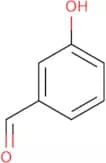
CAS:<p>3-Hydroxybenzaldehyde (3HBA) is an organic molecule that belongs to the group of substituted benzaldehydes. It has been shown to induce muscle cell proliferation in vitro and in vivo, as well as increased levels of activated caspase-3 in vitro. 3HBA also has a high resistance to hydrochloric acid, hydrogen bond, and chemical structures. It also shows properties of intramolecular hydrogen bonding and aldehyde groups. 3HBA has been shown to be active against malonic acid-induced pulmonary edema in rats, which may be due to its ability to inhibit the release of erythrocytes from the bone marrow into the circulation.</p>Fórmula:C7H6O2Pureza:Min. 96 Area-%Cor e Forma:Off-White PowderPeso molecular:122.12 g/molDL-Glyceraldehyde
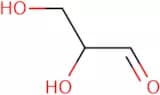
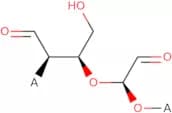
CAS:Glyceraldehyde is a monosaccharide that is an important intermediate in the glycolytic pathway. It is also classified as a hydroxyl group donor and has been shown to have cytotoxic effects on mammalian cells. Glyceraldehyde has been implicated in many biological processes, including fatty acid synthesis and dinucleotide phosphate synthesis. This molecule has been shown to bind to proteins through its hydroxyl groups, which are found on its carbonyl carbon atoms. The enzyme cytosolic protein kinase (PK) has been shown to phosphorylate glyceraldehyde, which may be involved in transcriptional regulation. In addition, glyceraldehyde may be involved in human serum glucose levels and plant metabolism.Fórmula:C3H6O3Pureza:90%MinCor e Forma:PowderPeso molecular:90.08 g/mol3-Chloro-2,6-dihydroxy-4-methylbenzaldehyde
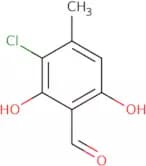
CAS:3-Chloro-2,6-dihydroxy-4-methylbenzaldehyde is a hydroxylated compound that is used in wastewater treatment. It can be found in many products including plastics and pesticides. 3-Chloro-2,6-dihydroxy-4-methylbenzaldehyde has been shown to inhibit the growth of bacteria such as Usnic Acid through its ability to react with hydrogen atoms on the bacterial cell wall and replace them with chlorine. This replacement halts the production of benzoate, which is essential for bacterial growth. The reaction mechanism has been detected using an electrochemical detector, chloroatranol.Fórmula:C8H7ClO3Pureza:Min. 95%Cor e Forma:Off-White PowderPeso molecular:186.59 g/mol2-Carboxy-3,4-dimethoxybenzaldehyde
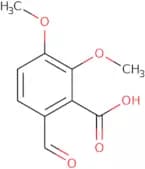
CAS:2-Carboxy-3,4-dimethoxybenzaldehyde is a chemical that belongs to the class of compounds known as butyric acid derivatives. It is a colorless liquid with a pungent odor and can be used in pharmaceutical preparations as an antispasmodic or a sedative. 2-Carboxy-3,4-dimethoxybenzaldehyde has been shown to have radical scavenging activities in tissue culture systems and dry weight reaction products in the presence of hydrochloric acid and chloride ion. This compound can also act as an acid complexing agent for hydrogen chloride and depressant activity on animal behavior.Fórmula:C10H10O5Pureza:Min. 95%Cor e Forma:White Yellow PowderPeso molecular:210.18 g/mol2,4-Dimethylbenzaldehyde
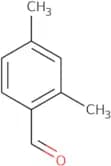
CAS:<p>2,4-Dimethylbenzaldehyde is used in the diagnosis of cancer. It reacts with acetaldehyde to form a compound that binds to hemoglobin and is excreted in the urine, leading to a diagnostic test for cancer. 2,4-Dimethylbenzaldehyde has been shown to be genotoxic in both in vitro and in vivo studies. This aromatic hydrocarbon has been shown to cause DNA strand breaks in the target cells through a reaction mechanism involving radical formation from acetaldehyde. In addition, 2,4-Dimethylbenzaldehyde has been shown to have genotoxic effects on mice exposed by inhalation or injection.</p>Fórmula:C9H10OPureza:Min. 90 Area-%Cor e Forma:Colorless Clear LiquidPeso molecular:134.18 g/mol3-Bromo-4-hydroxybenzaldehyde
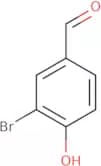
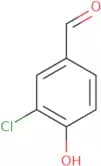
CAS:<p>3-Bromo-4-hydroxybenzaldehyde is a fluorescence probe that can be used to identify the presence of hydroxyl groups in organic solutions. It reacts with hydrochloric acid to form a green solution and a gas. 3-Bromo-4-hydroxybenzaldehyde has been used to study hydroxyl groups in human serum, plant physiology, and surfactant sodium dodecyl (SDS). This compound has shown potent inhibition against an enzyme called benzoyl peroxide reductase. 3-Bromo-4-hydroxybenzaldehyde is soluble in water, but not in ether. The molecular weight of this compound is 176.3 g/mol.</p>Fórmula:C7H5BrO2Pureza:Min. 95%Cor e Forma:PowderPeso molecular:201.02 g/mol3-Chloro-4-hydroxybenzaldehyde
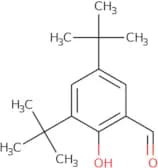
CAS:<p>3-Chloro-4-hydroxybenzaldehyde is a molecule that belongs to the class of aldehydes. It is a monocarboxylic acid and an important precursor in the production of coumarin derivatives. 3-Chloro-4-hydroxybenzaldehyde has been shown to have pharmacokinetic properties, such as vibrational, chemical, and optical properties. It is also a fluorophore with strong fluorescence emission. The hydroxymethyl group can be programmed by adding an amine or thiol group at the 4 position on the ring of 3-chloro-4-hydroxybenzaldehyde. The addition of these groups will change the optical properties of 3-chloro-4-hydroxybenzaldehyde to make it more useful for biotechnology applications.</p>Fórmula:C7H5ClO2Pureza:Min. 95%Cor e Forma:PowderPeso molecular:156.57 g/mol3,5-Di-tert-butyl-2-hydroxy benzaldehyde
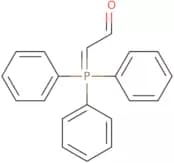
CAS:<p>3,5-Di-tert-butyl-2-hydroxy benzaldehyde is a molecule that has been shown to have inhibitory effects on cancer cells. It has been tested in vitro on carcinoma cell lines with promising results and shows the potential to be used as an anticancer agent. 3,5-Di-tert-butyl-2-hydroxy benzaldehyde inhibits the growth of cancer cells by binding to their DNA and preventing the synthesis of proteins. This drug is also effective against bacterial strains such as Escherichia coli, Salmonella typhimurium, Klebsiella pneumoniae, Pseudomonas aeruginosa, and Vibrio cholerae. 3,5-Di-tert-butyl-2-hydroxy benzaldehyde forms hydrogen bonds with nitrogen atoms that are present in the molecules of these bacteria. The intramolecular hydrogen bonding interactions between 3,5-di tert butyl 2 hydroxyben</p>Fórmula:C15H22O2Pureza:Min. 95%Cor e Forma:Off-White PowderPeso molecular:234.33 g/mol(Triphenylphosphoranylidene)acetaldehyde
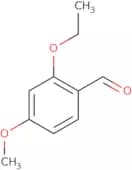
CAS:Produto ControladoTriphenylphosphoranylidene)acetaldehyde (TPPAA) is a diphenyl ether that binds to the allosteric site on the enzyme acetylcholinesterase, leading to inhibition of the catalytic mechanism. TPPAA has been shown to have insecticidal activity in the form of contact toxicity. It also has anticancer activity by inhibiting DNA synthesis and inducing apoptosis in cancer cells. TPPAA can be synthesized through a preparative method involving an asymmetric synthesis with a hydroxyl group as one of the reagents. TPPAA is an ionizable molecule that undergoes chemical ionization in a mass spectrometer and vibrational spectroscopy techniques.Fórmula:C20H17OPPureza:min 96%Cor e Forma:PowderPeso molecular:304.32 g/mol2-Ethoxy-4-methoxybenzaldehyde
CAS:<p>2-Ethoxy-4-methoxybenzaldehyde is a volatile compound that has been shown to have medicinal properties. It is used to analyze the presence of alcohols and aldehydes in various products. The sensitivity of this compound was optimized by using an analytical method that involved solid phase microextraction (SPME) followed by gas chromatography (GC). The carcinogenicity of this compound was determined by exposing it to rats in a 2 year study, which showed no evidence of carcinogenicity. This compound can also be used as a phenolic or microextraction reagent for the headspace analysis of volatile compounds.</p>Fórmula:C10H12O3Pureza:Min. 95%Cor e Forma:PowderPeso molecular:180.2 g/mol1-Methyl-1H-imidazole-4-carbaldehyde
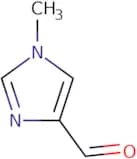
CAS:1-Methyl-1H-imidazole-4-carbaldehyde is an Imidazole derivative. Imidazoles are the most prominent heterocyclic scaffolds found in medical molecules and natural products. Due to the peculiar structural characteristics of imidazole, it is advantageous for imidazole groups to combine with various receptors and enzymes in biological systems, through diverse weak interactions. 1-Methyl-1H-imidazole-4-carbaldehyde is one of many imidazole derivatives that are used as building blocks for a wide variety of target compounds.Fórmula:C5H6N2OPureza:Min. 95%Cor e Forma:Slightly Yellow PowderPeso molecular:110.11 g/mol2-(2-Chlorophenyl)thiazole-4-carbaldehyde
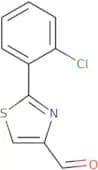
CAS:<p>Please enquire for more information about 2-(2-Chlorophenyl)thiazole-4-carbaldehyde including the price, delivery time and more detailed product information at the technical inquiry form on this page</p>Fórmula:C10H6ClNOSPureza:Min. 95%Cor e Forma:PowderPeso molecular:223.68 g/mol2-Hydroxy-6-(methoxymethoxy)benzaldehyde
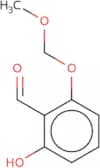
CAS:<p>2-Hydroxy-6-(methoxymethoxy)benzaldehyde is a chemical intermediate that can be used in the synthesis of a wide range of compounds. It is an aromatic compound which has two hydroxyl groups on the benzene ring. This product is a versatile building block, and is useful in the synthesis of complex compounds with high purity. 2-Hydroxy-6-(methoxymethoxy)benzaldehyde can be obtained as a white solid with a melting point of 57°C.</p>Fórmula:C9H10O4Pureza:Min. 95%Cor e Forma:Clear LiquidPeso molecular:182.17 g/mol2-Phenoxybenzaldehyde
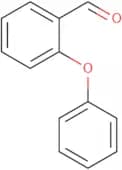
CAS:2-Phenoxybenzaldehyde is an organic compound that belongs to the heterocyclic aldehyde family. It is a white solid with a strong, pleasant odor. 2-Phenoxybenzaldehyde is used as an intermediate in organic synthesis, and has been shown to inhibit the receptor activity of human leukocyte antigen (HLA) class II molecules. The reaction mechanism for this inhibition is not known. The reaction of 2-phenoxybenzaldehyde with hydrochloric acid produces phenylhydroxylamine, which can be oxidized by inorganic acids to form phenyloxalic acid. This compound also inhibits the production of inflammatory cytokines such as TNFα and IL-1β in vitro and in vivo.Fórmula:C13H10O2Pureza:Min. 95%Cor e Forma:Clear LiquidPeso molecular:198.22 g/mol4-n-Propylbenzaldehyde
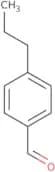
CAS:<p>4-n-Propylbenzaldehyde is a chemical compound that belongs to the group of aromatic aldehydes. It is used in the production of other chemicals, such as pharmaceuticals and fragrances. 4-n-Propylbenzaldehyde has been shown to be genotoxic, causing DNA damage and mutating genes. This chemical also has an inhibitory effect on cancer cells, which may be due to its ability to interfere with histone deacetylase activity. The genotoxic potential of this substance is considered low based on its lack of genotoxicity in vitro and in vivo. This compound does not have any structural formula for the corresponding metal complex.</p>Fórmula:C10H12OPureza:Min. 98 Area-%Cor e Forma:Colorless Clear LiquidPeso molecular:148.2 g/mol4-Aminobenzaldehyde polymer
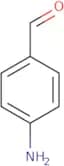
CAS:<p>4-Aminobenzaldehyde polymer is a crystalline solid that is soluble in organic solvents. It can be used as a reaction vessel for acylation reactions, such as the conversion of an acid chloride to the corresponding amide. 4-Aminobenzaldehyde polymer has been shown to react with diazonium salts to form the corresponding diazo compounds in high yields. The electron activity of the molecule was tested by measuring its oxidation potentials and reducing power. 4-Aminobenzaldehyde polymer is functionalized with both nucleophilic and electrophilic groups. This compound also has electrochemical properties, including optical properties and nmr spectra. The control experiments for this substance are sodium nitrate, which does not react with diazonium salts or react with 4-aminobenzaldehyde polymer at all.</p>Fórmula:(C7H7NO)xPureza:Min. 95%Cor e Forma:Powder2-Bromo-5-methoxybenzaldehyde
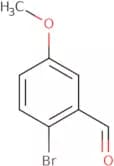
CAS:<p>2-Bromo-5-methoxybenzaldehyde is an organic compound that is used as a synthetic intermediate. It has been shown to be a substrate for the acid transporter SLC26A2, which transports it into cells. This compound has also been found in low levels in human tissues and fluids, where it may play a role in the development of cancer. 2-Bromo-5-methoxybenzaldehyde has been shown to inhibit the growth of cancer cells by uv absorption and terminal alkynes. The anticancer activity of this compound is due to its ability to react with functional groups such as benzyl groups and other alkyl groups.</p>Fórmula:C8H7BrO2Pureza:Min. 95%Cor e Forma:PowderPeso molecular:215.04 g/molTrifluoroacetaldehyde - ~70% aqueous solution
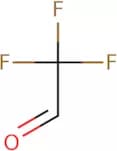
CAS:<p>Trifluoroacetaldehyde is a chemical with aqueous solubility of 0.2 g/L at 25 °C. It has been used in the preparation of insoluble polymers, such as phosphonates and polyurethanes. Trifluoroacetaldehyde can be prepared by reacting anhydrous hydrogen fluoride with trifluoroacetic acid in the presence of amines and an oxidizing agent, such as phosphorus pentoxide. The reaction mechanism is believed to involve a cationic polymerization involving hydrolysis of the amine to give an ammonium ion that reacts with hydrogen fluoride to form trifluoroacetyl fluoride and ammonium chloride. Trifluoroacetaldehyde has also been used in asymmetric synthesis, hydroxyl group reactions, pharmaceutical preparations, and monoclonal antibody production.</p>Fórmula:C2HF3OPureza:Min. 95%Cor e Forma:Clear LiquidPeso molecular:98.02 g/molAdipaldehyde - 1M solution in water
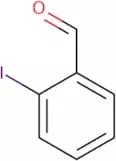
CAS:Succinaldehyde is a white crystalline solid that is soluble in water and alcohol. Succinaldehyde has been shown to be an effective catalyst for the polymerization of polyvinyl chloride, which is used in the production of plastics. It also functions as a cross-linking agent for insoluble polymers, such as collagen. Succinaldehyde has been shown to inhibit t-cell leukemia in mice by inducing apoptosis. This reaction mechanism involves the formation of aldehyde groups on lysine residues within the protein structure, which then react with hydroxyl groups on other lysines or peptides. This reaction leads to covalent bonding between adjacent amino acids and the formation of a stable cross-linked network that results in apoptosis. The function of succinaldehyde as a solid catalyst for this reaction can be attributed to its low volatility and high boiling point.Fórmula:C6H10O2Cor e Forma:Brown PowderPeso molecular:114.14 g/mol2-Iodobenzaldehyde
CAS:<p>2-Iodobenzaldehyde is a chemical compound that contains a benzene ring with two iodine substituents. 2-Iodobenzaldehyde has been shown to have affinity for ligands with electron-donating groups, such as methoxy and hydroxyl groups, which may contribute to its high reactivity. This chemical also has the ability to inhibit estrogen receptor modulators, which may be beneficial in treating autoimmune diseases. 2-Iodobenzaldehyde has been shown to reduce electron density between two molecules, allowing it to form hydrogen bonds and interact with stilbene derivatives.</p>Fórmula:IC6H4CHOPureza:Min. 95%Cor e Forma:White PowderPeso molecular:232.02 g/mol2-Benzyloxybenzaldehyde
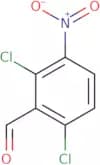
CAS:2-Benzyloxybenzaldehyde is an analog of benzaldehyde and can be used as a precursor for the synthesis of other molecules. It has been shown to inhibit the growth of HL-60 cells and xenograft tumor in mice. This compound also inhibits the production of cyclase, which is required to produce prostaglandin E2, a key regulator of inflammation in the body. This inhibition leads to an increase in mitochondrial membrane potential, leading to cell death by apoptosis. 2-Benzyloxybenzaldehyde also inhibits DNA binding activity and has been shown to induce fetal bovine serum levels and colony stimulating factor (CSF) levels in leukemic mice.Fórmula:C14H12O2Pureza:Min. 95%Cor e Forma:PowderPeso molecular:212.24 g/mol2,6-Dichloro-3-nitrobenzaldehyde
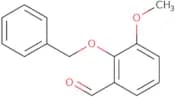
CAS:<p>2,6-Dichloro-3-nitrobenzaldehyde (DCNB) is an electrophilic bidentate ligand that reacts with chlorine to form chloroform. It is also a good ligand for many metal ions, such as copper and nickel. DCNB can catalyze the epoxidation of alkenes to form epoxides. DCNB has been used in the industrial production of chlorinated solvents and hydrocarbons. It is a very efficient reagent for formylation, which can be used to convert alcohols and amines into formyl groups or carboxylic acids. The DCN group is also an excellent leaving group, which makes it useful as a solvent in organic syntheses. Finally, DCNB reacts with chlorine atoms to produce chloride ions that are soluble in water and organic solvents.</p>Fórmula:C7H3Cl2NO3Pureza:Min. 95%Peso molecular:220.01 g/mol2-Benzyloxy-3-methoxybenzaldehyde
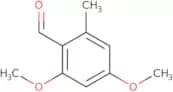
CAS:<p>2-Benzyloxy-3-methoxybenzaldehyde is an enantiopure compound that has been shown to have antiproliferative effects on cancer cells. It was also found to have a strong binding affinity for DNA and protein. The antiproliferative effects of 2-Benzyloxy-3-methoxybenzaldehyde were found to be due to its ability to bind to dna and inhibit the enzyme activity of pyrazine-2-carboxylic acid, leading to a decrease in the production of proteins vital for cell division. 2-Benzyloxy-3-methoxybenzaldehyde has been shown to have anticancer activity against colorectal cancer cells and may serve as a lead compound for future drug development.</p>Fórmula:C15H14O3Pureza:Min. 95%Peso molecular:242.27 g/mol2,4-Dimethoxy-6-methylbenzaldehyde
CAS:2,4-Dimethoxy-6-methylbenzaldehyde is a biomolecular that belongs to the class of depsidones. It is a tetracyclic compound that has been isolated from the fungus Antrodia camphorata and the lichen Xanthoria polycarpa. 2,4-Dimethoxy-6-methylbenzaldehyde has been shown to inhibit the growth of fungi by preventing oxidative phosphorylation in mitochondria. This compound also shows regioselectivity for phenanthrenes, which are aromatic hydrocarbons with two benzene rings and one or more methyl groups on each ring. The synthesis of 2,4-dimethoxy-6-methylbenzaldehyde is achieved through a Witting reaction between olefinic compounds and diethyl malonate in the presence of base. 2,4-Dimethoxy-6-methylbenzaldehyde can also be synthesized by oxidizing dibFórmula:C10H12O3Pureza:Min. 95%Cor e Forma:PowderPeso molecular:180.2 g/mol4-Bromo-2-hydroxybenzaldehyde
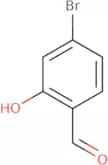
CAS:<p>4-Bromo-2-hydroxybenzaldehyde is a chemical compound that is used in the synthesis of azides. It has a molecular formula of C6H5BrO, a diameter of 197.037 pm, and a structural formula of CHBrO. 4-Bromo-2-hydroxybenzaldehyde can be prepared by reacting bromine with hydroxybenzaldehyde in the presence of an amine catalyst. This product has been shown to have synergistic effects when used in combination with other anticancer agents such as aminopyrimidines, coumarin derivatives, or 2-(4'-hydroxyphenyl) benzoxazole. The photophysical properties of 4-bromo-2-hydroxybenzaldehyde are characterized by its fluorescence emission at 272 nm and its absorption at 270 nm. This product also shows low detection levels in human liver tissue samples, which may be due to its high water sol</p>Fórmula:C7H5BrO2Pureza:Min. 95%Cor e Forma:White PowderPeso molecular:201.02 g/mol2-Nitro-4-(trifluoromethyl)benzaldehyde
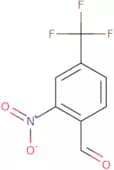
CAS:<p>2-Nitro-4-(trifluoromethyl)benzaldehyde is an immunosuppressive agent that binds to the active site of the enzyme nitric oxide synthase, inhibiting its activity. This drug has been shown to be active against human immunocompromised patients and those with a history of melamine exposure. It also inhibits the production of nitric oxide, which is associated with inflammation. 2-Nitro-4-(trifluoromethyl)benzaldehyde has been shown to bind to vinylic positions on proteins, leading to immunosuppression.</p>Fórmula:C8H4F3NO3Pureza:Min. 95%Cor e Forma:PowderPeso molecular:219.12 g/mol2,6-Dimethoxy-4-methylbenzaldehyde
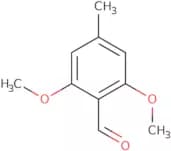
CAS:<p>2,6-Dimethoxy-4-methylbenzaldehyde (DMMB) is a useful chemical that is used as a building block in the synthesis of complex compounds. It has been shown to be an effective chemical intermediate and can be used in the synthesis of various products, such as pharmaceuticals and pesticides. DMMB can also be used to produce high quality research chemicals.</p>Fórmula:C10H12O3Pureza:Min. 95%Cor e Forma:PowderPeso molecular:180.2 g/moltrans-4-(Diethylamino)cinnamaldehyde
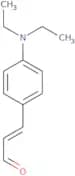
CAS:Trans-4-(Diethylamino)cinnamaldehyde is a molecule that has been systematically studied with several techniques, such as x-ray crystallography. It has been shown to be a fluorophore and can be used as a fluorescent probe. Trans-4-(Diethylamino)cinnamaldehyde can be used in the fluorescence method in which it reacts with other molecules and emits light. This reaction scheme is based on the principle of irradiation by UV light or visible light to produce an excited state. Fluorescence is detected at various wavelengths depending on the dye used. Trans-4-(Diethylamino)cinnamaldehyde also emits fluorescence when irradiated with ultraviolet light, which is often referred to as "violet" fluorescence. The wavelength of this emission is 365 nm and it can be detected using high yield techniques, such as fluorometers.Fórmula:C13H17NOPureza:Min. 95%Cor e Forma:PowderPeso molecular:203.28 g/mol2,4-Dimethoxybenzaldehyde
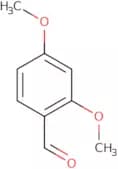
CAS:<p>2,4-Dimethoxybenzaldehyde is a synthetic compound that has been shown to have activity against pancreatic lipase. It has been suggested as a potential drug for the treatment of metabolic disorders such as obesity or diabetes. 2,4-Dimethoxybenzaldehyde can be synthesized by reacting ethyl diazoacetate with an aldehyde in the presence of ammonium acetate. This chemical can also be used to produce ethyl esters and compounds belonging to the group of phlorotannins. 2,4-Dimethoxybenzaldehyde has been shown to have antioxidative activity and inhibitory effects on pancreatic lipase.</p>Fórmula:C9H10O3Pureza:Min. 95%Cor e Forma:White PowderPeso molecular:166.18 g/mol2,4-Difluoro-3-methylbenzaldehyde
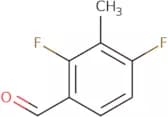
CAS:2,4-Difluoro-3-methylbenzaldehyde is a chemical compound that is used as a building block for the synthesis of other chemicals. It can be used as a research chemical or intermediate due to its versatility. 2,4-Difluoro-3-methylbenzaldehyde has a CAS number of 847502-88-9 and is classified as a speciality chemical with high quality. This compound may be useful in the synthesis of polymers and pharmaceuticals due to its ability to form covalent bonds with other molecules.Fórmula:C8H6F2OPureza:Min. 95%Cor e Forma:Clear LiquidPeso molecular:156.13 g/mol2-Fluoro-3-methylbenzaldehyde
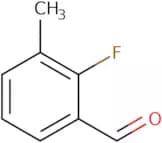
CAS:<p>2-Fluoro-3-methylbenzaldehyde is a chemical that can be used in the synthesis of other chemicals, such as pharmaceuticals. It is a versatile building block that can be used in the synthesis of complex compounds and scaffolds. The compound has been shown to react with amines to form ureas.</p>Fórmula:C8H7FOPureza:80%Peso molecular:138.14 g/molChloroacetaldehyde (40% aq.)
CAS:<p>Chloroacetaldehyde is a reactive compound that is found in wastewater. It can be used to remove other pollutants from the water. Chloroacetaldehyde has been shown to be toxic and may cause cancer, but it also has been used as a model system for studying energy metabolism. This substance is toxic because it reacts with cellular components such as proteins and DNA by cross-linking them. The cytosolic Ca2+ concentration increases when chloroacetaldehyde binds to cellular proteins, which affects cell physiology and the production of MMP-9.</p>Fórmula:ClCH2CHOPureza:Min. 95%Cor e Forma:Clear LiquidPeso molecular:78.5 g/mol4-(Phenylethynyl)benzaldehyde
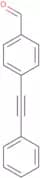
CAS:<p>4-(Phenylethynyl)benzaldehyde is a synthetic compound that belongs to the class of aldehydes. It is soluble in acetonitrile and can be synthesized by a cross-coupling reaction between two different organometallic reagents, such as N-phenyltrifluoroacetamide or N-phenylmaleimide. 4-(Phenylethynyl)benzaldehyde has been shown to have cytotoxic effects on cancer cells and can be used for the treatment of leukemia and Hodgkin's lymphoma. This chemical has fluorescence properties, which are enhanced by surface-enhanced Raman spectroscopy. 4-(Phenylethynyl)benzaldehyde also shows photophysical properties, such as an imine and fluorescent character, making it possible to use it in chemiluminescence reactions.</p>Fórmula:C15H10OPureza:Min. 95 Area-%Cor e Forma:Clear LiquidPeso molecular:206.24 g/mol3-Nitrosalicylaldehyde
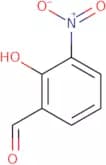
CAS:<p>3-Nitrosalicylaldehyde is an oxidizing agent that reacts with DNA in vitro to form DNA adducts. 3-Nitrosalicylaldehyde also has antioxidative properties, which can be demonstrated by its ability to inhibit the oxidation of low density lipoprotein (LDL) in vivo. This compound has been shown to activate the metalloproteinase MT2 receptor, which is involved in the regulation of blood pressure and heart function. 3-Nitrosalicylaldehyde is metabolized by hydrolysis and reduction to form a neutral product, which has been shown to have antidiabetic effects on mice.</p>Fórmula:C7H5NO4Pureza:Min. 95%Cor e Forma:PowderPeso molecular:167.12 g/mol2,4,6-Trihydroxybenzaldehyde
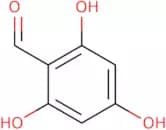
CAS:<p>2,4,6-Trihydroxybenzaldehyde is a polymerase chain inhibitor that blocks the synthesis of DNA and RNA. It has been shown to have significant cytotoxicity in vitro and has been used as an antimicrobial agent to inhibit the growth of bacteria. 2,4,6-Trihydroxybenzaldehyde also inhibits tetracycline resistance in Mycobacterium tuberculosis (Mtb) by inhibiting the production of proteins vital for bacterial cell division. This compound is structurally related to naturally occurring compounds such as anthocyanins and it has been shown to have inhibitory properties on mitochondrial membrane potential, which may be due to its ability to inhibit protein synthesis and induce apoptosis. The analytical methods used for this compound are thin layer chromatography and high performance liquid chromatography.</p>Fórmula:C7H6O4Pureza:Min. 98 Area-%Cor e Forma:PowderPeso molecular:154.12 g/mol6-Benzyloxyindole-3-carboxaldehyde
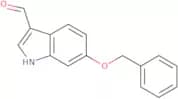
CAS:6-Benzyloxyindole-3-carboxaldehyde is a benzyl compound that is produced by the catalytic hydrogenolysis of benzyl alcohol. The debenzylation product of 6-benzyloxyindole-3-carboxaldehyde is known as benzene.Fórmula:C16H13NO2Pureza:Min. 95%Cor e Forma:PowderPeso molecular:251.28 g/mol4-(4-Ethylphenyl)benzaldehyde
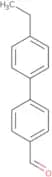
CAS:<p>4-(4-Ethylphenyl)benzaldehyde is a high quality, reagent, complex compound. CAS No. 101002-44-2. It is a useful intermediate and fine chemical that can be used as a versatile building block for the synthesis of speciality chemicals such as research chemicals and reaction components. This chemical is an excellent starting material for the synthesis of useful scaffolds and useful building blocks.</p>Fórmula:C15H14OPureza:Min. 95%Cor e Forma:SolidPeso molecular:210.27 g/mol2-Fluoro-6-nitrobenzaldehyde
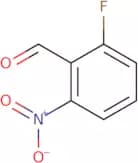
CAS:<p>2-Fluoro-6-nitrobenzaldehyde is an electron donor that reduces a range of electron acceptors including piperazine. This compound has been shown to have antitumor effects. 2-Fluoro-6-nitrobenzaldehyde has also been shown to inhibit the growth of cancer cells in vitro and in vivo. The mechanism of action is not yet known, but it is thought that 2-fluoro-6-nitrobenzaldehyde may be a potential chemotherapeutic agent for pancreatic cancer therapy.</p>Fórmula:C7H4FNO3Pureza:Min. 95%Cor e Forma:PowderPeso molecular:169.11 g/molChamigrenal
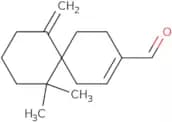
CAS:<p>Chamigrenal is a complex enzyme that is extracted from the fruit of the chamomile plant, which has been used for centuries in Ayurvedic medicine. Chamigrenal has been shown to have anti-inflammatory and anti-allergic activities. It also binds to G-protein coupled receptors, which may be due to its eluting property. Chamigrenal contains many chemical structures, including phenolic acids, flavonoids, terpenoids, and coumarins. The molecule has been shown to inhibit the growth of human cervical carcinoma cells by binding to a receptor called factor receptor.<br>DEFINITION: Chamigrenal is an extract from the fruit of the chamomile plant that has been used for centuries in Ayurvedic medicine as a treatment for inflammation and allergies. It has also been shown to bind to G-protein coupled receptors and inhibit human cervical carcinoma cells by binding to a receptor called factor receptor.</p>Fórmula:C15H22OPureza:Min. 98 Area-%Cor e Forma:PowderPeso molecular:218.33 g/mol4-Iodobenzaldehyde
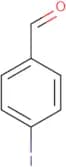
CAS:4-Iodobenzaldehyde is a chemical compound with the molecular formula C6H5IO. It is an aromatic compound that can be used in cancer therapy. 4-Iodobenzaldehyde reacts with trifluoroacetic acid to form an intramolecular hydrogen, which is detected using a low-energy monomer and high detection sensitivity. 4-Iodobenzaldehyde has two phenyl substituents and a serine protease functional group, which are required for its interaction with other molecules. The presence of these functional groups allows analytical methods to be used to identify 4-iodobenzaldehyde in various samples. Using analytical methods, it can be determined that 4-iodobenzaldehyde interacts with an acceptor molecule at the reaction vessel thermally or by irradiation.Fórmula:C7H5IOPureza:Min. 95%Cor e Forma:Yellow PowderPeso molecular:232.02 g/mol1-Acetyl-3-indolecarboxaldehyde
CAS:<p>1-Acetyl-3-indolecarboxaldehyde is a ligand that binds to the cannabinoid receptor 1 (CB1). It has been shown to bind to the CB1 receptor with high affinity and selectivity. In addition, it has been demonstrated to inhibit the proliferation of human breast cancer cells in vitro. The compound is used as a fluorescent probe for cb1 receptor binding. Data obtained from molecular modelling studies have suggested that the hydroxyl group might be involved in binding to the CB1 receptor. 1-Acetyl-3-indolecarboxaldehyde also binds carotenoids, which are molecules responsible for giving plants and other photosynthetic organisms their coloration. This compound can be found in many different plants, such as carrots and bananas, where it acts as an antioxidant.</p>Fórmula:C11H9NO2Pureza:Min. 95%Cor e Forma:PowderPeso molecular:187.19 g/mol4-Chloro-2-methylbenzaldehyde
CAS:4-Chloro-2-methylbenzaldehyde is a nucleophilic and electrophilic compound that has a carbonyl group. The vivo model of 4-Chloro-2-methylbenzaldehyde suggests that the methyl groups on the molecule are important for its anti-cancer activities. This compound also has anti-inflammatory properties, which may be due to its ability to inhibit prostaglandin synthesis. It is used in anti-cancer agents as well as in other applications such as catalysis and synthetic chemistry. 4-Chloro-2-methylbenzaldehyde is synthesized by first reacting benzaldehyde with sodium nitrite, followed by chlorination with phosphorus pentachloride and sodium hydroxide. The mechanistic details of this reaction have not been elucidated yet, but it is believed that the selectivity of this reaction may be due to the presence of aldehydes in the reactants. Further optimization of this reaction would involve changing theFórmula:C8H7ClOPureza:Min. 95%Cor e Forma:Clear LiquidPeso molecular:154.59 g/mol1,10-Phenanthroline-2-carbaldehyde
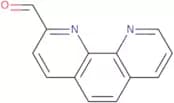
CAS:<p>1,10-Phenanthroline-2-carbaldehyde is a phenylhydrazone compound that has been shown to have anticancer activity. It is also a supramolecular complex, which means it can form hydrogen bonds and coordinate bonds with other molecules. The anticancer activity of 1,10-phenanthroline-2-carbaldehyde may be due to its ability to inhibit the growth of prostate carcinoma cells. This compound also inhibits the growth of human cervical carcinoma cells by binding to their DNA and inhibiting the synthesis of RNA and protein. 1,10-Phenanthroline-2-carbaldehyde is being studied for its potential as an inhibitor of tumor angiogenesis.<br>1,10-Phenanthroline-2-carbaldehyde has been shown to have antiplatelet aggregation effects in platelets from healthy humans as well as those with type 2 diabetes mellitus or chronic kidney disease.</p>Fórmula:C13H8N2OPureza:Min. 90 Area-%Cor e Forma:Off-White PowderPeso molecular:208.22 g/mol2-Hydroxy-5-methoxybenzaldehyde
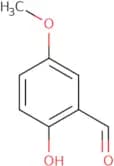
CAS:2-Hydroxy-5-methoxybenzaldehyde is a colorless, water-soluble liquid that has been used as a chemical intermediate in the synthesis of pharmaceuticals. It is also an antiinflammatory agent that inhibits acetylcholinesterase. 2-Hydroxy-5-methoxybenzaldehyde binds to copper ions by means of hydrogen bonding interactions and forms stable complexes with nitrogen atoms such as amides, nitriles, and hydrazones. 2HMB has been shown to have antiinflammatory activity in animal studies. This compound has a redox potential of -0.8 V, which indicates it can be oxidized by strong oxidizing agents or reduced by strong reducing agents.Fórmula:C8H8O3Pureza:Min. 95%Cor e Forma:Colorless Clear LiquidPeso molecular:152.15 g/mol4-Nitrobenzaldehyde oxime
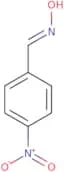
CAS:4-Nitrobenzaldehyde oxime is a phenylhydrazone derivative that is a potent cytotoxic agent. The 1,2-nitration of the benzene ring in 4-nitrobenzaldehyde oxime produces a reactive intermediate that reacts with nucleophilic groups on cellular macromolecules to produce DNA strand breaks and other types of damage. 4-Nitrobenzaldehyde oxime has been shown to have significant anticancer activity against leukemia cells in culture, as well as antibacterial and anticancer activity against Staphylococcus aureus and Escherichia coli.Fórmula:C7H6N2O3Pureza:Min. 95%Cor e Forma:PowderPeso molecular:166.13 g/mol4-Biphenylcarboxaldehyde
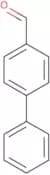
CAS:4-Biphenylcarboxaldehyde is a chemical compound that belongs to the group of hydrocarbons. It is a colorless liquid with an unpleasant odor, soluble in ether and benzene, and has a boiling point of 210 °C. 4-Biphenylcarboxaldehyde can be used as a raw material for the production of pharmaceuticals and agrochemicals. The molecular structure of this compound is unsymmetrical due to its biphenyl backbone and two carbonyl groups. Hydrochloric acid reacts with 4-biphenylcarboxaldehyde to form 2-bromoethylbenzene and hydrogen gas:Fórmula:C13H10OPureza:Min. 95%Cor e Forma:White PowderPeso molecular:182.22 g/molEnalapril diketopiperazine
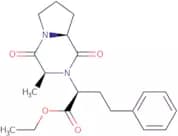
CAS:Enalapril is a potassium-sparing diuretic that belongs to the group of angiotensin-converting enzyme (ACE) inhibitors. It is used in the treatment of high blood pressure and congestive heart failure. Enalapril is activated by hydrolysis to enalaprilat, which in turn inhibits the formation of angiotensin II and prevents its effects on blood vessels and kidneys. Enalapril also prevents the conversion of captopril to enalaprilat, thereby reducing its effectiveness as an ACE inhibitor.Fórmula:C20H26N2O4Pureza:Min. 95%Cor e Forma:PowderPeso molecular:358.43 g/mol2,3-Dihydroxy-4-methoxybenzaldehyde
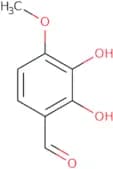
CAS:<p>2,3-Dihydroxy-4-methoxybenzaldehyde is the oxidized form of 2,3-dihydroxybenzaldehyde. It has been used in biological studies to investigate the biosynthetic pathways of reductoisomerase and analytical methods for detecting hydrogen bonds in samples. This chemical can also be found in urine samples as a metabolite of adenine nucleotide and polypeptides. The chemical has been shown to have health benefits, such as being a recombinant that helps cell culture.</p>Fórmula:C8H8O4Pureza:Min. 95%Cor e Forma:PowderPeso molecular:168.15 g/molPolydialdehyde starch (Polymeric dialdehyde)
CAS:<p>Polydialdehyde starch is a cross-linking agent that is used to form hydrophobic polymers, which are prodrugs. It is a polymer of dialdehydes and can be used as an additive for restenosis prevention. Polydialdehyde starch has been shown to reduce platelet adhesion and aggregation in vitro and in vivo. The mechanism of action may be related to the ability of polydialdehyde starch to bind collagen and promote its degradation by hydrolysis. This also results in an increase in the rate of dilation of blood vessels, which may contribute to the antiplatelet effect. Polydialdehyde starch has been shown to be biodegradable, with a half-life of about two weeks in vivo after injection into rats.</p>Cor e Forma:White PowderPeso molecular:347.666-Methoxy-2-naphthaldehyde
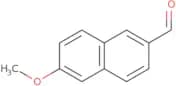
CAS:6-Methoxy-2-naphthaldehyde is a nonsteroidal antiinflammatory drug that belongs to the class of naphthalenes. It inhibits the formation of inflammatory prostaglandins, which are mediators of pain and inflammation. 6-Methoxy-2-naphthaldehyde has been shown to have cytotoxic effects on cancer cells and in vitro studies have shown that it can induce cell lysis. It has also been shown to be a potent fluorescence probe for use in biological applications. This compound binds to human serum proteins by hydrogen bonding interactions, which may affect its pharmacokinetic properties. In addition, this compound has been shown to inhibit the activity of detoxification enzymes such as CYP 2C9 and 2D6 at high concentrations, which may lead to unwanted side effects such as nausea or vomiting. The molecular docking analysis of 6-Methoxy-2-naphthaldehyde with the active site of human liver alcohol dehydrogenFórmula:C12H10O2Pureza:Min. 98 Area-%Cor e Forma:PowderPeso molecular:186.21 g/mol2-Hydroxy-4-nitrobenzaldehyde
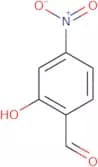
CAS:<p>2-Hydroxy-4-nitrobenzaldehyde is a molecule that reacts with kinase receptors in cancer cells and causes oxidative carbonylation. It has been shown to react with chloride, salicylaldehyde and dobutamine to form a fluorescent compound, which can be used as a probe for fluorescence studies. The fluorescence properties of 2-hydroxy-4-nitrobenzaldehyde have also been exploited for the development of pyrazoles as potential anti-cancer agents.</p>Fórmula:C7H5NO4Pureza:Min. 98 Area-%Cor e Forma:PowderPeso molecular:167.12 g/molUreaformaldehyde
CAS:<p>Ureaformaldehyde is a synthetic slow-release fertilizer that contains urea and formaldehyde. It has been shown to be highly active as a slow-release fertilizer in Langmuir adsorption isotherm studies. Ureaformaldehyde also has the ability to mineralize chloride and hydrogen bond to soil particles, increasing the availability of these ions for plant uptake. Ureaformaldehyde is also used in analytical methods such as chromatographic determination of fatty acids, which are an important component of animal and vegetable oils. !--</p>Fórmula:(CH4N2O•CH2O)xPureza:Min. 95%Cor e Forma:Clear LiquidPeso molecular:90.08 g/mol5-(Trifluoromethoxy)salicylaldehyde
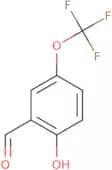
CAS:<p>5-(Trifluoromethoxy)salicylaldehyde is a ligand that binds to the active site of the enzyme catalysis, thereby inhibiting its activity. It has been shown to be effective in colon cancer and other cancers due to its ability to inhibit protein synthesis. 5-(Trifluoromethoxy)salicylaldehyde also inhibits the production of prostaglandins, which may prevent inflammation. The compound is also used in supramolecular chemistry and biological studies as a tool for studying protein-ligand interactions. 5-(Trifluoromethoxy)salicylaldehyde has been shown to have dose-dependent effects on cell proliferation and protein synthesis.</p>Fórmula:C8H5F3O3Pureza:Min. 95%Cor e Forma:PowderPeso molecular:206.12 g/mol2-fluoro-5-methoxybenzaldehyde
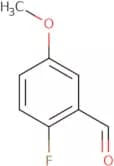
CAS:<p>2-fluoro-5-methoxybenzaldehyde is an asymmetric synthesis that has been shown to inhibit the growth of cancer cells by inhibiting a protein called MT2. 2-Fluoro-5-methoxybenzaldehyde is a nucleophilic compound and reacts with the electrophilic carbon in the enolate to form a sulfoxide, which can be hydrolyzed by acid. This reaction inhibits cancer cell growth as it prevents cellular metabolism and amino acid biosynthesis.</p>Fórmula:C8H7FO2Pureza:Min. 95%Peso molecular:154.14 g/mol3-Fluoro-4-methoxybenzaldehyde
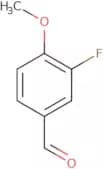
CAS:<p>3-Fluoro-4-methoxybenzaldehyde is a chemical compound that is used in the synthesis of natural products. It has been shown to have inhibitory properties against cancer cells, and has been synthesized as an analog of 3-fluoro-4-hydroxybenzaldehyde. The biological function of 3-fluoro-4-methoxybenzaldehyde is not yet known. Hydrochloric acid may be used to react with 3-fluoro-4-methoxybenzaldehyde to form a salt. This chemical also has anti-tumor effects and can be synthesized using cryogenic techniques.</p>Fórmula:C8H7FO2Pureza:Min. 95%Cor e Forma:Slightly Yellow PowderPeso molecular:154.14 g/molSalicylaldehyde azine
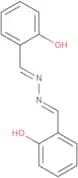
CAS:<p>Salicylaldehyde azine (SAZ) is a polymerized compound that has been shown to inhibit tyrosinase, an enzyme that catalyzes the oxidation of L-tyrosine to DOPA and dopaquinone. It can be used as a fluorescent probe for metal ions and has been used in the preparation of aluminium salts. The interaction of SAZ with protonated functional groups on tyrosinase leads to inhibition by blocking the active site. This inhibition is reversible and can be reversed by adding a reducing agent such as sodium dithionite.</p>Fórmula:C14H12N2O2Pureza:Min. 95%Cor e Forma:PowderPeso molecular:240.26 g/mol2,4,6-Trimethoxy-3-methylbenzaldehyde
CAS:2,4,6-Trimethoxy-3-methylbenzaldehyde is a flavanone that is structurally related to the drug ciprofloxacin. The two molecules share a common molecular framework with the addition of a hydroxyl group on the 2 position of the benzene ring. In molecular docking studies, 2,4,6-Trimethoxy-3-methylbenzaldehyde has shown antitubercular activity against Mycobacterium tuberculosis and Mycobacterium avium complex. It is also an inhibitor of protein tyrosine phosphatase and has been shown to have antibacterial activity against various strains of bacteria.Fórmula:C11H14O4Pureza:Min. 95%Cor e Forma:PowderPeso molecular:210.23 g/mol2-(4-Fluorophenyl)thiazole-4-carbaldehyde
CAS:<p>Please enquire for more information about 2-(4-Fluorophenyl)thiazole-4-carbaldehyde including the price, delivery time and more detailed product information at the technical inquiry form on this page</p>Fórmula:C10H6FNOSPureza:Min. 95%Cor e Forma:PowderPeso molecular:207.23 g/mol4-Methoxy-2,3,6-trimethylbenzaldehyde
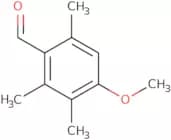
CAS:4-Methoxy-2,3,6-trimethylbenzaldehyde (MTMB) is a chemical intermediate that can be used as a building block for the synthesis of complex compounds. It has a high quality and is a versatile building block. MTMB is also known to react with other chemical compounds to form an aromatic ring. This compound is used in research and development as well as in fine chemical production.Fórmula:C11H14O2Pureza:Min. 95%Cor e Forma:PowderPeso molecular:178.23 g/molLenalidomide
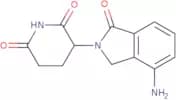
CAS:Produto Controlado<p>Inhibitor of E3 ubiquitin ligase cereblon; inducer of CK1α degradation</p>Fórmula:C13H13N3O3Pureza:Min. 95%Cor e Forma:PowderPeso molecular:259.26 g/mol5-(4-((3-Chloro-4-((3-fluorobenzyl)oxy)phenyl)amino) quinazolin-6-yl)furan-2-carbaldehyde
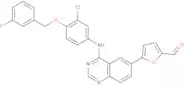
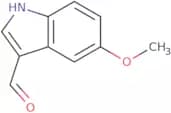
CAS:<p>5-(4-((3-Chloro-4-((3-fluorobenzyl)oxy)phenyl)amino)quinazolin-6-yl)furan-2-carbaldehyde is a heterocyclic compound that has been used to study protein tyrosine kinase activity. This drug binds to the active site of the enzyme and inhibits its function by forming an irreversible covalent bond with the enzyme's reactive cysteine residue, which prevents the transfer of phosphate groups from ATP to the substrate (tyrosine).</p>Fórmula:C26H17ClFN3O3Pureza:Min. 95%Peso molecular:473.88 g/mol5-Methoxyindole-3-carboxaldehyde
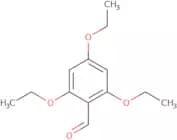
CAS:<p>5-Methoxyindole-3-carboxaldehyde is a molecule that belongs to the genus of indolequinones. It has been shown to have potent inhibitory activity against prostate cancer cells, and also has anti-cancer properties. 5-Methoxyindole-3-carboxaldehyde inhibits the proliferation of cancer cells by inducing apoptosis in prostate cancer cells. 5-Methoxyindole-3-carboxaldehyde also suppresses the growth of cervical cancer cells and breast cancer cells. This molecule binds to the hydrogen bond sites on DNA, which may be one reason for its anti-cancer properties. The molecule is fluorescent and can be used as a marker for detecting cancers or other diseases in living tissue.</p>Fórmula:C10H9NO2Pureza:Min. 95%Cor e Forma:PowderPeso molecular:175.18 g/molPhloroglucinol aldehyde triethyl ether
CAS:Phloroglucinol aldehyde triethyl ether is a high quality, research chemical, speciality chemical and versatile building block. It is used in the synthesis of complex compounds that are useful as intermediates or fine chemicals. The CAS No. for this compound is 59652-88-9.Fórmula:C13H18O4Pureza:Min. 95%Peso molecular:238.28 g/mol3-[(Dimethylamino)methyl]benzaldehyde
CAS:<p>3-[(Dimethylamino)methyl]benzaldehyde is a fine chemical that is used as a versatile building block in the synthesis of pharmaceuticals. It is also a useful intermediate in the synthesis of complex compounds and research chemicals. This product has been shown to be high quality and can be used as a reagent for many reactions.</p>Fórmula:C10H13NOPureza:Min. 95%Peso molecular:163.22 g/molGallaldehyde hemihydrate
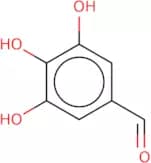
CAS:<p>Gallaldehyde hemihydrate is a bioactive phenolic compound that inhibits the tyrosine kinase domain of the epidermal growth factor receptor (EGFR). It has been shown to inhibit tumor cell growth and induce apoptosis in cancer tissues. Gallaldehyde hemihydrate has also been found in lentils, which might be used as a potential biomarker for this compound. The optimum pH for gallaldehyde hemihydrate is between 2.0-4.0, and it can bind to cation channels and act as a potential biomarker for skin cancer cells.</p>Fórmula:C7H6O4Pureza:Min. 95%Cor e Forma:PowderPeso molecular:154.12 g/mol2-Bromobenzaldehyde ethylene acetal
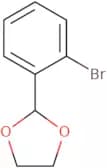
CAS:2-Bromobenzaldehyde ethylene acetal is a reactive intermediate that can be used to form allyl ethers. It is prepared by the Grignard reaction of 2-bromobenzaldehyde with an ethylene acetal. This molecule may be useful for the synthesis of dioxolanes and amines, as well as for other applications such as supramolecular chemistry and emulsions.Fórmula:C9H9BrO2Pureza:Min. 95%Peso molecular:229.07 g/mol2,6-Dimethyl-4-hydroxybenzaldehyde
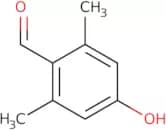
CAS:<p>2,6-Dimethyl-4-hydroxybenzaldehyde is a synthetic compound that belongs to the class of aminoguanidines. It has been shown to be a potent vasoprotective agent and is used in the treatment of cardiovascular diseases. 2,6-Dimethyl-4-hydroxybenzaldehyde reverses the effects of formate on the jejunum by inhibiting secretion and intestinal motility. The activity of this drug has been shown to be due to its inhibitory effect on histamine release from mast cells.</p>Fórmula:C9H10O2Pureza:Min. 95%Cor e Forma:Yellow PowderPeso molecular:150.17 g/mol3-Methylbenzaldehyde
CAS:3-Methylbenzaldehyde is a diphenolase that is found in a Chinese medicinal plant, Acalypha wilkesiana. 3-Methylbenzaldehyde has been shown to have anti-inflammatory properties and can be used as a complementary therapy for inflammatory diseases. The chemical ionization technique was used to measure the production rate of 3-methylbenzaldehyde from the acetate extract of A. wilkesiana. The linear regression analysis showed that there was an increase in the production rate with increased concentration of hydrogen bonding interactions with 3-methylbenzaldehyde. Hydrogen bonding interactions are due to the presence of hydroxyl groups on the benzene ring and methyl group on the side chain. This chemical reaction forms glyoxal, which is then metabolized through p450 isozymes in order to produce 3-methylbenzaldehyde or other metabolites.Fórmula:C8H8OPureza:Min. 98 Area-%Cor e Forma:Colorless Clear LiquidPeso molecular:120.15 g/mol2-Chloro-6-fluorobenzaldehyde
CAS:<p>2-Chloro-6-fluorobenzaldehyde is an impurity that can be found in wastewater. It has been shown to be a reactive intermediate for the synthesis of streptochlorin, which is a natural product with potential antibiotic activity. 2-Chloro-6-fluorobenzaldehyde is produced by the reaction of chlorine and anhydrous sodium, with acid as catalyst. The molecule has two fluorine atoms and one chloride atom. This compound can also be used in the treatment of waste water due to its ability to react with hydroxyl ions and chloride ions in the presence of hydrogen chloride or hydrochloric acid. The pain model was evaluated using nmr spectra and optical properties.</p>Fórmula:C7H4ClFOPureza:Min. 95%Cor e Forma:White PowderPeso molecular:158.56 g/mol2,6-Dichloro-4-hydroxybenzaldehyde
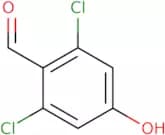
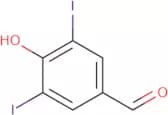
CAS:<p>2,6-Dichloro-4-hydroxybenzaldehyde is a chlorinated organic compound that can be synthesized by the chlorination of 2,6-dichlorobenzaldehyde. It has non-polar properties and can be used as an analytical reagent. Due to its chlorine atoms, it is used in the analysis of chlorine content in water and other substances. It is a formyl derivative and a homologue of formaldehyde. There are two isomers: 2,4-dichloro-6-hydroxybenzaldehyde (2,4 DCHA) and 2,5-dichloro-6-hydroxybenzaldehyde (2,5 DCHA).</p>Fórmula:C7H4Cl2O2Pureza:Min. 95%Cor e Forma:Yellow PowderPeso molecular:191.01 g/mol3,5-Diiodo-4-hydroxybenzaldehyde
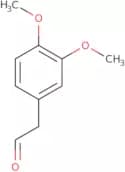
CAS:<p>3,5-Diiodo-4-hydroxybenzaldehyde (3,5-DIBA) is a functional group that contains both hydroxyl and iodide groups. The hydroxyl group is positioned ortho to the iodide group. 3,5-DIBA is found in wastewater and can be used as a bioremediation agent. It has been shown to react with chromatographic solvents and may be used for the removal of organic contaminants from water. 3,5-DIBA reacts with monoiodotyrosine in an aqueous environment to form hypoiodous acid (HIO). This reaction is catalyzed by hydrochloric acid. HIO reacts with diiodoacetic acid or iodoacetic acid to form coagulation products such as diiodoacetate or iodoacetate. These reactions are reversible and can be used for the removal of excess iodine from wastewater.</p>Fórmula:C7H4I2O2Pureza:Min. 98 Area-%Cor e Forma:Off-White PowderPeso molecular:373.91 g/mol2-(3,4-Dimethoxyphenyl)acetaldehyde
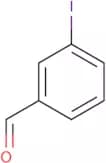
CAS:<p>2-(3,4-Dimethoxyphenyl)acetaldehyde is a bioactive molecule that has shown anti-cancer properties in vitro and in vivo. It inhibits the activity of aldehyde dehydrogenase, an enzyme responsible for the oxidation of alcohols to aldehydes. This inhibition leads to accumulation of acetaldehyde in cells and induces apoptosis or cell death by caspase-independent mechanisms. 2-(3,4-Dimethoxyphenyl)acetaldehyde also has been shown to induce acidolysis reactions in the presence of acid. This reaction mechanism may be due to protonation of the phenolic hydroxyl group. The resulting 3,4-dimethoxyphenylacetic acid analog can inhibit cells' proliferation and induce apoptosis by blocking protein synthesis and cell division.</p>Fórmula:C10H12O3Pureza:Min. 95%Cor e Forma:Clear LiquidPeso molecular:180.2 g/mol3-Iodobenzaldehyde
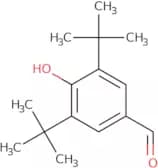
CAS:3-Iodobenzaldehyde is an atypical, isomeric, low energy, functional group. It has a fluorine atom in the 3-position and three different types of functional groups: alcohol, aldehyde and carboxylic acid. This compound has been studied for its ability to bind to receptors. 3-Iodobenzaldehyde can be synthesized by reacting benzalchohde with iodine and hydrochloric acid. The technique used to produce this compound is called Grignard reaction. 3-Iodobenzaldehyde can also be prepared by heating the corresponding nitrobenzene with sodium iodide in dry ether or under refluxing conditions. This compound has a low boiling point and melts at about 170 degrees Celsius. The frequency of this molecule ranges from 98 to 102 megahertzFórmula:C7H5IOPureza:Min. 95%Cor e Forma:PowderPeso molecular:232.02 g/mol3,5-Di-tert-butyl-4-hydroxybenzylaldehyde
CAS:<p>3,5-Di-tert-butyl-4-hydroxybenzylaldehyde is a compound that can be used as an extraction solvent for solid phase microextraction (SPME) in analytical methods. This sample preparation technique is used to measure the amount of malonic acid in kidney bean samples, as well as to detect growth factors in cell cultures. 3,5-Di-tert-butyl-4-hydroxybenzylaldehyde has been shown to be effective in wastewater treatment and has also been found to have anti-inflammatory properties. In addition, this compound was detected at low levels in urine samples from patients with inflammatory diseases. The mechanism of 3,5-Di-tert-butyl-4-hydroxybenzylaldehyde's antiinflammatory activity may be due to its ability to inhibit oxidative DNA damage by reacting with hydrogen bonds.</p>Fórmula:C15H22O2Pureza:Min. 95%Cor e Forma:PowderPeso molecular:234.33 g/mol4-Methyl-3-nitrobenzaldehyde
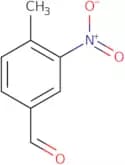
CAS:4-Methyl-3-nitrobenzaldehyde is an aldehyde that is synthesized in vitro and used as a replication inhibitor. It has been shown to inhibit the replication of dsDNA, ssDNA, and RNA viruses. 4-Methyl-3-nitrobenzaldehyde binds to nucleic acids by forming hydrogen bonds with the carboxylic acid group on the molecule and the acceptor, which are usually hydroxyl groups or amino groups. 4-Methyl-3-nitrobenzaldehyde can be used for the synthesis of viologens, which are molecules that can be used as electron acceptors in organic reactions.Fórmula:C8H7NO3Pureza:Min. 95%Cor e Forma:PowderPeso molecular:165.15 g/mol5-Bromo-2-methoxybenzaldehyde
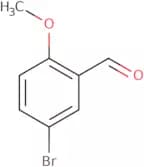
CAS:5-Bromo-2-methoxybenzaldehyde is a benzodiazepine receptor ligand that has been shown to have antiviral, antibacterial and anticancer properties. 5-Bromo-2-methoxybenzaldehyde is an inhibitor of the enzyme benzyl alcohol dehydrogenase (BAHD). BAHD plays an important role in the production of reactive oxygen species (ROS) by converting benzoic acid to benzoate, which is then converted to ROS. The inhibitory concentration values for 5-bromo-2-methoxybenzaldehyde are not yet known.Fórmula:C8H7BrO2Pureza:Min. 95%Cor e Forma:PowderPeso molecular:215.04 g/mol


![2-Hydroxy-4-[3-(trifluoromethyl)-3H-diazirin-3-yl]benzaldehyde](/_next/image/?url=https%3A%2Fstatic.cymitquimica.com%2Fproducts%2F3D%2Fthumb-webp%2FFH97014.webp&w=3840&q=75)









![3-[(Dimethylamino)methyl]benzaldehyde](/_next/image/?url=https%3A%2Fstatic.cymitquimica.com%2Fproducts%2F3D%2Fthumb-webp%2FFD124097.webp&w=3840&q=75)