Aldeídos
Foram encontrados 8576 produtos de "Aldeídos"
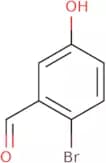
2-Bromo-5-hydroxybenzaldehyde
CAS:Intermediate in the synthesis of crisaborole AN2728Fórmula:C7H5BrO2Pureza:Min. 95%Cor e Forma:White PowderPeso molecular:201.02 g/mol7-Isopropyl-1,4-dimethylazulene-3-carboxaldehyde
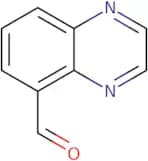
CAS:Fórmula:C16H18OPureza:>97.0%(GC)Cor e Forma:Gray to Dark purple to Black powder to crystalPeso molecular:226.32Quinoxaline-5-carboxaldehyde
CAS:Quinoxaline-5-carboxaldehyde is a versatile building block and reagent for organic chemistry. It is a complex compound that can be used as a research chemical or as a speciality chemical, with high quality and a useful scaffold. This compound has been shown to be an intermediate in the synthesis of other compounds, such as quinoxaline-5-carboxylic acid.Fórmula:C9H6N2OPureza:Min. 95%Cor e Forma:Off-White PowderPeso molecular:158.16 g/molm-Anisaldehyde
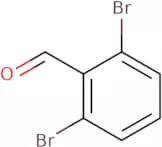
CAS:Fórmula:C8H8O2Pureza:>98.0%(GC)Cor e Forma:Colorless to Light orange to Yellow clear liquidPeso molecular:136.152,6-Dibromobenzaldehyde
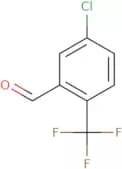
CAS:2,6-Dibromobenzaldehyde is an imidazole derivative that has been shown to be a potent inhibitor of tyrosine kinase. It has been shown to inhibit the replication of virus type-1 and is effective in the treatment of pain models. 2,6-Dibromobenzaldehyde also inhibits the activity of enzymes, such as phosphodiesterases and protein kinases. This compound has shown promising results in animal studies for the treatment of human immunodeficiency virus type 1 (HIV-1) infection. The pharmacokinetic properties of 2,6-dibromobenzaldehyde have been studied in rats and dogs with oral administration and found to be linear and rapid with high bioavailability.Fórmula:C7H4Br2OPureza:Min. 95%Cor e Forma:PowderPeso molecular:263.91 g/mol5-Chloro-2-(trifluoromethyl)benzaldehyde
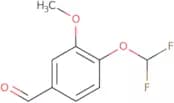
CAS:5-Chloro-2-(trifluoromethyl)benzaldehyde is a fine chemical that can be used as a versatile building block for organic synthesis. It has CAS number 90381-07-0 and is an intermediate in the synthesis of a variety of organic compounds. 5-Chloro-2-(trifluoromethyl)benzaldehyde is also an effective reagent for the preparation of complex compounds. It is soluble in polar solvents, such as chloroform, ethanol, ether, acetone, and benzene.Fórmula:C8H4ClF3OPureza:Min. 95%Peso molecular:208.56 g/mol3-Methoxy-4-(difluoromethoxy)benzaldehyde
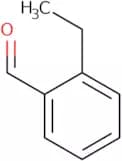
CAS:3-Methoxy-4-(difluoromethoxy)benzaldehyde is a chemical compound that has been found to have anti-tumor properties. It inhibits tumor cells by inducing cell apoptosis. 3-Methoxy-4-(difluoromethoxy)benzaldehyde induces apoptosis in human carcinoma cells, with optimal activity at doses of 10 micromolar and higher. This chemical can be used as an anti-tumor agent because it shows no genotoxic effects, and has high yield with a low toxicity profile. When this compound is exposed to UV radiation, the formation of reactive oxygen species (ROS) increases the rate of cell death. 3-Methoxy-4-(difluoromethoxy)benzaldehyde also has anti-inflammatory properties, which may be due to its ability to inhibit prostaglandin synthesis.Fórmula:C9H8F2O3Pureza:Min. 95%Cor e Forma:Colourless To Pale Yellow LiquidPeso molecular:202.15 g/mol2-Ethylbenzaldehyde
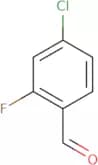
CAS:2-Ethylbenzaldehyde is a colorless volatile liquid that has an odor similar to that of cloves. 2-Ethylbenzaldehyde can be found in the essential oil of nutmeg and other spices, such as cinnamon. It is used in the chemical industry as a control agent for analytical methods, such as the spectrometric determination of ether linkages. 2-Ethylbenzaldehyde has been shown to inhibit fatty acid production by bacteria and to inhibit lipid peroxidation. It also exhibits anti-inflammatory effects when exposed to cells in vitro. Exposure to 2-ethylbenzaldehyde may cause irritation of the eyes, skin, and respiratory tract, dizziness, headache, nausea and vomiting. 2-Ethylbenzaldehyde is generally considered safe for human consumption at low levels; however it may cause adverse health effects if ingested in large quantities or if heated over 400° F (204° Celsius).Fórmula:C9H10OPureza:Min. 95%Cor e Forma:PowderPeso molecular:134.18 g/mol4-Chloro-2-fluorobenzaldehyde
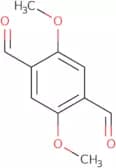
CAS:4-Chloro-2-fluorobenzaldehyde is an aryl aldehyde that belongs to the class of chemical compounds known as chloroaldehydes. It can be synthesized from 4-chlorophenylacetic acid and 2,3-dichloroacetone. The compound is chiral and has two enantiomers. One enantiomer is less reactive than the other, which is more reactive. 4-Chloro-2-fluorobenzaldehyde can be used in the synthesis of a variety of organic compounds, such as pharmaceuticals, herbicides, pesticides, and dyes. This compound can also be used for microbial strain identification by liquid chromatography (LC) with ultraviolet (UV) detection. The yields are typically high (>90%), and the process can be performed at room temperature without any need for vacuum or pressure conditions.Fórmula:C7H4ClFOPureza:Min. 95%Cor e Forma:PowderPeso molecular:158.56 g/mol2,5-Dimethoxyterephthalaldehyde
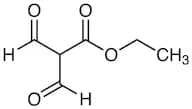
CAS:2,5-Dimethoxyterephthalaldehyde (2,5DMP) is a protonated molecule that can be used in sample preparation for analytical methods. 2,5DMP has been used as a dispersive solid-phase extraction solvent and an adsorbent material. This compound has been shown to exhibit strong hydrophobic interactions with the carbonyl group of aromatic compounds and to have a high chemical stability. 2,5DMP also has an electrochemical impedance spectroscopy (EIS) property that can be used for monitoring the electrochemical behaviour of molecules and magnetic particles in the solution. The EIS property has been enhanced by hydrogen bonding between the protonated molecules and metal ions in the solution.Fórmula:C10H10O4Pureza:Min. 95%Cor e Forma:PowderPeso molecular:194.18 g/molEthyl Diformylacetate
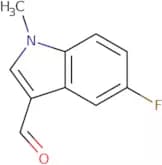
CAS:Fórmula:C6H8O4Pureza:>97.0%(T)Cor e Forma:Colorless to Light yellow to Light orange clear liquidPeso molecular:144.135-Fluoro-1-Methyl-1H-Indole-3-Carbaldehyde
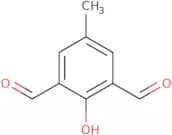
CAS:5-Fluoro-1-Methyl-1H-Indole-3-Carbaldehyde is a high quality chemical that is used as a reagent, an intermediate for the synthesis of pharmaceuticals, and in the production of fine chemicals. 5FMICA is also a useful scaffold for developing valuable building blocks. This chemical has been shown to be a versatile building block for the synthesis of complex compounds. 5FMICA can be used as a reaction component for the preparation of speciality chemicals and research chemicals.Fórmula:C10H8FNOPureza:Min. 95%Cor e Forma:PowderPeso molecular:177.18 g/mol2-Hydroxy-5-methylisophthalaldehyde
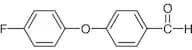
CAS:2-Hydroxy-5-methylisophthalaldehyde is a tetranuclear coordination compound with a tridentate ligand. The ligand can bind to three metal ions in the same way as an octahedral geometry, but the fourth nitrogen atom is not coordinated and can be replaced by other ligands. Two of these compounds have been synthesized and their structures determined by x-ray crystallography. The ligands are planar and form hydrogen bonds, which contribute to the high stability of these compounds. These properties may be useful for biological studies, such as synchronous fluorescence and intramolecular hydrogen transfer, as well as for catalysis and chemical sensing.Fórmula:C9H8O3Pureza:Min. 95%Cor e Forma:PowderPeso molecular:164.16 g/mol4-(4-Fluorophenoxy)benzaldehyde
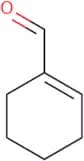
CAS:Fórmula:C13H9FO2Pureza:>98.0%(GC)Cor e Forma:White to Yellow to Orange powder to crystalPeso molecular:216.211-Cyclohexene-1-carboxaldehyde
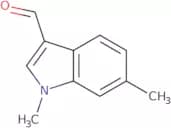
CAS:1-Cyclohexene-1-carboxaldehyde (1C) is a fatty acid that is found in the blood of mammals, including humans. It can be synthesized by reacting 1-cyclohexene with t-butyl hydroperoxide and potassium t-butoxide in the presence of an acid catalyst. 1C has been shown to have antibacterial activity against Gram-positive bacteria such as Bacillus subtilis and Streptococcus pneumoniae. The oxidative products of 1C are also active against Gram-positive bacteria. These products include pyrethroid analogs, which are insecticides used for the control of insects, and alkylating agents, which are chemicals that react with DNA to form covalent bonds.Fórmula:C7H10OPureza:Min. 95%Cor e Forma:Colorless Clear LiquidPeso molecular:110.15 g/mol1,6-Dimethyl-1H-indole-3-carbaldehyde
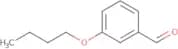
CAS:1,6-Dimethyl-1H-indole-3-carbaldehyde is a compound that can be used in the synthesis of many organic and pharmaceutical compounds. It is also an intermediate for the production of other chemicals. 1,6-Dimethyl-1H-indole-3-carboxylic acid has been shown to be useful as a building block in organic synthesis, due to its versatility and reactivity. The compound is also a reagent and can be used as part of research studies. This chemical has CAS number 202584-14-3.Fórmula:C11H11NOPureza:Min. 95%Cor e Forma:PowderPeso molecular:173.21 g/mol3-Butoxybenzaldehyde
CAS:3-Butoxybenzaldehyde is an electron donor. It is used in the synthesis of heterocyclic compounds and as a reagent or postulated intermediate in the formation of epoxides, ethylene, and peroxides. 3-Butoxybenzaldehyde also functions as a precursor to other oxygenated compounds. 3-Butoxybenzaldehyde has been shown to undergo both aldol condensation and interaction with other compounds.
Fórmula:C11H14O2Pureza:Min. 95%Cor e Forma:PowderPeso molecular:178.23 g/mol3,6-Dimethoxyterephthaldicarboxaldehyde
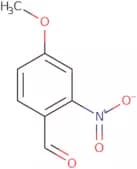
3,6-Dimethoxyterephthaldicarboxaldehyde is a chemical compound that can be used in the synthesis of complex compounds. It has been shown to be an effective reagent for the synthesis of heterocycles and has also been used as a building block in the synthesis of pharmaceuticals and other organic compounds. 3,6-Dimethoxyterephthaldicarboxaldehyde is a versatile building block with many potential uses. It has also been identified as a useful scaffold for drug design and development.Pureza:Min. 95%4-Methoxy-2-nitro-benzaldehyde
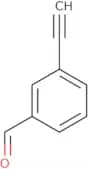
CAS:4-Methoxy-2-nitrobenzaldehyde is a chemical that is used in the synthesis of many pharmaceuticals. It has been shown to be an effective agent in the treatment of cancer cells and is activated by chloride ions. 4-Methoxy-2-nitrobenzaldehyde reacts with nucleophiles such as hydroxide, amines, or thiols in order to form alkylating agents. This reaction can be used for the synthesis of many drugs including antihistamines, antidiabetic drugs, and antipsychotics. The rate of this reaction increases with increasing temperature. It also undergoes demethylation when exposed to nitrous acid, which may lead to a different product.Fórmula:C8H7NO4Pureza:Min. 95%Peso molecular:181.15 g/mol3-Ethynylbenzaldehyde
CAS:3-Ethynylbenzaldehyde is a tryptic, nitro compound that contains terminal alkynes and has functional groups. The functional theory of this compound suggests that it may be used as a chemosensor for the detection of acidic compounds. 3-Ethynylbenzaldehyde reacts with sodium trifluoroacetate to form an aldehyde, which is then oxidized to an acid by the addition of water. This acid can be detected using NMR spectroscopy. 3-Ethynylbenzaldehyde has been shown to react with sodium trifluoroacetate in solid form at room temperature and above. The resulting product is a yellow crystalline solid that can be identified by its UV spectrum.
Fórmula:C9H6OPureza:Min. 95%Cor e Forma:PowderPeso molecular:130.14 g/mol