Aldeídos
Os aldeídos são compostos orgânicos que contêm um grupo carbonila (C=O) ligado a pelo menos um átomo de hidrogênio. Esses compostos versáteis são fundamentais em várias reações químicas, incluindo oxidação, redução e adição nucleofílica. Os aldeídos são building blocks essenciais na síntese de produtos farmacêuticos, fragrâncias e polímeros. Na CymitQuimica, oferecemos uma ampla seleção de aldeídos de alta qualidade para apoiar suas aplicações de pesquisa e industriais.
Foram encontrados 8573 produtos de "Aldeídos"
Ordenar por
Pureza (%)
0
100
|
0
|
50
|
90
|
95
|
100
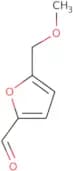
5-(Methoxymethyl)-2-furancarboxaldehyde
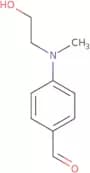
CAS:<p>5-hydroxymethylfurfural (5-hmf) is an organic compound that is produced when a carbohydrate or sugar undergoes oxidation. It is used as an additive in animal feed and as an industrial chemical. 5-hmf is a solid catalyst that can be used at high temperatures, making it suitable for use in the production of 2,6-dihydroxybenzoic acid. The reaction mechanism of 5-hmf involves the dehydration of furfural to form 5-hydroxymethylfurfural. This process occurs when a molecule of water reacts with furfural to produce two molecules of 5-hmf. The reaction may be accelerated by introducing heat, which breaks down the hydrogen bonds between the molecules of furfural and water.</p>Fórmula:C7H8O3Pureza:Min. 95%Cor e Forma:Clear LiquidPeso molecular:140.14 g/molN-Methyl-N-hydroxyethyl-4-aminobenzaldehyde
CAS:<p>N-Methyl-N-hydroxyethyl-4-aminobenzaldehyde (NHABA) is a bathochromic molecule that absorbs light at wavelengths of 400 to 500 nm. It is reactive and reacts with metal cations to form chromophores. NHABA has been shown to be a fluorescent probe for the detection of tyrosinase and autophagy in human serum. It also has inhibitory properties against tyrosinase, which may be due to its ability to inhibit the formation of melanin. NHABA is used as an analytical chemistry reagent for the determination of ammonia, nitrite, and nitrate ions in water samples. This molecule can also be used as a chemosensor for the detection of phenolic compounds in water samples.</p>Fórmula:C10H13NO2Pureza:Min. 95%Peso molecular:179.22 g/molBenalaxyl
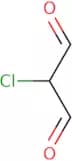
CAS:<p>Benalaxyl is an insecticide that belongs to the group of organochlorine compounds. It is a chiral compound that has been used in analytical methods for wastewater treatment and as an anti-fouling agent. Benalaxyl has been shown to possess acute toxicity, based on the results of redox cycle experiments, cell nuclei studies, enzyme activities, and rat liver microsomes. Toxicological studies have also shown that benalaxyl can cause high levels of resistance in nutrient solutions, energy metabolism, and synthesis methods.</p>Fórmula:C20H23NO3Pureza:Min. 95%Peso molecular:325.4 g/mol2-Chloromalonaldehyde
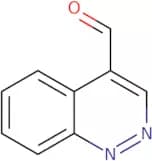
CAS:2-Chloromalonaldehyde is a reactive chemical that can be used as a pharmaceutical intermediate. It has been shown to have anti-inflammatory properties and is often used in pharmaceutical preparations. 2-Chloromalonaldehyde has shown an ability to bind with integrin receptors and inhibit the production of pro-inflammatory molecules, such as prostaglandins. This compound has also been shown to have a photoelectron spectrum that includes an intramolecular hydrogen bond, which contributes to its biological activity.Fórmula:C3H3ClO2Pureza:(%) Min. 90%Cor e Forma:PowderPeso molecular:106.51 g/mol4-Cinnolinecarboxaldehyde
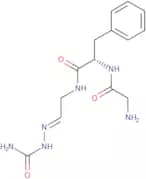
CAS:<p>4-Cinnolinecarboxaldehyde is an organic compound that belongs to the group of cinnoline. It is a colorless liquid that can be used as a precursor in the production of aluminum metal. 4-Cinnolinecarboxaldehyde reacts with lithium aluminum hydride to form a compound that can be used as a reducing agent in organic chemistry. 4-Cinnolinecarboxaldehyde is also used as a precursor for preparing other compounds, such as lithium aluminum hydride and lithium aluminum trihydride.</p>Fórmula:C9H6N2OPureza:Min. 95%Peso molecular:158.16 g/molH-Gly-Phe-Gly-aldehyde semicarbazone acetate salt
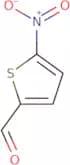
CAS:<p>Please enquire for more information about H-Gly-Phe-Gly-aldehyde semicarbazone acetate salt including the price, delivery time and more detailed product information at the technical inquiry form on this page</p>Fórmula:C14H20N6O3Pureza:Min. 95%Peso molecular:320.35 g/mol5-Nitrothiophene-2-carboxaldehyde
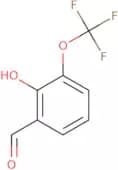
CAS:<p>5-Nitrothiophene-2-carboxaldehyde (5NT) is a chemical compound that belongs to the class of dihedral molecules. It is commonly used as an antimicrobial agent and has been shown to have amoebicidal activity in tissue culture. 5NT also inhibits cell growth and proliferation in certain bacteria, such as Staphylococcus aureus strains, by interfering with DNA replication and protein synthesis. Although 5NT is not active against other types of bacteria, it has been shown to be effective against MRSA in laboratory studies. The biological properties of 5NT are still being studied.</p>Fórmula:C5H3NO3SPureza:Min. 95%Peso molecular:157.15 g/mol2-Hydroxy-3-(Trifluoromethoxy)Benzaldehyde
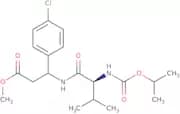
CAS:<p>2-Hydroxy-3-(trifluoromethoxy)benzaldehyde is a coordination compound that is used as a ligand. It has two-dimensional and crystal structures. The ligated molecule is usually coordinated to the metal ion, forming a dimer.</p>Fórmula:C8H5F3O3Pureza:Min. 95%Peso molecular:206.12 g/molValiphenal
CAS:<p>Valiphenal is a chemical compound that belongs to the amide class. It has been shown to control the growth of various bacterial strains, such as Escherichia coli and Salmonella enterica serovar Typhimurium. Valiphenal inhibits lipid biosynthesis in bacteria by binding to bacterial matrix effect enzymes, which are involved in fatty acid synthesis. This inhibition leads to a decrease in the production of lipids, which are an important component of bacterial cell membranes. Valiphenal also inhibits mitochondrial cytochrome c oxidase and can be used as an analytical tool for determining the presence of this enzyme in cells. Valiphenal is also used as an agrochemical to control pests on vegetables such as aubergines. Valiphenal is extensively metabolized by esterases or glucuronidases, oxidation by cytochrome P450 enzymes, reduction by glutathione reductase, or conjugation with glucuronic acid.</p>Fórmula:C19H27ClN2O5Pureza:Min. 98 Area-%Cor e Forma:White Clear LiquidPeso molecular:398.88 g/mol3-(Difluoromethoxy)benzaldehyde
CAS:<p>Please enquire for more information about 3-(Difluoromethoxy)benzaldehyde including the price, delivery time and more detailed product information at the technical inquiry form on this page</p>Fórmula:C8H6F2O2Pureza:Min. 95%Peso molecular:172.13 g/mol4-tert-Butylbenzaldehyde
CAS:<p>4-tert-Butylbenzaldehyde is an organic compound with the molecular formula CH3COCH2C6H5. It is a viscous liquid that is insoluble in water and has a boiling point of 146 °C. 4-tert-Butylbenzaldehyde reacts with cationic surfactants to form polymeric micelles, which are spherical structures composed of many small spherical subunits. These polymeric micelles are used as model systems for studying the properties of surfactant aggregates in solution. The reaction mechanism for this polymerization process involves the oxidation of 4-tert-butylbenzaldehyde by hydrogen peroxide and the subsequent condensation of 4-tert-butylbenzoic acid with malonic acid or other cinnamic acid derivatives to form the corresponding esters. The oxidized product, 4-tert-butylbenzoic acid, can be regenerated by boiling a mixture containing it</p>Fórmula:C11H14OPureza:Min. 96.5%Cor e Forma:Colorless Clear LiquidPeso molecular:162.23 g/mol1-Methyl-2-imidazolecarboxaldehyde
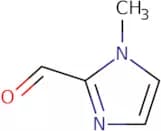
CAS:1-Methyl-2-imidazolecarboxaldehyde is a compound that has been studied for its redox potential, which is the measure of the tendency of a molecule to gain or lose electrons. 1-Methyl-2-imidazolecarboxaldehyde has shown to be an excellent candidate as an electrochemical probe. The molecule has also been shown to bind chloride ions in water, forming a tetradentate chelate ring. This type of chelate ring is formed between two nitrogen atoms and four oxygen atoms from the water molecule. The compound forms hydrogen bonds with other molecules in its vicinity, including hepg2 cells and chloride ions.Fórmula:C5H6N2OPureza:Min. 95%Cor e Forma:White To Yellow To Orange Solid Or Liquid (May Vary)Peso molecular:110.11 g/molFormaldehyde-d2 solution, 20 wt. % in D2O
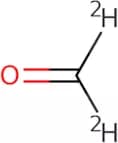
CAS:Produto Controlado<p>Formaldehyde-d2 solution is a formaldehyde solution that contains deuterium, which has the same chemical properties as hydrogen but has an additional neutron in its nucleus. Formaldehyde-d2 solution is used to prepare samples for NMR and ESI-MS experiments. The reaction mechanism of formaldehyde is believed to be an acid-catalyzed hydrolysis of the hydrogen bond between formaldehyde and methanol. Deuterium isotopes are generally considered to be non-radioactive and have little or no effect on biological systems. Formaldehyde-d2 solution can inhibit fatty acids from binding to the surface of potatoes, which may make it useful in treating autoimmune diseases.</p>Fórmula:CD2OPureza:Min. 95%Cor e Forma:Clear LiquidPeso molecular:32.04 g/mol4-Bromo-2-hydroxybenzaldehyde
CAS:<p>4-Bromo-2-hydroxybenzaldehyde is a versatile building block that can be used as a reaction component to synthesize other compounds. 4-Bromo-2-hydroxybenzaldehyde is a useful intermediate in the manufacture of pharmaceuticals, pesticides, and herbicides. This chemical also has various applications in research and industry. It is an important reagent for the production of polymers and resins, as well as being an essential raw material for the synthesis of pharmaceuticals and agrochemicals.</p>Fórmula:C7H5BrO2Peso molecular:201.02 g/molRef: 3D-W-201939
25gA consultar50gA consultar100gA consultar250gA consultar500gA consultar-Unit-ggA consultar2-Methylbut-2-enal
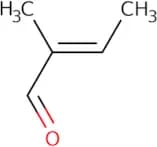
CAS:<p>2-Methylbut-2-enal is an aldehyde that belongs to the class of fatty acid. It has been shown that 2-methylbut-2-enal inhibits the growth of bacteria by binding to the anhydrous sodium and tiglic acid in the bacterial cell wall. This binding prevents the formation of an antibiotic-inhibitor complex with the enzyme cell wall synthesis that is required for cell wall biosynthesis, inhibiting protein synthesis and cell division. 2-Methylbut-2-enal also inhibits locomotor activity in mice, which may be due to its ability to inhibit acetylcholinesterase.</p>Fórmula:C5H8OPureza:Min. 95%Peso molecular:84.12 g/mol2-fluoro-5-hydroxybenzaldehyde
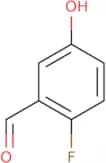
CAS:2-Fluoro-5-hydroxybenzaldehyde (2FHBA) is an olefinic compound that is synthesized from 2,5-dihydroxybenzaldehyde by reductive amination with formaldehyde. The configuration of 2FHBA is dependent on the dihedral angle between the two olefinic groups. Liquid chromatography has been used to analyze the metabolic pathway of 2FHBA in rats and humans. This study showed that tyramine and aligned are metabolites of 2FHBA in rats, while crystallized and emission are metabolites in humans. The positron emission studies also showed that 2FHBA was metabolized by erythrocytes in vitro to produce positron emission.Fórmula:C7H5FO2Pureza:Min. 95%Peso molecular:140.11 g/molAdrenalone
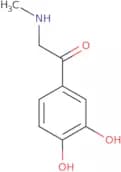
CAS:Produto Controlado<p>Adrenalone is a caffeic acid derivative that contains a hydroxyl group. It is used in the treatment of infectious diseases, bowel disease, and autoimmune diseases. Adrenalone inhibits bacterial growth by interfering with cell wall synthesis, which prevents the formation of new cell walls and leads to bacterial death. It also inhibits the production of dopamine by acting on an amine oxidase enzyme. This drug has been shown to be effective in treating inflammatory bowel disease (IBD) in both mice and humans due to its ability to inhibit pro-inflammatory cytokines such as TNF-α, IL-1β, and IL-6.</p>Fórmula:C9H11NO3Pureza:Min. 95%Cor e Forma:Colourless To Pale Yellow SolidPeso molecular:181.19 g/mol2-Cyanobenzaldehyde
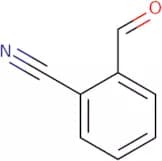
CAS:<p>2-Cyanobenzaldehyde is an aldehyde that reacts with nucleophiles such as trifluoromethanesulfonic acid to form a molecule. 2-Cyanobenzaldehyde has potent inhibitory activity against the kinase glycogen synthase kinase 3 (GSK3) and can be used to treat autoimmune diseases. It also reacts with hydrochloric acid in solution to form an intermediate, which is then reacted with glycine and ATP to produce a chiral compound. The product of this reaction has been shown to be active methylene, which was synthesized by asymmetric synthesis.</p>Fórmula:C8H5NOPureza:Min. 95%Cor e Forma:PowderPeso molecular:131.13 g/mol2-Fluoro-4-hydroxybenzaldehyde
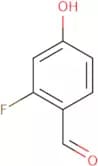
CAS:<p>2-Fluoro-4-hydroxybenzaldehyde is an oxidative compound that is a model compound of phenolic compounds. It can be used to synthesize 2,6-dichloroquinone and 2,5,7,8-tetrachlorodibenzo[p]fluoranthene. The metabolic pathway for this compound starts with the oxidative decarboxylation of L-tyrosine to form 4-hydroxyphenylpyruvic acid. This compound is then oxidized by cytochrome P450 enzymes to form 4-(2'-oxo)phenol. The 4-(2'-oxo)phenol can be methylated by S-adenosylmethionine in order to form 2-fluoro-4-hydroxybenzaldehyde.</p>Fórmula:C7H5FO2Pureza:Min. 95%Peso molecular:140.11 g/mol1-Phenyl-1H-pyrazole-4-carbaldehyde
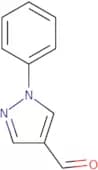
CAS:<p>1-Phenyl-1H-pyrazole-4-carbaldehyde is an antibacterial agent that has been shown to have bactericidal activity against bacteria. It inhibits the growth of bacteria by binding to the pyrazole ring in the bacterial cell wall and blocking the formation of a hydrogen bond. 1-Phenyl-1H-pyrazole-4-carbaldehyde has been shown to be effective against methicillin resistant Staphylococcus aureus (MRSA) and Ciprofloxacin resistant Pseudomonas aeruginosa isolates, but not against Mycobacterium tuberculosis or Mycobacterium avium complex.</p>Fórmula:C10H8N2OPureza:Min. 95%Peso molecular:172.18 g/mol