Ácidos Benzóicos
Os ácidos benzóicos são ácidos carboxílicos aromáticos com a fórmula molecular C7H6O2, caracterizados por um anel benzênico ligado a um grupo carboxila (-COOH). Esses compostos são amplamente utilizados como conservantes, intermediários na síntese orgânica e na produção de vários produtos químicos, incluindo corantes e fragrâncias. Os ácidos benzóicos também são importantes nas indústrias alimentícia e farmacêutica. Na CymitQuimica, oferecemos uma gama diversificada de ácidos benzóicos de alta qualidade para apoiar suas necessidades de pesquisa e industriais.
Foram encontrados 5471 produtos de "Ácidos Benzóicos"
Ordenar por
Pureza (%)
0
100
|
0
|
50
|
90
|
95
|
100
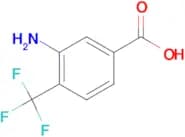
3-Amino-4-(trifluoromethyl)benzoic acid
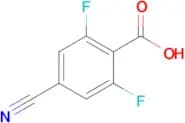
CAS:Fórmula:C8H6F3NO2Pureza:97%Cor e Forma:SolidPeso molecular:205.1364-Cyano-2,6-difluorobenzoic acid
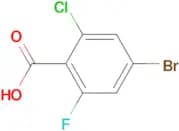
CAS:Fórmula:C8H3F2NO2Pureza:98%Cor e Forma:SolidPeso molecular:183.1144-Bromo-2-chloro-6-fluorobenzoic acid
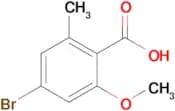
CAS:Fórmula:C7H3BrClFO2Pureza:98%Cor e Forma:SolidPeso molecular:253.454-Bromo-2-methoxy-6-methylbenzoic acid
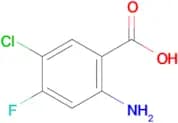
CAS:Fórmula:C9H9BrO3Pureza:97%Cor e Forma:SolidPeso molecular:245.0722-Amino-5-chloro-4-fluorobenzoic acid
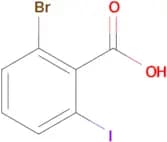
CAS:Fórmula:C7H5ClFNO2Pureza:95%Cor e Forma:SolidPeso molecular:189.572-Bromo-6-iodobenzoic acid
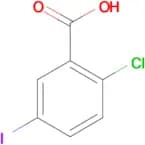
CAS:Fórmula:C7H4BrIO2Pureza:98%Cor e Forma:Liquid, No data available.Peso molecular:326.9152-Chloro-5-iodobenzoic acid
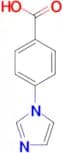
CAS:Fórmula:C7H4ClIO2Pureza:98%Cor e Forma:Amber solidPeso molecular:282.464-(1H-Imidazol-1-yl)benzoic acid
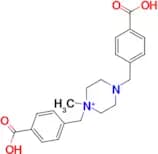
CAS:Fórmula:C10H8N2O2Pureza:97%Cor e Forma:White powderPeso molecular:188.1861,4-Bis(4-carboxybenzyl)-1-methylpiperazin-1-ium (Imatinib Impurity)
CAS:Pureza:98%Peso molecular:369.443-Acetylbenzoic acid
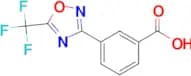
CAS:Fórmula:C9H8O3Pureza:96%Cor e Forma:Solid, Crystalline Powder or PowderPeso molecular:164.163-(5-(Trifluoromethyl)-1,2,4-oxadiazol-3-yl)benzoic acid
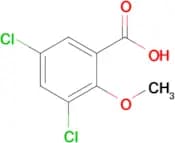
CAS:Fórmula:C10H5F3N2O3Pureza:97%Cor e Forma:SolidPeso molecular:258.1563,5-Dichloro-2-methoxybenzoic acid
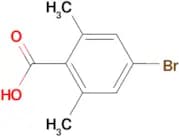
CAS:Fórmula:C8H6Cl2O3Pureza:98%Cor e Forma:CrystallinePeso molecular:221.034-Bromo-2,6-dimethylbenzoic acid
CAS:Fórmula:C9H9BrO2Pureza:95%Cor e Forma:SolidPeso molecular:229.0732-Fluoro-5-iodobenzoic acid
CAS:Fórmula:C7H4FIO2Pureza:97%Cor e Forma:Solid, Grey powderPeso molecular:266.012-Chloro-4-hydrazinylbenzoic acid hydrochloride
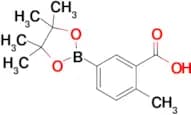
CAS:Fórmula:C7H8Cl2N2O2Pureza:96%Peso molecular:223.052-Methyl-5-(4,4,5,5-tetramethyl-1,3,2-dioxaborolan-2-yl)benzoic acid
CAS:Fórmula:C14H19BO4Pureza:96%Cor e Forma:Solid, No data available.Peso molecular:262.113-Chlorosulfonyl-4-methylbenzoic acid
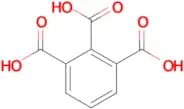
CAS:Fórmula:C8H7ClO4SPureza:96%Cor e Forma:SolidPeso molecular:234.651,2,3-Benzenetricarboxylic acid
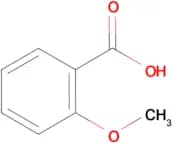
CAS:Fórmula:C9H6O6Pureza:98%Cor e Forma:Solid, Crystalline PowderPeso molecular:210.1412-Methoxybenzoic Acid
CAS:Fórmula:C8H8O3Pureza:98%Cor e Forma:White to off-white crystalline powderPeso molecular:152.1494-Fluoro-2-(trifluoromethyl)benzoic acid
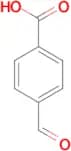
CAS:Fórmula:C8H4F4O2Pureza:96%Cor e Forma:SolidPeso molecular:208.1124-Formylbenzoic acid
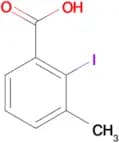
CAS:Fórmula:C8H6O3Pureza:96%Cor e Forma:Solid, Crystalline PowderPeso molecular:150.1332-Iodo-3-methylbenzoic acid
CAS:Fórmula:C8H7IO2Pureza:98%Cor e Forma:White powderPeso molecular:262.0462-Methoxy-4-(trifluoromethyl)benzoic acid
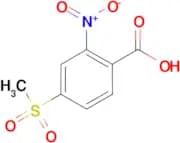
CAS:Fórmula:C9H7F3O3Pureza:95%Cor e Forma:White crystalline powderPeso molecular:220.1474-(Methylsulfonyl)-2-nitrobenzoic acid
CAS:Fórmula:C8H7NO6SPureza:95%Cor e Forma:SolidPeso molecular:245.21BIPHENYL-3,3′-DICARBOXYLIC ACID
CAS:Fórmula:C14H10O4Pureza:97%Cor e Forma:Liquid, No data available.Peso molecular:242.232-Fluoro-6-(trifluoromethyl)benzoic acid
CAS:Fórmula:C8H4F4O2Pureza:96%Cor e Forma:SolidPeso molecular:208.1124-Chloro-3,5-difluorobenzoic acid
CAS:Fórmula:C7H3ClF2O2Pureza:97%Cor e Forma:SolidPeso molecular:192.552-Chloro-6-hydroxybenzoic acid
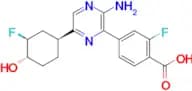
CAS:Fórmula:C7H5ClO3Pureza:95%Cor e Forma:White powderPeso molecular:172.564-(3-Amino-6-((1S,3S,4S)-3-fluoro-4-hydroxycyclohexyl)pyrazin-2-yl)-2-fluorobenzoic acid
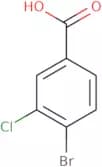
CAS:Pureza:96%Peso molecular:349.33801274-Bromo-3-chlorobenzoic acid
CAS:<p>4-Bromo-3-chlorobenzoic acid is a molecule that belongs to the class of antimicrobial compounds and is used for the treatment of gram-negative pathogens. It inhibits the growth of these bacteria by blocking their ability to synthesize DNA, RNA, and proteins. 4-Bromo-3-chlorobenzoic acid has been shown to be effective against bacteria in mammalian cells and also has activity against multidrug resistant strains. This compound is biosynthesized in plant cells from carbon sources like glucose, and it can be found in plants like carrot tissue. The resistance of bacteria to this compound has been observed globally, with outbreaks occurring in Japan and India.</p>Fórmula:C7H4BrClO2Pureza:Min. 95%Cor e Forma:White PowderPeso molecular:235.46 g/mol3,5-Dimethylanthranilic acid
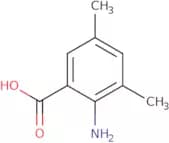
CAS:3,5-Dimethylanthranilic acid is an acridone that has significant effects on the topoisomerase enzymes. It is a reactive compound and can cause sensitivity to light and heat, as well as irritation in the respiratory tract. 3,5-Dimethylanthranilic acid has been shown to have antitumour activity in mice. 3,5-Dimethylanthranilic acid also has cytotoxic potency against cancer cells and can be used to evaluate the sensitivity of tumours to anticancer drugs. This compound may also have mutagenic properties. The dehalogenation of 3,5-dimethylanthranilic acid is not yet fully understood.Fórmula:C9H11NO2Pureza:Min. 95%Cor e Forma:Off-White PowderPeso molecular:165.19 g/mol2-(4-Hydroxyphenylazo)benzoic acid
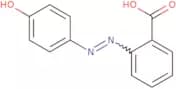
CAS:<p>2-(4-Hydroxyphenylazo)benzoic acid is a molecule that is used in the production of human immunoglobulin. It is activated with fatty acids and oligosaccharides to form a complex, which can be detected using confocal microscopy. The matrix-assisted laser ablation technique was used to determine the chemical structures and hydrogen bonding interactions of this molecule. 2-(4-Hydroxyphenylazo)benzoic acid has been shown to inhibit microbial infections by binding to the sodium salt form of Streptavidin, which inhibits bacterial growth. This molecule also has been used as an indicator for trifluoroacetic acid, which can be used as a sample preparation reagent.</p>Fórmula:C13H10N2O3Pureza:Min. 95%Cor e Forma:Yellow PowderPeso molecular:242.23 g/mol2-Bromo-4-chlorobenzoic acid
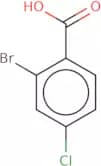
CAS:2-Bromo-4-chlorobenzoic acid (2BCBA) is a potent inhibitor of the hepatitis C virus NS5B polymerase. It has been shown to inhibit the growth of cancer cells in vitro. 2BCBA binds to the active site of the NS5B polymerase, which is essential for viral replication. In addition, it has been found to have synergistic effects with other anti-hepatitis drugs such as interferon. The binding affinity of 2BCBA and its derivatives to NS5B polymerase are determined by their interaction energies and also by their ability to form supramolecular complexes with this enzyme. The inhibition constants for 2BCBA were calculated using high performance liquid chromatography (HPLC). This drug is an isomeric compound that can exist in two different forms: cis and trans.Fórmula:C7H4BrClO2Pureza:Min. 95%Cor e Forma:PowderPeso molecular:235.46 g/mol3-Bromo-5-cyanobenzoic acid
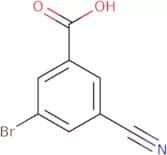
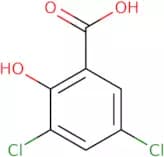
CAS:<p>3-Bromo-5-cyanobenzoic acid is a fine chemical that is used as a reagent or intermediate in the production of other chemicals. 3-Bromo-5-cyanobenzoic acid can be used as an intermediate in the synthesis of pharmaceuticals, agrochemicals, and perfumes. This compound is also useful as a building block for making speciality chemicals and research chemicals. 3-Bromo-5-cyanobenzoic acid is versatile because it can be used in many different reactions with many different substrates to make many different products.</p>Fórmula:C8H4BrNO2Pureza:Min. 95%Cor e Forma:PowderPeso molecular:226.03 g/mol3,5-Dichlorosalicylic acid
CAS:3,5-Dichlorosalicylic acid is a proton donor that is used to inhibit the 5-nitrosalicylic acid chain reaction. It has a high binding constant with the chlorine atom and can be used as a competitive inhibitor for the binding of 5-nitrosalicylic acid to its target enzyme. 3,5-Dichlorosalicylic acid inhibits the polymerase chain reaction by binding to DNA. This chemical also has biological properties that are similar to those of salicylic acid, including anti-inflammatory activities. 3,5-Dichlorosalicylic acid is not an effective anti-cancer agent because it does not form intramolecular hydrogen bonds or hydrogen bond interactions with DNA bases.Fórmula:C7H4Cl2O3Pureza:Min. 95%Cor e Forma:White PowderPeso molecular:207.01 g/mol4-(Acetylamino)-2-nitrobenzoic acid
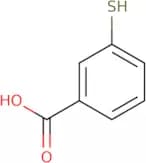
CAS:<p>4-(Acetylamino)-2-nitrobenzoic acid (AAANB) is a versatile building block that can be used in the synthesis of a wide range of organic and pharmaceutical compounds. AAANB is an intermediate in the preparation of 4-Amino-3-nitrophenol, which is an important research chemical. This compound is a useful scaffold for the synthesis of organic compounds with various biological activities. The CAS number for this product is 21573-29-5.</p>Fórmula:C9H8N2O5Pureza:Min. 95%Cor e Forma:PowderPeso molecular:224.17 g/mol3-Mercaptobenzoic acid
CAS:3-Mercaptobenzoic acid is an antimicrobial agent that inhibits bacterial enzyme. It binds to the active site of the enzyme, and prevents it from carrying out its function. 3-Mercaptobenzoic acid has been shown to be an efficient method for the prevention of corrosion in metal surfaces. The binding of 3-mercaptobenzoic acid to metal ions forms a protective film on the surface, preventing corrosion.Fórmula:C7H6O2SPureza:Min. 95%Cor e Forma:PowderPeso molecular:154.19 g/mol2-Amino-5-(trifluoromethyl)benzoic acid methyl ester
CAS:2-Amino-5-(trifluoromethyl)benzoic acid methyl ester is a fine chemical that can be used in research and development. It is an intermediate for the synthesis of other compounds, such as pharmaceuticals and pesticides. This compound has a wide range of uses in various chemical reactions, including as a building block or reaction component.Fórmula:C9H8F3NO2Pureza:Min. 95%Cor e Forma:PowderPeso molecular:219.16 g/mol2-(Bromomethyl)-3-nitrobenzoic acid methyl ester
CAS:2-(Bromomethyl)-3-nitrobenzoic acid methyl ester is a synthetic compound that is a byproduct of ammonium nitrate production. It is prepared by the reaction of 2-methyl-3-nitrobenzoic acid with bromine and methanol in the presence of palladium catalyst. The product is used to synthesize l-glutamic acid, which has many applications in industry.Fórmula:C9H8BrNO4Pureza:Min. 98 Area-%Cor e Forma:Off-White PowderPeso molecular:274.07 g/mol3-[Bis(phenylmethyl)amino]-5-fluoro-6-methyl-2-(phenylmethoxy)benzoic acid phenyl ester
CAS:Building block in tetracycline antibiotic synthesisFórmula:C35H30FNO3Pureza:Min. 95%Cor e Forma:PowderPeso molecular:531.62 g/mol2-Amino-3-fluorobenzoic acid methyl ester
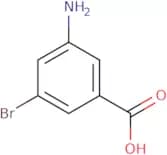
CAS:2-Amino-3-fluorobenzoic acid methyl ester (2AFBME) is an antibacterial agent that inhibits bacterial protein synthesis by binding to ribosomes and inhibiting the release of amino acids during translation. 2AFBME has been shown to have antibacterial activity against aureus, streptococcus, and staphylococcus strains in laboratory tests. The clinical development of 2AFBME has not yet been completed.Fórmula:C8H8FNO2Pureza:Min. 95%Cor e Forma:Yellow PowderPeso molecular:169.15 g/mol3-Amino-5-bromobenzoic acid
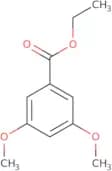
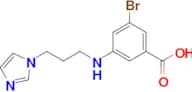
CAS:3-Amino-5-bromobenzoic acid is a synthetic, water soluble anti-inflammatory agent. It is cytotoxic to macrophages in vitro and has significant efficacy in vivo. Its mechanism of action is to inhibit the synthesis of nucleotides in the cell. 3-Amino-5-bromobenzoic acid also inhibits inflammation by inhibiting prostaglandin synthesis and has been shown to be effective against seborrheic dermatitis. This drug has pharmacokinetic properties that are favourable for oral administration and is rapidly absorbed from the gastrointestinal tract with a half life of 2 hours. The drug is eliminated through the kidneys, with an elimination half life of 6 hours.Fórmula:C7H6BrNO2Pureza:Min. 95%Cor e Forma:PowderPeso molecular:216.03 g/mol3,5-Dimethoxybenzoic acid ethyl ester
CAS:<p>3,5-Dimethoxybenzoic acid ethyl ester is a carbonic acid ester that can be used as a synthetic intermediate. It is synthesized by reacting 3,5-dimethoxybenzoic acid with the ethyl chloride. The molecular weight of 3,5-dimethoxybenzoic acid ethyl ester is 222.6 g/mol. The homologous series includes dimethylformamide, diethylformamide, and diisopropylformamide. This compound has been shown to inhibit growth factor signaling in vitro and in vivo and may have potential therapeutic applications for cancer treatment. Impurities that may be found in 3,5-dimethoxybenzoic acid ethyl ester include chloride and sulfinyl groups. Synopses of the molecular modeling study are available on request.</p>Fórmula:C11H14O4Pureza:Min. 95%Peso molecular:210.23 g/mol2,4-Dihydroxybenzoic acid
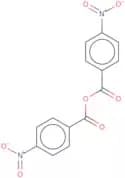
CAS:2,4-Dihydroxybenzoic acid (2,4-DB) is a metabolite of salicylic acid. It is used as an intermediate in the production of various drugs and dyes. 2,4-DB has been shown to be effective against hepatic steatosis induced by hydrogen fluoride in mice. This drug also inhibits mitochondrial membrane potential and DNA binding activity in human serum. 2,4-DB can bind to the α subunit of mitochondrial ATPase and act as a competitive inhibitor for p-hydroxybenzoic acid which is essential for the activation of this enzyme. The x-ray diffraction data from crystalline 2,4-DB shows that this compound binds to dna with coordination geometry that resembles that of salicylic acid. The kinetic studies have shown that 2,4-DB reacts noncompetitively with nonsteroidal anti-inflammatory drugs (NSAIDs).Fórmula:C7H6O4Pureza:Min 98%Cor e Forma:PowderPeso molecular:154.12 g/mol4-Nitrobenzoic anhydride
CAS:4-Nitrobenzoic anhydride is a chemical compound that is used as a reagent in organic synthesis. It can be prepared by reacting magnesium with 4-nitrobenzoyl chloride in tetrahydrofuran. This reaction produces the salt of the acid, which can then be reacted with ethyl acetate to form the diethyl ester. The product can also be prepared by reacting propionyl chloride and peroxide in tetrahydrofuran or by reaction of 1-naphthaldehyde and chloride in acetic acid. 4-Nitrobenzoic anhydride is a salt that has been used as a corrosion inhibitor for metals and as a reducing agent for epoxides. It has also been used to produce other substances, such as methylamines, amines, and nitro compounds. 4-Nitrobenzoic anhydride reacts with nucleophiles such as water or alkalis to produce peroxFórmula:C14H8N2O7Pureza:Min. 95%Cor e Forma:Off-White PowderPeso molecular:316.22 g/mol





![2-{1-[(tert-butoxy)carbonyl]azetidin-3-yl}benzoic acid](/_next/image/?url=https%3A%2Fstatic.cymitquimica.com%2Fproducts%2F10%2Fthumb-webp%2FF674243.webp&w=3840&q=75)



![4-Chloro-3-[(4-fluorophenyl)sulfamoyl]benzoic acid](/_next/image/?url=https%3A%2Fstatic.cymitquimica.com%2Fproducts%2F10%2Fthumb-webp%2FF642417.webp&w=3840&q=75)





![2-Nitro-[1,1′-biphenyl]-4,4′-dicarboxylic acid](/_next/image/?url=https%3A%2Fstatic.cymitquimica.com%2Fproducts%2F10%2Fthumb-webp%2FF690488.webp&w=3840&q=75)






![2-Hydroxy-[1,1′-biphenyl]-4,4′-dicarboxylic acid](/_next/image/?url=https%3A%2Fstatic.cymitquimica.com%2Fproducts%2F10%2Fthumb-webp%2FF761594.webp&w=3840&q=75)








![3-[Bis(phenylmethyl)amino]-5-fluoro-6-methyl-2-(phenylmethoxy)benzoic acid phenyl ester](/_next/image/?url=https%3A%2Fstatic.cymitquimica.com%2Fproducts%2F3D%2Fthumb-webp%2FFB101468.webp&w=3840&q=75)