Álcoois benzílicos
Os álcoois benzílicos são álcoois aromáticos que apresentam um anel benzênico ligado a um grupo hidroximetil (-CH2OH). Esses compostos são usados como solventes, conservantes e intermediários na síntese de produtos farmacêuticos, fragrâncias e resinas. Os álcoois benzílicos são conhecidos por suas propriedades antimicrobianas e versatilidade em várias reações químicas. Na CymitQuimica, oferecemos uma ampla seleção de álcoois benzílicos de alta qualidade para apoiar suas pesquisas e aplicações industriais.
Foram encontrados 1458 produtos de "Álcoois benzílicos"
Ordenar por
Pureza (%)
0
100
|
0
|
50
|
90
|
95
|
100
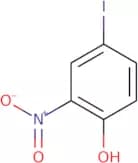
4-Iodo-2-nitrophenol
CAS:<p>4-Iodo-2-nitrophenol is a halophenol that is used in the production of drugs such as anti-inflammatory agents, antiviral agents, and immunosuppressants. 4-Iodo-2-nitrophenol has been shown to bind to an antigen and stimulate the production of growth factors. 4-Iodo-2-nitrophenol also binds to hif1α, which is a transcription factor that regulates the expression of genes involved in cellular response to low oxygen conditions. Covid -19 pandemic influenza virus uses 4-iodo-2 nitrophenol as a substrate for its replication. This means that this drug can be used as an inhibitor for covid -19 pandemic influenza virus.</p>Fórmula:C6H4INO3Pureza:Min. 95%Cor e Forma:PowderPeso molecular:265.01 g/molRef: 3D-FI70085
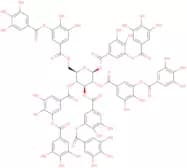
Produto descontinuadoTannic acid
CAS:<p>Polyphenolic substituted glucose with weak acidity</p>Fórmula:C76H52O46Pureza:Min. 93%Cor e Forma:White PowderPeso molecular:1,701.2 g/molRef: 3D-MT30443
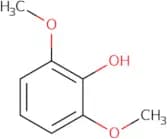
Produto descontinuado2,6-Dimethoxyphenol
CAS:<p>2,6-Dimethoxyphenol is a chemical compound that is used in the manufacture of industrial chemicals. It is also used as an intermediate in organic synthesis and has been shown to have antibacterial activity against some strains of bacteria. 2,6-Dimethoxyphenol binds to bacterial ribosomes by interfering with the protein synthesis machinery. The reaction mechanism occurs via a nucleophilic attack by the hydroxyl group on the carbonyl carbon atom, leading to a tetrahedral intermediate with the coordination geometry of square planar. This compound has been shown to scavenge anion radicals and has high resistance to oxidation from redox potential.</p>Fórmula:C8H10O3Pureza:Min. 99 Area-%Cor e Forma:PowderPeso molecular:154.16 g/mol4-Bromo-2-cyanophenol
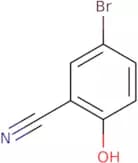
CAS:<p>4-Bromo-2-cyanophenol is a metabotropic glutamate receptor ligand that has been shown to be an agonist of the group II metabotropic glutamate receptors. It binds to this type of glutamate receptor and stimulates the release of the neurotransmitter, glutamate. 4-Bromo-2-cyanophenol is used as a reagent in microscopy experiments to analyze lamellar structures. It has also been used in the synthesis of benzofuran derivatives and formamide. 4-Bromo-2-cyanophenol can be prepared by reacting hydrochloric acid with mesomorphic formamide, followed by desorption with monomers such as hexamethylene diamine or ethylene glycol.</p>Fórmula:C7H4BrNOPureza:Min. 95%Cor e Forma:PowderPeso molecular:198.02 g/molRef: 3D-FB55227
Produto descontinuadoPhenol red
CAS:<p>Phenol red is a pH indicator that finds broad applications from chemistry to microbiology. Colour varies from yellow at pH<6.8 (lmax 443nm) through to light red/pink at 6.8<pH<8.2 (lmax 570 nm) to vivid purple/red at pH>8.2. It is widely used in cell culture to monitor pH and for colorimetric titration. For example, phenol red can be used to quantify Br- content in sea or fresh water. It is added to VTM as pH indicator, at the concentration of 10mg/ml, maintaining a pink colour at neutral pH.</p>Fórmula:C19H14O5SCor e Forma:PowderPeso molecular:354.38 g/mol4-Iodophenol
CAS:<p>An enhancer used in chemiluminescent reactions</p>Fórmula:C6H5IOPureza:Min. 98.5 Area-%Cor e Forma:PowderPeso molecular:220.01 g/molRef: 3D-FI00789
Produto descontinuado2,5-Dimethylhydroquinone
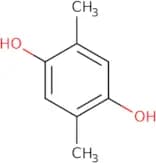
CAS:<p>Please enquire for more information about 2,5-Dimethylhydroquinone including the price, delivery time and more detailed product information at the technical inquiry form on this page</p>Fórmula:C8H10O2Pureza:Min. 95%Peso molecular:138.16 g/mol