


Padrões Farmacêuticas
Os padrões farmacêuticos são um conjunto abrangente de materiais de referência essenciais para garantir a segurança, eficácia e qualidade dos produtos farmacêuticos. Esta categoria inclui padrões para ingredientes farmacêuticos ativos (APIs), que são os componentes principais responsáveis pelos efeitos terapêuticos. Além disso, abrange compostos e metabólitos relevantes tanto para a indústria farmacêutica quanto veterinária, fornecendo referências para a medição e análise precisa dessas substâncias. Padrões de controle de nitrosaminas são cruciais para detectar e mitigar nitrosaminas potencialmente prejudiciais em formulações de medicamentos. Padrões de toxicologia ajudam a avaliar a segurança e os potenciais efeitos adversos de compostos farmacêuticos. Além disso, padrões de ativadores e inibidores de enzimas são vitais para pesquisa e desenvolvimento, permitindo estudos precisos de vias bioquímicas e mecanismos de ação de medicamentos. Esses padrões farmacêuticos são ferramentas indispensáveis para conformidade regulatória, controle de qualidade e pesquisa, garantindo que os produtos farmacêuticos atendam a rigorosos critérios de segurança e eficácia.
Subcategorias de "Padrões Farmacêuticas"
- APIs para pesquisa e impurezas(273.815 produtos)
- Activadores e Inibidores de Enzimas(2.827 produtos)
- Nitrosaminas(2.606 produtos)
- Compostos e metabolitos farmacêuticos e veterinários(2.742 produtos)
- Toxicologia(13.652 produtos)
Foram encontrados 7836 produtos de "Padrões Farmacêuticas"
Ordenar por
Pureza (%)
0
100
|
0
|
50
|
90
|
95
|
100
4,8-Dichloro-1,5-dinitronaphthalene
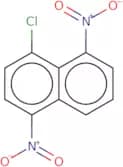
CAS:<p>4,8-Dichloro-1,5-dinitronaphthalene is a versatile building block that can be used in the synthesis of complex compounds. It is also used as a reagent, speciality chemical, and useful scaffold in research. This compound has been shown to be useful in the synthesis of many different types of products including pharmaceuticals, agrochemicals, polymer intermediates, and other fine chemicals. 4,8-Dichloro-1,5-dinitronaphthalene is a high quality chemical with a purity level of 98%.</p>Fórmula:C10H4Cl2N2O4Pureza:Min. 95%Cor e Forma:Yellow PowderPeso molecular:287.06 g/molSodium nitroprusside dihydrate
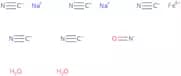
CAS:Produto Controlado<p>Sodium nitroprusside dihydrate is an oxygen transport agent that works by inhibiting the enzyme cyclase. This inhibits the production of tnf-α and other inflammatory mediators, which reduces inflammation and pain. Sodium nitroprusside dihydrate is used to lower blood pressure in emergency situations, such as shock. It has been shown to be effective for treating pulmonary hypertension, chronic obstructive pulmonary disease, and other conditions related to oxygen transport. Sodium nitroprusside dihydrate is a metastable molecule that can be converted into a stable form (sodium nitroprusside) by ester hydrochloride or fatty acid esters.</p>Fórmula:C5FeN6O•(H2O)2•Na2Pureza:Min. 98.0%Cor e Forma:Red PowderPeso molecular:297.95 g/molCholesterol oleyl carbonate
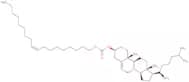
CAS:Produto Controlado<p>Cholesterol oleyl carbonate is a triazine compound with an asymmetric carbon atom. It has been shown to be effective in inhibiting the proliferation of human osteosarcoma cells and myeloid leukemia cells, as well as other cell lines. Cholesterol oleyl carbonate also has anti-inflammatory properties, which may be due to its inhibition of prostaglandin synthesis.</p>Fórmula:C46H80O3Pureza:Min. 95%Cor e Forma:PowderPeso molecular:681.13 g/mol4-Ethoxycinnamic acid
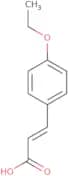
CAS:<p>4-Ethoxycinnamic acid is a phenolic compound that is found in many plants and fruits. It has been shown to have bioactivities such as anti-inflammatory, anti-allergic, and anticancer activities. 4-Ethoxycinnamic acid has been shown to inhibit tyrosinase activity by interacting with the enzyme's active site. This inhibition reduces the production of melanin, which may be due to its ability to inhibit dopamine oxidation or the conversion of dopachrome into dopaquinone. 4-Ethoxycinnamic acid also inhibits prolyl hydroxylase activity, which can lead to increased collagen synthesis and reduced inflammation.</p>Fórmula:C11H12O3Pureza:Min. 95%Cor e Forma:PowderPeso molecular:192.21 g/molDapoxetine HCl
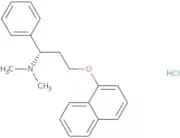
CAS:Produto Controlado<p>Serotonin uptake inhibitor; used to treat premature ejaculation</p>Fórmula:C21H24ClNOPureza:Min. 95%Cor e Forma:White PowderPeso molecular:341.87 g/molL-Pyroglutamic acid-beta-naphthylamide
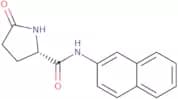
CAS:<p>L-Pyroglutamic acid-beta-naphthylamide is a cell nucleus pressor that has been shown to stimulate locomotor activity in rats. It is a highly selective agonist at the 5-HT2 receptor, which is involved in the regulation of energy metabolism and feeding behaviour. L-Pyroglutamic acid-beta-naphthylamide also stimulates cholinergic and serotonergic systems. This drug also inhibits bacterial growth by binding to the receptor site on bacterial cell nuclei, thereby preventing DNA synthesis and locomotor activity. L-Pyroglutamic acid-beta-naphthylamide is an antimicrobial agent that can be used to treat infections caused by bacteria resistant to erythromycin. The antimicrobial effect of this drug is due to its ability to bind to the receptor site on bacterial cell nuclei, thereby preventing DNA synthesis and locomotor activity.</p>Fórmula:C15H14N2O2Pureza:Min. 98 Area-%Cor e Forma:White PowderPeso molecular:254.28 g/mol1,2'-Dinaphthylamine
CAS:<p>1,2'-Dinaphthylamine is a β-lactam antibiotic that can be used as a substitute for ciprofloxacin. It inhibits the production of an enzyme called β-lactamase, which breaks down the antibiotic and makes it ineffective. 1,2'-Dinaphthylamine has been shown to be active against aerogenes and nitrocefin. This drug binds to periplasmic proteins in bacteria by means of an analogy with ciprofloxacin. The conjugates are resistant to efflux pumps and use of efflux inhibitors such as bafilomycin A1 can increase their efficacy.</p>Fórmula:C20H15NPureza:Min. 95%Cor e Forma:PowderPeso molecular:269.34 g/molDihydro ferulic acid 4-O-sulfate sodium salt
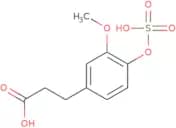
CAS:Dihydroferulic acid is a chlorogenic acid that has been shown to have anti-inflammatory properties in vitro and in vivo. Dihydroferulic acid has been shown to inhibit the production of pro-inflammatory cytokines, such as tumor necrosis factor alpha (TNF-α) and interleukin 10 (IL-10), in monocytic cells. This compound also inhibits the activation of toll-like receptor 4 (TLR4) and TLR2, which are receptors on immune cells that bind to bacterial lipopolysaccharides. Dihydroferulic acid has been found to be present in human urine samples, suggesting it is absorbed from dietary sources. It can also be found in wine and tea, where it may contribute to the positive health effects seen with these beverages. Protocatechuic acid is a phenolic compound with similar activity as dihydroferulic acid.Fórmula:C10H10Na2O7SPureza:Min. 95%Cor e Forma:PowderPeso molecular:320.23 g/mol2N-Boc-2',2''-triaminotriethylamine-bis(chloroacetamide)
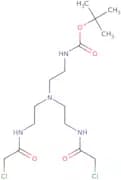
CAS:<p>2N-Boc-2',2''-triaminotriethylamine-bis(chloroacetamide) is a fine chemical and reagent for the synthesis of pharmaceuticals. It is also a useful building block for the synthesis of complex compounds. This product can be used as a reaction component in organic chemistry, or it can be used as a reagent in research or development laboratories.</p>Fórmula:C15H28Cl2N4O4Pureza:Min. 95%Peso molecular:399.31 g/molIlexsaponin B3
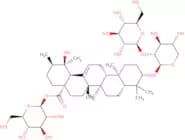
CAS:<p>Ilexsaponin B3 is a triterpenoid saponin, which is a bioactive compound derived from plants of the Ilex genus, particularly Ilex aquifolium and related species. These plants are known for their rich content of saponins, which are glycosides comprising a sugar moiety bonded to a triterpene or steroid aglycone. The mode of action of Ilexsaponin B3 involves modulating various biological pathways, including anti-inflammatory, antioxidant, and potential anticancer activities. This is attributed to its ability to interact with cell membranes, affecting permeability and signaling pathways.</p>Pureza:Min. 95%L-Aspartic acid
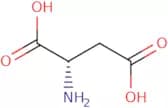
CAS:<p>L-Aspartic acid is an amino acid that plays a role in the biochemical reactions of energy metabolism. This amino acid is also important for the synthesis of proteins, such as enzymes and structural proteins. L-Aspartic acid is synthesized from oxaloacetate by transamination. It can also be synthesized from glutamate by the action of aspartate aminotransferase using pyridoxal phosphate as a cofactor. L-Aspartic acid has been shown to play a role in neuronal death, particularly in primary sclerosing cholangitis, and may have potential therapeutic use for this condition. L-Aspartic acid has been used as a model system to study polymerase chain reaction (PCR) methods and analytical methods in biochemistry research.</p>Fórmula:C4H7NO4Pureza:Min. 95%Cor e Forma:White Off-White PowderPeso molecular:133.1 g/mol(R)-(+)-2,2'-Diamino-1,1'-binaphthalene
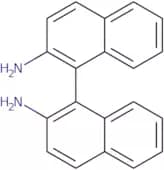
CAS:<p>(R)-(+)-2,2'-Diamino-1,1'-binaphthalene is a diammonium salt that is synthesized from fatty acids. This molecule is used in the detection of cancer cells in tissue samples. (R)-(+)-2,2'-Diamino-1,1'-binaphthalene has been shown to be an effective agent against cancer cells and can be used as a diagnostic tool for tissues with cancer cells. The mechanism of action of (R)-(+)-2,2'-Diamino-1,1'-binaphthalene is not yet clear; however it may involve intramolecular hydrogen transfer reactions or coordination chemistry.</p>Fórmula:C20H16N2Pureza:Min. 98 Area-%Cor e Forma:White PowderPeso molecular:284.35 g/mol2'-Cyano-4-(dibromomethyl)biphenyl
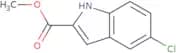
CAS:<p>2'-Cyano-4-(dibromomethyl)biphenyl is a reactive component that belongs to the group of speciality chemicals. It can be used as a building block in organic synthesis and as an intermediate in the production of fine chemicals. 2'-Cyano-4-(dibromomethyl)biphenyl has been used for the synthesis of various complex compounds, such as an anti-inflammatory drug, an anti-diabetic drug, and a chemotherapeutic agent.</p>Fórmula:C14H9Br2NPureza:Min. 97 Area-%Cor e Forma:Off-White PowderPeso molecular:351.04 g/mol5-Chloroindole-2-carboxylic acid methyl ester
CAS:<p>5-Chloroindole-2-carboxylic acid methyl ester is a potent inhibitor of the enzyme tyrosine kinase in cell culture, with an IC50 value of 0.5 nM. It has been shown to inhibit the growth of cancer cells (e.g., MDA-MB231, MCF-7) in vitro and in vivo. The IC50 values for inhibition of MDA-MB231 and MCF-7 cells are 0.1 and 10 nM, respectively. 5-Chloroindole-2-carboxylic acid methyl ester binds to the ATP binding site on tyrosine kinase, preventing ATP from binding and inhibiting phosphorylation of the receptor protein. This allows the receptor's downstream signaling pathways to be blocked, which leads to cell growth inhibition by arresting cell cycle progression at G0/G1 phase or inducing apoptosis.</p>Fórmula:C10H8ClNO2Pureza:Min. 95%Peso molecular:209.63 g/molTropine
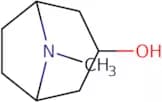
CAS:<p>Tropine is a natural alkaloid that is derived from plants in the Solanaceae family including Atropa belladonna and Hyoscyamus niger. Tropine has been shown to have a number of physiological effects, including receptor binding, enzyme activities, and physiological effects. It has been used as an analytical method for determining sodium citrate, nitrogen atoms, and ester linkages. Tropine also has a ph optimum of 9-10 which means it should be dissolved in acidic solutions or diluted with a buffer solution before use. The reaction mechanism of tropine is not yet known, but it has been shown to contain fatty acid groups that are intramolecularly hydrogenated.</p>Fórmula:C8H15NOPureza:Min. 95%Cor e Forma:White PowderPeso molecular:141.21 g/mol3-(tert-butyl)-1-(4-nitrophenyl)indeno[2,3-d]pyrazol-4-one
CAS:<p>Please enquire for more information about 3-(tert-butyl)-1-(4-nitrophenyl)indeno[2,3-d]pyrazol-4-one including the price, delivery time and more detailed product information at the technical inquiry form on this page</p>Pureza:Min. 95%2,5-Dichlorophenylthiourea
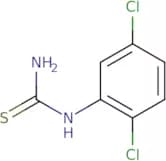
CAS:<p>Please enquire for more information about 2,5-Dichlorophenylthiourea including the price, delivery time and more detailed product information at the technical inquiry form on this page</p>Pureza:Min. 95%Bromocresol green
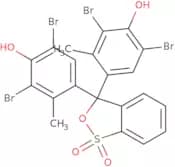
CAS:<p>Bromocresol green is a cationic surfactant that is used as a fluorescent indicator dye. It binds to proteins and can be detected with an optical sensor. Bromocresol green has been shown to react with hydrochloric acid, which may be due to the protonation of the cationic group. This reaction is reversible and depends on pH. The binding of bromocresol green to serum proteins results in a decrease in fluorescence intensity due to quenching by adsorption at the protein-protein interface. The kinetic data for this dye have been found to depend on α1-acid glycoprotein concentration.</p>Fórmula:C21H14Br4O5SCor e Forma:PowderPeso molecular:698.01 g/mol1,2-Naphthoquinone-4-sulfonic acid sodium salt
CAS:<p>1,2-Naphthoquinone-4-sulfonic acid sodium salt is a fluorescent probe that reacts with the hydroxyl groups of amino acids and proteins. It has been used to measure glucose levels by injecting it into a living organism and examining the fluorescence emitted in response to an excitation wavelength. The redox potential of this molecule is -0.29 volts, which indicates that it is nucleophilic. 1,2-Naphthoquinone-4-sulfonic acid sodium salt can be used as a dye for labeling amines and other compounds with strong electron withdrawing groups. This compound is often used as a reagent in the synthesis of pharmaceutical preparations such as ceftriaxone. 1,2-Naphthoquinone-4-sulfonic acid sodium salt also reacts with hydrochloric acid to produce amines such as benzeneamine or ethylamine.</p>Fórmula:C10H5O5S·NaPureza:Min. 98 Area-%Cor e Forma:Yellow PowderPeso molecular:260.2 g/molMevastatin
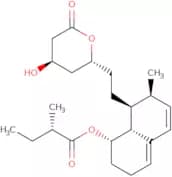
CAS:<p>Mevastatin is a drug that inhibits the synthesis of cholesterol and has been used to treat hypercholesterolemia. It binds to the hydroxyl group at position 3 on the mevalonate molecule, which prevents the formation of 3-hydroxy-3-methylglutaryl coenzyme A (HMG CoA) and consequently reduces the production of cholesterol. Mevastatin has been shown to inhibit mitochondrial functions in wild-type strain yeast cells and myeloma cell lines, which may be due to receptor activity. In addition, it has been shown to induce neuronal death in a polymerase chain reaction assay by inhibiting DNA synthesis.</p>Fórmula:C23H34O5Pureza:Min. 95%Cor e Forma:PowderPeso molecular:390.51 g/mol3-(tert-butyl)-4-(3-(4-nitrophenyl)prop-2-enylidene)-1-phenyl-2-pyrazolin-5-one
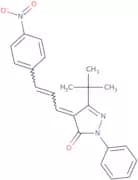
CAS:<p>Please enquire for more information about 3-(tert-butyl)-4-(3-(4-nitrophenyl)prop-2-enylidene)-1-phenyl-2-pyrazolin-5-one including the price, delivery time and more detailed product information at the technical inquiry form on this page</p>Pureza:Min. 95%Fmoc-β-(7-methoxy-coumarin-4-yl)-Ala-OH
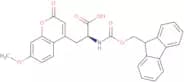
CAS:<p>Fmoc-b-(7-methoxy-coumarin-4-yl)-Ala-OH is a reagent with the CAS No. 524698-40-6, which is used in organic synthesis. It is a versatile building block and useful intermediate that can be used to synthesize other organic compounds. Fmoc-b-(7-methoxy-coumarin-4-yl)-Ala-OH is also used as a reaction component in the synthesis of peptides and proteins, as well as in the preparation of polymers. It has been shown to be an effective building block for complex compounds.</p>Fórmula:C28H23NO7Pureza:Min. 95%Cor e Forma:PowderPeso molecular:485.48 g/molFlutropium bromide
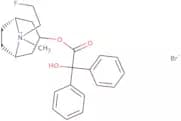
CAS:<p>Flutropium bromide is an analog of the drug pergolide mesylate. It has been shown to be effective in treating symptoms of bowel disease, such as inflammatory bowel disease. Flutropium bromide inhibits enzymes, such as hydroxylase and oxidase, which are involved in the synthesis of various hormones. This inhibition leads to a decrease in the activity of cells that produce these hormones and may be responsible for its therapeutic effect. Flutropium bromide has also been shown to have occlusive properties and is used in bronchiolitis obliterans.</p>Fórmula:C24H29BrFNO3Pureza:Min. 95%Peso molecular:478.39 g/molRosuvastatin sodium
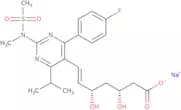
CAS:<p>Rosuvastatin sodium salt is a statin drug that inhibits the enzyme HMG-CoA reductase. It is used to lower cholesterol and triglyceride levels in the blood, and to prevent heart attacks and strokes. Rosuvastatin sodium salt has been shown to have anti-inflammatory activity in human liver cells, which may be due to its ability to suppress the release of proinflammatory cytokines. Rosuvastatin sodium salt has also been shown to have synergistic effects with other drugs such as desipramine hydrochloride in primary cells, which may be due to its ability to inhibit the activity of cytochrome P450 enzymes. This drug is metabolized by alkali hydrolysis into rosuvastatin acid, which is then converted into an active form by polymorphic esterases in the liver. The active form can then be hydrolyzed by plasma esterases into inactive metabolites.<br>Rosuvastatin sodium salt is a crystalline powder</p>Fórmula:C22H28FN3O6S•NaPureza:Min. 96 Area-%Cor e Forma:White PowderPeso molecular:504.53 g/mol2'-Hydroxy-3-nitrochalcone
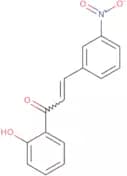
CAS:<p>2'-Hydroxy-3-nitrochalcone is a yellow crystalline solid that has been shown to have an antiviral effect against HIV and herpes simplex virus. The crystal structure of 2'-hydroxy-3-nitrochalcone has been determined using x-ray crystallography. The compound is structurally similar to other antiviral agents, such as acyclovir, valacyclovir, and penciclovir.<br>2'-Hydroxy-3-nitrochalcone inhibits the viral DNA polymerase by competing with the nucleotide cofactor at the enzyme active site. This leads to a reduction in viral DNA synthesis and an inhibition of cell proliferation.</p>Fórmula:C15H11NO4Pureza:Min. 95%Cor e Forma:PowderPeso molecular:269.25 g/molReboxetine mesylate
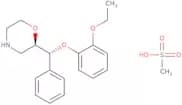
CAS:Produto Controlado<p>Reboxetine mesylate is a drug that belongs to the class of tricyclic antidepressants. It is a selective and potent inhibitor of neuronal reuptake of norepinephrine (noradrenaline). Reboxetine also interacts with neurokinin-1 receptor, which may affect locomotor activity and hippocampal formation, resulting in effects to memory and learning. It has been shown to be effective in the treatment of symptoms related to depression and Parkinson's disease.</p>Fórmula:C20H27NO6SPureza:Min. 98 Area-%Cor e Forma:PowderPeso molecular:409.5 g/molCresyl Violet acetate
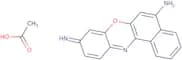
CAS:Produto Controlado<p>Cresyl violet acetate is a dye that is used in histology to stain tissue sections. It binds to basic proteins, such as those found in the cytoplasm and nucleus, and has a strong affinity for nucleic acids. Cresyl violet acetate can be used to identify inflammatory lesions and other biological samples. The dye has been shown to induce neuronal death by reducing the redox potentials of neurons through the activation of Toll-like receptors (TLRs). Basic proteins are also involved in oral hypoglycaemic activity.</p>Fórmula:C18H15N3O3Pureza:Limit? 65.%Cor e Forma:PowderPeso molecular:321.33 g/molAspidosine hydrobromide
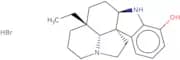
CAS:Produto Controlado<p>Aspidosine hydrobromide is a fine chemical that is used as an intermediate for synthesis of other compounds. The CAS number for this compound is 206196-96-5. This compound can be used as a building block to synthesize more complex compounds, and it has been shown to be useful in the preparation of research chemicals and reaction components. Aspidosine hydrobromide has been shown to have high quality, making it a sought after reagent and speciality chemical. This compound has a versatile scaffold, which makes it useful as a building block in the synthesis of other compounds.</p>Fórmula:C19H26N2O•BrHPureza:Min. 95%Peso molecular:379.33 g/mol4-Nitrophthalimide
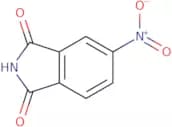
CAS:<p>4-Nitrophthalimide is a nitroimidazole compound that has been shown to be active against bacterial strains belonging to the group P2. It is also soluble in organic solvents such as chloroform, ethanol, and acetone. 4-Nitrophthalimide has been used for experimental solubility data and as a pharmaceutical preparation. The reaction of 4-nitrophthalimide with diazonium salt produces 3-nitrophthalic anhydride, which is then hydrolyzed by hydrochloric acid to form nitrobenzene. This reaction can be monitored using fluorescence resonance spectroscopy.</p>Fórmula:C8H4N2O4Pureza:Min. 95%Cor e Forma:PowderPeso molecular:192.13 g/molTibolone
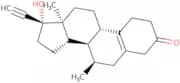
CAS:Produto Controlado<p>Tibolone is a synthetic steroidal estrogen with both estrogenic and progestogenic activity. It has been shown to be effective in the treatment of postmenopausal symptoms, especially those related to the breast. Tibolone is also used for prevention of osteoporosis and to prevent recurrence of hormone-dependent cancers such as breast cancer or endometrial cancer. Tibolone binds to both estrogen receptor subtypes (ERα and ERβ) and progesterone receptor (PR), but with higher affinity for ERβ. This leads to increased levels of circulating estradiol and progesterone when compared to other estrogens such as nomegestrol acetate or conjugated equine estrogen. The drug also decreases expression of genes that are regulated by the response element (RE) in ERβ-positive cells, which may contribute to its anti-cancer effects. Tibolone has been shown to be statistically more effective than nomegestrol acetate in reducing hot flashes</p>Fórmula:C21H28O2Pureza:Min. 95%Cor e Forma:PowderPeso molecular:312.45 g/mol2-(4-Nitrophenoxy)ethanol
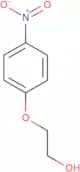
CAS:<p>2-(4-Nitrophenoxy)ethanol (NPEO) is a water soluble, synthetic compound that has been shown to have anti-tumor properties. NPEO was found to be toxic to tumor cells in vitro and inhibits the growth of tumor cells in vivo. NPEO also inhibits the synthesis of DNA and RNA, which are important for cell division. This inhibitory effect may lead to the death of cancer cells by interfering with their ability to grow and divide.</p>Fórmula:C8H9NO4Pureza:Min. 95%Cor e Forma:PowderPeso molecular:183.16 g/molClopidogrel related compound B
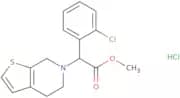
CAS:<p>Clopidogrel related compound B is a sweetener that is used in the pharmaceutical industry. It has shown to have bacteriophage activity and is stable to duplication. This compound also has a genetic code that can be altered by duplications. Clopidogrel related compound B is an orally active molecule and it can be administered as an osmotic or chiral agent. This compound also functions as a surfactant, which contributes to its ability to act as a platelet-aggregating agent. The drug has been shown to be transducible in vitro with high efficiency, making it a good candidate for transduction therapy.</p>Fórmula:C16H17Cl2NO2SPureza:Min. 95%Cor e Forma:PowderPeso molecular:358.28 g/mol1-(2,4-Dimethoxyphenyl)-2-nitropropene
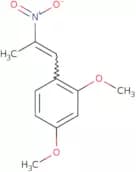
CAS:<p>1-(2,4-Dimethoxyphenyl)-2-nitropropene is a versatile building block that can be used in the synthesis of a wide range of compounds. It is a high quality chemical with a CAS number of 15804-78-1. This compound has been used as an intermediate to synthesize other compounds such as 2-amino-3,5,6-trimethylbenzaldehyde and 1-(2,4-dimethoxyphenyl)-2-(pyrrolidin-1-yl)propene. The compound is also useful as a reagent for reaction components in organic chemistry and biochemistry.</p>Fórmula:C11H13NO4Pureza:Min. 95%Cor e Forma:PowderPeso molecular:223.23 g/mol2-Propylglutaric acid
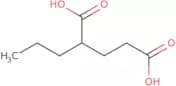
CAS:<p>2-Propylglutaric acid (2PGA) is a metabolic byproduct of the metabolism of branched chain amino acids. It is found in urine samples and has been shown to cause liver lesions in rats. 2PGA is metabolized to propionic acid, which can be detected in urine as a marker for renal dysfunction. 2PGA also increases gamma-aminobutyric acid levels in the brain and may have an effect on GABAergic neurotransmission. The elimination rate of 2PGA is slower than that of propionic acid, which means that it persists longer in the body than other metabolites. This chemical ionization technique can be used to measure the concentration of 2PGA and other fatty acids in biological fluids.</p>Fórmula:C8H14O4Pureza:Min. 95%Cor e Forma:PowderPeso molecular:174.19 g/molThymosin α1
CAS:<p>Please enquire for more information about Thymosin α1 including the price, delivery time and more detailed product information at the technical inquiry form on this page</p>Fórmula:C129H215N33O55Pureza:Min. 95%Cor e Forma:PowderPeso molecular:3,108.28 g/mol2-Bromo-6-nicotinic acid methyl ester
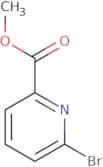
CAS:<p>2-Bromo-6-nicotinic acid methyl ester is a monomer that is used in vivo as a reactive probe. It undergoes a thermally induced reaction with sodium carbonate to form picolinic acid and 2,6-dibromonicotinic acid. The picolinic acid can be converted to its fluorescent analog, which has been shown to be useful for the detection of tumors in mice. This compound also reacts with metal ions such as copper and zinc, which allows it to act as a ligand for metal complexes.</p>Fórmula:C7H6BrNO2Pureza:Min. 95%Cor e Forma:PowderPeso molecular:216.03 g/mol2,2'-Dihydroxy-4',6'-dimethoxychalcone
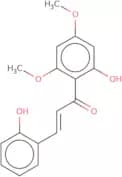
CAS:<p>2,2'-Dihydroxy-4',6'-dimethoxychalcone (DDMC) is a naturally occurring chalcone with antitumor activity. DDMC inhibits the expression of NF-κB and suppresses tumor growth in animal models. In vitro studies have shown that DDMC inhibited the proliferation of human glioma cells without affecting normal brain cells. It has also been shown to inhibit the proliferation of malignant human glioblastoma cells in a dose-dependent manner, while only minimally affecting normal human astrocytes. DDMC has been found to be non-toxic and safe for use in humans and other mammals. The following are some descriptions for products: 6-Fluoro-3-indoxyl-beta-D-galactopyranoside Rifapentine is an anti-tuberculosis drug that belongs to the class of rifamycins. It is the</p>Fórmula:C17H16O5Pureza:Min. 95%Cor e Forma:PowderPeso molecular:300.31 g/mol7a-Hydroxy cholesterol
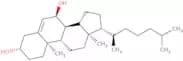
CAS:Produto Controlado<p>7a-Hydroxycholesterol is a cholesterol metabolite that has been shown to inhibit the proliferation of 3T3-L1 preadipocytes and HL-60 cells. This compound also inhibits the growth of tumor cells by inhibiting the enzyme activities necessary for cell division and synthesis. 7a-Hydoxycholesterol has been found to be a potent inducer of cholesterol biosynthesis in cultured liver cells, which may be due to its ability to inhibit the conversion of cholesterol into bile acids. 7a-hydroxycholesterol has also been shown to inhibit viral replication in vitro. It binds to mitochondrial DNA and inhibits ATP production, leading to inhibition of mitochondrial membrane potential and cell death. 7a-hydroxycholesterol is also known as an oxysterol because it can be made from 25(OH)D3 or 2,5(OH)2D3. A high level of this metabolite is associated with atherosclerosis or formation of cholesterol deposits on artery walls</p>Fórmula:C27H46O2Pureza:Min. 95%Cor e Forma:White PowderPeso molecular:402.65 g/molLopinavir metabolite M-3/M-4
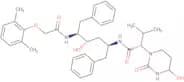
CAS:<p>Lopinavir is an antiviral drug that inhibits HIV protease, an enzyme involved in the replication of the virus. It is metabolized to form M-3 and M-4, which are active against HIV protease. Lopinavir has been shown to have antiviral activities against HIV-1 and HIV-2. The activity of lopinavir against HIV protease may be due to its ability to bind to the active site of this enzyme and inhibit its catalytic activity.</p>Fórmula:C37H48N4O6Pureza:Min. 95%Peso molecular:644.8 g/mol1-trans-Cinnamyl-4-diphenylmethylpiperazine
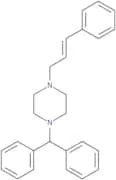
CAS:<p>Calcium channel blocker; piperazine derivative</p>Fórmula:C26H28N2Pureza:Min. 95%Cor e Forma:White PowderPeso molecular:368.51 g/mol6-Bromovanillin
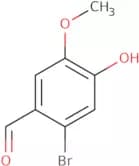
CAS:<p>6-Bromovanillin is a hydroxymethyl derivative of vanillin that has been shown to react with a number of aldehydes in organic reactions. 6-Bromovanillin can be used as a precursor for the synthesis of piperonal and haplophyllum. In addition, 6-bromovanillin can be decarboxylated to form 4-hydroxybenzoic acid.</p>Fórmula:C8H7BrO3Pureza:Min. 95%Peso molecular:231.04 g/molPropionic acid 2-naphthyl ester
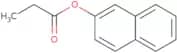
CAS:<p>Propionic acid 2-naphthyl ester is an antibiotic that is produced by Rhodobacter sphaeroides and belongs to the class of carboxylate phosphatase inhibitors. It is a potent inhibitor of acid phosphatases, which are enzymes found in many bacteria, fungi, and plants. It has been shown to inhibit the growth of various types of cancer cells, including melanoma and lung cancer cells. Propionic acid 2-naphthyl ester also binds to antigen-presenting cells and induces the production of cytokines such as IL-6, IL-8, IL-10, and TNF-α. This compound also inhibits cholinesterases in the blood plasma and brain tissue.</p>Fórmula:C13H12O2Pureza:Min. 90%Cor e Forma:PowderPeso molecular:200.23 g/mol9'-cis-Neoxanthin - solution in ethanol (sold by weight of solution)
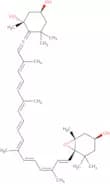
CAS:<p>9'-cis-Neoxanthin is a carotenoid that belongs to the class of xanthophylls. It is found in high concentrations in the seeds of peas, spinach, and corn. 9'-cis-Neoxanthin has been shown to inhibit prostate cancer cells by targeting their transcriptional regulation. 9'-cis-Neoxanthin is a precursor for violaxanthin, which is a powerful antioxidant that can scavenge free radicals. This molecule also binds to DNA polymerase and inhibits its activity. The structural analysis of 9'-cis-Neoxanthin has revealed that it contains two chromophores: one with an oxygenated end (the neoxanthin side chain) and one with an unsaturated end (the other side chain).</p>Fórmula:C40H56O4Pureza:Min. 97 Area-%Cor e Forma:Clear LiquidPeso molecular:600.87 g/molω-Benzoyloxy resacetophenone
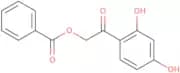
CAS:<p>Omega-benzoyloxy resacetophenone (OBOP) is a high quality reagent that is used as a building block for the synthesis of complex compounds. OBOP can be used as an intermediate for the production of fine chemicals and research chemicals. It is also a versatile building block that can be used in reactions to produce speciality chemicals. OBOP is soluble in most organic solvents and has a melting point of 140-142 degrees Celsius. The chemical formula for OBOP is C14H14O3.</p>Fórmula:C15H12O5Pureza:Min. 95%Cor e Forma:PowderPeso molecular:272.25 g/mol2-Nitrophenylhydrazine
CAS:<p>2-Nitrophenylhydrazine is a drug that is used as an anti-inflammatory agent. It is a nonsteroidal anti-inflammatory drug (NSAID) that acts by blocking the production of prostaglandins in the body, preventing inflammation and pain. 2-Nitrophenylhydrazine can be used to treat conditions such as arthritis, gout, and rheumatoid arthritis. This drug also has the ability to remove organic contaminants from water. 2-Nitrophenylhydrazine binds with fatty acids in wastewater treatment plants, forming an insoluble complex that precipitates out of solution. The compound inhibits the activity of hydrogen bond and methyl ethyl groups, which are needed for the biosynthesis of polyunsaturated fatty acids like phytanic acid and diphenyl ether.</p>Fórmula:C6H7N3O2Pureza:Min. 95%Cor e Forma:PowderPeso molecular:153.14 g/molDL-Ethionine
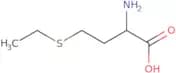
CAS:<p>DL-Ethionine is a compound that is formed when the amino acid methionine is converted to ethionine. It has been shown to induce the formation of acid in the liver and pancreas, which can lead to pancreatitis. Experimental models have shown that DL-ethionine causes liver injury by inhibiting tissue repair mechanisms, such as the polymerase chain reaction. This inhibition prevents DNA synthesis, leading to cell death. The mechanism of DL-ethionine induced toxicity is currently being investigated.</p>Fórmula:C6H13NO2SCor e Forma:PowderPeso molecular:163.24 g/molL-Leucine 4-nitrophenyl ester hydrochloride
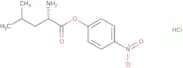
CAS:<p>L-Leucine 4-nitrophenyl ester hydrochloride is a reaction component, reagent, and useful scaffold that is used in the synthesis of complex compounds. It is a versatile building block and useful intermediate that can be used to synthesize fine chemicals such as pharmaceuticals, agrochemicals, or dyes. L-Leucine 4-nitrophenyl ester hydrochloride has CAS number 75691-76-8.</p>Fórmula:C12H16N2O4•HClPureza:Min. 95%Peso molecular:288.73 g/mol2-Hydroxy-5-nitroacetophenone
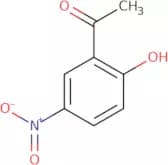
CAS:<p>2-Hydroxy-5-nitroacetophenone is a synthetic molecule that has two functional groups. It is synthesized by reacting morpholine with malonic acid. 2-Hydroxy-5-nitroacetophenone is an electron donor, which means it can accept electrons from other molecules. This compound can be used as a diagnostic tool for cancer cells because it reacts with oxygen to form polyhedra, which are indicative of cancer senescence. In addition, this compound can be used to measure the concentration of plasma mass spectrometers by using electron spin resonance (ESR) and magnetic resonance imaging (MRI). The unpaired electrons on the nitro group of the molecule react with oxygen in the air to form polyhedra and give off characteristic signals in ESR and MRI. These signals are proportional to the concentration of unpaired electrons and therefore provide a quantitative measurement of 2-hydroxy-5 nitroacetophenone in solution.</p>Fórmula:C8H7NO4Pureza:Min. 95%Cor e Forma:PowderPeso molecular:181.15 g/mol1-Naphthylacetic acid
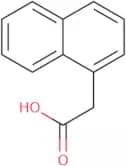
CAS:<p>1-Naphthylacetic acid is a fluorescent compound that can be used as a chemical marker for the identification of sodium salts. It has an optimum concentration of 0.1 mg/L and a maximum concentration of 1 mg/L in water. The fluorescence detector is set to measure the synchronous fluorescence at a wavelength of 515 nm. 1-Naphthylacetic acid is soluble in water and organic solvents, but insoluble in nonpolar solvents such as ether, chloroform, or benzene. This compound can be used for the detection of pesticides with a chemical structure similar to that of 1-naphthylacetic acid, such as 2-chloro-4-(trifluoromethoxy)phenol and 2-chloro-5-(trifluoromethoxy)phenol, using dispersive solid phase extraction (DSPE). The product description should include:</p>Fórmula:C12H10O2Pureza:Min. 98 Area-%Cor e Forma:White PowderPeso molecular:186.21 g/mol3-Bromo-4-methoxybenzoic acid methyl ester
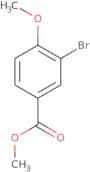
CAS:<p>3-Bromo-4-methoxybenzoic acid methyl ester is an isomer of 4-methoxybenzoic acid. It is a natural product that can be found in dihydroisoquinoline and in the ethyl formate oxidation products. There are two ways to synthesize this compound: by oxidation of diphenyl ethers or by hydrolysis of chloride acetaldehyde. 3-Bromo-4-methoxybenzoic acid methyl ester has been shown to have cellular toxicity against human cells and biphenyl.</p>Fórmula:C9H9BrO3Pureza:Min. 95%Cor e Forma:PowderPeso molecular:245.07 g/molApomorphine
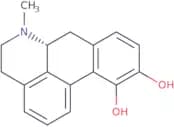
CAS:Produto Controlado<p>Apomorphine is a chemical compound that can be used as an analytical tool to study the effects of dopamine on physiological processes, and pharmacological agents on pharmacokinetics. It is also used in the treatment of Parkinson's disease. Apomorphine is a potent agonist at dopaminergic receptors in the central nervous system, and has been shown to increase locomotor activity and improve the rotarod test performance in rats. Apomorphine binds to dopamine receptors in the brain, replacing dopamine as it becomes depleted. The drug also blocks reuptake of dopamine by neurons and increases release of dopamine from nerve terminals. Apomorphine has a short half-life of about 2 hours, but may have potential for long-term treatment because its effects can last up to 24 hours.</p>Fórmula:C17H17NO2Pureza:Min. 95%Cor e Forma:PowderPeso molecular:267.32 g/mol2,4-Dichlorocinnamic acid
CAS:<p>2,4-Dichlorocinnamic acid is a diphenolase inhibitor that is used in the treatment of lactic acidosis. It inhibits the glyoxylate cycle enzyme, muscle monophenolase activity, and tyrosinase activity. 2,4-Dichlorocinnamic acid also binds to tyrosinase and inhibits the reaction scheme. The binding of this drug to tyrosinase causes irreversible inhibition of the enzyme's catalytic site. 2,4-Dichlorocinnamic acid has been shown to have a low degree of cell toxicity and has a kinetic effect on adsorption kinetics.</p>Fórmula:C9H6Cl2O2Pureza:Min. 95%Cor e Forma:White PowderPeso molecular:217.05 g/mol4-Nitrophenyl propionate
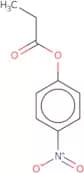
CAS:<p>4-Nitrophenyl propionate is a synthetic surfactant that is used in many products, including detergents, fabric softeners, and dishwashing liquids. It has been shown to have a positioning effect on the enzyme lipase and to shift its enzymatic activity. 4-Nitrophenyl propionate can be used as a catalyst for sodium fusidate in the synthesis of microemulsions. The catalytic activity of 4-nitrophenyl propionate is constant and it has high catalytic efficiency.</p>Fórmula:CH3CH2COOC6H4NO2Pureza:Min. 95%Cor e Forma:White PowderPeso molecular:195.17 g/mol3’,5’-Bis-O-benzoyl-2’-deoxy-2’-fluoro-β-D-arabino-6-azidouridine
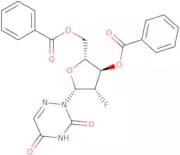
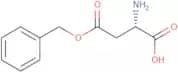
CAS:<p>Please enquire for more information about 3’,5’-Bis-O-benzoyl-2’-deoxy-2’-fluoro-beta-D-arabino-6-azidouridine including the price, delivery time and more detailed product information at the technical inquiry form on this page</p>Pureza:Min. 95%L-Aspartic acid b-benzyl ester
CAS:<p>L-Aspartic acid b-benzyl ester (L-ABE) is a cytostatic drug that is biodegradable and can be used in a variety of animal species. It has been shown to inhibit the growth of cancer cells in vitro and in vivo, as well as micelles. L-ABE inhibits the action of dehydroascorbic acid reductase, an enzyme that reduces dehydroascorbic acid to ascorbic acid. This inhibition leads to an increase in the concentration of dehydroascorbic acid, which may cause cell death by damaging DNA. L-ABE also has been shown to inhibit P-glycoprotein (Pgp), leading to increased accumulation of anticancer drugs such as doxorubicin, which can lead to cell death.</p>Fórmula:C11H13NO4Pureza:Min. 95%Cor e Forma:White PowderPeso molecular:223.23 g/mol2,2'-Azino-bis(3-ethylbenzothiazoline-6-sulfonic acid) diammonium salt
CAS:<p>ABTS can be used as a peroxidase substrate that gives a metastable cation when in the presence of H2O2. 2,2'-Azino-bis (3-ethylbenzothiazoline-6-sulfonic acid) or ABTS is commonly used in the enzyme-linked immunosorbent assay (ELISA). ABTS is chosen because the enzyme facilitates the reaction to give a green end-product with an absorbance maximum of 420nm and can therefore be detected with a spectrophotometer.</p>Fórmula:C18H24N6O6S4Pureza:Min. 98.0 Area-%Cor e Forma:PowderPeso molecular:548.68 g/moltrans,trans-Farnesyl thiosalicylic acid
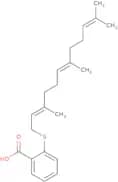
CAS:<p>Farnesyl thiosalicylic acid (FTSA) is a synthetic compound that exhibits potent anticancer activity. FTSA binds to the active site of the enzyme protein kinase C-alpha (PKC-α), which prevents its phosphorylation and activation. This prevents the activation of the mitogen-activated protein kinases, which are involved in cell proliferation and differentiation. FTSA also inhibits cancer cell migration by blocking MMP-9 activity, leading to tumor regression. FTSA has been shown to be effective against chemotherapy resistant breast cancer cells, as well as cancer cells from other tissues such as colon, prostate, and ovary.</p>Fórmula:C22H30O2SPureza:Min. 95%Cor e Forma:White to off-white solid.Peso molecular:358.54 g/molFmoc-3,5-diiodo-D-tyrosine
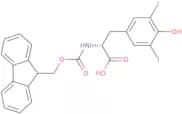
CAS:<p>Please enquire for more information about Fmoc-3,5-diiodo-D-tyrosine including the price, delivery time and more detailed product information at the technical inquiry form on this page</p>Fórmula:C24H19I2NO5Pureza:Min. 95%Cor e Forma:PowderPeso molecular:655.22 g/mol3'-Fluoro-4'-methoxy-beta-methyl-beta-nitrostyrene
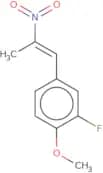
CAS:<p>3'-Fluoro-4'-methoxy-beta-methyl-beta-nitrostyrene is a reactive building block that can be used in the synthesis of many different compounds. It is a fine chemical and a reagent which is useful in organic chemistry. 3'-Fluoro-4'-methoxy-beta-methyl-beta-nitrostyrene is used as a reaction component for the synthesis of many different compounds, including pharmaceuticals, agrochemicals, and other specialty chemicals. It has CAS number 1023717-11-4 and can be used as an intermediate compound or building block for the production of complex compounds.</p>Fórmula:C10H10FNO3Pureza:Min. 95%Cor e Forma:PowderPeso molecular:211.19 g/molS-Benzylisothiourea hydrochloride
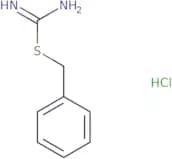
CAS:<p>S-Benzylisothiourea hydrochloride (SBIT) is a potent inhibitor of the influenza virus by binding to the polymerase domain of the virus’s RNA-dependent RNA polymerase. SBIT inhibits viral transcription and replication, as well as viral assembly, release, and infectivity. SBIT has been shown to inhibit avian influenza A/H5N1 in cell culture and in mice models with no observable adverse effects. The mechanism of action for this drug is not yet understood but may be related to its ability to inhibit the kinase domain of avian influenza NS1 protein which is involved in regulating inflammatory responses.</p>Fórmula:C8H10N2S·HClPureza:Min. 95%Cor e Forma:PowderPeso molecular:202.71 g/molBiotinyl-Gly-Gly-OH
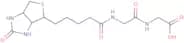
CAS:<p>Please enquire for more information about Biotinyl-Gly-Gly-OH including the price, delivery time and more detailed product information at the technical inquiry form on this page</p>Fórmula:C14H22N4O5SPureza:Min. 95%Peso molecular:358.41 g/mol3,4-Dimethoxy-2-methylcinnamic acid
CAS:<p>3,4-Dimethoxy-2-methylcinnamic acid is a fine chemical that can be used as a building block to produce complex compounds. It is also an intermediate in the synthesis of chemicals such as cinnamyl alcohol, cinnamaldehyde, and 2-methyl-3-(4'-methoxyphenyl)propanoic acid. This compound is useful for research purposes as it has been shown to be an effective reaction component in organic reactions. 3,4-Dimethoxy-2-methylcinnamic acid is a high quality reagent with CAS No. 868562-26-9.</p>Fórmula:C12H14O4Pureza:Min. 95%Cor e Forma:PowderPeso molecular:222.24 g/molL-Tyrosinol hydrochloride
CAS:<p>L-Tyrosinol hydrochloride is a chiral molecule that is the hydrogenated form of L-tyrosine. It is an intermediate in the synthesis of L-dopa, which is used to treat Parkinson's disease. The enzymatic reaction that converts L-tyrosinol hydrochloride to L-dopa requires adenosine 5'-phosphosulfate as cofactor and histidine as a catalyst. The conversion of L-tyrosinol hydrochloride to L-dopa occurs with high yield and has been shown to be stereoselective. This synthetic pathway has been shown to have an activation energy of 53 kcal/mol and a reaction time of 30 minutes at room temperature.</p>Fórmula:C9H13NO2·HClCor e Forma:White Off-White PowderPeso molecular:203.67 g/molPolycaprolactone diol - MW 525-575
CAS:<p>Biodegradable polymer</p>Fórmula:C4H8O3(C6H10O2)nCor e Forma:Clear Liquid5-Bromovanillin
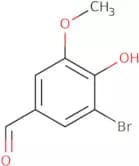
CAS:<p>5-Bromovanillin is an antimicrobial agent that inhibits the growth of bacteria by binding to the enzyme vanillin. It is used as a natural compound, in which it can be found in plants and fruits such as Eugenia caryophyllata and Vanilla planifolia. 5-Bromovanillin has been shown to have a potent inhibitory effect on bacterial growth. The inhibitory effect of this compound is due to its ability to coordinate with the vanillin molecule, forming a complex that blocks the reaction mechanism of the enzyme. This complex also reacts with p-hydroxybenzoic acid, which disrupts the cell membrane and causes leakage of cellular contents. 5-Bromovanillin has been studied using surface methodology and electrochemical impedance spectroscopy (EIS). These studies demonstrated that 5-bromovanillin has a high affinity for methanol solvent and inhibitor molecules, which may contribute to its antimicrobial activity.</p>Fórmula:C8H7BrO3Pureza:Min. 95%Cor e Forma:Yellow PowderPeso molecular:231.04 g/mol3,3',5,5'-Tetraiodo-L-thyronine sodium hydrate
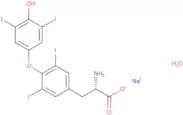
CAS:<p>3,3',5,5'-Tetraiodo-L-thyronine sodium hydrate is a synthetic thyroid hormone that is used to treat hypothyroidism and myxedema coma. It is also used as an ingredient in pharmaceuticals. 3,3',5,5'-Tetraiodo-L-thyronine sodium hydrate has been shown to be effective in the treatment of hypothyroidism and myxedema coma. The drug exhibits a high degree of bioequivalence with levothyroxine sodium tablets.<br>MRP2/ABCG2 transport proteins are expressed at high levels in the liver and gut epithelium and play a role in the absorption of 3,3',5,5'-tetraiodo-L-thyronine sodium hydrate from the small intestine into blood circulation. This drug binds to sorbitol and d-mannitol through hydrogen bonding interactions. These interactions may be responsible for</p>Fórmula:C15H10I4NNaO4•(H2O)xPureza:Min. 97 Area-%Cor e Forma:PowderPeso molecular:798.85Glycerin rosin ester
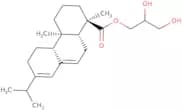
CAS:<p>Glycerin rosin ester is a polyunsaturated, hydrogenated, fatty acid that is used as a cross-linking agent. It is a mixture of glycerin and calcium stearate with traces of choroidal neovascularization. Glycerin rosin ester is used in the production of pharmaceutical preparations to increase the viscosity and stability of the formulation. Glycerin rosin ester has been shown to have a low thermal expansion coefficient, which allows it to be used as a hydrogen bond. This product also has an allergic effect on skin and can cause irritation if touched or inhaled. The transport rate for this product is 0.5 kilometers per hour at 20 degrees Celsius.</p>Fórmula:C3H8O3Cor e Forma:Off-White PowderPeso molecular:92.09Grape seed extract - Technical
CAS:<p>Grape seed extract is a natural compound that is extracted from the seeds of grape plants. It contains growth factors, such as growth factor-β1 and dinucleotide phosphate (NADP). Grape seed extract also has enzyme activities including natural compounds, biocompatible polymers, and antimicrobial agents. The extract can be used to prevent bacterial growth on surfaces by inhibiting the enzymatic activity of cell walls. The extract has been shown to have antibacterial effects against human serum and mitochondria membrane potential in a model system.</p>Fórmula:C30H12O6Pureza:Min. 95%Cor e Forma:Red PowderPeso molecular:468.41 g/mol4-Methoxycinnamic acid
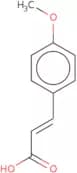
CAS:4-Methoxycinnamic acid is a derivative that is activated by light exposure. It has been shown to have antimicrobial activity against Gram-positive bacteria and yeast, but not Gram-negative bacteria. 4-Methoxycinnamic acid is an analytical reagent that can be used to measure the dry weight of skin cancer cells, as well as to study the genotoxic effects of human liver cells. The chemical has also been shown to be genotoxic in mouse bone marrow cells and human lymphocytes. 4-Methoxycinnamic acid has been found to cause synchronous fluorescence when exposed to UV light, which may be due to its ability to react with molecular oxygen. This reaction produces a linear model with two products: 4-hydroxybenzoic acid and 2,5-dihydroxybenzoic acid.Fórmula:C10H10O3Pureza:Min. 95%Cor e Forma:PowderPeso molecular:178.18 g/molomega-Benzoyloxy phloracetophenone
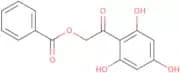
CAS:<p>Omega-Benzoyloxy phloracetophenone is a fine chemical that is used as a building block in organic synthesis. It is also a versatile building block that can be used to synthesize many different types of compounds. This compound has been shown to react with alcohols, amines, and thiols to form esters, amides, and sulfones respectively. Omega-Benzoyloxy phloracetophenone is also a useful intermediate and scaffold in the synthesis of complex compounds.</p>Fórmula:C15H12O6Pureza:Min. 95%Peso molecular:288.25 g/molChromotropic acid disodium dihydrate
CAS:<p>Chromotropic acid dihydrate is a chromogenic compound that has an adsorption mechanism and is used as an analytical reagent. Chromotropic acid disodium dihydrate (CDA) is used in the determination of hydrochloric acid, natural gas and other liquids. It also can be used to measure the concentration of tyramine hydrochloride. CDA has been shown to be effective in the measurement of molecular orbitals and kinetic constants. The optical sensor is sensitive to wavelengths ranging from 200-900 nm, with a peak absorption at around 500 nm. This sensor can be used for many types of chemical reactions, such as organic synthesis, hydrogenation, and oxidation.</p>Fórmula:C10H6O8S2Na2·2H2OPureza:Min. 95%Cor e Forma:Off-White PowderPeso molecular:400.29 g/mol3-Cyano-4,6-dimethylcoumarin
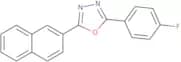
CAS:<p>3-Cyano-4,6-dimethylcoumarin is a phenolic compound with potent inhibitory activity against bacteria. It has been shown to bind to the hydroxyl group of the coumarin ring and inhibit the growth of Gram-negative and Gram-positive bacteria. 3-Cyano-4,6-dimethylcoumarin also inhibits the growth of fungi by binding to the hydroxyl group on a phenolic hydroxyl substituent. 3-Cyano-4,6-dimethylcoumarin can be used as an antimicrobial agent for various types of infections.</p>Fórmula:C12H9NO2Pureza:Min. 95%Cor e Forma:PowderPeso molecular:199.21 g/mol2-(4-Fluorophenyl)-5-(2-naphthyl)-1,3,4-oxadiazole
CAS:<p>2-(4-Fluorophenyl)-5-(2-naphthyl)-1,3,4-oxadiazole is a clinical drug that is used to diagnose the presence of cholesterol in human serum. It reacts with cholesterol esterase to form a fluorescent product. The fluorescence intensity of this reaction product can then be measured and used to determine the concentration of cholesterol in the sample. 2-(4-Fluorophenyl)-5-(2-naphthyl)-1,3,4-oxadiazole has been shown to have a high specificity for cholesterol esterase and does not react with enzymes such as carboxylesterases and cholesteryl esterases. This compound also inhibits uptake into cells by acting on an uptake carrier protein, which prevents it from entering cells.</p>Fórmula:C18H11FN2OPureza:Min. 95%Peso molecular:290.3 g/molCaffeine citrate
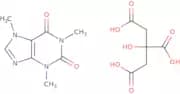
CAS:Produto Controlado<p>Caffeine citrate is a low-dose caffeine product that has been shown to increase locomotor activity in rats. Caffeine citrate is an ester of caffeine and citric acid. It inhibits the enzyme that breaks down acetylcholine, which may lead to an increase in brain functions. Caffeine citrate is used as a treatment for apnea in pediatric patients, and it has also been shown to prevent bacterial translocation and reduce liver impairment caused by certain drugs. The therapeutic effect of caffeine citrate may be due to its ability to inhibit mitochondrial membrane potential, or its effects on basic proteins such as sodium citrate, or both.</p>Fórmula:C8H10N4O2·C6H8O7Cor e Forma:White PowderPeso molecular:386.31 g/mol6-Methoxy-2-naphthaleneacetic acid
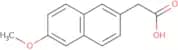
CAS:<p>6-Methoxy-2-naphthaleneacetic acid (6-MNA) is a nonsteroidal anti-inflammatory drug that is used to treat patients with chronic pain. 6-MNA has been shown to be an effective treatment for osteoarthritis, rheumatoid arthritis and other inflammatory conditions. It inhibits the production of prostaglandins and leukotrienes by inhibiting the enzyme cyclooxygenase, which is responsible for the conversion of arachidonic acid to these mediators. 6-MNA can also inhibit the activity of α1-acid glycoprotein and increase the activity of human serum albumin, which may contribute to its antiinflammatory effect. 6-MNA has several side effects including nausea, vomiting, diarrhea and abdominal pain. These adverse reactions are caused by inhibition of protein synthesis in the stomach lining, which leads to decreased production of mucus and bicarbonate ions.</p>Fórmula:C13H12O3Pureza:Min. 95%Cor e Forma:PowderPeso molecular:216.23 g/mol2,2-Dimethoxy-2-phenylacetophenone
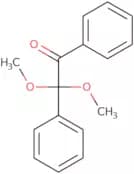
CAS:<p>2,2-Dimethoxy-2-phenylacetophenone is a glycol ether substrate film that can be used to study the reaction mechanism of glycol ethers. It has been found that this substrate film reacts with oxygen in the air to form an organic peroxide and hydrogen peroxide. The product of the reaction is then identified by measuring the rate of thermal expansion. This method has been shown to be a useful tool for determining the kinetic constants of glycol ethers. The 2,2-dimethoxy-2-phenylacetophenone substrate film can also be used as a fluorescence probe for detecting radiation and wastewater treatment. The hydroxyl group on this substrate film is susceptible to degradation by acids, which may lead to its chemical instability.</p>Fórmula:C16H16O3Pureza:Min. 95%Cor e Forma:White To Off-White SolidPeso molecular:256.3 g/mol5-Nitrovanillin
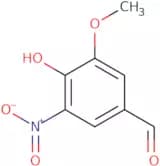
CAS:<p>5-Nitrovanillin is a white crystalline solid with a molecular formula of C8H7NO2. It reacts with nucleophilic compounds, such as ammonia, in the presence of heat to produce a molecule containing an oxygen atom and two nitro groups. 5-Nitrovanillin has been found to undergo demethylation when heated in the presence of hydroxylamine. Reaction products include protocatechuic acid, nitromethane, and 5-nitrobenzoic acid. This compound can be identified by its characteristic nmr spectrum that includes a hydroxyl group and a hydrogen bond between the nitrogen atom and the hydroxyl group. The chemical ionization mass spectrometer can also be used to identify 5-nitrovanillin.</p>Fórmula:C8H7NO5Pureza:Min. 95%Cor e Forma:Yellow PowderPeso molecular:197.14 g/molN-Dihydrocinnamoylaminocaproic acid
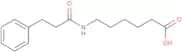
CAS:<p>Please enquire for more information about N-Dihydrocinnamoylaminocaproic acid including the price, delivery time and more detailed product information at the technical inquiry form on this page</p>Fórmula:C15H21NO3Pureza:Min. 95%Peso molecular:263.33 g/molPogosine
<p>Pogosine is a protein-degrading enzyme that belongs to the ubiquitin proteasome pathway. It has been shown to modulate the activity of estrogen receptors and may be an effective treatment for cancer. Pogosine is also able to inhibit the release of neutrophils, which are cells that are responsible for inflammation and infection.</p>Pureza:Min. 95%4'-Hydroxy-3'-nitroacetophenone
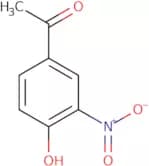
CAS:<p>4'-Hydroxy-3'-nitroacetophenone is a synthetic compound that has been used as an xanthine oxidase inhibitor. It has been shown to reversibly inhibit xanthine oxidase and prevent the accumulation of toxic metabolites that are produced by this enzyme. 4'-Hydroxy-3'-nitroacetophenone also inhibits the activities of other enzymes, such as covalent adducts with protein molecules and transfer reactions. The molecular modeling study of this compound showed that it binds to the active site of xanthine oxidase, forming a covalent adduct between the reactive oxygen species (ROS) and the phenolic OH group on the inhibitor molecule. 4'-Hydroxy-3'-nitroacetophenone was found to be safe in clinical studies, with reversible covalent binding and no inhibition of protein synthesis or cell growth at therapeutic concentrations.</p>Fórmula:C8H7NO4Pureza:Min. 95%Cor e Forma:PowderPeso molecular:181.15 g/molTriphenylphosphine-3,3',3''-trisulfonic acid trisodium salt
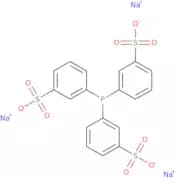
CAS:<p>Triphenylphosphine-3,3',3''-trisulfonic acid trisodium salt is a cationic surfactant that has been used as a catalyst in organic synthesis. This drug has been shown to be effective in the treatment of hydrochloric acid and sodium carbonate bladder stones. It has also been used to treat orthoboric acid nephropathy, which is a type of kidney disease caused by exposure to high levels of boric acid. Triphenylphosphine-3,3',3''-trisulfonic acid trisodium salt is not readily absorbed into the bloodstream and exhibits low bioavailability.</p>Fórmula:C18H12Na3O9PS3Pureza:Min. 90 Area-%Cor e Forma:White PowderPeso molecular:568.42 g/moltrans-4-(Diethylamino)cinnamaldehyde
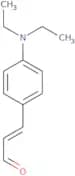
CAS:<p>Trans-4-(Diethylamino)cinnamaldehyde is a molecule that has been systematically studied with several techniques, such as x-ray crystallography. It has been shown to be a fluorophore and can be used as a fluorescent probe. Trans-4-(Diethylamino)cinnamaldehyde can be used in the fluorescence method in which it reacts with other molecules and emits light. This reaction scheme is based on the principle of irradiation by UV light or visible light to produce an excited state. Fluorescence is detected at various wavelengths depending on the dye used. Trans-4-(Diethylamino)cinnamaldehyde also emits fluorescence when irradiated with ultraviolet light, which is often referred to as "violet" fluorescence. The wavelength of this emission is 365 nm and it can be detected using high yield techniques, such as fluorometers.</p>Fórmula:C13H17NOPureza:Min. 95%Cor e Forma:PowderPeso molecular:203.28 g/molPhloroacetophenone trimethyl ether
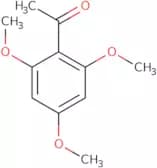
CAS:<p>Phloroacetophenone trimethyl ether is a reactive and inhibitory chemical that has been shown to have anti-inflammatory activity in animal models. It also inhibits the reaction of chloroacetophenone with chloride ions, which results in the formation of an intermediate that is reactive enough to attack the a-ring of phenylhydrazone. This mechanism is similar to the reaction of ochratoxin A, a mycotoxin that can cause cancer and metabolic disorders. Phloroacetophenone trimethyl ether has been shown to have significant cytotoxicity against cancer cells and can be used as a precursor for other compounds. The x-ray diffraction data shows that it forms a dimer when dissolved in water. The nmr spectra show two methyl groups and one hydrogen atom on each molecule.</p>Fórmula:C11H14O4Pureza:Min. 95%Cor e Forma:PowderPeso molecular:210.23 g/mol4-Chlorosulfonylbenzoic acid methyl ester
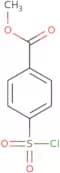
CAS:<p>4-Chlorosulfonylbenzoic acid methyl ester is a reagent that is used in glycan biosynthesis. It is a deuterated analogue of uridine and can be used to screen for 4-epimerase enzymes. The 4-chlorosulfonylbenzoic acid methyl ester can be synthesized by the deuteration of uridine, which is then reacted with methanol and chlorosulfonic acid. This reagent can be used to study glycan biosynthesis by labeling the sugar moiety of glycans with carbon-13 atoms. The use of this reagent has been problematic because it cannot be reversibly converted back to uridine, so it cannot serve as a substrate for further synthetic reactions.</p>Fórmula:C8H7ClO4SPureza:Min. 95 Area-%Cor e Forma:PowderPeso molecular:234.66 g/mol2,4,6-Trimethoxycinnamic acid
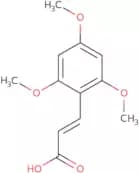
CAS:<p>2,4,6-Trimethoxycinnamic acid is a cinnamoyl compound that can be isolated from the seeds of Garcinia gummi-guta. This compound has been synthesised and optimised for use as an antioxidant in food and cosmetic products. 2,4,6-Trimethoxycinnamic acid has a high product yield under isothermal conditions using β-cyclodextrin as a solvent. It also shows good stability in the presence of light. 2,4,6-Trimethoxycinnamic acid has been shown to be efficient in preventing oxidation reactions by acting as a scavenger of singlet oxygen and peroxyl radicals. The analytical data obtained from this study suggests that 2,4,6-Trimethoxycinnamic acid will not produce any moieties or photostability problems when used in these applications.</p>Fórmula:C12H14O5Pureza:Min. 95%Cor e Forma:PowderPeso molecular:238.24 g/mol1,8-Bis(bromomethyl)naphthalene
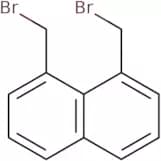
CAS:<p>1,8-Bis(bromomethyl)naphthalene is a naphthalene compound that has been shown to be a monoradical. It is synthesized by the replacement of two hydrogen atoms with bromine in the molecule. This reaction produces an alkylating agent and a molecule with a β-unsaturated aldehyde group. The compound has been studied using X-ray diffraction, where it has been found to have reactivity similar to other molecules with carbonyl groups. 1,8-Bis(bromomethyl)naphthalene has also been synthesized and studied by functional theory calculations. These calculations show that the bond lengths for this molecule are closer to those of benzene than those of naphthalene, which may account for its unusual reactivity.</p>Fórmula:C12H10Br2Pureza:Min. 95%Cor e Forma:PowderPeso molecular:314.02 g/molParoxetine HCl (hemihydrate)
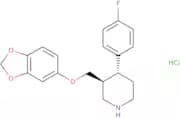
CAS:Produto Controlado<p>A serotonin reuptake inhibitor with anticholinergic activity and mild inhibitory activity on noradrenaline reuptake. Paroxetine has been used for the treatment of depression, anxiety disorders, post-traumatic stress disorder, premenstrual dysphoric disorder and obsessive-compulsive disorder. Also inhibits nitric oxide synthase and cytochrome isoenzyme P450 2D6.</p>Fórmula:C19H20FNO3•HCl•(H2O)0Pureza:Min. 98 Area-%Cor e Forma:White PowderPeso molecular:374.83 g/mol7-Methoxycoumarin-4-acetic acid N-succinimidyl ester
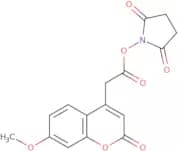
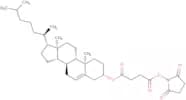
CAS:<p>7-Methoxycoumarin-4-acetic acid N-succinimidyl ester is a fluorescent probe for the detection of metalloproteinases. It has been used in assays to measure matrix metalloproteinase activity and to study the kinetics of these enzymes. This compound can be used as a fluorescence focus for the study of extracellular matrix regulation. 7-Methoxycoumarin-4-acetic acid N-succinimidyl ester inhibits matrix metalloproteinases by binding to their active site and blocking access to substrates, preventing the breakdown of extracellular matrix proteins.</p>Fórmula:C16H13NO7Pureza:Min. 97 Area-%Cor e Forma:Off-White PowderPeso molecular:331.28 g/mol(-)-Cholesterol NHS succinate
CAS:(-)-Cholesterol NHS succinate is a high-quality, complex chemical that can be used as a building block in the synthesis of other chemicals. It has been shown to be a useful intermediate in the production of drugs, such as lovastatin, and has been used as a reaction component in the synthesis of many compounds. (-)-Cholesterol NHS succinate is also versatile and can be used as an efficient scaffold for the synthesis of new compounds.Fórmula:C35H53NO6Pureza:Min. 95%Cor e Forma:PowderPeso molecular:583.8 g/molN4-Acetylcytosine
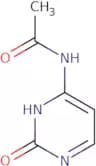
CAS:<p>N4-Acetylcytosine is an inhibitor of serine proteases, glycosidases and nucleosidases. It has been shown to inhibit the replication of a wide range of viruses including HIV, herpes simplex virus type 1, and adenovirus. N4-Acetylcytosine also inhibits the proliferation of cervical cancer cells.</p>Fórmula:C6H7N3O2Pureza:Min. 95%Cor e Forma:White PowderPeso molecular:153.14 g/mol(R)-Carprofen
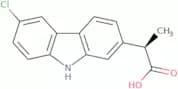
CAS:<p>(R)-Carprofen is a nonsteroidal anti-inflammatory drug that is used to treat pain and inflammation associated with arthritis, as well as other conditions. It is one of the most potent inhibitors of prostaglandin synthesis in human serum, but it has only moderate potency in bile and little or no affinity for fatty acids. The inhibition potential of carprofen has been shown to be stereoselective, with the (S)-enantiomer being up to 10 times more potent than the (R)-enantiomer. Carprofen is metabolized by conjugation with glucuronic acid and excreted in urine. Carprofen also has an inhibitory effect on endogenous substances such as diazepam, which may be due to its ability to inhibit CYP3A4.</p>Fórmula:C15H12ClNO2Pureza:Min. 95%Cor e Forma:White to off-white solid.Peso molecular:273.71 g/mol(R)-(+)-3,3'-Dibromo-5,5',6,6',7,7',8,8'-octahydro-1,1'-bi-2,2'-naphthalenediol
CAS:<p>(R)-(+)-3,3'-Dibromo-5,5',6,6',7,7',8,8'-octahydro-1,1'-bi-2,2'-naphthalenediol is a synthetic compound that is used as a ligand for asymmetric catalysis. It is an optically active compound and can be used in catalytic reactions to produce compounds that are not available through other methods. (R)-(+)-3,3'-Dibromo-5,5',6,6',7,7',8,8'-octahydro-1,1'-bi-2,2'-naphthalenediol is a reactive compound and can be used as a ligand in Diels-Alder reactions. The synthesis of this product can be achieved with high yield by using the synthetic method described.</p>Fórmula:C20H20Br2O2Pureza:Min. 98 Area-%Cor e Forma:White PowderPeso molecular:452.18 g/mol5,6-Dibromoacenaphthene
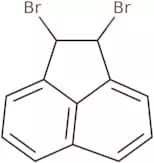
CAS:<p>5,6-Dibromoacenaphthene is a naphthalene derivative that has been used as a starting material for the synthesis of organometallic compounds. It can be synthesized by reacting butyllithium with 2-bromoacetophenone in presence of an organic acid such as ammonium salt or boronic acid. The reaction product can then be treated with allyl bromide to produce 5,6-dibromoacenaphthene. This compound has been used as a precursor for the production of diphenols and phosphines. 5,6-Dibromoacenaphthene interacts with strong bases such as alkali metals and amines.</p>Fórmula:C12H8Br2Pureza:Min. 95%Cor e Forma:PowderPeso molecular:312 g/molCrustacean Erythrophore Concentrating Hormone Pyr-Leu-Asn-Phe-Ser-Pro-Gly-Trp-NH2
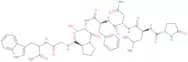
CAS:<p>Crustacean Erythrophore Concentrating Hormone Pyr-Leu-Asn-Phe-Ser-Pro-Gly-Trp-NH2 is a polypeptide hormone that belongs to the family of peptide hormones. It is a type of neurohormone that has been found in crustaceans. Crustacean Erythrophore Concentrating Hormone Pyr-Leu-Asn-Phe-Ser-Pro-Gly-Trp-NH2 shows high affinity for cardiac tissue and blocks the uptake of calcium ions into cells by binding to intracellular receptors. This peptide has been shown to have neurotrophic effects, which may be due to its ability to stimulate the production of nerve growth factor (NGF).</p>Fórmula:C45H59N11O11Pureza:Min. 95%Peso molecular:930.02 g/mol3-(4-chlorophenyl)spiro[1,3-thiazolidine-2,3'-indoline]-4,7-dione
CAS:<p>Please enquire for more information about 3-(4-chlorophenyl)spiro[1,3-thiazolidine-2,3'-indoline]-4,7-dione including the price, delivery time and more detailed product information at the technical inquiry form on this page</p>Fórmula:C16H11ClN2O2SPureza:Min. 95%Cor e Forma:PowderPeso molecular:330.79 g/mol2'-Ethoxycarbonylmethoxy-4'-(3-methyl-2-butenyloxy)acetophenone
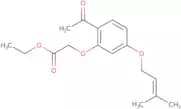
CAS:<p>2'-Ethoxycarbonylmethoxy-4'-(3-methyl-2-butenyloxy)acetophenone is a centrosymmetric molecule with a crystal structure. It has been shown to form dimers in the solid state.</p>Fórmula:C17H22O5Pureza:Min. 95%Cor e Forma:PowderPeso molecular:306.35 g/molDefluoro atorvastatin acetonide tert-butyl ester
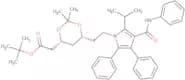
CAS:<p>Please enquire for more information about Defluoro atorvastatin acetonide tert-butyl ester including the price, delivery time and more detailed product information at the technical inquiry form on this page</p>Fórmula:C40H48N2O5Pureza:Min. 95%Cor e Forma:PowderPeso molecular:636.82 g/molEpicatechin-(2β->5,4β->6)-ent-epicatechin
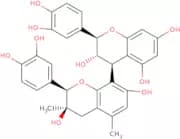
CAS:<p>Epicatechin-(2beta->5,4beta->6)-ent-epicatechin is a type of flavonoid dimer, which is derived from natural plant sources, particularly in some fruits and nuts known for their rich polyphenolic content. This compound belongs to the class of procyanidins, which are well-known for their potent antioxidant properties.</p>Fórmula:C30H24O12Pureza:Min. 95%Peso molecular:576.5 g/molNorbornylmethylpentafluorocinnamate
<p>Norbornylmethylpentafluorocinnamate is a versatile building block in organic synthesis. It is used as a reagent for the production of amines and other organic compounds, as well as for the synthesis of novel heterocycles. Norbornylmethylpentafluorocinnamate is also used as an intermediate in chemical reactions. This compound has been shown to react with ethylene glycol to form ethylene carbonate and pentafluoroethane, which may be useful for the production of polyurethane foam. Norbornylmethylpentafluorocinnamate can be used as a scaffold for synthesizing new drug candidates or to produce novel pharmaceuticals.</p>Fórmula:C17H15F5O2Pureza:Min. 95%Peso molecular:346.29 g/mol3-(4'-Bromo[1,1'-biphenyl]-4-yl)-1,2,3,4-tetrahydro-1-naphthalenol
CAS:3-(4'-Bromo[1,1'-biphenyl]-4-yl)-1,2,3,4-tetrahydro-1-naphthalenol is a chemical compound that belongs to the group of bromonaphthalenes. It has been used as a reaction component in organic synthesis and as a reagent for detection of DNA binding. 3-(4'-Bromo[1,1'-biphenyl]-4-yl)-1,2,3,4-tetrahydro-1-naphthalenol can be used as a building block for complex compounds with speciality applications. The compound is an intermediate in the production of pharmaceuticals such as selective estrogen receptor modulators.Fórmula:C22H19BrOPureza:Min. 95%Cor e Forma:PowderPeso molecular:379.29 g/mol


![3-(tert-butyl)-1-(4-nitrophenyl)indeno[2,3-d]pyrazol-4-one](/_next/image/?url=https%3A%2Fstatic.cymitquimica.com%2Fproducts%2F3D%2Fthumb-webp%2FFB169695.webp&w=3840&q=75)











![3-(4-chlorophenyl)spiro[1,3-thiazolidine-2,3'-indoline]-4,7-dione](/_next/image/?url=https%3A%2Fstatic.cymitquimica.com%2Fproducts%2F3D%2Fthumb-webp%2FFC169673.webp&w=3840&q=75)
![3-(4'-Bromo[1,1'-biphenyl]-4-yl)-1,2,3,4-tetrahydro-1-naphthalenol](/_next/image/?url=https%3A%2Fstatic.cymitquimica.com%2Fproducts%2F3D%2Fthumb-webp%2FFB164965.webp&w=3840&q=75)