Padrões Farmacêuticas
Os padrões farmacêuticos são um conjunto abrangente de materiais de referência essenciais para garantir a segurança, eficácia e qualidade dos produtos farmacêuticos. Esta categoria inclui padrões para ingredientes farmacêuticos ativos (APIs), que são os componentes principais responsáveis pelos efeitos terapêuticos. Além disso, abrange compostos e metabólitos relevantes tanto para a indústria farmacêutica quanto veterinária, fornecendo referências para a medição e análise precisa dessas substâncias. Padrões de controle de nitrosaminas são cruciais para detectar e mitigar nitrosaminas potencialmente prejudiciais em formulações de medicamentos. Padrões de toxicologia ajudam a avaliar a segurança e os potenciais efeitos adversos de compostos farmacêuticos. Além disso, padrões de ativadores e inibidores de enzimas são vitais para pesquisa e desenvolvimento, permitindo estudos precisos de vias bioquímicas e mecanismos de ação de medicamentos. Esses padrões farmacêuticos são ferramentas indispensáveis para conformidade regulatória, controle de qualidade e pesquisa, garantindo que os produtos farmacêuticos atendam a rigorosos critérios de segurança e eficácia.
Subcategorias de "Padrões Farmacêuticas"
- APIs para pesquisa e impurezas(273.474 produtos)
- Activadores e Inibidores de Enzimas(2.827 produtos)
- Nitrosaminas(2.603 produtos)
- Compostos e metabolitos farmacêuticos e veterinários(2.602 produtos)
- Toxicologia(13.653 produtos)
Foram encontrados 7836 produtos de "Padrões Farmacêuticas"
Ordenar por
Pureza (%)
0
100
|
0
|
50
|
90
|
95
|
100
Hydroxy naphthol blue disodium
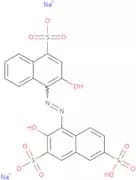
CAS:<p>Hydroxy naphtol blue is a synthetic azo dye, characterised for containing the functional group R N=N R. The hydroxy naphtol blue disodium and trisodium salt are used as indicators to determine the content of alkaline earth and lanthanides spectrophotometrically, showing at maximum a wavelength of ~ 650 nm (λmax = 647.6 nm). The best example of the use of hydroxy naphtol blue sodium salt is to determine the hardness of water by measuring the concentration of calcium and magnesium. At alkaline or basic pH, the hydroxy naphtol blue forms a pink/red complex with the metal ions and, after titration with EDTA, hydroxy naphtol blue is liberated, turning the solution blue which indicates the endpoint.</p>Fórmula:C20H14N2O11S3·2NaCor e Forma:PowderPeso molecular:600.51 g/mol3-Fluoro-5-hydroxy-4-methylbenzoic acid methyl ester
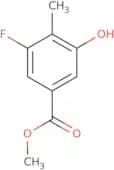
CAS:<p>3-Fluoro-5-hydroxy-4-methylbenzoic acid methyl ester is a high quality, versatile building block. It is used as a reagent and as a speciality chemical in the research laboratory. This compound is also an intermediate for the synthesis of other chemicals. 3-Fluoro-5-hydroxy-4-methylbenzoic acid methyl ester can be used in the synthesis of complex compounds that are useful scaffolds for drug development.</p>Fórmula:C9H9FO3Cor e Forma:PowderPeso molecular:184.16 g/molL-Aspartic acid dimethyl ester hydrochloride
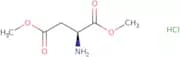
CAS:<p>L-Aspartic acid dimethyl ester hydrochloride (DAA) is an inhibitor of serine proteases, which are enzymes that break down other proteins. DAA inhibits the activity of these enzymes by forming a covalent bond with the serine residue in the active site of the enzyme. This inhibition prevents the breakdown of proteins and leads to inflammation in target tissues. L-Aspartic acid dimethyl ester hydrochloride is used to treat inflammatory bowel disease by inhibiting cathepsin B, a protease that is associated with this condition.</p>Fórmula:C6H11NO4·HClPureza:Min. 98 Area-%Cor e Forma:White Off-White PowderPeso molecular:197.62 g/moltrans-2-Hydroxycinnamic acid
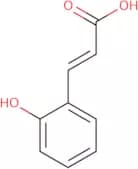
CAS:<p>Trans-2-hydroxycinnamic acid is a bioactive phytochemical that has been shown to inhibit the proliferation of 3T3-L1 preadipocytes. It also binds with 4-hydroxycinnamic acid, which is a compound found in coumarin derivatives. Trans-2-hydroxycinnamic acid is an analytical method for determining p-hydroxybenzoic acid, which is a metabolite of trans-2-hydroxycinnamic acid and can be used as an indicator for its presence in food products. Trans-2-hydoxycinnamic acid inhibits mitochondrial membrane potential and induces apoptosis in cancer cells. It also has drug interactions with etoac extract and structural analysis.</p>Fórmula:C9H8O3Cor e Forma:PowderPeso molecular:164.16 g/mol2',4',4-Trimethoxychalcone
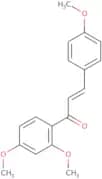
CAS:<p>2',4',4-Trimethoxychalcone is a natural product that inhibits the enzyme activity of phospholipase A2, lipoxygenase, and cyclo-oxygenase. It also has high resistance to hydrochloric acid, chloride, and blood pressure. 2',4',4-Trimethoxychalcone has shown protein inhibition effects in vitro, as well as potent transport inhibitor activity against particles. This compound is synthesized using solid-phase chemistry on an immobilized resin.</p>Fórmula:C18H18O4Pureza:Min. 95%Cor e Forma:PowderPeso molecular:298.33 g/mol1-(1-(5-(2'-Fluoroethyl)-2-Thienyl)-Cyclohexyl)Piperidine
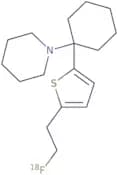
CAS:Produto Controlado<p>1-(1-(5-((2'-fluoroethyl)cyclohexyl)-piperidin-1-yl)cyclohexane-1,2,3,4-tetraol is a magnetic nanoparticle that has high specificity and can be used to detect hydroxyapatite. It is synthesized by the reaction of 2-fluoroethanol with 1,3-bis(diphenylphosphino)-propane (dppp) in the presence of potassium carbonate. The reaction solution spontaneously forms a monolayer on a surface such as ceramics or glass. This monolayer shows potential use in detecting hydroxyapatite and other calcium compounds in bone lesions, as well as for desorption and optical properties.</p>Fórmula:C17H26FNSPureza:Min. 95%Peso molecular:295.46 g/mol6α-Fluoro-17,21-Dihydroxy-16α-Methylpregna-4,9(11)-Diene-3,20-Dione 21-Acetate
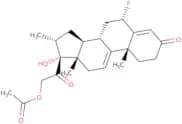
CAS:Produto Controlado<p>6alpha-Fluoro-17,21-Dihydroxy-16alpha-Methylpregna-4,9(11)-Diene-3,20-Dione 21-Acetate is a synthetic angiostatic agent that inhibits the angiogenic process by affecting the growth of new blood vessels. It has been shown to inhibit proteolytic activity and to have an inhibitory effect on tumour necrosis factor-α (TNF-α) induced activation of endothelial cells and their proliferation. 6alpha-Fluoro-17,21-Dihydroxy-16alpha-Methylpregna-4,9(11)-Diene 3,20 Dione 21 Acetate also inhibits the growth of fetal bovine aortic endothelial cells in culture. The drug was also found to significantly reduce the monolayer cell viability after uptake by endothelial cells.</p>Fórmula:C24H31FO5Pureza:Min. 95%Peso molecular:418.5 g/molTiopronin
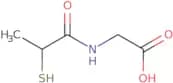
CAS:<p>Tiopronin is a drug that binds to the GSH-Px enzyme, which is responsible for breaking down hydrogen peroxide and lipid hydroperoxides. It also inhibits the ATP-binding cassette transporter, which is an important protein in the cell membrane that regulates the passage of substances into and out of cells. Tiopronin has been shown to inhibit chemiluminescence reactions in bacteria, such as infectious diseases. This drug has also been shown to be effective against hepatic steatosis by reducing fatty acid synthesis and increasing fatty acid oxidation in rats. Tiopronin has been used for the treatment of patients with Wilson's disease, because it facilitates copper excretion from liver cells by inhibiting metal chelate formation.</p>Fórmula:C5H9NO3SPureza:Min. 95%Cor e Forma:PowderPeso molecular:163.2 g/mol1-Naphthaldehyde
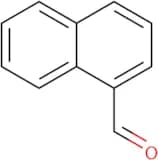
CAS:<p>1-Naphthaldehyde is a coordination compound that contains 1 naphthyl group and an oxygen atom. It can be used as an oxidation catalyst, intramolecular hydrogen, or a reaction solution. The antimicrobial activity of 1-naphthaldehyde has been shown in the presence of sodium carbonate or potassium phosphate buffer. 1-Naphthaldehyde has been shown to possess structural properties similar to those of other metal chelates, such as zinc pyrithione. The protonated form of 1-naphthaldehyde has been identified by means of analytical methods including gas chromatography and mass spectrometry.</p>Fórmula:C11H8OPureza:Min. 95%Cor e Forma:Yellow To Brown LiquidPeso molecular:156.18 g/mol2'-Ethoxyacetophenone
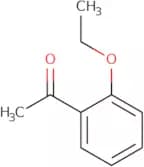
CAS:<p>2'-Ethoxyacetophenone is a Friedel-Crafts acylation agent. It reacts with nucleophilic groups, such as alcohols and amines, to form an acylated product. 2'-Ethoxyacetophenone has been shown to be a useful tool for the synthesis of chiral compounds with high yields and good enantiomeric excesses. This compound can also be used as a precursor in the synthesis of polyaromatic molecules containing a chiral center. The reaction requires low substrate concentrations and short reaction times, making it advantageous for some reactions that are sensitive to these parameters.</p>Fórmula:C10H12O2Pureza:Min. 95%Cor e Forma:PowderPeso molecular:164.2 g/mol3,3',5,5'-Tetra-tert-butyldiphenoquinone
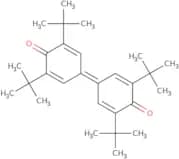
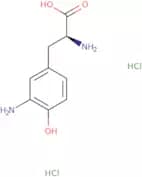
CAS:<p>3,3',5,5'-Tetra-tert-butyldiphenoquinone is a polymerized phenolic compound that is used as a dietary antioxidant. It has been shown to have hypochlorous and anion radical scavenging properties. It also acts as an oxidation catalyst and can be used for the preparation of oxidation products. 3,3',5,5'-Tetra-tert-butyldiphenoquinone stabilizes the formation of β-unsaturated aldehydes by acting as an oxidant. 3,3',5,5'-Tetra-tert-butyldiphenoquinone also has antioxidative activity by inhibiting lipid peroxidation in vitro. The antioxidant activity may be due to its ability to form hydrogen bonds with the lipid radicals produced during lipid peroxidation reactions.</p>Fórmula:C28H40O2Pureza:Min. 95%Peso molecular:408.62 g/mol3-Amino-L-tyrosine dihydrochloride
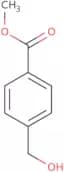
CAS:<p>Please enquire for more information about 3-Amino-L-tyrosine dihydrochloride including the price, delivery time and more detailed product information at the technical inquiry form on this page</p>Fórmula:C9H12N2O3•(HCl)2Pureza:Min. 95%Peso molecular:269.12 g/mol4-(Hydroxymethyl)benzoic acid methyl ester
CAS:<p>4-(Hydroxymethyl)benzoic acid methyl ester is a quinazolinone that has been used as an anticancer drug. It is synthesized by cross-coupling of 4-hydroxymethylbenzoic acid and methyl iodide with a cobaltic catalyst, followed by dehydrogenation. The synthesis can also be achieved using a molybdenum catalyst, leading to the same product. 4-(Hydroxymethyl)benzoic acid methyl ester is an efficient method for the synthesis of this compound and has shown anti-cancer activity in animal models. It inhibits serine proteases, including matrix metalloproteinases (MMPs) and cathepsin B, which are enzymes involved in cancer cell invasion and metastasis.</p>Fórmula:C9H10O3Pureza:Min. 95%Cor e Forma:PowderPeso molecular:166.17 g/molSorbitan monolaurate
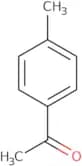
CAS:<p>Sorbitan monolaurate is a natural compound that can be isolated from the seeds of the Cucurbitaceae family. It is used in sample preparation for biocompatible polymers, as well as for detergent compositions. Sorbitan monolaurate has been shown to act as an absorption enhancer, which may be due to its ability to form hydrogen bonds with other molecules and its capacity to interact with sodium citrate. Sorbitan monolaurate also has biological properties such as the inhibition of autoimmune diseases, malonic acid production, and bacterial growth.</p>Fórmula:C18H34O6Pureza:Min. 95%Cor e Forma:Slightly Yellow Clear LiquidPeso molecular:346.46 g/mol4'-Methylacetophenone
CAS:<p>4'-Methylacetophenone is a solvent that is used in the chemical industry, mainly for the production of trifluoroacetic acid. It has also been shown to be an effective antimicrobial agent, which is due to its ability to dissolve lipids and proteins. The mechanism of action of 4'-methylacetophenone is not fully understood, but it has been suggested that this compound reacts with fatty acids and pyrazole rings in the cell membrane and disrupts lipid bilayers. 4'-Methylacetophenone can be used as a reagent for solid phase microextraction in analytical chemistry. In addition, it reacts with acidic compounds (e.g., sulfuric acid) to produce insoluble salts and can be used as an analytical method for determining the concentration of these compounds.</p>Fórmula:C9H10OPureza:Min. 95%Cor e Forma:Clear LiquidPeso molecular:134.18 g/molDipyrazino[2,3-f:2',3'-h]quinoxaline-2,3,6,7,10,11-hexacarbonitrile
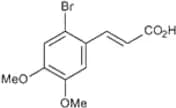
CAS:<p>Dipyrazino[2,3-f:2',3'-h]quinoxaline-2,3,6,7,10,11-hexacarbonitrile is a molecular compound that consists of an aromatic hydrocarbon and boron nitride. It has been shown to have optical properties and an ancillary effect on the transport properties of other molecules. Dipyrazino[2,3-f:2',3'-h]quinoxaline-2,3,6,7,10,11-hexacarbonitrile is also a molecule that can participate in intramolecular hydrogen bonding. This compound has been shown to have coordination geometry with nitrogen atoms that are capable of accepting electrons from other molecules. Dipyrazino[2,3-f:2',3'-h]quinoxaline-2,3,6,7,10,11-hexacarbonitrile is used in diodes as an efficient</p>Fórmula:C18N12Pureza:Min. 95%Cor e Forma:PowderPeso molecular:384.27 g/mol2-Bromo-4,5-dimethoxycinnamic acid
CAS:<p>2-Bromo-4,5-dimethoxycinnamic acid is a dicarboxylic acid that belongs to the group of polysaccharides. It is a furan derivative with two methoxy groups on the cinnamic acid moiety. This compound can be found in plants and animals as well as in pyrolysis products from wood and other natural materials. 2-Bromo-4,5-dimethoxycinnamic acid has been analyzed by spectroscopy and pyrolysis to determine its chemical composition. The chemical composition was determined to contain caffeine and amines, as well as esters of fatty acids and alcohols.</p>Fórmula:C11H11BrO4Pureza:Min. 95%Cor e Forma:PowderPeso molecular:287.11 g/mol3,4-Methylenedioxycinnamic acid
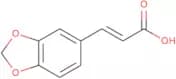
CAS:<p>3,4-Methylenedioxycinnamic acid is a nucleophilic reagent that has been used for the synthesis of polymers and pharmaceuticals. It has been shown to react with electron-rich aromatic compounds such as anilines and phenols to form cinnamates. The compound is also a ligand for metal ions. 3,4-Methylenedioxycinnamic acid has been analysed by vibrational spectroscopy and thermodynamic parameters have been determined using hydration reactions. The carboxylate group on the molecule can be protonated or deprotonated depending on the pH of the solution.</p>Fórmula:C10H8O4Pureza:Min. 95%Cor e Forma:PowderPeso molecular:192.17 g/mol3-Methyl-L-tyrosine
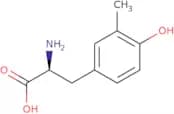
CAS:<p>3-Methyl-L-tyrosine is a natural amino acid that is important in the production of catecholamines, such as dopamine. 3-Methyl-L-tyrosine has been shown to inhibit enzymes that catalyze the oxidation of biogenic amines and polyunsaturated fatty acids. It also inhibits peroxidase activity by scavenging free radicals. This amino acid may be used as a therapeutic agent for depression, as it has been shown to activate the catecholamine system in the brain. 3-Methyl-L-tyrosine may also have applications in radical scavenging, methyltransferase and transfer mechanisms in biochemical reactions.</p>Fórmula:C10H13NO3Pureza:Min. 95%Cor e Forma:PowderPeso molecular:195.22 g/mol(2-Indol-3-ylethyl)(2-naphthylsulfonyl)amine
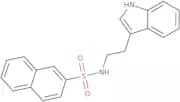
CAS:<p>Please enquire for more information about (2-Indol-3-ylethyl)(2-naphthylsulfonyl)amine including the price, delivery time and more detailed product information at the technical inquiry form on this page</p>Fórmula:C20H18N2O2SPureza:Min. 95%Cor e Forma:PowderPeso molecular:350.43 g/molVitamin K1
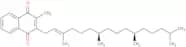
CAS:<p>Fat-soluble vitamin; Involved in blood coagulation; anti-tumoral</p>Fórmula:C31H46O2Pureza:Min. 98 Area-%Cor e Forma:Yellow Clear Viscous LiquidPeso molecular:450.7 g/mol4'-Fluoro-2'-hydroxyacetophenone
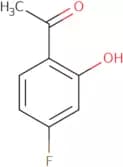
CAS:<p>4'-Fluoro-2'-hydroxyacetophenone is a chemical that is used as an antibacterial agent. It inhibits the growth of bacteria by interfering with microbial metabolism and inhibiting the synthesis of proteins, DNA, RNA and cell wall components. 4'-Fluoro-2'-hydroxyacetophenone has been shown to be active against P. aeruginosa, Enterococci and other bacterial strains. The compound also reduces the number of viable cells in culture supernatants from these bacteria. The mechanism of action of 4'-fluoro-2'-hydroxyacetophenone is not known but may be related to its ability to form covalent bonds with carbonyl groups present in enzymes or protein structures.<br>The compound can also spontaneously combust when heated to decomposition. This combustion releases fluorine gas which could cause environmental pollution if released into the atmosphere during its manufacture or use.</p>Fórmula:C8H7FO2Pureza:Min. 95%Cor e Forma:PowderPeso molecular:154.14 g/molKetoprofen
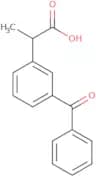
CAS:<p>Inhibits cyclooxygenase-1 and -2; non-steroidal anti-inflammatory drug</p>Fórmula:C16H14O3Pureza:Min. 98 Area-%Cor e Forma:White PowderPeso molecular:254.28 g/molN-(Dithiocarboxy)sarcosine diammonium salt
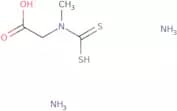
CAS:<p>Dithiocarboxy-sarcosine is a chemical compound that has been used as a reaction component in organic synthesis. It is a fine chemical with CAS number 29664-09-3. Dithiocarboxy-sarcosine can be used as a versatile building block in the synthesis of complex compounds and pharmaceutical intermediates. It is also useful for the preparation of high quality reagents and research chemicals.</p>Fórmula:C4H13N3O2S2Pureza:Min. 95%Cor e Forma:PowderPeso molecular:199.3 g/mol2,2'-Azoxybenzonitrile
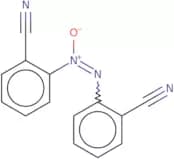
CAS:<p>2,2'-Azoxybenzonitrile is a chemical building block used in organic synthesis. It is a useful scaffold for the synthesis of complex compounds and fine chemicals. 2,2'-Azoxybenzonitrile has been used as a reagent to synthesize other chemical compounds that are difficult to synthesize by other methods. 2,2'-Azoxybenzonitrile is also used as an intermediate in reactions with other chemicals or with biological molecules such as DNA or proteins. This chemical can be used to form new products that are useful in medicine or industry.</p>Fórmula:C14H8N4OPureza:Min. 95%Cor e Forma:PowderPeso molecular:248.24 g/molR-(3)-Hydroxydecanoic acid methyl ester
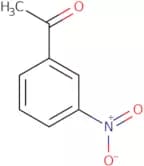
CAS:<p>R-(3)-Hydroxydecanoic acid methyl ester is a natural antibiotic that has been found to have cytotoxic and immunosuppressive properties. It also inhibits the growth of aerobic bacteria, such as Aeruginosa, and has been shown to be effective against autoimmune diseases such as rheumatoid arthritis. This antibiotic binds to the lectin receptors on the cell surface of bacteria and causes an increase in lectin binding. The interactions between this antibiotic and lectins are the biological basis for its cytotoxicity.</p>Fórmula:C11H22O3Pureza:Min. 98 Area-%Cor e Forma:Colorless Clear LiquidPeso molecular:202.29 g/mol3-Nitroacetophenone
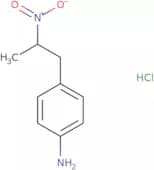
CAS:<p>3-Nitroacetophenone is a chemical compound that has been used in the synthesis of other organic compounds. It can be synthesized by reacting hydrogen chloride with 3-nitrobenzaldehyde in the presence of a dipole and particle. The reaction rate is dependent on the concentration of reactants and the presence of hydrogen bond donor or acceptor groups. 3-Nitroacetophenone has shown antimycobacterial activity, which is due to its ability to inhibit DNA synthesis and protein synthesis. This compound also has photocatalytic activity and may be used as a radiation shield. 3-Nitroacetophenone is soluble in organic solvents such as benzene, chloroform, ether, and acetone.</p>Fórmula:C8H7NO3Pureza:Min. 95%Cor e Forma:PowderPeso molecular:165.15 g/mol1-(4-Aminophenyl)-2-nitropropane hydrochloride
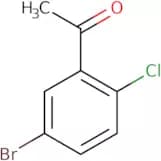
CAS:<p>1-(4-Aminophenyl)-2-nitropropane hydrochloride is a fine chemical that is used in the synthesis of various other organic compounds. It has been used as a building block for the synthesis of more complex substances, such as pharmaceuticals and pesticides. It is also used to produce research chemicals for use in experiments and teaching. 1-(4-Aminophenyl)-2-nitropropane hydrochloride is soluble in water and exhibits high quality when purified. This compound can be found under CAS No. 1332530-33-2 and is reagent grade.</p>Fórmula:C9H13ClN2O2Pureza:Min. 95%Cor e Forma:PowderPeso molecular:216.66 g/mol5'-Bromo-2'-chloroacetophenone
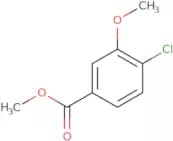
CAS:<p>5'-Bromo-2'-chloroacetophenone is a chemical intermediate that is used in the synthesis of many organic compounds. It is a brominated ketone that has a variety of reactions and can be used as a building block or as an intermediate. 5'-Bromo-2'-chloroacetophenone is also used in research and development, as well as in high-quality chemical production.</p>Fórmula:C8H6BrClOPureza:Min. 95%Cor e Forma:Clear LiquidPeso molecular:233.49 g/mol4-Chloro-3-methoxybenzoic acid methyl ester
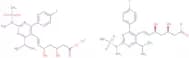
CAS:<p>4-Chloro-3-methoxybenzoic acid methyl ester is a chemical compound that is used as a reagent in organic synthesis. It can be used to produce high quality research chemicals, speciality chemicals, and fine chemicals. This compound has a wide variety of uses because it is versatile and can be used as a reaction component or building block. Its CAS number is 116022-18-5.</p>Fórmula:C9H9ClO3Pureza:Min. 95%Cor e Forma:SolidPeso molecular:200.62 g/molRosuvastatin calcium
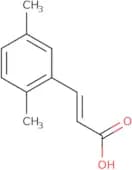
CAS:<p>HMG-CoA reductase inhibitor</p>Fórmula:(C22H27FN3O6S)2CaPureza:Min. 95 Area-%Cor e Forma:White PowderPeso molecular:1,001.14 g/mol2,5-Dimethylcinnamic acid
CAS:<p>2,5-Dimethylcinnamic acid is a versatile building block that can be used as a reactant in organic synthesis. This compound has been shown to have high quality and is useful for research purposes and as a speciality chemical. 2,5-Dimethylcinnamic acid can be used as a reagent or reaction component in the preparation of other compounds. It also serves as an important intermediate to synthesize complex molecules. This compound has many applications and is often used as a building block for pharmaceuticals, agrochemicals, and fine chemicals.</p>Fórmula:C11H12O2Pureza:Min. 95%Peso molecular:176.21 g/mol1,3,3-Trimethylindolino-b-naphthopyrylospiran [Photochromic Compound]
CAS:<p>1,3,3-Trimethylindolino-b-naphthopyrylospiran is a photochromic compound that is soluble in ethanol solutions. It's hydrophobic and binds to the cavity of a surface method. When the environment changes, such as temperature or light exposure, the molecule undergoes a change in its optical properties. The interaction between 1,3,3-trimethylindolino-b-naphthopyrylospiran and β-cyclodextrin enhances its photochromism. This compound has been shown to decolorize and can be used in materials that are sensitive to UV light.</p>Pureza:Min. 95%Cor e Forma:White To Light (Or Pale) Yellow Red SolidPeso molecular:327.42Niclosamide ethanolamine salt
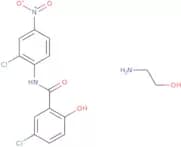
CAS:<p>Chemically a chlorinated salicylanilide, niclosamide is clinically used as an anthelmintic agent. The action of niclosamide has been proven to proceed by inhibiting the STAT3 signaling pathway. Recently, niclosamide, has been considered as an antiproliferative agent in cancer treatment, e.g. melanoma and colorectal cancer. In 2021, niclosamide has been tested for the treatment of COVID-19 patients.</p>Fórmula:C15H15Cl2N3O5Cor e Forma:PowderPeso molecular:388.2 g/molCatechin 7,4'-di-O-gallate
CAS:<p>Catechin 7,4'-di-O-gallate is a naturally occurring flavonoid compound, which is derived from various plants, particularly those rich in catechins, such as tea leaves and certain fruits. As a member of the polyphenol class, it is known for its powerful antioxidant properties, which enable it to neutralize free radicals and mitigate oxidative stress. Additionally, its structure allows for strong anti-inflammatory effects by modulating signaling pathways and inhibiting the production of inflammatory mediators.</p>Pureza:Min. 95%N-(Aminoethyl)-5-naphthylamine-1-sulfonic acid sodium
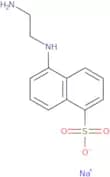
CAS:<p>N-(Aminoethyl)-5-naphthylamine-1-sulfonic acid sodium salt (NAES) is a fluorescent dye that has been used to study the structure of proteins. NAES binds to acceptor sites on the protein, which can be either amino acid side chains or other ions in solution. The fluorescence of NAES depends on the environment and the number of acceptors present. This dye has been used in assays for staphylococcus, as it is resistant to staining by Gram stain and stains brightly with fluorescence assay. NAES has also been shown to have a high kinetic rate and sensitivity, making it an effective virus assay.</p>Fórmula:C12H14N2O3S•NaPureza:Min. 95%Peso molecular:289.31 g/molRef: 3D-FA17739
1gA consultar2gA consultar100mgA consultar250mgA consultar500mgA consultar-Unit-ggA consultar2-Methyl-3-nitrophenylacetic acid
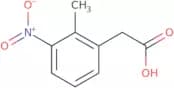
CAS:<p>2-Methyl-3-nitrophenylacetic acid is an alkali metal, which is obtained by the condensation of 2-methylphenol and nitric acid. The synthesis of this compound can be achieved through catalytic reduction of the nitro group with hydrogen in the presence of a nickel catalyst. This method has been shown to produce high yields. 2-Methyl-3-nitrophenylacetic acid is mildly toxic to humans and animals. It is a dopaminergic agent that has been used as a precursor for the production of ropinirole hydrochloride, which is used in the treatment of Parkinson's disease.</p>Fórmula:C9H9NO4Pureza:Min. 95%Cor e Forma:PowderPeso molecular:195.17 g/molBiotin caproic acid
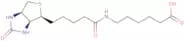
CAS:<p>Podophyllotoxin is a natural product that has been used in the treatment of cancer. Biotin caproic acid is a synthetic analogue of podophyllotoxin and has been shown to have potent antimicrobial activity. Podophyllotoxin is an inhibitor of microtubule polymerization, which leads to cell death. It also induces apoptosis by interacting with dopamine receptors on the cell surface and inhibiting their binding to dopamine. This inhibits dopamine-induced proliferation of cells, leading to cell death. Biotin caproic acid has been shown to have anticancer properties against human cancer cells in vitro. The mechanism of action may be due to binding to the cytochrome P450 enzyme and inhibiting its activity, which affects the metabolism of various drugs and hormones such as dopamine.</p>Fórmula:C16H27N3O4SPureza:Min. 95%Cor e Forma:PowderPeso molecular:357.47 g/mol2,2'-Dimethoxybiphenyl
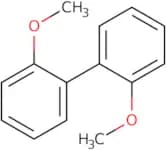
CAS:<p>2,2'-Dimethoxybiphenyl is a thermoplastic that is exothermic, making it useful in the production of polyketones. It can be used as a linker to form covalent bonds with monomers and polymers. 2,2'-Dimethoxybiphenyl has been used as a monomer to produce polyethers and polyesters. This compound has many chemical stability properties, which makes it suitable for use in polymer synthesis. It also can react with nucleophiles such as amines to form ether linkages. 2,2'-Dimethoxybiphenyl has kinetic properties that are faster than those of other ketones but slower than those of other ether-linked compounds. The activation energy for its reaction is low, making it an effective monomer for polymerization reactions.</p>Fórmula:C14H14O2Pureza:Min. 95%Cor e Forma:PowderPeso molecular:214.26 g/molEthyl cinnamate
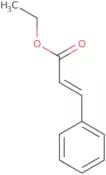
CAS:<p>Ethyl cinnamate is a natural product that is used as a chemical pesticide. It has shown to have photosynthetic activity, enzyme activities, and antioxidative properties. Ethyl cinnamate also has been shown to have a protective effect on the surface of plants by reducing the damage caused by glycol ethers and other chemicals. Ethyl cinnamate inhibits locomotor activity in insects, which may be due to its ability to inhibit energy metabolism. It is not toxic to mammals because it is quickly metabolized in the liver.</p>Fórmula:C11H12O2Pureza:Min. 95%Cor e Forma:Colorless Clear LiquidPeso molecular:176.21 g/molNb-N-(benzhydryloxycarbonyl)cytosine)-1-acetic acid
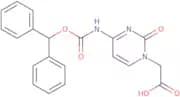
CAS:<p>Nb-N-(benzhydryloxycarbonyl)cytosine)-1-acetic acid is a speciality chemical that is used as a reagent, building block, and scaffold for organic synthesis. This compound can be used in various reactions to produce complex compounds with high purity. Nb-N-(benzhydryloxycarbonyl)cytosine)-1-acetic acid is an excellent starting material for the production of fine chemicals, research chemicals, and versatile building blocks. It is also a useful intermediate for the production of pharmaceuticals and other useful compounds.</p>Fórmula:C20H17N3O5Pureza:Min. 98 Area-%Cor e Forma:White PowderPeso molecular:379.37 g/mol2',6'-Dimethoxy-β-methyl-β-nitrostyrene
CAS:<p>2',6'-Dimethoxy-beta-methyl-beta-nitrostyrene is a chemical building block that is useful for the synthesis of complex organic molecules. It is an intermediate in the manufacture of pharmaceuticals, pesticides and dyes. 2',6'-Dimethoxy-beta-methyl-beta-nitrostyrene is an important component in the production of research chemicals and speciality chemicals. The compound has been assigned CAS number 78904-44-6.</p>Fórmula:C11H13NO4Pureza:Min. 95%Peso molecular:223.23 g/molBiotin-PEG4-azide
CAS:<p>Biotin-PEG4-azide is a PEG compound with two different functional groups (also known as heterobifunctional). Unlike homobifunctional PEG compounds (same functional group on both ends), this type of compounds are more versatile as have two different anchor points. Biotin-PEG4-azide is used as a linker and spacer to add a PEG moiety, via pegylation (a bioconjugation technique) to proteins, peptides, oligonucleotides, small molecules and nanoparticles.</p>Fórmula:C20H36N6O6SPureza:Min. 95%Cor e Forma:White PowderPeso molecular:488.6 g/molN-Benzoylthiourea
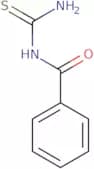
CAS:<p>N-Benzoylthiourea (NBTA) is a fluorescent compound that has been used as an optical sensor for the detection of hydrogen. In addition, NBTA acts as an antimicrobial agent and can be used to treat autoimmune diseases. It has been shown to bind to human serum proteins and nucleic acids in sublethal doses, which may lead to its use in wastewater treatment. NBTA also has a stable complex with dyes such as fluorescein and rhodamine, making it a good choice for surface methodology applications. Pharmacokinetic properties of this drug have not been studied in humans.</p>Fórmula:C8H8N2OSPureza:Min. 95%Cor e Forma:PowderPeso molecular:180.23 g/mol2-Nitrophenylacetic acid
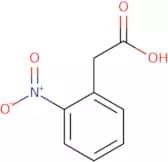
CAS:<p>2-Nitrophenylacetic acid is a synthetic product that has been studied by electrochemical techniques. It is soluble in human serum and can be detected by a chromatographic method. The cationic surfactant, oxindole, chloride, and optimal reaction conditions are known for the solute. 2-Nitrophenylacetic acid is a pharmaceutical drug that can be cleaved into nitro and carboxylate products with hydrochloric acid and β-unsaturated ketone as cleavage products.</p>Fórmula:C8H7NO4Pureza:Min. 98 Area-%Cor e Forma:PowderPeso molecular:181.15 g/mol3'-β-Dimethyl-β-nitrostyrene
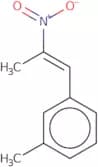
CAS:<p>3'-beta-Dimethyl-beta-nitrostyrene is a versatile building block that can be used in organic synthesis. It is a high quality, useful intermediate and reaction component for use in the pharmaceutical industry. 3'-beta-Dimethyl-beta-nitrostyrene has been employed as a building block in the synthesis of complex compounds. This compound is an excellent reagent, which makes it useful as a speciality chemical. 3'-beta-Dimethyl-beta-nitrostyrene is an important scaffold for research chemicals and can be used to synthesize new compounds.</p>Fórmula:C10H11NO2Pureza:Min. 95%Peso molecular:177.2 g/molEthyl 3-nitrocinnamate
CAS:<p>Ethyl 3-nitrocinnamate is a synthetic compound that belongs to the group of stilbene derivatives. It has been used as an intermediate in the synthesis of other compounds. Ethyl 3-nitrocinnamate is not naturally occurring and can be synthesized by isomerization of cinnamic acid and nitration of ethyl cinnamate. The stereochemical and stereoselective properties of this compound can be utilized for the synthesis of other compounds. Nitrobenzaldehyde reacts with nitrovinyl chloride to form oxetane, which then reacts with acetonitrile to produce ethyl 3-nitrocinnamate.</p>Fórmula:C11H11NO4Pureza:Min. 95%Cor e Forma:PowderPeso molecular:221.21 g/mol1,3,7-Trichloronaphthalene
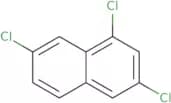
CAS:<p>This validated method for the analysis of 1,3,7-trichloronaphthalene is based on a validated experimental method. It uses a set of structural coefficients and an experimental value to calculate the bioconcentration factor (BCF). The BCF is then used to calculate the optimum vector, which is found by using descriptors and structural factors. The experimental values are also used to determine the vector. This method has been validated experimentally and theoretically.</p>Fórmula:C10H5Cl3Pureza:Min. 95%Cor e Forma:PowderPeso molecular:231.5 g/molAcitretin
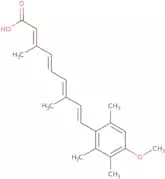
CAS:Produto Controlado<p>Retinoid;activates nuclear retinoid acid receptor; antineoplastic; anti-psoratic</p>Fórmula:C21H26O3Pureza:Min. 95%Cor e Forma:Yellow PowderPeso molecular:326.43 g/mol4-Chloro-3-nitrophenylacetamide
CAS:<p>4-Chloro-3-nitrophenylacetamide is a chemical compound that can be used as a reagent, useful scaffold for research, and a high quality research chemical. CAS No. 5540-60-3, this versatile building block is useful for the synthesis of complex compounds and fine chemicals.</p>Fórmula:C8H7ClN2O3Pureza:Min. 98 Area-%Cor e Forma:PowderPeso molecular:214.61 g/mol


![Dipyrazino[2,3-f:2',3'-h]quinoxaline-2,3,6,7,10,11-hexacarbonitrile](/_next/image/?url=https%3A%2Fstatic.cymitquimica.com%2Fproducts%2F3D%2Fthumb-webp%2FFD42747.webp&w=3840&q=75)

![1,3,3-Trimethylindolino-b-naphthopyrylospiran [Photochromic Compound]](/_next/image/?url=https%3A%2Fstatic.cymitquimica.com%2Fproducts%2F3D%2Fthumb-webp%2FFT62466.webp&w=3840&q=75)