Padrões Farmacêuticas
Subcategorias de "Padrões Farmacêuticas"
- APIs para pesquisa e impurezas(276.453 produtos)
- Activadores e Inibidores de Enzimas(2.829 produtos)
- Nitrosaminas(2.627 produtos)
- Compostos e metabolitos farmacêuticos e veterinários(2.900 produtos)
- Toxicologia(13.513 produtos)
Foram encontrados 7977 produtos de "Padrões Farmacêuticas"
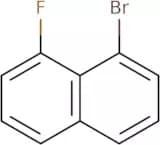
1-Bromo-8-fluoronaphthalene
CAS:1-Bromo-8-fluoronaphthalene is a versatile compound that has various applications in the field of research and medicine. It is commonly used as a building block for the synthesis of different compounds, including misoprostol, a medication used to prevent stomach ulcers. Additionally, 1-Bromo-8-fluoronaphthalene has been found to enhance the growth factor effect of allopregnanolone, a neurosteroid with potential therapeutic benefits.
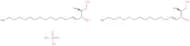
Fórmula:C10H6BrFPureza:Min. 95%Cor e Forma:Clear LiquidPeso molecular:225.06 g/molD-erythro-Sphingosine (sulfate)
CAS:Protein kinase C inhibitor in platelets
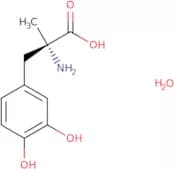
Fórmula:C18H37NO2H2SO4Pureza:Min. 95%Cor e Forma:White To Off-White SolidPeso molecular:348.53 g/mol(S)-2-Amino-3-(3,4-dihydroxyphenyl)-2-methylpropionic acid sesquihydrate
CAS:(S)-2-Amino-3-(3,4-dihydroxyphenyl)-2-methylpropionic acid sesquihydrate is a synthetic drug that is used for the treatment of metabolic disorders such as diabetes mellitus. It has been shown in animal studies to increase locomotor activity and decrease bowel disease. It also has an effect on α7 nicotinic acetylcholine receptors and 2 adrenergic receptors.
Fórmula:C10H13NO4•(H2O)1Pureza:Min 98%Cor e Forma:PowderPeso molecular:238.24 g/molRef: 3D-FA33494
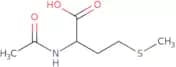
Produto descontinuadoN-Acetyl-DL-methionine
CAS:N-Acetyl-DL-methionine is an amide of the amino acid methionine and acetyl coenzyme A. It has a number of biological properties including being a precursor to protein synthesis, a regulator of fatty acid metabolism, and an inhibitor of glutamate pyruvate transaminase. It can be found in bacterial strains as well as in human serum. N-Acetyl-DL-methionine is synthesized by the reaction of methylamine with acetyl coenzyme A in the presence of ammonia or other nitrogenous bases. The chemical structure of this compound consists of two nitrogen atoms and an acetyl group bonded to a carbon atom that is attached to a methyl group and another carbon atom that forms part of an amide bond with the amino acid methionine. This molecule has been observed using nmr spectroscopic data to form hydrogen bonds with proteins.
Fórmula:C7H13NO3SPureza:Min. 95%Cor e Forma:PowderPeso molecular:191.25 g/molRef: 3D-FA10863
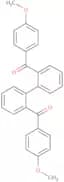
Produto descontinuado2,2'-Dianisoyl-diphenyl
CAS:2,2'-Dianisoyl-diphenyl is a chemical compound with the molecular formula C6H5C6H5. It has been used as a reagent in organic synthesis, and is useful in the preparation of various complexes. 2,2'-Dianisoyl-diphenyl is highly reactive and can be used as a scaffold for other reactions. This material can be used to make fine chemicals like dyes, pharmaceuticals, fragrances, and polymers. The CAS number for this compound is 20837-34-7.
Fórmula:C28H22O4Pureza:Min. 95%Peso molecular:422.47 g/molRef: 3D-FD66059
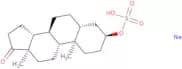
Produto descontinuadoAndrosterone sulfate sodium
CAS:Androsterone sulfate sodium is a fine chemical that is used as a versatile building block in the synthesis of complex compounds. It is also a valuable reagent in research and speciality chemicals. Androsterone sulfate sodium is used as a high-quality reaction component and can be used as an intermediate to produce other useful compounds. This compound has the CAS number 1852-41-1 and can be used as a scaffold to generate other related compounds.
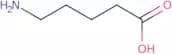
Fórmula:C19H29NaO5SPureza:Min. 95 Area-%Cor e Forma:White PowderPeso molecular:392.49 g/mol5-Aminovaleric acid
CAS:5-Aminovaleric acid is a cyclic peptide that is an antagonist of the enzyme 5-aminovaleric acid hydrolase that catalyzes the conversion of 5-aminovaleric acid to succinic semialdehyde. The physiological function of 5-aminovaleric acid hydrolase is not known, but it has been implicated in a number of neurological disorders, such as Alzheimer's disease, Parkinson's disease, and amyotrophic lateral sclerosis. The reaction solution contains 5-aminovaleric acid (5AVA), hydrogen fluoride (HF), and l-lysine (Lys). Upon addition of HF to the solution, it reacts with Lys to form a dinucleotide phosphate intermediate. This intermediate then reacts with 5AVA to form an intramolecular hydrogen bond with the amino group of Lys and release hydrogen gas. The detection sensitivity for this reaction can be increased by using a cyclic peptide inhibitor.
Fórmula:C5H11NO2Pureza:Min. 95%Cor e Forma:Off-White PowderPeso molecular:117.15 g/molRef: 3D-FA13122
Produto descontinuadoL-Alanosine
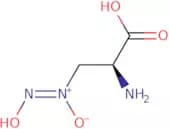
CAS:L-Alanosine is a nucleotide that is synthesized from adenosine and alanine. It is the first substrate in the synthetic pathway of l-alanosine. L-Alanosine has been shown to have antibiotic properties against gram negative bacteria, such as Escherichia coli and Klebsiella pneumoniae. L-Alanosine inhibits synthesis of bacterial cell walls by interfering with the enzymatic activity of bacterial ribonucleotide reductase, which converts ribonucleotides to deoxyribonucleotides. The molecule also inhibits protein synthesis by binding to the 30S subunit of bacterial ribosomes, preventing elongation of polypeptide chains. In vivo treatment with L-alanosine significantly reduced tumor size and increased levels of ATP in colorectal adenocarcinoma cells.
br>br>Fórmula:C3H7N3O4Pureza:Min. 95%Cor e Forma:Off-White PowderPeso molecular:149.11 g/molRef: 3D-FA17253
Produto descontinuado(+)-Biotin-(PEO)3-amine
CAS:(+)-Biotin-(PEO)3-amine is a PEG compound with two different functional groups (also known as heterobifunctional). Unlike homobifunctional PEG compounds (same functional group on both ends), this type of compounds are more versatile as have two different anchor points. (+)-Biotin-(PEO)3-amine is used as a linker and spacer to add a PEG moiety, via pegylation (a bioconjugation technique) to proteins, peptides, oligonucleotides, small molecules and nanoparticles.
Fórmula:C16H30N4SO4Pureza:Min. 95 Area-%Cor e Forma:White Off-White PowderPeso molecular:374.5 g/mol4-Carboxycinnamic acid
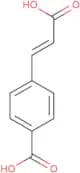
CAS:4-Carboxycinnamic acid is an organic compound that is a derivative of cinnamic acid. It is a colorless solid that is soluble in organic solvents and has high resistance to environmental pollution. 4-Carboxycinnamic acid has been shown to have photocatalytic activity in the presence of UV radiation, with a quantum yield of 0.2% at 365 nm. It also exhibits fluorescence properties, but these are not as strong as the parent compound, cinnamic acid. 4-Carboxycinnamic acid has functional groups that can be activated by hydrogen bonding interactions and uptake into cells. This compound also reacts with sulfonic acids to form sulfinic acids and hydrochloric acid to form chlorocinnamic acids. Chronic pulmonary effects were observed in animals after inhalation of this substance for 30 minutes per day for 10 days. X-ray crystal structures have been determined for 4-carboxycinnamic acid and its
Fórmula:C10H8O4Pureza:Min. 95%Cor e Forma:PowderPeso molecular:192.17 g/mol4-Nitrophenylmethylcarbinol
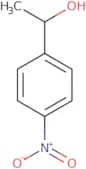
CAS:4-Nitrophenylmethylcarbinol is a nitro compound that has been isolated from the nitration of 4-nitrophenol. It is used as a reagent to synthesize β-unsaturated ketones. The inhibitory effect of 4-nitrophenylmethylcarbinol is due to the presence of two nitro groups and one methyl group on its structure. This compound has been shown to have an inhibitory effect on glucose 6-phosphate dehydrogenase, which functions in cellular respiration by catalyzing the conversion of glucose 6-phosphate to glucose 1,6-bisphosphate. The inhibition of this enzyme leads to a reduction in the formation of ATP and NADPH, which are essential for cell growth. 4-Nitrophenylmethylcarbinol also has reductase activities that allow it to reduce phosphotriesters (e.g., DNA) and dehydrogenase deficiency (e.g., py
Fórmula:C8H9NO3Pureza:Min. 95%Cor e Forma:Orange Clear LiquidPeso molecular:167.16 g/molD-a-Tocopherol
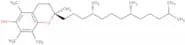
CAS:D-alpha-tocopherol, most commonly known as vitamin E, is a natural compound with antioxidant properties. It protects the API against oxidation and side reactions with oxidative species. Moreover, when used as excipient, vitamin E is a good solubilizing agent that greatly improves the solubility of poorly water-soluble drugs.
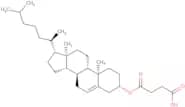
Fórmula:C29H50O2Pureza:Min. 97 Area-%Cor e Forma:Clear LiquidPeso molecular:430.71 g/molCholesterol hydrogen succinate
CAS:Produto ControladoCholesterol hydrogen succinate is a cholesterol derivative that inhibits the activity of various receptors, including the LDL-receptor which is involved in the uptake of cholesterol from the blood. It also has inhibitory properties against infectious diseases and can be used as an experimental model for coronary heart disease. Cholesterol hydrogen succinate has been shown to inhibit the phase transition temperature (Tc) of human serum. This drug also possesses anti-oxidative properties and has been shown to have protective effects on mitochondrial membrane potential. The biological properties of this compound include its ability to induce hemisuccinate formation by hydrolyzing cholesteryl esters and inhibit endoxifen activity.
Fórmula:C31H50O4Pureza:Min. 95%Cor e Forma:PowderPeso molecular:486.73 g/molRef: 3D-FC61971
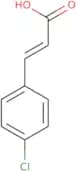
Produto descontinuado4-Chlorocinnamic acid
CAS:4-Chlorocinnamic acid is a malonic acid derivative and one of the cinnamic acid derivatives that has been shown to inhibit many chemical reactions. It inhibits the production of tyrosinase, which is an enzyme that catalyzes the conversion of tyrosinase to 4-hydroxycinnamic acid. 4-Chlorocinnamic acid also inhibits the growth of Candida glabrata in vitro. The effect on candida is due to its ability to inhibit the production of hydroxyl group and aromatic hydrocarbon, both of which are required for candida's survival. 4-Chlorocinnamic acid binds with aryl halide and neutral ph, preventing it from reacting with other substances.
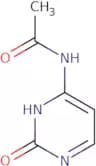
Fórmula:C9H7ClO2Pureza:Min. 95%Cor e Forma:PowderPeso molecular:182.6 g/molN4-Acetylcytosine
CAS:N4-Acetylcytosine is an inhibitor of serine proteases, glycosidases and nucleosidases. It has been shown to inhibit the replication of a wide range of viruses including HIV, herpes simplex virus type 1, and adenovirus. N4-Acetylcytosine also inhibits the proliferation of cervical cancer cells.
Fórmula:C6H7N3O2Pureza:Min. 95%Cor e Forma:White PowderPeso molecular:153.14 g/molRef: 3D-FA05993
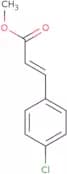
Produto descontinuadoMethyl 4-chlorocinnamate
CAS:Methyl 4-chlorocinnamate is an aryl chloride that is synthesized by the reaction of methoxyethyl chloride with cinnamic acid derivatives. It has bacteriostatic activity against a variety of bacteria species, including staphylococcus and candida glabrata. Methyl 4-chlorocinnamate reacts with amine groups in proteins to form amides, which are strong inhibitors of protein synthesis. This compound also inhibits the growth of Candida glabrata by inhibiting phosphonates, which are essential for cell division.
Fórmula:C10H9ClO2Pureza:Min. 95%Peso molecular:196.63 g/molRef: 3D-FM71222
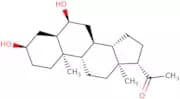
Produto descontinuado5β-Pregnan-3α,6α-diol-20-one
CAS:Produto Controlado5β-Pregnan-3α,6α-diol-20-one is an anticoagulant that inhibits the action of thrombin. It has been shown to inhibit the inflammatory response in a number of autoimmune diseases and inflammatory disorders. This drug also has a nitro group, which can be reduced to an hydroxyl group by reaction with sodium nitrite or other reducing agents. The antimicrobial properties of 5β-pregnan-3α,6α-diol-20-one are thought to be due to its ability to form particle aggregates with magnetic particles. These aggregates have an inhibitory effect on bacterial growth.Fórmula:C21H34O3Pureza:Min. 95%Cor e Forma:PowderPeso molecular:334.49 g/molRef: 3D-FP67238
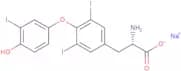
Produto descontinuado3,3',5-Triiodo-L-thyronine sodium salt
CAS:Synthetic thyroid hormone (T3) analog; promotes adipogenic differentiation
Fórmula:C15H11I3NNaO4Pureza:Min. 95 Area-%Cor e Forma:Slightly Yellow PowderPeso molecular:672.96 g/molRef: 3D-FT28507
Produto descontinuadoBetamethasone Valerate Impurity D
Betamethasone Valerate Impurity D is a reaction component that is used as a reagent in the synthesis of compounds with a variety of activities, including antibacterial, anti-inflammatory and antiparasitic. It is also used to create a variety of building blocks and intermediates for pharmaceuticals. Betamethasone Valerate Impurity D has been shown to be an effective anti-parasitic agent against Trypanosoma cruzi and Leishmania amazonensis in vitro.
Fórmula:C27H37BrO6Pureza:Min. 95%Cor e Forma:White PowderPeso molecular:537.48 g/molRef: 3D-FB156898
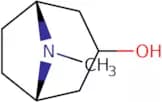
Produto descontinuadobeta-Tropine
CAS:Beta-tropine is a fatty acid that is synthesized from tiglic acid. It is used in sample preparation for the determination of nitrogen and carbon content and to determine the presence of ester linkages. Beta-tropine has been shown to inhibit the activity of enzymes, such as citrate lyase and malonic acid decarboxylase, which are involved in oxidative metabolism. Beta-tropine also inhibits the activity of mt2 receptors, which are involved in the regulation of blood pressure. This drug may have physiological effects on humans because it inhibits human serum aminopeptidase, an enzyme that catalyzes the hydrolysis of peptides with basic or neutral amino acids at their carboxy terminus.
Fórmula:C8H15NOPureza:Min. 95%Cor e Forma:White PowderPeso molecular:141.21 g/molRef: 3D-FT55184
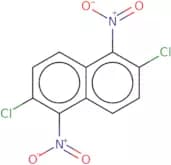
Produto descontinuado2,6-Dichloro-1,5-dinitronaphthalene
CAS:2,6-Dichloro-1,5-dinitronaphthalene is an organic compound that is used as a reagent for the synthesis of other compounds. It can also be used in research for the synthesis of 2,6-dichloro-1,5-dinitronaphthalene derivatives. The CAS number for this compound is 320600-07-5. This compound is a versatile building block and has many uses as a fine chemical.
Fórmula:C10H4Cl2N2O4Pureza:Min. 95%Cor e Forma:PowderPeso molecular:287.06 g/molRef: 3D-FD66247
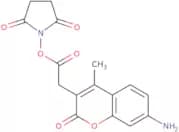
Produto descontinuado7-Amino-4-methyl-3-coumarinacetic acid N-succinimidyl ester
CAS:7-Amino-4-methyl-3-coumarinacetic acid N-succinimidyl ester is a synthetic amino acid with a reactive carboxylic acid group. It is used as a crosslinker in biochemistry and has been shown to have biological properties in plants. 7-Amino-4-methyl-3-coumarinacetic acid N-succinimidyl ester reacts with the acidic groups of proteins, DNA, or RNA, and is an important component of some second order rate constants. This chemical is also used for the neutralization of histological stains such as haematoxylin.
Fórmula:C16H14N2O6Pureza:Min. 90 Area-%Cor e Forma:PowderPeso molecular:330.29 g/molRef: 3D-FA170610
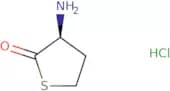
Produto descontinuadoL-Homocysteine thiolactone hydrochloride
CAS:L-Homocysteine thiolactone hydrochloride is a synthetic radiotracer. It has been used as a positron emission tomography (PET) radiopharmaceutical to image brain tumors and other cancers. L-homocysteine thiolactone hydrochloride is synthesized from L-cysteine and aluminium chloride. The yield of this reaction is usually low, but can be increased by addition of sodium hydroxide or tetrabutylammonium bromide. L-homocysteine thiolactone hydrochloride has been shown to be an effective radiotracer for the detection of cancerous tissue in the brain, breast, and prostate.
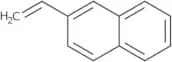
Fórmula:C4H7NOS•HClPureza:Min. 95%Cor e Forma:PowderPeso molecular:153.63 g/mol2-Vinylnaphthalene
CAS:2-Vinylnaphthalene is a chemical compound that belongs to the group of polymers. It is a colorless liquid with a boiling point of 260°C and a molecular weight of 192.19 g/mol. 2-Vinylnaphthalene has been shown to be highly resistant to radiation and can be used in polymer matrices as an electron-donor material. The polymerized form of 2-vinylnaphthalene has high resistance to photochemical degradation, and exhibits fluorescence properties with excitation at 350 nm.
2-Vinylnaphthalene has also been studied as a model system for the study of ionizing radiation, where it was found to exhibit high activation energies for decomposition reactions.Fórmula:C12H10Pureza:Min. 95 Area-%Cor e Forma:Beige PowderPeso molecular:154.21 g/molO-Cresolphthalein
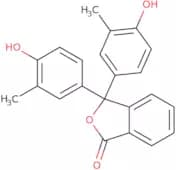
CAS:O-Cresolphthalein is a gadolinium chelate that is used as a contrast agent for magnetic resonance imaging (MRI) of the brain, spine, and joints. The gadolinium ion is bound to the cresol molecule, which has an attached hydroxyl group. This complex attaches to the phosphorous pentoxide and creates a precipitate of metal hydroxides in the presence of water and sodium carbonate. O-Cresolphthalein is also used in clinical pathology to measure glomerular filtration rate (GFR), which is important for diagnosing renal disease. MRI scans are used to diagnose osteogenic genes that are associated with bone diseases such as osteoporosis.
Fórmula:C22H18O4Pureza:Min. 95 Area-%Cor e Forma:PowderPeso molecular:346.38 g/molRef: 3D-FC30578
Produto descontinuadoCholesterol chloroformate
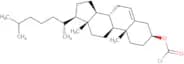
CAS:Produto ControladoCholesterol chloroformate is a cholesterol derivative that has been shown to have good solubility in water. It is a white crystalline solid that is insoluble in ether, benzene, and chlorinated hydrocarbons. The compound has been used as a phase-transition temperature indicator and has been shown to be more resistant to degradation by enzymes than steric interactions. Cholesterol chloroformate is also an intermediate for the synthesis of other compounds such as cholesteryl sulfate and dextran sulfate. This compound binds to the Toll-like receptor 4 (TLR4) on cells, triggering an inflammatory response and activating the immune system. Cholesterol chloroformate can be used to study tumor cell growth by inhibiting mitosis in mouse tumors with subcutaneous injections of this agent.
Fórmula:C28H45ClO2Pureza:Min. 95%Peso molecular:449.11 g/molalpha-Naphthyl butyrate
CAS:Alpha-naphthyl butyrate is a monomer of polybutyrate and is used as an intermediate in the production of polybutylene terephthalate. This product is also used for biological studies and has been shown to have acute toxicities. Alpha-naphthyl butyrate has been shown to inhibit esterase and enzyme activities, and it is more toxic than butyric acid. Alpha-naphthyl butyrate can be used for the diagnosis of certain types of chronic viral hepatitis, such as hepatitis B virus or hepatitis C virus, by detecting human immunoglobulin G (IgG) antibodies against this compound.
Fórmula:C14H14O2Pureza:Min. 95%Cor e Forma:Clear LiquidPeso molecular:214.26 g/molVanillic acid hydrazide
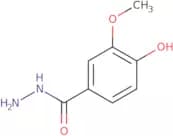
CAS:Vanillic acid hydrazide is a multinuclear compound with condensation products. It has been shown to have antibacterial, anticancer and skeleton-related properties. Vanillic acid hydrazide is able to bind to the 4-hydroxybenzoic acid and introduce it into the cell in order to inhibit the synthesis of fatty acids. This compound also inhibits the growth of cancer cells by preventing their proliferation and proliferation by binding to DNA. Vanillic acid hydrazide may also bind to fatty acids on cell membranes, which would lead to a decrease in membrane fluidity and increase in membrane permeability, leading to cell death.
Fórmula:C8H10N2O3Pureza:Min. 95%Cor e Forma:PowderPeso molecular:182.18 g/molRef: 3D-FV67106
Produto descontinuadoall-trans-Anhydro retinol
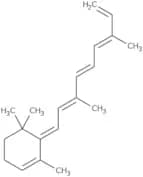
CAS:All-trans-Anhydro retinol is a retinoid that is biologically active as an antioxidant, with reactive properties. It has been shown to be photodecomposable in the presence of light, and it reacts rapidly with nucleophiles. All-trans-Anhydro retinol can be used as a model system for biological studies on the mechanisms of mitochondrial membrane potential and transfer reactions. All-trans-Anhydro retinol has been shown to decrease mitochondrial membrane potential in rat liver microsomes and inhibit fatty acid synthesis in liver cells, while also being a synthetic analog of all-trans retinoic acid.
Fórmula:C20H28Pureza:Min. 90%Cor e Forma:Yellow To Light (Or Pale) Orange SolidPeso molecular:268.44 g/mol5-Methyl-2-nitrophenol
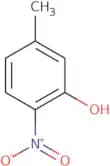
CAS:5-Methyl-2-nitrophenol is a phytotoxic chemical that is used as a synthetic intermediate in organic chemistry. It has been shown to have a high bioconcentration factor and can be found in wastewater. The major use of 5-methyl-2-nitrophenol is the synthesis of 2,4,6-trinitrophenylhydrazine (TNP) which is used as an analytical reagent for the determination of nitrates. The reaction mechanism of 5-methyl-2-nitrophenol involves intramolecular hydrogen transfer from the methylene group to the nitro group and subsequent elimination of HCl. This reaction product can be found by using analytical methods such as gas chromatography, mass spectrometry, or nuclear magnetic resonance spectroscopy. Functional groups on the reactant include phenols and nitro groups with the following endpoints: hydrochloric acid (HCl), kinetic method, and vapor pressure
Fórmula:C7H7NO3Pureza:Min. 95%Cor e Forma:PowderPeso molecular:153.14 g/molRef: 3D-FM70455
Produto descontinuado4,5,7-Trimethylcoumarin
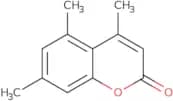
CAS:4,5,7-Trimethylcoumarin is a fine chemical that can be used as a versatile building block in organic synthesis. The compound is a useful intermediate and research chemical with CAS No. 14002-91-6. It is also used as a reaction component in the production of other chemicals. 4,5,7-Trimethylcoumarin has been shown to have high quality and is an important reagent for the production of pharmaceuticals and agrochemicals.
Fórmula:C12H12O2Pureza:Min. 98 Area-%Cor e Forma:PowderPeso molecular:188.22 g/molRef: 3D-FT67257
Produto descontinuadoCholesterol oleate
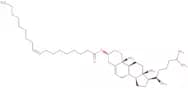
CAS:Produto ControladoCholesterol oleate is a mixture of cholesterol and the fatty acid oleic acid. It is used as a pharmaceutical ingredient in the production of tablets for hyperproliferative diseases. Cholesterol oleate is enzymatically inactivated by esterase enzymes, which convert it to cholesteryl erucate. This product has been shown to be effective at inhibiting lipolysis and reducing body weight gain in rats with induced hyperlipidemia. Cholesterol oleate has been shown to have a neutral pH, making it suitable for use as an excipient with acidic or basic drugs. The phase transition temperature of cholesterol oleate is -30 °C, making it suitable for storage at room temperature. Cholesterol oleate has been used as a phase transfer agent in the manufacture of pharmaceutical preparations with high lipid content such as biologicals and vaccines.
Fórmula:C45H78O2Pureza:Min. 85%Cor e Forma:PowderPeso molecular:651.1 g/molRef: 3D-FC61961
Produto descontinuadoPenicillin G benzathine anhydrous
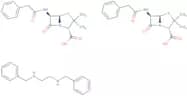
CAS:Penicillin G benzathine anhydrous is a penicillin antibiotic. It is used to treat bacterial infections, including syphilis, streptococcal pharyngitis, and other infectious diseases. Penicillin G benzathine anhydrous is administered intramuscularly or intravenously. The drug can be detected in the blood after administration, which makes it useful for diagnosis of infectious diseases. Penicillin G benzathine anhydrous has shown statistically significant efficacy in treatment trials that were conducted on patients with infectious diseases. However, there have been increasing reports of high resistance to this drug in recent years. Interferon alfa-2b may be used as adjunctive therapy for resistant cases.
Fórmula:C16H20N2•(C16H18N2O4S)2Pureza:Min. 95%Cor e Forma:White PowderPeso molecular:909.13 g/mol2'-Iodoacetophenone
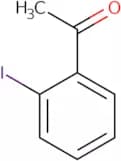
CAS:2'-Iodoacetophenone is a bioactive molecule that reacts with boronic acids to form aryl boronic acid derivatives. This reaction can be carried out in chlorobenzene or dihedral solvents, and it is scalable and applicable to a variety of boronic acids. The product of this reaction is an organocatalyst for the synthesis of bioactive molecules. 2'-Iodoacetophenone also reacts with dipole-containing additives to form dichlorodiphenyldichloroethane, which has been used as a fungicide, insecticide, and herbicide.
Fórmula:C8H7IOPureza:Min. 95%Cor e Forma:Clear LiquidPeso molecular:246.05 g/molRef: 3D-FI67448
Produto descontinuado5α-Pregnan-3β-ol-20-one 3β-acetate
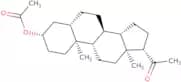
CAS:Produto Controlado5α-Pregnan-3β-ol-20-one 3β-acetate is a synthetic steroid that is used to treat various neurological disorders, including dystonias, depression, and dyskinesias. It is an agonist of the GABA receptor and has been shown to have antidepressant effects in hamsters. 5α-Pregnan-3β-ol-20-one 3β-acetate has also been shown to have antiaggressive effects in mice and to decrease hormone levels in animals. The drug has been found to be safe for use in humans and does not affect fertility. 5α-Pregnan-3β-ol-20-one 3βacetate has been shown to be effective only when administered at high doses, which may be due to its poor oral bioavailability.
Fórmula:C23H36O3Pureza:Min. 95%Cor e Forma:White PowderPeso molecular:360.53 g/molRef: 3D-FP67983
Produto descontinuado3-Nitrophthalic anhydride
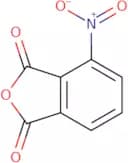
CAS:3-Nitrophthalic anhydride is a nucleophilic compound that is activated by the addition of hydrochloric acid and chloride. It reacts with dimethyl formamide to produce nitrobenzene, which can be oxidized to nitrobenzoic acid. 3-Nitrophthalic anhydride has been used as a precursor for pomalidomide, a drug used in the treatment of multiple myeloma and other cancers. In this reaction, n-dimethyl formamide reacts with 3-nitrophthalic anhydride to produce nitromethane, which can then be oxidized to nitrobenzoic acid. Molecular modeling studies have shown that 3-nitrophthalic anhydride binds to DNA through hydrogen bonding interactions and the formation of covalent bonds. The solubility data for 3-nitrophthalic anhydride show that it is soluble in water and organic solvents such as acetone or met
Fórmula:C8H3NO5Pureza:Min. 85%Cor e Forma:PowderPeso molecular:193.11 g/molRef: 3D-FN26343
Produto descontinuadoMonomethyl auristatin E
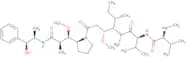
CAS:Synthetic analog of dolastatin 10; cytotoxic; inhibits tubulin polymerization
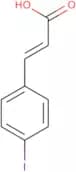
Fórmula:C39H67N5O7Pureza:Min. 98 Area-%Cor e Forma:White Off-White PowderPeso molecular:717.98 g/mol4-Iodocinnamic acid
CAS:4-Iodocinnamic acid is a mesomorphic, supramolecular organic acid that has potent cytotoxicity against cancer cells. It is also an analogue of the natural product cinnamic acid. 4-Iodocinnamic acid binds to the active site of the enzyme DNA polymerase and inhibits DNA synthesis by preventing the incorporation of deoxynucleotide triphosphates into synthesized DNA chains. The compound has been shown to have strong antimicrobial activity against Gram-positive bacteria such as Staphylococcus aureus, Enterococcus faecalis, and Bacillus cereus. 4-Iodocinnamic acid is also an effective inhibitor of cancer cell proliferation and induces apoptosis in these cells.
Fórmula:C9H7IO2Pureza:Min. 95%Cor e Forma:PowderPeso molecular:274.06 g/molRef: 3D-FI68045
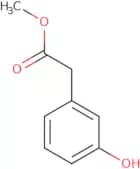
Produto descontinuado(3-Hydroxyphenyl)acetic acid methyl ester
CAS:(3-Hydroxyphenyl)acetic acid methyl ester is an allosteric inhibitor of the serotonin transporter (SERT), which is a target enzyme for many drugs. It has inhibitory activity against 5-HT1A receptors, and other targets that have not yet been elucidated. This compound has been shown to react with coumarin derivatives to form reaction products. The molecular modelling of this drug shows that its uptake is inhibited by the presence of acids, such as hydrochloric acid, in the environment. The rate of reaction between (3-hydroxyphenyl)acetic acid methyl ester and serotonin has been determined experimentally using kinetic data. Molecular modeling predicts that this compound will bind tightly to the SERT protein via hydrogen bonding interactions with amino acids in the binding site.
Fórmula:C9H10O3Pureza:Min. 95%Cor e Forma:Colorless PowderPeso molecular:166.17 g/molRef: 3D-FH70988
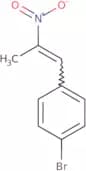
Produto descontinuado1-(4-Bromophenyl)-2-nitropropene
CAS:1-(4-Bromophenyl)-2-nitropropene is a synthetic molecule that undergoes an efficient cycloaddition reaction with aldehydes. This reaction is used to synthesize 1,3-dienes and alpha,beta-unsaturated carbonyl compounds. When the substrate is an aldehyde, the final product is a 1,3-diene. When the substrate is an alpha,beta-unsaturated carbonyl compound, the final product is an alpha,beta-unsaturated ketone.
Fórmula:C9H8BrNO2Pureza:Min. 95%Cor e Forma:PowderPeso molecular:242.07 g/molRef: 3D-FB67070
Produto descontinuadoEosin B Spirit Soluble
CAS:Eosin B is a chemical compound that is used as a dye in histology. It has been used in the past as an anti-fungal agent and can be activated by light, which makes it useful for photodynamic therapy treatments. Eosin B is also used in devices such as lasers and phototherapy lamps to activate tissue repair or destroy tissue.
Fórmula:C20H8Br2N2O9Pureza:Min. 95%Cor e Forma:PowderPeso molecular:580.09 g/molRef: 3D-FE52709
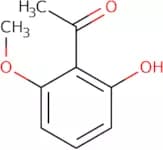
Produto descontinuado2-Hydroxy-6-methoxyacetophenone
CAS:2-Hydroxy-6-methoxyacetophenone is a chalcone that belongs to the group of flavonoids. It has been shown to have anticancer properties, inhibiting the growth of colorectal carcinoma cells in a dose-dependent manner. The mechanism of action for 2-hydroxy-6-methoxyacetophenone is not fully understood, but it may be due to its ability to inhibit the enzyme demethylase and induce apoptosis. This compound also has been shown to inhibit the growth of Escherichia coli and Salmonella typhimurium when used at high concentrations. 2-Hydroxy-6-methoxyacetophenone can be synthesized by reacting ethyl acetoacetate with two equivalents of methylamine in the presence of a base such as sodium methoxide or potassium hydroxide.
2-Hydroxy-6-methoxyacetophenone has also been shown to inhibitFórmula:C9H10O3Pureza:Min. 95%Cor e Forma:PowderPeso molecular:166.17 g/molRef: 3D-FH71010
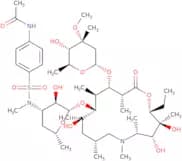
Produto descontinuadoAzithromycin impurity H
CAS:Please enquire for more information about Azithromycin impurity H including the price, delivery time and more detailed product information at the technical inquiry form on this page
Fórmula:C45H77N3O15SPureza:Min. 95%Cor e Forma:PowderPeso molecular:932.17 g/molRaltegravir potassium
CAS:Anti-viral; HIV integrase inhibitor
Fórmula:C20H20FKN6O5Pureza:Min. 98 Area-%Cor e Forma:White Off-White PowderPeso molecular:482.51 g/molRef: 3D-FR27670
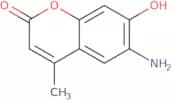
Produto descontinuado6-Amino-7-hydroxy-4-methylcoumarin
CAS:6-Amino-7-hydroxy-4-methylcoumarin is an antibacterial agent that has been shown to be effective against a range of Gram-positive and Gram-negative bacteria. It is synthesized from coumarins in nature, but also can be synthesized in the laboratory. This compound has been shown to inhibit bacterial growth by forming a covalent bond with the bacterial enzyme DNA gyrase, preventing the synthesis of DNA. 6-Amino-7-hydroxy-4-methylcoumarin has also been shown to have anti cancer properties.
Fórmula:C10H9NO3Pureza:Min. 95%Cor e Forma:Yellow solid.Peso molecular:191.18 g/molRef: 3D-FA45295
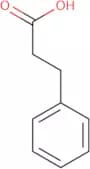
Produto descontinuadoHydrocinnamic acid
CAS:Hydrocinnamic acid is an inhibitor of the enzyme carboxyl ester lipase. It is used to treat inflammatory bowel disease and autoimmune diseases, such as Crohn's disease. Hydrocinnamic acid has also been shown to inhibit the production of inflammatory mediators, such as prostaglandins, leukotrienes, and cytokines. This anti-inflammatory effect may be related to its ability to inhibit the activity of lipoxygenases and cyclooxygenases. Hydrocinnamic acid has also been shown to act as a broad-spectrum antimicrobial agent against bacteria, fungi, and viruses.
Fórmula:C9H10O2Pureza:Min. 95%Cor e Forma:PowderPeso molecular:150.17 g/molRef: 3D-FH23881
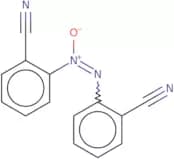
Produto descontinuado2,2'-Azoxybenzonitrile
CAS:2,2'-Azoxybenzonitrile is a chemical building block used in organic synthesis. It is a useful scaffold for the synthesis of complex compounds and fine chemicals. 2,2'-Azoxybenzonitrile has been used as a reagent to synthesize other chemical compounds that are difficult to synthesize by other methods. 2,2'-Azoxybenzonitrile is also used as an intermediate in reactions with other chemicals or with biological molecules such as DNA or proteins. This chemical can be used to form new products that are useful in medicine or industry.
Fórmula:C14H8N4OPureza:Min. 95%Cor e Forma:PowderPeso molecular:248.24 g/molRef: 3D-FA66483
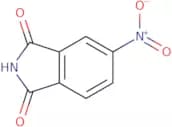
Produto descontinuado4-Nitrophthalimide
CAS:4-Nitrophthalimide is a nitroimidazole compound that has been shown to be active against bacterial strains belonging to the group P2. It is also soluble in organic solvents such as chloroform, ethanol, and acetone. 4-Nitrophthalimide has been used for experimental solubility data and as a pharmaceutical preparation. The reaction of 4-nitrophthalimide with diazonium salt produces 3-nitrophthalic anhydride, which is then hydrolyzed by hydrochloric acid to form nitrobenzene. This reaction can be monitored using fluorescence resonance spectroscopy.
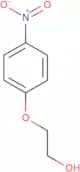
Fórmula:C8H4N2O4Pureza:Min. 95%Cor e Forma:PowderPeso molecular:192.13 g/mol2-(4-Nitrophenoxy)ethanol
CAS:2-(4-Nitrophenoxy)ethanol (NPEO) is a water soluble, synthetic compound that has been shown to have anti-tumor properties. NPEO was found to be toxic to tumor cells in vitro and inhibits the growth of tumor cells in vivo. NPEO also inhibits the synthesis of DNA and RNA, which are important for cell division. This inhibitory effect may lead to the death of cancer cells by interfering with their ability to grow and divide.
Fórmula:C8H9NO4Pureza:Min. 95%Cor e Forma:PowderPeso molecular:183.16 g/molRef: 3D-FN70932
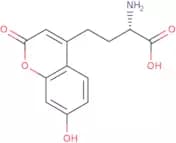
Produto descontinuadoL-(7-Hydroxycoumarin-4-yl) ethylglycine
CAS:L-(7-Hydroxycoumarin-4-yl) ethylglycine is a molecule that has been used as a model system to study the binding of inhibitors to enzymes. L-(7-Hydroxycoumarin-4-yl) ethylglycine binds to the enzyme synthetase and inhibits its activity. The inhibition of this enzyme prevents the formation of ATP, which is necessary for the synthesis of proteins. L-(7-Hydroxycoumarin-4-yl) ethylglycine also blocks transcription and translation by binding to DNA binding proteins and inhibiting ribosome function respectively. This agent is an antimicrobial agent that has shown activity against gram positive bacteria such as Staphylococcus aureus, Enterococcus faecalis, and Bacillus cereus, as well as gram negative bacteria such as Escherichia coli, Salmonella typhimurium, Pseudomonas aeruginFórmula:C13H13NO5Pureza:Min. 98 Area-%Cor e Forma:Red PowderPeso molecular:263.25 g/mol3'-Hydroxypterostilbene
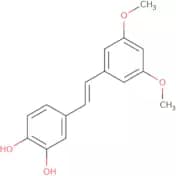
CAS:3'-Hydroxypterostilbene is a natural compound that is found in blueberries, grapes, and other plants. It has been shown to have antioxidant properties and may help to prevent the growth of cancer cells. 3'-Hydroxypterostilbene has also been shown to inhibit tumor growth by inhibiting autophagy and mitochondrial membrane potential. This compound may also be useful for treating microbial infections due to its ability to inhibit bacterial growth by targeting ribosomes.
Fórmula:C16H16O4Pureza:Min. 95%Cor e Forma:SolidPeso molecular:272.3 g/molRef: 3D-FH74526
Produto descontinuadoThioflavin T
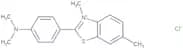
CAS:Amyloid dye; membrane potential reporter
Fórmula:C17H19N2SClPureza:Min. 95%Cor e Forma:PowderPeso molecular:318.86 g/mol2,3',4,4',6-Pentahydroxybenzophenone - 85%
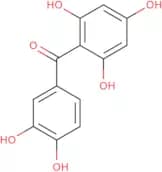
CAS:2,3',4,4',6-Pentahydroxybenzophenone - 85% is a chemical compound that functions as a hydroxybenzophenone derivative. It is synthesized through organic chemical processes involving aromatic hydroxylation. The compound exhibits specific light-absorbing characteristics, particularly in the ultraviolet (UV) range, making it a valuable tool in scientific studies focusing on photostability and the photophysical properties of materials.
Fórmula:C13H10O6Pureza:Min. 95%Cor e Forma:PowderPeso molecular:262.21 g/molRef: 3D-FP66805
Produto descontinuadoTiotropium bromide monohydrate
CAS:Muscarinic antagonist; bronchodilator
Fórmula:C19H22NO4S2•Br•H2OPureza:Min. 95%Cor e Forma:PowderPeso molecular:490.43 g/molCocamidopropyl betaine - aqueous solution
CAS:Mixture of C12–C18 acylamides with the major component cocamidopropyl betaine.
Fórmula:C19H38N2O3Cor e Forma:Colorless Clear LiquidPeso molecular:342.52 g/molRef: 3D-FC157264
Produto descontinuadoAtorvastatin calcium
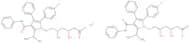
CAS:HMG-CoA reductase inhibitor; anti-hypercholesterolemia agent
Fórmula:C66H68CaF2N4O10Pureza:Min. 97 Area-%Cor e Forma:White PowderPeso molecular:1,155.34 g/molL-Alanine-β-naphthylamide
CAS:L-alanine-β-naphthylamide is an amino acid that is synthesized by the action of β-Naphtholactamase on l-alanine. It is used as a substrate for enzyme studies and to determine the uptake of substances by cells. L-Alanine-β-naphthylamide has been shown to inhibit the activity of some enzymes, such as aminopeptidases and peptidases. The inhibition may be due to its ability to bind to lysine residues in the active site of these enzymes. This amino acid also inhibits the growth of bacteria at neutral pH and has a bacteriostatic effect at a pH range from 4.5 to 5.5.
Fórmula:C13H14N2OPureza:Min. 95%Cor e Forma:PowderPeso molecular:214.26 g/molRef: 3D-FA66171
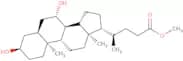
Produto descontinuadoUrsodeoxycholic acid methyl ester
CAS:Produto ControladoUrsodeoxycholic acid methyl ester is a bile acid that is produced from ursodeoxycholic acid. It is used as a drug to dissolve gallstones and reduce the risk of recurrent gallstones in patients who have had a cholecystectomy. Ursodeoxycholic acid methyl ester also reduces cholesterol levels by preventing its reabsorption in the small intestine and enhancing its excretion in the bile. This agent has been shown to modulate cell proliferation and differentiation, especially in cerebral tissue and muscle cells. Ursodeoxycholic acid methyl ester can be synthesized from ursodeoxycholic acid by saponification with base followed by methylation with methanol. The synthesis of this agent involves an elimination reaction between c1-c3 alcohols, which leads to impurities such as formaldehyde, acetone, glycerol, acetic acid, and butyric acid.
Fórmula:C25H42O4Pureza:Min. 95%Cor e Forma:White PowderPeso molecular:406.6 g/molRef: 3D-FU28647
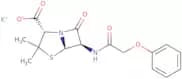
Produto descontinuadoPenicillin V potassium salt
CAS:Penicillin V potassium salt is a penicillin antibiotic that has been used to treat infections caused by bacteria, such as streptococcal throat infections. It is a prodrug of penicillin G and has the same mechanism of action. Penicillin V potassium salt binds to penicillin-binding proteins in the bacterial cell wall by competitive inhibition. This binding prevents the formation of an antibiotic-inhibitor complex with the enzyme cell wall synthesis that is required for cell wall biosynthesis, inhibiting protein synthesis and cell division. Penicillin V potassium salt is often used as an alternative to oral cephalosporins due to its lower incidence of gastrointestinal side effects.
Fórmula:C16H17KN2O5SPureza:(Hplc) 95.0 To 102.0%Cor e Forma:White PowderPeso molecular:388.48 g/molRef: 3D-FP26794
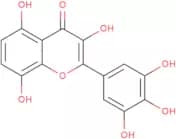
Produto descontinuado3,3',4',5,5',8-Hexahydroxyflavone
CAS:3,3',4',5,5',8-Hexahydroxyflavone is a naturally occurring flavonoid, which is a type of polyphenolic compound. It is derived from various plant sources, including fruits, vegetables, and certain medicinal herbs. The compound is characterized by its chemical structure, which includes multiple hydroxyl groups, contributing to its biological activity.
The mode of action of 3,3',4',5,5',8-Hexahydroxyflavone involves its interaction with various cellular pathways and enzymes. Primarily, it is known for its antioxidant properties, where it scavenges free radicals and reactive oxygen species, thereby reducing oxidative stress. Additionally, it may exhibit anti-inflammatory effects by modulating signaling pathways involved in inflammation.
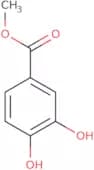
In terms of uses and applications, 3,3',4',5,5',8-Hexahydroxyflavone is primarily explored in scientific research focusing on its potential health benefits. Studies investigate its role in disease prevention, particularly conditions associated with oxidative stress and inflammation, such as cardiovascular diseases and neurodegenerative disorders. While it holds promise in these areas, further research is necessary to fully understand its mechanisms and therapeutic potential.Fórmula:C15H10O8Pureza:Min. 95%Peso molecular:318.24 g/mol3,4-Dihydroxybenzoic acid methyl ester
CAS:3,4-Dihydroxybenzoic acid methyl ester is a natural compound that has been isolated from Linteus. This compound has been shown to have antiinflammatory activity and to inhibit the production of pro-inflammatory cytokines, such as tumor necrosis factor-alpha (TNF-α) and interleukin 1β (IL-1β). It also inhibits toll-like receptor 4 (TLR4), which is a protein that can bind to lipopolysaccharides on the surface of bacteria. 3,4-Dihydroxybenzoic acid methyl ester has been found to decrease mitochondrial membrane potential in cells treated with hydrogen fluoride. This agent is used in organic synthesis for the preparation of derivatives with high purity. The extract from Etoac can be used as a model organism for the study of its structure and function.Fórmula:C8H8O4Pureza:Min. 95%Cor e Forma:PowderPeso molecular:168.15 g/molRef: 3D-FD22104
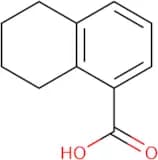
Produto descontinuado5,6,7,8-Tetrahydro-1-naphthoic acid
CAS:5,6,7,8-Tetrahydro-1-naphthoic acid is a synthetic organic compound that is used to make dyes and paints. It has toxic properties and can cause irritation of the skin or lungs. The mechanism of its toxicity is not known, but it may be due to the formation of reactive oxygen species in the body or the inhibition of monoamine oxidase. 5,6,7,8-Tetrahydro-1-naphthoic acid exhibits dose-dependent toxicity with increasing doses resulting in more severe reactions. It also has a high potential for long term carcinogenicity.
Fórmula:C11H12O2Pureza:Min. 95%Peso molecular:176.21 g/molRef: 3D-FT04392
Produto descontinuado2'-Hydroxyacetophenone
CAS:2'-Hydroxyacetophenone is a hydroxylated acetophenone derivative. It is used in the synthesis of coumarin derivatives, which are used as pharmaceuticals and natural compounds. 2'-Hydroxyacetophenone has been found to be cytotoxic against HL-60 cells, which is a line of leukemia cells in humans. It also has anti-cancer properties that may be due to its ability to inhibit water vapor and nitrogen gas release from cervical cancer cells. The structural analysis of 2'-hydroxyacetophenone has shown that it contains an intramolecular hydrogen bond with the proton on the oxygen atom. This bond is responsible for stabilizing the molecule's structure and maintaining its 3D geometry.
Fórmula:C8H8O2Pureza:Min. 95%Cor e Forma:Clear LiquidPeso molecular:136.15 g/molRef: 3D-FH64535
Produto descontinuado(R)-(-)-Ibuprofen
CAS:Ibuprofen is a nonsteroidal anti-inflammatory drug (NSAID) that is used to treat pain and inflammation. It belongs to the group of fatty acid derivatives, which are drugs that block the production of prostaglandins. Ibuprofen has been shown to have contraceptive effects in humans and experimental models, as well as an effect on human serum lipoproteins. Ibuprofen has also been shown to inhibit the synthesis of prostaglandins in rat liver microsomes and asymmetric synthesis in wastewater treatment. Its pharmacokinetic properties are determined by its absorption rate, distribution volume, and metabolism rate. The kinetic behavior of ibuprofen is affected by matrix effect and the kinetic behavior of ibuprofen is also affected by its pharmacokinetic properties such as isooctane, carcinoma cell lines, etc.
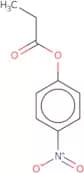
Fórmula:C13H18O2Pureza:Min. 95%Cor e Forma:White PowderPeso molecular:206.28 g/mol4-Nitrophenyl propionate
CAS:4-Nitrophenyl propionate is a synthetic surfactant that is used in many products, including detergents, fabric softeners, and dishwashing liquids. It has been shown to have a positioning effect on the enzyme lipase and to shift its enzymatic activity. 4-Nitrophenyl propionate can be used as a catalyst for sodium fusidate in the synthesis of microemulsions. The catalytic activity of 4-nitrophenyl propionate is constant and it has high catalytic efficiency.
Fórmula:CH3CH2COOC6H4NO2Pureza:Min. 95%Cor e Forma:White PowderPeso molecular:195.17 g/molRef: 3D-FN30549
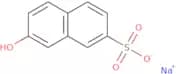
Produto descontinuado7-Hydroxy-2-naphthalene sulfonic acid sodium
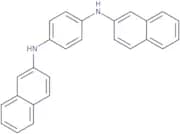
CAS:7-Hydroxy-2-naphthalene sulfonic acid sodium (7HNS) is a fluorescent probe that can be used for the detection of cross-links in collagen and elastin. The sensitivity of this compound is very high, with a detection limit of 1 pmol/ml. 7HNS binds to the lysine residues in collagen and elastin, forming covalent bonds that are detectable by fluorescence. It has been used in the analysis of tissues such as cartilage, bone, skin, and blood vessels.Fórmula:C10H7NaO4SPureza:Min. 93 Area-%Cor e Forma:PowderPeso molecular:246.22 g/molN,N'-Di-2-naphthyl-1,4-phenylenediamine
CAS:N,N'-Di-2-naphthyl-1,4-phenylenediamine is a chemical compound that is used in the production of polyvinyl chloride (PVC). It can be used as an antimicrobial agent to prevent the growth of bacteria and fungi. It is also used as a crosslinking agent in the production of PVC. The reaction solution consists of hydrochloric acid and methyl ethyl chloride. The monochloride is then reacted with 2-naphthol, followed by reaction with benzalkonium chloride. The final product is N,N'-di-(2-naphthyl)-1,4-(phenylene) diamine monochloride.
Fórmula:C26H20N2Pureza:Min. 95 Area-%Cor e Forma:PowderPeso molecular:360.45 g/molRef: 3D-FD62297
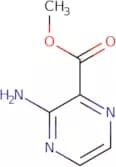
Produto descontinuado3-Amino-2-pyrazinecarboxylic acid methyl ester
CAS:3-Amino-2-pyrazinecarboxylic acid methyl ester (3APCME) is a potent anti-mycobacterial agent that inhibits the growth of Mycobacterium tuberculosis by inhibiting the synthesis of amines, which are necessary for its survival. 3APCME has also been shown to have an inhibitory effect on other bacteria that require amines for their survival, such as Escherichia coli. This agent binds to the receptor and inhibits the enzyme pyrazinase in the reaction of phenoxy with dimethylformamide. The molecular modeling studies show that 3APCME is able to bind to a hydrophobic region on the enzyme's surface and form a covalent bond through nucleophilic attack. The asymmetric synthesis results in the production of one enantiomer of 3APCME and allows for greater efficacy against mycobacteria than other agents.Fórmula:C6H7N3O2Pureza:Min. 95%Cor e Forma:PowderPeso molecular:153.14 g/molRef: 3D-FA17474
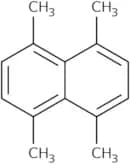
Produto descontinuado1,4,5,8-Tetramethylnaphthalene
CAS:1,4,5,8-Tetramethylnaphthalene is a colorless liquid that is synthesized from naphthalene and trifluoroacetic acid. It has been used as a photolytic substrate in the rationalized synthesis of 1,4-benzoquinones. Tetramethylnaphthalene also reacts with diacetate to form tetraacetates. The compound is stable at low temperatures but undergoes thermal decomposition above 120 degrees Celsius. Tetramethylnaphthalene can be oxidized by air or oxygen to form aniline. This reaction can occur through either orientation of the molecule. Tetramethylnaphthalene has been used as an acceptor in hydrodynamic studies and as a strain in solid state studies.
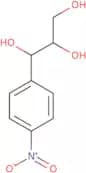
Fórmula:C14H16Pureza:Min. 95%Cor e Forma:PowderPeso molecular:184.28 g/mol1-(4-Nitrophenyl)glycerol
CAS:1-(4-Nitrophenyl)glycerol has been shown to inhibit the growth of Gram-positive bacteria, including Streptococcus faecalis, and Gram-negative bacteria, including Pseudomonas aeruginosa. It is also used as a sample preparation for antimicrobial resistance testing.
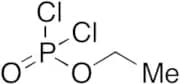
Fórmula:C9H11NO5Pureza:Min. 97 Area-%Cor e Forma:Off-White PowderPeso molecular:213.19 g/molEthyl Dichlorophosphate
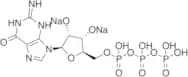
CAS:Produto ControladoFórmula:C2H5Cl2O2PCor e Forma:White to Off-White SolidPeso molecular:162.94Guanosine-5'-triphosphate Disodium Salt (~85%)
CAS:Produto ControladoApplications Guanosine-5'-triphosphate disodium salt (CAS# 56001-37-7) is a nucleotide used in the preparation of photoreactive GTP affinity probes, and in inhibitors of eukaryotic initiation factor eIF-4E.
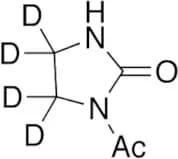
References George Cisar, E. A.; J. Am. Chem. Soc., 135, 4676 (2013); Ghosh, P.; et al.: Bioorg. Med. Chem. Lett., 16, 750 (2006).Fórmula:C10H14N5O14P3Na2Pureza:~85%Cor e Forma:NeatPeso molecular:567.14N-Acetylethylene Urea-d4
CAS:Produto ControladoApplications N-Acetylethylene Urea-d4 (cas# 1189701-94-7) is a compound useful in organic synthesis.
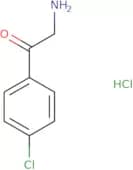
Fórmula:C5H4H4N2O2Cor e Forma:NeatPeso molecular:132.152-Amino-4'-chloroacetophenone hydrochloride
CAS:Produto Controlado2-Amino-4'-chloroacetophenone hydrochloride is a cytotoxic compound that inhibits the polymerization of tubulin. It has been shown to have cytotoxic effects and inhibit the growth of cancer cells in vitro at low micromolar concentrations. 2-Amino-4'-chloroacetophenone hydrochloride is a member of the cytotoxic class of compounds and can be used to slow or stop cell division by inhibiting the production of proteins vital for cell division, such as tubulin. This effect is due to its ability to bind to the beta subunit of tubulin, which disrupts its structure and prevents polymerization from occurring.
Fórmula:C8H8ClNO•HClPureza:Min. 95%Cor e Forma:PowderPeso molecular:206.07 g/molRef: 3D-FA55395
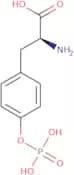
Produto descontinuadoO-Phospho-L-tyrosine
CAS:O-Phospho-L-tyrosine is a phosphorylated form of L-tyrosine. It is used as an immunogen in the production of monoclonal antibodies. O-Phospho-L-tyrosine has also been shown to inhibit the enzyme indole alkaloids, which are responsible for the development of oral pathogens. The dephosphorylation of O-Phospho-L-tyrosine by tyrosine phosphatases leads to its conversion back to L-tyrosine. This compound can be detected by chromatographic analysis and is commonly used in analytical methods to identify natural compounds.
Fórmula:C9H12NO6PPureza:Min. 95%Cor e Forma:PowderPeso molecular:261.17 g/molRef: 3D-FP27018
Produto descontinuadoDipyrone
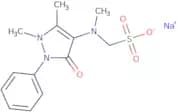
CAS:Dipyrone is an anti-inflammatory and analgesic drug that belongs to the group of non-steroidal anti-inflammatory drugs. It has been shown to inhibit the production of prostaglandins, which are involved in inflammation, by inhibiting cyclooxygenase. The polymerase chain reaction (PCR) method is a biochemical technique used to amplify a segment of DNA, typically for use as a genetic marker or for cloning a particular gene. A PCR assay can be used to detect the presence of bacterial DNA in a sample. Dipyrone has been shown to possess chemiluminescence activity, which is indicative of its ability to bind with DNA. This binding inhibits transcription and replication and may be responsible for the toxic effects on epidermal cells observed in animal studies. Dipyrone also has been shown to have anti-inflammatory activities through its inhibition of cyclooxygenase and its ability to inhibit neutrophil migration and function.
Fórmula:C13H16N3NaO4SPureza:Min. 95%Cor e Forma:White SolidPeso molecular:333.34 g/molRef: 3D-FD22539
Produto descontinuado2',4-Dihydroxy-3-methoxychalcone
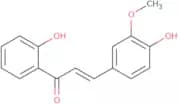
CAS:2',4-Dihydroxy-3-methoxychalcone is a chalcone that has been shown to have reactive properties. The compound was found to be cytotoxic to cancer cells in the presence of neutrophils, and it has been shown to inhibit the growth of t47d cells in culture. There is also evidence that 2',4-Dihydroxy-3-methoxychalcone may help regulate the microflora in the gut, which may help prevent obesity and diabetes. In epidemiological studies, 2',4-Dihydroxy-3-methoxychalcone was found to be protective against cancer, but more research is required.
Fórmula:C16H14O4Pureza:Min. 95%Cor e Forma:PowderPeso molecular:270.28 g/mol3,5-Dinitrosalicylic acid sodium
CAS:3,5-Dinitrosalicylic acid sodium is an inorganic compound that is used as a biochemical reagent. It can be used to measure the phosphatase activity of muscle and liver samples, as well as to determine the level of autophagy in cells. 3,5-Dinitrosalicylic acid sodium has been shown to inhibit the activity of a number of enzymes, including acid phosphatase and thiourea. When combined with chloroplast or mitochondria, it can be used to determine the rate of electron transport chain. 3,5-Dinitrosalicylic acid sodium binds to sulfhydryl groups on proteins and prevents them from being used for other purposes. This process optimization leads to engulfment followed by lysosomal degradation.
Fórmula:C7H3N2NaO7Pureza:Min. 95%Cor e Forma:PowderPeso molecular:250.1 g/molRef: 3D-FD70879
Produto descontinuadoChromotropic acid disodium salt dihydrate - ACS reagent
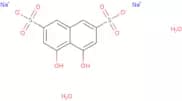
CAS:Chromotropic acid is a reactive compound that has been shown to be adsorbed on the surface of activated carbon. The adsorption mechanism and the kinetic constants for this reaction have been studied in detail. Chromotropic acid decomposes at high temperatures, releasing hydrogen chloride gas and water vapor. This chemical is also used in pharmaceutical preparations as an additive to inhibit oxidation reactions. It may also serve as a photoreceptor, reacting with tyramine hydrochloride and other compounds to produce a color change.Fórmula:C10H6O8S2Na2·2H2OCor e Forma:PowderPeso molecular:400.29 g/molRef: 3D-FC168034
Produto descontinuado3,3'-Diheptyloxacarbocyanine iodide
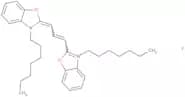
CAS:3,3'-Diheptyloxacarbocyanineiodide (DHCI) is a fluorescent probe that is used in the treatment of solid tumours. It is taken up by tumor cells and causes them to fluoresce, which can be seen under a microscope. DHCI has been shown to be effective against hypoxic tumours and tumors with low oxygen levels due to its ability to penetrate tumor cells and deliver oxygen. The uptake of DHCI by cancer cells is also dependent on the permeability of the blood vessels present in the tumor. This drug has been shown to have a large therapeutic window for treatment of solid tumours.
Fórmula:C31H41N2O2•IPureza:Min. 95%Cor e Forma:PowderPeso molecular:600.57 g/molRef: 3D-FD148550
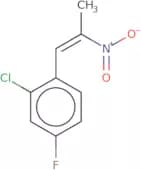
Produto descontinuado1-(2-Chloro-4-fluorophenyl)-2-nitropropene
CAS:1-(2-Chloro-4-fluorophenyl)-2-nitropropene is a versatile building block that can be used to produce a variety of compounds with various properties. It is a high quality, reagent grade chemical that is useful for research and development purposes. This compound has been shown to be an effective intermediate in the synthesis of complex compounds, such as pharmaceuticals and pesticides.
Fórmula:C9H7ClFNO2Pureza:Min. 95%Peso molecular:215.61 g/molRef: 3D-FC65821
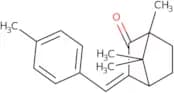
Produto descontinuado3-(4-Methylbenzylidene)camphor
CAS:3-(4-Methylbenzylidene)camphor is a chemical compound that has two isomers, alpha and beta. It can be found in biological samples, such as human urine or wastewater, and can be used for the treatment of skin cancer. 3-(4-Methylbenzylidene)camphor is prepared by extraction from a dry sample with an organic solvent. The extraction process requires a hydroxyl group to react with the dry sample and create a liquid. The resulting liquid is then evaporated to leave behind the extract. The kinetic data of 3-(4-Methylbenzylidene)camphor was determined by measuring its rate of reaction with an analytical method. The rate of reaction increased as the concentration increased to a constant value at high concentrations, which suggests that it may have some occlusive properties in humans due to its tendency to bind to plasma proteins.
Fórmula:C18H22OPureza:Min. 95%Cor e Forma:White PowderPeso molecular:254.37 g/molRef: 3D-FM25793
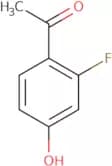
Produto descontinuado2'-Fluoro-4'-hydroxyacetophenone
CAS:2'-Fluoro-4'-hydroxyacetophenone is a glycosylated molecule that is used in phase transfer catalysis. It is a glycoside that can undergo the glycosylation reaction and can be used as a phase transfer reagent. 2'-Fluoro-4'-hydroxyacetophenone has been studied for its potential use in the synthesis of xylosides and selenadiazoles. In addition, it has shown anti-inflammatory properties, which may be due to its inhibition of prostaglandin synthesis.
Fórmula:C8H7FO2Pureza:Min. 95%Peso molecular:154.14 g/molRef: 3D-FF64528
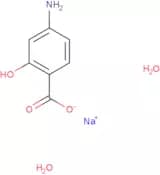
Produto descontinuado4-Aminosalicylic acid sodium salt dihydrate
CAS:4-Aminosalicylic acid sodium salt dihydrate is a molecule that has been shown to be useful for the diagnosis of viral, autoimmune, and cancerous diseases. It is a diagnostic agent that can be used in both the diagnosis and treatment of bowel disease. 4-Aminosalicylic acid sodium salt dihydrate can also be used to treat cavity formation in teeth. It binds to fatty acids in the target tissue, which leads to cell death by apoptosis. This drug has been shown to be effective against inflammatory bowel disease (IBD) as well as other types of bowel disease. This drug has been shown to have no adverse effects on healthy cells or tissues, but it may cause kidney toxicity when taken orally or injected intravenously.
Fórmula:C7H6NNaO3·2H2OPureza:Min. 95%Cor e Forma:White PowderPeso molecular:211.15 g/molRef: 3D-FA32507
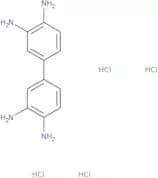
Produto descontinuado3,3'-Diaminobenzidine tetrahydrochloride
CAS:3,3'-Diaminobenzidine tetrahydrochloride or DAB hydrochloride is the hydrochloride salt of biphenyl tetra-aniline. DAB hydrochloride is a water-soluble formulation of DAB and is used in immunohistochemical staining of nucleic acids and proteins. DAB hydrochloride is used in Alzheimer's disease research, Aβ protein amyloid plaques are targeted by a primary antibody, and subsequently by a secondary antibody, which is conjugated with a peroxidase enzyme. This will bind DAB as a substrate and oxidize causing a colour change. 3,3’-Diaminobenzidine tetrahydrochloride is also available as the tetrahydrochloride hydrate and as the free base.
Fórmula:C12H14N4•4HClPureza:Min. 95%Cor e Forma:Off-White PowderPeso molecular:360.12 g/molRef: 3D-FD11034
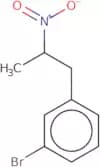
Produto descontinuado1-(3-Bromophenyl)-2-nitropropane
CAS:1-(3-Bromophenyl)-2-nitropropane is a fine chemical that is used as a building block in the synthesis of complex organic compounds. It can be used as a reagent and speciality chemical with high quality. 1-(3-Bromophenyl)-2-nitropropane is versatile for use in reactions, such as coupling reactions, because it can be used as an intermediate or scaffold to create many different compounds. CAS No.: 155988-18-4
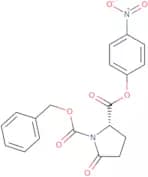
Fórmula:C9H10BrNO2Pureza:Min. 95%Peso molecular:244.09 g/molZ-L-pyroglutamic acid 4-nitrophenyl ester
CAS:Please enquire for more information about Z-L-pyroglutamic acid 4-nitrophenyl ester including the price, delivery time and more detailed product information at the technical inquiry form on this pageFórmula:C19H16N2O7Pureza:Min. 95%Peso molecular:384.34 g/molRef: 3D-FP47311
Produto descontinuadoSulfosuccinimidyl 3-[[2-(biotinamido)ethyl] dithio]propionate sodium salt
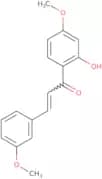
CAS:Sulfosuccinimidyl 3-[[2-(biotinamido)ethyl] dithio]propionate sodium salt (BSP) is a biotin-avidin binding molecule that forms a covalent linkage with the antigen and antibody. It is used in immunoassays to detect specific antigens or antibodies in biological samples. BSP is manufactured by reacting carbodiimide hydrochloride with sulfosuccinic acid. The product can be used for a variety of immunoassays such as enzyme-linked immunosorbent assays, real-time polymerase chain reaction, and immunohistochemistry. The sensitivity of this product has been shown to be greater than those of other detection methods such as Western blotting.Fórmula:C19H27N4NaO9S4Pureza:Min. 95%Cor e Forma:White Off-White PowderPeso molecular:606.69 g/mol3,4'-Dimethoxy-2'-hydroxychalcone
CAS:3,4'-Dimethoxy-2'-hydroxychalcone is a reaction component and useful scaffold for the synthesis of complex compounds. This chemical is an intermediate in the synthesis of various pharmaceuticals, such as anti-tuberculosis drugs, cancer chemotherapeutics and antibiotics. 3,4'-Dimethoxy-2'-hydroxychalcone has been shown to be a versatile building block that can be used to synthesize both natural products and pharmaceuticals. This compound also has a wide range of applications in the production of fine chemicals.
Fórmula:C17H16O4Pureza:Min. 95%Peso molecular:284.31 g/mol6-Methyl-4-hydroxycoumarin
CAS:6-Methyl-4-hydroxycoumarin is a coumarin derivative that has been shown to have potent inhibitory activity against both Gram-positive and Gram-negative bacteria. It also inhibits the growth of leukemia cells and shows anti-inflammatory properties. The photophysical studies of this molecule show that it has absorption bands in the visible region, which may be attributed to its hydroxyl group. 6-Methyl-4-hydroxycoumarin has also been shown to be an effective inhibitor of LPS (lipopolysaccharide)-stimulated RAW 264.7 cells, as well as benzofuran derivatives that have been shown to have inflammatory propertys.
Fórmula:C10H8O3Pureza:Min. 95%Cor e Forma:PowderPeso molecular:176.17 g/molRef: 3D-FM12567
Produto descontinuadoSodium sarcosinate - ca. 40% in water
CAS:Sodium sarcosine is a salt of sarcosine with sodium. It has an average molecular weight of 255 and is soluble in water. Sodium sarcosine is used as a biological sample for non-steroidal anti-inflammatory drugs (NSAIDs) in the study of their inhibitory properties against mammalian DNA polymerase. NSAIDs are also used to treat inflammation, pain, and fever by inhibiting prostaglandin synthesis. The rate constant for the reaction between NSAIDs and DNA polymerase was found to be 1.6x10^-4 M^-1s^-1 at 25°C, which is close to the Km value for the reaction. This finding indicates that NSAIDs may be competitive inhibitors of the enzyme, although further experiments are needed to confirm this hypothesis. Using electrochemical impedance spectroscopy, it was found that NSAIDs have a higher affinity for divalent cations than monovalent cations, suggesting that they bind to a site on the
Fórmula:C3H6NNaO2Pureza:Min. 95%Cor e Forma:Colorless Clear LiquidPeso molecular:111.08 g/molRef: 3D-FS02729
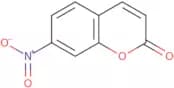
Produto descontinuado7-Nitrocoumarin
CAS:7-Nitrocoumarin is an agent that inhibits the growth of protozoa by inhibiting enzyme activities, specifically those involved in glycolysis. It has been shown to be a potent inhibitor of surface proteins and functional assays. 7-Nitrocoumarin is also active against trophozoites in vitro. The compound has been shown to be nontoxic to mammalian cells, with a constant of 0.3 μM for inhibition of resazurin reduction. The mechanism of action for 7-nitrocoumarin is not well understood, but it may involve oxidation products such as nitro groups, which are indicated by the prefix '7-'.
Fórmula:C9H5NO4Pureza:Min. 95%Cor e Forma:PowderPeso molecular:191.14 g/molRef: 3D-FN26298
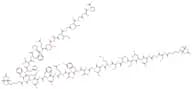
Produto descontinuadoBiotinyl-(Cys1,Lys(biotinyl)18)-Calcitonin (human) trifluoroacetate salt
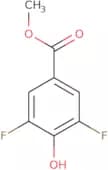
CAS:Please enquire for more information about Biotinyl-(Cys1,Lys(biotinyl)18)-Calcitonin (human) trifluoroacetate salt including the price, delivery time and more detailed product information at the technical inquiry form on this pageFórmula:C171H254N44O49S5Pureza:Min. 95%Peso molecular:3,870.44 g/mol3,5-Difluoro-4-hydroxybenzoic acid methyl ester
CAS:3,5-Difluoro-4-hydroxybenzoic acid methyl ester (DFHBME) is a chemical compound that belongs to the class of useful building blocks. It is used in research as a reagent and in the synthesis of various complex compounds. DFHBME reacts with nucleophiles such as amines or alcohols to produce useful intermediates or scaffolds for organic synthesis. This compound is also useful as a speciality chemical due to its high quality and versatility.
Fórmula:C8H6F2O3Pureza:Min. 95%Cor e Forma:PowderPeso molecular:188.13 g/molRef: 3D-FD66549
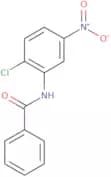
Produto descontinuadoN-(2-Chloro-5-Nitrophenyl)Benzamide
CAS:Please enquire for more information about N-(2-Chloro-5-Nitrophenyl)Benzamide including the price, delivery time and more detailed product information at the technical inquiry form on this page
Fórmula:C13H9ClN2O3Pureza:Min. 95%Cor e Forma:PowderPeso molecular:276.67 g/molrec Neurotrophin-3 (human)
Please enquire for more information about rec Neurotrophin-3 (human) including the price, delivery time and more detailed product information at the technical inquiry form on this page
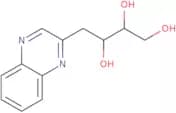
Pureza:Min. 95%2-(2',3',4'-Trihydroxybutyl)quinoxaline
CAS:2-(2',3',4'-Trihydroxybutyl)quinoxaline is a model system for the glyoxal-glycolaldehyde reaction. This reaction is important in the formation of organic acids and hydroxycarbonyl compounds. The kinetic of this reaction has been studied using glyoxal, glycolaldehyde, and hydroxycarboxylic acid as substrates. Reaction intermediates were identified by multiresponse techniques. Kinetic parameters were determined by modelling and kinetic experiments at different temperatures and concentrations.
Fórmula:C12H14N2O3Pureza:Min. 95%Cor e Forma:Off-White PowderPeso molecular:234.25 g/molRef: 3D-FT28497
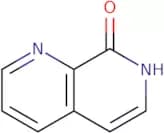
Produto descontinuado1,7-Naphthyridin-8(7H)-one
CAS:1,7-Naphthyridin-8(7H)-one is a polycyclic compound that has been used as an intermediate in the synthesis of a variety of other compounds. It is also used as an iterative reagent for the annulation reactions of cyclic olefins. It can be prepared by oxidative annulation between picolinamide and 1,2,3,4-tetrahydroquinoline. The regioselectivity of this reaction can be controlled by using rhodium or copper catalysts.
Fórmula:C8H6N2OPureza:Min. 95%Cor e Forma:PowderPeso molecular:146.15 g/molRef: 3D-FN143635
Produto descontinuado5-Amino-o-cresol
CAS:5-Amino-o-cresol is a chemical compound that is used in analytical chemistry as an aminophenol. It reacts with ethylene diamine to form a red dye called 5-aminonaphthalene-2,7-disulphonic acid (5ANDS). The reaction solution can be used to identify the presence of bacterial DNA. 5-Amino-o-cresol has been shown to have genotoxic effects, which may lead to skin cancer or skin damage. This chemical also has toxicological properties and can cause skin irritation at high concentrations.
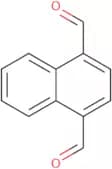
Fórmula:C7H9NOPureza:Min. 95%Cor e Forma:PowderPeso molecular:123.15 g/molNaphthalene 1,4-dicarboxaldehyde
CAS:Naphthalene 1,4-dicarboxaldehyde is a low energy focusing molecule that is used in macrocyclic compounds. It can be oxidized to form naphthalene 1,4-diacid and naphthalene 1,4-diketone. This compound has been used to synthesize the triarylmethane dye viologen by Wittig reaction. Naphthalene 1,4-dicarboxaldehyde has also been shown to have fluorescence properties and can be useful for chemiluminescence. Naphthalene 1,4-dicarboxaldehyde reacts with sulfide or amine groups to form sulfides or amines respectively.
Fórmula:C12H8O2Pureza:Min. 95%Cor e Forma:PowderPeso molecular:184.19 g/molRef: 3D-FN67114
Produto descontinuado











![Sulfosuccinimidyl 3-[[2-(biotinamido)ethyl] dithio]propionate sodium salt](/_next/image/?url=https%3A%2Fstatic.cymitquimica.com%2Fproducts%2F3D%2Fthumb-webp%2FFS27965.webp&w=3840&q=75)