Padrões Farmacêuticas
Os padrões farmacêuticos são um conjunto abrangente de materiais de referência essenciais para garantir a segurança, eficácia e qualidade dos produtos farmacêuticos. Esta categoria inclui padrões para ingredientes farmacêuticos ativos (APIs), que são os componentes principais responsáveis pelos efeitos terapêuticos. Além disso, abrange compostos e metabólitos relevantes tanto para a indústria farmacêutica quanto veterinária, fornecendo referências para a medição e análise precisa dessas substâncias. Padrões de controle de nitrosaminas são cruciais para detectar e mitigar nitrosaminas potencialmente prejudiciais em formulações de medicamentos. Padrões de toxicologia ajudam a avaliar a segurança e os potenciais efeitos adversos de compostos farmacêuticos. Além disso, padrões de ativadores e inibidores de enzimas são vitais para pesquisa e desenvolvimento, permitindo estudos precisos de vias bioquímicas e mecanismos de ação de medicamentos. Esses padrões farmacêuticos são ferramentas indispensáveis para conformidade regulatória, controle de qualidade e pesquisa, garantindo que os produtos farmacêuticos atendam a rigorosos critérios de segurança e eficácia.
Subcategorias de "Padrões Farmacêuticas"
- APIs para pesquisa e impurezas(273.720 produtos)
- Activadores e Inibidores de Enzimas(2.827 produtos)
- Nitrosaminas(2.605 produtos)
- Compostos e metabolitos farmacêuticos e veterinários(2.602 produtos)
- Toxicologia(13.652 produtos)
Foram encontrados 7836 produtos de "Padrões Farmacêuticas"
Ordenar por
Pureza (%)
0
100
|
0
|
50
|
90
|
95
|
100
Tetramethylol acetylenediurea
CAS:<p>Tetramethylol acetylenediurea is an aromatic hydrocarbon that has a variety of applications in chemistry. It can be used to make polymers, or it can be mixed with potassium dichromate and used as a cross-linking agent to produce polymer films. Tetramethylol acetylenediurea also has clinical relevance because it is a reactive substance that has been shown to cause allergic reactions. Tetramethylol acetylenediurea reacts with naphthalene to form the organic solution chloride.</p>Fórmula:C8H14N4O6Pureza:Min. 95 Area-%Cor e Forma:White PowderPeso molecular:262.22 g/molBenzylthiourea
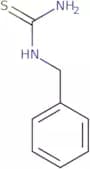
CAS:<p>Benzylthiourea is a molecule that binds to integrin receptors, which are protein molecules on the surface of cells. It has shown efficacy in the treatment of bowel disease, autoimmune diseases, and diabetic neuropathy. Benzylthiourea inhibits protease activity and may be used to treat inflammatory bowel disease. It also inhibits cyclase activity, which may be useful for treating cancer. Benzylthiourea has been shown to have anti-inflammatory properties, due to its ability to inhibit hydrochloric acid production in the stomach. This drug also has an effect on energy metabolism by inhibiting hydrogen bonds between hydroxide ions and carbonyl groups in acetaldehyde and methylglyoxal.</p>Fórmula:C8H10N2SPureza:Min. 95%Cor e Forma:PowderPeso molecular:166.24 g/mol2-Bromo-2'-chlorophenyl acetic acid methyl ester
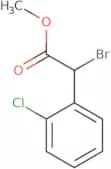
CAS:<p>2-Bromo-2'-chlorophenyl acetic acid methyl ester is a synthetic chemical that can be used as a pharmaceutical intermediate. It is prepared by the reaction of bromine with 2-chloroacetic acid and magnesium, which yields the desired product. The catalytic effect of this chemical is due to its ability to act as a catalyst for many reactions, such as the synthesis of clopidogrel. This chemical also has an industrial application in the production of other medicines, such as aspirin.</p>Fórmula:C9H8BrClO2Pureza:Min. 95%Peso molecular:263.52 g/molBoc-L-tyrosine methyl ester
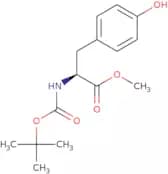
CAS:<p>Boc-L-tyrosine methyl ester is a synthetic amino acid that can be used in the production of peptides and proteins. It has been shown to have a high uptake and hydroxyl group, which allows for the synthesis of dopamine. The kinetic study of Boc-L-tyrosine methyl ester in agarose gels has shown that it has a high affinity for dopamine. Boc-L-tyrosine methyl ester has also been used as an intermediate for the synthesis of peptides and proteins. It is not active against cancer cells but has been used to induce matrix metalloproteinase (MMP) activity in Mcf-7 cells.</p>Fórmula:C15H21NO5Pureza:Min. 95%Cor e Forma:White PowderPeso molecular:295.33 g/molFmoc-3-(2-naphthyl)-L-alanine
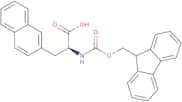
CAS:<p>Fmoc-3-(2-naphthyl)-L-alanine is a supramolecular compound that functions as an inhibitor of prostate cancer cells. It inhibits the uptake of metal chelates by prostate cancer cells and stabilizes them, which may lead to a diagnostic and therapeutic agent for prostate cancer. Fmoc-3-(2-naphthyl)-L-alanine has also been shown to inhibit the growth of human serum prostate cancer cells in vitro and in vivo models. This molecule is a bifunctional compound that can be used as both an antigen and a surrogate for cytosolic prostate specific antigen (PSA) levels. Fmoc-3-(2-naphthyl)-L-alanine has been shown to bind to the PSA protein, which is normally found on the surface of prostate epithelial cells. This binding prevents it from being released into the blood circulation, where it would otherwise be measured by a PSA test</p>Fórmula:C28H23NO4Pureza:Min. 95%Cor e Forma:PowderPeso molecular:437.49 g/molPrevitamin D2
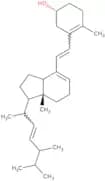
CAS:<p>Previtamin D2 is a chemical compound that is the natural form of vitamin D. It is found in human skin and can be converted to vitamin D3 by exposure to sunlight or artificial ultraviolet light. Previtamin D2 has been shown to have anti-cancer properties and may have potential as a dietary supplement. Previtamin D2 has been used for the treatment of dry skin, although it has not been approved for this use. The most common use of previtamin D2 is in wastewater treatment, where it is added to water as an anticancer agent. This process involves exposing the water to ultraviolet radiation and then adding previtamin D2. The previtamin D2 reacts with chlorine bleach, which releases hydrogen peroxide and creates disinfectant byproducts that are less toxic than those created by chlorine alone. Previtamin D2 can also be used in analytical chemistry as an intermediate in the production of vitamin D3 from cholesterol. It can be used as a sample preparation reagent when chromatographic science</p>Fórmula:C28H44OPureza:90%MinCor e Forma:White PowderPeso molecular:396.65 g/mol6-(Bromomethyl)-1,1,4,4-tetramethyl-1,2,3,4-tetrahydronaphthalene
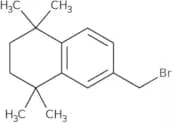
CAS:<p>Please enquire for more information about 6-(Bromomethyl)-1,1,4,4-tetramethyl-1,2,3,4-tetrahydronaphthalene including the price, delivery time and more detailed product information at the technical inquiry form on this page</p>Fórmula:C15H21BrPureza:Min. 80 Area-%Cor e Forma:Clear LiquidPeso molecular:281.23 g/molTerflavin B
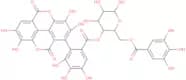
CAS:Produto Controlado<p>Terflavin B is a natural product that has been shown to have autophagy-inducing properties. Terflavin B induces autophagy by increasing the metabolic rate and inhibiting the synthesis of proteins. This product has been shown to increase the cancer cell's sensitivity to chemotherapy, which may be due to its ability to induce reactive oxygen species. In addition, terflavin B can protect against drug interactions by inhibiting the activity of cytochrome P450 enzymes. It also inhibits the growth of resistant microorganisms such as chronic kidney and bladder infections. Terflavin B contains tannins and ellagitannins, which have antimicrobial activities that are effective against bacteria, yeast, and fungi.</p>Fórmula:C34H24O22Pureza:Min 90%Cor e Forma:PowderPeso molecular:784.54 g/mol3'-[2- Cyanoethyl N, N- bis(1- methylethyl) phosphoramidite]-5'- O- [bis(4- methoxyphenyl) phenylmethyl] - 2'- O- methyl- N- [2- [4- (1- methylethyl) phenoxy] acetyl] -guanosine
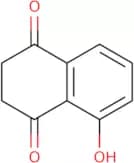
CAS:<p>Please enquire for more information about 3'-[2- Cyanoethyl N, N- bis(1- methylethyl) phosphoramidite]-5'- O- [bis(4- methoxyphenyl) phenylmethyl] - 2'- O- methyl- N- [2- [4- (1- methylethyl) phenoxy] acetyl] -guanosine including the price, delivery time and more detailed product information at the technical inquiry form on this page</p>Fórmula:C52H62N7O10PPureza:Min. 95%Peso molecular:976.06 g/mol5-Hydroxy-2,3-dihydronaphthalene-1,4-dione
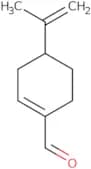
CAS:<p>Please enquire for more information about 5-Hydroxy-2,3-dihydronaphthalene-1,4-dione including the price, delivery time and more detailed product information at the technical inquiry form on this page</p>Fórmula:C10H8O3Pureza:Min. 95%Peso molecular:176.17 g/mol(+/-)-Perillaldehyde
CAS:<p>Perillaldehyde is a natural compound that has been used in food and medicine for centuries. It is an antimicrobial agent with dextran sulfate, which is a sugar polymer that inhibits the growth of fungi and bacteria. Perillaldehyde also has been shown to inhibit the energy metabolism of microorganisms by decreasing ATP production. Perillaldehyde has also been shown to have genotoxic activity, as it can cause DNA strand breaks. This compound also causes oxidative stress in cells by reducing mitochondrial membrane potential and inducing reactive oxygen species (ROS). Perillaldehyde has acute toxicities, as it causes electrochemical impedance spectroscopy changes that indicate cell death.</p>Fórmula:C10H14OPureza:Min. 95%Cor e Forma:PowderPeso molecular:150.22 g/mol3'-O-Benzyl-2'-Deoxy-5-Trifluoromethyluridine
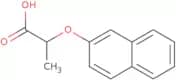
CAS:<p>3'-O-Benzyl-2'-Deoxy-5-Trifluoromethyluridine (BDBMU) is a pyrimidine derivative that can be used as an antiviral drug. It inhibits the synthesis of DNA and RNA by inhibiting viral polymerase. BDBMU is a prodrug of uracil, which is converted to the active compound in tissues. The benzoylation reaction produces a fluorine atom at C5, which increases its potency. This drug has been shown to have minimal toxicity in tumor cells and has been used for the treatment of leukemia and other cancers.</p>Fórmula:C17H17F3N2O5Pureza:Min. 95%Peso molecular:386.32 g/mol2-(2-Naphthyloxy)propanoic acid
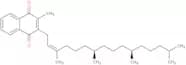
CAS:<p>2-(2-Naphthyloxy)propanoic acid is a naphthalene derivative that is found in the plant species Carthamus tinctorius. It has been shown to have potent antagonist activity against the NMDA receptor, as well as antinociceptive and analgesic properties in vivo. 2-(2-Naphthyloxy)propanoic acid also shows potent anti-inflammatory and cardioprotective effects in vitro and in vivo. 2-(2-Naphthyloxy)propanoic acid can be used for the treatment of bone cancer, congestive heart failure, diabetic neuropathy, or other disorders of the peripheral nervous system.</p>Fórmula:C13H12O3Pureza:Min. 95%Peso molecular:216.23 g/molcis-Vitamin K1
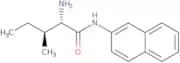
CAS:<p>Vitamin K is a fat-soluble vitamin that is required for blood coagulation. The major form of vitamin K in the body is the chemically similar menaquinone. Vitamin K1, also known as phylloquinone, is synthesized by plants and bacteria and can be found in green leafy vegetables, broccoli, cabbage, Brussels sprouts, kale, spinach, soybean oil and margarine. It has been shown to be an effective supplement for treating hypoprothrombinemia (low levels of prothrombin) in infants and tissues. The terminal half-life of vitamin K1 is about 20 days.</p>Fórmula:C31H46O2Pureza:Min. 95%Peso molecular:450.7 g/molL-Isoleucine β-naphthylamide
CAS:<p>L-Isoleucine beta-naphthylamide is an amide derivative of L-isoleucine and 2-naphthylamine, which are carboxylic acid derivatives. The condensation of these two substances leads to the formation of a new compound with a carboxy group and an amino group.</p>Fórmula:C16H20N2OPureza:Min. 95%Peso molecular:256.34 g/mol1,1-Diethylurea
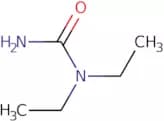
CAS:<p>1,1-Diethylurea is a 5-nitrosalicylic acid amide derivative. It is used as a reagent to synthesize other chemicals, such as 3,5-dinitrosalicylic acid and N-acetyl-2,6-diaminopurine. The reaction intermediates of this compound are chloride and liquid chromatograph with azides and quinoline derivatives. The molecular modeling and reaction products of 1,1-diethylurea are organic solution and pharmaceutical preparations. Fatty acids can be used to manufacture this product.</p>Fórmula:C5H12N2OPureza:Min. 95%Peso molecular:116.16 g/moltrans,cis-2,6-Nonadienal
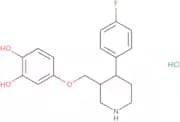
CAS:<p>Trans,cis-2,6-Nonadienal is a fatty acid derivative with an unsaturated 2,6-nonadiene structure. It is an inhibitor of the enzyme fatty acid synthase, which catalyzes the formation of long-chain polyunsaturated fatty acids. Trans,cis-2,6-Nonadienal has been shown to inhibit v79 cells and ester compounds that are used in analytical methods for measuring fatty acids. It is also able to inhibit lysine residues and it can be used as a reactive antioxidant system in mammalian cells. Trans,cis-2,6-Nonadienal has shown a profile of activities that includes inhibition at multiple endpoints involving noncompetitive inhibition as well as antioxidant activity.</p>Fórmula:C9H14OPureza:Min. 95%Cor e Forma:Clear LiquidPeso molecular:138.21 g/molDesmethylene paroxetine hydrochloride salt
CAS:<p>Please enquire for more information about Desmethylene paroxetine hydrochloride salt including the price, delivery time and more detailed product information at the technical inquiry form on this page</p>Fórmula:C18H21ClFNO3Pureza:Min. 95%Peso molecular:353.82 g/molCamphorquinone
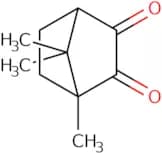
CAS:<p>Camphorquinone is an inorganic acid that is a component of the topical anaesthetic hydrochloride, which is used for the treatment of pain. Camphorquinone has a hydroxyl group, which can be replaced with other groups to produce different compounds. It has been shown to have a kinetic data for the polymerase chain reaction and to inhibit the activity of 4-dimethylaminobenzoic acid. Camphorquinone has also been shown to be effective against dental plaque and rat liver microsomes. The clinical relevance of camphorquinone has not yet been determined, but it may have an effect on hydrochloric acid production by zirconium oxide light emission.</p>Fórmula:C10H14O2Pureza:Min. 95%Cor e Forma:PowderPeso molecular:166.22 g/molTriglycerol monolaurate
CAS:<p>Triglycerol monolaurate (GLA) is a fatty acid that can be synthesized by reacting glycerol with lauric acid. It has been shown to have antimicrobial properties, inhibiting the growth of fungi such as flavus and staphylococcus. GLA also inhibits the production of lipase and protease, enzymes that are required for the digestion of dietary fats. GLA has been used in infant formulas to inhibit the growth of bacteria, such as p. aeruginosa, which may cause infantile diarrhea. Triglycerol monolaurate is also used as dietary supplement to treat eczema due to its inhibitory effect on inflammatory cytokines such as tumor necrosis factor-α (TNF-α).</p>Fórmula:C21H42O8Pureza:Min. 95%Peso molecular:422.55 g/mol


![3'-[2- Cyanoethyl N, N- bis(1- methylethyl) phosphoramidite]-5'- O- [bis(4- methoxyphenyl) phenylm…](/_next/image/?url=https%3A%2Fstatic.cymitquimica.com%2Fproducts%2F3D%2Fthumb-webp%2FFC165570.webp&w=3840&q=75)