Padrões Farmacêuticas
Subcategorias de "Padrões Farmacêuticas"
- APIs para pesquisa e impurezas(276.287 produtos)
- Activadores e Inibidores de Enzimas(2.829 produtos)
- Nitrosaminas(2.621 produtos)
- Compostos e metabolitos farmacêuticos e veterinários(2.902 produtos)
- Toxicologia(13.550 produtos)
Foram encontrados 7951 produtos de "Padrões Farmacêuticas"
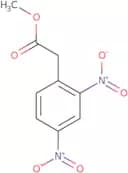
Methyl (2,4-dinitrophenyl)acetate
CAS:Please enquire for more information about Methyl (2,4-dinitrophenyl)acetate including the price, delivery time and more detailed product information at the technical inquiry form on this pageFórmula:C9H8N2O6Pureza:Min. 95%Peso molecular:240.17 g/molBoc-L-aspartic acid a-9-fluorenylmethyl ester
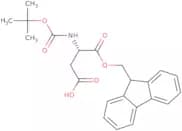
CAS:Boc-L-aspartic acid a-9-fluorenylmethyl ester is a synthetic compound that mimics the structure of acetylcholine. It has been shown to be an efficient method for generating pseudopeptides and cyclic peptides. This compound may be used as a surrogate for acetylcholine in virus research, since it can bind to the same receptor. Boc-L-aspartic acid a-9-fluorenylmethyl ester has also been used to generate monoclonal antibodies that are neutralizing against foot-and-mouth disease viruses.Fórmula:C23H25NO6Pureza:Min. 97 Area-%Peso molecular:411.45 g/mol(R)-1,2,3,4-Tetrahydro-5-methoxy-N-propyl-2-naphthalenamine hydrochloride
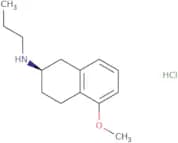
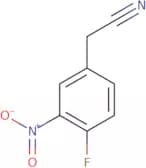
CAS:Produto ControladoPlease enquire for more information about (R)-1,2,3,4-Tetrahydro-5-methoxy-N-propyl-2-naphthalenamine hydrochloride including the price, delivery time and more detailed product information at the technical inquiry form on this pageFórmula:C14H22ClNOPureza:Min. 95%Peso molecular:255.78 g/mol(4-Fluoro-3-Nitrophenyl)Acetonitrile
CAS:4-Fluoro-3-nitrophenylacetonitrile is a monomer that can be synthesised from the reaction of carbamic acid and diphenyl ether. It is chiral, stereoselective and nucleophilic. 4-Fluoro-3-nitrophenylacetonitrile can also be synthesised by reacting fluoroacetamide with sodium cyanide in water, forming the corresponding amide, which reacts with acetonitrile to form the nitro compound. The anti-cancer properties of 4-fluoro-3 nitrophenylacetonitrile have been studied in vitro and in vivo. This substance has been shown to inhibit growth of cancer cells and induce apoptosis. In addition, this substance has been used as a synthetic strategy for dihydroisoquinolines, which are important for their anti-cancer properties.
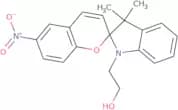
Fórmula:C8H5FN2O2Pureza:Min. 95%Peso molecular:180.14 g/mol1-(2-Hydroxyethyl)-3,3-dimethylindolino-6'-nitrobenzopyrylospiran
CAS:Please enquire for more information about 1-(2-Hydroxyethyl)-3,3-dimethylindolino-6'-nitrobenzopyrylospiran including the price, delivery time and more detailed product information at the technical inquiry form on this page
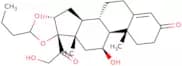
Pureza:Min. 95%1,2-Dihydrobudesonide
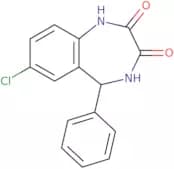
CAS:1,2-Dihydrobudesonide is a synthetic glucocorticosteroid that has a molecular structure similar to prednisolone. It is used for the treatment of inflammatory skin conditions such as eczema and psoriasis. 1,2-Dihydrobudesonide has been shown to have a high oral bioavailability and low systemic bioavailability. The molecule is metabolized in the liver to produce hydrocortisone, which accounts for its oral bioavailability. 1,2-Dihydrobudesonide is classified as an acetal because it contains an acetal linkage between the 16-carbon (C16) steroid nucleus and the 17-carbon (C17) side chain. This connection results in a more stable molecule than desonide, which is not acetalated. In vitro data indicates that 1,2-dihydrobudesonide has a lower binding affinity with human liver cytosolic receptors than desFórmula:C25H36O6Pureza:Min. 95%Peso molecular:432.55 g/molOxazepam Related Compound A
CAS:Produto ControladoPlease enquire for more information about Oxazepam Related Compound A including the price, delivery time and more detailed product information at the technical inquiry form on this pageFórmula:C15H11ClN2O2Pureza:Min. 95%Peso molecular:286.71 g/mol2-Bromo-4'-nitroacetophenone
CAS:2-Bromo-4'-nitroacetophenone is a chemical compound that has been shown to be active in enzyme inhibition experiments. It has been found to inhibit the activity of histidine decarboxylase, which catalyzes the conversion of histidine to histamine, and uv absorption. 2-Bromo-4'-nitroacetophenone binds to the active site of P450 enzymes, inhibiting their catalytic activity. This compound also inhibits fatty acid oxidation by binding to fatty acid hydroxylase and hydrogen bonds with tyrosine residues in proteins. 2-Bromo-4'-nitroacetophenone is structurally similar to 2-bromoacetophenone, which has been shown to have antihistaminic properties.Fórmula:C8H6BrNO3Pureza:Min. 95%Cor e Forma:PowderPeso molecular:244.04 g/molL-Phenylalanine b-naphthylamide
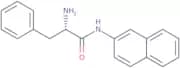
CAS:L-Phenylalanine b-naphthylamide is a phenylalanine derivative that can be used as an indicator for the detection of Clostridium, 2-naphthylamine, and other anaerobes. This compound is a chromogenic substrate that reacts with amino groups in amino acids and amides in peptides to form a variety of color products. The condensation of phenylalanine with 2-naphthylamine is catalyzed by enzymes found in clostridia. When L-phenylalanine b-naphthylamide is incubated with tissue from animals or humans, it produces a pink coloration that indicates the presence of clostridia. The aerobic conditions necessary for this reaction are also found in the environment and within the body.Fórmula:C19H18N2OPureza:Min. 95%Peso molecular:290.36 g/molall-trans-13,14-Dihydro retinol
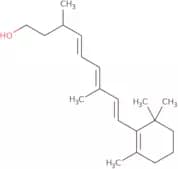
CAS:Retinol is a form of vitamin A that is used for the treatment of insulin resistance. It can be synthesized by the body from all-trans-retinol, which is found in many animal and plant sources. Retinol can also be obtained from supplements, although it is poorly absorbed by the body. Retinol has been shown to improve insulin sensitivity in a cell culture model system, as well as in wild-type mice with diabetes mellitus. This drug has been shown to have strong anti-inflammatory effects and may also be useful for the treatment of hepatic steatosis. Retinol binds competitively to cellular retinoic acid receptors, leading to transcriptional activation of target genes, such as those involved in fatty acid metabolism.Fórmula:C20H32OPureza:Min. 95 Area-%Cor e Forma:Clear Viscous LiquidPeso molecular:288.47 g/molBoc-D-aspartic acid β-9-fluorenylmethyl ester
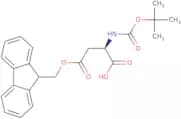
CAS:Please enquire for more information about Boc-D-aspartic acid beta-9-fluorenylmethyl ester including the price, delivery time and more detailed product information at the technical inquiry form on this page
Fórmula:C23H25NO6Pureza:Min. 95%Peso molecular:411.45 g/mol2-Methylvaleraldehyde
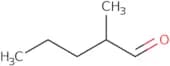
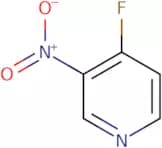
CAS:2-Methylvaleraldehyde is a colorless liquid with a pleasant odor. It is soluble in water and has an acidity of about 8.2%. The chemical formula for 2-methylvaleraldehyde is C6H12O2, and it has a molecular weight of 108.18 g/mol. 2-Methylvaleraldehyde can be obtained by the oxidation of cinnamic acid or by reduction of acetone with sodium borohydride or lithium aluminum hydride. 2-Methylvaleraldehyde can react with sodium carbonate or calcium carbonate to form sodium methoxyethoxide or calcium methoxyethoxide, respectively. The reaction intermediates are methyl ethyl ketone (MEK) and dimethyl ether (DME). These compounds are used in the synthesis of various other chemicals, including pentane, butadiene, and chloroprene. Pentane is a colorless liquid that has an odor threshold at 1Fórmula:C6H12OPureza:Min. 95%Peso molecular:100.16 g/mol4-Fluoro-3-nitropyridine
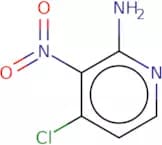
CAS:4-Fluoro-3-nitropyridine is a reactive chemical that can react with alcohols, amines, and amino acids. It has been shown to have absorption spectra in the ultraviolet region of the light spectrum. 4-Fluoro-3-nitropyridine is also a pyridine derivative.Fórmula:C5H3FN2O2Pureza:Min. 95%Cor e Forma:Off-White PowderPeso molecular:142.09 g/mol2-Amino-4-chloro-3-nitropyridine
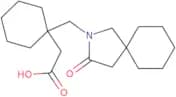
CAS:2-Amino-4-chloro-3-nitropyridine is a potent inhibitory molecule that inhibits the activity of the enzyme acetylcholinesterase. It has been used in the treatment of chronic pain, and has been shown to be effective for inhibiting malonate esters and amino acid esters. This drug is an ethyl ester that can be synthesized from chlorobenzene and malonic acid by chlorinating it with chlorine gas. 2-Amino-4-chloro-3-nitropyridine has also been shown to have a high affinity for malonic acid diethyl esters.Fórmula:C5H4ClN3O2Pureza:Min. 98 Area-%Cor e Forma:PowderPeso molecular:173.56 g/molGabapentin related compound D
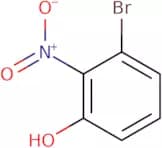
CAS:Please enquire for more information about Gabapentin related compound D including the price, delivery time and more detailed product information at the technical inquiry form on this pageFórmula:C18H29NO3Pureza:Min. 95%Peso molecular:307.43 g/mol3-Bromo-2-nitrophenol
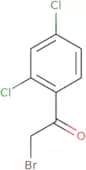
CAS:3-Bromo-2-nitrophenol (3-BNP) is a brominating agent that can be used in the synthesis of a variety of compounds. It is prepared by the refluxing of 3-bromo-2-nitrobenzene with lithium chloride, followed by treatment with trifluoromethanesulfonic anhydride to yield 3-bromo-2-(trifluoromethyl)phenoxyacetic acid. The product can also be obtained from 2,4,6-trinitrophenol and NBS. 3-BNP has shown chemoselectivity for chlorides relative to iodides or fluorides. The yields are higher when it is used in coupling reactions and permutations with lithium or magnesium.Fórmula:C6H4BrNO3Pureza:Min. 95%Peso molecular:218 g/mol2-Bromo-2',4'-dichloroacetophenone
CAS:2-Bromo-2',4'-dichloroacetophenone (2BDCA) is a drug that belongs to the class of active substances. 2BDCA has potent inhibitory activity against erythrocytes and is used in the treatment of leukaemia. 2BDCA is also an optical probe, which can be used to detect phosphate groups and dihedral angles in biological systems. It can be used as a fluorescent probe for biological systems, such as cells or proteins, and has been shown to be effective on red blood cells. 2BDCA binds to these molecules by hydrogen bonding and exhibits optical properties through fluorescence resonance energy transfer.Fórmula:C8H5BrCl2OPureza:Min. 95%Cor e Forma:Clear LiquidPeso molecular:267.93 g/molN-Methyl-O-methyl-L-tyrosine hydrochloride
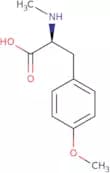
CAS:Produto ControladoN-Methyl-O-methyl-L-tyrosine hydrochloride (NMT) is an organic compound that is synthesized from D-alanine. It has been shown to inhibit the production of didemnin, a protein that regulates the cell cycle, in mcf-7 cells. NMT has also been shown to stop the growth of human breast cancer cells and increase the lifespan of mice with cancerous tumors. NMT is a macrocyclic molecule, which means it has a ring structure made up of at least six atoms. The conformation of this molecule may be cyclic or linear.Fórmula:C11H15NO3·HClPureza:Min. 95%Peso molecular:245.7 g/molN-α-Z-L-lysine 4-nitrophenyl ester hydrochloride
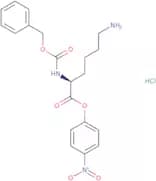
CAS:N-alpha-Z-L-lysine 4-nitrophenyl ester hydrochloride is a protease that belongs to the family of serine proteases. It is produced by the biotechnological process of enzymatic extraction from the natural polysaccharide carrageenan. This product has been used in the production of high yield and purified enzymes for industrial applications. The enzyme has been shown to have cysteine and hydrolytic activity, as well as being able to break peptidic bonds in peptides. N-alpha-Z-L-lysine 4-nitrophenyl ester hydrochloride also has a high specificity for proteolytic cleavage of proteins at their carboxy terminal end.Fórmula:C20H23N3O6•HClPureza:Min. 95%Peso molecular:437.87 g/molSodium naphthenate
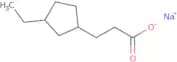
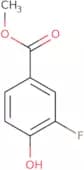
CAS:Sodium naphthenate is a sodium salt that is used as an intermediate in the production of polyvinyl chloride. It can be obtained by reacting ethylene diamine with sodium hydroxide and carbon dioxide. The reaction takes place at high temperatures and pressure, forming a solution of sodium carbonate, which is then hydrolyzed to form sodium naphthenate. This compound has been shown to have a low solubility in water and it can be purified by recrystallization or distillation. Sodium naphthenate is soluble in organic solvents such as acetone or chloroform. It has also been shown to be useful as a model system for studying transfer reactions between polycarboxylic acids and fatty acids, which are important processes in the manufacture of polyester resins.Fórmula:C10H17NaO2Cor e Forma:Off-White PowderPeso molecular:192.23 g/mol3-Fluoro-4-hydroxybenzoic acid methyl ester
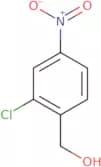
CAS:Please enquire for more information about 3-Fluoro-4-hydroxybenzoic acid methyl ester including the price, delivery time and more detailed product information at the technical inquiry form on this pageFórmula:C8H7O3FPureza:Min. 95%Peso molecular:170.14 g/mol(2-Chloro-4-nitrophenyl)methanol
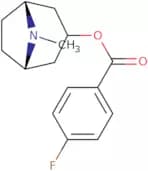
CAS:Please enquire for more information about (2-Chloro-4-nitrophenyl)methanol including the price, delivery time and more detailed product information at the technical inquiry form on this pageFórmula:C7H6ClNO3Pureza:Min. 95%Cor e Forma:PowderPeso molecular:187.58 g/mol4-Fluorotropacocaine
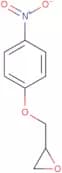
CAS:Produto Controlado4-Fluorotropacocaine is a synthetic, serotonergic compound that has been shown to have similar effects in the brain as diazepam. 4-Fluorotropacocaine has been postulated to be a supplement and is thought to have neuroprotective properties. It binds to serotonin receptors and inhibits the reuptake of serotonin by neurons. This inhibition causes an increase in the level of serotonin in the synaptic cleft, which can lead to symptoms such as nausea, vomiting, and headache. 4-Fluorotropacocaine may also inhibit dopamine reuptake leading to symptoms such as hallucinations, delusions, and confusion. Structural analogs of 4-fluorotropacocaine are often used in research studies because they can be synthesized with various substitutions on the benzene ring.Fórmula:C15H18FNO2Pureza:Min. 95%Peso molecular:263.31 g/mol1,2-Epoxy-3-(4-nitrophenoxy)propane
CAS:1,2-Epoxy-3-(4-nitrophenoxy)propane is an epoxide that is a reactive intermediate that participates in a number of reactions, including the formation of disulfide bonds. It has been shown to have genotoxic effects and to be toxic to polymorphonuclear leucocytes. The compound can also inhibit detoxification enzymes, which may make it useful as a biomarker for environmental exposure to xenobiotics. 1,2-Epoxy-3-(4-nitrophenoxy)propane has also been shown to be a potential anti-cancer agent in gene therapy studies. This compound inhibits energy metabolism by inhibiting the enzyme glyceraldehyde 3 phosphate dehydrogenase (GAPDH).
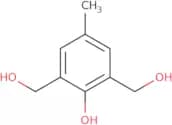
Fórmula:C9H9NO4Pureza:Min. 95%Peso molecular:195.17 g/mol2,6-Bis(hydroxymethyl)-p-cresol
CAS:2,6-Bis(hydroxymethyl)-p-cresol (BHMC) is a cross-linking agent that reacts with the hydroxyl groups of polymers to form covalent bonds. This reaction is irreversible and has been shown to be effective in thermal expansion applications. BHMC is insoluble in water and so can be used as a proton donor for the synthesis of polymer hydrogels. BHMC has also been used as a molecular modeling probe for studying protein structure and function. This compound reacts with nucleophiles by nucleophilic attack on the carbonyl carbon atom, producing an intermediate that tautomerizes to the corresponding enone. The reaction mechanism involves formation of a tetranuclear transition state followed by acid catalysis. Functional groups such as -OH, -NH2, or -COOH are required for this reaction to occur. NMR spectra have shown that there are three different chemical structuresFórmula:C9H12O3Pureza:Min. 95%Cor e Forma:PowderPeso molecular:168.19 g/mol9,10-Diphenylanthracene - 99%
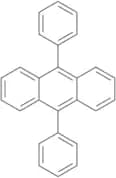
CAS:9,10-Diphenylanthracene is an aromatic hydrocarbon that is used as a reagent in the Suzuki coupling reaction. This reaction is used to form carbon-carbon bonds by reacting an alkyl halide with an aryl boronic acid to form an ester or amine. The carbonyl group of 9,10-diphenylanthracene reacts with the carbonyl group of the boronate ester or amine to form the desired product. 9,10-Diphenylanthracene has been used in polymer films for analytical methods and has also been shown to be effective in DNA sequencing. 9,10-Diphenylanthracene also has high values for light emission and maximal response under analytical conditions. In addition, its dihydro derivatives show high values for nmr spectra and unsaturated alkyl groups have been shown to react efficiently under analytical conditions.Fórmula:C26H18Pureza:Min. 95%Cor e Forma:SolidPeso molecular:330.42 g/molCholesterol Heptanoate
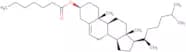
CAS:Produto ControladoCholesterol Heptanoate is a liquid crystal composition that is used to coat tablets. It is also used for the diagnosis of fatty acid metabolism and atherosclerotic lesion formation by measuring the fatty acid composition of body tissues. Cholesterol Heptanoate can be used to form polymeric matrices for use in drug delivery systems. These matrices are composed of ionizable, film-forming polymers with excipients that have phase transition temperatures near 37°C.Pureza:Min. 95%Cor e Forma:PowderPeso molecular:498.82 g/mol3,3-Dimethyl-5-oxo-5-(1,2,3,4-tetrahydronaphthalen-2-ylamino)pentanoic acid
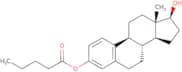
CAS:Produto ControladoPlease enquire for more information about 3,3-Dimethyl-5-oxo-5-(1,2,3,4-tetrahydronaphthalen-2-ylamino)pentanoic acid including the price, delivery time and more detailed product information at the technical inquiry form on this pageFórmula:C17H23NO3Pureza:Min. 95%Peso molecular:289.37 g/molEstradiol 3-valerate
CAS:Produto ControladoPlease enquire for more information about Estradiol 3-valerate including the price, delivery time and more detailed product information at the technical inquiry form on this pageFórmula:C23H32O3Pureza:Min. 95%Cor e Forma:PowderPeso molecular:356.5 g/molSevoflurane related compound A
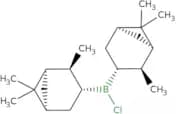
CAS:Sevoflurane related compound A is a chemical that is used as a model for sevoflurane. It has been shown to inhibit the activity of proximal tubules and to increase blood pressure in rats and humans. The cytosolic reactive oxygen species (ROS) production has been shown to be involved in the mechanism of action. This compound was tested on animals, but was found not to be clinically useful due to its effects on urea nitrogen levels and other metabolic profiles. Sevoflurane related compound A has also been found to be reactive with herpes simplex virus.Fórmula:C4H2F6OPureza:Min. 95%Cor e Forma:Clear LiquidPeso molecular:180.05 g/mol(-)-B-Chlorodiisopinocampheylborane, 60% in Hexane, ca. 1.7mol/L
CAS:(-)-B-Chlorodiisopinocampheylborane is a carbonyl group that can be used for asymmetric synthesis. It was synthesized from the reaction of chlorodiisopinocampheylborane with butyllithium and allyl bromide, followed by aqueous workup. The enantiomers were separated through thin layer chromatography on silica gel plates with hexane as the eluent. The resolution of racemic latanoprost lactol was achieved in the same manner. (-)-B-Chlorodiisopinocampheylborane is also a diketone that can be prepared from para-chloroacetophenone and sodium hydroxide in ethanol. This diketone undergoes an intramolecular cyclization to produce noradrenaline (norepinephrine) and hydrochloric acid, which can then be converted into dioxolanes or other products.Fórmula:C20H34BClPureza:Min. 95%Cor e Forma:Clear LiquidPeso molecular:320.75 g/mol4,5-Dihydro-19-nortestosterone-17b-decanoate
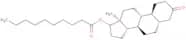
CAS:Produto ControladoPlease enquire for more information about 4,5-Dihydro-19-nortestosterone-17b-decanoate including the price, delivery time and more detailed product information at the technical inquiry form on this pageFórmula:C28H46O3Pureza:Min. 95%Peso molecular:430.66 g/molD,L-Alanosine sodium salt
Please enquire for more information about D,L-Alanosine sodium salt including the price, delivery time and more detailed product information at the technical inquiry form on this page
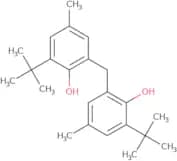
Fórmula:C3H6N3NaO4Pureza:Min. 95%Peso molecular:171.09 g/mol2,2'-Methylenebis(6-tert-butyl-p-cresol)
CAS:2,2'-Methylenebis(6-tert-butyl-p-cresol) is a phenolic compound that is used as a chemical stabilizer in the production of polyvinyl chloride and polystyrene. It has also been shown to be an effective antioxidant for polypropylene. 2,2'-Methylenebis(6-tert-butyl-p-cresol) has been shown to inhibit skin cancer, bladder cancer, and hemolytic activity in vitro. This product can cause mild skin irritation, but it does not appear to be toxic when ingested orally or applied topically.Fórmula:C23H32O2Pureza:Min. 95%Peso molecular:340.5 g/molSpiro[androsta-1,4-diene-6,2'-oxirane]-3,17-dione
CAS:Please enquire for more information about Spiro[androsta-1,4-diene-6,2'-oxirane]-3,17-dione including the price, delivery time and more detailed product information at the technical inquiry form on this pageFórmula:C20H24O3Pureza:Min. 95%Peso molecular:312.4 g/mol4,17a-Dimethyltestosterone
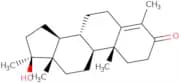
CAS:Produto ControladoPlease enquire for more information about 4,17a-Dimethyltestosterone including the price, delivery time and more detailed product information at the technical inquiry form on this pageFórmula:C21H32O2Pureza:Min. 95%Peso molecular:316.48 g/mol2-Methyl-5-nitropyridin-3-amine
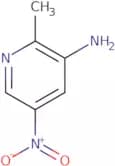
CAS:2-Methyl-5-nitropyridin-3-amine is a heterocyclic compound that is synthesized by the cyclization of 2-methylpyridine with sodium nitrite. The reaction product is hydrolyzed to yield the desired compound, 5-nitropyridine. The synthesis of this compound can be used as a target for organic synthesis.Fórmula:C6H7N3O2Pureza:Min. 95%Peso molecular:153.14 g/mol4-(2-Chloro-4-nitrophenyl)piperazine-1-carboxamide
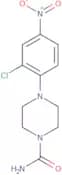
CAS:Please enquire for more information about 4-(2-Chloro-4-nitrophenyl)piperazine-1-carboxamide including the price, delivery time and more detailed product information at the technical inquiry form on this pageFórmula:C11H13ClN4O3Pureza:Min. 95%Peso molecular:284.7 g/molCholesterol-2,2,3,4,4,6-d6
CAS:Produto ControladoCholesterol-2,2,3,4,4,6-d6 is a chemical compound that is used as a reference standard for cholesterol. It is typically used in the preparation of samples for analysis by nuclear magnetic resonance spectroscopy and other analytical techniques. Cholesterol-2,2,3,4,4,6-d6 has been shown to be an effective inhibitor of influenza virus replication in vitro and in vivo. It also inhibits the replication of a number of other viruses including papillomavirus and herpes simplex virus. The molecule has been shown to bind to the viral membrane system with high affinity and specificity. Cholesterol-2,2,3,4,4,6-d6 also prevents the fusion of influenza virus with host cell membranes by inhibiting the conformational changes required for this process.Fórmula:C27D6H40OPureza:Min. 95%Peso molecular:392.69 g/molDorzolamide hydrochloride related compound A
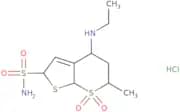
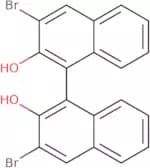
CAS:Please enquire for more information about Dorzolamide hydrochloride related compound A including the price, delivery time and more detailed product information at the technical inquiry form on this pageFórmula:C10H16N2O4S3·HClPureza:Min. 95%Peso molecular:360.9 g/mol(R)-3,3'-Dibromo-1,1'-bi-2-naphthol
CAS:(R)-3,3'-Dibromo-1,1'-bi-2-naphthol is an aromatic hydrocarbon that is chiral. It has been used as a reagent in organic synthesis and as a fluorescent labeling agent for HPLC analysis. (R)-3,3'-Dibromo-1,1'-bi-2-naphthol has also been used to synthesize biphenyls. (R)-3,3'-Dibromo-1,1'-bi-2-naphthol can be found in natural products such as flavanones and styrene. It can act as a solvating or additive agent in organic reactions and reactions involving aromatics.
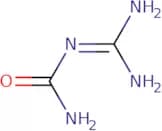
Fórmula:C20H12Br2O2Pureza:Min. 95%Cor e Forma:PowderPeso molecular:444.12 g/molGuanylurea
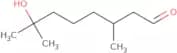
CAS:Guanylurea is a compound that contains nitrogen and intramolecular hydrogen. It has been shown to be effective in the treatment of tissue culture for pharmacological purposes. Guanylurea has also been shown to be an efficient catalyst for the process optimization of sodium salts. It can also be used as a reactant in analytical methods such as vitro assays and activated carbon adsorption.Fórmula:C2H6N4OPureza:Min. 95%Peso molecular:102.1 g/molCitronellal hydrate
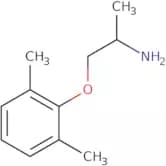
CAS:Citronellal hydrate is a chemical substance that is found in many essential oils, such as citronella, lemon grass, and citronella. It has been shown to have significant effects on the human metabolism and urine samples. Citronellal hydrate can be used as a preservative due to its ability to inhibit bacterial growth, including bacteria that are resistant to benzalkonium chloride. Citronellal hydrate also has been shown to have an effect on cell maturation, which may be predictive for the development of cancer cells. Citronellal hydrate is present in many natural products that are used in cosmetics and personal care products. It is a good analytical method for identifying the presence of other chemicals in a sample because it has been shown to react with molecules such as alcohols, amines, ketones, esters, and ethers. Citronellal hydrate reacts with these molecules by altering their mass through an electron-transfer process called triple-Fórmula:C10H20O2Pureza:Min. 95%Peso molecular:172.26 g/molMexiletine
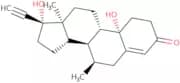
CAS:Mexiletine is a drug that belongs to the class of drugs called antiarrhythmics. It is used for the treatment of ventricular arrhythmias and for removing cardiac conduction abnormalities. Mexiletine acts by inhibiting the release of calcium ions from the sarcoplasmic reticulum, which leads to a reduction in excitability of the heart muscle. Mexiletine has been shown to have a matrix effect on bacterial DNA, which may be due to its ability to bind with dinucleotide phosphate or its inhibitory effects on hypersensitivity syndrome. Mexiletine also has an effect on cardiac tissue, leading to decreased contractility and increased relaxation time. The mechanism by which mexiletine leads to these effects is not well understood but may be related to its ability to interact with ion channels in myocardial cells or alter protein function in these cells. Mexiletine has been shown to have some drug interactions, such as with other drugs that are metabolized through cyFórmula:C11H17NOPureza:Min. 95%Cor e Forma:Yellow Clear LiquidPeso molecular:179.26 g/mol10b-Hydroxy δ4-tibolone
CAS:Produto ControladoPlease enquire for more information about 10b-Hydroxy delta4-tibolone including the price, delivery time and more detailed product information at the technical inquiry form on this pageFórmula:C21H28O3Pureza:Min. 95%Peso molecular:328.45 g/mol2'-Chloro-2-bromoacetophenone
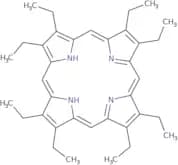
CAS:2'-Chloro-2-bromoacetophenone is a compound that belongs to the class of methyl ketones. It is known to have a high transfer hydrogenation activity and has been used in the synthesis of phenacyl, which is an important biomolecular. It also has a low toxicity and does not irritate skin or mucous membranes. 2'-Chloro-2-bromoacetophenone can be used as an antiarrhythmic agent for respiratory disorders. This compound can be used for formylation reactions, such as those found in microbial metabolism, due to its ability to transfer hydrogen from organic compounds.Fórmula:C8H6BrClOPureza:Min. 95%Peso molecular:233.49 g/mol2,3,7,8,12,13,17,18-Octaethylporphyrin
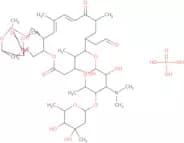
CAS:2,3,7,8,12,13,17,18-Octaethylporphyrin (OEP) is a porphyrin with an octaethyl chain that has been shown to have a high fluorescence quantum yield. It can be synthesized by reacting malonic acid with 2,3-diamino-6-nitrophenol and the reaction mechanism is the same as for hematoporphyrin. The absorption spectrum of OEP shows a maximum at 330 nm and the emission spectrum peaks at 450 nm. The conformational properties of OEP are similar to those of hematoporphyrin. X-ray crystal structures show that the nitrogen atoms in OEP form a planar configuration that is different from other porphyrins. 2,3,7,8,12,13,17,18-Octaethylporphyrin (OEP) is a porphyrin with an octaethylFórmula:C36H46N4Pureza:Min. 95%Peso molecular:534.78 g/molTylosin phosphate
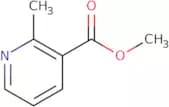
CAS:Produto ControladoTylosin phosphate is a macrolide antibiotic that has significant interactions with other drugs, such as erythromycin and estradiol benzoate. It is also an antimicrobial agent that can be used against human pathogens, such as methicillin-resistant Staphylococcus aureus (MRSA). Tylosin phosphate has been shown to have toxicological studies in animals and humans, which have shown it to be chemically stable. This drug binds to fatty acids in the bacterial cell membrane, inhibiting the production of fatty acid synthase, leading to death by starvation. Tylosin phosphate may also interfere with the synthesis of phospholipids in the bacterial cell membrane and inhibit protein synthesis by binding to ribosomes.Fórmula:C46H80NO21PPureza:Min. 95%Cor e Forma:SolidPeso molecular:1,014.1 g/mol2-Methylnicotinic acid methyl ester
CAS:2-Methylnicotinic acid methyl ester is a synthetic chemical compound that belongs to the isomer family. It has been used in the synthesis of cocaine and isomers, as well as in the modification of drugs. 2-Methylnicotinic acid methyl ester can be synthesised from 2-methylpyridine and formaldehyde via the method of methylmagnesium iodide. 2-Methylnicotinic acid methyl ester has been shown to be a potent inhibitor of human platelet aggregation, which may be due to its structural similarity to nicotine.Fórmula:C8H9NO2Pureza:Min. 95%Cor e Forma:PowderPeso molecular:151.16 g/molCholesterol n-Octyl Carbonate
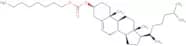
CAS:Produto ControladoPlease enquire for more information about Cholesterol n-Octyl Carbonate including the price, delivery time and more detailed product information at the technical inquiry form on this page
Pureza:Min. 95%





![Spiro[androsta-1,4-diene-6,2'-oxirane]-3,17-dione](/_next/image/?url=https%3A%2Fstatic.cymitquimica.com%2Fproducts%2F3D%2Fthumb-webp%2FFS27865.webp&w=3840&q=75)