Glicociência
A glicociência é o estudo dos carboidratos e seus derivados, bem como das interações e funções biológicas em que participam. Este campo de pesquisa é crucial para compreender uma ampla variedade de processos biológicos, incluindo o reconhecimento celular, a sinalização, a resposta imune e o desenvolvimento de doenças. A glicociência tem aplicações importantes na biotecnologia, na medicina e no desenvolvimento de novos medicamentos e terapias. Na CymitQuimica, oferecemos uma ampla seleção de produtos de alta qualidade e pureza para pesquisa em glicociência. Nosso catálogo inclui monossacarídeos, oligossacarídeos, polissacarídeos, glicoconjugados e reagentes específicos, projetados para apoiar os pesquisadores em seus estudos sobre a estrutura, função e aplicações dos carboidratos em sistemas biológicos. Esses recursos são destinados a facilitar descobertas científicas e aplicações práticas em diversas áreas das biociências e da medicina.
Subcategorias de "Glicociência"
- Amino açúcares(108 produtos)
- Anticorpos Glico-Relacionados(282 produtos)
- Glicolípidos(46 produtos)
- Glicosaminoglicanos (GAGs)(55 produtos)
- Glicosídeos(419 produtos)
- Monossacáridos(6.624 produtos)
- Oligossacarídeos(3.682 produtos)
- Polissacáridos(503 produtos)
Foram encontrados 11046 produtos de "Glicociência"
Ordenar por
Pureza (%)
0
100
|
0
|
50
|
90
|
95
|
100
Pyrocatechol monoglucoside
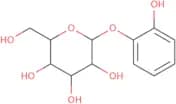
CAS:<p>Pyrocatechol monoglucoside is a phenolic compound that is found in many plants. It has an anti-thrombotic effect, inhibits bacterial growth, and has anticarcinogenic effects. Pyrocatechol monoglucoside is also hepatoprotective and can be used as a natural food preservative. It has a bitter taste and can be found in leuconostoc mesenteroides and mesenteroides strains of bacteria.</p>Pureza:Min. 95%Benzyl 2-acetamido-4,6-di-O-acetyl-3-O-(2,3,4,6-tetra-O-acetyl-b-D-galactosyl)-2-deoxy-a-D-galactopyranoside
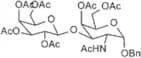
CAS:This product is a custom synthesis. It is an acetamido-galactoside with a benzyl 2-acetamido-4,6-di-O-acetyl-3-O-(2,3,4,6-tetra-O-acetyl)-b-D-galactopyranoside moiety. This compound has been modified with fluorination and methylation. The molecular weight of this compound is 328.27 g/mol and the CAS number is 3809-10-7.Fórmula:C33H43NO17Pureza:Min. 95%Peso molecular:725.69 g/molMethyl 3-O-(2,3,4,6-tetra-O-acetyl-b-D-glucopyranosyl)-4,6-O-benzylidene-2-O-benzoyl-a-D-glucopyranoside
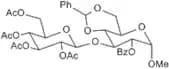
CAS:Methyl 3-O-(2,3,4,6-tetra-O-acetyl-b-D-glucopyranosyl)-4,6-O-benzylidene-2-O-benzoyl-a-D-glucopyranoside is a custom synthesis that has been fluorinated and methylated. This product is a monosaccharide with a CAS No. 7123893 2. It is an oligosaccharide that can be used in the synthesis of saccharides and polysaccharides. Methyl 3 O (2 3 4 6 tetra O acetyl b D glucopyranosyl) 4 6 O benzylidene 2 O benzoyl a D glucopyranoside has been synthesized by glycosylation of sugar. This product can also be used to modify and functionalize complex carbohydrates.Fórmula:C35H40O16Pureza:Min. 95%Peso molecular:716.68 g/molPhenyl 2,4,6-tri-O-acetyl-3-O-benzyl-b-D-thioglucopyranoside
CAS:Phenyl 2,4,6-tri-O-acetyl-3-O-benzyl-b-D-thioglucopyranoside is a synthetic sugar that has been modified with three fluorine atoms. It is an intermediate in the synthesis of the Methylated Polysaccharides and Click Modifications. This product is a high purity, custom synthesis and can be used for glycosylation or to synthesize other carbohydrates.Fórmula:C25H28O8SPureza:Min. 95%Cor e Forma:PowderPeso molecular:488.55 g/molBenzyl 4-O-a-D-glucosaminyl-b-D-xylopyranoside
Benzyl 4-O-a-D-glucosaminyl-b-D-xylopyranoside is a methylated saccharide. It is a product of the Click modification of an oligosaccharide with benzyl alcohol. Benzyl 4-O-a-D-glucosaminyl-b-D-xylopyranoside is produced by glycosylation of D-(+)-glucose with glucuronic acid and galactose. The product can be used as a synthetic building block for complex carbohydrate synthesis, fluorination, or click modification.Pureza:Min. 95%D-Desosamine
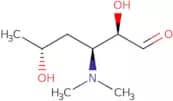
CAS:D-Desosamine is a chemical compound that has been isolated from human serum. It is an enzyme inhibitor that inhibits the activity of enzymes such as phosphatases, kinases, and proteases. D-Desosamine also has a matrix effect, which can be used to modify the properties of polymer matrices in order to improve their biocompatibility and mechanical properties. The molecular docking analysis indicated that desosamine can bind to bacterial serine/threonine protein kinase Streptococcus pyogenes phage T4 (SpyPK) and inhibit its activity. This inhibition may be due to the transfer reactions caused by desosamine binding to the enzyme's active site and blocking it. Structural analysis showed that D-desosamine forms hydrogen bonds with amino acids in SpyPK's active site, forming a covalent bond with cysteine residue Cys240. D-Desosamine has been shown to have anti-bacterial properties againstPureza:Min. 95%Methyl 4,6-di-O-acetyl-2,3-carbonyl-b-D-mannopyranoside
CAS:Methyl 4,6-di-O-acetyl-2,3-carbonyl-b-D-mannopyranoside is a saccharide that is modified by the Click reaction with osmium tetroxide and methyl iodide. It can be used in glycosylation reactions to produce complex carbohydrates. This product is made of high purity and has a CAS No. 53958-22-8.Fórmula:C12H16O9Pureza:Min. 95%Peso molecular:304.25 g/molN-(e-Aminocaproyl)-b-D-galactopyranosyl amine
CAS:N-(e-Aminocaproyl)-b-D-galactopyranosyl amine is a fluorinated monosaccharide with a complex carbohydrate structure that has been synthesized by custom synthesis. This product is used for glycosylation, polysaccharide modification, and click chemistry. It has been shown to be a high purity product with CAS No. 38822-56-9 and can be methylated or fluorinated.Fórmula:C12H24N2O6Pureza:Min. 95%Cor e Forma:SolidPeso molecular:292.33 g/mol1-O-(trans-3-Hydroxycotinine)-D-glucuronide methyl-D3
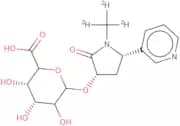
Produto Controlado<p>1-O-(trans-3-Hydroxycotinine)-D-glucuronide methyl-D3 is a synthetic compound that can be used in the synthesis of complex carbohydrates.</p>Fórmula:C16H17D3N2O8Pureza:Min. 95%Peso molecular:371.36 g/molMethyl 2,3-di-O-benzoyl-4,6-O-benzylidene-b-D-glucopyranoside
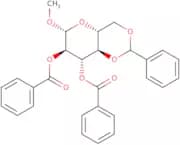
CAS:<p>Methyl 2,3-di-O-benzoyl-4,6-O-benzylidene-b-D-glucopyranoside is a carbohydrate with a saccharide structure that has been modified by fluorination and methylation. The sugar is an oligosaccharide containing sugar monomers of glucose and galactose. This compound is available for custom synthesis to order. It can be synthesized in high purity and with a high degree of modification, such as glycosylation, click modification, and methylation.</p>Fórmula:C28H26O8Pureza:Min. 95%Peso molecular:490.5 g/molCellulose - Particle Size approx 50 um
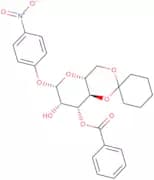
CAS:<p>Cellulose is a linear polysaccharide of β 1-4 linked glucose residues. The polysaccharide chains are bundled as microfibrils in cell walls and provide the essential structural components within growing plants. Each microfibril exhibits a high degree of three-dimensional internal bonding resulting in a crystalline structure that is insoluble in water, resistant to reagents and very strong.</p>Pureza:Min. 95%Cor e Forma:Powder4-Nitrophenyl 3-O-benzoyl-4,6-cyclohexylidene-b-D-mannopyranoside
CAS:4-Nitrophenyl 3-O-benzoyl-4,6-cyclohexylidene-b-D-mannopyranoside is a Custom synthesis. It is an Oligosaccharide that consists of a Polysaccharide with Modification. The CAS No. 102717-17-9 is Methylation and Glycosylation and Carbohydrate. Click modification and saccharide are sugar and High purity. Fluorination is Synthetic.Fórmula:C25H27NO9Pureza:Min. 95%Peso molecular:485.48 g/molD-Fuculose
CAS:D-Fuculose is a sugar that is used as a sweetener. It is produced by microbial fermentation of l-arabinose, which is an intermediate in the pentose phosphate pathway. D-Fuculose can be synthesized from glucose and fucose using enzymes such as sucrose isomerase or mutarotase. The conversion of glucose to D-fuculose proceeds at temperatures between 50 and 70 degrees Celsius, with optimal activity occurring at 60 degrees Celsius. D-Fuculose has been shown to have high catalytic activity and stability under acidic conditions, making it ideal for use as a food additive in acidic drinks or foods. It also has the highest sweetness intensity of all sugars tested to date.Fórmula:C6H12O5Pureza:Min. 95%Peso molecular:164.16 g/molMono(6-ethanediamine-6-deoxy)-β-cyclodextrin
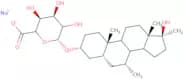
CAS:This beta-cyclodextrin (β-CD) derivative is a functionalized cyclic oligosaccharide composed of seven glucose units, characterized by a hydrophilic exterior and a lipophilic cavity (bigger than α-CD and smaller than γ-CDs), which allows it to encapsulate various guest molecules. This structural feature facilitates its use in multiple applications, including pharmaceuticals, food enhancement, and cosmetics. In the pharmaceutical industry, it enhances the solubility and stability of poorly water-soluble drugs, improving their bioavailability and efficacy while also masking unpleasant tastes. The food sector utilizes it as a stabilizer for flavors, colors, and nutrients, extending shelf life by protecting sensitive ingredients from degradation. In cosmetics, it serves as a complexing agent for fragrances and active components, ensuring their stability and controlled release. Its use expands to many other fields, including nanotechnology for drug delivery systems, environmental remediation for extracting organic pollutants, textiles for slow-release fragrances, and analytical chemistry for chiral separation.Fórmula:C44H76N2O34Pureza:Min. 95%Peso molecular:1,177.1 g/mol7-b,17-a-Dimethyl-5-b-androstane-3-a,17-b-diol glucuronide
7-b,17-a-Dimethyl-5-b-androstane-3-a,17-b-diol glucuronide is a custom synthesis that can be modified in the fluorination, methylation, and monosaccharide. This compound has a CAS No. and it is a polysaccharide with a glycosylation of sugar. It is also an oligosaccharide with saccharides. 7-b,17-a Dimethyl 5 b androstane 3 a,17 b diol glucuronide is classified as a complex carbohydrate.Fórmula:C27H43O8·NaPureza:Min. 95%Peso molecular:518.62 g/molMethyl 2-deoxy-3,5-bis-O-(3,5-dichlorophenyl)-2E-(fluoromethylene)-a-D-erythro-pentofuranoside
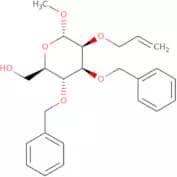
CAS:<p>Methyl 2-deoxy-3,5-bis-O-(3,5-dichlorophenyl)-2E-(fluoromethylene)-a-D-erythro-pentofuranoside is a high purity custom synthetic sugar with a molecular weight of 638.08 g/mol. It has been modified by Methylation and Click chemistry to give it the desired properties. This sugar is used in Glycosylation and Polysaccharide synthesis as an intermediate. It is also used in the synthesis of oligosaccharides and monosaccharides.</p>Fórmula:C19H15Cl4FO4Pureza:Min. 95%Peso molecular:468.13 g/molMethyl 2-O-allyl-3,4-di-O-benzyl-a-D-mannopyranoside
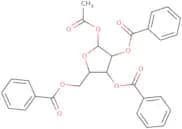
CAS:Methyl 2-O-allyl-3,4-di-O-benzyl-a-D-mannopyranoside is an organic compound that belongs to the group of Modification. It is a modified oligosaccharide with a molecular weight of 690.3 g/mol. The modification is an Oligosaccharide, Carbohydrate, complex carbohydrate, Custom synthesis, Synthetic. CAS No. 210297-56-6, High purity, Monosaccharide, Methylation, Glycosylation and Polysaccharide. This molecule has a monosaccharide with the chemical formula C5H11NO5 and a molecular weight of 131.2 g/mol. The fluorination and saccharides are Fluorination and saccharides respectively.Fórmula:C24H30O6Pureza:Min. 95%Peso molecular:414.49 g/mol1-o-Acetyl-2,3,5-tri-o-benzoyl-L-ribose
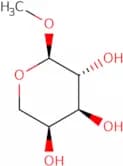
CAS:<p>1-o-Acetyl-2,3,5-tri-o-benzoyl-L-ribose is a potent inhibitor of human kinases and has been shown to have anticancer properties. It is an analog of tumor suppressor protein and induces apoptosis in cancer cells. This compound has been found in the urine of Chinese medicinal plants and has been extensively studied for its potential use in cancer treatment. Its ability to inhibit kinases makes it a promising candidate for the development of new anticancer drugs. Additionally, 1-o-Acetyl-2,3,5-tri-o-benzoyl-L-ribose has been found to have significant anti-inflammatory effects, which may also make it useful in treating other diseases associated with inflammation. Overall, this compound shows great potential as a therapeutic agent for various diseases and conditions.</p>Fórmula:C28H24O9Pureza:Min. 95%Peso molecular:504.5 g/molMethyl a-L-arabinopyranoside
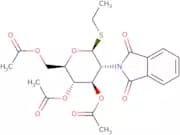
CAS:Methyl a-L-arabinopyranoside is an organic compound that has resonance configurations and can exist in two different stereoisomers. It can be synthesized by reacting 1,2-dichloroethane with glycerol and aqueous sodium hydroxide. The ethers of methyl a-L-arabinopyranoside are catalytic oxidation epoxides. Magnetic resonance analysis of the molecule has been done using nuclear magnetic resonance (NMR). Methylation of the compound will yield methyl ethers, which are obtained by reacting methyl a-L-arabinopyranoside with methanol and sodium methoxide in methanol.Pureza:Min. 95%Ethyl 3,4,6-tri-O-acetyl-2-deoxy-2-phthalimido-b-D-thioglucopyranoside
CAS:<p>The compound is an O-acetylated glycoside of 2-deoxy-2-phthalimido-b-D-thioglucopyranoside with a sugar moiety. It is used in the synthesis of complex carbohydrates with click modification and high purity.</p>Fórmula:C22H25NO9SPureza:Min. 95%Cor e Forma:PowderPeso molecular:479.5 g/molPhenyl 2-O-benzoyl-4,6-O-benzylidene-3-O-(4-methoxybenzyl)-a-D-thiomannopyranoside
<p>Phenyl 2-O-benzoyl-4,6-O-benzylidene-3-O-(4-methoxybenzyl)-a-D-thiomannopyranoside is a custom synthesis. It is a polysaccharide that can be modified with methylation, glycosylation, click modification and fluorination. This compound is a white powder that has high purity and is suitable for use in the production of oligosaccharides or polysaccharides.</p>Fórmula:C34H32O7SPureza:Min. 95%Peso molecular:584.68 g/molMethyl 2-deoxy-b-D-ribofuranoside
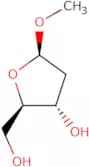
CAS:<p>Methyl 2-deoxy-b-D-ribofuranoside is a methylglucoside that is used in the synthesis of thiourea. Methyl 2-deoxy-b-D-ribofuranoside inhibits the production of an atypical nucleotide, 5'-methylthioadenosine, which is used to synthesize thymine. It has been shown to be catalytic and may play a role in the biosynthesis of methionine and histidine. The chloride ion causes the reaction to proceed via an S N 2 mechanism. Methyl 2-deoxy-b-D-ribofuranoside can also be used in the synthesis of chloroacetic acid, azide, dimethylformamide, fluoride, anomeric alcohols, hydantoins and thionyl chloride. Methyl 2-deoxy-b-D-ribofuranoside can be chromatographically separated using silica</p>Fórmula:C6H12O4Pureza:Min. 95%Peso molecular:148.16 g/mol7-a,17-a-Dimethyl-5-b-androstane-3-a,17-b-diol glucuronide
7-a,17-a-Dimethyl-5-b-androstane-3-a,17-b-diol glucuronide is a monosaccharide that is found in the brain and liver of humans. It is a synthetic compound that has been modified with methylation and glycosylation. This product also has high purity and can be custom synthesized to meet customer specifications.Fórmula:C27H43O8·NaPureza:Min. 95%Peso molecular:518.62 g/mol1,3,4,5-Tetra-O-acetyl-L-sorbopyranose
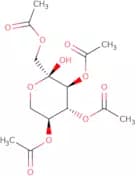
CAS:1,3,4,5-Tetra-O-acetyl-L-sorbopyranose is a modified and complex carbohydrate. It is an oligosaccharide that has been synthesized from D-glucose. The modification of this sugar is accomplished by acetylation of the hydroxyl groups on the 2' and 3' positions of the glucose ring followed by fluorination with elemental fluorine to yield 1,3,4,5-tetra-O-acetyl-L-sorbopyranose. This compound is a white crystalline solid with a melting point of 145–147°C. 1,3,4,5-Tetra-O-acetyl-L-sorbopyranose has been shown to inhibit bacterial growth in vitro and in vivo through glycosylation inhibition.Fórmula:C14H20O10Pureza:Min. 95%Peso molecular:348.3 g/molD-Fructose-1,6-diphosphate disodium salt
CAS:D-Fructose-1,6-diphosphate disodium salt is a custom synthesis of methylated D-fructose. D-Fructose is an oligosaccharide found in polysaccharides and saccharides. It can be modified by fluorination and click chemistry. D-Fructose has many applications including being a monosaccharide, polysaccharide, or carbohydrate in the synthesis of polymers and pharmaceuticals.Fórmula:C6H12O12P2·2NaPureza:Min. 95%Peso molecular:384.08 g/mol4-Chlorophenyl 2-acetamido-2-deoxy-b-D-glucopyranoside
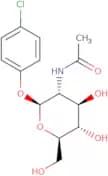
CAS:4-Chlorophenyl 2-acetamido-2-deoxy-b-D-glucopyranoside is a molecule that belongs to the class of acid molecules and has been implicated in the metabolism of corynebacterium. The metabolic pathway for this molecule has been studied using databases and datasets, with population simulations and profile data being generated to help identify potential strategies for its positioning in the market. This molecule is also related to death, which may be related to its positioning.Fórmula:C14H18ClNO6Pureza:Min. 95%Peso molecular:331.75 g/molEthyl 4,6-O-benzylidene-D-thiomannopyranoside
CAS:<p>Ethyl 4,6-O-benzylidene-D-thiomannopyranoside is a synthetic monosaccharide with the molecular formula C 10 H 12 O 8 and a molecular weight of 340.24 g/mol. It is a white crystalline solid that is soluble in many organic solvents. Ethyl 4,6-O-benzylidene-D-thiomannopyranoside has the potential to be used as a building block for the synthesis of oligosaccharides and polysaccharides. This building block can be modified with fluorination, methylation, or click modification to produce other derivatives.</p>Fórmula:C15H20O5SPureza:Min. 95%Cor e Forma:PowderPeso molecular:312.38 g/mol2,4-Di-O-acetyl-1,6-anhydro-3-O-benzyl-b-L-idopyranose
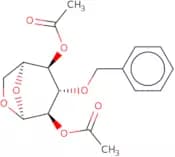
CAS:2,4-Di-O-acetyl-1,6-anhydro-3-O-benzyl-b-L-idopyranose is a synthetic carbohydrate that has been modified with a click reaction. The compound can be used as a building block for the synthesis of complex carbohydrates and oligosaccharides. It is also used in the production of high purity monosaccharides and glycosylates. 2,4-Di-O-acetyl-1,6-anhydro-3-O-benzylidopyranose is soluble in water and exhibits a melting point of ~170°C. It has an n D 25 value of 1.5381 at 20°C.Fórmula:C17H20O7Pureza:Min. 95%Peso molecular:336.34 g/mol1,6-Anhydro-2,3-dideoxy-b-threo-hex-2-enopyranose
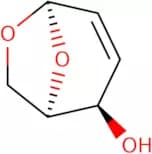
CAS:<p>1,6-Anhydro-2,3-dideoxy-b-threo-hex-2-enopyranose is a methylated saccharide. It can be used for the synthesis of 1,6-anhydro Oligosaccharides and glycosylation.</p>Fórmula:C6H8O3Pureza:Min. 95%Peso molecular:128.13 g/molMethyl 2,3-O-isopropylidene-D-ribofuranoside
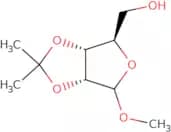
CAS:Methyl 2,3-O-isopropylidene-D-ribofuranoside is a nucleophile that reacts with amines to form a tetroxide intermediate. It has been shown to react with the cellular components of vesicular stomatitis virus and to have an interaction with malonic acid. This compound also reacts with osmium tetroxide in the presence of phosphite to produce a chloride ion and an osmate ester. Methyl 2,3-O-isopropylidene-D-ribofuranoside can be recycled by quaternization with sodium periodate, which yields methyl 3,5-dimethoxybenzoate.Fórmula:C9H16O5Pureza:Min. 95%Cor e Forma:Colorless PowderPeso molecular:204.2 g/molDecyl 2-acetamido-2-deoxy-b-D-glucopyranoside
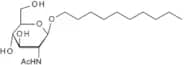
CAS:Decyl 2-acetamido-2-deoxy-b-D-glucopyranoside is a glycoside that is found in the cell walls of photosynthetic organisms. It is one of the main sugars found in bacteria, fungi, and plants. In these organisms, it is linked to amino acids through amido bonds. Decyl 2-acetamido-2-deoxy-b-D-glucopyranoside has been shown to be a substrate for galactosidases, β-glycosidases, and α mannosidases. The thermal analysis of this compound shows an exothermic transition at around 200°C that may indicate its involvement in a chemical reaction. This compound also has lyotropic properties and can form micelles in water with high concentrations. The thermal parameters for this molecule are T(transition) = 220°C ΔH(transition) = -6 kcal/Fórmula:C18H35NO6Pureza:Min. 95%Peso molecular:361.47 g/mol1,2,4,6-Tetra-O-acetyl-3-deoxy-3-phthalimido-D-galactopyranoside
This product is a custom synthesis of 1,2,4,6-Tetra-O-acetyl-3-deoxy-3-phthalimido-D-galactopyranoside. It is a sugar that is synthesized from 4 acetyl groups and 6 hydroxyl groups. The compound has a CAS number of 71034-05-4 and can be modified by fluorination, glycosylation, methylation, or modification. This product is an oligosaccharide that contains a saccharide with more than one monosaccharide unit. It is a complex carbohydrate with the formula C12H20O11.Fórmula:C22H23NO11Pureza:Min. 95%Peso molecular:477.42 g/mol2,3,4-Tri-O-acetyl-L-fucal
CAS:<p>2,3,4-Tri-O-acetyl-L-fucal is a synthetic oligosaccharide. It is a glycosylated sugar that contains three acetyl groups and four hydroxyl groups. The acetylation pattern of 2,3,4-tri-O-acetyl-L-fucal can be customized to suit the customer's needs. This compound is a fluorinated version of L-fucose and has been synthesized using an innovative click chemistry method. The synthesis of 2,3,4-tri-O-acetyl L -fucal has been completed in high purity and with high yield by our skilled chemists. It is also a complex carbohydrate that can be modified for different applications.</p>Fórmula:C12H16O7Pureza:Min. 95%Peso molecular:272.25 g/molMethyl 2,3,4-triacetyl-D-glucopyranosiduronyl 1-(N-4-methoxyphenyl)-2,2,2-trifluoroacetimidate
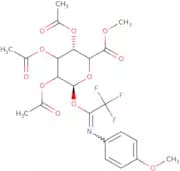
CAS:Methyl 2,3,4-triacetyl-D-glucopyranosiduronyl 1-(N-4-methoxyphenyl)-2,2,2-trifluoroacetimidate is a synthetic saccharide that can be used for the modification of polysaccharides and oligosaccharides. It is often used in glycosylation reactions to produce complex carbohydrates with high purity. This chemical compound has been shown to methylate sugars at their C1 position with high selectivity and efficiency. Methyl 2,3,4-triacetyl-D-glucopyranosiduronyl 1-(N-4-methoxyphenyl)-2,2,2-trifluoroacetimidate is also known as CAS No. 918158-52-8.Fórmula:C22H24F3NO11Pureza:Min. 95%Peso molecular:535.42 g/mol2,3,4,6-Tetra-O-acetyl-a-D-mannopyranosyl-N-Fmoc-L-serine pentafluorophenyl ester
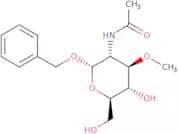
CAS:<p>2,3,4,6-Tetra-O-acetyl-a-D-mannopyranosyl-N-Fmoc-L-serine pentafluorophenyl ester is a saccharide that has been modified using the Click chemistry. It is a polysaccharide and an oligosaccharide with a high degree of purity. The chemical formula for this compound is C22H32FN3O14PS and its molecular weight is 594.06 g/mol. This substance can be used in the synthesis of complex carbohydrates.</p>Fórmula:C38F5H34NO14Pureza:Min. 95%Peso molecular:823.68 g/molBenzyl 2-acetamido-2-deoxy-3-O-methyl-a-D-glucopyranoside
CAS:Benzyl 2-acetamido-2-deoxy-3-O-methyl-a-D-glucopyranoside is a fluorinated monosaccharide that has been synthesized and Oligosaccharides. It is a complex carbohydrate and can be used in the synthesis of glycosylation, polysaccharide, or click modification. The CAS No. 93215-41-9 is custom synthesis with high purity and good quality.Fórmula:C16H23NO6Pureza:Min. 95%Peso molecular:325.36 g/molO-Ethyl S-[methyl (5-acetamido-4,7,8,9-tetra-O-acetyl-3,5-dideoxy-2-thio-b-D-glycero-a-D-galacto-2-nonulopyranoside)onate] dithiocar bonate
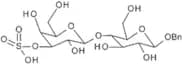
<p>Methylation is a process by which a methyl group is added to a substrate. This product is custom synthesized and has been modified with click chemistry. Methylation of saccharides, carbohydrates and other carbon-containing molecules is an important biochemical process in which the hydroxyl (-OH) group on the sugar or carbohydrate reacts with the -S-H bond on the methyl donor. This product also has fluorination and high purity.</p>Pureza:Min. 95%Benzyl 3'-sulfo-b-D-lactoside sodium salt
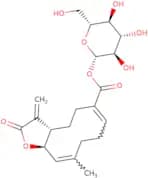
CAS:Synthetic building block for oligosaccharide synthesisFórmula:C19H28O14S·xNaPureza:Min. 95%Cor e Forma:PowderPeso molecular:512.48 g/molβ-D-Glucopyranosyl taraxinic ester
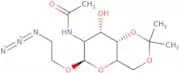
CAS:β-D-Glucopyranosyl taraxinic ester is a cytotoxic natural product that has been shown to inhibit the growth of tumor cells in vitro. β-D-Glucopyranosyl taraxinic ester inhibits the synthesis of nucleic acids, proteins, and lipids. It also inhibits the proliferation of lymphoid cells in vitro. The IC50 values for β-D-glucopyranosyl taraxinic ester are 0.04 mM for mouse tumor cells and 0.07 mM for human tumor cells. β-D-Glucopyranosyl taraxinic ester has been shown to inhibit the growth of tumor cell lines in vitro, such as K562 and P388 leukemia cell lines, HeLa cervical carcinoma, and A549 lung carcinoma cell lines. This compound induces apoptosis by increasing caspase activity and decreasing bcl2 levels in these cancer cells.Fórmula:C21H28O9Pureza:Min. 95%Peso molecular:424.44 g/mol2-Azidoethyl 2-acetamido-2-deoxy-4,6-O-isopropylidene-b-D-glucopyranoside
<p>2-Azidoethyl 2-acetamido-2-deoxy-4,6-O-isopropylidene-b-D-glucopyranoside is a synthetic sugar that is used in the synthesis of oligosaccharides and saccharides. This product can be custom synthesized to meet your specifications. It is soluble in water and ethanol, and insoluble in ether. It has a molecular weight of 453.5 g/mol with CAS number 53955-43-0.</p>Fórmula:C13H22N4O6Pureza:Min. 95%Peso molecular:330.34 g/molPhenyl 2,6-di-O-benzoyl-3,4-O-isopropylidene-b-D-thiogalactopyranoside
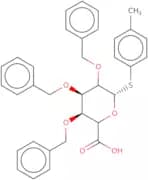
CAS:Phenyl 2,6-di-O-benzoyl-3,4-O-isopropylidene-b-D-thiogalactopyranoside is a Custom synthesis that can be modified for fluorination, methylation, or monosaccharide. This product has a CAS number of 124477-00-5 and is a saccharide with a molecular weight of 456. Phenyl 2,6-di-O-benzoyl-3,4-O-isopropylidene-b-D-thiogalactopyranoside can be used in the synthesis of oligosaccharides and polysaccharides. It is also used as an intermediate in glycosylation reactions to produce complex carbohydrates.Fórmula:C29H28O7SPureza:Min. 95%Peso molecular:520.59 g/mol4-Methylphenyl 2,3,4-tri-O-benzyl-b-D-thioglucuronide
CAS:4-Methylphenyl 2,3,4-tri-O-benzyl-b-D-thioglucuronide is a carbohydrate that has been modified with a methyl group and fluorine atom. This compound was synthesized using click chemistry to modify the hydroxyl groups of an oligosaccharide in order to create a new saccharide. The compound is also available as a high purity custom synthesis.Fórmula:C34H34O6SPureza:Min. 95%Peso molecular:570.71 g/mol4-(Methylnitrosamino)-1-(3-pyridyl)-1-butanone-N-b-D-glucuronide
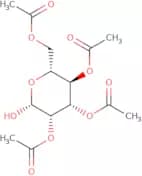
CAS:<p>4-(Methylnitrosamino)-1-(3-pyridyl)-1-butanone-N-b-D-glucuronide is a high purity, custom synthesis, sugar modified, fluorinated, glycosylated and carbonylated synthetic compound. It belongs to the class of saccharides and has a CAS No. 350508-26-8. This complex carbohydrate has been shown to have antiarthritic activities in rats.</p>Fórmula:C16H21N3O8Pureza:Min. 95%Peso molecular:383.35 g/mol2,3,4,6-Tetra-O-acetyl-b-D-mannopyranose
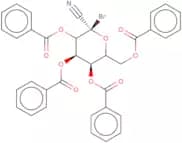
CAS:<p>2,3,4,6-Tetra-O-acetyl-b-D-mannopyranose (2,3,4,6TOA) is a methylated form of b-D-mannopyranose. This compound can be synthesized by the click reaction between an aldehyde group and an amine group. The modification of 2,3,4,6TOA with acetyl groups at the 2-, 3-, 4-, and 6-positions provides a novel carbohydrate that has not been previously reported in the literature. 2,3,4,6TOA is one of many oligosaccharides that are used as building blocks for complex carbohydrate synthesis.<br>2,3,4,6TOA has high purity and is available for custom synthesis. It's potential application includes glycosylation reactions or as a substrate for fluorination reactions.</p>Pureza:Min. 95%2-Bromo-2-deoxy-3,4,5,7-tetra-O-benzoyl-a-D-gluco-heptulopyranosononitrile
CAS:<p>2-Bromo-2-deoxy-3,4,5,7-tetra-O-benzoyl-a-D-glucoheptulopyranosononitrile is a sugar. It is a synthetic compound that can be used in the synthesis of glycosylated saccharides and oligosaccharides. 2-Bromo-2-deoxy-3,4,5,7 tetra O benzoyl a D glucoheptulopyranosononitrile has been shown to have antibacterial activity against Clostridium perfringens. This compound also has the ability to inhibit protein synthesis in E coli cells.</p>Fórmula:C35H26BrNO9Pureza:Min. 95%Peso molecular:684.49 g/molHepta-O-acetyl-b-Lactosyl-N-Fmoc-L-threonine
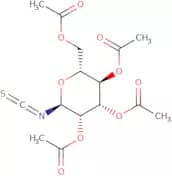
CAS:Hepta-O-acetyl-b-Lactosyl-N-Fmoc-L-threonine is a substance that can be used for the diagnosis of radiation exposure. It is a liquid that is injected into the body, where it accumulates in tissues such as bone marrow. The presence of Hepta-O-acetyl-b-Lactosyl-N-Fmoc-L-threonine in bone marrow cells can be detected using an imaging technique called balloon injury. This liquid also has synergistic effects with radiation and may be useful for the treatment of diseases such as thrombolysis.Fórmula:C45H53NO22Pureza:Min. 95%Peso molecular:959.9 g/mol2,3,4,6-Tetra-O-acetyl-a-D-mannopyranosyl isothiocyanate
CAS:<p>2,3,4,6-Tetra-O-acetyl-a-D-mannopyranosyl isothiocyanate (TMIT) is a custom synthesis that has been modified to include a fluorine atom. TMIT is a polysaccharide that has been modified by methylation and glycosylation. This compound has been synthesized from the natural carbohydrate D-mannopyranose. TMIT is known for its ability to inhibit protein glycosylation in bacteria cells. It also has high purity with an Oligosaccharide CAS No. 93221-21-7 and modification of saccharides with the addition of methyl groups. The chemical structure of TMIT can be found at 2,3,4,6-Tetra-O-acetyl-a-D-mannopyranosyl isothiocyanate (TMIT).</p>Fórmula:C15H19NO9SPureza:Min. 95%Peso molecular:389.38 g/molL-Galactose-1-phosphate
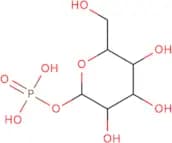
CAS:<p>L-Galactose-1-phosphate is a modification of the monosaccharide galactose. This product can be synthesized by methylation and glycosylation of L-galactose, as well as by fluorination and saccharide synthesis. This product has a CAS number of 210100-25-7. It is also a complex carbohydrate that contains many sugars. The molecular weight of this product is 541.37 g/mol, with an empirical formula of C6H14O6P2. This product is soluble in water, methanol, ethanol, acetone and chloroform. It has a melting point of 162 °C and a boiling point of 320 °F at atmospheric pressure. This product is not stable in alkaline conditions, but stable in acidic conditions.</p>Pureza:Min. 95%1,2,4,6-Tetra-O-acetyl-3-O-(2,3,4,6-tetra-O-acetyl-b-D-glucopyranosyl)-D-glucopyranose
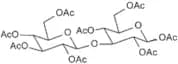
CAS:Tetra-O-acetyl-3-O-(2,3,4,6-tetra-O-acetyl-b-D-glucopyranosyl)-D-glucopyranose is a covalently bound glycoside of benzoic acid and glucose. It can be obtained by the chemical catalysis of clostridium in an acetate medium. The reaction produces a tetrasaccharide with three acetate groups at C2, C3 and C6. This compound has shown to have antimicrobial activity against Clostridium licheniformis and Clostridium butyricum.Fórmula:C28H38O19Pureza:Min. 95%Peso molecular:678.59 g/molMomordicoside G
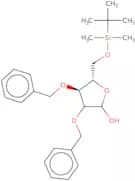
CAS:Momordicoside G is a plant-derived compound that belongs to the group of monoterpenoids. It has been shown to stimulate cell growth and differentiation in vitro by binding to epidermal growth factor (EGF) and colony-stimulating factor (CSF) receptors. Momordicoside G has also been shown to inhibit pentobarbital sodium-induced lung cell lysis, which may be due to its ability to induce synthesis of fatty acids. This molecule has been found in a variety of model organisms, including bacteria and yeast. The fluorescence emission spectrum of momordicoside G has been reported and it was shown that this molecule binds to DNA polymerase. Studies have also shown that momordicoside G can inhibit RNA extraction from lung fibroblasts, which may be due to its ability to bind with RNA polymerase II.Fórmula:C37H60O8Pureza:Min. 95%Peso molecular:632.87 g/mol2,3-Di-O-benzyl-5-O-tert-butyldimethylsilyl-L-arabinofuranose
2,3-Di-O-benzyl-5-O-tert-butyldimethylsilyl-L-arabinofuranose is a silyl ether of an arabinofuranose. It is a glycosylation that can be used in the synthesis of complex carbohydrates. This product has been modified with methylation and click chemistry to introduce fluorine atoms on the sugar ring. This compound can also be used for the synthesis of oligosaccharides or saccharides. The CAS number for this product is 104085-96-2.Fórmula:C25H36O5SiPureza:Min. 95%Peso molecular:444.65 g/mol4-Methylumbelliferyl 6-O-(tert-butyldiphenylsilyl)-b-D-galactopyranoside
CAS:4-Methylumbelliferyl 6-O-(tert-butyldiphenylsilyl)-b-D-galactopyranoside is a fluorescent saccharide that is useful as a reagent for the detection of glycosidases and glycosyltransferases. It is also used to detect the presence of sialic acid residues on glycoconjugates, as well as to determine the terminal sugars in glycoconjugates. This product has been shown to bind to 3'-terminal sialic acid residues on N-glycans, but not to terminal galactose residues.Fórmula:C32H36O8SiPureza:Min. 95%Peso molecular:576.71 g/molD-[6-13C]Galacturonic acid potassium salt
<p>D-[6-13C]Galacturonic acid potassium salt is a synthetic, water-soluble complex carbohydrate with a molecular weight of 744.2. It is used as a fluorescence probe in magnetic resonance imaging (MRI) and also has applications in the synthesis of oligosaccharides and polysaccharides. D-[6-13C]Galacturonic acid potassium salt is soluble in water and has an average pH of 5.0. This compound is available for custom synthesis with high purity and can be found under CAS number 144561-27-4.</p>Pureza:Min. 95%6-O-Benzoyl-1,2,3-tri-O-benzyl-4-O-(2,3,4,6-tetra-O-benzyl-a-D-galactopyranosyl)-b-D-galactopyranoside
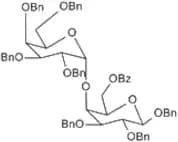
<p>6-O-Benzoyl-1,2,3-tri-O-benzyl-4-O-(2,3,4,6-tetra-O-benzyl-a -D-galactopyranosyl)-b -D -galactopyranoside is an oligosaccharide that has been custom synthesized by our company. It is a complex carbohydrate with a molecular weight of 1,216. The CAS number for this product is 105838-36-5. This product also has a high degree of purity and can be used in Click modification and Modification reactions. 6 O Benzoyl 1 2 3 tri O benzyl 4 O</p>Fórmula:C68H68O12Pureza:Min. 95%Peso molecular:1,077.26 g/molGalα(1-3) N-Glycan
CAS:Galα(1-3) N-glycan is a glycoconjugate that is an oligosaccharide with a galactose residue at the nonreducing end of the glycan. It has been synthesized using Click chemistry to introduce fluorination and methylation. Galα(1-3) N-glycan is an important model for studying the biological function of glycosylations in humans. It has also been shown to have anti-inflammatory properties, which may be due to its ability to inhibit prostaglandin synthesis. This product is custom synthesis, high purity, and CAS No. 115973-45-0.Fórmula:C74H124N4O56Pureza:Min. 95%Peso molecular:1,965.78 g/mol?-Gal-nonoate
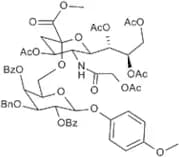
CAS:<p>β-Gal-nonoate is a high purity, custom synthesis, sugar modified with fluorination, glycosylation, and methylation. It is a synthetic molecule that has CAS No. 357192-77-9. β-Gal-nonoate is a modification of β-galactoside and it's glycosylated with oligosaccharides and monosaccharides. It is an oligosaccharide that can be complex carbohydrate.</p>Fórmula:C10H19N3O7Pureza:Min. 95%Peso molecular:293.27 g/mol4-Methoxyphenyl 2,4-di-O-benzoyl-3-O-benzyl-6-O-[methyl 5-(acetoxyacetamido)-4,7,8,9-tetra-O-acetyl-3,5-dideoxy-D-glycero-alpha-D-ga lacto-2-nonulopyranosylonate]-beta-D-galactopyranoside
<p>The methylation of a glycosylation is an organic chemistry technique that can be used to modify the chemical structure of a carbohydrate. A glycosylation is the reaction between an alcohol and a sugar, which produces a glycoside. The addition of methyl groups at specific positions on the sugar molecule can lead to improved properties such as increased stability, increased solubility, or increased uptake by cells. This process has been shown to produce compounds with more desirable pharmacological properties than their parent compounds. Click chemistry is a versatile and powerful method for modifying carbohydrates. It involves the use of copper-catalyzed azide-alkyne cycloaddition reactions to form carbon-nitrogen bonds in place of conventional amide linkages in peptides and proteins. Carbohydrates are modified using this method by attaching small molecules such as fluorine atoms onto one or more carbons in the carbohydrate structure. This process can be used to create novel sugars with improved properties including high purity, high stability</p>Fórmula:C56H61NO23Pureza:Min. 95%Peso molecular:1,116.08 g/molCurcumin b-D-glucuronide
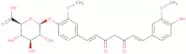
CAS:Curcumin b-D-glucuronide is a glucuronide conjugate of the curcumin molecule. It has been shown to have anticancer activity in mouse tumor models and human metastatic colorectal cancer cell lines by inducing apoptosis. Curcumin b-D-glucuronide is metabolized by the liver microsomes of rats, and thus may be useful for the prevention of colon cancer. Curcumin b-D-glucuronide also has anti-inflammatory properties that are due to its inhibition of prostaglandin E2 (PGE2) levels in humans.Fórmula:C27H28O12Pureza:85%MinPeso molecular:544.15808(Hydroxypropyl)methyl cellulose - USP39, Viscocity 3000-5600 cP
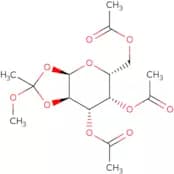
CAS:<p>Viscoelastic polymer; excipient; food additive</p>Pureza:Min. 95%3,4,6-Tri-O-acetyl-a-D-galactopyranose 1,2-(methyl orthoacetate)
CAS:The survey was conducted to understand the current workforce and their feedback on the automated testing. The median number of respondents exceeded the number that was needed for a statistically significant result. The automated testing has helped to reduce the time it takes to test new features and has also improved the resilience of the developers. Feedback from testers has been positive, with many saying that they would recommend automated testing to other companies. This survey was conducted by an analyst who had an understanding of human-computer interaction and software development.Fórmula:C15H22O10Pureza:Min. 95%Peso molecular:362.33 g/mol4-Iodophenyl 2-acetamido-2-deoxy-b-D-glucopyranoside
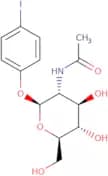
CAS:<p>4-Iodophenyl 2-acetamido-2-deoxy-b-D-glucopyranoside is a modification of an oligosaccharide. It is synthesized using custom chemistry and purified to high purity. This compound is a monosaccharide that is methylated and glycosylated. CAS No. 38229-81-1</p>Fórmula:C14H18INO6Pureza:Min. 95%Peso molecular:423.2 g/mol6-O-Benzoyl-3-O-tert-butyldiphenylsilyl-D-glucal
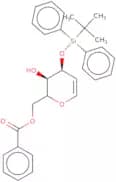
6-O-Benzoyl-3-O-tert-butyldiphenylsilyl-D-glucal is a modification of the oligosaccharide, 6-O-(benzoyloxy)hexyl glucal. The product is used as a synthetic intermediate in the synthesis of complex carbohydrates. It is also used in the production of high purity monosaccharides and polysaccharides. This product has been shown to be effective in methylation reactions, glycosylation reactions, and fluorination reactions.Pureza:Min. 95%2-Acetamido-2-deoxy-b-D-galactopyranosyl serine
<p>2-Acetamido-2-deoxy-b-D-galactopyranosyl serine is a glycosylation agent that can be used as a sugar donor in glycoprotein synthesis. This product is available as custom synthesis and has been modified with fluorination, saccharide, and modification. It also has CAS number: 3897-78-5. 2 Acetamido-2 deoxy b D galactopyranosyl serine is a monosaccharide that is synthesized from D galactose and L serine. It can be used to produce complex carbohydrates for Methylations, Click modifications, Polysaccharides, or Fluorinations.</p>Pureza:Min. 95%3-Deoxy-D-glucosone-bis(benzoylhydrazone)
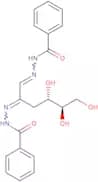
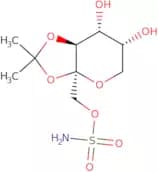
CAS:3-Deoxy-D-glucosone-bis(benzoylhydrazone) is a synthetic compound that has been used in the synthesis of saccharides and oligosaccharides. This reagent can be used for the methylation of glycosyl groups, as well as the modification of carbohydrate chains to produce complex carbohydrates. 3-Deoxy-D-glucosone-bis(benzoylhydrazone) is a white powder with a molecular weight of 239. It is soluble in methanol, ethanol, acetone, and chloroform. The CAS number for this compound is 32443-70-2.Fórmula:C20H22N4O5Pureza:Min. 95%Peso molecular:398.41 g/mol4,5-Desisopropylidene topiramate
CAS:<p>4,5-Desisopropylidene topiramate is a synthetic monosaccharide that is not naturally occurring. This compound has been synthesized with a click modification and glycosylation. It has a molecular weight of 459.29 g/mol and the CAS number 106881-41-8. The chemical formula is C11H21NO6 and it's molecular structure is shown below:</p>Fórmula:C9H17NO8SPureza:Min. 95%Cor e Forma:Off-white to pale yellow solid.Peso molecular:299.3 g/mol3,4-Di-O-acetyl-5-azido-5-deoxy-1,2-O-isopropylidene-b-D-fructose
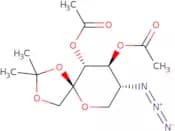
CAS:<p>3,4-Di-O-acetyl-5-azido-5-deoxy-1,2-O-isopropylidene--b-D--fructose is a custom synthesis of 5,6′,7′,8′,9′,10′,11′,12′diOacetylated bromo glycoside. It is a synthetic polysaccharide with a high degree of purity and a wide range of applications. The compound has been shown to have antihypertensive activities in vivo and in vitro. This product can be modified to suit the needs of customers.</p>Fórmula:C13H19N3O7Pureza:Min. 95%Peso molecular:329.31 g/mol3,4,6-Tri-O-acetyl-2-azido-2-deoxy-a-D-galactopyranosyl fluoride
<p>3,4,6-Tri-O-acetyl-2-azido-2-deoxy-a-D-galactopyranosyl fluoride is a custom synthesis that has been modified. It has fluorination and methylation at the 6 position and a click modification at the 2 position. The monosaccharide is a galactose with an acetyl group at the 3 position, while the oligosaccharide is a triantennary saccharide. This compound is used in glycosylation reactions to create complex carbohydrates.</p>Pureza:Min. 95%Methyl b-N-acetyllactosamine
CAS:Methyl b-N-acetyllactosamine is a sulfated glycosaminoglycan (GAG) that is expressed in the brain and is involved in the development of myelin. This compound has been shown to inhibit the transfer of sulfate groups, which are essential for the synthesis of GAGs. Methyl b-N-acetyllactosamine inhibits transglycosylation reactions, which is a process by which sugar moieties are transferred from one molecule to another. This inhibition results in decreased cross-coupling reactions and decreases the production of GAGs. Methyl b-N-acetyllactosamine has been shown to have potent inhibitory properties against sulfonylating enzymes, such as regiospecifically catalyzed sulfonylation and transglycosylation. It also has been shown to inhibit the transition state in an enzymatic reaction involving triazoles.Fórmula:C15H27NO11Pureza:Min. 95%Peso molecular:397.38 g/mol3-Deoxy-3-fluoro-D-mannose
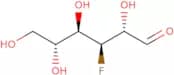
CAS:<p>3-Deoxy-3-fluoro-D-mannose (3DFM) is a synthetic sugar molecule that acts as an inhibitor of bacterial growth. It binds to the 6-phosphate group of nucleic acids, which prevents the addition of sugar molecules to ribose or deoxyribose groups. 3DFM also inhibits the synthesis of proteins and RNA, which are necessary for bacterial growth. 3DFM is a structural analog of mannose and glucose, and has been shown to be effective against chronic infections caused by bacteria that produce lectins, such as C. difficile. This drug can be used in combination with other antibiotics to enhance their effectiveness.</p>Fórmula:C6H11FO5Pureza:Min. 95%Cor e Forma:PowderPeso molecular:182.15 g/mol1-(4-methoxy-phenoxy)-a-D-talopyranose
<p>Methylation: The process of adding a methyl group to a molecule.<br>Saccharide: A carbohydrate that is composed of sugar units, such as glucose or sucrose.<br>Polysaccharide: A carbohydrate consisting of many sugar units linked together. <br>CAS No.: Chemical Abstracts Service number assigned to a chemical compound, which provides unique identification and allows for the tracking of chemical substances. <br>Modification: The process of altering the physical properties of an organic molecule by adding or removing functional groups. <br>Oligosaccharide: A carbohydrate consisting of three to ten sugar units linked together.<br>Carbohydrate: One type of macronutrient that contains carbon, hydrogen, and oxygen atoms in a ratio of 1:2:1 and can be classified as either simple or complex carbohydrates. <br>Sugar: Carbohydrates that are composed solely of one type of monosaccharide unit and typically have a sweet taste.</p>Pureza:Min. 95%(S)-Naproxen acyl-b-D-glucuronide
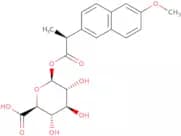
CAS:<p>Naproxen is a non-steroidal anti-inflammatory drug (NSAID) that is used to relieve pain and reduce inflammation. The NSAIDs are metabolized in the liver by oxidation, reduction, hydrolysis, or conjugation with glucuronic acid. Naproxen undergoes a number of metabolic transformations including fragmentation, which can be detected using an MS/MS analyzer. Naproxen acyl-b-D-glucuronide is an oxidative metabolite of naproxen that has been shown to have high uptake into mammalian cells and bioconcentrates in fish. This metabolite has also been shown to be metabolized in the liver by conjugation with glucuronic acid.</p>Fórmula:C20H22O9Pureza:Min. 95%Peso molecular:406.38 g/molPhenyl 2,3-di-O-benzyl-b-D-thiogalactopyranoside
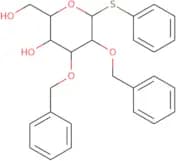
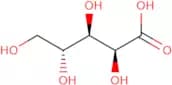
CAS:Phenyl 2,3-di-O-benzyl-b-D-thiogalactopyranoside is an organic compound that is used in the synthesis of saccharides. It is a custom synthesis product and can be modified to create a variety of products. Phenyl 2,3-di-O-benzyl-b-D-thiogalactopyranoside has been shown to have high purity and quality, as well as excellent stability. This product is also available in a variety of grades.Pureza:Min. 95%D-Arabonic acid
CAS:D-Arabonic acid is an acidic compound that is a sodium salt of D-arabitol. It is used as a kinetic, reactive model system for the study of the mechanism of action and inhibition of enzymes such as polymerase chain reaction (PCR) and DNA-dependent RNA polymerase (RdRP). D-Arabonic acid has been shown to be a potent inhibitor of these enzymes, although it does not inhibit other enzyme classes. The target enzyme binds to the substrate by electrostatic interactions with the negative oxygen atoms on the nitrogen atoms in its basic structure. The reaction mechanism may involve oxidation catalysts such as iron or copper ions. Kinetic data can be obtained using laser ablation.Fórmula:C5H10O6Pureza:Min. 95%Peso molecular:166.13 g/molMirabegron O-glucuronide
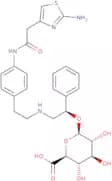
CAS:<p>Mirabegron is a drug that has been used to treat overactive bladder and urinary incontinence. Mirabegron is an agonist of the beta-3 adrenergic receptor and increases the levels of cAMP in cells by binding to this receptor. This leads to relaxation of smooth muscle tissue, which decreases resistance in the bladder and urethra and promotes urine storage. Mirabegron O-glucuronide is a metabolite of mirabegron that can be detected in urine using mass spectrometry methods. Mirabegron O-glucuronide has been found in human liver samples following oral administration, as well as in human blood samples after intravenous administration.</p>Pureza:Min. 95%Monofucosyl-para-lacto-N-neohexaose IV
CAS:Monofucosyl-para-lacto-N-neohexaose IV is a monofucosylated glycan consisting of a single pyranose ring. It is a synthetic oligosaccharide that has been modified with Click chemistry to introduce an alkyne group at the reducing end. The alkyne group can be further modified by nucleophilic substitution reactions, such as fluorination, or glycosylation. Monofucosyl-para-lacto-N-neohexaose IV is used in the synthesis of complex carbohydrates.Fórmula:C46H78N2O35Pureza:Min. 95%Peso molecular:1,219.1 g/molMethyl 2,3,4-tri-O-benzyl-b-L-fucopyranoside
CAS:Methyl 2,3,4-tri-O-benzyl-b-L-fucopyranoside is a carbohydrate that contains a saccharide unit. This molecule belongs to the class of oligosaccharides and has CAS number 74841-88-6. It is synthesized from monosaccharides and custom synthesis. Methyl 2,3,4-tri-O-benzyl-b-L-fucopyranoside is also known as methylated, glycosylated, or fluorinated sugar. The product can be customized for specific requirements.Fórmula:C28H32O5Pureza:Min. 95%Peso molecular:448.55 g/molNaltrexone 3-D-glucuronide-D4
<p>Naltrexone 3-D-glucuronide-D4 is a carbohydrate. It is a glycosylation product of naltrexone. The compound has been synthesized by the methylation of naltrexone and the glycosylation of the resultant product with glucose. Naltrexone 3-D-glucuronide-D4 is a high purity, custom synthesis, synthetic carbohydrate with a CAS number.</p>Pureza:Min. 95%1,2, 4,6-Tetra-O-acetyl-3-O-carbamoyl- D-mannopyranose
CAS:<p>1,2,4,6-Tetra-O-acetyl-3-O-carbamoyl-D-mannopyranose is a synthetic sugar that belongs to the class of glycosides. It can be used in the synthesis of oligosaccharides and polysaccharides. This product is custom synthesized on request and can be modified with fluorination, methylation or click modification. It is available in high purity and has a CAS number of 99748-11-5.</p>Fórmula:C15H21NO11Pureza:Min. 95%Peso molecular:391.33 g/mol6-O-Trityl-1,2,3,4-Tetra-O-acetyl-D-mannopyranose
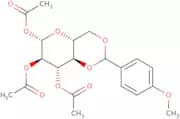
CAS:6-O-Trityl-1,2,3,4-Tetra-O-acetyl-D-mannopyranose is a custom synthesis that is used as a methylation or Click modification. It has been shown to be an effective oligosaccharide and polysaccharide synthesis. 6-O-Trityl-1,2,3,4-Tetra-O-acetyl-D-mannopyranose has been shown to have high purity and high quality. It is a fluorinated compound with a CAS number of 1307296 - 38 - 3.Fórmula:C33H34O10Pureza:Min. 95%Peso molecular:590.62 g/mol1,2,3-Tri-O-acetyl-4,6-O-(4-methoxybenzylidene)-b-D-glucopyranose
CAS:<p>1,2,3-Tri-O-acetyl-4,6-O-(4-methoxybenzylidene)-b-D-glucopyranose is a synthetic monosaccharide that can be used in the synthesis of oligosaccharides and polysaccharides. It has been fluorinated to increase its stability. The carbohydrate moiety of this compound can be modified with methylation or acetylation. This product is offered in high purity and at custom synthesis.</p>Fórmula:C20H24O10Pureza:Min. 95%Peso molecular:424.4 g/mol1,2,3,5,6-Penta-O-propanoyl-b-D-glucofuranose
<p>1,2,3,5,6-Penta-O-propanoyl-b-D-glucofuranose is a methylated sugar. It is a polysaccharide consisting of 1,2,3,5,6-penta-O-propanoyl-b-D-glucopyranosyl units linked by β-(1→4)-glycosidic bonds. This carbohydrate can be used in the synthesis of oligosaccharides and glycosylation reactions. 1,2,3,5,6-Penta-O-propanoyl b -D -glucofuranose has been fluorinated to give pentafluorobenzoyl b -D -glucofuranose which is used for click modification.</p>Pureza:Min. 95%rac N,O-didesmethyl venlafaxine b-D-glucuronide hydrochloride
CAS:<p>RacN,O-didesmethylvenlafaxine b-D-glucuronide hydrochloride is a synthetic glycosylated active metabolite of venlafaxine. It is an N-desmethyl derivative of racemic venlafaxine, which has been modified by oxygenation and fluorination of the methyl group at the nitrogen atom. RacN,O-didesmethylvenlafaxine b-D-glucuronide hydrochloride is a complex carbohydrate with high purity. It is also a saccharide that can be modified with click chemistry for desired modifications. The CAS No. for this compound is 1021933-99-2.</p>Fórmula:C21H32ClNO8Pureza:Min. 95%Peso molecular:461.93 g/molBenzyl 4- O- b- D- glucosaminyl-b- D- xylopyranoside
Benzyl 4- O- b- D- glucosaminyl-b- D- xylopyranoside is an oligosaccharide that is synthesized by the glycosylation of benzyl 4-O- b -D-glucosaminyl b -D -xylopyranoside with a monosaccharide. The synthesis of this compound is achieved through the modification of the parent compound with a fluorination, methylation, or glycosylation. Benzyl 4- O- b -D- glucosaminyl b -D -xylopyranoside can be found in complex carbohydrates, such as cellulose and starch.Pureza:Min. 95%1,2,3,4-Tetra-O-acetyl-D-fucopyranose
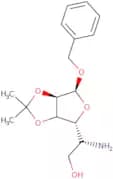
<p>1,2,3,4-Tetra-O-acetyl-D-fucopyranose is a glycosylation agent that can be used in the synthesis of complex carbohydrates or in the modification of natural polysaccharides. It can be fluorinated to produce 1,2,3,4-tetra-O-fluoro-D-fucopyranose or modified with a click reagent to produce 1,2,3,4-tetra-[5-(N'-diethylamino)pentyl]-D-fucopyranose. The CAS number for this product is 109712-63-7. This product is available for custom synthesis and is sold at a purity of >99%.</p>Pureza:Min. 95%Benzyl 5-amino-5-deoxy-2,3-O-isopropylidene-a-D-mannofuranoside
CAS:Benzyl 5-amino-5-deoxy-2,3-O-isopropylidene-a-D-mannofuranoside is custom synthesized to order and can be modified with Click chemistry. It can be fluorinated or glycosylated. It is a sugar that has been synthesized from a monosaccharide and saccharide. The CAS number for this compound is 91364-19-1. This compound is an oligosaccharide and complex carbohydrate.Fórmula:C16H23NO5Pureza:Min. 95%Peso molecular:309.36 g/molb-L-Glucose-1-phosphate ammonium salt
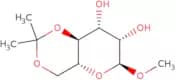
<p>b-L-Glucose-1-phosphate ammonium salt is a modification of the natural glucose molecule. It is used in the synthesis of oligosaccharides and complex carbohydrates. This compound can be custom synthesized and has a high purity level. It is often used as a starting material for other chemical modifications, such as methylation, glycosylation, and fluorination. b-L-Glucose-1-phosphate ammonium salt is found naturally in nature as one of the building blocks of polysaccharides, which are long chains of sugar molecules that make up many organic compounds.</p>Fórmula:C6H19N2O9PPureza:Min. 95%Cor e Forma:PowderPeso molecular:294.2 g/molMethyl 4,6-O-isopropylidene-a-D-mannopyranoside
CAS:<p>Methyl 4,6-O-isopropylidene-a-D-mannopyranoside is a modified oligosaccharide. It is a custom synthesis and has high purity. The CAS number for this product is 63167-67-9. This product can be used as a monosaccharide or polysaccharide, which is a sugar with multiple saccharides joined together. It has been fluorinated and glycosylated, which are two modifications that can be done to this product.</p>Fórmula:C10H18O6Pureza:Min. 95%Peso molecular:234.25 g/molPhenyl 4,6-O-benzylidene-2,3-di-O-(4-methoxybenzyl)-a-D-thiomannopyranoside
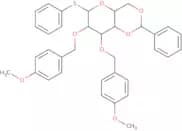
CAS:<p>Phenyl 4,6-O-benzylidene-2,3-di-O-(4-methoxybenzyl)-a-D-thiomannopyranoside is a synthetic glycosylated mannose oligosaccharide. It has a molecular weight of 756.85 and the chemical formula C36H43NO14. Phenyl 4,6-O-benzylidene-2,3-di-O-(4-methoxybenzyl)-a-D-thiomannopyranoside has been shown to be effective against fungus infections in mice models. This product is custom synthesized for research purposes only and does not contain any hazardous or toxic chemicals.</p>Fórmula:C35H36O7SPureza:Min. 95%Peso molecular:600.72 g/molMethyl-O-(2-azido-3,4-di-O-benzyl-2-deoxy-a-D-glucopyranosyl)-(1-4)-O-(2,3-di-O-benzyl-b-D-glucopyranosyluronicacid)- (1-4)-O-(2-azi do-2-deoxy-a-D-glucopyranosyl)-(1-4)-O-(3-O-benzyl-a-L-idopyranosyluronic acid)-(1-4)-3-O-benzyl- 2-benzyloxycarbonyla
CAS:Maltodextrin is a polysaccharide that is made up of glucose units linked together by alpha-glycosidic bonds. Maltodextrin is commonly used as a food additive, but it also has several industrial applications. It can be used to produce escherichia coli, which is a bacterium that produces maltose and amylopectin. Maltodextrin can also be used as an animal feed supplement or as an ingredient in baby food. The glycosidic bond between the glucose units are metabolized by mouse enzymes to produce maltose and glycogen, which are both plant metabolites. Maltodextrin consists of unbranched subunits with linear chains of alpha-1,4-linked glucose residues that have alpha-1,6-linked branches at every second residue. This means that maltodextrin has a glycosidic linkage between the two glucose molecules in the chain and one of these links will always be an alpha-Fórmula:C81H91N7O27Pureza:Min. 95%Peso molecular:1,594.62 g/molN-Acetyl-D-lactosamine-sp-biotin
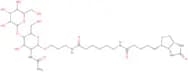
<p>N-Acetyl-D-lactosamine-sp-biotin is an oligosaccharide that is synthesized by the condensation of N-acetylglucosamine and sphingosine. It is a complex carbohydrate that can be modified with fluorination, monosaccharide, and polysaccharides. N-Acetyl-D-lactosamine-sp-biotin has been shown to have a high purity and can be used in the synthesis of glycosylation, methylation, or click chemistry.</p>Fórmula:C33H57N5O15SPureza:Min. 95%Cor e Forma:PowderPeso molecular:795.9 g/molN6-Isopentenyladenine-7-glucoside
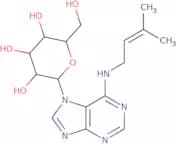
CAS:N6-Isopentenyladenine-7-glucuronide is a synthetic monosaccharide that is used in the synthesis of complex carbohydrates. It is also a fluorinated compound that has been modified to form a glucuronide, which is an organic compound with a sugar and an alcohol group. N6-Isopentenyladenine-7-glucuronide can be used as a raw material for the production of oligosaccharides and polysaccharides, which are complex carbohydrates. This product can be custom synthesized to meet different requirements. It is available in high purity and the CAS number for this product is 59384-58-6.Fórmula:C16H23N5O5Pureza:Min. 95%Peso molecular:365.38 g/molHyaluronate rhodamine - Molecular Weight - 1000kDa
Hyaluronate Rhodamine (HR) is a high purity, custom synthesis sugar that has been modified with Click chemistry. HR is a complex carbohydrate that consists of saccharides and oligosaccharides. HR has been synthesized using glycosylation and methylation reactions. Hyaluronate Rhodamine's CAS number is 1059-14-5.Pureza:Min. 95%1-[[2-N-(5-Nitrothiazolyl)carboxamido]phenyl]-2,3,4-tri-O-acetyl-b-D-glucuronide methyl ester
<p>1-N-(5-Nitrothiazolyl)carboxamido-2,3,4-tri-O-acetyl-b-D-glucuronide methyl ester (NTG) is a glycosylated compound that was synthesized by click chemistry. It is an Oligosaccharide with a single sugar and a molecular weight of 514. The CAS number for NTG is 150158-09-8. NTG has been custom synthesized to order. The purity level of NTG is >99%.</p>Fórmula:C23H23N3O13SPureza:Min. 95%Peso molecular:581.51 g/mol6-O-tert-Butyldiphenylsilyl-3,4-O-carbonyl-D-galactal
CAS:<p>6-O-tert-Butyldiphenylsilyl-3,4-O-carbonyl-D-galactal is a custom synthesis that has been modified with fluorine and methyl groups. It is a monosaccharide that can be found in complex carbohydrates such as saccharides and polysaccharides. The chemical name for 6-O-tert-Butyldiphenylsilyl-3,4-O-carbonyl-D-galactal is 6-[(tertiary butyl)diphenylsilyl]-3,4-[(carboxymethyl)oxymethyl]oxymethyl]oxymethyl]-D--glucopyranoside. This compound is an example of a sugar that can be found in carbohydrates.</p>Pureza:Min. 95%Hexasaccharide dp6
<p>Hexasaccharide dp6 is a synthetic hexasaccharide that mimics heparin. It binds to the antithrombin III and pentasaccharide in human plasma, which are proteins that inhibit blood clotting. Hexasaccharide dp6 also has affinity for peptides from HIV-1 and anti-HIV activity. Hexasaccharide dp6 can be used to prevent coagulation or as an antithrombotic agent.</p>Fórmula:C36H93N15O57S9Pureza:Min. 95%Peso molecular:1,936.78 g/mol6-O-tert-Butyldimethylsilyl-3,4-O-carbonyl-D-galactal
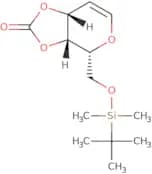
CAS:6-O-tert-Butyldimethylsilyl-3,4-O-carbonyl-D-galactal is a modification of the sugar galactal. It is an oligosaccharide that can be synthesized from galactose and 6-O-tert-butyldimethylsilylchloride. It is used as a starting material for the synthesis of complex carbohydrates, as well as polysaccharides. This product has an average purity of 98% and is available in quantities of 50 grams.Pureza:Min. 95%N1-b-D-Galactopyranosylamino-guanidine HNO3
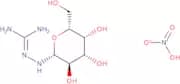
CAS:<p>N1-b-D-Galactopyranosylamino-guanidine HNO3 is a synthetic compound that has been modified by methylesterification and glycosylation. It can be used for the preparation of saccharides, polysaccharides, oligosaccharides, and custom synthesis. The CAS No. 109853-86-3 is 109853-86-3.</p>Fórmula:C7H16N4O5·HNO3Pureza:Min. 95%Peso molecular:299.24 g/molBenzyl 4,6-O-benzylidene-a-D-galactopyranoside
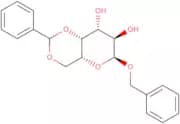
CAS:<p>4,6-O-Benzylidene-a-D-galactopyranoside is an artificial sweetener that has a high purity and can be custom synthesized. This compound is also known as an oligosaccharide or complex carbohydrate. It is a member of the saccharide family, which includes monosaccharides and disaccharides. 4,6-O-Benzylidene-a-D-galactopyranoside is a sugar that has been modified by glycosylation and methylation. This product has CAS No. 57783-86-5 and can be found in the Glycosides section of the Chemical Directory.</p>Fórmula:C20H22O6Pureza:Min. 95%Peso molecular:358.39 g/mol10,11-Dihydro-10-hydroxycarbamazepine O-b-D-glucuronide
CAS:<p>10,11-Dihydro-10-hydroxycarbamazepine O-b-D-glucuronide is a sugar that is synthesized by the modification of 10,11-dihydrocarbamazepine. It has been shown to inhibit the growth of Mycobacterium tuberculosis in a dose dependent manner. This compound has also been shown to inhibit the synthesis of DNA and RNA in bacterial cells, which may be due to its ability to inhibit glycosylation and methylation reactions.</p>Fórmula:C21H22N2O8Pureza:Min. 95%Peso molecular:430.41 g/mol6-O-Benzoyl-3-O-tert-butyldimethylsilyl-D-galactal
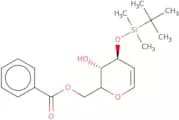
6-O-Benzoyl-3-O-tert-butyldimethylsilyl-D-galactal is a custom synthesis of 6-O-(benzoyloxy)-D-galactal. It is an oligosaccharide with an acetylated benzoyl group at the C2 position and a tertiary butyl dimethylsilyl (TBDMS) ether at the C3 position. It has a molecular weight of 523.02 g/mol and CAS No. 47782-51-6. 6-O-(Benzoyloxy)-D-galactal is used as a reagent for methylation chemistry, click chemistry, or carbohydrate chemistry. This product has high purity, which makes it suitable for complex carbohydrate analysis, such as saccharide analysis, polysaccharide analysis, and oligosaccharide analysis.Fórmula:C19H28O5SiPureza:Min. 95%Peso molecular:364.51 g/mol
















![D-[6-13C]Galacturonic acid potassium salt](/_next/image/?url=https%3A%2Fstatic.cymitquimica.com%2Fproducts%2F3D%2Fthumb-webp%2FMG170938.webp&w=3840&q=75)











![1-[[2-N-(5-Nitrothiazolyl)carboxamido]phenyl]-2,3,4-tri-O-acetyl-b-D-glucuronide methyl ester](/_next/image/?url=https%3A%2Fstatic.cymitquimica.com%2Fproducts%2F3D%2Fthumb-webp%2FMN04558.webp&w=3840&q=75)