Glicociência
A glicociência é o estudo dos carboidratos e seus derivados, bem como das interações e funções biológicas em que participam. Este campo de pesquisa é crucial para compreender uma ampla variedade de processos biológicos, incluindo o reconhecimento celular, a sinalização, a resposta imune e o desenvolvimento de doenças. A glicociência tem aplicações importantes na biotecnologia, na medicina e no desenvolvimento de novos medicamentos e terapias. Na CymitQuimica, oferecemos uma ampla seleção de produtos de alta qualidade e pureza para pesquisa em glicociência. Nosso catálogo inclui monossacarídeos, oligossacarídeos, polissacarídeos, glicoconjugados e reagentes específicos, projetados para apoiar os pesquisadores em seus estudos sobre a estrutura, função e aplicações dos carboidratos em sistemas biológicos. Esses recursos são destinados a facilitar descobertas científicas e aplicações práticas em diversas áreas das biociências e da medicina.
Subcategorias de "Glicociência"
- Amino açúcares(108 produtos)
- Anticorpos Glico-Relacionados(282 produtos)
- Glicolípidos(46 produtos)
- Glicosaminoglicanos (GAGs)(55 produtos)
- Glicosídeos(419 produtos)
- Monossacáridos(6.621 produtos)
- Oligossacarídeos(3.681 produtos)
- Polissacáridos(503 produtos)
Foram encontrados 11041 produtos de "Glicociência"
Ordenar por
Pureza (%)
0
100
|
0
|
50
|
90
|
95
|
100
1-OAcetyl-2-O-benzoyl-3-O-tert-butyldiphenylsilyl-L-threofuranose
CAS:<p>1-OAcetyl-2-O-benzoyl-3-O-tert-butyldiphenylsilyl-L-threofuranose is a modification of the carbohydrate. It is an oligosaccharide that has been synthesized by custom synthesis. It is an artificial monosaccharide type with a methyl group at C1 and a tertiary butyldiphenylsilyl group at C2. The CAS number for this compound is 1971879-01-2, and it has been fluorinated. This compound belongs to the saccharide class, which includes sugars and polysaccharides.</p>Pureza:Min. 95%2-(Benzyloxycarbonylamino)-2-deoxy-D-mannose
CAS:<p>2-(Benzyloxycarbonylamino)-2-deoxy-D-mannose is a sugar that is linked to other molecules through glycosylation. It is an important component of the complex carbohydrate called glycogen. This product can be used in methylation, click modification, polysaccharide, fluorination and saccharide modification reactions. 2-(Benzyloxycarbonylamino)-2-deoxy-D-mannose has CAS No. 1174233-24-9 and is available in high purity.</p>Fórmula:C14H19NO7Pureza:Min. 95%Peso molecular:313.31 g/mol2,3,5-Tri-O-benzoyl-2-C-methyl-D-ribofuranose
CAS:<p>2,3,5-Tri-O-benzoyl-2-C-methyl-D-ribofuranose is a custom synthesis of a complex carbohydrate. This product is an Oligosaccharide with CAS No. 30361-17-2 and Polysaccharide with Modification and Methylation. It is a saccharide with Methylation and Glycosylation. 2,3,5-Tri-O-benzoyl-2-C-methyl-D-ribofuranose is a Carbohydrate with Click modification and Fluorination. This product has High purity and Synthetic properties.</p>Fórmula:C27H24O8Pureza:Min. 95%Peso molecular:476.47 g/molMethyl α-D-glucopyranoside 2,3,4,6-tetrasulfate potassium
CAS:<p>Methyl a-D-glucopyranoside 2,3,4,6-tetrasulfate potassium salt is a custom synthesis. It is a modification of a monosaccharide and an oligosaccharide with the use of click chemistry. The product is synthesized by fluorinating the methyl group of the glycosyl hydroxyl group in order to increase its stability. The resulting compound has been shown to have inhibitory effects on bacterial growth and to be effective against methicillin resistant Staphylococcus aureus (MRSA).</p>Fórmula:C7H14O18S4•K4Pureza:Min. 95%Peso molecular:670.83 g/mol4-Nitrobenzyl 2,3,4,6-tetra-O-acetyl-b-D-thiogalactopyranoside
<p>4-Nitrobenzyl 2,3,4,6-tetra-O-acetyl-b-D-thiogalactopyranoside is a synthetic glycoside that can be used as the precursor to other carbohydrate derivatives. It is an efficient and economical method for the synthesis of 4-nitrobenzyl 2,3,4,6-tetra-O-acetyl-b-D-thiogalactopyranoside. This product has been shown to be stable in water and in organic solvents. The purity of this compound is greater than 99%.</p>Fórmula:C21H25NO11SPureza:Min. 95%Peso molecular:499.49 g/molMethyl 2-deoxy-5-O-[(1,1-dimethylethyl)diphenylsilyl]-β-D-erythro-pentofuranoside
CAS:<p>Methyl 5-O-(tert-butyldiphenylsilyl)-2-deoxy-b-D-ribofuranoside is a modified sugar that is used in the synthesis of oligosaccharides. This compound has been shown to be easily synthesized from 2,3,4,6-tetraacetylbenzoyl chloride and methyl 5-hydroxyisophthalate. Methyl 5-O-(tert-butyldiphenylsilyl)-2-deoxy-b-D-ribofuranoside is not found in nature and can be used as a precursor for glycosylation reactions.</p>Fórmula:C22H30O4SiPureza:Min. 95%Peso molecular:386.56 g/mol2,3,4-Tri-O-acetyl-L-fucal
CAS:<p>2,3,4-Tri-O-acetyl-L-fucal is a synthetic oligosaccharide. It is a glycosylated sugar that contains three acetyl groups and four hydroxyl groups. The acetylation pattern of 2,3,4-tri-O-acetyl-L-fucal can be customized to suit the customer's needs. This compound is a fluorinated version of L-fucose and has been synthesized using an innovative click chemistry method. The synthesis of 2,3,4-tri-O-acetyl L -fucal has been completed in high purity and with high yield by our skilled chemists. It is also a complex carbohydrate that can be modified for different applications.</p>Fórmula:C12H16O7Pureza:Min. 95%Peso molecular:272.25 g/molEthyl a-D-fructofuranoside
CAS:<p>Ethyl a-D-fructofuranoside is a carbohydrate found in the roots of orientalis that has been shown to have anti-allergic effects. Ethyl a-D-fructofuranoside is extracted from the root of orientalis and purified by column chromatography. It inhibits histamine release and reduces inflammation in mouse skin tests. The structure of ethyl a-D-fructofuranoside was determined using nuclear magnetic resonance (NMR) spectroscopy, gas chromatography, and mass spectroscopy. The biosynthesis of this compound is unknown but it may be synthesized from sucrose or methanol extract with the help of an enzyme called verbascose synthase.</p>Fórmula:C8H16O6Pureza:Min. 95%Peso molecular:208.21 g/molβ-D-Glucopyranosyl taraxinic ester
CAS:<p>β-D-Glucopyranosyl taraxinic ester is a cytotoxic natural product that has been shown to inhibit the growth of tumor cells in vitro. β-D-Glucopyranosyl taraxinic ester inhibits the synthesis of nucleic acids, proteins, and lipids. It also inhibits the proliferation of lymphoid cells in vitro. The IC50 values for β-D-glucopyranosyl taraxinic ester are 0.04 mM for mouse tumor cells and 0.07 mM for human tumor cells.<br> β-D-Glucopyranosyl taraxinic ester has been shown to inhibit the growth of tumor cell lines in vitro, such as K562 and P388 leukemia cell lines, HeLa cervical carcinoma, and A549 lung carcinoma cell lines. This compound induces apoptosis by increasing caspase activity and decreasing bcl2 levels in these cancer cells.</p>Fórmula:C21H28O9Pureza:Min. 95%Peso molecular:424.44 g/molOctyl a-L-rhamnopyranoside
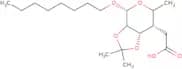
CAS:<p>Octyl a-L-rhamnopyranoside is a custom-synthesized, fluorinated, methylated, monosaccharide with saccharide and polysaccharide modifications. It is used for the modification of glycoproteins in the synthesis of complex carbohydrates and as an intermediate in the preparation of monosaccharides and their derivatives. <br>Octyl a-L-rhamnopyranoside is synthesized by condensing 1,2:3,4-di-O-isopropylidene D-mannitol with 5-(bromomethyl)benzene sulfonyl chloride to give 5-(Bromomethyl)benzene sulfonic acid. The acid is then reacted with octanoyl chloride to form octyl a-L-rhamnopyranoside. Octyl a-L-rhamnopyranoside has been shown to inhibit protein</p>Fórmula:C14H28O5Pureza:Min. 95 Area-%Cor e Forma:PowderPeso molecular:276.37 g/mol2,3,4,6-Tetra-O-benzoyl-D-galactopyranosyl trichloroacetimidate
CAS:<p>2,3,4,6-Tetra-O-benzoyl-D-galactopyranosyl trichloroacetimidate is a fluorinated carbohydrate that can be used for synthesis of complex carbohydrates. It is a monosaccharide with an O-benzoyl group at the 2 position and a glycosylation at the 4 position. The chemical structure has been modified by a reaction with trichloroacetimidate to form an acetal linker. This product is available in both custom synthesis and high purity.</p>Fórmula:C36H28Cl3NO10Pureza:Min. 95%Cor e Forma:White To Yellow SolidPeso molecular:740.97 g/molN6-Benzyladenine-3-glucoside
CAS:<p>N6-Benzyladenine-3-glucoside is a carbohydrate that is modified with a click chemistry reaction. It is synthesized from D-mannose and 6-benzylaminopurine and has been glycosylated with 2,3,4,6-tetra-O-acetyl glucosamine. N6-Benzyladenine-3-glucoside is an important component of the bacterial cell wall. The compound consists of a single sugar chain and is fluorinated at the C2 position.</p>Fórmula:C18H21N5O5Pureza:Min. 95%Cor e Forma:PowderPeso molecular:387.39 g/molMethyl 3-acetamido-4,6-O-benzylidene-2,3-dideoxy-a-D-arabino-hexopyranoside
CAS:<p>Methyl 3-acetamido-4,6-O-benzylidene-2,3-dideoxy-a-D-arabino-hexopyranoside is a custom synthesis of an oligosaccharide with a complex carbohydrate structure. It is a high purity compound with methylation and glycosylation modifications. This compound has a fluoroination modification that makes it resistant to hydrolysis by esterases and glucuronidases. It can be used in the synthesis of saccharides and polysaccharides.</p>Fórmula:C16H21NO5Pureza:Min. 95%Peso molecular:307.35 g/molD-Ribose-2-D
CAS:<p>D-Ribose-2-D is a modified D-ribose sugar. It is an oligosaccharide that is a component of polysaccharides and glycosaminoglycans. The modification of this sugar includes methylation, glycosylation, and fluorination. This product has CAS No. 202480-69-1 and is synthesized in high purity with 98% purity.</p>Fórmula:C5H10O5Pureza:Min. 95%Peso molecular:151.14 g/mol1-Bromo-2,3,4-tri-O-benzoyl-a-D-glucuronide methyl ester
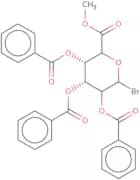
CAS:<p>1-Bromo-2,3,4-tri-O-benzoyl-a-D-glucuronide methyl ester is a custom synthesis. It is a high purity product with a custom synthesis. The CAS No. for this compound is 103674-69-7. This product undergoes Click modification and has high purity. The sugar in this compound is an oligosaccharide with glycosylation.</p>Fórmula:C28H23BrO9Pureza:Min. 95%Peso molecular:583.39 g/mol2,3,4,6-Tetra-O-acetyl-a-D-mannopyranosyl isothiocyanate
CAS:<p>2,3,4,6-Tetra-O-acetyl-a-D-mannopyranosyl isothiocyanate (TMIT) is a custom synthesis that has been modified to include a fluorine atom. TMIT is a polysaccharide that has been modified by methylation and glycosylation. This compound has been synthesized from the natural carbohydrate D-mannopyranose. TMIT is known for its ability to inhibit protein glycosylation in bacteria cells. It also has high purity with an Oligosaccharide CAS No. 93221-21-7 and modification of saccharides with the addition of methyl groups. The chemical structure of TMIT can be found at 2,3,4,6-Tetra-O-acetyl-a-D-mannopyranosyl isothiocyanate (TMIT).</p>Fórmula:C15H19NO9SPureza:Min. 95%Peso molecular:389.38 g/molRhamnogalacturonan - from potato
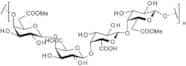
CAS:<p>Pectin is a highly complex polysaccharide matrix that is found in the primary walls of dicotyledenous and monocotyledenous plants and gymnosperms, including potato. A key fragment of this complex is rhamnogalacturonan I, containing a backbone of the repeating disaccharide [-4)-α-D-GalpA-(1,2)-α-L-Rhap-(1,]. Several applications for RG1 have been described including drug targeting to the colon via the oral administration route for local treatment of e.g. inflammatory bowel disease and colon cancer. This has several advantages such as needle-free administration and low infection risk. In the gastro-intestinal tract RG-I is only degraded by the action of the colonic microflora. High purity rhamnogalacturonan I is also used in research, biochemical enzyme assays and in vitro diagnostic analysis.</p>Pureza:Min. 95%Butyl 2-acetamido-2-deoxy-b-D-glucopyranoside
CAS:<p>Butyl 2-acetamido-2-deoxy-β-D-glucopyranoside is a photosynthetic organism that functions as an anti-EGFR antibody. It binds to the EGFR receptor on cancer cells and blocks its activation, preventing tumor growth. This product has been shown to be effective against a wide variety of cancers, including lung, breast, head and neck, ovarian, prostate and bladder cancers.</p>Fórmula:C12H23NO6Pureza:Min. 95%Peso molecular:277.31 g/mol2-Deoxy-2-fluoro-D-[1-13C]glucose
CAS:<p>2-Deoxy-2-fluoro-D-[1-13C]glucose is a pharmacopoeia that is used in the diagnosis of thyroid gland, myocardial ischemia and malignant tumors. It is also used for the study of glucose metabolism in the thyroid gland, cerebral cortex and myocardium. 2-Deoxy-2-fluoro-D-[1-13C]glucose binds to pyranose sugars and has been shown to be an effective agent in the treatment of malignant tumors. This drug has also been shown to inhibit glucose metabolism in the thyroid gland, cerebral cortex and myocardium.</p>Fórmula:C6H11FO5Pureza:Min. 95%Peso molecular:183.14 g/molo-(A-D-Galactopyranosyl)-D-galactose
CAS:<p>O-(A-D-Galactopyranosyl)-D-galactose is a sugar that is used in the synthesis of complex carbohydrates. O-(A-D-Galactopyranosyl)-D-galactose can be fluorinated and methylated to produce o-(A-D-Galactopyranosyl)-2,6-dideoxy--glucose. This sugar has been shown to inhibit the growth of bacteria such as Mycobacterium tuberculosis and Mycobacterium avium complex. Synthesis of this sugar is done through a custom synthesis process with high purity and quality.</p>Fórmula:C12H22O11Pureza:Min. 95%Peso molecular:342.3 g/molAgarodiitol
<p>Disaccharide alcohol from agarobiose by reduction with Na borohydride</p>Fórmula:C12H22O10Pureza:Min. 95%Peso molecular:326.3 g/molHydroxyethyl cellulose, Mw about 250'000
CAS:<p>Hydroxyethyl cellulose (HEC) is a polysaccharide that is used as a thickener and emulsifier in the pharmaceutical industry. It has been shown to be effective in treating human serum with detrusor muscle contractions. HEC is also used as a negative control for experiments involving the effect of drugs on HIV infection. When mixed with isoxsuprine hydrochloride, HEC can be used to measure the concentration of basic proteins in human serum. The fluorescence probe can bind to specific regions of the protein, which will cause an increase in fluorescence when exposed to a wavelength of light. The optimum concentration of HEC for binding fluorescence probes was found using Langmuir adsorption isotherm measurements and fluorescence detector experiments. HEC has been shown to be an effective antimicrobial agent against bacteria and fungi, such as Staphylococcus aureus and Candida albicans. The benzalkonium chloride in HEC may</p>Agarononaose
CAS:<p>Agarose is a polysaccharide found in red algae, typically Gelidium and Gracilaria. It is a strictly alternating polysaccharide of α-1,3 linked D-galactose and β-1,4 linked L-3,6 anhydrogalactose with occasional sulfation at position 6 of the anhydrogalactose residue. Agaro-oligosaccharides result from cleavage at galactose residues and neoagaro-oligosaccharides from cleavage at 3,6-anhydro residues. A number of publications have suggested that agaroheptaose has properties that include: anti-microbial, antiviral, prebiotic, anti-tumoral, immunomodulatory, anti-inflammatory, glucosidase inhibitory, and hepatoprotective properties.</p>Fórmula:C54H84O42Pureza:Min. 95%Cor e Forma:SolidPeso molecular:1,405.22 g/molSucrose monopalmitate
CAS:<p>Sucrose monopalmitate is a fatty acid that is used as a surfactant and emulsifier. It has been shown to have surface-active properties in vitro, which may be due to its ability to interact with the surface of cells. Sucrose monopalmitate is used in diagnostic agents such as active analogues, which are compounds that bind specifically to an analyte or target molecule. These compounds can then be detected by other methods such as radioactive labelling or enzyme-linked immunosorbent assay (ELISA). This product also has been shown to be useful in detergent compositions, including nanoemulsions and solid dispersions.</p>Fórmula:C28H52O12Pureza:Min. 95%Peso molecular:580.71 g/mol2,3,4,6-Tetra-O-benzoyl-b-D-galactopyranosyl cyanide
CAS:<p>2,3,4,6-Tetra-O-benzoyl-b-D-galactopyranosyl cyanide is a saccharide that can be custom synthesized. It is a modified form of galactose and contains a benzoyl group. The sugar is used in research on glycosylation and modification reactions.</p>Fórmula:C25H27NO9Pureza:Min. 95%Peso molecular:485.48 g/molPhenyl a-L-thiorhamnopyranoside
CAS:<p>Phenyl a-L-thiorhamnopyranoside is a monosaccharide that is synthesized by the methylation of alpha-D-glucose. It is a custom synthesis that is used in the synthesis of oligosaccharides, polysaccharides, and sugar drugs. Phenyl a-L-thiorhamnopyranoside can be fluorinated to create an active form that has antibacterial activity. This compound has shown no signs of toxicity in animal studies and has been used as a food additive.</p>Fórmula:C12H16O4SPureza:Min. 95%Peso molecular:256.32 g/mol5-Deoxy-D-lyxono-1,4-lactone
CAS:<p>5-Deoxy-D-lyxono-1,4-lactone is an oligosaccharide that is a sugar derivative. It has been synthesized by the introduction of fluorine at the C2 position of glucopyranose with methylation at the C3 position and glycosylation at the C6 position. 5-Deoxy-D-lyxono-1,4-lactone has been shown to be useful in protein labeling and detection.</p>Fórmula:C5H8O4Pureza:Min. 95%Peso molecular:132.12 g/mol3,4,6-Tri-O-acetyl-1,2-O-ethylidene-b-D-mannopyranoside
CAS:<p>3,4,6-Tri-O-acetyl-1,2-O-ethylidene-b-D-mannopyranoside is a synthetic glycosylation product of maltose and 1,2-O-ethylidene b-D mannopyranoside. This compound is a high purity product with custom synthesis. 3,4,6Tri acetyl 1,2 O ethylene b D mannopyranoside has the CAS number 630102 81 7.</p>Fórmula:C14H20O9Pureza:Min. 95%Peso molecular:332.3 g/mola-D-Glucuronic acid 1-phosphate tripotassium salt pentahydrate
CAS:<p>1. Product Name: a-D-Glucuronic acid 1-phosphate tripotassium salt pentahydrate</p>Fórmula:C6H8O10PNa3Pureza:Min. 95%Peso molecular:340.06 g/molHyaluronate biotin - Molecular Weight - 750kDa
<p>Hyaluronate biotin is a custom synthesis of 750kDa. It has been modified with fluorination, methylation and click modification. This product is a glycosylation of saccharide, which is a carbohydrate that can be found in many foods and is used as a sweetener. The saccharides are complex carbohydrates that consist of long chains of monosaccharides or simple sugars. Click modification is the process by which a small molecule, usually an azide group or nitrenium ion, reacts with an electron-deficient alkyne group to produce a new covalent bond without breaking either existing bond.</p>Pureza:Min. 95%2-Acetamido-2-deoxy-b-D-galactopyranosyl serine
<p>2-Acetamido-2-deoxy-b-D-galactopyranosyl serine is a glycosylation agent that can be used as a sugar donor in glycoprotein synthesis. This product is available as custom synthesis and has been modified with fluorination, saccharide, and modification. It also has CAS number: 3897-78-5. 2 Acetamido-2 deoxy b D galactopyranosyl serine is a monosaccharide that is synthesized from D galactose and L serine. It can be used to produce complex carbohydrates for Methylations, Click modifications, Polysaccharides, or Fluorinations.</p>Pureza:Min. 95%Methyl 3,4-isopropylidene-b-L-arabinopyranoside
CAS:<p>Methyl 3,4-isopropylidene-b-L-arabinopyranoside is a synthetic saccharide that has been modified by the Click chemistry. Click modification is a method of modifying a complex carbohydrate with a reactive group (e.g., an azide) at one end of the molecule and an electrophile at the other end of the molecule. The resulting product can be used in glycosylation reactions to form complex carbohydrates with various properties. Methyl 3,4-isopropylidene-b-L-arabinopyranoside is used as a precursor for the synthesis of oligosaccharides and polysaccharides. It also has been shown to be effective as an inhibitor of bacterial growth in vitro by inhibiting protein synthesis.</p>Fórmula:C9H16O5Pureza:Min. 95%Peso molecular:204.22 g/mol4'-O-(b-D-2'',3'',4'',6''-Tetra-O-acetyl-glucopyranosyl)-4-nitrophloretin
CAS:<p>4'-O-(b-D-2'',3'',4'',6''-Tetra-O-acetyl-glucopyranosyl)-4-nitrophloretin is a modified carbohydrate that contains glucose, glucuronic acid, and nitrobenzene. It is a synthetic compound with a high purity and custom synthesis. The 4'-O-(b-D-2'',3'',4'',6''-Tetra-O-acetyl-glucopyranosyl)-4-nitrophloretin has been methylated, glycosylated, and click modified for research purposes.</p>Fórmula:C29H31NO15Pureza:Min. 95%Peso molecular:633.55 g/molEthyl 2,3,6-tri-O-benzyl-b-D-thioglucopyranoside
CAS:<p>Ethyl 2,3,6-tri-O-benzyl-b-D-thioglucopyranoside is a monosaccharide with a chemical formula of C8H11O5. It has been synthesized from benzyl bromide and D-thioglucose in the presence of sodium hydroxide and potassium carbonate. The compound is used in the synthesis of oligosaccharides and polysaccharides. Ethyl 2,3,6-tri-O-benzyl-b-D-thioglucopyranoside has been shown to have a purity greater than 99% by high performance liquid chromatography (HPLC) analysis.</p>Fórmula:C29H34O5SPureza:Min. 95%Peso molecular:494.64 g/mol5-Deoxy-3,4-di-O-methyl-D-ribose
<p>5-Deoxy-3,4-di-O-methyl-D-ribose is a fluorinated monosaccharide that has been synthesized from D-ribose and 5-deoxyadenosine. It can be found in glycosylated polysaccharides or as the methylated derivative. This product is custom synthesized for research purposes, and is not intended for use in humans. It is available in high purity, with a CAS number of 6042-92-0.</p>Pureza:Min. 95%Sucrose octasulfate octatriethylammonium salt
CAS:<p>Used for treatment of duodenal ulcers and gastroesophageal reflux</p>Fórmula:C12H22O35S8•(C6H15N)8Pureza:Min. 95%Cor e Forma:PowderPeso molecular:982.81 g/mol1,6, 2,3-Dianhydro-β-D-talopyranose
CAS:<p>1,6, 2,3-Dianhydro-beta-D-talopyranose is a fluorinated sugar that is an intermediate in the synthesis of complex carbohydrates. It has been used as a monosaccharide building block and can also be used to synthesize oligosaccharides and polysaccharides. 1,6, 2,3-Dianhydro-beta-D-talopyranose can be modified with methylation or click chemistry to alter its properties. This product is a carbohydrate that has been modified for research purposes.</p>Fórmula:C6H8O4Pureza:Min. 95%Peso molecular:144.12 g/mol2-Deoxy-2-fluoro-L-[UL-13C]fucose
CAS:<p>2-Deoxy-2-fluoro-L-[UL-13C]fucose is a modified sugar molecule used in various scientific applications, particularly in glycobiology and drug development. It's used to study fucose-containing glycans, enzyme interactions, metabolic pathways, and glycoengineering. For instance, it can be incorporated into proteins to investigate the effects of fucose modifications on their function or used to develop drugs targeting fucose-metabolizing enzymes</p>Fórmula:C6H12O5Pureza:Min. 95%Peso molecular:164.16 g/mol1,2-O-Cyclohexylidene-a-D-xylopentodi-aldo-1,4-fructose
<p>1,2-O-Cyclohexylidene-a-D-xylopentodi-aldo-1,4-fructose is a custom synthesis of an oligosaccharide. It has a CAS number and is a polysaccharide. This product is modified by methylation and glycosylation. It also has a Click modification. 1,2-O-Cyclohexylidene-a-D-xylopentodi-aldo-1,4-fructose is manufactured with high purity and fluorination. The product is both synthetic and complex carbohydrate.</p>Pureza:Min. 95%Phenyl 3,4,6-tri-O-acetyl-2-deoxy-1-thio-2-(2,2,2-trichloroethoxyformamido)-b-D-galactopyranoside
CAS:<p>Phenyl 3,4,6-tri-O-acetyl-2-deoxy-1-thio-2-(2,2,2-trichloroethoxyformamido)-b-D-galactopyranoside is a high purity and custom synthesis sugar that has been modified with fluorination and glycosylation. This product is also methylated and modified with an oligosaccharide. Phenyl 3,4,6-tri-O-acetyl-2-deoxy-1-thio - 2-(2,2,2 trichloroethoxyformamido)-b - D - galactopyranoside is used as a saccharide in the synthesis of complex carbohydrates.</p>Fórmula:C21H24Cl3NO9SPureza:Min. 95%Cor e Forma:PowderPeso molecular:572.84 g/mol2,3,4-Tri-O-acetyl-6-O-(2,3,4,6-tetra-O-acetyl-b-D-glucopyranosyl)-D-glucopyranose
CAS:<p>2,3,4-Tri-O-acetyl-6-O-(2,3,4,6-tetra-O-acetyl-b-D-glucopyranosyl)-D-glucopyranose is a synthetic sugar. It is a monosaccharide that is synthesized from 2,3,4,6 tetraacetyl b D glucopyranosyl b D glucose and triethylene glycol. This compound can be used in the synthesis of polysaccharides or complex carbohydrates.</p>Fórmula:C26H36O18Pureza:Min. 95%Peso molecular:636.55 g/molMethyl 2-deoxy-3,5-di-O-pivaloyl-a-D-ribofuranoside
<p>Methyl 2-deoxy-3,5-di-O-pivaloyl-alpha-D-ribofuranoside is a custom synthesis of a complex carbohydrate that can be used in glycosylation and polysaccharide synthesis. This product is a sugar with a CAS No. that has been modified with methylation, fluorination, and click chemistry. <br>This product is synthesized by reacting the corresponding reactant monosaccharides with an acylating agent in the presence of a base to form 2,3,5-trihydroxybenzaldehyde esters. The 2,3,5-trihydroxybenzaldehyde esters are then reacted with an alcohol or phenol to form 2,4,6-trihydroxybenzalacetone derivatives which are converted into the desired product by hydrolysis.</p>Fórmula:C16H28O6Pureza:Min. 95%Cor e Forma:Oil.Peso molecular:316.39 g/molGentiobiulose
CAS:<p>Gentiobiulose is a natural sweetener that is made from the sugar glucose and has a low glycemic index. It is produced by the enzymatic reaction of glucose with an acid catalyst in the presence of c1-6 alkyl groups. Gentiobiulose has a diameter of 0.5-2 micrometers and is used as a prebiotic, which promotes the growth and activity of beneficial bacteria in the gut. In addition, gentiobiulose can be used as an ingredient for detergent compositions because it has a high viscosity and particle size.</p>Fórmula:C12H22O11Pureza:Min. 95%Cor e Forma:SolidPeso molecular:342.3 g/molGala1-3Galb1-4GlcNAcb1-3Galb1-4Glc
CAS:<p>Methylated glycans are carbohydrate-based molecules that are modified by the addition of a methyl group. These modifications can be used for many purposes, including as probes for enzymatic reactions and to block or enhance specific cell surface receptors. The modification is often done with a click chemistry reaction, which is a fast and efficient method that can also be used to modify other compounds such as proteins. Methylation of glycans is often done in the lab using methylamine gas, but it can also be accomplished through more complex methods like click chemistry or fluorination. Glycosylation is the process of adding sugars to other molecules and is one way to produce methylated glycans. Galactosamine (GalN) is an example of a monosaccharide that can be methylated and glycosylated, producing galactose-N-methyltransferase (Gal1MT) and Gal1M3GnT1. This product has been synthesized in</p>Fórmula:C32H55NO26Pureza:Min. 95%Peso molecular:869.77 g/mol3'-Sialyllactosyl azide
<p>3'-Sialyllactosyl azide is a complex carbohydrate that is modified with fluorination, saccharide modification, and methylation. 3'-Sialyllactosyl azide is synthesized from a monosaccharide by glycosylation, methylation, click modification, or polysaccharides. The CAS number for this compound is 814-07-1. This product can be custom synthesized to meet the customer's needs.</p>Pureza:Min. 95%Rhamnolipids C10
CAS:<p>Rhamnose based 'green' surfactant</p>Fórmula:C32H58O13Pureza:Min. 95%Cor e Forma:PowderPeso molecular:650.8 g/molNGA5FB N-Glycan
<p>NGA5FB is a custom synthesis, modification, and fluorination of a glycan. It is a monosaccharide with a methylation and click modification on the terminal glucose. This glycan is synthesized with an oligosaccharide saccharide that contains a complex carbohydrate. The CAS No. for this product is 2279-97-0.</p>Pureza:Min. 95%2N-Fmoc-4N-(2,3,4,6-tetra-O-acetyl-b-D-glucopyranosyl)-L-aparagine
CAS:<p>2N-Fmoc-4N-(2,3,4,6-tetra-O-acetyl-b-D-glucopyranosyl)-L-aparagine is a modified carbohydrate that is used as a starting material for the synthesis of oligosaccharides and polysaccharides. It is synthesized by reacting 2N-Fmoc-L-serine with 4N-(2,3,4,6-tetraO-(acetyl)-bDglucopyranosyl)-Laparagine. The OAc group provides protection for the amino functions and can be removed in the presence of acid to yield an unprotected L(+)-serine. This product has high purity and can be purchased in various custom synthesis quantities.</p>Fórmula:C33H36N2O14Pureza:Min. 95%Peso molecular:684.66 g/mol2-Amino-a-D-ribofurano[1',2':4,5]oxazoline
CAS:<p>2-Amino-a-D-ribofurano[1',2':4,5]oxazoline is a modified ribose analogue</p>Fórmula:C5H10N2O4Pureza:Min. 95%Peso molecular:162.2 g/mol1,2-O-Isopropylidene-4-hydroxymethyl-3-O-(2-methylnaphthyl)-a-D-ribofuranose
<p>1,2-O-Isopropylidene-4-hydroxymethyl-3-O-(2-methylnaphthyl)-a-D-ribofuranose is a fluorinated saccharide that is synthesized by the Click reaction. It has the CAS number of 29098-01-9 and can be used as a custom synthesis or modification to sugars. This carbohydrate is an oligosaccharide with a high purity level and can be used as a glycosylation reagent. The methylation of this product has been shown to modify the properties of polysaccharides and glycoconjugates.</p>Fórmula:C20H24O6Pureza:Min. 95%Peso molecular:360.4 g/molNonyl b-D-thioglucopyranoside
CAS:<p>Nonyl b-D-thioglucopyranoside is a methylating agent that can be used in the synthesis of oligosaccharides and polysaccharides. This compound is a fluorinated sugar that is used as an intermediate in the synthesis of saccharide derivatives. Nonyl b-D-thioglucopyranoside is also a highly pure, stable chemical that has been modified to meet customer specifications. It can be used for the preparation of glycosyl fluorides, which are used to modify monosaccharides and other carbohydrates.</p>Fórmula:C15H30O5SPureza:Min. 95%Peso molecular:322.46 g/molCyclohexylpentanoyl-N-Hydroxyethylglucamide
CAS:<p>Cyclohexylpentanoyl-N-Hydroxyethylglucamide is a building block for the synthesis of complex carbohydrates. It is a custom synthesis product with high purity and good stability. The chemical structure contains a carbohydrate chain with oligosaccharides, which are polysaccharides that contain a few monosaccharide units. The carbohydrate chain also contains methylation and glycosylation sites, which can be modified to produce different saccharides. Cyclohexylpentanoyl-N-Hydroxyethylglucamide has been fluorinated to give it a higher level of hydrophobicity. This process increases the solubility in organic solvents and reduces the activity of the molecule in water.</p>Fórmula:C19H37NO7Pureza:Min. 95%Peso molecular:391.5 g/molMogroside II A2
CAS:<p>Mogroside II A2 is a fructan that is found in the fruit of the plant Glycosmis erythrorhiza, which is a member of the family Rutaceae. This compound has been shown to have immune-modulating properties and is used as an ingredient in some pharmaceutical drugs. Mogroside II A2 has also been demonstrated to have antiviral activity and may be helpful for cancer treatment. The effects of this compound on kidney fibrosis are unclear; however, it does have anti-inflammatory properties.</p>Fórmula:C42H72O14Pureza:Min. 95%Cor e Forma:PowderPeso molecular:801.01 g/molMethyl 2-acetamido-2-deoxy-6-O-(b-D-galactopyranosyl)-b-D-glucopyranoside
<p>Methyl 2-acetamido-2-deoxy-6-O-(b-D-galactopyranosyl)-b-D-glucopyranoside is a carbohydrate that is modified by the addition of a methyl group to the C3 position. The glycosylation of this carbohydrate can be achieved by using a variety of methods, including Click chemistry and Methylation. This product has been custom synthesized for high purity and can be used in various applications, such as Glycosylation and Polysaccharide synthesis.</p>Fórmula:C15H27NO11Pureza:Min. 95%Peso molecular:397.38 g/molCotinine b-D-glucuronide
CAS:<p>Cotinine is a major metabolite of nicotine. It is excreted in the urine and has been extensively studied for its role in nicotine addiction and the development of cancer. Cotinine is also used as a biomarker to identify exposure to tobacco smoke, secondhand smoke, and nicotine replacement therapy. The levels of cotinine are proportional to the number of cigarettes smoked per day, with an average half-life of 15 hours. The concentration can be determined by LC-MS/MS with chemical ionization or LC-MS/MS with electron impact ionization. Cotinine can be hydrolyzed by esterases or glucuronidases, oxidized by cytochrome P450 enzymes, reduced by glutathione reductase, or conjugated with glucuronic acid.</p>Fórmula:C16H20N2O7Pureza:Min. 95%Peso molecular:352.34 g/molDaunorubicin
CAS:<p>Anthracycline antibiotic with potent anti-tumoral activity. The compound interferes with DNA replication and RNA transcription since it intercalates between the base pairs of nucleic acids. It also inhibits the topoisomerase II, proteasome and generates free radicals, which leads to cell death of treated cells. Moreover, daunorubicin triggers apoptosis trough the stimulation of ceramide synthesis. It has been used as chemotherapy agent for the treatment of myeloid leukaemia (AML) and acute lymphocytic leukaemia (ALL).</p>Fórmula:C27H29NO10Pureza:Min. 95%Peso molecular:527.52 g/mol1,3,5-Tri-O-acetyl-2-deoxy-a-D-ribofuranose
CAS:<p>1,3,5-Tri-O-acetyl-2-deoxy-a-D-ribofuranose is a monosaccharide with a modified sugar residue that is obtained by the fluorination of 1,3,5-triacetyl-2,6'-dideoxyglucose. It is a complex carbohydrate that can be used as an additive in food and beverage products. The chemical formula for 1,3,5-triacetyl-2,6'-dideoxyglucose is C10H14O8 and the molecular weight is 392.24 g/mol.</p>Fórmula:C11H16O7Pureza:Min. 95%Peso molecular:260.24 g/mola-D-1,5-Difluoroglucose
CAS:<p>a-D-1,5-Difluoroglucose is a synthetic sugar that is used in the modification of complex carbohydrates. It is fluorinated to give a stable compound that can be methylated and glucosylated. The compound has been shown to have high purity and a long shelf life.</p>Fórmula:C6H10F2O5Pureza:Min. 95%Peso molecular:200.14 g/mol2-Deoxy-3,4-O-isopropylidene-D-arabinopyranose
<p>2-Deoxy-3,4-O-isopropylidene-D-arabinopyranose is a synthetic sugar that has a high purity and can be custom synthesized. It is an oligosaccharide with a methylation and fluorination modification. This sugar can be used in glycosylation reactions to produce polysaccharides or complex carbohydrates. 2-Deoxy-3,4-O-isopropylidene-D-arabinopyranose is also used in click modifications. The CAS number for this compound is 5263038-92-2.</p>Pureza:Min. 95%R,S-Equol 7-b-D-glucuronide sodium salt
CAS:<p>R,S-equol 7-b-D-glucuronide sodium salt is a Methylated, Custom synthesis, Click modification, CAS No. 38482-82-5, Oligosaccharide, Polysaccharide, saccharide, Carbohydrate with high purity and modifiction.</p>Fórmula:C21H21NaO9Pureza:Min. 95%Cor e Forma:PowderPeso molecular:440.38 g/molMethyl 2-acetamido-4,6-O-benzylidene-2-deoxy-b-D-glucopyranoside
CAS:<p>Methyl 2-acetamido-4,6-O-benzylidene-2-deoxy-b-D-glucopyranoside is a custom synthesis of an oligosaccharide that can be modified with methylation, glycosylation, or fluorination. It is a complex carbohydrate that has been synthesized using a click modification and high purity. This product is available for purchase as a white to off white powder.</p>Fórmula:C16H21NO6Pureza:Min. 95%Peso molecular:323.34 g/molUndecyl b-D-thiomaltopyranoside
CAS:<p>Undecyl b-D-thiomaltopyranoside is a high purity, custom synthesis, methylated and glycosylated carbohydrate that can be used as a fluorinated sugar. It is an oligosaccharide with 4 glucose units, 1 of which has been modified by the addition of an undecyl group. This modification inhibits the enzyme maltase from hydrolyzing the saccharide. Undecyl b-D-thiomaltopyranoside has CAS No. 148565-57-5 and can be synthesized in high purity for research purposes.</p>Fórmula:C23H44O10SPureza:Min. 95%Cor e Forma:PowderPeso molecular:512.66 g/molGlobotriose 2-(2-carboxyethylthio)ethane
<p>Globo series antigen</p>Fórmula:C23H40O18SPureza:Min. 95%Peso molecular:636.62 g/mol4-Aminophenyl 2-acetamido-2-deoxy-b-D-glucopyranoside
CAS:<p>4-Aminophenyl 2-acetamido-2-deoxy-b-D-glucopyranoside is a monosaccharide that belongs to the group of complex carbohydrates. It is a synthetic compound that has been modified by fluorination and methylation. 4-Aminophenyl 2-acetamido-2-deoxy-b-D-glucopyranoside has been used in the synthesis of polysaccharides and saccharides for various purposes, including as a fluorescence probe for carbohydrate binding proteins. It has also been used as an intermediate in the synthesis of oligosaccharides or polysaccharides.</p>Fórmula:C14H20N2O6Pureza:Min. 95%Peso molecular:312.32 g/molLaninamivir
CAS:<p>Laninamivir is an antiviral drug that inhibits the neuraminidase activity of influenza A and B viruses. It is a prodrug that is activated by esterases to form the active metabolite laninamivir carboxylate, which inhibits virus replication. Laninamivir has been shown to be effective against oseltamivir-resistant mutants and has been used in combination with oseltamivir as a treatment for pandemic influenza. Laninamivir has also been studied in pediatric patients with influenza-like symptoms, with significant reductions in symptom severity, duration of symptoms, and viral load.</p>Fórmula:C13H22N4O7Pureza:Min. 95%Cor e Forma:PowderPeso molecular:346.34 g/mol1,6-Anhydro-4-O-(2,3,4,6-tetra-O-acetyl-a-D-mannopyranosyl)-b-D-mannopyranose
CAS:<p>1,6-Anhydro-4-O-(2,3,4,6-tetra-O-acetyl-a-D-mannopyranosyl)-b-D-mannopyranose is a modified oligosaccharide that is a carbohydrate. This product is custom synthesized and has high purity. It is a monosaccharide with methylation and glycosylation. The CAS number for this product is 6765035505.</p>Fórmula:C20H28O14Pureza:Min. 95%Peso molecular:492.44 g/molRhodionin
CAS:<p>Rhodionin is a natural product that has been shown to be effective as a food preservative. It is produced through the extraction of usnic acid from Rhodiola rosea and has been used in the study of amyloid protein. Rhodionin is an extractant that has been shown to be able to control analysis of sodium citrate in food composition. The use of rhodionin for this purpose was found to be practical and effective, with no significant changes in the quality or quantity of citric acid. This extractant also shows promise as an analytical method for the detection of ganoderma lucidum, human liver cancer cells, and flavonol glycosides.</p>Fórmula:C21H20O11Pureza:Min. 95%Peso molecular:448.38 g/mol2,3,4-Tri-O-acetyl-a-D-xylopyranosyl trichloroacetimidate
CAS:<p>2,3,4-Tri-O-acetyl-a-D-xylopyranosyl trichloroacetimidate is a methylated and fluorinated complex carbohydrate. It is an acetylated sugar that has been modified with the addition of trichloroacetimidate. The chemical name for 2,3,4-Tri-O-acetyl-a-D-xylopyranosyl trichloroacetimidate is 4′-(triethoxy)trityloxymethyl 2,3,4-tri-O-acetyl a -D -xylopyranoside. This product may be used as an intermediate in the synthesis of oligosaccharides and polysaccharides. It is also used to modify saccharides and sugar monomers.</p>Fórmula:C13H16Cl3NO8Pureza:Min. 95%Cor e Forma:White/Off-White SolidPeso molecular:420.63 g/molHydroxypropyl cellulose - Average MW 100,000
CAS:<p>In water, hydroxypropyl cellulose forms liquid crystals with many mesophases depending on concentration. These mesophases include isotropic, anisotropic, nematic and cholesteric, the latter resulting in many colors such as violet, green and red. Pharmaceutical applications include treatments for medical conditions such as dry eye syndrome (keratoconjunctivitis sicca), recurrent corneal erosions, decreased corneal sensitivity, exposure and neuroparalytic keratitis. It is also used as a binder in tablets. Hydroxypropylcellulose is also used as a thickener, a binder and emulsion stabiliser in foods with E number E463. HPC is used as a support matrix for DNA separations by capillary and microchip electrophoresis.</p>Pureza:Min. 95%D-Fructose-13C1
CAS:<p>D-Fructose-13C1 is a custom synthesis that belongs to the class of carbohydrates. It is an oligosaccharide, polysaccharide, and a modification of saccharides. D-Fructose-13C1 is methylated and glycosylated and has a carbonyl group on the C1 position. This product can be used in click chemistry as well as fluorination reactions. The purity of this product is high and it has been synthesized using high purity methods.</p>Fórmula:C513CH12O6Pureza:Min. 95%Peso molecular:181.15 g/mol4-Aminophenyl b-D-thioglucopyranoside
CAS:<p>4-Aminophenyl b-D-thioglucopyranoside is a compound that belongs to the group of small molecules and has been studied for its potential use as a drug to treat brain tumours. It has been shown that 4-Aminophenyl b-D-thioglucopyranoside binds to centromeric DNA sequences in mammalian cells, which can lead to inhibition of transcription and replication. This inhibitory effect on transcription and replication is due to the inhibition of acetyltransferase enzymes by 4-Aminophenyl b-D-thioglucopyranoside.</p>Fórmula:C12H17NO5SPureza:Min. 95%Peso molecular:287.33 g/molCYMAL-6 neopentyl glycol
<p>CYMAL-6 neopentyl glycol (CYMAL-6) is a monoclonal antibody that binds to the chloride channel protein in human cells. CYMAL-6 has been shown to inhibit uptake of chloride ions, leading to an increase in extracellular pH and an inhibition of cellular respiration. It has been shown to be effective in patients with pigmentosa or hematological disorders such as leukemia and lymphoma. The structural studies on CYMAL-6 have shown that this drug can be used as a fluorescent probe for the study of chloride ion channels.</p>Fórmula:C47H84O22Pureza:Min. 95%Peso molecular:1,001.16 g/molSecoxyloganin
CAS:<p>Secoxyloganin is a 4-hydroxycinnamic acid that belongs to the group of caffeic acids. It is an iridoid, which is a type of monoterpene indole alkaloid that has been found in various plants. Secoxyloganin can be found in the roots, stems, and leaves of plants such as Securigera varia and Digitalis purpurea. Secoxyloganin has shown antimicrobial activity against Gram-positive bacteria such as Staphylococcus aureus and Gram-negative bacteria such as Pseudomonas aeruginosa. It also has antiviral properties, which may be due to its ability to inhibit RNA synthesis and protein synthesis.<br>Secoxyloganin has been shown to have physiological effects in vitro assays, including an increase in glucose uptake by cells after injection of glucose into the cell culture medium.</p>Fórmula:C17H24O11Pureza:Min. 95%Peso molecular:404.37 g/mol3-O-(2-Acetamido-3,4,6-tri-O-acetyl-2-deoxy-D-glucopyranosyl)-1,2-di-O-benzyl-4,6-O-benzylidene-D-mannopyranoside
<p>3-O-(2-Acetamido-3,4,6-tri-O-acetyl-2-deoxy-D-glucopyranosyl)-1,2-di-O-benzyl-4,6-O-benzylidene--D--mannopyranoside is an oligosaccharide that has a high purity and custom synthesis. This compound is synthesized by Click modification of the sugar with fluorination. The glycosylation and methylation reactions are then carried out to obtain the final product. 3--0-(2--Acetamido--3,4,6--tri--O--acetyl--2--deoxy---D----glucopyranosyl)--1,2--di--O-----benzyl----4,6---O------benzylidene----D--------mannopyranoside is used in the synthesis of oligosaccharides for</p>Fórmula:C41H47NO14Pureza:Min. 95%Peso molecular:777.83 g/mol(2R,3S,4R)-3,4-Dihydroxypyrrolidine-2-carboxylic acid
CAS:<p>(2R,3S,4R)-3,4-Dihydroxypyrrolidine-2-carboxylic acid is a methylated compound that has been synthesized by the click modification of an oligosaccharide. It is used as an intermediate in the synthesis of saccharides and polysaccharides. This product can be used for the fluorination of complex carbohydrates and for the modification of monosaccharides or sugars. The purity level of this product is high and it has been modified to have a desirable property.</p>Fórmula:C5H9NO4Pureza:Min. 95%Peso molecular:147.13 g/molN-Methyl-b-D-glucopyranosylamine (hydrochloride or other salt)
CAS:<p>Methylation of saccharides is a chemical process that adds methyl groups to the hydroxyl groups of sugars. The most common form of this reaction is the conversion of glucose to mannose. Methylation can be achieved by reacting the sugar with sodium cyanoborohydride, which converts the sugar into a reactive form that can be used in other reactions. This product is a synthetic compound and an intermediate for various glycosylations or modifications. It is a high-purity, white powder with molecular formula C6H17NO5 and molecular weight 191.22 g/mol and CAS Number 114761-39-6 (hydrochloride).</p>Fórmula:C7H15NO5·HClPureza:Min. 95%Peso molecular:229.7 g/mol2-(L-Arabino-tetrahydroxybutyl)-4(R)-1,3-thiazolidine-4-carboxylic acid
CAS:<p>2-(L-Arabino-tetrahydroxybutyl)-4(R)-1,3-thiazolidine-4-carboxylic acid is a synthetic compound that has been modified to include sugar groups. It can be used for the synthesis of oligosaccharides and monosaccharides. The carbohydrate group has been modified with fluorination, glycosylation, and methylation. This modification can be useful in the production of complex carbohydrates.</p>Fórmula:C8H15NO6SPureza:Min. 95%Peso molecular:253.27 g/mol2,3,4,6-Tetra-O-acetyl-b-D-galactopyranosyl-(N2-Fmoc)-L-threonine
CAS:<p>Mecamylamine is a drug that binds to the active site of the acetylcholine esterase enzyme and prevents the breakdown of acetylcholine, which causes muscle contractions. Mecamylamine is used for the treatment of bowel disorders, such as diarrhoea. Randomised placebo-controlled trials have shown that mecamylamine is an effective treatment for chronic idiopathic constipation. The optimal dose and duration of treatment remain unclear, but it has been suggested that a cycle of 4 weeks on and 4 weeks off may be appropriate. Mecamylamine can cause adverse reactions, such as dizziness and blurred vision. It should not be used by people with asthma or other respiratory problems or by pregnant women.</p>Fórmula:C33H37NO14Pureza:Min. 95%Peso molecular:671.65 g/molPropofol 2,3,4-tri-O-benzoyl-b-D-glucuronide methyl ester
<p>Propofol is a general anesthetic that is used to induce and maintain anesthesia. It binds to GABA receptors in the brain, leading to suppression of neuronal activity. Propofol is metabolized by esterases in the liver, resulting in its active form 2,3,4-tri-O-benzoyl-b-D-glucuronide methyl ester. This active form inhibits glycolysis by inhibiting the conversion of glucose to fructose 1,6-bisphosphate and glyceraldehyde 3-phosphate by phosphoglucose isomerase and triose phosphate isomerase respectively. It also inhibits protein synthesis by binding to the ribosomes and preventing peptide bond formation on amino acids.</p>Fórmula:C40H40O10Pureza:Min. 95%Peso molecular:680.74 g/molTriethyl-a-cyclodextrin
CAS:<p>Alpha-cyclodextrin (α-CD) derivative with a hydrophilic exterior and lipophilic cavity (smaller than β-CDs and γ-CDs) to allocate certain guest molecules. This structural characteristic enables applications in molecular encapsulation, solubility enhancement, and stabilization across multiple industries. In pharmaceuticals, it serves as a drug delivery vehicle, enhancing the bioavailability and stability of active ingredients. The food industry utilizes it as a stabilizer for flavors, colors, and nutrients, as well as a functional ingredient for its effects on lipid metabolism. In cosmetics, it acts as a complex agent for fragrances and active components. Its applications extend to analytical chemistry for chiral separation and to materials science for developing smart materials and nanosystems.</p>Fórmula:C72H132O30Pureza:Min. 95%Peso molecular:1,477.8 g/molPolyphyllin A
CAS:<p>Polyphyllin A is a natural product that has been shown to have anti-oxidative effects. It has been demonstrated to inhibit the production of fatty acids by sephadex g-100, an enzyme activity by p. pastoris, and the production of antimicrobial peptides by tissue culture cells. Additionally, polyphyllin A has been shown to have anti-inflammatory properties and is used in traditional Chinese medicine for the treatment of cardiovascular diseases. Polyphyllin A also inhibits the oxidation of low density lipoprotein (LDL) cholesterol in coronary heart disease patients. Furthermore, polyphyllin A inhibits the proliferation of cancer cells such as leukemia HL-60 and K562 cells. The mechanism for this inhibition is not yet known but may be due to its ability to induce apoptosis or cause DNA damage.</p>Fórmula:C33H52O8Pureza:Min. 95%Peso molecular:576.76 g/mol1,4:6,3-Glucarodilactone
CAS:<p>1,4:6,3-Glucarodilactone is an undecenoate with a sustainable and degradable structure. It can be used as a monomer in the production of polyols that are used in various industries, such as the plastics industry. 1,4:6,3-Glucarodilactone is also an acidic compound that has been shown to have a crystalline product and isomeric transition. It is possible to produce this compound by ring-opening polymerization of p-xylylenediamine with butyl vinyl ether or isobutyl vinyl ether.</p>Fórmula:C6H6O6Pureza:Min. 95%Peso molecular:174.11 g/mol3,4,6-Tri-O-benzyl-2-deoxy-2-phthalimdo-b-D-glucopyranosyl fluoride
<p>3,4,6-Tri-O-benzyl-2-deoxy-2-phthalimdo-b-D-glucopyranosyl fluoride is a modified sugar that is synthesized by the addition of a benzyl group to the 3' hydroxyl group. It's a white powder that is soluble in water and ethanol. This product has been shown to be stable in acid environments and can be used in glycosylation reactions.</p>Fórmula:C35H32FNO6Pureza:Min. 95%Peso molecular:581.63 g/mol3,4-O-Isopropylidene-1,2-di-O-methyl-a-D-galactopyranoside
CAS:<p>3,4-O-Isopropylidene-1,2-di-O-methyl-a-D-galactopyranoside is a fluorinated glycoside that is used in the synthesis of oligosaccharides and polysaccharides. It is an excellent substrate for glycosylation reactions. 3,4-O-Isopropylidene-1,2-di-O-methylgalactopyranoside can be modified using methylation or click chemistry to produce derivatives with various functionalities. This product has been shown to be highly pure and suitable for research applications.</p>Fórmula:C11H20O6Pureza:Min. 95%Peso molecular:248.28 g/molN-Acetyl-2-O-methyl-a-neuraminic acid methyl ester 4,7,8,9-tetraacetate
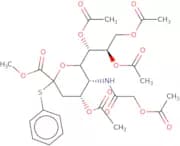
CAS:<p>N-Acetyl-2-O-methyl-a-neuraminic acid methyl ester 4,7,8,9-tetraacetate is a synthetic monosaccharide that is the methyl ester of 2-O-Methyl alpha-neuraminic acid. It is an important reagent in the synthesis of oligosaccharides and polysaccharides. Methylation of the hydroxyl group on the C4' atom of NAMNAA (4,7,8,9 tetraacetate) with methyl iodide followed by acetylation with acetic anhydride produces the desired product. The resulting product has a purity level of >98% and CAS No. 73208-80-7.</p>Fórmula:C21H31NO13Pureza:Min. 95%Peso molecular:505.47 g/mol6-Deoxy L-glucose
CAS:<p>6-Deoxy L-glucose is a sugar analogue that inhibits the transport of glucose in bacteria. It competes with glucose for binding to transporter proteins and prevents glucose from being transported into the cell. 6-Deoxy L-glucose has been shown to inhibit the growth of wild-type strains, such as E. coli K12, in a dose-dependent manner. The antibiotic also reduces ATP production by inhibiting enzymes critical for glycolysis and gluconeogenesis. 6-Deoxy L-glucose has an optimum pH of 7.5 and is activated by hydrochloric acid or hydroxyl groups at the gamma position.</p>Pureza:Min. 95%Galantamine-O-D-glucuronide
Produto Controlado<p>Galantamine-O-D-glucuronide is a glycosylation product of galantamine. It is synthesized by the glycosylation of galantamine with D-glucuronic acid. This product has custom synthesis, methylation, and click modification. Galantamine-O-D-glucuronide is produced in high purity and has a CAS number. It is a complex carbohydrate with a high molecular weight that can be modified to produce desired properties.</p>Fórmula:C23H29NO9Pureza:Min. 95%Cor e Forma:White Off-White PowderPeso molecular:463.48 g/molMethyl 3,5-di-O-acetyl-2-C-(trifluoromethyl)-a-D-ribofuranoside
CAS:<p>Methyl 3,5-di-O-acetyl-2-C-(trifluoromethyl)-a-D-ribofuranoside is a modified sugar that is synthesized from the monosaccharide D-ribose. This sugar can be oxidized by the enzyme glycosyltransferase to produce the polymer poly(β--D--ribofuranosyl)glycine. It can also be methylated by OMT to produce the compound methyl 3,5-di-O-acetyl-2-(trifluoromethyl)-a-(D--ribofuranoside). Methylation and glycosylation are two common modifications of sugars.<br>Methyl 3,5-di-O-acetyl 2-(trifluoromethyl)-a-(D--ribofuranoside) is used in click chemistry as an artificial substrate for copper catalysis. The copper complex binds to</p>Fórmula:C11H15F3O7Pureza:Min. 95%Peso molecular:316.23 g/molMan-7D2 N-Glycan
<p>Man-7D2 N-glycan is a custom synthesis of mannose. It is a modification of the glycan, which is an oligosaccharide that consists of many monosaccharides linked together. The process of glycosylation involves the addition of one or more sugars to an existing carbohydrate molecule. In this case, the sugar is mannose and it has been modified by fluorination, methylation, and click chemistry. This product can be used as a substitute for natural glycans in research applications. The CAS number for this product is 59569-81-1.</p>Pureza:Min. 95%2,3,4,6-Tetra-O-acetyl-a-D-galactopyranose
CAS:<p>2,3,4,6-Tetra-O-acetyl-a-D-galactopyranose (2,3,4,6-TA) is a sugar that has four acetyl groups and two galactose molecules. This compound is used as a substrate in glycosylation reactions and can be modified with fluorination or methylation. 2,3,4,6-TA is also a synthetic carbohydrate that can be used for the synthesis of oligosaccharides and monosaccharides. This compound is CAS No. 22554-70-7.</p>Fórmula:C14H20O10Pureza:Min. 95%Peso molecular:348.3 g/molEthyl 2,3-di-O-(4-methoxybenzyl)-4,6-O-(4-methoxybenzylidene)-b-D-thiogalactopyranoside S-oxide
<p>Ethyl 2,3-di-O-(4-methoxybenzyl)-4,6-O-(4-methoxybenzylidene)-b-D-thiogalactopyranoside S-oxide is a modification of an oligosaccharide. The carbohydrate has a molecular weight of 682. It is synthesized by the methylation and glycosylation of the monosaccharide, galactose. It can be used in many different applications including as a starting material for other carbohydrates or as a reagent in polysaccharide synthesis.</p>Fórmula:C32H38O9SPureza:Min. 95%Peso molecular:598.72 g/molPenta-O-acetyl-D-fructose diethyldithioacetal
<p>Penta-O-acetyl-D-fructose diethyldithioacetal is a synthetic carbohydrate with a modified sugar. It has been used in the synthesis of oligosaccharides and saccharides, as well as for glycosylation reactions. Penta-O-acetyl-D-fructose diethyldithioacetal is soluble in organic solvents and can be used to synthesize sugars that are difficult to obtain through natural sources.</p>Fórmula:C20H32O10S2Pureza:Min. 95%Peso molecular:496.59 g/mol5-Hydroxymethyl tolterodine b-D-glucuronide
CAS:<p>5-Hydroxymethyl tolterodine b-D-glucuronide is a custom synthesis of a complex carbohydrate. It is an Oligosaccharide that is modified with Methylation, Glycosylation and Carbohydrate. The CAS No. is 210573-52-7, and it has a purity of >99%. This product has the following properties: Fluorination, Synthetic, Click modification, saccharide, sugar.</p>Fórmula:C28H39NO8Pureza:Min. 95%Peso molecular:517.61 g/molrac O-Desmethyl venlafaxine b-D-glucuronide
CAS:Produto Controlado<p>Rac O-Desmethyl venlafaxine b-D-glucuronide is a synthetic glycosylated monosaccharide with a custom synthesis. It is fluorinated with the use of fluorination in order to increase its potency and stability. Rac O-Desmethyl venlafaxine b-D-glucuronide has been modified to have a click modification and has been shown to be stable against degradation by enzymes, such as monoamine oxidase B. This product is high purity and can be used in pharmaceuticals or research.</p>Fórmula:C22H33NO8Pureza:Min. 95%Cor e Forma:PowderPeso molecular:439.5 g/mol2,3,4-Tri-O-acetyl-1-cyano-a-D-xylopyranosyl bromide
CAS:<p>2,3,4-Tri-O-acetyl-1-cyano-a-D-xylopyranosyl bromide is a custom synthesis of a sugar. It is fluorinated, methylated, and acetylated. 2,3,4-Tri-O-acetyl-1-cyano-a-D-xylopyranosyl bromide can be used for the modification of glycosides and oligosaccharides as well as for the synthesis of saccharides and polysaccharides. This product is CAS No. 8349743 -2.</p>Fórmula:C12H14BrNO7Pureza:Min. 95%Peso molecular:364.15 g/molSulindac sulfide-acyl-b-D-glucuronide
CAS:<p>Sulindac sulfide-acyl-b-D-glucuronide is a synthetic, fluorinated compound that has been custom synthesized. It is a complex carbohydrate with an oligosaccharide and monosaccharide composition. The glycosylation of the substrate was achieved through the use of methylation and sugar click chemistry. Sulindac sulfide-acyl-b-D-glucuronide is very pure and high in quality.</p>Fórmula:C26H25FO8SPureza:Min. 95%Peso molecular:516.54 g/molMethylglycol chitosan
CAS:<p>Methylglycol chitosan is a cationic surfactant that has been shown to have the ability to bind with zirconium oxide and polymannuronic acid. It is used in the treatment of infectious diseases, autoimmune diseases, and histological analysis. Methylglycol chitosan has been shown to inhibit the toll-like receptor 4 (TLR4) from binding with lipopolysaccharides and other molecules that are implicated in autoimmune diseases. This binding also prevents TLR4 from activating other cells involved in inflammatory responses. The surface of methylglycol chitosan particles also have a patterning effect on bacteria by preventing them from adhering to the surface of the particle, reducing their virulence.</p>Pureza:Min. 95%N-Diphenylmethyl 2,5-anhydro-2,5-imino-D-glucitol
CAS:<p>N-Diphenylmethyl 2,5-anhydro-2,5-imino-D-glucitol is a custom synthesis of a monosaccharide that can be modified to form saccharides such as oligosaccharides and polysaccharides. The synthesis involves the fluorination of the methyl groups on the sugar molecule by using Fluorine gas. Click modification is then used to add an amine group to the sugar molecule. This allows for glycosylation with other sugars or carbohydrates during the synthetic process.</p>Fórmula:C19H23NO4Pureza:Min. 95%Peso molecular:329.39 g/molMan-3-Xyl-Fuc N-Glycan
<p>Man-3-Xyl-Fuc N-Glycan is a custom synthesis of mannose that has been modified with fucose and glycosylated with a conjugated xylose. This complex carbohydrate can be used in the manufacturing of pharmaceuticals, as well as in research for the production of biofuels.</p>Fórmula:C45H76N2O34Pureza:Min. 95%Peso molecular:1,189.08 g/molMethyl 2,3-dideoxy-3-fluoro-5-O-(4-phenylbenzoyl)-β-D-erythro pentofuranoside
CAS:<p>Methyl 2,3-dideoxy-3-fluoro-5-O-(4-phenylbenzoyl)-beta-D-erythro pentofuranoside is a custom synthesis of an oligosaccharide and polysaccharide. It is a modification of the natural compound 2,3,5,-trihydroxybenzoic acid. It has CAS No. 129468-51-5 and Methylation, Glycosylation, Carbohydrate as its properties. Methyl 2,3-dideoxy-3-fluoro-5-O-(4-phenylbenzoyl)-beta-D-erythro pentofuranoside is a high purity product that contains Fluorination, Synthetic as its properties.</p>Pureza:Min. 95%Lacto-N-tetraose-a-APD-HSA
<p>Lacto-N-tetraose-a-APD-HSA is a saccharide that is a methylated monosaccharide with an N-acetylgalactosamine residue. This product has been modified by the addition of an acetyl group to the 3' hydroxyl group. It is available in custom synthesis and can be used as a substrate for glycosylation or as an intermediate for fluoroquinolone modification. Lacto-N-tetraose-a-APD-HSA is also a high purity, synthetic product with CAS No. 129004-44-4.</p>Pureza:Min. 95%(4-Bromophenyl)methyl-β-D-glucopyranoside
CAS:<p>The 4-Bromophenyl)methyl-beta-D-glucopyranoside is a synthetic monosaccharide with a brominated phenyl group. It is a complex carbohydrate that can be used as an oligosaccharide or sugar. The 4-Bromophenyl)methyl-beta-D-glucopyranoside can be modified with fluorination, methylation, glycosylation and click modification. This product is available in high purity and custom synthesis.</p>Fórmula:C13H17BrO6Pureza:Min. 95%Peso molecular:349.17 g/mol7-Hydroxycoumarin D5-D-glucuronide sodium salt
Produto Controlado<p>7-Hydroxycoumarin D5-D-glucuronide sodium salt is a synthetic, fluorinated, monosaccharide that is used in glycosylation reactions. It has been shown to be useful for the synthesis of complex carbohydrates and polysaccharides as well as click modification of proteins. 7-Hydroxycoumarin D5-D-glucuronide sodium salt can be used in the synthesis of glycosylations and polysaccharides or as a sugar donor in Click chemistry. This compound can also be methylated or modified by other methods. 7-Hydroxycoumarin D5-D-glucuronide sodium salt is available at high purity and CAS No.</p>Fórmula:C15H8D5O9·NaPureza:Min. 95%Cor e Forma:White to off-white solid.Peso molecular:365.28 g/mol1,6:2,3-Dianhydro-4-O-benzyl-b-D-mannopyranose
CAS:<p>1,6:2,3-Dianhydro-4-O-benzyl-b-D-mannopyranose is a modification of the natural sugar D-mannopyranose. It is an oligosaccharide with a complex carbohydrate structure that has been synthesized by modifying the natural sugar. 1,6:2,3-Dianhydro-4-O-benzyl-b-D-mannopyranose is a high purity and monosaccharide that has been methylated and glycosylated to produce a polysaccharide sugar. This product can be used for many applications in the chemical industry including as a fluorination agent or as a saccharide in research or medical applications.</p>Fórmula:C13H14O4Pureza:Min. 95%Peso molecular:234.25 g/molcis-Zeatin-9-glucoside
CAS:<p>Cis-Zeatin-9-glucoside is a plant hormone known as a cytokinin, which is primarily synthesized in plants such as Zea mays (corn) and other monocots. Cytokinins play a critical role in regulating plant growth and development by promoting cell division, influencing nutrient allocation, and delaying leaf senescence. The mode of action of cis-Zeatin-9-glucoside involves its role as a signaling molecule that interacts with specific receptors in plant cells, thereby triggering a cascade of gene expression changes that modulate physiological processes.</p>Fórmula:C16H23N5O6Pureza:Min. 95%Cor e Forma:PowderPeso molecular:381.38 g/mol2-Deoxy-2-fluoro-2-C-methyl-D-ribofuranose
<p>2-Deoxy-2-fluoro-2-C-methyl-D-ribofuranose is a carbohydrate that contains a single sugar (monosaccharide) with the chemical formula C5H8O4. This compound is a synthetic monosaccharide that has been modified by fluorination, methylation, and glycosylation. It is often used in custom synthesis to create oligosaccharides or complex carbohydrates. 2DFFR can be ordered in high purity and has CAS No. 59737-89-7.</p>Pureza:Min. 95%3,4,6-Tri-O-acetyl-2-azido-2-deoxy-a-D-galactopyranosyl bromide - stabilised with 2% CaCO3
CAS:<p>3,4,6-Tri-O-acetyl-2-azido-2-deoxy-a-D-galactopyranosyl bromide - stabilised with 2% CaCO3 is a complex carbohydrate that is synthesized from 3,4,6-tri-O-acetylgalactose and 2-(bromoethyl) azide. This modification has been used to produce an oligosaccharide for use in the synthesis of glycoproteins. The modification was also used in the synthesis of a polysaccharide that is used as a reagent for the methylation of saccharides.</p>Fórmula:C12H16BrN3O7Pureza:Min. 95%Peso molecular:394.18 g/molCyclopropylmethylbeta-D-glucopyranoside
CAS:<p>Cyclopropylmethylbeta-D-glucopyranoside is a custom synthesis of a fluorinated monosaccharide. It has been modified to include methyl groups at C3, C6 and C7 positions. The modification may lead to the loss of the glucose from the molecule, which can be replaced with other sugars such as mannose or galactose. Cyclopropylmethylbeta-D-glucopyranoside is an oligosaccharide that can be used in glycosylation reactions. This molecule also has saccharide units connected by glycosidic linkages, which are typically either alpha-linked or beta-linked.</p>Fórmula:C10H18O6Pureza:Min. 95%Peso molecular:234.25 g/mol3,6-Anhydro-D-galactose dimethylacetal
CAS:<p>3,6-Anhydro-D-galactose dimethylacetal is a glycosylation intermediate that has been modified for use in synthetic chemistry. It can be used to synthesize complex carbohydrates, polysaccharides, or oligosaccharides. The product is custom-synthesized and available in high purity.</p>Fórmula:C8H16O6Pureza:Min. 95%Peso molecular:208.21 g/molD-[4,5,6]-Fructose-13C3
CAS:<p>D-[4,5,6]-Fructose-13C3 is a potent inhibitor of the golgi alpha-mannosidases which are enzymes that catalyze the hydrolysis of mannose residues from glycoproteins. This compound has been shown to inhibit the synthesis of glycoproteins in vitro and in vivo. D-[4,5,6]-Fructose-13C3 also inhibits other chemical reactions by binding to fatty acids or proteins. In cell culture, this compound has been shown to synergistically interact with cytochalasin B, which disrupts Golgi membranes. D-[4,5,6]-Fructose-13C3 is lipophilic and can be easily detected by magnetic resonance spectroscopy (MRS). MRS can be used to monitor the inhibition of fatty acid synthesis in cells cultured with this agent.</p>Fórmula:C3C3H12O6Pureza:Min. 95%Peso molecular:183.13 g/molRhein 1-D-glucuronide
CAS:<p>Rhein 1-D-glucuronide is a synthetic sugar that can be used in the synthesis of complex carbohydrates. It is a monosaccharide that has been modified with fluorination and has been shown to have high purity. Rhein 1-D-glucuronide is a methylated form of rhein, which is an oligosaccharide or polysaccharide found in plants. The modification of rhein 1-D-glucuronide allows for an increased resistance to hydrolysis by esterases or glucuronidases, allowing for its use as a synthetic intermediate in the production of saccharides.</p>Pureza:Min. 95%1,2:5,6-Dianhydrogalactitol
CAS:<p>1,2:5,6-Dianhydrogalactitol is a drug that has been shown to reduce the growth of tumors in mice. It is an antitumor agent that inhibits the activity of enzymes such as protein kinase A and phosphorylase kinase. This drug also inhibits the activity of the mitochondrial membrane potential, which is necessary for normal cellular function. The structure of 1,2:5,6-dianhydrogalactitol was first determined by analytical methods on mouse tumor tissue and then verified by a preparative high performance liquid chromatography (HPLC) experiment. It has been shown to be effective against pediatric tumors and is currently being evaluated for use in other cancer models.</p>Fórmula:C6H10O4Pureza:Min. 95%Cor e Forma:PowderPeso molecular:146.14 g/mol6-Deoxy-3-C-methyl-D-gulose
CAS:<p>6-Deoxy-3-C-methyl-D-gulose is an enantiomer of 3,6-dideoxy-D-gluconic acid. This compound has been shown to be a virulent factor in mastitis caused by the mutant strain of Escherichia coli (MT1) and to be expressed at a higher level in mastitic milk than in normal milk. 6DMG has also been shown to induce monoclonal antibody production and stimulate specific immune responses. It is thought that 6DMG damages cells, which leads to the release of intracellular components that trigger an antibody response. The biological function of 6DMG is not known, but it may play a role in the infection process by stimulating an antibody response against infectious agents.</p>Pureza:Min. 95%2,3,6,2',3',4',6'-Hepta-O-acetyl-b-D-lactosyl isothiocyanate
CAS:<p>2,3,6,2',3',4',6'-Hepta-O-acetyl-b-D-lactosyl isothiocyanate is a fluorinated oligosaccharide that has been custom synthesized with a click modification. This compound is a high purity product and can be used in the synthesis of complex carbohydrates.</p>Fórmula:C27H35NO17SPureza:Min. 95%Peso molecular:677.64 g/molGM3NeuGc-Ganglioside
<p>Ganglioside GM3NeuGc (sodium salt) has a core disaccharide structure (Galβ1,4Glc) with N-glycolyl sialic acid linked α2,3 to the galactose residue, and ceramide linked β to position 1 on the reducing terminal glucose residue (Ledeen, 2009). GM3(NeuGc) ganglioside is of interest due to its restrictive expression in normal human tissues, according to immunohistochemical studies, using either polyclonal or monoclonal antibodies. However, both immunohistochemical and biochemical methods have strongly suggested its over-expression in human breast tumours (Oliva, 2006). It is seen as a possible tumor-associated carbohydrate antigen for cancer immunotherapy (Changping, 2019).</p>Pureza:Min. 95%Cor e Forma:White PowderBiotin-dextran MW 10000
<p>Biotin dextran is widely used as both an anterograde and retrograde tracer in neurons and for numerous other applications. It is biologically rather inert having α-1,6-linked glucose residues resistant to cleavage by most endogenous cellular glycosidases. It has low immunogenicity and makes an ideal long-term tracer for live cells. Biotin dextran also serves as a valuable marker for cell loading of macromolecules by microinjection, vesicular fusion, and electroporation, as well as for the uptake and internal processing of exogenous materials by phagocytotic and endocytic pathways.</p>Pureza:Min. 95%Cor e Forma:Powder3-Indolyl b-D-glucopyranoside trihydrate
CAS:<p>Precursor of the uremic toxin indoxyl sulfate</p>Fórmula:C14H17NO6·3H2OPureza:Min. 95%Peso molecular:349.33 g/molP1-Antigen
CAS:<p>The P1-antigen is a blood group antigen that is encoded by the gene. It is synthesized as a precursor protein of approximately 150 amino acids that undergoes proteolytic processing to generate two peptides, A and B, which are attached to the cell surface. The P1-antigen has been shown to be involved in transcriptional regulation and antimicrobial activity. It has also been shown to be present in metastatic colorectal cancer cells and its expression can be induced by trypsin treatment. The P1-antigen is also one of the most frequently studied proteins for its role in immune responses against bacteria, viruses, and parasites. This protein has been found to have response elements for several transcription factors including NF-κB, AP-1, NFAT, SP-1, and STAT3. The basic structure of this protein contains a diode region with two negatively charged regions that are critical for its function.</p>Fórmula:C20H35NO16Pureza:Min. 95%Cor e Forma:White Off-White PowderPeso molecular:545.49 g/molD-Glucose hydrazon
CAS:<p>D-Glucose hydrazon is a custom synthesis of complex carbohydrate. It is made by the reaction of Methylation, Click modification, and Fluorination with saccharide and sugar. The product is a white crystalline solid that is soluble in water.</p>Pureza:Min. 95%Carboxymethyl-dextran sodium salt 10-20% COOH terminally reduced - Average molecular weight 70000
CAS:<p>Drug carrier for cancer therapy & imaging, biocompatible, soluble, biodegradable</p>Pureza:Min. 95%Methyl 3,4-O-isopropylidene-a-D-galactopyranoside
CAS:<p>Methyl 3,4-O-isopropylidene-a-D-galactopyranoside is a white crystalline powder that is soluble in water. This product is used in the synthesis of complex carbohydrate and glycosylation. It has CAS No. 40269-01-0 and can be custom synthesized to meet your requirements. The purity of this product is over 99%.</p>Fórmula:C10H18O6Pureza:Min. 95%Peso molecular:234.25 g/molMethyl 4-azido-3-O-benzyl-4,6-dideoxy-2-O-methyl-a-D-glucopyranoside
CAS:<p>Methyl 4-azido-3-O-benzyl-4,6-dideoxy-2-O-methyl-a-D-glucopyranoside is a synthetic sugar that has been modified with azide and fluoride. It may be used in the synthesis of saccharides as a monosaccharide or oligosaccharide. This compound can be used to prepare glycosylation derivatives, which are complex carbohydrates that are important for cell recognition and immune system function.</p>Fórmula:C15H21N3O4Pureza:Min. 95%Peso molecular:307.35 g/mol2-Azido-3,4,6-tri-O-benzyl-2-deoxy-D-glucopyranose
<p>Silver trifluoromethanesulfonate is an ionic silver reagent that is used to modify polysaccharides. It has been shown that the triethylamine can be substituted with other strong bases, such as potassium t-butoxide. This reagent reacts with chlorides to produce 2-azido-3,4,6-tri-O-benzyl-2-deoxy-D-glucopyranose. The modification of this compound is important for the study of glycosylation reactions and for understanding the structure of polysaccharides.</p>Pureza:Min. 95%2-Acetamido-3,4,6-tri-O-acetyl-2-deoxy-b-D-glucopyranosyl-(N-Fmoc)-L-serine pentafluorophenyl ester
CAS:<p>2-Acetamido-3,4,6-tri-O-acetyl-2-deoxy-b-D-glucopyranosyl-(N-Fmoc)-L-serine pentafluorophenyl ester is a custom synthesis product. The synthesis of this compound was done by methylating 2,3,4,6-tetra O acetyl b D glucopyranoside with N Fmoc protected serine and then click modification to the carbonyl group. This product is a saccharide that has been fluorinated at the C5 position. It is an oligosaccharide that contains a complex carbohydrate that has been modified by monosaccharides and sugars. This product has high purity and is synthesized to order.</p>Fórmula:C38F5H35N2O13Pureza:Min. 95%Peso molecular:822.68 g/mol1,2,3,4-Tetra-O-acetyl-L-xylopyranose
CAS:<p>1,2,3,4-Tetra-O-acetyl-L-xylopyranose is a custom synthesis product. It is a sugar that is found in glycosaminoglycans and proteoglycans. This product can be customized through the modification of the sugar with fluorination, methylation, acetylation or other modifications. This product has a CAS number of 142130-89-0 and can be synthesized from sucrose using Click chemistry. The chemical name for this compound is 1,2,3,4-Tetra-O-[(trimethylsilyl)acetyl]-L-xylopyranose.</p>Fórmula:C13H18O9Pureza:Min. 95%Peso molecular:318.28 g/molSN-38 glucuronide
CAS:<p>SN-38 glucuronide is a metabolite of irinotecan that inhibits the growth of cancer cells by binding to the DNA polymerase, blocking the synthesis of DNA. SN-38 glucuronide has potent antitumor activity and high values for inhibiting tumor metastasis. It is mainly excreted in urine as a conjugate with glucuronic acid, which may be why urine samples are often used to measure its concentration. SN-38 glucuronide also interacts with other drugs, including chemical inhibitors and ATP-binding cassette transporters, which can affect its pharmacological properties.</p>Fórmula:C28H28N2O11Pureza:Min. 97.5 Area-%Cor e Forma:PowderPeso molecular:568.53 g/molD-Galactosamine-2-N-sulfate sodium
CAS:<p>D-Galactosamine-2-N-sulfate sodium is a chemical compound with potential applications in cancer treatment. It has been shown to enhance the cytotoxic effects of certain drugs, such as Tolvaptan and Luliconazole, in human cancer cells. Additionally, D-Galactosamine-2-N-sulfate sodium has been reported to inhibit kinase activity in Staphylococcus aureus and induce apoptosis in cancer cells. This compound may also have potential as an inhibitor of betamethasone-induced apoptosis and as an analog of cytisine and gossypol. Further research is needed to fully understand the potential therapeutic benefits of D-Galactosamine-2-N-sulfate sodium for cancer treatment.</p>Fórmula:C6H12NNaO8SPureza:Min. 95%Peso molecular:281.22 g/mol5-Deoxy-5-iodo-1,2-o-(1-methylethylidene)pentofuranose
CAS:<p>5-Deoxy-5-iodo-1,2-o-(1-methylethylidene)pentofuranose is a synthetic sugar. It is a complex carbohydrate that can be custom synthesized and has high purity. This compound is an oligosaccharide with methylation, glycosylation, and polysaccharides. 5-Deoxy-5-iodo-1,2-o-(1-methylethylidene)pentofuranose has been fluorinated to give it saccharide properties.</p>Fórmula:C8H13IO4Pureza:Min. 95%Peso molecular:300.09 g/mol1,6-Anhydro-β-D-cellotetraose
CAS:<p>1,6-Anhydro-b-D-glucopyranose is a 6-carbon sugar that can be found in small quantities in the human body. It is a type of glycosidic compound and has been used as a food additive for animals. This sugar is also used for analytical methods to measure the quantity of cellotriose in cells. 1,6-Anhydro-b-D-glucopyranose is an oligosaccharide that has been shown to have prebiotic properties due to its ability to be digested by bacteria and promote their growth. Quantifying this sugar is done by measuring the amount of glycosidic bonds present.</p>Fórmula:C24H40O20Pureza:Min. 95%Cor e Forma:White To Off-White SolidPeso molecular:648.56 g/mol3,4,6-Tri-O-benzyl-D-glucofuranose
CAS:<p>3,4,6-Tri-O-benzyl-D-glucofuranose is a modification of the natural sugar D-glucose. This modification has been found to be stable against hydrolysis by esterases and other enzymes. It is synthesized in a custom synthesis. 3,4,6-Tri-O-benzyl-D-glucofuranose has been shown to be an effective inhibitor of glycosylation and polysaccharide formation in vitro. It can be used for the preparation of high purity sugars for use in research or as a polymer precursor or monosaccharide. 3,4,6-Tri-O-benzyl-D-glucofuranose is found on the CAS registry with the number 35958-64-6.</p>Pureza:Min. 95%3-O-Toluoyl decitabine
CAS:<p>3-O-Toluoyl decitabine is a synthetic, high purity drug that is custom synthesized to order. The synthesis of 3-O-Toluoyl decitabine involves the modification of sugar molecules with fluorination, glycosylation, and methylation. This compound has CAS No. 183016-21-9 and is used in the treatment of cancer by inhibiting ribonucleic acid (RNA) synthesis. 3-O-Toluoyl decitabine inhibits RNA polymerase II and III, which are enzymes that catalyze the transcription of DNA into RNA. It also inhibits protein kinase C, which leads to cell death and tumor shrinkage.</p>Fórmula:C16H18N4O5Pureza:Min. 95%Peso molecular:346.34 g/molNeosamine
<p>Neosamine is an antimicrobial agent that is activated by the addition of fatty acids. It has a low potency and is used to diagnose infections caused by bacteria. Neosamine has been shown to inhibit the growth of bacteria, fungi, and parasites on electron microscopy. Neosamine also inhibits protease activity and may be useful in detergent compositions for removing fats, oils, and greases from surfaces. This chemical is stable in acidic solutions and does not react with carbostyril or other diagnostic agents.</p>Fórmula:C6H14N2O4Pureza:Min. 95%Peso molecular:178.19 g/molEthyl a-L-thiorhamnopyranoside
<p>Ethyl a-L-thiorhamnopyranoside is a synthetic, fluorinated monosaccharide. It is an oligosaccharide with a complex carbohydrate structure and can be used as a building block for the synthesis of glycosides, polysaccharides, and other sugar derivatives. This product can also be modified by methylation, click reactions, or other chemical reactions to produce desired structures. The purity of this product is >98%.</p>Pureza:Min. 95%D-Glucose diethyl mercaptal
CAS:<p>D-Glucose diethyl mercaptal is a homogeneous catalyst that can be used to acetylate galactitol to produce D-arabinose. It acts as an efficient and selective catalyst for the reaction of nitrous acid with hydrochloric acid, which produces acetyl chloride. Acetyl chloride is a reactive compound that can be used in the synthesis of many other compounds. <br>D-Glucose diethyl mercaptal has been used in chromatographic methods to separate d-arabinose from L-arabinose. The ring-opening polymerization of D-glucopyranose by mercaptals leads to the formation of polyols, which are useful materials for the production of plastics and rubber products. Chloride ions are required for this reaction, while hydrogen chloride is produced as a byproduct.</p>Fórmula:C10H22O5S2Pureza:Min. 95%Peso molecular:286.41 g/mol1,3,6-Tri-O-benzoyl-2-deoxy-a-D-glucopyranoside
<p>1,3,6-Tri-O-benzoyl-2-deoxy-a-D-glucopyranoside is a glycosylation molecule that is synthesized by the addition of a benzoyl group to the C1 position of glucose. This product is an example of an oligosaccharide with a triester linkage. The synthesis of this product involves methylation and fluorination reactions. 1,3,6-Tri-O-benzoyl-2-deoxy-a-D-glucopyranoside is stable in acidic environments and can be custom synthesized at high purity level.</p>Fórmula:C27H30O5Pureza:Min. 95%Peso molecular:434.52 g/molN’-Nitrosonornicotine N-β-D-glucuronide (mixture of diastereomers) hydrate
CAS:<p>Please enquire for more information about N’-Nitrosonornicotine N-β-D-glucuronide (mixture of diastereomers) hydrate including the price, delivery time and more detailed product information at the technical inquiry form on this page</p>Fórmula:C15H19N3O7•(H2O)xPureza:Min. 95%Tetrasaccharide dp4
<p>Tetrasaccharide dp4 is a custom synthesis that is modified with fluorination, methylation, and click modification of the monosaccharides. It can be used for the synthesis of oligosaccharides and saccharides. Tetrasaccharide dp4 is a glycosylated carbohydrate that belongs to the group of polysaccharides. This product has CAS number 87392-00-6.</p>Fórmula:C24H62N10O38S6Pureza:Min. 95%Peso molecular:1,291.19 g/mol1,2,3,4,6-Penta-O-acetyl-a-D-fructofuranose
CAS:<p>1,2,3,4,6-Penta-O-acetyl-a-D-fructofuranose is a glycosylation product that is created by the reaction of 1,2,3,4,6-penta-O-acetylglucose and D-fructose. It is an oligosaccharide that belongs to the class of complex carbohydrates. This compound can be customized to have any desired substitution pattern or modification. 1,2,3,4,6-Penta-O-acetyl-a-D-fructofuranose has been shown to have high purity and can be used in a wide range of applications.</p>Fórmula:C16H22O11Pureza:Min. 95%Peso molecular:390.34 g/mol2,3,5-Tri-O-p-chlorobenzoyl-D-ribofuranoside
CAS:<p>2,3,5-Tri-O-p-chlorobenzoyl-D-ribofuranoside is a fluorinated and modified sugar that is synthesized in the laboratory. The chemical name is 2,3,5-Tri-O-p-chlorobenzoyl-D-(+)-ribofuranoside. It is a white to off white crystalline solid with a melting point of 154°C. The molecular weight of this compound is 366.2 g/mol and its empirical formula is C12H14ClO7. The CAS number for this compound is 29755-02-0.</p>Fórmula:C26H19Cl3O8Pureza:Min. 95%Peso molecular:565.78 g/mol2,5-Anhydro-3,4-dibenzyl-D-glucitol
CAS:<p>2,5-Anhydro-3,4-dibenzyl-D-glucitol is a synthetic monosaccharide that has been modified to have a 2,5 anhydro ring and an O-linked glycosylation. It is used in the synthesis of polysaccharides and oligosaccharides. The fluorination at the 3 position protects against degradation by acid hydrolysis. The 2,5 anhydro ring makes this product more stable than other sugars because it does not undergo epimerization reactions with other sugars. This product can be custom synthesized to meet your needs. Please contact us for more information about this product.</p>Fórmula:C20H24O5Pureza:Min. 95%Peso molecular:344.4 g/mol1,3,4,6-Tetra-O-acetyl-2-amino-2-deoxy-D-galactopyranose HCl
CAS:<p>1,3,4,6-Tetra-O-acetyl-2-amino-2-deoxy-D-galactopyranose HCl is a synthetic compound that is used as a reagent for the synthesis of oligosaccharides and polysaccharides. Its fluoroquinolone modification makes it useful in the synthesis of complex carbohydrate structures. 1,3,4,6-Tetra-O-acetyl-2-amino-2-deoxy -D -galactopyranose HCl is an intermediate in the preparation of 1,3,4,6 tetra acetamido 2 amino 2 deoxy D galactopyranose HCL. It has high purity and can be custom synthesized to meet your needs.</p>Fórmula:C14H21NO9·HClPureza:Min. 95%Cor e Forma:SolidPeso molecular:383.78 g/mol1-Oxododecyl-D-glucopyranoside
CAS:<p>1-Oxododecyl-D-glucopyranoside is a custom synthesis that contains an oligosaccharide and polysaccharide. The monosaccharides are modified with methylation, glycosylation, or fluorination. The complex carbohydrate is prepared by the click modification of a sugar. 1-Oxododecyl-D-glucopyranoside is synthesized with high purity and high quality. It can be used in medicine as an anti-inflammatory drug and for treatment of diabetes.</p>Fórmula:C18H34O7Pureza:Min. 95%Cor e Forma:SolidPeso molecular:362.4 g/mol(3αR,3βR,4αS,5S,5αS)-3β-[[[(1,1-Dimethylethyl)diphenylsilyl]oxy]methyl]hexahydro-2,2-dimethylcyclopropa[3,4]cyclopenta[1,2-d]-1,3-di oxol-5-ol
CAS:<p>(1R,2R,3S,4S,5S)-1-(tert-Butyldiphenyl)silyloxymethyl-2,3-dioxy-O,O-isopropylidenebicyclo[3.1.0]hexan-4-ol is a sugar derivative that is used in the synthesis of saccharides and oligosaccharides. It can be fluorinated using the Click modification to create synthetic sugars for use in glycosylation reactions. This compound can be custom synthesized to meet your needs and specifications.</p>Fórmula:C26H34O4SiPureza:Min. 95%Cor e Forma:PowderPeso molecular:438.63 g/molQuinovic acid 3-O-(3',4'-O-isopropylidene)-b-D-fucopyranoside
CAS:<p>Quinovic acid 3-O-(3',4'-O-isopropylidene)-b-D-fucopyranoside is a monocyclic aromatic hydrocarbon that belongs to the class of phthalic acids. It is a white or light yellow crystalline solid that has been used as an absorber for rubber, polyester, and other organic solvents. This compound has been shown to be carcinogenic in animal studies with leukemia cells in mice and rats. Quinovic acid 3-O-(3',4'-O-isopropylidene)-b-D-fucopyranoside also induces bone resorption in animals.</p>Pureza:Min. 95%8-Methoxycarbonyloctyl 2-deoxy-2-phthalimido-b-D-glucopyranoside
CAS:<p>8-Methoxycarbonyloctyl 2-deoxy-2-phthalimido-b-D-glucopyranoside is a glycoconjugate that is used as an anti-tumor agent. It is a synthetic glycosaminoglycan with a polysaccharide backbone and fluorinated saccharide branches. The monosaccharides are linked by methylene bridges, and the oligosaccharides are modified with methoxycarbonyl groups. This compound has been shown to have activity against tumor cells in vitro and in vivo, and it may be useful for the treatment of cancer. 8-Methoxycarbonyloctyl 2-deoxy-2-phthalimido-b-D-glucopyranoside can be synthesized on request.</p>Fórmula:C24H33NO9Pureza:Min. 95%Peso molecular:479.52 g/molBenzyl 2-acetamido-3,4-di-O-acetyl-2-deoxy-6-O-DMT-a-D-galactopyranoside
<p>Benzyl 2-acetamido-3,4-di-O-acetyl-2-deoxy-6-O-DMT-a-D-galactopyranoside is a custom synthesis that is available in high purity. This product can be used for methylation, click modification, and fluorination. It is an oligosaccharide with a saccharide or carbohydrate as the main component. The molecular weight of this product is about 567.9 Da and the CAS number of this product is 103487-13-0.</p>Fórmula:C40H43NO10Pureza:Min. 95%Peso molecular:697.77 g/molBenzyl 2-acetamido-3-O-(2,3,4-tri-O-benzyl-a-L-fucopyranosyl)-4,6-O-benzylidene-2-deoxy-a-D-glucopyranoside
CAS:<p>Benzyl 2-acetamido-3-O-(2,3,4-tri-O-benzyl-a-L-fucopyranosyl)-4,6-O-benzylidene-2-deoxy-a-D-glucopyranoside is a high purity custom synthesis sugar. This compound has been synthesized by Click modification of the amino acid glycoside and fluorination of the sugar. It is an Oligosaccharide with a saccharide chain composed of Monosaccharides and Carbohydrates. The CAS number for this compound is 196941 – 73 – 8.</p>Fórmula:C49H53NO10Pureza:Min. 95%Peso molecular:815.95 g/molAllyl 2-acetamido-4,6,-O-benzylidene-2-deoxy-a-D-glucopyranoside
CAS:<p>Allyl 2-acetamido-4,6,-O-benzylidene-2-deoxy-a-D-glucopyranoside is a sugar that is used as a custom synthesis or modification. It is also called allyl 2-(1,3-dioxo-1,3,4,-thiadiazolidinium)acetamido 4,6,-O-(benzylidene)-2 deoxy erythro -a D glucopyranoside. Allyl 2 acetamido 4,6,-O -benzylidene -2 deoxy erythro -a D glucopyranoside is used in the glycosylation of proteins and oligosaccharides and in the synthesis of saccharides. This compound has been shown to be useful in identifying glycosaminoglycan chains in complex carbohydrates.</p>Fórmula:C18H23NO6Pureza:Min. 95%Peso molecular:349.39 g/mol1,2,3,4-Tetra-O-isobutyryl-b-D-glucuronide methyl ester
CAS:<p>1,2,3,4-Tetra-O-isobutyryl-b-D-glucuronide methyl ester is a custom synthesis that is used to modify oligosaccharides and polysaccharides. It is a high purity product with a purity of >99%. This product has been fluorinated and modified to create a complex carbohydrate. 1,2,3,4-Tetra-O-isobutyryl-b-D-glucuronide methyl ester is an example of a sugar that has been synthesized in the lab.</p>Fórmula:C23H36O11Pureza:Min. 95%Cor e Forma:White PowderPeso molecular:488.53 g/molRaloxifene 4'-D-glucuronide D4
Produto Controlado<p>Raloxifene 4'-D-glucuronide D4 is an Oligosaccharide, Carbohydrate, complex carbohydrate. It is a Custom synthesis, Synthetic and it has a CAS No. It is also Monosaccharide, Methylation and Glycosylation. This product contains Fluorination and saccharide.</p>Fórmula:C34H31NO10SD4Pureza:Min. 95%Peso molecular:653.73 g/mol1,2,3-Tri-O-benzyl-4,6-O-(4-methoxybenzylidene)-a-D-mannopyranoside
<p>Ai Product Descriptions 50 Creative</p>Fórmula:C35H36O7Pureza:Min. 95%Peso molecular:568.66 g/molChitosan - non-animal origin
CAS:<p>Chitosan is the deacetylated form of chitin. The polysaccharide is deacetylated in order to render it soluble, which is then possible at pH values of less than 7 (normally in dilute acid). This then allows the material to be used in a number of industrial applications as a binder and film former.</p>Fórmula:(C6H11NO4)nMethyl a-D-mannofuranoside
CAS:<p>Methyl a-D-mannofuranoside is a synthetic sugar that has been modified by the addition of fluorine at C-1 and methylation at C-2. This modification provides the compound with desired physical properties, such as increased stability and solubility. Methyl a-D-mannofuranoside can be used in the synthesis of oligosaccharides, which are complex carbohydrates consisting of three to ten monosaccharides linked together by glycosidic bonds. It is also used for click chemistry modifications.</p>Fórmula:C7H14O6Pureza:Min. 95%Peso molecular:194.18 g/molD-Glucose-1,2,3-13C3
CAS:<p>D-Glucose-1,2,3-13C3 is a synthetic monosaccharide that has been fluorinated at the 1, 2 and 3 positions. The 13C isotope has been used to study the glycosylation of this compound. This product is available in custom synthesis quantities.</p>Fórmula:C3C3H12O6Pureza:Min. 95%Peso molecular:183.16 g/mol1,2,3,4-Tetra-O-acetyl-a-D-galacturonic acid methyl ester
CAS:<p>1,2,3,4-Tetra-O-acetyl-a-D-galacturonic acid methyl ester is a custom synthesis that has been modified with fluorination and methylation. The monosaccharide is an acetylated form of galacturonic acid. This synthetic compound has been shown to be effective in inhibiting the glycosylation of polysaccharides. Its saccharide chain includes four monosaccharides linked by glycosidic bonds. 1,2,3,4-Tetra-O-acetyl-a-D-galacturonic acid methyl ester is used as a sugar in the production of complex carbohydrates.</p>Pureza:Min. 95%1-Acetamido-2,3,4,6-tetra-O-acetyl-1-deoxy-b-D-galactopyranosyl cyanide
CAS:<p>1-Acetamido-2,3,4,6-tetra-O-acetyl-1-deoxy-b-D-galactopyranosyl cyanide is a fluorinated carbohydrate that is synthesized through the Click reaction. The product has a high degree of purity and can be used in pharmaceuticals and as a research tool. It can also be used to modify saccharides or oligosaccharides.</p>Fórmula:C17H22N2O10Pureza:Min. 95%Peso molecular:414.36 g/mol2N-Boc-4N-(2-acetamido-2-deoxy-3,4,6-tri-O-acetyl-b-D-glucopyranosyl)-L-asparagine-O-benzyl ester
<p>Glycosylation is the process of adding glycosyl groups to a molecule. This process is essential for the synthesis of complex carbohydrates, which are essential in cell membranes and other biological structures. Methylation is the addition of one or more CH3 groups to a compound. Click chemistry is a type of chemical reaction that is used when an orthogonal protection strategy is required. Polysaccharides are long chains of sugar molecules linked together by glycosidic bonds. Fluorination is the introduction of fluorine into organic molecules to modify their properties. Saccharide refers to any sugar, especially monosaccharides and oligosaccharides. Modification refers to the altering of a molecule by adding or removing functional groups, such as methyl groups or glycosyl groups. Sugar refers to any carbohydrate that contains two hydroxyl (OH) groups on adjacent carbons and includes monosaccharides and oligosaccharides. Synthetic means artificially made by humans</p>Fórmula:C30H41N3O13Pureza:Min. 95%Peso molecular:651.67 g/molMethyl 2-acetamido-2-deoxy-3-O-(2,3,4,6-tetra-O-acetyl-b-D-galactopyranosyl)-a-D-glucopyranoside
CAS:<p>Methyl 2-acetamido-2-deoxy-3-O-(2,3,4,6-tetra-O-acetyl-b-D-galactopyranosyl)-a-D-glucopyranoside is a custom synthetic product. It is a complex carbohydrate made of an oligosaccharide and polysaccharide. This product is modified with saccharide and methylation. Methyl 2-acetamido-2-deoxy 3 O-(2,3,4,6 tetra -O acetyl b -D galactopyranosyl) a D glucopyranoside has CAS number 62998 28 1 and its purity level is high. The fluorination of this compound provides it with an additional feature of being water soluble. The synthesis of this product involves the use of the sugar in order to produce glycosylations.</p>Fórmula:C23H35NO15Pureza:Min. 95%Peso molecular:565.52 g/molMethyl 2,3,4,6-tetra-O-benzyl-D-mannopyranoside
CAS:<p>Methyl 2,3,4,6-tetra-O-benzyl-D-mannopyranoside is a benzylated sugar that has been glycosidically linked to an amino acid. This product has been shown to be a contaminant in the synthesis of other compounds and can be used as a chloride or benzylating reagent. It is used in the preparation of glycosyl halides and condensations. Methyl 2,3,4,6-tetra-O-benzyl-D-mannopyranoside is also used in the synthesis of natural products such as flavones and alkaloids.</p>Fórmula:C35H38O6Pureza:Min. 95%Peso molecular:554.67 g/mol3,4-Di-O-acetyl-1,6-anhydro-2-deoxy-2-fluoro-b-D-glucopyranose
CAS:<p>3,4-Di-O-acetyl-1,6-anhydro-2-deoxy-2-fluoro-b-D-glucopyranose is a synthetic sugar that has been modified to include a fluorine atom. It is a complex carbohydrate that is used in the synthesis of glycosides. 3,4-Di-O-acetyl-1,6-anhydro-2,3 -difluoro b D glucopyranose can be used in the synthesis of an acetylated glycoside with click chemistry. This modification can be achieved through methylation and/or glycosylation reactions. 3,4 Di O acetyl 1,6 anhydro 2 deoxy 2 fluoro b D glucopyranose can also be used in the synthesis of oligosaccharides or saccharides by modifying either its glycone or reducing end.</p>Fórmula:C10H13FO6Pureza:Min. 95%Peso molecular:248.21 g/mol3,4,6-Tri-O-acetyl-2-deoxy-2-phthalimido-D-glucopyranosyl bromide
CAS:<p>3,4,6-Tri-O-acetyl-2-deoxy-2-phthalimido-D-glucopyranosyl bromide is a synthetic compound that has been used in the synthesis of glycosides and oligosaccharides. It can be used to prepare an artificial sugar with a click modification. The chemical structure consists of three acetyl groups on the 2′ position on the sugar ring, which may be methylated or fluorinated. The compound is insoluble in water and melts at 161°C. 3,4,6-Tri-O-acetyl-2-deoxy-2-phthalimido-D-glucopyranosyl bromide is classified as a carbohydrate and is soluble in alcohols, ethers, and chloroform.</p>Fórmula:C20H20BrNO9Pureza:Min. 95%Peso molecular:498.28 g/molL-Idaric acid 1,4-lactone
CAS:<p>L-Idaric acid 1,4-lactone is a synthetic glycosylidic sugar that can be modified with fluorine compounds to create a variety of derivatives. It is used as a monomer in the synthesis of oligosaccharides, polysaccharides, and complex carbohydrates. L-Idaric acid 1,4-lactone can also be synthesized from methyl erythritol tetraacetate and glycerol in the presence of acetic anhydride.</p>Fórmula:C6H8O7Pureza:Min. 98%Cor e Forma:White PowderPeso molecular:192.12 g/molMethyl (methyl 3-deoxy-D-arabino-hept-2-ulopyranosid)onate-7-(diphenyl phosphate)
CAS:<p>Methyl (methyl 3-deoxy-D-arabino-hept-2-ulopyranosid)onate-7-(diphenyl phosphate) is a carbohydrate that belongs to the group of oligosaccharides. It is synthesized from an alditol acetate precursor and can be modified with fluorination, methylation, glycosylation, or click chemistry. Methyl (methyl 3-deoxy-D-arabino-hept-2-ulopyranosid)onate-7-(diphenyl phosphate) is used in various industrial applications as a reagent for the synthesis of complex carbohydrates. This compound has CAS No. 91382–79–5.</p>Fórmula:C21H25O10PPureza:Min. 95%Peso molecular:468.39 g/mol2,3-O-Isopropylidene-1,5-di-O-toluoyl-b-D-ribofuranose
CAS:<p>2,3-O-Isopropylidene-1,5-di-O-toluoyl-b-D-ribofuranose (IPDT) is a saccharide that is modified with a methyl group at the 2' position of the ribose. This modification can be used to control the rate of glycosylation reactions, or to synthesize oligosaccharides and complex carbohydrates. IPDT is also an important precursor for click chemistry reactions, which are used in the synthesis of polymers and other organic compounds.</p>Fórmula:C24H26NO7Pureza:Min. 95%Peso molecular:440.47 g/mol1,2-Dideoxy-2'-pyrrolidin-1-yl-a-D-glucopyranoso-[2,1-d]-2'-thiazoline
<p>1,2-Dideoxy-2'-pyrrolidin-1-yl-a-D-glucopyranoso-[2,1-d]-2'-thiazoline is a custom synthesis. It is an organic compound with the molecular formula C8H8F4N4O3S. The compound contains a chiral center and consists of four stereoisomers.<br>The 1,2-Dideoxy-2'-pyrrolidin-1-yl glycosides are methylated at the 3' position of the sugar moiety by a methyl group from S-(+)-mandelic acid in order to form the corresponding methyl ester. This reaction takes place in presence of sodium methoxide (NaOMe) as a base and potassium carbonate (KCO3) as a catalyst. This process is known as Click modification and it proceeds under mild conditions without any hazardous reagents or solvents. The resulting product</p>Pureza:Min. 95%G-NGA2 N-Glycan
CAS:<p>G-NGA2 N-glycan is a custom synthesis and modification of the carbohydrate. This product contains a fluorination, methylation, and monosaccharide. The average molecular weight is 1257. G-NGA2 N-Glycan is a saccharide that is synthesized from glucose by glycosyltransferase. It can be modified with a click reaction to form an oligosaccharide or polysaccharide. G-NGA2 N-Glycan has been assigned the CAS number 103584-68-5 and molecular weight of 1257 Da.</p>Fórmula:C56H94N4O41Pureza:Min. 95%Peso molecular:1,479.35 g/molD-Glucose 6-phosphate, disodium salt
CAS:<p>D-Glucose 6-phosphate, disodium salt is an antibiotic that is used to treat gram-negative bacterial infections. It binds to the bacterial ribosome and inhibits protein synthesis, which leads to cell death by inhibiting the production of proteins vital for cell division. This drug has been shown to be active against a wide range of bacteria, including resistant strains such as Escherichia coli and Salmonella typhimurium. D-Glucose 6-phosphate, disodium salt also has anti-inflammatory properties and can be used as an anti-bacterial agent in the treatment of typhoid fever.</p>Fórmula:C6H11O9Na2PPeso molecular:304.10 g/molRef: 3D-G-3320
5gA consultar25gA consultar50gA consultar100gA consultar250gA consultar-Unit-ggA consultarDulcitol
CAS:<p>Dulcitol is a sugar alcohol that is used in the food industry and as an alternative to sucrose. Dulcitol can be found in wastewater treatment and has been shown to be an inhibitor of wild-type strains of Escherichia coli and Bacteroides fragilis. It also inhibits the growth of Gram-positive bacteria, such as Staphylococcus aureus, by inhibiting their ability to synthesize DNA. Dulcitol is metabolized through a number of metabolic transformations, including hydrolysis by esterases or glucuronidases, oxidation by cytochrome P450 enzymes, reduction by glutathione reductase, or conjugation with glucuronic acid. Dulcitol can also inhibit the activity of certain enzymes such as protein kinase C (PKC).</p>Fórmula:C6H14O6Pureza:Min. 99.0 Area-%Peso molecular:182.17 g/molRef: 3D-D-9500
1kgA consultar5kgA consultar10kgA consultar25kgA consultar2500gA consultar-Unit-kgkgA consultar2,3,4,6-Tetra-O-acetyl-D-gluconolactone
CAS:<p>2,3,4,6-Tetra-O-acetyl-D-gluconolactone is a carbohydrate that is used as an antioxidant. It is an ester of butanol and 2,3,4,6-tetra-O-acetyl-D-gluconic acid and has been shown to have chain transfer properties. This compound is also soluble in organic solvents such as methylene chloride and ethylzinc. 2,3,4,6-Tetra-O-acetyl-D-gluconolactone can be used in the synthesis of a number of different compounds including polyesters and polyamides.</p>Fórmula:C14H18O10Pureza:Min. 95%Cor e Forma:White To Off-White SolidPeso molecular:346.29 g/molPhenyl 4,7,8,9-tetra-O-acetyl-2-thio-N-glycolyl-D-neuraminic acid methyl ester
<p>Phenyl 4,7,8,9-tetra-O-acetyl-2-thio-N-glycolyl-D-neuraminic acid methyl ester is a monosaccharide with a four carbon chain. It is an analog of the natural product neuraminic acid. Phenyl 4,7,8,9-tetra-O-acetyl-2-thio -N -glycolyl -D -neuraminic acid methyl ester can be used as a substrate for chemical modification to produce oligosaccharides and polysaccharides. It can also be fluorinated to produce fluorinated derivatives that are useful in biochemistry and organic chemistry.</p>Fórmula:C28H35NO14SPureza:Min. 95%Peso molecular:641.64 g/mola1,2-Mannobiose-BSA
<p>a1,2-Mannobiose-BSA is a glycosylation that can be used for the synthesis of complex carbohydrate. It is methylated and click modified with fluorine, which renders it resistant to proteolytic degradation. This product is also available in various purities and modifications.</p>Pureza:Min. 95%1,4-β-D-Glucosyl-D-mannobiose
CAS:<p>1,4-β-D-Glucosyl-D-mannobiose is a specialized carbohydrate substrate, which is derived from complex polysaccharides typically found in plant cell walls. It acts as a substrate for endo-1,4-β-mannanase, an enzyme that cleaves specific glycosidic bonds within mannans. This substrate facilitates the investigation of enzymatic activity by allowing the measurement of endo-1,4-β-mannanase efficiency and specificity under controlled conditions.In biochemical enzyme assays, 1,4-β-D-Glucosyl-D-mannobiose serves as a critical component for quantifying mannanase activity. It enables researchers to study the enzyme's role in various biological processes, including polysaccharide degradation. Additionally, this product is invaluable in in vitro diagnostic analyses where precise enzyme activity assessment is crucial for understanding pathological states or the functionality of industrial enzyme preparations. Its applications extend to biotechnology research, where it aids in the formulation of enzyme-based solutions and optimization of enzymatic reactions in diverse biological and industrial contexts.</p>Fórmula:C18H32O16Pureza:Min. 95%Peso molecular:504.4 g/mol2-Acetamido-1,3,6-tri-O-benzyl-2-deoxy-a-D-glucopyranoside
CAS:<p>2-Acetamido-1,3,6-tri-O-benzyl-2-deoxy-a-D-glucopyranoside is a carbohydrate that is composed of four sugar units. It is an antigenic determinant found on the surface of human erythrocytes. The chemical synthesis of this substance begins with the condensation reaction between D-glucose and 2,4,6,-trinitrophenylacetic acid followed by benzylation and acetylation. This compound belongs to the group of substances known as carbohydrates which are chains of monosaccharides that form glycosidic bonds with other sugars. These chains are classified according to their length and the number of sugar units they contain: trioses (three sugar units), tetroses (four sugar units), pentoses (five sugar units), hexoses (six sugar units) or heptoses (seven sugar).</p>Fórmula:C29H33NO6Pureza:Min. 95%Peso molecular:491.58 g/molBenzyl 2-acetamido-4,6-O-benzylidene-2-deoxy-3-O-(b-D-galactopyranosyl)-a-D-galactopyranoside
<p>Benzyl 2-acetamido-4,6-O-benzylidene-2-deoxy-3-O-(b-D-galactopyranosyl)-a-D-galactopyranoside is a methylated and fluorinated monosaccharide. It is used in the synthesis of complex carbohydrates and oligosaccharides. The modification of this compound can be done with click chemistry, which is a process that allows for the rapid assembly of molecules on surfaces. This product has been shown to have high purity, making it suitable for use in research or production.</p>Fórmula:C28H35NO11Pureza:Min. 95%Peso molecular:561.58 g/mol1,2,3-Tri-O-acetyl-4,6-O-(4-methoxybenzylidene)-a-D-mannopyranose
<p>1,2,3-Tri-O-acetyl-4,6-O-(4-methoxybenzylidene)-a-D-mannopyranose is a modification of the naturally occurring carbohydrate 1,2,3,4,6-pentaacetyl-aDmannopyranose. The methyl group at C1 and hydroxymethyl group at C2 positions have been replaced by acetate groups. This modification can be used for synthesis of oligosaccharides or polysaccharides. It has high purity and is available in custom synthesis quantities.</p>Fórmula:C20H24O10Pureza:Min. 95%Peso molecular:424.4 g/molN-Boc-1,5-imino-D-glucitol
CAS:<p>N-Boc-1,5-imino-D-glucitol is a complex carbohydrate that is synthesized by the N-Boc protection group. It is an oligosaccharide with a molecular weight of about 190 daltons and it can be modified at the C1 position to produce various saccharides. N-Boc-1,5-imino-D-glucitol has been shown to be effective as a glycosylation agent for protein modification and for its ability to form stable complexes with other complex carbohydrates. This compound has also been used in the synthesis of polysaccharides and as a fluorination reagent.</p>Fórmula:C11H21NO6Pureza:Min. 95%Peso molecular:263.29 g/molGala1-3Galb1-4Glc-HSA
<p>Gala1-3Galb1-4Glc-HSA is a high purity, synthetic galactosylated glycosaminoglycan. Gala1-3Galb1-4Glc-HSA is an important component of the mucin layer that coats the gastrointestinal tract and protects it from infection. It also has a role in promoting epithelial cell growth and repair. The product is available in custom synthesis or can be modified to meet specific requirements.</p>Pureza:Min. 95%Methyl 5,7,8,9-tetra-O-acetyl-4-acylamino-2,6-anhydro-3,4-dideoxy-D-glycero-D-galacto-2-enonate
CAS:<p>Methyl 5,7,8,9-tetra-O-acetyl-4-acylamino-2,6-anhydro-3,4-dideoxy-D-glycero-D-galacto-2-enonate is a synthetic sugar that is used as a building block for the synthesis of polysaccharides. This compound can be modified with click chemistry and fluorination to create an array of possible saccharide structures. Methylated sugar derivatives are also used in custom synthesis applications.</p>Fórmula:C20H27NO12Pureza:Min. 95%Peso molecular:473.43 g/mol3-Demethyl thiocolchicine 2-O-(2,3,4-tri-O-acetyl-b-D-glucuronide methyl ester)
CAS:<p>3-Demethyl thiocolchicine 2-O-(2,3,4-tri-O-acetyl-b-D-glucuronide methyl ester) is a custom synthesis of 3-demethyl thiocolchicine. It is a fluorinated glycoside that can be used to synthesize oligosaccharides and monosaccharides. The modification of this substance with acetyl groups gives it a degree of solubility in organic solvents that is not found in the parent compound.</p>Fórmula:C34H39NO14SPureza:Min. 95%Peso molecular:717.74 g/molMethyl 2,3,4,6-tetra-O-benzyl-b-D-glucopyranoside
<p>Methyl 2,3,4,6-tetra-O-benzyl-b-D-glucopyranoside (MBG) is a custom synthesis of a saccharide. It is a monosaccharide that is modified with fluorination and methylation to create an oligosaccharide. MBG has a CAS number of 68766-34-7. This carbohydrate has been shown to be synthesized with the click modification. Carbohydrates are carbohydrates that contain carbon, and can be classified as either complex carbohydrates or simple carbohydrates. Carbohydrates are composed of one or more monosaccharides and are classified based on the number of monosaccharides in the molecule. Complex carbohydrates include polysaccharides, which have many monosaccharides attached to each other by glycosidic bonds, and oligosaccharides, which have two to ten monosaccharides attached to each other by</p>Pureza:Min. 95%2,3,4-Tri-O-benzoyl-1-bromo-D-glucuronide methyl ester
<p>2,3,4-Tri-O-benzoyl-1-bromo-D-glucuronide methyl ester is a modification of an oligosaccharide. The oligosaccharide is a complex carbohydrate that has been modified by the introduction of a bromine atom at the 2 position of the glucuronic acid moiety. This modification was accomplished through custom synthesis and high purity. This compound has CAS No. 61257-07-6 and is monosaccharide with a methyl group at the 2 position of the glucose moiety.</p>Fórmula:C28H23BrO9Pureza:Min. 95%Peso molecular:583.38 g/mol1-O-Acetyl-2,3,5-tri-O-benzyl-b-D-ribofuranose
CAS:<p>1-O-Acetyl-2,3,5-tri-O-benzyl-b-D-ribofuranose is a synthetic sugar that has been modified with various chemical groups. It is a methylated saccharide and can be used for the synthesis of oligosaccharides or polysaccharides. 1-O-Acetyl-2,3,5-tri-O-benzyl-b-D-ribofuranose is soluble in water and ethanol. The purity of this product is greater than 98% and the CAS number is 91110–24–6.</p>Fórmula:C28H30O6Pureza:Min. 95%Cor e Forma:Colourless syrup.Peso molecular:462.53 g/molValproic acid b-D-glucuronide
CAS:Produto Controlado<p>Valproic acid b-D-glucuronide is a drug that belongs to the group of anticonvulsants. Valproic acid b-D-glucuronide inhibits the activity of glutamate, which is an excitatory neurotransmitter in the brain. It also causes irreversible inhibition of GluCl channels and increases diastolic pressure. Valproic acid b-D-glucuronide has been shown to have anti-inflammatory properties, as it reduces the production of prostaglandins and cytokines. The drug has been used in animal models to study pain perception and chronic pain syndromes such as bone cancer or metabolic disorders. Valproic acid b-D-glucuronide also blocks GABA receptors, causing increased levels of gamma aminobutyric acid (GABA) and dopamine. The drug has been shown to induce a state of deep sleep in rats that are deprived from REM sleep for three weeks.</p>Fórmula:C14H24O8Pureza:Min. 95%Cor e Forma:PowderPeso molecular:320.34 g/mol4,6-Di-O-acetyl-2,3-O-carbonyl-a-D-mannopyranosyl bromide
CAS:<p>4,6-Di-O-acetyl-2,3-O-carbonyl-a-D-mannopyranosyl bromide is a structural analog of the endotoxin lipid A. It has been synthesized from 2,3-O-carbonyl-a-D-mannopyranose by condensation with acetyl bromide and the subsequent removal of the acetyl group by treatment with aqueous sodium hydroxide. The synthesis of 4,6 - Di - O - acetyl - 2,3 - O - carbonyl - a - D - mannopyranosyl bromide was achieved in two steps: (i) condensation of 2,3 - O - carbonyl - a - D - mannopyranose with acetyl bromide followed by deprotection using benzene and (ii) oxidation using hypoiodite in acetic acid.</p>Fórmula:C11H13BrO8Pureza:Min. 95%Peso molecular:353.12 g/molOctyl 4-O-acetyl-2,3-O-isopropylidene-a-L-rhamnopyranoside
CAS:<p>Octyl 4-O-acetyl-2,3-O-isopropylidene-a-L-rhamnopyranoside is a monosaccharide that is synthesized from the glycosylation of octyl β-D-glucopyranoside and L-rhamnose by means of an acetal exchange reaction. The product is a complex carbohydrate with a molecular weight of 578. This compound can be fluorinated at the hydroxyl group to produce octyl 4-[4-(trifluoromethoxy)phenyl]butanoate, which has been shown to have significant antiinflammatory activities in animal models.</p>Fórmula:C19H34O6Pureza:Min. 95%Peso molecular:358.47 g/molSodium pectate
CAS:<p>The characteristic structure of pectin is a linear chain of α-(1,4)-linked D-galacturonic acid that forms the pectin-backbone, a homogalacturonan (pectic acid). The polygalacturonic acid is partly esterified with methyl groups and the free acid groups may be partly or fully neutralized with sodium, potassium or ammonium ions. The ratio of esterified galacturonic acid groups to total galacturonic acid groups - termed the degree of esterification (DE) - has vital influence on the properties of pectin, especially the solubility and the gel forming characteristics. The mechanism for gel formation with calcium ions is known as ‘The egg box’. Into this backbone, there are regions where galacturonic acid is replaced by (1,2)-linked L-rhamnose. From the rhamnose residues, sidechains of various neutral sugars branch off. This type of pectin is called rhamnogalacturonan-I (RG-I). Up to every 25th galacturonic acid in the main chain is replaced with rhamnose. Some stretches consist of alternating galacturonic acid and rhamnose – “hairy regions”, others with lower density of rhamnose – “smooth regions”. The neutral sugars are mainly D-galactose, L-arabinose and D-xylose, the types and proportions of neutral sugars varying with the origin of pectin. Another structural type of pectin is rhamnogalacturonan II (RG-II), which is a less frequent complex, highly branched polysaccharide.</p>Pureza:Min. 95%Cor e Forma:PowderMaltosyl-ascorbic acid
<p>Maltosyl-ascorbic acid is a glycosylated form of ascorbic acid that has been shown to have synergistic effects with thiobarbituric acid and ethanal. Maltosyl-ascorbic acid also exhibits antioxidative activity and is able to inhibit the formation of thiobarbituric acid-reactive substances and α-tocopherol in lipids. Maltosyl-ascorbic acid has been shown to have antioxidant effects in stearothermophilus, which may be due to its ability to reduce lipid peroxidation. Maltosyl-ascorbic acid is also able to inhibit the transfer of alpha-tocopherol from lipoproteins into cells, which may be due to its antioxidative effect.</p>Pureza:Min. 95%1,4:3,6-Dianhydro-2,5-di-O-methyl-L-mannitol
<p>1,4:3,6-Dianhydro-2,5-di-O-methyl-L-mannitol is a carbohydrate that belongs to the group of polysaccharides. It is a methylated saccharide that can be modified with Click chemistry or glycosylsation. This product has high purity and can be custom synthesized for specific applications. It is also available in fluorinated form and as a complex carbohydrate.</p>Fórmula:C8H14O4Pureza:Min. 95%Peso molecular:174.19 g/mola-D-Galactofuranosyl nitromethane
CAS:<p>a-D-Galactofuranosyl nitromethane is a sugar with a galactose (galactosyl) and a nitro group. It is used as a starting material for the synthesis of other glycosides, such as the synthesis of 3-indoxyl-6-fluoro β-D-galactopyranoside. This compound is also used for the synthesis of saccharides with fluorinated or methylated groups.<br>a-D-Galactofuranosyl nitromethane has CAS number 81812-46-6 and can be synthesized from 2,4,5,7 trichloroacetophenone and 1,2,3,4 benzene tetracarboxylic acid in the presence of sodium ethoxide.</p>Fórmula:C7H14NO7Pureza:Min. 95%Peso molecular:224.19 g/mola-D-Galactose-PAA-biotin
<p>a-D-Galactose-PAA-biotin is a carbohydrate compound that has been modified by the addition of a PAA group and biotin. This compound can be synthesized with high purity and is available for custom synthesis. It is an oligosaccharide, a sugar, and a saccharide. The CAS number for this compound is 97320-93-4.</p>Pureza:Min. 95%Cor e Forma:SolidMonosialyl, difucosyllacto-N-neohexaose
<p>Monosialyl, difucosyllacto-N-neohexaose is a high purity, custom synthesis sugar that can be modified with fluorination and glycosylation. It has CAS No. and has the following properties: oligosaccharide, monosaccharide, saccharide, complex carbohydrate. Monosialyl, difucosyllacto-N-neohexaose is a synthetic carbohydrate that is used in click modification and methylation. This product can also be used for glycosylation and modification.</p>Fórmula:C63H105N3O47Pureza:Min. 95%Peso molecular:1,656.5 g/molHuman urine oligosaccharides
<p>This mixture contains some of the neutral and sialylated oligosaccharides found in human urine.</p>Pureza:Min. 95%4,6-O-Benzylidene-D-mannose
<p>4,6-O-Benzylidene-D-mannose is an aromatic compound that can be used in the synthesis of various sugars. It is a precursor to d-glucose and d-galactose and can be synthesized by deacetylation of mannose with sodium hydride. The hydridization of 4,6-O-benzylidene D-mannose yields 4,6-O-(benzylidene)-D-mannitol.</p>Fórmula:C13H16O6Pureza:Min. 95%Cor e Forma:PowderPeso molecular:268.26 g/mol3,4,6-Tri-O-acetyl-2-azido-2-deoxy-D-galactose - non-animal origin
CAS:<p>3,4,6-Tri-O-acetyl-2-azido-2-deoxy-D-galactose (TADA) is a non-animal origin sugar that can be custom synthesized to meet your needs. TADA is modified with fluorination, glycosylation, and methylation to increase its stability and improve its properties. It also has an acetate group at the 3 position of the glucose molecule for easy conjugation with proteins. TADA is used in glycosylations to produce oligosaccharides and monosaccharides.</p>Fórmula:C12H17N3O8Pureza:Min. 98 Area-%Peso molecular:331.28 g/mol1,2,3,4,6-Penta-O-acetyl-1-thio-β-D-galactopyranose
CAS:<p>1,2,3,4,6-Penta-O-acetyl-1-thio-beta-D-galactopyranose is a nucleoside that is a derivative of glucopyranose. It is an aprotic molecule and can be used as an aprotic solvent. 1,2,3,4,6-Penta-O-acetyl-1-thio-beta-D-galactopyranose has been shown to inhibit viral growth in vitro by interfering with the synthesis of DNA and RNA. The compound inhibits the growth of herpes simplex virus type 1 (HSV) and vaccinia virus (VACV) but not influenza A virus (IAV). This drug also has antiplasmodial activity against the erythrocytic stages of Plasmodium falciparum.</p>Fórmula:C16H22O10SPureza:Min. 95%Peso molecular:406.41 g/mol2-Acetamido-3,4,6-tri-O-acetyl-1-O-(N-Cbz-6-aminohexyl)-2-deoxy-b-D-galactopyranose
CAS:<p>2-Acetamido-3,4,6-tri-O-acetyl-1-O-(N-Cbz-6-aminohexyl)-2-deoxy-b-D-galactopyranose is a glycosylation agent that is used in the preparation of complex carbohydrates. It is also a methylation agent, fluorinated saccharide and an oligosaccharide. This compound can be custom synthesized for your specific needs. It is a white to off white powder and has a purity of 99%. The CAS number for this product is 159173 -77 -0.</p>Fórmula:C28H40N2O11Pureza:Min. 95%Peso molecular:580.62 g/molL-Glucuronic acid sodium salt
CAS:<p>L-Glucuronic acid sodium salt is a natural product that is used as an excipient and additive in pharmaceuticals. L-Glucuronic acid sodium salt is the sodium salt of L-glucuronic acid, which is a natural compound found in plants, animals and humans. It is used as a protective agent for drugs because it can be easily metabolized by the liver and has low toxicity. L-Glucuronic acid sodium salt inhibits the uptake of radioactive isotopes into cells, which may be due to its ability to bind to cytosolic proteins. The binding of L-glucuronic acid sodium salt to these proteins blocks the binding sites for radioactive isotopes on these proteins. This inhibition leads to reduced uptake of radioactive isotopes by cells.</p>Fórmula:C6H9NaO7Pureza:Min. 95%Peso molecular:216.12 g/mol1,2,4,6-Tetra-O-acetyl-3-O-benzyl-a-D-mannopyranose
CAS:<p>Tetra-O-acetyl-3-O-benzyl-a-D-mannopyranose is a modification of mannose. It is a complex carbohydrate that belongs to the class of oligosaccharides and has CAS No. 65827-58-9. The molecular weight of this compound is 462.76 g/mol. Tetra-O-acetyl-3-O-benzyl mannopyranose is synthesized for use as an analytical reagent to study the glycosylation and methylation reactions in carbohydrates, as well as for use in diagnostic kits for the detection of penicillinase and erythromycin resistance genes. This product has high purity, custom synthesis, and can be used as a monosaccharide or polysaccharide sugar in glycosylation reactions. Tetra O acetyl 3 O benzyl mannopyranose can also be fluorinated</p>Fórmula:C21H26O10Pureza:Min. 95%Peso molecular:438.43 g/mol2-Azido-4,6-O-benzylidene-N-Boc-1,2,5-trideoxy-1,5-imino-D-glucitol
CAS:<p>2-Azido-4,6-O-benzylidene-N-Boc-1,2,5-trideoxy-1,5-imino-D-glucitol is a synthetic carbohydrate that has been modified with fluorine. The modification has been shown to have an inhibitory effect on the growth of cancer cells. 2-Azido-4,6-O-benzylidene can be used for the synthesis of glycosides and polysaccharides. It can also be used as a click modification agent for proteins.</p>Fórmula:C14H24N4O5Pureza:Min. 95%Peso molecular:328.36 g/molMan-7D1 N-Glycan
CAS:<p>Man-7D1 N-glycan is a synthetic, fluorinated, monosaccharide oligosaccharide that is custom synthesized for glycosylation. It has been shown to be an effective substrate for glycosylation and can be used in the synthesis of complex carbohydrates. The modification of Man-7D1 N-glycan includes fluorination, methylation, and click chemistry. This product is available in high purity and with a CAS number 83178-05-6.</p>Fórmula:C58H98N2O46Pureza:Min. 95%Cor e Forma:White to off-white solid.Peso molecular:1,559.38 g/mol
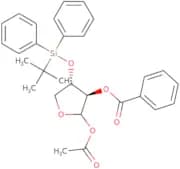

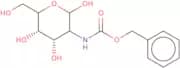
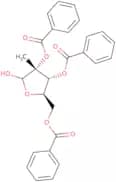
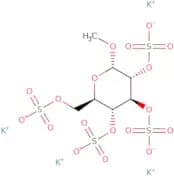

![Methyl 2-deoxy-5-O-[(1,1-dimethylethyl)diphenylsilyl]-β-D-erythro-pentofuranoside](/_next/image/?url=https%3A%2Fstatic.cymitquimica.com%2Fproducts%2F3D%2Fthumb-webp%2FMM06067.webp&w=3840&q=75)
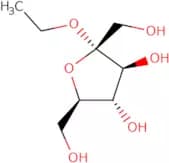
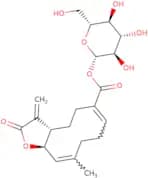

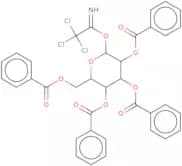

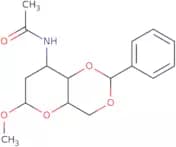
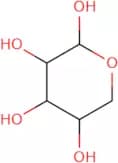
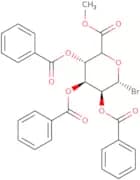
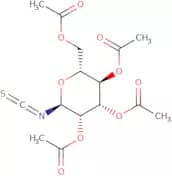
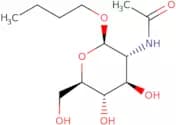
![2-Deoxy-2-fluoro-D-[1-13C]glucose](/_next/image/?url=https%3A%2Fstatic.cymitquimica.com%2Fproducts%2F3D%2Fthumb-webp%2FMD45025.webp&w=3840&q=75)
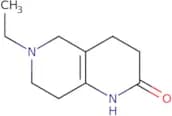
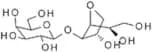



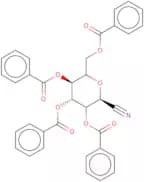

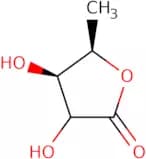



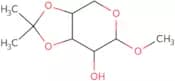

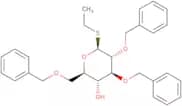
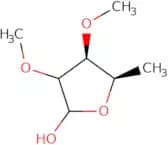
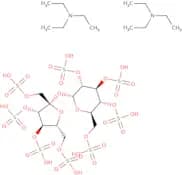
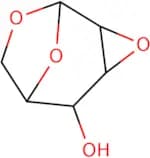
![2-Deoxy-2-fluoro-L-[UL-13C]fucose](/_next/image/?url=https%3A%2Fstatic.cymitquimica.com%2Fproducts%2F3D%2Fthumb-webp%2FMD45885.webp&w=3840&q=75)
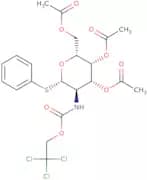
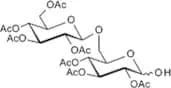
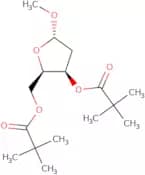


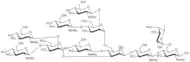
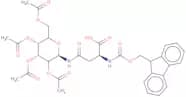
![2-Amino-a-D-ribofurano[1',2':4,5]oxazoline](/_next/image/?url=https%3A%2Fstatic.cymitquimica.com%2Fproducts%2F3D%2Fthumb-webp%2FMA01170.webp&w=3840&q=75)
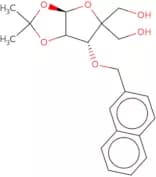
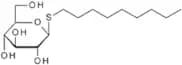
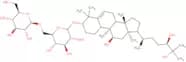

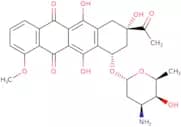
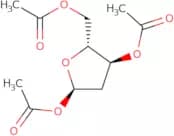
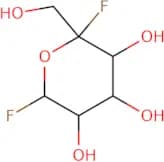

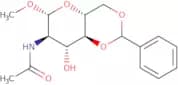

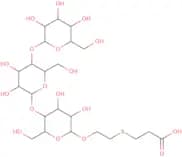
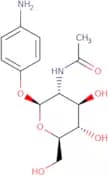

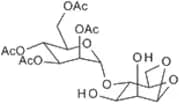
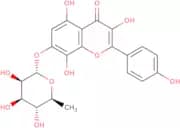
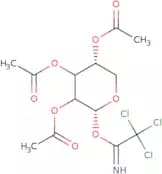
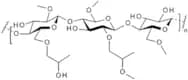
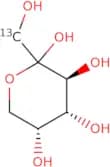

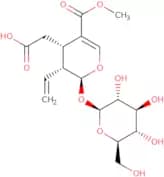
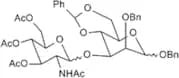


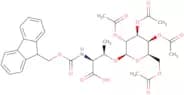
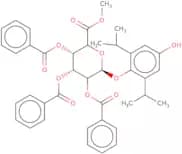
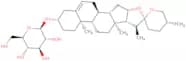
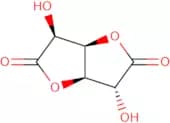
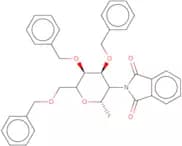
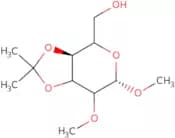
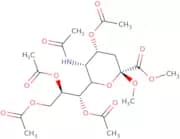
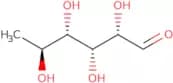
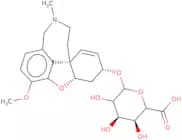
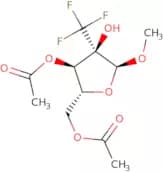

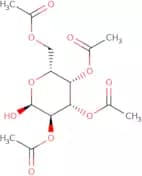
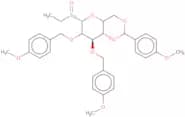
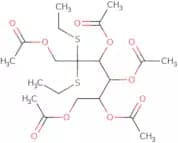
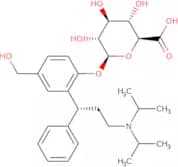
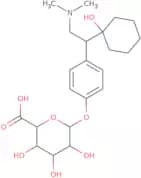
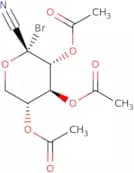

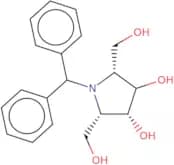

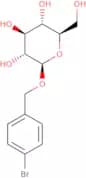
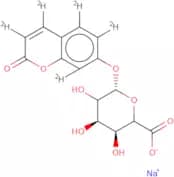
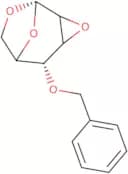

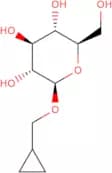
![D-[4,5,6]-Fructose-13C3](/_next/image/?url=https%3A%2Fstatic.cymitquimica.com%2Fproducts%2F3D%2Fthumb-webp%2FMF171832.webp&w=3840&q=75)


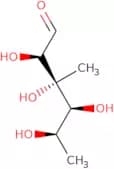
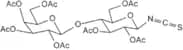


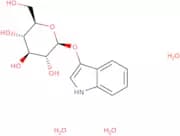
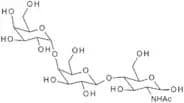
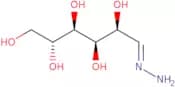
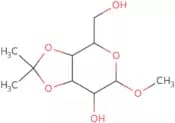

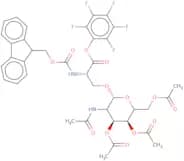
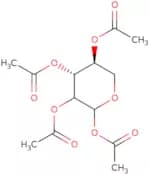
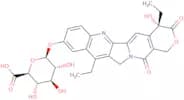
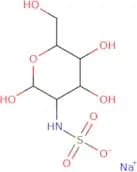
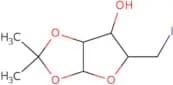
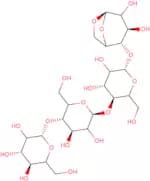
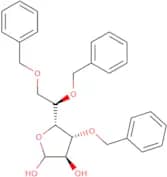

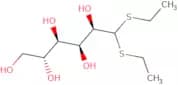
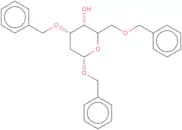

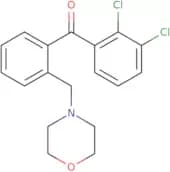
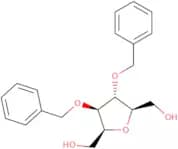

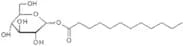
![(3αR,3βR,4αS,5S,5αS)-3β-[[[(1,1-Dimethylethyl)diphenylsilyl]oxy]methyl]hexahydro-2,2-dimethylcyclo…](/_next/image/?url=https%3A%2Fstatic.cymitquimica.com%2Fproducts%2F3D%2Fthumb-webp%2FMB159555.webp&w=3840&q=75)
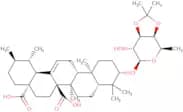


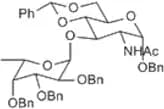
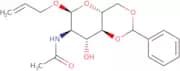

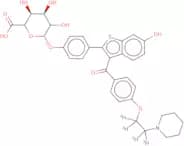
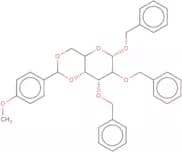

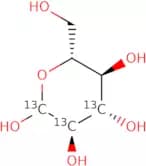

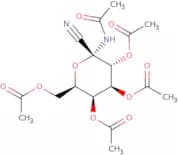
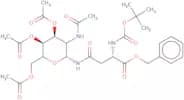

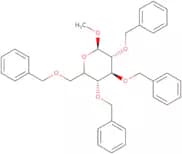
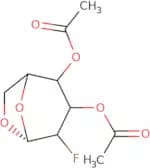
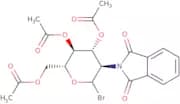

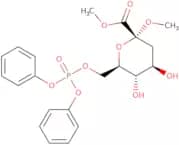
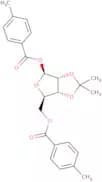
![1,2-Dideoxy-2'-pyrrolidin-1-yl-a-D-glucopyranoso-[2,1-d]-2'-thiazoline](/_next/image/?url=https%3A%2Fstatic.cymitquimica.com%2Fproducts%2F3D%2Fthumb-webp%2FMD15733.webp&w=3840&q=75)