Glicociência
A glicociência é o estudo dos carboidratos e seus derivados, bem como das interações e funções biológicas em que participam. Este campo de pesquisa é crucial para compreender uma ampla variedade de processos biológicos, incluindo o reconhecimento celular, a sinalização, a resposta imune e o desenvolvimento de doenças. A glicociência tem aplicações importantes na biotecnologia, na medicina e no desenvolvimento de novos medicamentos e terapias. Na CymitQuimica, oferecemos uma ampla seleção de produtos de alta qualidade e pureza para pesquisa em glicociência. Nosso catálogo inclui monossacarídeos, oligossacarídeos, polissacarídeos, glicoconjugados e reagentes específicos, projetados para apoiar os pesquisadores em seus estudos sobre a estrutura, função e aplicações dos carboidratos em sistemas biológicos. Esses recursos são destinados a facilitar descobertas científicas e aplicações práticas em diversas áreas das biociências e da medicina.
Subcategorias de "Glicociência"
- Amino açúcares(108 produtos)
- Anticorpos Glico-Relacionados(282 produtos)
- Glicolípidos(46 produtos)
- Glicosaminoglicanos (GAGs)(55 produtos)
- Glicosídeos(419 produtos)
- Monossacáridos(6.624 produtos)
- Oligossacarídeos(3.682 produtos)
- Polissacáridos(503 produtos)
Foram encontrados 11046 produtos de "Glicociência"
Ordenar por
Pureza (%)
0
100
|
0
|
50
|
90
|
95
|
100
4-O-(β-D-Galactopyranosyl)-D-galactopyranose
CAS:<p>Used as enzyme substrates, analytical standards and for in vitro diagnostics</p>Fórmula:C12H22O11Pureza:Min. 95%Cor e Forma:White Off-White PowderPeso molecular:342.29 g/mol6-O-Sulfated Lewis A
<p>6-O-sulfated Lewis A is a high purity oligosaccharide with a custom synthesis and click modification. This product has been shown to be useful in glycosylation, methylation, and saccharide modification. It is a versatile carbohydrate that can be used in the synthesis of complex carbohydrates. 6-O-Sulfated Lewis A has CAS number 70520-34-5 and an Oligo/Mono Saccharide content of >95%.</p>Fórmula:C20H35NO18SPureza:Min. 95%Cor e Forma:PowderPeso molecular:609.55 g/molMaltodecaose - min 90%
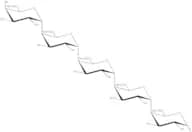
CAS:<p>α 1,4-glucodecasaccharide derived from starch by hydrolysis and chromatography</p>Fórmula:C60H102O51Cor e Forma:White PowderPeso molecular:1,639.42 g/molArabinonic acid potassium salt
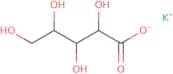
CAS:Arabinonic acid potassium salt is a fluorinated monosaccharide that is used as a building block for the synthesis of oligosaccharides and polysaccharides. Arabinonic acid potassium salt is chemically synthesized by the glycosylation of 2-deoxy-D-ribose with arabinonitrile followed by hydrolysis to form arabinonic acid. This chemical can also be modified with methyl groups, nitro groups, or other functional groups. It has CAS number 36232-89-0 and molecular weight of 176.17 g/mol. Arabinonic acid potassium salt is a high purity product with 98% minimum purity and no detectable impurities.Fórmula:C5H9KO6Pureza:Min. 95%Cor e Forma:PowderPeso molecular:204.22 g/mol1,2,3,4,6-Penta-O-galloyl-β-D-glucopyranose
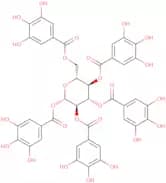
CAS:<p>A gallotannin found in plants, with various biological activities. Its anti-cancer effect has been demonstrated in several cancer cell lines, mediated by inhibition of DNA replication, proliferation and angiogenesis. Elicits anti-inflammatory, antioxidative and anti-diabetic effects. Recently, it has been identified as an inhibitor of c-Myc in hepatocellular carcinoma and multiple myeloma cells.</p>Fórmula:C41H32O26Pureza:Min. 96 Area-%Cor e Forma:PowderPeso molecular:940.68 g/molIsorhamnetin 3-O-galactoside
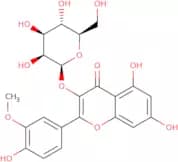
CAS:<p>Isorhamnetin 3-O-galactoside is a flavonoid derivative that is found in plant tissue. It has antioxidant properties and has been shown to inhibit leucaena seed germination, growth, and the production of reactive oxygen species (ROS). Isorhamnetin 3-O-galactoside can be extracted from fruit by using an aqueous solution of potassium hydroxide. It is also used as a dietary supplement for its potent inhibitory activity on ROS. Isorhamnetin 3-O-galactoside is found in plants with other flavonoids such as quercetin and kaempferol. The chemical structure of this compound consists of a hydroxyl group at the C3 position and an O-glycosidic linkage to galactose at the C2 position. This compound can be detected by mass spectrometric methods such as electron ionization or electrospray ionization because it</p>Fórmula:C22H22O12Pureza:Min. 95%Peso molecular:478.4 g/mol3-(2,3,5-Tri-O-benzyl-1-b-D-ribofuranosyl)benzamide
CAS:<p>3-(2,3,5-Tri-O-benzyl-1-b-D-ribofuranosyl)benzamide is a sugar derivative with the chemical formula C14H19N5O6. This compound belongs to the group of saccharides and is a synthetic glycoside. 3-(2,3,5-Tri-O-benzyl-1-b-D-ribofuranosyl)benzamide is used in the synthesis of oligosaccharides and polysaccharides for use in medical applications. It can be custom synthesized and has a purity level of >99%.</p>Fórmula:C33H33NO5Pureza:Min. 95%Peso molecular:523.62 g/molMaltose syrup
<p>Used for making baked goods, soft drinks, sweets, alcoholic drinks, and infant food. It is also used to produce the sugar substitute maltitol.</p>Pureza:Min. 95%Suberoylanilide-D5 hydroxamic acid b-D-glucuronide
Produto ControladoSuberoylanilide-D5 hydroxamic acid b-D-glucuronide is a modification of sucrose. It is a complex carbohydrate that has been modified with an Oligosaccharide and Carbohydrate. This compound is synthesized with Custom synthesis, Synthetic, High purity, CAS No., Monosaccharide, Methylation, Glycosylation, Polysaccharide, sugar and Fluorination. Suberoylanilide-D5 hydroxamic acid b-D-glucuronide is a fluorinated saccharide that can be used as a sugar for glycosylation or methylation.Fórmula:C20H23N2O9D5Pureza:Min. 95%Cor e Forma:White to off-white solid.Peso molecular:445.47 g/mol6-Amino-6-deoxy-D-lactose
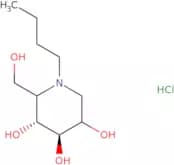
<p>6-Amino-6-deoxy-D-lactose is a high purity, custom synthesis sugar that has been fluorinated and glycosylated. It can be used in the synthesis of oligosaccharides, monosaccharides, saccharides or complex carbohydrates. 6-Amino-6-deoxy-D-lactose can be found under CAS No. 5892-84-7.</p>Pureza:Min. 95%N-Butyldeoxymannojirimycin HCl
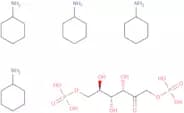
CAS:<p>N-Butyldeoxymannojirimycin HCl is a custom synthesis, complex carbohydrate that is synthesized from Oligosaccharides and Polysaccharides. This product is modified with Methylation, Glycosylation, and Carbohydrate. It has the CAS No. 155501-85-2 and it is high purity and fluorinated. The product can be used in Synthetic applications such as Click modification, sugar, or Fluorination.</p>Fórmula:C10H21NO4·HClPureza:Min. 95%Cor e Forma:SolidPeso molecular:255.74 g/molD-Fructose-1,6-diphosphate tetra(cyclohexylammonium) salt
CAS:<p>D-Fructose-1,6-diphosphate tetra(cyclohexylammonium) salt is a white to off-white crystalline powder. It is soluble in water and ethanol and insoluble in ether, chloroform, and benzene. D-Fructose-1,6-diphosphate tetra(cyclohexylammonium) salt is used as a raw material for the production of mono and oligosaccharides by click chemistry or glycosylation. The chemical formula for this substance is CHNO4.H2O4C8H11N.</p>Fórmula:C6H14O12P2·4C6H13NPureza:Min. 95%Peso molecular:736.81 g/molMonoacetyl-b-cyclodextrin
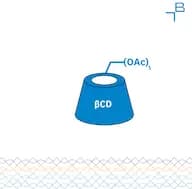
<p>This beta-cyclodextrin (β-CD) derivative is a functionalized cyclic oligosaccharide composed of seven glucose units, characterized by a hydrophilic exterior and a lipophilic cavity (bigger than α-CD and smaller than γ-CDs), which allows it to encapsulate various guest molecules. This structural feature facilitates its use in multiple applications, including pharmaceuticals, food enhancement, and cosmetics. In the pharmaceutical industry, it enhances the solubility and stability of poorly water-soluble drugs, improving their bioavailability and efficacy while also masking unpleasant tastes. The food sector utilizes it as a stabilizer for flavors, colors, and nutrients, extending shelf life by protecting sensitive ingredients from degradation. In cosmetics, it serves as a complexing agent for fragrances and active components, ensuring their stability and controlled release. Its use expands to many other fields, including nanotechnology for drug delivery systems, environmental remediation for extracting organic pollutants, textiles for slow-release fragrances, and analytical chemistry for chiral separation.</p>Pureza:(%) Min. 95%Cor e Forma:Powderiota-Carrageenan
CAS:<p>Iota-Carageenan is a gelling sulphated galactan extracted from red seaweed (typically Euchuma cottonii and Euchuma spinosum). The structure of all carrageenans consists of a strictly alternating masked repeating unit of (1,3) linked α-D-galactose and (1,4) linked β-D-galactose. The α-linked galactose occurs as a 3,6-anhydro-2-sulphate unit and the β-linked sugar occurs as the 4-sulphate.<br>The image was kindly provided by Prof Mike Guiry from Cork who runs ‘The Seaweed Site’.</p>Cor e Forma:Powder2,6-Anhydro-D-glycero-D-ido-heptonamide
CAS:<p>2,6-Anhydro-D-glycero-D-ido-heptonamide is a fluorinated carbohydrate that can be synthesized by the reaction of 2,6-anhydro-D-glycero-D-heptonic acid with N,N'-dicyclohexylcarbodiimide and ethyl bromoacetate. This compound is then modified with a methyl group at the C2 position or an acetyl group at the C3 position. The resulting product can be used in a wide variety of applications including biopharmaceuticals, diagnostic reagents, and inorganic chemicals.</p>Pureza:Min. 95%2,3:4,6-Di-O-isopropylidene-2-keto-L-gulonic acid
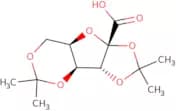
CAS:<p>2,3:4,6-Di-O-isopropylidene-2-keto-L-gulonic acid is a mediator that is used in the synthesis of epoxides. It is obtained by the reaction of hydrogen peroxide with 2,3:4,6-di-o-isopropylidene-2-keto-l-gulonic acid monohydrate. This product can be used as an intermediate in organic synthesis to produce chiral epoxides. The stereochemistry of the epoxides depends on the chirality of the substrate and the stereoselectivity for this process is high. The epoxides are then recycled and reused to make more 2,3:4,6--di--isopropylidene--2--keto--l--gulonic acid monohydrate.</p>Pureza:Min. 95%2-Deoxy-3,4,6-tri-O-pivaloyl-D-glucopyranosyl amine
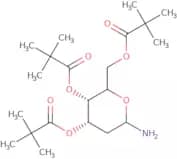
CAS:<p>2-Deoxy-3,4,6-tri-O-pivaloyl-D-glucopyranosyl amine is a custom synthesis that has been fluorinated and modified. It has been synthesized for use in the production of oligosaccharides and polysaccharides. This compound is a monosaccharide with a CAS number of 1338226-07-5. It can be used to produce complex carbohydrates. 2DGPA can be used as an intermediate in the synthesis of saccharides or sugars.</p>Fórmula:C21H37NO7Pureza:Min. 95%Peso molecular:415.53 g/mol1,3,4,6-Tetra-O-acetyl-2-azido-2-deoxy-L-mannopyranose
<p>1,3,4,6-Tetra-O-acetyl-2-azido-2-deoxy-L-mannopyranose is a carbohydrate that is synthesized by the modification of the glycosylation process. It is a methylated and fluorinated oligosaccharide with a high purity. This product is available for custom synthesis in order to meet specific customer requirements.</p>Fórmula:C14H19N3O9Pureza:Min. 95%Cor e Forma:White To Off-White SolidPeso molecular:373.32 g/molMonosialyl, monofucosyl-(1-3)-lacto-N-hexaose
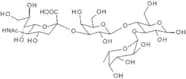
Monosialyl, monofucosyl-(1-3)-lacto-N-hexaose is a high purity oligosaccharide that is custom synthesized for use in glycosylation studies. It can be modified with methylation, fluorination, or Click chemistry to create a variety of sugar derivatives. Monosialyl, monofucosyl-(1-3)-lacto-N-hexaose has been shown to have complex carbohydrate properties and can be used as an α1→6 glycosidic linker in the synthesis of polysaccharides.Pureza:Min. 95%2-Acetamido-2-deoxy-4-O-([4-O-b-D-galactopyranosyl]-b-D-galactopyranosyl)-D-glucopyranose
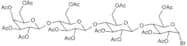
CAS:<p>2-Acetamido-2-deoxy-4-O-[(4-O-[b-(D)-galactopyranosyl]-b-(D)-galactopyranosyl)-D-glucopyranosyl]-D-glucopyranose is a trisaccharide that has been shown to be an inhibitor of the bacterial enzyme UDP-N-acetylglucosamine pyrophosphorylase, which is involved in the synthesis of UDP-N-acetylglucosamine. This inhibition leads to a decrease in D-mannose production, which decreases the ability of bacteria to produce cell walls. 2ACPDG has also been shown to inhibit the growth of Mycobacterium tuberculosis and Mycobacterium avium complex.</p>Fórmula:C20H35NO16Pureza:Min. 95%Peso molecular:545.5 g/mol2,3,6-Tri-O-acetyl-4-O-[2,3,6-tri-O-acetyl-4-O-(2,3,6-tri-O-acetyl-4-O-(2,3,4,6-tetra-O-acetyl-b-D-galactopyranosyl)-b-D-glucopyrano syl)-b-D-glucopyranosyl]-a-D-glucopyranosyl bromide
<p>2,3,6-Tri-O-acetyl-4-O-[2,3,6-tri-O-acetyl-4-O-(2,3,6-tri-O-acetyl-4-O-(2,3,4,6-tetra-O-acetyl bDgalactopyranosyl)-bDglucopyranosyl]-aDglucopyranosyl bromide (TTA) is an acetylated oligosaccharide with a degree of polymerization of 5. It has a molecular weight of 1312. The compound is a methylated saccharide which is synthesized from 2,3,6 tri O acetyl 4 O methyl 2 3 6 tetra O acetyl b D galactopyranosy 1</p>Fórmula:C50H67BrO33Pureza:Min. 95%Peso molecular:1,275.95 g/mol1-Methyl-2,3-O-isopropylidene-1,4-dideoxy-1,4-imino-1-N-dehydro-D-ribitol
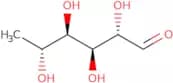
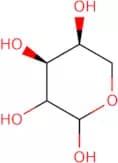
CAS:1-Methyl-2,3-O-isopropylidene-1,4-dideoxy-1,4-imino-1-N-dehydroDribitol (LMDDR) is an oligosaccharide that can be synthesized by the modification of dideoxyribitol. LMDDR is a complex carbohydrate with a sugar chain and has a CAS number of 909703-52-2. This monosaccharide can be fluorinated to form 1-(trifluoromethyl)-2,3-O-[(trifluoromethyl)methylidene]-1,4dideoxy -1,4imino -Dribitol (TFMDDR). TFMDDR has been shown to have higher purity and better stability than LMDDR.Fórmula:C9H15NO3Pureza:Min. 95%Peso molecular:185.22 g/molD-Rhamnose
CAS:<p>Chiral-pool sugar used to mirror syntheses based on natural L-Rha</p>Fórmula:C6H12O5Pureza:Min. 97 Area-%Cor e Forma:White PowderPeso molecular:164.16 g/molDermatan sulphate sodium
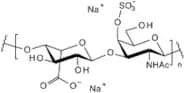
CAS:<p>Dermatan sulphate is a glycosaminoglycan found in skin, blood vessels, heart valves, tendons, aorta, spleen and brain and is usually isolated from pig skin or beef lung tissue. The disaccharide repeat unit is composed of L-iduronic acid and N-acetyl-galactosamine-4-sulphate linked β-(1,3) and β-(1,4). There are also small amounts of D-glucuronic acid.</p>Cor e Forma:PowderPeso molecular:1,526.03 g/molMethyl 3-O-(2-acetamido-2-deoxy-b-D-glucopyranosyl)-b-D-galactopyranoside
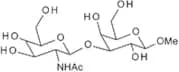
CAS:<p>Substrate for b-6-GlcNAc-transferase</p>Fórmula:C15H27NO11Pureza:Min. 97 Area-%Cor e Forma:White PowderPeso molecular:397.38 g/molGalacturonan DP5 sodium salt
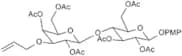
<p>Sodium Pentagalacturonate, (β-1,4 sodium Pentagalacturonate) is derived from pectin or pectic acid, by enzymatic or partial acid hydrolysis (Combo, 2012). It is used inâ¯galacturonic acidâ¯metabolism research as a substrate to identify, differentiate, and characterize endo- and exopolygalacturonase(s), and gluconase(s) (Jayani, 2005). The addition of very short fragments of homogalacturonan, tri-galacturonate, tetra-galacturonate, and penta-galacturonate oligosaccharides, restore development in dark-grown, de-etiolated seedling mutants, suggesting that they are unable to generate de-methylesterified pectin fragments. A model of spatiotemporally separated photoreceptive and signal-responsive cell types has been proposed, that contains overlapping subsets of the regulatory network of light-dependent seedling development (Sinclair, 2017).</p>Pureza:(Hpaec-Pad) Min. 65%Cor e Forma:Powder4-Methoxyphenyl 2,3,6-tri-O-acetyl-4-O-(2,4,6-tri-O-acetyl-3-O-allyl-β-D-galactopyranosyl)-β-D-glucopyranoside
<p>4-Methoxyphenyl 2,3,6-tri-O-acetyl-4-O-(2,4,6-tri-O-acetyl-3-O-allyl bDgalactopyranosyl)-bDglucopyranoside is a modification of an oligosaccharide. It is a high purity and custom synthesis. This product can be found under CAS No. 807827-28-0.</p>Fórmula:C34H44O18Pureza:Min. 95%Peso molecular:740.7 g/mol2-Deoxy-2-fluoro-D-arabinofuranose
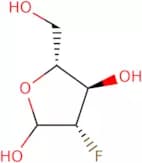
CAS:<p>2-Deoxy-2-fluoro-D-arabinofuranose is a purine nucleoside that is used in the diagnosis and treatment of herpes simplex virus infection. It inhibits viral replication by competitively inhibiting acycloguanosine, an enzyme that catalyzes the conversion of 2’-deoxyguanosine to deoxyadenosine. 2-Deoxy-2-fluoro-D-arabinofuranose has been shown to be active against cancer cells and can be used as chemotherapeutic agent. This drug may also be used for the diagnosis of cancer by detecting the presence of activated T cells in patients with tumor necrosis factor α (TNFα) receptor gene polymorphism.</p>Fórmula:C5H9FO4Pureza:Min. 95%Cor e Forma:PowderPeso molecular:152.12 g/molEthyl 3-O-benzyl-4,6-O-benzylidene-2-O-levulinoyl-b-D-thioglucopyranoside
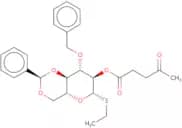
CAS:Ethyl 3-O-benzyl-4,6-O-benzylidene-2-O-levulinoyl-b-D-thioglucopyranoside is a custom synthesis that belongs to the group of carbohydrates. It is a complex carbohydrate with an oligosaccharide and polysaccharide side chain. The saccharide contains a methylated and glycosylated benzene ring attached to the oxygen atom of glucose at position C1, which then has an acetate group that is attached to it. The glycosylation of this molecule is methylated at the C2 position, which is a rare modification that has not been studied extensively. This molecule also has a fluorinated acetate group at the C3 position on the glucose ring. This product is high purity and synthetic in origin.Fórmula:C27H32O7SPureza:Min. 95%Cor e Forma:PowderPeso molecular:500.6 g/molL-Xylose
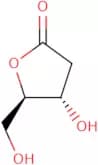
CAS:<p>Chiral-pool resource for organic synthesis</p>Fórmula:C5H10O5Pureza:Min. 99 Area-%Cor e Forma:White PowderPeso molecular:150.13 g/mol2-Deoxy-D-ribonic acid-1,4-lactone
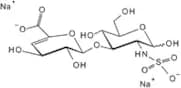
CAS:<p>2-Deoxy-D-ribonic acid-1,4-lactone (2DRA) is a chemical compound with physiological effects. 2DRA is an irreversible inhibitor of DNA polymerase that has been shown to be a potent inhibitor of nuclear DNA synthesis in vitro and in vivo. The 2DRA inhibits the transfer reactions that are required for the replication of DNA. 2DRA binds to the nuclease domain of the enzyme and prevents it from cutting the phosphodiester bonds, leading to inhibition of DNA synthesis. This compound also has genotoxic effects and can cause mutation in cells through radiation or chemical treatment.</p>Fórmula:C5H8O4Pureza:Min. 95%Cor e Forma:Colorless Yellow PowderPeso molecular:132.12 g/molHeparin disaccharide IV-S disodium salt
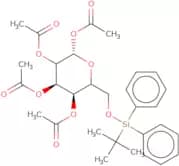
CAS:Heparin is a complex carbohydrate that has been modified by the addition of a sugar and a sulfate group. It is used in the treatment of thrombosis, deep vein thrombosis, pulmonary embolism, and other blood clots. Heparin disaccharide IV-S disodium salt (HDS) is an intravenous form of heparin that consists of sodium salts of two saccharides: heparin disaccharide and sodium disulfate. HDS has been shown to be more potent than unfractionated heparin in animal models, as well as being more effective in preventing clot formation in humans. This drug also exhibits less frequent side effects such as skin rash, itching, or hives.Fórmula:C12H17NO13S·2NaPureza:Min. 95%Cor e Forma:White PowderPeso molecular:461.31 g/mol1,2,3,4-Tetra-O-acetyl-6-O-(tert-butyldiphenylsilyl)-b-D-glucopyranose
CAS:1,2,3,4-Tetra-O-acetyl-6-O-(tert-butyldiphenylsilyl)-b-D-glucopyranose is a synthetic oligosaccharide that has been modified by fluorination and methylation. It is used as a building block for the synthesis of complex carbohydrates. This product has a CAS number of 224778-57-8 and can be custom synthesized to meet your specifications.Fórmula:C30H38O10SiPureza:Min. 95%Peso molecular:586.72 g/molPropofol-4-Hydroxy-1-D-glucuronide
<p>Propofol-4-Hydroxy-1-D-glucuronide is a modification of propofol, which is commonly used as an intravenous anesthetic. It is a synthetic compound that can be custom synthesized by adding the sugar group to propofol. Propofol-4-Hydroxy-1-D-glucuronide has been shown to be a high purity and pure oligosaccharide with a CAS number. It also contains methylated and glycosylated saccharides.</p>Fórmula:C18H26O8Pureza:Min. 95%Peso molecular:370.39 g/molMethyl 4,6-O-benzylidene-2-deoxy-a-D-allopyranoside
Methyl 4,6-O-benzylidene-2-deoxy-a-D-allopyranoside is an oligosaccharide that has a complex carbohydrate structure with a fluorination modification. It is synthesized by the methylation of 4,6-O-benzylidene-2,3,4,6 tetra deoxy aldopyranose and the glycosylation with methylated glucose. Methyl 4,6-O-benzylidene-2-deoxy-a -D allopyranoside is used in research to study the synthesis of saccharides and glycoconjugates. Its CAS number is 6891–51–8. This product is available for custom synthesis.Fórmula:C14H18O5Pureza:Min. 95%Peso molecular:266.29 g/molEthyl 2,3-di-O-benzyl-4,6-O-benzylidene-b-D-thioglucopyranoside
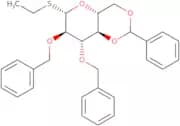
CAS:Ethyl 2,3-di-O-benzyl-4,6-O-benzylidene-b-D-thioglucopyranoside is a glycosylated monosaccharide. It is synthesized by the reaction of 1,2,3,4,6-pentaacetyl bromohexose with benzaldehyde and thioglycolic acid. The product is purified by recrystallization. This compound has a CAS number of 141263-01-6 and can be custom synthesized to meet your needs.Fórmula:C29H32O5SPureza:Min. 95%Cor e Forma:PowderPeso molecular:492.63 g/mol3-O-(a-L-Fucopyranosyl)-4-O-(3-sialyl-b-D-galactopyranosyl)-D-glucose
3-O-(a-L-Fucopyranosyl)-4-O-(3-sialyl-b-D-galactopyranosyl)-D-glucose is a modification of the complex carbohydrate, oligosaccharide, monosaccharide, and polysaccharide. It is synthesized by methylation of glucose and glycosylation with sialic acid. The product has a CAS number and a high purity level. This product is an example of a synthetic oligosaccharide that has been fluorinated. The product can be used as an additive or preservative in food products.Fórmula:C29H49NO23Pureza:Min. 95%Peso molecular:779.71 g/molD-Talitol
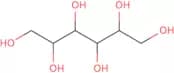
CAS:<p>D-Talitol is a drug that is used to treat eye disorders and chronic pulmonary diseases. It belongs to the class of drugs called xylitol dehydrogenase inhibitors. D-Talitol inhibits the enzyme xylitol dehydrogenase, which converts xylitol into a different sugar called sorbitol. Sorbitol accumulates in certain parts of cells, such as the mitochondria, and can disrupt cellular processes by inhibiting oxidative phosphorylation and glycolysis. In addition, there are other effects of sorbitol accumulation that may lead to mitochondrial dysfunction, including inhibition of protein synthesis, induction of apoptosis (cell death), and inhibition of cell proliferation. D-Talitol has been shown to inhibit the growth of chronic kidney cells in culture by interfering with cellular metabolism in mitochondria.<br>A kinetic study has also shown that D-Talitol inhibits b-raf activity at concentrations that are not cytotoxic. This suggests that D-Talitol may be useful for</p>Fórmula:C6H14O6Pureza:Min. 98 Area-%Cor e Forma:White PowderPeso molecular:182.17 g/mol5-Azido-5-deoxy-2,3-O-isopropylidene-D-gulono-1,4-lactone
5-Azido-5-deoxy-2,3-O-isopropylidene-D-gulono-1,4-lactone is a carbohydrate that has been modified by the addition of an azide group. Carbohydrates are complex carbohydrates that consist of monosaccharides linked together to form polysaccharides. They are sugar molecules that act as a source of energy for living organisms. 5-Azido-5-deoxy-2,3-O-isopropylidene -D gulono 1,4 lactone is a monosaccharide which can be methylated and glycosylated with other sugars to form a polysaccharide. It is also fluorinated and saccharide. This compound belongs to CAS No. 144948–71–8 and has the molecular formula C6H8N2O7F9O6.Pureza:Min. 95%3,4,6-Tri-O-acetyl-2-azido-2-deoxy-b-D-galactopyranosyl trichloroacetimidate
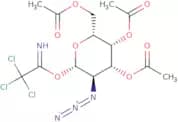
CAS:Glycosyl-donor for syntheses of N-acetylgalactosamine-glycoconjugatesFórmula:C14H17Cl3N4O8Pureza:(%) Min. 80%Cor e Forma:White PowderPeso molecular:475.67 g/molN-Propanoyl mannosamine
CAS:<p>N-Propanoyl mannosamine is a biochemical that belongs to the group of glycoconjugates. It is an intracellular messenger that modulates the concentration of intracellular calcium and controls the release of gamma-aminobutyric acid (GABA). N-Propanoyl mannosamine has been shown to stimulate axonal growth in cell culture, which is mediated by the polysialic acid receptor. This molecule also has a role in human osteoblast differentiation and bone formation.<br>N-Propanoyl mannosamine can be synthesized from dopamine and erythrose via a series of reactions involving acidification, oxidation, reduction, and decarboxylation. The synthesis of this molecule requires blood group O as an acceptor.</p>Fórmula:C9H17NO6Pureza:Min. 95%Cor e Forma:White To Off-White SolidPeso molecular:235.23 g/mol2-Azido- 2- deoxy- 3, 4- O-benzylidene-D- ribonic acid d- lactone
<p>2-Azido-2-deoxy-3,4-O-benzylidene-D-ribonic acid d-lactone is a glycosylation product of 2,4,6 azido 2,3,4 O benzylidene D -ribose. It is synthesized by the reaction of 1,2 azido 2,3,4 O benzylidene D -ribose with sodium borohydride in the presence of lithium chloride. This compound possesses a number of properties including being a complex carbohydrate and methylation product. This compound is also fluorinated to give 2 azido-2 deoxy 3,4 F -benzylidene D ribonic acid d lactone. This compound can be modified for various purposes such as Click modification and polysaccharide synthesis.</p>Pureza:Min. 95%4-Methoxyphenyl β-D-glucopyranoside
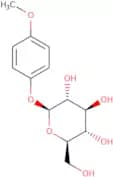
CAS:<p>Bearberry has been used for centuries to treat various disorders of the urinary tract and prostate. The active ingredient in bearberry is a flavonol glycoside called arbutin, which is converted to hydroquinone during metabolism. As an antioxidant, hydroquinone inhibits the oxidation of LDL cholesterol and may reduce the risk of atherosclerosis. Hydroquinone has also been shown to have anti-inflammatory properties in rat liver microsomes and tissue culture, inhibiting prostaglandin synthesis by blocking cyclooxygenase activity. In vitro, bearberry extracts have been shown to inhibit bacterial growth on agar plates with pH levels from 4-7 and at concentrations between 0.1-1%. It was found that bearberry extracts were most effective against Pseudomonas aeruginosa strains, with MIC values ranging from 2-4 mg/mL. Bearberry extract was observed to be more effective than ampicillin against these strains in a chromatographic assay.</p>Fórmula:C13H18O7Pureza:Min. 95%Cor e Forma:PowderPeso molecular:286.28 g/molDextran 3 - MW 2500 - 4000
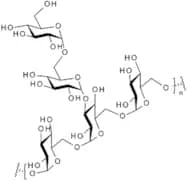
CAS:<p>Dextran is α-(1,6)-linked α-D-glucan produced by fermentation of Leuconostoc mesenteroides via the action of the enzyme dextransucrase on sucrose. The main use for native dextran is as a blood plasma extender in blood transfusions. A complex of iron with dextran, known as iron dextran, is used as a source of iron to baby piglets which are often anaemic at birth.</p>Cor e Forma:White Off-White Powder2-Methylphenyl 4-O-benzyl-a-L-thiorhamnopyranoside
<p>2-Methylphenyl 4-O-benzyl-a-L-thiorhamnopyranoside is a custom synthesis that can be modified to suit the needs of the customer. It is a fluorinated oligosaccharide with a complex carbohydrate structure. The product has been shown to have high purity and will be synthesized according to customer specifications. 2-Methylphenyl 4-O-benzyl-a-L-thiorhamnopyranoside is an oligosaccharide that contains a saccharide and monosaccharide unit, which are linked together by glycosidic bonds. This product is also known as methylated thioretinamide or MTT.</p>Pureza:Min. 95%1,2,3,5,6-Penta-O-benzoyl-D-galactofuranose
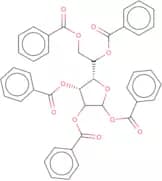
CAS:1,2,3,5,6-Penta-O-benzoyl-D-galactofuranose is a sugar that is custom synthesized and can be modified with fluorination. This product has a CAS number of 138811-45-7 and is high purity. It can be used in glycosylation, oligosaccharide synthesis, methylation, monosaccharide synthesis and polysaccharide synthesis. It is an important building block for the modification of complex carbohydrates.Fórmula:C41H32O11Pureza:Min. 95%Cor e Forma:White PowderPeso molecular:700.69 g/mol6-Deoxy-6-thio-b-cyclodextrin
CAS:<p>This beta-cyclodextrin (β-CD) derivative is a functionalized cyclic oligosaccharide composed of seven glucose units, characterized by a hydrophilic exterior and a lipophilic cavity (bigger than α-CD and smaller than γ-CDs), which allows it to encapsulate various guest molecules. This structural feature facilitates its use in multiple applications, including pharmaceuticals, food enhancement, and cosmetics. In the pharmaceutical industry, it enhances the solubility and stability of poorly water-soluble drugs, improving their bioavailability and efficacy while also masking unpleasant tastes. The food sector utilizes it as a stabilizer for flavors, colors, and nutrients, extending shelf life by protecting sensitive ingredients from degradation. In cosmetics, it serves as a complexing agent for fragrances and active components, ensuring their stability and controlled release. Its use expands to many other fields, including nanotechnology for drug delivery systems, environmental remediation for extracting organic pollutants, textiles for slow-release fragrances, and analytical chemistry for chiral separation.</p>Fórmula:C42H70O28S7Pureza:Min. 95%Cor e Forma:PowderPeso molecular:1,247.45 g/mol(2S, 3S, 4S, 5R) -3,4-Dihydroxy-2, 5- pyrrolidinedimethano l hydrochloride
CAS:<p>Glycosylation is a process that attaches a sugar molecule to an amino acid or protein in the form of a glycosidic linkage. The attachment of the sugar molecule can be accomplished by either an enzymatic or chemical process. The type of glycosylation determines the type of linkage, which can be alpha-N-glycosidic (α-N), beta-N-glycosidic (β-N), or N-acetyl--galactosamine (NAG). Methylation is a process that changes one or more hydroxyl groups on a compound into methyl groups. It is usually performed with compounds containing alcohol groups (-OH) on their molecules. Click modification is a chemical reaction used to attach two chemical compounds together. It usually involves the use of copper(I) chloride, copper(II) chloride, and other reagents such as tetrabutylammonium bromide and potassium bromide. Click modification has been</p>Pureza:Min. 95%Gypsogenin-3-O-glucuronide
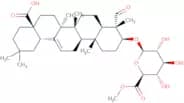
CAS:Gypsogenin-3-O-glucuronide is a saponin found in the roots of Gypsophila paniculata, a plant native to China. It has been shown to have anti-inflammatory and anti-tumor activities. Gypsogenin-3-O-glucuronide has been shown to inhibit tumor growth in mice by inhibiting protein synthesis. The pentasaccharides that make up gypsogenin are present in different proportions, which leads to differences in the biological activity of this compound. This is one of the reasons why saponins have not yet been fully explored for potential use in medicine.Fórmula:C37H56O10Pureza:Min. 95%Cor e Forma:PowderPeso molecular:660.83 g/molTetra-guluronic acid sodium
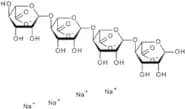
CAS:Tetra-guluronic acid sodium salt (1,4-linked α-L-sodium guluronotetraose) is one of a number of oligosaccharides obtained from alginate, a polysaccharide from brown seaweeds. It contains blocks of: repeating mannuronic acid sequences (M-M-M-M etc), repeating guluronic acid sequences (G-G-G-G etc), and alternating M-G-M-G sequences. This oligosaccharide can be released by acid hydrolysis and a number of biological activities have been discussed in a recent review.Fórmula:C24H30O25Na4Pureza:Min. 98 Area-%Cor e Forma:White PowderPeso molecular:810.44 g/mol






![2-Acetamido-2-deoxy-4-O-([4-O-b-D-galactopyranosyl]-b-D-galactopyranosyl)-D-glucopyranose](/_next/image/?url=https%3A%2Fstatic.cymitquimica.com%2Fproducts%2F3D%2Fthumb-webp%2FOA07925.webp&w=3840&q=75)