Glicociência
A glicociência é o estudo dos carboidratos e seus derivados, bem como das interações e funções biológicas em que participam. Este campo de pesquisa é crucial para compreender uma ampla variedade de processos biológicos, incluindo o reconhecimento celular, a sinalização, a resposta imune e o desenvolvimento de doenças. A glicociência tem aplicações importantes na biotecnologia, na medicina e no desenvolvimento de novos medicamentos e terapias. Na CymitQuimica, oferecemos uma ampla seleção de produtos de alta qualidade e pureza para pesquisa em glicociência. Nosso catálogo inclui monossacarídeos, oligossacarídeos, polissacarídeos, glicoconjugados e reagentes específicos, projetados para apoiar os pesquisadores em seus estudos sobre a estrutura, função e aplicações dos carboidratos em sistemas biológicos. Esses recursos são destinados a facilitar descobertas científicas e aplicações práticas em diversas áreas das biociências e da medicina.
Subcategorias de "Glicociência"
- Amino açúcares(108 produtos)
- Anticorpos Glico-Relacionados(282 produtos)
- Glicolípidos(46 produtos)
- Glicosaminoglicanos (GAGs)(55 produtos)
- Glicosídeos(419 produtos)
- Monossacáridos(6.624 produtos)
- Oligossacarídeos(3.682 produtos)
- Polissacáridos(503 produtos)
Foram encontrados 11046 produtos de "Glicociência"
Ordenar por
Pureza (%)
0
100
|
0
|
50
|
90
|
95
|
100
Lactose octaisobutyrate
Synthetic building block for oligosaccharide synthesisFórmula:C44H70O19Pureza:Min. 95%Cor e Forma:PowderPeso molecular:903.02 g/mol1-Deoxy- 3, 4- O- isopropylidene -D- erythro- 2- pentulofuranose
1-Deoxy-3,4-O-isopropylidene-D-erythro-2-pentulofuranose is a monosaccharide sugar that is synthetically produced. It has a CAS number, and can be modified with fluorination, methylation, or click modification. This compound can be used as a sugar in glycosylation reactions, and has high purity.Pureza:Min. 95%7-Deoxy-1,2:3,4:5,6-tri-O-isopropylidene-L-glycero-L-gulo-heptitol
<p>7-Deoxy-1,2:3,4:5,6-tri-O-isopropylidene-L-glycero-L-guloheptitol is a synthetic oligosaccharide. It is a complex carbohydrate that has been synthesized from glucose and galactose. The sugar's CAS number is 81271-78-9. This product can be custom synthesized to customer specifications and it is available in high purity and high quality. 7-Deoxy-1,2:3,4:5,6 -tri -O -isopropylidene -L -glycero -L -guloheptitol has been fluorinated with chlorine gas to produce the desired product. It has also undergone methylation and glycosylation reactions.</p>Pureza:Min. 95%1,2,3,4-Tetra-O-acetyl-6-O-(tert-butyldimethylsilyl)-b-D-galactopyranose
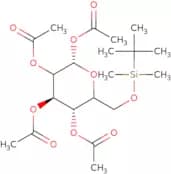
<p>1,2,3,4-Tetra-O-acetyl-6-O-(tert-butyldimethylsilyl)-b-D-galactopyranose is a custom synthesis with methylation and click modification. It is a high purity compound that is available for purchase. This compound has been fluorinated to create 1,2,3,4-Tetra-O-acetyl-6-[(trifluoromethyl)oxy]-b-D-galactopyranose. The chemical formula is C14H27F3O7. It can be used in the synthesis of oligosaccharides and polysaccharides.</p>Fórmula:C20H34O10SiPureza:Min. 95%Peso molecular:462.57 g/mol1,2:5,6-Di-O-cyclohexylidene-a-D-ribo-hexofuranos-3-ulose hydrate
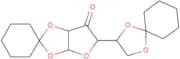
CAS:<p>1,2:5,6-Di-O-cyclohexylidene-a-D-ribo-hexofuranos-3-ulose hydrate is a modified sugar that contains an oxygen atom in the furan ring. It has been shown to be stable and soluble in water, which is important for its applications in food and pharmaceuticals. This product can be used as a substitute for sucrose or glucose in foods. 1,2:5,6-Di-O-cyclohexylidene-a-D-ribo-hexofuranos 3 ulose hydrate has also been synthesized with methyl groups at the C1 position of the glycosyl residue. This modification yields a new molecule that exhibits increased stability and solubility.</p>Fórmula:C18H28O7Pureza:Min. 95%Peso molecular:356.41 g/mol2-Amino-2-deoxy-3,4-O-isopropylidene-6-O-toluenesulfonyl-L-idonic acid methyl ester
2-Amino-2-deoxy-3,4-O-isopropylidene-6-O-toluenesulfonyl-L-idonic acid methyl ester is a synthetic monosaccharide that has been fluorinated and glycosylated. It is under CAS number 126959-30-1 and can be used as a building block for the synthesis of complex carbohydrates. This compound is available for custom synthesis to meet your specifications.Pureza:Min. 95%1,4:3,6-Dianhydro-D-glucitol
CAS:<p>Isosorbide dinitrate is a drug that belongs to the class of nitrates. It is used in the treatment of angina pectoris, as well as congestive heart failure and chronic heart failure. Isosorbide dinitrate has been shown to cause caspase-independent cell death in human leukemia cells and breast cancer cells. This may be due to its ability to inhibit mitochondrial membrane potential and interfere with intracellular calcium mobilization. The optimum concentration for isosorbide dinitrate is 10 µM, which inhibits the growth of bacteria, including Mycobacterium tuberculosis and Salmonella enterica serovar Typhimurium. The drug also inhibits the production of proinflammatory cytokines such as IL-1β, IL-6, and TNF-α by inhibiting c-jun phosphorylation. Isosorbide dinitrate also has anti-inflammatory properties, which may be due to its ability to inhibit 4-hyd</p>Fórmula:C6H10O4Pureza:(%) Min. 98%Cor e Forma:White Off-White PowderPeso molecular:146.14 g/molXylan - from corncob, MW 300-900
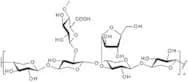
CAS:In their simplest forms, xylans are linear homopolymers of β-1,4-xylose residues. In nature they are partially substituted by acetyl, 4-O-methyl-D-glucuronosyl and α-1,3 L-arabinofuranosyl residues, forming complex heterogenous and polydispersed glycans. An example of this is in the L-arabino (methyl-D-glucurono) xylan from corn cob.Pureza:Min. 95 Area-%Cor e Forma:White Yellow Powder(3S, 5S) -1-Benzyl-3, 4, 5- piperidinetriol
(3S, 5S) -1-Benzyl-3, 4, 5- piperidinetriol is a custom synthesis that belongs to the group of methylated and fluorinated triols. It is a high purity compound with a monosaccharide sugar. This product can be used as an intermediate for the synthesis of complex carbohydrate compounds such as oligosaccharides and polysaccharides.Pureza:Min. 95%D-Xylulose - Aqueous solution
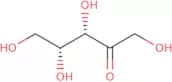
CAS:<p>D-Xylulose is a sugar monomer found in the cell walls of bacteria. It is also present in human blood, where it is converted to xylitol. D-Xylulose has been shown to be an important component of bacterial cell wall synthesis and can be used as a probiotic for humans. The enzyme xylitol dehydrogenase catalyses the conversion of D-xylulose to xylitol. The reaction mechanism is thought to be similar to that of other enzymes in the glycolysis pathway, such as ribitol dehydrogenase, which converts ribitol to ribose 5-phosphate. This conversion can be achieved through two different methods: hydrogen fluoride or sodium hydroxide. D-Xylulose can also be used for analytical purposes, such as in the detection of trifluoroacetic acid (TFA) by gas chromatography and mass spectrometry.</p>Fórmula:C5H10O5Pureza:Min. 99 Area-%Cor e Forma:Clear LiquidPeso molecular:150.13 g/mol2,4-Di- C- methyl- 3, 4- O- isopropylidene -L- arabinonic acid γ-lactone
<p>2,4-Di-C-methyl-3,4-O-isopropylidene-L-arabinonic acid gamma-lactone is a modification of an oligosaccharide. It has been synthesized to be used in the synthesis of complex carbohydrates. This product is custom synthesized and can be ordered with a high purity grade. The CAS number for this product is 123373-94-7 and the molecular weight is 498.5 g/mol. This product's chemical formula is C13H14O11 and it has a melting point of 185 °C to 191 °C. This product has a monosaccharide, methylation, glycosylation, polysaccharide, sugar, fluorination, saccharide structure that makes it an Oligosaccharide Carbohydrate Complex Carbohydrate Synthetic Custom synthesis High purity Glycosylation Polysaccharide Sugar Fluorination Saccharide.</p>Pureza:Min. 95%Methyl 2,3,4-tri-O-benzoyl-6-O-triisopropylsilyl-a-D-galactopyranoside
CAS:Methyl 2,3,4-tri-O-benzoyl-6-O-triisopropylsilyl-a-D-galactopyranoside is a custom synthesis with CAS No. 356060-82-7. It is a high purity Glycosylation and Carbohydrate that has been modified with fluorination and synthesized using the Click modification. This product is a complex carbohydrate with an Oligosaccharide and Polysaccharide structure. Methyl 2,3,4-tri-O-benzoyl-6-O-triisopropylsilyl -a -D -galactopyranoside has been methylated and glycosylated.Fórmula:C37H46O9SiPureza:Min. 95%Peso molecular:662.84 g/mol2'-Azidoethyl a-mannopyranoside
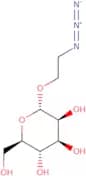
CAS:<p>2'-Azidoethyl a-mannopyranoside is a synthetic monosaccharide that is used as a building block for the synthesis of oligosaccharides and polysaccharides. This product has been custom synthesized for your specific needs. It is an off-white powder with purity greater than 99%. The methylation of this compound can be achieved by reacting it with sodium methoxide in methanol, followed by hydrolysis with sodium hydroxide. The azido group can also be converted to an acetyl group by reaction with acetic anhydride in pyridine.</p>Fórmula:C8H15N3O6Pureza:Min. 95%Cor e Forma:White PowderPeso molecular:249.22 g/mol6'-O-Acetylpaniculoside II
<p>6'-O-Acetylpaniculoside II is an oligosaccharide that contains a methylated saccharide. It has CAS No. 836-50-4 and Click modification, which is a chemical reaction between the glycone of a saccharide and an electrophile. 6'-O-Acetylpaniculoside II is also a glycosylation product of a polysaccharide and it can be custom synthesized to produce high purity carbohydrates. This compound is fluorinated for complex carbohydrate chemistry.</p>Pureza:Min. 95%N-Acetyl-9-O-(N-acetyl-a-neuraminosyl)-neuraminic acid
CAS:N-Acetyl-9-O-(N-acetyl-a-neuraminosyl)-neuraminic acid is a synthetic, fluorinated monosaccharide that is used in the synthesis of glycosides and polysaccharides. It can be custom synthesized to any desired purity. This chemical has many modifications, including methylation, esterification, and glycosylation. The CAS number for this product is 96425-77-3.Fórmula:C22H36N2O17Pureza:Min. 95%Peso molecular:600.52 g/molD-Gluconate 6-phosphate trisodium salt dihydrate
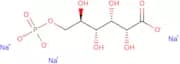
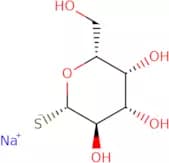
CAS:<p>D-Gluconate 6-phosphate trisodium salt dihydrate is an oxidoreductase enzyme that catalyzes the conversion of D-gluconate 6-phosphate to D-glucono-6,1'-lactone. It is found in animals, where it is located in the cytoplasm and mitochondria. D-Gluconate 6-phosphate trisodium salt dihydrate has been shown to have a high kinetic activity in homogenates of rat liver and kidney, as well as in microsomes from rat liver. The enzyme also has a high affinity for phosphatidylethanolamine and low affinity for other lipids. This enzyme is inhibited by tetrazolium chloride and fatty acids.</p>Fórmula:C6H10O10P·3Na·2H2OPureza:Min. 97%Cor e Forma:White PowderPeso molecular:378.11 g/molβ-D-Thiogalactose sodium
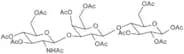
CAS:β-D-Thiogalactose sodium (DTGS) is a radiometric technique that evaluates the profiles of gases by measuring their molecular weights. DTGS is used to measure gas concentrations in the atmosphere, which are transferred to positions on a map. The DTGS technique is validated and calibrated by comparing its measurements with those of other techniques, such as infrared spectroscopy. It can be used to evaluate water vapor and other gases in the atmosphere. This technique has been shown to have accurate results at temperatures ranging from −5°C up to 100°C and at frequencies from 1 Hz up to 10 MHz.Fórmula:C6H11NaO5SPureza:Min. 95%Cor e Forma:PowderPeso molecular:218.2 g/mol1,2,3,6-Tetra-O-acetyl-4-O-[2,4,6-tri-O-acetyl-3-O-(2-acetamido-3,4,6-tri-O-acetyl-2-deoxy-b-D-glucopyranosyl)-b-D-galactopyranosyl] -b-D-glucopyranose
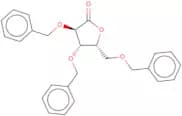
Tetracose is a complex carbohydrate that is composed of 1,2,3,6-tetra-O-acetyl-4-O-[2,4,6-tri-O-acetyl-3-O-(2 acetamido)-β-D-galactopyranosyl]-β-D-glucopyranose and β--D--galactopyranosyl. Tetracose is a high purity custom synthesis sugar. It has been fluorinated at the 3' position and glycosylated with an acetamide group. Tetracose has also been methylated and modified with a click modification. Tetracose has CAS No.: 145925-75-5Fórmula:C40H55NO26Pureza:Min. 95%Peso molecular:965.86 g/mol2,3,5-Tri-O-benzyl-D-xylonic acid-1,4-lactone
CAS:2,3,5-Tri-O-benzyl-D-xylonic acid-1,4-lactone is a complex carbohydrate that has been synthesized from saccharides. This compound is fluorinated and methylated at the 2, 3, and 5 positions of the xylan backbone. The lactone ring has been modified with a click chemistry reaction to introduce an alkyne group for glycosylation. This product can be custom synthesized to include any modification of your choice.Fórmula:C26H26O5Pureza:Min. 98 Area-%Cor e Forma:PowderPeso molecular:418.48 g/mol(2R, 3R, 4R) -3, 4- Dihydroxy- 2- (hydroxymethyl) - 1- pyrrolidineacetic acid
CAS:(2R, 3R, 4R) -3, 4- Dihydroxy- 2- (hydroxymethyl) - 1- pyrrolidineacetic acid is a synthetic monosaccharide that can be modified with fluorine and methylation. This compound is a carbohydrate that can be used for the synthesis of oligosaccharides and polysaccharides. It has been shown to be useful for glycosylation reactions and in the synthesis of complex carbohydrates.Pureza:Min. 95%(3aR,SR,6S,7R,7aR)-5-(Acetoxymethyl)-2-(ethylamino)-5,6,7,7atetrahydro-3aH-pyrano[3,2-d]thiazole-6,7-diyl diacetate
CAS:(3aR,SR,6S,7R,7aR)-5-(Acetoxymethyl)-2-(ethylamino)-5,6,7,7atetrahydro-3aH-pyrano[3,2-d]thiazole-6,7-diyl diacetate is a synthetic sugar that has a high purity and can be custom synthesized. It is the product of the Click modification and contains fluorination and glycosylation. This compound has been shown to have methylation and modification capabilities as well as oligosaccharide and monosaccharide capabilities. It also has complex carbohydrate properties.Fórmula:C15H22N2O7SPureza:Min. 95%Cor e Forma:Off-White PowderPeso molecular:374.41 g/mol2-Azido-2-deoxy-3,4-O-isopropylidene-L-gulonic acid methyl ester
2-Azido-2-deoxy-3,4-O-isopropylidene-L-gulonic acid methyl ester is a custom synthesis that is a complex carbohydrate. It has CAS No., and can be modified with saccharide, methylation, glycosylation, and click modification. The product is of high purity and can be synthesized with fluorination or other modifications.Pureza:Min. 95%D-Mannonic acid-1,4-lactone
CAS:<p>D-Mannonic acid-1,4-lactone is a recombinant carbohydrate that is synthesized from l-ribose and l-arabinose. It has lysozyme inhibitory activity. D-Mannonic acid-1,4-lactone can be used to study the synthesis of lactones by escherichia coli and their inhibitory effects on lysozyme. The compound consists of two stereoisomers: dl-mannonic acid and ldl-mannonic acid. It can be detected by liquid chromatography (LC) and electrophoresis.</p>Fórmula:C6H10O6Pureza:Min. 95%Cor e Forma:White PowderPeso molecular:178.14 g/mol1,6-Anhydro-b-D-cellobiose
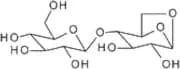
CAS:<p>Produced by the fast pyrolysis of cellulose</p>Fórmula:C12H20O10Pureza:Min. 95 Area-%Cor e Forma:White PowderPeso molecular:324.28 g/mol2,5-Anhydro-L-iditol
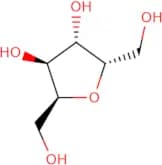
CAS:2,5-Anhydro-L-iditol is a kinetic product of transglycosylation. It has been shown to be stereoselective and can be used as an acid catalyst in the synthesis of furanic compounds. 2,5-Anhydro-L-iditol is also a nucleophilic reagent that can participate in reactions with hydrogen chloride and tetraose chloride. This compound is useful for the production of polyols and glycols via dehydration reactions. 2,5-Anhydro-L-iditol has been used in carbohydrate chemistry techniques.Fórmula:C6H12O5Pureza:Min. 95%Cor e Forma:PowderPeso molecular:164.16 g/molN-Acetylneuraminic acid dihydrate
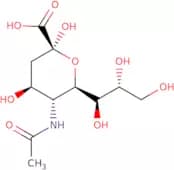
CAS:N-Acetylneuraminic acid dihydrate, also known as sialic acid dehydrate or Neu5Ac dehydrate, is often present in the terminal chains of many oligosaccharides and has a cellular recognition function (Varki and Schauer, 2009). Together with its non-hydrated form, N-acetylneuraminic acid and derivatives function as neurotransmitters and are involved in many post-translational protein modifications. N-acetylneuraminic acids are present on the surface of the vertebrate cells and can interact with pathogens, such as, bacteria and viruses. Recent scientific studies have revealed that the spike glycoprotein of the SARS-COV 2 coronavirus, responsible of the COVID-19, shows a high affinity to N-acetylneuranimic acid (Baker, 2020).Fórmula:C11H19NO9·2H2OPureza:Min. 95%Cor e Forma:PowderPeso molecular:345.3 g/molN,N'-Diacetylchitobiose
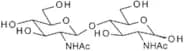
CAS:<p>Carbon source for E. coli; inhibitor of lysozymes</p>Fórmula:C16H28N2O11Pureza:Min. 95%Cor e Forma:White PowderPeso molecular:424.4 g/molMethyl 3-O-(2-acetamido-2-deoxy-b-D-galactopyranosyl)-a-D-galactopyranoside
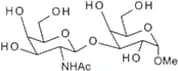
CAS:Methyl 3-O-(2-acetamido-2-deoxy-b-D-galactopyranosyl)-a-D-galactopyranoside is a sugar that is synthesized by the Click modification of 3,4,6-trihydroxybenzoic acid and 2,3,6,7,8-pentahydroxyacetophenone. This sugar is used in glycosylation reactions to modify proteins or peptides.Fórmula:C15H27NO11Pureza:Min. 95%Cor e Forma:White PowderPeso molecular:397.38 g/mol4-Methoxyphenyl 2,6-di-O-acetyl-4-O-[2,4,6-tri-O-acetyl-3-O-allyl-β-D-galactopyranosyl]-3-O-allyl-β-D-glucopyranoside
<p>The chemical structure of this compound is composed of a custom synthesis, modification, and fluorination. The molecular weight is 572.6 g/mol and the CAS No. is 1027152-06-6. The molecular formula is C50H76O24. This compound has a molecular weight of 572.6 g/mol and an empirical formula of C50H76O24. It appears as a white crystalline powder that can be dissolved in water or ethanol.=END>></p>Fórmula:C35H46O17Pureza:Min. 95%Peso molecular:738.73 g/molSialyllacto-N-fucopentaose V
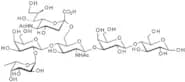
CAS:<p>Sialyllacto-N-fucopentaose V is a complex carbohydrate with the CAS No. 89458-13-9. The molecular weight of this compound is 597.07 g/mol, and it has the following chemical structure:</p>Fórmula:C43H72N2O33Pureza:Min. 95%Peso molecular:1,145.03 g/mol3-O-Benzyl-1,2-O-isopropylidene-6-O-pivaloyl-α-D-glucofuranose
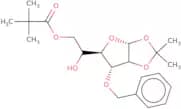
CAS:3-O-Benzyl-1,2-O-isopropylidene-6-O-pivaloyl-a-D-glucofuranose is a modification of the natural oligosaccharide. It is a complex carbohydrate that has been synthesized and modified by methylation, fluorination and glycosylation. This product is a monosaccharide with one free hydroxyl group at C3 position and is soluble in water. It has CAS No: 321380-09-0 and can be used as an intermediate for the synthesis of polysaccharides with different saccharide units.Fórmula:C21H30O7Pureza:Min. 95%Cor e Forma:White to off-white solid.Peso molecular:394.46 g/mol(1S) -1- [(2S, 3S,4R) -4-Hydroxymethyl-3- hydroxy-1- azetidinyl] -1, 2- ethanediol hydrochloride
This is a modification of an oligosaccharide, a carbohydrate that is composed of more than one sugar. This custom synthesis can be synthesized with high purity and in large quantities. The CAS number is 67767-44-0 and the molecular weight is 528.Pureza:Min. 95%2-Azido-2-deoxy-2-C-methyl-3,5-di-O-tert.butyldimethylsilyl-D-ribono-1.4-lactone
<p>2-Azido-2-deoxy-2-C-methyl-3,5-di-O-tert.butyldimethylsilyl-D-ribono-1.4-lactone is a custom synthesis that has been modified with a click chemistry reaction and fluorination. It is an oligosaccharide and polysaccharide, which are carbohydrates that contain multiple saccharides. This product also contains high purity, which means it's of the highest grade available on the market. The modification of this product is done through the use of a monosaccharide or sugar, which can be synthesized in the laboratory.</p>Pureza:Min. 95%2,3,4-Trichloro-2,3,4-trideoxy-D-fructose
<p>2,3,4-Trichloro-2,3,4-trideoxy-D-fructose is a custom synthesis that is a complex carbohydrate. It has been modified with glycosylation and methylation to produce the desired product. This compound has shown potential for use as a therapeutic agent in cancer treatment.</p>Fórmula:C6H9Cl3O3Pureza:Min. 95%Peso molecular:235.5 g/mol4-Aminophenyl 1,3-a-1,6-a-D-mannotriose
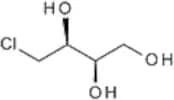
<p>4-Aminophenyl 1,3-a-1,6-a-D-mannotriose is a custom synthesis of the complex carbohydrate Oligosaccharide. It belongs to the group of saccharides and has a CAS number. This product is modified with methylation and glycosylation and is made up of a series of monosaccharides linked by alpha (1,4) or beta (1,2) glycosidic bonds. 4-Aminophenyl 1,3-a-1,6-a-D-mannotriose may be fluorinated during its synthesis using an electrophilic substitution reaction. This product is synthetic and has high purity.</p>Pureza:Min. 95%1-Chloro-1-deoxythreitol
<p>1-Chloro-1-deoxyribitol is a methylating agent that can be used for the synthesis of complex carbohydrates, such as oligosaccharides and polysaccharides. It is also used in click chemistry to modify saccharides with fluoride or other reagents. 1-Chloro-1-deoxyribitol is highly pure and stable, and is available in monosaccharide form. This compound is a synthetic sugar that has been modified to contain chlorine atoms at both the hydroxyl groups.</p>Fórmula:C4H9ClO3Pureza:Min. 95%Peso molecular:140.57 g/mol3,5-O-Isopropylidene-a-L-xylofuranose
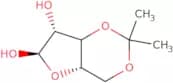
<p>3,5-O-Isopropylidene-a-L-xylofuranose is a Custom synthesis, modification, fluorination and methylation of a monosaccharide. 3,5-O-Isopropylidene-a-L-xylofuranose is a synthetic oligosaccharide that has been modified by click chemistry with the addition of an acetate group.</p>Fórmula:C8H14O5Pureza:Min. 95%Peso molecular:190.19 g/mol(1S) -1- [(2S, 3S,4R) -N-Butyl-4-hydroxymethyl-3- hydroxy- 1- azetidinyl] -1, 2- ethanediol
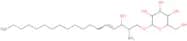
(1S) -1- [(2S, 3S,4R) -N-Butyl-4-hydroxymethyl-3- hydroxy- 1- azetidinyl] -1, 2- ethanediol is a synthetic monosaccharide that belongs to the group of complex carbohydrates. It has been modified by fluorination and methylation. This product can be synthesized according to customer specifications. The CAS number for this product is 97911-51-7. It is highly pure with a purity level of 98%. This product can be glycosylated or click modified according to customer specifications.Pureza:Min. 95%Glucosylsphingosine
CAS:Glucosylsphingosine is a modified carbohydrate that belongs to the group of complex carbohydrates. It is a custom synthesis and has high purity with no detectable impurities. Glucosylsphingosine is an oligosaccharide, which is a polysaccharide composed of three or more monosaccharides. This compound can be methylated, glycosylated, or fluorinated in order to change its properties. Glucosylsphingosine has been synthesized from glucose and sphinganine, which are both monosaccharides. Glucose can be synthesized by the reduction of glucose-6-phosphate using glucose-6-phosphate dehydrogenase or it can be obtained from hydrolysis of starch. Sphinganine can be obtained by hydrolysis of sphingomyelin, which is a phospholipid found in cell membranes or by deacylation of N-acetylFórmula:C24H47NO7Pureza:Min. 95%Peso molecular:461.63 g/mol6'-O-Sulfated Lewis A
<p>The Lewis A glycan is a complex carbohydrate that consists of a sulfated disaccharide and an oligosaccharide. The Lewis A glycan is a modification of the Lewis B glycan, which lacks the sulfate group. The saccharide component is a monosaccharide, and can be synthesized using custom synthesis or purchased from CAS No.</p>Fórmula:C20H35NO18SPureza:Min. 95%Cor e Forma:PowderPeso molecular:609.55 g/mol3-Cyano-(1H)-1,2,4-triazine
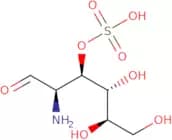
<p>3-Cyano-(1H)-1,2,4-triazine is a synthetic compound that belongs to the group of complex carbohydrates. It is a monosaccharide and an oligosaccharide that can be custom synthesized and modified. 3-Cyano-(1H)-1,2,4-triazine is used as a glycosylation or polysaccharide modification agent in the synthesis of sugar molecules. It has been shown to have high purity and low toxicity.</p>Pureza:Min. 95%D-Glucosamine-3-O-sulphate
CAS:<p>D-Glucosamine-3-O-sulphate is a naturally occurring sugar found in the human body. It is a structural component of a number of important molecules, such as glycoproteins, heparin, and glycosaminoglycans. D-Glucosamine-3-O-sulphate has been shown to inhibit the growth of mouse tumor cells by activating effector proteins that induce apoptosis and inhibit axonal growth. It also promotes oligodendrocyte differentiation, which may be due to its ability to increase heparin levels and reduce hepcidin expression.</p>Fórmula:C6H13NO8SPureza:Min. 95%Cor e Forma:White PowderPeso molecular:259.23 g/mol6-Deoxy-L-talose
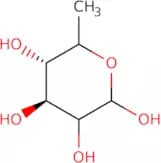
CAS:<p>6-Deoxy-L-talose is a sugar that is found in the cell walls of bacteria. It is a component of glycan, which are long chains of sugar molecules linked together. Glycans are important for the structural integrity and function of bacterial cell walls. 6-Deoxy-L-talose is a monosaccharide that has been detected in the type strain of Bacillus subtilis and in wild-type strains of Pseudomonas aeruginosa. This sugar can be chemically analyzed using gas chromatography and mass spectrometry to determine its structure and chemical composition. 6-Deoxy-L-talose can be used to detect specific monoclonal antibodies against it, which could be useful for detecting bacterial infections or determining how antibiotics affect bacteria.</p>Fórmula:C6H12O5Pureza:Min. 98 Area-%Cor e Forma:White PowderPeso molecular:164.16 g/molMethyl 3,5-di-O-(2,4-dichlorobenzyl)-a-D-ribofuranoside
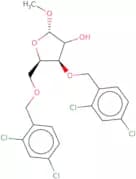
CAS:Methyl 3,5-di-O-(2,4-dichlorobenzyl)-a-D-ribofuranoside is a custom synthesis that has been fluorinated and methylated. This compound is a monosaccharide with an aldehyde group at the C3 position. It is synthetically made and can be modified to form oligosaccharides or polysaccharides. The CAS number for this compound is 168427-35-8.Fórmula:C20H20Cl4O5Pureza:Min. 90 Area-%Cor e Forma:Yellow PowderPeso molecular:482.18 g/molTetracycline 10-O-β-D-galactopyranoside
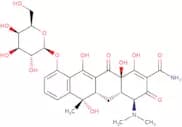
CAS:Tetracycline 10-O-b-D-galactopyranoside is a tetracycline antibiotic that has been modified with a fluorinating agent to increase its water solubility. Tetracycline 10-O-b-D-galactopyranoside is the most active of the tetracyclines for the treatment of infections caused by mycoplasmas, rickettsias, and chlamydiae. It inhibits protein synthesis in these bacteria by binding to ribosomes. This drug also has an inhibitory effect on the growth of Mycobacterium tuberculosis and Mycobacterium avium complex.Fórmula:C28H34N2O13Pureza:Min. 95%Cor e Forma:Dark red solid.Peso molecular:606.58 g/molMethyl b-D-thiogalactopyranoside
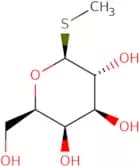
CAS:Methyl b-D-thiogalactopyranoside (MTGP) is a cell lysis agent that can be used for diagnostic purposes to measure enzyme activities in cells. It is also used to determine the kinetic of an enzyme reaction, as well as its acid formation. MTGP has been shown to inhibit sugar transport and metabolism by binding to the sugar molecule and preventing it from passing through cellular membranes. This inhibition prevents the accumulation of proton gradients across the membrane, which disrupts ATP production and leads to cell death. MTGP is also an inhibitor of glucose-6-phosphate dehydrogenase (G6PDH), which converts glucose into sorbitol. Sorbitol accumulates intracellularly and leads to cell death by osmotic lysis.Fórmula:C7H14O5SPureza:Min. 98 Area-%Cor e Forma:PowderPeso molecular:210.25 g/mol4-Anhydro-2-O-(2,4-dimethoxybenzoyl)-3,5-O-(1,1,3,3- tetraisopropyldisiloxane-1,3-diyl)-4-thio-D-ribitol
CAS:<p>4-Anhydro-2-O-(2,4-dimethoxybenzoyl)-3,5-O-(1,1,3,3- tetraisopropyldisiloxane-1,3-diyl)-4-thio-D-ribitol is a fluorinated monosaccharide. It is a synthetic oligosaccharide that contains an asymmetric carbon atom. This product can be used in glycosylation reactions and click chemistry. 4A2OBDMTOS is a high purity sugar that has been modified with methyl groups.</p>Pureza:Min. 95%5-Fluorouridine 5'-Diphosphate Galactose
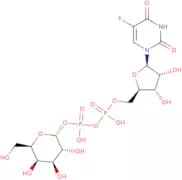
CAS:5-Fluorouridine 5'-Diphosphate Galactose is a nucleotide that is used as an inhibitor of thymidylate synthase. It is a chemotherapeutic agent that inhibits the production of DNA and RNA, which leads to the death of tumor cells. 5-Fluorouridine 5'-Diphosphate Galactose binds to a specific site on the enzyme thymidylate synthase, preventing it from catalyzing the conversion of thymine to thymine monophosphate. This prevents DNA synthesis and also causes the death of tumor cells due to lack of DNA and RNA synthesis. 5-Fluorouridine 5'-Diphosphate Galactose is synthesized from uracil and galactose. It is converted into 5-fluorouridine 5'-diphosphate by pyrophosphatase, which then reacts with ATP or GTP to form 5-fluorouridineFórmula:C15H23FN2O17P2Pureza:Min. 95%Peso molecular:584.29 g/mol3'-Sialyl Lewis A-sp-biotin
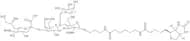
CAS:3'-Sialyl Lewis A-sp-biotin is a biotinylated oligosaccharideFórmula:C50H84N6O26SPureza:Min. 95%Cor e Forma:White PowderPeso molecular:1,217.29 g/mol





![(3aR,SR,6S,7R,7aR)-5-(Acetoxymethyl)-2-(ethylamino)-5,6,7,7atetrahydro-3aH-pyrano[3,2-d]thiazole-6…](/_next/image/?url=https%3A%2Fstatic.cymitquimica.com%2Fproducts%2F3D%2Fthumb-webp%2FMA159713.webp&w=3840&q=75)

![4-Methoxyphenyl 2,6-di-O-acetyl-4-O-[2,4,6-tri-O-acetyl-3-O-allyl-β-D-galactopyranosyl]-3-O-allyl-…](/_next/image/?url=https%3A%2Fstatic.cymitquimica.com%2Fproducts%2F3D%2Fthumb-webp%2FOM10984.webp&w=3840&q=75)
![(1S) -1- [(2S, 3S,4R) -4-Hydroxymethyl-3- hydroxy-1- azetidinyl] -1, 2- ethanediol hydrochloride](/_next/image/?url=https%3A%2Fstatic.cymitquimica.com%2Fproducts%2F3D%2Fthumb-webp%2FMH163375.webp&w=3840&q=75)

![(1S) -1- [(2S, 3S,4R) -N-Butyl-4-hydroxymethyl-3- hydroxy- 1- azetidinyl] -1, 2- ethanediol](/_next/image/?url=https%3A%2Fstatic.cymitquimica.com%2Fproducts%2F3D%2Fthumb-webp%2FMB163384.webp&w=3840&q=75)